Sustainable Art Careers: The Entrepreneur's Blueprint for a Thriving Artistic Life
Ditch the starving artist myth! Discover how to build a resilient, profitable art career with diverse income streams: mastering direct sales, strategic gallery partnerships, lucrative commissions, smart licensing, and leveraging ancillary skills.

Sustainable Art Careers: The Entrepreneur's Blueprint for a Thriving Artistic Life
Let's be honest, the idea of talking about money in the art world can feel incredibly... well, unartistic. I know what you’re probably thinking: Is this really what it's all about? Shouldn't art be pure? The romantic notion of the “starving artist” is a persistent myth, one that suggests validation comes purely from passion, somehow immune to the realities of rent, groceries, and yes, even art supplies. This myth, often perpetuated by historical archetypes like Vincent van Gogh (whose genius wasn't recognized until after his death, reinforcing a tragic narrative), creates a false dichotomy between creative integrity and financial stability. And why does it persist? Perhaps it's because we've romanticized struggle, or because the art market once truly was less accessible, with patronage systems (like those in the Renaissance) and exclusive gallery models (think the French Salon system of the 19th century) dominating. I remember scoffing at the mere mention of finances early in my career, convinced that my art alone should speak for itself – an idea I once thought would magically attract a wealthy benefactor while I subsisted on instant ramen. That naiveté, while charming, quickly gave way to the harsh reality of bills. Whatever the reason, it's a narrative we need to change, and this article is my attempt to pull back the curtain on how artists really build sustainable lives and embrace an entrepreneurial spirit.
For me, making art isn't just a hobby; it’s a fundamental part of who I am, a drive I simply can't ignore. But like any professional, I also need to sustain myself, fund my studio, and invest in the materials that bring my vision to life. Being an artist is a legitimate profession, a small business at its very core, and it’s high time we discussed it with the transparency and practicality it deserves. So, let’s explore the diverse, and often surprising, ways artists build a career and secure their income in today’s dynamic art market. My core belief, and the central thesis of this guide, is that a portfolio career is the cornerstone of artistic freedom and financial resilience.
The Power of the Portfolio Career: Why Diversification is Your Artistic Safety Net
I hinted at it in the intro, and I truly believe the cornerstone of a sustainable art career today is what I like to call a portfolio career. This isn't just about having multiple revenue streams; it’s a philosophy. Think of it as building a robust ship with many sails and perhaps a small engine too. If one sail tears, you still have others, and that little engine, to keep you moving forward. Historically, artists relied heavily on single-point dependencies – perhaps a powerful patron, the church, or later, an exclusive gallery system that dictated taste and market value. The 21st century has shattered those dependencies, demanding a more entrepreneurial, resilient approach. It’s a shift from being a 'gallery artist' to being an 'artist-entrepreneur', where autonomy and adaptability are your greatest assets.
In essence, a portfolio career means intentionally cultivating several income channels that complement each other. This isn't about having unrelated jobs; it's about leveraging your creative skills across different but synergistic ventures. For example, selling a few smaller prints might fund the materials for a larger, more ambitious original painting. Or, teaching a workshop on portraiture could introduce you to new collectors for your main body of work and even lead to custom pet portrait commissions. Leveraging your illustration skills for a book cover could fund a research trip for a landscape series. I've found that leveraging these different avenues not only stabilizes income but also cross-pollinates my creative practice. It’s about leveraging your creative skills and intellectual property (your unique ideas and creations, legally protected primarily through copyright, but also potentially trademarks for your brand or design patents for unique artistic products) in myriad ways, ensuring that a dip in one area doesn't derail your entire livelihood. This approach frees you from the immense pressure of every single artwork having to be a masterpiece that sells for thousands, allowing you to experiment and grow while still covering your bills. This balance, I’ve found, is where true artistic freedom often lies.

Key Principles of a Portfolio Career
- Diversification: Never rely on a single income stream. Spread your eggs across multiple baskets, literally.
- Complementary Streams: Aim for income sources that support each other, either financially or through networking and skill development.
- Leverage Intellectual Property: Understand your copyright and find ways to generate recurring income from your existing work – think beyond a single sale.
- Continuous Learning: The art market is always evolving, driven by new technologies and platforms. Be open to new strategies and constantly refine your skills.
- Resilience: Build a financial cushion and adaptable strategies to weather economic shifts or creative dry spells. A robust portfolio career is your artistic safety net.
Navigating the Gallery System: Pros, Cons, and What to Expect
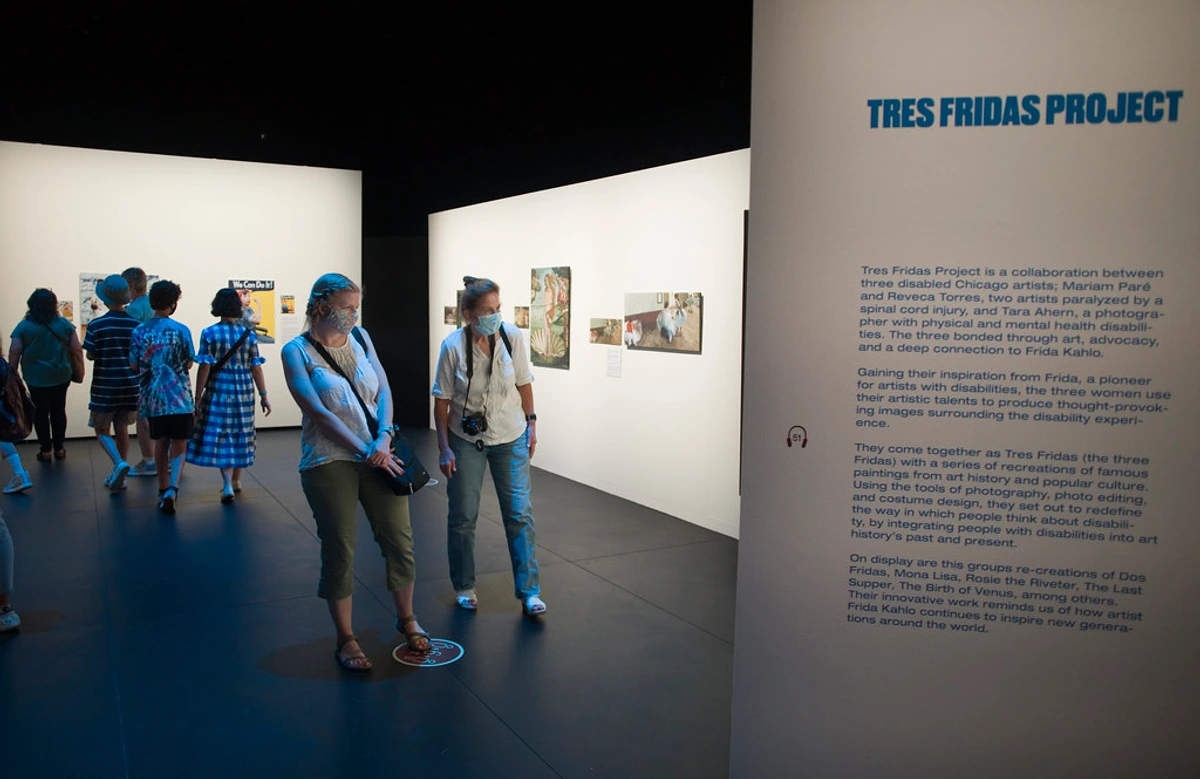
This is often the first image that comes to mind when one thinks of a successful artist: 'discovered' by a gallery, leading to solo shows and critical acclaim. And yes, it can be a vital component of an artist's career, offering incredible visibility and access. But the reality is far more nuanced, and significantly more administrative, than Hollywood portrays. A commercial gallery acts as your agent, championing your work, marketing it to collectors, hosting exhibitions, and managing sales. In exchange, they take a commission, which is almost universally a 50/50 split. Yes, half. And I remember the first time I heard that number, I nearly gasped, thinking, 'What am I even paying for?!' But then you realize what that half truly covers: their investment in placing your work into the market, covering substantial operational costs, and securing their profit margin.
It's crucial to understand what this 50% covers and why it's a standard model in the art world. Galleries invest significant capital, time, and effort into promoting their artists and maintaining a robust business infrastructure. Imagine a gallery in a prime city location; their monthly rent alone could be tens of thousands of dollars. They cultivate relationships with high-net-worth collectors for years, participate in expensive international art fairs (booth fees can be eye-watering), and handle all the logistics from promotion to shipping. It’s a genuine partnership, albeit one with a significant financial split, which reflects their deep investment in your career and the market infrastructure they provide. For established artists with significant market pull or those with a long-standing relationship, commission rates can sometimes be negotiated downward, but for emerging artists, 50% is standard.
Gallery's Responsibilities (covered by 50% commission)  | Artist's Out-of-Pocket Costs |
|---|---|
| Rent and maintenance for a physical gallery space (often prime real estate) | Cost of all art materials (canvas, paint, tools) |
| Staff salaries (director, sales, administration, art handlers) | Framing costs (often negotiable, but usually artist's responsibility) |
| Marketing and public relations for exhibitions & artists (e.g., press releases, art fair booths, advertising) | Shipping artwork to the gallery (often insured by artist) |
| Hosting opening receptions, private views, and events | Studio rent, utilities, and general overhead |
| Cultivating and maintaining a network of collectors, managing sales | Insurance for artwork before it reaches the gallery and after sale but before delivery |
| Insurance for the artwork while in their care | Creating the actual artwork (time, labor, intellectual property) |
| --- | Artist's own marketing efforts (website, social media, mailing list) |
A strong gallery relationship provides access to a network of serious collectors you might not reach otherwise and handles the extensive business side, theoretically freeing you to focus on your creative practice. However, you do cede a degree of control over pricing and presentation. Finding the right gallery is a strategic endeavor, and you can explore how to find galleries accepting new artists if this path resonates with you. While galleries offer a powerful platform, the digital age has unlocked even more direct avenues for artists to connect with their audience and manage their own sales, which brings us to the next big income stream.
When Gallery Representation Might Not Be Ideal
While galleries are a dream for many, they aren't for everyone. They require a certain type of output, often a cohesive body of work, and can limit your ability to experiment or sell directly. If your work is very niche, experimental, or you prefer a high degree of autonomy, focusing on direct sales or other income streams might be more suitable. It's about finding the right fit for your art and your career goals.
Types of Galleries
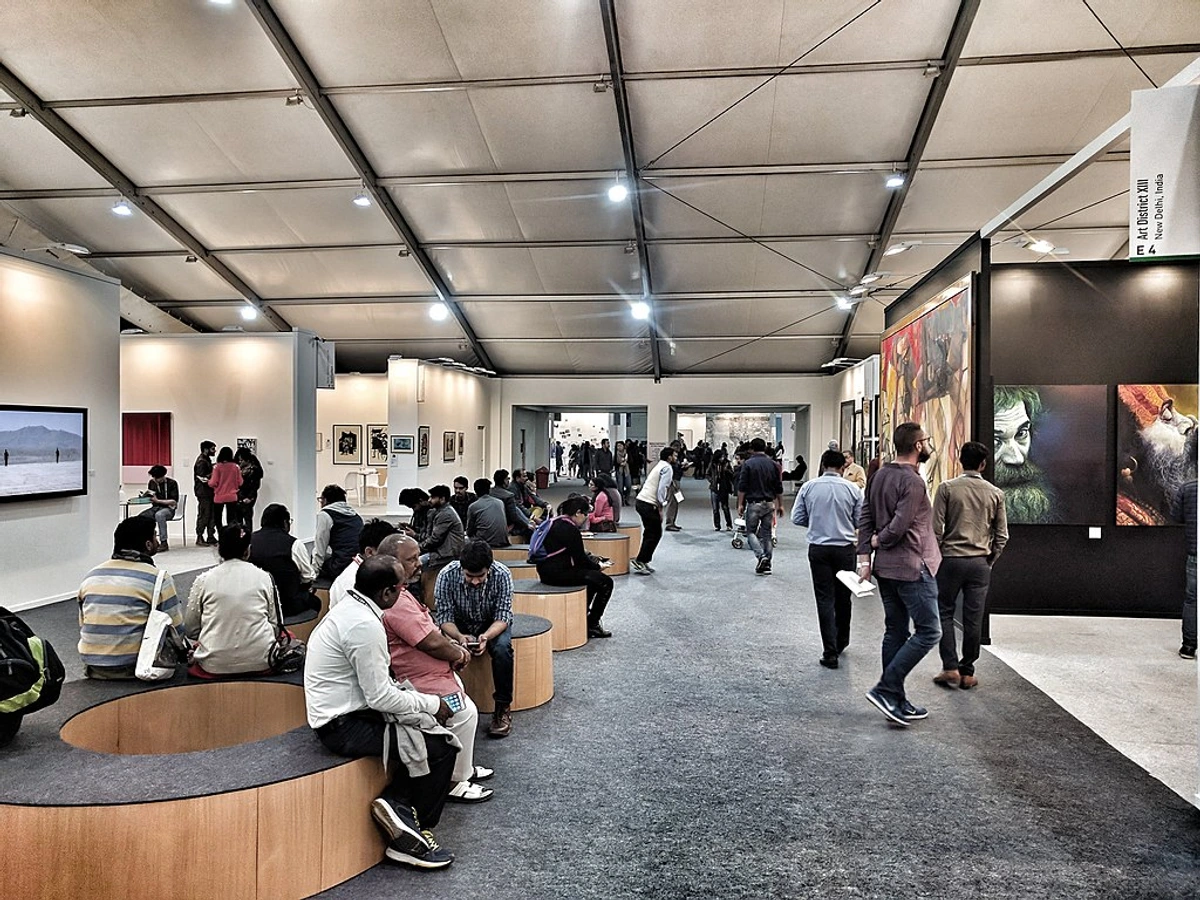
Not all galleries operate under the same model. Understanding the distinctions can help you navigate the landscape:
- Commercial Galleries: These are the most common, operating on a profit-sharing model (typically 50/50). They actively sell work to collectors and invest in their artists' careers, often participating in major art fairs.
- Non-Profit Galleries/Art Centers: Often supported by grants and donations, these focus more on artistic experimentation, community engagement, and critical discourse. While they might offer stipends or exhibition fees, direct sales are not their primary objective, though sales can occur. They're often fantastic for exposure and critical development, even if the direct financial return is lower.
- Co-operative Galleries: Artists pay a membership fee and often contribute time to gallery operations (manning the desk, hanging shows). Commissions are significantly lower (e.g., 10-30%) because artists share the administrative burden and costs. They offer more control but demand more time and collective effort – a good option for those starting out or with a strong community focus.

Selling Art Directly: The Digital Era's Power for Artist-Entrepreneurs
In the digital age, artists are no longer solely reliant on the gallery system. The internet has empowered us to be our own gallerists, marketers, and salespeople. This is a path I've embraced significantly, and while it's incredibly empowering, it's also a considerable amount of work – essentially running a true small business. And when I say considerable, I mean it can feel like being your own CEO, marketing director, shipping department, and therapist, all before lunchtime! Navigating this path effectively means being prepared for the practicalities of selling art online.
Direct sales typically happen through several key channels:
- An Artist Website: Your website is your central digital studio and storefront, a non-negotiable hub for showcasing your work, sharing your unique story, and facilitating sales. It's an ongoing project, yes, but there are numerous guides on how to create an artist website that can help you get started. Beyond just pretty pictures, your website is also crucial for SEO (Search Engine Optimization). This means using relevant keywords in your titles, descriptions, image alt text, and blog posts so that potential collectors can actually find your work when searching online. For instance, if your art is inspired by the ocean, use keywords like 'ocean art', 'seascape painting', 'coastal decor' in your website's metadata, image descriptions, and blog posts. High-quality photography of your art is non-negotiable here; it's your virtual window. This is where collectors come to truly connect with your vision and make purchases, and where you control the narrative.
- Online Marketplaces & E-commerce Platforms: Beyond your personal website, platforms like Etsy, Saatchi Art, or Artfinder offer built-in audiences and e-commerce tools, albeit often with their own commissions or fees. Each has its pros and cons regarding reach, control, and cost. Etsy might be great for accessible prints and smaller items, while Saatchi Art or Artfinder are geared more towards original works and potentially higher price points, each with different fee structures and audience demographics. Researching the best platform for your specific style and audience is a smart move.
- Social Media: Platforms like Instagram and Pinterest have evolved into dynamic virtual galleries. They are powerful tools for sharing your creative process, building a loyal community, and ultimately, making sales. I've found it's less about aggressive selling and more about authentically sharing the narrative behind the work. Engage your audience with Q&A sessions, behind-the-scenes studio tours, or even live painting demonstrations to build a deeper connection. You can find strategies on how to sell art on Instagram across many resources.
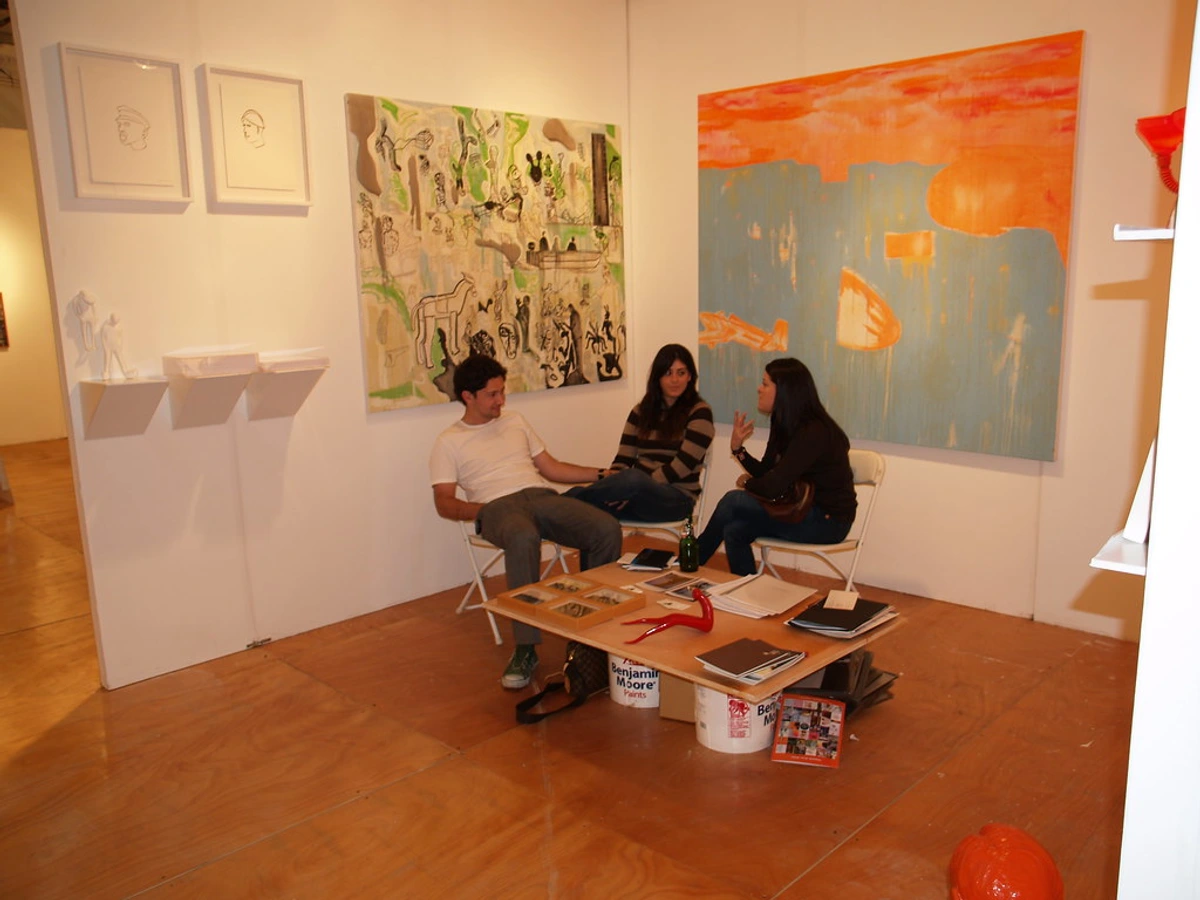
- Studio Sales & Art Fairs: These provide invaluable in-person opportunities to connect directly with buyers. Meeting collectors face-to-face, discussing your work, and seeing their reactions is a fantastic experience and often builds deeper relationships that online interactions can't fully replicate. When preparing for these, think about clear pricing displays, professional booth setup, and a system for collecting contact information for follow-up emails – don't let those valuable connections slip away.
The most appealing aspect of selling directly is that you retain 100% of the sale price (minus transaction fees, which typically range from 2-5% for credit card processing, PayPal, or similar services). This is a huge win! The challenge, however, is that you assume all the responsibilities a gallery would. You become the marketing department, the shipper (which involves understanding packaging for fragile items, insurance, and often international customs — trust me, I've had my share of shipping headaches with forms, duties, and trying to track a package across continents!), the customer service representative, and the accountant. When shipping, also consider sustainable packaging options where possible to minimize environmental impact. It's a journey I often reflect on in my own [/timeline] and through the pieces available to [/buy] directly from me. And yes, for many, selling art online is absolutely worth it, offering unparalleled reach and autonomy, and can be a significant part of how artists earn a living.
Building an Email List: Your Most Powerful Direct Connection
This deserves its own mention because it's arguably the most powerful direct sales tool. Unlike social media, where algorithms control who sees your content, your email list is yours. It's a direct line to your most interested collectors. Offer an incentive (like a free print, exclusive studio insights, or early access to new work) for sign-ups, and regularly send updates about new creations, studio insights, or upcoming exhibitions. This nurtures relationships over time and often leads to higher conversion rates than any other platform.
Custom Creations: The Art of the Commission and Collaborative Income
A commission occurs when a client engages you to create a unique piece of art tailored specifically to their vision and space. It's a rewarding way to secure a sale before you even lift a brush, and the collaborative process can be deeply fulfilling. I've had commissions that pushed my boundaries in wonderful ways, like the time a client asked for a piece inspired by a specific jazz melody – unexpected, but it led to some of my most vibrant work. However, managing commissions effectively requires a clear process and strong communication, otherwise, you can end up in a tangle. This is a common method for artists to make money, and a powerful component of a diversified portfolio career.
The Commission Process: From Concept to Completion
A typical commission process often includes these steps:

Step | Description & Key Considerations |
|---|---|
| 1. Consultation | A thorough discussion of the client's vision (size, color, themes, style), desired timeline, and budget. Clear expectations are paramount. Ask probing questions: "What feeling do you want the piece to evoke?" "Where will this piece live?" |
| 2. Contract | Non-negotiable. A detailed contract outlines the scope of work, timeline, payment schedule (usually 50% deposit upfront), intellectual property rights (your right to use images for promotion), cancellation, and revision policies. Never skip the contract! |
| 3. Deposit | Typically 50% upfront. This covers initial material costs and client commitment. For pricing, calculate your artist's rate – a fair hourly rate (considering experience, demand, cost of living) plus material costs and a percentage for overhead (general business expenses like website, software, studio utilities). Formula: (Hourly Rate x Estimated Hours) + Material Costs + Overhead Percentage = Base Price. |
| 4. Creation & Check-ins | The artistic process begins. Include periodic check-ins or progress shots for client feedback. It’s crucial to manage expectations regarding changes to prevent scope creep (project expanding without additional compensation). For instance, significant changes to composition after painting starts should incur additional fees per contract. Clearly define what constitutes a minor revision versus a major change requiring a new quote. |
| 5. Final Payment & Delivery | The remaining 50% is paid upon satisfactory completion, prior to the artwork's delivery. |
Understanding what is an art commission is beneficial for both artist and buyer, as it’s a bespoke service as much as it is a product. For a specific example, you might look into how to commission pet portrait painting. Different types of commissions exist, from personal portraits to large-scale public murals or even custom product designs, each requiring slight adjustments to this process.
Managing Client Expectations Throughout the Process
Communication is your best friend here. Set clear boundaries from the start regarding the number of revisions included in the price. Provide regular, but not too frequent, updates. Visual aids like mock-ups or progress photos can be incredibly helpful. Most importantly, educate your client on the artistic process – that it's not simply 'following instructions' but a creative journey. This helps them appreciate your expertise and reduces misunderstandings.
The Long Game: Licensing, Prints, and Generating Recurring Revenue
Not every piece of art needs to be a unique, high-value original. You can leverage a single image to generate revenue repeatedly. This is where the concept of intellectual property becomes key to building a sustainable income. Intellectual property, for artists, refers to the creations of your mind – your artworks, designs, and unique visual concepts – which are legally protected (primarily through copyright). It’s like creating a golden goose that lays multiple golden eggs. While it can feel like passive income, remember it often requires active management of contracts, tracking sales, and potentially renegotiating terms; it's rarely entirely hands-off.
- Prints and Reproductions: Selling high-quality reproductions of your original artwork at a lower price point makes your art accessible to a much wider audience. This can include limited edition fine art prints (like giclée prints, often signed and numbered for exclusivity – meaning they are high-quality, archival inkjet prints), open edition posters, or even screen prints (like those produced using screen printing at NTAS). Different printing technologies offer varying qualities and costs; for example, giclée offers incredible detail and color accuracy, while offset lithography is more cost-effective for large runs. It allows a single original work to continue generating income long after it's sold. The difference between prints and originals is fundamental: an original is the singular, hand-created piece, while a print is a reproduction of that original, often made in multiples through various printing techniques. Many artists find success with print-on-demand services, which eliminate the need for inventory, though often at the cost of higher per-unit production costs and lower profit margins.

- Licensing: This involves “renting” your artwork for a specific use, rather than selling the artwork itself or its full copyright. A company might pay you a fee to use your art on their products, such as book covers, textiles (imagine your abstract floral pattern on a new bedding line!), stationery, phone cases, greeting cards, puzzles, or even as part of a marketing campaign or a video game environment. Licensing agreements typically involve either a one-time flat fee or an ongoing royalty, which is a percentage of the sales generated from products featuring your art. This can be the closest thing to passive income for an artist, as you do the creative work once, and it can continue to generate revenue for years. However, setting up these agreements requires careful attention to detail, as I learned the hard way with a tricky client once (always, always read the fine print – especially regarding exclusivity and usage!). Scope creep can definitely happen here too, so ensure all uses are explicitly listed.
Licensing agreements can be complex. Key terms, as detailed in how to license your art and understanding artist royalties and licensing, include:
Licensing Term | Description & Implications |
|---|---|
| Exclusive vs. Non-Exclusive | Exclusive: Licensee has sole rights to use the image; you cannot license it to anyone else. Commands higher fees. Non-Exclusive: You can license it to multiple parties simultaneously. |
| Term | How long is the license valid (e.g., 1 year, 5 years, in perpetuity)? Shorter terms allow for re-negotiation. |
| Territory | Where can the artwork be used (e.g., worldwide, specific countries, online only)? Defines geographical scope. |
| Usage | For what specific products or purposes can the artwork be used (e.g., book cover, t-shirt, advertising campaign, video game asset)? This is crucial for avoiding scope creep in licensing – ensure all uses are explicitly listed. |
| Royalty Rate | If applicable, the percentage of sales (or sometimes profit) you receive from products featuring your art. Often ranges from 5-15% of wholesale or retail price. |
It is highly advisable to consult with an intellectual property lawyer or an experienced agent for significant licensing deals to ensure your rights are protected and you are compensated fairly. It's also important to understand the difference between licensing your work and a work-for-hire agreement, where you typically relinquish all copyright to the client. For instance, if you design a logo for a client under a work-for-hire agreement, they own the copyright entirely. If you license an existing painting for a book cover, you retain your copyright and merely grant them permission for that specific use. While emerging digital technologies like NFTs (Non-Fungible Tokens) offer new avenues for digital asset sales, they come with their own unique complexities, high market volatility, environmental concerns, and a speculative nature, making careful consideration and skepticism essential rather than a guaranteed, stable income stream for most artists.
Beyond the Easel: Diverse Ancillary Income Streams for Artists
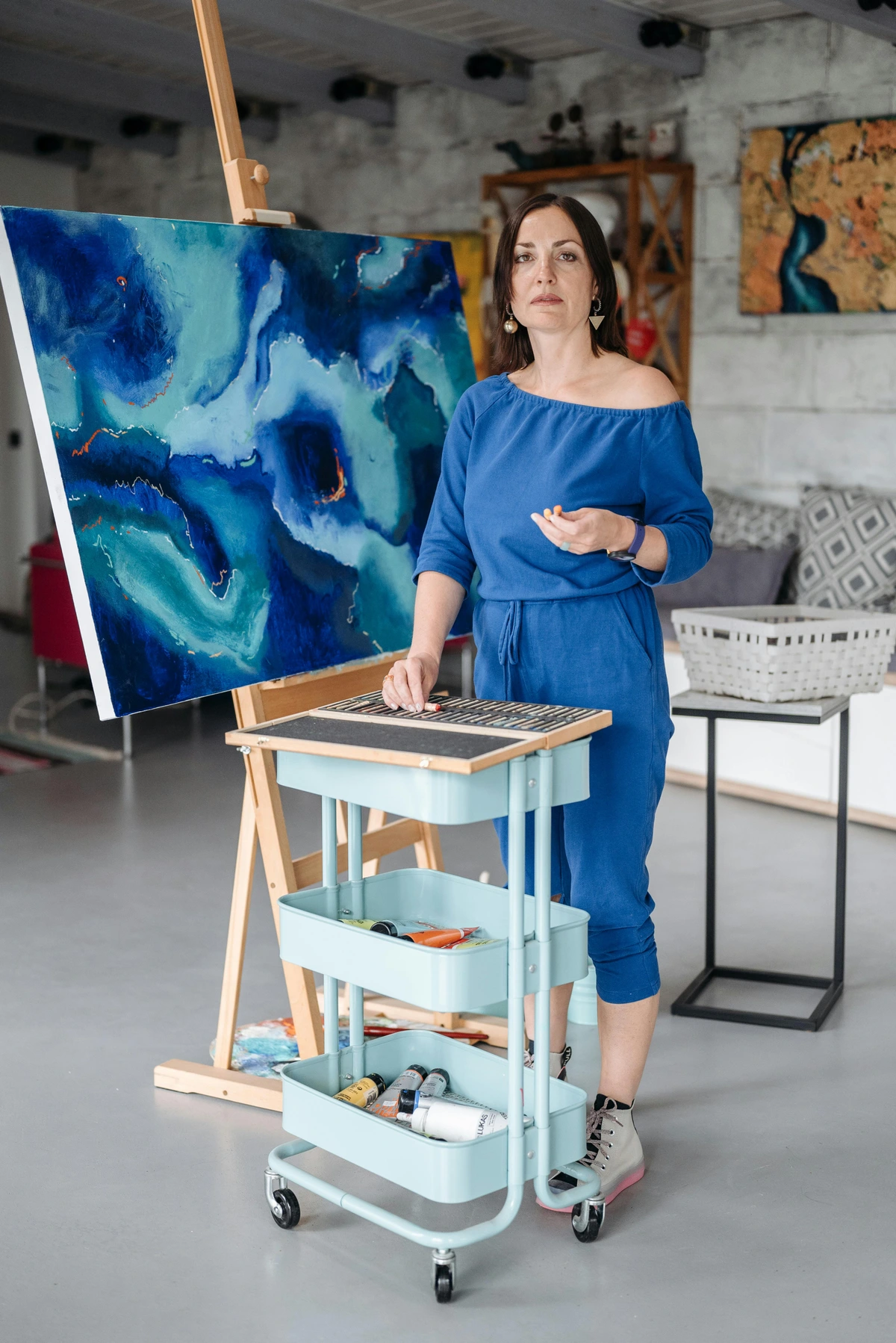
The beauty of a portfolio career truly shines when you start exploring income that extends beyond selling finished artwork. Many artists, myself included, supplement their income through avenues that leverage their skills, knowledge, and creative process in different ways. These are often things you wouldn't initially think of as making money as an artist, but they are absolutely viable.
Consider these additional ways artists earn a living, turning their creative expertise into varied revenue streams:
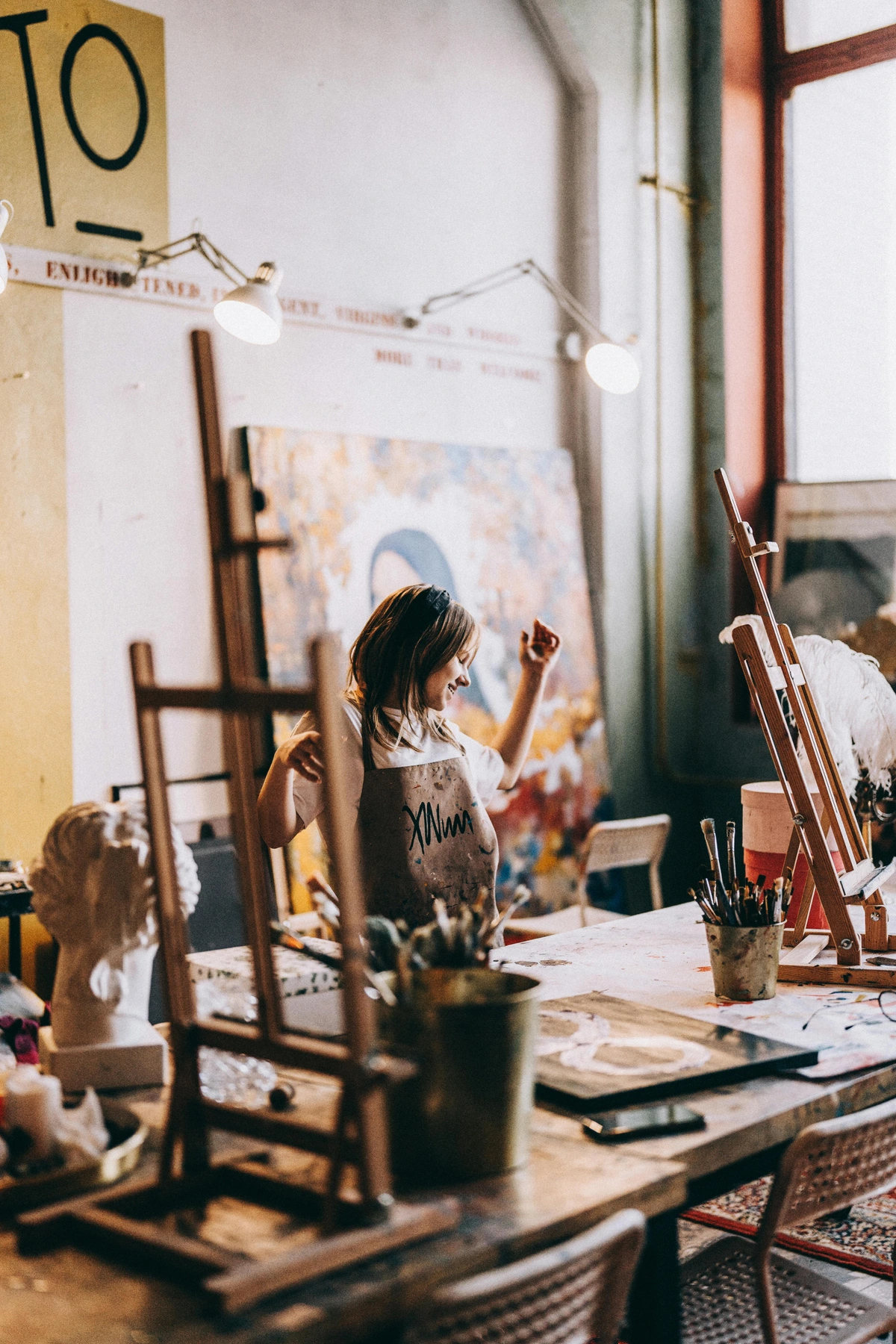
- Teaching Workshops & Classes: Share your expertise! Whether in-person at a local community center, an art school, or online via platforms like Skillshare, Teachable, Kajabi, or Thinkific, teaching can provide a steady income. Formats can range from one-day intensives, multi-week courses, to private one-on-one lessons. It can be incredibly rewarding to mentor aspiring artists, and I've found it also deepens my own understanding of my techniques.
- Public Art & Grants: Many cities, organizations, and foundations offer grants and commissions for public art projects (murals, sculptures, installations). These can be substantial, multi-year projects that provide significant income and visibility. The application process can be rigorous and often involves specific requirements for community engagement or thematic guidelines, but the impact is immense. Networking with arts organizations and building a portfolio of successful project proposals is key here, often leveraging resources like national arts councils.
- Art Consulting & Critique: If you have an experienced eye and a knack for communication, offering services to collectors (e.g., helping them curate their collections, source art, or appraise pieces) or to other artists (providing critiques and career advice) can be a valuable service. This often requires a strong foundation in art history, market trends, and negotiation skills.
- Illustration & Graphic Design: Your artistic skills are highly transferable. Many artists take on freelance illustration work for books, magazines, or websites, or apply their aesthetic to graphic design projects for businesses. Mastering industry-standard software like Adobe Photoshop, Adobe Illustrator, Procreate (for iPad artists), or Affinity Designer can be a lifesaver for these endeavors, especially during quieter periods in painting sales.
- Writing & Content Creation: Blogs, articles (like this one!), and even books about art history, techniques, or the artist's life can generate income through advertising, affiliate links, or direct sales. Platforms like Patreon or Substack can also create ongoing subscription-based revenue for your written or video content, leveraging your knowledge and voice.
- Selling Art Supplies or Tools: Some artists develop their own line of unique art supplies or tools, or become affiliates for brands they love. This can tie directly into workshops or their own artistic brand, creating a synergistic ecosystem.
- Art Therapy: For artists with a background in psychology or counseling, becoming an art therapist offers a deeply meaningful way to use art to help others, typically requiring specific certifications.
- Merchandise (Beyond Prints): Think postcards, calendars, tote bags, phone cases, or even custom jewelry featuring your designs. Platforms like Redbubble or Society6 make this easy by handling production and shipping, though often at lower profit margins.
- Artist Residencies: While not always direct income, residencies often provide free studio space, accommodation, stipends, and dedicated time for focused creative work, along with invaluable networking opportunities. They're an investment in your practice that frees up other resources and can boost your CV.
The Business of Art: Building a Sustainable Foundation for Creative Freedom
To truly thrive, being an artist isn't just about making beautiful things; it's about running a smart business. This is the aspect many artists dread, myself included, but embracing it can lead to unprecedented freedom. For me, understanding these elements was a game-changer – it allowed me to move from hoping for sales to actively building a financially resilient career. Look, my discipline is a mess on most days, but the one thing that works is treating my art like a legitimate business, even when it feels like pulling teeth. It's not about selling out; it's about smart self-preservation, so the art can continue to flow.
Here are the fundamental business principles for artists, crucial for turning passion into profit:
- Financial Planning & Budgeting: Understand your income and expenses. Create a budget for studio rent, art materials, marketing/advertising, website hosting, insurance, professional development (workshops, courses, conferences), software subscriptions, and personal living costs. This helps you track profitability and plan for lean times. Software like QuickBooks, FreshBooks, Wave, or even simple spreadsheets can be your best friend. Know your numbers, always.
- Pricing Your Work: This is often the hardest part! Factors include materials, your time (at your artist's rate), years of experience, specialized skills, reputation, market demand, comparable sales, and the unique conceptual value of your piece. Don't undersell yourself, but also be realistic. Consistency in pricing across all channels is key.
Dynamic Pricing Strategies
For some artists, adjusting prices based on demand, exhibition context, or exclusivity can be beneficial. A piece shown at a prestigious gallery might command a higher price than a similar piece sold directly from your studio. Limited edition prints might start at one price and increase as fewer editions remain. This requires a keen understanding of your market and your artwork's perceived value, and differentiates from simple tiered pricing (e.g., different prices for originals, limited editions, open editions).
- Record-Keeping & Invoicing: Keep meticulous records of all sales, expenses, and inventory. Professional invoices not only look good but are essential for tax purposes and clear communication with clients. Ignoring this can lead to massive headaches later. Trust me, I learned this the hard way with a shoebox full of receipts.
- Taxes: Artists are generally considered small business owners, meaning you'll need to pay self-employment taxes. It's crucial to consult a local accountant to understand your obligations and potential deductions (like studio expenses, materials, website hosting fees, professional memberships, a portion of your home utilities if you have a home studio, travel to art fairs, even art books and magazines for research). Don't learn this the hard way!
- Legal Considerations & Contracts: As seen with commissions and licensing, clear contracts protect you. Understand copyright law – it's your primary legal protection as a creator, giving you exclusive rights to reproduce, distribute, and display your work. Knowing your rights is paramount when dealing with galleries, licensees, online platforms (understanding their terms of service and content policies), or even private collectors. Always consult an intellectual property lawyer for significant deals.
- Marketing & Branding: Your art is your product, but you are the brand. Develop a consistent visual identity (logo, website design, social media aesthetic) and narrative (your artist statement, your unique story). This involves your website, social media presence, artist statement (read more on crafting your narrative), and how you present yourself and your work. A strong brand tells your story and attracts your ideal audience.
- Time Management: Juggling creation, marketing, sales, and administration requires discipline. I often block out specific days for studio work and other days for admin. Techniques like time blocking (dedicating specific slots in your schedule for tasks to protect your flow state), the Eisenhower Matrix (prioritizing tasks by urgency/importance), or the Pomodoro Technique (focused work intervals with short breaks) can be incredibly effective for artists managing diverse responsibilities.
Building a Support Network
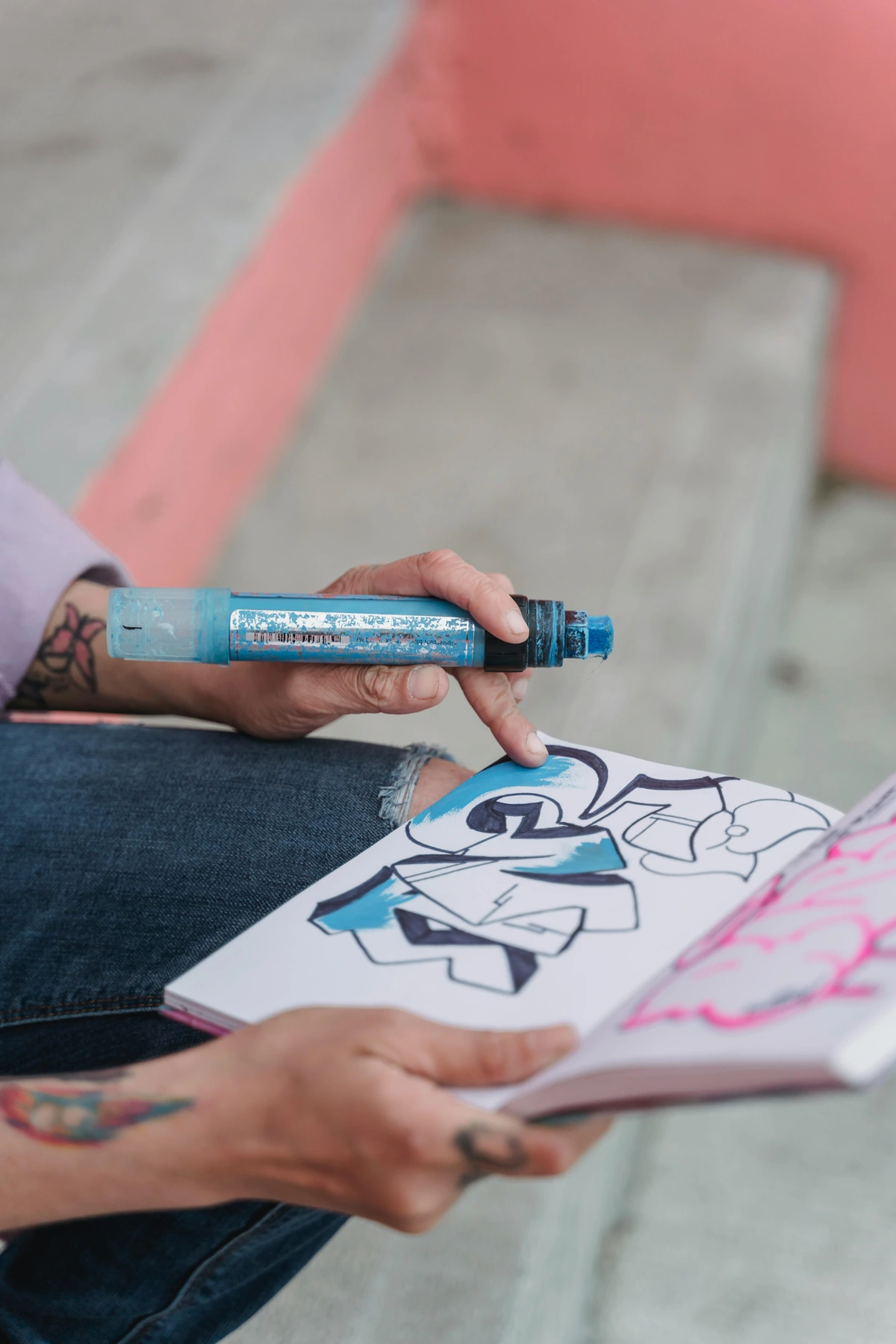
Being an artist can be isolating. Connecting with other artists, mentors, and business advisors is invaluable. Join local art groups (like gallery co-ops, artist collectives, or urban sketchers groups), participate in online communities (e.g., specific subreddits, Discord servers for artists), or seek out a mentor whose career path you admire. These networks provide advice, encouragement, shared resources, and sometimes, even collaboration opportunities. Remember, you don't have to navigate this journey alone.
Frequently Asked Questions (FAQ) About Artist Income
I often get asked these questions, and it’s clear there’s a lot of confusion out there. Here are some of the most common ones, straight from my experience:
How much do artists really make?
This is the million-dollar question, and the honest answer is: it varies wildly! Some artists struggle to make ends meet, while others earn six or even seven figures. It truly depends on your chosen mediums, market, reputation, business acumen, and how effectively you implement a portfolio career. Income depends heavily on your chosen niche (fine art vs. commercial illustration or graphic design), your marketing effectiveness, the volume and price point of your sales, and your ability to diversify income streams. Artists in commercial fields often achieve a more stable income faster than those solely focused on fine art. There's no single average that accurately captures the diversity.
What's the best way for a new artist to start making money?
For emerging artists, I almost always recommend focusing on direct sales (website, social media) and exploring ancillary income streams like teaching or illustration. These avenues offer more control, lower barriers to entry than galleries, and allow you to build an audience from scratch. Commissions are also excellent for early career artists. The key is to start building a strong portfolio and consistent online presence early through authentic engagement, even before direct sales truly begin.
Is it possible to make a full-time living solely from selling original paintings?
It is, but it's incredibly challenging and usually requires significant time to build a strong reputation and collector base. Success in this area often correlates with high demand, significant gallery representation, and a strong personal brand that commands premium pricing. Most full-time artists, especially those early in their careers, diversify their income through prints, commissions, teaching, or other related work to create a stable foundation. Focusing only on originals can put immense pressure on each piece to sell at a high price, which isn't always conducive to creative freedom.
How do I price my artwork fairly?
This is a classic dilemma! Start by calculating your material costs and the time spent (at a reasonable hourly rate for your experience, specialized skills, and conceptual value). Then, research comparable artists in your genre and region. Consider the size, complexity, and unique qualities of your piece. Don't undersell yourself, but also be realistic. Don't be afraid to start a little lower and gradually increase prices as your reputation grows, but also don't undervalue your work. Consistency is vital: if a piece is X price in your studio, it should be X price at a fair or through a gallery (adjusted for commission).
Should I quit my day job to become a full-time artist?
Unless you have significant savings, a clear business plan, and already multiple stable income streams from your art, I would strongly advise against a sudden jump. Transition gradually. Keep your day job to cover essentials while you build your art business on the side. Once your art income reliably matches or exceeds your living expenses for a sustained period (say, 1-2 years), then consider the leap. It's about smart, calculated risk, not blind faith. Building a diversified income portfolio with at least 2-3 reliable streams that, when combined, equal or exceed your day job income is a much safer bet before making the leap.







Embracing the Artist-Entrepreneur Journey: Your Masterpiece Awaits
Making a living as an artist in the 21st century is a dynamic, multifaceted journey. The days of the singular, gate-kept path are largely behind us, replaced by a vibrant landscape of opportunities for those willing to embrace an entrepreneurial mindset. It demands creativity not just in the studio, but also in business strategy, marketing, and self-management. It's not always glamorous, often involves a lot of trial and error (and the occasional shipping mishap!), but it is profoundly rewarding. The autonomy, the connection with your audience, and the ability to truly shape your own destiny are unparalleled. So, shed that romantic notion of the starving artist, roll up your sleeves, and start building the sustainable, fulfilling art career you deserve. The canvas, after all, isn't the only place for your masterpieces – your career can be one too. The art market is always evolving, and adaptability will be your greatest asset.
And if you're ever in doubt, remember, every artist I know who is thriving has embraced this mindset. It's not about selling out; it's about smart self-preservation, so the art can continue to flow. To begin, identify just one new income stream you can explore this week. You can always see what I'm currently working on via my [/timeline] or explore my collection for sale [/buy].
Essential Tools & Strategies for the Artist-Entrepreneur
Category | Recommended Tools/Strategies |
|---|---|
| Website & E-commerce | Dedicated artist website (e.g., Shopify, Squarespace, Artspan), online marketplaces (Etsy, Saatchi Art), high-quality image hosting. |
| Marketing & Community | Instagram, Pinterest, Facebook (Meta Business Suite), Mailchimp/ConvertKit for email lists, SEO basics (keyword research, alt text). |
| Content Creation/Sharing | Canva, Adobe Express for social media graphics, blog post tools. |
| Financial Management | QuickBooks Self-Employed, FreshBooks, Wave, simple spreadsheets for tracking income/expenses, professional invoicing software. |
| CRM (Customer Relationship Management) | Dedicated software or well-organized spreadsheets for managing client interactions and relationships. |
| Legal & IP | Understanding copyright basics, seeking IP lawyer for complex licensing/gallery contracts, clear written agreements for commissions, understanding online platform TOS. |
| Time & Productivity | Time blocking, Pomodoro Technique, Eisenhower Matrix, dedicated studio vs. admin days, outsourcing non-core tasks when feasible. |
| Networking | Local art groups (e.g., gallery co-ops, artist collectives), online artist communities (e.g., Facebook groups, Reddit art subreddits, Discord servers), art fair attendance, mentorship, arts organization memberships. |