
Japandi Art: Your Ultimate Guide to Serene & Intentional Interiors
Master Japandi art: comprehensive guide to selecting, placing, and integrating abstract art for tranquil, balanced interiors. Explore Wabi-Sabi, Hygge, Ma, biophilia, and sustainable choices.

Japandi Art: Your Ultimate Guide to Serene & Intentional Interiors
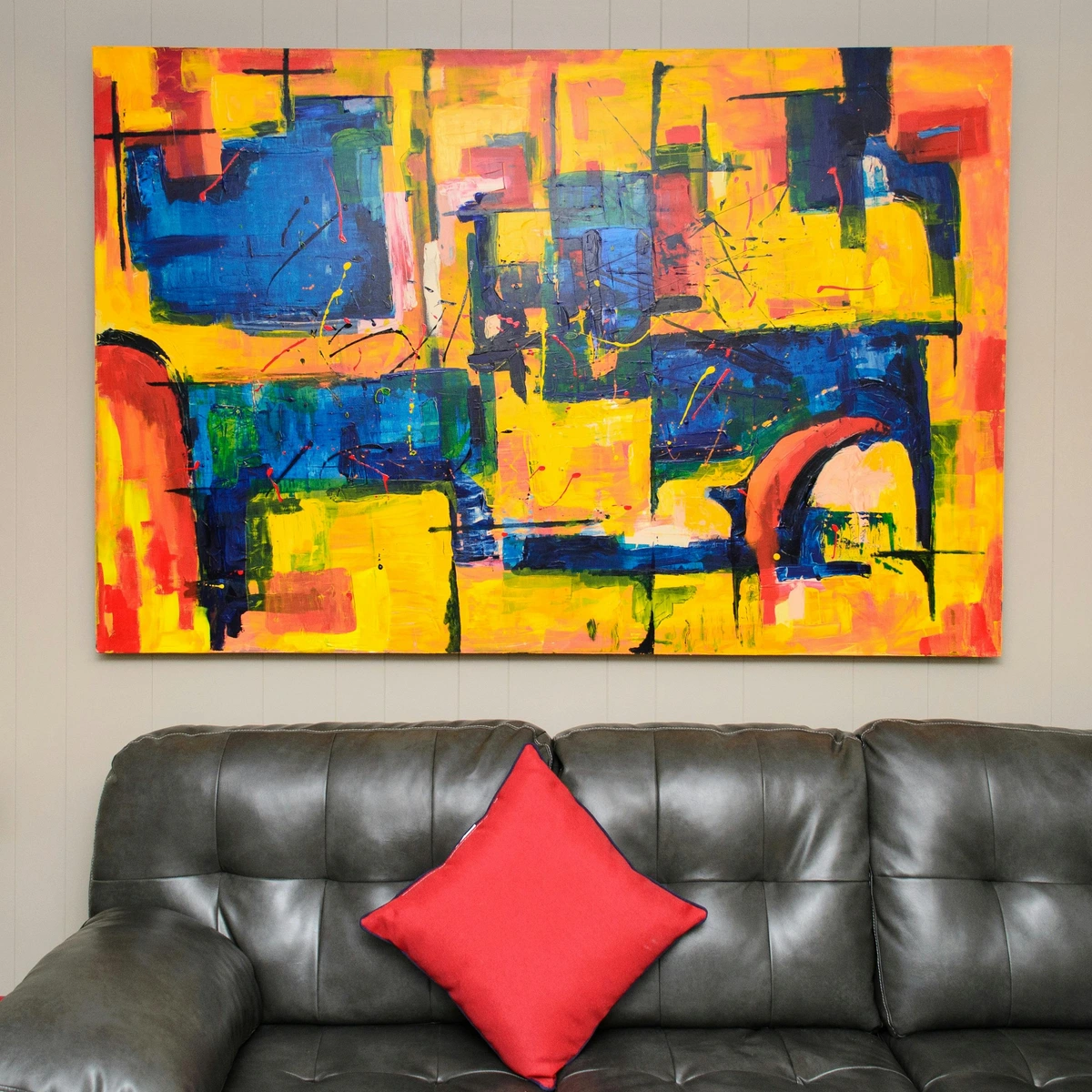
When I first stumbled upon the term "Japandi," I admit, my artist's brain—which often creates canvases I think of as controlled explosions of emotion and vibrant dialogues between chaos and order—jumped to conclusions. I pictured an almost monastic austerity: stark white walls, a single, perfectly placed pebble, maybe a floating shelf holding a solitary bonsai. Not exactly the riotous, often abstract canvases I typically create, which, let's be honest, sometimes feel like a beautiful, chaotic echo of my internal world. But oh, how wonderfully wrong I was!
It turns out, Japandi isn't about absence or suppression of personality; it's about intentionality, balance, and a profound appreciation for beauty found in simplicity, natural elements, and, crucially, the human touch. And this, my friend, is precisely where art—even my vibrant abstract work, when approached thoughtfully—doesn't just fit, but truly shines, transforming these spaces from merely minimalist to profoundly serene, personal, and grounding. It challenges us to look deeper, to select not just any art, but the art that speaks to the soul of the space. It’s about creating a living sanctuary, a quiet retreat where every object, especially the art, contributes to a feeling of inner peace and belonging. If you're looking to turn your home into such a haven, you've landed on what I hope will be your definitive guide, a comprehensive resource that delves far beyond surface-level trends. In the following sections, we'll journey through the core philosophies that define Japandi, explore how thoughtfully chosen art elevates these spaces, and provide practical, actionable tips for selecting and displaying pieces that truly resonate.
Understanding Japandi: A Philosophy of Intentional Serenity
Before we even think about hanging anything, let’s get on the same page about what Japandi truly feels like. To me, it’s this quiet, comforting conversation between Japanese minimalism and Scandinavian warmth. Imagine the sleek lines, functional elegance, and inherent comfort of Nordic design melting seamlessly into the serene, wabi-sabi philosophy of Japan—embracing imperfection, the transience of nature, and the raw beauty of authenticity. It’s not just a decorating trend; it’s a way of living, a feeling of tranquil sanctuary where you can truly breathe. Every item has a purpose, evokes peace, or tells a subtle story, fostering a calm introspection and a quiet grounding that allows your mind to settle. This deep intentionality extends to every choice, ensuring nothing is superfluous, and everything contributes to the overall sense of calm. Even subtle sensory elements like a gentle, natural scent or the soft hush of a quiet room play a role in this holistic approach to serenity.
Japanese Minimalism & Scandinavian Warmth: A Harmony of Heritage
To really grasp the soul of Japandi, it helps to peek at its origins. Japanese interior design, deeply influenced by Zen Buddhism, has long championed reverence for nature, clean lines, and uncluttered spaces. Think of the deliberate, almost meditative placement of objects, the artful use of natural light, and the unwavering emphasis on craftsmanship. Key concepts like Ma—the profound significance of empty space or the interval between objects—are central to this aesthetic, creating visual breathing room. It’s not just about what is there, but also about the beautiful quiet that surrounds it. This is why a single, impactful artwork on a large, uncluttered wall feels so powerful, explicitly utilizing the quiet power of Ma. Beyond Zen, Ma is woven into traditional Japanese arts like Noh theatre, where pauses are as vital as dialogue, or the precise arrangement in a tea ceremony, where every empty space is a deliberate compositional choice. Historically, movements like the Meiji Restoration (late 19th/early 20th century) saw Japan actively engaging with Western influences while paradoxically solidifying a unique modern Japanese aesthetic rooted in its spiritual traditions.
On the other side, Scandinavian design blossomed from a practical need for functional, light-filled, and cozy homes, especially during their long, dark winters. It brought with it the beloved concept of hygge (a feeling of coziness and contentment) and a deep appreciation for natural wood and textiles. Beyond hygge, Scandinavian design emphasizes functionality (form follows function), the democratization of design (beautiful, well-made objects accessible to many), and an inherent respect for natural materials like pale woods, wool, and linen. Another complementary idea is lagom, the Swedish philosophy of "just the right amount"—not too much, not too little. Emerging from the post-war industrial boom, Scandinavian designers championed clean lines and natural materials, often as a counterpoint to more ornate European styles. Japandi isn't merely a fusion; it’s a natural evolution, offering the best, most calming aspects of both rich traditions, creating a space that feels utterly balanced and intentional. For a broader look at art's evolution in interiors, check out the evolution of art in interior design: from grand salons to modern minimalism.
The Essence of Wabi-Sabi, Hygge, and Ma in Your Space
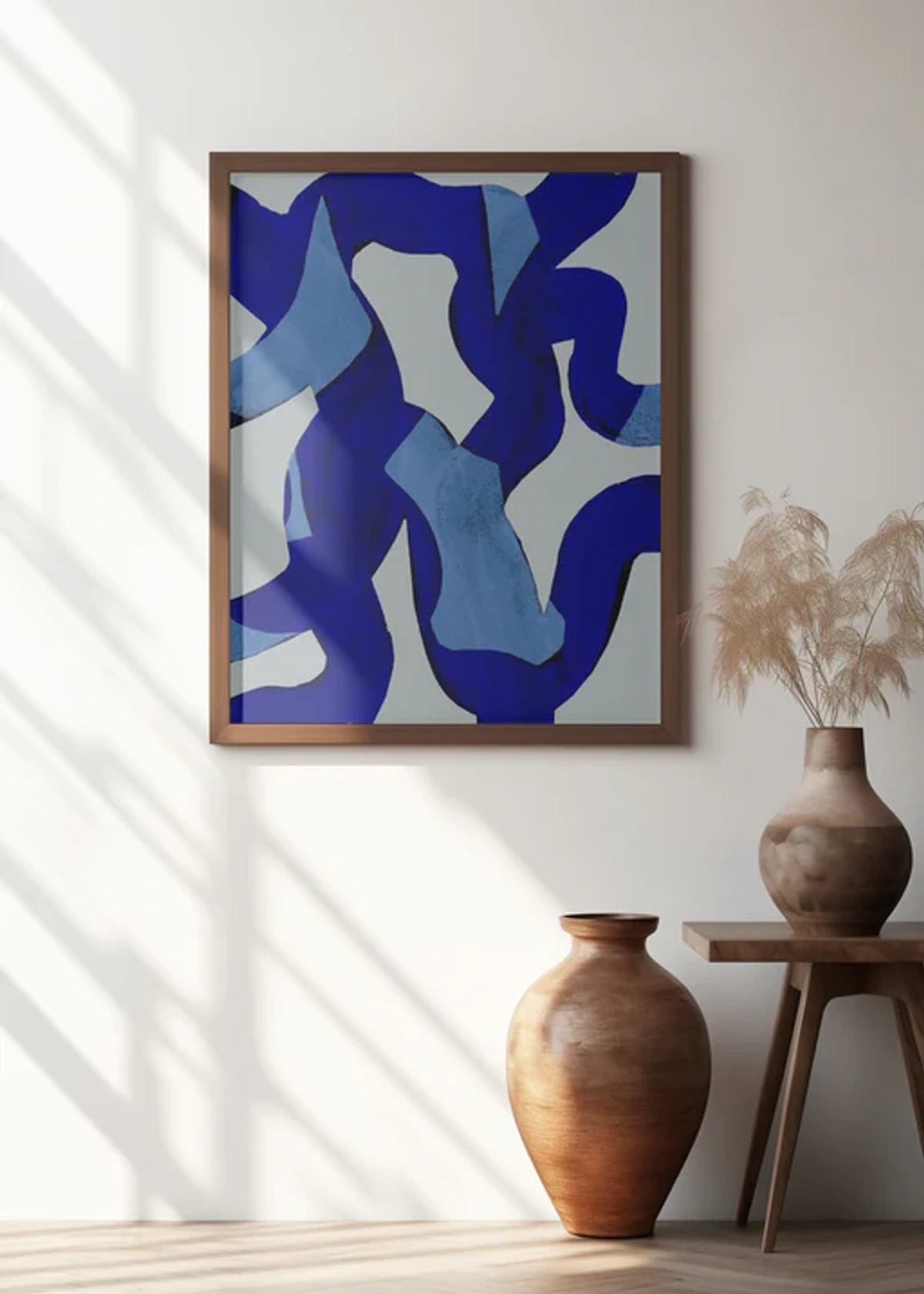
In a Japandi interior, the Japanese concept of wabi-sabi (finding beauty in imperfection) doesn't just pair beautifully with Scandinavian hygge; they dance together, creating an authentic, lived-in feel. This isn't about chasing pristine perfection; it's about celebrating the natural wear of a wooden table, the handmade unevenness of a ceramic mug, or the unique texture of a woven throw. This approach extends directly to art, where subtle cracks in a glaze or the raw edge of a paper artwork tell a story, liberating you to live more relaxed, more authentically. I remember once, finding a beautiful old ceramic bowl with a hairline crack, and instead of discarding it, I saw a history, a story etched into its surface. That's the wabi-sabi spirit. It’s also deeply connected to mono no aware—a gentle, poignant appreciation for the transient beauty of things, a quiet awareness of their impermanence. For instance, in art, wabi-sabi might manifest as visible brushstrokes, subtle cracks in a glaze, the raw, untrimmed edge of a paper artwork, or even art that is designed to age gracefully, like patinated bronze or a piece with intentional repairs, such as Kintsugi (the Japanese art of repairing broken pottery with lacquer dusted or mixed with powdered gold, silver, or platinum). Crucially, with Kintsugi, the repair itself becomes a visible, celebrated part of the object’s history, elevating the perceived imperfection to a point of unique beauty. When looking for art, consider pieces by artists who intentionally incorporate visible mending or embrace the natural "flaws" of materials, perhaps even textile art with deliberate, artful darns. It's a profound appreciation for the story an object tells through its gentle aging and unique character, a quiet acknowledgment that everything is impermanent. I often reflect on this in my own artist's journey, where a "mistake" or an unexpected mark on a canvas can lead to the most profound expressions, turning a perceived flaw into a source of unique beauty and depth. If the philosophy of living with less calls to you, you might appreciate the ultimate guide to minimalism.
The quiet power of Ma then reminds us that what isn't there is just as important as what is. It’s the intentional negative space around your carefully chosen art, the deliberate pause in a room that allows for deeper contemplation. Think of it like the silence between notes in music, or the strategic pauses in a compelling conversation – it's not empty, but an active presence that encourages you to slow down and appreciate what is there, enhancing mindfulness, and allowing your mind to truly settle on the beauty presented. In a Japandi space, Ma isn't just about uncluttered walls; it's about the very air and light that flow through the room, allowing each chosen piece of art to breathe and assert its calm presence, often influencing the perceived scale and emotional weight of the artwork itself. You'll see Ma in action in the thoughtful spacing of furniture, the uncluttered surfaces of a shelf holding only a few treasured objects, or the generous walkways that encourage unhindered movement and reflection.
Art in Japandi: The Power of Deliberate Expression
Now, for the big question: can art truly thrive in a style so devoted to simplicity? Absolutely! To assume a minimalist style like Japandi shuns art is like saying a chef shuns flavor. It's simply not true. Instead, you're not shunning art; you're choosing it with immense, conscious care. I’ve found that the right piece of Japandi wall art isn't just decoration; it's a silent storyteller, a focal point that grounds the room without overwhelming it. It might tell a subtle story of connection to nature, evoke emotional tranquility, or spark contemplative abstraction. Art in Japandi also taps into our inherent human need for connection to the natural world—a concept known as biophilia—creating spaces that are not just beautiful, but genuinely restorative. Imagine an abstract painting using soft, earthy greens and blues, reminiscent of a quiet forest, or a sculptural piece with organic, wave-like forms that evokes the calming presence of the ocean. It adds personality and depth, yes, but without sacrificing that coveted sense of calm. It's how a space gains its true 'soul,' speaking to your deeper self rather than just your visual sense.
You're generally not aiming for a bustling gallery wall crammed with vibrant, clashing pieces. Though, if you’re exceptionally clever and manage to pull that off with Japandi flair, I genuinely want to see it! Instead, you're looking for pieces that resonate with the core tenets: natural textures, muted palettes, organic forms, and a sense of quiet reflection. It’s about bringing soul into the space, not just filling a void. Think of it as a how-to guide to choosing art for a Japandi style home—every decision is deliberate.
An Artist's Perspective on Japandi Art
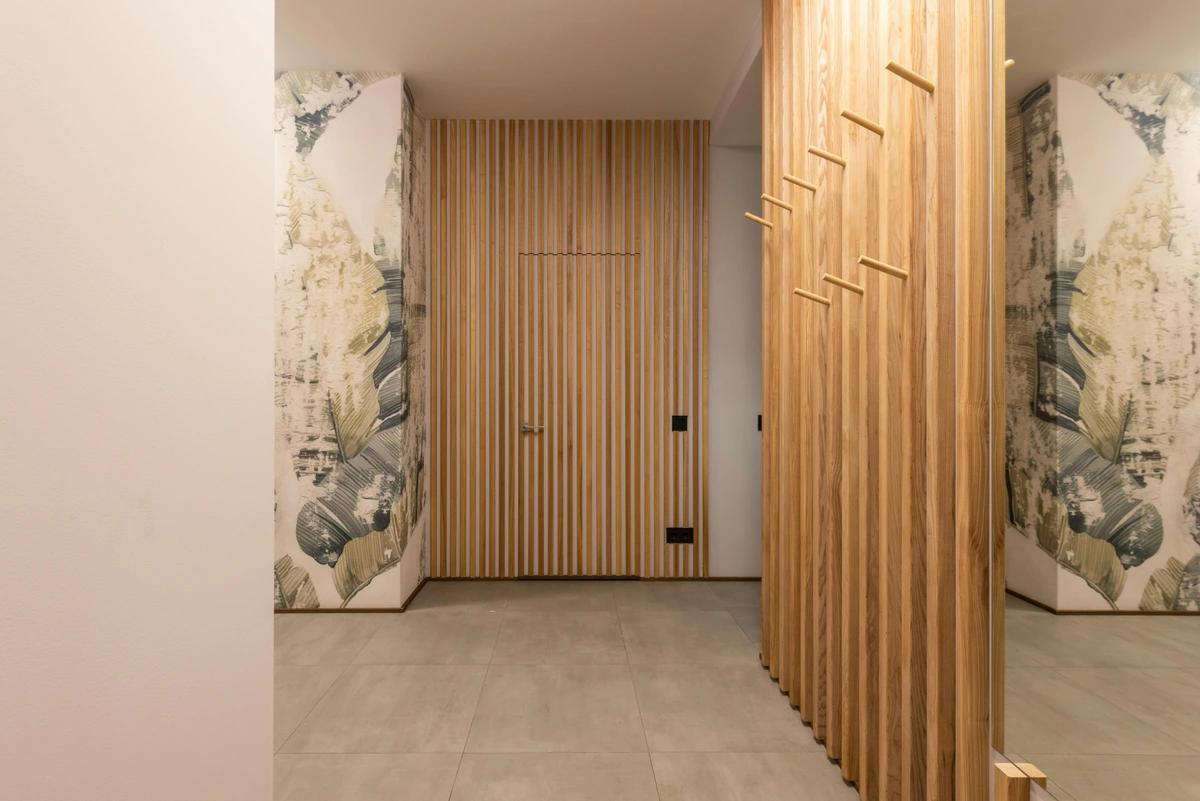
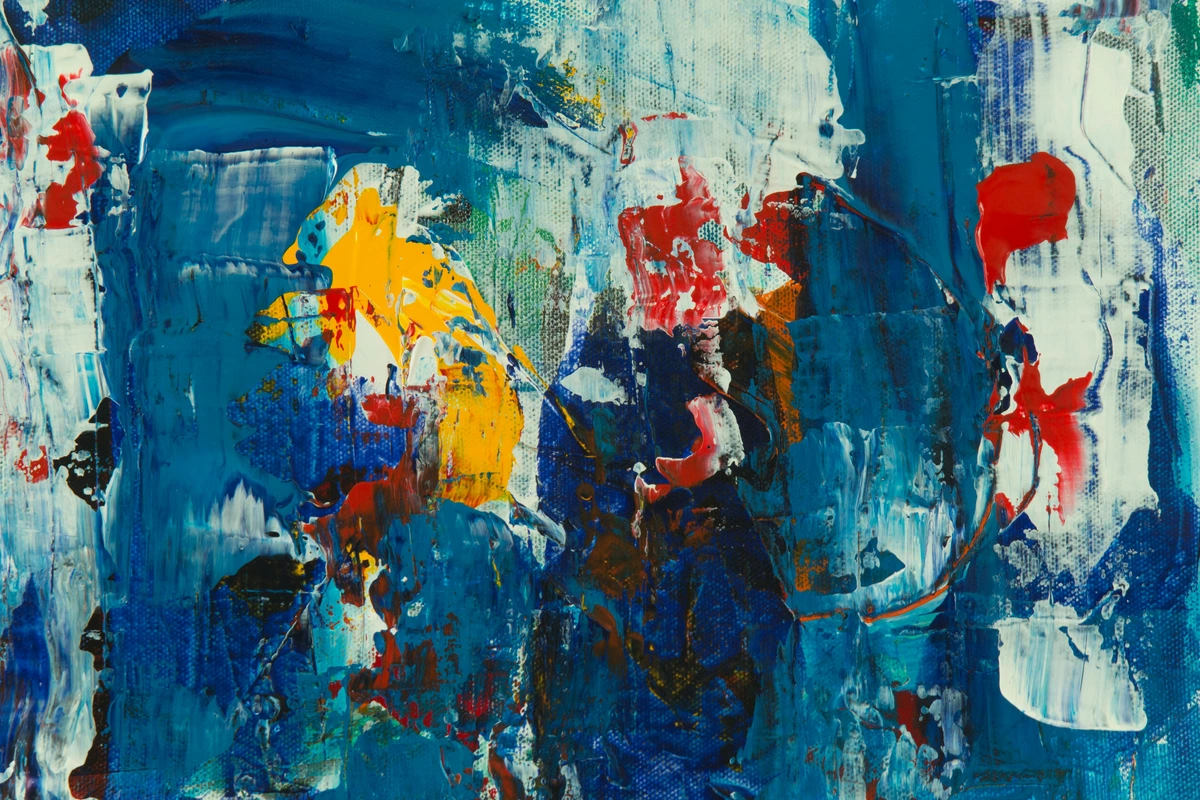
From my perspective as an abstract artist, the Japandi aesthetic isn't restrictive; it's an exciting challenge. It forces me to distill my artistic message, to find serenity and balance even within vibrant forms. It makes me question: how can a rich, deep indigo convey calm? How can dynamic lines evoke a quiet moment? This pushes my creative boundaries, focusing on compositions that draw the viewer in gently, inviting introspection rather than demanding attention. I remember once working on a large piece with intensely vibrant oranges and reds, initially convinced it couldn't possibly fit the Japandi ethos. But then, by introducing expansive, soft grey washes that enveloped the vibrant elements and allowing significant areas of raw canvas to create breathing room—explicitly utilizing the concept of Ma—the vivid colors became grounded. They transformed, almost like embers glowing softly in a vast, calm landscape, adding warmth without overwhelming the tranquility. When selecting art for these spaces, I often seek out pieces, whether my own or from other artists, that possess a profound sense of groundedness and a connection to the earth, even if the subject matter is entirely abstract. It’s about the feeling the art imparts, not just its visual components.
The Art of Light: Enhancing Japandi Pieces
Light plays an incredibly subtle yet powerful role in Japandi interiors, especially when showcasing art. It's not just about visibility; it's about atmosphere and revelation. I like to think of light as another medium, carefully shaping how we perceive the art. Think about how the subtle textures in a handmade paper artwork or the visible brushstrokes on a canvas can transform under a gentle, raking light, revealing depths you might otherwise miss. Natural light, soft and diffused, is almost always preferred. It allows the subtle colors and nuances of your art to reveal themselves dynamically throughout the day, shifting with the sun and creating an ever-changing dialogue with the piece. In the evening, soft, focused accent lighting—perhaps a minimalist floor lamp with a warm glow or even delicate paper lanterns—can gently highlight a piece, adding depth, intimacy, and a meditative quality without any harshness. The goal is to create a mesmerizing interplay of light and shadow, guiding the eye and enhancing the art's serene presence. For more considerations on ambient light, you might explore how to choose art for a room with low light.
Art Forms that Whisper Japandi: Beyond the Canvas
Beyond traditional paintings, the Japandi aesthetic embraces a diverse array of art forms that speak to its core principles. These pieces often bring tactile interest and unique depth to a space, enriching the overall sensory experience.
- Ceramics: Think sculptural ceramic pieces, hand-thrown pottery with subtle, earthy glazes, or even intentionally unglazed vessels. Their organic forms and natural textures provide a grounding presence. A single, beautifully crafted ceramic vase can be a powerful statement, embodying wabi-sabi through its subtle imperfections.
- Textiles: Explore woven art, abstract tapestries, or wall hangings crafted from natural fibers like wool, linen, or raw cotton. Look for muted color palettes, organic patterns, and visible craftsmanship. These pieces add warmth and a soft visual texture, absorbing sound and creating a cozy ambiance.
- Minimalist Sculpture: Sculptures made from natural wood, stone, or subtly patinated metal with clean lines and organic forms can anchor a space. Imagine a rough-hewn wooden abstract form crafted from reclaimed timber, a smoothly rounded river stone, or a piece using naturally fallen branches with minimal intervention. They invite touch and contemplation, connecting the interior to the raw beauty of the earth. For more ideas, check out how to incorporate sculptural art into modern interiors.
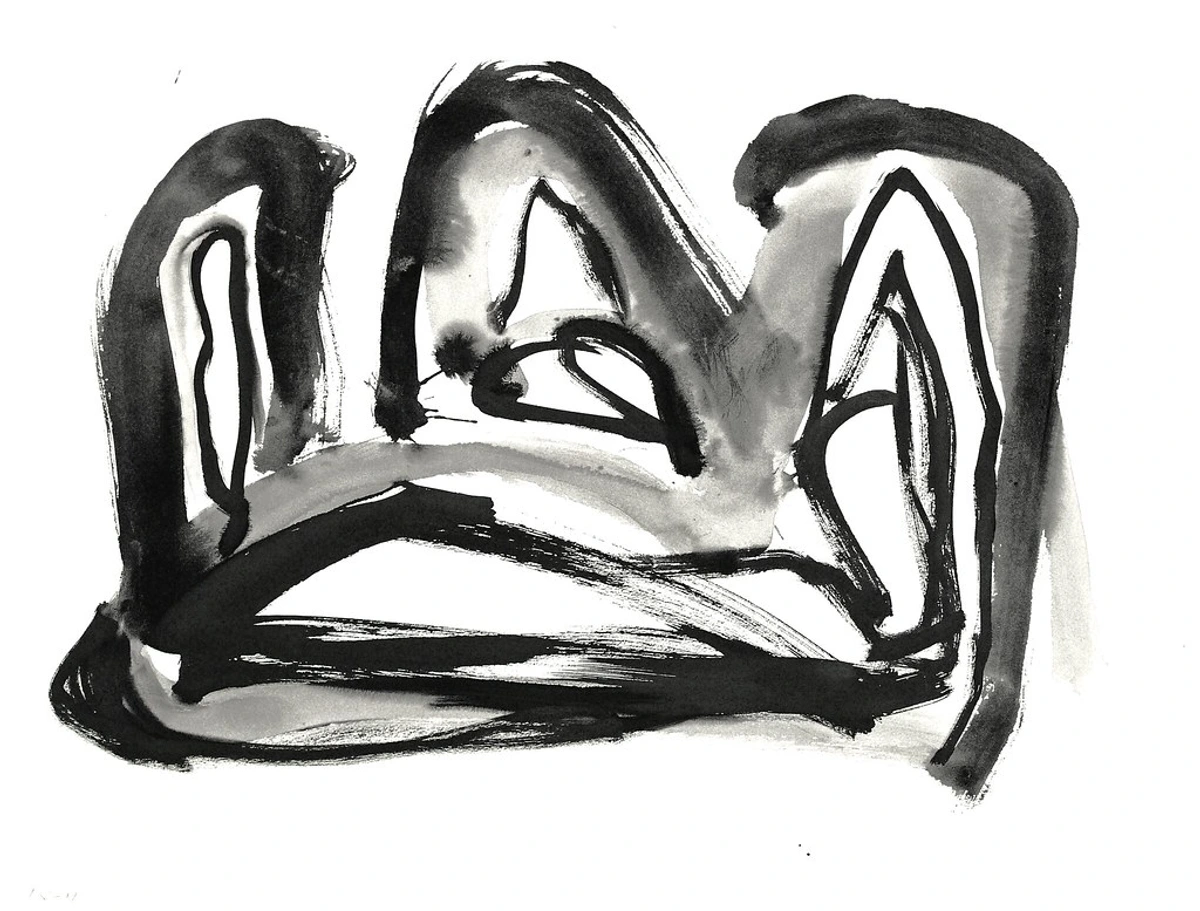
- Calligraphy & Ink Wash: Traditional Japanese Sumi-e ink wash paintings or contemporary calligraphy pieces align perfectly with the Japandi aesthetic. Their focus on negative space, fluid brushstrokes, and connection to nature (often depicting landscapes, bamboo, or subtle forms) embodies serenity and meditative quality. The stark contrast and delicate balance of ink on paper are inherently Japandi.
Selecting and Implementing Japandi Art: A Thoughtful Process
Once we understand this philosophy of deliberate artistic choice, the next step is learning how to find those perfect pieces that truly speak to the Japandi soul. It's a journey, not a sprint, and I promise you’ll find it incredibly rewarding. My own process often involves a fair bit of trial and error; sometimes, a piece I was convinced would be perfect just doesn't quite land in the space, and that's perfectly okay. It’s all part of the discovery! This is where the principles of decorating with art in Japandi style interiors truly come alive.
Japandi Art Selection Criteria: Your Definitive Checklist for Choosing Serene Pieces
Here’s a practical guide to help you select art that whispers "Japandi" instead of shouting "look at me!":
Criteria  | Japandi Aesthetic & Why It Works |
|---|---|
| Color Palette | Prioritize muted, earthy tones: whites, off-whites, warm greys, soft blues, sage greens, terracotta, deep indigo. The psychology is key: these hues evoke calm, stability, and a deep connection to nature, skillfully avoiding visual noise that could disrupt the serene atmosphere. Think of a peaceful forest or a calm sea. While generally subtle, a single, intentional piece with a deep, rich, natural-inspired color—like a deep forest green, a soft ochre, or a muted teal—can serve as a grounded focal point, adding depth without jarring. Imagine a canvas featuring soft, diffused washes of sage green and a hint of terracotta, reminiscent of a misty morning landscape. This offers a quiet visual anchor. |
| Forms & Composition | Lean towards abstract art that simplifies, distills, and embraces negative space. Organic shapes, clean, flowing lines, and compositions that feel balanced and unforced are ideal. Avoid overly complex, busy, or chaotic forms, preferring visual harmony and a sense of quiet introspection. Pieces that feel raw, honest, and effortless speak volumes. Consider how decorating with abstract art in a minimalist living room benefits from this approach. Imagine an artwork with organic, flowing lines that suggest natural elements like rippling water or gentle hills, with ample white space around them. |
| Themes & Subject | Nature is paramount: abstract landscapes, organic forms (mountains, forests, water), botanical studies, subtle representations of natural phenomena. There’s an emphasis on evoking a feeling or an idea rather than literal depiction, which fosters contemplation and aligns with wabi-sabi's themes of transience, simplicity, and natural cycles. Beyond literal nature, consider art that speaks of quiet moments in nature, abstract interpretations of geological formations or light patterns, or even pieces that hint at a subtle, contemplative narrative or storytelling without explicit depiction. Themes of human connection or calm reflection also resonate. This approach also resonates with the deeper philosophy of aesthetics: why we we find art beautiful. |
| Materials & Texture | Natural, authentic, and sustainable materials for the artwork itself and its framing are crucial. Think textured canvas, handmade paper, raw linen, ceramics, or untreated fabrics. For frames, light-colored woods (birch, ash, light oak, bamboo) or thin, dark metal frames complement the aesthetic perfectly, adding warmth or clean lines without fuss. Avoid glossy, synthetic, or overly ornate finishes. These materials contribute a tactile, grounding quality that truly enhances the Japandi feel, inviting touch and deeper connection. The unique grain of wood, the slight irregularities in hand-thrown pottery, or the way natural dyes bleed are all celebrated. This mindful selection is also a nod to sustainability. |
| Craftsmanship | Hand-finished elements, visible brushstrokes, subtle imperfections, or marks that celebrate the human touch are highly valued. This directly aligns with the wabi-sabi principle of finding beauty in the authentic, the unique, and the process of creation. It's about appreciating the maker's hand and the story behind each piece, much like visible joinery in wooden frames or the unique texture of handmade paper. This focus informs my own work, especially the power of imperfection embracing accidents and evolution in my abstract art. |
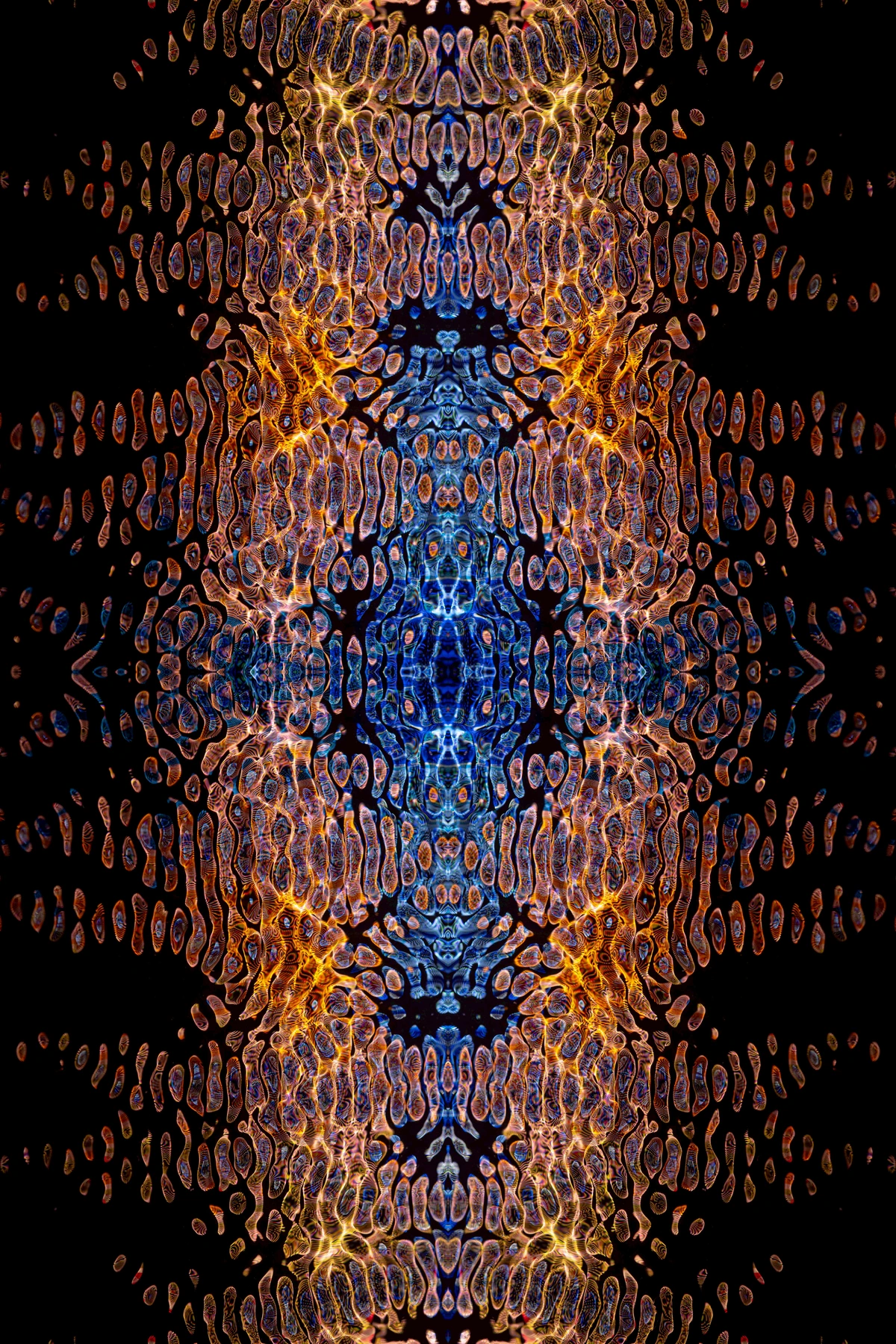
When you're choosing art, always keep the core Japandi palette in mind: lots of whites, off-whites, warm greys, soft blues, muted greens, and earthy browns. Your chosen art can either blend seamlessly into this palette or offer a very subtle, intentional contrast. I often gravitate towards pieces that incorporate these tones, or offer a gentle pop of color—like a deep indigo or a soft terracotta—echoing natural dyes. Remember, the goal isn't to shock or stimulate with color, but to soothe and inspire calm. My own abstract art often explores these calmer, more reflective tones, drawing inspiration from quiet moments and natural landscapes, emphasizing the serenity of white: my exploration of absence and presence in abstract art and carefully chosen complementary hues.
Nature, as I’ve said, is a monumental influence. Think subtle landscapes, abstract interpretations of mountains, forests, or water, delicate botanical illustrations, or even sculptural pieces with organic forms. You'll want to lean towards abstract art that evokes rather than depicts explicitly, leaving ample room for contemplation and personal interpretation. Sumi-e ink wash paintings, for instance, with their focus on negative space and flowing brushstrokes, beautifully embody this aesthetic. Consider pieces that feel raw, honest, and deeply connected to the earth. For those looking to collect, consider seeking out:
- Ceramic art: Especially hand-thrown, with subtle glazes or natural finishes.
- Textile pieces: Featuring natural dyes and organic patterns.
- Minimalist wood sculptures: That emphasize grain and form.
These can bring texture and a grounding presence to any Japandi space, telling stories of quiet contemplation or skilled craftsmanship.
Japandi Art: Do's and Don'ts
Do ✅ | Don't ❌ | Why? |
|---|---|---|
| Embrace natural materials and textures (wood, linen, ceramic). | Choose synthetic, glossy, or overly polished finishes. | Natural elements ground the space and align with wabi-sabi's authenticity. Synthetics disrupt tranquility. |
| Opt for muted, earthy, natural color palettes. | Incorporate jarring, overly vibrant, or clashing colors (unless a single, highly intentional pop that feels grounded). | Soothing colors foster calm; overly bright ones create visual noise and tension. |
| Prioritize organic shapes and clean, flowing lines in abstract pieces. | Select overly busy, chaotic, or complex compositions. | Simplicity and harmony are key to creating a restful visual experience. |
| Celebrate imperfections and visible craftsmanship (wabi-sabi). | Strive for sterile perfection or mass-produced uniformity. | Imperfections tell a story, add character, and celebrate the human touch, making a space feel authentic. |
| Use negative space intentionally to create visual calm (Ma). | Over-clutter walls or place art too close together. | Breathing room allows each artwork to be appreciated and contributes to overall serenity. |
| Choose art that evokes serenity, introspection, or connection to nature. | Pick art that is overtly stimulating, loud, or jarring. | Art in Japandi should soothe and invite contemplation, not demand attention aggressively. |
| Select sustainable, ethically sourced artworks. | Ignore the origin or environmental impact of materials. | Aligns with the respect for nature and mindful living inherent in both Japanese and Scandinavian cultures. |
Placement with Purpose: Creating Visual Calm
Now for the truly rewarding part: placing your chosen treasures. In a Japandi interior, every placement is a deliberate act, almost a ritual. You're not just filling empty space; you're creating moments of focus and visual stillness. I’ve definitely learned this the hard way, shuffling pieces around my living space more times than I care to admit until it finally felt right. The goal is to maximize the sense of flow and quiet contemplation within the room, ensuring each piece truly resonates with its surroundings. But how do you achieve that perfect harmony?
Embracing Negative Space: The Unsung Hero of Display
In Japandi design, negative space (or Ma, as we discussed) is just as vital, if not more so, than the objects themselves. It’s the breathing room around your abstract art, allowing it to stand out, speak volumes, and truly be seen without competition. Imagine a single, impactful artwork on a large, uncluttered wall. This isn't empty space; it’s intentional space, carefully designed to draw the eye, create focus, and contribute to the overall feeling of calm and spaciousness. It’s an active presence that encourages you to slow down and appreciate what is there, enhancing mindfulness. I sometimes think of the quiet white spaces in my own abstract compositions; they are not empty, but active participants in the visual story, creating rhythm and balance, much like the gentle flow of air in a perfectly arranged room. This active negative space is what empowers a single art piece or a carefully curated grouping to command attention without overwhelming the viewer. For more insights, explore art for minimalist interiors: less is more.
The Power of One & Thoughtful Groupings
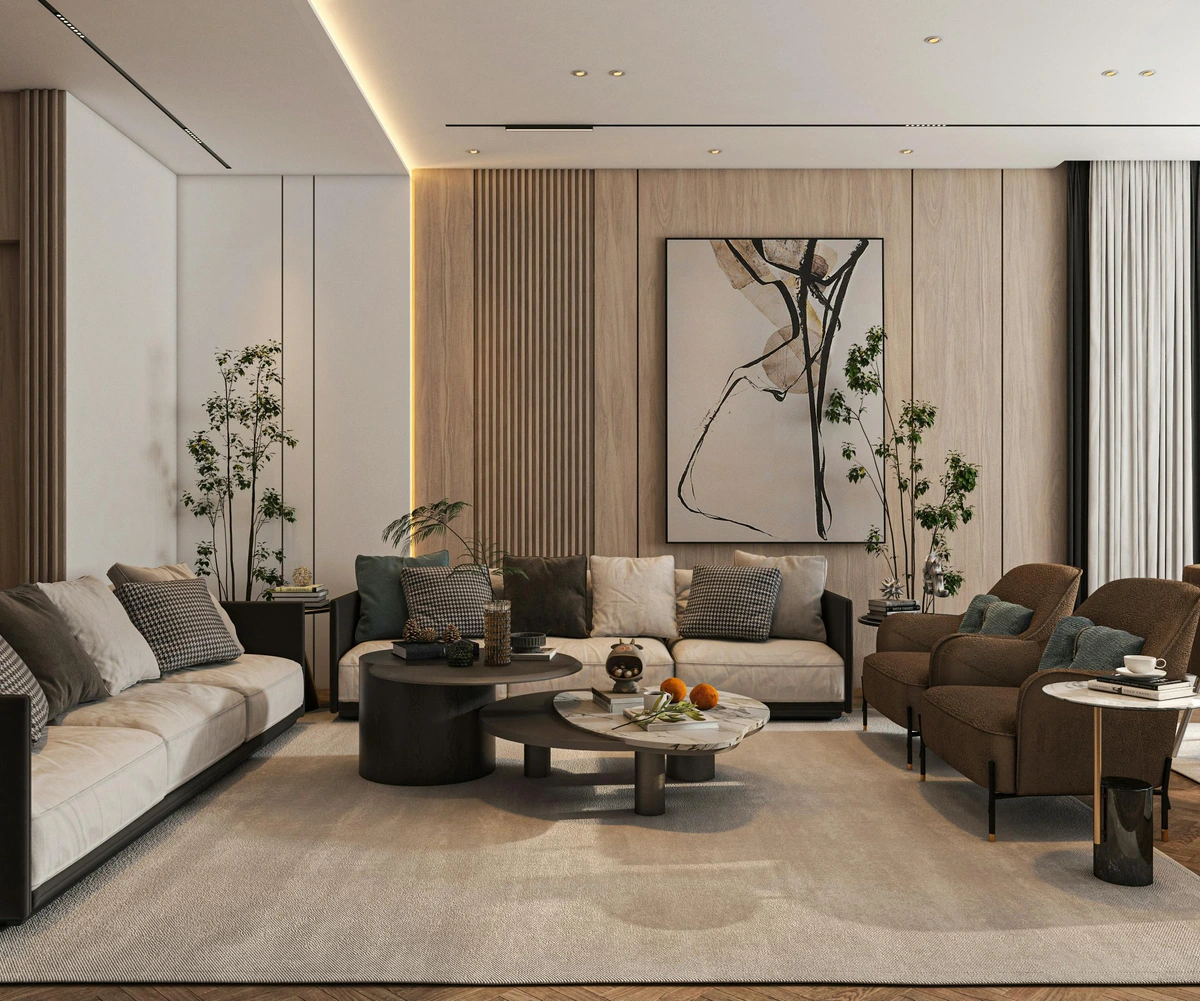
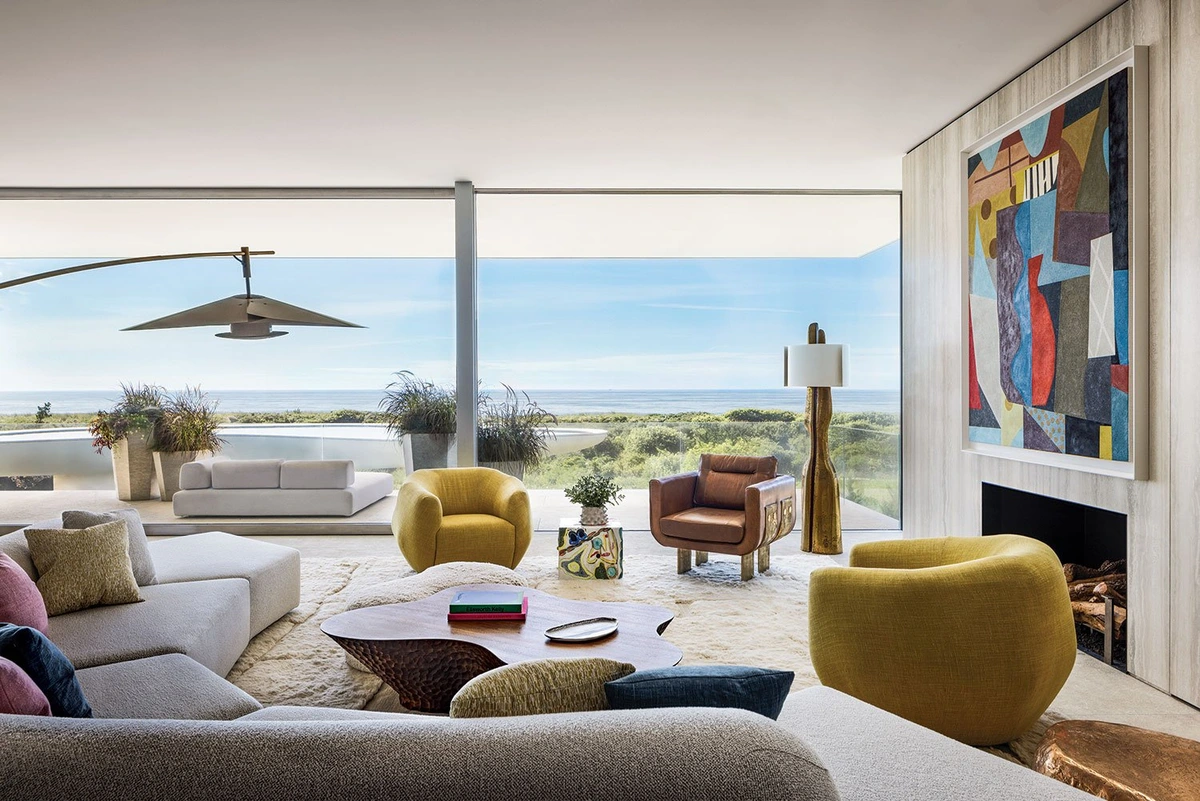
Often, a single, impactful piece of Japandi wall art is all you truly need to anchor a room. Place it where it can truly breathe, perhaps above a low-slung sofa, a minimalist console table, or even on a large, uncluttered wall adjacent to a window, allowing the natural light to play a role. As a useful rule of thumb, aim for the artwork to be approximately two-thirds the width of the furniture it's placed above. It becomes the room's quiet anchor, drawing the eye gently. For a truly serene feel, consider slightly lower placements than standard eye-level, especially in seating areas, to enhance that sense of groundedness and intimacy. For instance, in a small Japandi apartment, a single, elegantly framed abstract piece on the largest wall can make the space feel expansive and intentional, proving that less truly can be more impactful. This thoughtful use of negative space around a singular piece, facilitated by the principles of Ma, allows it to assert its presence more effectively. To create a visual journey through the space, also consider abstract art for small spaces: maximizing impact in compact areas.

If you do group pieces, keep it minimal and exquisitely harmonious. Think two or three complementary pieces, perhaps of varying sizes but with a shared aesthetic—similar muted color palettes, organic forms, or quiet themes. They should tell a cohesive, gentle story, not a cacophony. This isn't the place for a sprawling, over-the-top display; it's about a quiet, visual conversation. Ensure ample negative space around each piece to maintain clarity and calm, letting each artwork truly assert its presence. Learning how to arrange pictures on a wall with this philosophy in mind can transform a space. For a narrow wall, a vertical arrangement of two subtly related pieces can draw the eye upward without overwhelming the space. This approach is perfectly suited for spaces like a dining room, where art enhances, rather than distracts from, conversation. See more at how to choose art for a dining room.
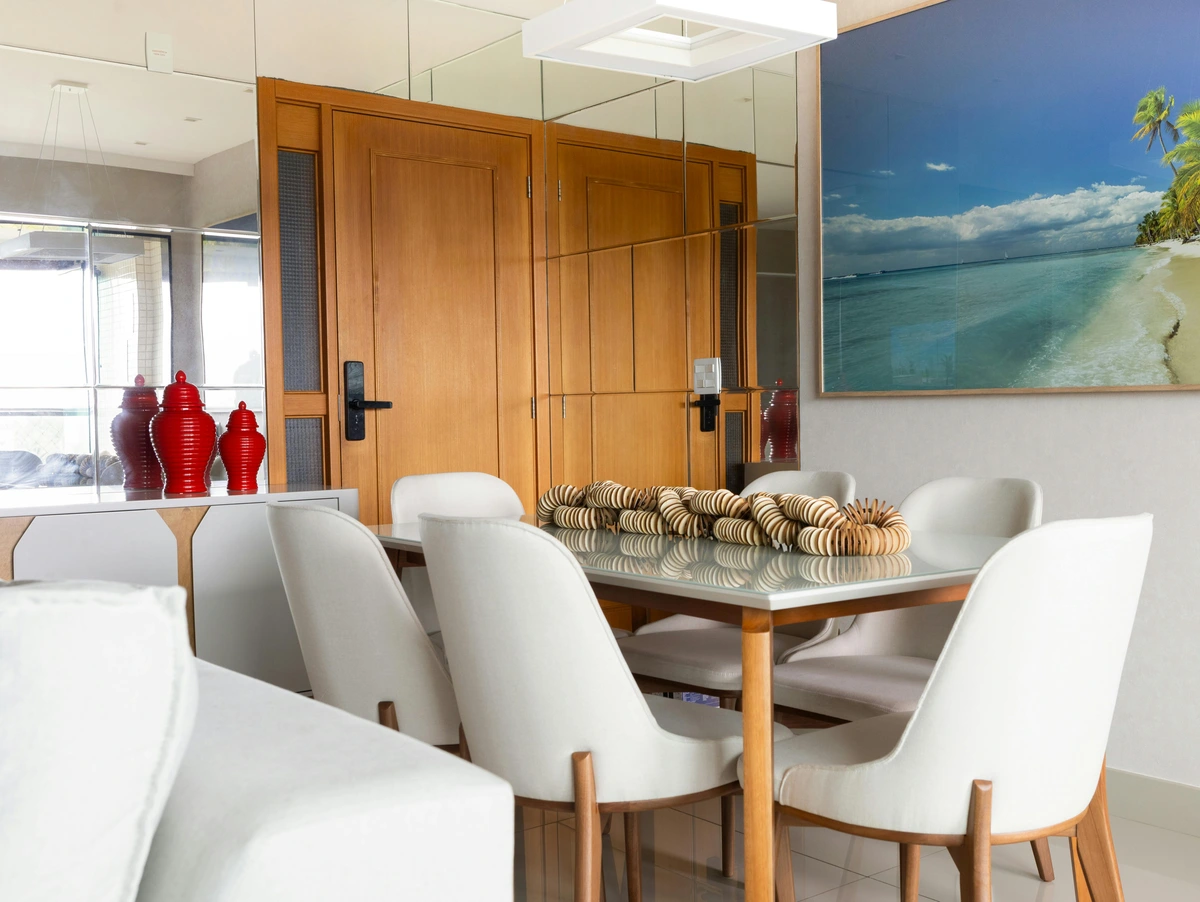
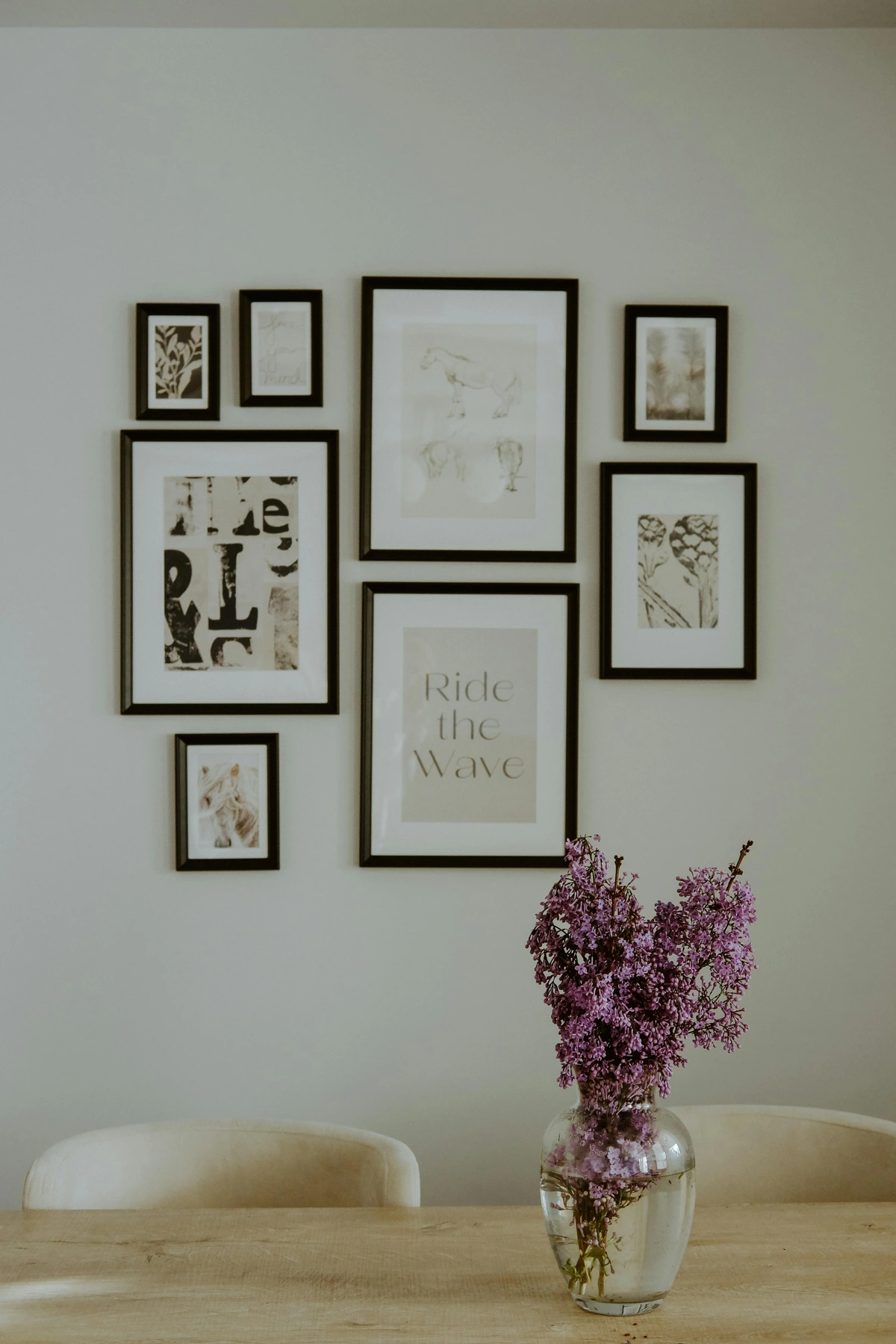
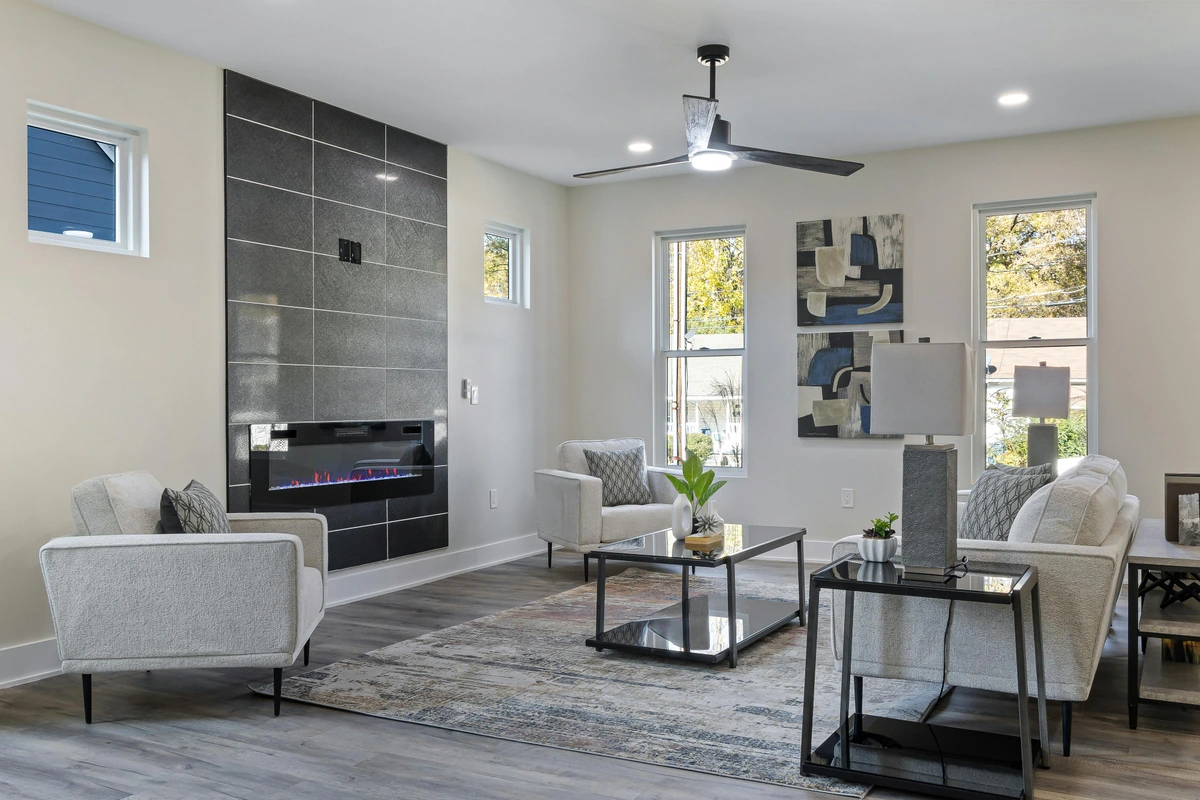
This modern dining room perfectly illustrates thoughtful Japandi art placement, with a minimalist gallery wall that complements the serene setting. Notice the intelligent use of natural light, which is absolutely crucial in Japandi interiors, as discussed in the previous section.
The Dance of Light and Shadow
Light plays a pivotal, almost spiritual, role in Japandi interiors, and by extension, in showcasing your art. Natural light is almost always preferred, allowing the subtle textures, colors, and nuances of your art to reveal themselves dynamically throughout the day, shifting with the sun. Position art to catch indirect sunlight, or use soft, focused accent lighting to gently highlight a piece in the evening. Think minimalist floor lamps with warm, diffused light, or perhaps delicate paper lanterns that cast a soft glow. This creates a mesmerizing, gentle interplay of light and shadow, adding depth, intimacy, and a meditative quality to the space without any harshness. Be mindful of direct, harsh sunlight, which can fade delicate materials over time. For more considerations on ambient light and display, you might explore how to choose art for a room with low light and the art of display: how to light and position abstract art for maximum impact.
Avoiding Common Pitfalls: Keeping the Calm
When curating art for a Japandi space, it's remarkably easy to fall into common traps. Instead of thinking of these as mistakes, let's reframe them as opportunities to refine your approach. Remember, the goal is effortless serenity, not forced minimalism.
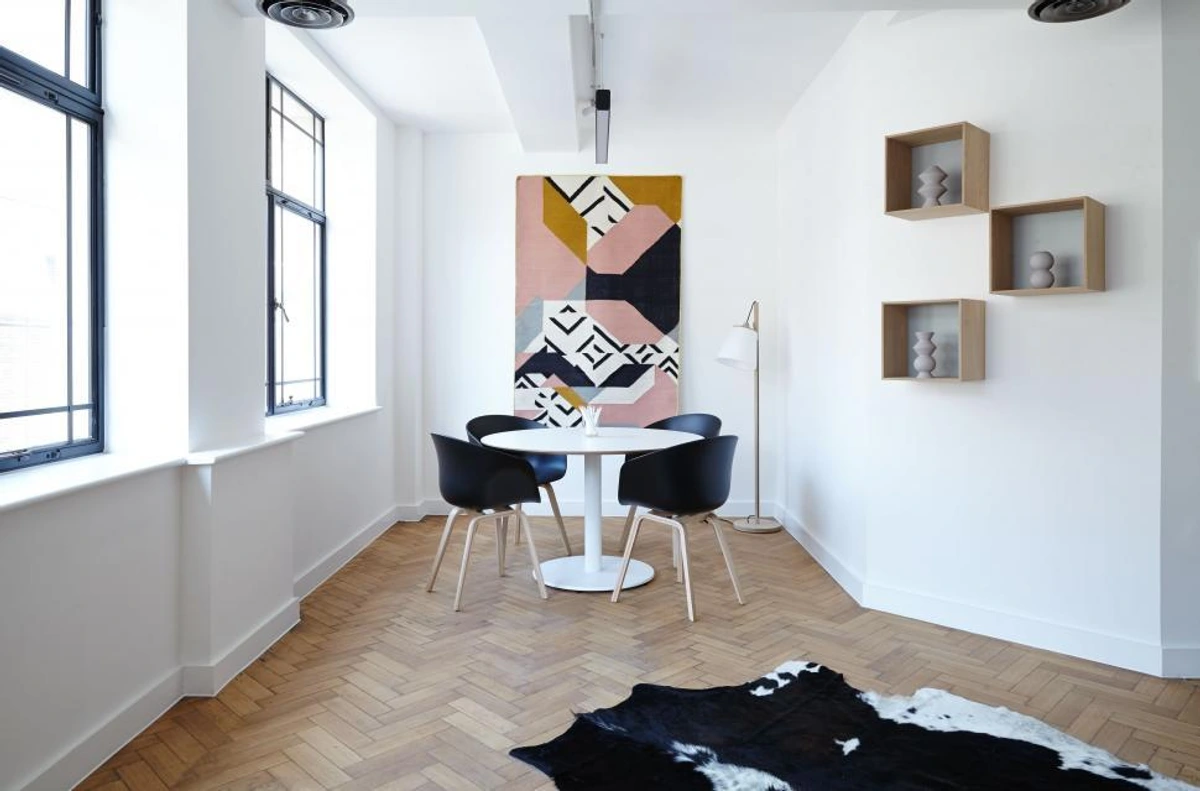
- Embrace Spaciousness, Avoid Clutter: Resist the urge to fill every blank spot. Too many pieces, too close together, or pieces that are simply too busy, create "visual noise." Focus on creating breathing room around each artwork. Ask yourself: does this piece truly need to be here, or am I just filling a void?
- Prioritize Proportional Balance, Neglect Not Scale: An artwork that's too small gets utterly lost, while one that's too large can overwhelmingly dominate the space. Always measure and visualize to ensure your art harmonizes with the scale of your furniture and walls. Before you hang, grab some kraft paper and trace the artwork to tape it up – it's a lifesaver!
- Seek Harmonious Integration, Shun Jarring Contrasts: Ignoring the existing palette or textures of the room can lead to visuals that shatter the calm. Ensure each element quietly supports the overall sense of peace and intentionality, rather than competing for attention, unless it serves a very specific, intentional purpose within the broader calm. Think of how different instruments in an orchestra contribute to a beautiful melody, rather than playing dissonant notes. Does this art sing with the room, or is it trying to shout over it?
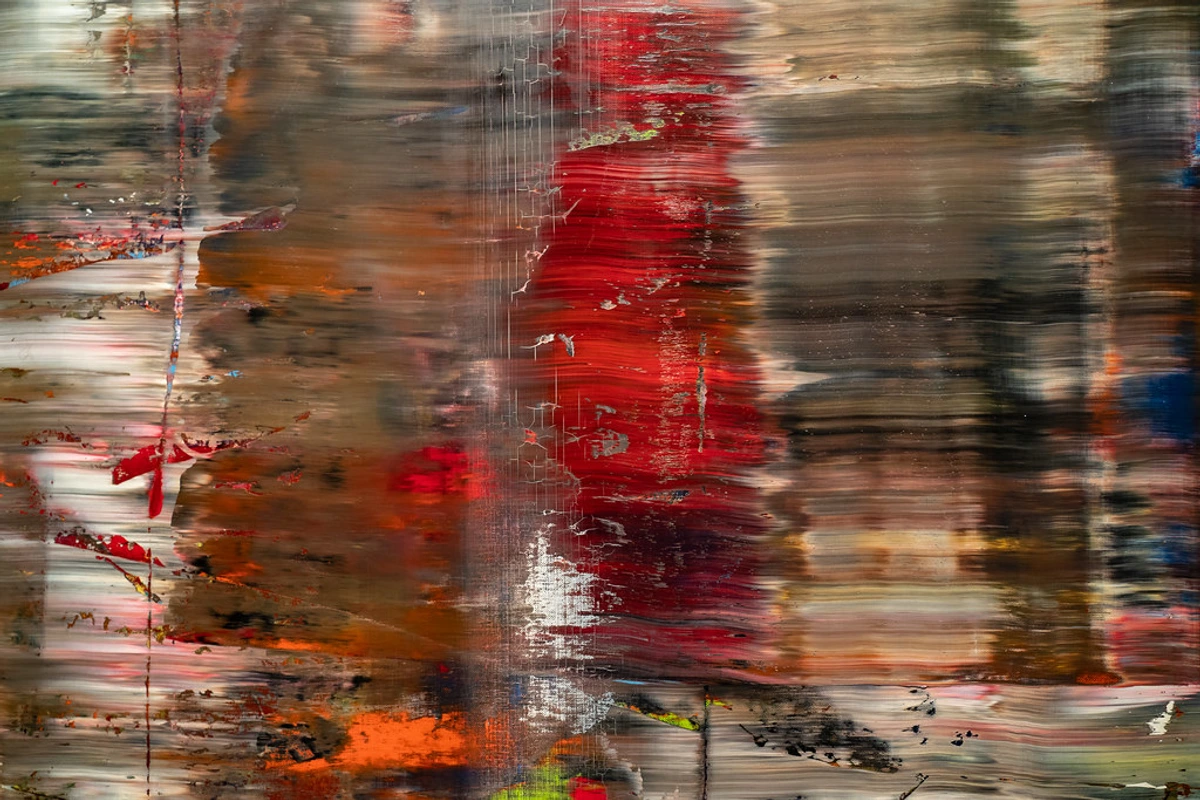
My Go-To Rule: Trusting Your Intuition
Honestly, the best advice I can ever give you when it comes to art, especially in a Japandi setting, is to listen intently to your instincts. Hold the piece up, step back, look at it from different angles, live with it for a day. Does it feel right? Does it genuinely contribute to the peaceful atmosphere you're trying to cultivate, or does it make you feel restless or distracted? If it creates visual noise or just doesn't sit well with your gut, it's probably not the one for that spot (or perhaps not for this style at all). Sometimes, it takes a bit of shuffling, and that's perfectly okay. I've certainly moved pieces around my own living space more times than I care to admit! This deeply personal, intuitive connection to your space and its art is what truly brings the Japandi aesthetic to life, transforming it into your unique sanctuary. It’s about cultivating your own "Zen" through intentional choices and trusting your inner compass.
FAQ: Your Japandi Art Questions Answered
We’ve covered a lot about creating your serene Japandi sanctuary, but I know questions always linger. Here’s a quick recap and some answers to the most common queries I receive, aiming to make this your truly ultimate guide:
Q: Can I incorporate bolder colors in Japandi art?
A: While Japandi truly leans towards muted palettes, yes, you absolutely can! A single, intentional piece with a deep, rich, organic or earth-derived color—think a dark forest green, a soft ochre, an earthy rust, or even a deep, muted teal—can work beautifully as a focal point. The trick is balance. Ensure that pop of color feels grounded and deliberate, not jarring, especially if the rest of the room is exceptionally calm. Avoid artificial, neon, or overly synthetic hues. Think of it as a quiet exclamation mark, not a shout. For instance, an abstract painting with a prominent, deep indigo circle set against a background of soft greys and whites can provide a compelling anchor without overwhelming the room. It can add depth and interest without sacrificing serenity. For example, some of my more colorful abstract pieces, when surrounded by neutral tones, can surprisingly find their place by offering a single, vibrant anchor.
Q: How many art pieces should I have in a Japandi room?
A: The most direct answer is: fewer, but more impactful. The guiding mantra here is "less is more," but don't confuse that with "none at all." Focus on quality over quantity. One to three carefully chosen, impactful pieces per room is often ideal, allowing each artwork ample space to breathe and contribute meaningfully to the serene atmosphere. It’s not about emptiness; it's about intention and ensuring each piece has a purpose and a quiet story to tell. Remember, a single, perfectly chosen piece can resonate far more deeply than a dozen random ones. You might find further inspiration in art for minimalist interiors.
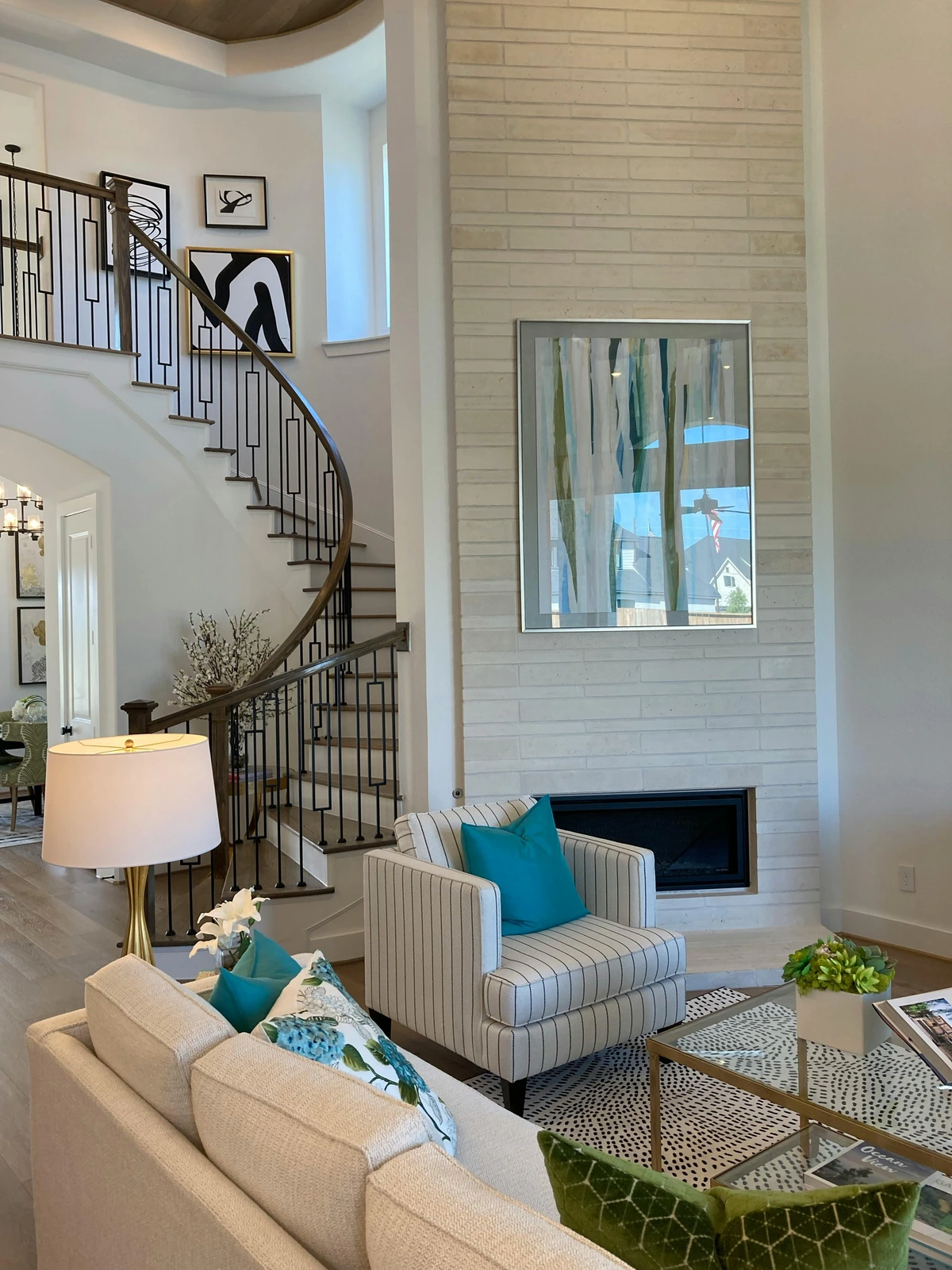
Q: What about framed vs. unframed art?
A: Both can absolutely work, depending on the specific piece and the overall feel you're going for. Unframed canvases or prints with raw, deckled edges can enhance that natural, authentic, wabi-sabi feel, emphasizing the artwork’s true form and the human touch in its creation. If framing, always opt for simplicity: natural wood frames (light woods like birch or ash, or even thin dark wood) or minimalist metal to complement the Japandi aesthetic without distraction. The frame should support the art, not compete with it or overpower it.
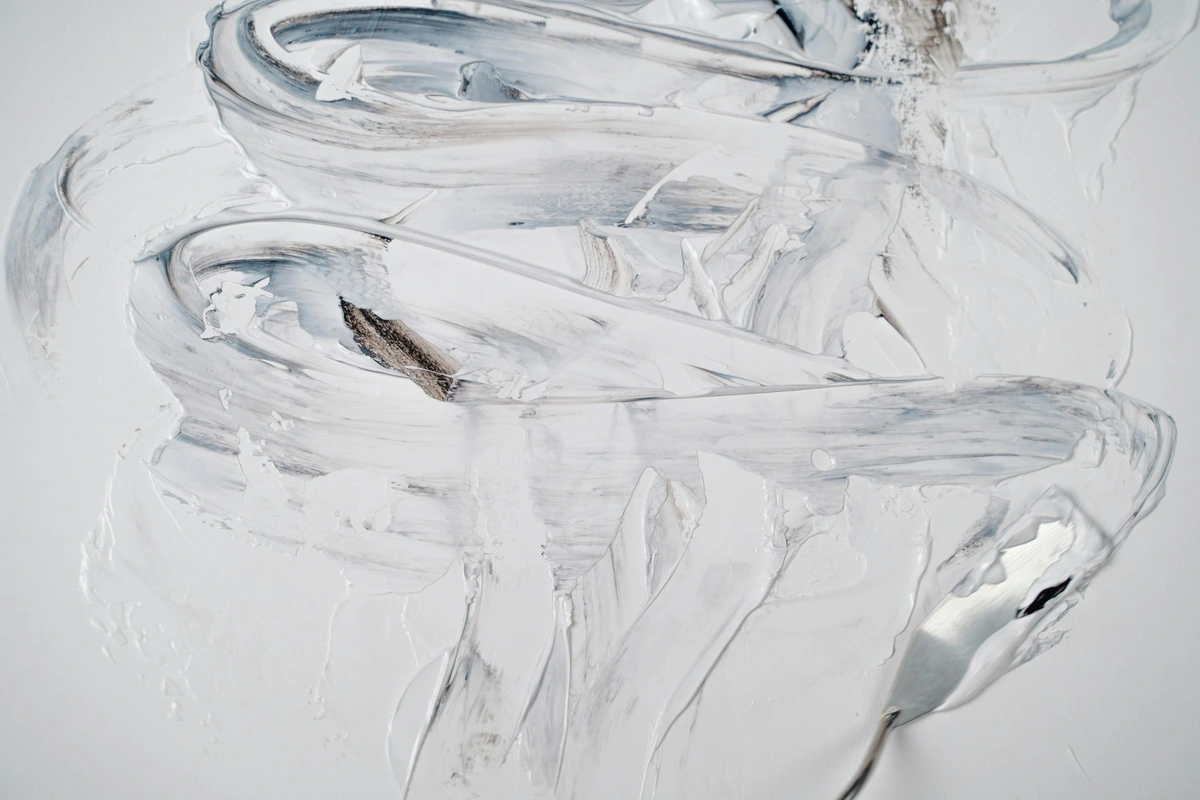
Q: Can I mix different art styles?
A: Very carefully, and with a discerning eye! The absolute key is cohesion. If you're mixing, ensure the pieces share a common thread—perhaps a similar muted color palette, a recurring natural theme (e.g., various nature abstracts), or even just a shared sense of tranquility and simplicity in their forms and lines. For example, you could successfully pair a subtle Japanese woodblock print with a contemporary Scandinavian abstract piece, provided they both share a muted color palette (say, deep indigo and soft grey) and a quiet, contemplative mood. The overall feeling should remain unified and calm, actively avoiding visual chaos. This requires a discerning eye, much like curating decorating with abstract art in a minimalist living room, where individual pieces must contribute to a greater sense of peace.
Q: How can sculptural art be incorporated into Japandi spaces?
A: Absolutely! Sculptural art can bring a beautiful, grounding, and tactile dimension to Japandi interiors. Look for pieces made from natural materials like unfinished wood with visible grain, smooth ceramic forms, raw stone, or subtly patinated metal with a matte finish. Prioritize organic, fluid forms or minimalist geometric shapes that echo nature. Place a single, impactful sculpture on a low console table, a natural wood pedestal, or even directly on the floor in a corner where it can be appreciated from multiple angles. The key is to allow it ample negative space, letting its form and texture speak volumes without competition, contributing to the sense of calm and flow. For more ideas on this, check out how to incorporate sculptural art into modern interiors.
Q: How can I integrate existing art into a Japandi space without starting from scratch?
A: This is a fantastic question and absolutely possible! Start by actively creating more negative space around your existing art through careful decluttering of surrounding objects and furniture. Once the space breathes, evaluate each piece: Does its color palette, theme, or texture subtly align with Japandi principles? If a piece feels too vibrant or busy, consider re-framing it in a simple, natural wood, or placing it against a very neutral, uncluttered wall. Sometimes, simply rotating a piece to focus on an abstract element, or placing it in a less prominent spot, can help it blend harmoniously. The goal is to discover its quiet contribution to the overall calm, rather than forcing it into a role it doesn't fit.
Q: What about cultural motifs in Japandi art?
A: Subtle cultural motifs can be truly wonderful additions, especially those reflecting Japanese or Scandinavian heritage. Think of delicate brushwork reminiscent of calligraphy, simple block prints, or abstract patterns inspired by traditional weaving or folk art. The key, as always, is subtlety and integration; avoid overtly themed or kitschy pieces. Instead, opt for contemporary interpretations that echo traditional aesthetics in a refined, understated way, maintaining the overall sense of peace and intentionality. These can add layers of cultural richness without overwhelming the minimalist aesthetic.
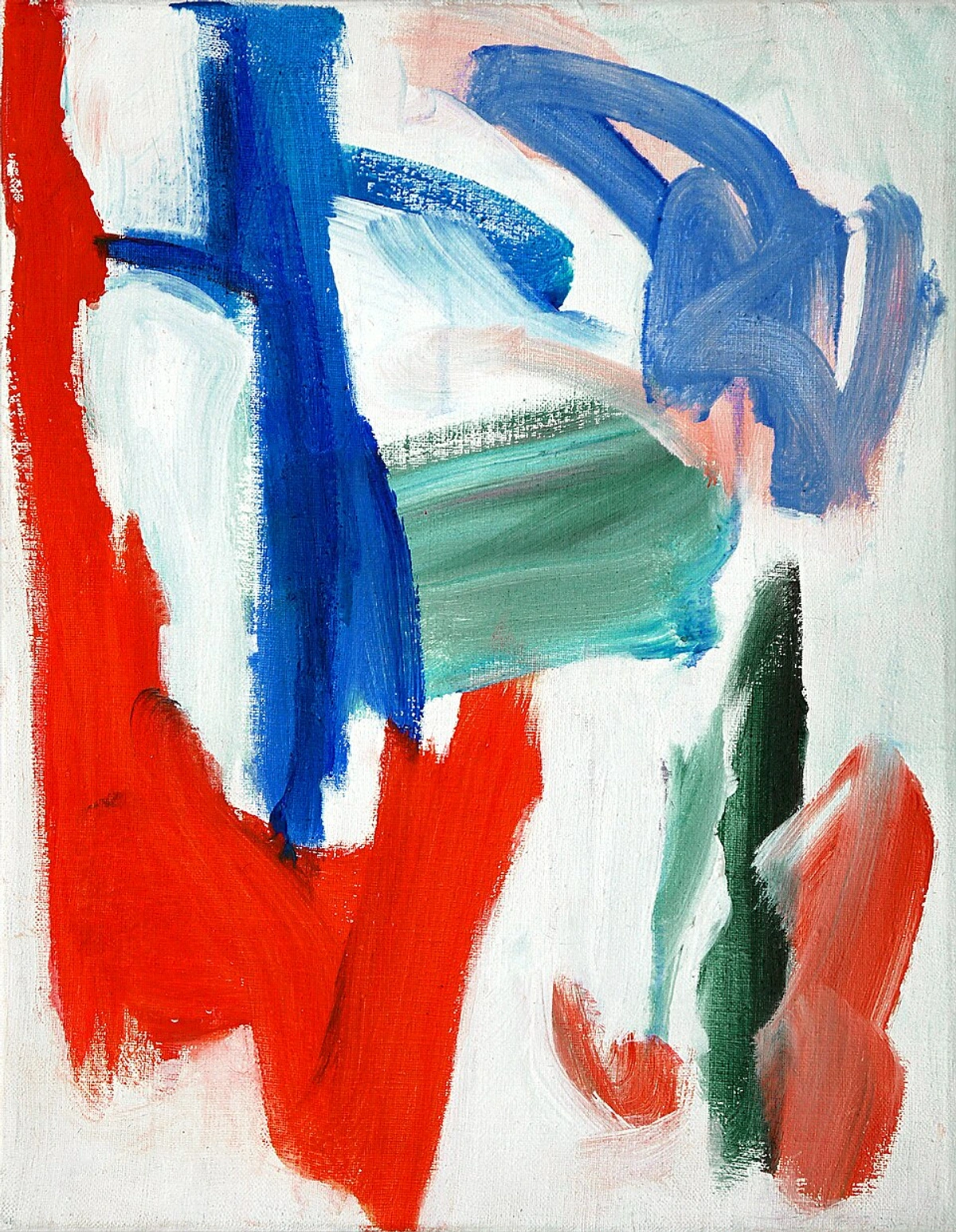
Q: What about digital art or NFTs in Japandi interiors?
A: While the digital realm offers intriguing possibilities for artistic expression, the tangible, natural, and imperfect essence of Japandi often calls for physical art pieces. The core principles of Japandi revolve around a deep appreciation for natural materials, visible craftsmanship, and the authentic story an object tells through its presence and aging—qualities inherently linked to physical, handmade items. If exploring digital art, consider how it can be intentionally displayed – perhaps on a high-quality screen that mimics a framed piece, choosing works that echo natural textures, muted palettes, and organic forms. But truly, the wabi-sabi appreciation for the unique imperfection of the handmade, and the grounding, enduring presence of natural materials, makes traditional, physical art a more natural and resonant fit. The often transient, speculative nature of NFTs often doesn't align with the lasting, serene presence sought in a Japandi sanctuary.
Q: Where can I find Japandi-style art for my home?
A: This is a question close to my heart! Many galleries, both online and physical, now curate collections specifically for minimalist and Japandi aesthetics. Look for independent artists who emphasize natural materials, abstract forms, and serene color palettes. Websites focusing on handmade goods can also be a treasure trove. And, of course, you can always explore my own collection of abstract art, which often leans into these principles, right here on the site. Start your search for your perfect piece at [/buy].
Crafting Your Sanctuary: A Personal Reflection
Decorating with art in Japandi interiors isn't about adhering to a rigid set of rules; it's about embarking on a thoughtful, deeply personal journey of selection and placement. It’s about curating a space that feels calm, effortlessly stylish, and most importantly, authentically you. It’s the art of finding immense beauty in simplicity, in the subtle textures, the quiet hues, and the intentional placement of pieces that truly resonate with your soul. This process can be incredibly therapeutic, a form of mindful living itself, a way to cultivate your own "Zen" at home. Remember, a truly Japandi space grows with you; art collected over time, chosen with intention, will contribute to its enduring character and tell your unique story. This focus on longevity and timelessness, rather than fleeting trends, is a cornerstone of both Japanese and Scandinavian design, ensuring that your sanctuary remains relevant and deeply personal for years to come. I genuinely believe that art has the profound power to transform a mere house into a cherished home, to turn blank walls into windows of imagination and introspection.
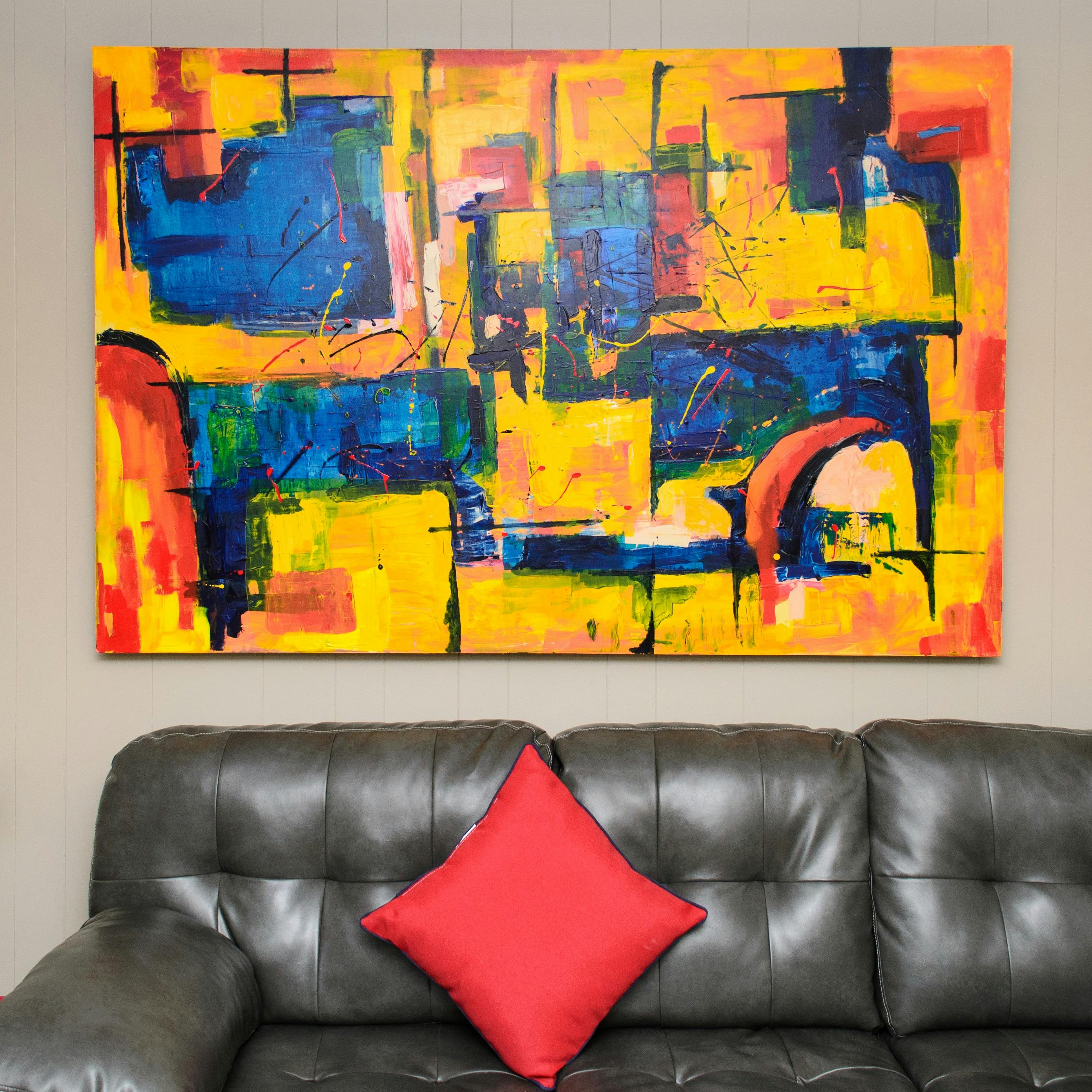


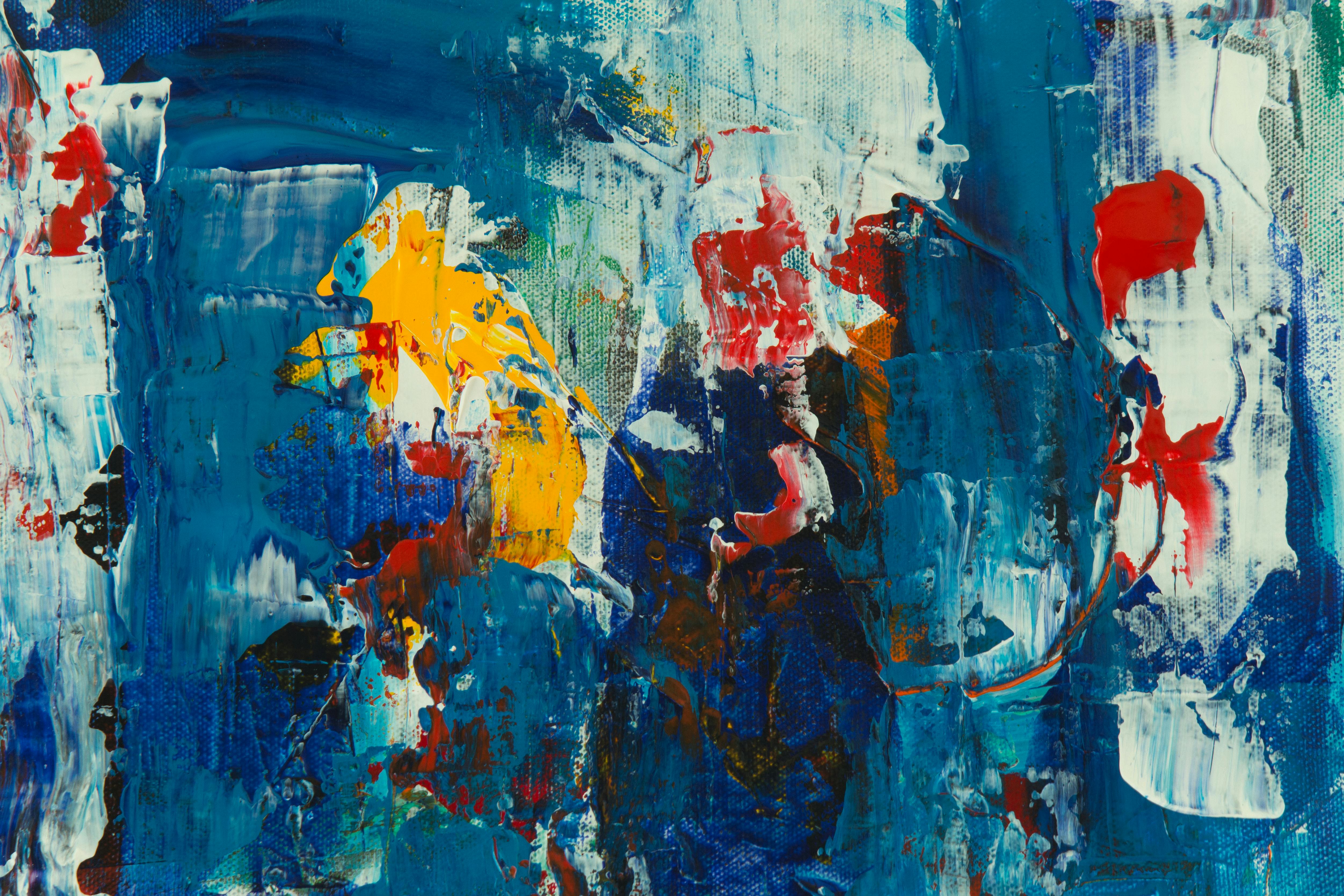
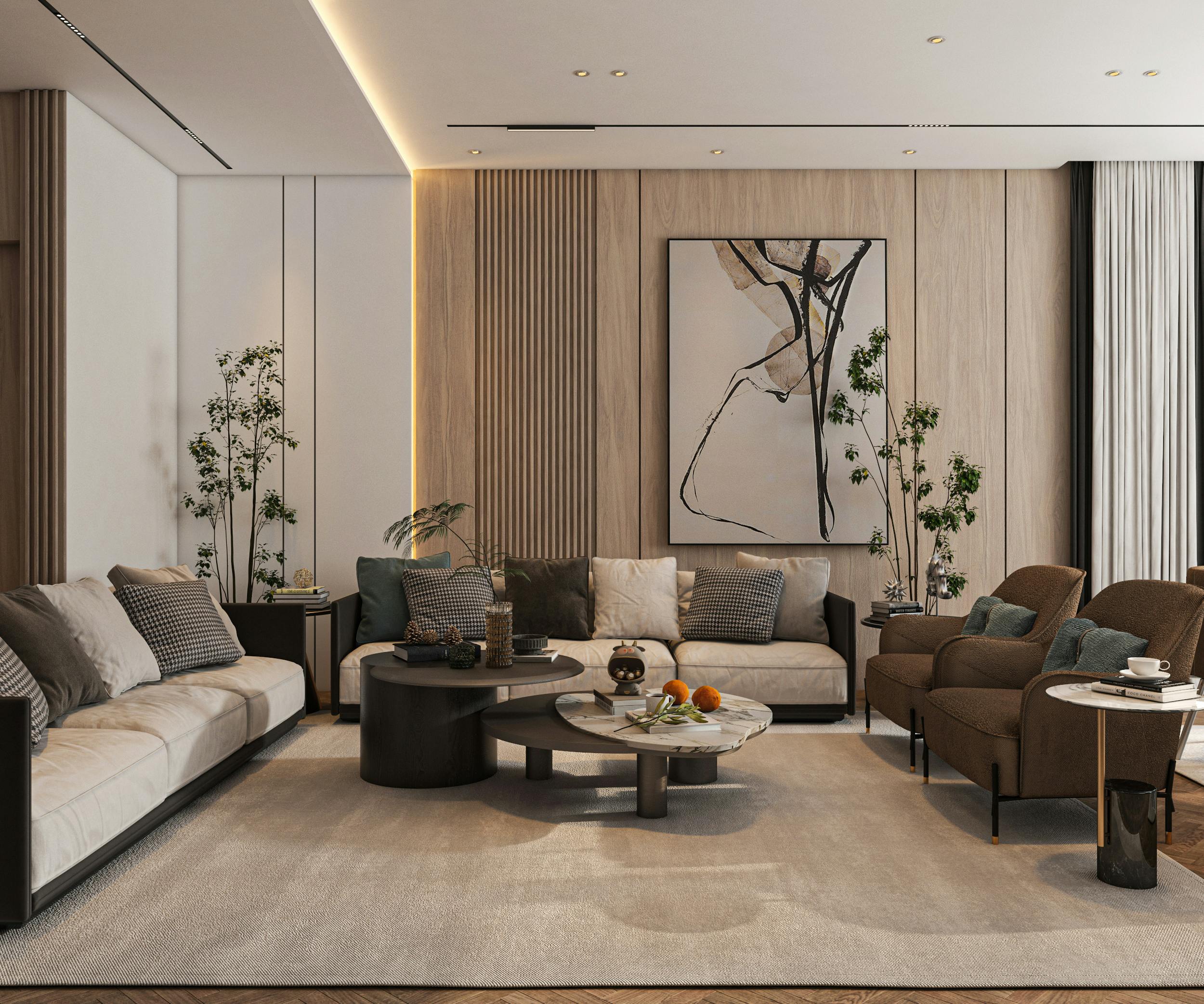




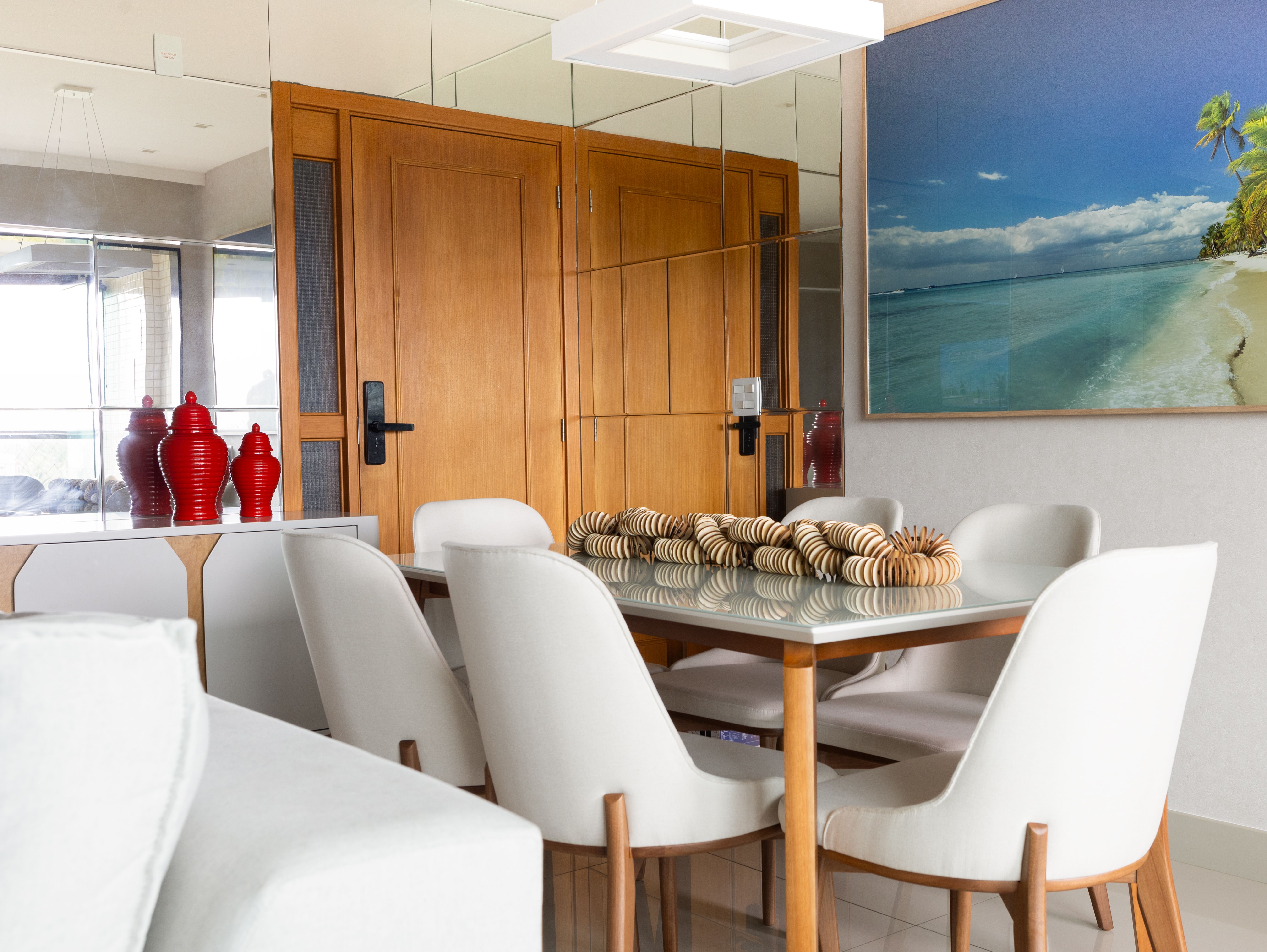
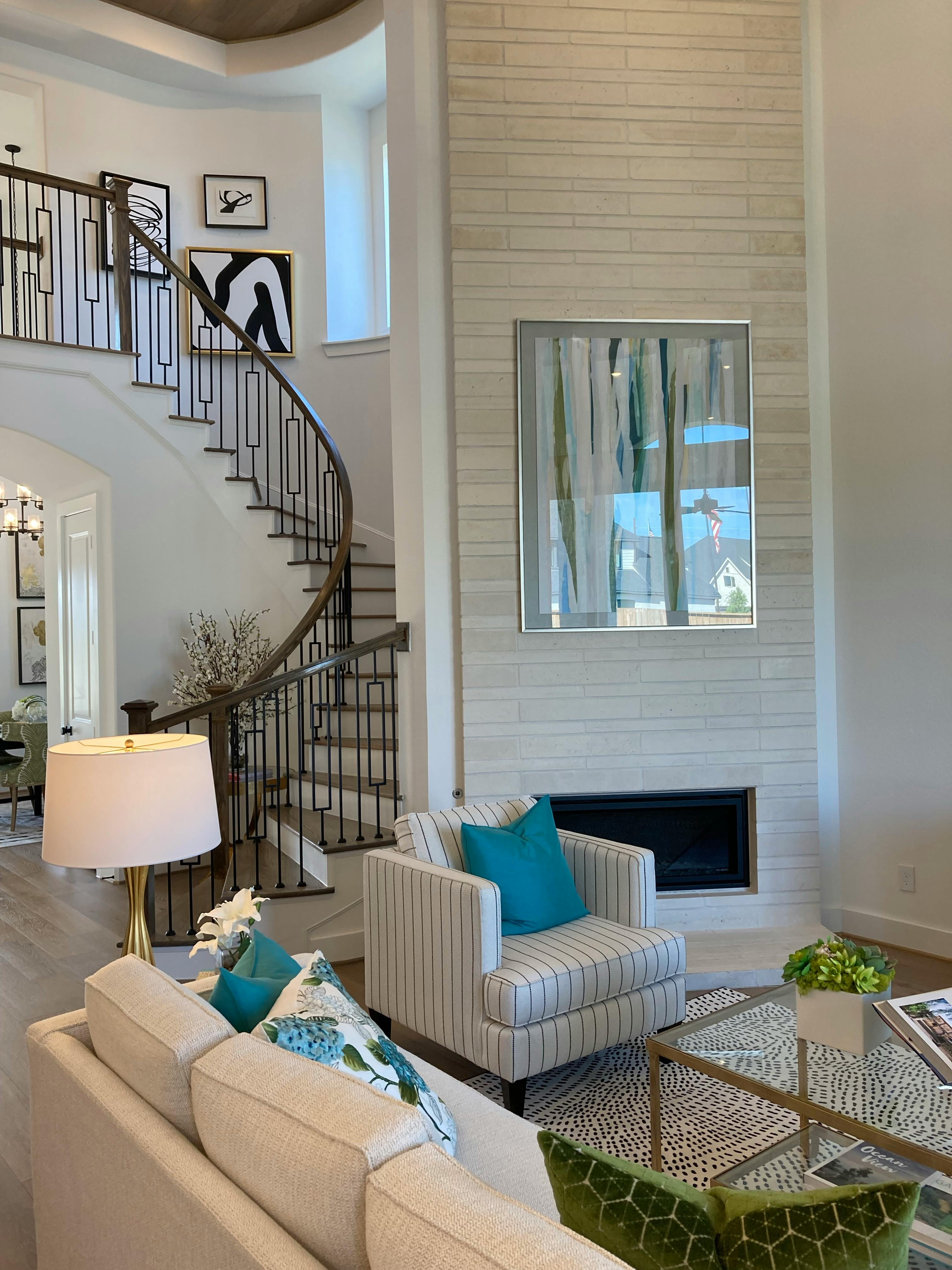


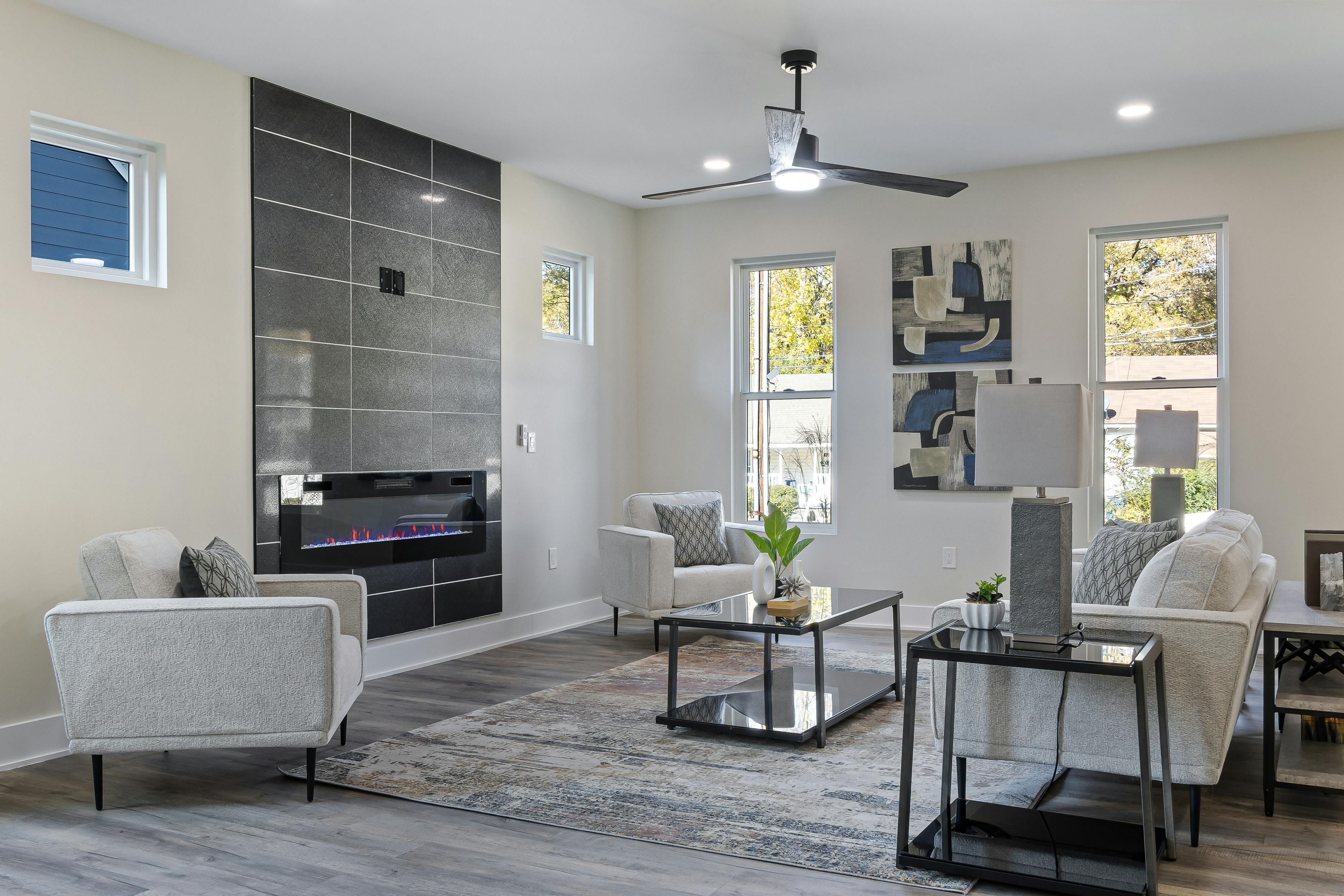
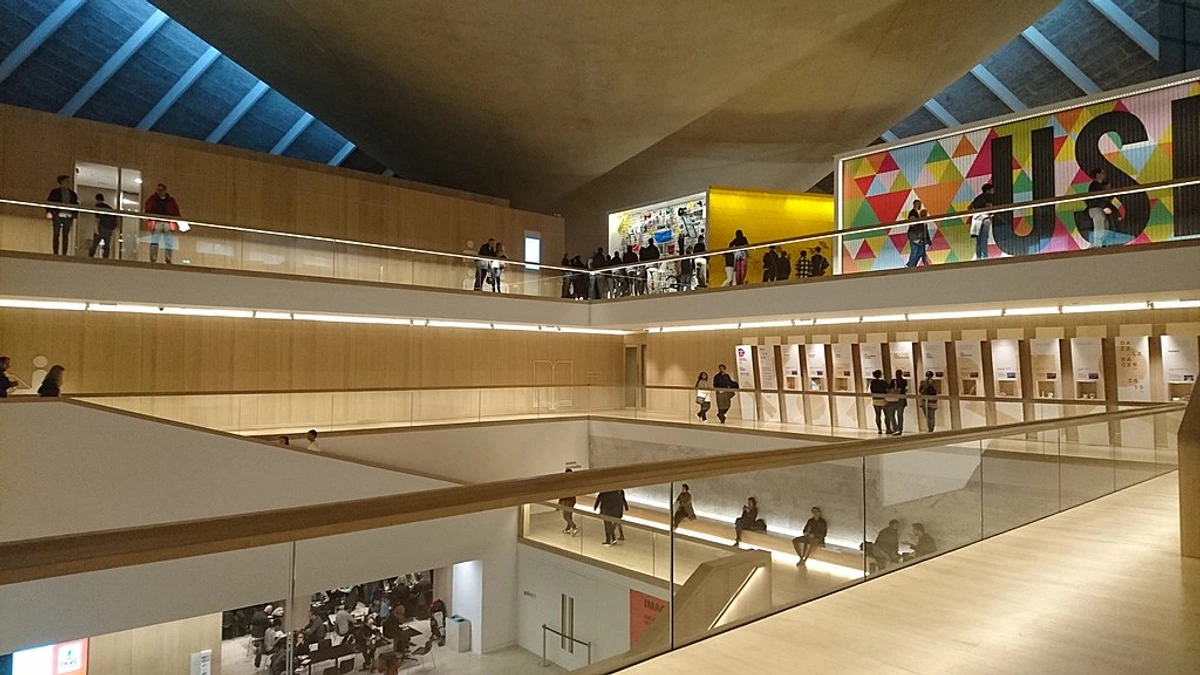
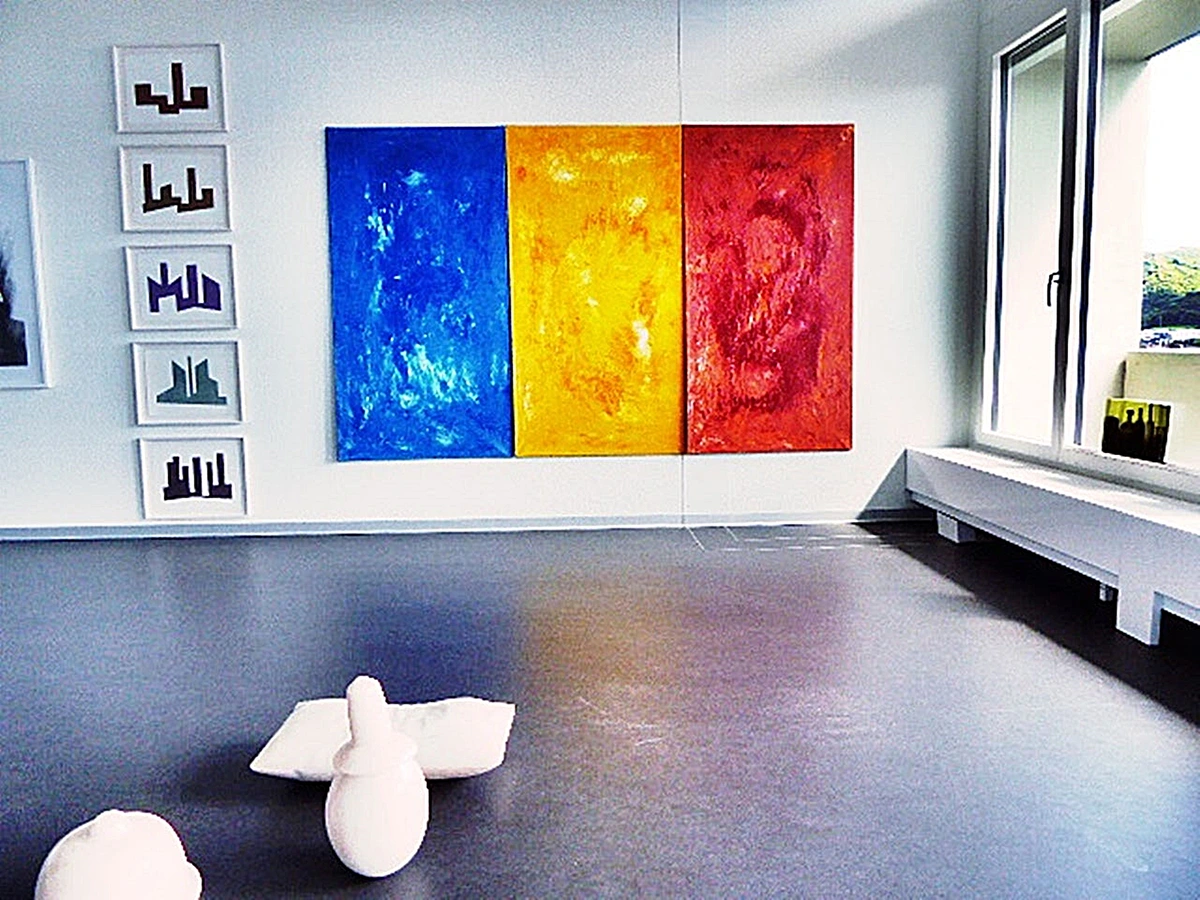
This gallery setting beautifully showcases art with ample negative space and thoughtful lighting, mirroring the principles of Japandi display on a grander scale: a place for quiet contemplation and appreciation. My own process of creating abstract art is very much a reflection of seeking balance and intentionality, even amidst vibrant colors. So, take your time, explore the nuances, and let your intuition guide you. What kind of serene sanctuary will you create with your art? And hey, if you ever find yourself near my museum in Den Bosch, drop by and see how I strive to bring these principles to life myself through my own works and their display. It's a conversation I always love to continue, perhaps over a quiet cup of tea.