Consistent Spacing in Art: The Hidden Math Behind Visual Harmony
Discover how consistent spacing in art creates balance and rhythm. Learn the principles, techniques, and why it matters in composition.

Consistent Spacing in Art: The Hidden Math Behind Visual Harmony
I’ll admit it—I used to think spacing in art was just about avoiding clutter. You know, making sure elements didn’t bump into each other like strangers in a crowded elevator. But then I started noticing how some artworks just felt right. They had this invisible rhythm, like a perfectly timed dance. That’s when I realized: consistent spacing isn’t just about gaps. It’s the secret math behind visual harmony.
But what exactly is this "hidden math"? And how can you harness it to elevate your own artwork? Let’s dive in.
Why Spacing Matters in Art
Spacing is often overlooked, but it plays a crucial role in how we perceive and interpret art. It’s not just about aesthetics; it’s about creating a sense of order, balance, and harmony. Whether you're a seasoned artist or just starting, understanding the principles of spacing can significantly enhance the impact of your work.
The Evolution of Spacing in Art
Spacing in art has evolved significantly over the centuries. From the precise symmetry of ancient Egyptian art to the dynamic compositions of the Renaissance, artists have always sought ways to create harmony and balance. Understanding this evolution can provide valuable insights into how spacing has been used to convey meaning and emotion in art.
Ancient Art and Symmetry
Ancient civilizations, such as the Egyptians and Greeks, relied heavily on symmetry and precise spacing to create a sense of order and divinity in their art. This approach was not just aesthetic but also symbolic, reflecting their beliefs in balance and harmony.
The Renaissance and Dynamic Compositions
During the Renaissance, artists like Leonardo da Vinci and Michelangelo began experimenting with more dynamic compositions. They used spacing to create depth and movement, breaking away from the rigid symmetry of earlier periods. This shift allowed for more expressive and emotionally engaging artworks.
Modern and Contemporary Art
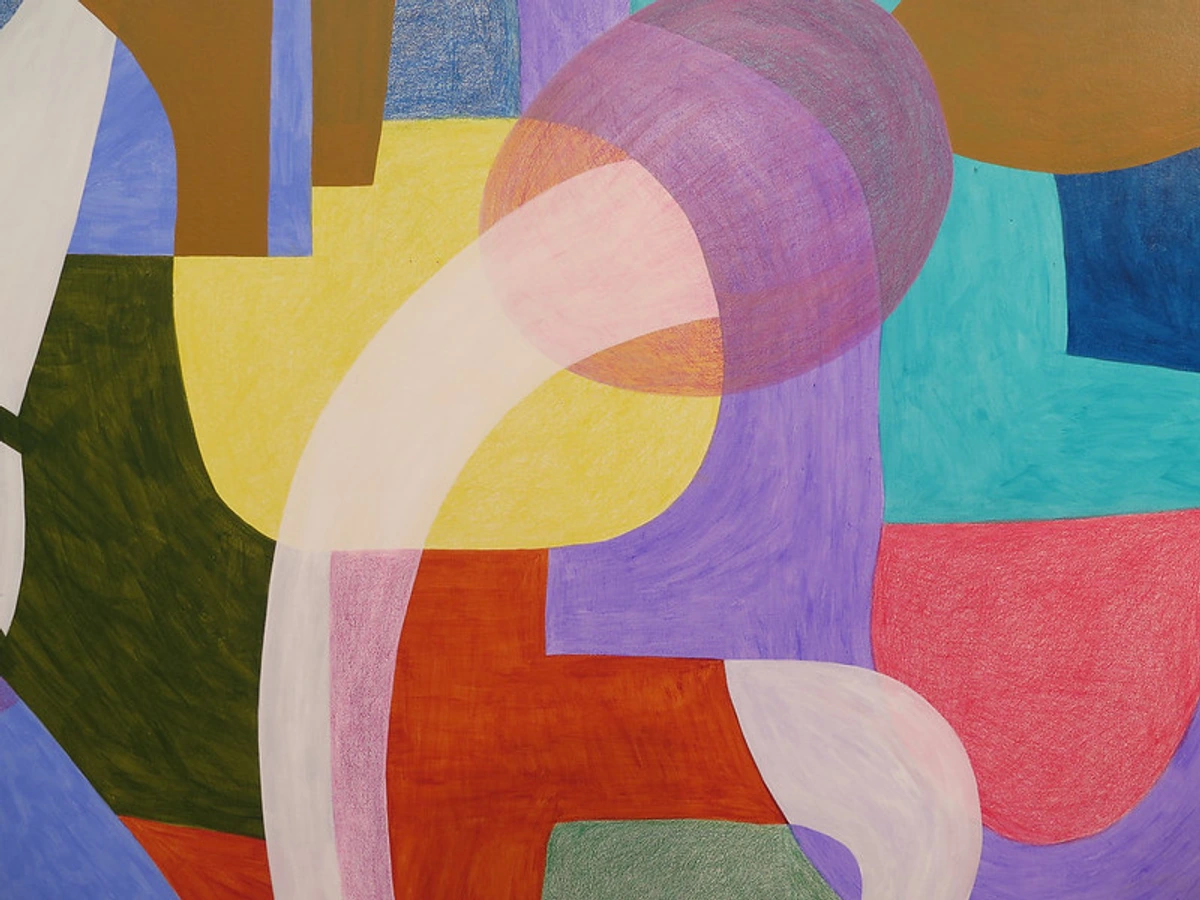
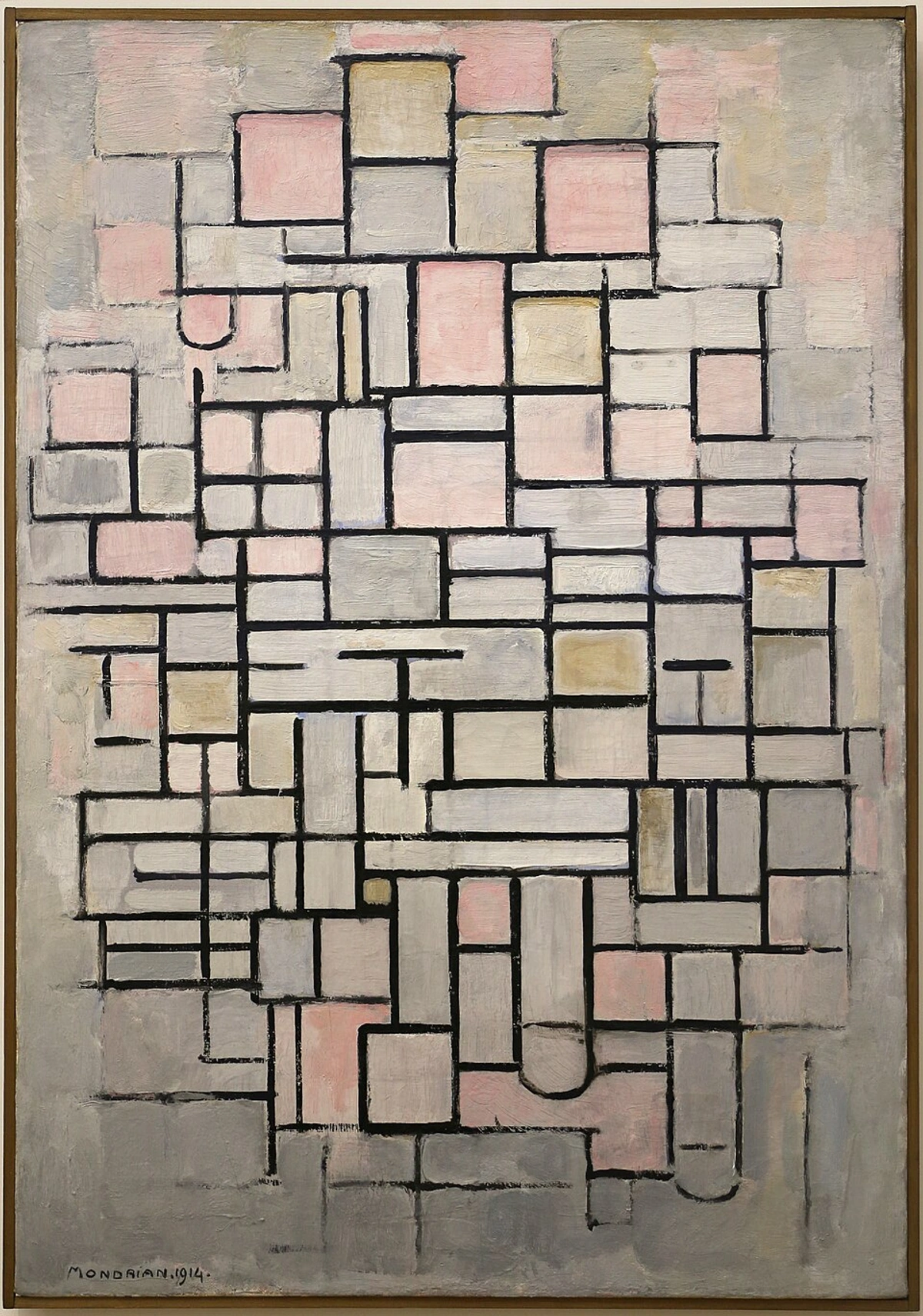
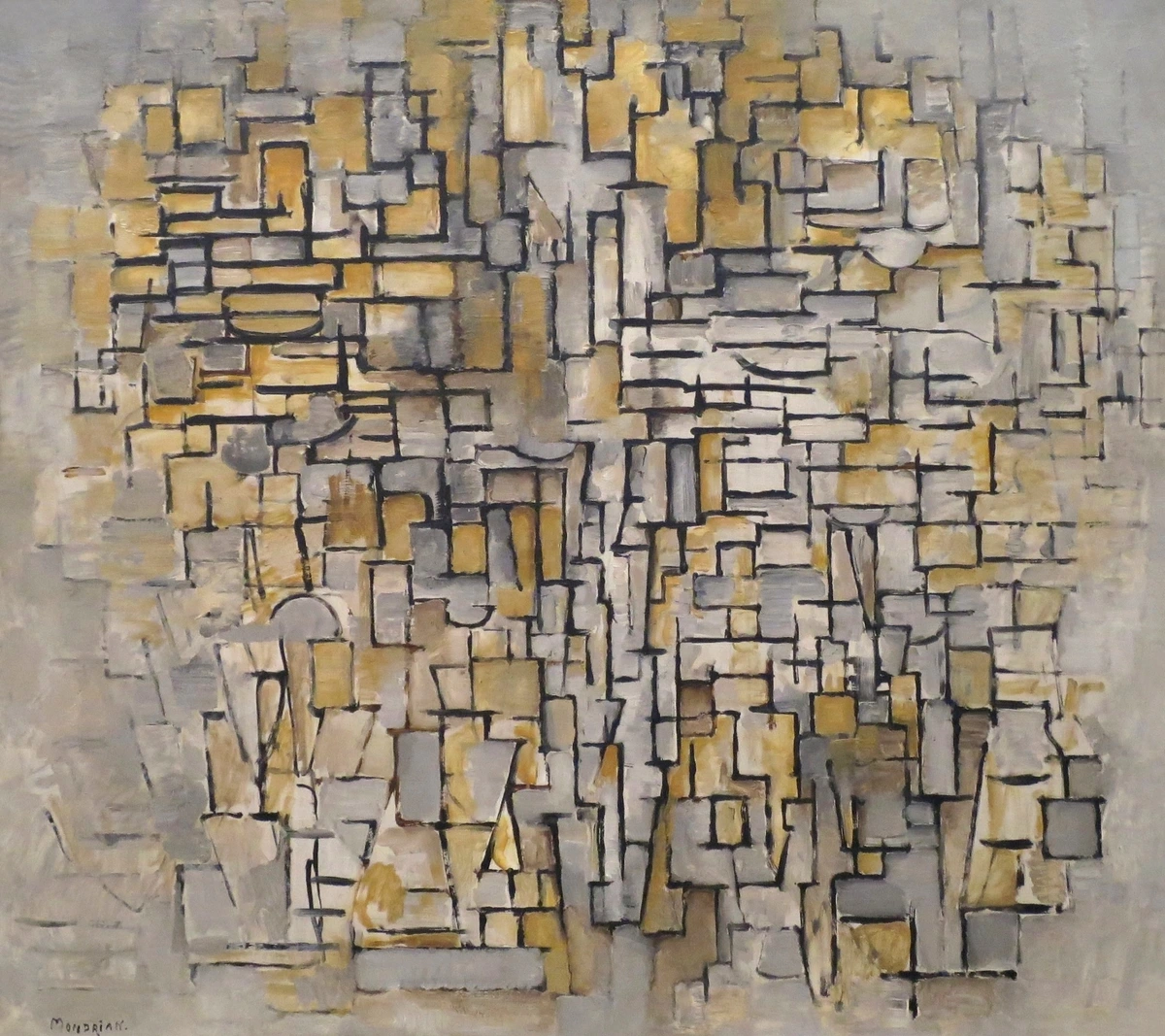
In modern and contemporary art, spacing has become even more experimental. Artists like Piet Mondrian and Jackson Pollock used spacing to challenge traditional notions of balance and harmony, creating works that evoke a wide range of emotions and interpretations.
Why Consistent Spacing Matters
Consistent spacing is more than just a technical aspect of art; it’s a fundamental principle that can transform a piece from chaotic to captivating. Whether you're a seasoned artist or just starting, understanding and applying consistent spacing can significantly enhance the impact of your work. In this article, we’ll explore the science, principles, and practical applications of spacing in art.
The Role of Spacing in Artistic Expression
Spacing is not just about aesthetics; it’s a powerful tool for artistic expression. By manipulating the distances between elements, artists can evoke emotions, guide the viewer’s eye, and create a sense of rhythm and movement. This section will delve into how spacing can be used to convey different moods and messages in art.
The Science Behind Spacing
Before we explore the principles, it's essential to understand the science behind spacing. Studies in psychology and neuroscience have shown that our brains are wired to recognize patterns and symmetry. This innate ability allows us to perceive order and harmony in art, making consistent spacing a powerful tool for artists.
The Role of Neuroscience
Our brains are hardwired to seek patterns and order. When we encounter consistent spacing, our brains process the information more efficiently, creating a sense of calm and predictability. This is why artworks with well-balanced spacing often feel more pleasing and engaging to viewers.
Why Spacing Matters More Than You Think
Imagine walking into a room where the furniture is haphazardly placed. One chair’s too close to the wall, the table’s off-center, and the lamp’s practically in your face. Uncomfortable, right? That’s what inconsistent spacing does to artwork. It creates visual chaos.
But when spacing is consistent, something magical happens. Your eyes glide effortlessly across the piece. The composition feels balanced, intentional, even calm. It’s like listening to a well-composed song—every note (or in this case, every space) has its place.
The Impact of Spacing on Visual Comfort
Consistent spacing creates a sense of visual comfort, allowing viewers to engage with the artwork without feeling overwhelmed or distracted. This comfort is essential for creating a positive and immersive viewing experience.
The Role of Spacing in Artistic Intent
Spacing can also be used to convey the artist’s intent. Whether it’s to create a sense of harmony, tension, or movement, the way elements are spaced can significantly influence the viewer’s interpretation of the artwork.
The Impact of Spacing on Perception
Consistent spacing doesn’t just make artwork look better; it also enhances the viewer’s experience. When spacing is well-executed, it guides the viewer’s eye through the artwork, creating a seamless and engaging journey. This is particularly important in complex compositions where multiple elements vie for attention.
The Role of Spacing in Visual Hierarchy
Spacing isn’t just about aesthetics; it also plays a crucial role in establishing visual hierarchy. By strategically placing elements with varying distances, artists can guide the viewer’s eye through the artwork, emphasizing key focal points and creating a sense of depth and dimension.
Techniques for Establishing Visual Hierarchy
- Focal Points: Use spacing to highlight the most important elements in your artwork. For example, placing a focal point at a strategic location, such as the intersection of grid lines, can draw the viewer’s attention.
- Layering: Create depth by varying the spacing between layers. Elements that are closer together can appear as a single unit, while those spaced further apart can stand out.
- Contrast: Use spacing to create contrast between different elements. For instance, tightly spaced elements can create a sense of unity, while widely spaced elements can emphasize individuality.
The Psychology of Spacing
Our brains are wired to seek patterns and order. When spacing is inconsistent, it disrupts this natural inclination, leading to discomfort or confusion. Conversely, consistent spacing creates a sense of predictability and harmony, making the artwork more enjoyable to view.
The Role of Spacing in Emotional Engagement
Spacing can also influence the emotional response of the viewer. For example, tight spacing can create a sense of intimacy or tension, while wide spacing can evoke feelings of openness or solitude. Understanding these emotional cues allows artists to convey specific moods and messages through their work.
The Impact of Spacing on Emotional Response
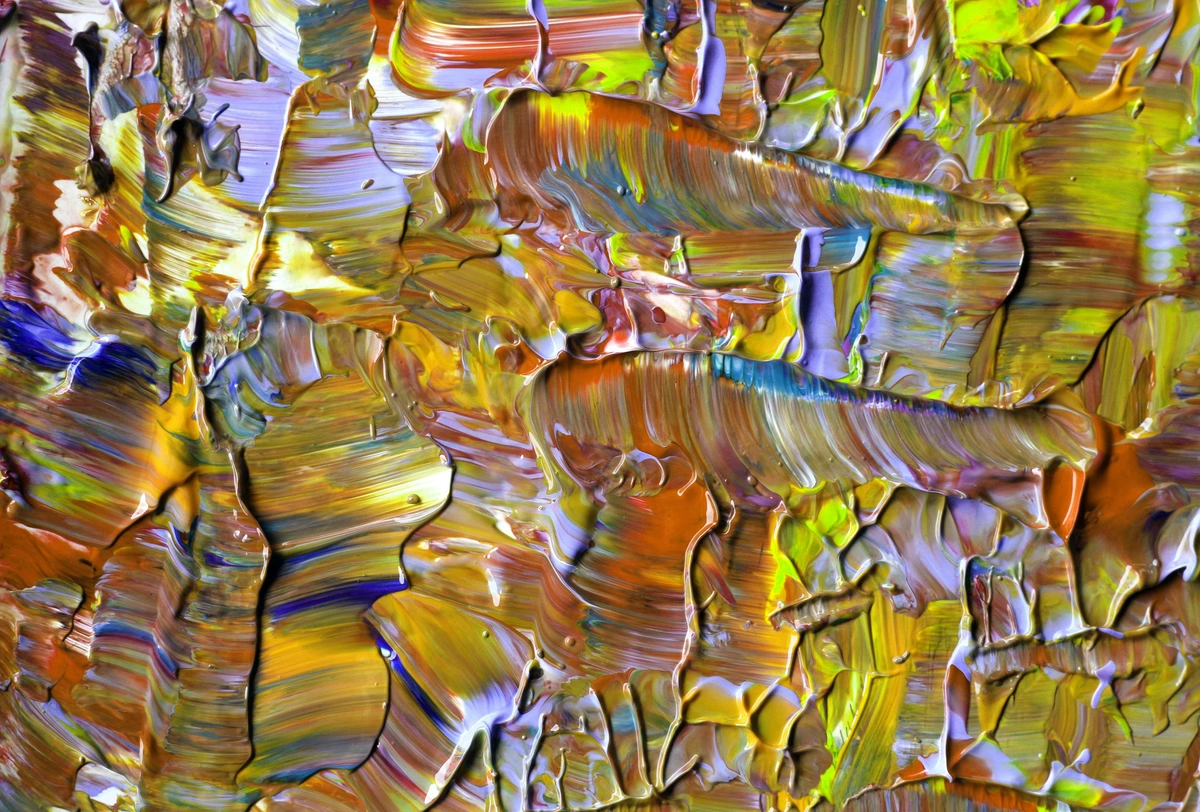
Spacing can evoke a wide range of emotions. Tight spacing can create a sense of intimacy or tension, while wide spacing can evoke feelings of openness or solitude. Understanding this emotional impact allows artists to convey specific moods and messages through their work.
Case Studies in Emotional Spacing
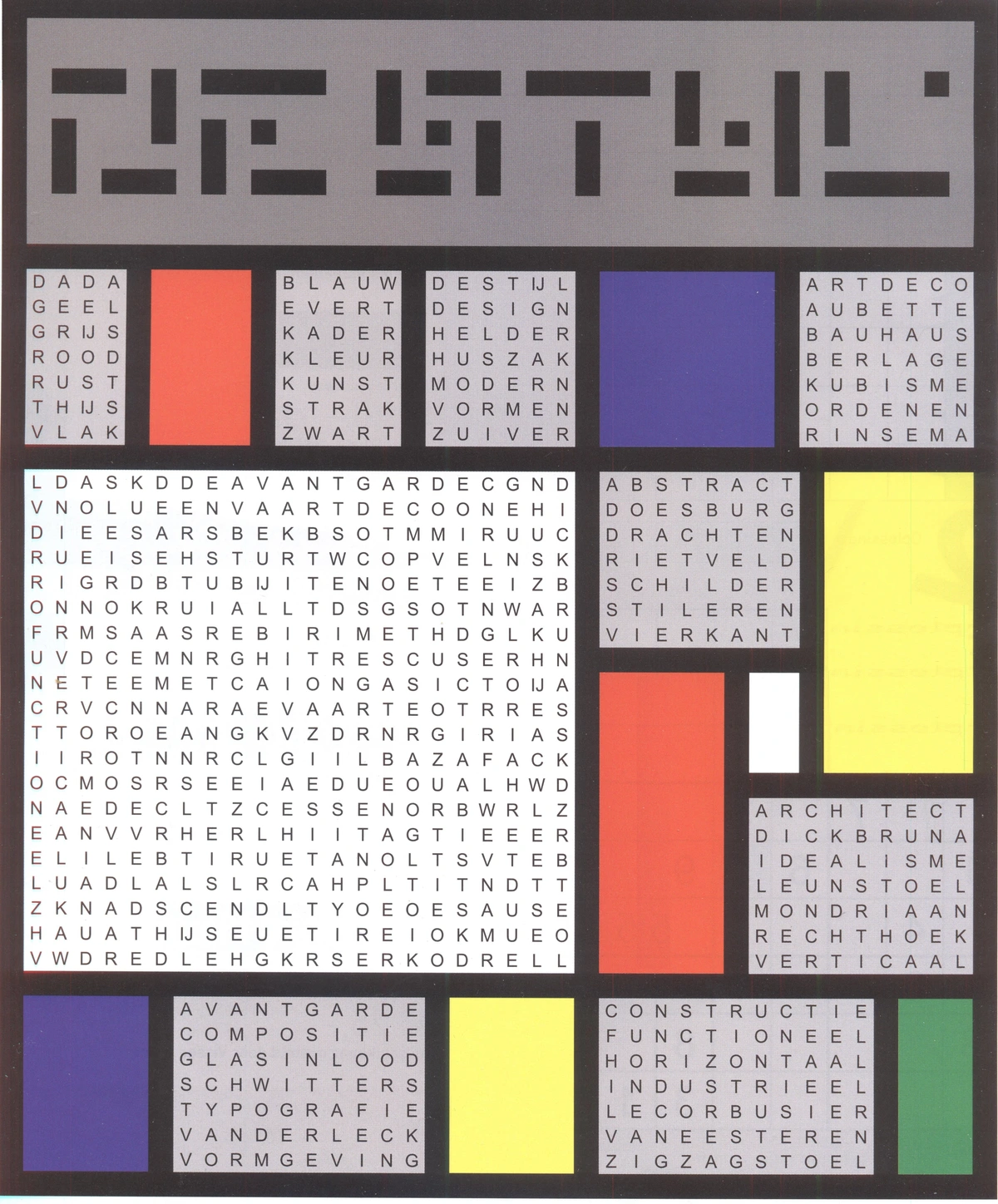
- Intimacy: In portraiture, tight spacing between elements can create a sense of closeness and connection, drawing the viewer into the subject’s world.
- Tension: In abstract art, tightly packed shapes or lines can create a sense of tension or urgency, evoking strong emotional responses.
- Solitude: In landscapes, wide spacing between elements can evoke a sense of solitude or tranquility, allowing the viewer to feel immersed in the scene.
The Core Principles of Consistent Spacing
1. Equal Intervals: The Foundation
At its simplest, consistent spacing means maintaining equal distances between elements. Think of it like planting trees along a path. If you space them evenly, the path feels orderly and inviting. If you don’t, it feels messy.
In art, this could mean:
- Equal gaps between shapes in an abstract piece
- Uniform margins around a central subject
- Even distribution of negative space in a minimalist design
Why It Works: Equal intervals create a sense of order and predictability, allowing the viewer to focus on the content rather than the arrangement.
2. Proportional Spacing: Beyond Equal Intervals
While equal intervals are a great starting point, proportional spacing takes this concept further. Instead of maintaining the same distance between all elements, proportional spacing adjusts distances based on the size and importance of the elements. This creates a more dynamic and visually engaging composition.
2. The Golden Ratio: Nature’s Spacing Guide
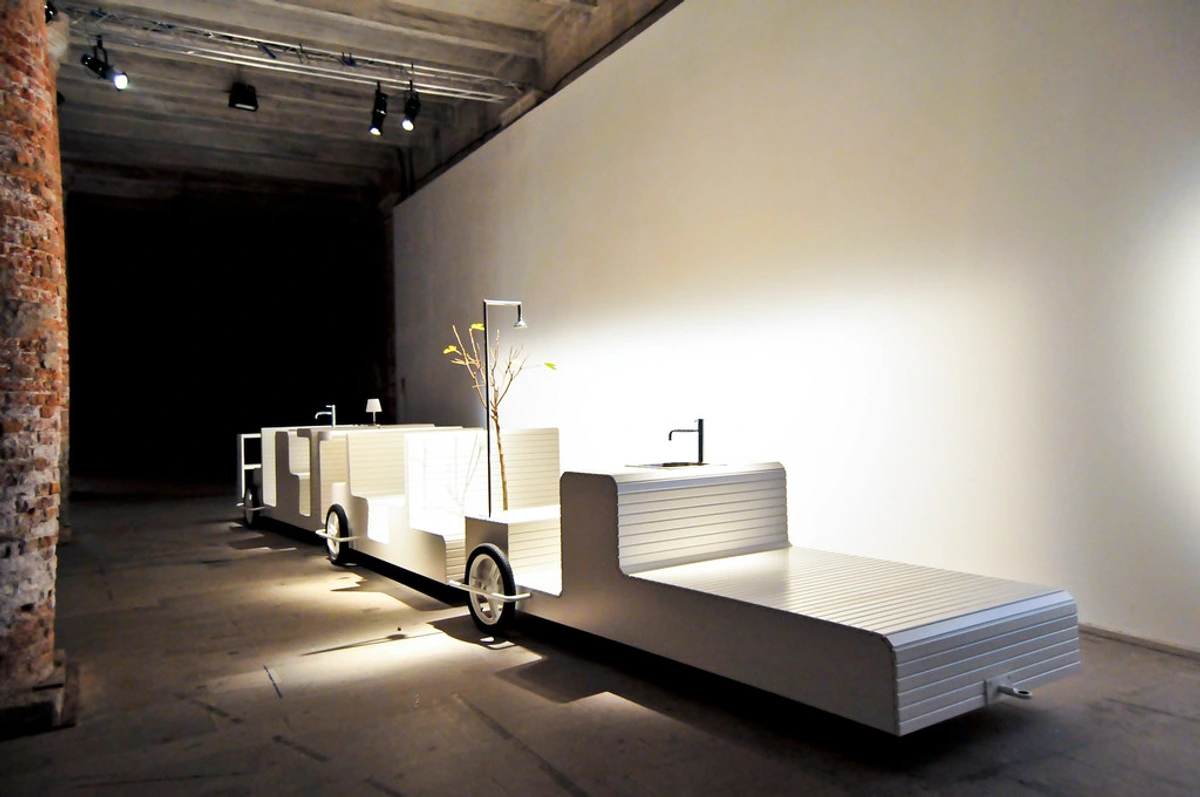
You’ve probably heard of the Golden Ratio (roughly 1:1.618). It’s everywhere—in seashells, galaxies, even the Parthenon. Artists use it to create spacing that feels naturally pleasing.
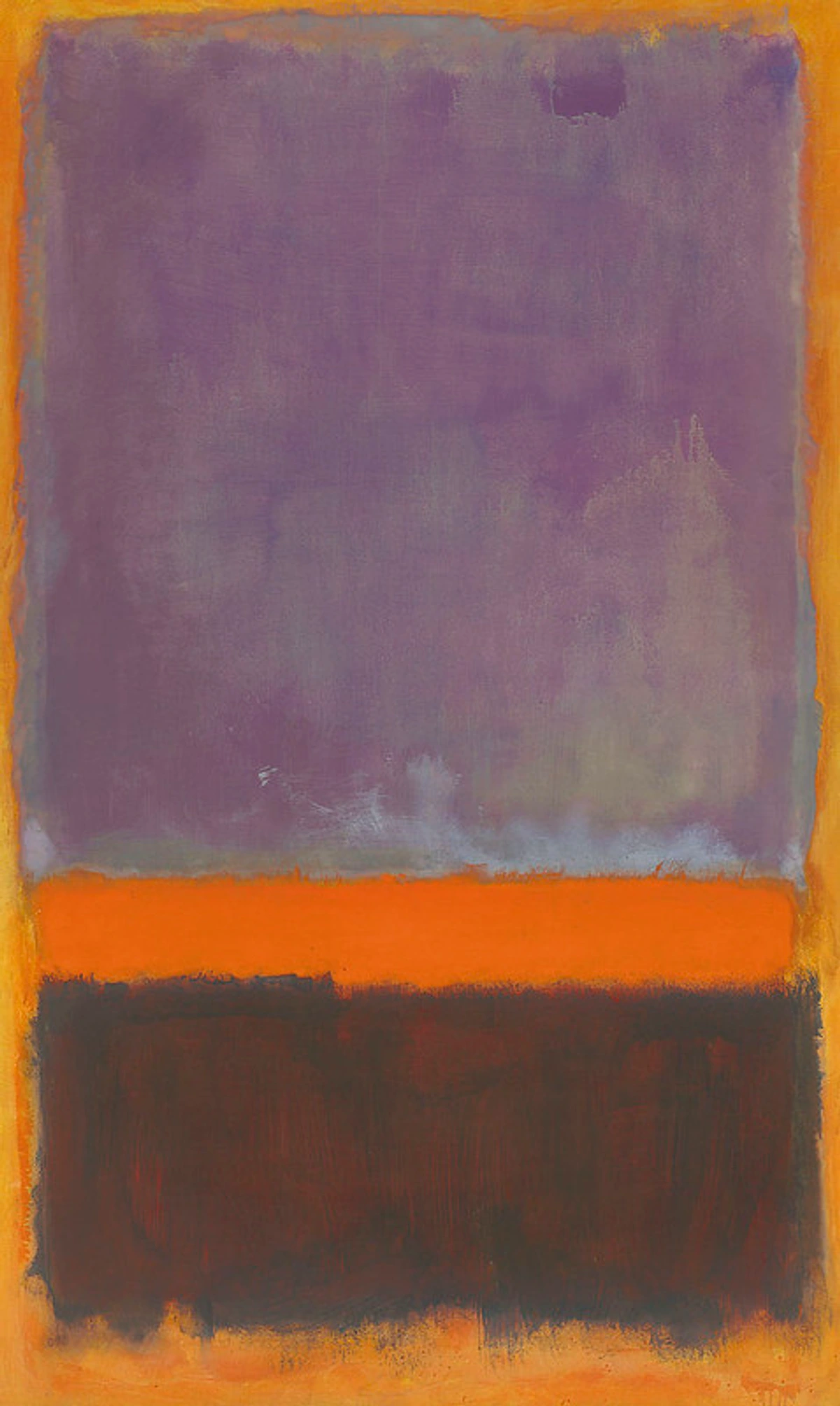
For example, if you’re placing a focal point, the Golden Ratio suggests dividing your canvas so the main element sits at about 61.8% of the width or height. This creates a sense of balance without being rigid.
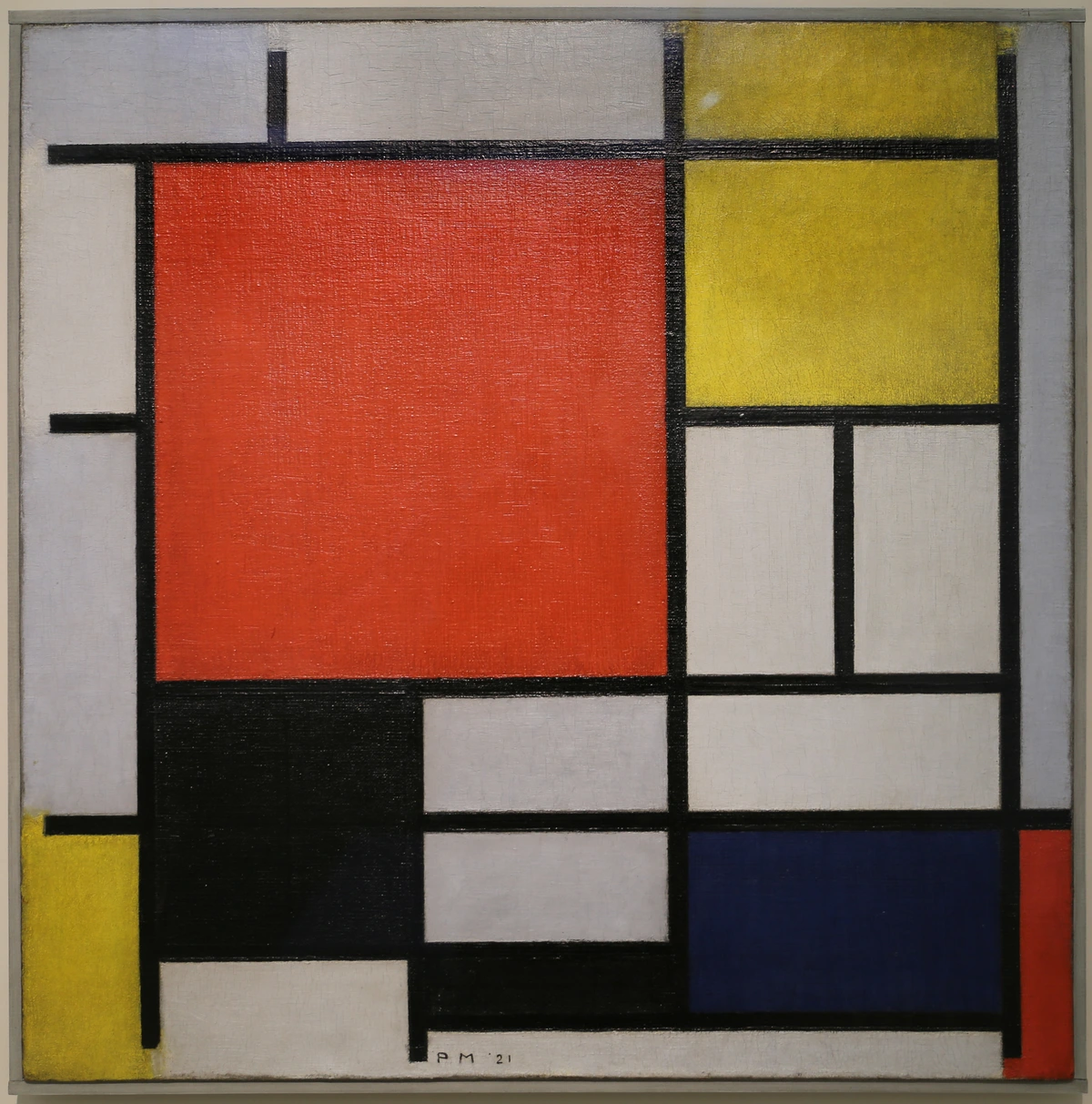
Historical Context: The Golden Ratio has been used for centuries, from ancient architecture to Renaissance paintings, proving its timeless appeal in creating visually pleasing compositions.
3. The Rule of Thirds: A Practical Alternative
While the Golden Ratio is powerful, the Rule of Thirds offers a simpler approach to achieving balance. By dividing your canvas into a 3x3 grid, you can place key elements along the lines or at their intersections. This method is widely used in photography and design for its simplicity and effectiveness.
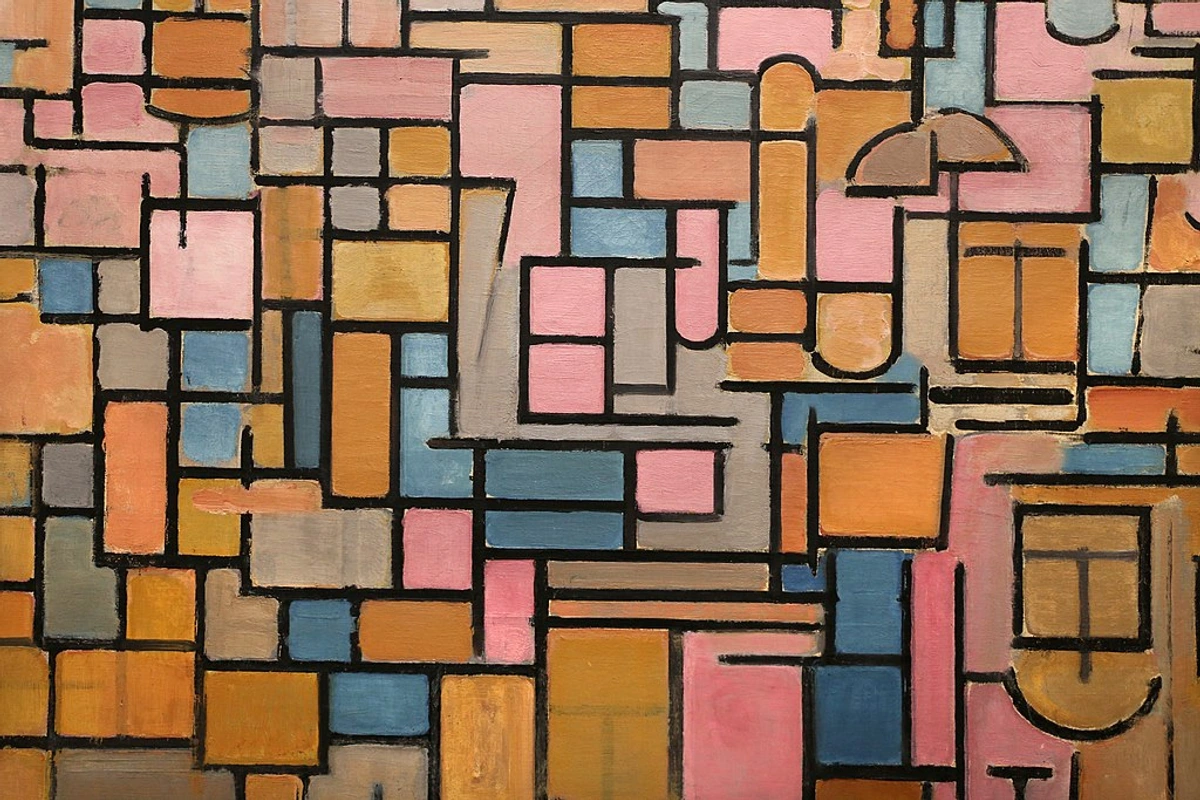
3. Rhythm Through Repetition
Consistent spacing isn’t just about empty gaps. It’s about creating a visual rhythm. When elements repeat at regular intervals, your brain starts anticipating the pattern—like the beat in music.
- Example: A series of circles spaced evenly across a canvas creates a sense of movement.
- Example: In typography, consistent letter spacing (kerning) makes text easier to read.
Why It Matters: Rhythm in spacing guides the viewer’s eye through the artwork, creating a dynamic yet harmonious experience.
4. Symmetry and Asymmetry: Finding Balance
Symmetry creates a sense of order and stability, while asymmetry can introduce dynamism and tension. Both approaches can be effective, depending on the artist’s intent. Understanding how to balance these elements is key to creating compelling compositions.
How to Apply Consistent Spacing in Your Art
Step-by-Step Guide
- Start with a Grid
- Lightly sketch a grid on your canvas. This helps you visualize equal divisions.
- Use tools like a ruler or digital guides if you’re working on a screen.
- Identify Your Focal Point
- Decide where you want the viewer’s eye to land first. Place it using the Golden Ratio or Rule of Thirds.
- Space Elements Evenly
- Measure distances between shapes, lines, or objects. Keep them uniform unless you’re intentionally breaking the pattern for emphasis.
- Check Negative Space
- Negative space (the empty areas) should feel balanced. If one side feels heavier, adjust spacing to compensate.
- Test with a Squint
- Squint your eyes. If the spacing feels off, your brain will notice the imbalance even if you can’t pinpoint it.
- Iterate and Refine
- Don’t be afraid to adjust spacing as you work. Sometimes, what looks good on paper doesn’t translate to the final piece.
Advanced Techniques for Spacing
Once you’ve mastered the basics, consider exploring advanced techniques such as:
- Layered Spacing: Using multiple layers of spacing to create depth and complexity.
- Dynamic Spacing: Adjusting spacing based on the movement or flow of the artwork.
- Interactive Spacing: Experimenting with spacing in digital art that responds to user interaction.
Common Mistakes to Avoid
Mistake  | Why It’s Bad | How to Fix It |
|---|---|---|
| Uneven gaps | Creates visual tension | Use a ruler or grid |
| Overcrowding | Feels chaotic | Increase spacing or reduce elements |
| Ignoring edges | Makes art feel unfinished | Leave consistent margins |
| Over-reliance on symmetry | Can feel static | Introduce subtle variations |
| Neglecting negative space | Loses balance | Adjust spacing to create harmony |
| Inconsistent alignment | Disrupts visual flow | Align elements to a common axis |
| Overusing patterns | Can feel monotonous | Introduce variations in spacing |
FAQ: Your Spacing Questions Answered
Q: Does consistent spacing work for all art styles? A: Mostly, yes. Even abstract art benefits from intentional spacing. However, some styles (like surrealism) might deliberately break spacing rules for effect.
Q: How do I space elements in a non-rectangular composition? A: Focus on the relationships between elements rather than strict measurements. Use angular or curved spacing to complement the shape.
Q: Can I use inconsistent spacing for emphasis? A: Absolutely! Breaking a consistent pattern can draw attention to a specific area—just do it intentionally.
Q: What’s the difference between spacing and alignment? A: Spacing is about the distance between elements. Alignment is about their position relative to a line or edge.
Q: How does spacing affect the mood of an artwork? A: Tight spacing can create tension or intimacy, while wide spacing can evoke openness or solitude. The key is to match the spacing to the emotional tone you want to convey.
Q: Can digital tools help with spacing? A: Yes! Digital tools like grids, rulers, and alignment guides can make it easier to achieve consistent spacing in digital art.
Q: How can I practice spacing in my artwork? A: Start by studying artworks you admire and analyzing their spacing. Experiment with grids and digital tools to refine your technique.
Q: What are some common tools for achieving consistent spacing? A: Tools like rulers, protractors, and digital software with grid overlays can help you maintain consistent spacing in your compositions.
Q: How does spacing impact the storytelling aspect of art? A: Spacing can guide the viewer’s eye through a narrative, emphasizing key moments or elements in a sequence. It’s like the pacing in a story—too fast, and you lose the viewer; too slow, and they lose interest.
Q: Can spacing be used to create optical illusions? A: Yes! By manipulating spacing, artists can create illusions of depth, movement, or even three-dimensionality in a two-dimensional space.
Q: What role does spacing play in typography? A: In typography, spacing (or kerning) ensures that letters and words are evenly spaced, improving readability and aesthetic appeal.
Q: How can I use spacing to create a sense of movement? A: By varying the spacing between elements, you can create a sense of rhythm and movement, guiding the viewer’s eye through the artwork in a dynamic way.
Q: How does spacing influence the emotional response of the viewer? A: Spacing can evoke a wide range of emotions. Tight spacing can create a sense of intimacy or tension, while wide spacing can evoke feelings of openness or solitude. Understanding this emotional impact allows artists to convey specific moods and messages through their work.
Q: What are some historical examples of effective spacing in art? A: Historical examples include the use of the Golden Ratio in Renaissance paintings and the balanced compositions of ancient Greek pottery. These examples demonstrate how spacing has been used to create harmony and balance in art throughout history.
Q: How can I use spacing to create a sense of depth in my artwork? A: By varying the spacing between layers of elements, you can create a sense of depth and dimension. Elements that are closer together can appear as a single unit, while those spaced further apart can stand out and create a sense of distance.
The Emotional Impact of Spacing
Here’s the thing: spacing isn’t just technical. It’s emotional. Tight spacing can feel intimate or claustrophobic. Wide spacing can feel open or lonely. The key is to match the spacing to the mood you want to convey.
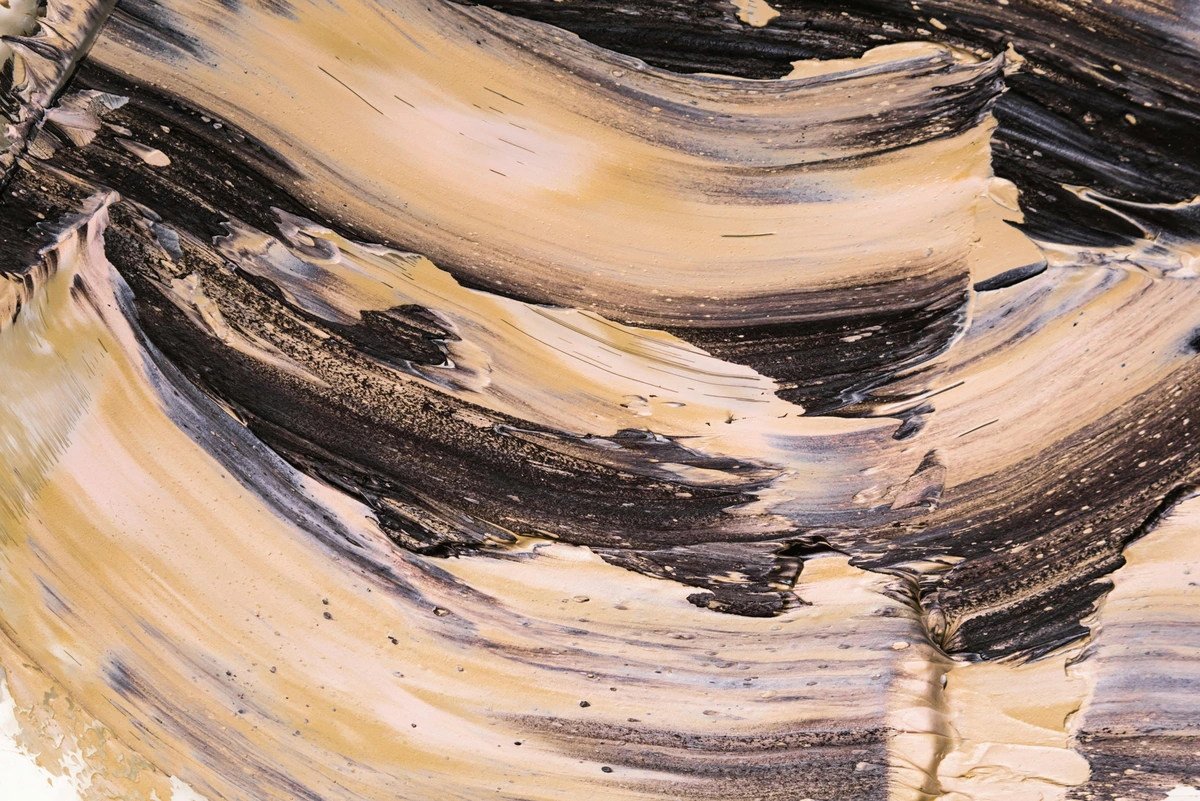
- Example: A tightly spaced portrait might evoke intensity.
- Example: A loosely spaced landscape might feel serene.
Why It Matters: The emotional impact of spacing is subtle but powerful. It can influence how viewers perceive and connect with your artwork on a deeper level.
The Role of Spacing in Storytelling
Spacing can also play a crucial role in storytelling. By guiding the viewer’s eye through a sequence of elements, artists can create a narrative flow that enhances the storytelling aspect of their work. This is particularly effective in sequential art forms like comics or graphic novels.
Final Thought: Spacing as a Silent Storyteller
The next time you look at a piece of art, pay attention to the spaces between the elements. They’re not just empty—they’re part of the story. And when you create your own work, remember: spacing isn’t just about gaps. It’s about harmony, rhythm, and the invisible threads that hold a composition together.
(And if you’re curious about how I apply these principles in my own work, check out my timeline or browse available pieces.)
Conclusion
In conclusion, consistent spacing is a fundamental principle of art that can transform a piece from chaotic to captivating. By understanding the science, principles, and practical applications of spacing, artists can create more impactful and emotionally resonant works. Whether you're a seasoned artist or just starting, mastering the art of spacing can significantly enhance the impact of your work.
Call to Action
Now that you understand the importance of consistent spacing, it's time to apply these principles to your own artwork. Experiment with different techniques, study artworks you admire, and refine your skills. The more you practice, the more intuitive spacing will become, and the more impactful your art will be.
Further Reading
For more insights into the world of art and design, explore the following topics:
These resources can provide deeper insights and practical techniques to master the art of spacing and composition.
The Future of Spacing in Art
As technology evolves, so do the tools and techniques for spacing in art. Digital platforms and interactive media offer new opportunities for dynamic spacing, allowing artists to create immersive and engaging experiences. The future of spacing in art is bright, with endless possibilities for innovation and creativity.
Additional Resources
For further exploration, consider these resources:
- Books on composition and design principles
- Online courses on visual harmony and spacing
- Workshops or tutorials on using digital tools for spacing
These resources can provide deeper insights and practical techniques to master the art of spacing.
Recommended Books and Courses
- Books:
- "The Elements of Graphic Design" by Alex W. White
- "Grid Systems in Graphic Design" by Josef Müller-Brockmann
- "The Art of Looking Sideways" by Alan Fletcher
- Online Courses:
- "Fundamentals of Graphic Design" on Coursera
- "Visual Design Basics" on Udemy
- "Composition and Layout" on Skillshare
Tools for Digital Spacing
- Software:
- Adobe Illustrator
- Procreate
- Affinity Designer
- Plugins and Extensions:
- Grid and alignment tools in design software
- Digital rulers and protractors for precise spacing