
The Bowler Hat: A Crown of Rebellion in Art History
Discover how this rigid headwear symbolized everything from bourgeois conformity to avant-garde rebellion. A personal journey through art's most misunderstood icon.

The Bowler Hat: A Crown of Rebellion in Art History
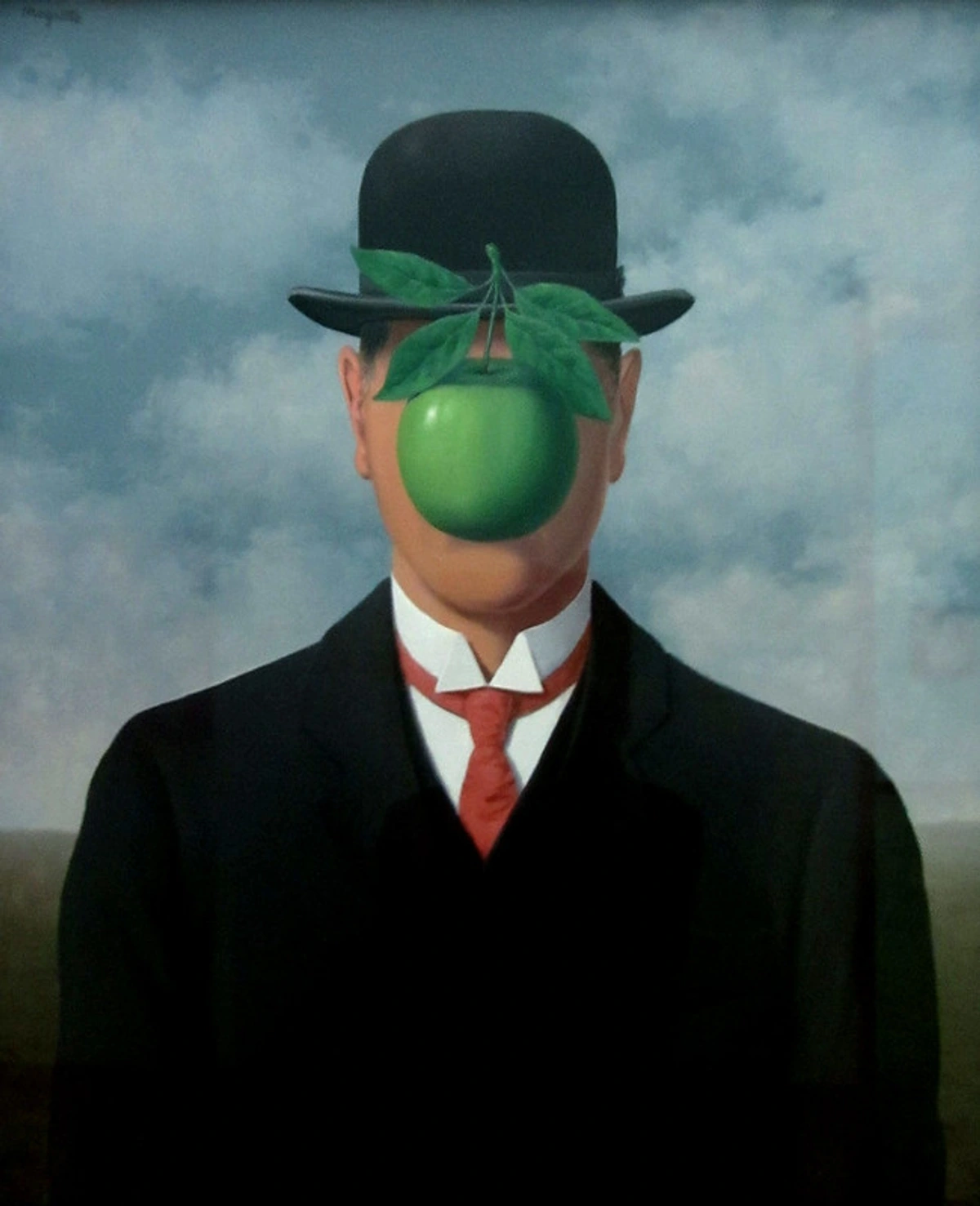
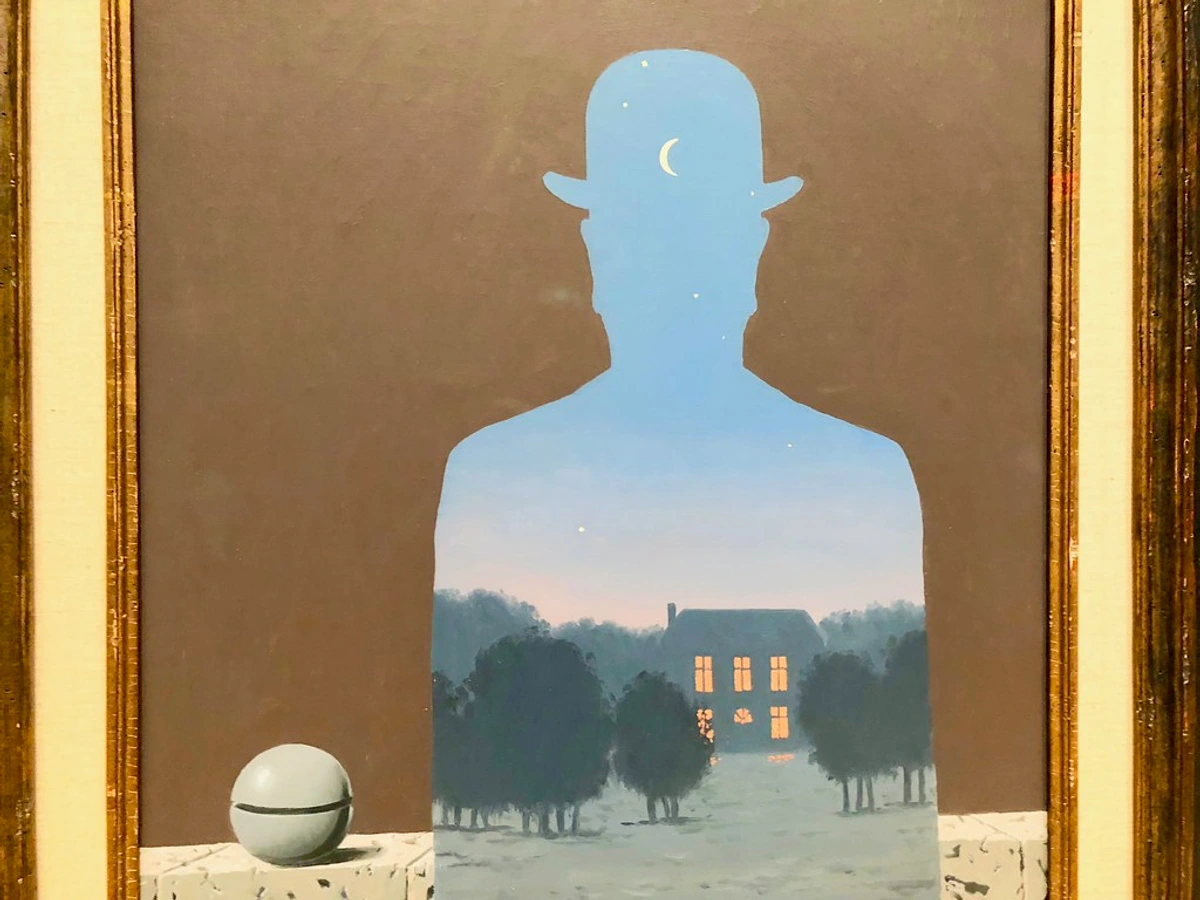
Have you ever stared at a painting and felt completely spellbound by something other than the face? I remember standing in front of a René Magritte at MoMA, utterly captivated not by the floating apple or the impossible architecture, but by this stubbornly precise little black bowler hat, floating like a dark thought above the scene. It was so... insistent. So full of attitude, even when it wasn't attached to a head. That day taught me that sometimes the most fascinating subjects aren't people at all – they're the objects they carry. And no object has carried more symbolic freight than the bowler hat.
The bowler hat isn't just headwear; it's a silent narrator in countless visual stories. What makes this particular piece of millinery so compelling to artists? Why has this unassuming hat become such a powerful visual shorthand across centuries of artistic expression? Let's explore how this humble headwear transformed from practical protection to cultural icon, carrying with it centuries of meaning, rebellion, and artistic inspiration.
The Unexpected Rise of a Misunderstood Icon
Picture this: London, 1849. A land where top hats reigned supreme for the elite, and workers wore cloth caps. Into this stepped a strange, stiff-brimmed creation – the bowler. Designed by hatters Thomas and William Bowler for Edward Coke (a landowner who needed something sturdy enough to ride under), it was meant for practicality. Protection against low-hanging branches and stable ceilings. But then... funny thing happened. The working-accepted, protective headwear became the uniform of Britain's new middle class. Suddenly, the bowler screamed: I am respectable. I am organized. I am part of the system. By the Edwardian era, it was the headwear of bankers, merchants, clerks – the invisible wiring of the British Empire. It became a visual shorthand for the very heart of Victorian conformity. And as with anything so fiercely ordinary, artists began to notice it.
The bowler hat's early history is fascinating because it represents a democratization of style. Before its invention, social status was clearly marked by headwear – the top hat for aristocracy, cloth caps for workers. The bowler created a middle ground, allowing the rising professional class to signal their status without the impracticality of the elite's headwear. This accessibility made it perfect for artistic appropriation – it was neither too high nor too low, just right for commentary on the emerging middle class.
The bowler hat's journey from equestrian necessity to bourgeois badge wasn't accidental. As industrialization reshaped Victorian society, the bowler emerged as the perfect symbol of this new world: practical, uniform, and utterly unremarkable – yet impossible to ignore. It represented the democratization of respectability, allowing the growing middle class to visually signal their social ascent without the impracticality of the aristocracy's top hats. This very ordinariness made it perfect for artistic appropriation – artists could subvert the mundane to reveal deeper truths about society.
Why Bowler Hats Fascinated Artists
Artists are drawn to the tension, aren't they? The space between what's expected and what could be. The bowler hat was perfect for that. But there's more to it than just visual interest. The bowler hat represents a fascinating psychological paradox – it's both familiar and strange, ordinary and extraordinary.
The Artistic Process of Appropriation
When artists appropriate the bowler hat, they're not just copying an object – they're recontextualizing meaning. They take something with established cultural baggage and give it new life. This artistic process involves four key stages:

- Recognition: The audience immediately understands the object
- Displacement: The artist places it in a new, unexpected context
- Reinterpretation: The audience creates new meaning based on the new context
- Reflection: The work provokes thought about original vs. new meanings
This four-step process makes the bowler hat incredibly effective for artistic communication. The audience doesn't need to learn what a bowler hat is – they already know. This frees up cognitive bandwidth to focus on the new meaning the artist has created. But there's more to it than just visual interest. The bowler hat represents a fascinating psychological paradox – it's both familiar and strange, ordinary and extraordinary.
The Psychology of Artistic Attraction
Why are artists so drawn to this particular hat? Part of it comes from cognitive dissonance. The bowler hat represents order and convention, but when artists place it in unexpected contexts, they create a psychological tension that captures viewer attention. Our brains are wired to recognize patterns and deviations from them, and the bowler hat – with its strong cultural associations – becomes perfect for playing with these expectations.
The Artistic Process of Appropriation
When artists appropriate the bowler hat, they're not just copying an object – they're recontextualizing meaning. They take something with established cultural baggage and give it new life. This artistic process involves:
- Recognition: The audience immediately understands the object
- Displacement: The artist places it in a new, unexpected context
- Reinterpretation: The audience creates new meaning based on the new context
- Reflection: The work provokes thought about original vs. new meanings
This four-step process makes the bowler hat incredibly effective for artistic communication.
- It's a miniature sculpture! That perfect dome? That unyielding brim? It’s pure geometry. No fluff, no floppy brims, just elegant form and structure. Imagine staring at that blank slate – you could project anything onto it.
- It carries DNA. Like a fingerprint or a uniform, it speaks of class, profession, even nationality (ever see Peruvian cholitas rocking their bowlers? They transformed it into a defiant cultural symbol!).
- It's rigidly symbolic. While a fedora might suggest mystery or rebellion, the bowler? It’s pinned down. It means something specific – often the very rigidity artists loved to push against.
- It creates contrast. Think of the soft texture of a painted face against the hard, dark plane of the hat. It’s instant visual tension. Like placing a smooth pebble on rough velvet.
The Bowler Hat Through Artistic Lenses
The bowler hat didn't just appear in art; it became a versatile artistic tool, reinterpreted wildly across movements. Let's explore some key artistic interpretations:
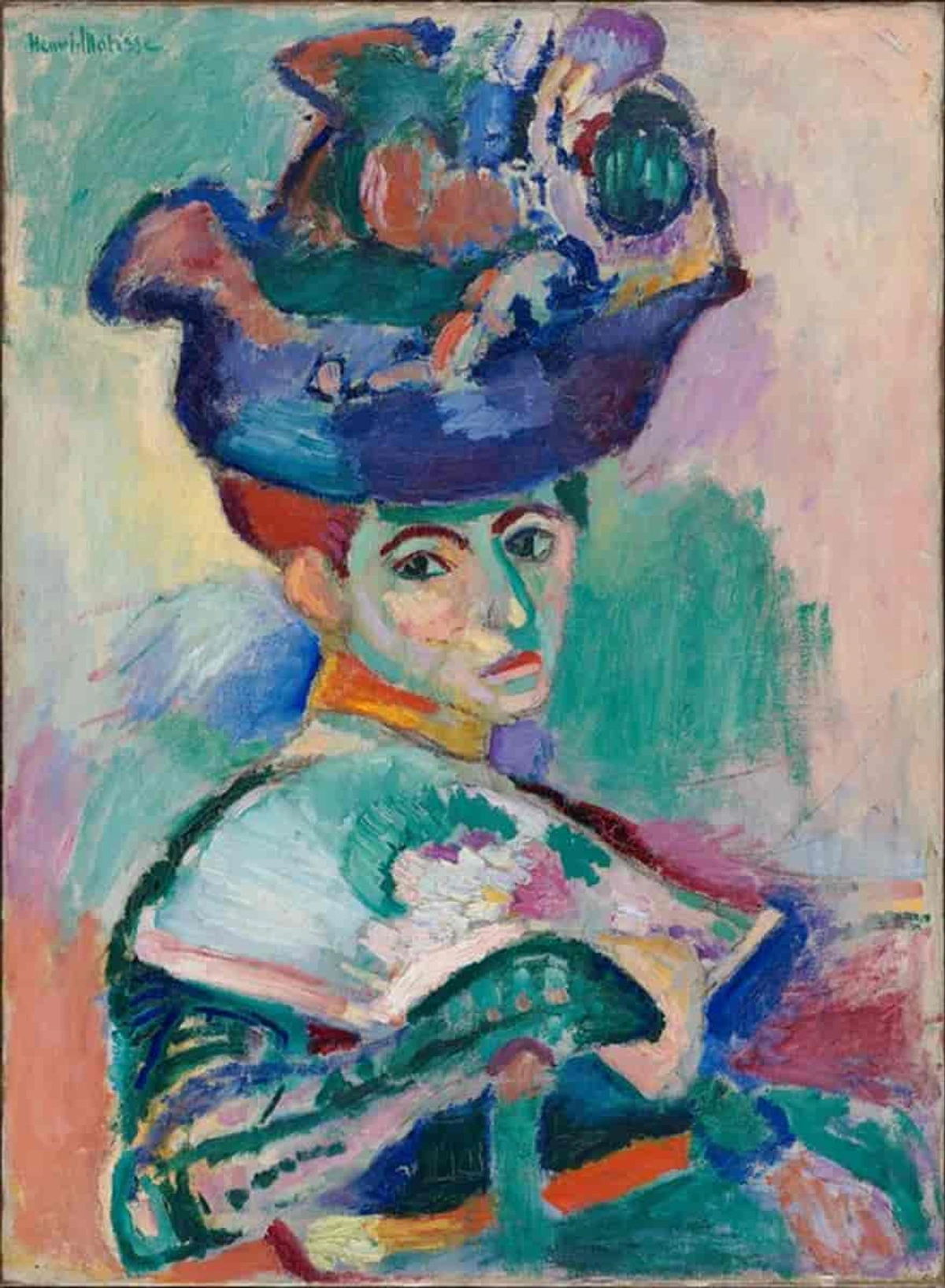
Minimalism: The Power of Reduction
In the hands of minimalist artists, the bowler hat becomes almost pure form. Artists like Donald Judd and Agnes Martin might represent it as a simple circle or geometric shape, stripping away all representational meaning to focus on its essential visual properties. For minimalists, the bowler hat represents the reduction of complex cultural objects to their most basic geometric components.
The bowler hat didn't just appear in art; it became a versatile artistic tool, reinterpreted wildly across movements. It didn't mean the same thing twice. What makes this particular hat so adaptable? Its inherent neutrality combined with its strong visual signature creates the perfect artistic paradox – immediately recognizable yet infinitely mutable.
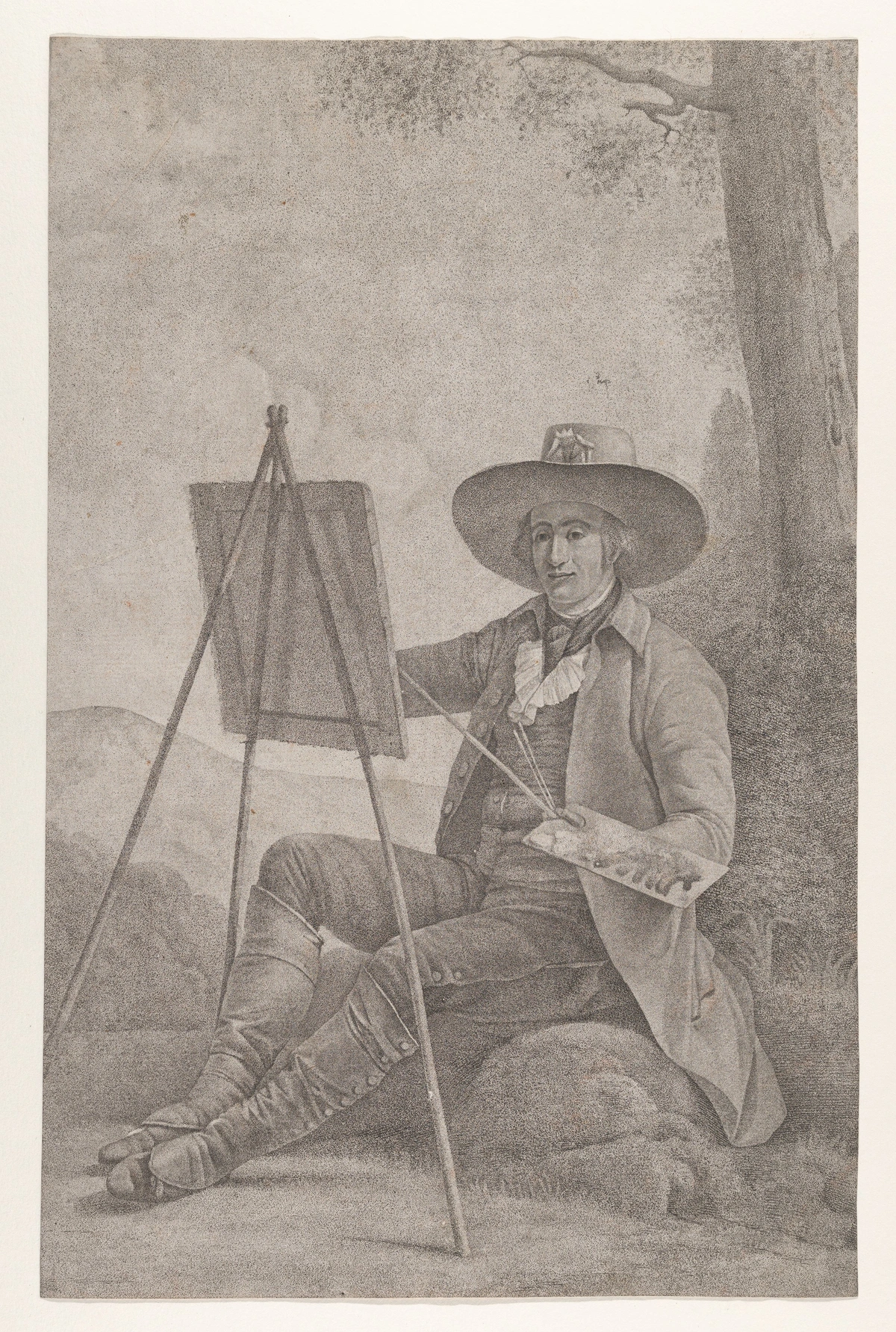
Let's journey through the major artistic movements and see how they transformed this humble headwear:
Portraiture: The Badge of Respectability (and Subversion)
At first, painters used it as a prop of bourgeois respectability. Look at John Singer Sargent's portraits from the Gilded Age. Those bowler-hatted businessmen? They aren't just subjects; they are living symbols of financial power and social standing. The hat is part of the armor. But even here, artists started playing with it. Notice how often the hat is slightly tilted? Or how the sitter’s posture beneath it seems constrained? It’s a quiet rebellion against the very conformity the hat represented. The artist is saying: See this object? It might fit them, but it doesn’t define them.
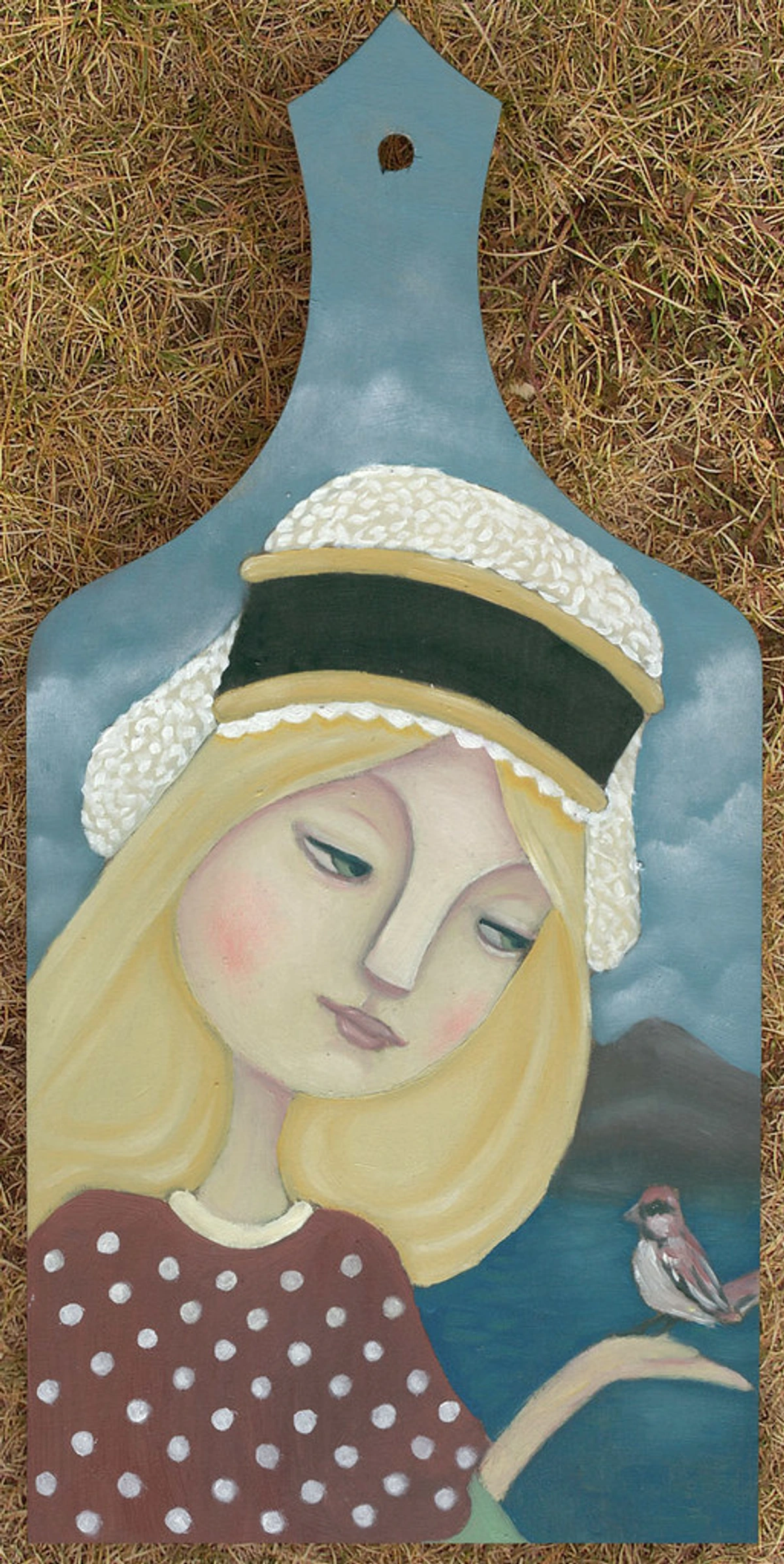
For the Cubists, the bowler hat was the perfect subject because it contained both representational meaning and pure geometric potential. Georges Braque used bowler hats in his early cubist works as test subjects for exploring how three-dimensional objects could be compressed onto two-dimensional surfaces. The hat's circular form and rigid structure made it ideal for demonstrating the principles of analytical cubism – breaking down objects into their basic geometric components while retaining just enough recognizable detail to keep the viewer grounded in reality.
Pop Art: Repetition and Meaning Saturation
Andy Warhol adored objects everyone recognized. The Campbell's soup can, the Coca-Cola bottle. And the bowler hat. His "Bowler Hat" series? Endless iterations floating in empty spaces. Why? Because by sheer repetition, Warhol stripped it of its symbolic power. It became just another object – cool, detached, slightly vacant. This mirrored the rise of mass production and the detachment of modern existence. Suddenly, that symbol of individual respectability became a mass-produced graphic element. Pure, Pop irony.
Warhol's approach to the bowler hat was revolutionary because he recognized its dual nature: it was simultaneously personal and universal, meaningful and meaningless. By reproducing the same image over and over, he explored how context changes meaning. A single bowler hat might suggest respectability, but fifty identical bowler hats in a grid? They become wallpaper – decorative but devoid of individual significance. This commentary on the commodification of culture and the loss of unique meaning in mass society remains profoundly relevant today.
Surrealism: The Dream Object
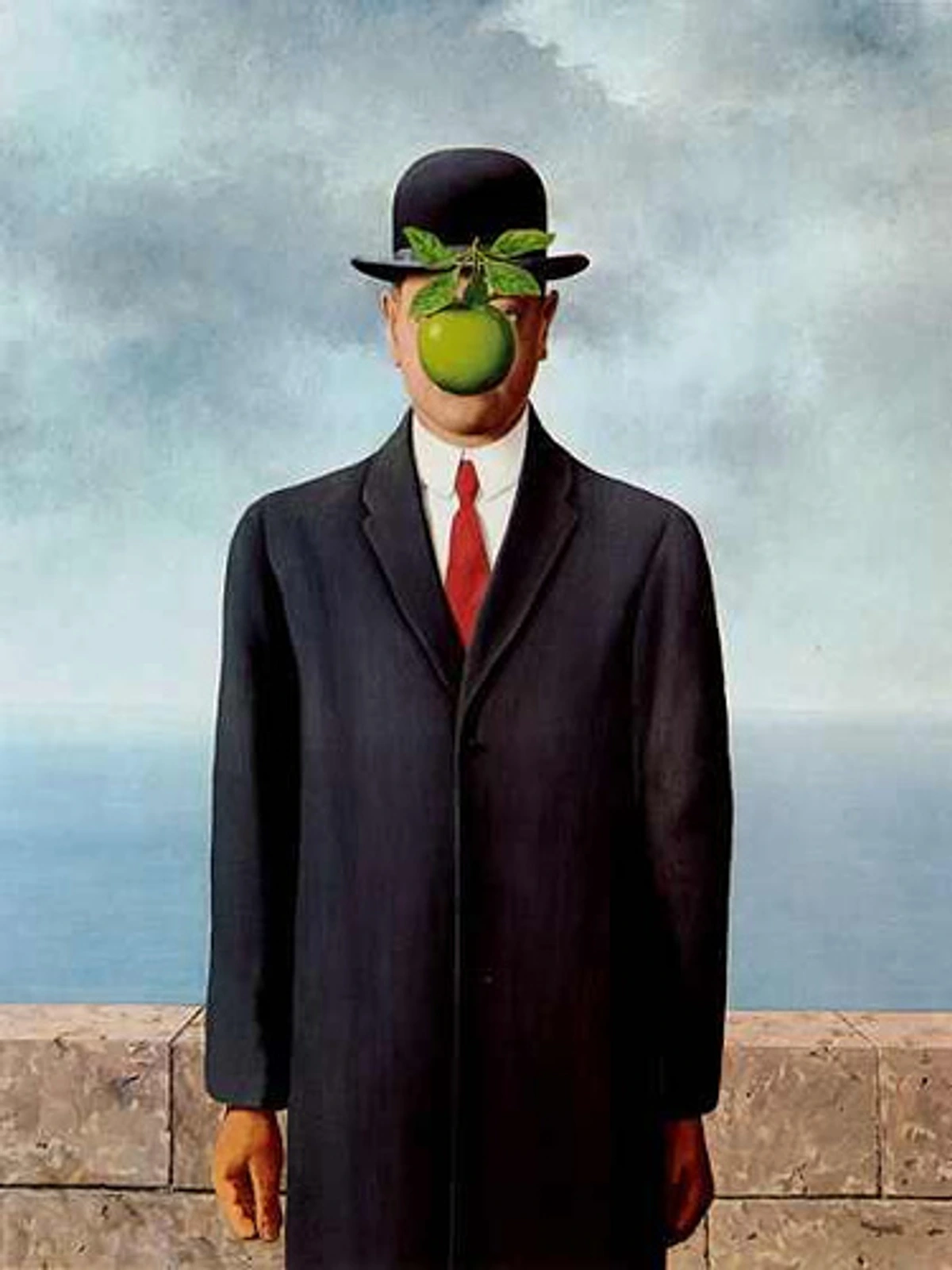
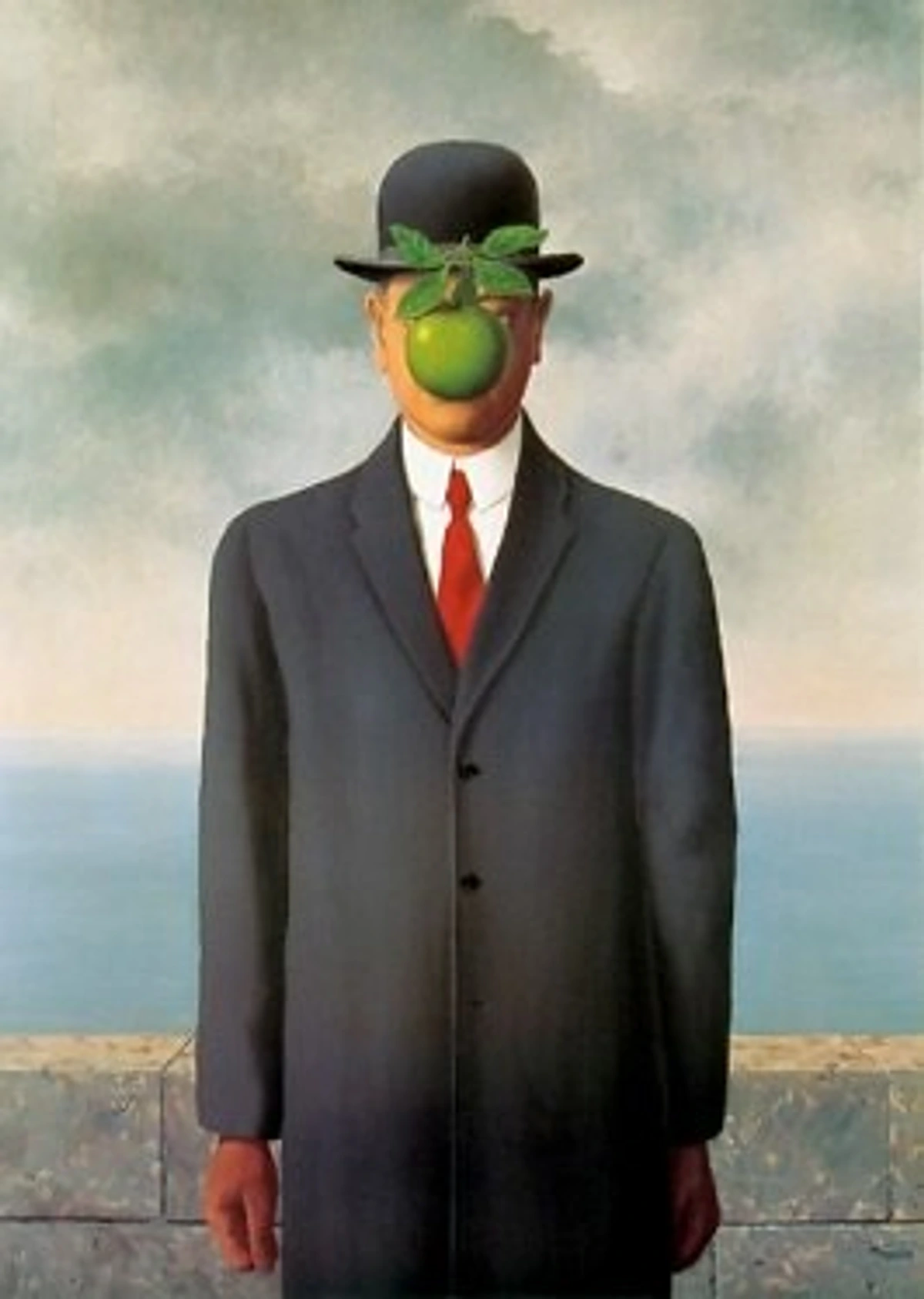
This is where the bowler hat truly came into its own as a surreal device. For artists like René Magritte, it wasn't about social meaning or form. It was about impossibility. A bowler hat floating in mid-air? Inside a room? Why? Exactly. That disconnect forces your brain to question reality itself. Magritte used it in paintings like "The Treachery of Images" (where it rests not on a head, but on a blank plane) and in his famous men in bowler hats facing the sea. The ordinary – the uniformity – becomes deeply unsettling. It’s like finding a perfectly common object in a dream that makes no sense. That’s the magic. The bowler hat, because it looks so normal in its abnormal place, becomes profoundly strange.
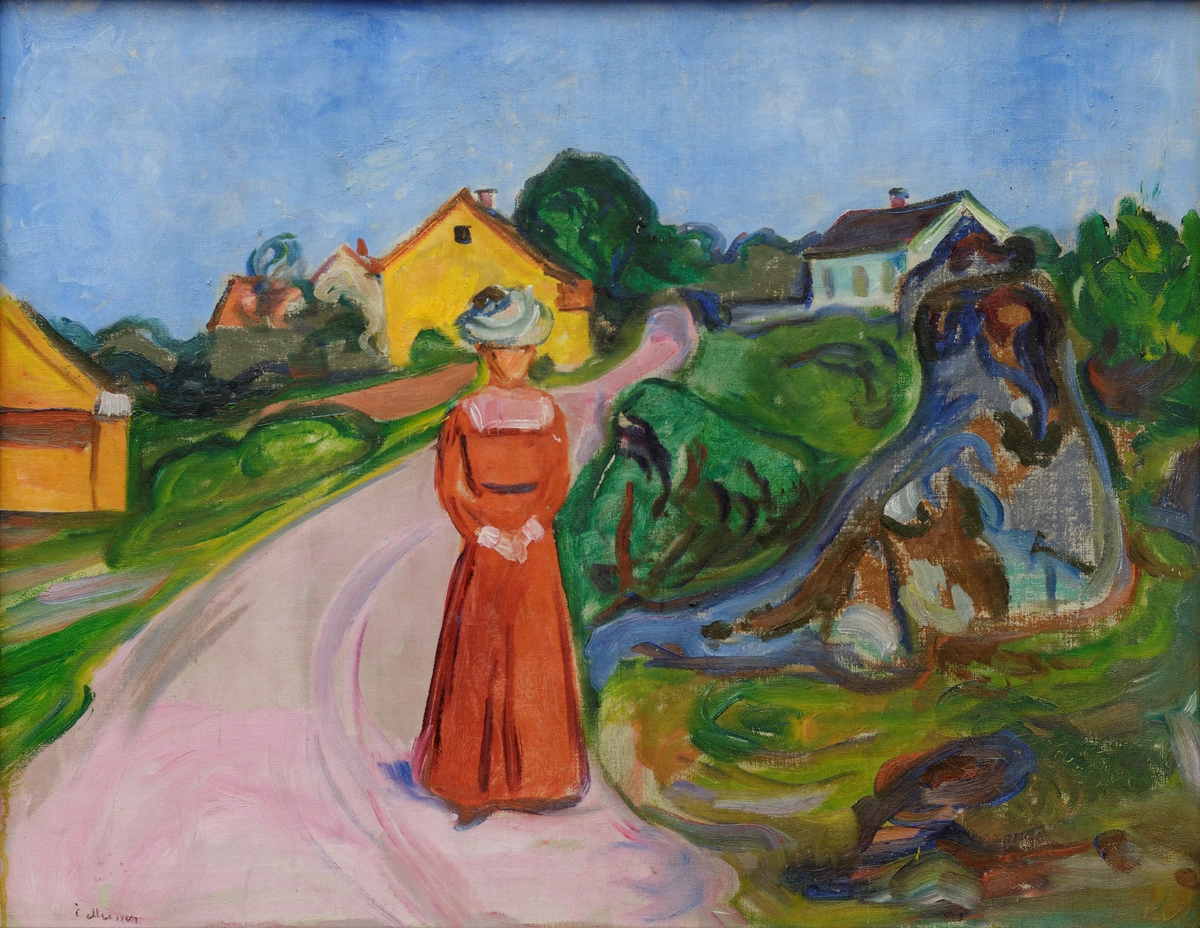
Contemporary Takes: Abstract Shapes and Cultural Commentary
Today's artists? They use the bowler hat as a springboard for everything from pure abstraction to fierce political commentary. Some paint it as a stark black form, barely recognizable, focusing on its emotional weight. Others use it to critique conformity, globalization, or the loss of individuality. It’s a chameleon. It’s a canvas. And remarkably, its association with that stiff, traditional past makes it a wonderfully potent contrast to the wild colors and free forms of much contemporary art. It clashes beautifully. I find myself drawn to artists who take this icon of rigidity and bend it, twist it, make it surprising – much like they might bend a traditional landscape or a portrait into something entirely new.
Why the Bowler Hat Endures in Art
The bowler hat's artistic longevity isn't accidental. It combines several key characteristics that make it irresistible to artists across generations and movements:
Reason  | Why It Matters to Artists | Example from Art History |
|---|---|---|
| Strong Silhouette | Easy to identify and manipulate visually | Picasso's fragmented forms in "Les Demoiselles d'Avignon" |
| Loaded Symbolism | Built-in meaning to play with, defy, or invert | Magritte's floating hats creating surreal unease |
| Class Association | Instantly signals character and social context | Warhol's series questioning mass culture |
| Versatility | Works as a prop, form, or abstract element | Contemporary abstract pieces using its geometric shape |
| Cultural Universality | Recognizable across time and place | Still used today to evoke historical memory |
Technical Properties That Appeal to Artists
Beyond symbolism, the bowler hat possesses inherent technical qualities that make it artistically compelling:
Technical Property | Artistic Advantage | Application in Art |
|---|---|---|
| Hard Form | Maintains shape and structure | Perfect for geometric abstraction and clean lines |
| Monochromatic Traditionally | Creates strong contrast | Ideal for studying light, shadow, and form |
| Rigid Structure | Predictable in various media | Works well in sculpture, printmaking, and digital art |
| Historical Depth | Rich contextual layers | Allows for multi-layered narratives and commentary |
| Cultural Recognition | Instant audience connection | Reduces need for lengthy explanation of subject matter |
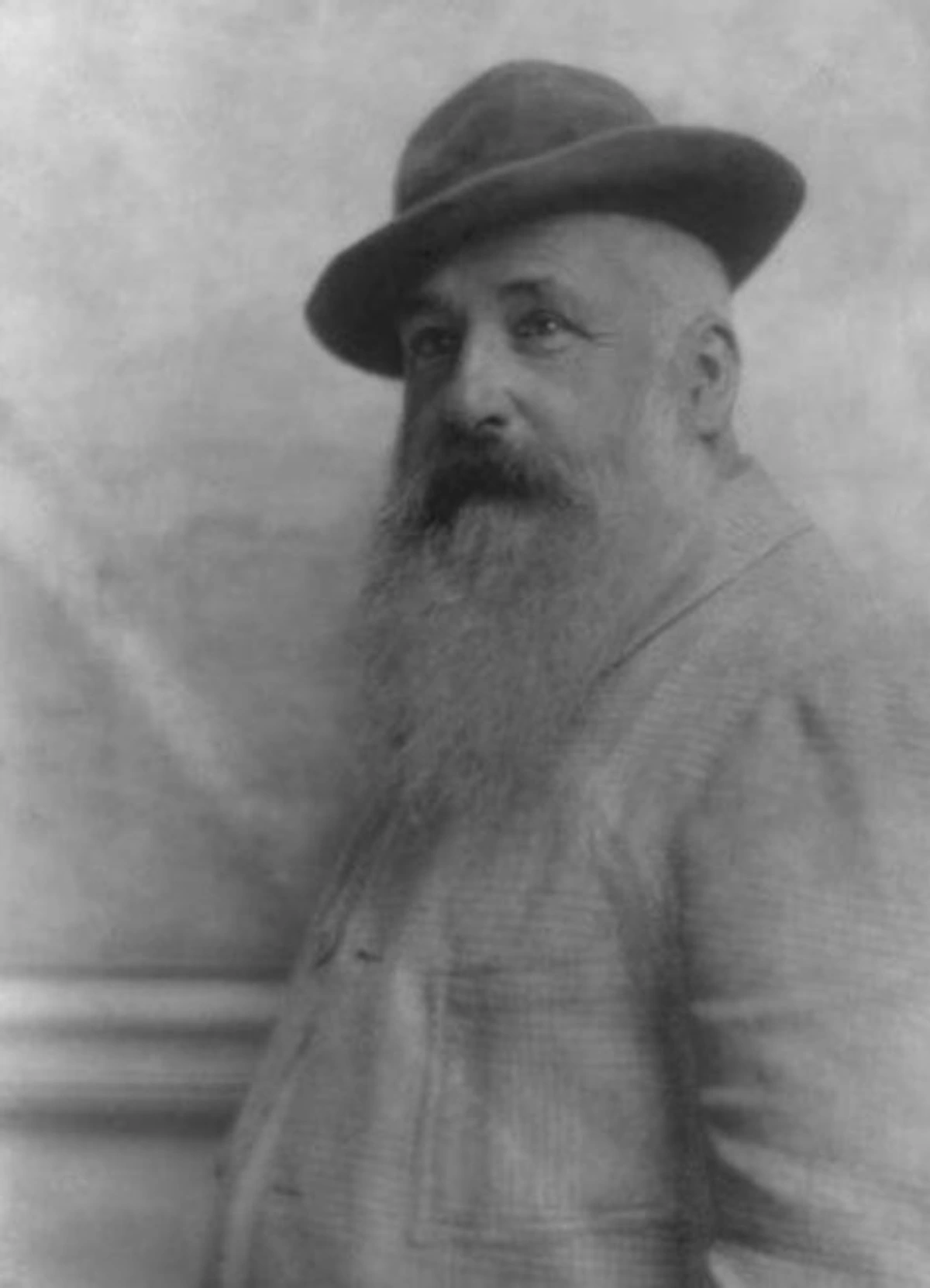
The bowler hat endures precisely because it carries so much history. It’s a ready-made symbol. An artist doesn't need to build meaning from scratch for it. The moment you put that specific shape on canvas or collage, viewers understand the subtext – the conformity, the rebellion, the geometry, the absurdity. It’s a shorthand. And in art, powerful shorthand is gold.
The Bowler Hat FAQ: Unpacking the Icon
Q: What are some famous artworks featuring bowler hats that every art lover should know?
A: Several iconic bowler hat artworks are essential viewing:
- René Magritte's "The Treachery of Images" (1929) - featuring the famous floating bowler
- Picasso's "Les Demoiselles d'Avignon" (1907) - with its fragmented bowler silhouettes
- Salvador Dalí's "The Persistence of Memory" (1931) - featuring melting bowler-hatted figures
- Andy Warhol's "Bowler Hat" series (1960s) - exploring repetition and mass production
- Francis Bacon's portrait series - using bowlers to create psychological tension
- Kehinde Wiley's contemporary portraits - reappropriating bowler imagery for modern contexts
Q: How do museums and galleries typically display bowler hat artworks?
A: Museums often group bowler hat artworks by artistic movement or historical period. Special exhibitions might focus on specific themes like "The Bowler Hat in Surrealism" or "Contemporary Reinterpretations." The lighting and display context significantly impact how viewers perceive these works – a floating bowler in a dark gallery creates a very different experience than one in a bright, well-lit space.
Q: What exactly is a bowler hat? How is it different from a fedora?
A: A bowler (or derby) has a rounded, hard crown and a stiff, curled brim that’s roughly the same width all the way around. Fedoras, by contrast, have a softer, creased crown and a brim that can be turned up or down. Think round ball (bowler) vs. softer, more flexible shape (fedora).
Q: When did artists really start noticing the bowler hat?
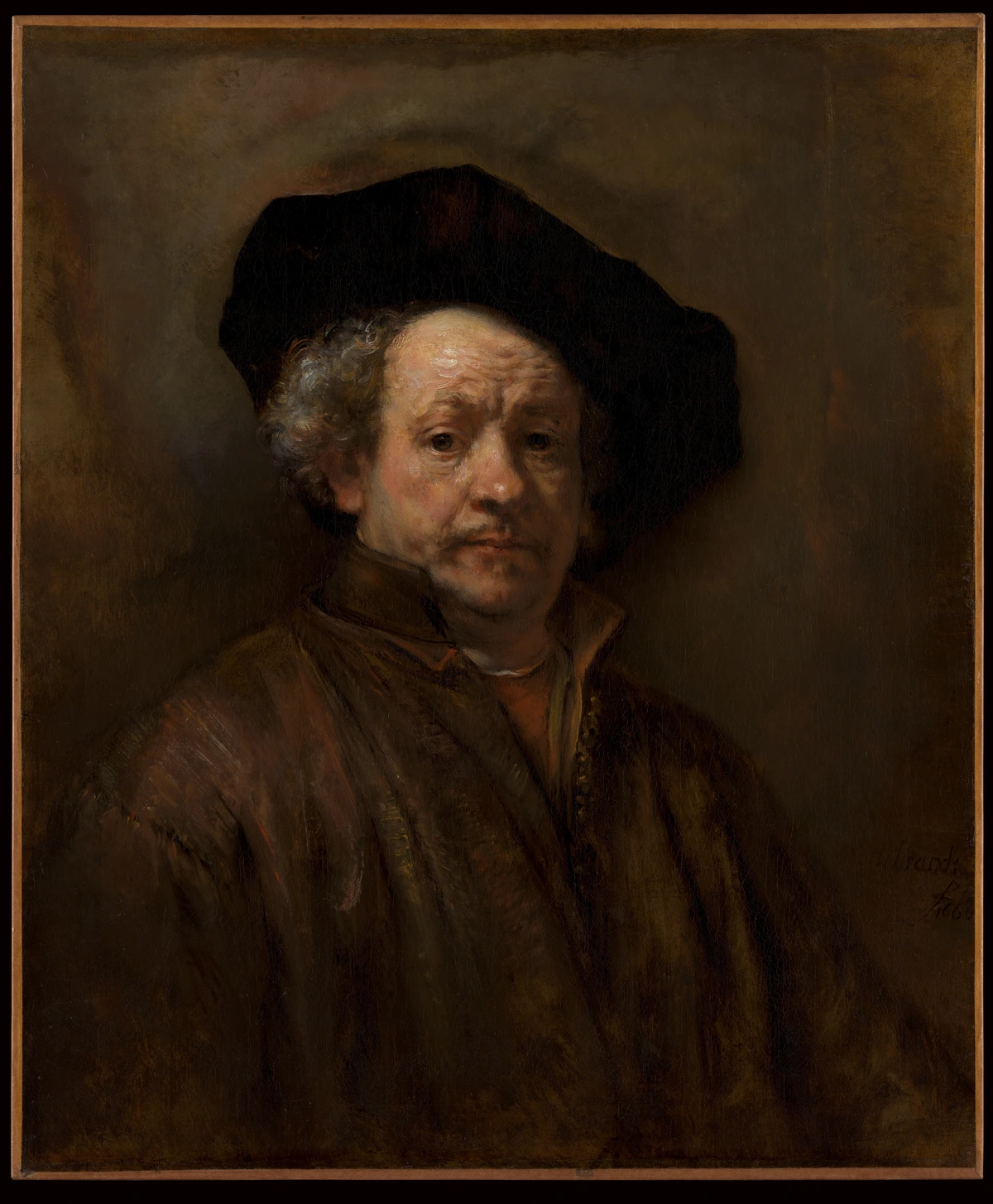
A: While it appeared earlier, the late 19th and especially early 20th century saw the explosion. Its association with the rising middle class and the rigidity of pre-war society made it a perfect target for artists reacting against industrialization and social norms – movements like Cubism and Dada loved it. The bowler hat became visually prominent in art starting around the 1880s, coinciding with the height of Victorian industrialization and social upheaval.

Q: Besides Magritte, are there other famous artists obsessed with the bowler?
A: Absolutely! Salvador Dalí used surreal imagery with bowler-hatted figures. Francis Bacon often incorporated them into his raw, existential portraits, adding to their claustrophobic tension. And Andy Warhol, of course, turned them into Pop Art icons. Additional artists include René Magritte (who used them extensively in his surreal works), Pablo Picasso (particularly in his Cubist period), Georges Braque, Joan Miró, and contemporary artists like David Hockney and Kehinde Wiley who continue to explore the bowler hat's symbolic potential.
Q: Is the bowler hat still used by artists today? Why?
A: Absolutely. It remains incredibly relevant. Contemporary artists use it for its strong visual impact, its historical baggage (perfect for social commentary), and its ability to contrast vividly with modern techniques and abstract styles. Its familiarity makes it a powerful anchor point. Plus, it just looks cool on canvas. Today's artists use bowler hats in various media including painting, sculpture, photography, digital art, and even performance art, demonstrating its enduring versatility across artistic disciplines.
Q: What does the bowler hat symbolize in modern art? Still conformity?
A: Not anymore! While it can still represent conformity or establishment, modern artists often flip its meaning. It can symbolize resistance to conformity (by wearing it ironically), absurdity, the weight of history, or sheer aesthetic pleasure. Its symbolism is deliciously flexible now. It's what makes it such a rich subject. Contemporary interpretations range from nostalgia and tradition to rebellion and subversion, making the bowler hat one of the most symbolically charged objects in modern art.
Bowler Hat Symbolism Through the Ages
Era | Primary Symbolism | Artistic Approach | Key Artists |
|---|---|---|---|
| Victorian (1849-1901) | Respectability, middle class status | Traditional portraiture | John Singer Sargent, portrait painters |
| Early Modern (1901-1945) | Rebellion against conformity | Cubism, Dada, Surrealism | Picasso, Braque, Magritte, Dalí |
| Pop Art (1950s-1970s) | Mass culture, irony, repetition | Screen printing, repetition | Andy Warhol, Roy Lichtenstein |
| Contemporary (1980s-present) | Cultural commentary, hybridity | Mixed media, digital art, installation | Kehinde Wiley, Chris Ofili, digital artists |
This evolution shows how the bowler hat has transformed from a symbol of social order to a tool for challenging order, and finally to a versatile medium for exploring complex cultural identities in our globalized world.
The Bowler Hat: A Final Thought
I still think about that Magritte painting. That hat, floating there, refusing to be ignored. It was a tiny rebellion against gravity, perhaps, but also against the idea that art has to show things the way we expect to see them. The bowler hat proves that sometimes the most powerful subjects aren't people at all. They’re objects with attitude. Objects that carry the weight of history, the spark of rebellion, and the geometry of dreams. It started as a piece of headgear for horseback riding. Look at it now. A crown for the un-kingly, a symbol for the subversive, a star in the gallery of art’s most unforgettable icons. Next time you see one – in a painting on a street, or a museum wall – take a closer look. It’s not just a hat. It’s a whole world of meaning sitting right there, waiting to be explored.
Explore artworks inspired by iconic forms
Timeline of modern art movements
Conservation and Preservation of Bowler Hat Artworks
Preserving artworks featuring bowler hats presents unique challenges, particularly for works on paper and photographs. The dark pigments used to render bowler hats can fade over time, and the geometric precision of these shapes is often the first element to deteriorate. Museums and conservators employ specialized techniques to protect these works, including:
- Climate-controlled environments to prevent pigment fading
- UV-filtering glass to protect against light damage
- Specialized mounting to prevent stress on fragile paper supports
- Digital archiving to document works before deterioration occurs
Bowler Hats in Children's Art and Education
The bowler hat's simple, recognizable form makes it an excellent teaching tool for art education. Many art teachers use bowler hats to teach basic concepts like form, shape, and contrast. Children are often asked to draw bowler hats in different contexts – floating, oversized, or transformed into other objects – to help them understand how context changes meaning in art. This exercise not only teaches technical skills but also introduces young artists to the concept of symbolism and metaphor in visual communication.
Technical Analysis: Bowler Hat Construction in Art
Artists who paint bowler hats often pay close attention to the technical aspects of hat construction. The hard crown and stiff brim create distinctive lighting patterns that artists can exploit:
- Crown highlights: The rounded dome creates a predictable highlight pattern
- Brim shadows: The stiff brim casts sharp, defined shadows
- Material representation: Different artists represent the felt, silk, or other materials in distinctive ways
- Color psychology: While traditionally black or dark gray, artists use color variations to alter mood and meaning
Understanding these technical details helps contemporary artists create more authentic and compelling bowler hat imagery, whether they're working in traditional media or exploring digital innovations.
The Psychology of Perception: Why We Notice Bowler Hats
Have you ever wondered why bowler hats capture our attention so effectively? There's actual psychology behind it:
The Power of Recognition
Our brains are wired to recognize familiar patterns. The bowler hat's distinctive shape – perfectly round crown, uniform brim, dark color – creates a visual signature that stands out against complex backgrounds. This is why artists use it strategically: it's instantly recognizable even when partially obscured or stylized.
Cognitive Dissonance and Artistic Impact
When we see a bowler hat in an unexpected context (floating, oversized, in an impossible setting), our brain experiences cognitive dissonance. This psychological tension creates engagement – we can't look away because our expectations are challenged. Artists exploit this phenomenon to create memorable, thought-provoking work.
Cultural Memory and Collective Unconscious
The bowler hat carries collective cultural memory. It represents not just an object, but generations of social history, class structures, and cultural associations. When we see it in art, we don't just see a hat; we see layers of meaning accumulated over 170+ years of cultural evolution.

South America: The Cholita Revolution
In Bolivia and Peru, the bowler hat became an unexpected symbol of cultural resistance. Cholita women – indigenous Aymara women – adopted the bowler hat in the early 20th century as a way of claiming social status and cultural identity. What started as a fashion statement became a political act. These women wore traditional skirts and shawls with bowler hats, creating a unique visual fusion of indigenous and European influences. Today, the cholita bowler has become a powerful symbol of cultural pride and female empowerment.
Asia: Adaptation and Reinterpretation
In countries like Japan, the bowler hat has been reinterpreted through the lens of kawaii culture and street fashion. Designers like Yohji Yamamoto and Comme des Garçons have incorporated bowler elements into avant-garde collections, playing with scale, material, and context. The hat's rigid form contrasts beautifully with Japanese aesthetics of minimalism and flow, creating intriguing visual dialogues.


Africa: Colonial Context and Resistance
In many African nations, the bowler hat carries complex colonial connotations. Artists like Chris Ofili and Yinka Shonibare have used bowler hats in their work to explore themes of colonialism, identity, and cultural hybridity. For these artists, the bowler represents both the imposition of European culture and the possibility of subverting and reappropriating that power.