What is a Triptych in Art? History, Meaning & Contemporary Forms
Ever wondered why some stories need three panels? Explore the triptych's journey from sacred altarpieces to abstract art, its psychology, and enduring power with an artist's unique perspective.

What is a Triptych in Art? A Deep Dive into its History, Meaning, & Modern Forms
Honestly, my mind often wanders, always craving a deeper narrative, something that truly unfolds. Maybe that's why the triptych has always utterly fascinated me. It’s never just three paintings side-by-side; it’s a journey, a moment expanded, a dialogue waiting to happen. As an artist, I constantly wrestle with how to tell complex stories or explore nuanced themes, and I find myself drawn to formats that inherently expand perspective. In this article, I want to unpack what a triptych truly is – a work of art (most commonly a panel painting) that is divided into three distinct, yet connected, sections – exploring its rich history from solemn sacred altarpieces to vibrant contemporary expressions, and discovering why this unique three-panel format continues to captivate artists and viewers alike. We'll journey from its solemn religious origins to its vibrant modern reinterpretations, even peeking into its future in the digital realm. Consider this our deep dive into a structure that's endured millennia, from towering church focal points to the screens we interact with every day, proving some ideas truly stand the test of time.
My First Encounter (or, How Art Isn't Always a Single Scene)
I remember walking through a museum once, completely absorbed by what I thought was a single, beautiful painting. Then my gaze drifted—first to the left, then to the right. What I initially perceived as one piece suddenly unfolded into something much grander, a sweeping narrative across three distinct yet utterly connected panels. It was a revelation, a moment that fundamentally shifted my understanding of artistic composition. This initial revelation sparked my curiosity about the very mechanics of this format, prompting me to truly understand: what exactly makes a triptych work?
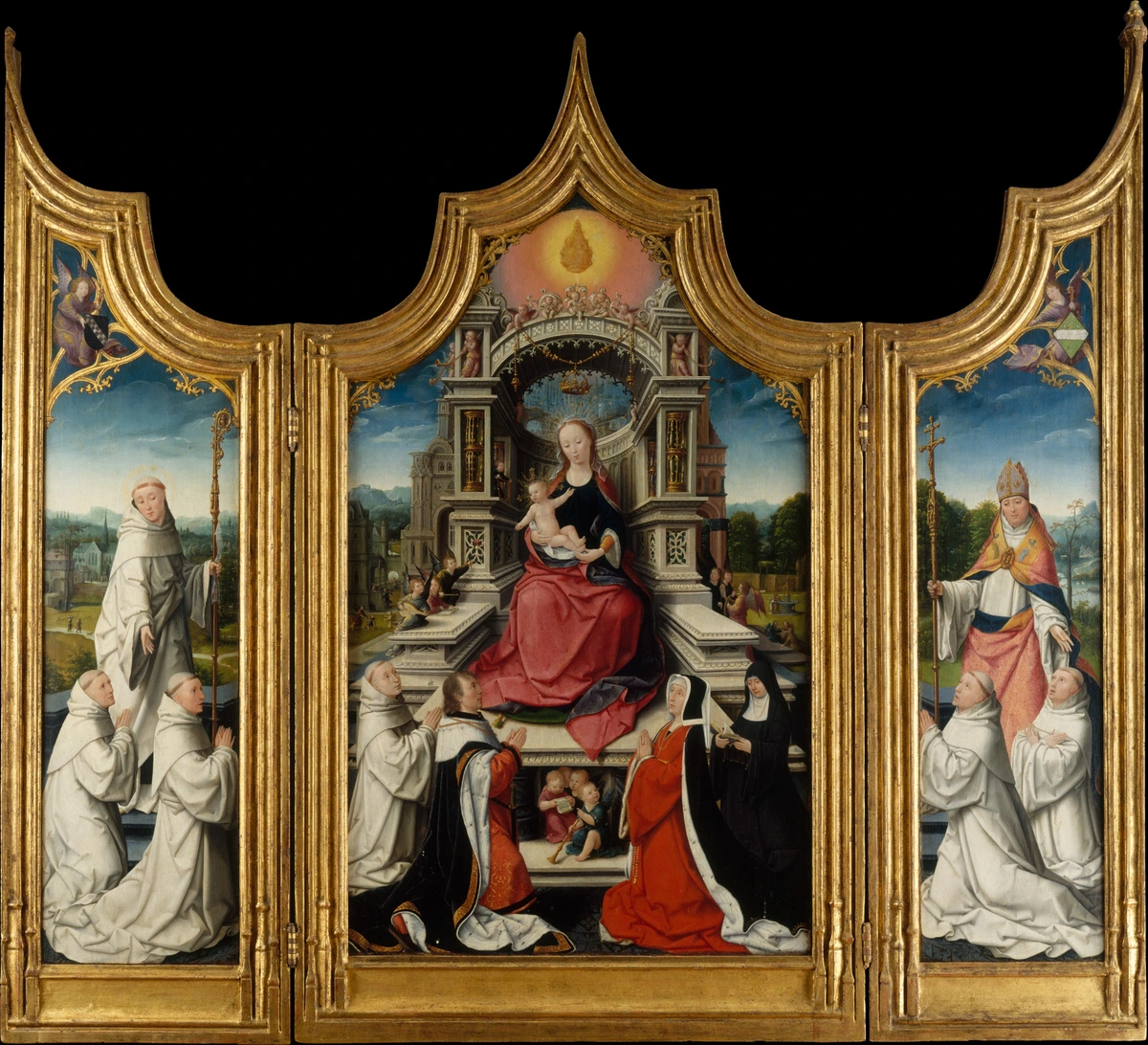
These sections, or carved panels, are often hinged together, allowing them to be folded shut or displayed open. Typically, the two outer panels (which we call 'wings') are half the width of the central panel, designed to fold inwards, much like an ancient book revealing its deepest secrets. It’s more than just a division; it's a physical manifestation of a story unfolding, or perhaps an idea being meticulously dissected across three distinct but inherently related canvases. The act of opening and closing these panels isn't just practical; it adds a ceremonial, almost ritualistic aspect, transforming the artwork from a static image into an interactive experience. This physical interaction deepens the viewer's engagement, building anticipation and reverence for the revealed narrative, almost like a gradual unveiling of sacred knowledge or a narrative progression from outer context to inner core. But this fascinating format didn't just appear out of nowhere; its roots run deep in art history, stretching back centuries.
Journey Through the Ages: The Triptych's Evolution
From Sacred Altarpiece to Art History Icon (The Early Days)
When I think about triptychs, my mind immediately conjures images of majestic medieval cathedrals and those breathtaking altarpieces. And, for good reason! The triptych’s story begins steeped in religious art. I picture magnificent, often towering structures, carefully integrated into the architecture of a church or chapel – designed specifically for their sacred space. They were usually crafted from meticulously joined wood panels, typically oak or poplar, before being painstakingly prepared with multiple layers of gesso (a white primer made of gypsum, chalk, and animal glue) to create a smooth, luminous surface. Honestly, the sheer patience required just for the preparation alone makes my modern, fast-drying acrylics seem almost lazy by comparison!
Then came the gilding with shimmering gold leaf and the painting with vibrant pigments (often mineral-based, mixed with binders like egg yolk for tempera paint) depicting sacred scenes. I'm always struck by the sheer dedication and skill involved in these complex creations, which could range in scale from intimate devotional pieces for private contemplation to monumental altarpieces that served as the architectural and spiritual focal point of grand churches. These weren't just random groupings; they were often highly organized, sometimes overseen by powerful guilds that regulated training, quality, and even the pricing of art. Imagine a young apprentice spending years learning to grind pigments or apply gesso perfectly – my own patience with quick-drying acrylics pales in comparison to their dedication! Masters would design, while skilled assistants and apprentices would execute specific elements, a bit like a highly specialized, artistic 'assembly line' driven by significant material costs and the demand for such elaborate works. Major patrons for these grand projects often included wealthy aristocratic families, powerful monastic orders, and even civic institutions, all seeking to display their piety, prestige, and influence through stunning visual narratives. It's a reminder that art has always had an economic and social side to it, even in its most spiritual forms – a bit like commissioning a massive, custom-built art installation today, requiring significant investment and specialized collaboration, I suppose.
The central panel almost always anchored the main subject—a vivid crucifixion, a serene Madonna and Child, or a pivotal biblical event—while the side panels illustrated related narratives, patron saints, or even portraits of the pious donors. When closed, these outer panels, or 'wings,' might reveal a simpler, perhaps more somber, scene, often painted in grisaille (monochromatic tones) or featuring protective iconography. This served both to protect the more elaborate inner scenes and to offer a modest, yet meaningful, visual for everyday viewing. It wasn't just a reveal, but a profound transformation every time they opened, creating a sense of anticipation and a deeper engagement with the sacred narrative.
These weren't merely beautiful decorations; they were profound instruments of devotion and visual storytelling, especially vital in an age where widespread literacy was a distant dream. They spoke a complex visual language, immersing viewers directly into sacred narratives. The artistry and profound symbolism are, to me, simply astounding, demanding deep contemplation. Thinking about how these grand pieces were made—often using tempera paints on gilded wood panels, sometimes across many hands in a workshop setting—makes me appreciate the incredible craftsmanship that went into conveying such profound meaning. Artists like Hieronymus Bosch, whose multi-panel works often explored fantastical narratives like The Garden of Earthly Delights with unparalleled complexity, or Jan van Eyck, with his monumental Ghent Altarpiece demonstrating revolutionary naturalism and detail, showcased the incredible narrative power and intricate detail achievable within this format. If you're as fascinated as I am by how artists use these visual elements to convey deeper meaning, you might also find my thoughts on understanding symbolism in contemporary art interesting, even if it's a very different era.
Beyond the Sacred (Secular and Modern Takes)
But the triptych's story didn't end with the Renaissance; its inherent adaptability meant it was poised for even more radical reinterpretations as art itself evolved. As history unfolded and art began to stretch its canvas beyond purely religious patronage, the triptych truly started to spread its wings (and yes, that pun was absolutely intended!). Artists quickly grasped that the powerful three-panel structure could be perfectly adapted to secular themes. This shift wasn't just about subject matter; it underscored the inherent versatility of the triptych as a narrative and compositional device. Think about the Dutch Golden Age, for example, where civic guards and wealthy merchants commissioned multi-panel portraits. While Rembrandt's The Night Watch is a single canvas, it captures the era’s fascination with grand, expansive compositions. A more direct triptych example might be a less famous, yet equally significant, civic guard piece depicting three key moments in a town's history or three prominent figures, where the central panel highlights a ceremonial event and the wings show preparation and aftermath, or individual portraits of patrons. Artists used this format for sweeping landscapes, intricate allegorical scenes, or even grand historical narratives for wealthy patrons, offering multiple viewpoints or sequential moments. This allowed for a more expansive and detailed narrative than a single canvas, without the constraints of religious doctrine. It’s fascinating to me how the sheer physicality of the triptych—its ability to present distinct yet connected vignettes—lent itself so well to capturing the diverse facets of human experience, whether sacred or mundane. I often find myself wondering what kind of story I'd choose to tell if I were commissioned for a grand secular triptych; probably something about the chaotic beauty of city life, if I'm being honest.
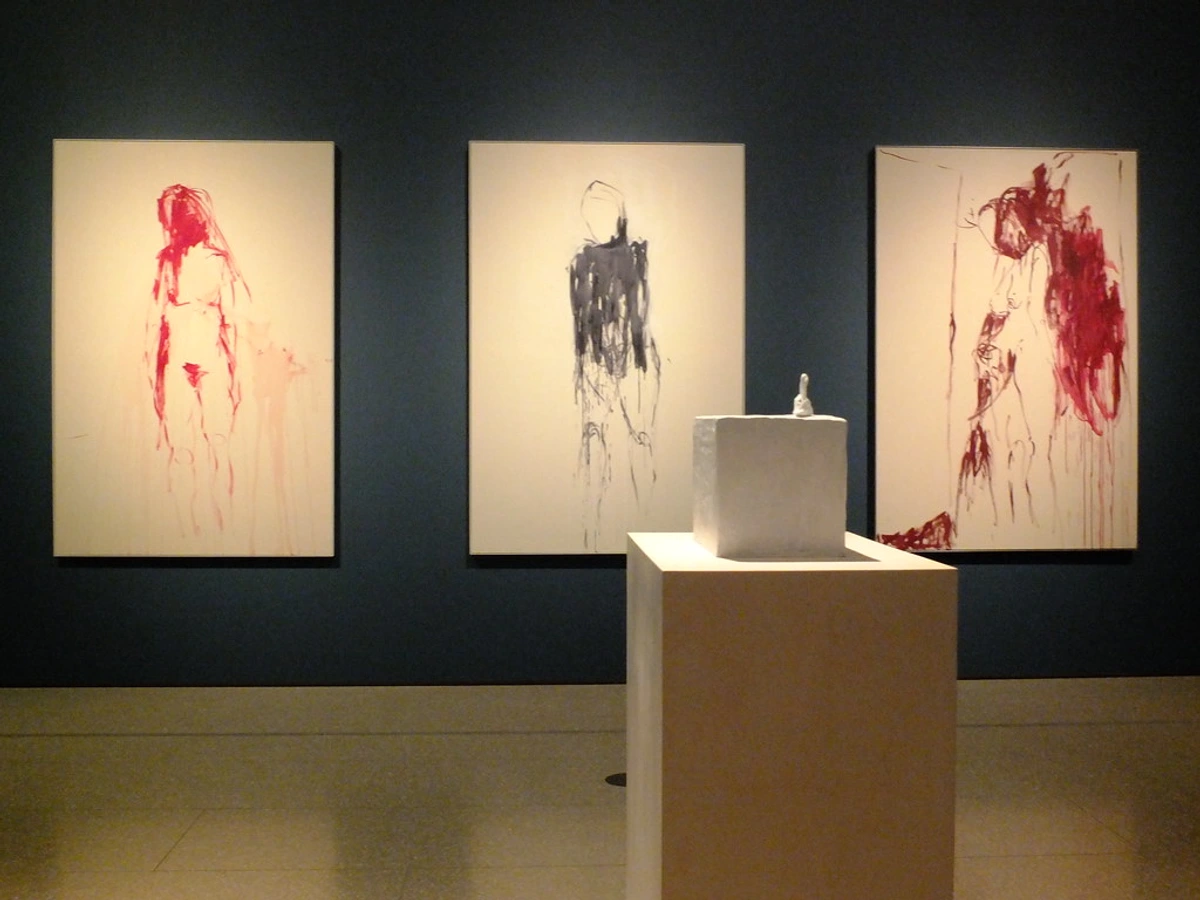
In the modern and contemporary eras, the triptych hasn't just endured; it's been enthusiastically reinterpreted, twisted, and sometimes wonderfully deconstructed. Contemporary artists might use it not as physically hinged panels, but as a series of three conceptually linked pieces. What do I mean by 'conceptually linked'? It’s when the idea or theme connects the pieces, even if they're separated by space or even medium. Think of it as three distinct movements in a symphony, each strong on its own, but together forming a complete narrative or emotional arc. This could be exploring variations on a single theme, offering radically different perspectives, or building a progressive story across digital screens in an installation, through virtual reality (VR) experiences, or even a series of NFTs that unlock over time. Imagine, for example, an immersive VR experience where the viewer navigates three distinct digital environments: the first, a serene natural landscape representing 'peace'; the second, a bustling cityscape representing 'chaos'; and the third, a surreal, dreamlike space that synthesizes both, each evoking a different emotional state or stage of a journey. Or consider a series of NFTs where the first panel is revealed upon purchase, the second after a community challenge, and the third only after a certain time, progressively unlocking a visual story or interactive elements that deepen the narrative. Beyond traditional painting, contemporary artists also explore triptychs in sculpture, creating three related forms, or through mixed media installations that combine diverse materials like textiles, found objects, or even light and sound across three physical or conceptual zones. The physical connection often becomes less important than the deliberate, sequential impact of three distinct but intimately related artworks. This approach allows artists to explore themes with greater nuance, control the pacing of information, or create a specific psychological resonance across the series. For instance, an artist might create three canvases using vastly different materials – say, oil, acrylic, and mixed media (perhaps even incorporating my own mixed media approaches) or found objects – to represent different emotional states, yet a unifying motif or color palette binds them conceptually.
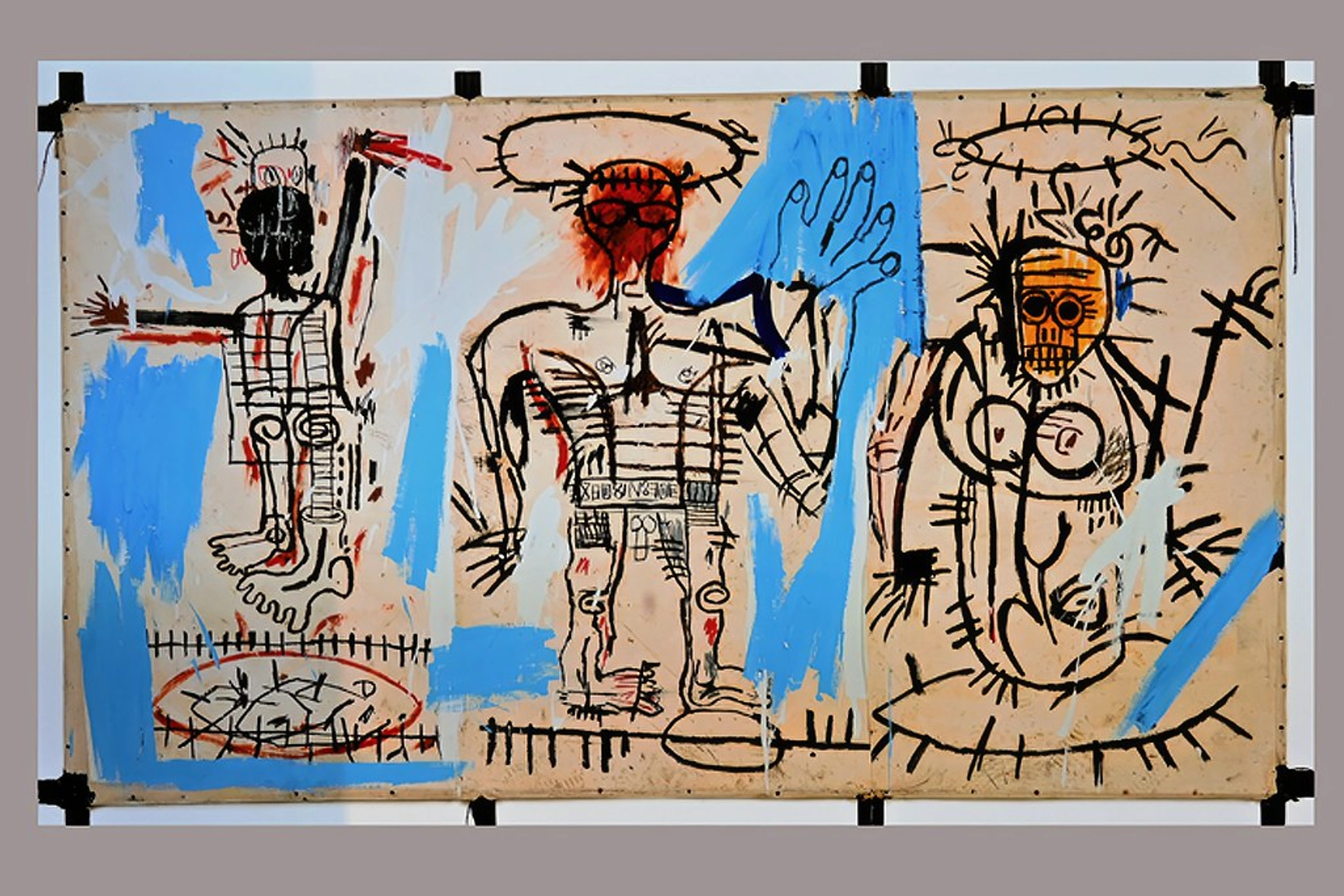
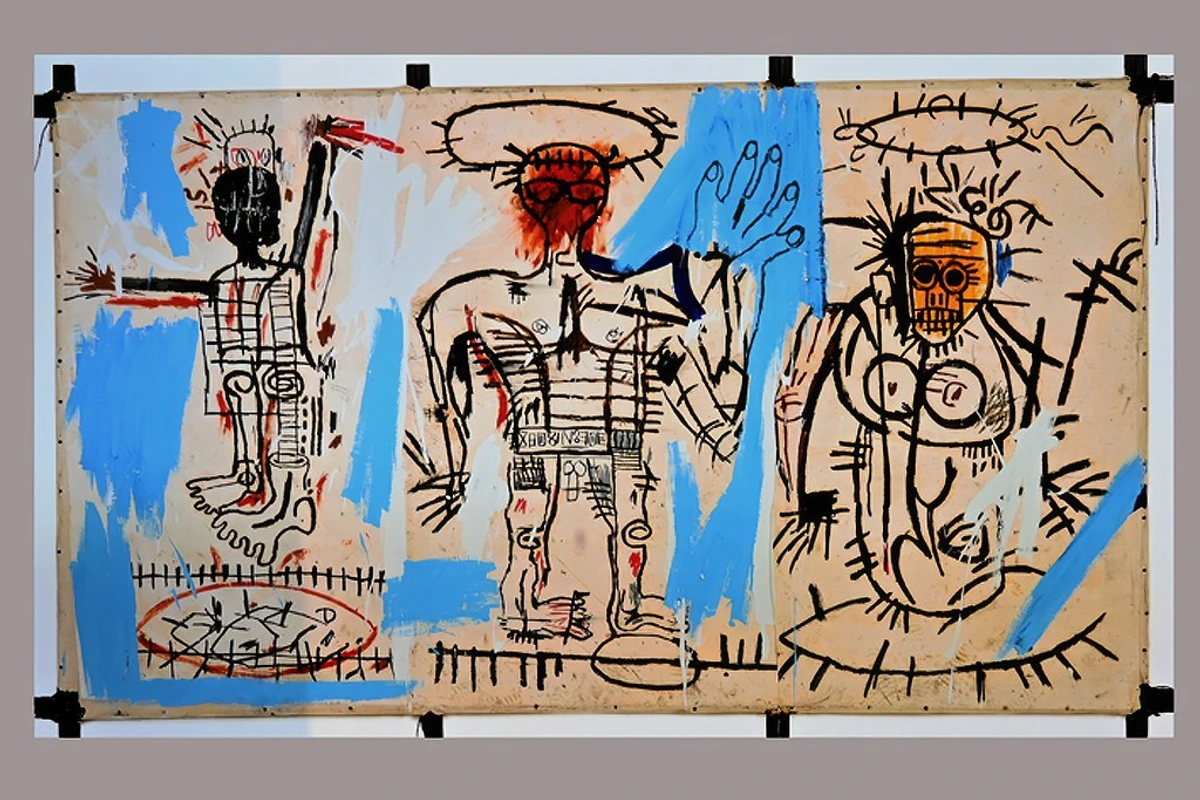
When I look at works like Jean-Michel Basquiat's powerful untitled triptychs, for instance, I see how a contemporary artist harnessed this ancient structure to tell new, urgent stories about identity and culture. (And if you're as captivated by Basquiat as I am, you might want to dive into my ultimate guide to Jean-Michel Basquiat sometime.) And then there’s Francis Bacon, whose haunting, visceral triptychs, like Three Studies for Figures at the Base of a Crucifixion, pushed the format to convey intense psychological drama. Even in the realm of minimalist or conceptual art, artists like Sol LeWitt explored variations of a theme across multiple panels or wall drawings, creating a triptych effect through repetition and subtle shifts in geometric forms. It’s a remarkable thing, really, how a fundamental design principle in art can be so adaptable, persisting and evolving across millennia. This profound and enduring adaptability, across countless movements, truly highlights the inherent power and psychological resonance of the three-panel format itself.
Why Three? The Enduring Magic of the Number Three in Composition
Now, after all that journey through time, you might be asking: why three? We've seen its power through the ages, but what makes it so enduring? Not two, not four, but that seemingly perfect number. From a purely compositional standpoint, three really does feel like a magical number. It creates a dynamic sense of balance without succumbing to rigid symmetry, naturally establishing a clear focal point, and almost intuitively encouraging a sense of progression. It's the visual equivalent of a good story: a beginning, a middle, and an end. Or maybe, if you're feeling philosophical, thesis, antithesis, and synthesis. While a diptych (two panels) offers direct comparison or contrast, and a polyptych (more than three panels) allows for an expansive, complex narrative, the triptych strikes a unique balance, offering complexity without overwhelming the viewer.
There's even a whisper of the golden ratio (approximately 1.618, often found in nature and art to create aesthetically pleasing proportions) in some three-part compositions, though it's more about inherent harmony and a balanced visual weight than strict mathematical adherence. We see this "rule of three" everywhere—in storytelling, rhetoric, and even good design, because it just works. While it’s not a rigid law, and many artists thrive with other numbers, this "rule of three" is more of a compelling heuristic. The three-panel format consistently delivers a unique blend of complexity and coherence. The central panel often commands the most attention, perhaps being larger or more detailed, while the flanking panels—those ever-supportive wings—offer context, expand on the narrative, or introduce intriguing contrasting elements.
Psychologically, humans tend to find patterns of three aesthetically pleasing and easier to remember. It's a sort of cognitive sweet spot, just complex enough to be engaging, but not overwhelming. The sequential arrangement of panels can even influence emotional response, allowing for a gradual build-up of feeling or a deliberate shift in mood from one panel to the next. Consider how a triptych can mirror emotional journeys: the first panel setting a mood, the second introducing conflict or a shift, and the third resolving or transforming it, much like stages of grief, personal growth, or even the process of learning. It’s a rhythm, a silent dance for your eyes. Your gaze naturally glides from one panel to the next, connecting the visual dots, slowly building the full narrative or emotional landscape in your mind. This deliberate, guided arrangement engages the viewer in a way a single image simply can't. It transforms passive looking into an active exploration, guiding your journey and allowing you to uncover the full breadth of the artist's vision. It’s as if an unseen structure is subtly working its magic, a rhythm that speaks to us on a primal level, making the triptych an enduringly satisfying visual experience. And when these works are monumental, you, the viewer, literally move your body to take it all in, making the viewing experience part of the art itself. This inherent psychological resonance is precisely why the triptych continues to inspire artists today, even in forms far removed from its origins.
Triptychs Today: A Contemporary Artist's Perspective
As an artist deeply immersed in my own abstract art, I sometimes get asked how a format as historical as the triptych still speaks to me. It's a fair question! While I'm not exactly churning out physically hinged altarpieces these days (though, let's be honest, never say never), the underlying concept of the triptych profoundly shapes how I approach my series and collections. I guess the triptych endures because, like a good friend, it offers a framework for deeper conversation and richer storytelling, even in abstract forms. This is precisely why it still resonates with me and why I felt compelled to share this deep dive with you. I constantly think about how multiple pieces can converse with each other, weaving together a larger, more cohesive statement, even when they’re displayed individually. This also extends to how artists engage with the idea of a triptych in digital art or installation work, where the 'panels' might be screens, projections, or physically separated elements that are conceptually bound by a shared theme or narrative progression, often aiming for that deliberate pacing or nuanced exploration I mentioned earlier.
For me, it’s about creating an interplay of color, texture, and form that unfolds across a broader narrative. Take, for example, a recent series where I explored the subtle shifts in light during a dawn sky. One canvas might capture the deep indigo of pre-dawn, the next the dramatic burst of oranges and pinks at sunrise, and the third the soft, clear blue of early morning. Each piece, much like a panel in a traditional triptych, holds its own weight and emotional resonance, but it's only when viewed together that the full progression, the entire experience, truly shines. It's an exploration of themes, emotions, or specific color palettes that simply demand more than a single canvas to fully articulate. My own artistic journey, beautifully documented on my timeline, often involves evolving ideas across multiple works, much like the progressive storytelling you find in the triptych format.
Now, it’s not always easy. Creating a triptych, whether hinged or conceptual, presents its own fascinating challenges. Historically, artists had to master the consistent application of materials and color across multiple panels, ensuring seamless visual continuity and a unified narrative—even when panels were painted by different hands in a workshop! For me, in abstract art, the challenge shifts: it’s about maintaining a cohesive aesthetic and emotional thread across distinct canvases, making sure each piece contributes uniquely to the whole without dominating or becoming redundant. It's a delicate balance, trying to make three feel like one, while still allowing each part to breathe. What do I mean by 'conceptually linked'? It’s when the idea or theme connects the pieces, even if they're separated by space or even medium. Think of it as three distinct movements in a symphony, each strong on its own, but together forming a complete narrative or emotional arc. For example, three separate canvases might each use a different primary color palette, yet a recurring abstract shape or texture subtly ties them together, forming a coherent visual statement that’s more than the sum of its parts. Interestingly, even the physical aspects of the triptych, like hinges or the way panels meet, can be deliberately incorporated as artistic choices in contemporary work, adding texture or symbolic meaning. And don't even get me started on hanging three separate canvases perfectly aligned – that's a whole art form in itself, one I'm still trying to master without calling in a team of engineers! It's about finding that subtle harmony that makes the entire series resonate as a single, powerful statement.
The Practical Side of Multi-Panel Art: More Than Just Painting
Beyond the creative process, the practicalities of a triptych can be quite a headache, let me tell you. Historically, imagine the sheer effort involved in moving and installing a massive wooden altarpiece! The thought of maneuvering those heavy, delicate panels through narrow church doors makes my back ache just thinking about it. Even today, for contemporary artists working with multi-panel pieces, considerations extend far beyond just the paint on canvas:
- Framing: Will the pieces be individually framed or share a unified frame? This affects both aesthetic and structural integrity.
- Transportation: Shipping three separate, large canvases requires different planning than a single piece, not to mention the challenge of ensuring they arrive in perfect condition and can be displayed together seamlessly, perhaps even across different venues for a traveling exhibition.
- Display Consistency: For conceptual triptychs that aren't physically hinged, ensuring consistent spacing and perfect alignment between the panels is crucial to maintain the artist's intended visual rhythm and narrative flow. Poor installation can disrupt the sense of unity and connection.
- Lighting: A poorly lit triptych can lose its intended depth and vibrancy, affecting the viewer's perception of color and composition across the distinct panels.
- Conservation: For older works, the long-term conservation of hinged wooden panels presents its own unique set of challenges, from wood movement to hinge degradation.
These logistical layers are just another facet of the enduring appeal and complexity of the triptych format.
Your Triptych Questions Answered: An FAQ
Q: What's the difference between a triptych, diptych, and polyptych?
A: Simply put, it's about the number of panels and their narrative potential! A diptych has two panels, often used for direct comparison, contrast, or portraiture. A triptych has three, striking a balance between narrative depth and compositional coherence. And a polyptych has more than three panels, allowing for truly expansive, complex narratives or grand visual statements. Each format offers different compositional possibilities and narrative scope. If you’re curious to dive deeper into these multi-panel formats, I've shared more of my thoughts on understanding diptychs, triptychs, and polyptychs in art.
Q: What is the main purpose or function of a triptych in art?
A: Beyond just telling a story, a triptych serves several powerful functions. It allows artists to explore a theme with greater depth and nuance, presenting different facets, moments, or perspectives. It can create a profound sense of progression or transformation as the viewer's eye moves across the panels. Historically, especially with altarpieces, the folding panels added a ceremonial aspect, revealing different scenes for different liturgical occasions, heightening the drama of the reveal. Even in modern abstract works, the format can heighten emotional impact, create a deliberate pacing for the viewer's experience, or simply establish a visual dialogue between elements that a single canvas couldn't achieve. It’s about expanding the narrative, whether literal or purely visual, into a more immersive experience.
Q: What are some famous examples of triptychs?
A: Many iconic works are triptychs! Some personal favorites that come to mind include Jan van Eyck's monumental Ghent Altarpiece, renowned for its revolutionary detail, vibrant realism, and complex theological program depicted across its multiple panels; Hieronymus Bosch's fantastical The Garden of Earthly Delights, celebrated for its complex symbolic narrative across three distinct worlds depicting humanity's fall and salvation in vivid detail; and Francis Bacon's powerful, often unsettling, secular triptychs like Three Studies for Figures at the Base of a Crucifixion, which used the format to convey intense psychological drama and raw emotion through his distorted figures. More contemporary examples include Jean-Michel Basquiat's untitled triptychs, known for their raw energy and commentary on society, or even many abstract series by artists today that use three canvases to explore variations of a theme. Each uses the three-panel structure in dramatically different ways to tell their stories, and their scale can vary immensely, from intimate devotional pieces to monumental, room-filling installations.
Q: Are all triptychs religious?
A: Not at all! While the format originated largely in religious contexts, artists have used and continue to use triptychs for secular themes, portraits, landscapes, and abstract explorations. It's a versatile structure for any narrative or artistic intention, a true chameleon of artistic formats.
Q: Can a triptych be abstract?
A: Absolutely! An abstract triptych might not tell a literal story in the traditional sense, but it can certainly explore variations in color, form, or texture across its three panels. The beauty here is that the focus shifts from a representational narrative to a dialogue of compositional harmony, emotional arcs, or the subtle interplay of abstract elements. I find it’s a powerful way to convey a sense of progression or transformation purely through visual language, engaging the viewer on a deeply intuitive level.
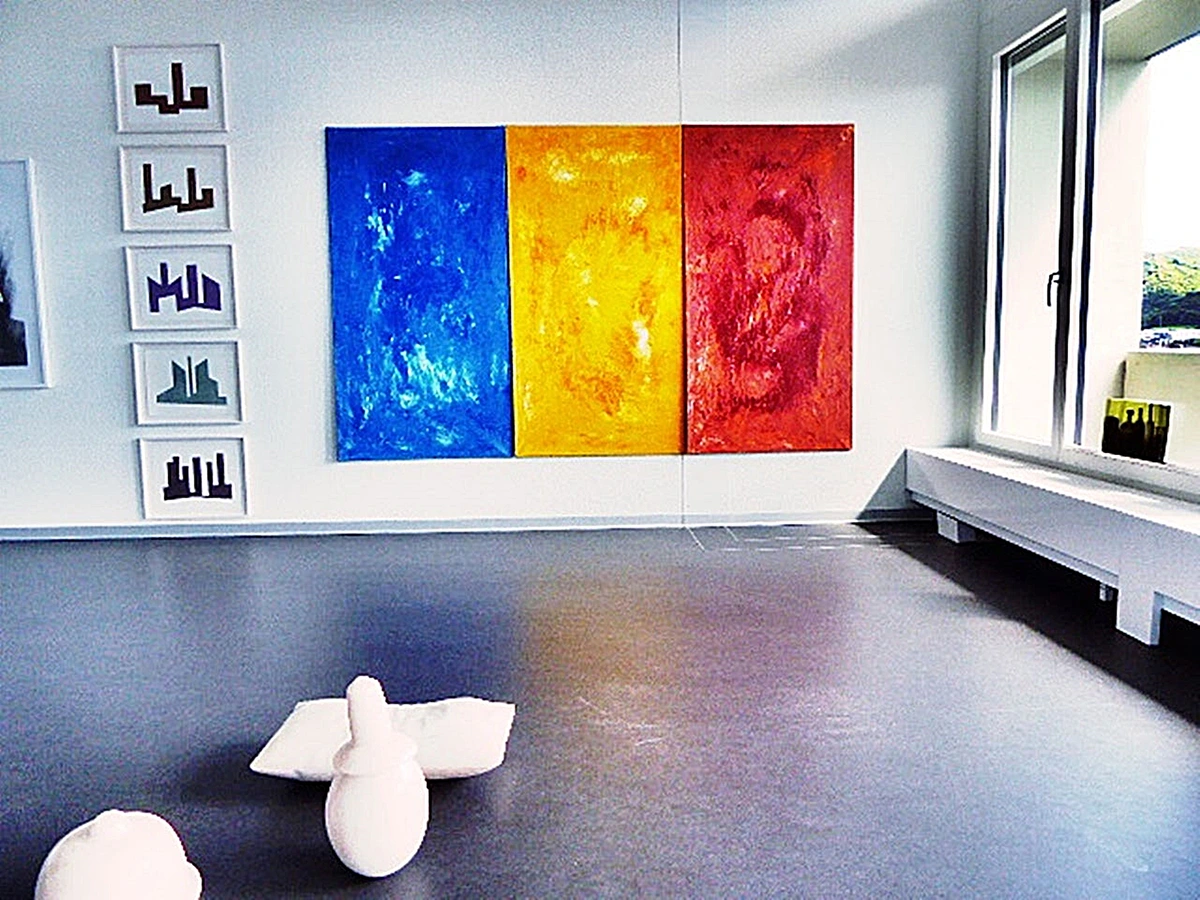


Q: Do the panels have to be physically connected?
A: Historically, yes, they were often hinged. In contemporary art, however, artists might create a triptych as a series of three distinct but conceptually linked pieces that are intended to be displayed together, even if not physically attached. The conceptual connection and deliberate sequential impact are often more important than the physical one. Think of it more as a cohesive 'visual essay' presented in three parts.
Q: How does the scale of a triptych impact the viewer?
A: The scale of a triptych dramatically changes the viewing experience. An intimate, small devotional triptych invites close, personal contemplation, drawing you into its delicate details. A monumental altarpiece, on the other hand, demands that you step back, taking in the grand narrative and often moving physically to view each panel and its relationship to the others. These large-scale works can be overwhelming, imposing, and truly immersive, transforming the viewer's presence within the space. It’s like the difference between reading a poem and experiencing an opera – both tell a story, but the sheer scale of the latter commands a different kind of engagement.
Q: Can a triptych explore comparison or expand a narrative even further within its three panels?
A: Absolutely! While a triptych offers a balance of narrative depth, its structure can also allow for internal comparisons, contrasts, or even a mini-polyptych effect. For example, the central panel might present a core idea, with the two outer panels offering contrasting perspectives or expanding on different facets of that idea. Or, an artist might design the outer panels to directly "converse" with each other, with the central panel serving as a bridge or a synthesizing element. It's incredibly versatile, enabling nuanced storytelling or conceptual exploration that transcends a simple linear progression.
The Enduring Allure of the Triptych
So, there you have it. The triptych, in all its fascinating forms, is far more than just three panels placed side-by-side. It’s a profound testament to our innate human desire to tell stories, to expand perspectives, and to craft something that offers both depth and continuity. Whether it's conveying sacred narratives in a dimly lit cathedral, exploring abstract expressions in a bright, modern gallery, or even unfolding across a series of digital screens, it remains an incredibly powerful tool. It invites us to look a little closer, to linger a little longer, and to discover the often subtle, yet always significant, connections between the frames. For me, it simply goes to show that some truly good ideas—especially in art—stand the test of time, constantly adapting and inspiring new generations to tell their own stories, perhaps across three panels. It reminds me that even in my own abstract work, the conversation between canvases is what often sparks the deepest connection, much like the silent dialogue within a triptych. I guess, at the end of the day, my initial fascination with that museum piece wasn't just about the art itself, but about the profound way it unfolded its story. And as we move into an ever more digital world, I can't help but wonder how artists will continue to bend and shape this ancient format, perhaps even into immersive virtual realities or interactive installations that redefine the very concept of a 'panel.' The possibilities, much like a triptych itself, feel wonderfully expansive. What are your favorite triptychs, and how do you envision this powerful three-panel format continuing to evolve in the future? I'd love to hear your thoughts!