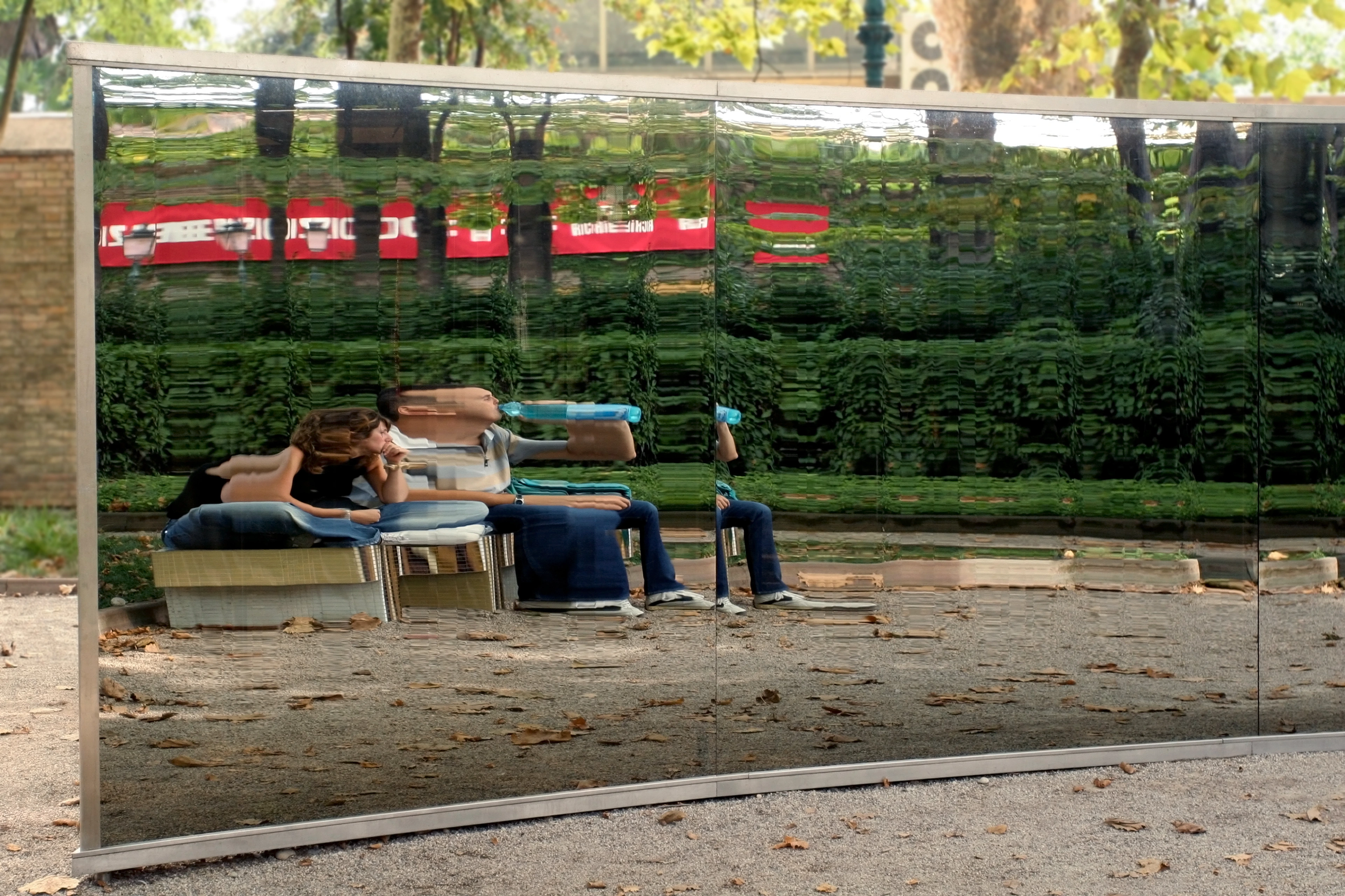
The Venice Biennale for First-Timers: Your Personal Guide to Global Art & Discovery
First-timer's guide to the Venice Biennale. Explore its rich history, iconic venues, hidden gems, and practical tips for experiencing global contemporary art and culture. Your personal art journey starts here!

The Venice Biennale for First-Timers: Your Personal Guide to Global Art, Culture & Discovery
You know that feeling, right? Stepping into something legendary, something you've heard whispers about for years, and suddenly realizing you're completely out of your depth. That was me, standing on a slightly too-crowded vaporetto in Venice, heading towards my very first Biennale, my mental map less a meticulously plotted GPS route and more a collection of hopeful scribbles on a damp tramezzino napkin. My mind was a whirlwind of excitement mixed with a healthy dose of utter, delightful bewilderment – like a kid let loose in a candy store, but the candy is conceptual art, and you're not entirely sure if you're allowed to touch it. Or even what it is. This city, a living masterpiece of art and history itself, provides the perfect stage for something as monumental as the Biennale. So, if you're brave enough to dive in yourself, consider this your ultimate, slightly bewildered yet ultimately triumphant, first-timer's field guide, packed with my hard-won lessons and practical tips for navigating this vast, artistic ocean. Be warned: the sheer volume of art can be wonderfully overwhelming, a delightful sensory overload I like to call 'Biennale Brain.' This guide, I hope, will save you a few bewildered moments (and sore feet) and ensure you truly make the most of this unparalleled global art event, covering what it is, where to find its beating heart, and how to navigate its captivating labyrinth.
What Exactly Is the Venice Biennale? A Living History & Global Pulse
Before we plunge into the personal experience, let's get a handle on what this monumental event actually entails. The Venice Biennale isn't just one exhibition; it's a monumental, sprawling celebration of contemporary art, and in alternating years, a deep dive into architecture. While the Art Biennale and Architecture Biennale are the most famous, the Biennale also encompasses independent festivals for Dance, Music, Theatre, and Cinema (including the prestigious Venice Film Festival and its Film Market), making it a truly comprehensive cultural institution. It’s important to note that while the Film Festival is a major event under the Venice Biennale Foundation, the organizing body, it operates as a distinct occurrence with its own schedule and focus, separate from the main Art or Architecture exhibitions themselves. This biannual rhythm means one year you're immersed in visual arts, the next you're grappling with groundbreaking architectural ideas. I confess, I initially muddled this, thinking it was always about painting and sculpture, or just visual art! It took me a while to grasp that this isn't just one type of event but a vibrant cultural tapestry, attracting millions of visitors each edition.
Founded in 1895, it's not just old; it's a foundational pillar of the modern art world, one of the oldest and most prestigious international art exhibitions globally. Its rich narrative traces the evolution of global art, from celebrating early modernist movements like Futurism and Metaphysical Art in its nascent decades, through adapting to post-war avant-garde experimentation, grappling with political shifts during the Cold War, and eventually embracing radical conceptualism and global diversity. It has consistently reflected and shaped cultural dialogues, acting as a crucial mirror to the complexities of the world. It’s a true barometer of the world's artistic pulse. It typically runs for about seven months, drawing millions of visitors – from casual tourists to serious collectors, critics, and art professionals – eager to witness the cutting edge of global creativity. It's also where the coveted Golden Lion awards are presented. These prestigious awards, including the Golden Lion for Lifetime Achievement which honors an artist for their entire career, aren't just accolades; they can launch careers, solidify artistic reputations, and signal important trends in the global art world, a testament to the Biennale's prestige and influence. For instance, the Golden Lion for Best National Participation often highlights a country's innovative artistic scene, bringing international acclaim and opportunities to its featured artists, fundamentally reshaping their trajectory.
It’s where critical discourse is shaped, new movements are unveiled, and artists from across the globe find a grand stage. Think of it less as a single event and more as a city-wide conversation, a vibrant ecosystem where artistic trends emerge and are debated. The entire event is orchestrated by an artistic director (or chief curator), whose overarching curator's theme serves as the conceptual backbone, shaping the main exhibition and often subtly influencing the national pavilions and collateral events. This thematic focus allows for a cohesive, yet incredibly diverse, exploration of urgent global issues or pressing artistic questions. For instance, a theme like "Sustainability" might see one pavilion showcasing recycled materials, another offering a video installation on climate change, and yet another presenting performances about human-nature harmony, all contributing to a rich, multifaceted dialogue. I remember one year, trying to connect a particularly abstract theme to a series of seemingly unrelated works; it was like solving a delightful, city-sized riddle, and the eventual 'aha!' moment felt incredibly rewarding.
Embracing Conceptual Art: More Than Just What You See
But what kind of art will you actually see at this grand event? While you'll encounter a rich tapestry of painting, sculpture, and photography, it’s also where you might grapple with a piece of conceptual art – art where the idea or concept behind the work is more important than the finished art object. Imagine a carefully arranged pile of neatly folded clothes representing the burden of consumerism, or perhaps an entire room filled with the sound of a heartbeat, prompting reflection on mortality. I even encountered a piece once that was just a meticulously documented, year-long performance of an artist simply walking the streets of Venice, the 'art' being the journey and its documentation, challenging perceptions of routine and observation. It truly challenges our very definition of what art can be, making you question everything you thought you knew, which, frankly, is half the fun (and occasionally, half the frustration before you embrace it). You might encounter text-based installations that prompt philosophical inquiry, ephemeral performances that leave only memories, or meticulously documented social experiments presented as artworks, all pushing the boundaries of traditional aesthetics. And speaking of pushing boundaries, you might also encounter the echoes of Arte Povera, an influential Italian art movement from the late 1960s that championed everyday materials and simple actions to challenge consumerism and traditional art institutions. Beyond conceptual art, you'll also find a rich tapestry of installation art (large-scale, often site-specific constructions), performance art (live actions presented by artists), video art, and digital art, all pushing boundaries. When encountering conceptual art, try to look beyond the immediate visual and ask: What idea is the artist trying to communicate? What societal issue are they addressing? Sometimes the 'art' is the experience or the question it provokes, rather than an object to admire aesthetically. And crucially, try to understand the context – the artist's background, their socio-political climate, the historical moment of their country. Many powerful works at the Biennale gain their resonance from these deeper layers, turning a visual encounter into a profound cultural dialogue. It's a fantastic place to explore the boundaries of artistic expression, especially if you're keen to understand more about abstract art movements that prioritize ideas and emotions over literal representation.
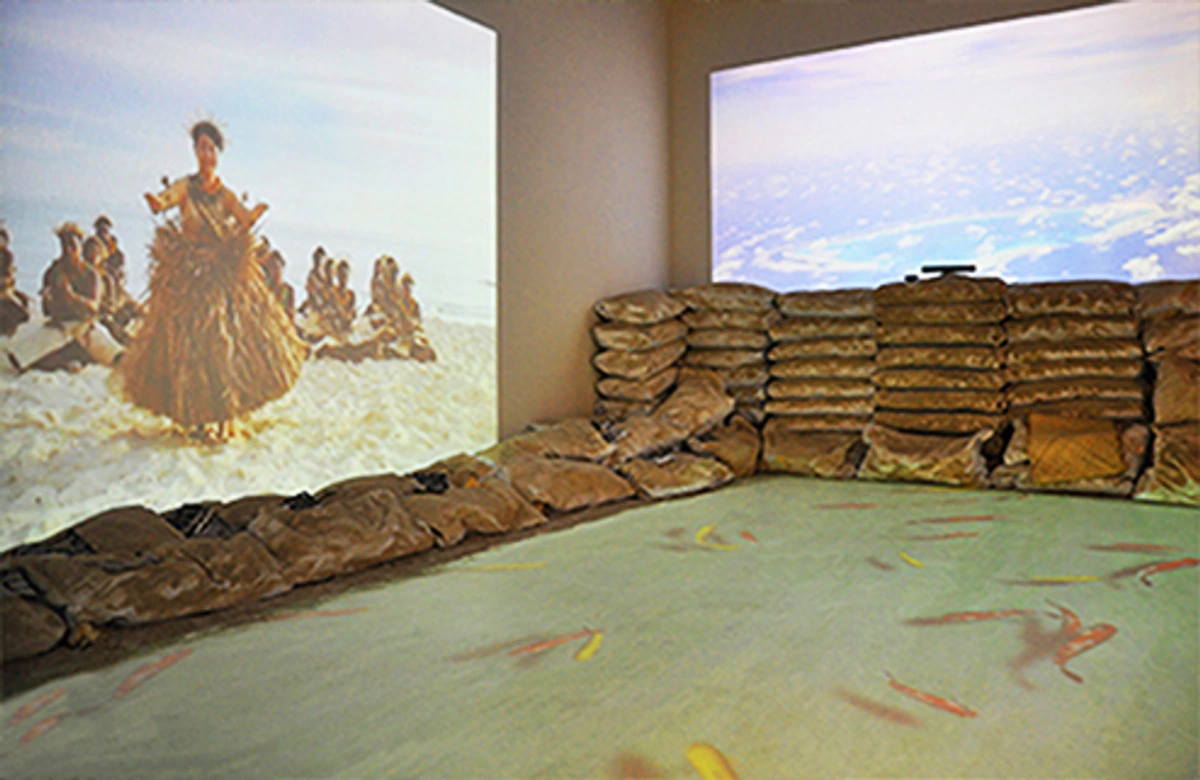
Now that we understand its vast scope, let's explore where this artistic ocean truly resides.
The Beating Heart: Giardini & Arsenale – Two Worlds of Artistic Discovery
My initial strategy (or glorious lack thereof) involved getting off at the Giardini — one of the two main sites, alongside the sprawling Arsenale. While both are central, they offer distinct experiences.
The Giardini: A Mosaic of National Voices
At the Giardini, you'll find the historic national pavilions, where countries proudly present their chosen artists in dedicated, often architecturally significant buildings. These can be permanent structures, some dating back over a century, while others are temporary installations. Why do countries have their own pavilions? It’s a powerful statement of cultural diplomacy, a way to showcase national identity, artistic talent, and often, to engage in global conversations through art. This site also hosts a significant portion of the main exhibition, curated by the artistic director, whose overarching theme, or "curator's theme," serves as the conceptual backbone for the entire Biennale. This theme isn't just a suggestion; it's a guiding star influencing not just the main exhibition but often subtly, and sometimes overtly, shaping the responses within the various national pavilions. For instance, the 2022 theme "The Milk of Dreams" saw artists exploring the metamorphosis of bodies and definitions of humanity, leading to pieces ranging from fantastical hybrid creatures to introspective studies on identity. I particularly remember the Danish pavilion that year, which featured a hauntingly beautiful installation of hybrid centaur-like figures, blending human and animal forms to comment on ecological anxieties and identity – a truly memorable, if unsettling, experience. Walking into some of these spaces, I found myself questioning everything – what I considered art, what narratives truly resonated, and why some installations made me feel profound while others just made me wonder if I'd missed lunch, or perhaps the point entirely. It’s a bit like an artistic Olympics, but with far more profound existential questions. I vividly recall one national pavilion that was simply a vast, empty room with subtle shifts in lighting and a faint, almost imperceptible hum – an experience that initially had me checking my watch, but slowly, mysteriously, drew me into a deep meditation on absence and presence. This isn't just seeing art; it’s an experience that truly demands humility, gently forcing you to confront your own biases and open your mind to wildly different perspectives. What revelations might you find here?
The Giardini: A hub of national artistic statements, reflecting global dialogues through unique cultural lenses.
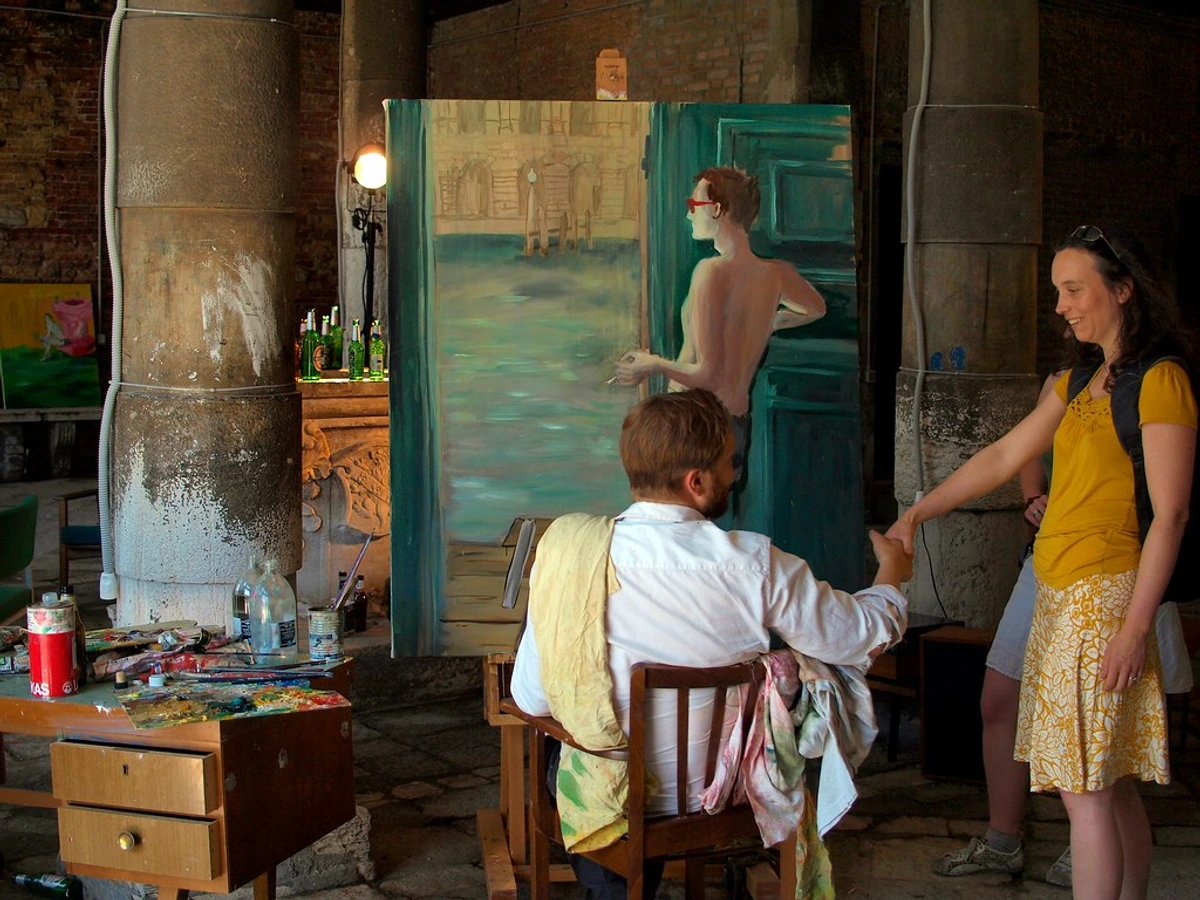
The Arsenale: The Curator's Grand Narrative & Experimental Canvas
After the national expressions of the Giardini, the Arsenale provides a stark, grand counterpoint. This former shipyard, feeling like a city within a city, is a cavernous expanse housing a significant portion of the main curated exhibition (deeply informed by that central theme I mentioned) and even more national pavilions. This felt even more epic, with its long, echoing halls and industrial backdrop providing a striking contrast to the often delicate or provocative art. I remember walking into one of its colossal, brick-lined halls, feeling dwarfed by the sheer scale, the air thick with anticipation, and the faint smell of old salt and metal lingering – it truly sets a mood. Here, the curator's grand narrative truly unfolds, weaving a coherent, often challenging, story across a vast physical space. I remember one particular interactive piece here – a dizzying, immersive experience that played with light and shadow, using projected water effects that made the entire space feel like it was underwater. It was a beautiful, unsettling moment that lingered, prompting reflection on the nature of perception itself. How did the artist achieve such a convincing illusion? And what did it mean for how I interpreted everything else I saw? It’s a space that actively encourages experimentation and allows for truly monumental installations, making the most of its vast, industrial scale. How will its scale impact your perception?
The Arsenale: The stage for the curator's sweeping vision, hosting large-scale, often experimental installations within its impressive industrial architecture.
Beyond the Beaten Path: Unearthing Collateral Events & Hidden Treasures
While the main stages of the Biennale are undeniably spectacular, what if the most captivating discoveries lie just beyond the well-trodden paths? Look, everyone flocks to the Giardini and Arsenale – and for good reason. But here’s where the real magic, the truly intimate discoveries, often happen: the collateral events. These are officially recognized exhibitions by the Biennale Foundation, often presented by countries or organizations without a permanent pavilion, sprinkled throughout Venice in magnificent palazzi, ancient churches, former industrial warehouses, private residences, or even tucked-away courtyards and boats! Many of these are also free to enter, offering an accessible way to engage with groundbreaking art.
Imagine stumbling upon a cutting-edge video installation in a centuries-old church, its ancient stone walls providing a stark, beautiful contrast to the modern narrative – perhaps a digital projection exploring the history of Venetian glassmaking, infused with contemporary social commentary. Or finding a vibrant photography exhibition depicting urban life, tucked into a historic library, offering a unique dialogue between past and present. Perhaps a hidden sound installation responding to the ancient acoustics of a deconsecrated chapel, or a vibrant textile exhibition by an emerging artist filling a forgotten palazzo with color and texture, creating a fascinating dialogue between centuries. These events offer a different rhythm, a quieter contemplative space away from the main hubbub, and often feel even more impactful because of their unexpected discovery. My advice? Grab the official Biennale guide or app, keep an eye out for posters, ask locals or fellow art enthusiasts, and be prepared to wander. Some of my most treasured Biennale memories aren't of the grand gestures in the main venues, but of these quiet, profound encounters in the city's hidden nooks. It’s a bit like digging for gold, but the gold is contemporary art that genuinely surprises you. Don't just visit the Biennale; let yourself be found by it. What unexpected gems might be waiting for you?
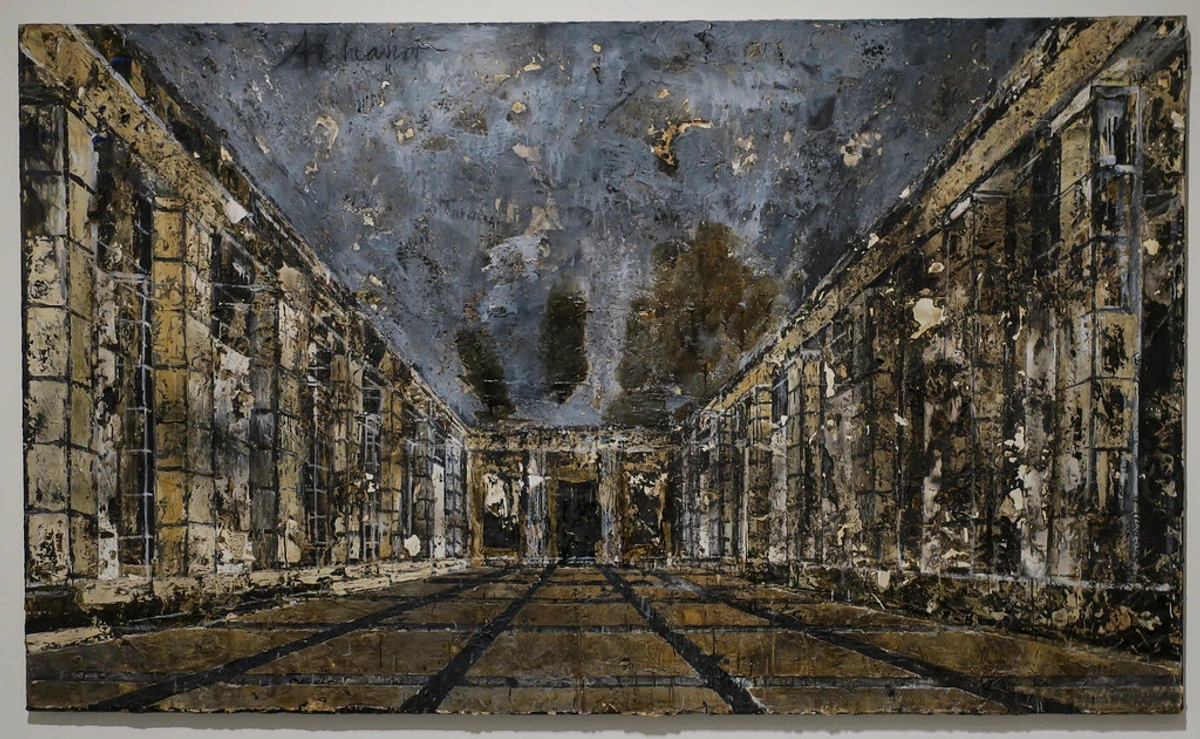
Navigating the Labyrinth: Essential Tips for First-Timers
After a few days of glorious, exhausting wandering, I picked up a few unwritten rules for survival and enjoyment at an event of this scale. Or, more accurately, I learned them through a series of delightful, albeit tiring, missteps that made me wish for a secret handbook. Consider this your tactical guide for avoiding burnout and maximizing wonder, whether at the Biennale or any major international art fair. And a quick warning: the sheer volume of art can be overwhelming, a phenomenon I like to call "Biennale Brain," so be prepared for some delightful sensory overload.
- Pre-Planning is Paramount (Seriously, Do This!)I can't stress this enough: check the official Biennale website well in advance for dates, opening hours, and critically, the theme of the current edition (especially important for the main curated exhibition). Knowing the artistic director's vision beforehand (and maybe even a few featured artists) can profoundly shape your understanding and appreciation of the artworks, giving you a valuable lens through which to view the entire exhibition. Beyond just dates and times, try to delve into the artistic director's previous work or read their curatorial statements for the current edition. This isn't just academic; understanding their perspective can act as a conceptual compass, helping you navigate the diverse artistic landscape and uncover deeper meanings in what you see. If you have specific interests – say, installation art, photography, or political commentary – research which pavilions or artists are addressing those. You might even want to look up specific national pavilions that have historically been strong or are known for a particular style you admire. Buy your tickets online and consider a multi-day pass. It will save you precious time queuing and often money. While you can't see everything, having a rough idea of 3-5 "must-see" pavilions or artists you're genuinely interested in will help focus your journey. But then, let serendipity guide the rest. Seriously, don't try to tick every box; it's a recipe for burnout and art fatigue. It's a marathon, not a sprint, and your feet will thank you.
- Look Beyond the Main Sites (The Real Gems Are Often Hidden!)As I mentioned, while the Giardini and Arsenale are undeniable must-sees, many countries and organizations host incredible collateral events in palazzi, churches, former industrial warehouses, and hidden courtyards throughout the city. These are often quieter, offer unexpected discoveries, and sometimes, felt even more intimate and impactful than the grander installations. They're usually free too, a nice bonus. Check the official Biennale guide or app for a full list, but also keep an eye out for local posters and ask around. You never know what magic you'll stumble upon down a quiet canal.
- Embrace the Vaporetto & Your Feet (They're Your Best Friends!)Venice is a city built for walking, yes, but those distances between scattered venues can add up. The vaporetto (water bus) is your absolute best friend. Get a multi-day pass if you're there for a while, but be prepared for crowds, especially at peak times. Oh, and wear comfortable shoes. This isn't the place for fashion over function, trust me. I learned this the hard way after a misguided attempt to look 'chic' on day one, ending with blisters so epic they became their own conceptual art piece by day two. Venice's charming, labyrinthine alleys are part of the adventure, but getting intentionally lost without comfy footwear is a guaranteed regret. I also found that sometimes the shortest route on a map was a vaporetto ride and a stroll, rather than an endless maze of tiny bridges and dead ends.
- Manage Your Energy and Combat "Biennale Brain"Exploring art is mentally and physically demanding. After seeing approximately 300 pieces of art involving found objects, I once mistook a security guard standing perfectly still for a performance piece. That's "Biennale Brain" for you! To truly combat it, focus on quality over quantity: instead of rushing through every room, allow yourself to linger in front of pieces that genuinely resonate. Pick 2-3 major sections or pavilions per day to truly absorb, rather than trying to conquer the entire sprawling event. Grab a tramezzino (Venetian sandwich) or cicchetto (tapas-like snack) and an espresso to keep your energy levels up. Hydration is key, too, especially in the warmer months – refill your water bottle at public fountains. Find quiet spots for a break, whether a bench by a canal or a less crowded café. For instance, I found refuge in the serene gardens of the Querini Stampalia Foundation, or a quiet moment listening to the water lap against a deserted canal, which was far more restorative than fighting crowds for another spritz. A practical tip: venture a few streets away from the main tourist arteries for more authentic and often more affordable food and drink options, perhaps even seeking out a local bacaro for some delicious cicchetti. Don't forget, even for experienced art fair visitors, managing sensory overload is crucial! I found planning specific "downtime" slots – even just an hour to sit, reflect, and people-watch – was invaluable.
- Acknowledge the Market (It's Part of the Grand Play)While the Biennale is primarily a cultural event, it's undeniably a significant player in the global art market. You'll often find gallerists, collectors, critics, and even art advisors mingling, with many artists exhibiting having works available for sale. For a first-timer, understanding this commercial ecosystem adds another layer to your appreciation: it's a crucial launchpad for artists' careers, a place where major galleries scout emerging talent, and a strong predictor of future art trends. Beyond the official pavilions, you'll find numerous commercial galleries hosting satellite shows or private viewings, keenly aware of the Biennale's power to elevate artists. Art advisors also play a critical, often discreet, role here, connecting collectors with new discoveries and shaping reputations. The duality between culture and commerce is fascinating to observe; curators and advisors subtly guide what you see and how it's interpreted, inevitably shaping perceptions and values. But here's a thought: understanding this commercial undercurrent helps you appreciate why certain themes or artists might be showcased. It highlights the economic engine driving the global art conversation, demonstrating how critical discourse and market value often intertwine. As an artist myself, observing this dynamic reminds me that even the purest artistic expression exists within a broader ecosystem of value and recognition, much like when I offer my own abstract pieces for sale.
- Talk to People (Seriously, Engage!)Engage with fellow visitors, gallerists, or even the artists themselves if you get the chance. Hearing different perspectives can profoundly enrich your experience and understanding of the works. Some of my most memorable moments were brief, serendipitous conversations with strangers about a particular piece, turning a solitary journey into a shared experience – like the time an elderly Venetian lady, who clearly had seen a dozen Biennales, explained the subtle political commentary in a seemingly abstract installation involving empty pasta boxes and flickering neon lights. What I saw as quirky street art, she unpacked as a biting critique of globalization and local traditions, completely changing my perception. Don't be shy! You'll also encounter an incredible array of people at the Biennale, from serious collectors in tailored suits discussing market trends, to art students sketching furiously, to casual tourists soaking it all in. Everyone brings a different lens, and engaging with them only broadens your own.
- Connect with Venice's Artistic Legacy (It's Everywhere!)Beyond the Biennale itself, Venice is an art historical treasure trove. I found myself thinking about this constantly during my visit, almost as if the past was whispering to the present. With a legacy spanning from the Byzantine mosaics of St. Mark's Basilica to the Renaissance masters like Giovanni Bellini, Titian, and Tintoretto, the city has long been a crucible of artistic innovation. Take a moment to appreciate how the contemporary dialogues happening at the Biennale are layered upon centuries of this profound artistic heritage, connecting the city's rich past to its vibrant present. I vividly remember seeing a striking contemporary light installation in the Arsenale that played with reflection and shadow, immediately bringing to mind how Tintoretto, centuries ago, used dramatic chiaroscuro in his colossal canvases to capture the very essence of Venice's watery existence and emotional drama. Or how a modern sculptor's intricate, large-scale work might subtly echo the precise craftsmanship of Byzantine mosaics. The connection isn't always direct, but the echoes are undeniable. It’s a city that breathes art, long before the Biennale arrived – and understanding that connection truly deepened my experience. How will Venice's historical art whisper to the contemporary works you encounter?
Tip Category  | Key Advice |
|---|---|
| Planning | Check official site for theme & dates. Research artistic director. Buy multi-day pass online. Focus on 3-5 must-sees; research specific pavilions. |
| Discovery | Explore collateral events in hidden venues for unique, often free, art encounters. |
| Navigation | Wear comfy shoes. Utilize vaporetto (water bus) with a multi-day pass. Explore charming, but often confusing, alleys. |
| Well-being | Manage energy, stay hydrated, snack on tramezzini or cicchetti from bacari. Take breaks; seek affordable food (e.g., Querini Stampalia gardens). |
| Engagement | Talk to fellow visitors, gallerists, and artists. Observe the art market dynamics and diverse attendees. |
| Context | Connect contemporary art with Venice's rich historical artistic legacy. |
The Lingering Echoes: What the Biennale Leaves With You
After the initial overwhelm, I realized that what truly makes the Biennale special is often the deeply personal resonance you find amidst the chaos. It’s a powerful reminder that while we all share a planet, our interpretations of it are endlessly diverse – a concept that deeply informs my own artistic journey and my exploration of contemporary, colorful, and often abstract art. It’s not just about seeing art; it's about witnessing conversations between cultures, examining shared human experiences through wildly different lenses and mediums. The economic impact on Venice itself is also fascinating to observe. It's not just a cultural influx; it's a logistical ballet. The city adapts, from temporary dock extensions for art installations to increased vaporetto routes, transforming its infrastructure to accommodate millions, creating both vital economic opportunities and undeniable strain on its delicate ecosystem and local life. But beyond the economics, the Biennale also leaves its mark on Venice's fabric. Historic palazzi are temporarily repurposed, ancient churches become stages for radical installations, and forgotten industrial spaces are revitalized. This interaction often sparks conversations about preservation versus innovation, and the Biennale has undeniably played a role in both preserving some of Venice's architectural treasures and in transforming the city's relationship with contemporary culture.
One year, for example, I saw a pavilion from a Nordic country tackling climate change with stark, melancholic installations of melting ice and minimalist soundscapes. Just across the path, an African nation celebrated resilience and connection to land with an explosion of vibrant, abstract colors, powerful ritual performances, and intricate textile art. These juxtapositions, expressed through sculpture, digital art, painting, and performance, highlight how diverse artistic approaches convey profound global narratives. I remember specifically how the muted, icy blues and grays from that Nordic piece unexpectedly merged with the fiery oranges and deep greens of the African textiles in my mind, sparking a whole new series of abstract paintings back in my studio, exploring the tension between fragility and vitality – very much in line with the creative flow I embrace when developing my own colorful, abstract works. It's in these moments that the Biennale directly informs the very canvases I offer for sale and curate in my studio in 's-Hertogenbosch.


Beyond the established names, the Biennale is also a crucial platform for emerging artists and experimental approaches, often featuring cutting-edge technologies or entirely new mediums that challenge traditional definitions of art. This constant push for new forms and ideas invigorates my own creative process, reminding me to always explore beyond the familiar, much like the process I explore in my creative flow. It’s a space where artists from regions often underrepresented in mainstream art discourse can truly shine. How might these diverse artistic voices resonate with your own understanding of the world?
The Biennale was a masterclass in art's ability to articulate what words cannot. I recall one morning, feeling particularly jaded after seeing so much, I almost walked past a small, dark room. But I paused, and inside was a silent video installation depicting the slow, almost imperceptible erosion of a coastline – it communicated the enormity of climate change with a quiet dread that no statistic ever could. It pushed me to look, really look, and then to reflect, deepening my understanding of abstract art movements and how they can tackle urgent global issues. Sometimes, the most profound pieces were the simplest – a quiet room, a single object, allowing space for contemplation amidst the cacophony.
Returning from Venice, I found myself invigorated, a little exhausted, and undeniably changed. The Biennale isn't just an art exhibition; it's a profound cultural immersion that challenges, inspires, and occasionally confuses you in the best possible way. It left me with a renewed appreciation for the boundless creativity of the human spirit and a deeper understanding of the narratives shaping our contemporary world – and perhaps a slightly better sense of direction, both physically and artistically. This deep dive into global art continues to fuel my own artistic practice, reminding me of the power of art to transcend words, much like the abstract pieces I create and offer for sale and explore in my art studio in 's-Hertogenbosch. It reminded me that the most impactful art often doesn't give you answers; it poses better questions, inviting you into a deeper dialogue. My first encounter with the Venice Biennale was indeed chaotic, wonderfully overwhelming, and utterly unforgettable. It taught me that sometimes, being a little out of your depth is exactly where the most profound discoveries happen. So, if the opportunity ever arises, do yourself a favor: embrace the glorious mess, trust your instincts (and your comfy shoes!), and let yourself be swept away by the current of contemporary art in Venice. Go, get gloriously lost, and find your own truths. You won't regret it – and who knows, maybe it will even inspire your own creative spark. What profound questions or unexpected connections will the Biennale spark for you?