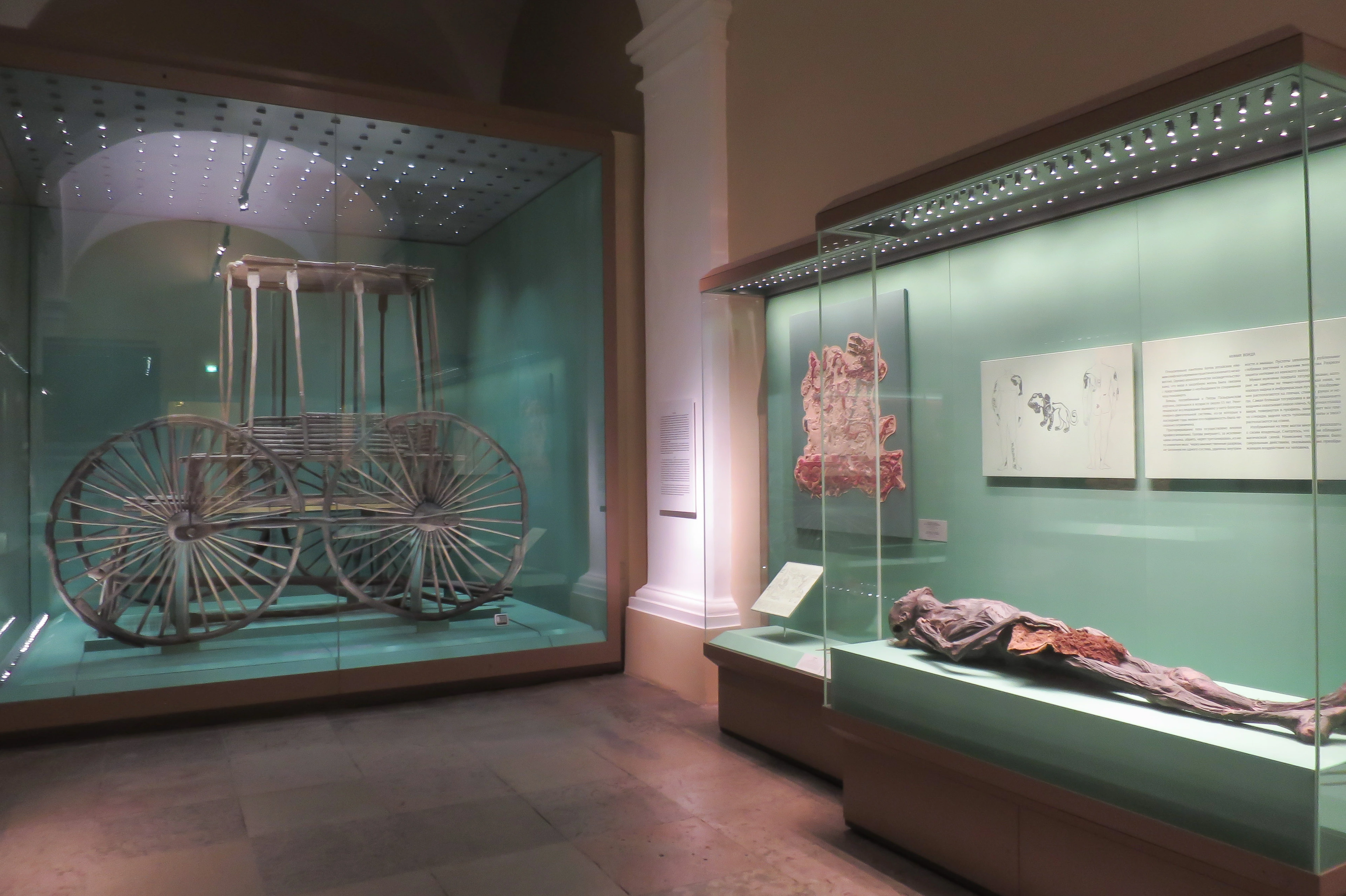
Preserving Art for the Long Term: A Comprehensive Guide
Discover the essential techniques and considerations for preserving your artwork for decades. Learn about environmental factors, proper framing, and conservation methods to ensure your art stands the test of time.

Preserving Art for the Long Term: A Comprehensive Guide
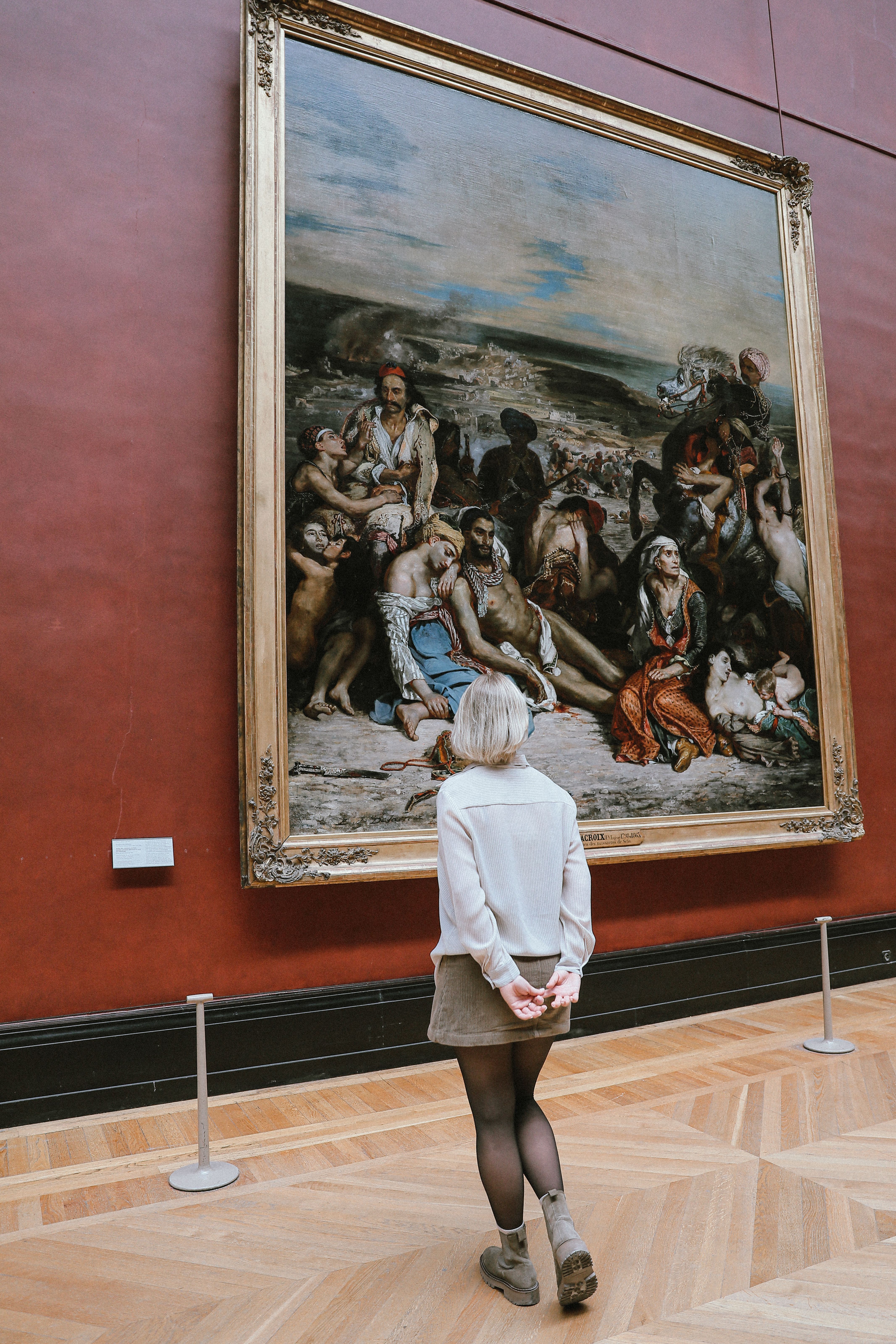
I remember the first time I saw a piece of art that had been preserved for centuries. It was a painting in a small museum, its colors still vibrant, its details still sharp. I couldn't help but wonder, how did they do it? How did they manage to keep that artwork looking so fresh and alive after all those years? That moment sparked a curiosity in me, a desire to understand the art of preserving art.
Preserving art is not just about maintaining its aesthetic appeal; it's about safeguarding a piece of history, culture, and personal expression. Whether you're an artist, a collector, or simply an admirer, understanding the nuances of art preservation can make all the difference in ensuring that these treasures endure for generations to come.
The Journey of Art Preservation
Art preservation is a journey that connects us to our past, present, and future. It's a multidisciplinary field that combines science, history, and craftsmanship to ensure that the cultural heritage embedded in artworks is not lost to time. From ancient cave paintings to modern digital art, every piece tells a story that deserves to be protected and shared.
The Evolution of Art Preservation
Art preservation has evolved significantly over the centuries. Ancient civilizations used natural resins and waxes to protect their artworks, while modern techniques involve advanced materials and technologies. Understanding this evolution helps us appreciate the efforts behind preserving art for future generations.
Ancient Techniques
Early methods of art preservation relied on natural materials like beeswax, plant resins, and animal fats. These substances were applied to surfaces to protect them from environmental damage. For example, ancient Egyptians used beeswax to seal and protect their murals and tomb paintings.
Modern Innovations
Today, art preservation has benefited from advancements in chemistry and technology. Synthetic polymers, UV-resistant coatings, and climate-controlled environments have revolutionized the way we protect art. These innovations allow us to preserve artworks in ways that were unimaginable just a few decades ago.
The Importance of Art Preservation
Art preservation is a multidisciplinary field that combines science, history, and craftsmanship. It ensures that the cultural heritage embedded in artworks is not lost to time. From ancient cave paintings to modern digital art, every piece tells a story that deserves to be protected and shared.
The Role of Art in Society
Art serves as a bridge between generations, offering insights into the beliefs, struggles, and triumphs of those who came before us. It fosters empathy, encourages dialogue, and challenges societal norms. By preserving art, we ensure that these conversations continue and that the voices of the past are not silenced.
Art as a Cultural Legacy
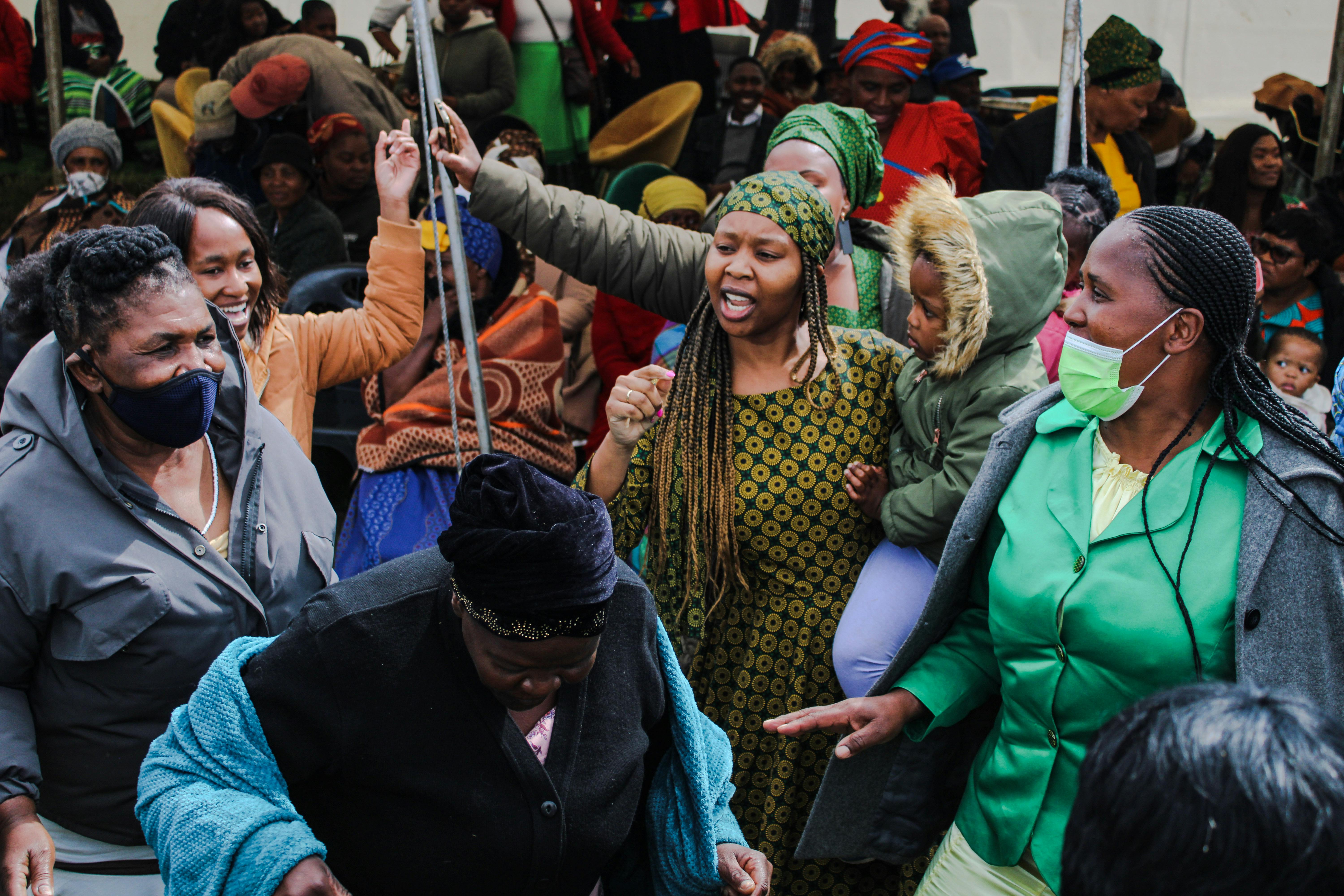
Art is a tangible representation of our cultural legacy. It captures the essence of different eras, societies, and individual experiences. Preserving art allows us to pass down this legacy to future generations, ensuring that the stories and emotions embedded in these works are never forgotten.
Why Preserving Art Matters
Art is more than just a decorative piece; it's a reflection of culture, history, and personal expression. Whether you're an artist, a collector, or simply someone who appreciates beauty, preserving art is crucial. It ensures that future generations can enjoy and learn from these creations. But preserving art isn't just about keeping it looking good; it's about maintaining its integrity and value over time.
Emotional and Financial Value
Art often carries deep emotional significance. It can evoke memories, inspire creativity, and even serve as a form of therapy. Financially, well-preserved art can appreciate in value, becoming a legacy for future generations. This dual value makes preservation a deeply personal and rewarding endeavor.
Art as a Historical Record
Art serves as a historical record, capturing moments, ideas, and emotions that define eras. Preserving art ensures that these records remain intact, allowing future generations to learn from and connect with the past. This connection fosters a deeper understanding of our collective history and cultural identity.
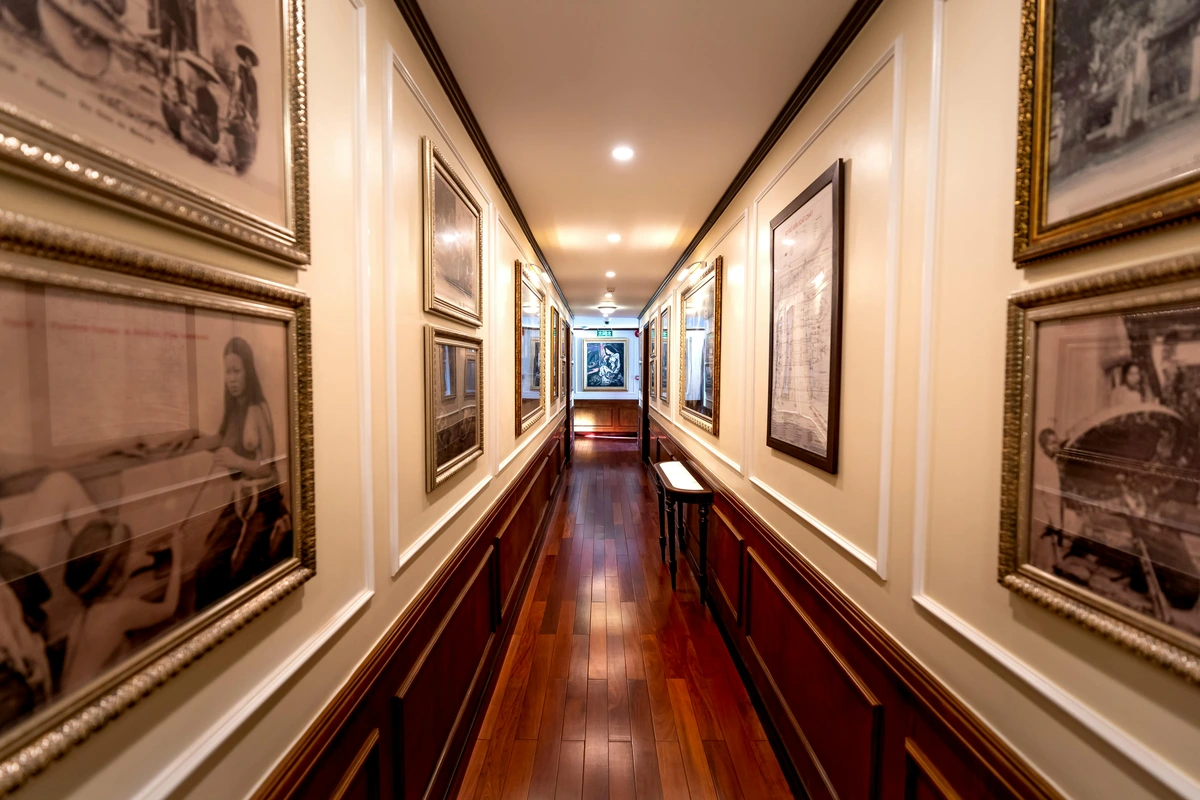
Consider the emotional and financial investment tied to art. A well-preserved piece can appreciate in value, becoming a legacy for future generations. Moreover, art often carries sentimental value, making its preservation a deeply personal endeavor.
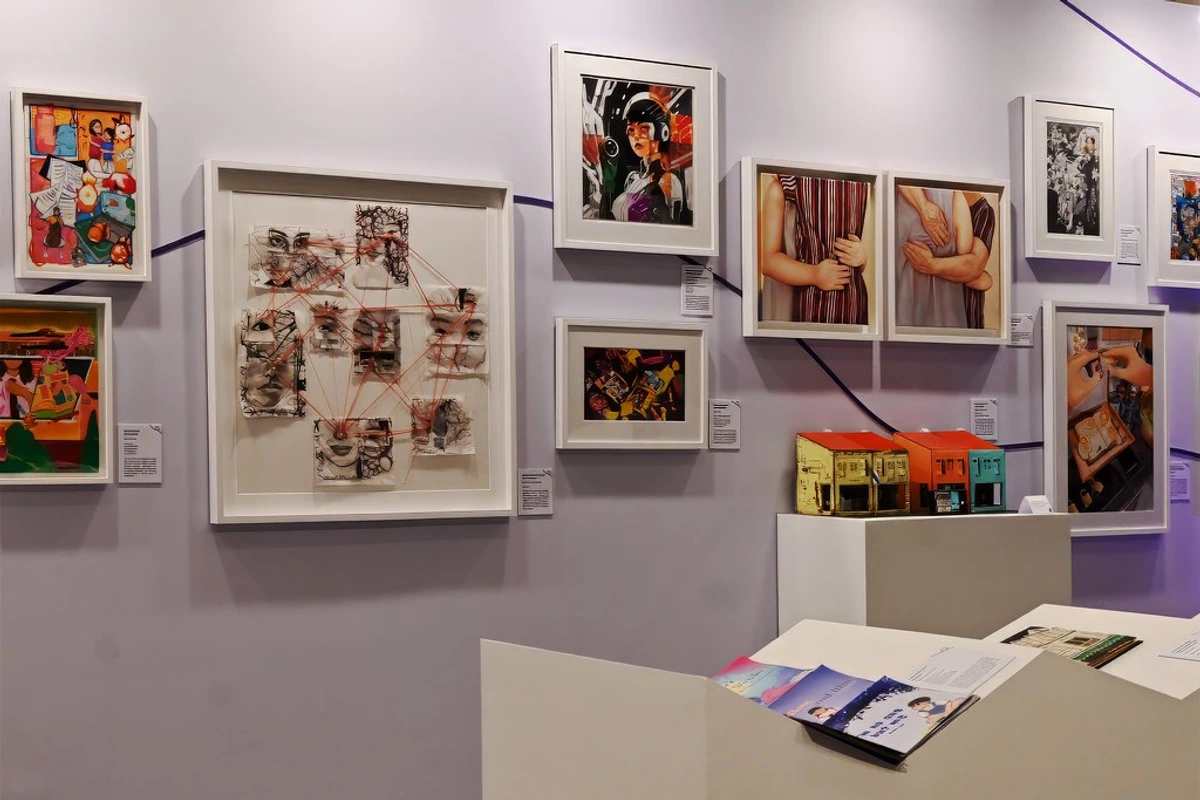
Understanding the Enemies of Art
Before we dive into the techniques of preserving art, it's essential to understand what we're up against. Art has several enemies that can cause deterioration over time:
Common Threats to Art
Art is vulnerable to a variety of threats, both environmental and human-made. Understanding these threats is the first step in creating a preservation strategy that mitigates their impact.
Environmental Threats
Environmental factors such as light, humidity, temperature, and pollution can significantly impact the longevity of artworks. These elements can cause fading, warping, cracking, and other forms of degradation.
Human-Made Threats
Human activities, such as improper handling, poor storage practices, and exposure to pollutants, can also damage art. These threats are often preventable with proper care and awareness.
- Light: Both natural and artificial light can cause fading and discoloration. UV rays are particularly harmful.
- Humidity: Too much moisture can lead to mold growth, while too little can cause cracking and warping.
- Temperature: Extreme temperatures can cause materials to expand and contract, leading to damage.
- Pollution: Dust, dirt, and pollutants in the air can accumulate on the surface of the artwork, causing it to degrade.
- Handling: Improper handling can lead to physical damage, such as scratches, tears, or dents.
Understanding these factors is the first step in creating a preservation strategy that mitigates their impact.
Additional Threats
- Biological Factors: Insects, rodents, and microorganisms can cause irreversible damage to artworks.
- Chemical Reactions: Poor-quality materials or improper storage can lead to chemical reactions that degrade the artwork.
- Natural Disasters: Floods, earthquakes, and fires pose significant risks to art collections.
Mitigation Strategies
Understanding these threats is the first step in creating a preservation strategy that mitigates their impact. Regular monitoring and preventive measures can significantly extend the lifespan of your artwork.
Preventive Measures
- Regular Inspections: Schedule periodic inspections to identify early signs of damage or deterioration.
- Environmental Controls: Use tools like hygrometers and thermometers to monitor and maintain optimal conditions.
- Professional Consultation: For valuable or delicate pieces, consult a professional conservator for tailored advice.
Environmental Factors
Light
Light is one of the most significant threats to artwork. UV rays can cause colors to fade and materials to degrade. To protect your art:
- Avoid direct sunlight: Never hang artwork in a place where it will be exposed to direct sunlight.
- Use UV-filtering glass: If framing, use glass that filters out UV rays.
- Control artificial lighting: Use low-intensity, UV-free lighting in areas where art is displayed.
Additionally, consider rotating artwork periodically to minimize prolonged exposure to light sources.
Types of Light Damage
- Fading: Colors lose their vibrancy over time due to prolonged exposure to light.
- Yellowing: Some materials, like paper, can yellow when exposed to light.
- Brittleness: Light can cause materials to become brittle and prone to cracking.
Humidity
Humidity levels can greatly affect the condition of your artwork. Ideally, you want to maintain a relative humidity level between 40% and 50%.
- Use a humidifier or dehumidifier: Depending on your climate, you may need to add or remove moisture from the air.
- Avoid damp areas: Basements and bathrooms are not ideal places for storing or displaying art.
- Use silica gel packets: These can help absorb excess moisture in storage areas.
Monitoring humidity levels with a hygrometer can provide real-time data to help you maintain optimal conditions.
Effects of Humidity
- Mold Growth: High humidity can lead to mold, which can permanently damage artworks.
- Warping: Wooden frames and canvases can warp in high humidity.
- Cracking: Low humidity can cause materials to dry out and crack.
Temperature
Temperature fluctuations can cause materials to expand and contract, leading to damage. Aim to keep the temperature stable, ideally between 65°F and 75°F (18°C and 24°C).

- Avoid heat sources: Keep art away from radiators, fireplaces, and other heat sources.
- Use climate control: If possible, use air conditioning or heating to maintain a stable temperature.
Sudden temperature changes, such as those caused by opening windows or doors frequently, should also be minimized.
Temperature-Related Risks
- Expansion and Contraction: Materials can expand in heat and contract in cold, leading to cracks and warping.
- Condensation: Rapid temperature changes can cause condensation, which can damage artworks.

Pollution and Air Quality
Pollution and poor air quality can significantly impact the longevity of your artwork. Dust, dirt, and pollutants can accumulate on the surface, leading to degradation over time.
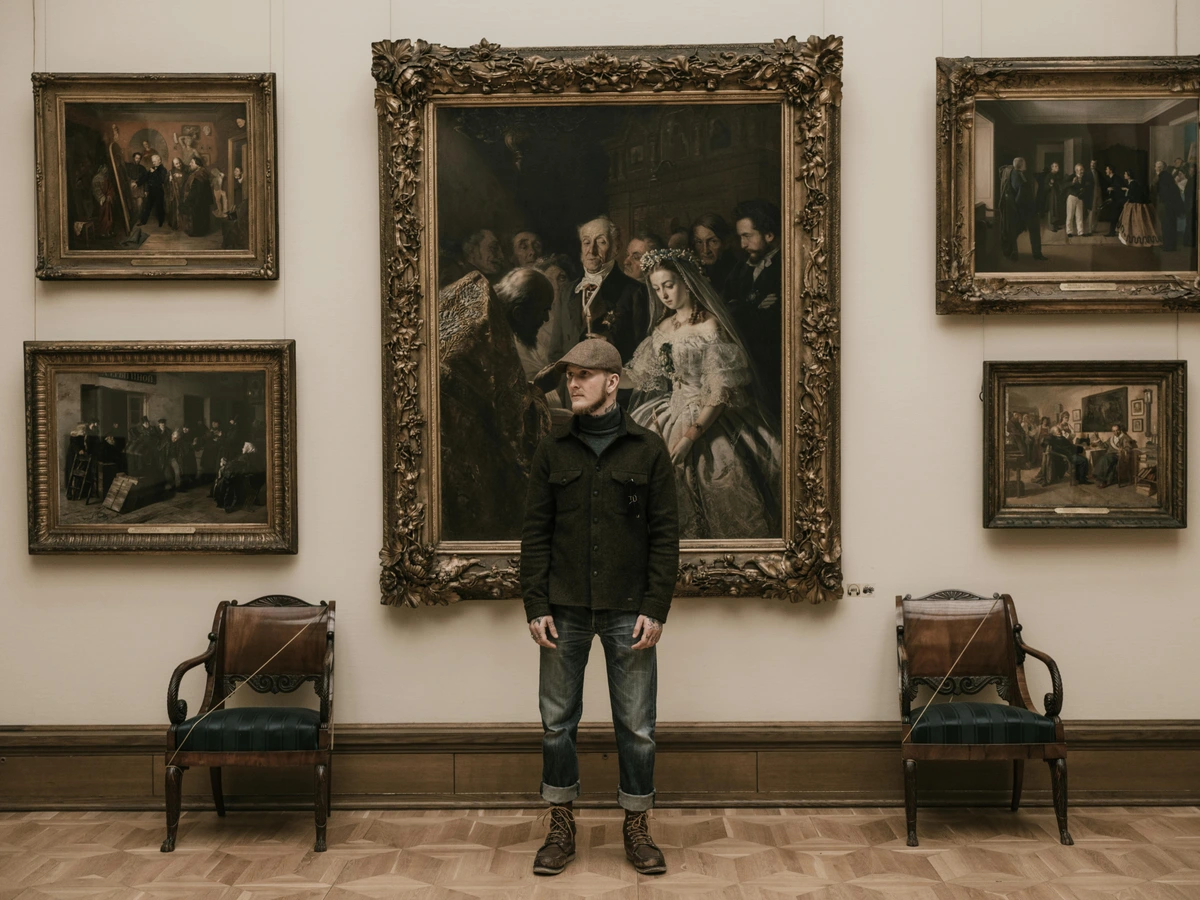
- Regular Dusting: Use a soft brush or microfiber cloth to gently remove dust from the surface of the artwork.
- Air Purifiers: Consider using air purifiers to reduce the presence of pollutants in the air.
- Avoid Smoking: Smoking near artwork can lead to the accumulation of harmful residues.
Types of Pollutants
- Dust and Dirt: These can scratch surfaces and dull colors over time.
- Chemical Pollutants: Volatile organic compounds (VOCs) from household products can react with art materials.
- Biological Pollutants: Mold spores and insect debris can cause long-term damage.
Proper Framing
Framing is not just about aesthetics; it's also about protection. Here are some tips for proper framing:
- Use acid-free materials: Acid-free mats and backing boards prevent chemical reactions that can damage the artwork.
- Choose the right glass: UV-filtering glass or acrylic can protect against light damage.
- Ensure a proper seal: The frame should be sealed to keep out dust, dirt, and insects.
Additionally, consider the spacing between the artwork and the glass. This spacing, known as matting, helps prevent condensation and direct contact with the glass.

Types of Framing Materials
Material  | Pros | Cons |
|---|---|---|
| Wood | Aesthetic appeal, durability | Can be heavy, susceptible to humidity |
| Metal | Lightweight, modern look | Can conduct heat, may not suit all art styles |
| Acrylic | Lightweight, shatter-resistant | Can scratch easily, may yellow over time |
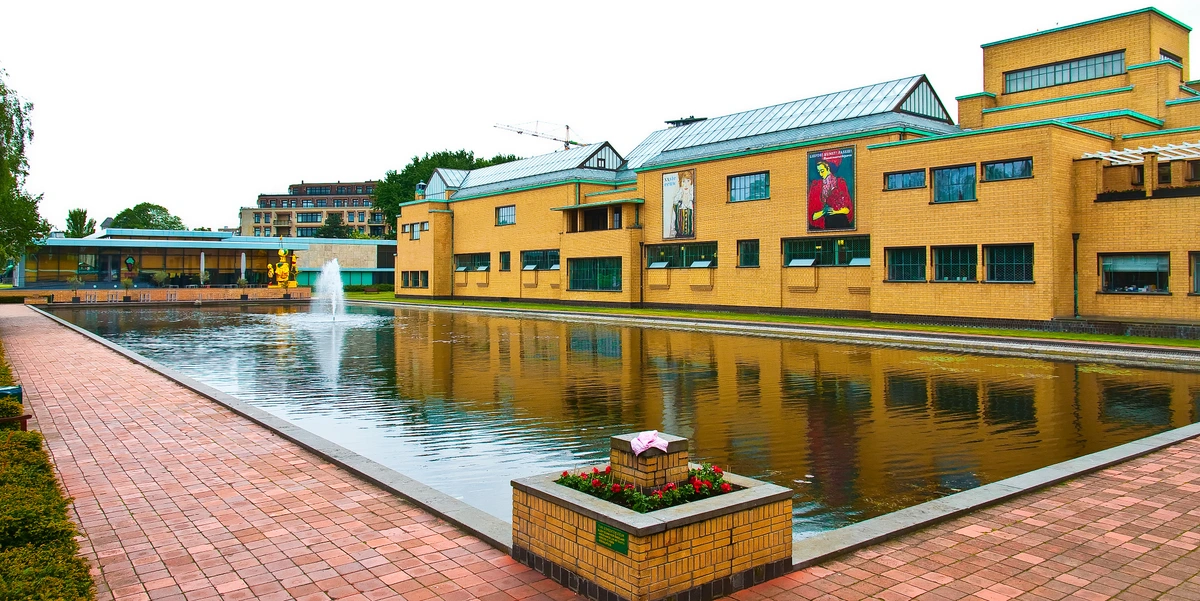
Choosing the Right Frame
- Consider the Artwork: The frame should complement the artwork and not overpower it.
- Consult a Professional: For valuable pieces, consult a professional framer for tailored advice.
- Test the Frame: Before finalizing, test the frame to ensure it provides adequate protection and enhances the artwork's appearance.
Custom Framing
For unique or valuable artworks, custom framing can provide tailored protection and aesthetic enhancement. Custom frames are designed to fit the specific dimensions and style of the artwork, ensuring a perfect match.
Conservation Techniques
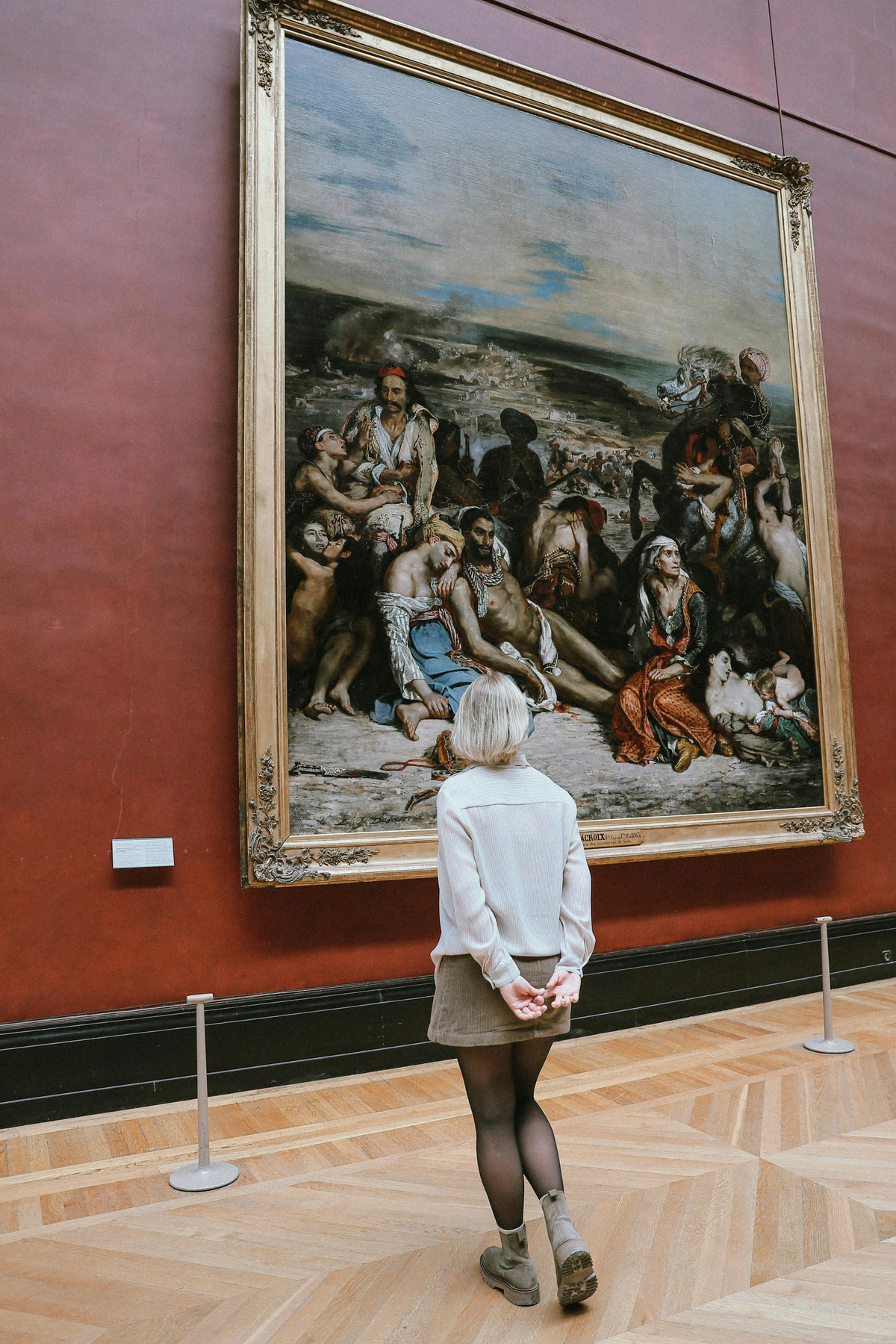
Cleaning
Regular cleaning is essential to remove dust and dirt that can accumulate on the surface of the artwork. However, it's crucial to use the right techniques and materials.
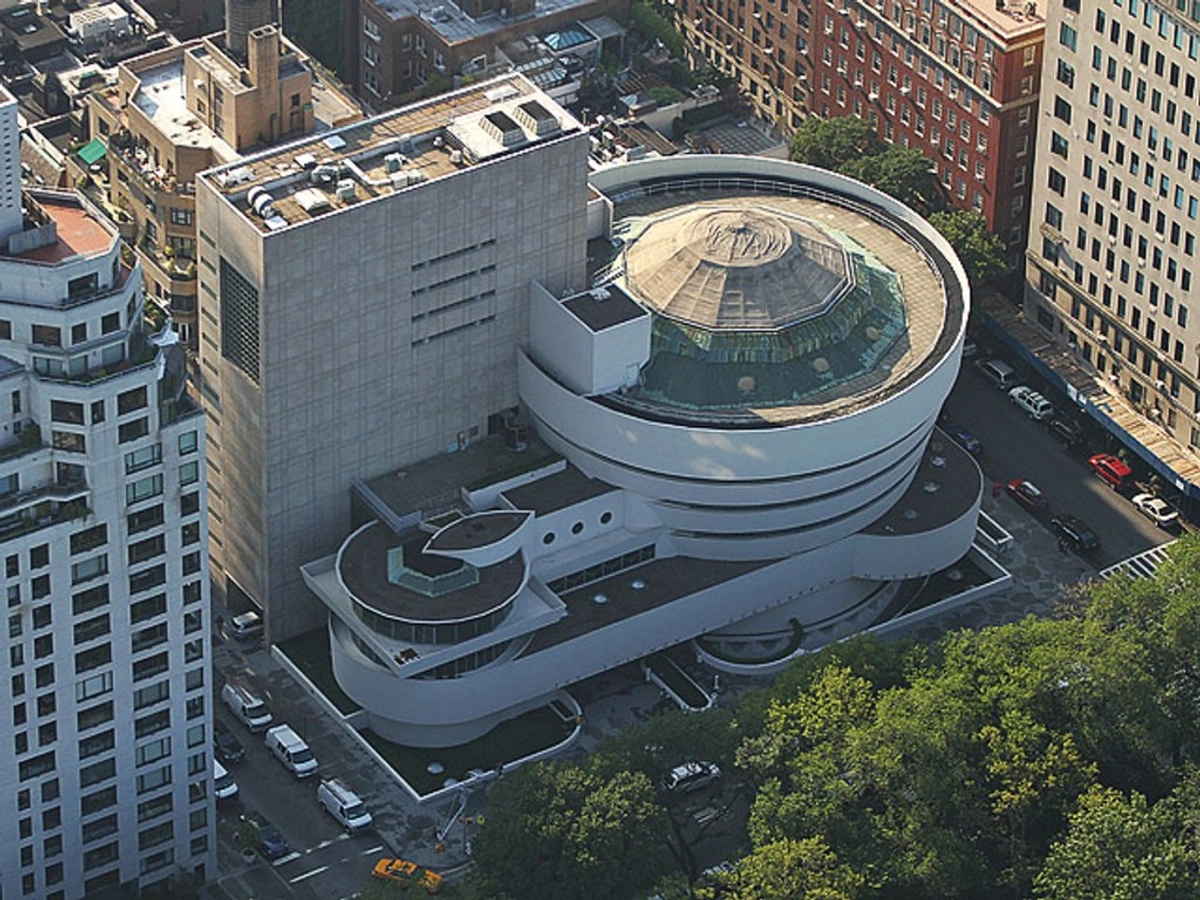
- Use a soft brush: A soft, natural-bristle brush can gently remove dust without damaging the surface.
- Avoid harsh chemicals: Never use household cleaners or solvents, as they can cause irreversible damage.
- Consult a professional: For valuable or delicate pieces, it's best to consult a professional conservator.
For delicate surfaces, consider using a microfiber cloth to gently lift dust without abrasion.
Handling
Proper handling is crucial to avoid physical damage.
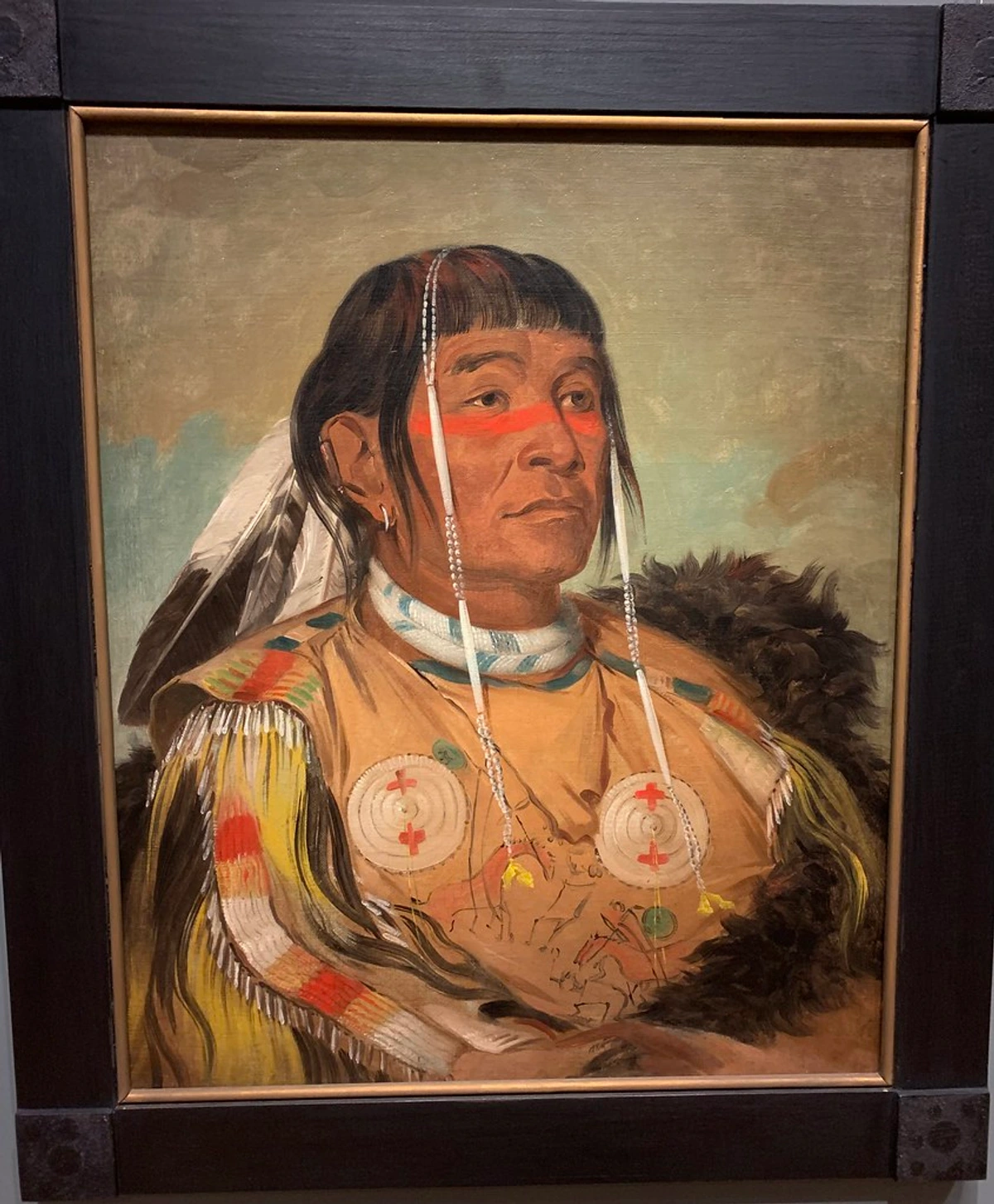
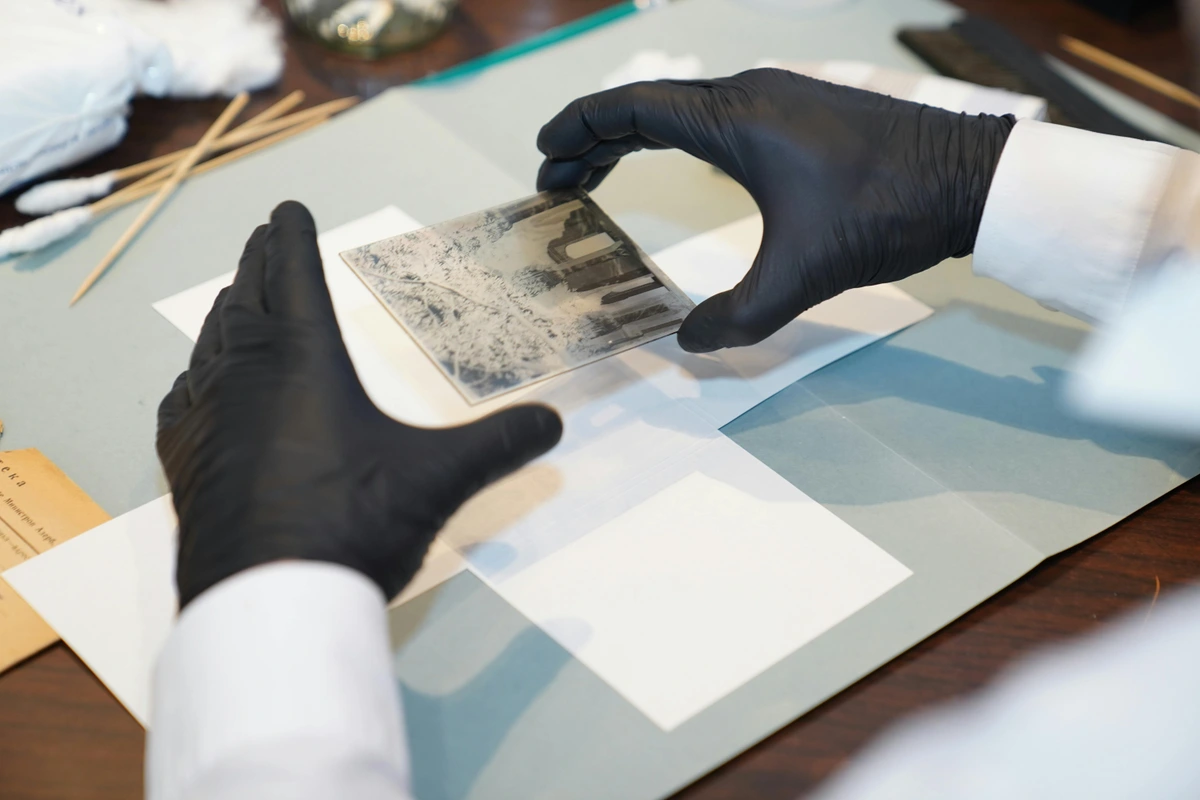
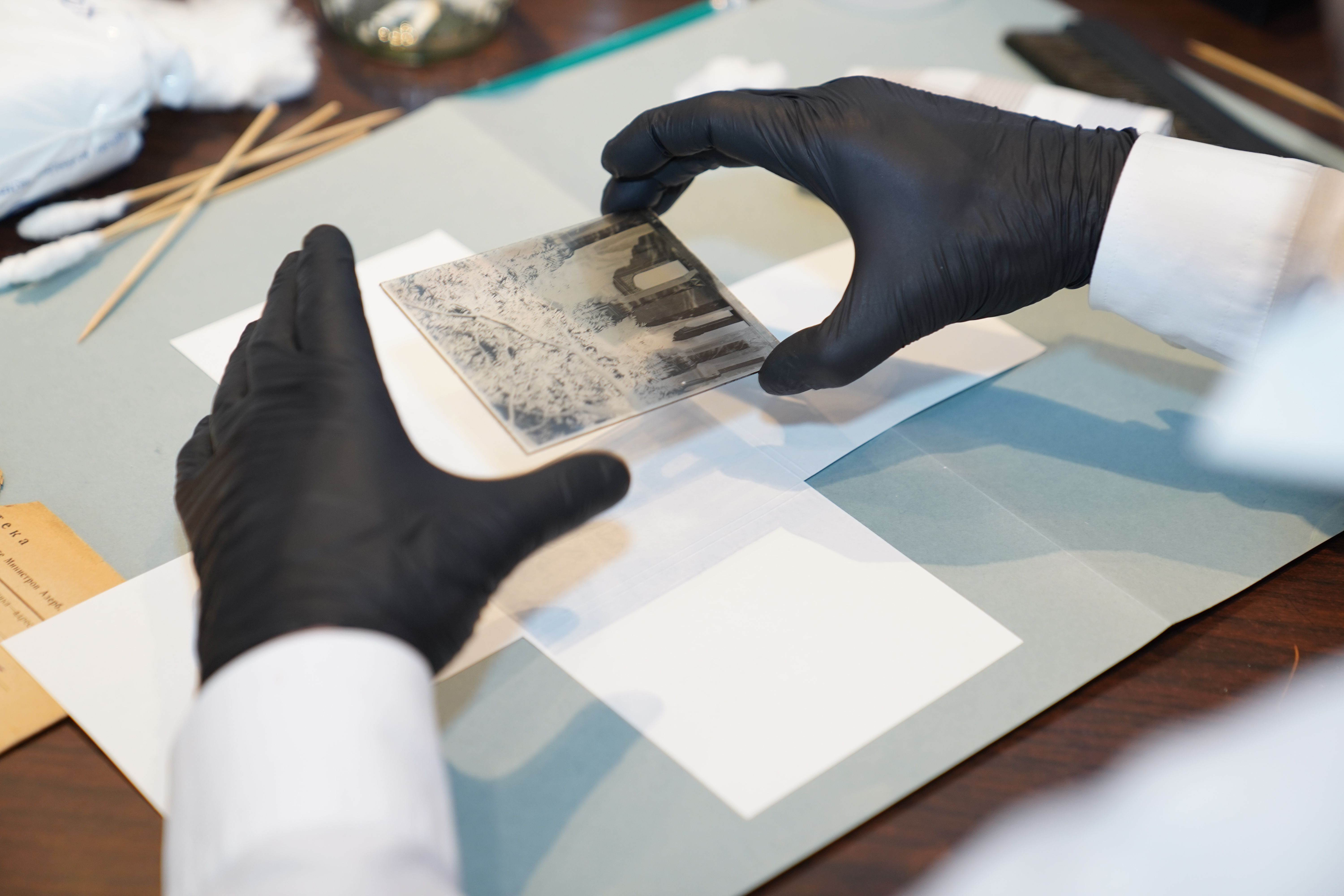
- Wear gloves: Always wear clean, white cotton gloves when handling artwork to avoid transferring oils and dirt from your hands.
- Support the artwork: Use both hands to support the artwork, especially large or heavy pieces.
- Avoid touching the surface: Handle the artwork by the edges or the frame to avoid touching the surface.
For particularly fragile pieces, consider using a support board to distribute weight evenly during handling.
Storage
If you need to store artwork, follow these guidelines to ensure its preservation:
- Use acid-free materials: Acid-free boxes, tissue paper, and bubble wrap can protect the artwork from chemical damage.
- Store in a climate-controlled environment: Maintain stable temperature and humidity levels.
- Avoid stacking: Store artwork vertically and avoid stacking to prevent pressure damage.
For long-term storage, consider using archival-quality storage solutions that provide additional protection against environmental factors.
Long-Term Storage Solutions
Solution | Description | Best For |
|---|---|---|
| Archival Boxes | Acid-free, sturdy boxes designed for long-term storage | Paintings, prints, photographs |
| Climate-Controlled Units | Storage units with controlled temperature and humidity | Valuable collections, delicate artworks |
| Custom Crates | Custom-built crates for transporting and storing large artworks | Sculptures, large installations |
Transportation
Transporting artwork requires careful planning to avoid damage. Here are some tips:
- Use Custom Crates: Custom-built crates provide the best protection for transporting large or delicate artworks.
- Climate Control: Ensure the transportation environment is climate-controlled to avoid temperature and humidity fluctuations.
- Secure Packaging: Use acid-free materials and secure packaging to protect the artwork during transit.
Transportation Best Practices
- Plan Ahead: Schedule transportation during favorable weather conditions to avoid extreme temperatures or humidity.
- Use Professional Services: For valuable or delicate artworks, consider hiring professional art transporters who specialize in handling and logistics.
- Insurance: Ensure that the artwork is adequately insured during transit to cover any potential damage or loss.
FAQ
How often should I clean my artwork?
The frequency of cleaning depends on the environment and the type of artwork. Generally, dusting every few months is sufficient. For more thorough cleaning, consult a professional conservator every few years.
Can I use regular glass for framing?
Regular glass does not offer UV protection, which can lead to fading and damage over time. It's best to use UV-filtering glass or acrylic for framing.
What should I do if my artwork gets damaged?
If your artwork gets damaged, it's essential to consult a professional conservator as soon as possible. Attempting to repair it yourself can cause further damage.
Is it safe to store artwork in the attic or basement?
Attics and basements are not ideal for storing artwork due to temperature fluctuations and humidity issues. It's best to store artwork in a climate-controlled environment.
How can I protect my artwork from pests?
To protect your artwork from pests, ensure that the storage area is clean and free from food sources. Use sealed containers and consider using pest repellents that are safe for artwork.
What are the best materials for storing artwork?
The best materials for storing artwork include acid-free boxes, tissue paper, and bubble wrap. These materials help prevent chemical damage and provide a protective barrier against environmental factors.
How can I monitor the environment where my artwork is stored?
You can monitor the environment using tools like hygrometers for humidity and thermometers for temperature. These devices provide real-time data to help you maintain optimal conditions for your artwork.
Can I restore damaged artwork myself?
Restoring damaged artwork yourself is not recommended unless you have professional training. DIY attempts can often cause more harm than good. Always consult a professional conservator for restoration work.
What is the best way to transport artwork?
When transporting artwork, use custom-built crates or padded boxes to protect it from physical damage. Ensure the transportation environment is climate-controlled to avoid temperature and humidity fluctuations.
How can I prevent light damage to my artwork?
To prevent light damage, avoid placing artwork in direct sunlight and use UV-filtering glass or acrylic when framing. Additionally, consider using low-intensity, UV-free lighting in areas where art is displayed.
What are the signs of humidity damage?
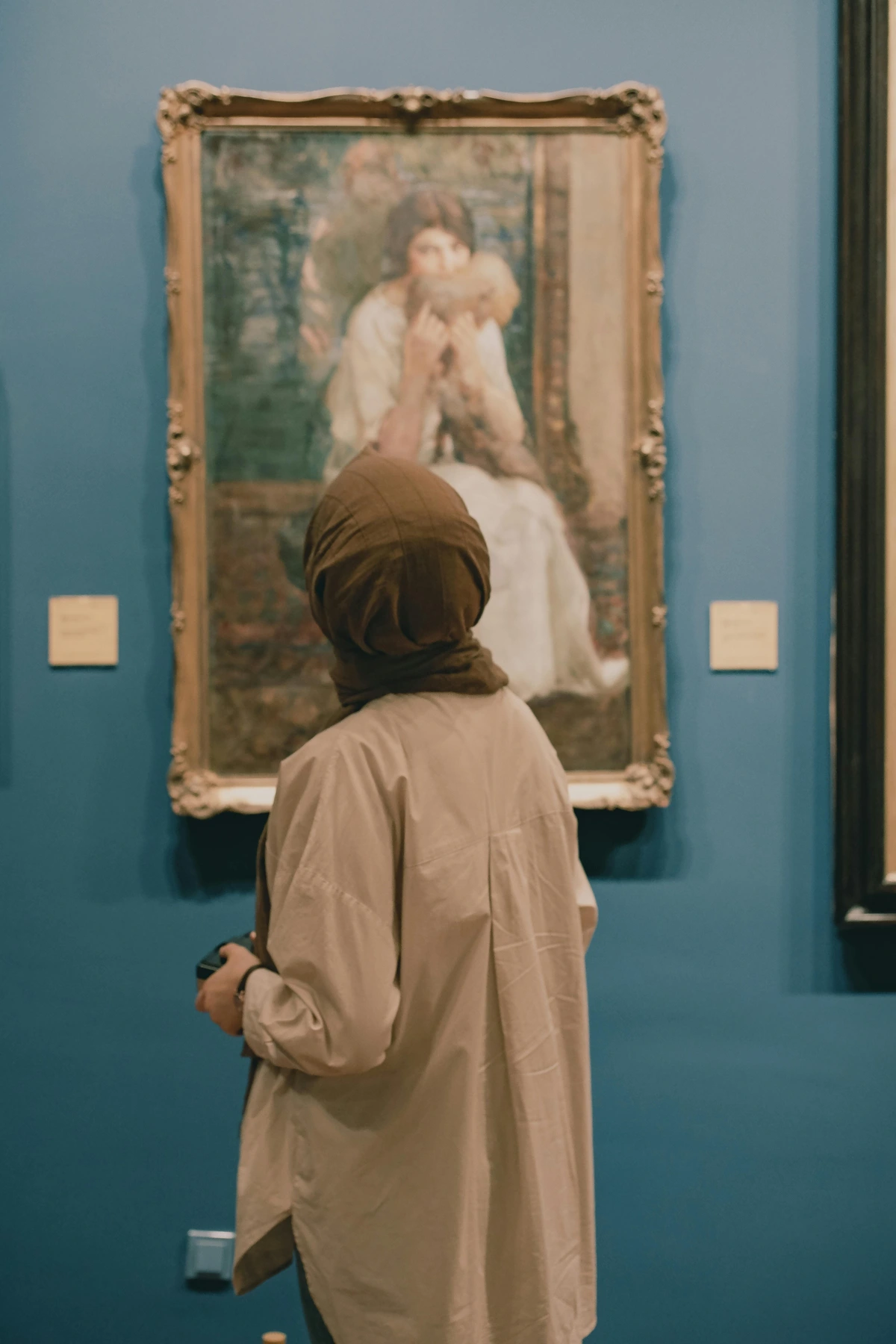
Signs of humidity damage include mold growth, warping of wooden frames or canvases, and cracking of materials due to excessive dryness. Monitoring humidity levels with a hygrometer can help prevent these issues.
What are the best practices for displaying artwork?
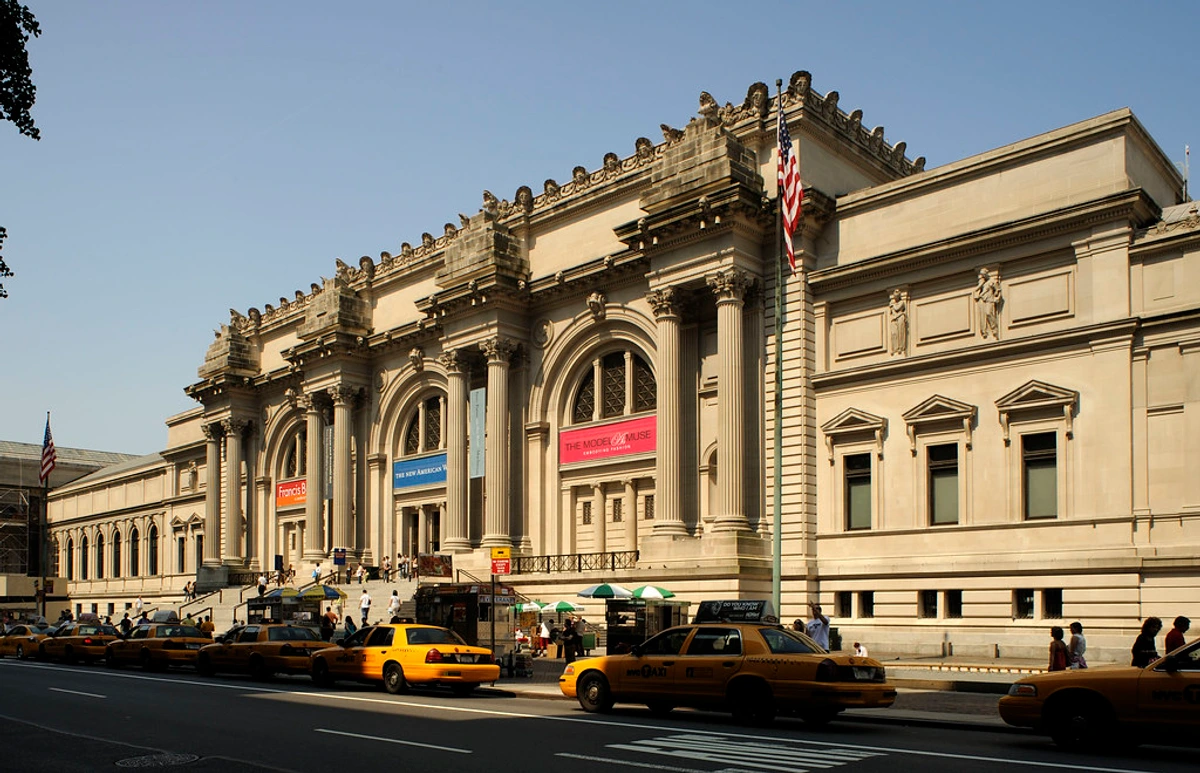
When displaying artwork, ensure it is placed in a location with stable environmental conditions. Avoid areas with direct sunlight, high humidity, or temperature fluctuations. Use proper framing and mounting techniques to enhance both the appearance and longevity of the artwork.
How can I protect my artwork from physical damage?
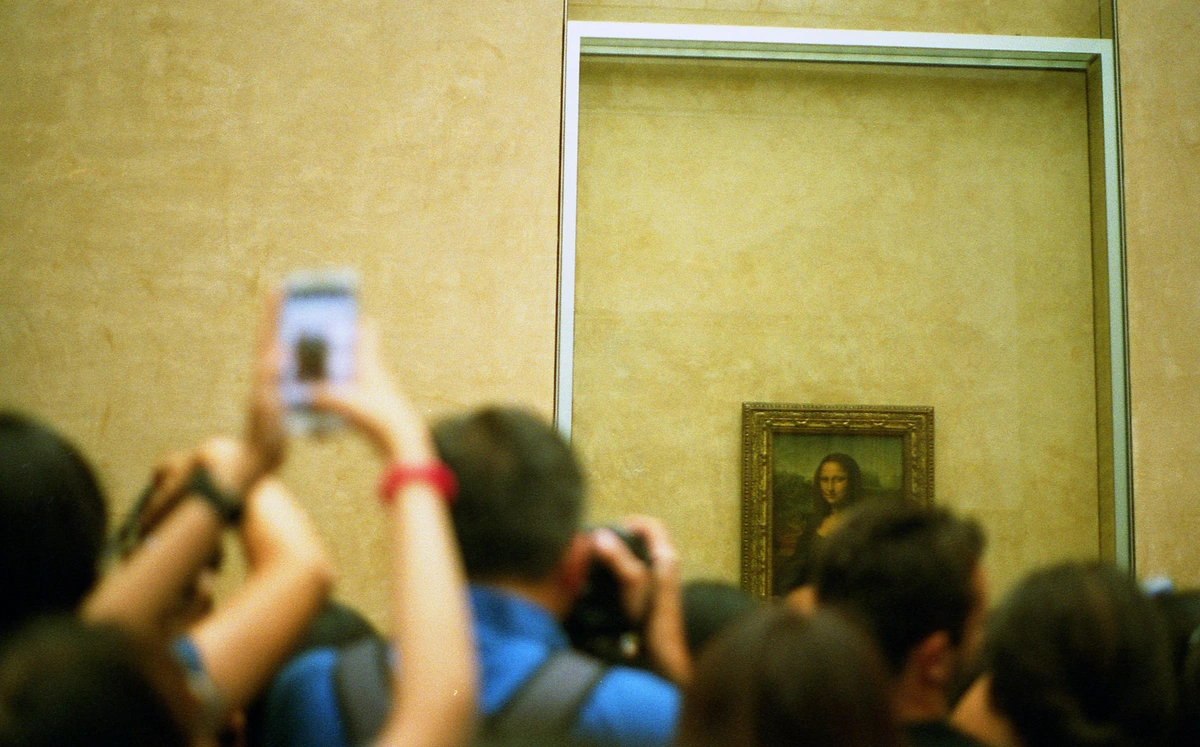
To protect artwork from physical damage, handle it with care, use proper framing, and store it in a secure environment. Avoid placing artwork in high-traffic areas where it may be accidentally bumped or knocked over.
Conclusion
Preserving art for the long term is a labor of love. It requires understanding the enemies of art, controlling environmental factors, using proper framing techniques, and employing conservation methods. By following these guidelines, you can ensure that your artwork remains vibrant and intact for future generations to enjoy.














And remember, if you're looking to add more art to your collection, consider exploring our buy page. You might find the perfect piece to preserve and cherish for years to come.
Preserving art is not just a responsibility; it's a privilege. It allows us to connect with the past, appreciate the present, and inspire the future. So, take the time to care for your artwork, and it will reward you with its beauty and significance for generations to come.
Final Thoughts
Art preservation is a journey that connects us to our cultural heritage and personal stories. By taking the time to understand and implement these preservation techniques, you are not just protecting an object; you are safeguarding a piece of history and a legacy for future generations.
Additional Resources
For further reading and resources on art preservation, consider exploring the following:
- Books: "The Care of Paintings" by Joyce Hill Stoner and Rebecca Rushfield, "The Museum Environment" by Garry Thomson.
- Organizations: International Institute for Conservation of Historic and Artistic Works (IIC), American Institute for Conservation (AIC).
- Online Courses: Many universities and institutions offer courses on art conservation and preservation techniques.
Glossary of Terms
- Acid-Free Materials: Materials that are pH-neutral and do not contain acids that can damage artwork over time.
- UV-Filtering Glass: Glass that blocks ultraviolet rays, protecting artwork from fading and degradation.
- Hygrometer: A device used to measure humidity levels in the environment.
- Conservator: A professional who specializes in the preservation and restoration of artworks.