Is Your Art Safe? The Secret War Against Light, Dust, and Time
Art is fragile. A misplaced thumb, a ray of sun, the wrong humidity—and in an instant, a piece of your world can change forever. This isn't just a guide; it's a deeply personal look at why storing art with extreme caution is an act of respect, and how you can protect what matters most.

The Art of Extreme Caution: A Complete Guide to Storing Art
We’ve all been there. That moment of panic. You put down a deposit on a piece you love—a vibrant abstract print, a delicate watercolor, maybe an original canvas thick with textured impasto—and as you’re carrying it out of the gallery (or unpacking it from its shipping box), a chilling thought hits you: This thing I own, it’s fragile. It's not just an object; it's a collection of pigments, fibers, memories, and effort that can be undone by a single accident—a careless bump, a rogue ray of sun, a sudden change in the very air it breathes. It’s a terrifying and humbling realization, this understanding that preservation is a constant, quiet act of defiance against time and entropy. This is that moment stretched out into an article—a conversation about why extreme caution in art storage isn’t just for museums, but for anyone who’s ever genuinely cared about a piece of art.
I’m not going to bombard you with impersonal rules right off the bat. Instead, let’s start with a confession. I once thought storing art was as simple as putting it in a spare closet. Then I saw what a single season of high humidity can do to a canvas. The stretcher bars warped like old floorboards, the paint developed a strange, hazy film (a bloom of surfactant leaching to the surface, I later learned), and a tiny corner of the painting, which had been leaning against a poorly insulated outside wall, started to buckle. It was a slow-motion disaster I felt powerless to stop. That single moment was the end of my casual relationship with art storage and the beginning of a deeply cautious one. Art conservation, you soon realize, isn’t a hobby; it’s a quiet, ongoing negotiation with time itself, where every decision, no matter how small, echoes into the future.
The First Battle: Why Your Overly Cautious Friend is Probably Right
Let’s get one thing straight: extreme caution isn’t about paranoia. It’s about understanding the enemies of art, which are far more patient and persistent than you might think. They don’t kick your door down; they seep in through the cracks. They work in slow motion, on a timescale so gradual we usually miss it until the damage is done. We'll call them the four horsemen of art decay: Light, Humidity, Temperature, and Acidity.
Think of every piece of art as being in a constant, silent battle with its environment.
The Four Horsemen of Art Decay
- Light: The Arch-Nemesis. It’s a slow-acting bleach, a form of radiation that drives photochemical reactions. It breaks down the molecular bonds in organic materials like paper, canvas, and fabric. Inks and dyes absorb photons, and over time, this energy shatters their color-producing chromophores. Think of a newspaper left on a sunny porch—in a week it's bleached and brittle. Now imagine that process over decades inside a brightly lit room. The damage is cumulative and permanent. Ultraviolet (UV) light is the most aggressive component, but even visible light causes harm.
- Humidity: The Silent Warper. Water vapor is a powerful force. It swells wood, causing stretcher bars and panels to warp. It encourages mold and mildew to bloom in the hidden, dark depths of a frame. High humidity can re-activate water-soluble media like watercolors or inks, causing them to bleed or transfer. It’s a sculptor that reshapes your art through the relentless, patient application of moisture. A specific and common problem caused by humidity is foxing. Those dreaded reddish-brown spots you see on old paper are often a result of fungal growth or metal impurities reacting to moisture over time.
- Temperature: The Constant Shaker. Heat accelerates every chemical reaction, including the processes of decay. Cold makes materials brittle. But the true villain is fluctuation. Different materials expand and contract at different rates. A painting on a wood panel, the canvas glued to it, and the gesso layer on top will all move independently with each change in temperature. This creates stress that leads to cracks in the ground layer, flaking paint (a condition conservators call cupping), and delamination, where layers decide to part ways permanently.
- Acidity: The Internal Enemy. This is decay from the inside out. Lignin, a component in wood-pulp paper and cardboard, breaks down and releases acid. So do certain adhesives and backing boards. This acid migrates into your artwork, making paper brittle, weak, and yellow—a process aptly named "browning." If you’ve ever found an old paperback book where the pages crumble at a touch, you’ve met acidity. It’s an auto-immune disease you unwittingly introduce to your collection.
All of these factors are a big deal. Ignoring them is like assuming you can leave a beautiful wooden boat in the ocean and expect it to stay pristine. It’s not a matter of if it will degrade, but when and how badly. This is where the quiet work begins.
The Forgotten Spaces: Preparing the Battlefield
So, where do you usually store things you don't have a place for? The garage, the attic, the basement, or a non-climate-controlled storage unit. These are, without exaggeration, the ninth circle of hell for artwork. We tuck these spaces away in our minds as 'storage,' but for a painting or a delicate print, they are active torture chambers. We're not just putting art in a space; we're subjecting it to that space's entire ecosystem of temperature, humidity, and airborne particulates.
It’s the difference between visiting a desert and being buried in one. The art isn’t just in the environment; it must become one with it, and in these forgotten spaces, that merger is a pact with the agents of decay. So, where are these danger zones in the average home?
The Attic: I shudder just thinking about it. A space that bakes in the summer and freezes in the winter, undergoing wild temperature swings that would make any material cry. It’s a perfect storm for cracking paint and weakened canvases. The intense heat can re-melt wax-based mediums or cause certain paints to become brittle, while the winter cold makes everything contract with a groan you can’t hear. It’s a relentless, destructive cycle.
The Basement: While the temperature is more stable, it’s often a haven for humidity. In most climates, basements are damp. That moisture will creep into everything, ungluing joints, warping frames, and inviting mold to a feast on your treasured prints. I think of a basement as a slow, cold steam bath. It’s a global environment of damp that doesn’t just touch the surface of your art; it infuses it, weakening it from the inside out, layer by layer.
The Garage: The worst of both worlds. It’s exposed to outdoor temperature and humidity fluctuations, and it’s often where we store chemicals, paints, and other things that release nasty fumes that can react with and damage a piece over time. Your car tracks in oil, salt, and other chemicals from the road. Lawnmowers leak gas. Solvents and paints off-gas volatile organic compounds (VOCs) that can discolor paper and degrade media. It’s not just a bad environment; it’s a chemically hostile one. It’s a gallery of future regrets.
Realizing this, I knew I couldn’t just find a space. I had to make a space. The ideal storage location is something you’d probably want to live in yourself: consistently cool, with moderate humidity, zero direct sunlight, and good air circulation. It sounds simple, but for most of us, it requires a deliberate act of creation.
A Conceptual Toolkit for the Maker
Okay, so you can't build a museum-grade vault. Neither can I. But you can adopt the mindset of a conservator. It’s about thinking like a detective, anticipating problems before they start, and using the right tools for the job. It's a shift from passive stowing to active guardianship. What follows isn't a list of chores; it's a philosophy, a way of interacting with the physical world to shield the things you care about from its relentless forces. It’s about learning, and sometimes learning the hard way.
Climate Control: The Golden Rule You Can Actually Follow
The single biggest favor you can do for your art is to give it a stable environment. Museum standards are famously strict—usually around 70°F ($21\degree C$) and 50% Relative Humidity (RH). That’s a fantastic goal, but what’s more critical than hitting those numbers exactly is preventing wild swings. A consistent microclimate in the 65-72°F (18-22°C) range is much better for your art than a "perfect" 70°F that only exists between daily spikes from 60°F to 80°F. Stability is the true measure of safety. Think of it as being a good parent; it’s not about being perfect, it’s about being predictably consistent.
My wake-up call was a simple, cheap digital hygrometer I bought for less than the price of a fancy lunch. I stuck it in my designated art storage closet and just observed. I learned that my apartment, despite feeling comfortable, was a desert in the winter (dropping to 30% RH) and a swamp in the summer (climbing to 75% RH). That little device revealed the invisible world my art was living in and prompted me to invest in a small humidifier for the dry months and a dehumidifier for the wet ones. It is genuinely the lowest-tech, highest-impact first step you can take. It turns abstract fears into concrete data you can actually act on.
The Right Wraps: Barrier Methods and Encasement
Once the room is stable, the next layer of defense is what you wrap the art in. Direct contact with materials is where things go wrong. The art needs to breathe, but it also needs to be protected from its neighbors. Your goal isn't to suffocate it in plastic, but to create a microenvironment of clean, stable air around it, buffered from the larger world.
Storage Step  | Wrong Material (The Enemy) | Right Material (The Ally) | Why It Matters |
|---|---|---|---|
| Primary Wrapping | Plastic wrap, bubble wrap (direct contact) | Glassine paper, acid-free tissue paper, Tyvek sheets, archival polyethylene sheeting (for 3D objects) | Plastic wrap traps moisture, creating a mini-sauna that invites mold. Acids from cheap paper can migrate and cause yellowing. Tyvek is breathable yet moisture-resistant and incredibly tough, good for wrapping 3D objects or as a barrier layer. |
| Secondary Protection (The Box) | Cardboard boxes, wood crates, flimsy containers | Acid-free (buffered) boxes, archival cardboard, museum-quality crating, heavy-duty polyethylene bins | Regular cardboard is acidic and will off-gas, damaging your art from the outside in. Untreated wood can also off-gas harmful compounds. A sturdy bin protects from physical damage. |
| Interleaving & Separation | Nothing (frames/paintings touching), newspaper, colored tissue | Silicone release paper, unbleached muslin, uninked felt sheets, acid-free foam sheeting | You prevent surfaces from sticking or getting permanent impression marks. Newsprint and dyed papers are disastrously acidic and can transfer color. |
| Sealing & Securing | Standard tape on the box flap, duct tape | Acid-free tape (e.g., Filmoplast) on the outside flap only, or a simple latch | Sticky tape near the art can attract dust and is a nightmare to remove. The goal is dust-free and secure, not perfectly airtight. |
| Padding & Protection | Foam peanuts, crumpled paper, straw | Acid-free foam corner protectors, polyester batting (Dacron), unbleached muslin, crumpled acid-free tissue | You need inert padding that doesn’t shift, create static, or introduce acids or pests into the storage environment. Foam peanuts are staticky and can abrade surfaces. Acid-free tissue is a fantastic, malleable option for stuffing voids without adding stress. |
The Art of Placement: How to Store It
This seems obvious, but it’s where most damage happens. I learned this the hard way when I stacked a few framed prints to "save space." The bottom one now has a permanent indentation from the frame of the one on top. Gravity never sleeps, and it’s impatient. How you position your art is how you decide which forces it will have to resist for the duration of its slumber.
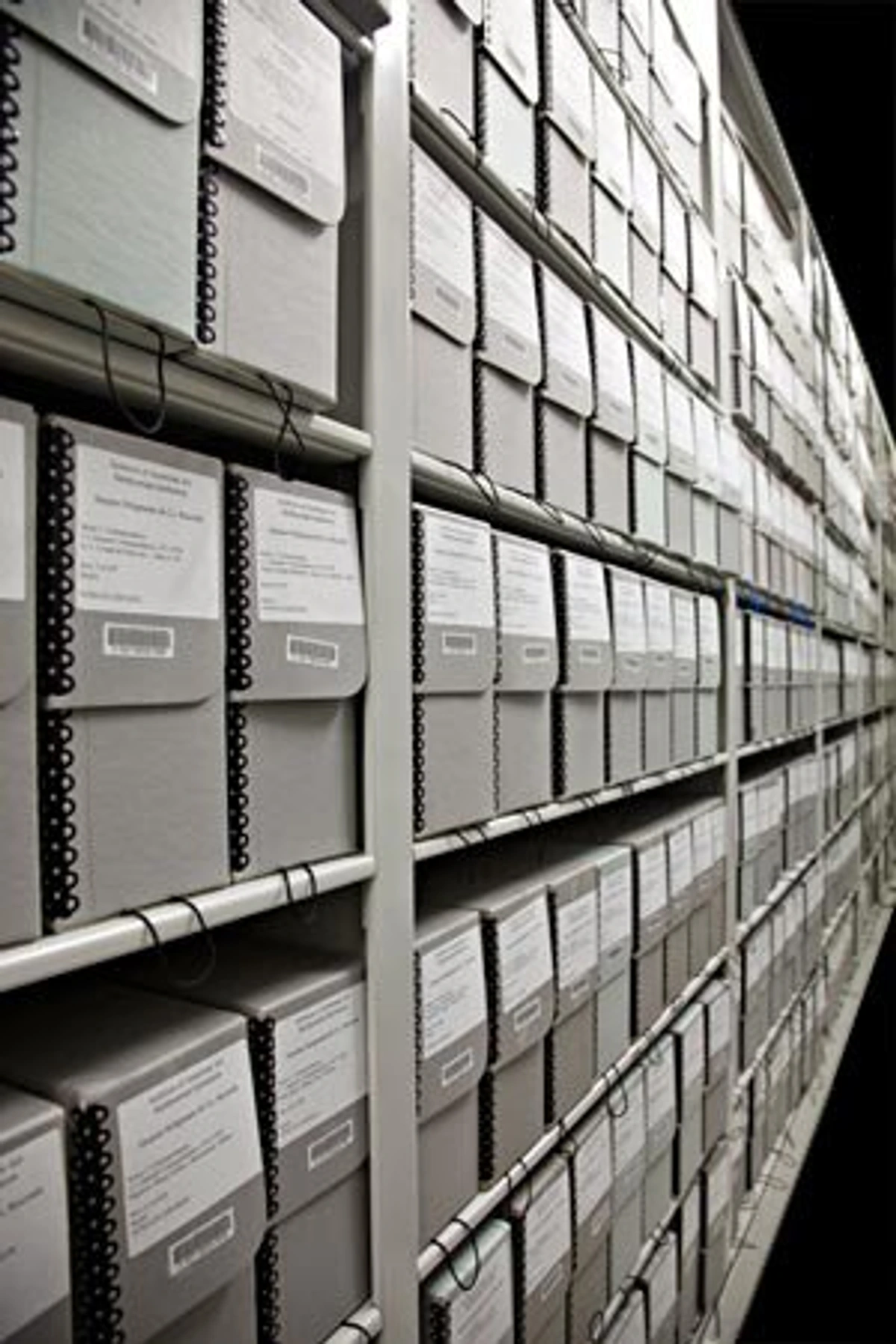
- Flat is Best: For works on paper—prints, drawings, watercolors—storing them flat in a large portfolio or flat file is the gold standard. It prevents undue stress from gravity and stops the paper from bending, creasing, or developing waves over time. Large, heavy works on paper should be stored this way without exception. They should lie on a completely flat, rigid surface, separated by interleaving tissue.
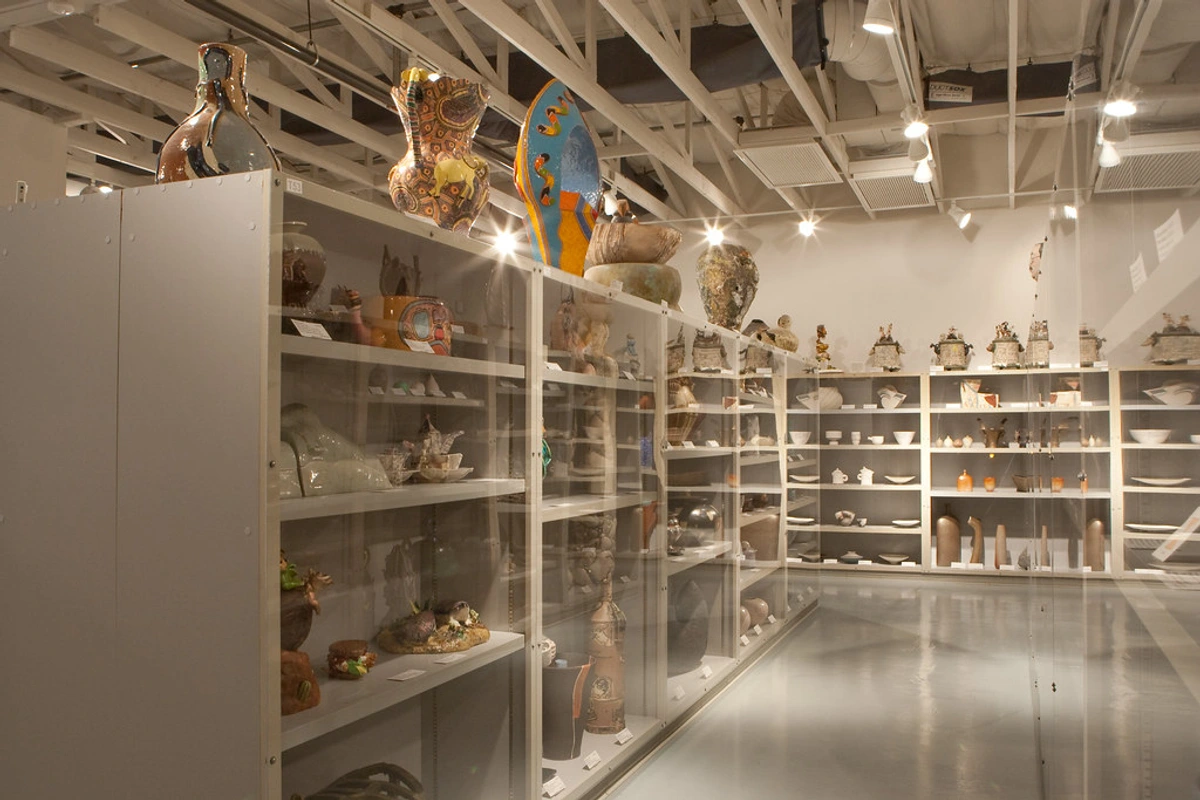
- Vertical and Supported: For framed pieces or canvases, store them vertically, like books on a shelf. This prevents dust from settling on the horizontal surface and distributes the weight evenly through the frame. But here’s the crucial part—don’t just lean them! Use a system. Invest in a sturdy wire rack or build simple shelving so they are fully supported and not leaning at an angle. And for heaven’s sake, make sure they are grouped by size and weight. A large, heavy frame leaning against a small one is a physics lesson in structural failure waiting to happen.
- The 'Face-to-Face, Back-to-Back' Rule: A more nuanced take. When storing vertically, position works so that the finished, image-side of one piece faces the back of the next. For canvases, this means face-to-stretcher-bar. This prevents any transfer of media or texture from one front surface to another. The back of a frame or stretcher is a much more neutral, safer surface to be adjacent to.
- Weight and Stress Considerations: Never store small, lightweight items at the bottom of a stack or behind heavy ones. Be mindful of the pressure points. For canvases, ensure the support system (shelf or rack) is wider than the painting itself to avoid placing stress on the corners.
The First Layer of Caution: Handling
All this thoughtful storage planning is useless if you’re rough during the in-between moments. The number of times I’ve seen someone grab a print with their full hand, fingers splayed across the image surface… it makes my eye twitch. It’s a moment of casual violence against something that can’t fight back.
Handle everything as if it’s covered in invisible, permanent dust. Wear clean cotton gloves. They’re not just for show; they prevent the natural oils, salts, and acids on your skin from transferring to the paper or canvas, where they can etch themselves over time. If you don’t have gloves, wash your hands thoroughly with soap and water (no lotion!) and handle the work by the edges only. Your fingerprint today could become a permanent stain in a decade.

When moving a piece, always support it from underneath or along its structural frame. For a framed piece, use two hands on opposite sides of the frame. For a large canvas, you and a partner should support it from the bottom, not the sides. Don't carry it by the top edge of the frame alone; you're just asking the joints to fail under the strain. Treat each piece like a passenger, not a package. Two people should move as a single, multi-limbed entity, communicating every step to avoid sudden twists or bumps.
Final Precautionary Checklist to Internalize
You're probably thinking this is a lot. And at first, it is. It’s a shift from a passive 'out of sight, out of mind' mentality to an active, engaged form of guardianship. Don't try to do it all at once. Pick one thing—monitor your storage space’s humidity for a week. Then, the next week, swap out your regular cardboard box for an acid-free one. The goal is to build a practice, not to achieve instant perfection.
Here’s a simple list that eventually becomes second nature:





- Inspect Before You Store: Always, always, always give a piece a close look before it goes into long-term storage. Document its condition—even just a quick phone photo can be a valuable baseline. This helps you spot any new changes immediately. Look for existing damage like scuffs, scratches, or foxing, so you don’t mistakenly blame yourself for it later.
- Light is Life, and Death: When I say "dark," I mean it. The storage space should be as dark as a cinema. If you have to enter the space regularly, use a light that you turn off when you leave. Minimize the2. Light is Life, and Death: When I say "dark," I mean it. The storage space should be as dark as a cinema. If you have to enter the space regularly, use a light that you turn off when you leave. Minimize the burden of light exposure. Think of it as giving your art a vacation from the stress of being seen.
- Label Everything (Clearly and Safely): A small piece of acid-free paper with the artwork’s title, artist, and date of storage can save you from frantic guessing games later. Never, ever write on the back of the artwork itself, or on the frame with a standard pen. The oils and chemicals in the ink can transfer and damage the work. Use a soft pencil on a paper tag attached with cotton string, or better yet, on the outside of the storage folder or box.
- Perform Seasonal Checkups: Make it a habit. When the seasons change, your storage environment does too. A quick five-minute check in spring and fall—peek inside a box, verify the hygrometer, look for any signs of pests, mold, or unusual odors—can catch a problem before it becomes a catastrophe. It’s less about a deep clean and more about a reassuring glance.