The Digital Canvas: How New Technologies Are Revolutionizing Art Creation
From AI-driven painting to immersive VR experiences, discover how cutting-edge tech is reshaping the digital art landscape. An artist's guide to understanding and embracing this creative evolution.

The Digital Canvas: How New Technologies Are Revolutionizing Art Creation
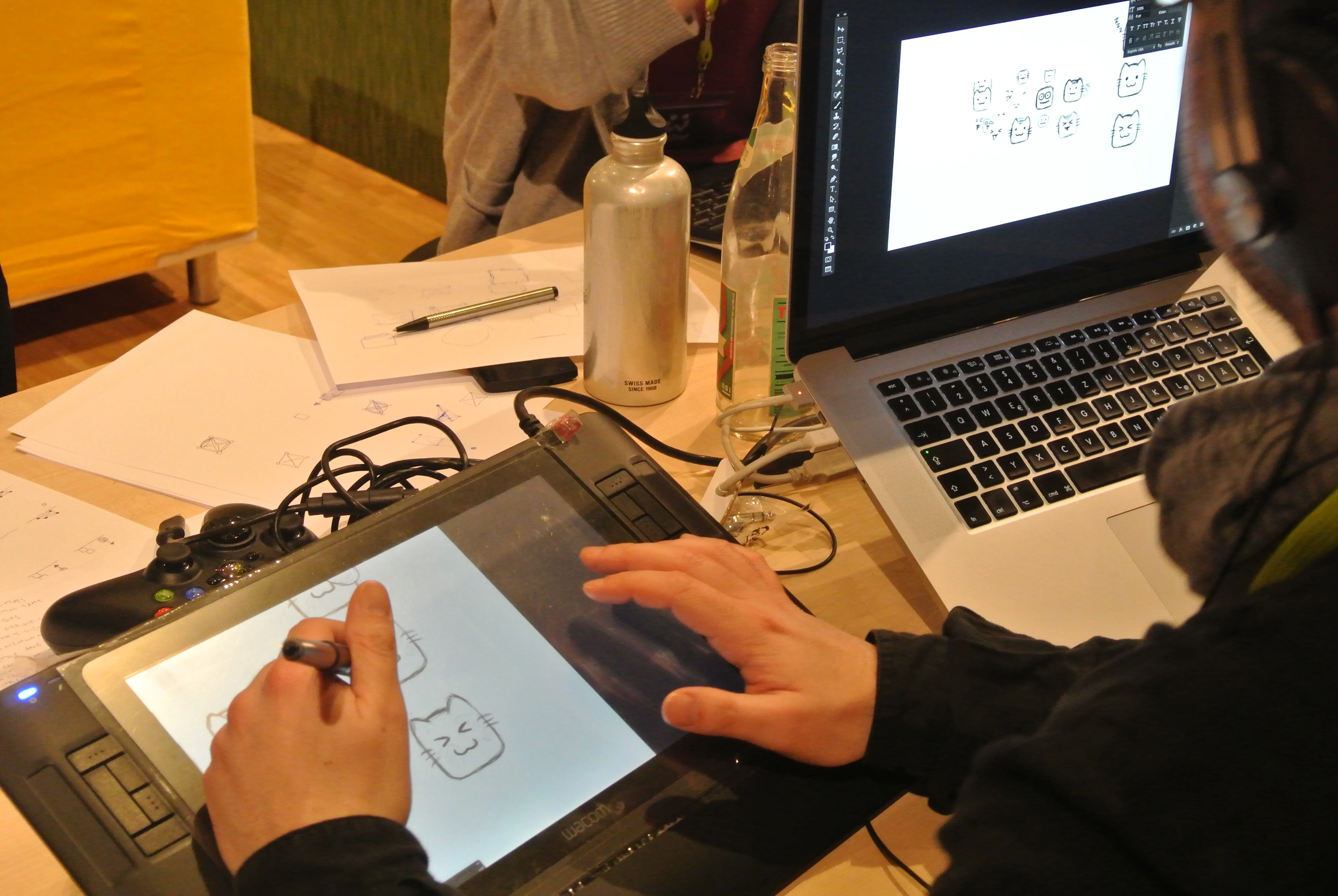
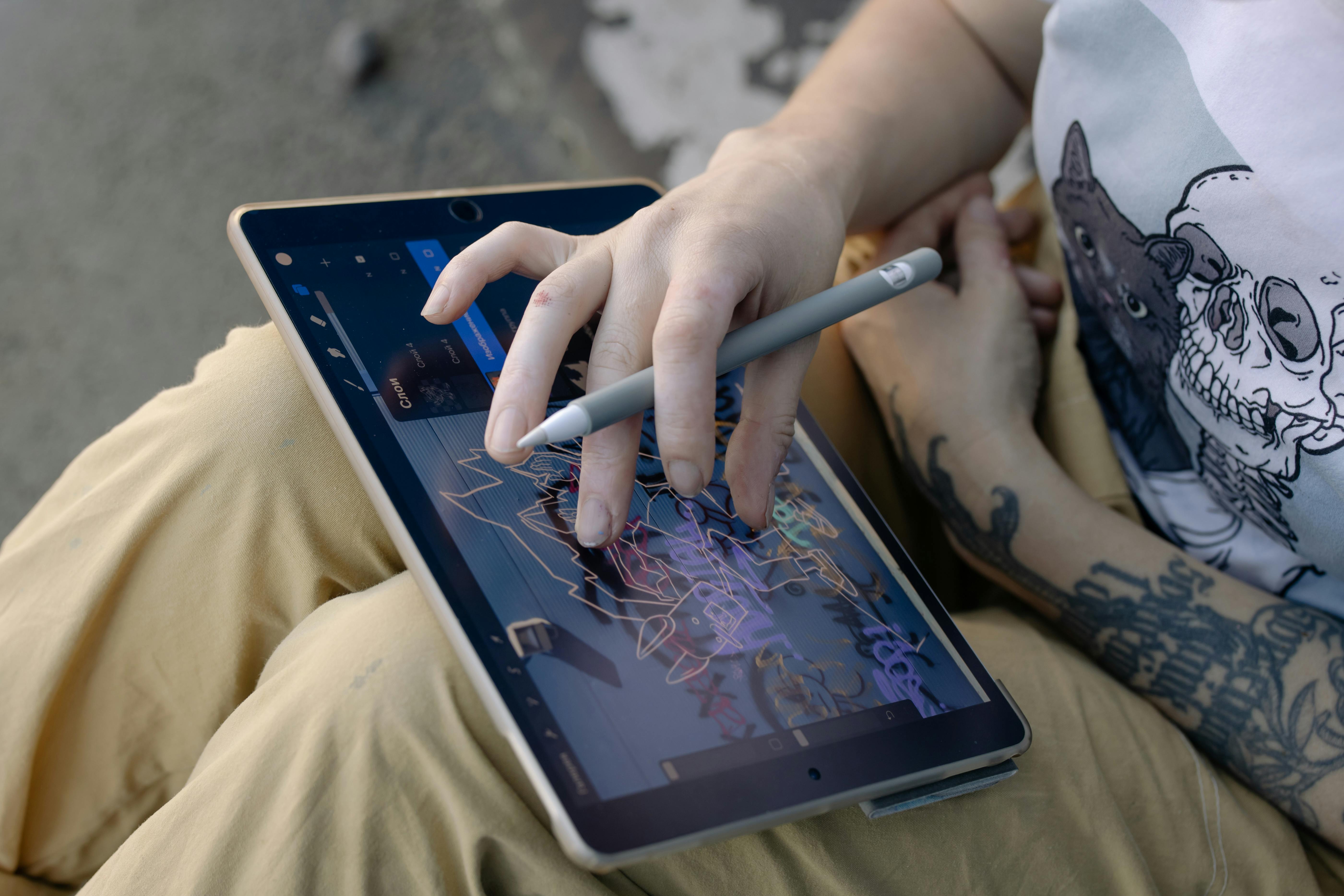
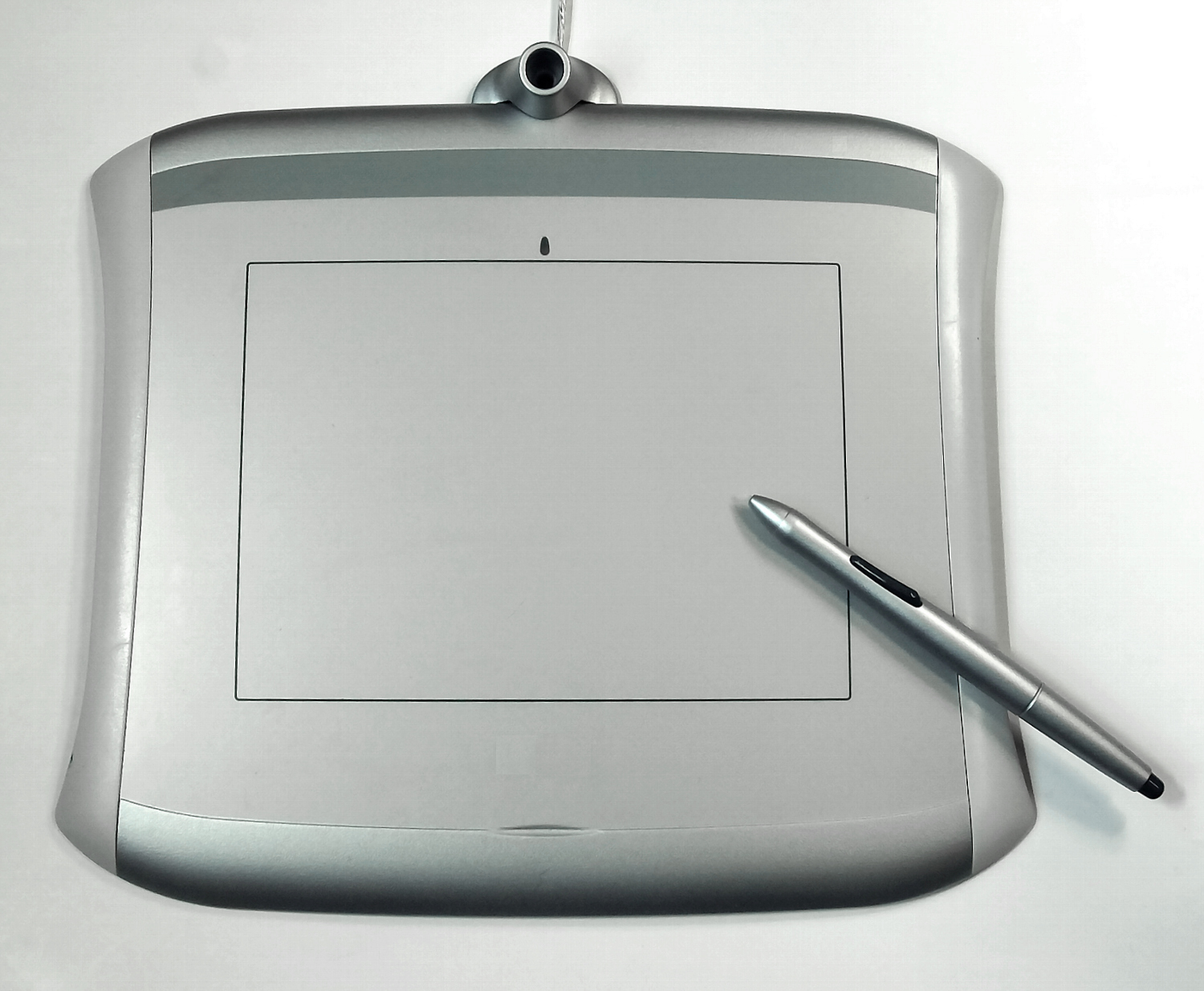
I remember the first time I played with a digital drawing tablet back in 2012. It felt like cheating—like cheating at art, somehow. The undo button was my best friend and worst enemy all at once. But looking back? That little tablet felt like the first page of a new chapter nobody had predicted. Digital art isn't just changing how we make art—it's changing what art is. What if I told you that today's artists are teaching machines to 'see,' building worlds in empty air, and creating pieces that exist only as code until someone decides to make them real? Wild, right?
This isn't just another tech trend. We're witnessing the biggest shift in artistic expression since photography challenged painting's dominance in the 19th century. The same way photography didn't kill painting but gave us new visual languages, digital technologies aren't replacing traditional art—they're expanding our creative universe in ways we're still discovering.
Let's dive into this brave new world together. Forget everything you think you know about brushes and canvases—at least for a little while.
Beyond the Screen: What Digital Art Actually Means Today
Digital art isn't just "photoshop paintings" anymore. It's become an ecosystem of its own. When we talk about digital art today, we're often talking about three core approaches:
- Tool-Driven Art: Using digital tools (like Procreate or Adobe Suite) as we would traditional brushes and paints.
- Generative Art: Creating systems (algorithms) that generate unique art pieces automatically.
- Immersive Experiences: Building art that exists in virtual/augmented reality where the viewer becomes part of the artwork.
But there's more! A more comprehensive taxonomy would include:
- Interactive Art: Pieces that respond to user input, environmental data, or real-time changes
- Data Art: Using real-world data sets (weather patterns, social media trends, scientific data) as creative material
- AI-Assisted Art: Human-guided AI processes where artists provide direction and curation
- Digital Sculpture: 3D modeling and printing that creates physical objects from digital designs
- Motion Graphics & Animation: Moving images and interactive sequences
- Virtual Installation: Digital environments designed for specific spaces or platforms
What ties these together? The digital medium itself—pixels, code, light, and data. No canvases, no paint, no turpentine smells. Just pure creation in a space that feels both boundless and strangely intimate.
Why It Matters to Artists and Collectors Alike
Look, I get it. There's this persistent myth that digital art isn't "real" art. That it's somehow less valuable because you can't touch the physical painting. But I've seen collectors' faces light up when they wear a VR headset and walk inside an artwork. I've watched artists create pieces that change based on the viewer's heartbeat. This isn't just making things easier—it's expanding what art can do.
Imagine a painting that grows and changes with the seasons, or a sculpture you can walk through and listen to. That's the promise here. Not replacement, but expansion.
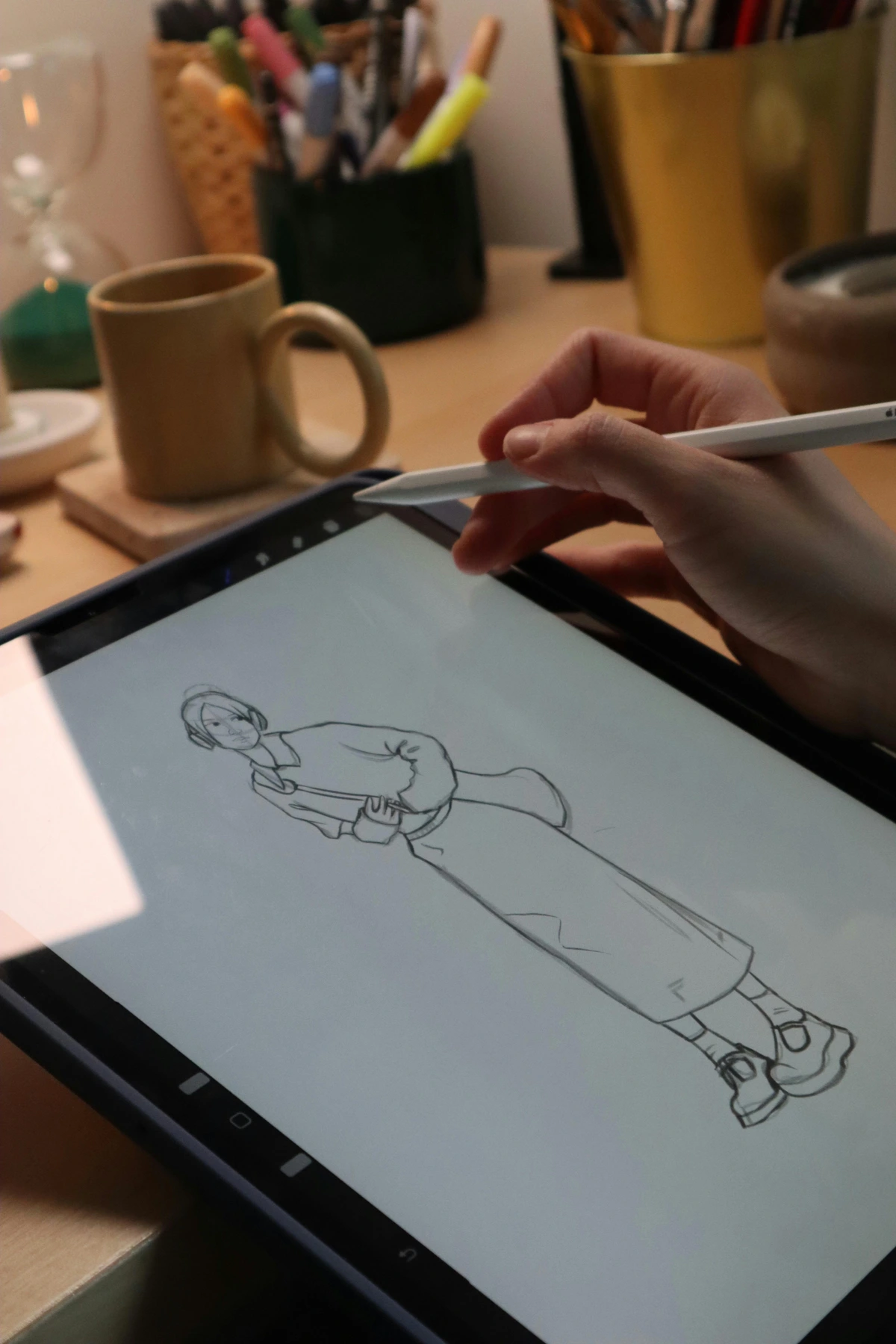
For artists, this means:
- Unlimited creative possibilities without physical material constraints
- Global reach - your work can be seen anywhere with internet access
- New revenue streams through digital sales, subscriptions, and experiences
- Collaborative potential - working with artists worldwide in real-time
For collectors, it means:
- Ownership of experiences, not just objects
- Access to emerging artists without geographical limitations
- Dynamic artworks that evolve and respond over time
- Lower barriers to entry for collecting high-quality contemporary art
The Key Players: Essential Technologies in Modern Digital Art
Let's break down the real game-changers. No jargon overload—just the stuff that's actually reshaping studios worldwide right now.
Technology  | What It Does | How Artists Use It | |
|---|---|---|---|
| ** Artificial Intelligence (AI) ** | Processes data to recognize patterns, generate content, and learn | Creating initial drafts, exploring styles, generating unique visual elements, style transfer, concept art generation | |
| ** Virtual Reality (VR) ** | Creates fully immersive digital environments | Building explorable 3D worlds, creating site-specific installations, virtual galleries, interactive narratives | |
| ** Augmented Reality (AR) ** | Superimposes digital elements onto the real world | Adding interactive layers to physical spaces, creating "living" art, public installations, mobile art experiences | |
| ** 3D Sculpting ** | Volumetric modeling instead of 2D drawing | Creating complex forms and textures, character design, product visualization, architectural visualization | |
| ** Digital Painting/2D Art ** | Traditional painting techniques adapted for digital surfaces | Illustration, concept art, mixed media, comics, animation backgrounds | |
| ** Motion Graphics & Animation** | Creating moving imagery and interactive sequences | Title sequences, animated installations, interactive narratives, data visualization | |
| ** Generative Art Systems** | Algorithmic creation using code and algorithms | Data visualization, interactive installations, unique art pieces, live performances | |
| ** 3D Printing & Fabrication** | Converting digital models into physical objects | Sculpture creation, jewelry design, architectural models, mixed-media artworks | ### AI: Your Newest Studio Assistant |
AI is the wildcard here. Tools like DALL·E or Midjourney can generate images based on simple prompts type in "surreal landscape with floating islands and bioluminescent flora" and boom. An image exists. Is this art? Tough question.
But here's where it gets interesting: smart artists aren't letting the AI do the heavy lifting alone. They're using it as a co-pilot. "I'll generate 500 variations," a friend told me, "then hand-paint every single one until they become mine. The AI provides the raw material, human hands make it art."
It's like having 1000 interns who never sleep or complain—just feed them ideas and sift through the results.
Key AI Tools for Artists:
Tool Type | Popular Examples | Best For |
|---|---|---|
| Text-to-Image | DALL·E 3, Midjourney, Stable Diffusion | Quick ideation, concept generation, style exploration |
| Image-to-Image | ControlNet, img2img in Stable Diffusion | Transforming existing sketches, style transfer |
| AI Assistants | Adobe Firefly, Topaz Photo AI | Enhancing traditional digital workflows, upscaling |
| 3D AI | DreamFusion, Get3D | Generating 3D models from text or images |
| Animation AI | Runway ML, Kaiber | Creating motion from static images, video generation |
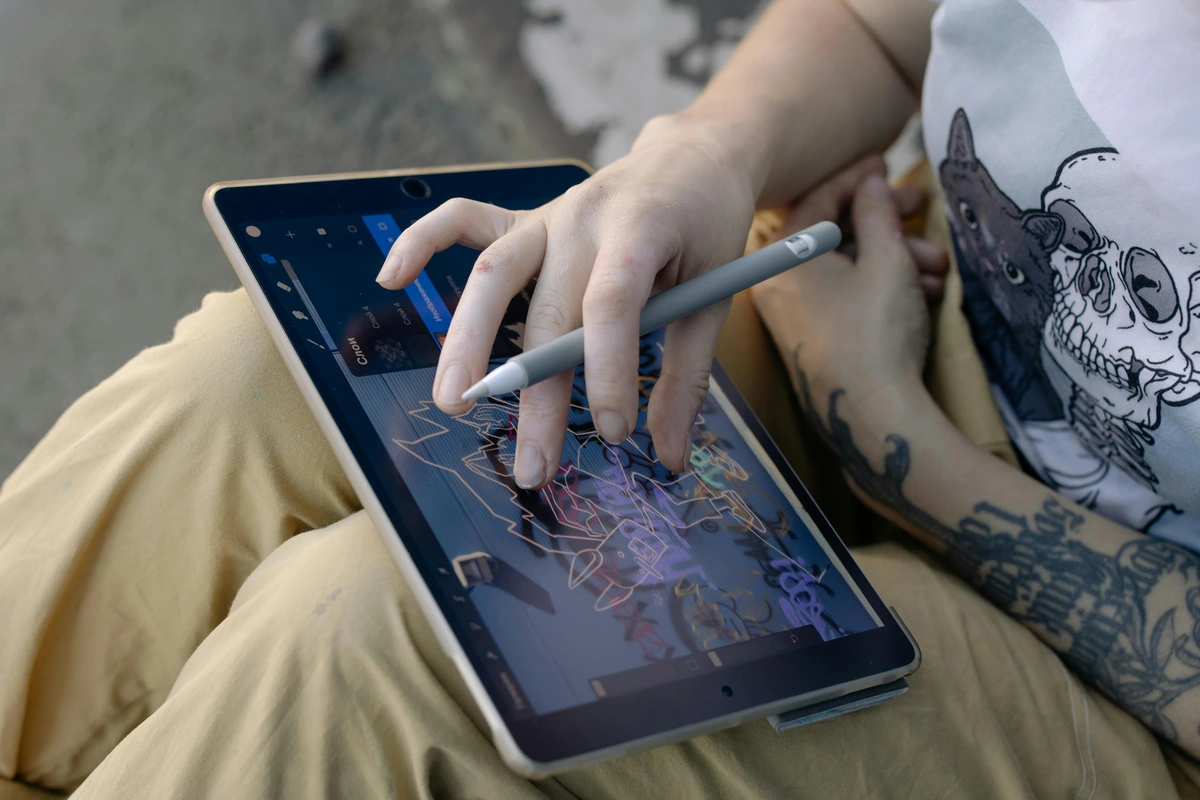
The AI Artist Workflow:
- Inspiration Phase: Use text-to-image tools to explore visual directions
- Refinement Phase: Use image-to-image to iterate on preferred concepts
- Integration Phase: Combine AI-generated elements with traditional digital painting
- Human Touch Phase: Add intentional details, composition, and artistic decisions
- Final Polish: Use AI upscaling and enhancement tools
The key is maintaining artistic control while leveraging AI as a powerful creative catalyst.
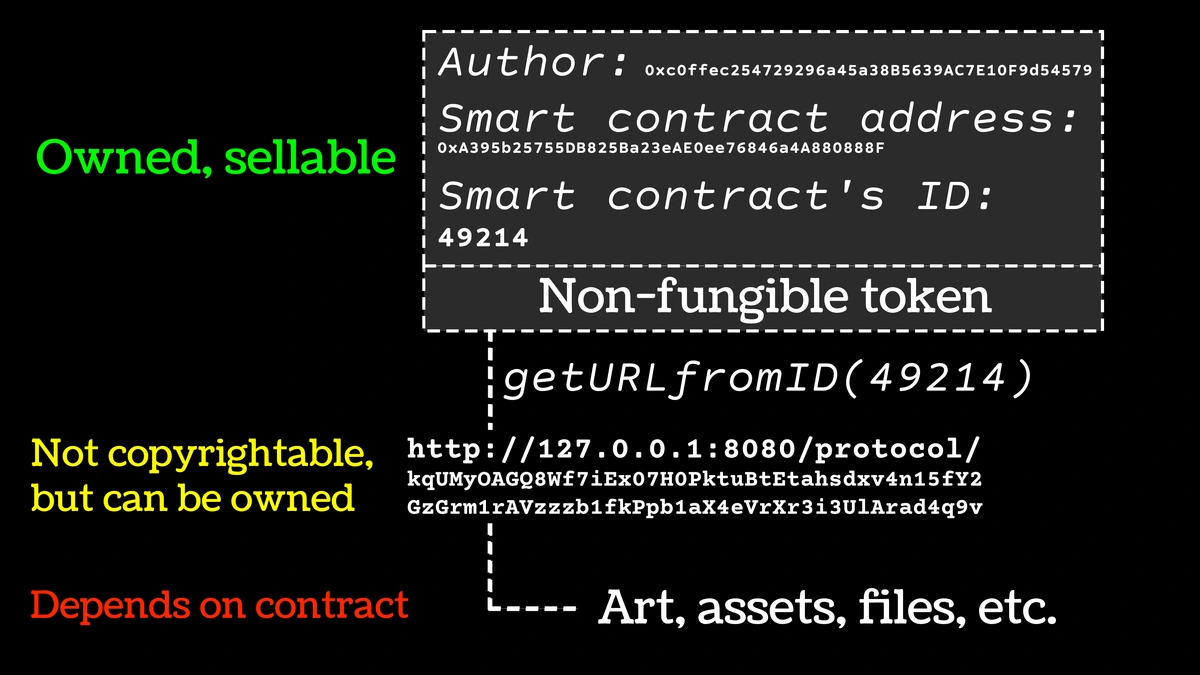
VR and AR: Art You Can Live Inside
Remember museum walls? VR blows those apart. I witnessed a VR exhibition recently where the artwork surrounded you and responded to your movement. Dance toward a painting and flowers would bloom around it. Step back and they'd wilt. It wasn't passive viewing—it was conversation.
For collectors, this changes everything too. Why buy a print when you own a space you can walk into anytime? Though honestly? Standing in your virtual gallery while drinking coffee in your actual kitchen still feels a bit surreal to me. The future's weird, y'all.
Leading VR/AR Art Platforms:
Platform | Key Features | Artistic Applications |
|---|---|---|
| VRChat | User-created worlds, social interaction | Collaborative installations, performance art, interactive exhibitions |
| Spatial | Mixed reality meetings, spatial computing | AR art in physical spaces, collaborative creation |
| Mozilla Hubs | Open-source virtual spaces, customizable | Educational art experiences, community galleries |
| Tilt Brush | 3D painting in VR, intuitive interface | Immersive drawing, sculptural forms, abstract compositions |
| Gravity Sketch | Professional 3D design tools | 3D modeling, product design, architectural art |
| Hololens | Mixed reality overlay on real world | Site-specific installations, augmented reality art |
| Niantic Lightship | AR development platform | Public art, location-based experiences |
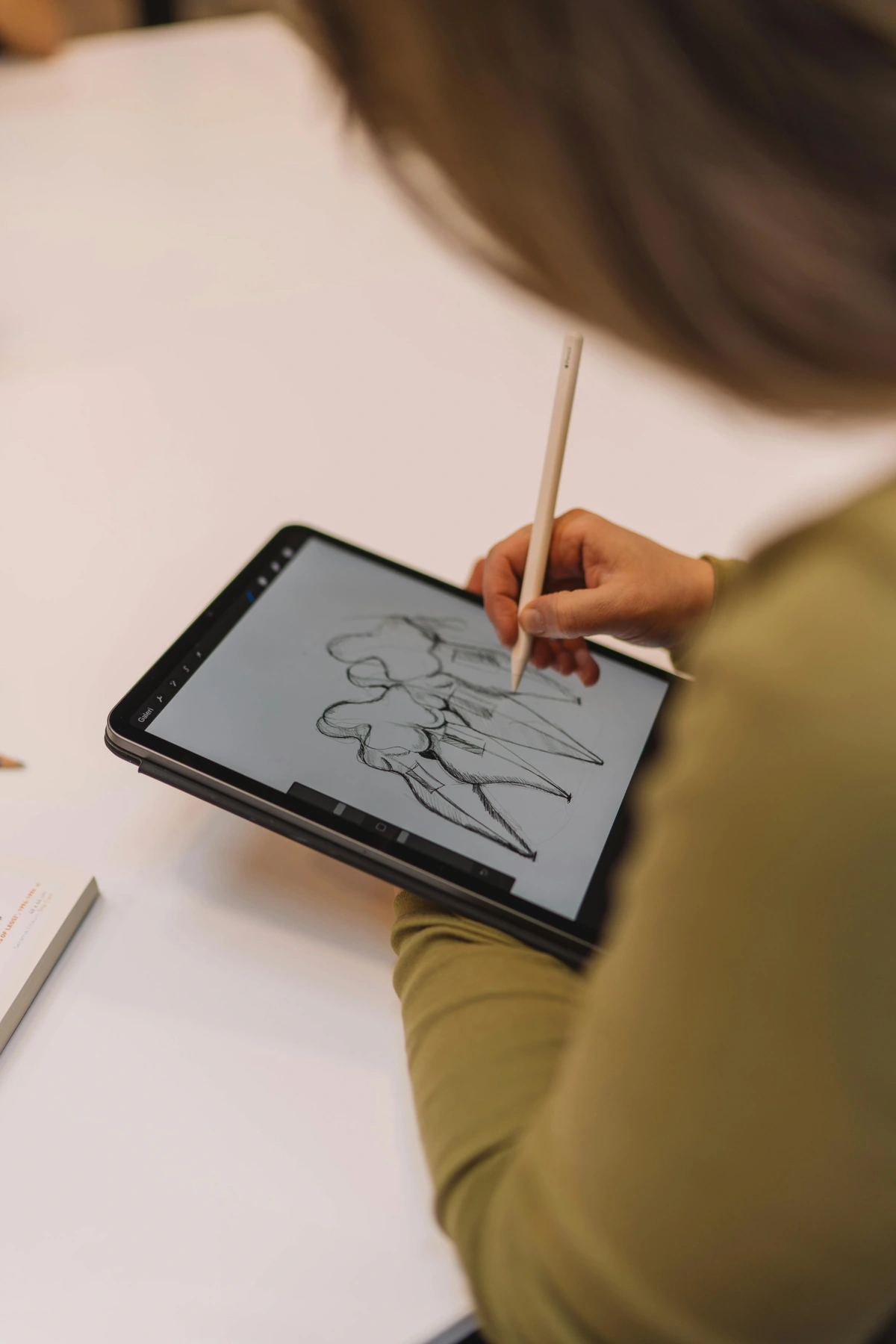
Real-World VR Art Examples:
- "Rain Room" by Random International: Interactive installation where rain stops as you walk through
- "Van Gogh: The Immersive Experience": Multi-sensory VR exhibitions
- Virtual artist residencies at institutions like MoMA and the V&A
- NFT galleries in virtual worlds like Decentraland and The Sandbox
3D Sculpting: Sculpting in Empty Space
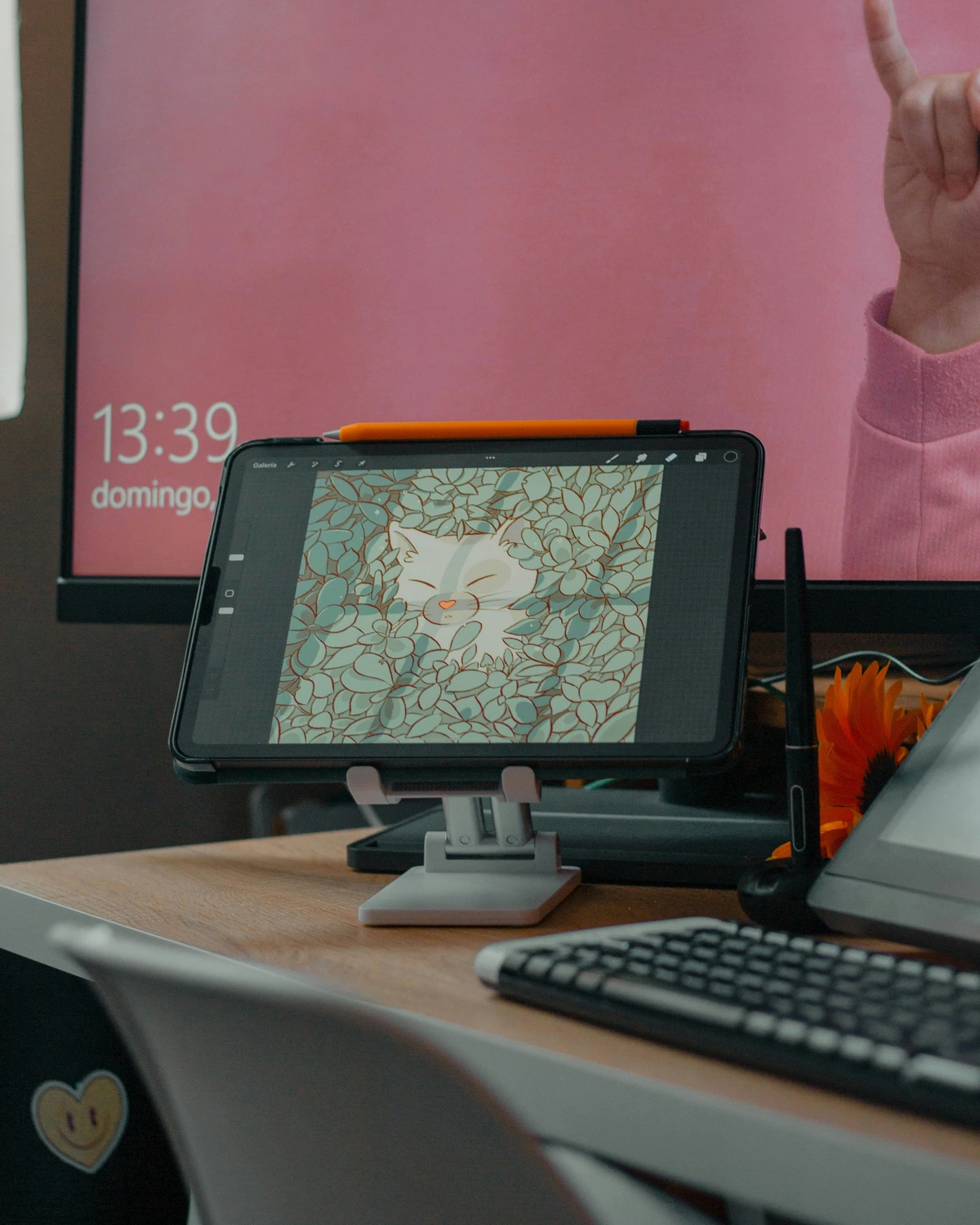
Traditional sculptors work with clay or stone. Digital sculptors work with... nothing. Virtual clay that exists only as data points until we render it. This shift removes physical constraints. Floating sculptures? Gravity-defying impossible angles? Sign me up.
The best part? No studio mess. Less sore back muscles. More room for coffee cups on the desk. It's a trade-off I'll make any day.
Popular 3D Sculpting Software:
Software | Best For | Learning Curve | Price |
|---|---|---|---|
| Blender | Complete 3D pipeline, free | Moderate | Free |
| ZBrush | Digital sculpting, high-detail | Steep | $39.99/month |
| Sculptris | Beginners, intuitive interface | Easy | Free |
| Mudbox | Texture painting, organic forms | Moderate | $20.99/month |
| 3D Coat | Sculpting, retopology, texturing | Moderate | $25/month |
| Maya | Professional animation, film | Steep | $209/month |
| Cinema 4D | Motion graphics, visualization | Moderate | $94/month |
3D Sculpting Workflow:
- Blocking: Create basic forms and proportions
- Sculpting: Add detail, texture, and character
- Retopology: Create clean mesh structure for animation
- Texturing: Add materials, colors, and surface details
- Rendering: Create final images or animations
- 3D Printing: Convert digital models to physical objects
How to Start Creating with These Technologies
Curious about dipping your toes in? Good news: you don't need expensive gear or elite coding skills to begin.
Your Beginner's Digital Art Toolkit
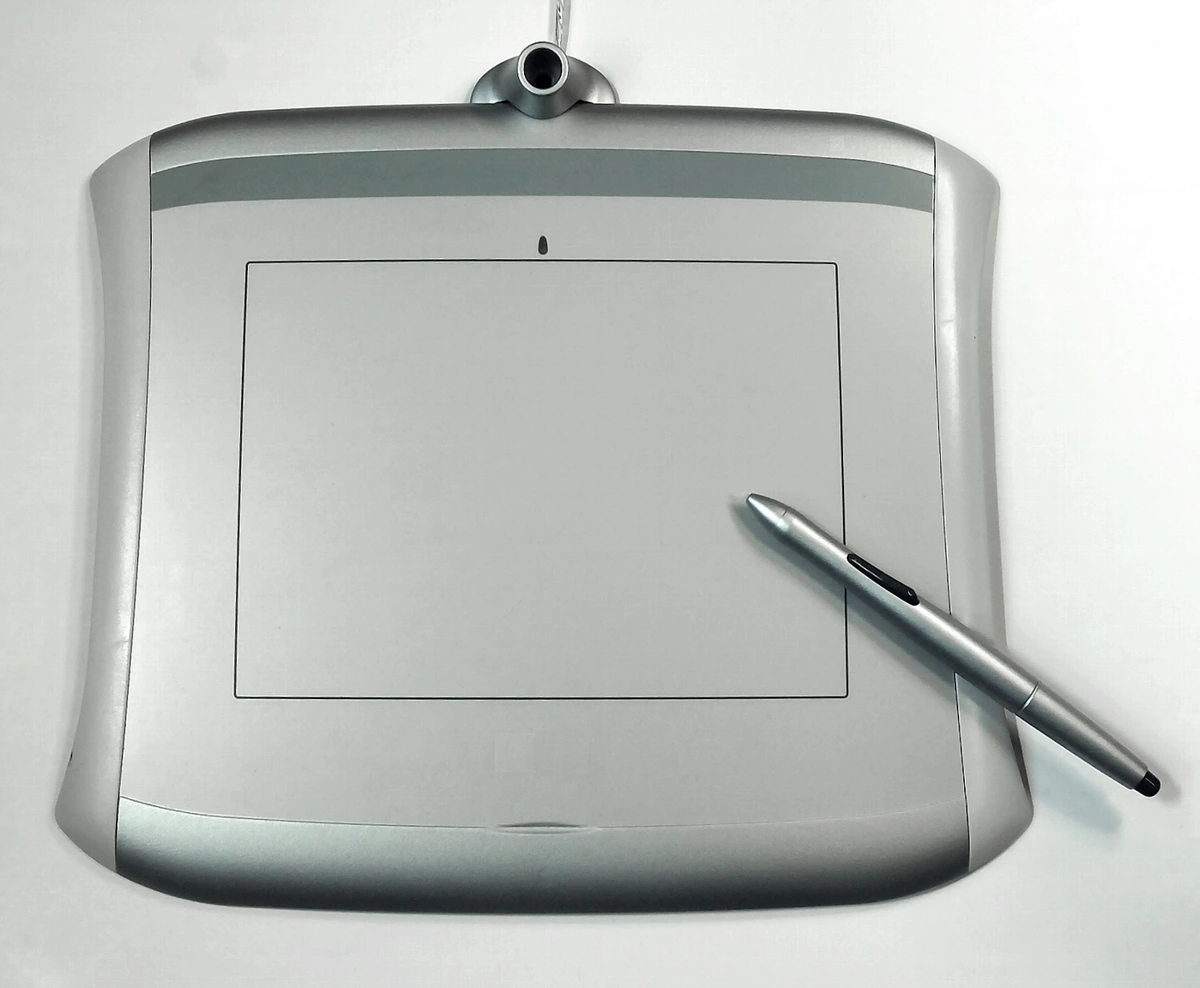
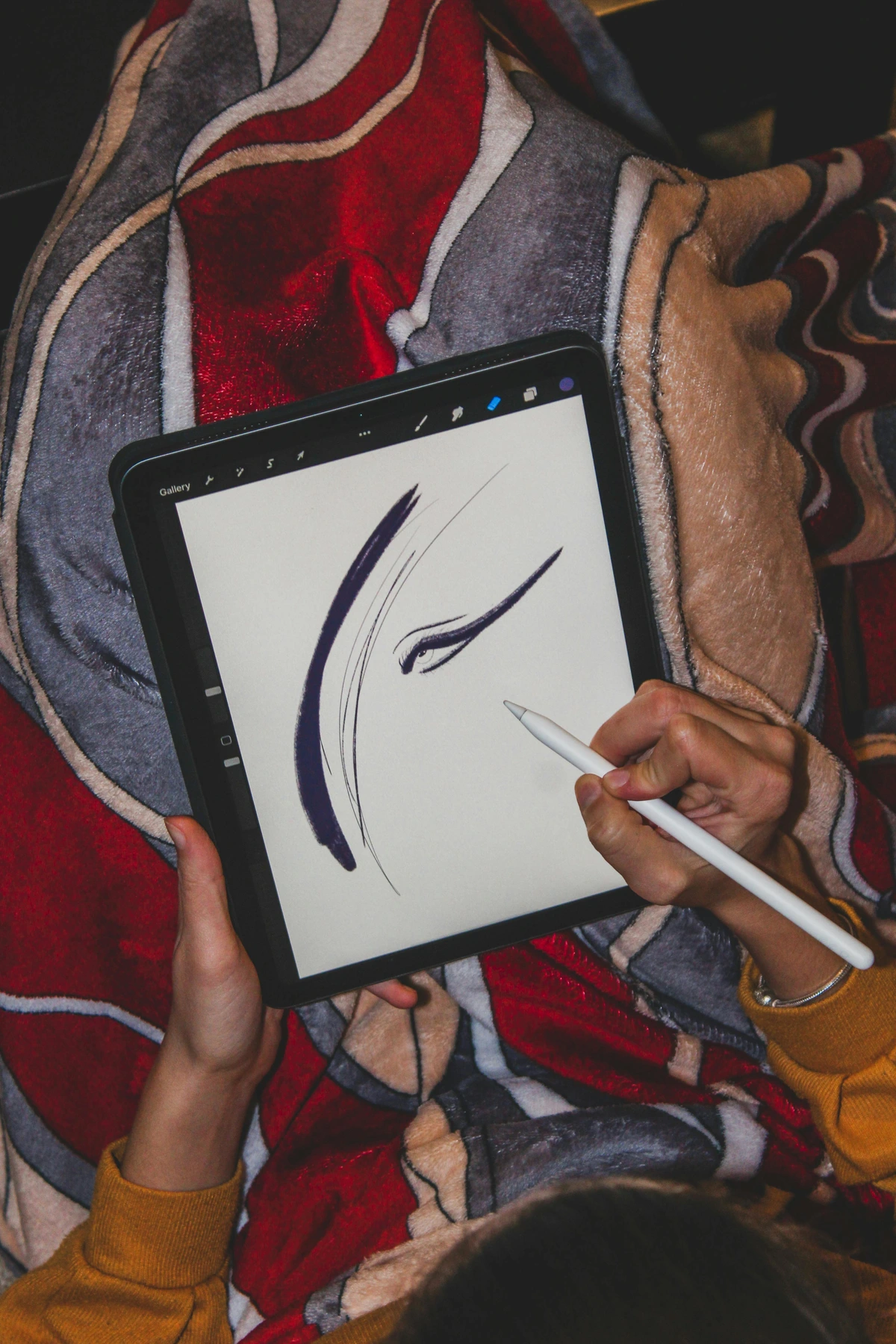
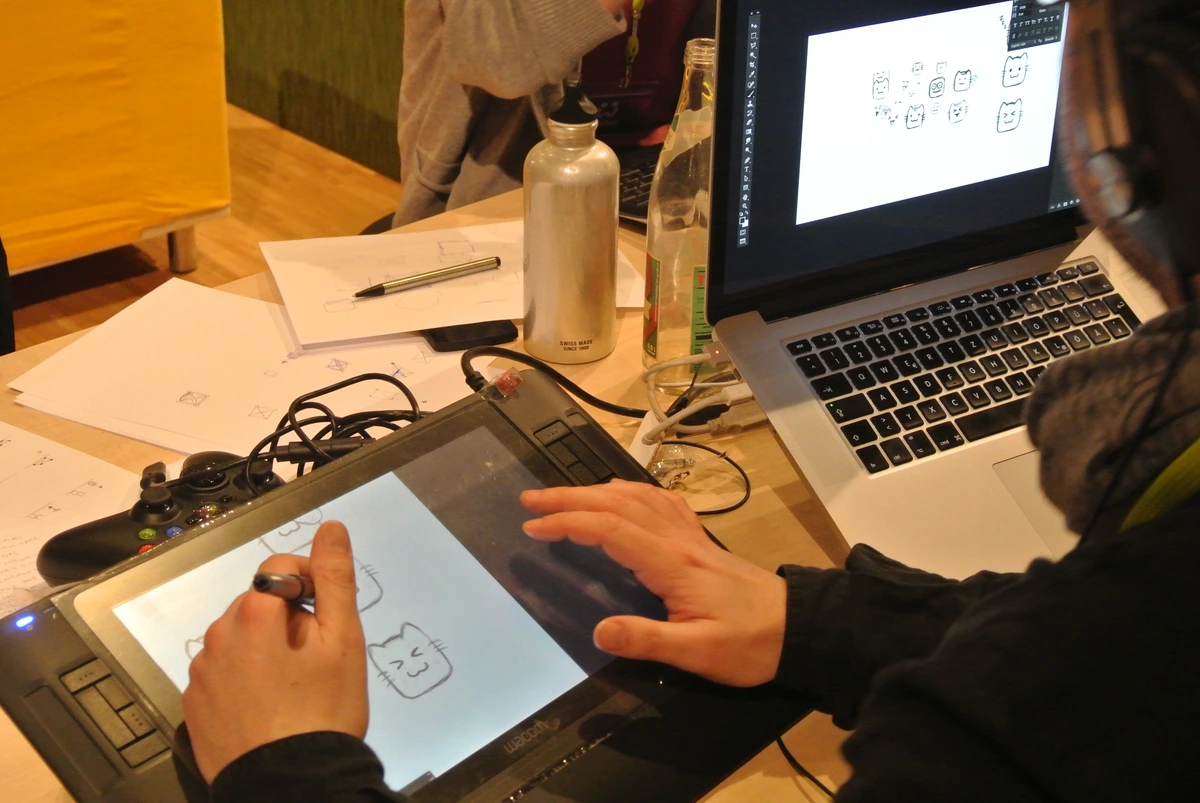
Drawing Tablets & Hardware:
Budget Range | Recommended Hardware | Best For |
|---|---|---|
| Entry Level ($50-150) | Huion Kamvas, XP-Pen Deco | Beginners, hobbyists, basic digital painting |
| Mid-Range ($200-500) | Wacom Intuos Pro, Huion Inspiroy | Serious artists, professional students |
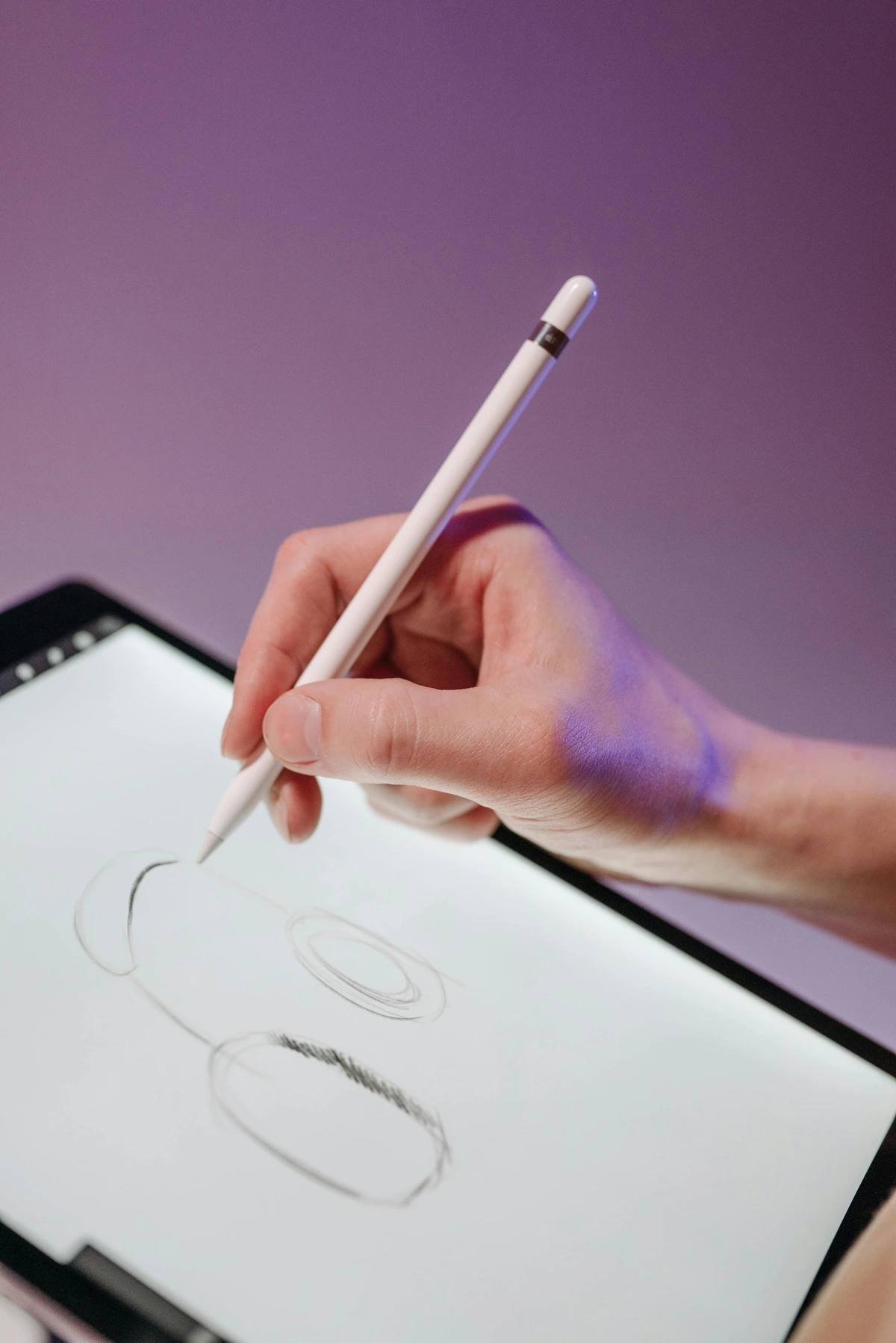
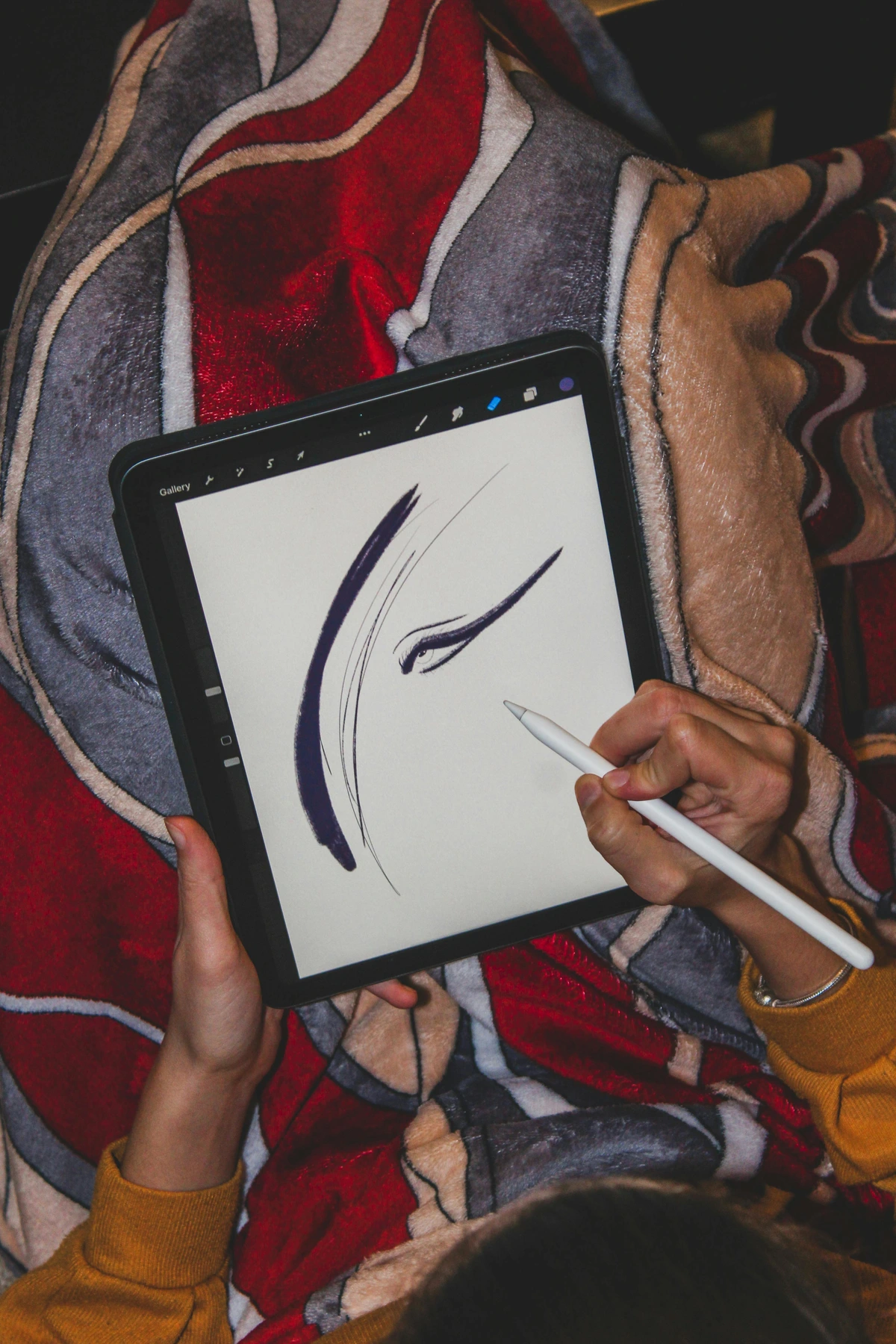
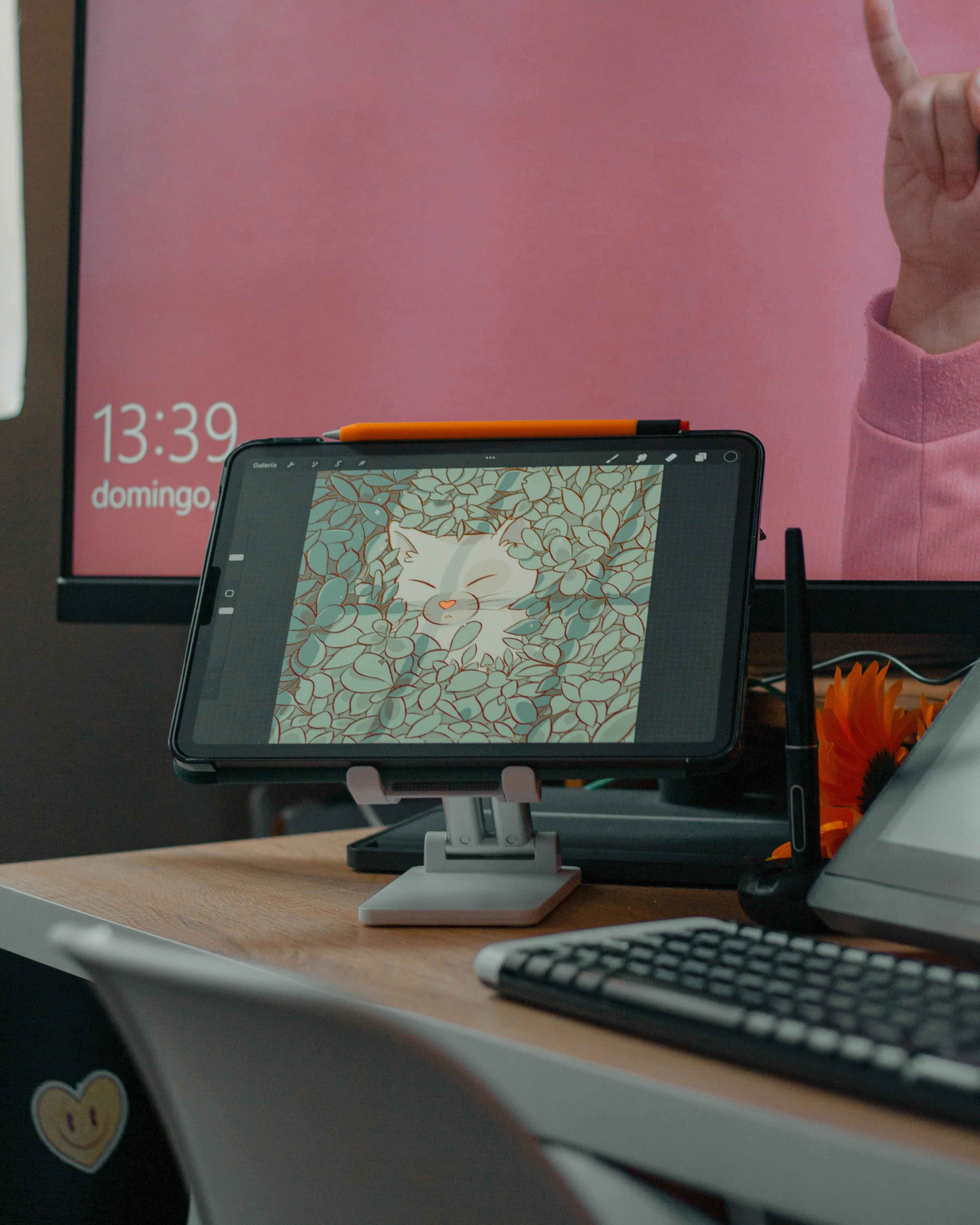
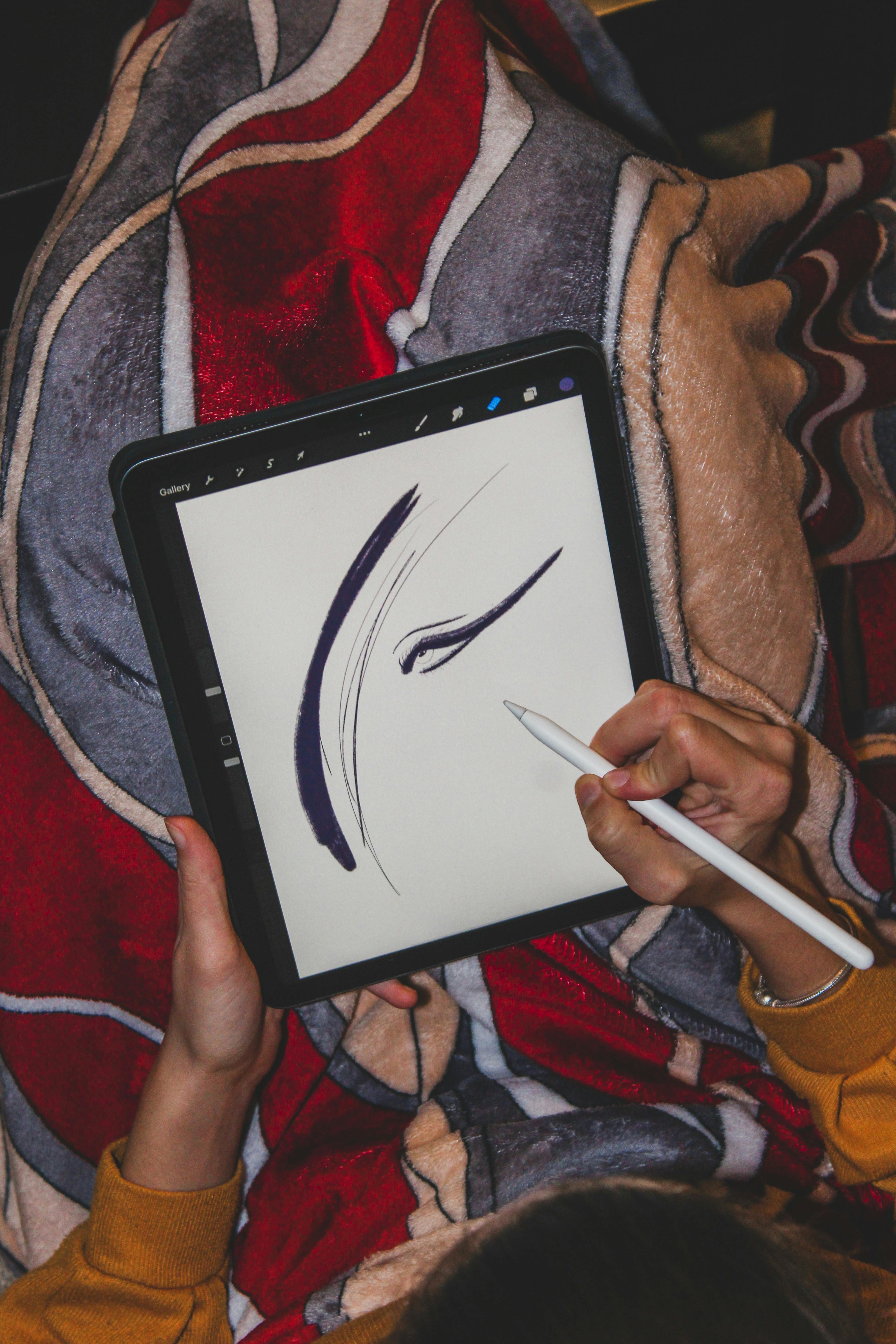
| High-End ($500+) | Wacom Cintiq, iPad Pro + Apple Pencil | Professional artists, detailed work |
| Budget Option | Used older models, drawing on phone | Testing interest, casual creation |
Software Recommendations by Category:
Category | Free Options | Paid Options |
|---|---|---|
| Digital Painting | Krita, GIMP, Medibang Paint | Photoshop, Procreate, Clip Studio Paint |
| 3D Modeling | Blender, Sculptris | Maya, 3ds Max, Cinema 4D |
| AI Art | Craiyon, NightCafe | Midjourney, DALL·E, Adobe Firefly |
| Animation | OpenToonz, Blender | Adobe Animate, Toon Boom Harmony |
| Video Editing | DaVinci Resolve, Shotcut | Premiere Pro, Final Cut Pro |
A Simple Workflow for Creating Hybrid Art
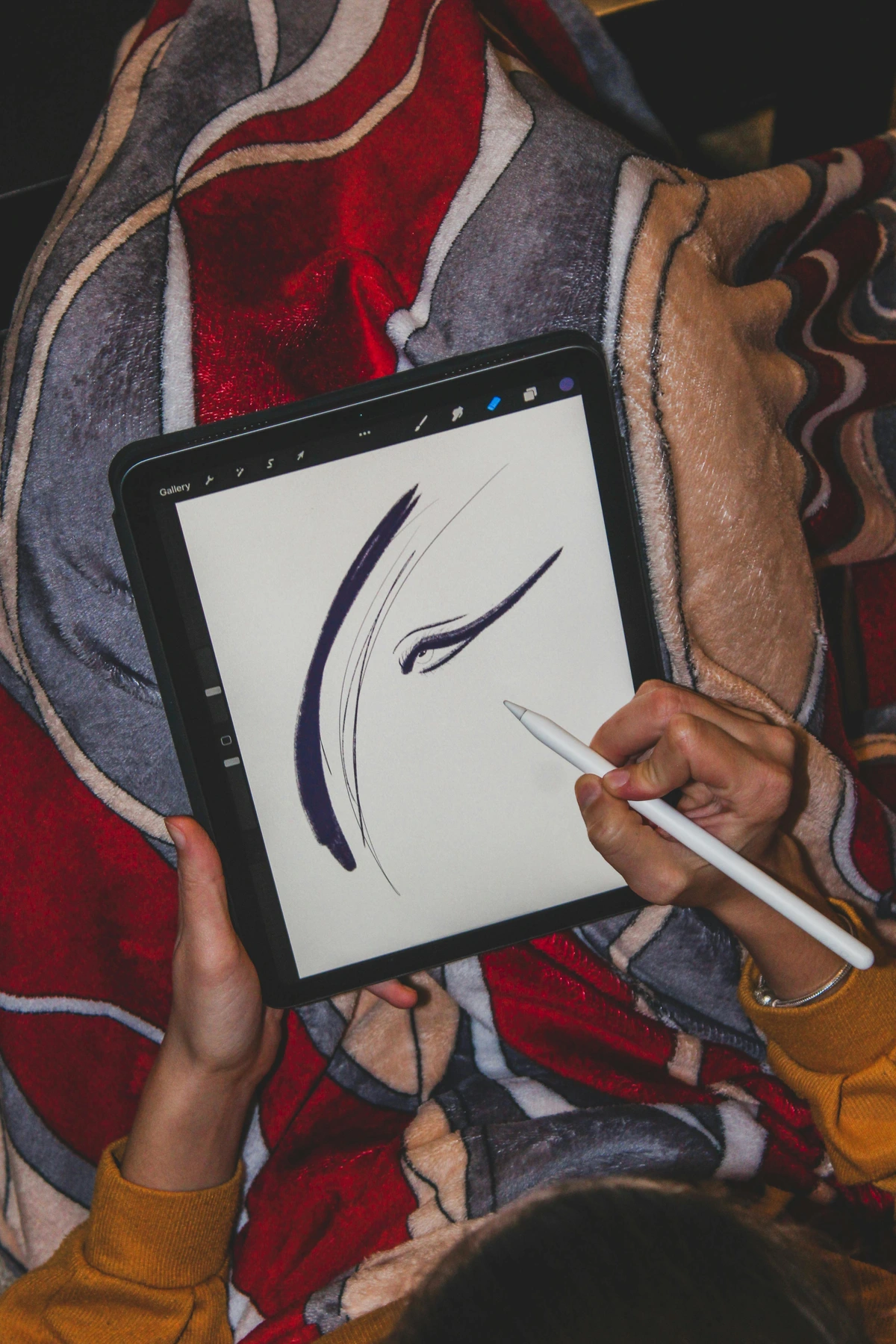
- Start with a physical sketch. Get your idea down on paper—this grounds it.
- Scan that sketch (photo works too).
- Import into Photoshop or Procreate to refine colors and forms.
- Export an AI seed image (upload your sketch) and use an AI tool to generate variations.
- Re-draw the AI results by hand, adding your signature style and intentional details.
- Finish in 3D software if you want to give it depth.
This hybrid approach? That's where the magic lives. Where human meets machine, intention meets algorithm.
Progressive Learning Path:
Stage 1: Foundation (1-3 months)
- Master basic digital drawing techniques
- Learn your primary software interface
- Develop digital brush skills and understanding
Stage 2: Integration (3-6 months)
- Start combining tools (AI + traditional digital)
- Experiment with different mediums
- Build a small portfolio of experimental work
Stage 3: Specialization (6+ months)
- Choose a preferred technology or combination
- Develop a unique artistic voice with your tools
- Create more complex, finished pieces
Challenges and Ethical considerations
Alright, let's address the elephant in the room. For every amazing tech breakthrough, there's a shadow side to consider:
Technical Challenges:
- The Authenticity Question: If an algorithm creates 90% of an image, how much "artist's hand" is left? What even makes art authentic?
- Accessibility vs. Exclusion: Yes, digital tools democratize art creation. But VR headsets cost money. Powerful computers are expensive. The digital divide is real.
- Technical Learning Curve: Each technology has its own steep learning curve. Mastering multiple tools requires significant time investment.
- Software Dependency: Being locked into proprietary software ecosystems and file formats.
- Hardware Obsolescence: Technology becomes outdated quickly, requiring constant investment.
Ethical Considerations:
- AI Training Data: Most AI models learn from existing art without artist consent. That's, well, problematic.
- Copyright Infringement: Questions of who owns AI-generated content and training data rights.
- Originality and Plagiarism: When does inspiration cross into copying when using AI tools?
- Labor Issues: Many digital tools rely on underpaid human labor for data labeling and content moderation.
Market Challenges:
- NFT Skepticism: We shouldn't ignore blockchain entirely, but let's be real: the NFT market felt like a speculative gold rush for tech bros more than a genuine art movement. Many projects prioritize hype over substance.
- Market Saturation: Anyone can create digital art, making it harder to stand out.
- Value Perception: Traditional art world still sometimes dismisses digital work as "not real art."
- Preservation Concerns: How do we preserve digital art that depends on specific software and hardware?
Psychological Challenges:
- Creative Overwhelm: Options paralysis is real. Too many tools, too many techniques, not enough hours in the day. (Pacing myself is my greatest struggle here).
- Comparison Culture: Social media makes it easy to compare your work to thousands of others.
- Imposter Syndrome: Feeling like you're "not really an artist" when using AI tools.
- Burnout: Constant pressure to learn new technologies and stay current.
Frequently Asked Questions
Is digital art "real" art?
A common debate! Traditionalists argue digital art lacks the "tactile" quality of real painting. But photography faced similar skepticism a century ago. What makes art art isn't the medium but the intention, emotion, and skill behind it. A digital piece can carry just as much weight as a canvas portrait—if not more in some cases.

Key Arguments for Digital Art as "Real" Art:
- Same artistic principles apply: composition, color theory, emotional impact
- Requires technical skill and artistic vision
- Can be more accessible to wider audiences
- Often combines multiple artistic disciplines
- Creates new forms of expression impossible in traditional media
Do I need to be tech-savvy to create digital art?
Not at all! Many artists start with basic tablets and software. The tools keep getting more intuitive. I know painters in their 70s thriving in digital spaces. It's about starting small and building confidence.
Skill Development Path:
- Beginner: Focus on one tool, learn basic functions
- Intermediate: Start combining tools, develop workflow
- Advanced: Master multiple technologies, create signature style
- Expert: Innovate with tools, teach others, push boundaries
Tech Skills You'll Develop:
- Basic computer literacy
- Software interface navigation
- File management and organization
- Hardware setup and troubleshooting
- Basic understanding of digital file formats
Are digital artworks valuable?
Increasingly, yes. Major auction now feature digital pieces. Galleries represent digital-first artists. But value always comes down to reputation, uniqueness, and demand—not the medium itself. A stunning digital piece can command serious collector attention.
Factors Affecting Digital Art Value:
- Artist Reputation and Track Record: Established artists command higher prices
- Technical Innovation: Unique techniques or use of new technologies
- Rarity and Edition Size: Limited editions vs. open editions
- Provenance and Authenticity: Clear ownership history and verification
- Cultural Significance: Work that defines or influences the field
- Market Demand: Current collector interest and trends
- Quality and Craftsmanship: Technical execution and artistic merit
Notable Digital Art Sales:
- Beeple's "Everydays" sold for $69 million at Christie's (2021)
- Pak's "The Merge" sold for $91.8 million (2021)
- CryptoPunks consistently sell for millions
- Digital works now regularly appear in major galleries and museums
What about AI-generated art? Is that stealing?
Legally murky ethically complex. AI models train on millions of images without compensation to original artists. Some artists fight back by only feeding AI their own work. Others use it as inspiration. The key is understanding how the tool works and respecting the creative labor that made its training data possible.
Ethical AI Art Practices:
- Transparency: Clearly disclose AI usage in your creative process
- Compensation: Support artists whose work inspired your AI creations
- Original Training: Consider using ethically sourced training data
- Human Curation: Always make intentional artistic decisions
- Respect Boundaries: Don't use tools that scrape copyrighted work without permission
Legal Considerations:
- Copyright law still evolving for AI-generated content
- Training data usage varies by platform and region
- Some artists are successfully suing AI companies for copyright infringement
- Fair use doctrine applies differently to AI training data
How can I experience digital art as a collector?
Options are expanding! Some artists sell high-quality prints of digital works. Others offer immersive VR experiences. Limited edition files with authentication certificates exist too. Buying digital art often means supporting innovation—every purchase helps push these mediums forward. If you're interested in collecting originals, you might want to buy digital artworks here.
Digital Art Collection Options:
Collection Type | What You Get | Price Range | Best For |
|---|---|---|---|
| High-Quality Prints | Physical reproductions | $50-500 | Traditional collectors, display at home |
| Limited Edition Digital Files | Authentic digital files with certificates | $100-2000 | Tech-savvy collectors, digital display |
| NFTs | Blockchain-verified digital ownership | $500-100,000+ | Speculative collecting, digital communities |
| VR/AR Experiences | Immersive interactive artworks | $200-5000 | Early adopters, tech enthusiasts |
| Physical Objects | 3D prints of digital designs | $100-2000 | Mixed media collectors, sculpture lovers |
| Memberships/Access | Ongoing access to artist's work | $10-100/month | Supporting artists, regular content |
Display Options for Digital Art:
- Digital Frames: Specialized screens designed for art display
- TVs/Displays: High-quality monitors or televisions
- Projectors: For larger immersive displays
- VR Headsets: For experiencing immersive artworks
- AR Apps: For viewing art in your physical space
- Online Galleries: Virtual exhibition spaces
What's the future of museum experiences?
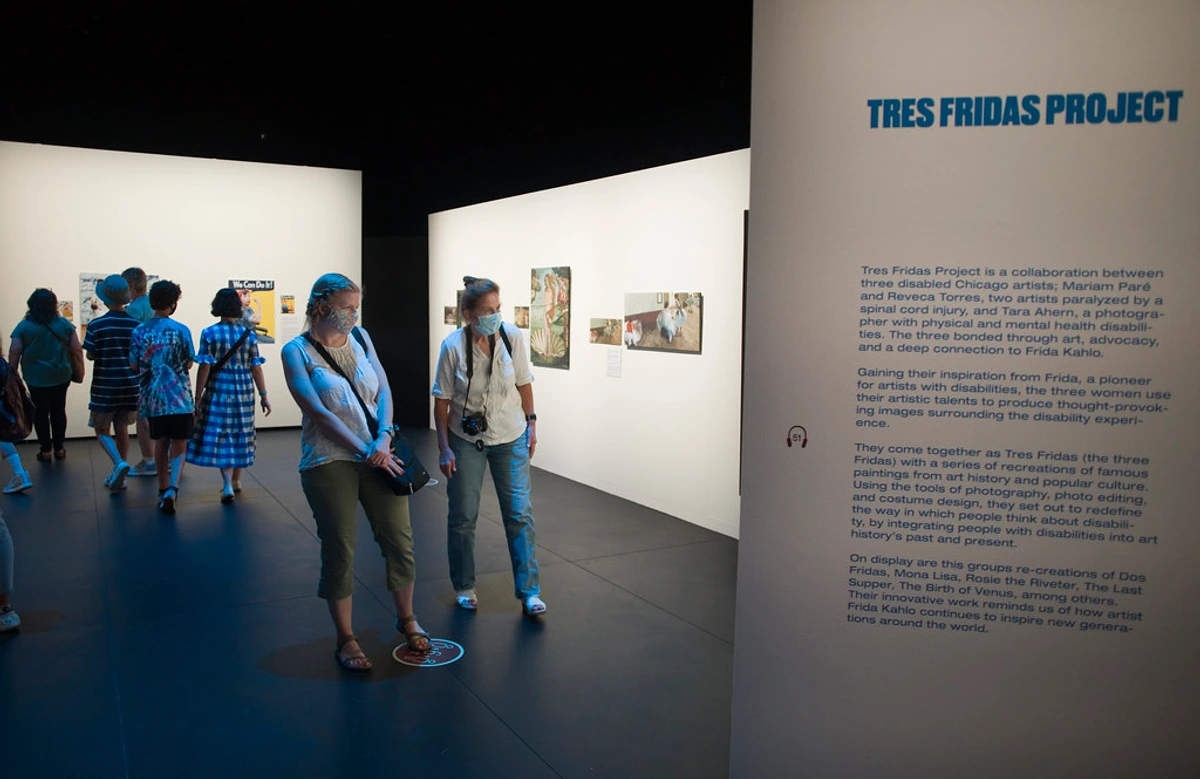
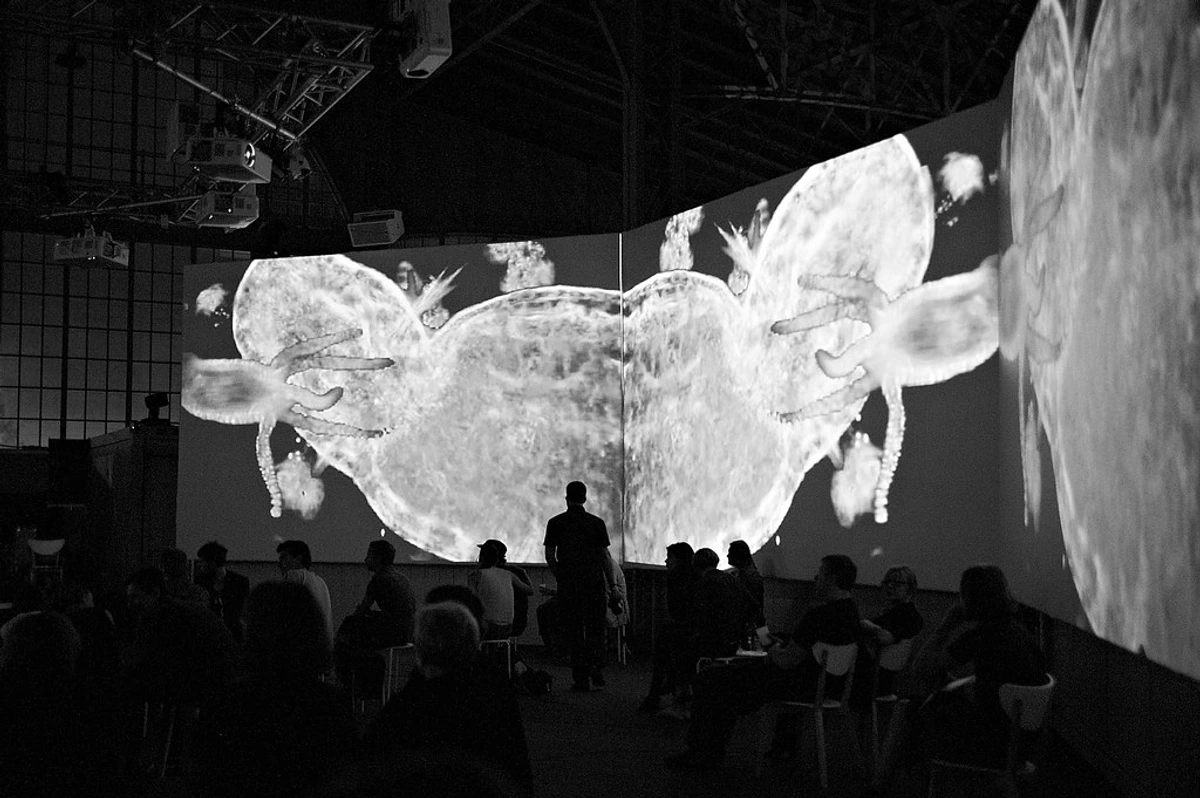
Imagine exhibitions where artworks adapt to your presence, where you can step inside a painting's world, where the art itself responds to the room. That's where museums are headed. The Den Bosch Museum actually has an upcoming VR show—you can check their timeline here to see when it's on. The physical space won't disappear, but it'll blend with digital layers in fascinating ways.
Emerging Museum Technologies:
Technology | Current Applications | Future Potential |
|---|---|---|
| VR Exhibitions | Immersive art worlds, virtual tours | Full sensory experiences, interactive narratives |
| AR Overlays | Information layers on physical works | Dynamic art that changes with viewer interaction |
| Interactive Installations | Motion sensors, touch screens | AI-responsive art that adapts to audiences |
| Digital Twins | Virtual replicas of physical museums | Global access to art, preservation of fragile works |
| Holograms | 3D projections of artworks | Lifelike artist appearances, dynamic sculptures |
| Biometric Response | Art that changes based on heart rate, emotions | Personalized art experiences, emotional resonance |
Notable Digital Art Museums:
- TeamLab: Interactive digital art installations worldwide
- Acute Art: Augmented reality artworks in public spaces
- Museum of Other Realities: VR art museum
- Digital Art Museum, Tokyo: Immersive digital art experiences
- Google Arts & Culture: Virtual museum tours and digital collections
The Future Is Painted in Pixels
Creating art with new technologies isn't about abandoning tradition. It's about having more languages in our artistic vocabulary. More ways to say "look at this!" to the world. More ways to feel.
I started as a traditional painter. I still pick up brushes sometimes. But these digital tools? They've expanded what I can dream about. What I can make. What art even means to me.
The real question isn't whether we should use these technologies. It's how we'll use them with intention, with heart, with that messy wonderfully human creativity that no algorithm can quite capture.
Emerging Technologies to Watch:
- Neural Style Transfer: AI that can apply artistic styles to any content
- Generative Adversarial Networks (GANs): Creating realistic images from text descriptions
- Real-time Collaboration Tools: Multiple artists working together in virtual spaces
- Bio-Art: Using living organisms and biological processes in digital creation
- Quantum Computing: Potentially enabling new forms of computational art
- Brain-Computer Interfaces: Creating art directly from neural activity
- Haptic Feedback: Adding touch sensations to digital art experiences
- AI Composers: Music and sound design created by artificial intelligence
The Human Element in Digital Art:
No matter how advanced technology becomes, the human element remains crucial:
- Intentionality: Making conscious artistic choices rather than random generation
- Emotional Depth: Creating work that resonates with human experiences
- Cultural Context: Art that reflects and responds to our times
- Technical Mastery: Understanding your tools deeply to express your vision
- Authentic Voice: Developing a unique artistic perspective
- Ethical Consideration: Being mindful of the impact of your work
- Community Building: Fostering connections with other artists and audiences
- Storytelling: Creating narratives that engage and move people
Resources for Digital Artists:
Online Communities:
- Behance: Professional portfolio platform
- ArtStation: Digital art community and job board
- DeviantArt: General art community
- Reddit: r/digitalart, r/generativeart, r/3dmodeling
- Discord: Server-based artist communities
- Twitter/X: Real-time artist sharing and networking
Learning Resources:
- YouTube: Channels like The Digital Art Teacher, Marcofolio
- Online Courses: Coursera, Udemy, Skillshare, Domestika
- Tutorials: Art tutorials by professional artists
- Documentation: Official software tutorials and guides
- Books: Digital art technique books and theory
Professional Development:
- Artist residencies: Digital art focused programs
- Grants and fellowships: Funding for digital art projects
- Exhibitions: Submitting to digital art shows
- Conferences: Attending digital art and technology events
- Networking: Connecting with galleries, collectors, and curators
Want to see how some of these translated into actual pieces? Explore the collection originals on or peek at how all this experimentation fits into my broader creative timeline.








What technology excites you most? What scares you? Let's talk about it. This revolution's just getting started.