
Machine Age Influence on Contemporary Art: Technology Meets Creativity
Explore how the Machine Age has shaped contemporary art, blending technology with creativity. Discover key movements, artists, and the impact on modern artistic expression.

Machine Age Influence on Contemporary Art: Technology Meets Creativity
I remember the first time I saw a piece of art that felt like it was alive—pulsing with energy, almost as if it had a heartbeat. It wasn’t just paint on canvas; it was something more, something that seemed to breathe with the rhythm of machines. That moment got me thinking: how has the Machine Age, with all its gears, circuits, and digital hum, actually shaped the art we see today?
Art has always been a reflection of the world around us, and the Machine Age was no exception. It was a time of profound transformation, where the hum of machinery and the clatter of factories became the soundtrack of daily life. But how did this era of industrialization and mechanization influence the way artists created and perceived art? Let's dive into this fascinating journey where technology and creativity collide.
Art has always been a mirror reflecting the world around us, and the Machine Age was no exception. It was a time of profound transformation, where the hum of machinery and the clatter of factories became the soundtrack of daily life. But how did this era of industrialization and mechanization influence the way artists created and perceived art? Let's dive into this fascinating journey where technology and creativity collide.
The Intersection of Art and Technology
The relationship between art and technology is a dynamic one. As technology evolves, so does the way artists express themselves. This interplay has led to groundbreaking innovations and new forms of artistic expression. From the invention of the camera to the rise of digital art, technology has continually pushed the boundaries of what is possible in the art world.
The Evolution of Artistic Tools
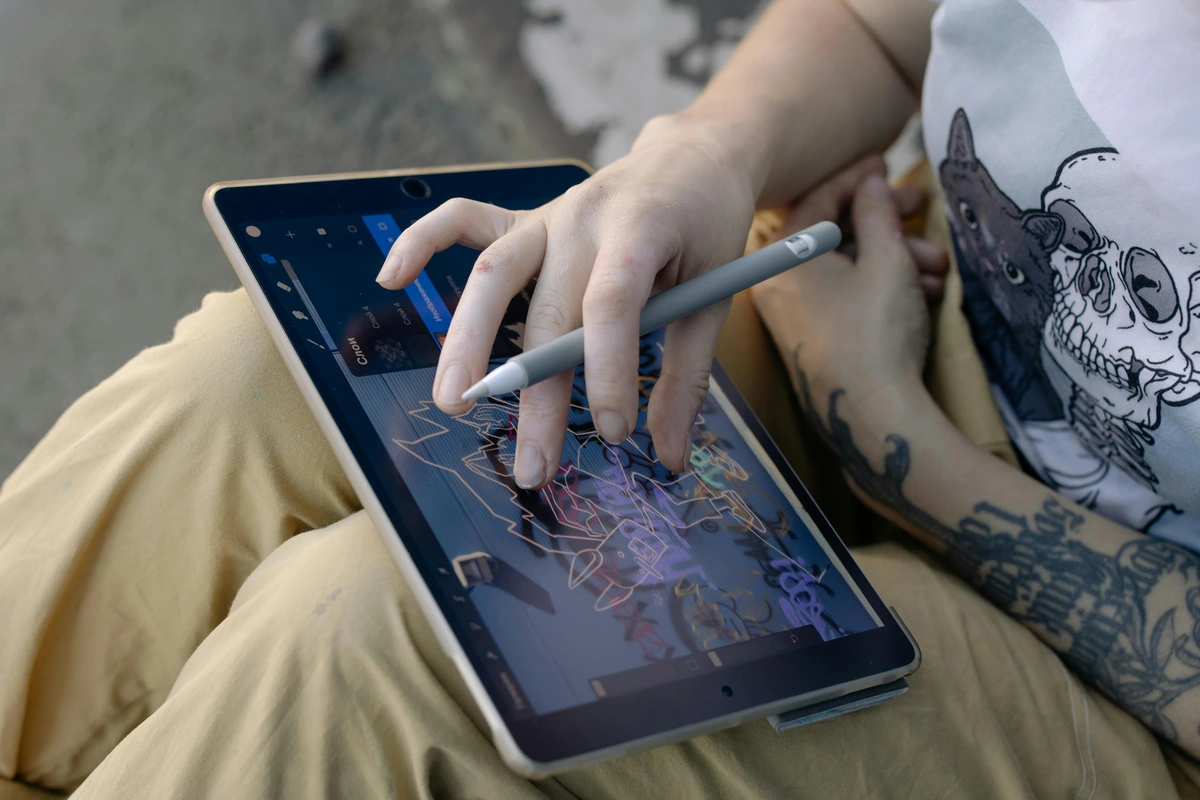
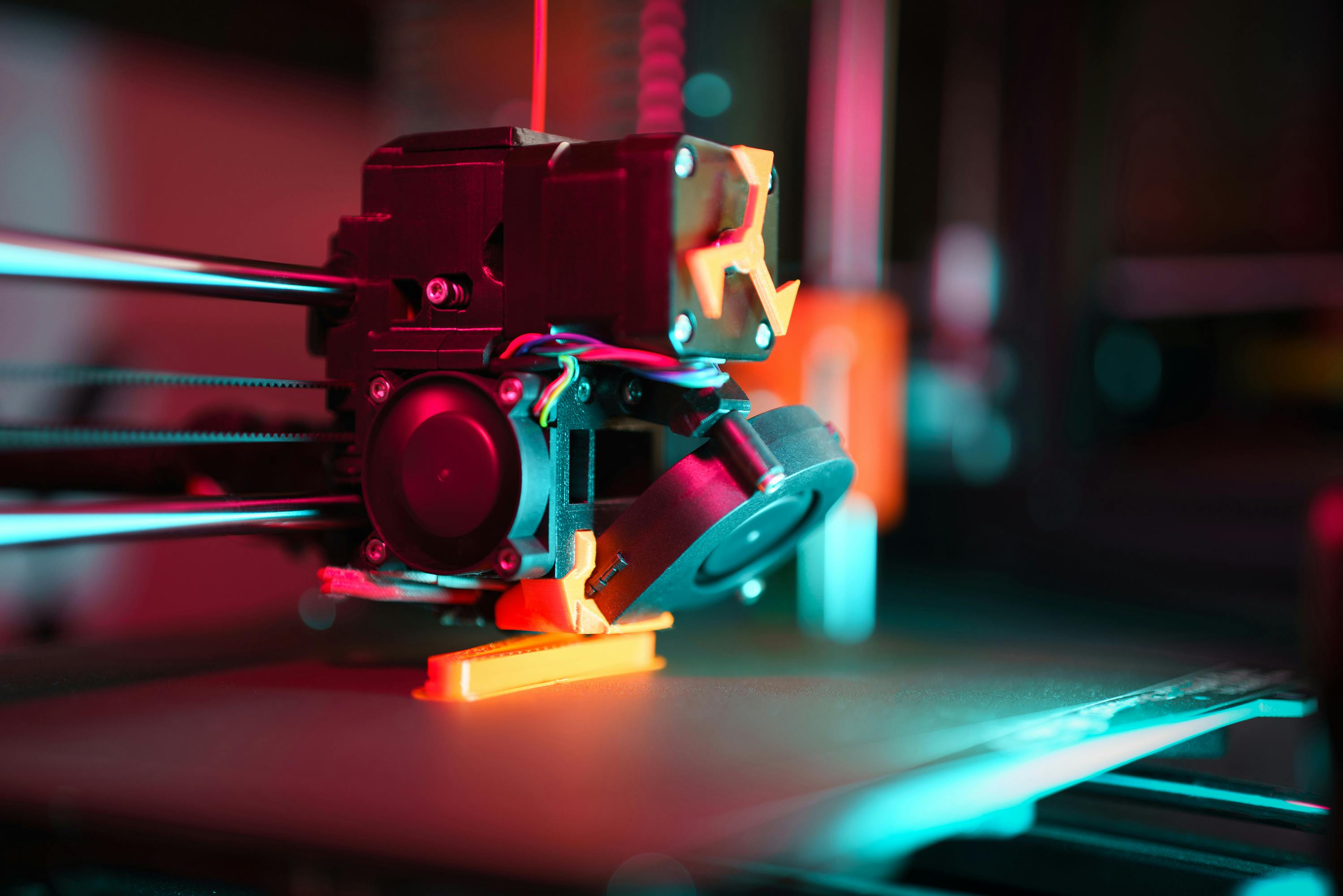
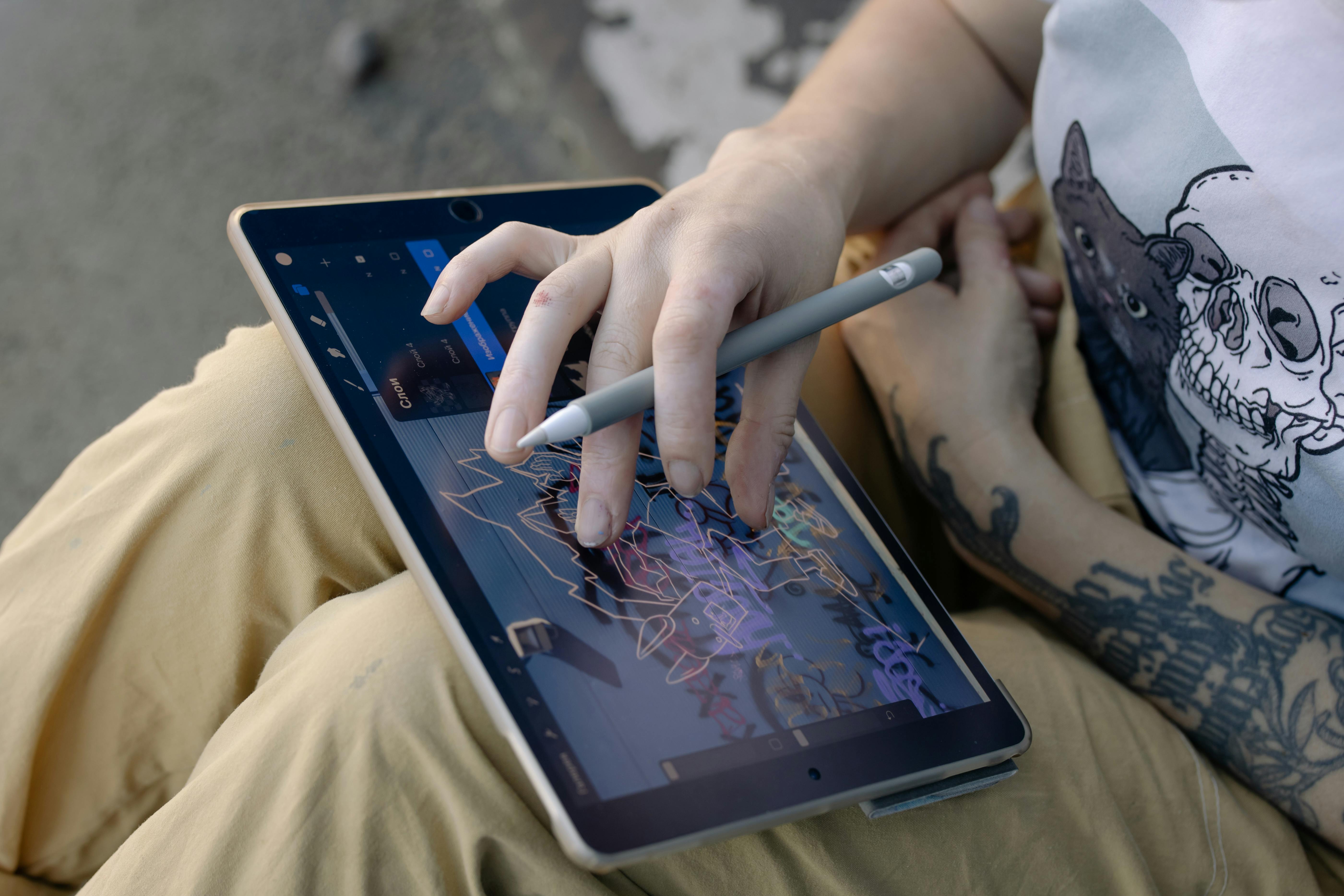
The tools artists use have evolved significantly over time. Traditional brushes and paints have been supplemented—and sometimes replaced—by digital tools like graphic tablets and software. This shift has not only changed the way art is created but also how it is perceived and consumed.
Key Innovations
- Photography: The invention of the camera revolutionized the way artists captured reality, leading to new forms of artistic expression such as photomontage and surrealistic photography.
- Printmaking: Machines made it easier to produce multiple copies of artworks, democratizing art and allowing for greater dissemination of ideas and styles.
- Digital Art: The roots of digital art can be traced back to the Machine Age, with early experiments in electronic media and computer-generated imagery paving the way for the digital art movement we see today.
Impact on Artistic Techniques
The introduction of new technologies has also influenced artistic techniques. For example, the precision of machinery inspired artists to experiment with geometric patterns and abstract forms, leading to movements like Cubism and Futurism.
The Machine Age: A Brief Overview
The Machine Age, roughly spanning the late 19th century to the mid-20th century, was a time of rapid industrialization. Factories sprouted like mushrooms, machines became the backbone of society, and the world started moving faster than ever before. This era didn’t just change how we worked; it changed how we thought, how we lived, and, inevitably, how we created art.
The Role of Industrialization
Industrialization brought about a shift from handmade goods to machine-made products. This transition not only revolutionized manufacturing but also influenced the way artists approached their craft. The assembly line, for example, introduced a new sense of order and precision that artists began to incorporate into their work.
Historical Context
The Machine Age was marked by significant technological advancements, including the invention of the steam engine, the rise of electricity, and the development of mass production techniques. These innovations not only revolutionized industries but also reshaped societal structures, urban landscapes, and cultural norms. Artists, as keen observers of their surroundings, were deeply influenced by these changes.
Societal Shifts
The societal changes brought about by the Machine Age were profound. Urbanization accelerated as people moved from rural areas to cities in search of work. This migration led to the growth of urban centers and the development of new social dynamics. The pace of life quickened, and the world became more interconnected, setting the stage for the globalized society we know today.
Key Concepts
- Industrialization: The shift from handmade to machine-made goods. Think assembly lines, mass production, and the rise of urban centers.
- Mechanization: The integration of machines into everyday life, from cars to typewriters.
- Modernism: An artistic movement that broke away from traditional forms, embracing abstraction, experimentation, and new materials.
- Mass Production: The ability to produce goods on a large scale, which influenced the accessibility and dissemination of art.
- Urbanization: The movement of people from rural areas to cities, which transformed societal structures and cultural norms.
Impact on Artistic Materials
The Machine Age introduced new materials and techniques that artists could use. Metals, plastics, and synthetic paints became more accessible, allowing artists to experiment with textures and forms that were previously unimaginable. This period also saw the rise of mixed media art, where artists combined traditional and industrial materials to create innovative works.
Impact on Society
The Machine Age brought about profound societal changes. Urbanization accelerated as people moved from rural areas to cities in search of work. This migration led to the growth of urban centers and the development of new social dynamics. The pace of life quickened, and the world became more interconnected, setting the stage for the globalized society we know today.
Cultural Shifts
The cultural landscape also shifted during the Machine Age. The rise of consumer culture and the spread of mass media influenced artistic themes and styles. Artists began to explore themes of modernity, progress, and the human experience in an increasingly mechanized world.
How the Machine Age Shaped Contemporary Art
1. The Rise of New Art Movements
The Machine Age didn’t just influence art; it birthed entirely new movements. Artists began to see the world through a lens of machinery, speed, and innovation.
- Futurism: Imagine art that celebrates speed, technology, and the dynamism of modern life. Futurists like Umberto Boccioni and Giacomo Balla were obsessed with the energy of machines. Their paintings often depicted movement, as if the canvas itself was in motion.
- Constructivism: This movement, led by artists like Vladimir Tatlin and El Lissitzky, focused on the intersection of art and technology. They used industrial materials like steel and glass to create sculptures and designs that were both functional and artistic.
- Dadaism and Surrealism: While not directly about machines, these movements were reactions to the mechanized world. Dadaists like Marcel Duchamp used everyday objects (often machine-made) to challenge traditional notions of art. Surrealists, on the other hand, explored the subconscious mind, which was increasingly influenced by the fast-paced, machine-driven world.
- Bauhaus: This movement emphasized the integration of art, craft, and technology. Artists like László Moholy-Nagy experimented with new materials and techniques, blending art and industrial design.
2. The Influence on Abstract Art
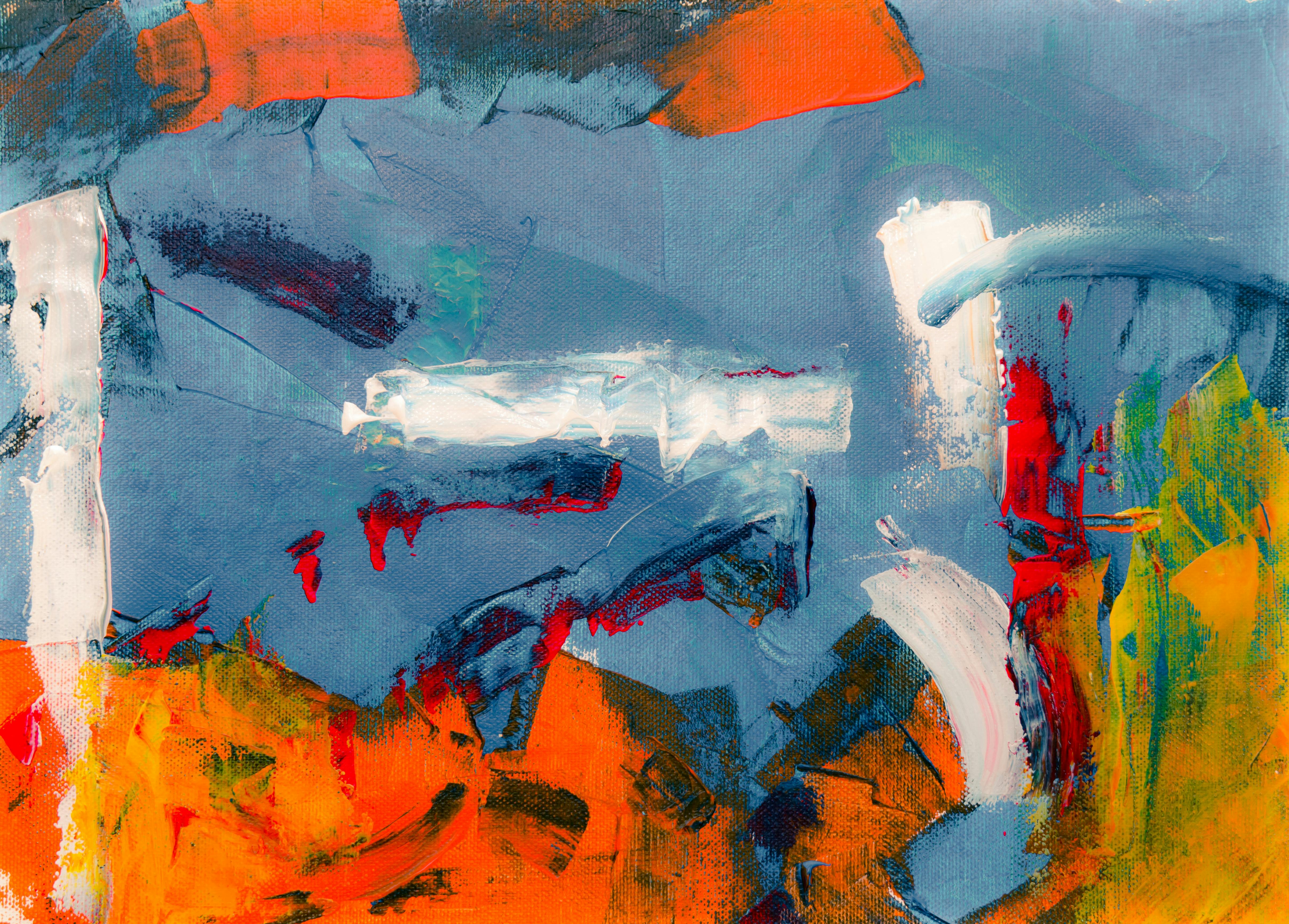
Abstract art, with its focus on shapes, colors, and forms rather than realistic representations, owes a lot to the Machine Age. Artists began to see the world in terms of geometric patterns and mechanical precision.
- Piet Mondrian: His grid-like compositions, with their bold lines and primary colors, reflect the order and structure of machinery.
- Kazimir Malevich: His work, particularly "Black Square," was a radical departure from traditional art, embracing the simplicity and boldness of machine aesthetics.
3. The Role of Technology in Art Creation
The Machine Age didn’t just inspire art; it changed how art was made. New tools and technologies gave artists unprecedented freedom and precision.
Photography
The invention of the camera allowed artists to capture reality in ways that were previously impossible. This led to new forms of artistic expression, from photomontage to surrealistic photography. Photographers like Man Ray and László Moholy-Nagy experimented with light and shadow, creating images that blurred the line between reality and abstraction.
Film and Video
The advent of film and video technology also influenced art. Artists began to explore moving images, creating experimental films and video installations that challenged traditional notions of art and storytelling.
Printmaking
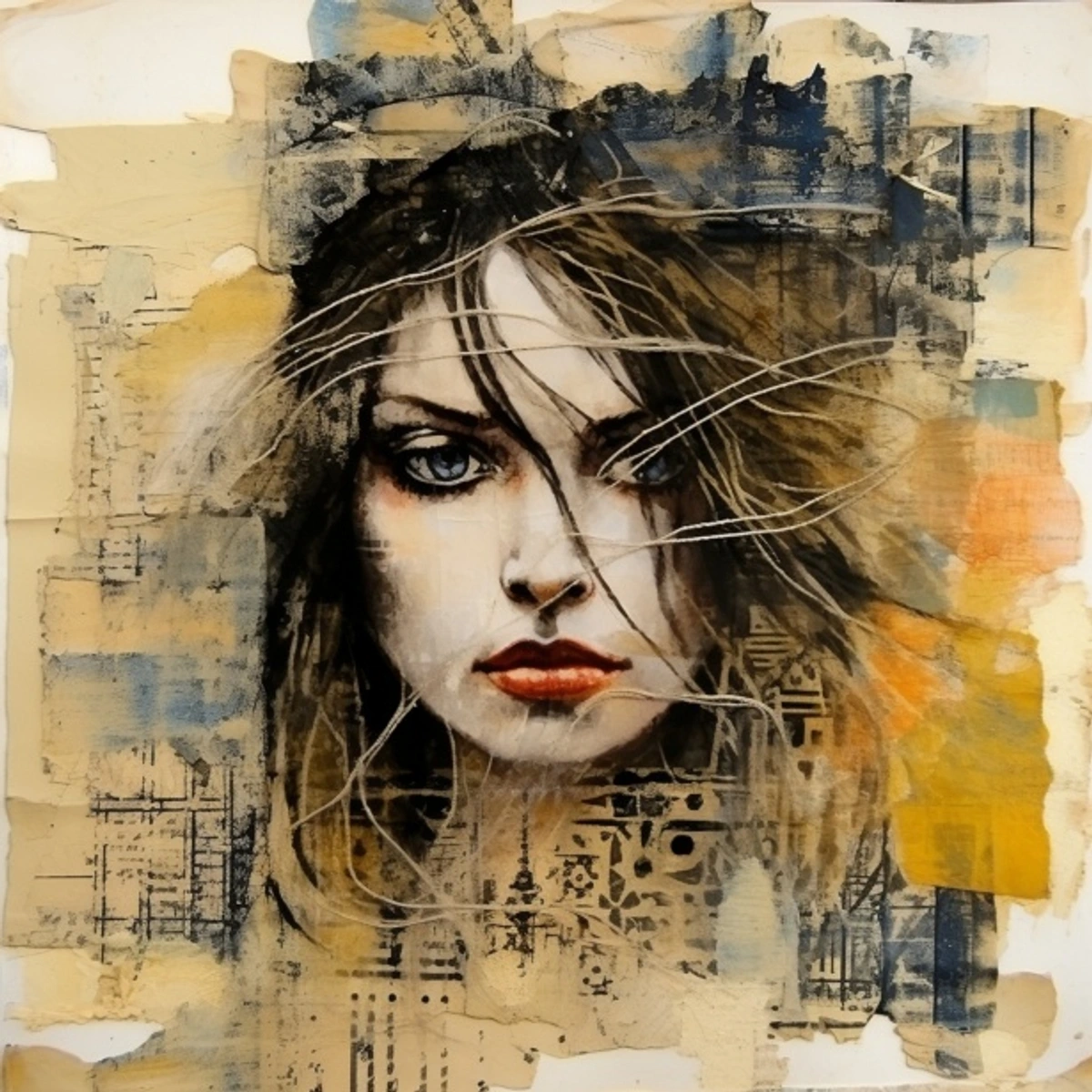
Machines made it easier to produce multiple copies of artworks, making art more accessible to the masses. This democratization of art allowed for greater dissemination of ideas and styles, further fueling the creative revolution of the time.
Digital Art
While digital art is more associated with the late 20th century, its roots can be traced back to the Machine Age. The idea of using technology to create art was born during this time. Early experiments with electronic media and computer-generated imagery laid the groundwork for the digital art movement we see today.
Contemporary Art in the Digital Age
Fast forward to today, and the influence of the Machine Age is still palpable. Contemporary artists continue to explore the relationship between technology and creativity.
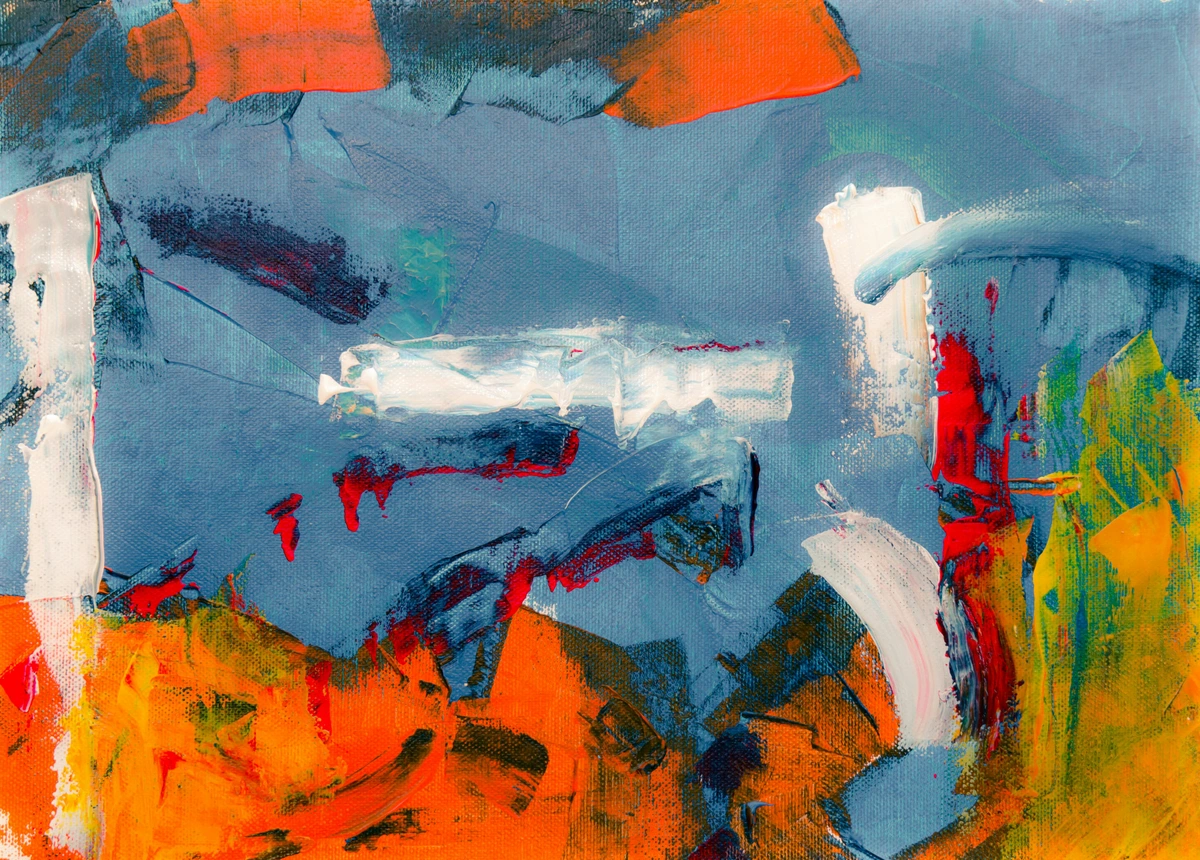
The Evolution of Digital Art
Digital art has evolved significantly since its inception. Today, it encompasses a wide range of mediums and techniques, from digital painting to 3D modeling. Artists use software like Adobe Photoshop, Blender, and Procreate to create works that push the boundaries of traditional art forms.
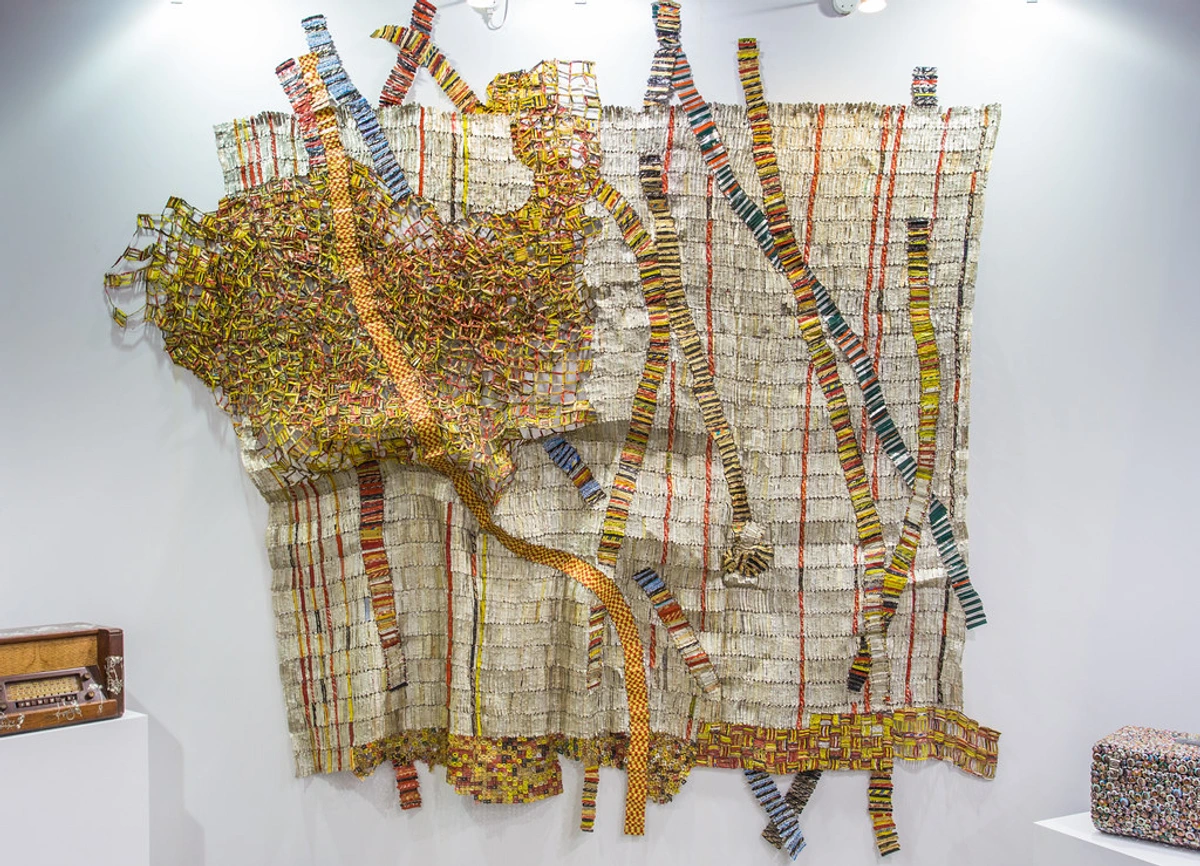
Generative Art
This involves using algorithms to create art that evolves and changes over time. It’s like giving a machine a set of rules and letting it create something entirely new. Generative art challenges our notions of authorship and creativity, blurring the line between artist and machine.
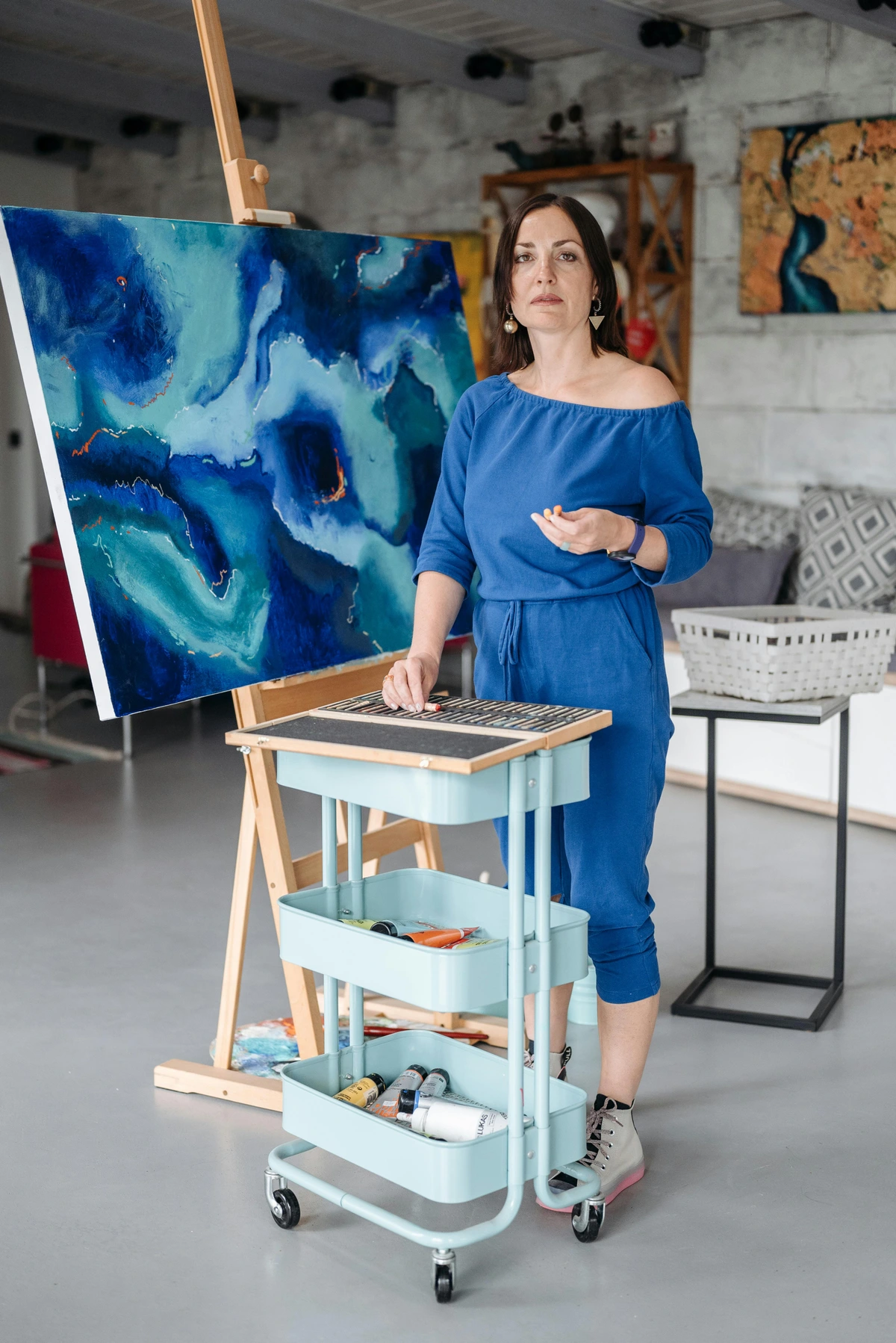
AI-Generated Art
While controversial, AI-generated art is becoming more prevalent. Artists use machine learning models to generate images, often blending human creativity with computational power. This raises important questions about the role of the artist in the creative process and the ethical implications of AI in art.
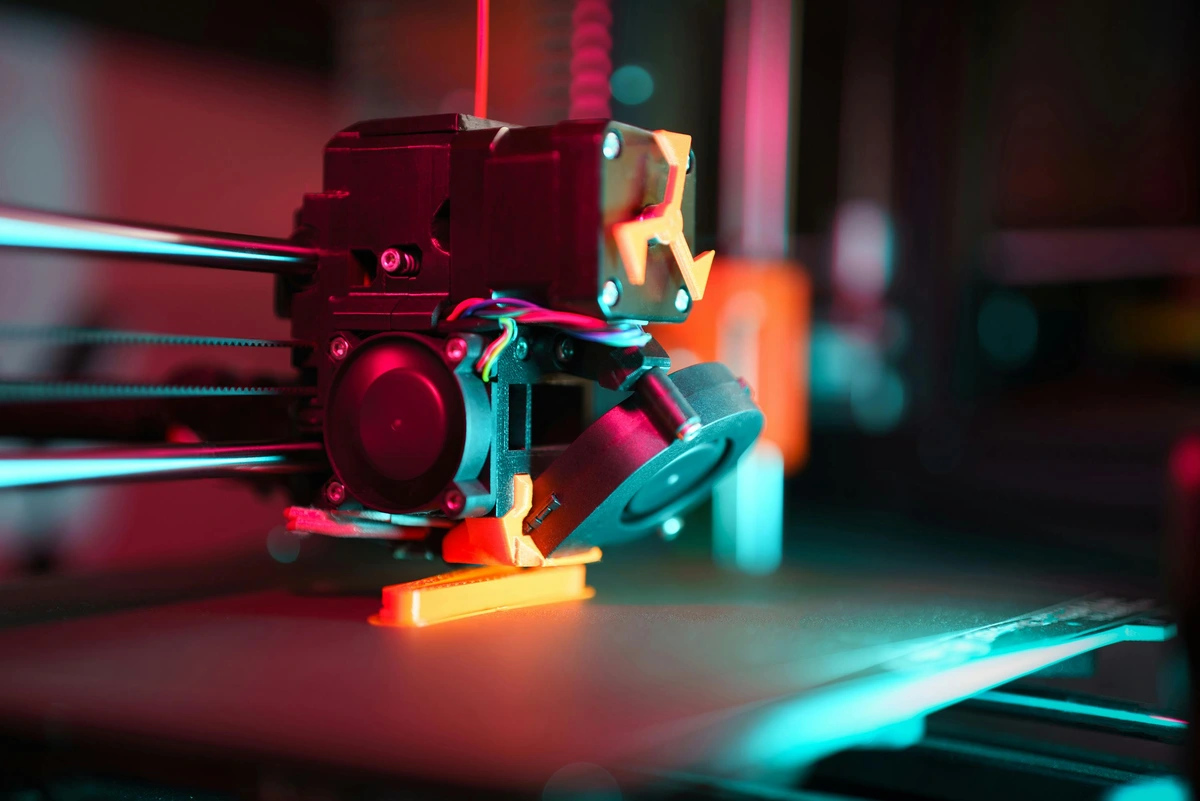
1. Digital Art and AI
Digital art has become a major force in the contemporary art world. Artists use software, algorithms, and even artificial intelligence to create works that push the boundaries of traditional art forms.
- Generative Art: This involves using algorithms to create art that evolves and changes over time. It’s like giving a machine a set of rules and letting it create something entirely new.
- AI-Generated Art: While controversial, AI-generated art is becoming more prevalent. Artists use machine learning models to generate images, often blending human creativity with computational power.
2. Interactive and Immersive Art
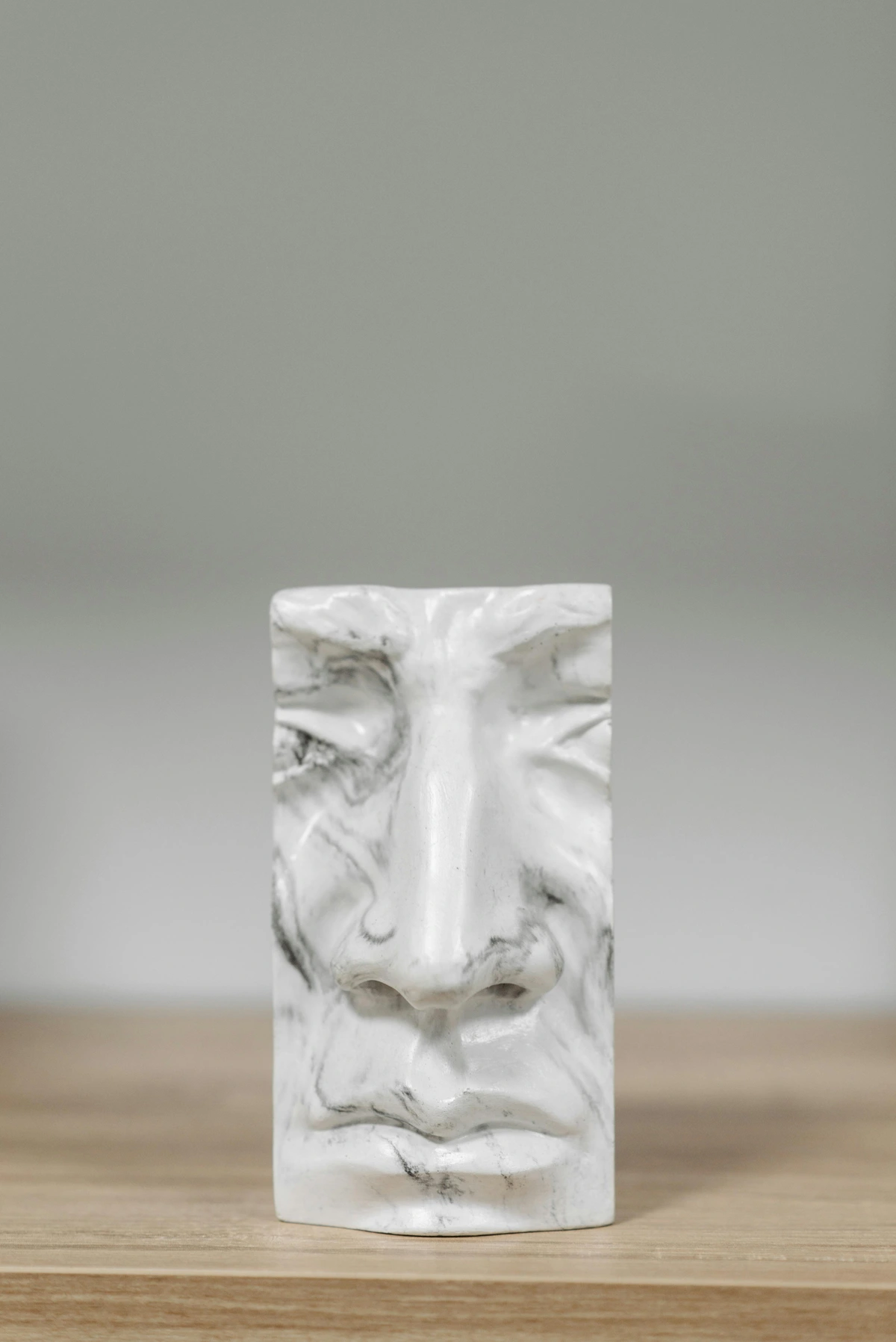
Technology has also enabled artists to create interactive and immersive experiences. Virtual reality (VR) and augmented reality (AR) are changing how we engage with art.
VR Art
Imagine stepping into a painting and being able to walk around inside it. VR art allows viewers to experience art in a completely new way. Artists like Rachel Rossin and Jon Rafman have created VR installations that transport viewers to surreal, dreamlike worlds, challenging our perceptions of space and reality.
AR Art
Augmented reality overlays digital elements onto the physical world, creating a blend of real and virtual experiences. AR art has the potential to transform public spaces, turning streets and buildings into interactive canvases. Artists like Nancy Baker Cahill and John Craig Freeman have used AR to create thought-provoking installations that engage with social and political issues.
3. The Role of Social Media
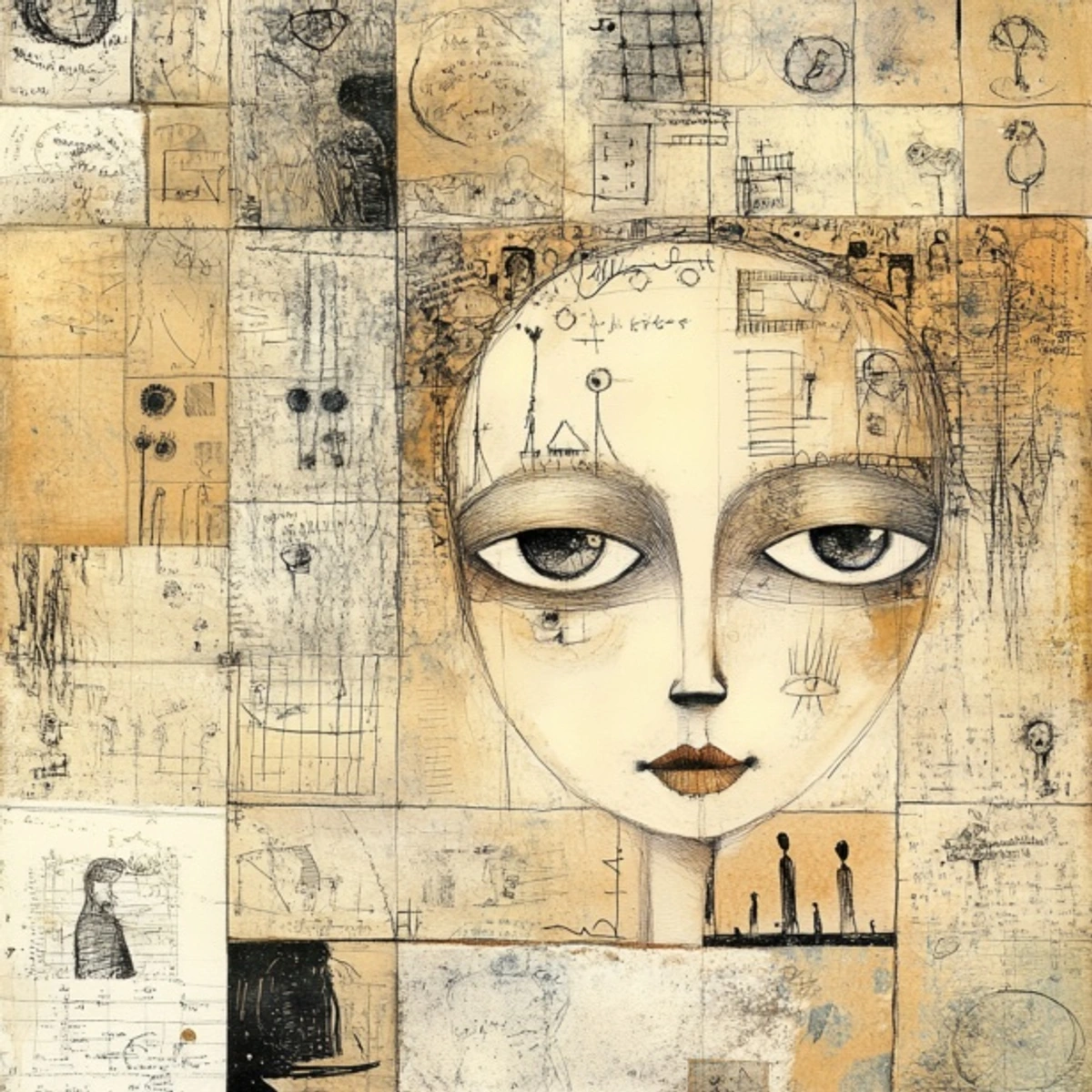
Social media platforms like Instagram and TikTok have democratized art, making it easier for artists to share their work and connect with audiences. This has led to new forms of digital art, from digital paintings to animated GIFs.
Democratization of Art
Social media has broken down the barriers to entry for artists, allowing them to showcase their work to a global audience without the need for traditional gatekeepers like galleries and curators. This has led to a proliferation of diverse voices and styles, enriching the artistic landscape.
New Forms of Digital Art
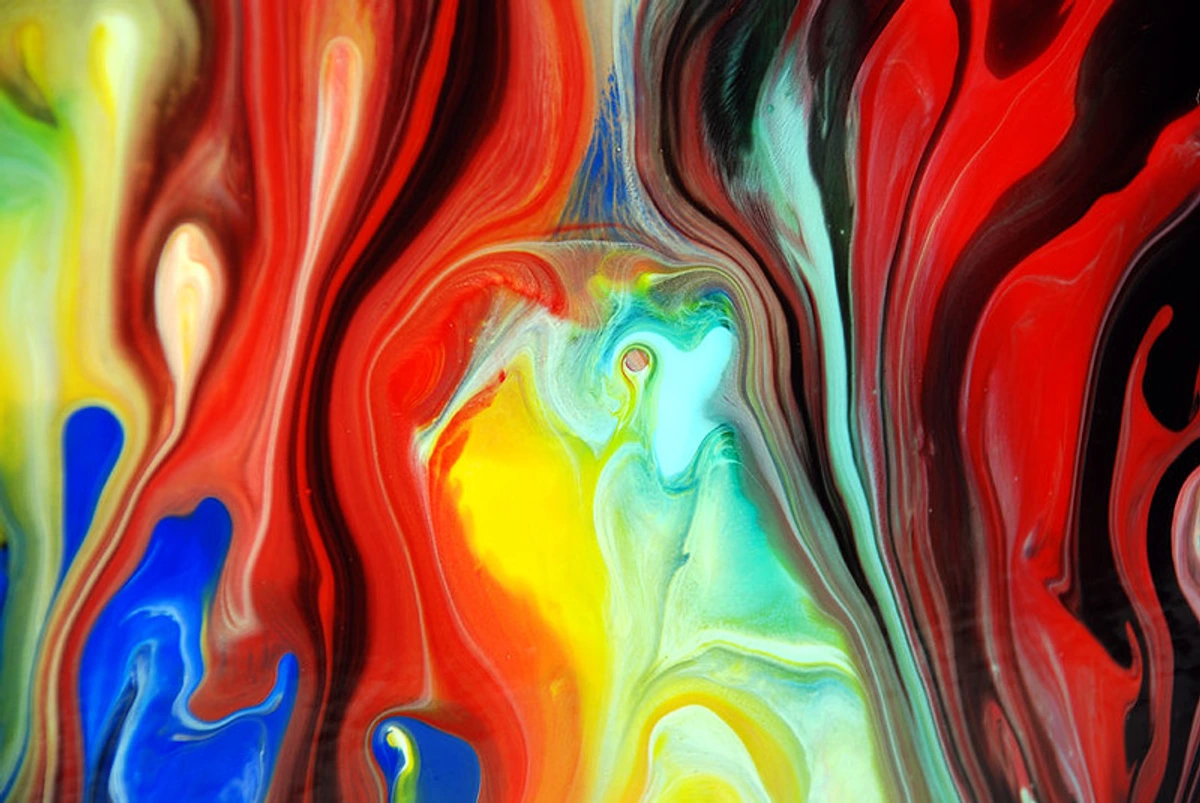
Platforms like Instagram and TikTok have given rise to new forms of digital art, such as digital paintings, animated GIFs, and short-form video art. These mediums allow artists to experiment with new techniques and reach audiences in innovative ways. The immediacy and interactivity of social media have also fostered a sense of community among artists and art enthusiasts.
The Future of Social Media and Art
As social media continues to evolve, it will likely play an even greater role in shaping the art world. New platforms and technologies will emerge, providing artists with even more tools and opportunities to connect with audiences and push the boundaries of creativity.
FAQ
What is the Machine Age?
The Machine Age refers to the period of rapid industrialization from the late 19th century to the mid-20th century. It was characterized by the widespread use of machines in manufacturing and everyday life.
How did the Machine Age influence art?
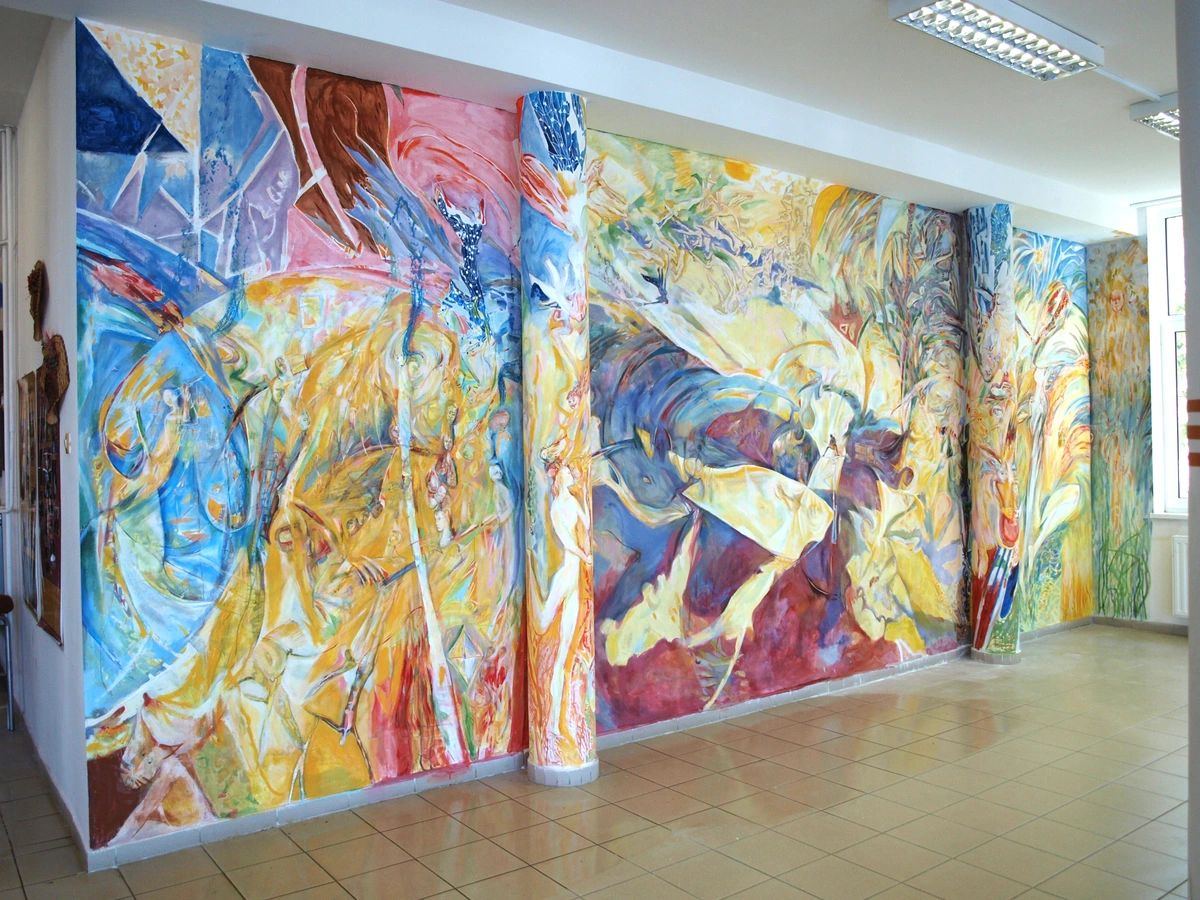
The Machine Age influenced art by introducing new materials, technologies, and ways of thinking. It led to the rise of movements like Futurism and Constructivism, which celebrated technology and mechanization.
What is digital art?
Digital art is any form of art that uses digital technology as part of the creative or presentation process. This can include digital paintings, generative art, and AI-generated art.
How has technology changed the way we create art?
Technology has changed art creation by providing new tools and mediums. Artists can now use software, algorithms, and even AI to create works that were previously impossible.
What is the future of art in the digital age?
The future of art in the digital age is likely to involve even more integration of technology. We can expect to see advancements in AI-generated art, virtual reality experiences, and interactive installations.

What are some examples of Machine Age-inspired art movements?
Some notable examples include Futurism, Constructivism, Dadaism, and Surrealism. These movements were deeply influenced by the technological advancements and societal changes of the Machine Age.
How has social media impacted contemporary art?
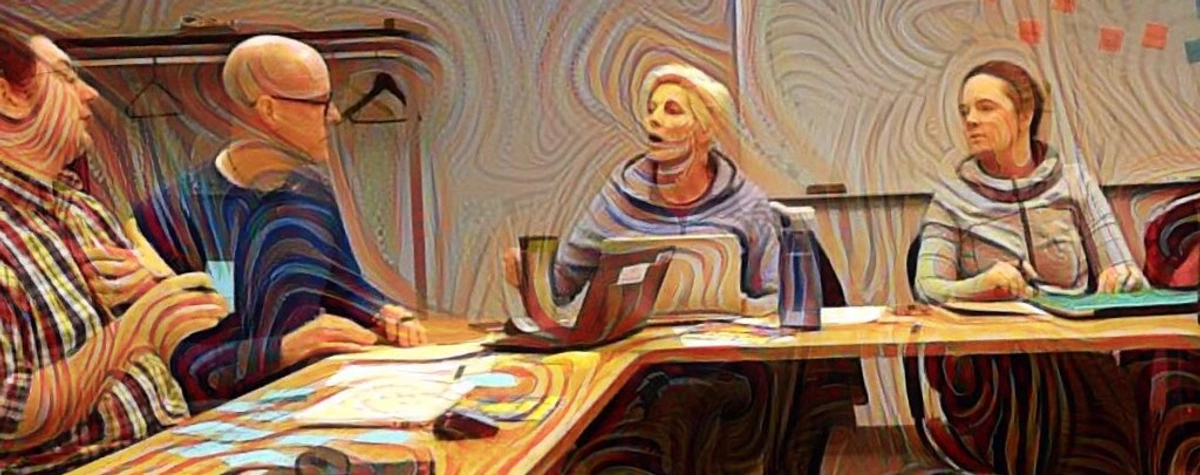
Social media has democratized art by making it easier for artists to share their work and connect with audiences. It has also given rise to new forms of digital art and fostered a sense of community among artists and art enthusiasts.
What are the ethical implications of AI-generated art?
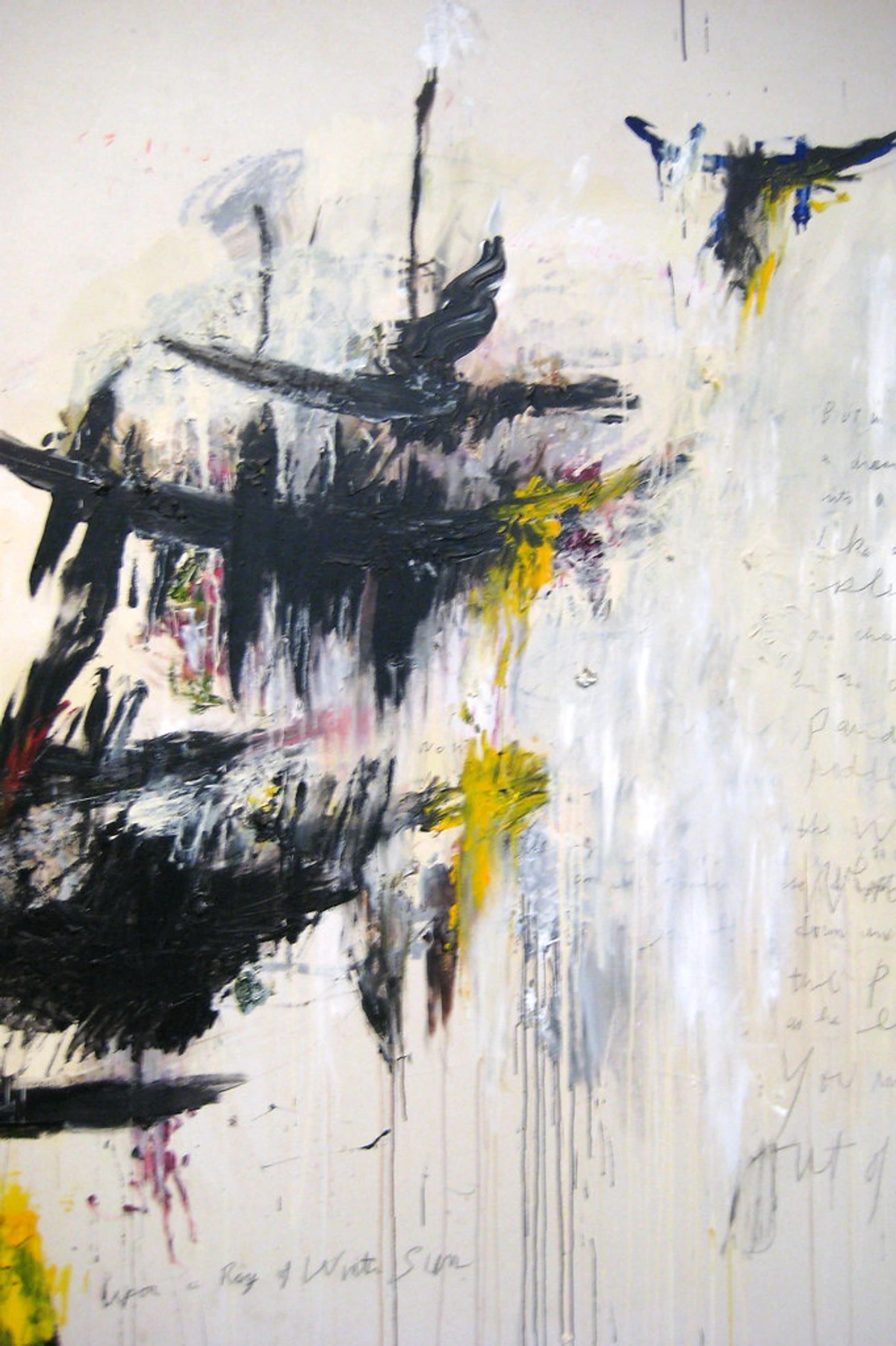
AI-generated art raises important questions about authorship, creativity, and the role of the artist in the creative process. It also challenges our notions of originality and the value of human-made art.
How did the Machine Age influence societal structures?
The Machine Age brought about significant societal changes, including urbanization, the rise of consumer culture, and the spread of mass media. These changes influenced artistic themes and styles, leading to a focus on modernity, progress, and the human experience in an increasingly mechanized world.
What role did industrialization play in shaping art?
Industrialization introduced new materials and techniques, such as metals, plastics, and synthetic paints, which allowed artists to experiment with textures and forms that were previously unimaginable. It also led to the rise of mixed media art, where artists combined traditional and industrial materials to create innovative works.
How has the Machine Age influenced contemporary art movements?
The Machine Age has had a lasting impact on contemporary art movements, from the rise of digital art to the integration of technology in art creation. Movements like Futurism and Constructivism, which emerged during the Machine Age, continue to inspire artists today.
Conclusion
The Machine Age didn’t just change how we live; it changed how we create. From the rise of new art movements to the advent of digital art, the influence of technology on contemporary art is undeniable. As we continue to embrace new technologies, the boundaries of art will keep expanding, blending the mechanical with the creative in ways we can’t even imagine yet.
The Future of Art and Technology
The relationship between art and technology is a dynamic and ever-evolving one. As we look to the future, we can expect to see even more innovative uses of technology in art. From AI-generated masterpieces to immersive VR experiences, the possibilities are endless. The next great artistic revolution may very well be sparked by the next big technological breakthrough.
Exploring Further
If you're curious to see how contemporary artists are blending technology and creativity, check out some of the works available here. Or, if you're interested in the evolution of art over time, take a look at our timeline.











The journey of art and technology is far from over. It’s an exciting time to be an artist, an art enthusiast, or simply someone who appreciates the beauty and complexity of the world around us. So, let’s embrace this journey and see where it takes us next.