Your Ultimate Guide: Crafting an Art Portfolio That Opens Doors to College Acceptance
Unlock art school success with our definitive guide! Learn what top colleges seek, master foundational skills, unleash your unique voice, perfect presentation, and ace interviews to get accepted. From observational drawing to daring conceptual art, we'll help your portfolio shine and tell your unique creative story.

Your Art School Passport: Building a Portfolio That Opens Doors.
Crafting Your College Art Portfolio: The Ultimate Guide to Standing Out & Getting Accepted
I still remember the feeling. A chaotic pile of drawings, a few paintings I was half-proud of, and a sketchbook full of ideas I was still exploring, all spread across my bedroom floor. And the thought, a cold little knot of panic: This is supposed to represent me? This is my golden ticket to art school? If you're feeling that right now, trust me, you're not alone. I’ve been there, and I want to tell you: take a breath. You're in the right place. We’re going to untangle this together, from mastering observational basics to unleashing your most daring conceptual ideas.
Building a portfolio for your college applications feels like this monumental, terrifying task, but I want to reframe it for you. It's not a final exam where you're graded on perfection; instead, think of it as the beginning of a conversation. It's you, on paper and canvas and screen, saying, "Hey, this is how I see the world. This is how my brain works. This is what I'm curious about. Want to help me go further?" This guide is here to demystify that process and give you actionable advice to create a college art portfolio that truly reflects your unique potential. Colleges aren't just looking for fully-formed, world-weary artists; they're looking for that spark, for genuine curiosity, and the potential to grow. Your job isn't to present a flawless body of work; it's to tell a compelling story about where you are on your creative journey. It's about showing them who you are becoming, not just who you are right now. By the end of this guide, you'll have the tools to build a portfolio that not only showcases your talent but also tells your unique story.
First Things First: The Core Ingredients of a Compelling Portfolio
Think of your portfolio like a tasting menu at a great restaurant. You want to showcase a variety of flavors and skills, but it all needs to feel like it came from the same chef—you. The golden rule is always quality over quantity. Admissions officers would much rather see 12 incredible, thoughtful pieces than 25 pieces of 'okay' filler. And by filler, I mean work that's technically weak, conceptually shallow, or simply uninspired – often pieces included just to meet a number requirement, rather than genuinely contributing to a cohesive artistic statement. It's like curating a playlist: you want all bangers, no skips.
1. Observational Work: Your Foundation
I know, I know. You want to get to the wild, expressive stuff. But trust me on this: nothing tells an admissions committee you're serious like strong observational drawings. Historically, this type of training was the cornerstone of artistic education for centuries, from the Renaissance academies that honed skills through meticulous anatomical and drapery studies, to modern art schools influenced by systems like the Bauhaus, life drawing and still life have been fundamental building blocks. This section is all about proving you can truly see and interpret the world around you, a core visual problem-solving skill. Why? Because it proves you can perceive the world, understand form, volume, and spatial relationships, and translate them onto a two-dimensional surface. These skills underpin nearly all visual art, from realistic portraits to abstract sculpture, demonstrating critical thinking and a commitment to understanding the visual world.
Drawing from life, not photos, is paramount. When you draw from life, you're not just copying; you're actively interpreting a complex, three-dimensional reality with changing light, subtle nuances, and shifting perspectives that a flattened photograph simply can't capture or simplify. This process develops your perceptual abilities in a way that truly trains your eye and hand, teaching you to see depth and light in a way photos often obscure.
- What to include: Still lifes (make them interesting—no more single apples on a white cloth! Try incorporating personal objects that tell a story, reflections, or varied textures, like a collection of antique tools, a still life with crumpled fabric and reflective metal objects, or even a half-finished project from your studio!), figure drawings (including gesture drawing for capturing movement and essence), portraits, self-portraits, landscapes, and architectural studies drawn from life. Experiment with diverse drawing mediums like pencil, charcoal, graphite, ink, or even dry pastels and watercolors for precise rendering of form and light. Demonstrate your understanding of form, light, and the principles of perspective in art. Showing advanced techniques like chiaroscuro (the dramatic use of strong contrasts between light and dark, usually bold contrasts affecting a whole composition) or foreshortening (depicting an object or person as shorter than it actually is to give the illusion of depth, like a hand reaching directly towards the viewer) can really impress.
- The goal: To show you can translate the three-dimensional world onto a two-dimensional surface accurately and with sensitivity. I once tried to draw a still life of my messy desk – a comical disaster of perspective, but it taught me more than any perfect apple ever could about problem-solving. It's about the process of observation and translation, not just achieving perfection, because that process reveals your learning, your critical thinking, and your growth.
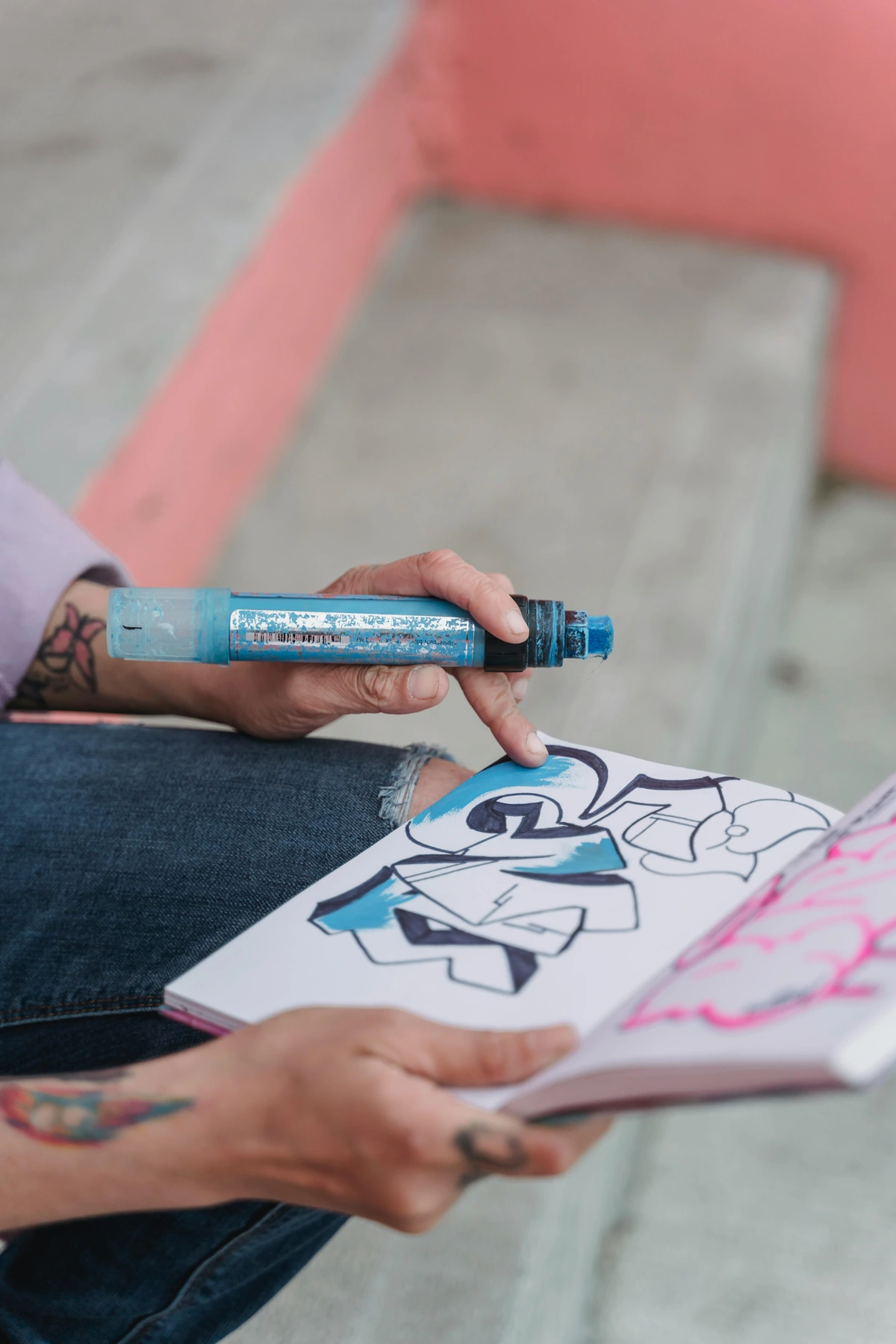
2. Show Your Unique Voice: Beyond Technique
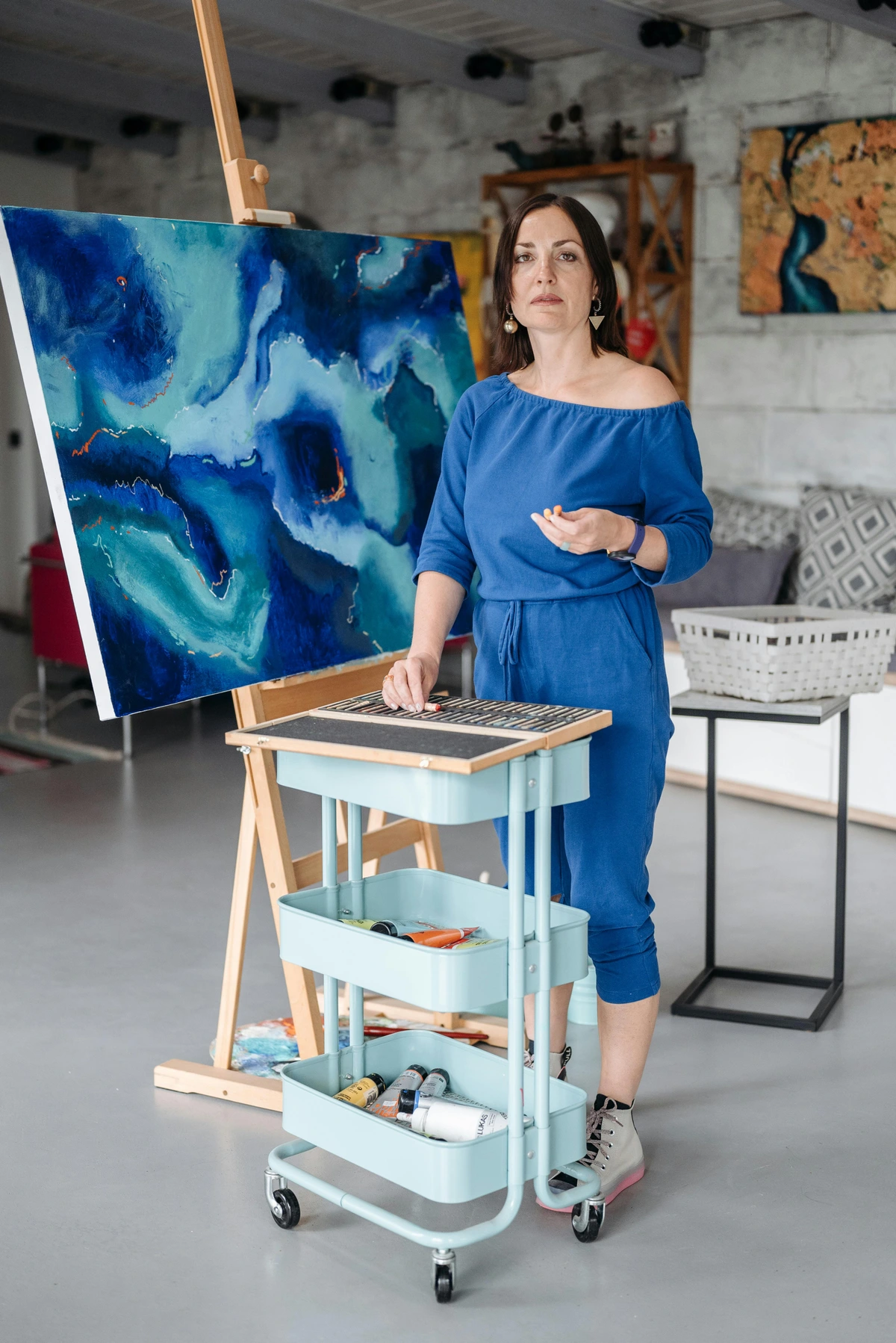
Once you've demonstrated you can accurately translate the three-dimensional world, it's time to imbue that skill with your own unique perspective. Now, let's unleash the glorious chaos that makes you, you. This is where your individual perspective and conceptual depth (the underlying ideas and meanings behind your art) come into play. Your artistic intent is paramount here. It's where your "artist's hand" – those unique marks, strokes, or treatments of material that are undeniably yours – starts to shine through.
After you've shown them you have the technical chops, you get to show them who you are. What are you obsessed with? What ideas keep you up at night? This is where your personality shines through. Don't be afraid to get a little weird here – that's often where the most interesting art happens. You want to articulate your inner world. If you're unsure how to start, I've found it incredibly helpful to explore how to find your art subject. Consider how art movements like Surrealism (for tapping into the subconscious and dream logic), Dadaism (for challenging established norms and anti-establishment themes), or even contemporary artists like KAWS (for pop culture commentary and subverting commercial iconography) might inspire your approach to conceptual work.
Your artist statement isn't just a formality; it's a powerful tool to clarify your vision and articulate the 'why' behind your work. Thinking about it early can significantly guide your portfolio development.
Translating Ideas into Visuals: Symbolism & Narrative
Developing a unique voice often means translating complex thoughts, feelings, or narratives into visual language. How can the objects around you tell a story beyond their everyday function? Consider:
- Symbolism: Can everyday objects stand for bigger ideas? A wilting flower might represent fleeting youth, or a bird trapped in a cage could symbolize societal restrictions. How can a recurring motif in your work convey a deeper message?
- Metaphor & Allegory: Can you use one visual story to represent another, more abstract concept? Think about how artists have used figures or scenes to critique society or explore universal truths, like the mythological references in classical allegories or even modern political cartoons. For example, a labyrinth could metaphorically represent the complexities of life's journey.
- Narrative Arcs: Does your work tell a story? Even a series of abstract pieces can have a narrative flow, expressing a journey or evolution of an idea. For example, changes in color intensity, form, or composition across multiple works can convey emotional shifts or thematic development.
- Include pieces that explore a personal theme or concept. This demonstrates critical thinking and the ability to develop an idea. To develop these, try mind mapping your interests, researching your personal history, creating visual mood boards, or even trying to articulate your artist statement early on. Think about how artists like Frida Kahlo used personal narrative as the core of their work, or how Van Gogh's paintings were deeply tied to his emotional and spiritual journey. Personal experiences, cultural background, or even specific social issues can fuel unique artistic narratives.
Embrace Experimentation & Abstraction
- Don't be afraid of abstraction or experimentation. A piece that shows you taking a risk with materials or concepts is often more interesting than a technically perfect but soulless one. Show them how you explore design in art and how you use various artistic elements, including color theory, to convey emotion and meaning. Think about unconventional materials (e.g., incorporating found objects into sculptures or collages), combining disparate styles (like digital art blended with traditional painting), or exploring generative art. If you're not sure where to start, grappling with how to overcome fear of the blank canvas is a common, and very real, first step. Remember, many contemporary artists use color not just to represent reality, but to evoke specific emotions and create dynamic, vibrant compositions.
- The "Wow Factor": What makes a conceptual piece truly stand out? It's often a novel idea (something genuinely fresh), an unexpected juxtaposition (placing contrasting elements together for effect, like a meticulously rendered classical sculpture digitally placed within a chaotic, glitchy abstract background), or a profound emotional resonance that leaves the viewer thinking long after they've moved on.
- This is the work that should feel the most you. It's the beating heart of your portfolio, showing them how your brain truly works. While emerging technologies like NFTs have certainly changed aspects of the broader art market, for college applications, the focus remains firmly on the demonstrable skill, conceptual depth, and creative process behind your work, rather than its digital ownership status.
3. The Sketchbook: Your Secret Weapon
Never underestimate the power of your sketchbook. Some schools even require you to submit pages from it. A sketchbook is the raw, unfiltered evidence of your thinking process. It shows your ideas, your mistakes, your experiments, and your growth. It’s proof that you are an active, engaged, and curious artist, not just someone who produces final projects. It reveals your iterative process (the cycle of creating, testing, refining), which is invaluable. Think of it as a diary for your artistic mind, documenting the entire story of an idea's development and offering a glimpse into your self-critique.
Consider these prompts to make your sketchbook shine and show off your self-critique:
- Multiple viewpoints: Draw the same object from 5-10 different angles to explore form and perspective.
- Thumbnail sketches: Quickly explore compositions for a larger project.
- Visual journaling: Combine drawings, collages, and notes related to your personal themes. This could mean quick sketches of people on the bus with annotations, observational studies from a walk in the park, or even doodles inspired by a dream, offering a glimpse into your broader intellectual curiosity.
- Material experiments: Test how different media interact on a page, maybe even try a quick color study in art. Don't be afraid to fail dramatically here; that's the point! It shows your willingness to take risks and learn, demonstrating how you grow from experimentation.
- Gesture drawing: Quick, expressive sketches of people or animals in motion to capture their essence and movement.
- Drawing from memory: Sketch everyday objects or scenes you've observed, testing your visual recall and understanding of form.
- Visual responses: Create quick visual interpretations of music by focusing on its rhythm and mood through line and color, translate a difficult emotion into abstract forms and colors, or visually respond to poetry or a personal feeling, demonstrating how you translate abstract concepts into imagery.
4. Digital & Mixed Media: Embracing the Contemporary
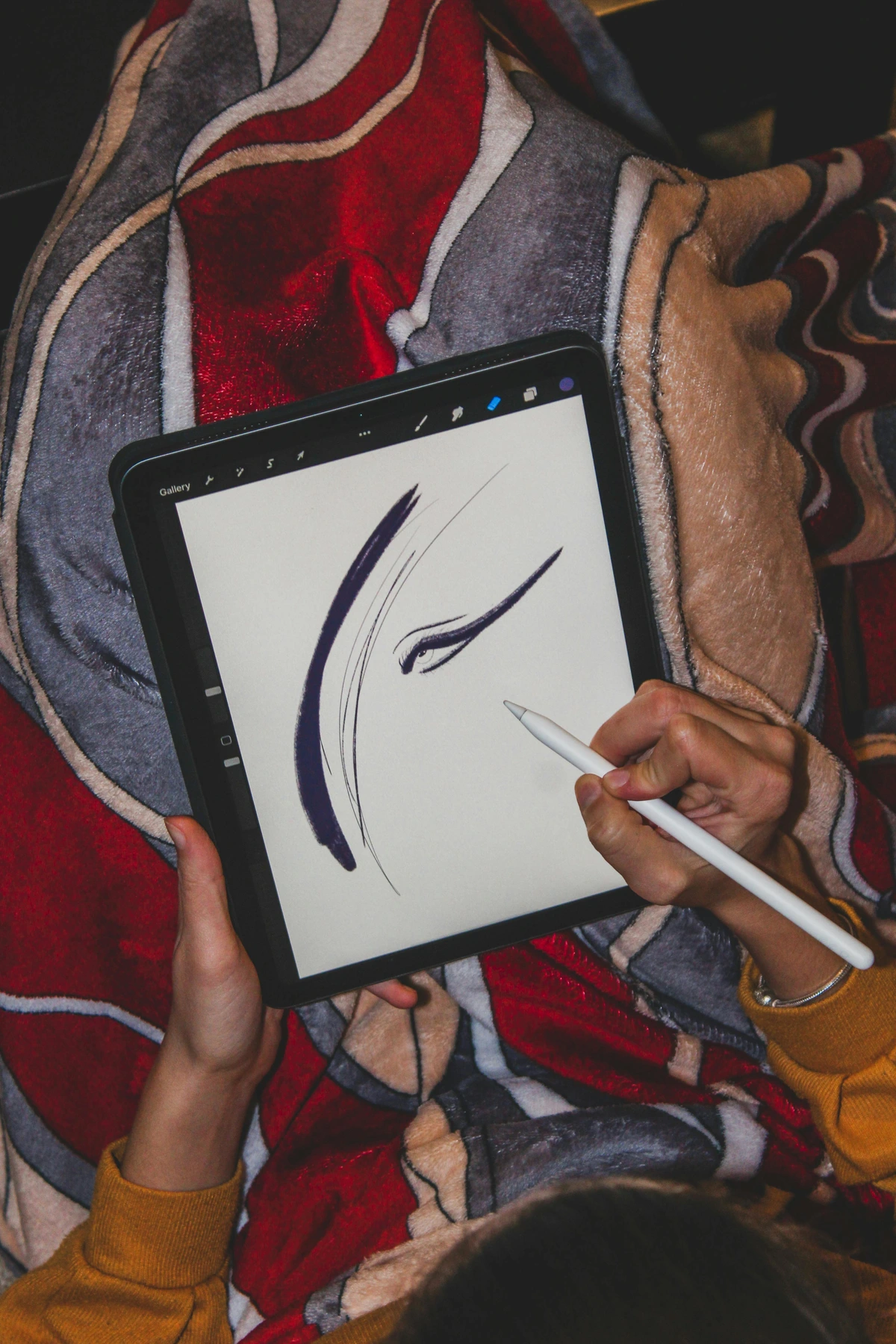
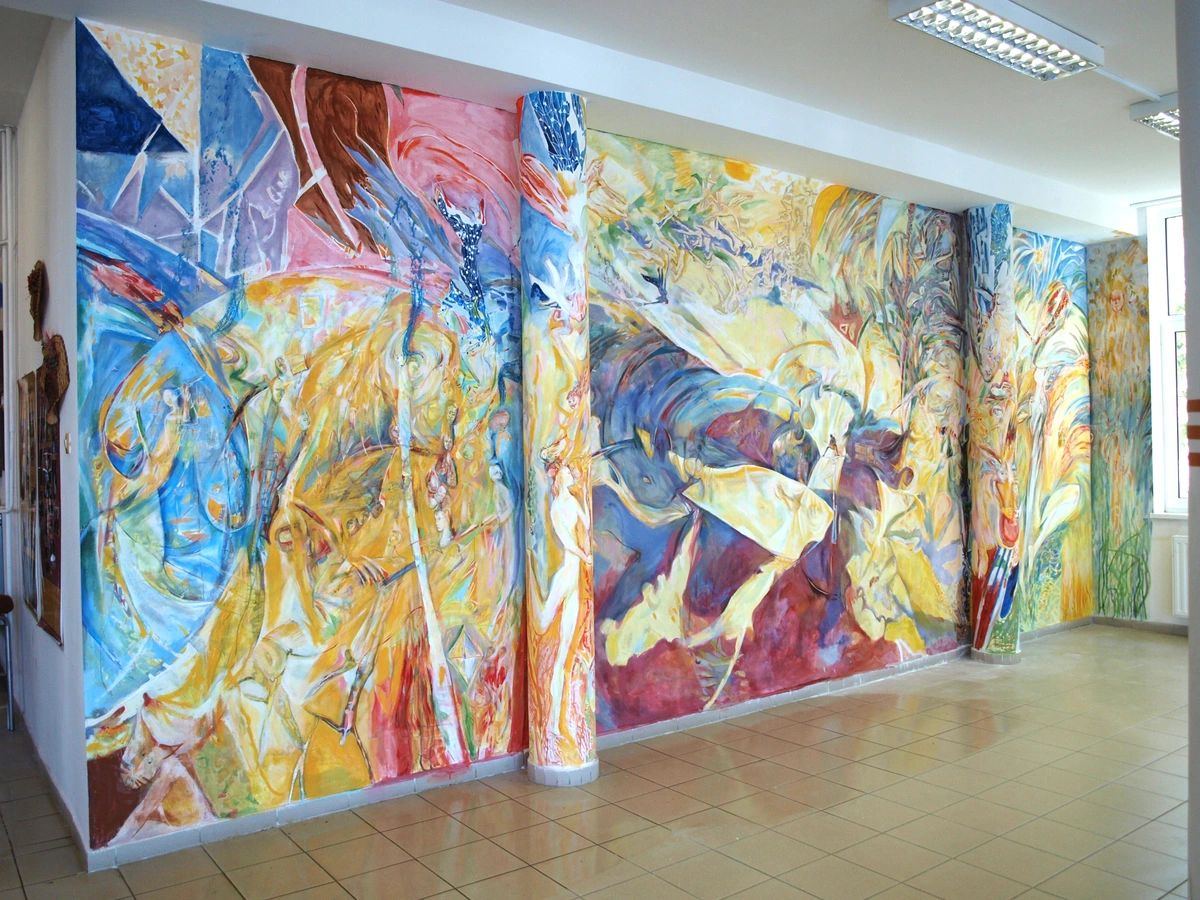
Show your adaptability and engagement with current artistic practices. The term medium refers to the materials and tools an artist uses (like paint or digital software), while materials are the specific substances (like oil paint or a particular type of clay). In today's art world, digital tools and mixed media are commonplace. Don't shy away from including them if they're part of your practice. Colleges want to see that you're adaptable and engaged with contemporary art forms. A traditional oil painting can be impressive, but a digital piece that shows innovative thinking or a mixed-media work that combines disparate elements can be equally compelling, demonstrating a broader understanding of artistic possibilities. Even for digital work, strong observational skills are crucial for creating believable forms, lighting, and textures.
Digital Work Best Practices
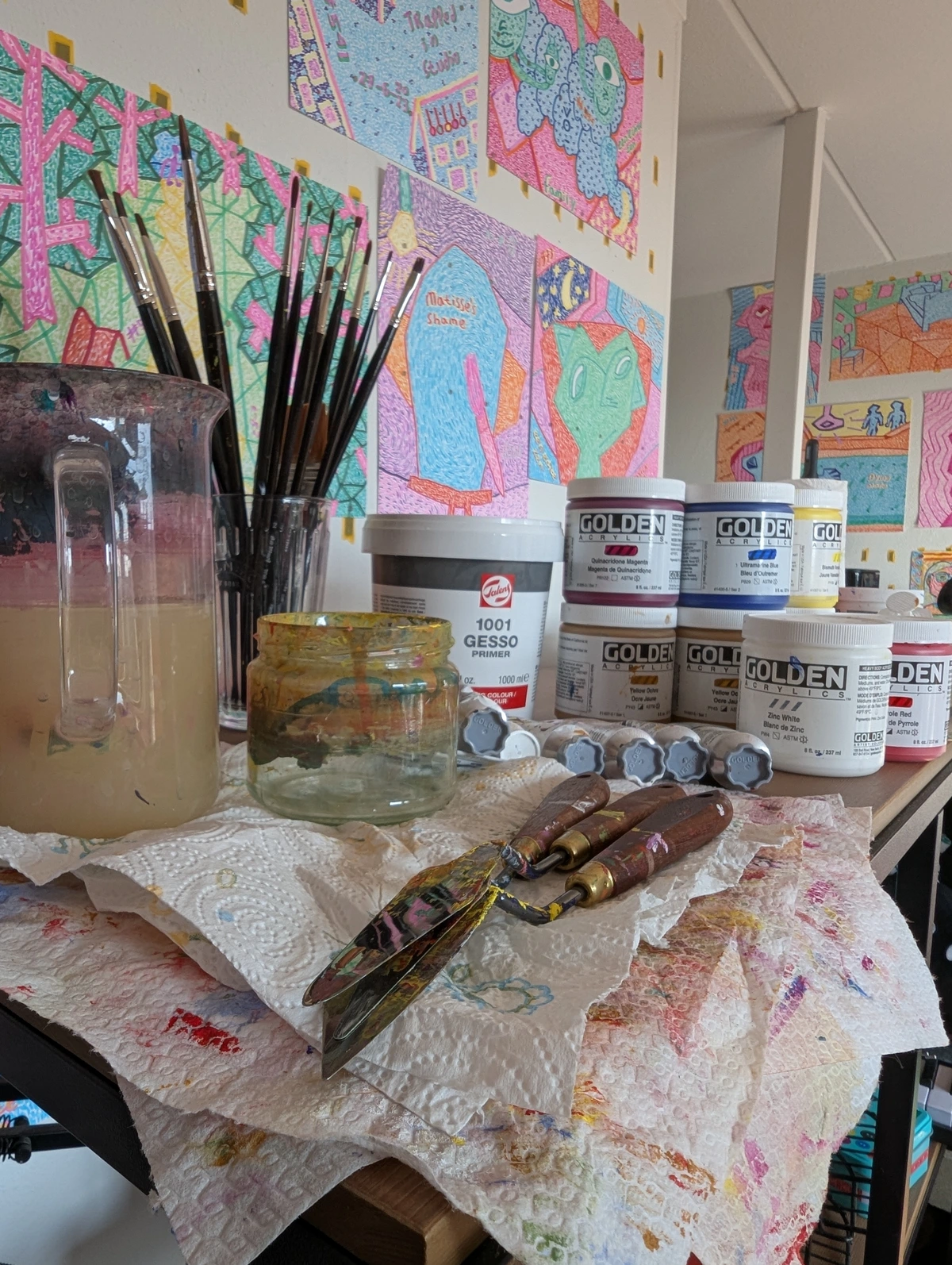
- Digital work: Showcase high-resolution renders of your digital paintings or illustrations. For animation or interactive pieces, consider short GIFs or video clips. Make sure the digital presentation captures the work's essence. You might even want to include work showing your process with digital painting tools. When submitting digital work, always pay attention to:
- File formats (usually JPG, PNG, PDF)
- Resolution (typically 300 DPI - dots per inch, ensuring sufficient detail for high-quality printing and clear screen viewing, but always check specific school requirements)
- File Size Limitations (many schools have strict limits because of storage and bandwidth. Learn to optimize images without losing quality by using compression tools or resizing intelligently).
- Submission Platforms (SlideRoom is often used by admissions for secure review; Behance or ArtStation for public showcases).
- And crucially, don't just show the final piece; include process shots or time-lapses to reveal your thought process and command of the medium. Consider using screen recording software, screenshots of your layered files, detailed sketch notes, or journal entries to document your digital journey. Think about accessibility too; if the platform allows, provide alt text for your images to describe your work.
Mixed Media Approaches
- Mixed media: If you combine traditional and digital, or various physical materials (like collage with painting, or sculpture with found objects), explain your rationale in accompanying descriptions. How do different media serve your concept? This shows intentionality and innovative thinking, demonstrating you're not afraid to experiment with materials and push boundaries. For instance, embedding digital prints within painted textures, or using traditional printmaking techniques to create surfaces for sculptural additions. The physicality of combining materials – the texture of glued paper against paint, the weight of sculptural elements – can significantly contribute to your conceptual message.
Curating Your Collection: Crafting Your Narrative
Okay, you've gathered your raw material. You've been the artist, the creator. Now comes the exciting, slightly terrifying, part: becoming the director of this short film about your artistic self, the storyteller who guides the audience through your unique vision. You've got the pieces. Now what? You can't just throw them together. You need to curate them (actively shaping the viewer's experience through selection and arrangement). The sequence matters. This is where you demonstrate conceptual depth and show how your diverse skills coalesce into a unique vision, like chapters in a book contributing to one overarching narrative. Most schools ask for 10-20 pieces, but always prioritize quality.
Start and End Strong: The first piece should be a showstopper—something that is both technically strong and conceptually interesting. It sets the tone and hooks the viewer. The last piece should be just as powerful, leaving a lasting impression. Admissions committees often remember the beginning and the end most vividly.
Create a Rhythm: Think about the flow. Don't put five portraits in a row; that creates monotony. Instead, juxtapose (place contrasting elements together) a detailed observational drawing with a bold, colorful abstract piece. For instance, juxtapose a meticulously rendered charcoal figure study with a spontaneous, gestural watercolor landscape to showcase both precision and freedom. This variety demonstrates your versatility and keeps the admissions committee engaged, making the viewing experience dynamic. Remember to add context with written descriptions for each piece, especially for conceptual work, explaining your choices and inspirations. I've personally found that explaining my process solidifies my own understanding of the work, and helps me refine my artistic intent. Consider how the physical scale of your work (e.g., large scale conveys boldness) or its framing (if submitting physical pieces; intricate framing suggests delicacy or importance) contributes to its overall impact. And crucially, ensure consistency in style and quality across all submitted pieces; a few strong, cohesive works are always better than a collection of disparate ones.
The Importance of Layout & Negative Space
In both physical and digital portfolios, consider the negative space (the empty areas surrounding and between the subjects of an image) and whitespace in your layout. Don't overwhelm the viewer with too many pieces crammed together. Give each artwork room to breathe. A clean, organized layout helps the viewer focus on individual pieces and enhances the overall professional impression.
Labeling Your Art: Provenance and Professionalism
Clearly label each piece with essential information. This is called provenance, and it demonstrates professionalism. For each artwork, include:
- Title: (e.g., "Urban Echoes")
- Medium: (e.g., "Oil on canvas," "Digital illustration," "Mixed media sculpture")
- Dimensions: (e.g., "18 x 24 inches," "45 x 60 cm" – always check if schools prefer imperial or metric)
- Year of Creation: (e.g., "2023")
- (Optional but Recommended) A brief conceptual statement (1-3 sentences) if the piece requires context.
Here’s a sample structure you could adapt:
Piece #  | Type of Work | Purpose/What it Demonstrates | Suggested Medium/Approach |
|---|---|---|---|
| 1 | Strongest Observational Piece | Immediately establishes foundational skill, technical mastery, and ability to accurately perceive and translate the three-dimensional world. | Charcoal figure drawing or detailed still life in oil |
| 2-3 | Works in Your Primary Medium | Shows what you're passionate about and proficient in, demonstrating dedication and developed skill in a chosen area, such as painting or drawing. | Acrylic portrait, ink landscape, or graphite series |
| 4 | Experimental Piece | Demonstrates curiosity, risk-taking, problem-solving, and innovative thinking with materials or concepts, pushing boundaries. | Mixed media collage with found objects, digital manipulation of a photograph |
| 5-7 | Pieces Exploring a Central Theme | Shows depth of thought, conceptual development, and cohesive artistic inquiry, revealing your intellectual engagement and personal narrative. | Series of abstract paintings, conceptual photography, or narrative illustrations |
| 8 | A Strong Color Study or Abstract | Highlights your understanding of color theory, composition, and emotional expression through non-representational means. | Vibrant abstract painting, expressive watercolor study |
| 9 | Something from your Sketchbook | Offers a raw, unfiltered glimpse into your thought process, iterative journey, and genuine curiosity, showcasing learning. | Curated pages showing gesture studies, visual journaling, or material tests |
| 10-12 | Your Most Personal/Conceptual Work | Leaves a lasting impression of your unique voice, perspective, and mature artistic vision, showcasing who you truly are as an artist. | Personal narrative piece, allegorical sculpture, or bold digital artwork |
Your Artwork's Spotlight: Mastering Presentation
You could have created a masterpiece, but if you photograph it poorly, it dies a sad digital death. Do not skip this step. This is especially true for digital submissions, where your only representation is often an image on a screen. Professional presentation also includes clear file naming and consistent image dimensions. Remember, good presentation can elevate even a moderately strong piece, while poor presentation can diminish a truly great one. And yes, make sure your background is neutral – plain white, grey, or a complementary neutral color will let your artwork shine without distraction. Your images are often your first impression, so make them count!
Common Presentation Pitfalls to Avoid
Pitfall | Why it's a problem | How to fix it |
|---|---|---|
| Poor Lighting (harsh shadows, glare, too dim) | Distorts colors, obscures details, makes work look unprofessional. | Use natural, indirect light; overcast days are ideal. No flash! For small objects, consider a light tent or DIY diffusion to ensure even lighting. |
| Distorted Angles/Cropping (artwork not straight, background visible) | Misrepresents the piece, shows lack of attention to detail. | Photograph straight-on; use a tripod. Crop tightly, remove distractions. |
| Low-Resolution Images | Appears pixelated or blurry, suggests carelessness. | Always use high-resolution settings (e.g., 300 DPI for print quality, suitable for screen display). |
| Inconsistent File Naming/Formats | Makes it hard for reviewers to track your work, looks disorganized. | Follow school's exact naming conventions (e.g., LastName_FirstName_Title_Medium_Year_01.jpg). Use requested formats (JPG, PNG, PDF). |
| Inaccurate Color Correction | Colors don't match the original, misrepresenting your artistic intent. | Calibrate your monitor if possible, or use basic editing software to adjust colors to match your physical artwork. Use a neutral white or grey background. For accuracy, place a physical color swatch or a known neutral object in one of your reference photos. |
| Lack of Context for 3D/Mixed Media | Reviewers can't appreciate scale, texture, or all angles. | Include multiple views for 3D work (front, side, back, detail shots, scale reference, e.g., a ruler or hand); explain material choices for mixed media. |

- Lighting is everything. Use natural, indirect daylight. Overcast days are your best friend. No harsh shadows, no flash. Good lighting ensures the colors and textures of your work are accurately conveyed. Trust me, I've made the mistake of photographing in my dimly lit studio, and it was a crucial lesson learned about presentation.
- Get it straight. Photograph paintings and drawings straight-on to avoid distortion. Use a tripod if you have one. For 3D work, shoot it against a neutral white or gray background from several angles to show its full form, texture, and scale. Consider placing a common object (like a ruler or your hand) for scale reference. Take time to crop out your messy room in the background – remember, you're presenting art, not your laundry pile.
- Crop and color correct. Make sure the colors on screen are true to the real-life piece. You don't need fancy software; basic phone editing tools can do this. Be mindful of embedded metadata; ensure your artist name, title, and medium are correctly entered. Consider taking multiple photos of the same piece under different lighting conditions to select the best representation, and if possible, use a color checker for accuracy.
- Follow the instructions. Every school has different requirements for file size, format (JPG, PDF), and platform (usually SlideRoom). Read them. Then read them again. Don't get your application tossed out on a technicality. I've seen it happen, and it's heartbreaking.
- Originality and Copyright: Ensure all submitted work is your own original creation. If you've taken inspiration from another artist or used reference material, be prepared to explain your process and how you've transformed the source material into something uniquely yours (e.g., by significantly altering its composition, style, context, or adding new, personal symbolic elements). This demonstrates artistic integrity and your ability to engage with existing ideas critically and creatively.






- The Power of Your Artist Statement: A well-crafted artist statement isn't just a formality; it's a crucial component that provides context and depth to your visual work. It's your chance to speak directly to the committee about your vision, intentions, and process, acting as a narrative lens through which your art can be understood and appreciated. It helps the committee "see what you see" in your work, making the invisible conceptual framework visible.
Beyond the Visual: Engaging with Your Portfolio
For many programs, your portfolio isn't just submitted; it's reviewed – sometimes in person, often virtually. This is your chance to articulate your artistic choices, explain your process, and respond to critiques. It's where your voice really comes alive beyond the visual.
Portfolio Reviews & Interviews: Articulating Your Vision
Practice describing your work out loud. Be ready to discuss not just what you made, but why and how. Talk about challenges you faced, what you learned (demonstrating the value of failure in artistic growth), and how your artistic practice informs your understanding of the world. Admissions committees are looking for critical thinkers who can reflect on their own practice.
Be prepared for challenging questions like: "Tell us about a piece that didn't quite work out as planned and what you learned," or "How does your artistic practice inform your understanding of the world around you?" They might also ask about artists who inspire you, how your work addresses societal issues, how you see your work evolving in the next 5 years, or what contemporary issue you feel your art addresses most directly. They'll want to know how you handle constructive criticism. And remember, the expectations for a review might subtly differ if you're applying for animation (showing storyboards, character design sheets, animation tests), graphic design (process work for client briefs, branding guidelines, UX/UI case studies), or a fine art program (painting, sculpture, printmaking). A fashion design program, for instance, might emphasize technical drawing, garment construction sketches, and fabric studies. An architecture program would look for detailed spatial reasoning, model photos, and an understanding of structure, while industrial design could focus on product prototypes and user-centered design processes. Knowing this allows you to strategically select and present your existing strong work that best aligns with each program's ethos and requirements.
Portfolio Review Etiquette & Tips:
- Be Professional: Arrive on time, dress neatly (but authentically you), and have your materials organized.
- Listen Actively: Pay attention to feedback. It's okay to disagree respectfully, but demonstrate you're open to new perspectives.
- Be Concise: Articulate your ideas clearly and to the point. Practice summarizing your main pieces in a minute or less.
- Show Enthusiasm: Let your passion for art and for their program shine through.
- Ask Thoughtful Questions: This shows genuine interest and engagement.


Researching Your Dream Schools: Strategic Alignment
Tailoring your portfolio for each school isn't just about showing different types of work; it's about demonstrating genuine interest and alignment with their specific program. Go beyond the general requirements. Research the philosophy of the art department – are they conceptual, skill-based, experimental? Look into the faculty's artistic focus and recent work, and even the types of projects students produce. Understanding the school's unique culture and values will inform which pieces you emphasize and how you talk about your work, showing them you've done your homework and envision yourself thriving there.
Actionable Research Tips:
- Deep Dive into Faculty Portfolios: Identify professors whose work resonates with yours and understand their approach. This can inform your own conceptual direction.
- Review Student Exhibitions: Look at past student work online or, if possible, visit campus exhibitions to see the kind of output the program fosters.
- Attend Virtual Info Sessions/Campus Tours: Engage with current students and faculty to get a feel for the program's atmosphere.
- Connect Program Philosophy to Your Work: If a school is known for interdisciplinary work, highlight pieces that combine different media or concepts. If it's a strong illustration program, select narrative pieces that showcase your storytelling ability and explain how they align with the program's focus. For example, if a school values community engagement, you could highlight collaborative projects or art that addresses social issues, demonstrating a connection to their values.
Colleges seek students with potential – those who are curious, adaptable, receptive to feedback, and show a clear trajectory for growth, not just inherent talent or static perfection. This proactive approach always leaves a great impression. And hey, if you're still debating the value of formal art education, you might want to explore the ongoing discussion: Is Art School a Scam?

Addressing Weaknesses or Gaps: Embrace Growth
What if a program emphasizes a medium (such as painting, sculpture, or digital art) you've barely touched? It's okay. You don't need to be a master of everything. This journey of artistic development isn't linear, and not everyone develops at the same pace. Instead of forcing weak work into your portfolio, focus on demonstrating transferable skills. For instance, if a school values sculpture but you've never sculpted, show strong observational drawings that highlight your understanding of form, volume, and composition. The precise line work in an architectural drawing, for example, can translate to an understanding of structural integrity in sculpture, and detailed renderings of texture can inform your approach to material properties.
Your artist statement or supplementary essays can be used to explain your interest in new areas and how your existing skills translate. If time permits, creating one or two exploratory pieces in a new medium, clearly labeled as such, can demonstrate your willingness to learn and experiment. Admissions committees appreciate honesty and a clear desire to learn and grow, not just a perfect, pre-packaged artist. They understand that a portfolio is a snapshot of your journey, not an endpoint, and that consistent practice and dedication are as crucial as raw talent for artistic development. They want to see your artistic evolution, demonstrating progress from earlier ideas to more refined concepts or techniques.
FAQ: Your Burning Questions Answered
Alright, I know your head is probably swimming with questions by now. Let's tackle some of the most common ones that artists ask about building their college portfolio.
How many pieces should I include?
Most schools ask for 10-20 pieces. This range can vary significantly depending on the program (e.g., an architecture program might require more technical drawings, while a fine art program might focus on fewer, more in-depth pieces). Always aim for the lower end of the range with your absolute best work. 12 strong pieces are better than 12 strong pieces and 8 weak ones. The typical range allows you to show both breadth and depth without overwhelming reviewers. Remember, it's always quality over quantity. Consider including one or two "signature pieces" that truly represent your best technical skill and conceptual vision.
How many sketchbook pages should I submit?
If a sketchbook is required or optional, schools usually ask for 5-10 pages. Focus on variety: show quick gesture sketches, thought processes, material experiments, and more developed studies. It's about demonstrating your active engagement, iterative process, and genuine curiosity, not polished finished pieces.
Should I tailor my portfolio for each school?
Yes, if you can, absolutely! Research the school and the work of its faculty and students. If a school has a strong illustration program, you might want to highlight your narrative work. If it's known for conceptual art, lead with your most thought-provoking pieces. This proactive approach always leaves a great impression and shows you've done your homework and are genuinely interested in their program. However, don't over-tailor to the point where your portfolio becomes inauthentic to your true artistic voice. Tailoring is about strategically selecting and presenting existing strong work that best aligns with each program's specific strengths and philosophy.
Is it okay to include older work?
Generally, your work should be recent, from the last year or two. This shows your current skill level and interests. You can include one or two truly exceptional older pieces if they show a foundational skill, an early conceptual breakthrough, or a unique idea not present in your recent work, but don't lean on them heavily. The committee wants to see who you are now and your recent artistic evolution.
Do I need a theme?
Not necessarily a single, rigid theme, but your portfolio should feel cohesive. It should look like it was made by one person, as if it were a visual story with distinct yet connected chapters. Your unique style, recurring interests, and particular way of seeing the world will naturally create that cohesion. Think of an artist whose body of work, while diverse, is undeniably theirs.
What if I don't have good work in a specific medium they ask for?
Don't include work you're not proud of just to check a box. It's better to omit a weak piece than to include it. Focus on your strengths and demonstrate transferable skills as discussed above. If time and resources permit, consider creating one or two exploratory pieces in that new medium, clearly labeling them as such. This demonstrates initiative and a willingness to learn new things. The portfolio is about showing what you can do, not what you can't. Your passion and potential will shine through, even if you haven't mastered every single medium yet. Admissions committees value competence and understanding, not necessarily absolute flawlessness in every possible medium.
How do I digitize my artwork properly for submission?
This is crucial! For 2D work, use natural, indirect light (an overcast day is ideal) and photograph straight-on with a decent camera (even a good phone camera works). For smaller 2D pieces, a professional scanner can provide excellent quality. Crop tightly, and use basic editing to adjust color accuracy and contrast. For 3D work, take multiple angles against a neutral background; consider a seamless backdrop and consistent lighting from multiple sources to truly capture its form, texture, and scale. Include an object for scale reference. Always save as high-resolution JPGs or PNGs (like 300 DPI) unless otherwise specified. Name your files clearly (e.g., "LastName_FirstName_Title_Medium_Year_01.jpg" or similar, including medium and year if space allows). This crucial step is often overlooked, but it's where many applications fall flat.
Digital vs. Physical Portfolios: What are the key differences?
Most schools today primarily accept digital portfolios via online platforms (like SlideRoom). This means high-quality photography/scanning and digital file management are paramount. Physical portfolios, if requested (often for specific programs or interviews), allow for direct interaction with your actual artwork, showcasing texture, scale, and material nuances that digital images can only approximate. Always check the specific submission method required by each institution.
A Final Thought: Your Story, Unfolding
This portfolio is a self-portrait. It's a snapshot of who you are as a creative person at this exact moment. It will not be your final masterpiece, and nobody expects it to be. It is a beginning – a testament to your hard work, your unique brain, and your courage to pursue something you love. It's about showing where you are on your artistic journey, which entails continuous experimentation, learning, growth, and developing a unique perspective, not reaching an endpoint. And remember, the skills you develop creating this portfolio – self-reflection, critical analysis, presentation – are invaluable for your lifelong creative path, far beyond just getting into college. These skills will serve you for internships, scholarships, and even early career opportunities. Be proud of what you've made. Own your story. Now, go organize that pile on the floor. You've got this. Your portfolio is the first chapter of your artistic story. Gather your courage, your ideas, and your tools. The journey begins now, leading you towards finding clarity through your creative process. And maybe, just maybe, I'll see your work in a museum someday. Or perhaps you'll want to buy some art to inspire you. Who knows where the journey will take you? Check out my timeline to see where mine took me!