
Diego Rivera's Murals: Ultimate Guide to His Revolutionary Walls
Dive into Diego Rivera's revolutionary murals. This ultimate guide covers his life, themes, powerful symbolism, controversies, and enduring legacy, painting Mexico's soul onto its public walls.

Diego Rivera's Walls of Power: The Ultimate Guide to His Revolutionary Murals
Have you ever stood before something so monumental, so utterly drenched in history and human spirit, that it felt less like art and more like a living, breathing entity? What makes Diego Rivera's murals more than just paint on a wall? For me, the first time, it wasn't just pigment and plaster; it was a tempest of color and emotion, pulling me into stories of revolution, labor, and a fierce love for the common person that somehow, inexplicably, felt deeply personal – a feeling akin to glimpsing the soul of a nation. These aren't just large paintings; they are entire walls, entire buildings, transformed into visual encyclopedias – dense narratives of history, culture, and social commentary – fiercely generous and audacious acts of public art. To me, that’s where the real power lies. This ultimate guide will take you through the life, themes, and most iconic works of Diego Rivera, exploring why his art continues to resonate today.
The Man Behind the Brush: A Force of Nature
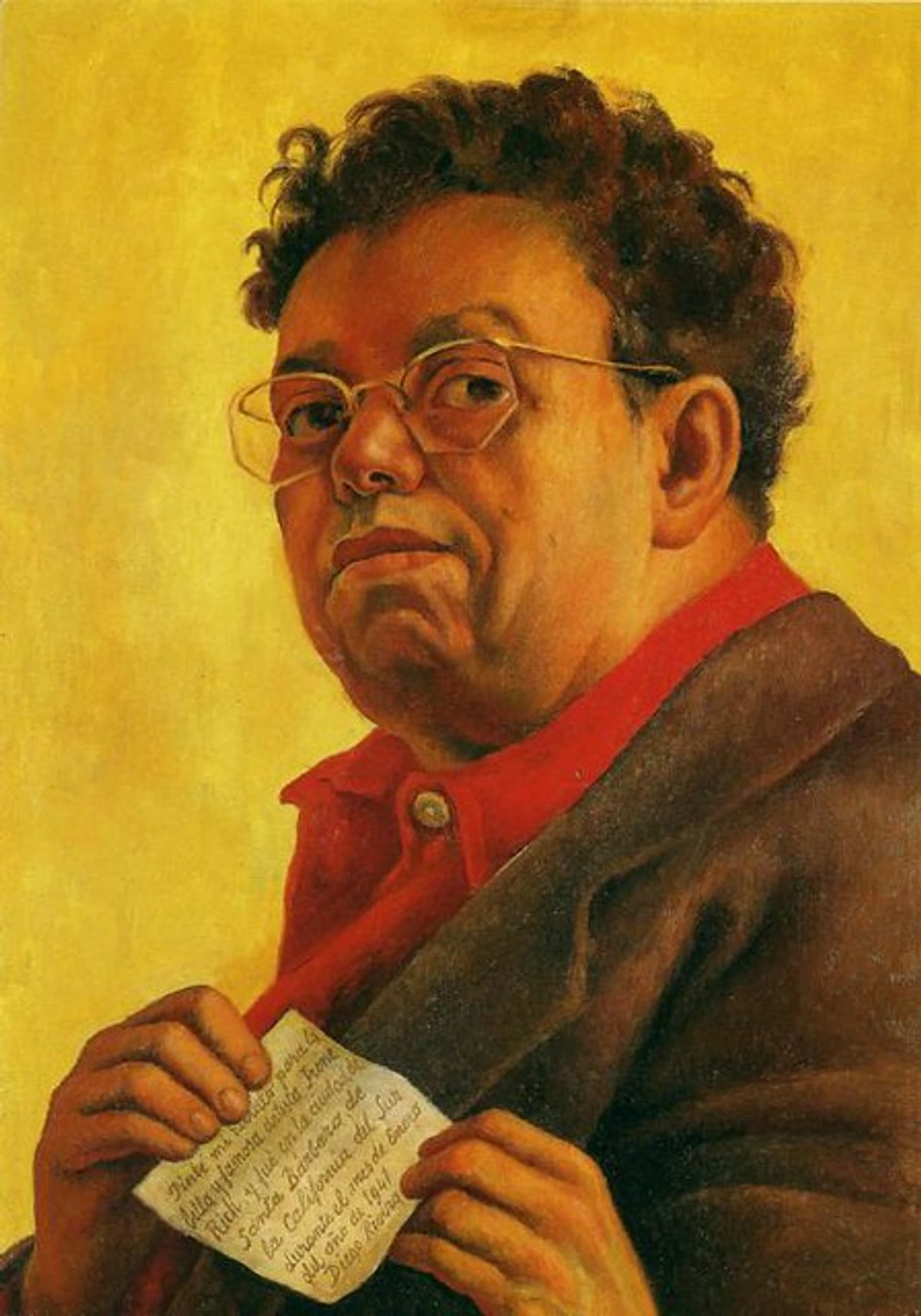
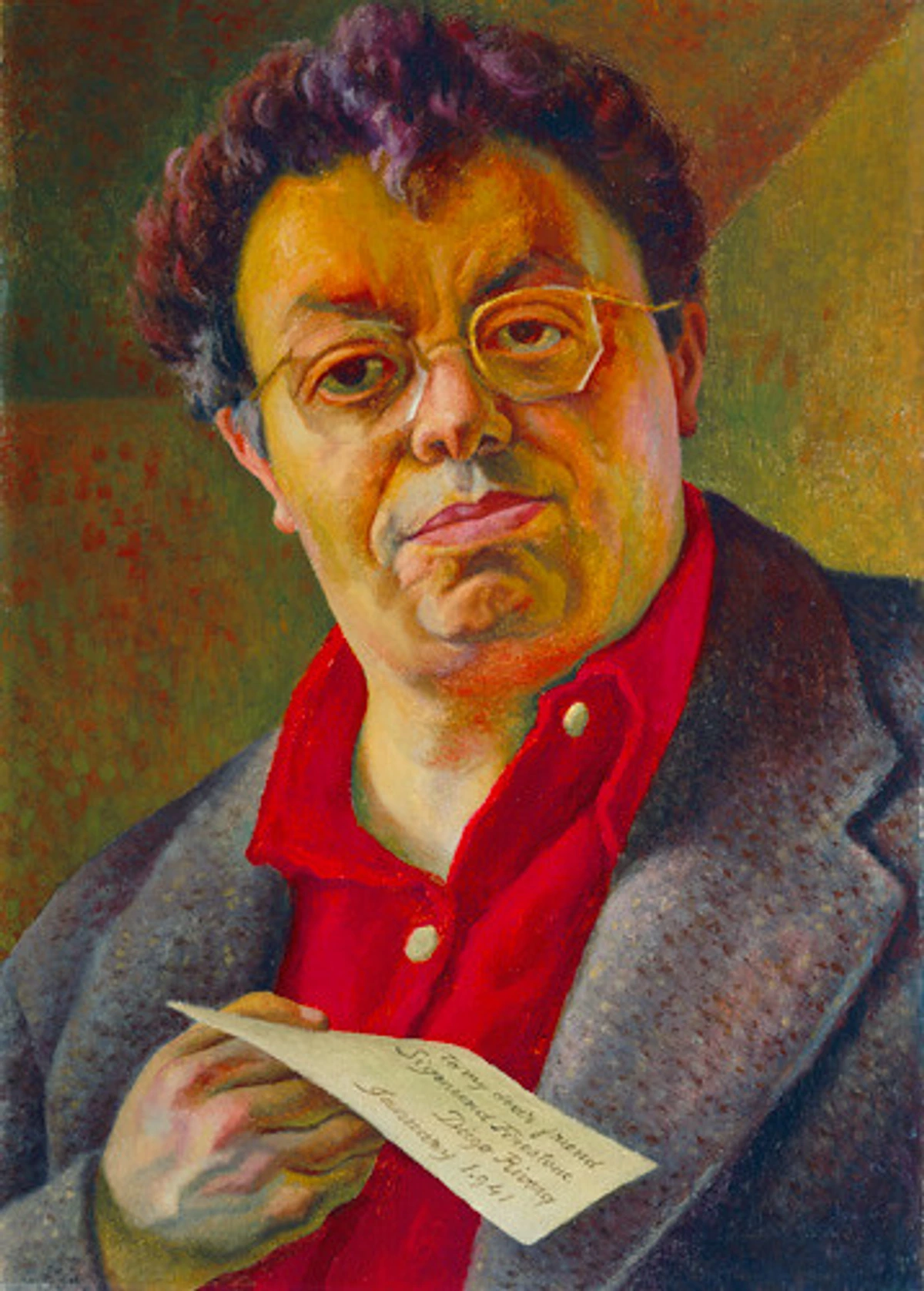
Before we dive into the murals themselves, we have to understand the man. Diego Rivera (1886-1957) was a force of nature: a brilliant artist, a devout communist, famously married to Frida Kahlo (twice!), and a personality so big it could barely be contained in his considerable frame. He wasn't painting from an ivory tower; he was in the thick of it, living the political and cultural revolutions of his time. Born in Guanajuato, Mexico, Rivera began formal art studies at just ten years old at the San Carlos Academy of Fine Arts in Mexico City, absorbing academic techniques before venturing into the avant-garde world. He was a man who understood that art could be a powerful tool for social commentary, a concept that remains a powerful touchstone for me, especially in today's art world, where the role of the artist in public discourse is constantly debated.
Rivera spent years in Europe, soaking up everything he could. He was there for the birth of Cubism, and you can certainly see its influence in how he fractures and reassembles forms in his later work. Think about the way Cubist artists like Picasso broke down objects into multiple, simultaneous viewpoints; Rivera absorbed this to create a sense of dynamic movement within static compositions, making his vast narratives feel alive. I remember seeing a Cubist piece for the first time, and it was like my brain was trying to solve a puzzle, piecing together fragments into a new kind of reality. Rivera took that intellectual fracturing and applied it to grand historical narratives. But it wasn't just Cubism; he also immersed himself in the Italian Renaissance, studying the monumental frescoes of masters like Giotto and Michelangelo. The sheer scale and narrative ambition of Michelangelo's Sistine Chapel or Giotto's Arena Chapel frescoes – that was the kind of epic, public storytelling Rivera yearned to bring back. He learned the painstaking fresco technique – painting with pigments on wet lime plaster – a method that literally makes the art part of the wall, ensuring its permanence and public accessibility. These ancient techniques, meant to adorn vast church walls, directly inspired his approach to public art. He aimed for an art that was more direct, more epic, an art that resonated with the very soul of Mexico, something he felt European modernism, with its perceived elitism, often missed.

Looking at these ancient storytellers, whether carved in stone or painted on grand surfaces, you can almost see the thread connecting them to Rivera's work. Both use static walls to tell epic, sequential narratives meant to educate and inspire a public audience. It's an ancient idea that Rivera revitalized for the 20th century, proving that art could still be a powerful communal experience.

Consider the intricate carvings on the Newgrange entrance stone, or the detailed scenes of the Bayeux Tapestry—these are ancient forms of public art, meant to be read and understood by many. Rivera consciously revived this tradition.

Mexican Muralism: Art for a Nation Reborn
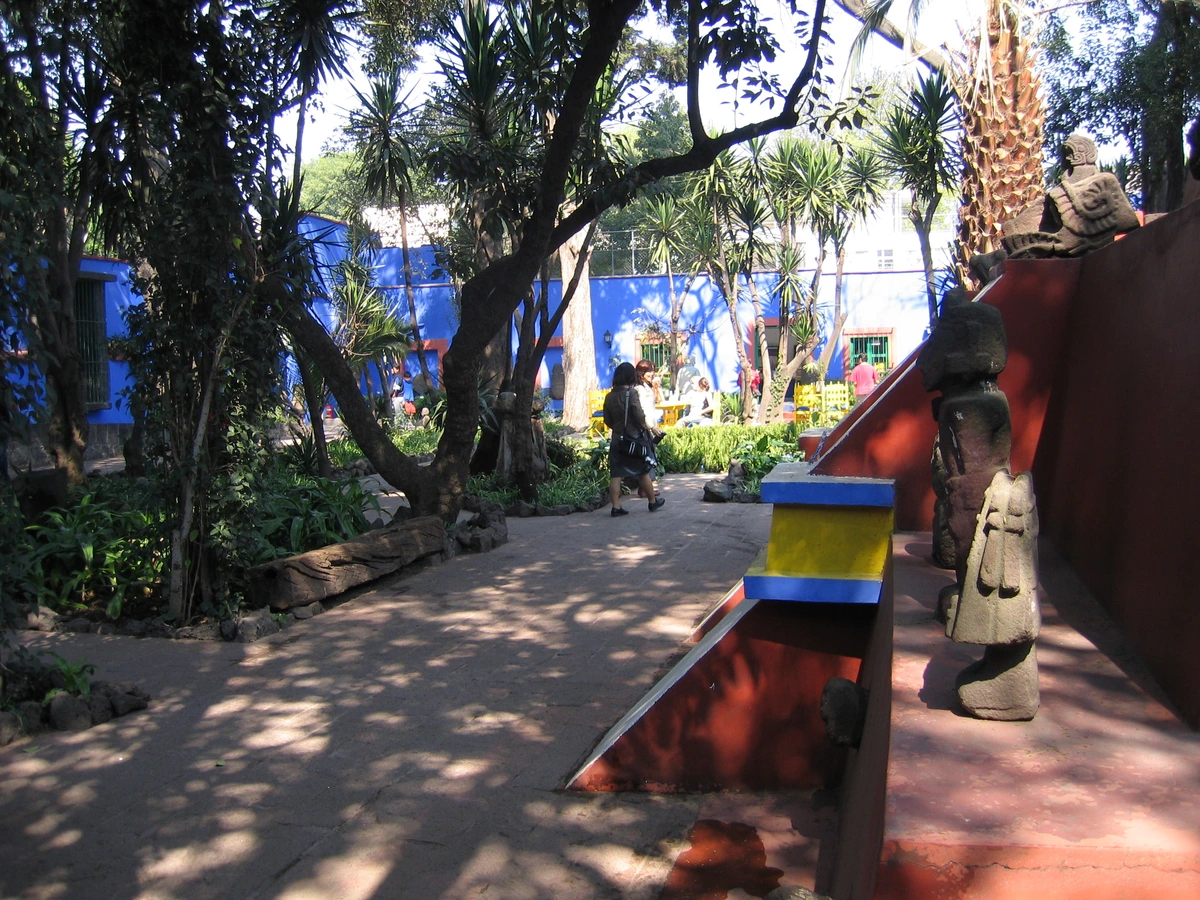
Rivera was a titan of Mexican Muralism, a movement born from the crucible of the Mexican Revolution (1910-1920). Imagine a country rebuilding itself, yearning for a new national identity, and discovering that art could be its most eloquent storyteller. The muralists believed art belonged on the streets, accessible to everyone, not just locked away in private collections or traditional galleries like Burlington House. It’s a bit like me thinking about public art installations today – that direct, unfiltered conversation between art and everyday life is what truly excites me.

This was a radical philosophy that deeply resonates with how I think about art today, as something that should spark conversation and be part of everyday life. While Rivera, along with José Clemente Orozco and David Alfaro Siqueiros (often called the "Big Three"), shared this core belief in public, nationalist art, their styles and temperaments varied significantly. Rivera was often more optimistic and narrative, focusing on historical sweep and folk culture, presenting a panoramic vision of Mexican life. Orozco, on the other hand, brought a darker, more tragic, and often tormented vision, grappling with the profound suffering and violence of the revolution; his expressionistic style often depicted a more critical view of post-revolutionary corruption and universal human struggle. Siqueiros was fiercely revolutionary and experimental in technique, often using industrial paints and dynamic compositions that felt like a punch to the gut, pushing the boundaries of what a mural could be with his dynamic compositions and bold forms. Together, they forged a visual identity for modern Mexico, turning public walls into canvases for collective memory and future aspirations.
Key Themes in Rivera's Walls of Power
So, after all that, what really ties his massive body of work together? If you look at his murals, a few core ideas pop up again and again, almost like a recurring motif in a grand symphony of paint. He wasn't just telling stories; he was making profound arguments about history, power, and identity. How did he manage to weave such complex ideas into monumental visual tapestries?
Theme  | Description |
|---|---|
| Mexican History & Identity | From vibrant pre-Columbian civilizations (like the Aztecs and Maya) to the struggles for independence and the revolution, Rivera's central mission was to create a visual narrative of the Mexican people, celebrating their indigenous roots, colonial struggles, and revolutionary spirit. He often envisioned a socialist future as the true expression of Mexican national identity, free from foreign influence. |
| The Dignity of Labor | He consistently celebrated the common worker—farmers, miners, factory laborers—portraying them as the true heroes and foundational pillars of society, often with a heroic, almost sculptural quality. He saw manual labor, the sweat and toil, as the engine of progress and societal value, a stark contrast to the opulence of the elite. |
| Social & Political Struggle | His murals are battlegrounds of ideas, vividly contrasting the lives of the oppressed with the greed and corruption of the elite. He advocated for a Marxist worldview that emphasized class struggle, the power of collective action, and the promise of a more equitable society. This was art as a weapon, a call to awareness and action. |
| Technology & Progress | Rivera had a complex relationship with industry. In works like the Detroit Industry Murals, he portrayed modern machinery with both awe for human ingenuity and a subtle, yet potent, critique of the dehumanizing toll, worker alienation, and exploitation it could inflict under capitalism. He showed both the marvel and the cost of industrialization, often highlighting the disparity between industrial output and the lives of those who produced it, a direct commentary on class struggle and the concentration of wealth. |
| Life, Death & Mythology | Especially in later works, he deeply wove in pre-Hispanic myths (like those of Quetzalcoatl or the cyclical nature of Mesoamerican cosmology), indigenous folklore, and the uniquely Mexican cultural embrace of death (like La Calavera Catrina) to deepen the historical and spiritual resonance of his narratives, connecting ancient beliefs with contemporary life and national identity. |
Rivera's work often carries this same revolutionary spirit seen in Delacroix's masterpiece. Both artists used grand canvases to capture the ideological fervor of their times, placing symbolic figures at the heart of historical upheaval, demonstrating how art can transcend centuries and cultures to inspire, often by layering meaning and pulling from powerful, recognizable symbolism.
The Enduring Impact: Why Rivera's Murals Still Resonate
This is a question I often ponder when looking at historical art: what makes it matter beyond its own time? For Rivera, his importance stems from several interconnected facets, which I think are still profoundly relevant today:
- Democratization of Art: He fundamentally believed art should be for the people, not just the elite. His monumental public murals made art accessible and relevant to a wide audience, many of whom were illiterate. This was a radical act, a direct challenge to the exclusivity of art, and it's a concept I find incredibly powerful. Imagine having your nation's history and future literally painted on the walls of public buildings, a visual textbook for everyone.
- Voice for the Voiceless: Rivera consistently championed the common worker, Indigenous populations, and the oppressed. His art gave visibility and dignity to those often marginalized by society, depicting them with heroic scale and deep empathy. You see this everywhere, from the dignified farmers in The History of Mexico to the anonymous laborers, including Mexican, African American, and European immigrants, in the Detroit Industry Murals. He didn't just paint them; he monumentalized their struggle and their essential contribution to society.
- Reclaiming National Identity: In post-revolutionary Mexico, Rivera's murals helped forge a powerful visual narrative of Mexican history. He celebrated pre-Columbian heritage, depicting Aztec gods and ancient ways of life with reverence, while fiercely advocating for a socialist future distinct from European and American capitalist influence. It was a conscious effort to root a new nation in its own soil and traditions, celebrating its unique mestizo identity (a blend of Indigenous and European cultural heritage, forming modern Mexican identity).
- Political Engagement: He didn't shy away from controversy; in fact, he courted it. His art was a direct, often polemical, engagement with the political and social issues of his day, making him a central figure in the debate about art's role in society. He was a lifelong, if often tempestuous, member of the Mexican Communist Party, and his political convictions were the engine of his artistic vision. This kind of courageous artistic stance is something I deeply admire, even if I don't always agree with the specific politics. For a deeper dive into his ideology, you can explore [/finder/page/the-life-and-politics-of-diego-rivera].
- Mastery of Form: Beyond the politics, his command of fresco technique, monumental composition, and vivid storytelling mark him as an undeniable artistic genius. The way he could fill vast spaces with intricate, legible narratives is truly breathtaking. He was a master orchestrator of visual information, guiding the viewer's eye through complex historical tapestries.
Rivera's Process and Techniques: Building Worlds with Plaster and Pigment
While Rivera is synonymous with murals, his artistic output was broader. He produced many easel paintings, often portraits and still lifes, which, while less overtly politically charged, still showcased his incredible draftsmanship and understanding of color. He also engaged in architectural design and set design at various points in his career. Crucially, his mastery of the fresco technique – painting with pigments on wet lime plaster – was foundational. This wasn't just a medium; it was a commitment, a public declaration, a conversation with the building itself. Originating in antiquity, fresco linked art directly to monumental architecture, a tradition Rivera consciously revived to imbue his work with historical gravitas and permanence.
Imagine the plaster as a living surface. The process began with detailed, full-scale preparatory drawings on paper, known as cartoons, which were then transferred to the wall. Next came layers of plaster: the arriccio, a rough layer, followed by the intonaco, a fine, smooth layer applied in small sections. Rivera and his assistants had to work quickly, often for 10-12 hours a day, because the paint, once applied to the wet intonaco, was absorbed directly into the plaster as it dried. This chemical bond creates an incredibly durable, permanent artwork that literally becomes part of the wall, rather than just a layer on top. This ancient method, which he perfected after his studies in Italy, allowed him to create works that became an inseparable part of the architecture, ensuring their permanence and public accessibility, a key part of the diego-rivera-murals-meaning. It required immense foresight, planning, and physical stamina, transforming the very act of painting into a monumental undertaking.

A Tour of Rivera's Masterpieces: Stories Etched in Time
Now that we’ve delved into the man, the movement, and the themes, let’s explore how these powerful ideas were etched in time through his most impactful works. Each mural is a world unto itself, a chapter in a larger, unfolding story, and seeing them in person is an experience that stays with you.
Man at the Crossroads, Rockefeller Center (1933) – The Mural That Never Was
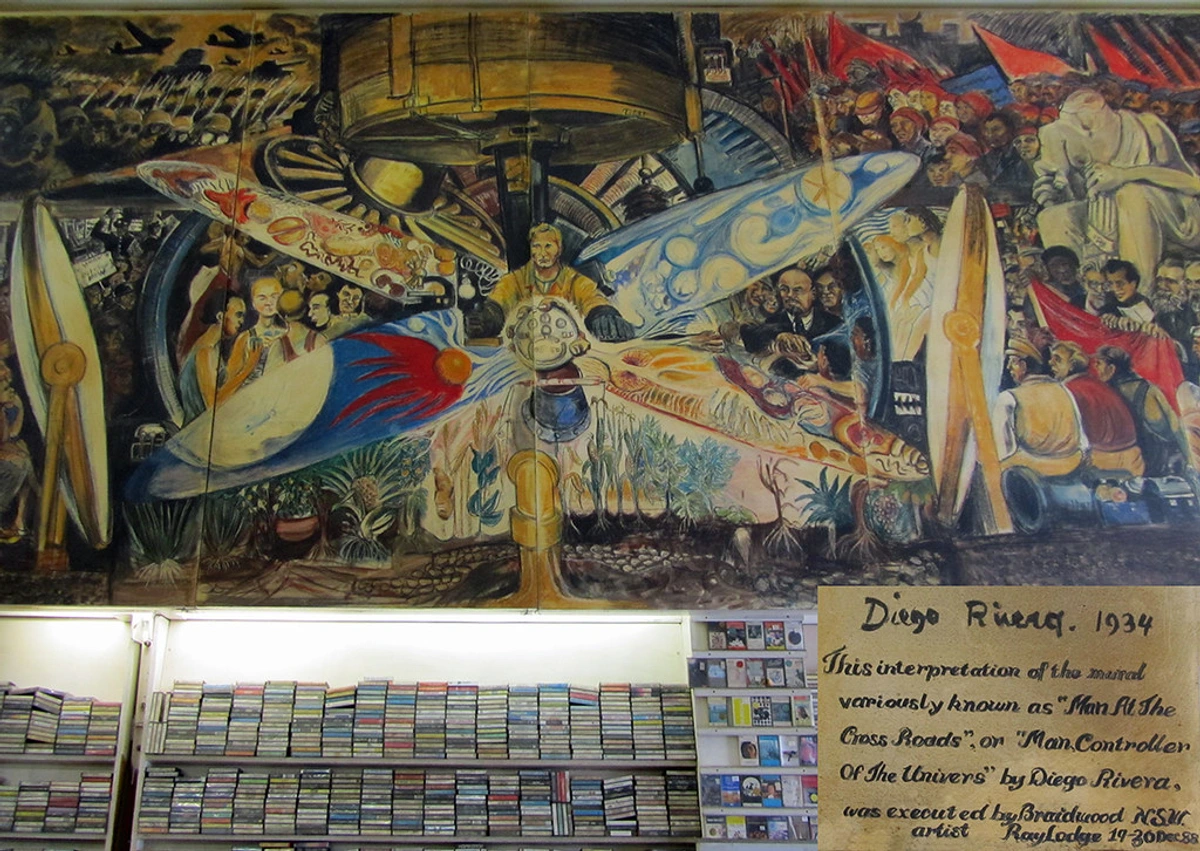
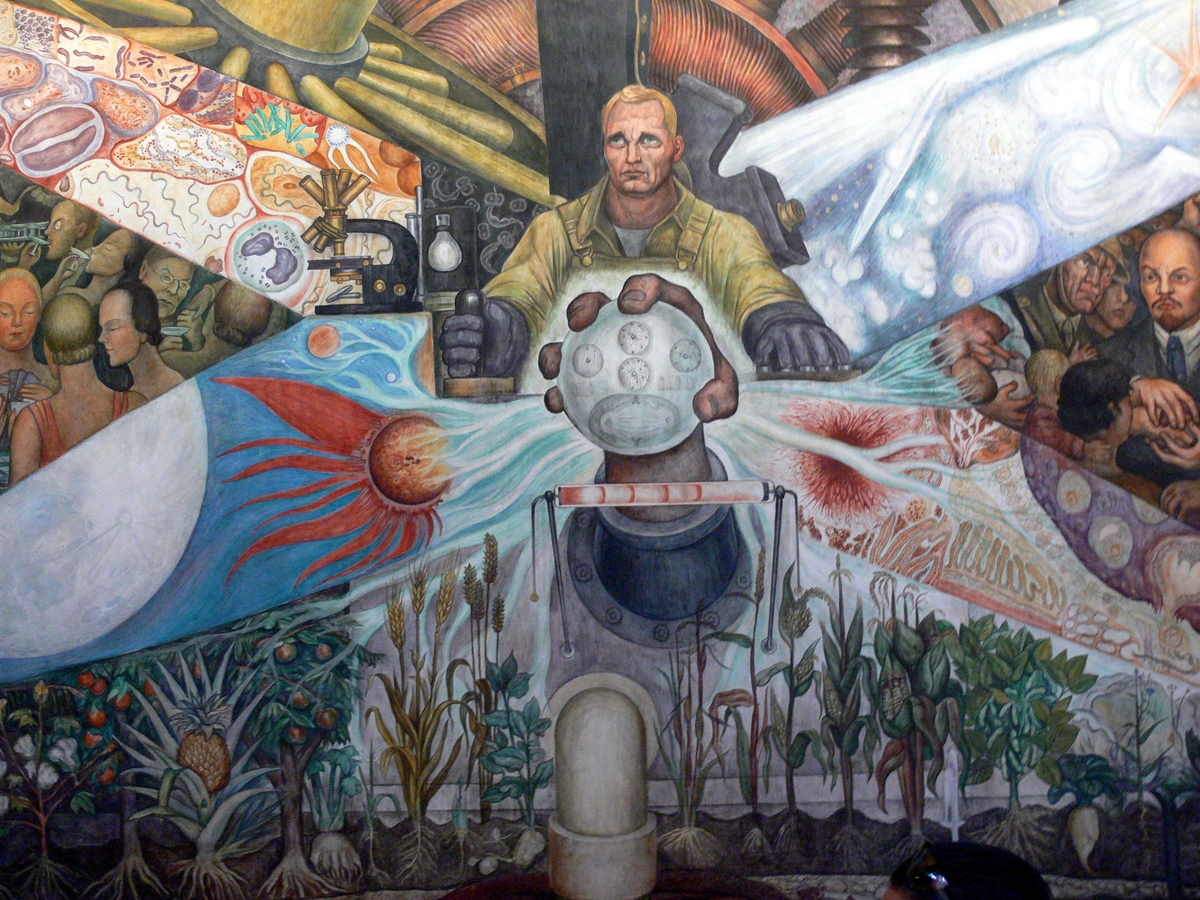
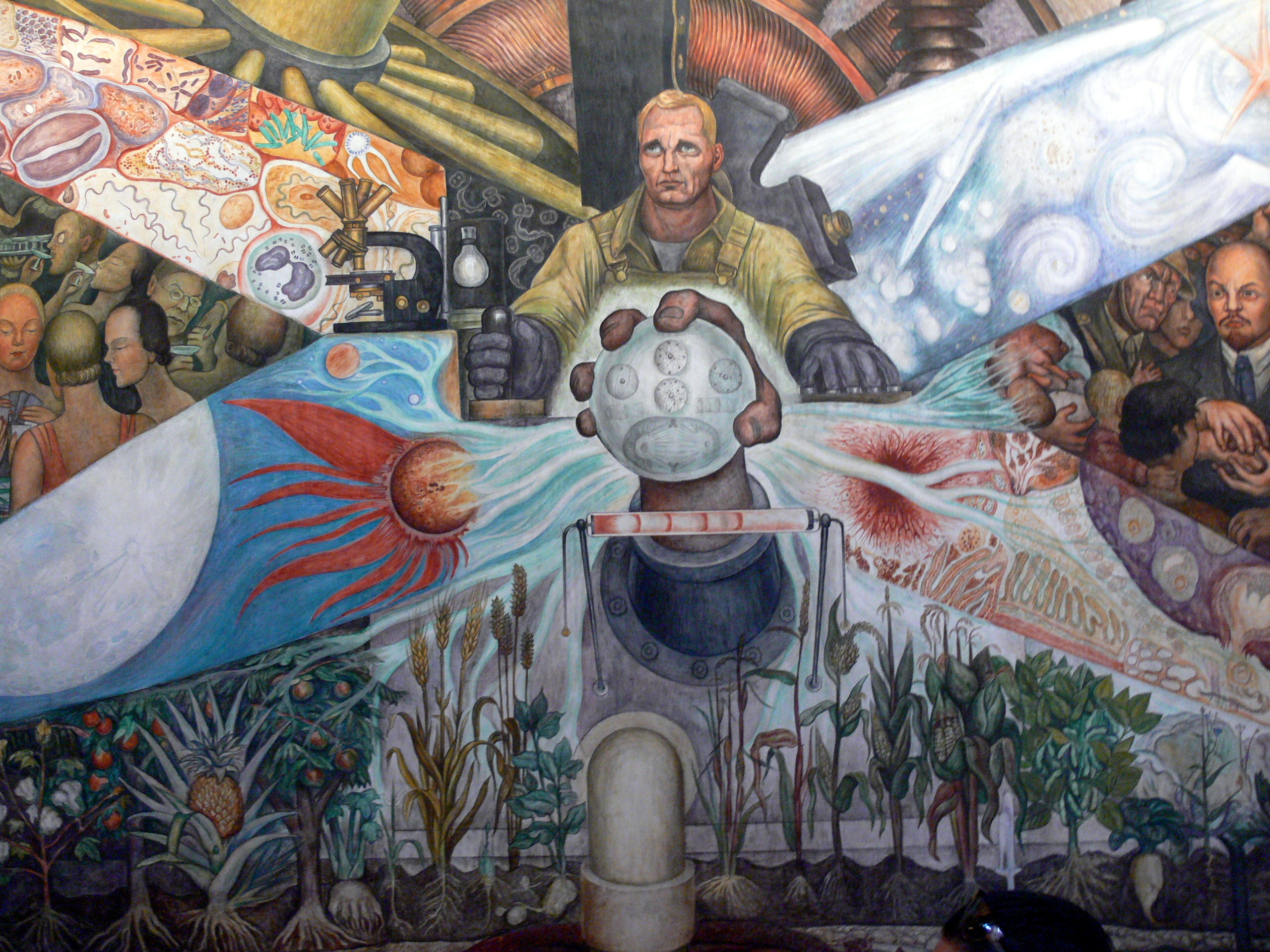
This is perhaps Rivera's most legendary and controversial work, a story of artistic integrity clashing with powerful patronage. Commissioned for the Rockefeller Center in New York, Rivera’s vision showed humanity at a crossroads, choosing between a decadent, capitalist path and a collectivist, socialist future. The controversy exploded when he included a clear portrait of Vladimir Lenin, alongside other socialist figures, visibly guiding a May Day parade, a direct challenge to his capitalist patrons. The Rockefellers, unsurprisingly, asked him to remove it. Rivera, an uncompromising figure, refused, stating, "I shall not be a servant to money. I am an artist." The mural was subsequently covered up and, tragically, later smashed to pieces. Just imagining the raw audacity of an artist challenging one of the most powerful families in America still makes my jaw drop – it was an almost unbelievable act of artistic defiance. He knew exactly what he was doing – provoking a reaction, forcing a conversation about art's role and its boundaries. One of the lesser-known points of contention was the proposed inclusion of a depiction of a New York nightclub with figures like John D. Rockefeller Jr. himself, subtly implying moral decadence; Rivera’s art was always meant to confront.
It’s a powerful tale of art versus commerce, an artist's commitment to his vision against the demands of his patron. Rivera, undeterred, later recreated a version of it in Mexico City's Palacio de Bellas Artes, retitled Man, Controller of the Universe, ensuring his message endured. This incident cemented his status as an uncompromising political artist, even drawing comparisons to regionalist artists like Thomas Hart Benton who also used public murals but often emphasized uniquely American, isolationist themes rather than Rivera's explicit international socialist agenda. It's a stark reminder of the risks artists take when they dare to challenge the status quo.
The History of Mexico, National Palace, Mexico City (1929-1935)
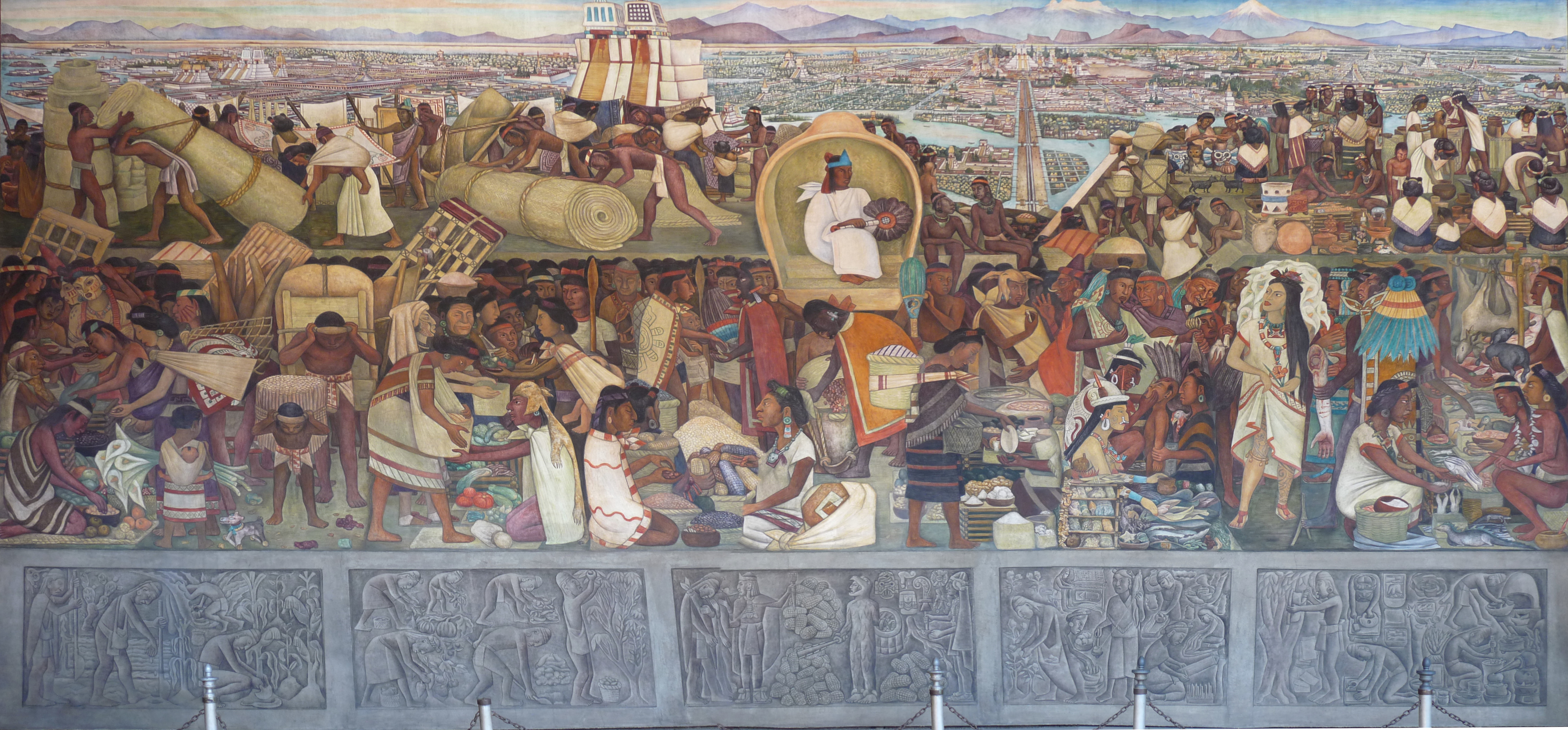
Prepare for an epic poem in paint. This is an overwhelming narrative that wraps around the main staircase of the National Palace, an experience that makes you feel utterly immersed in centuries of struggle and triumph. Rivera depicts the entire sweep of Mexican history, from the vibrant pre-Columbian Aztec world, with its rich cosmology and deities like Quetzalcoatl, through the brutal Spanish conquest (where figures like Hernán Cortés loom ominously), and the subsequent colonial era.
He then moves through the struggles for independence, highlighting heroes like Miguel Hidalgo (the "Father of Mexican Independence") and José María Morelos (a key rebel leader who fought for social justice). The oppressive Porfiriato dictatorship (a period of modernization under Porfirio Díaz, but also severe social inequality for the masses) is vividly portrayed, leading inevitably to the bloody Mexican Revolution (1910-1920), featuring iconic figures like Emiliano Zapata (the agrarian revolutionary who fought for land reform for peasants) and Pancho Villa (the northern general).
Finally, Rivera projects a powerful vision of a socialist future for his nation. It’s dense, chaotic, and breathtaking. You can stand there for hours and still discover new details, new struggles, new triumphs. It’s not just a history lesson; it's a passionate, biased, and beautiful argument about what Mexico was, what it suffered, and what it could become. It’s a raw, unfiltered vision, painted with conviction and a fervent desire to empower his people through their own story. This mural is a prime example of his core themes of Mexican History & Identity and Social & Political Struggle brought to life.
Detroit Industry Murals, Detroit Institute of Arts (1932-1933)
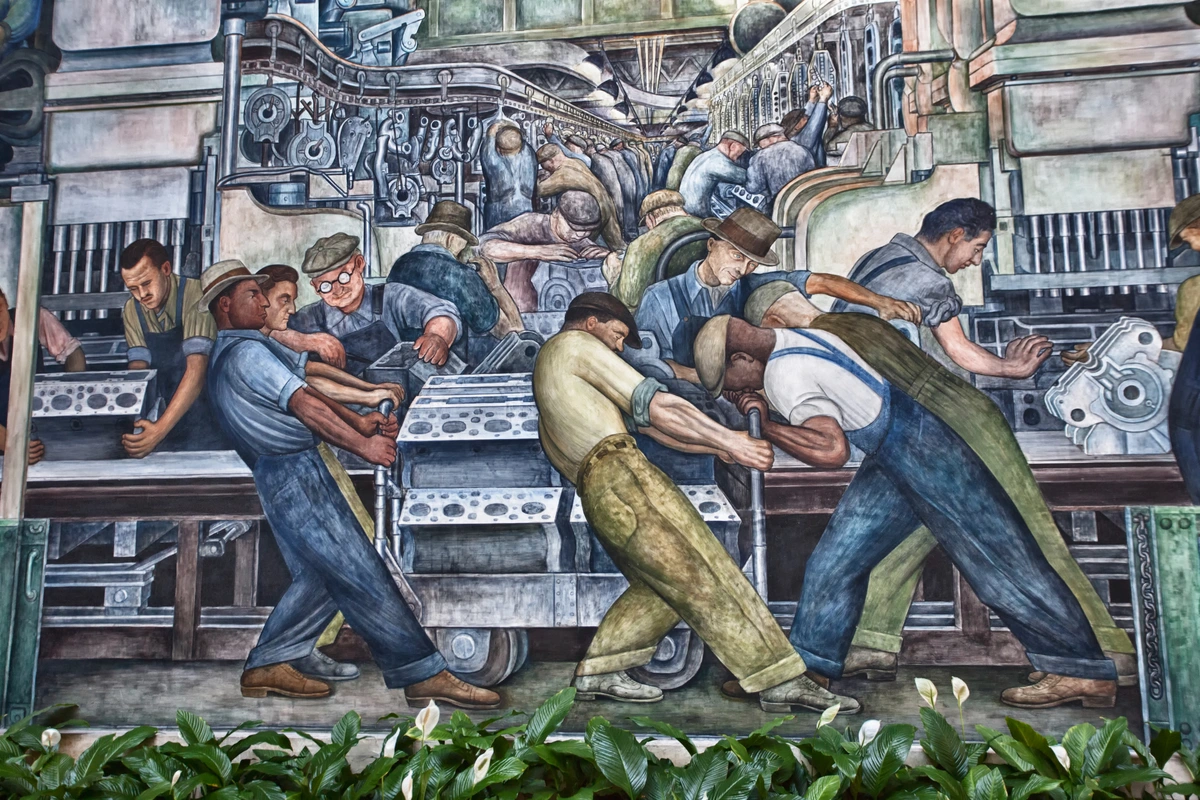
A powerful ode to the machine age, set against the backdrop of American industry. Commissioned by Edsel Ford (yes, that Ford), these murals are a fascinating paradox. Rivera spent months sketching in the Ford River Rouge Complex, seeing not just gears and assembly lines, but a powerful, almost biological system, with workers as its lifeblood. He painted the factory as a modern temple, showing both the raw power of industrial creation (depicting colossal machinery, smelting furnaces, and conveyor belts in hypnotic detail) and the dehumanizing toll and exploitation it could take on its diverse workforce, including Mexican, African American, and European immigrants.
He highlighted the repetitive, anonymous nature of factory work through stark compositions, contrasting the strength of the machines with the often-overlooked human cost – for instance, a panel depicting healthcare workers using vaccination to prevent illness is starkly juxtaposed with scenes of dangerous factory work, a subtle critique. It’s a stunning blend of intricate detail and monumental composition, a testament to the might and complexity of human labor. This work powerfully embodies his theme of Technology & Progress, and his complex view of industrialization. It's a complex, nuanced view that still feels incredibly relevant today as we grapple with automation and the future of work.

Looking at modern industrial design, like the exposed systems of the Centre Pompidou, you can see the legacy of the era Rivera was capturing. He was documenting the very birth of the world we now inhabit, with all its mechanical marvels and social complexities, a world of intertwined human and machine systems.
Dream of a Sunday Afternoon in Alameda Park (1947)
This one feels profoundly different, more personal, more dreamlike, almost a whimsical autobiography. Located in its own museum in Mexico City, this mural is a surreal stroll through 400 years of Mexican history, all converging in Alameda Central Park. Rivera paints a vibrant cast of historical figures, from Hernán Cortés (the Spanish conquistador, depicted as a demon-like figure, embodying the colonial oppression) and Benito Juárez (Mexico's first indigenous president and a national hero), alongside ordinary Mexicans, children, vendors, skeletons, and even himself as a young boy, holding hands with the elegantly dressed skeleton, La Calavera Catrina. Catrina, a satirical figure representing death and the pretense of the Mexican upper classes, is here transformed into a symbol of national identity and the ever-present dance with mortality, an icon of Mexican culture and its unique relationship with death. Her central placement, flanked by Frida Kahlo and a young Rivera, makes her a focal point for this journey through time.
It's a complex, whimsical, slightly macabre tapestry of his own memories and his country's multifaceted identity, a beautiful and poignant reflection on life and death in Mexico, almost a personal memoir painted on a grand scale. It's as if a nation's collective unconscious is unfurling before your eyes, embodying his theme of Life, Death & Mythology.

credit, licence
Rivera's ability to imbue everyday scenes and historical figures with such deep meaning makes me think about how any artist, regardless of style, strives to capture the soul of a place or the essence of an experience. Whether it's the sweeping history of a nation or the quiet beauty found in an everyday street scene (like the feeling I aim for in my own [/den-bosch-museum] pieces), art connects us to something larger, something contemplative and often otherworldly, even in the familiar.
Murals at the Secretariat of Public Education (SEP), Mexico City (1923-1928)
While not as singularly famous as the others, Rivera's extensive murals across two courtyards at the Secretariat of Public Education (SEP) building were foundational for the Mexican Muralist movement. This was where the visual language of the movement truly began to coalesce. Here, he depicted the everyday lives of Mexican workers and peasants, their struggles, and their revolutionary aspirations. These murals, like The Arsenal with Frida Kahlo distributing arms to workers – a powerful, almost propagandistic image – were instrumental in establishing the visual grammar and revolutionary zeal of the movement and solidifying Rivera's reputation as the people's artist. They are a powerful, early demonstration of his commitment to art as a tool for mass education and social change, and a direct response to the call for a new public art after the revolution.
Rivera's Enduring Echo: The Legacy and Controversies of a Revolutionary Artist
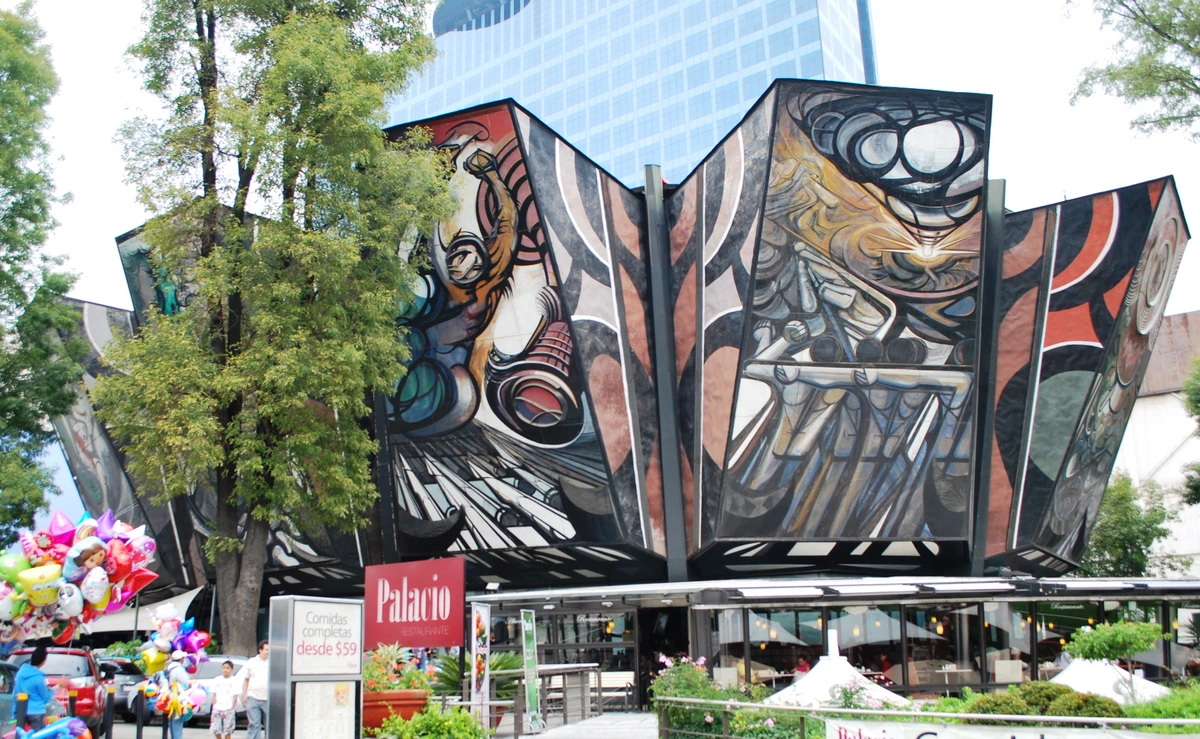
Rivera's influence didn't stop with his lifetime. He helped define an entire national artistic movement and set a precedent for art as a public, educational, and political force. Contemporary muralists around the world, from street artists to large-scale public art creators, continue to grapple with the themes and formal innovations he introduced. His work, and that of his fellow muralists, profoundly shaped the understanding of the impact of public murals on urban identity, demonstrating how art can define a city's character and tell its ongoing story.
Even today, the spirited debates around public art, patronage, and political messaging often echo the controversies Rivera ignited. Beyond Man at the Crossroads, Rivera faced criticism for his often didactic and sometimes dogmatic political messages. For instance, his depiction of a urinal in Man, Controller of the Universe (his recreation of the Rockefeller mural) caused a scandal, pushing the boundaries of taste and political symbolism. His shifts in allegiance within the communist party, and his sometimes harsh critiques of American capitalism even while working in the US, drew fire from various quarters. It's a common misconception that his political stance was monolithic; in reality, it was as complex and tumultuous as his art itself.
Yet, these controversies only highlight his refusal to be a quiet decorator; he was an artist who demanded engagement, and often, confrontation. He showed artists that they didn't have to be neutral; they could be provocateurs, historians, and prophets all at once. His legacy reminds us that art can be a potent force for change, a mirror reflecting society's struggles and aspirations.
For more on his life and politics, you can explore [/finder/page/the-life-and-politics-of-diego-rivera].
Frequently Asked Questions (FAQ)
Where can I see Diego Rivera's famous murals in person?
The majority of his most important works are in Mexico City, at locations like the National Palace (housing "The History of Mexico"), the Palacio de Bellas Artes (where you can find "Man, Controller of the Universe"), the Museo Mural Diego Rivera (home to "Dream of a Sunday Afternoon in Alameda Park"), and the Secretariat of Public Education (SEP). In the United States, the most significant collection is the Detroit Industry Murals at the Detroit Institute of Arts.

What is Mexican Muralism?
Mexican Muralism was an art movement primarily active in Mexico from the 1920s to the 1970s, spearheaded by "The Big Three": Diego Rivera, José Clemente Orozco, and David Alfaro Siqueiros. It emerged after the Mexican Revolution, aiming to unify the nation through monumental public art that depicted Mexican history, social justice, and national identity, making art accessible to the masses and promoting revolutionary ideals.
What is the primary meaning behind Diego Rivera's murals?
Broadly, Rivera's murals are epic visual narratives exploring themes of Mexican history, social justice, the dignity of working-class people, and the forging of a distinct national identity. He used his art to educate the public and promote his communist and nationalist ideals, telling stories of indigenous struggle, revolution, and envisioning a more equitable, socialist future. Each mural tells a complex story, but at its heart, it's often about power dynamics and the human struggle for a better society. When I look at his work, I’m often struck by how he forces you to think about these big questions – a truly contemplative experience.









Was Diego Rivera a communist? How did it influence his art?
Yes, absolutely. He was a lifelong member of the Mexican Communist Party (though his relationship with it was often stormy and he was expelled and readmitted multiple times). His political beliefs are not just a footnote; they are the central engine of his artistic vision, deeply influencing his subject matter, symbolism, and his choice of public, accessible formats. His murals often advocate for class struggle, critique capitalism, and envision a socialist future for Mexico.
How are murals different from other paintings, especially in Rivera's context?
Murals are painted directly onto a wall or ceiling, becoming an integral part of the architecture itself, unlike easel paintings which are portable. This makes them inherently public and often monumental in scale. Rivera specifically chose this form because it could not be easily bought and sold or hidden away in private collections. It was art for the people, a concept that continues to influence the the impact of public murals on urban identity and accessibility today.
The Walls Still Speak: Rivera's Ever-Present Legacy
Looking at Rivera's murals today, they feel just as relevant, if not more so, than they did a century ago. The themes of class struggle, technological change, the search for national identity, and the role of art in political discourse are still very much with us. He proved that a wall is never just a wall. It can be a book, a stage, a political pamphlet, or a window into the soul of a nation. His work is a powerful reminder that art can, and perhaps should, be ambitious enough to try and change the world. And honestly, isn't that a beautiful, audacious thought for any artist to hold? It's a sentiment I carry into my own work: the idea that art isn't just decoration, but a vital force for dialogue and transformation. If you want to dive deeper into the timeline of his life and works, check out our [/timeline] section, or explore my own abstract art at [/buy] and see how modern art still grapples with these big ideas, connecting the past to the present in vibrant new ways.