Developing Technical Mastery in Art: A Practical Guide
Explore a comprehensive guide on developing technical mastery in art, featuring exercises, practice methods, and step-by-step approaches to enhance your artistic skills.

Developing Technical Mastery in Art: A Practical Guide
I remember the first time I stood in front of a blank canvas, brush in hand, feeling both exhilarated and utterly overwhelmed. The journey to technical mastery in art is a path filled with discovery, frustration, and, ultimately, profound satisfaction. If you've ever wondered how to elevate your artistic skills, you're in the right place. This guide is designed to be your companion on that journey, offering practical exercises, insightful methods, and step-by-step approaches to help you develop your craft.
Artistic mastery isn't just about creating visually appealing work; it's about expressing your unique perspective and connecting with others through your creations. Whether you're a beginner or an experienced artist, this guide will provide you with the tools and insights to refine your skills and unlock your full potential.
But what does it truly mean to master a craft? It's not just about the hours you put in, but the intentionality behind each stroke, the curiosity that drives you to experiment, and the resilience that keeps you going when the going gets tough. This guide will walk you through the fundamentals, the challenges, and the joys of developing technical mastery in art.
Understanding Technical Mastery
Technical mastery in art refers to the proficiency and control an artist has over their tools and mediums. It's about understanding the fundamentals—like composition, color theory, and perspective—and applying them with precision and creativity. But it's also about something more intangible: the ability to translate your vision onto the canvas with confidence and skill.
The Science Behind Mastery
Mastery is not just an artistic concept; it's rooted in science. The process of learning and refining skills involves neuroplasticity, where the brain forms new neural connections. This means that every time you practice, you're physically rewiring your brain to become better at your craft. Understanding this can motivate you to keep pushing forward, even when progress feels slow.
To truly grasp technical mastery, it's essential to recognize that it's not just about replicating what you see but interpreting it in a way that reflects your unique perspective. This involves a deep understanding of the materials you're working with, whether it's the texture of the paper, the viscosity of the paint, or the responsiveness of a digital tablet. Each medium has its own language, and mastering it requires patience, practice, and a willingness to learn from both successes and failures.
The Importance of Material Knowledge
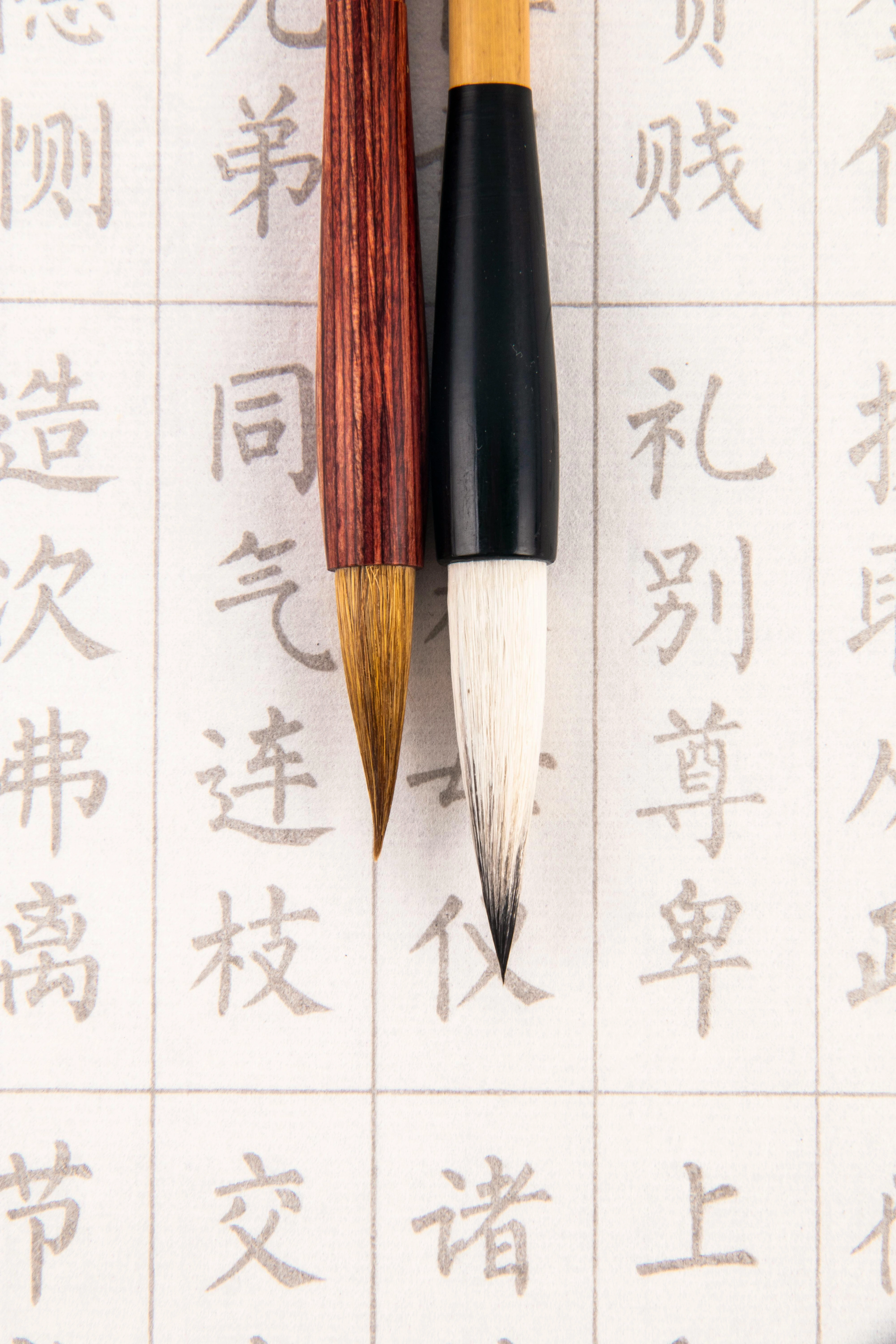
Understanding your materials is crucial. For example, knowing how different types of paper absorb watercolor or how various brushes interact with acrylic paint can significantly impact your work. Experimenting with materials and learning their properties will give you more control and creativity in your artistic process.
Why Technical Mastery Matters
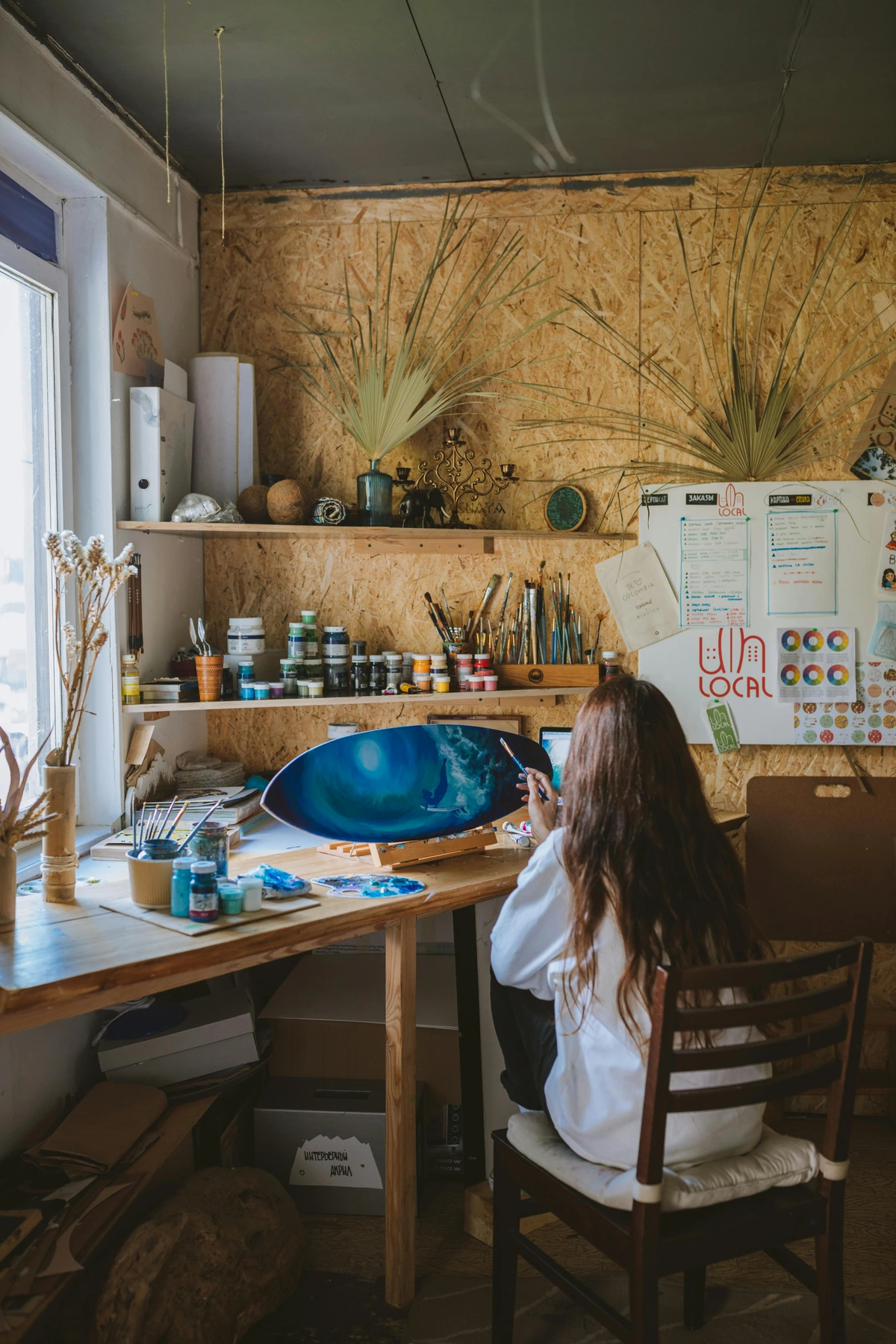
Achieving technical mastery allows artists to communicate their ideas effectively. It provides the foundation for experimentation and innovation, enabling artists to push boundaries and explore new creative horizons. Without a solid grasp of the fundamentals, even the most imaginative concepts can fall flat.
Technical mastery also fosters confidence. When you know your tools and techniques inside out, you're more likely to take creative risks and explore new ideas. This confidence can transform your artistic practice, making it more dynamic and fulfilling.
Moreover, technical mastery enables artists to convey emotions and narratives more powerfully. Whether it's the subtle interplay of light and shadow in a portrait or the bold strokes of an abstract piece, mastering the technical aspects of art allows you to create work that resonates deeply with viewers.

Key Concepts
- Fundamentals First: Before you can break the rules, you need to understand them. This means diving deep into the basics of drawing, painting, and composition.
- Practice with Purpose: Mindless repetition won't get you far. Each practice session should have a specific goal, whether it's improving your brushstrokes or mastering a new technique.
- Feedback Loop: Seek feedback from peers, mentors, or even yourself. Reflect on your work critically and identify areas for improvement.
- Embrace Mistakes: Mistakes are an inevitable part of the learning process. Instead of viewing them as failures, see them as opportunities to grow and refine your skills.
- Experiment Freely: Don't be afraid to step outside your comfort zone. Experimentation is the key to discovering new techniques and styles that resonate with you.
- Stay Curious: Keep learning and exploring. The world of art is vast, and there's always something new to discover.
- Develop Patience: Technical mastery doesn't happen overnight. It requires consistent effort and a willingness to learn from every experience.
- Cultivate a Growth Mindset: Believe in your ability to improve and grow. This mindset will help you overcome challenges and stay motivated.
- Study the Masters: Analyze the work of artists you admire. Understanding their techniques and approaches can provide valuable insights into your own practice.
- Reflect and Refine: Regularly review your progress and adjust your goals and methods based on what you've learned.
The Role of Community in Artistic Growth
Engaging with a community of artists can provide support, inspiration, and valuable feedback. Joining art groups, attending workshops, or participating in online forums can help you stay motivated and connected. Sharing your work and receiving constructive criticism can accelerate your growth and open new opportunities for collaboration.
Practical Exercises
Drawing Exercises
- Contour Drawing: Focus on the outlines of objects. This exercise helps improve your hand-eye coordination and observational skills.
- Gesture Drawing: Capture the essence of a subject with quick, expressive lines. This is great for understanding movement and form.
- Value Studies: Practice shading to understand light and shadow. Use a simple scale from light to dark to create depth.
- Blind Contour Drawing: Draw the outline of an object without looking at your paper. This exercise sharpens your observational skills and trains your hand to follow what your eyes see.
- Still Life Drawing: Arrange objects and draw them as they appear. This exercise helps you understand proportions, textures, and spatial relationships.
- Figure Drawing: Practice drawing the human form. This can be done from life or using reference images, and it's essential for understanding anatomy and movement.
Perspective Drawing
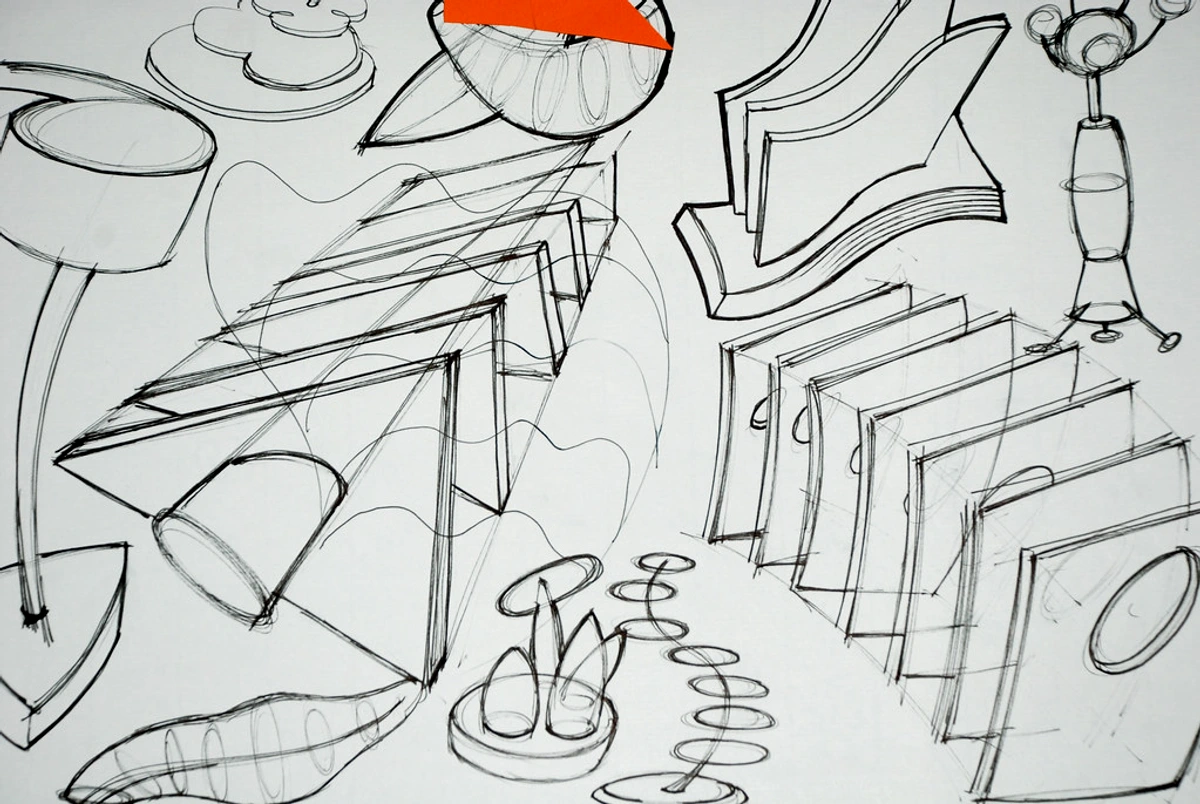
- One-Point Perspective: Practice drawing objects receding into the distance using a single vanishing point. This is fundamental for creating depth in landscapes and interiors.
- Two-Point Perspective: Expand your skills by drawing objects from an angle, using two vanishing points. This technique is essential for urban sketches and architectural drawings.
- Three-Point Perspective: Challenge yourself by drawing objects from a bird's-eye or worm's-eye view, using three vanishing points. This adds drama and dynamism to your compositions.
Advanced Drawing Techniques
- Cross-Hatching: Use intersecting lines to create texture and depth in your drawings. This technique is particularly useful for adding dimension to sketches.
- Stippling: Create shading and texture using small dots. This method requires patience but can produce stunning results.
- Scribbling: Use loose, rapid lines to create texture and movement. This technique is great for adding energy and spontaneity to your work.
- Blending: Use tools like tortillons or your fingers to blend and smooth out shading. This technique is essential for creating realistic gradients and transitions.
Mixed Media Techniques
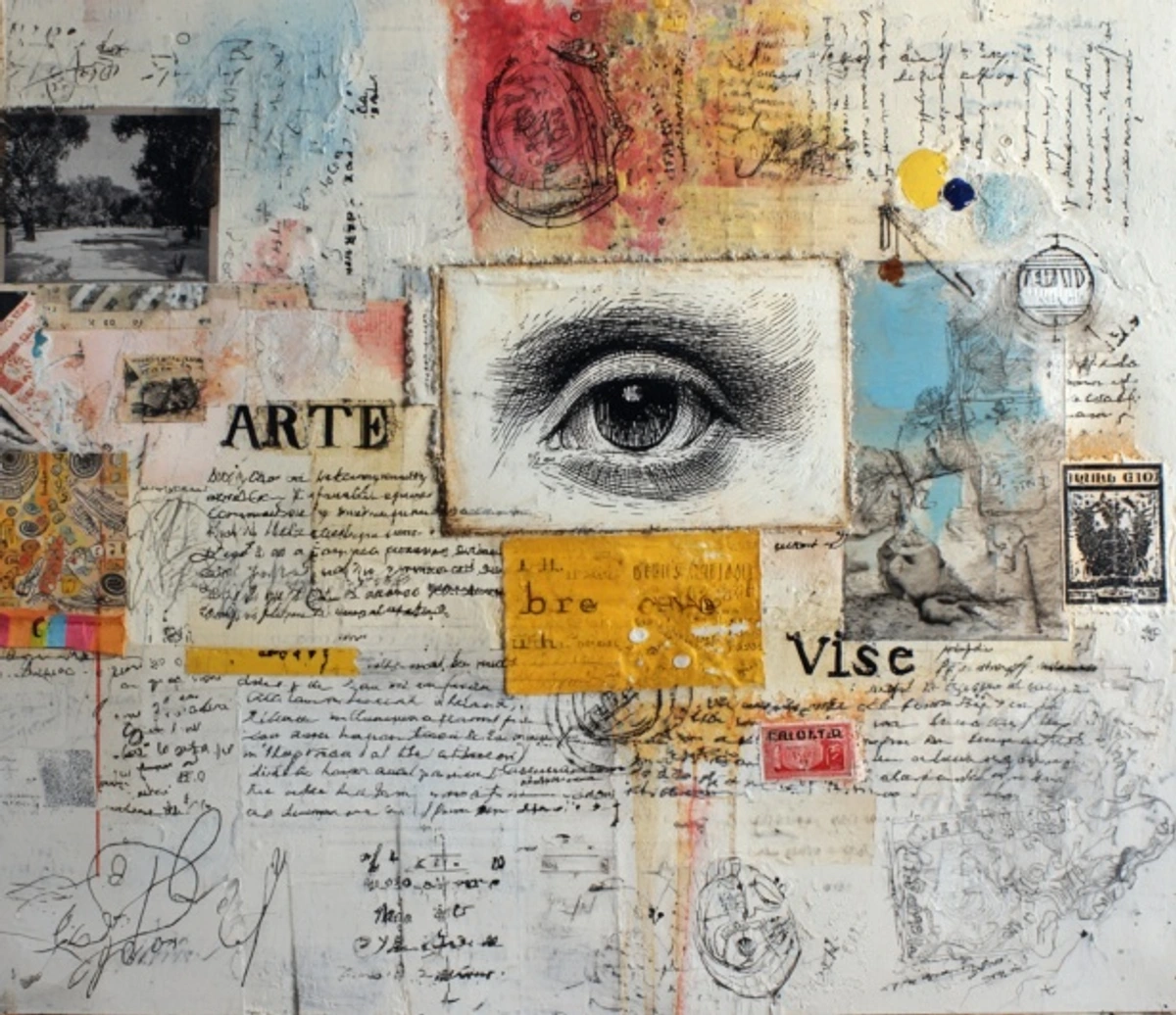
- Collage: Combine different materials like paper, fabric, and photographs to create layered and textured artworks. This technique encourages experimentation and can lead to unexpected results.
- Ink and Wash: Use ink for outlines and watercolor for washes to create dynamic and expressive pieces. This technique is popular in both traditional and contemporary art.
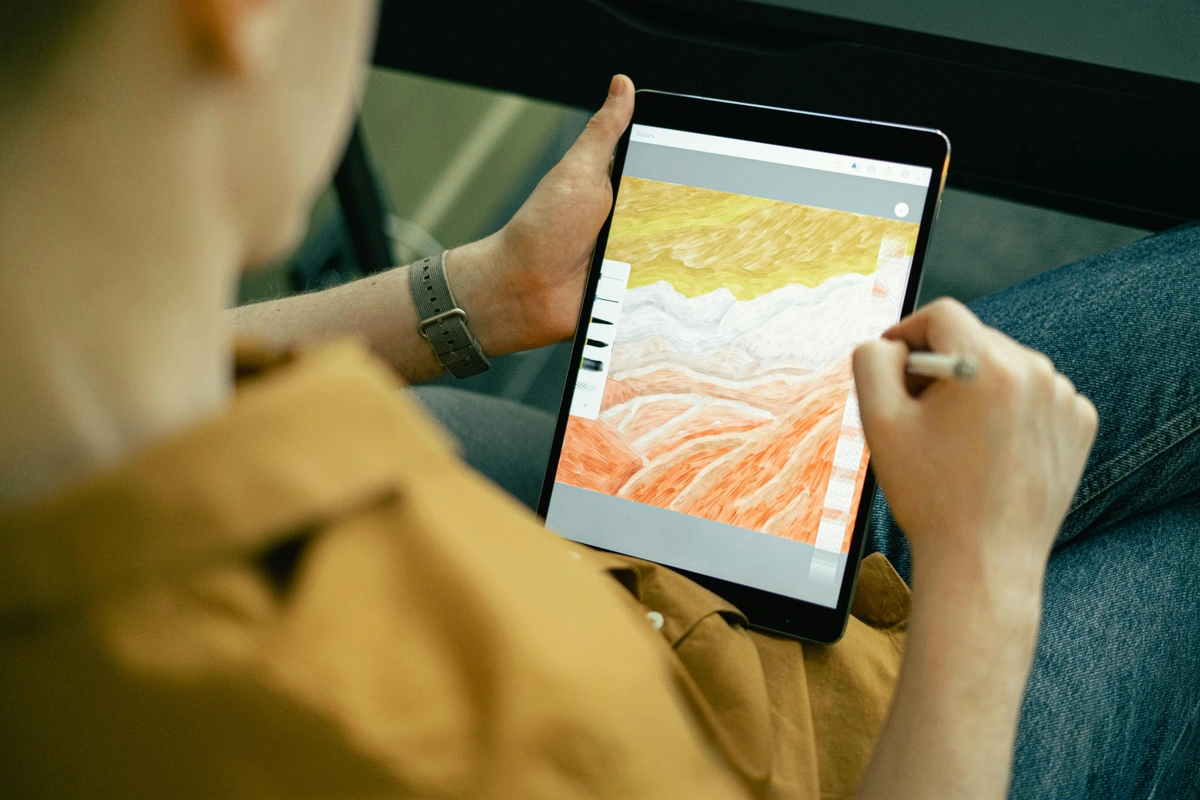
- Digital Hybrid: Integrate traditional techniques with digital tools. For example, scan a hand-drawn sketch and enhance it digitally using software like Photoshop or Procreate.
Painting Exercises
- Color Mixing: Experiment with mixing colors to create a wide range of hues. This will help you understand color theory in a practical way.
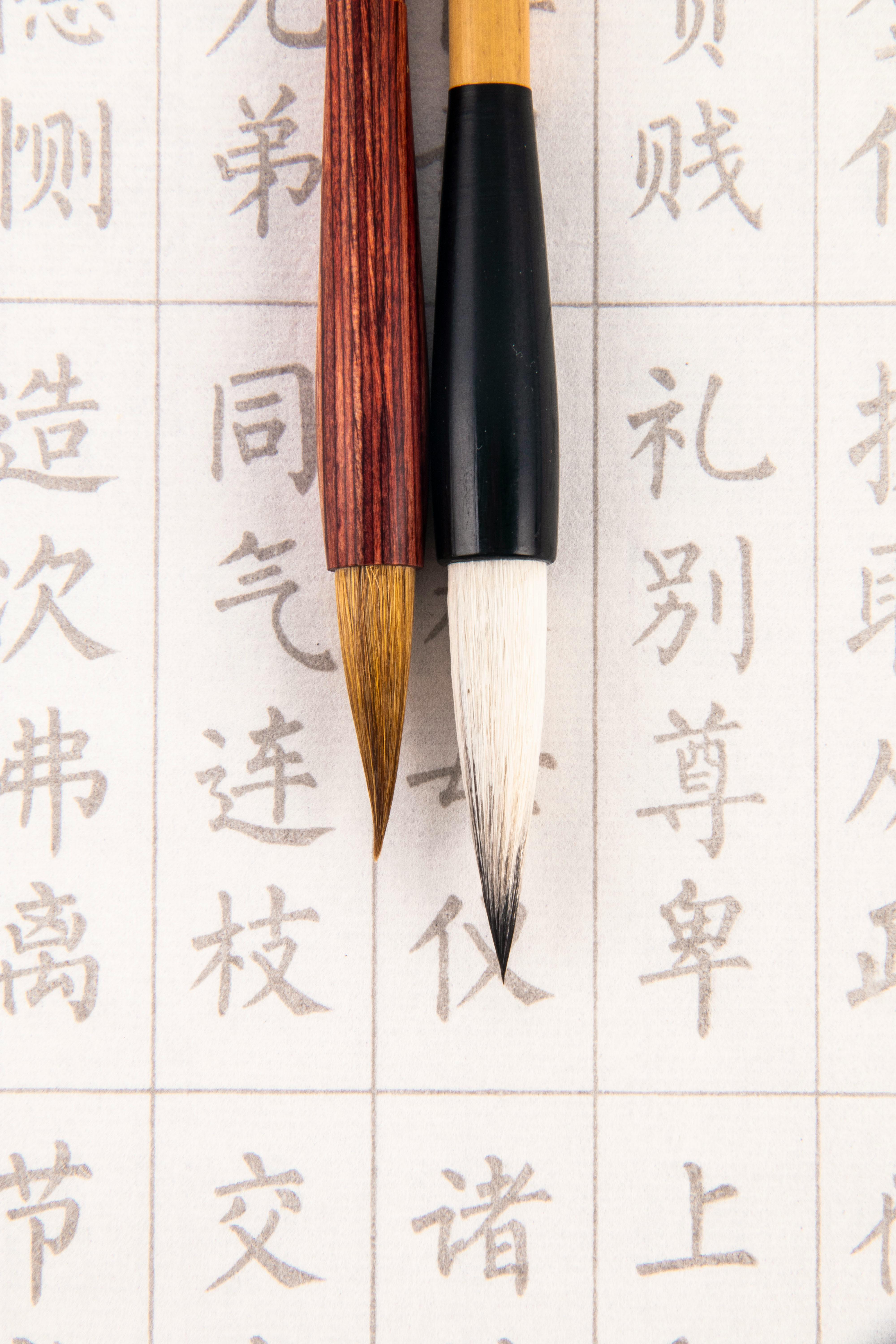
- Brush Control: Practice different brushstrokes—thin lines, broad strokes, and everything in between. This will give you more control over your paintings.
- Layering: Learn to build up layers of paint to create depth and texture. Start with a base layer and gradually add details.
- Wet-on-Wet: Practice blending colors directly on the canvas while the paint is still wet. This technique is great for creating soft transitions and gradients.
Advanced Painting Techniques
- Glazing: Apply thin, transparent layers of paint over dried layers to create luminous and depth-filled effects. This technique is often used in oil painting.
- Impasto: Use thick layers of paint to create texture and three-dimensional effects. This technique is characteristic of artists like Van Gogh.
- Sgraffito: Scratch into wet paint to reveal underlying layers, creating intricate patterns and textures. This technique adds a tactile quality to your work.
Step-by-Step Approaches
Step 1: Set Clear Goals
Define what you want to achieve with your art. Are you looking to improve your realism, explore abstract concepts, or master a specific technique? Having clear goals will guide your practice sessions.
Setting goals is not just about defining what you want to achieve but also about understanding why it matters to you. Whether it's to express a specific emotion, tell a story, or simply improve your skills, having a clear purpose will keep you motivated and focused.
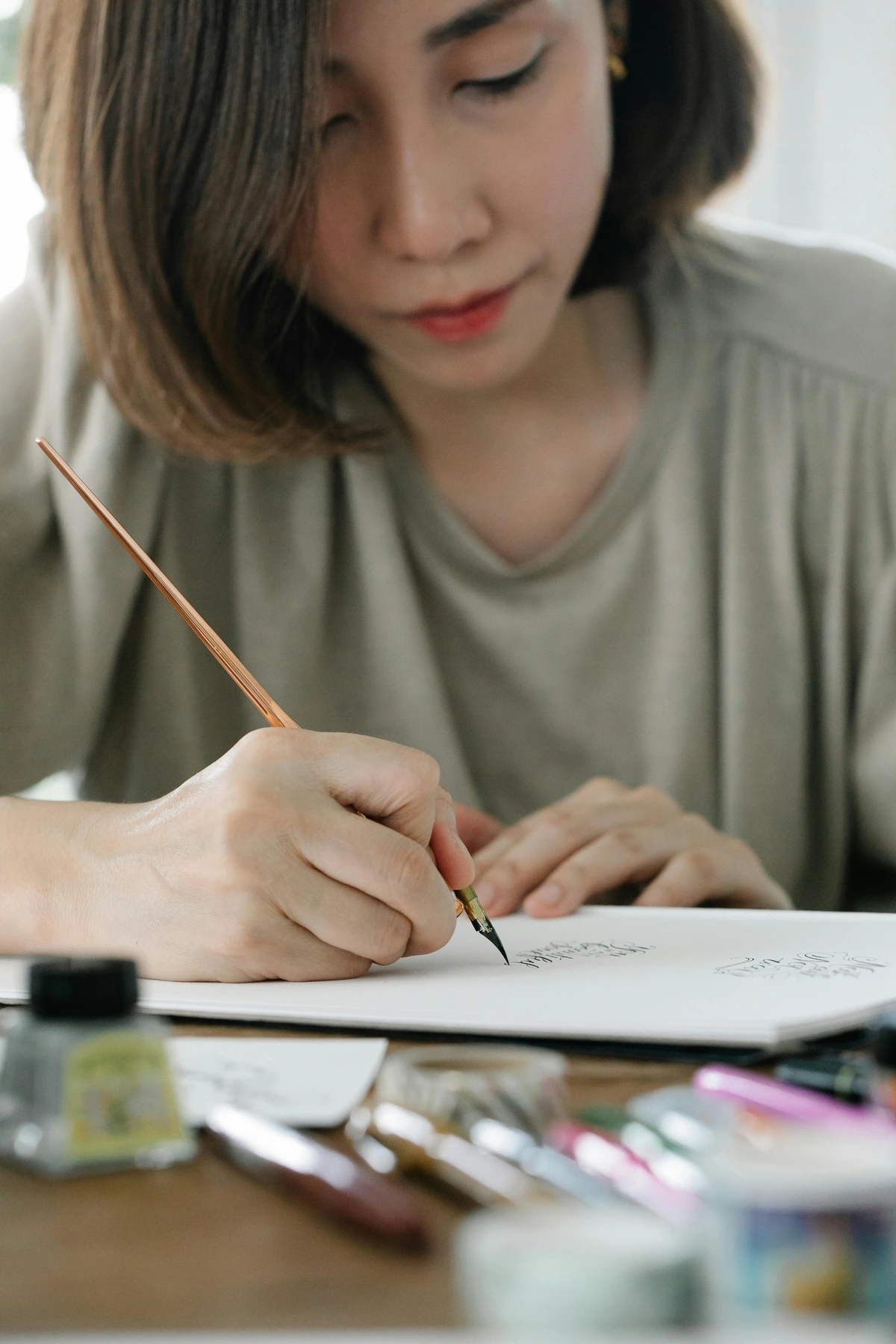
Consider breaking down your goals into short-term and long-term objectives. Short-term goals could include mastering a specific technique or completing a series of sketches, while long-term goals might involve developing a cohesive body of work or preparing for an exhibition.
Step 2: Create a Practice Routine
Consistency is key. Set aside dedicated time each day or week to practice. Even short, focused sessions can yield significant improvements over time.
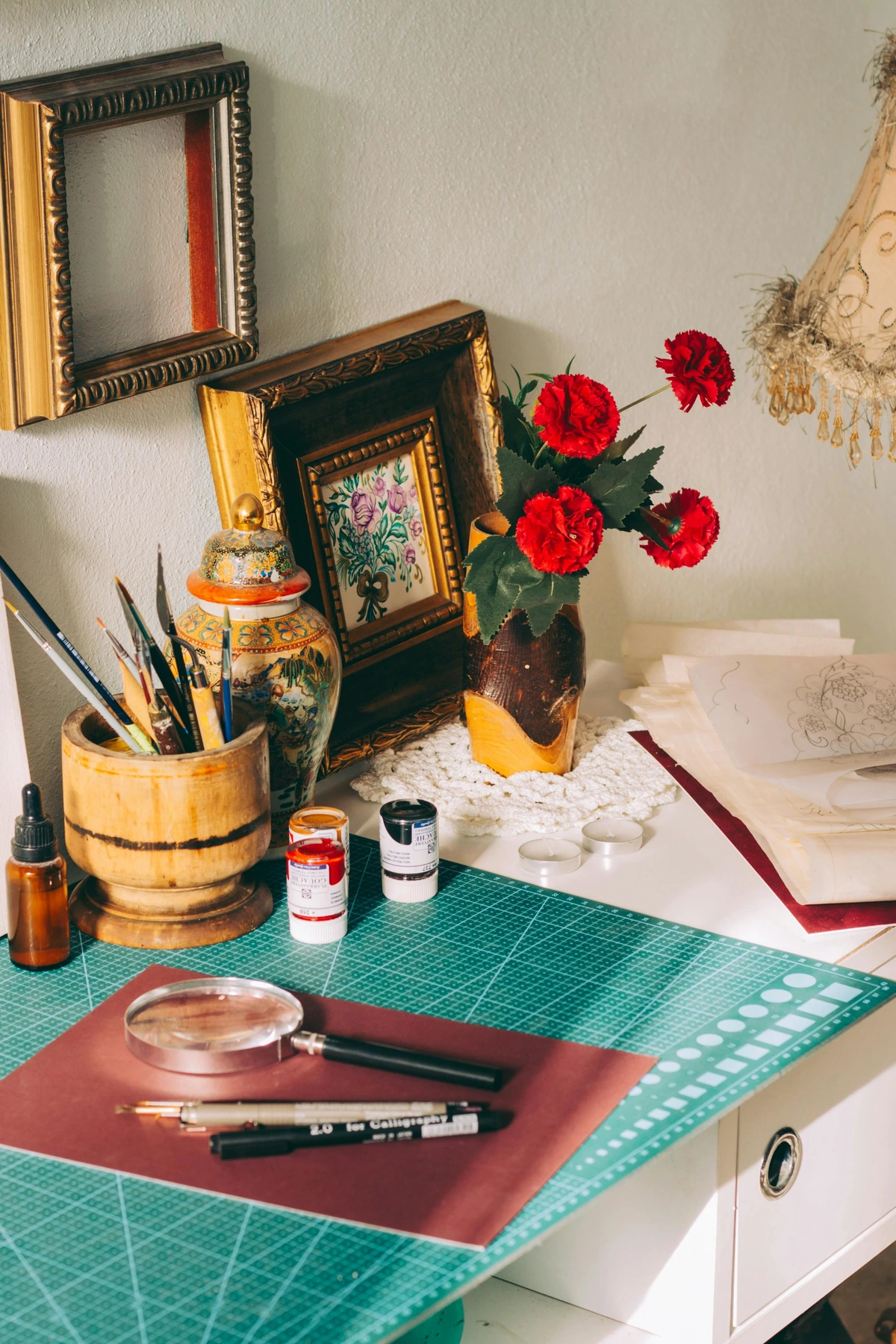
A well-structured practice routine should include a mix of exercises, experimentation, and reflection. It's not just about putting in the hours but about making each session count. Consider keeping a practice journal to track your progress and reflect on what you've learned.
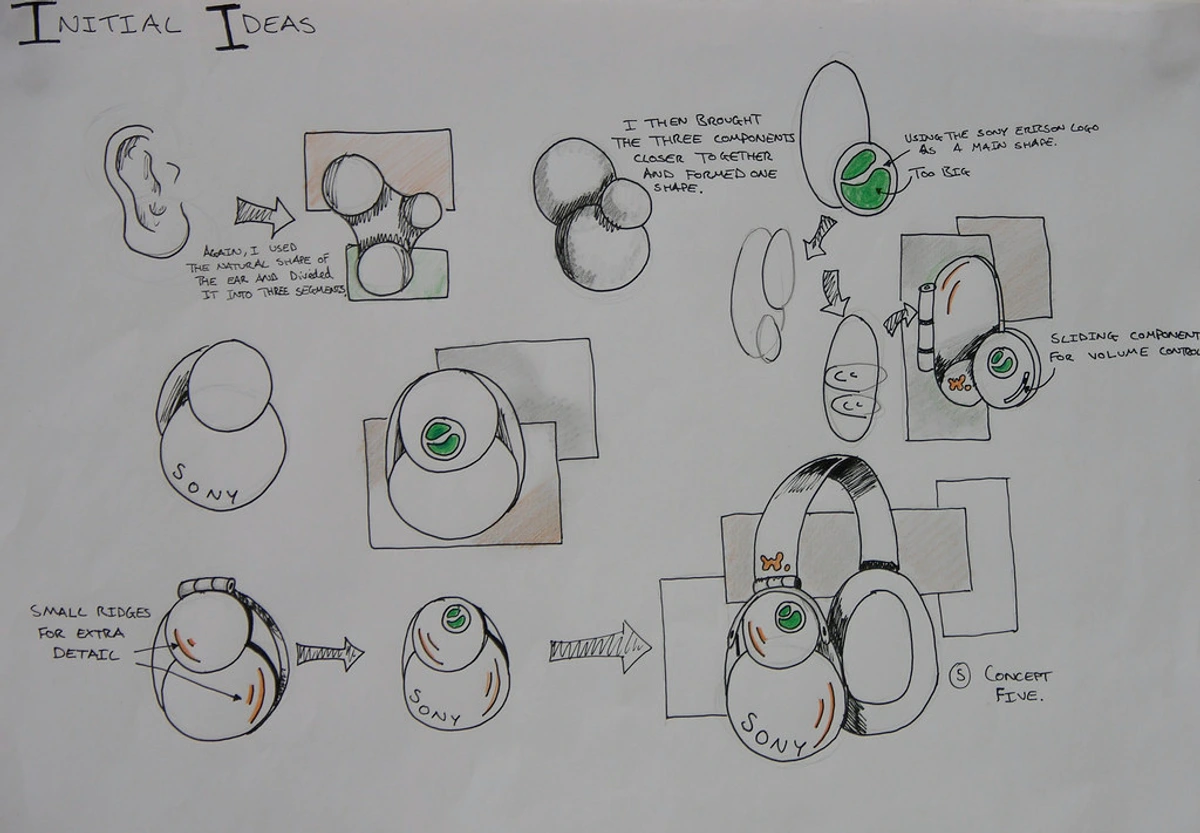
Step 3: Study the Masters
Look at the work of artists you admire. Analyze their techniques, compositions, and use of color. Try to replicate their styles to understand their methods better.
Studying the masters is not about copying their work but about understanding the principles and techniques they used. This can provide valuable insights into how you can apply these principles to your own work. Consider visiting museums, reading art books, or exploring online resources to deepen your understanding.
Create a list of artists whose work resonates with you and study their techniques in detail. For example, if you admire the impressionists, focus on their use of light and color. If you're drawn to abstract expressionism, explore their use of gesture and emotion. This focused study will help you develop a deeper appreciation for their work and inspire your own artistic practice.
Step 4: Experiment and Innovate
Don't be afraid to try new things. Experiment with different mediums, techniques, and styles. Innovation often comes from stepping outside your comfort zone.
Experimentation is about pushing the boundaries of what you know and exploring new possibilities. It's about taking risks, making mistakes, and learning from them. Whether it's trying a new medium, exploring a different style, or combining techniques in unexpected ways, experimentation can lead to breakthroughs in your artistic practice.

Step 5: Reflect and Refine
Regularly review your progress. Reflect on what you've learned and identify areas where you can improve. Use this insight to refine your goals and practice routine.
Reflection is a powerful tool for growth. It allows you to see how far you've come, recognize your strengths, and identify areas for improvement. Consider setting aside time each week to review your work, reflect on your progress, and adjust your goals and practice routine accordingly.
Step 6: Share Your Work
Sharing your work with others can provide valuable feedback and encouragement. Whether it's through social media, art exhibitions, or online communities, putting your work out there can help you grow as an artist and connect with like-minded individuals.
Considerations
Common Pitfalls
- Overworking Your Art: Know when to stop. Overworking a piece can lead to frustration and a loss of spontaneity.
- Ignoring the Basics: Always revisit the fundamentals. Even advanced artists benefit from refreshing their understanding of the basics.
- Comparing Yourself to Others: Focus on your own progress. Everyone's artistic journey is unique.
- Fear of Failure: Don't let the fear of making mistakes hold you back. Mistakes are a natural part of the learning process and can lead to unexpected discoveries.
- Lack of Patience: Developing technical mastery takes time. Be patient with yourself and trust the process.
- Perfectionism: Striving for perfection can hinder your progress. Embrace imperfections and focus on the learning process rather than the end result.
- Burnout: Avoid pushing yourself too hard. Take breaks and allow yourself time to recharge and gain fresh perspectives.
Overcoming Creative Blocks
Creative blocks are a natural part of the artistic process. When you feel stuck, try changing your environment, exploring a new medium, or taking a break to recharge your creativity. Sometimes, stepping away from your work can provide fresh perspective.
Creative blocks can be frustrating, but they can also be an opportunity to explore new ideas and approaches. Consider trying a new technique, experimenting with a different medium, or seeking inspiration from other artists. Sometimes, the best way to overcome a creative block is to simply keep creating, even if it feels challenging.

Tools and Materials
Invest in quality tools and materials. While you don't need the most expensive supplies, having reliable tools can make a significant difference in your work.
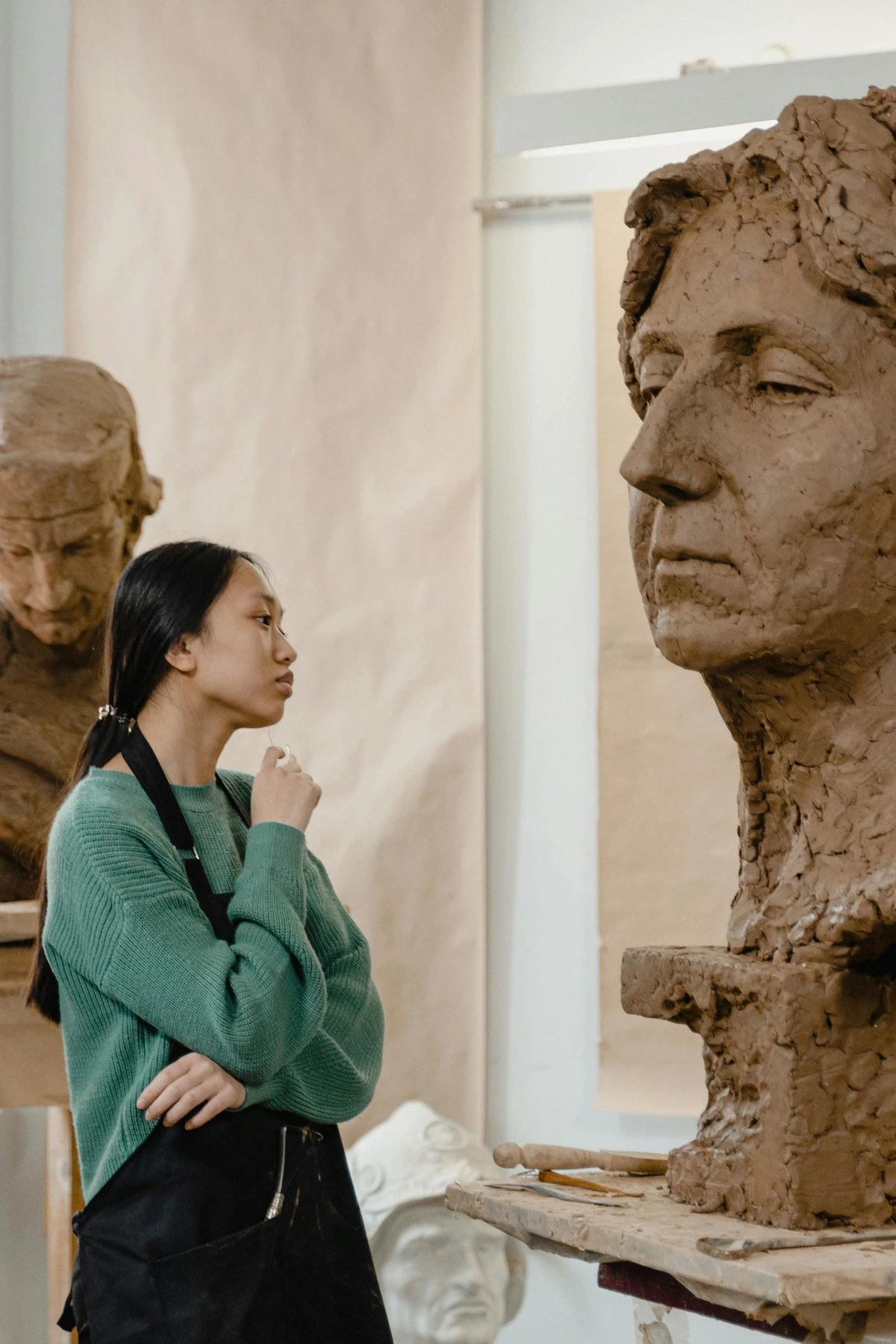
Choosing the right tools and materials is essential for achieving the best results. Whether you're working with traditional mediums like oil paints or exploring digital art, having the right tools can enhance your creative process and help you achieve your artistic goals. Consider experimenting with different materials to find what works best for you.
FAQ
What are the best exercises for improving drawing skills?
Contour drawing, gesture drawing, and value studies are excellent exercises for improving drawing skills. They help develop hand-eye coordination, observational skills, and an understanding of light and shadow. Additionally, blind contour drawing and cross-hatching can further enhance your skills.
How can I improve my understanding of composition?
Improving your understanding of composition involves studying the principles of design, such as balance, contrast, and unity. Practice arranging elements in your artwork to create a sense of harmony and focus. Consider using techniques like the rule of thirds, leading lines, and framing to enhance your compositions.

How can I improve my color mixing skills?
Practice mixing colors to create a wide range of hues. Experiment with different combinations and observe how colors interact with each other. This will help you understand color theory in a practical way. Consider creating a color wheel to visualize relationships between colors.

What is the importance of setting clear goals in art?
Setting clear goals helps guide your practice sessions and gives you a sense of direction. It allows you to focus on specific areas of improvement and track your progress over time. Goals also provide motivation and a sense of accomplishment as you achieve them.
How often should I practice to see improvement?
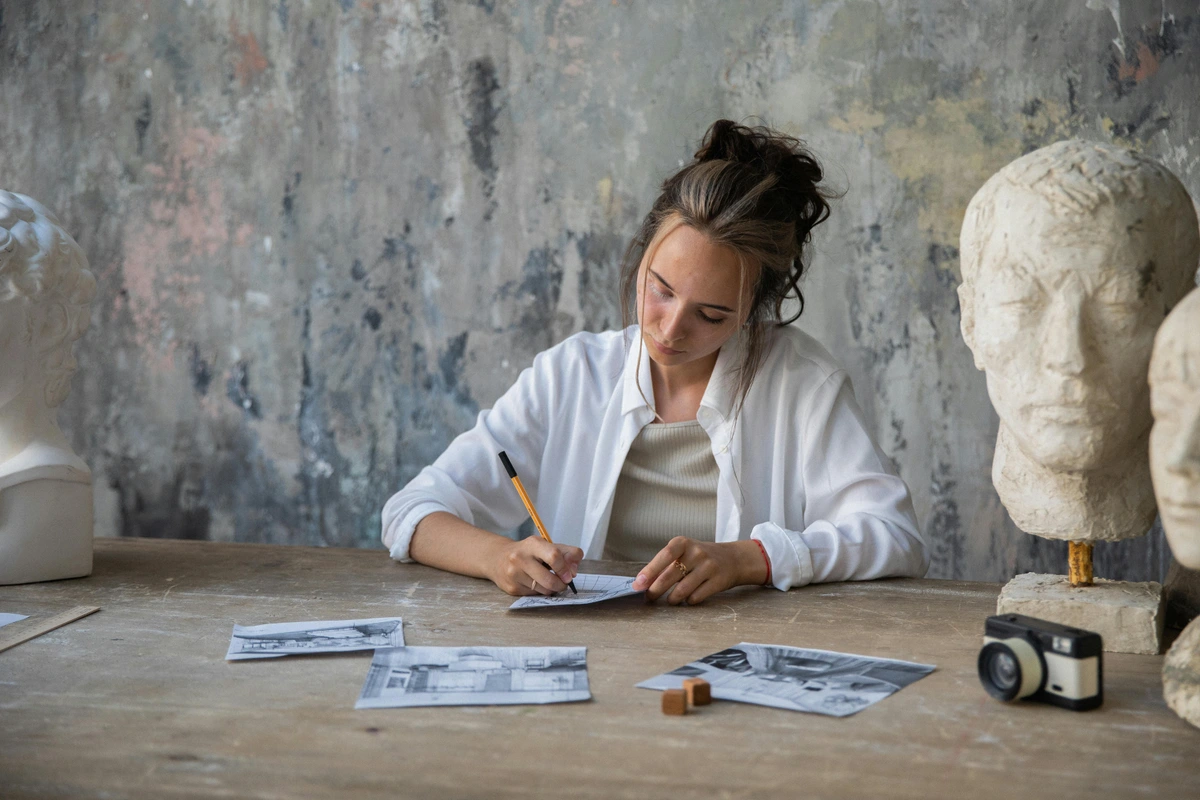
Consistency is key. Even short, focused practice sessions can yield significant improvements over time. Aim for regular practice, whether it's daily or a few times a week. The key is to maintain a steady routine.
What should I do if I feel stuck in my artistic journey?
If you feel stuck, try experimenting with new techniques, mediums, or styles. Seek feedback from peers or mentors, and don't be afraid to step outside your comfort zone. Sometimes, a change of perspective can reignite your creativity. Taking a break and exploring other forms of art can also provide inspiration.
How can I overcome the fear of making mistakes?
Mistakes are a natural part of the learning process. Embrace them as opportunities to grow and refine your skills. Remember, every artist makes mistakes, and they often lead to unexpected discoveries and innovations.
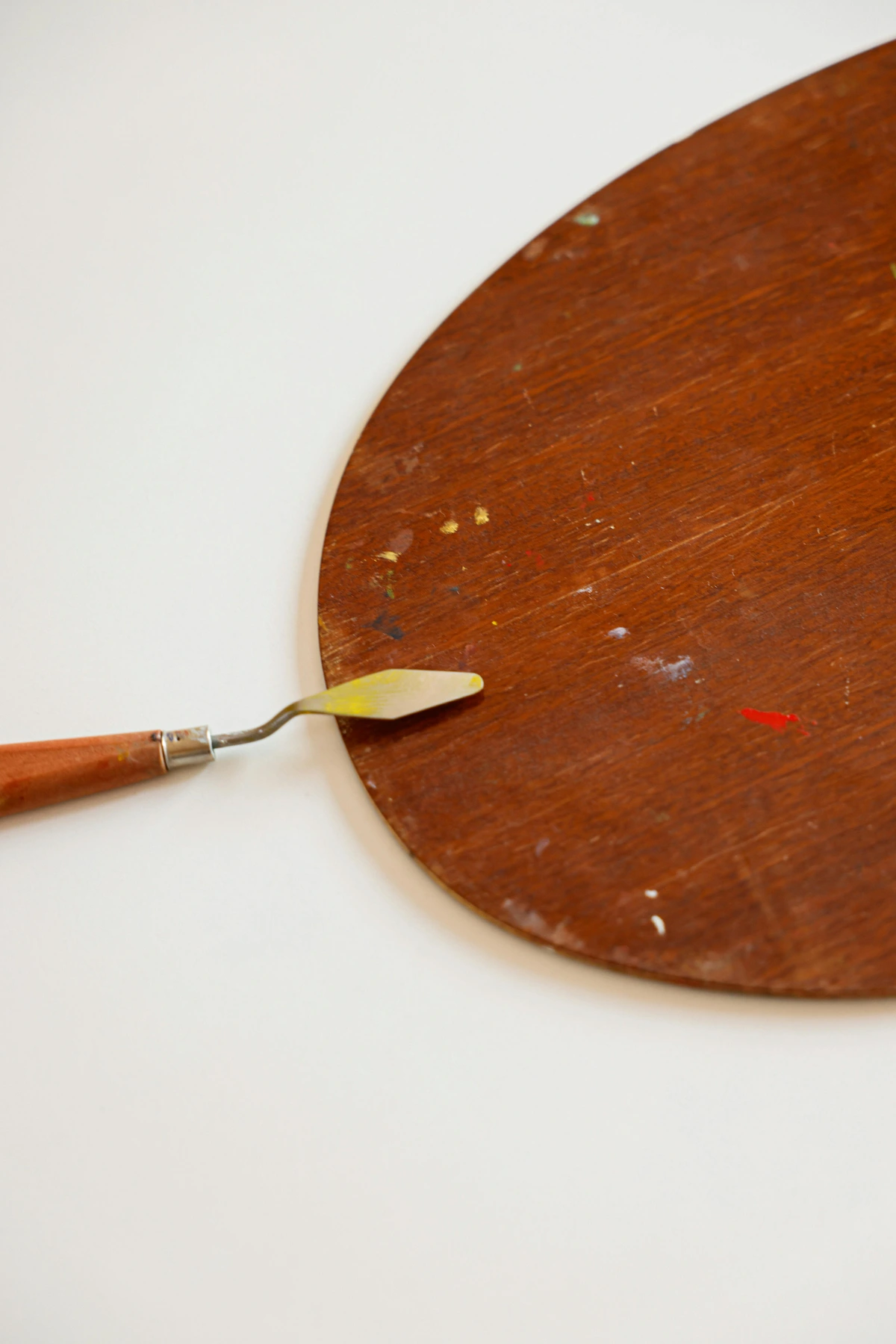
What tools and materials are essential for beginners?
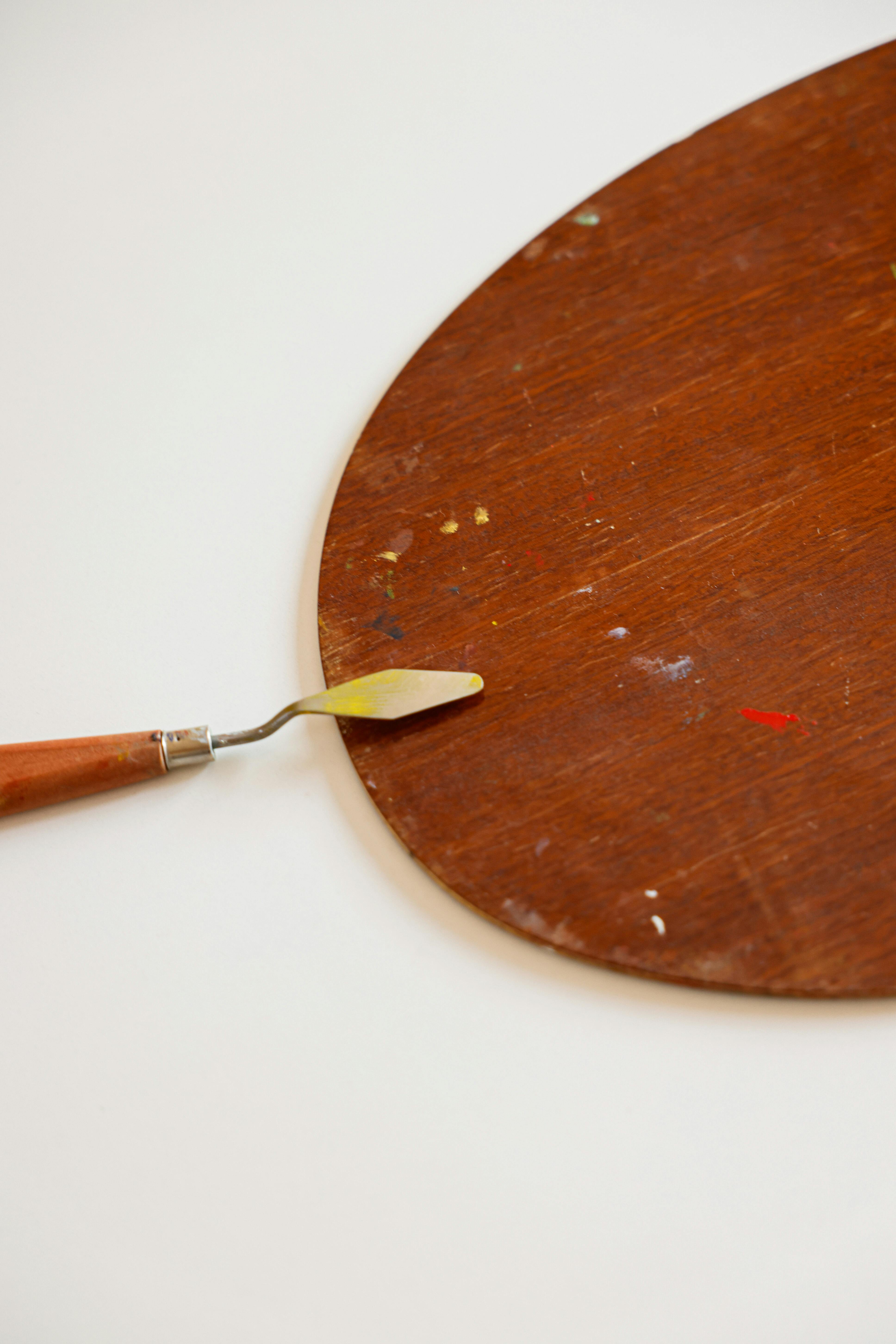
For beginners, it's important to start with basic tools and materials. A set of quality pencils, sketchbooks, and erasers are essential for drawing. For painting, invest in a basic set of brushes, paints, and a palette. As you progress, you can explore more specialized tools and materials.
How can I stay motivated in my artistic journey?
Staying motivated in your artistic journey involves setting clear goals, celebrating small victories, and surrounding yourself with a supportive community. Consider joining art groups, attending workshops, or sharing your work online to stay inspired and connected with other artists.
Conclusion
Developing technical mastery in art is a journey that requires dedication, practice, and a willingness to learn and grow. By focusing on the fundamentals, setting clear goals, and embracing experimentation, you can elevate your artistic skills and create work that truly resonates. Remember, every artist's journey is unique, so enjoy the process and celebrate your progress along the way.
As you continue on your artistic journey, keep pushing your boundaries, exploring new ideas, and connecting with others. Art is not just about the destination; it's about the experiences and connections you make along the way. Keep creating, keep learning, and keep growing.
Final Thoughts
Art is a lifelong journey of discovery and expression. Embrace the challenges, celebrate the victories, and never stop exploring. Whether you're just starting out or have been creating for years, there's always something new to learn and discover. Keep pushing your boundaries, and don't forget to share your journey with others. Art is not just about the destination; it's about the experiences and connections you make along the way.

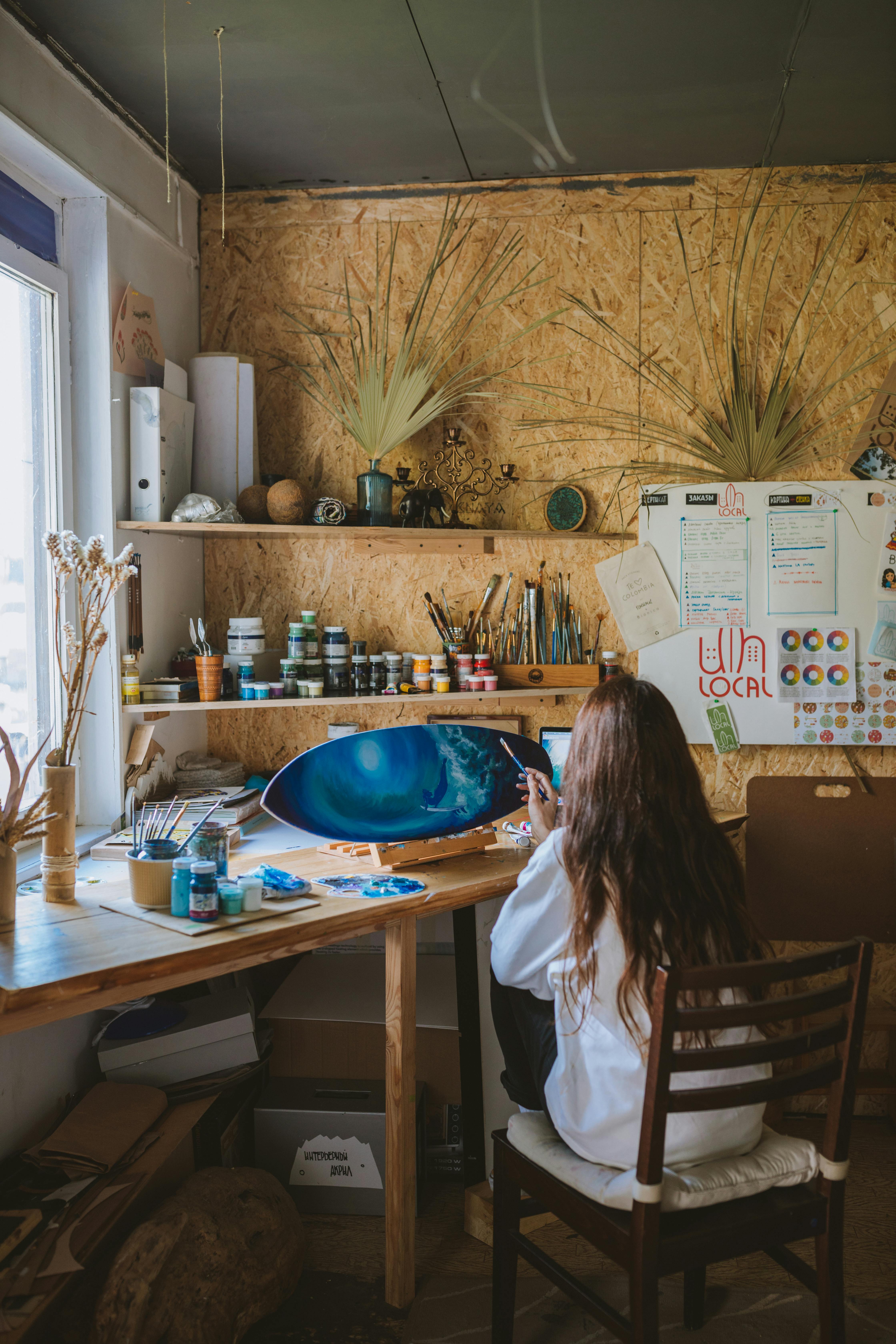
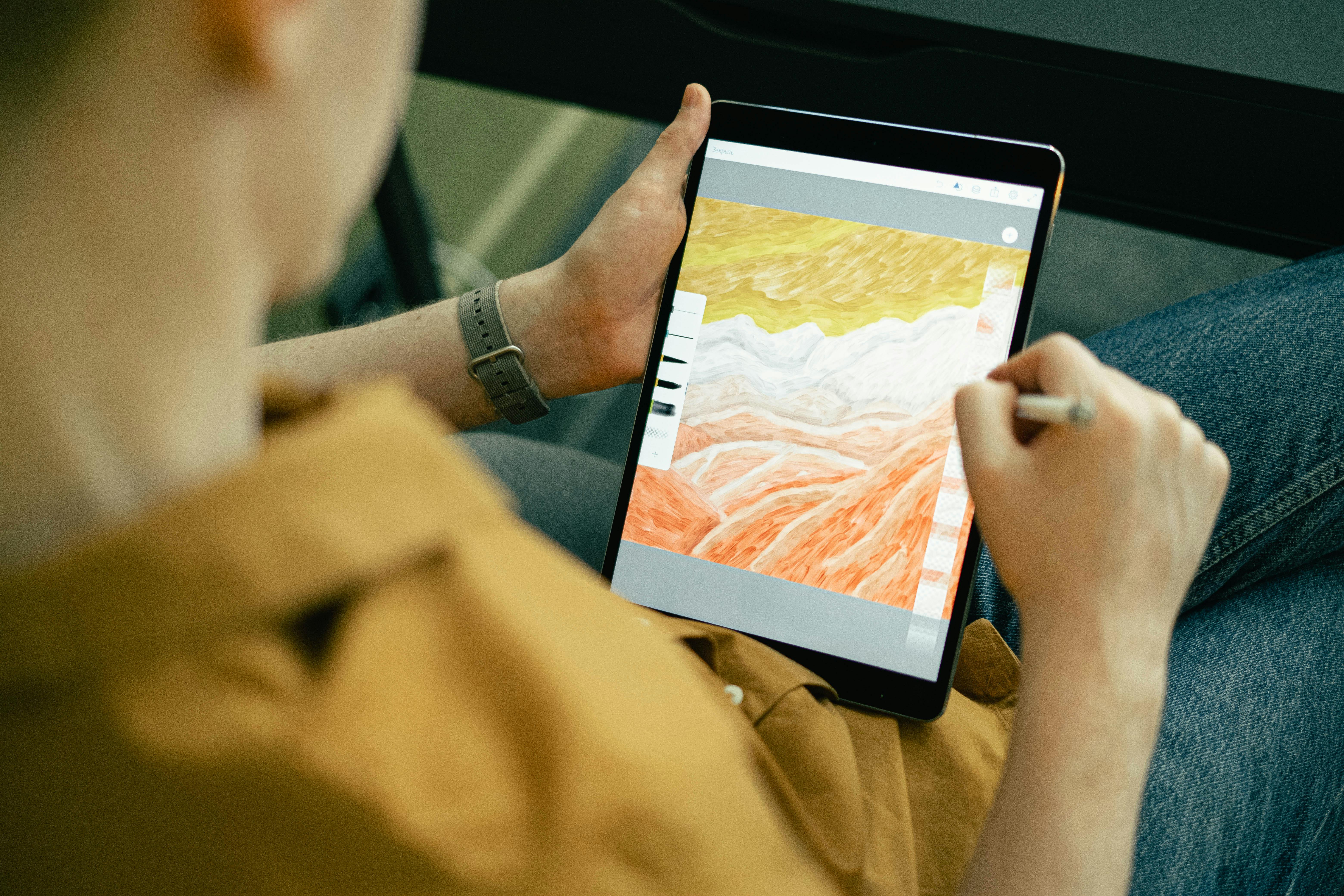

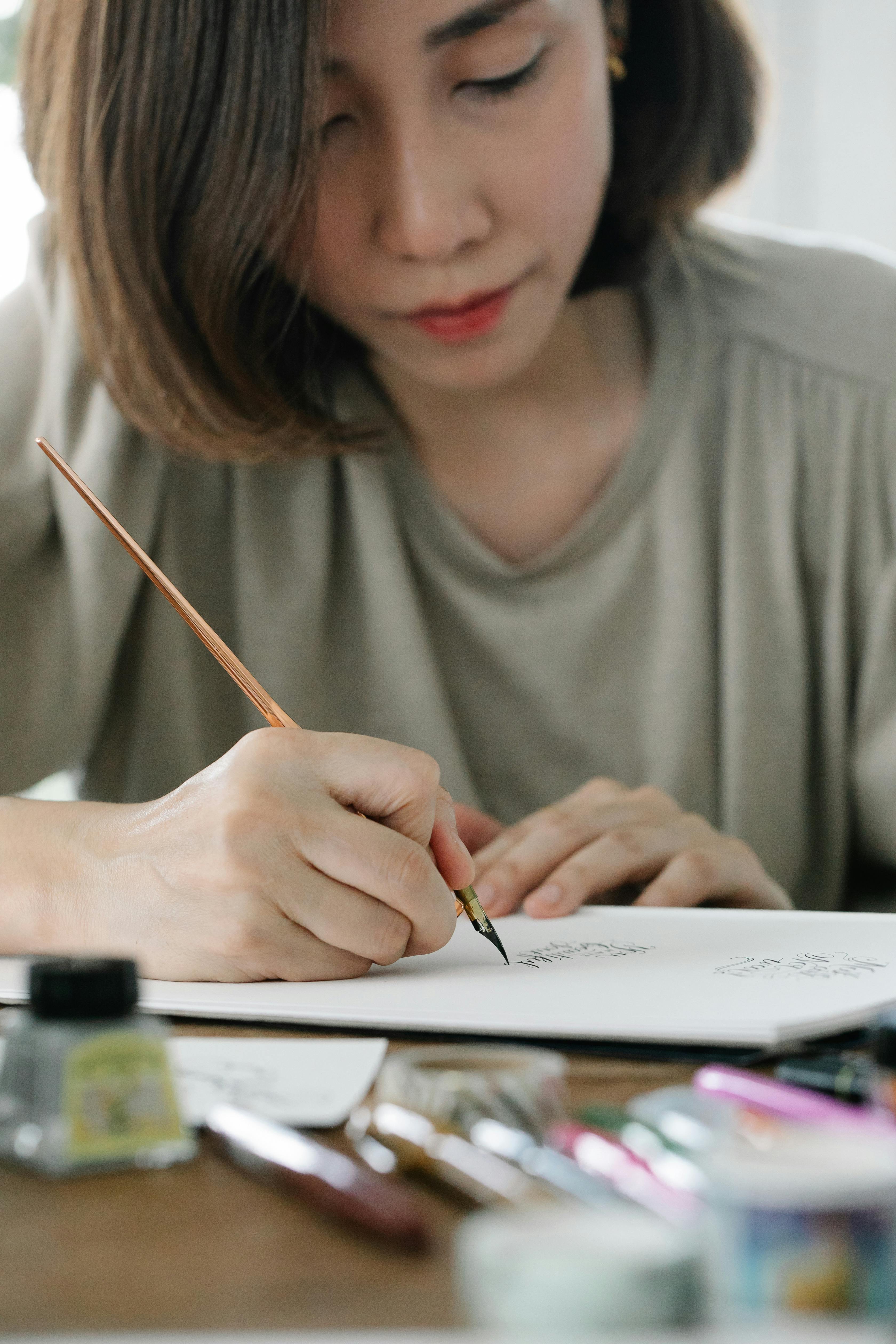
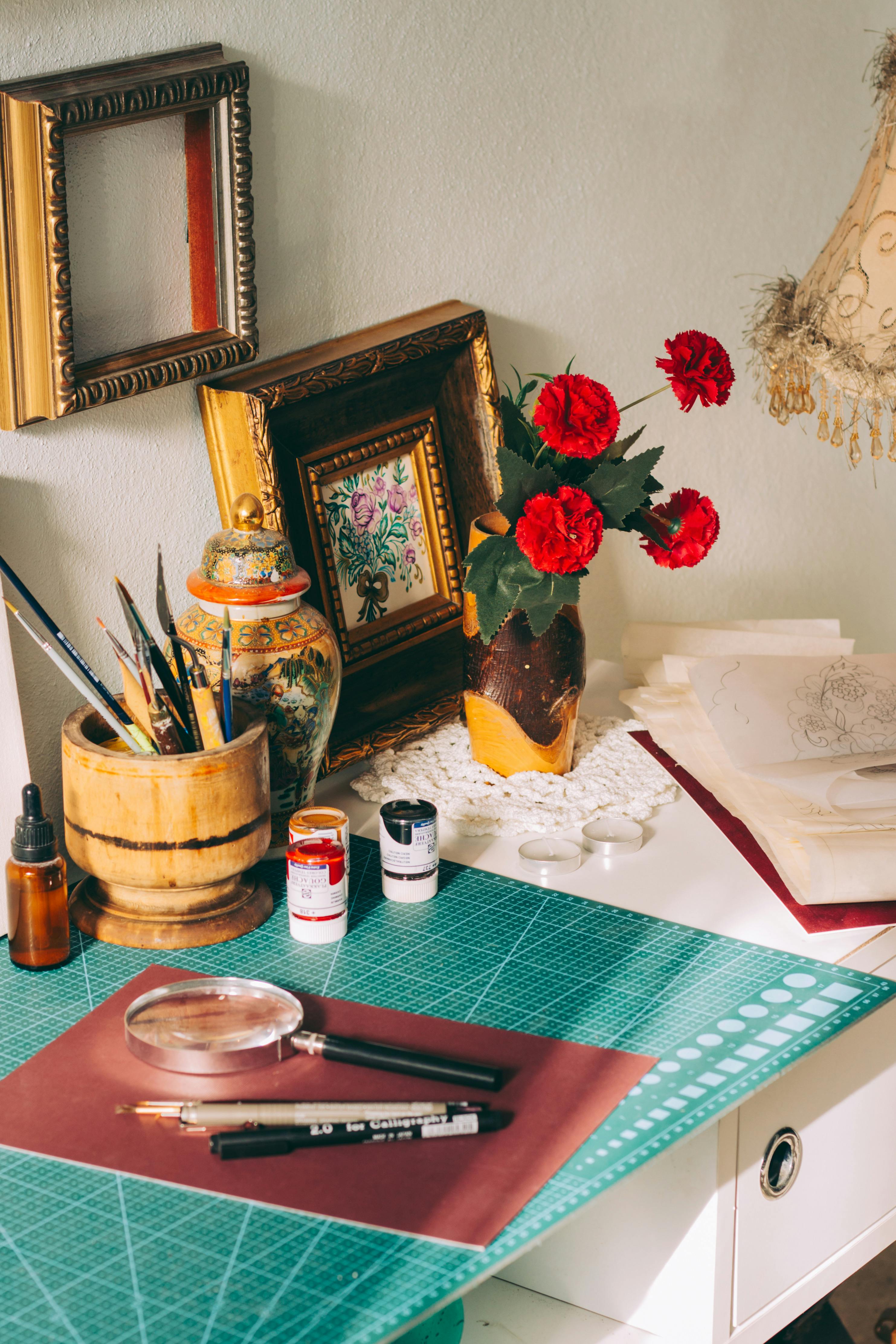







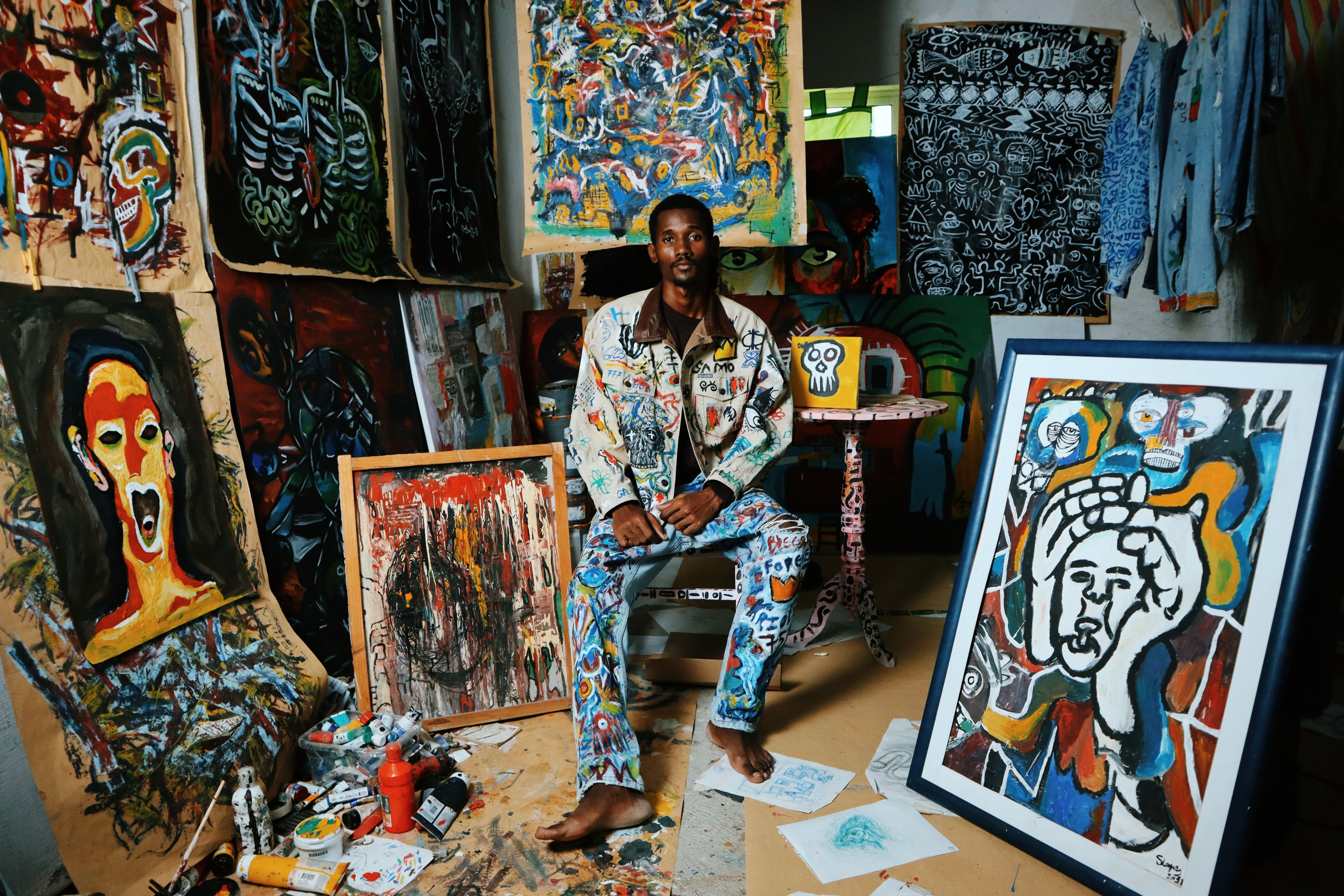

If you're looking for inspiration or want to explore more about the artistic process, check out our timeline or visit the Den Bosch Museum for a deeper dive into the world of art. Keep pushing your boundaries, and don't forget to share your journey with others. Art is not just about the destination; it's about the experiences and connections you make along the way.