
Dante Gabriel Rossetti: The Pre-Raphaelite Visionary
Explore the life, art, and poetic visions of Dante Gabriel Rossetti, a founding member of the Pre-Raphaelite Brotherhood that revolutionized Victorian art.

Dante Gabriel Rossetti: The Pre-Raphaelite Visionary
I remember the first time I saw a Pre-Raphaelite painting. It was like stepping into a dream—vibrant colors, intricate details, and an almost ethereal quality that seemed to transport me to another world. And at the heart of this movement was Dante Gabriel Rossetti, a man whose art and poetry continue to captivate audiences today.
Rossetti's influence extended beyond his own works; he was a catalyst for an entire artistic revolution. His ability to blend visual artistry with poetic depth set him apart, making him a defining figure of the 19th century. To truly understand his impact, we must delve into his life, his inspirations, and the legacy he left behind.

Rossetti was not just an artist; he was a poet, a translator, and a visionary who sought to challenge the artistic norms of his time. His work, both in painting and poetry, is characterized by its sensuality, rich symbolism, and a deep connection to literature. But what was it about Rossetti that made him such a pivotal figure in the Pre-Raphaelite movement? Let's explore his life, his art, and the legacy he left behind.
To appreciate Rossetti's contributions, it's essential to understand the cultural and artistic landscape of Victorian England. The rigid conventions of the era often stifled creativity, but Rossetti and his contemporaries sought to break free from these constraints. Their rebellion was not just artistic but also philosophical, as they questioned the very foundations of art and its purpose.
The Pre-Raphaelite Brotherhood: A Revolution in Art
Imagine a group of young artists in 19th-century England, disillusioned with the academic art of their time. They wanted to break free from the constraints of the Royal Academy and return to the simplicity and sincerity of early Renaissance art. This was the birth of the Pre-Raphaelite Brotherhood, founded in 1848 by Dante Gabriel Rossetti, William Holman Hunt, and John Everett Millais.
The Brotherhood was not just a collective of artists; it was a movement that sought to redefine the very essence of art. Their manifesto, though informal, emphasized a return to nature, a rejection of artificiality, and a commitment to authenticity. This was a radical departure from the prevailing trends of the time, which often prioritized technical perfection over emotional resonance.
The Brotherhood was more than just an artistic movement; it was a rebellion against the stifling conventions of Victorian art. The founders sought to revive the detailed, vibrant styles of early Renaissance painters, rejecting the formulaic and often overly sentimental works that dominated the art scene of their time.
Their approach was holistic, encompassing not just painting but also poetry, literature, and even social commentary. By integrating these elements, the Pre-Raphaelites created a multi-dimensional artistic experience that resonated deeply with their audience.
Key Principles of the Pre-Raphaelite Brotherhood
The Pre-Raphaelite Brotherhood was guided by a set of principles that set them apart from their contemporaries:
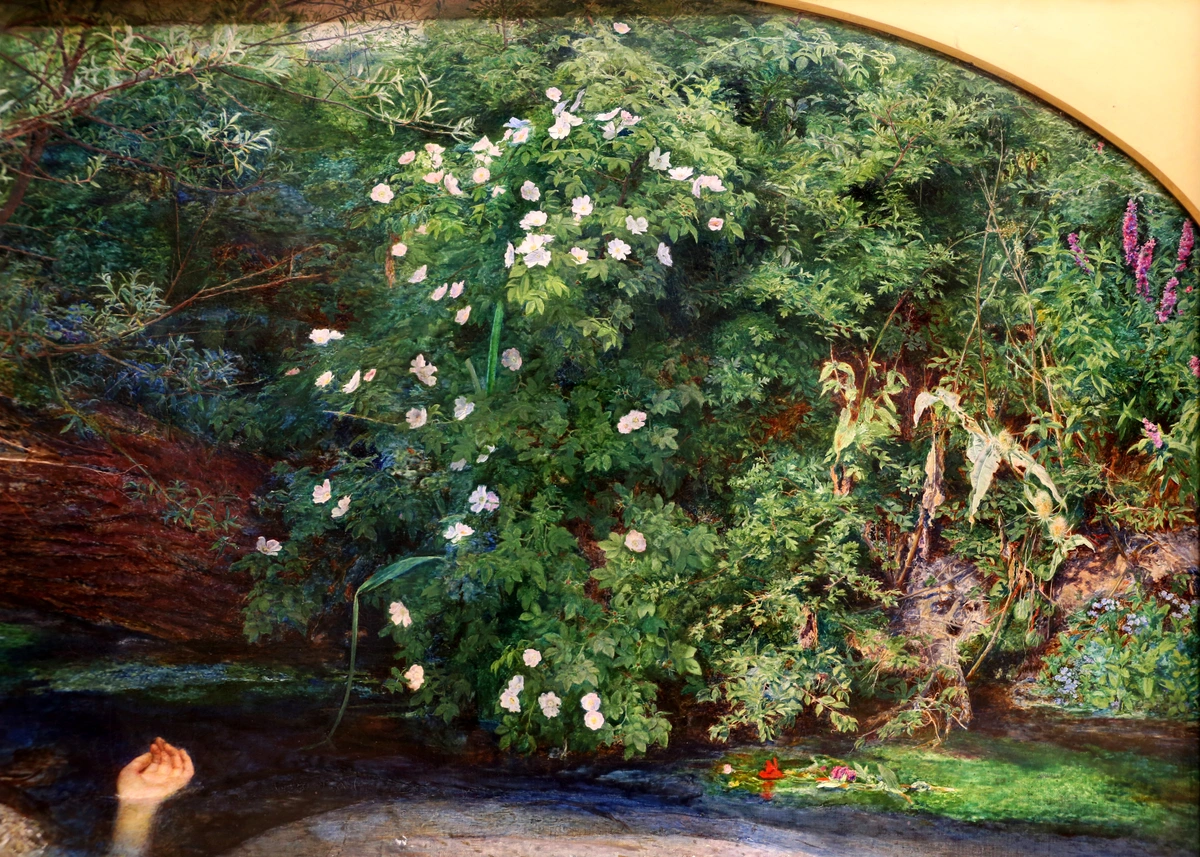
- Truth to Nature: The Pre-Raphaelites believed in painting directly from nature, capturing its beauty and complexity with meticulous detail. This approach was a direct challenge to the idealized and often artificial representations of nature in academic art.
- Vivid Colors: They used bright, jewel-like colors that were a stark contrast to the muted tones of academic art. This vibrant palette was inspired by the rich hues found in medieval manuscripts and early Renaissance paintings.
- Literary Themes: Many of their works were inspired by literature, mythology, and medieval legends. This emphasis on narrative and storytelling added depth and meaning to their art, making it resonate with viewers on multiple levels.
These principles were not just theoretical; they were practical guidelines that shaped every aspect of the Brotherhood's work. From the choice of subjects to the techniques employed, these ideals were evident in their paintings, poems, and even their personal lives.
These principles not only defined the Brotherhood's artistic style but also influenced the broader trajectory of Victorian art.
The Brotherhood's emphasis on authenticity and emotional depth paved the way for future movements, such as Symbolism and Aestheticism. Their legacy is a testament to the power of artistic vision and the enduring impact of creative rebellion.
Dante Gabriel Rossetti: The Man Behind the Movement
Rossetti was not just a painter; he was also a poet, translator, and a key figure in the Pre-Raphaelite movement. His works are known for their sensuality, rich symbolism, and a deep connection to literature.
His multifaceted talents allowed him to bridge the gap between visual and literary arts, creating a cohesive body of work that transcended traditional boundaries. This unique ability to synthesize different forms of expression made him a central figure in the Brotherhood and a defining voice of his time.
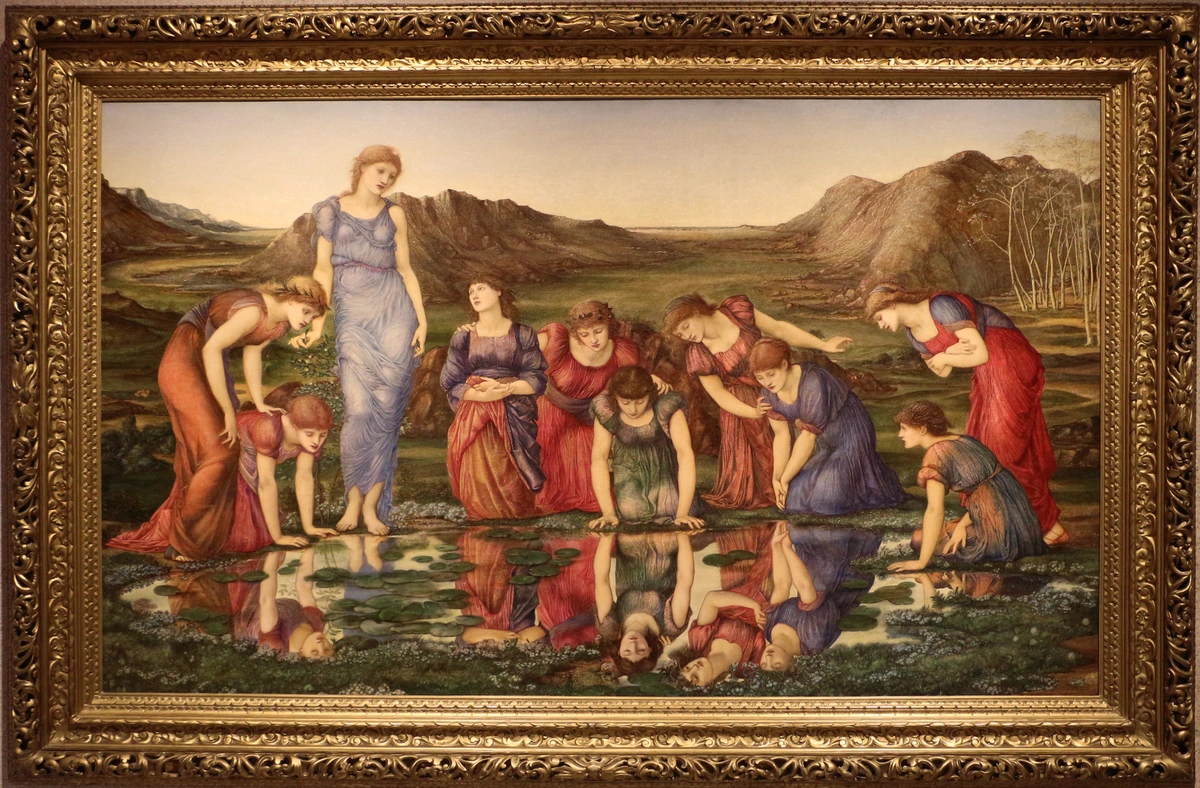
Born in London in 1828, Rossetti was the son of an Italian exile and scholar, Gabriele Rossetti, and his mother, Frances Polidori, was the sister of Lord Byron's physician, John William Polidori. This literary and intellectual heritage deeply influenced Rossetti's artistic and poetic sensibilities. His early exposure to literature and art shaped his unique vision, which would later define the Pre-Raphaelite movement.
Rossetti's upbringing was steeped in creativity and intellectual curiosity. His father's scholarly pursuits and his mother's connection to the literary world provided a fertile ground for his artistic development. This environment fostered a deep appreciation for the arts and a desire to challenge conventional norms.
Rossetti's Artistic Style
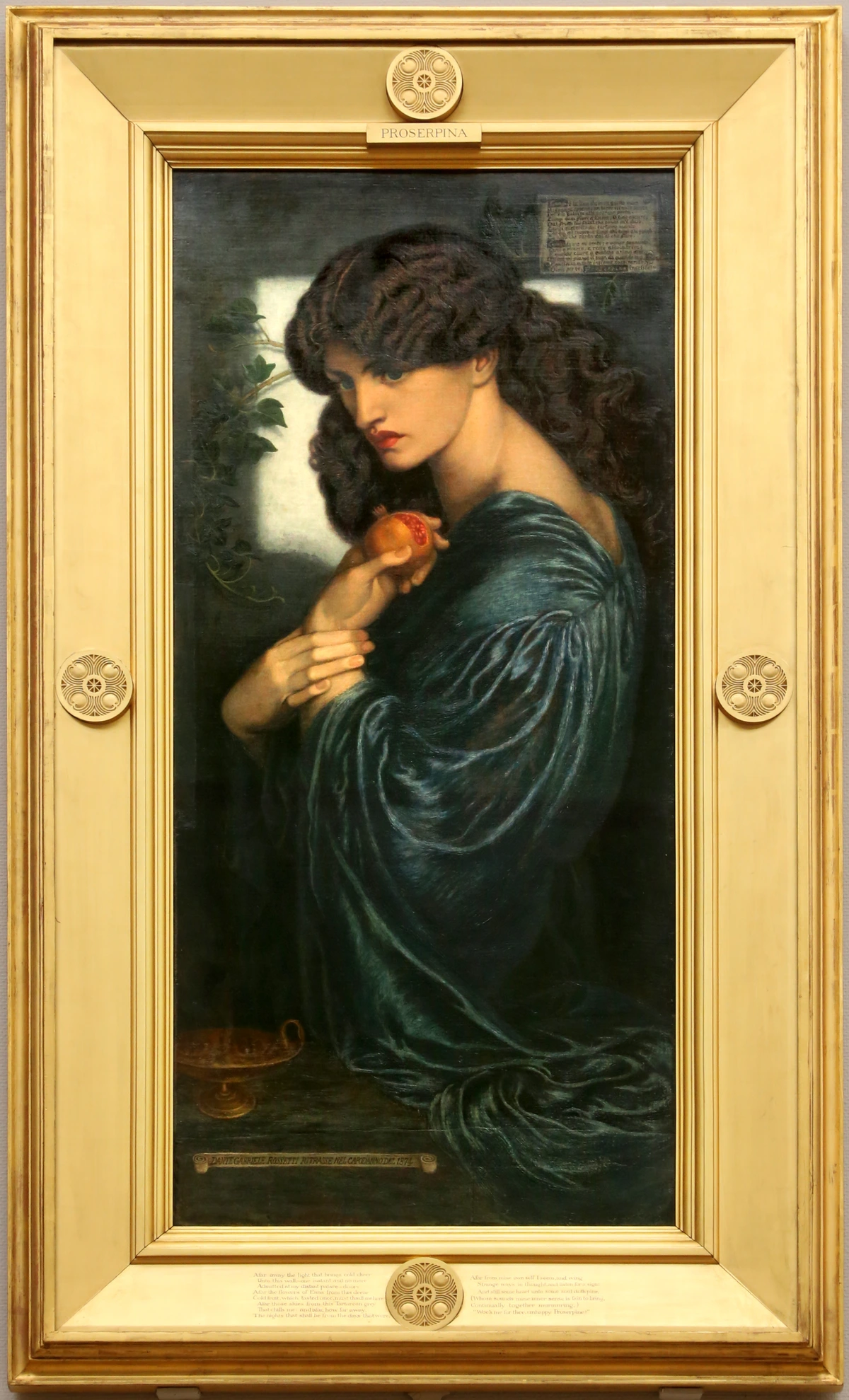
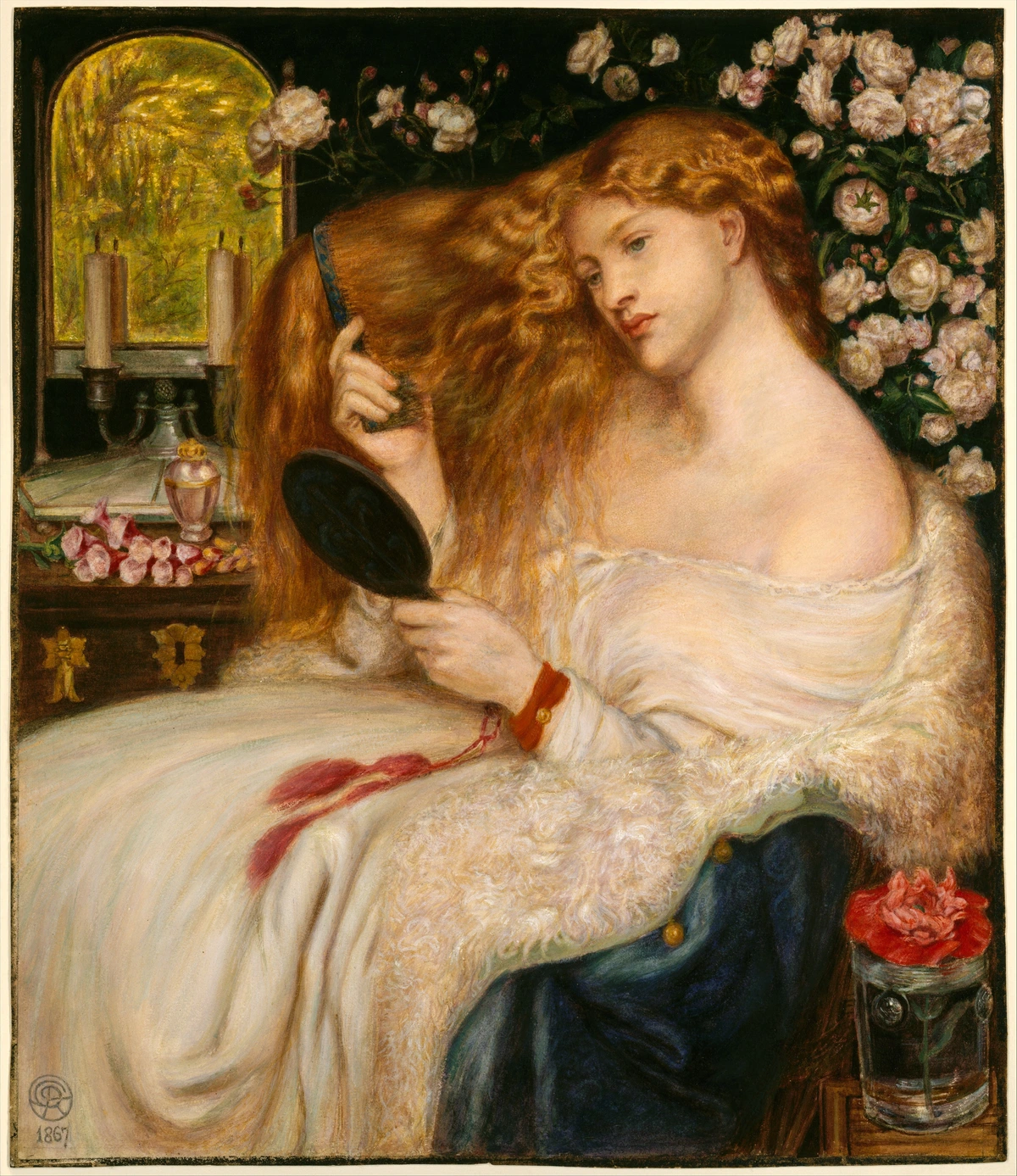
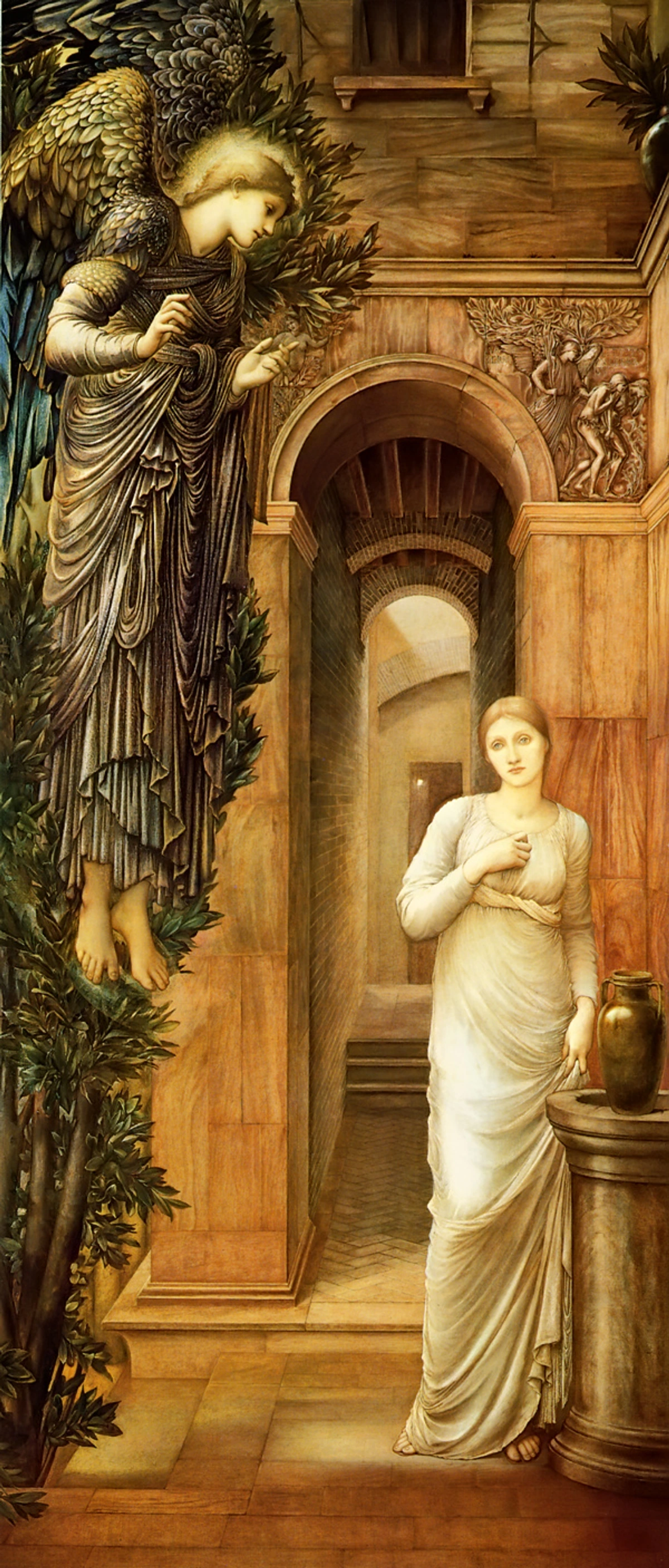
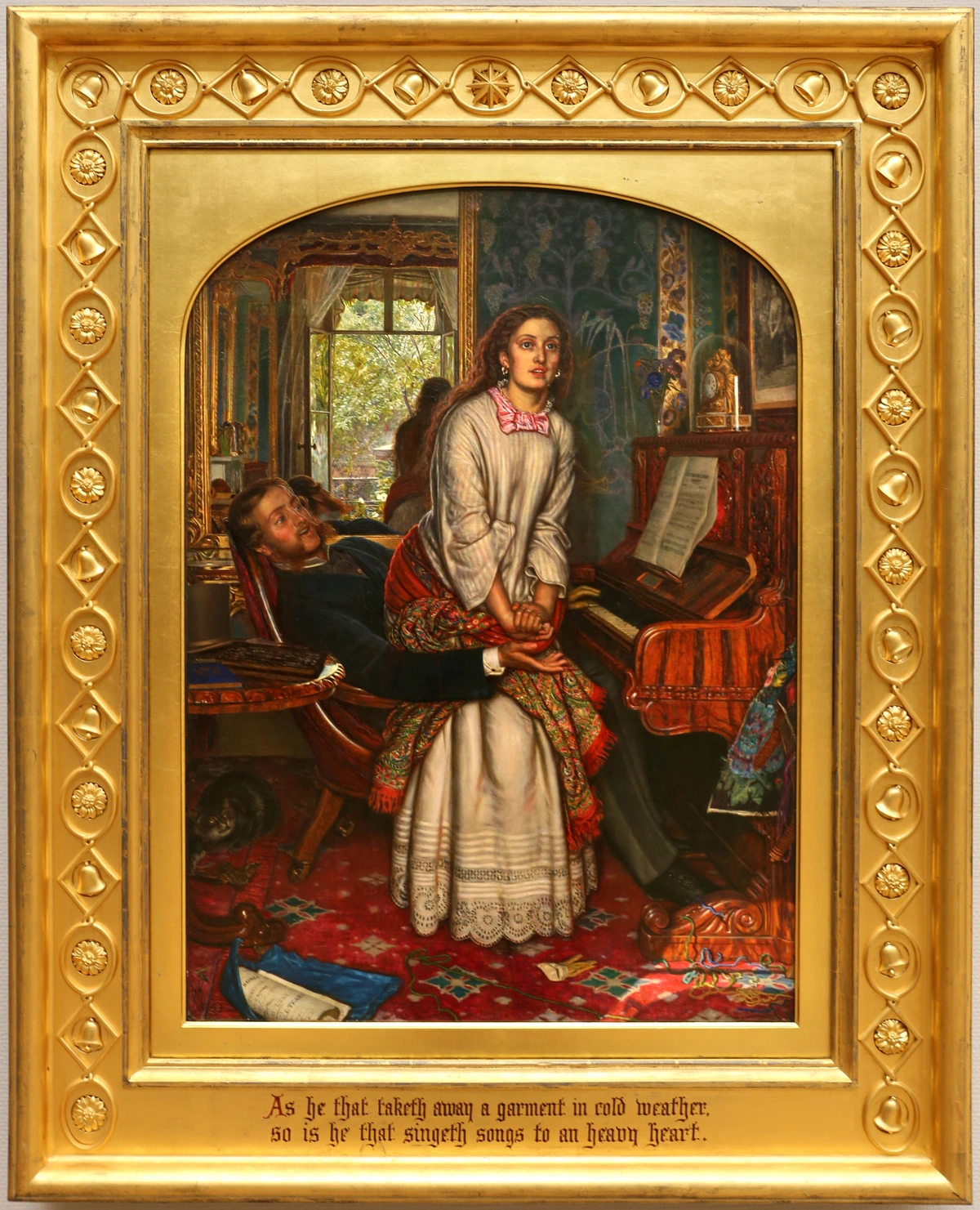
Rossetti's paintings are characterized by their intense colors, intricate details, and a focus on female beauty. His models often had a distinctive look—long necks, full lips, and abundant hair—which became a hallmark of Pre-Raphaelite art.
His style was not just about aesthetics; it was a reflection of his philosophical beliefs. Rossetti sought to capture the essence of beauty and emotion, often drawing inspiration from medieval and Renaissance art. His use of symbolism and allegory added layers of meaning to his works, making them rich in narrative and emotional depth.
Rossetti's style was deeply influenced by his fascination with medieval art and literature. He sought to capture the idealized beauty of the past, often drawing inspiration from the works of Dante Alighieri and other medieval poets. His use of rich, jewel-like colors and meticulous attention to detail created a sense of opulence and depth that set his work apart from his contemporaries.
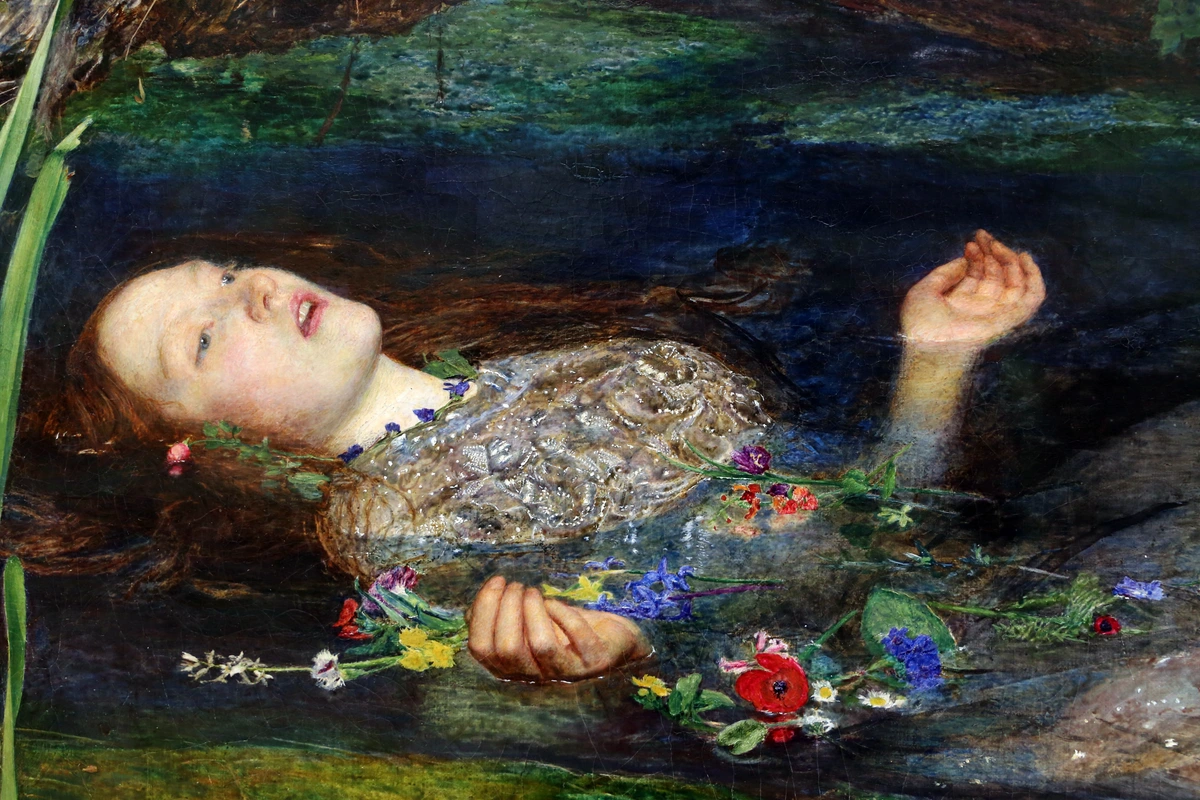
This fusion of medieval and Renaissance influences gave his works a timeless quality, making them resonate with audiences across generations. His ability to blend historical themes with contemporary sensibilities made his art both innovative and deeply rooted in tradition.
Notable Works
Rossetti's body of work is vast and varied, but several pieces stand out as defining examples of his artistic vision:
Rossetti's works are not just paintings; they are visual narratives that invite viewers into a world of beauty, emotion, and symbolism. Each piece tells a story, reflecting his deep connection to literature and his unique artistic vision.
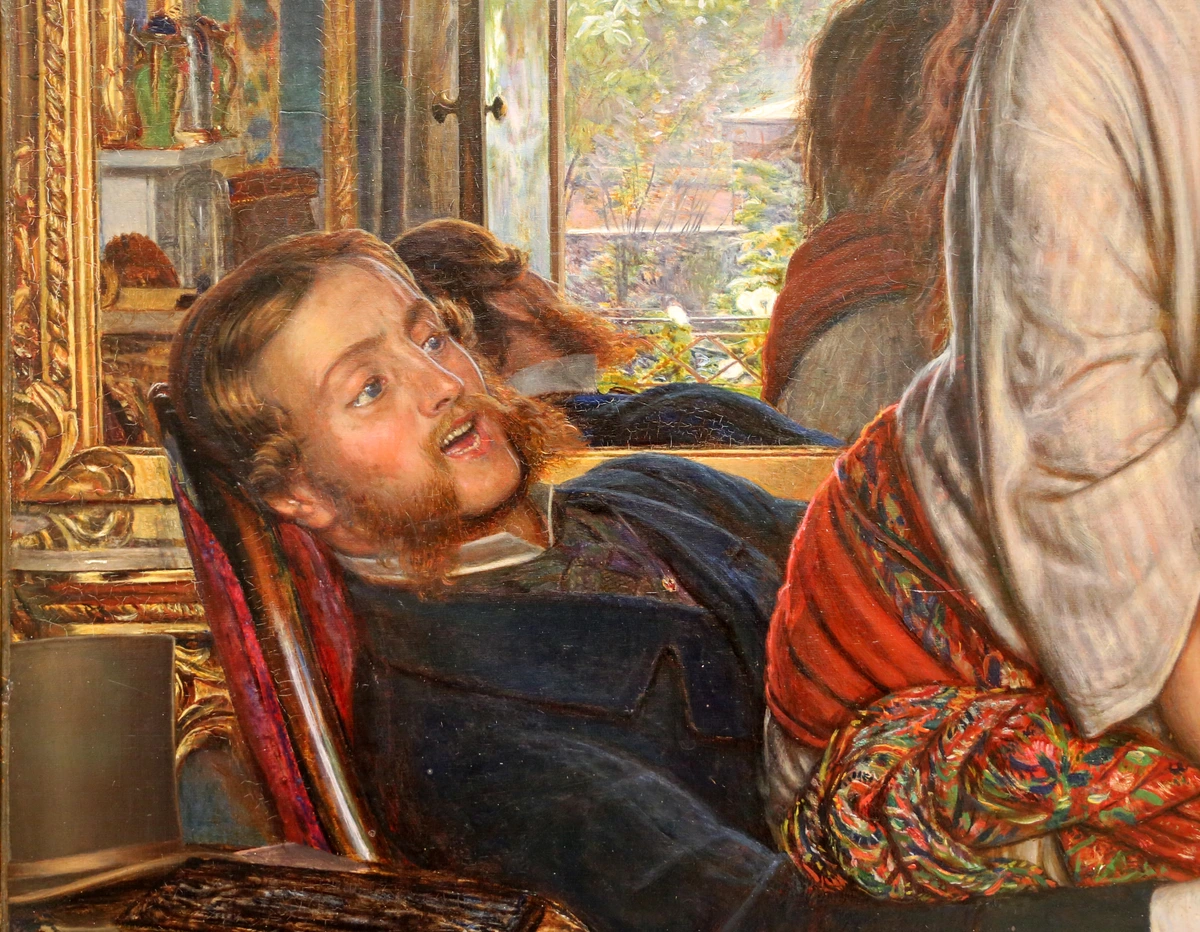
- The Girlhood of Mary Virgin (1849): One of Rossetti's earliest works, this painting depicts the young Mary with her mother, Saint Anne, and is filled with symbolic details. The painting is notable for its intricate composition and the use of vibrant colors, which would become hallmarks of Rossetti's style.
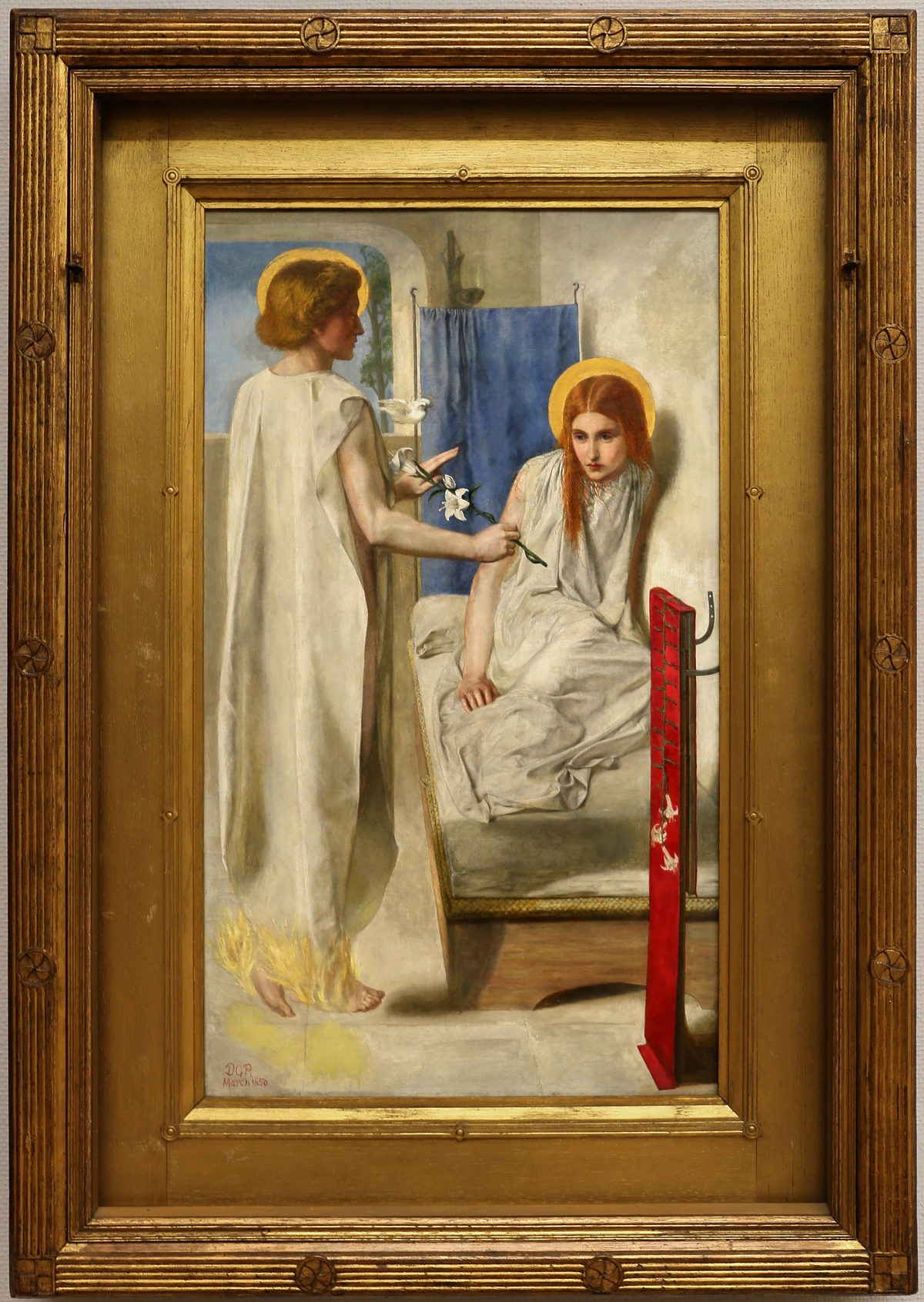
- Ecce Ancilla Domini! (1850): This work shows the Annunciation, with Mary depicted in a simple, humble setting. The painting is a testament to Rossetti's ability to infuse religious themes with a deeply personal and emotional resonance.
- Beata Beatrix (1864-1870): Inspired by Dante Alighieri's "Vita Nuova," this painting portrays Beatrice, Dante's muse, in a state of ecstatic trance. The painting is a masterpiece of symbolism and emotional depth, capturing the essence of Rossetti's artistic vision.
These works, among others, showcase Rossetti's unique ability to blend literary inspiration with visual artistry, creating pieces that are both visually stunning and rich in meaning. His paintings are not just images; they are windows into a world of emotion, symbolism, and narrative depth.
These works, among others, showcase Rossetti's unique ability to blend literary inspiration with visual artistry, creating pieces that are both visually stunning and rich in meaning.
Rossetti's Poetic Visions
Rossetti's poetry is as rich and evocative as his paintings. He often explored themes of love, beauty, and the supernatural. His poems are filled with vivid imagery and a deep sense of emotion.
His poetic works are a testament to his ability to capture the complexities of human experience. Through his verses, Rossetti invites readers into a world of passion, longing, and transcendence, creating a deeply personal and emotional connection.
Rossetti's poetic works are deeply intertwined with his artistic vision. His poems often reflect the same themes and motifs found in his paintings, creating a cohesive body of work that transcends traditional boundaries between visual and literary art. His poetry is characterized by its lyrical beauty, emotional depth, and a profound sense of longing and transcendence.
This synthesis of visual and literary arts is what makes Rossetti's work so unique. His ability to convey emotion and narrative through both mediums allows his audience to experience his vision in multiple dimensions, creating a richer and more immersive artistic experience.
Notable Poems
Rossetti's poetic works are as diverse and rich as his paintings. Several of his poems stand out as defining examples of his literary vision:

Rossetti's poems are not just verses; they are windows into the soul, reflecting his deepest thoughts and emotions. Each poem tells a story, inviting readers to explore the complexities of love, beauty, and the human experience.
- The Blessed Damozel (1850): This poem tells the story of a woman in heaven who longs to be reunited with her lover on Earth. The poem is a masterpiece of lyrical beauty and emotional depth, capturing the essence of Rossetti's poetic vision.
- The House of Life (1870): A sonnet sequence that explores the themes of love, beauty, and the passage of time. The poem is a testament to Rossetti's ability to blend literary themes with a deeply personal and emotional resonance.
These poems, among others, showcase Rossetti's unique ability to blend literary inspiration with poetic artistry, creating pieces that are both lyrically beautiful and rich in meaning. His verses are a reflection of his soul, inviting readers to explore the depths of human emotion and experience.
These poems, among others, showcase Rossetti's unique ability to blend literary inspiration with poetic artistry, creating pieces that are both lyrically beautiful and rich in meaning.

The Legacy of the Pre-Raphaelite Brotherhood
The Pre-Raphaelite Brotherhood may have been short-lived, but its impact on the art world was profound. Their emphasis on detail, color, and literary themes influenced generations of artists and continues to inspire contemporary art.
The Brotherhood's influence extended far beyond the Victorian era. Their innovative approach to art and their commitment to artistic integrity paved the way for future movements, including Symbolism and Aestheticism. Their legacy is a testament to the power of artistic vision and the enduring impact of creative rebellion.
The Brotherhood's influence extended far beyond the Victorian era. Their innovative approach to art and their commitment to artistic integrity paved the way for future movements, including Symbolism and Aestheticism. Their legacy is a testament to the power of artistic vision and the enduring impact of creative rebellion.
The Pre-Raphaelites challenged the status quo, pushing the boundaries of what art could be. Their emphasis on authenticity, emotional depth, and narrative richness continues to inspire artists today, reminding us of the transformative power of creativity.
Influence on Contemporary Art
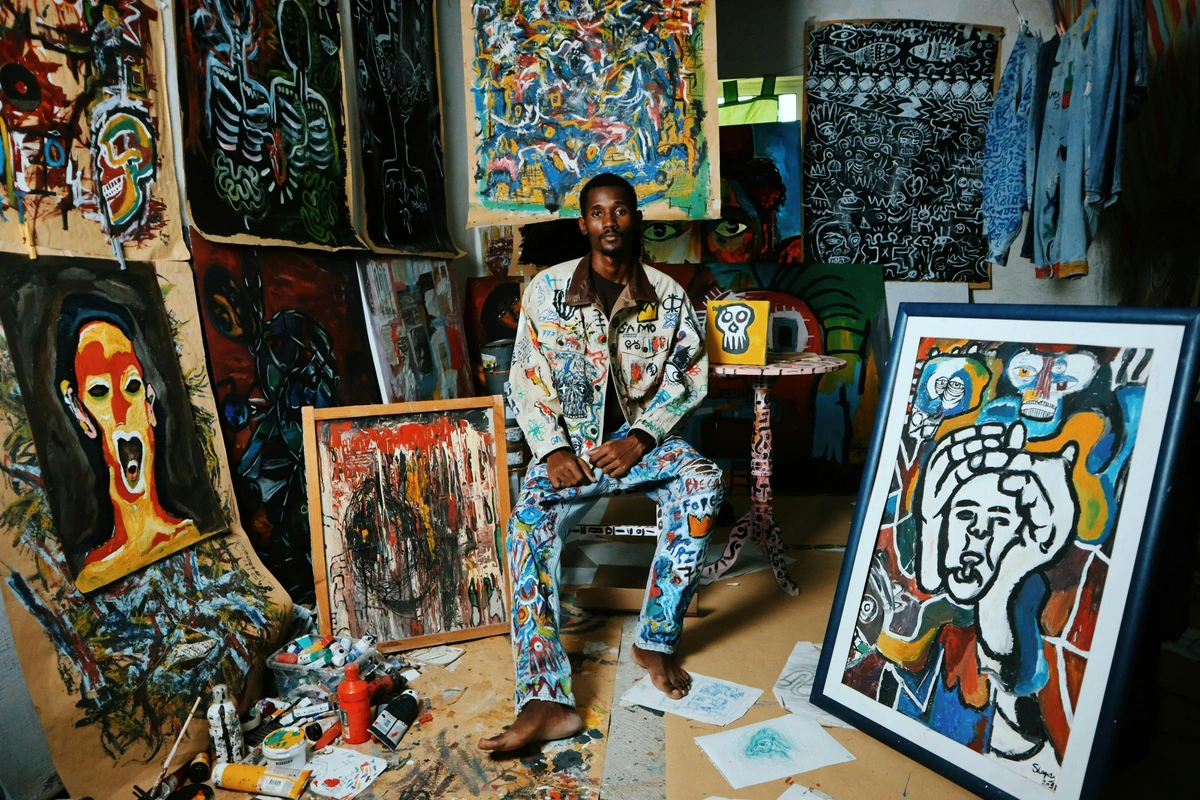
Even today, the influence of the Pre-Raphaelites can be seen in the works of contemporary artists. The use of vibrant colors, intricate details, and literary themes are all hallmarks of this enduring legacy.
Contemporary artists continue to draw inspiration from the Pre-Raphaelite Brotherhood, incorporating their techniques and themes into modern works. This enduring influence is a testament to the Brotherhood's innovative approach to art and their commitment to artistic integrity.
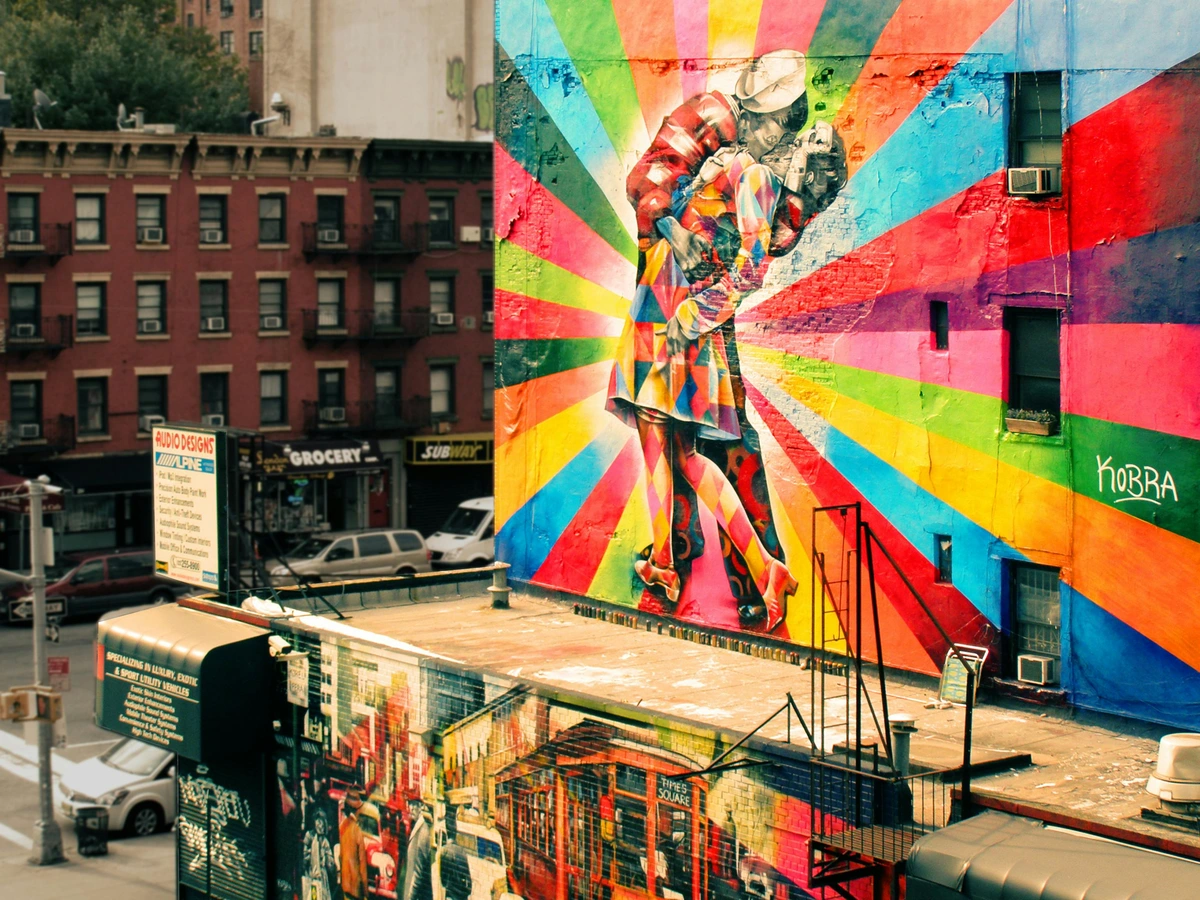
Contemporary artists continue to draw inspiration from the Pre-Raphaelite Brotherhood, incorporating their techniques and themes into modern works. This enduring influence is a testament to the Brotherhood's innovative approach to art and their commitment to artistic integrity.
The Brotherhood's legacy is not just historical; it is a living tradition that continues to shape the art world. Their emphasis on authenticity, emotional depth, and narrative richness remains relevant, inspiring artists to push the boundaries of creativity and expression.

FAQ
What is the Pre-Raphaelite Brotherhood?
The Pre-Raphaelite Brotherhood was a group of artists founded in 1848 who sought to reform art by returning to the detailed, vibrant styles of early Renaissance painters before Raphael. The Brotherhood was a rebellion against the stifling conventions of Victorian art, and their innovative approach to art and their commitment to artistic integrity paved the way for future movements.
What were the main principles of the Pre-Raphaelite Brotherhood?
The Brotherhood was guided by principles such as truth to nature, vivid colors, and literary themes. They believed in painting directly from nature, using bright, jewel-like colors, and drawing inspiration from literature, mythology, and medieval legends. These principles set them apart from their contemporaries and continue to influence artists today.
Who were the main members of the Pre-Raphaelite Brotherhood?
The main members were Dante Gabriel Rossetti, William Holman Hunt, and John Everett Millais. These artists were united by their shared vision of reviving the detailed, vibrant styles of early Renaissance painters and their commitment to artistic integrity.

What are some characteristics of Pre-Raphaelite art?
Pre-Raphaelite art is known for its vivid colors, intricate details, and literary themes. The artists often painted directly from nature and used bright, jewel-like colors. Their emphasis on detail, color, and literary themes set them apart from their contemporaries and continues to inspire artists today.

What is Dante Gabriel Rossetti known for?
Rossetti is known for his paintings and poetry, both of which are characterized by their sensuality, rich symbolism, and a deep connection to literature. His works are a testament to his unique ability to blend literary inspiration with visual and poetic artistry, creating pieces that are both visually stunning and rich in meaning.
How did the Pre-Raphaelite Brotherhood influence art?
The Pre-Raphaelite Brotherhood influenced art by emphasizing detail, color, and literary themes, which continue to inspire contemporary artists today. Their innovative approach to art and their commitment to artistic integrity paved the way for future movements, including Symbolism and Aestheticism.

Conclusion
Dante Gabriel Rossetti and the Pre-Raphaelite Brotherhood revolutionized Victorian art with their vibrant colors, intricate details, and literary themes. Their legacy continues to inspire artists and art lovers alike, reminding us of the power of beauty and the importance of staying true to one's artistic vision.
The Pre-Raphaelite Brotherhood was more than just an artistic movement; it was a rebellion against the stifling conventions of Victorian art. Their innovative approach to art and their commitment to artistic integrity paved the way for future movements, including Symbolism and Aestheticism. Their enduring influence is a testament to the power of artistic vision and the enduring impact of creative rebellion.
The Pre-Raphaelite Brotherhood was more than just an artistic movement; it was a rebellion against the stifling conventions of Victorian art. Their innovative approach to art and their commitment to artistic integrity paved the way for future movements, including Symbolism and Aestheticism. Their enduring influence is a testament to the power of artistic vision and the enduring impact of creative rebellion.
If you're interested in exploring more about art movements and their influences, you might want to check out our timeline or visit our museum in Den Bosch. And if you're inspired to add some vibrant art to your own collection, take a look at our buy page.














The Pre-Raphaelite Brotherhood's legacy is a testament to the power of artistic vision and the enduring impact of creative rebellion. Their innovative approach to art and their commitment to artistic integrity continue to inspire artists and art lovers alike, reminding us of the power of beauty and the importance of staying true to one's artistic vision.