Creative Blocks and Self-Doubt: The Artist's Greatest Foe or Best Teacher?
Stuck in a creative rut? I explore the common artistic challenges we all face, from paralyzing creative blocks and self-doubt to technical hurdles, offering practical insights to navigate them.

The Universal Grind: Why Artistic Challenges Are a Feature, Not a Bug
It’s three in the afternoon. For a week, maybe a month, that spark—the one that pulls your hand toward the canvas—has been a no-show. I know that feeling. You stare at a blank surface, and the silence is deafening. You're not just out of ideas; you're out of faith. And in that quiet panic, you become convinced of one terrible thing: you have forgotten how to create.
Let's start with the only truth that matters: you are not broken.
That void isn't a personal failure. It's a universal feature of a creative life. Every artist who has ever picked up a tool has stared into that same abyss. The difference between the artists who push through and those who give up isn't talent or luck. It's a map. It's knowing what these challenges are, why they happen, and how to navigate them. This article is that map.
Maybe you're here because your hands feel clumsy, or because the ideas won't stop but none of them feel right. Maybe the world's noise is so loud you can't hear your own instincts anymore. Whatever the specific flavor of your struggle, the result is the same: a gnawing fear that you're not a "real" artist. This guide is for you. It's for anyone who has ever felt the gap between the art they want to make and the art they are currently making.
Unraveling the Knot: A New Framework for Your Creative Challenges
Before we dive into the messy, glorious details, let's define our terms. A "creative block" isn't one thing. It's a catch-all phrase for three interconnected, but distinct, states of being, plus one often-overlooked dimension that underpins them all: Mind, Craft, Circumstance, and Narrative.
This "Creative Challenge Matrix" offers a more nuanced way to understand what you're truly facing. Instead of one monster, you're dealing with a dynamic, multi-layered experience.
- The Mind Game: This is the internal battle. It’s the chorus of self-doubt, the paralyzing grip of perfectionism, the numbness of burnout. It's about your relationship with yourself as a creator.
- The Craft Hurdle: This is the external battle between your vision and your hands. It's a skill gap, a rebellious new medium, or a technical puzzle you can't quite solve.
- The Circumstance Grind: This is the pressure of the real world. It's the lack of time, money, or a supportive environment. It's the demands of life that try to wall off your creative space.
These three states feed on each other. A Craft Hurdle (struggling to mix the right skin tone) can trigger a Mind Game ("I'm a terrible painter"). A bad Mind Game makes the Circumstance Grind feel ten times heavier ("I'm wasting my time, I should be doing something useful"). The goal isn't to find a single magic bullet, but to learn which beast you're actually fighting, and to arm yourself with the right tool for the job. Let's begin by dissecting these challenges, understanding their origins and how they manifest in our daily creative life.
The Anatomy of a Creative Block: It's More Than Just a "Bad Day"
Okay, now let's dissect the gremlins. Creative blocks aren't a single monster; they're a whole ecosystem of them working in concert. One minute you're fumbling with a technical detail, the next you're convincing yourself you're a fraud, and then you remember you need to pay rent. They feed each other. A technical struggle feeds a mental block, which amplifies the pressure from the outside world. It's a tangled mess, and the first step to freedom is understanding the individual threads.
The Mind Game: When Your Own Brain Becomes the Enemy
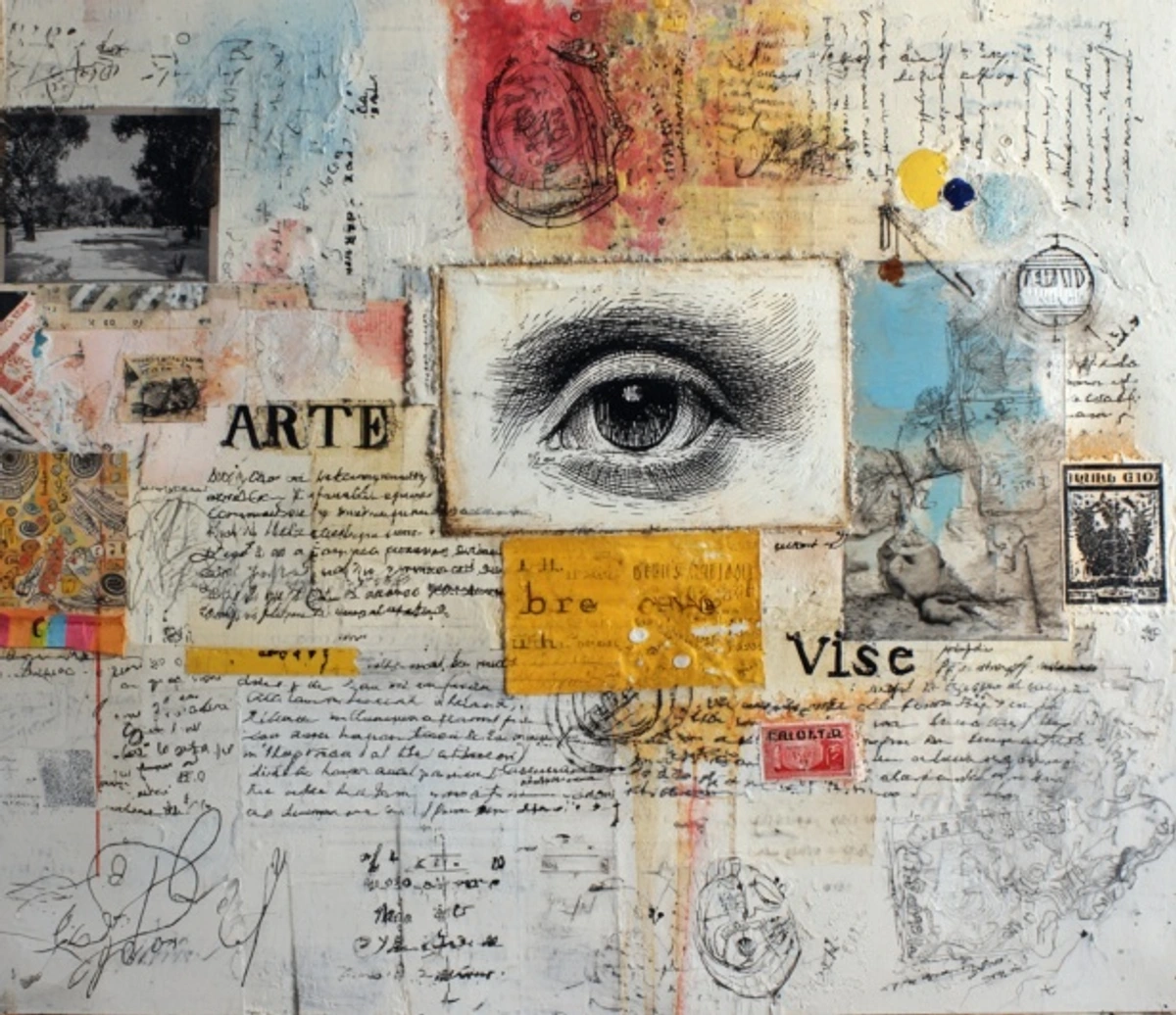
This is the big one, the shadow that follows every creator. It has many names: writer’s block, artist’s block, the void. I just call it The Choke. It's that feeling when the well of ideas has run dry.
A creative block usually isn't about a lack of ideas, but a surplus of the wrong ones. It’s the inner critic sitting on your shoulder, whispering that every line is derivative, every color choice is wrong, and every concept is unoriginal. That critic is a symptom of a deeper challenge: artistic self-doubt.
Imposter syndrome is its close cousin. It's the persistent fear that you're a fraud, that your success is a fluke, and that you'll be exposed at any moment. You look at your own work and see only the flaws, while looking at others' work and seeing only the genius. This comparison is a poison that saps creative energy faster than almost anything else.
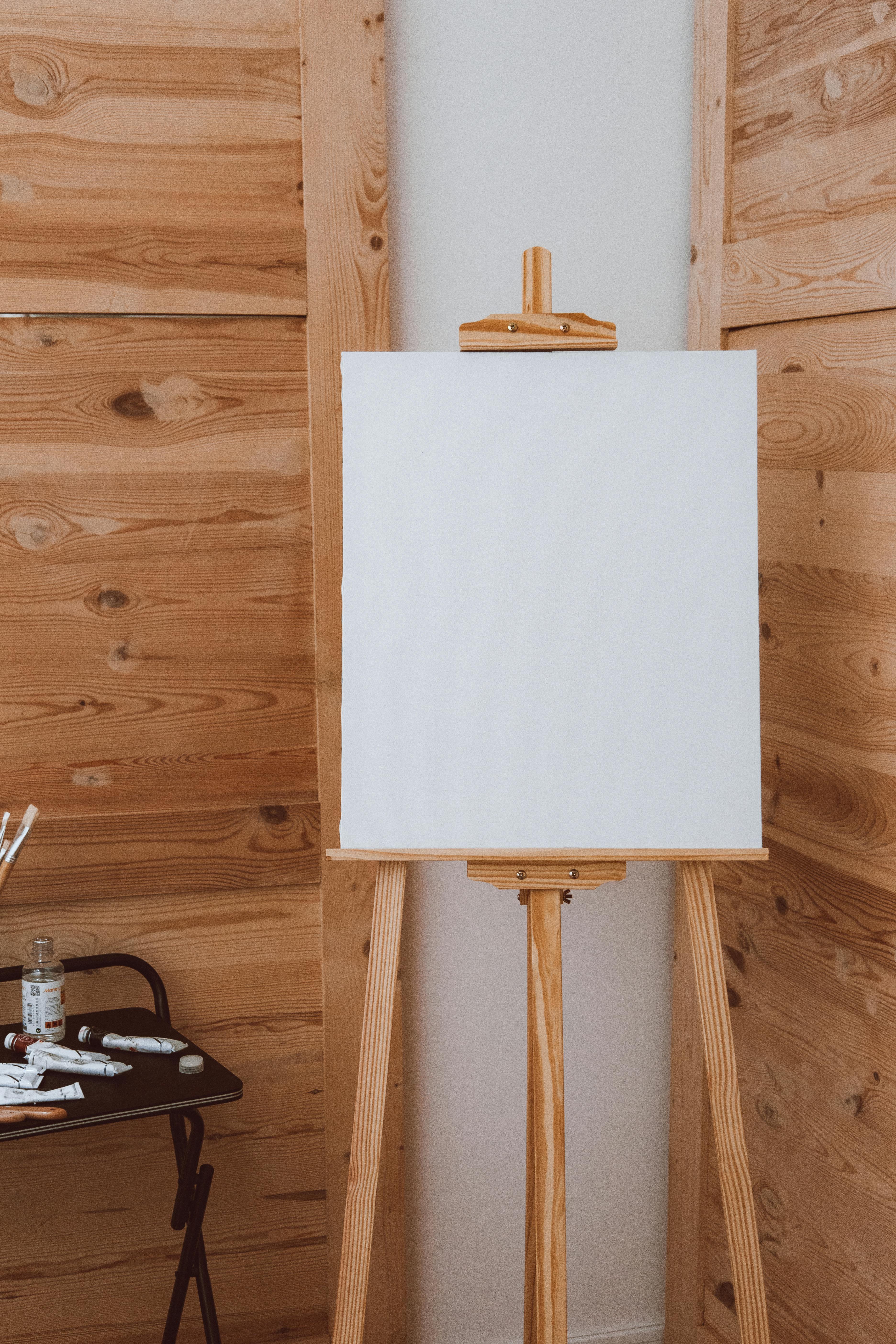
And let's not forget the blank canvas paralysis. It's the stage fright of the art world. You have all the materials, you have the time, but the sheer, intimidating purity of the empty surface freezes you in your tracks. It feels less like an opportunity and more like a test you're already failing.
But let's name a few more, shall we?
The mind is a masterful saboteur. It builds intricate traps that can keep you locked out of your own studio for days, weeks, or even years. These internal narratives are often so familiar they feel like truth, but they're just stories.
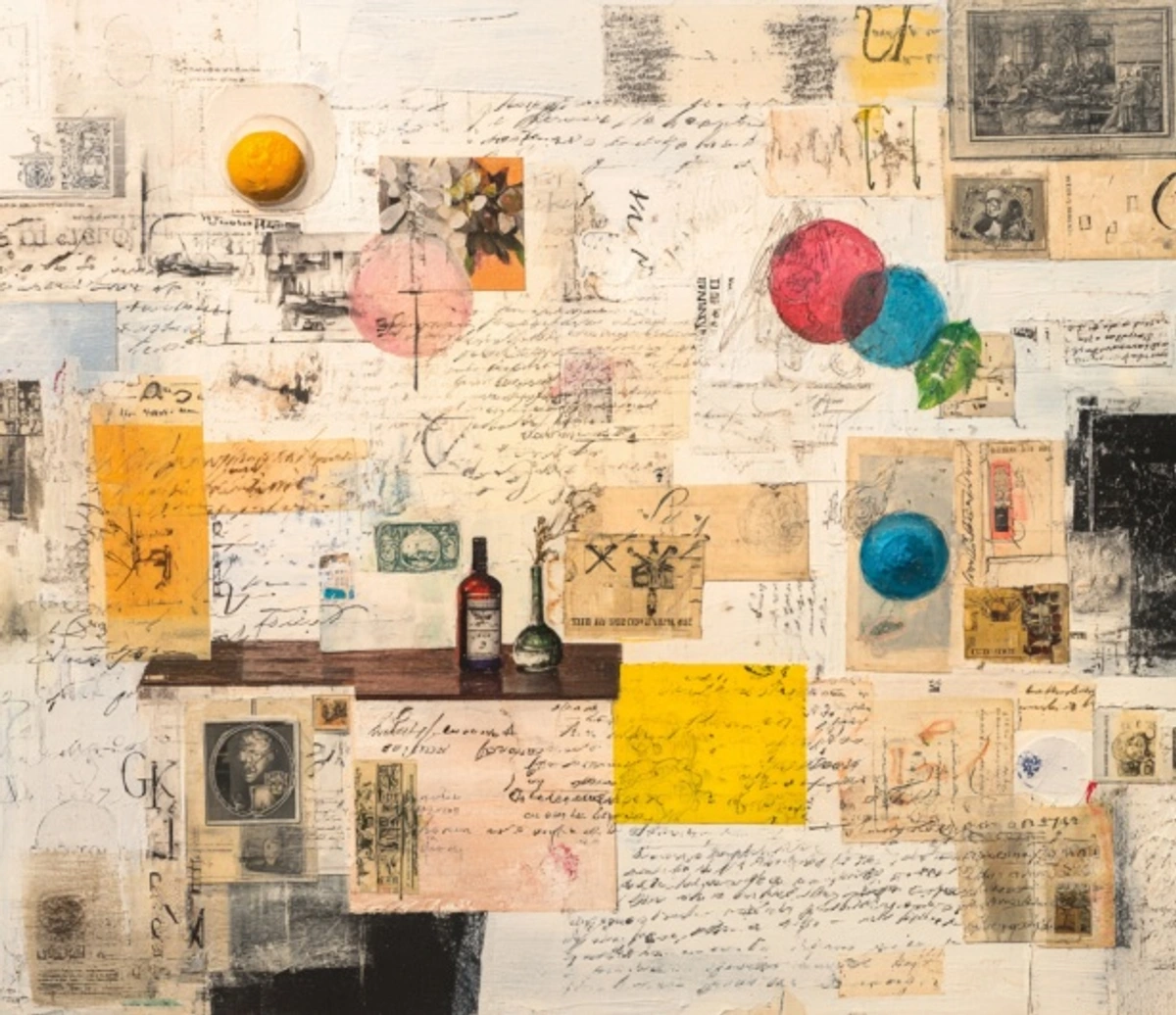
- The Perfectionist's Paralysis: You refuse to start or finish anything because it can't possibly live up to the immaculate vision in your head. Every brushstroke feels like a commitment you're not ready to make.
- The Comparison Spiral: An hour on social media leaves you feeling like your work is irrelevant and your efforts are pointless. You're not just looking at other art; you're comparing your internal chaos with their polished, external highlight reel.
- Creative Apathy (Anhedonia): This is a sneaky one. It’s not that you’re blocked; it’s that you just don't feel anything about the work anymore. The spark is gone. You can't remember why you even liked doing this in the first place. It feels more like a chore than a calling.
- The Fear of Wasting Materials: Sounds trivial, but it's a genuine creative inhibitor. The thought of "ruining" a perfectly good, expensive canvas or sheet of paper can be enough to keep it sitting blank for months. This fear equates artistic exploration with financial loss, which is a recipe for stagnation.
- Artistic Depression: This is deeper than a simple block. It's a pervasive hopelessness that makes it difficult to find joy or meaning in anything, let alone the act of creation. The energy required to pick up a brush feels monumental. It's important to distinguish this from a creative block, as it may signal a need for support beyond what this article can offer.
- Analysis Paralysis: This is the brain's tendency to obsess over endless possibilities without ever choosing one. You research ten different ways to start a painting, watch a dozen tutorials on color theory, and sketch fifty rough compositions, but you never commit to actually beginning. It's a sophisticated form of procrastination disguised as preparation.
I remember working on a series of abstract pieces a few years ago. I was using a palette knife, and with every stroke, I was convinced I was just making a mess. I felt like a complete fraud. It was only weeks later, with some distance, that I could see the energy and movement in those “mistakes.” The self-doubt was so loud it completely blinded me to what was actually happening on the canvas. The challenge wasn't my skill; it was my inability to silence the noise in my own head.
Another time, I had a perfect, expensive sheet of handmade paper. It was so beautiful I was terrified to put a single mark on it. It sat on my desk for six months, a pristine, mocking monument to my own hesitation. The moment I finally made the first, ugly, chaotic swipe of ink across it, the spell was broken. The fear wasn't about the paper; it was about the finality of action.
The Technical Tussle: When Your Hands Can't Keep Up
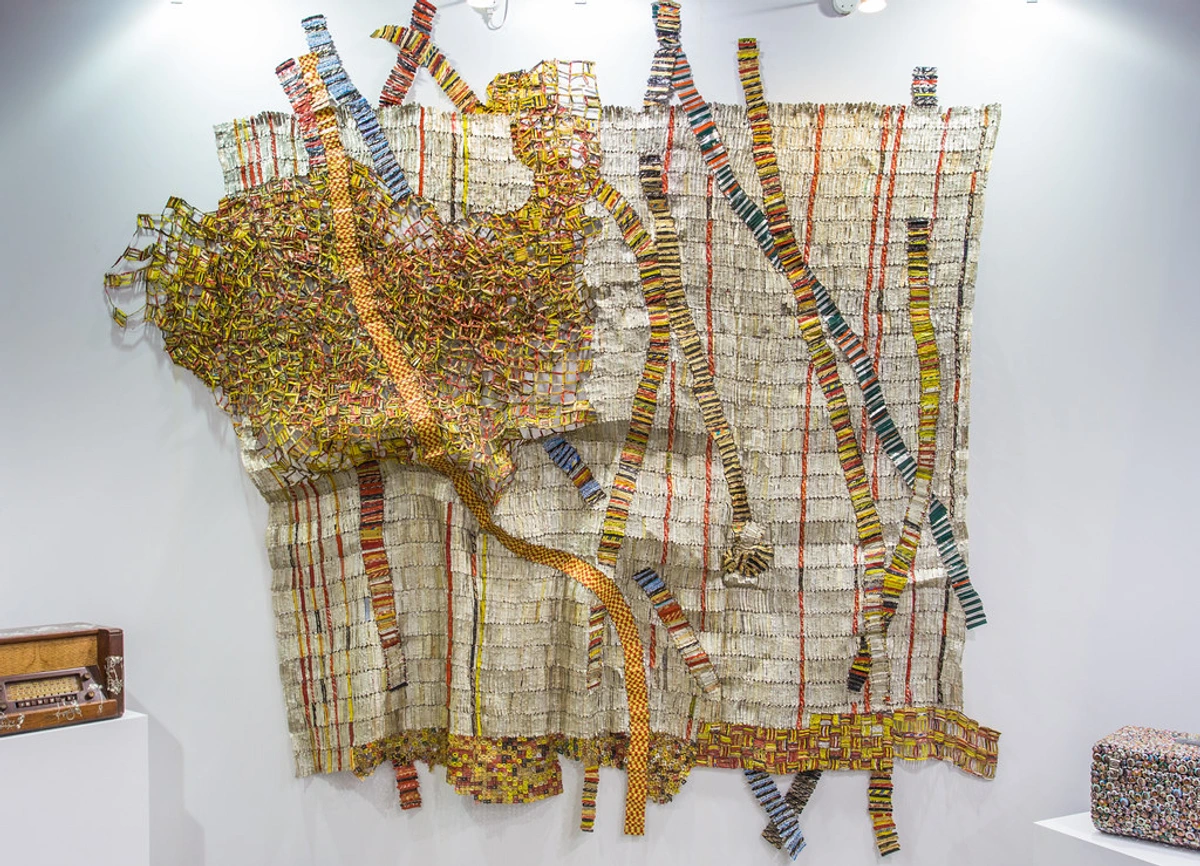
This is the gap between the perfect, glowing vision in your mind and the clumsy, frustrating reality taking shape in your hands. It’s the feeling that your skills are betraying your imagination.
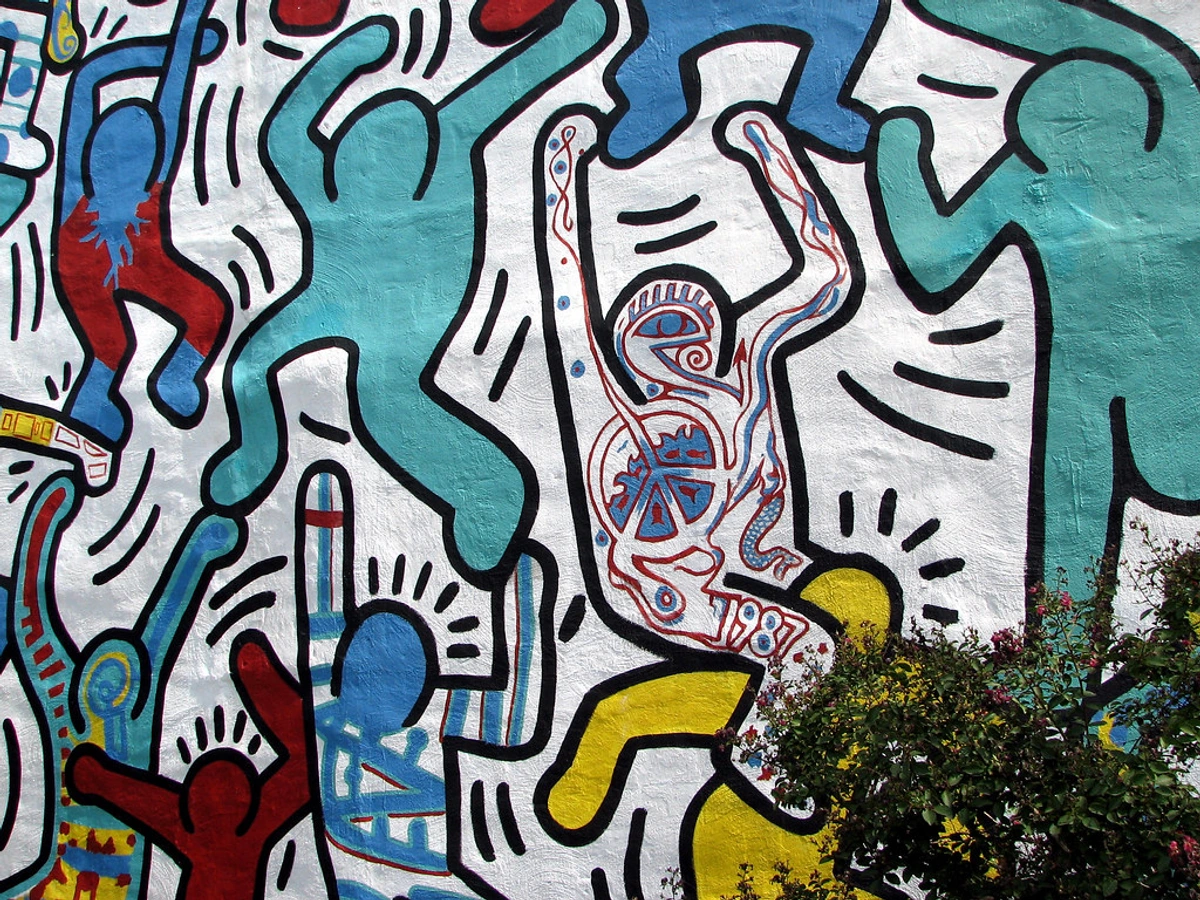
- The Medium's Rebellion: Every medium has a personality. Acrylics dry fast and unforgivingly. Watercolors bloom and bleed in ways that seem to mock your intentions. Oils take a century to dry, forcing patience you might not have. Mastering a material is a lifelong negotiation, not a conquest.
- The Color Wheel Conundrum: You can know the rules of color theory inside and out—complementary, analogous, triadic harmony—and still create a composition that feels jarring and unbalanced. The intellectual knowledge doesn't always translate to visual success.
- The Perspective and Proportion Puzzle: You can follow all the rules of linear perspective, plot your vanishing points, and still end up with a drawing that looks stiff and lifeless. Or worse, you can be intuitively brilliant at capturing a likeness, but completely fail to place that figure in a believable space, leaving them floating in an abstract void. Creating convincing depth and realistic form is a constant, humbling battle.
These problems aren't separate from our mental state. That frustration you feel when you can’t quite render a hand the way you want to? It feeds right back into self-doubt. “If I were a real artist,” the voice says, “I wouldn’t be struggling with this.”
- The Plateau of Mastery: You've reached a comfortable level of skill, but you feel stuck. Progress is no longer visible, and the fear of becoming stagnant clashes with the fear of failing at new art techniques. It's a frustrating, invisible ceiling.
- The Echo Chamber: You've looked at your own work for so long you can no longer see it. You've lost the objective distance needed to know if it's good, bad, or finished. Everything just looks like a collection of familiar mistakes.
The digital age has added a whole new layer of complexity. I see artists wrestling with AI image generators, simultaneously excited by a new tool and paralyzed by questions of originality and integrity. The endless stream of software updates can make you feel like you're always behind, always relearning your own toolkit. It's a fascinating, messy frontier. I remain deeply skeptical of any system that prioritizes market speculation over the actual, sacred physical act of creating.
The Noise of the World: Time, Money, and Everybody's Opinion
Creativity doesn't happen in a vacuum. We have to eat, pay rent, and live in a world that often doesn't value art until it’s on a museum wall. This creates a set of external pressures that can grind even the most passionate artist down.

- The Time Famine: This is the most universal hurdle. The "I'll paint when I have more time" trap. The truth is, you’ll never just "have" more time. You have to steal it, carve it out, and fiercely protect it. A day job, family, personal admin—they all conspire to keep you away from the easel.
- The Money Anxiety: Can I afford these materials? Should I be focusing on more "commercial" work that might actually sell? The pressure to monetize your passion can poison the well, turning a joyful practice into a stressful side-hustle before it's ready to be one. It's the link between art and art valuation that can feel toxic too early.
- The Audience Trap: We live in the age of the public studio. Posting your work online invites immediate, unfiltered feedback. It's incredibly easy to start chasing likes and algorithms, making work you think people want to see instead of the work your gut tells you to make. That path leads directly to creative burnout.
- The Isolation Paradox: A creative life can be incredibly lonely. You spend hours alone in a room, wrestling with your own mind. And yet, you're constantly confronted by the work of thousands of other artists online, which can make you feel even more isolated and inadequate. It's a strange, modern form of loneliness.
- The Unsupportive Environment: Your family or friends might see your art as "just a hobby," a frivolous distraction from a "real" career. This constant need to justify your passion is an enormous drain on creative energy.
Your Personalized Action Plan: From Diagnosis to Cure
The antidote to this chaos isn't just more information; it's a map and a set of tools. You've seen what you're up against—the gremlins in your mind, the limits of your craft, the noise of the world. Now it's time to choose your weapon. This action plan is designed to help you diagnose your specific block and apply a targeted, practical solution.
Step 1: Identify Your Primary Challenge
First, you need to know what you're fighting. Use this simple identifier. Don't overthink it; just go with the one you feel in your gut right now. Remember, you're likely experiencing a mix of these, but one often acts as a heavy anchor. Name that one first. It's not about finding the perfect label, but about giving yourself a place to start.
Block Type  | Key Feeling | The Monologue Running Through Your Head |
|---|---|---|
| Mind Game | Dread, Fear, Numbness | "I'm a fraud. What's the point? It'll never be good enough. I don't feel anything anymore." |
| Craft Hurdle | Frustration, Annoyance | "I can see what I want, but I can't get my hands to do it. I don't know the right technique for this." |
| Circumstance Grind | Resentment, Guilt, Pressure | "I don't have time. I can't afford this. No one understands or supports what I'm doing." |
Step 2: Find Your Targeted Strategy
Once you have a name for your challenge, you can match it with the right tool. This matrix connects the problem directly to a solution.
| Mind Game | Craft Hurdle | Circumstance Grind | Narrative Knot |
|---|---|---|---|---|
| Immediate Tactic | "Ugly" Strategy | The Study | Micro-Commits | The Reframe |
| Core Method | Reframe the goal from "making good art" to "making messy marks." | Focus on learning one small thing (e.g., how light hits a cup) without any intent to finish. | Commit to 10 minutes a day. Not three hours. Ten minutes. Protect it ferociously. | Challenge a single foundational belief. Rewrite one sentence of your artist's statement from a place of curiosity. |
| Long-Term Goal | Befriend your inner critic; make it specific and useful. | Build a portfolio of studies, not just finished pieces, to track your technical growth. | Redefine what a "supportive space" means for you, even if it's just a corner of a room. | Become the author, not just the subject, of your creative story. |
Think of this as your strategic overview. The sections that follow will give you the specific, step-by-step instructions for each of these tactics, and many more. The goal isn't to tackle everything at once. It's to pick one battle and win it. Clarity before action.
The antidote isn't to ignore the world, but to build a small fortress of focus. Carve out sacred time, however small. Create for yourself first.
From Stuck to Unstoppable: Your Anti-Block Toolkit
Alright, time to get tactical. You've diagnosed the problem. Now let's arm you with solutions. Waiting for the muse is a sucker's game. You can't wait for inspiration; you have to become a cagey architect of it. You trick her into showing up. You build a playground so weird and compelling she has no choice but to come and check it out. Here's how you build that playground.
Below are detailed strategies mapped directly to the challenges we just named. If your inner world is chaotic, we start there. If your hands feel disconnected from your vision, we focus on craft. And so on.
Reclaiming Your Brain: Strategies for Mental Blocks
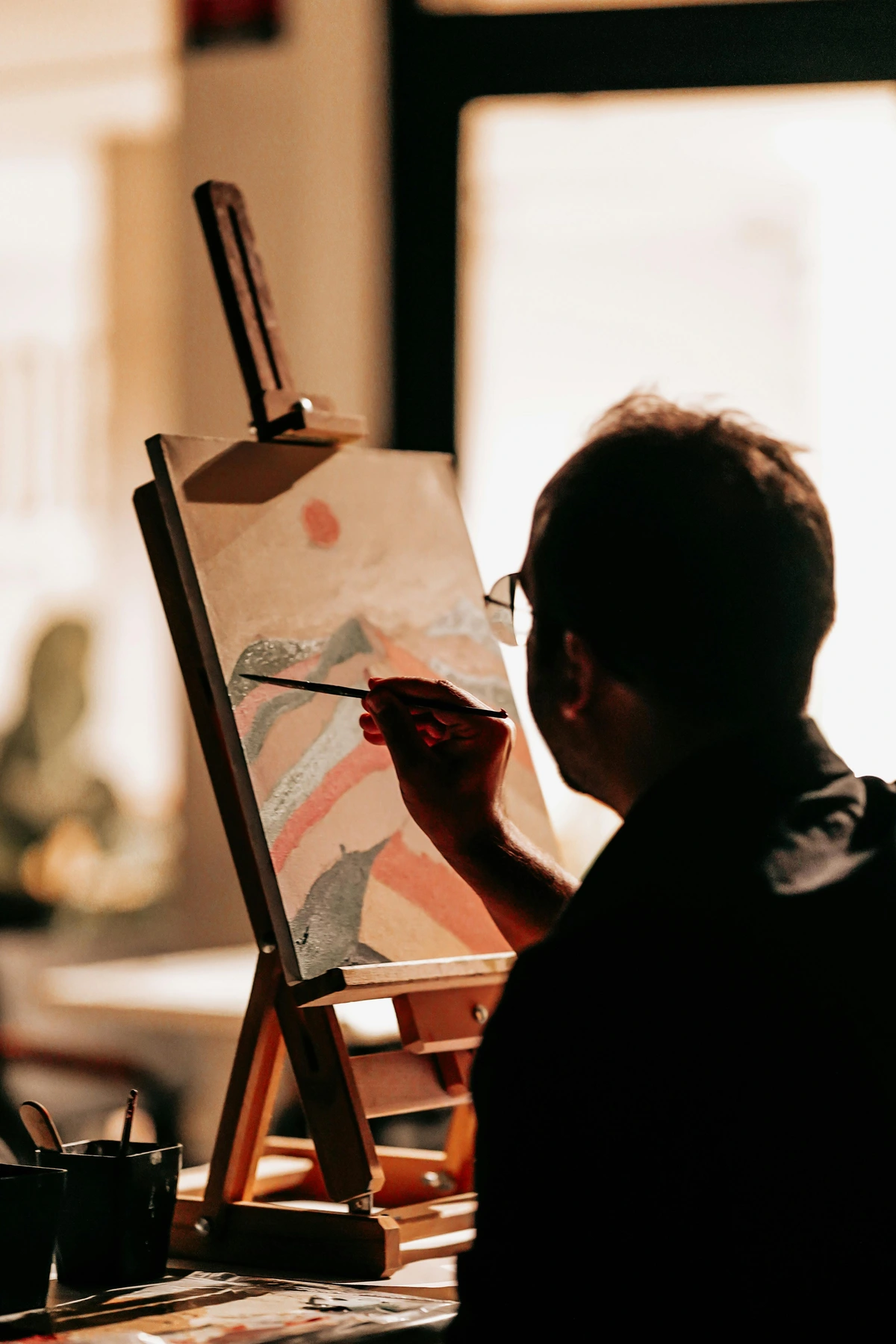
Your mind is not broken; it's just stuck in a loop. The goal here is to disrupt the loop. You can't think your way out of a mental block, you have to act your way out. Action creates evidence that contradicts the negative feelings.
- Lower the Stakes (The "Ugly" Strategy): This is my go-to maneuver. Tell yourself the explicit goal is not to “make great art.” The goal is to make the most hideous, embarrassing painting you can imagine. Use colors that clash. Draw wobbly lines on purpose. By giving yourself permission to fail spectacularly, you remove the paralysis of perfectionism. Action, even ugly action, is the cure. It transforms the task from "producing a masterpiece" to "having an experience."
- Create an "Entry Ramp" Ritual: Brains are lazy and love autopilot. Build a stupidly simple ritual to slip into your creative state. It's not about having a perfectly tidy studio (that's a form of procrastination). It's about a 5-minute trigger. For me, it's making a strong coffee and putting on a specific album I only listen to when painting. After two songs, my brain knows it's go-time, no questions asked. This Pavlovian trick removes the need for "willpower."
- Embrace Creative Claustrophobia (The Power of Constraints): The blank page is the enemy because it offers infinite, terrifying freedom. So, build a cage. Limit yourself in a ridiculous way. These limits force your brain out of its ruts and into problem-solving mode.
- The Three-Color Challenge: Grab three random tubes of paint. That's your entire palette. No more.
- The Blind Contour Drawing: Draw an object without looking at your paper. The results are hilarious and free you from the need to be accurate.
- The Found Object Mandate: You can only use materials within arm's reach right now. A pen, a napkin, some spilled coffee. Create from that.
- The "Why" Reset: Sometimes we get blocked because we've lost the connection to our core motivation. Stop. Ask yourself: "Why did I start making art in the first place?" The answer is never "to get Instagram likes." It's usually "because it felt like play," or "it was a way to process my thoughts." Reconnecting with that original, simple "why" can cut through the noise of expectation.
- Externalize the Noise: Write down every single anxious, doubtful, or critical thought onto a piece of paper. Do not type it. The physical act of writing forces your brain to process the thought differently. Once it's on paper, the thought often loses its power. You can literally crumple it up and throw it away.
Tackling Technical Hurdles
- The Value of a Study: Stop trying to make a finished piece. Instead, focus on a study. A study isn't meant to be framed; it's meant to be learned from. Set up a still life and just focus on capturing the way light hits an apple. Try to copy a small section of a master's painting just to see how they mixed a particular color. By removing the pressure of a final product, you give yourself the freedom to truly see and learn.
- Learn Deliberately: Don't just practice—practice with a specific intention. If you struggle with color, spend a week only painting color charts. If perspective is the issue, do a dozen quick sketches focusing solely on vanishing points. Targeted practice is far more effective than hours of aimless doodling.
The Long Game: Forging an Unbreakable Creative Mindset
Let's be real. All the tips and tricks in the world are useless if your head isn't in the game. The ultimate goal isn't to win a single battle against a creative block; it's to become the kind of person who can weather any creative storm. It's about building a resilient mindset that sees obstacles not as dead ends, but as signposts. It's the work of changing your relationship with your art, and with yourself.
This section is about the deeper work. It's about building a creative identity that isn't shattered by a bad day, a negative comment, or a fallow period. It's about becoming someone who consistently creates, not because they feel inspired, but because that's who they are.
Befriend Your Inner Critic (Really)
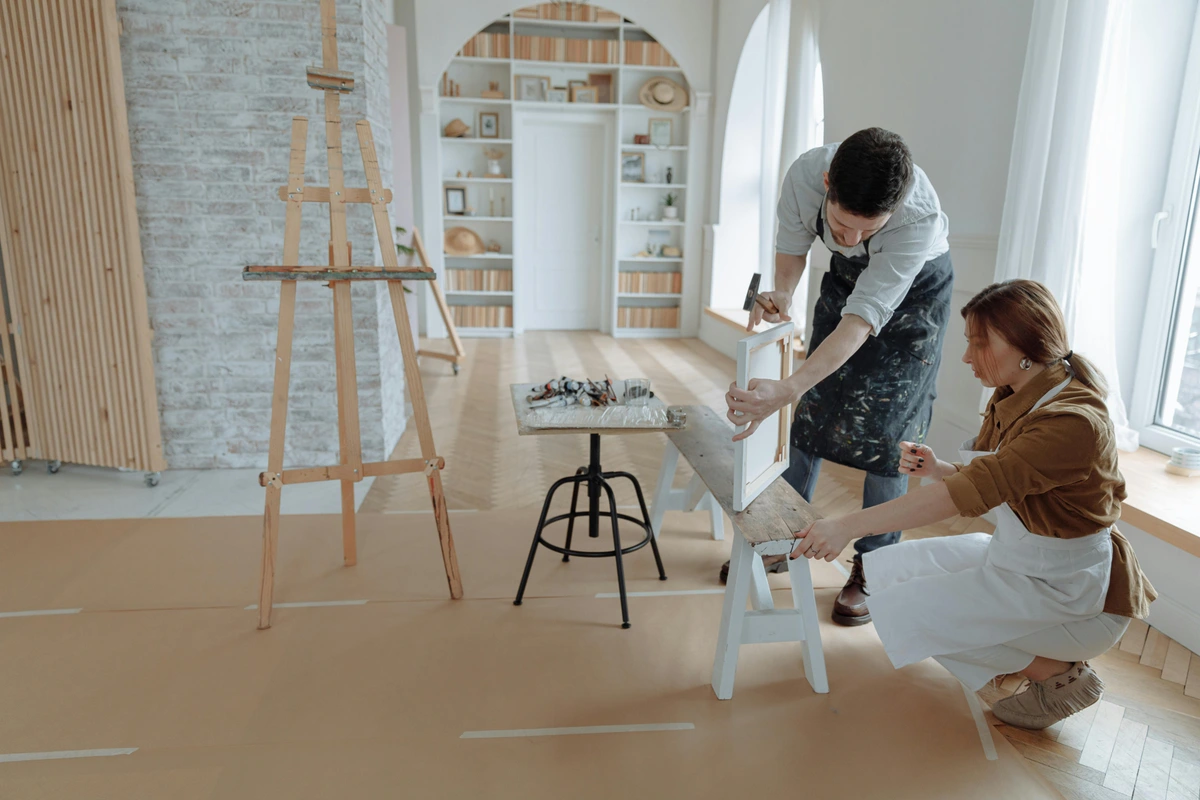
We all have one. That little voice that narrates your every creative failure. The trick isn't to slay it—that's impossible. The trick is to turn it from a bully into the world's most annoying, but occasionally useful, consultant.
Instead of letting it rant in the background—"This is garbage, you're a fraud, why are you even trying?"—drag it kicking and screaming into the light. Interview it. Get specific.
- Critic: "This painting is terrible."
- You: "Okay, thank you for that insightful feedback. What, specifically, is terrible? Be precise."
- Critic: "...The colors are muddy."
- You: "Excellent! Now we have a problem we can actually solve. Are the colors physically muddy, or do they just lack contrast? Did I overmix on the palette? Is the value range too narrow?"
Suddenly, a vague, crushing wave of self-loathing becomes a practical technical problem. You’ve transformed an emotional attack into a solvable puzzle. The critic’s weapon is ambiguity; your shield is specificity.
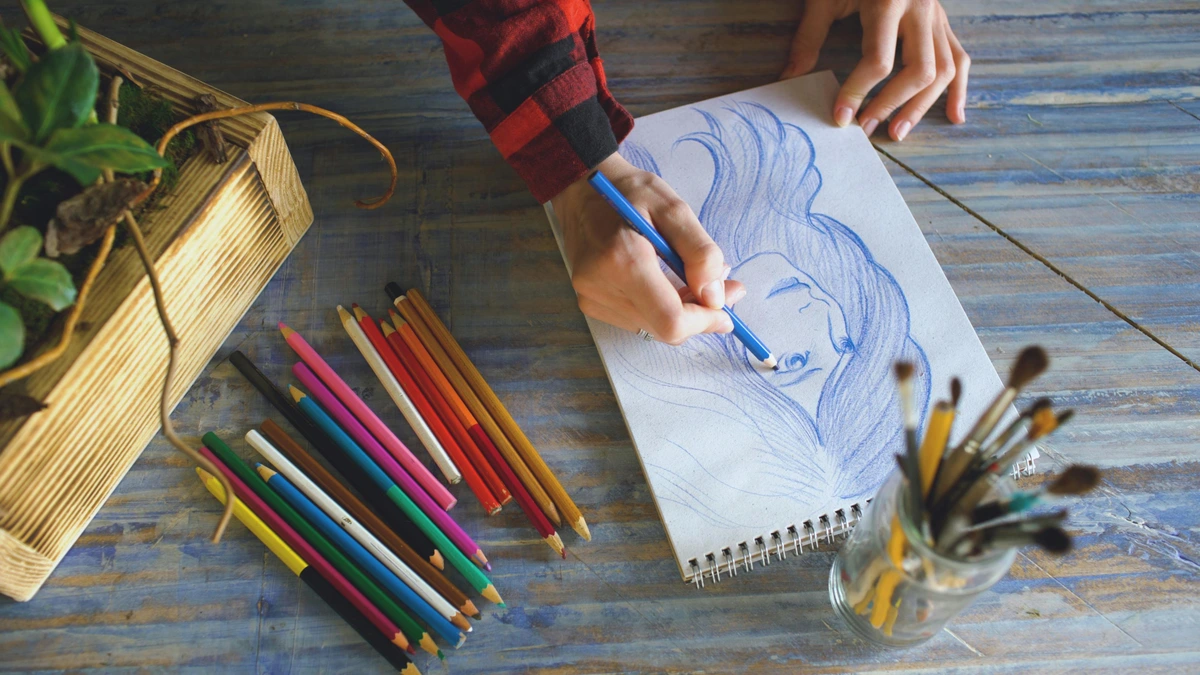
The "Fifteen Minutes of Ugly" Rule: Start Before You're Ready
Here's a secret: professional artists aren't people who are constantly inspired. They're people who have learned to start when they feel absolutely nothing. Inspiration isn't a pre-requisite; it's a side effect of showing up.
I almost never "feel like" painting. The idea of a fully-realized masterpiece is a mountain I have no energy to climb. So I lower the stakes to the ground.
I make a deal with myself: "Okay, you don't have to make art. You just have to stand at the easel and do something ugly for fifteen minutes. That's it."

Setting a tiny, almost insultingly small goal removes the pressure. It's not a painting session; it's a fifteen-minute experiment in mark-making. 9 times out of 10, those fifteen minutes turn into an hour because the first, hardest step is already done. You've tricked yourself into starting, and momentum is a powerful drug.
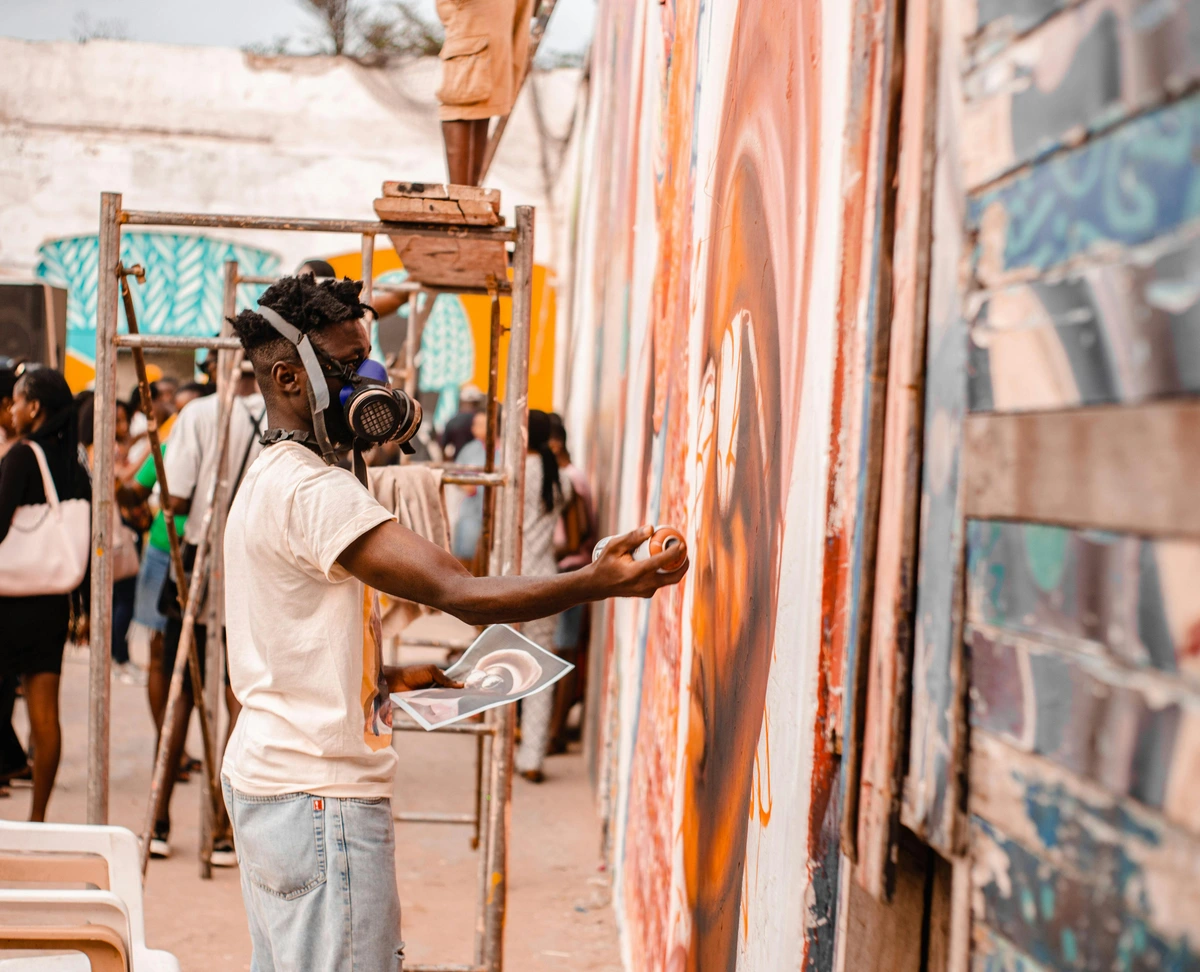
The Rhythm of Work and Rest
We live in a culture that glorifies the grind, but burnout is the killer of creativity. The key isn't just to work hard; it's to build a sustainable rhythm. This is the hardest pill for a productivity-obsessed world to swallow, but it's essential: sometimes the most creative thing you can do is actively nothing. A grinding block is often your subconscious screaming that the well is empty. It's telling you that you need to stop pumping the handle and go find a new water source.
- Schedule Your Rest: Treat rest like an appointment. Put "Artist Date" on your calendar. This isn't lazy; it's productive maintenance. Get out of your own head and environment. Go to a gallery or just walk through a new neighborhood. The goal is to fill the well back up. An empty well yields no water, no matter how hard you pump the handle.
- Consume Great Art (in a different medium): When you hit a wall, watch a cinematic masterpiece. The way a director frames a shot can teach you more about composition than a textbook. Read a poem. Listen to an album as a complete narrative. Let other forms of genius seep into your pores. This isn't about comparing; it's about cross-pollination of ideas.
- Embrace Analog Hobbies: Do something with your hands that has no creative purpose and no audience. Garden. Bake bread. Fix a bike. Letting your mind wander while your hands are busy on a simple, tactile task allows new connections to form in the background. Rest is not the enemy of work; it is its essential partner.
- The "Non-Negotiable" Buffer: Build a hard stop into your creative sessions. End while you still have a little energy left, before you hit the wall of exhaustion. This creates a positive association with the work and makes it easier to start the next day. It's like leaving a little bit of gas in the tank for tomorrow morning.
Connecting with Your Creative Community: The Power of Not Going It Alone
The myth of the lone, tortured artist in their garret is just that—a myth. And a dangerous one. While the act of creation is often solitary, the life of an artist doesn't have to be. Isolation is the fertilizer for every creative block, self-doubt, and mental gremlin we've discussed.
- Find Your People: This could be a local life-drawing group, an online forum, or a small, trusted circle of artists you met online. The key is to find a space where you can talk about the process—the failures, the frustrations, the technical nightmares—not just post your polished final products.
- Share the Struggle, Not Just the Success: My most meaningful creative relationships are built on a shared understanding of the struggle. We show each other the messy sketches, the abandoned canvases, the "what the hell was I thinking?" moments. It normalizes the mess. It makes you realize you're not crazy; you're just an artist.
- Seek Constructive Eyes, Not Just Praise: Find a person or two whose artistic eye you trust implicitly. When you're truly stuck, they're the ones you can show your work-in-progress to. Not for empty praise ("Oh, that's nice!"), but for a thoughtful, honest reaction. "That corner is getting a bit heavy," or "The energy in that stroke is fantastic, let's see more of that." This kind of feedback is gold.
Your Next Step: From Reading to Doing
You've absorbed the map. You've seen the possible monsters and the tools to fight them. But a map is useless if you don't take a step. Your work now is brutally simple: get to work. Not "work" in the grand, capital-A Art sense, but the small, humble, often ugly work of just beginning. Pick one tactic from this guide—the "Ugly" strategy, the 10-minute "Micro-Commit," a single "Study"—and try it. Right now, if you can. Or schedule it for tomorrow, and then guard that time with your life.
Action is the only cure. Momentum is the only antidote. Let's begin.
Conclusion: The Challenge Is the Path
We like to glorify the myth of the artist as a perfect vessel for divine inspiration, but the truth is far more human, and far more interesting. We are problem-solvers, tinkerers, and spelunkers navigating a complex set of internal and external challenges, day in and day out. The creative block you're facing today isn't a dead end; it's a detour. It might be pointing you toward a new technique, a new subject, or simply demanding that you rest. It might even be a sign that you need to step away for a while, and that's okay too.
The goal isn't to eliminate these challenges. That's impossible. The goal is to get better at moving through them, to build the resilience that allows you to keep making the work only you can make. So the next time you find yourself staring at a blank page, feel the familiar weight of dread, and think you're alone in it—know that you're in the best and most universal company a creator can have. Welcome to the grind. Let's get to work.






Question | The Short Answer | The Deep Dive |
|---|---|---|
| "Is it normal to hate everything I make?" | Yes, completely normal. In fact, it's a sign you have taste. | This is the classic "taste gap." Your taste is more developed than your current skill. It's frustrating, but it's also the engine of improvement. The key is to separate "I don't like this" from "This is a failure." One is a judgment, the other is feedback. Celebrate the fact that you can see what's wrong; it means you know what right looks like. |
| "I feel like a total fraud. Will I ever get over imposter syndrome?" | Probably not entirely, but you can learn to live with it productively. | Imposter syndrome is just your ego's fear of being judged. The art about imposter syndrome is to stop trying to "prove" you're an artist and just focus on the work. Action is the antidote to fear. The more you create, the more your identity as a creator is built on experience, not on external validation. |
| "I have a great idea, but I'm terrified to start because I might ruin it. What do I do?" | Start with the second-best idea. Protect the great one. | This is the classic "good canvas" problem. The fear of ruining the idea is greater than the excitement of creating it. So, shelve it. Go make the second-best, or even the tenth-best idea. Make a messy, ugly version of a throwaway concept. This gets the engine of "doing" running, and it builds the skills and momentum you'll eventually need to execute your great idea with confidence. |
| "Am I just lazy? I have the time, I just can't seem to make myself start." | It is almost never about laziness. It is almost always about fear. | Laziness is a judgment. Fear is a diagnosis. You need to ask what you are afraid of. Is it failure? Success? The vulnerability of being seen? Naming the fear gives you something concrete to work with. (See also: Universal Truth in Art History). |
| "How do I know if I'm really an artist and not just fooling myself?" | Do you make art? Then you're an artist. It's that simple. | The world wants to add qualifiers: "professional," "successful," "talented." But the only one that matters is the verb. If you do the work, you are an artist. You don't need permission, a certificate, or a certain number of followers to claim the title. The identity is in the action, not the outcome. |
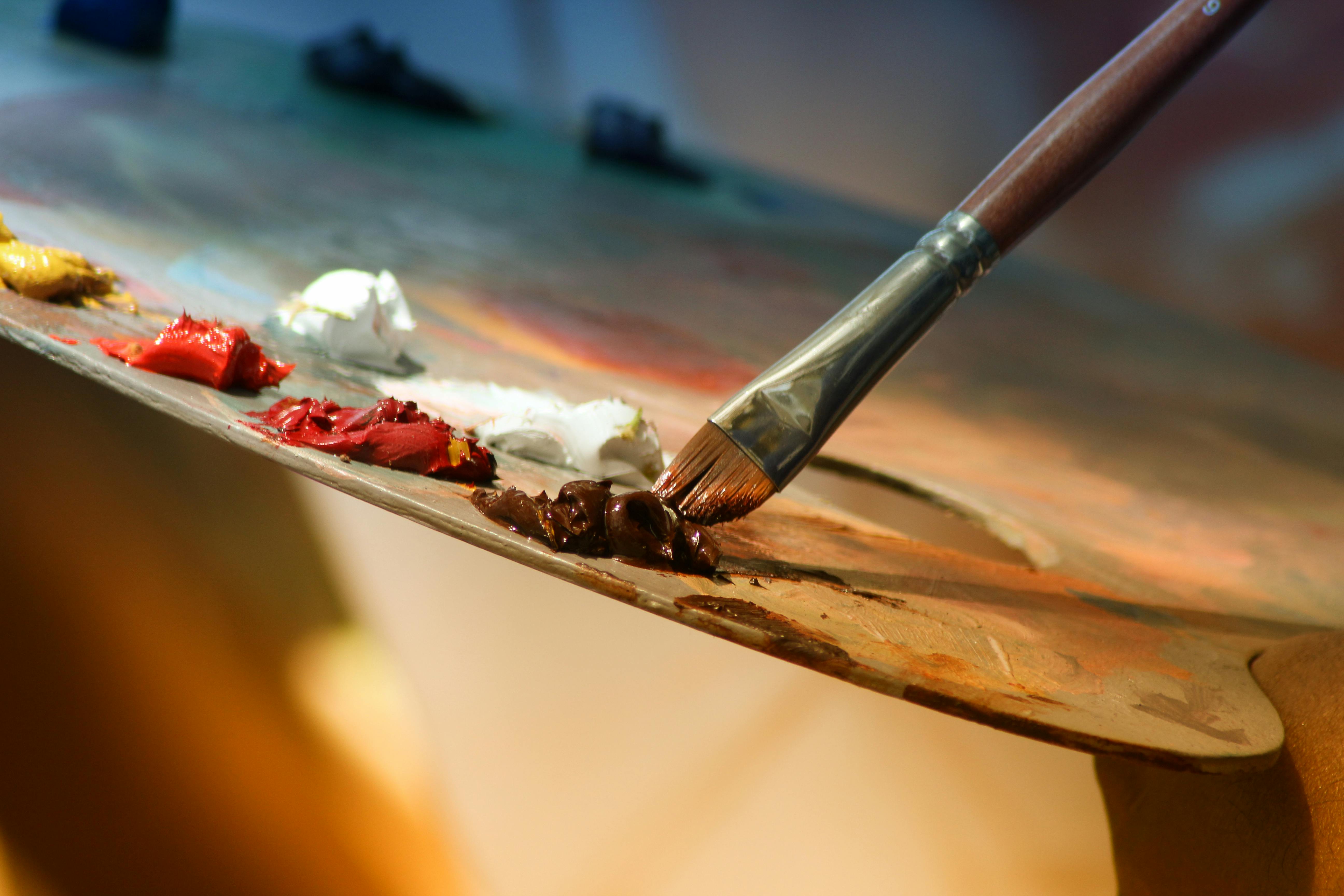
| "I had a creative block for months and now I feel like I've forgotten how to even hold a brush. Have I lost it forever?" | No. You haven't lost it. You're just out of practice. | Skills, especially creative ones, get a little dusty. Think of it like a muscle that hasn't been used. It'll feel awkward at first, but it comes back faster than you think. Start with the absolute simplest possible activity—even just mixing colors on a palette—to rediscover the physical joy of the process without any expectation of a final product. Just play. |
| "Everyone else's work seems so much more original and unique. My style feels derivative and boring." | The path to originality is through imitation, not around it. | Style isn't something you invent out of thin air. It's the residue of all the artists you've ever loved, filtered through your own hand and experience. The phases of "feeling derivative" are a necessary part of the path. Keep learning, keep copying the masters to understand their techniques (What is a Color Study in Art?), and your own unique voice will emerge as a natural byproduct. |
| "How much should I worry about making my art 'commercial' vs. what I want to make?" | Worry about what you want to make first. Always. | The market is fickle. Chasing it is a recipe for burnout. If you make work that is true and honest to you, you will find your audience. It might be smaller, but it will be authentic. Art valuation is complicated, but the foundation of valuable art is its integrity. |
| "Is it okay to just copy other artists while I'm learning?" | Absolutely. As long as it's for learning, not for posting or selling. | Copying is one of the oldest and most effective ways to learn. It forces you to reverse-engineer another artist's process and problem-solving. The crucial rule is to keep these studies private. They are exercises for your brain, not content for the world. |
| "I can only work when I'm inspired. Is that okay?" | It's okay, but it's not a very reliable way to build a practice. | Waiting for inspiration is like waiting for lightning to strike. Professional artists treat creativity like a job. They show up at the studio and put in the hours because they know that inspiration is more often a result of the work, not its cause. |
| "Should I go to art school?" | It depends on what you want to learn. It's not a prerequisite. | Art school can provide structure, community, and technical training. But it's expensive and not the only path. The digital age offers an incredible wealth of resources. Ask yourself if you need the formal structure or if you can build your own curriculum. The value is intensely personal. |
| "When will I feel confident about my work?" | Confidence is less a feeling and more a habit of action. | You may never "feel" confident. Confidence is something you build by repeatedly facing the fear, doing the work anyway, and proving to yourself that you can survive the process. It's built in the doing, not in the waiting. |
| "The fear of being judged is paralyzing. How do I deal with criticism?" | Separate the feedback from your identity. | Not all criticism is created equal. There's useful feedback about your work (which you can evaluate and use), and there are personal attacks (which can be ignored). Learning to tell the difference is a crucial skill. Remember, a critique of one piece is not a critique of your entire being as an artist. |