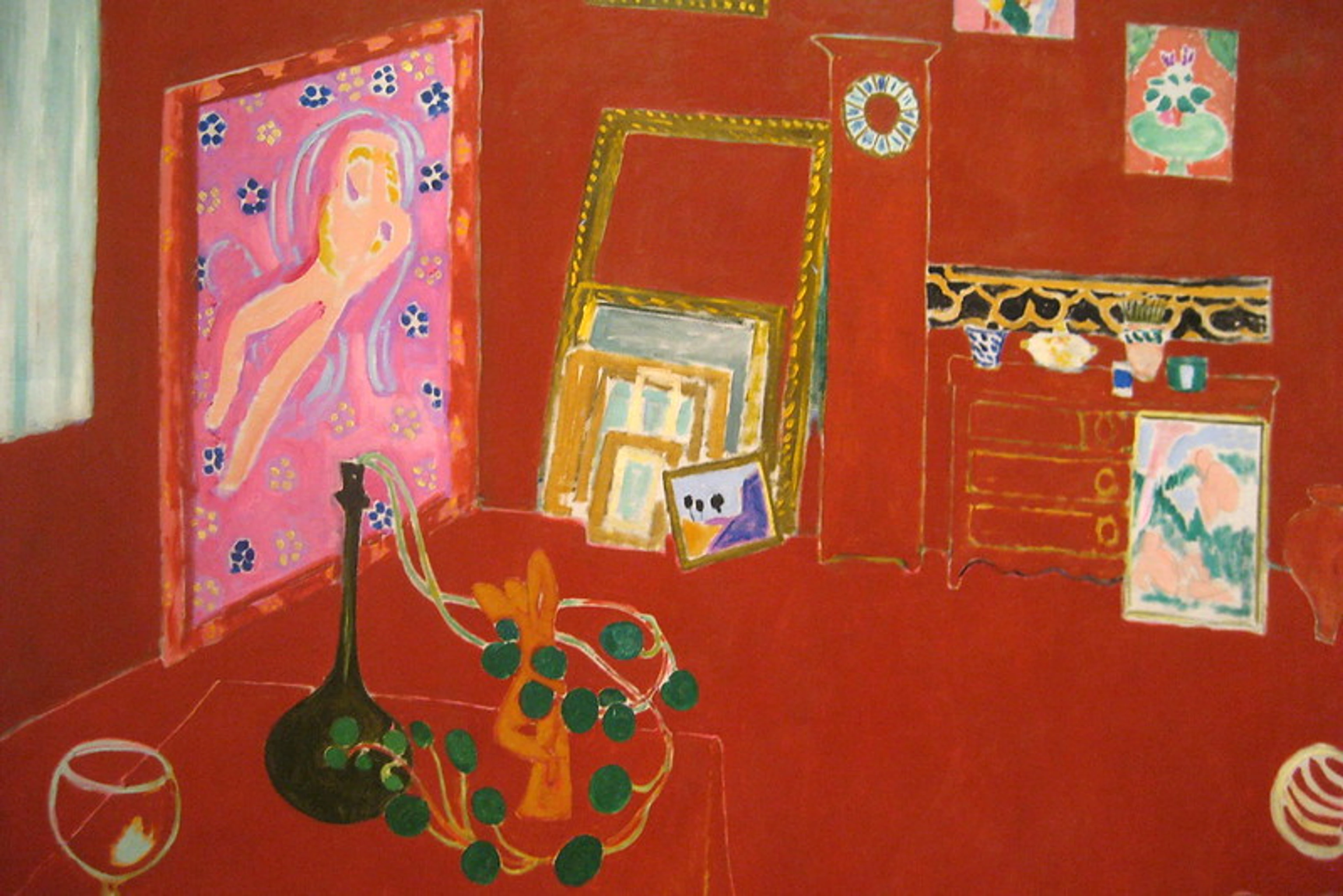
Best Easels for Small Studios: Maximize Creativity & Space
Transform your tiny space into a thriving art studio! Discover the ultimate guide to compact, stable, and ergonomic easels – from tabletops to heavy-duty H-frames – to fuel your creativity and elevate your art without sacrificing precious square footage.

Best Easels for Small Studios: Maximizing Creativity in Any Tiny Space Faust! A Guide to Claiming Your Creative Corner
Ever felt like your creative spirit is stuck in a wrestling match with your living room furniture? Not due to a lack of ideas, but a profound lack of space? I know that feeling all too well. My earliest 'studio' was quite literally the two square feet between my bed and a wall. For years, I stubbornly resisted getting a proper art easel, convinced it was a luxury I simply didn't have room for. (And let's be clear, I'm talking about an easel for making art, not just for displaying a finished piece.) I propped canvases on chairs, precariously balanced them on stacks of books, even painted with them on my knees. The result? A perpetual crick in my neck, canvases constantly slipping, and the distinct sense that I was battling my environment, rather than collaborating with it. It's a fight for space and sanity many artists know, and it deeply impacts the art itself. Imagine trying to capture a perfect line or accurately assess perspective when your canvas is constantly shifting or tilted at an awkward angle. It's like trying to navigate a dense fog – your vision is fundamentally skewed, and your creative flow is constantly interrupted. I remember the frustrating dance of trying to create while my materials rebelled against the makeshift setup; it stole precious energy that should have gone into the painting itself.

So, if you're reading this while hunched over a tiny canvas on your desk, balancing a palette on a stack of textbooks, consider this your intervention. This is your definitive guide to finding a real, honest-to-goodness compact easel that will actually fit in your small space, dramatically improve your art, and maybe even save you a chiropractor bill. I promise, it's one of the best investments you can make in your practice. My goal here is to help you carve out a dedicated zone for creativity, turning your cramped corner into a powerful creative haven. A dedicated art zone – even a tiny one – begins with the right vertical painting stand that anchors your focus and supports your vision. We'll explore everything from surprisingly stable tabletop models to ingenious wall-mounted solutions and classic A-frames that fold away, all designed to make your art happen, regardless of square footage.
Why an Easel is Indispensable: My Small Studio Manifesto
Now that we’ve commiserated over the space-saving struggles, let’s dive into why embracing an easel, even in a tiny space, is a transformative step for any artist. I truly get the hesitation. Why introduce another object into a space that already feels crowded? It seems utterly counterintuitive, like trying to fit an elephant into a teacup. But here's the thing: the right easel doesn't just take up space; it creates it. It carves out a dedicated zone for creativity, transforming a corner of your home into a legitimate art studio. When the easel is up, you're in work mode. It's a psychological shift as much as a physical one, signaling to your brain, "Okay, this is where the magic happens."
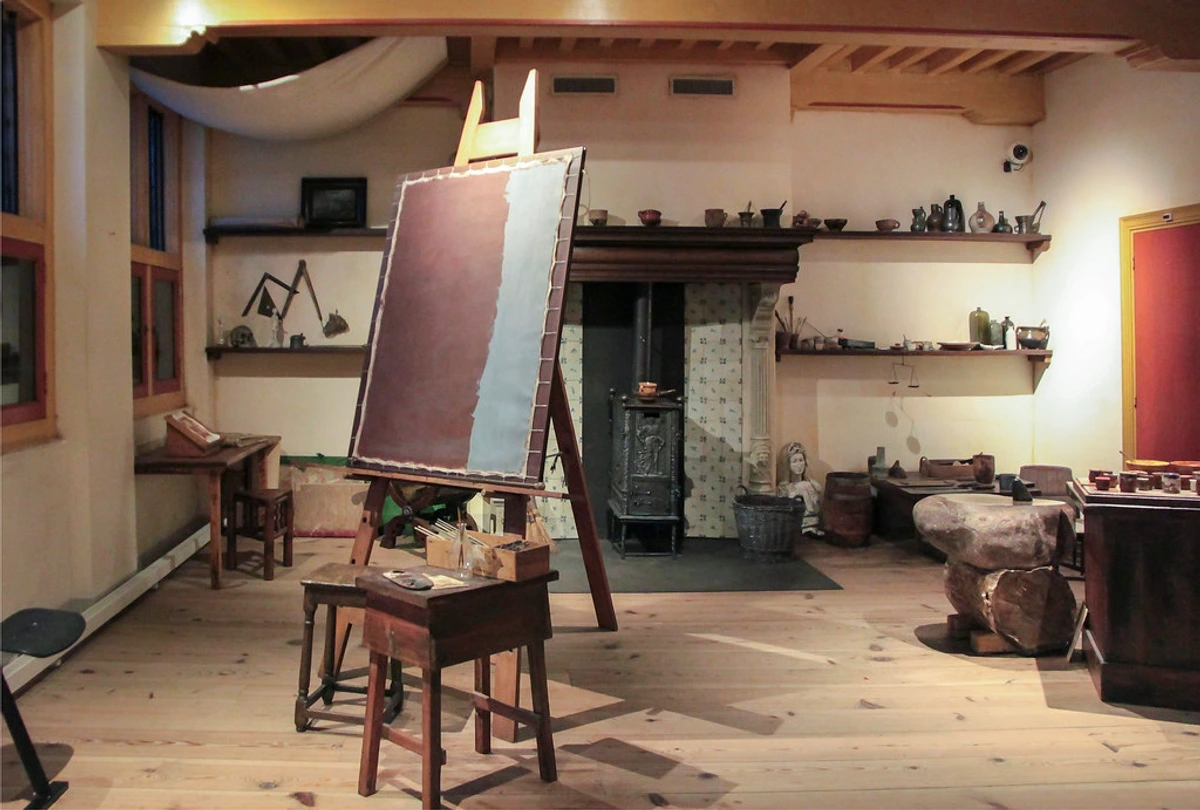
Historically, the easel has been the bedrock of artistic practice for millennia. From inferences about ancient Roman and Egyptian painters using simple sloped surfaces, to medieval scribes and Renaissance masters like Leonardo da Vinci and Rembrandt in his modest multi-functional studio at the Rembrandt House Museum, the easel has anchored the creative process. Rembrandt’s studio, though not expansive, was masterfully organized, demonstrating how a well-placed easel could facilitate serious work regardless of actual square footage. Even the Impressionists, like Monet or Pissarro, who often worked in small, makeshift studios or directly en plein air with portable setups, understood the easel’s value for consistent perspective. They might not have had grand ateliers, but they made their art happen, often with very adaptable equipment. This tradition of the easel as a core tool continues, simply adapted for our modern, often smaller, realities.
Here’s my real talk about why it's worth it:
- You'll See Your Work Clearly (and Accurately!): This is a game-changer. An easel holds your canvas perpendicular to your line of sight, drastically reducing visual distortion. Suddenly, you'll notice all those perspective mistakes you were making when your canvas was leaning against a wall or lying flat. This clarity directly impacts compositional decisions, color accuracy, and even how you approach using art to make a small room feel bigger. It’s about creating a true, unbiased view of your evolving piece, ensuring your colors are true and your lines are intentional. Without an easel, you’re essentially painting blind to critical flaws – a recipe for frustration, believe me, I’ve been there.
- Your Body Will Thank You (No More "Art Hunch"): Painting is a physical act, and poor posture can lead to what I affectionately call 'art hunch.' An easel puts your work at the right height and angle, letting you stand or sit comfortably without straining your neck, back, or wrists. Aim to have the center of your canvas roughly at eye level, allowing your entire arm to move freely from the shoulder, not just the wrist. This ergonomic sweet spot minimizes discomfort and allows for longer, more focused creative sessions. Simple neck rolls, shoulder shrugs, and wrist stretches during breaks can also be game-changers for your physical well-being. This focus on adjustability is also crucial for accessibility, allowing artists with varying physical abilities to position their work optimally, reducing strain and making art a more inclusive practice. Trust me, your future self will thank you for saving your spine.
- It Professionalizes Your Practice (and Your Mindset): Even if you're a hobbyist, having a dedicated setup signals to your brain that this is serious business. For me, it shifted my mindset from "dabbling" to "committing." It helps you focus and commit to your creative time, contributing to consistent work quality and an efficient workflow. Even client viewings, virtual or in-person, feel more professional when your work is properly displayed on an easel. It's an investment in your mental game as much as your physical space. It’s about respecting your art enough to give it a proper stage.
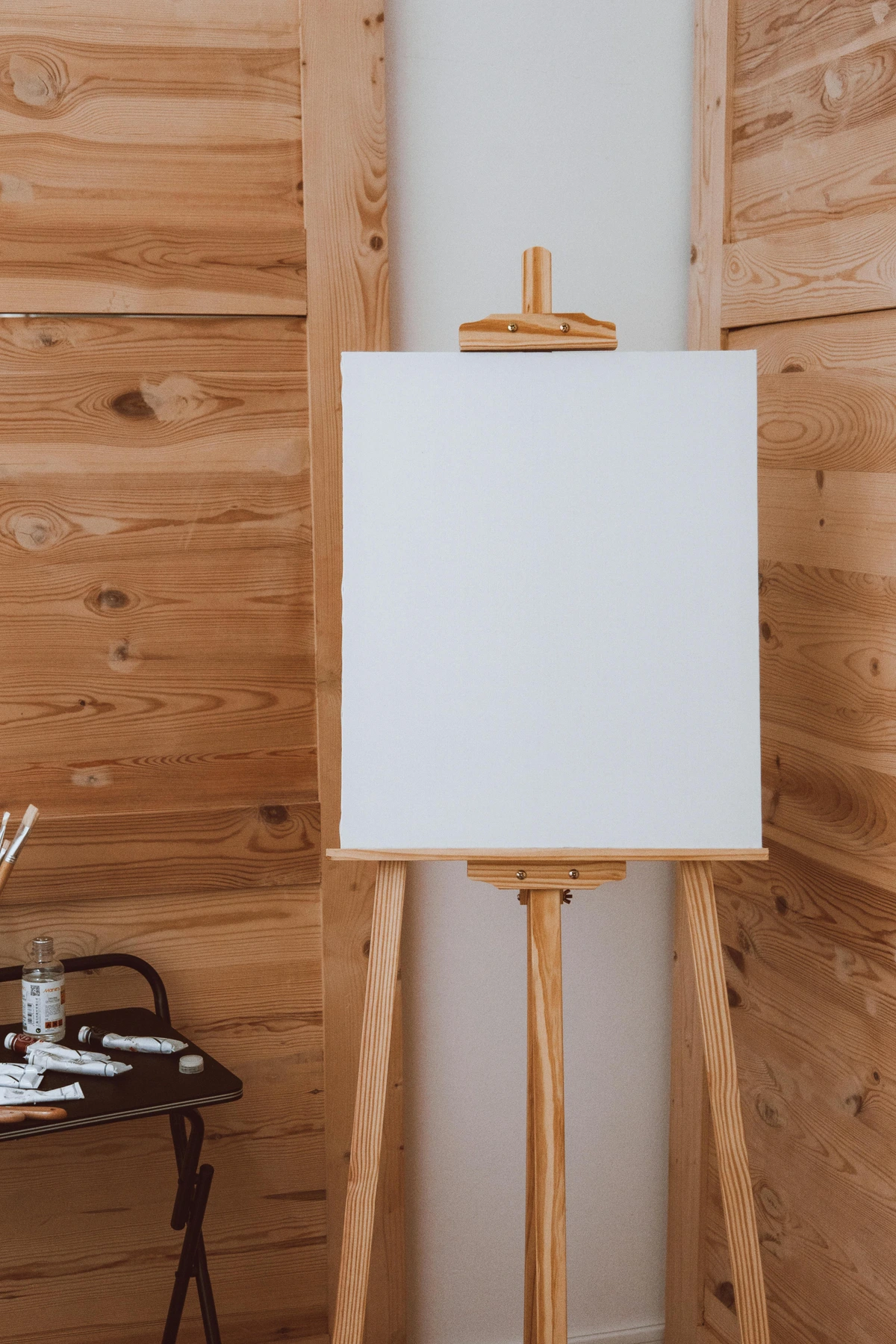
An easel is a core piece of equipment, just as important as your brushes or paints. It's the framework that holds the magic.
Easel Types for Small Studios: The Main Contenders
Not all easels are giant, cumbersome beasts. The market has adapted, and there are fantastic options designed specifically for artists who are short on square footage. Let's walk through them, starting with the most minimal and space-efficient, and progressing to more substantial, yet still space-conscious, solutions. Keep in mind how each type serves different artistic styles, space constraints, and how much stability you truly need.
The Tabletop Easel: Your Desk's Best Friend
This was my first real compact studio easel. A simple, foldable wooden frame that sat on my desk or kitchen table. It typically accommodates canvases up to about 20-24 inches (50-60 cm) high, roughly the size of a standard poster board. Is it a game-changer? For small works, absolutely. Its nearly nonexistent footprint makes it ideal for multi-use spaces. While many are simple, a good tabletop easel often uses sturdy beechwood or a well-engineered metal design, preventing wobbles that can ruin delicate lines or watercolor painting. The canvas is typically supported by a simple bottom ledge and a sliding, adjustable top clamp to hold it securely. This clamp often features a simple hand-screw mechanism or a friction lock that you push into place. For those using quick-drying mediums or even some markers and fixatives, remember that proper ventilation is still important, even with smaller works. An open window or a small fan can make a big difference, keeping your air fresh and your head clear.

- Ideal For: Small-scale, desk-bound art, absolute beginners, temporary setups, watercolor, gouache, small acrylics, drawing.
- Best for: Small-scale painting and drawing (think A4 or smaller, up to 24"/60cm), artists who work primarily at a desk or table, and absolute beginners looking for an affordable, non-committal entry point. It's an excellent folding artist easel for temporary setups, perfect for lightweight canvases or paper panels up to ~5 lbs (2.2 kg).
- Pros: Inexpensive, incredibly portable, folds down to almost nothing (often just a couple of inches thick), perfect for a multi-use space. Many feature a basic ledge support for the canvas. Takes up literally zero floor space.
- Cons: Limited to small canvas sizes, can be a bit flimsy on cheaper models (and who isn't an energetic painter sometimes?), and you're still tied to a chair. It’s not ideal for standing work or larger expressive gestures, and the weight capacity is generally low, making it unsuitable for heavy impasto painting or large, thick canvases.
My take? If you're just starting out, or your work is exclusively small and intricate, a good tabletop easel is a fantastic and affordable entry point. It's a hundred times better than a stack of books, and it actually elevates your work, quite literally. I still keep one for quick sketches or when I want to work with watercolor, where stability isn't about resisting aggressive brushstrokes, but about keeping the delicate washes from running, if that makes sense. Sometimes, even my small acrylic pieces get a tabletop treatment when I'm feeling less... confrontational with the canvas, if you catch my drift.
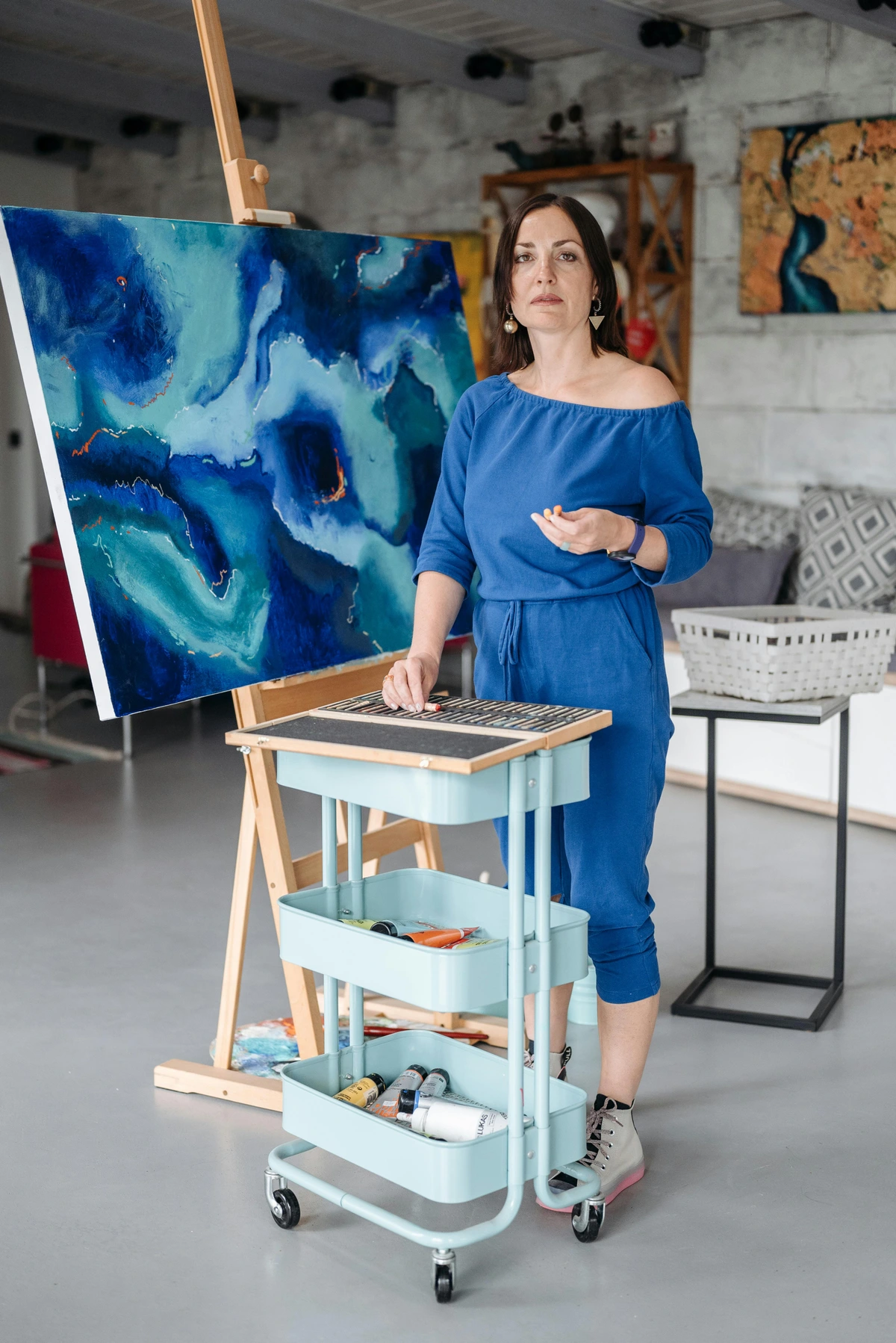
The A-Frame / Lyre Easel: The Slim Workhorse
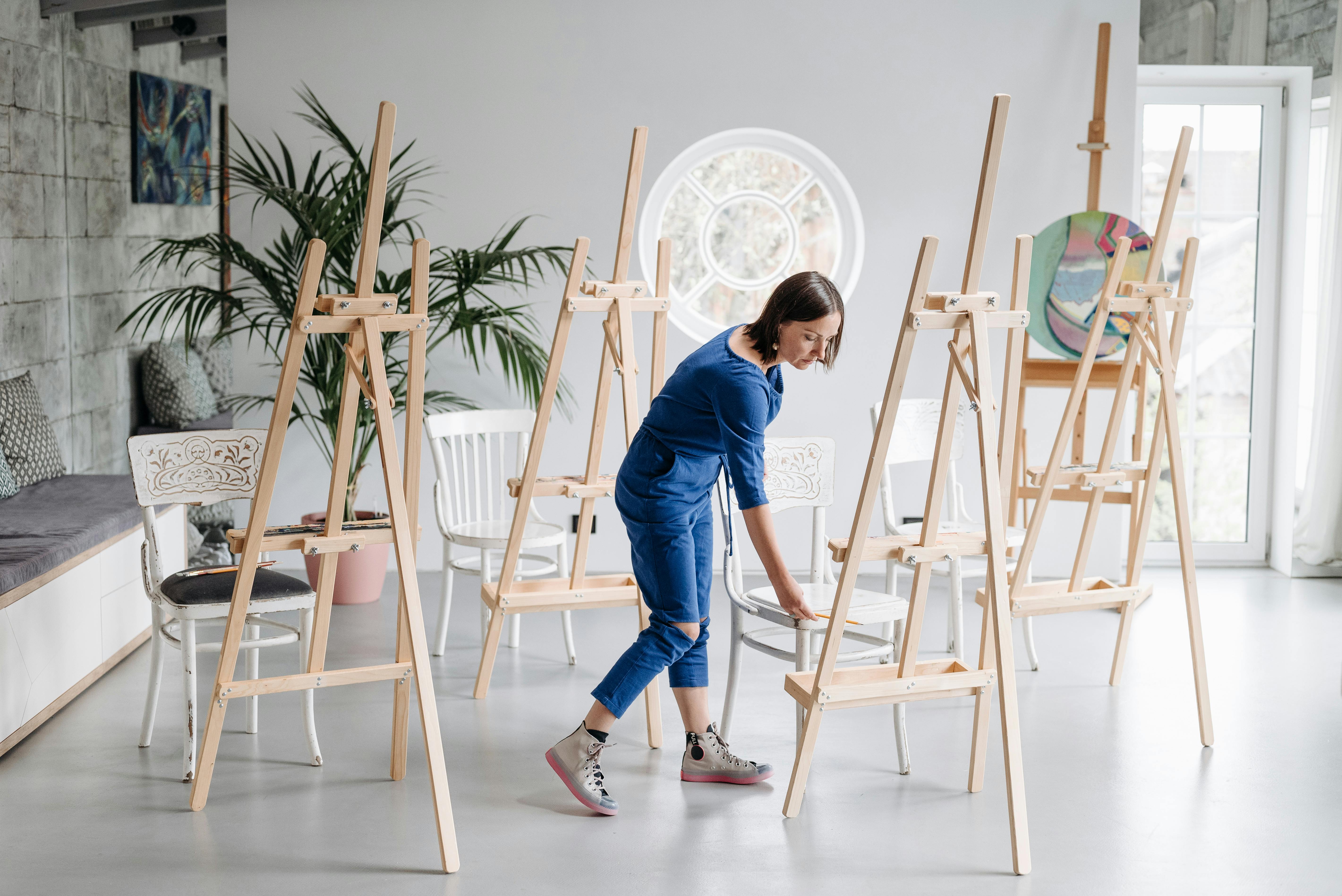
This is what most people picture when they think of an easel. It has three legs—two in front, one in the back—forming a triangular base. The beauty of the A-Frame is its ability to fold up relatively flat, making it a great option for those who need to reclaim their living space. You can easily slide it behind a door or under a bed when not in use, making it a truly versatile folding artist easel. Its discreet storage ability is its primary advantage for small spaces. Look for easels with smooth hand-screw mechanisms for precise adjustments, or robust friction locks if you need quicker changes, though these can wear down faster with heavy use. Most use a simple bottom ledge and sliding top clamp for canvas support, typically accommodating canvases up to ~15-20 lbs (7-9 kg). Many A-frames are crafted from lightweight but durable pine or aluminum, which makes them easy to move around and store. While aluminum offers excellent portability and weather resistance, pine provides a more classic studio feel and can be surprisingly stable for its weight. High-quality A-frames might feature reinforced joints or wider-set legs for enhanced stability, ensuring better dampening of vibrations. Some artists even add small felt pads to the feet for extra grip or strategically place weights on the back leg for added stability during energetic sessions.
- Ideal For: Versatile use, regular storage needs, medium canvases, standing work, classic feel.
- Best for: Artists who need a standing easel but have to pack it away regularly. Ideal for canvases up to about 40-50 inches (100-125 cm) high. Great for flexible layouts when you're thinking about art for apartments or if your process involves moving around your workspace. It's also a good choice for traditional oil or acrylic painting where moderate pressure is applied.
- Pros: Sturdy enough for most medium-sized canvases, classic look, folds quite flat for storage (thin profile), often height-adjustable using simple hand-screw or friction lock mechanisms. Many are made from lightweight but durable pine or aluminum, making them easier to move around without sacrificing too much stability.
- Cons: The back leg creates a larger footprint than an H-frame when in use and can be a potential trip hazard (trust me, my shin has a long memory, and I’ve got the bruises to prove it!). Cheaper models can wobble if you're an energetic painter, which can be incredibly distracting when you're really getting into a piece. I've found even a slight vibration can ruin the flow of abstract work, especially with bold gestures. You can see some of the results of my more energetic abstract painting on my page to buy art.
This is often the perfect compromise. It gives you the full standing-artist experience without permanently dominating your living space. When mine is tucked away, you'd barely know an artist lives here (except for the paint splatters, of course).
The H-Frame Easel: The Compact Powerhouse
H-Frame easels have a rectangular base and are generally seen as the sturdiest and most professional option, often featuring robust crank or hand-screw mechanisms for precise adjustments. You might think they're all massive, but there are some brilliant compact versions. While they don't fold as neatly as an A-frame, their contained, often smaller solid footprint makes them surprisingly space-efficient in a dedicated corner. What makes an H-frame "compact"? Look for models with a narrower base, a shallower depth, or designs that sit flush against a wall when not in active use, maximizing floor space. Some even come with locking caster wheels for easy repositioning within your studio area. They offer unparalleled stability, crucial for large canvases or aggressive techniques, making them an excellent heavy-duty easel for serious artists in small spaces. Canvas support typically involves two substantial ledges and a top clamp, capable of handling significant weight, often up to 40 lbs (18 kg) or more, making them ideal for multi-layered works or large stretched canvases.

- Stability Explained: Unlike the tripod design of an A-frame, an H-frame's solid, often heavier base provides superior dampening of vibrations and resistance to energetic brushstrokes. The wider, often weighted base absorbs and dissipates kinetic energy more effectively. This is why it's my go-to vertical painting stand for unwavering support when I'm working on abstract art for small spaces: maximizing impact in compact areas that requires bold gestures or thick impasto (the technique of laying on paint thickly so that it stands out from a surface). These easels are frequently made from robust beechwood (known for its density and durability), oak, maple (even denser and more stable), or steel (for industrial-level strength), ensuring maximum stability and longevity. Quality wood joinery techniques like mortise and tenon (where a projecting piece of wood fits into a corresponding hole), dovetails (interlocking wedge-shaped pins and tails), or dowelled joints (cylindrical wooden pins) are tell-tale signs of an easel built for resilience, as these methods create interlocking connections that resist racking and movement far better than simple screws alone. When I'm truly immersed in a piece, I need my easel to feel like an immovable extension of my will, and an H-frame delivers on that — it just feels incredibly grounded, like it's saying, "I've got you."
- Ideal For: Dedicated corners, maximum stability, large/heavy canvases, energetic painting styles, professional feel.
- Best for: Artists with a dedicated corner who prioritize stability, especially for larger works or heavier canvases (up to 60-70 inches/150-175 cm high), and those who can get a bit... energetic. If you attack your canvas, this is your easel. It's perfect for detailed portraiture, large landscapes, or multi-layered abstract pieces where precision and rock-solid support are paramount.
- Pros: Incredibly stable and solid, feels truly professional, often includes a convenient tray for tools and paints, multi-directional tilt, and easy height adjustment (sometimes with a smooth crank mechanism for effortless movement). Often made from robust beechwood, oak, maple, or steel for maximum durability and vibration dampening. Quality joinery techniques like mortise and tenon will further enhance stability and longevity.
- Cons: Heavier, more expensive, and less portable. They don't disappear when not in use, so you need a permanent spot. Assembly can be more involved, so be prepared for some DIY. While compact versions exist, they still demand a dedicated presence.
If you have a corner you can claim, even a tiny one, a compact H-Frame is a dream. For my vibrant abstract work, where I often work with bold gestures and thick impasto, this easel doesn't budge. It feels like an extension of my own stability, allowing me to fully immerse myself in the creative process without fighting my equipment.
The Wall-Mounted Easel: The Ultimate Space Saver
This is a genius solution for the truly space-starved. A wall-mounted easel attaches directly to your wall, taking up zero floor space when folded. Many models can fold flat against the wall when you're done, practically disappearing into the background. It's essentially a permanent, customizable workstation that offers maximum stability without sacrificing any precious square footage. It eliminates all tripping hazards and allows for the largest possible canvas support relative to the room size. These are often made from sturdy steel or heavy-duty wood, built for resilience and designed to last. Canvas support typically involves robust, often geared clamps or substantial ledges that can secure the canvas with unwavering support for canvases up to 50 lbs (22 kg) or more, depending on the model and installation.
- Installation Considerations: This is where the commitment comes in. For drywall, sturdy toggle anchors (which expand behind the wall to distribute weight) or molly bolts (hollow wall anchors that collapse behind the surface) are essential for distributing weight and ensuring stability; these spread the load behind the wall, providing a much more secure hold than simple screws. However, finding a wall stud (a vertical wooden beam in your wall) is always the most secure option for mounting. For plaster, you might need to find a stud or use specialized plaster anchors. Brick and concrete walls will require appropriate masonry drills and anchors (like sleeve anchors or wedge anchors) designed for maximum grip. Always consult your landlord (if renting!) and possibly a professional for installation to ensure maximum safety and avoid structural damage. A poorly installed wall easel can be a serious hazard! And remember, this is a fixed solution – once it's up, it's there for good (or until you move house, which, let's be honest, is a bigger project than changing an easel).
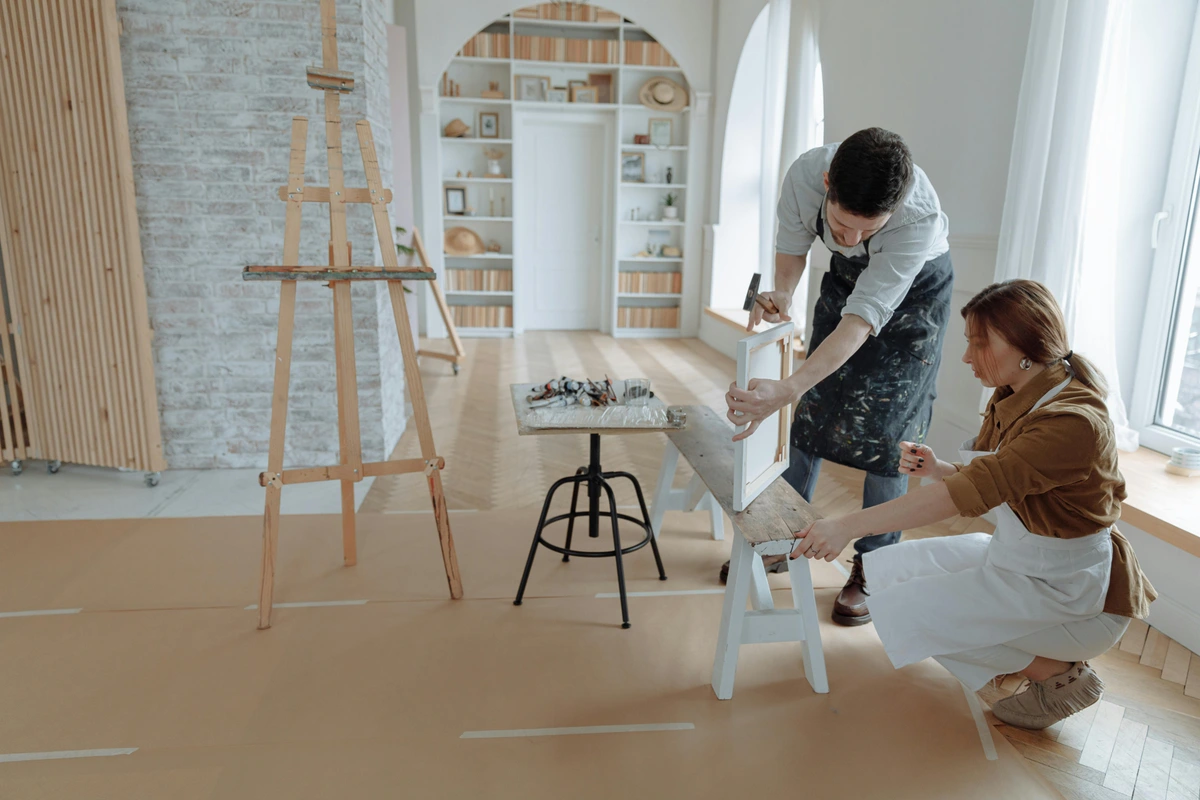
- Ideal For: Tiny studios, dedicated art zones, heavy/large canvases, maximum stability, no floor space impact.
- Best for: The truly tiny studio, dedicated art spaces where portability isn't a concern, and for artists who want maximum stability without sacrificing any floor area. This is the ultimate space-saving easel, perfect for heavy canvases or aggressive techniques like impasto or even large-scale charcoal drawing where you need to apply significant pressure. It's an ideal heavy-duty easel for serious work in a confined space.
- Pros: Zero footprint (on the floor), incredibly stable (it's attached to the wall!), can often be adjusted for height and tilt with ease using robust locking mechanisms (often geared cranks or heavy-duty friction locks). Ideal for precise work or very large, heavy canvases. No tripping hazards!
- Cons: You have to drill into your walls (a commitment!), it's completely immobile, and it's a permanent fixture. Definitely not for renters who can't make modifications. Installation requires a bit of DIY skill and potentially professional help, which adds to the initial effort and cost.
This is a commitment, for sure, but if you have a wall and you know that's your spot, it's an unbeatable option. Imagine having a massive easel capable of holding a huge canvas, yet it simply folds away when you're done. It's like having a secret art superpower.
Comparison at a Glance: Finding Your Fit
Sometimes you just need a quick overview to lay out the facts. I get it. To help you visualize the key differences, this table summarizes the characteristics of each easel type, helping you quickly discern which might be your perfect creative partner, considering both its space footprint (when in use) and its storage profile (when not in use). The "Typical Max Canvas Height" is a general guideline, usually referring to the longest dimension the easel can comfortably support vertically; always check specific product details. Footprint refers to the maximum width and depth the easel occupies when set up for painting, while Storage Profile indicates how thin it becomes when folded and tucked away.
Easel Type  | Best For | Footprint (in use) | Storage Profile (when not in use) | Portability | Typical Max Canvas Height | Typical Max Canvas Weight | Material Options | Canvas Support Mechanism |
|---|---|---|---|---|---|---|---|---|
| Tabletop | Small canvases, desk work, intimate detail, beginners | Minimal | Excellent (folds flat) | Excellent | 24" (60cm) | ~5 lbs (2.2 kg) | Pine, Beechwood, Aluminum | Ledge & sliding clamp |
| A-Frame/Lyre | Versatility, easy storage, medium canvases, standing work | Medium (triangular base) | Good (folds thin) | Good | 50" (125cm) | ~15-20 lbs (7-9 kg) | Pine, Aluminum, Beechwood | Ledge & sliding clamp |
| H-Frame | Maximum stability, dedicated corner, large/heavy canvases, energetic styles | Small-Medium (rectangular base) | Poor (doesn't disappear) | Poor | 70" (175cm) | ~40+ lbs (18+ kg) | Beechwood, Steel, Maple, Oak | Dual ledges & top clamp |
| Wall-Mounted | The tiniest spaces, permanent setups, zero floor impact | Zero | Excellent (folds flat to wall) | None (fixed) | Variable, often large | ~50+ lbs (22+ kg) | Steel, Heavy-duty Wood | Robust geared clamps & ledges |
Choosing Your Creative Anchor: What Really Matters Before You Click 'Buy'
Now that you have a general overview of the main easel types, let's dive into the specific factors that will help you pinpoint the perfect easel for your unique needs. Getting the right easel means thinking beyond just the type; it's about matching the tool to your unique artistic journey and your living situation. Consider this your quick checklist to help you narrow down the perfect fit.
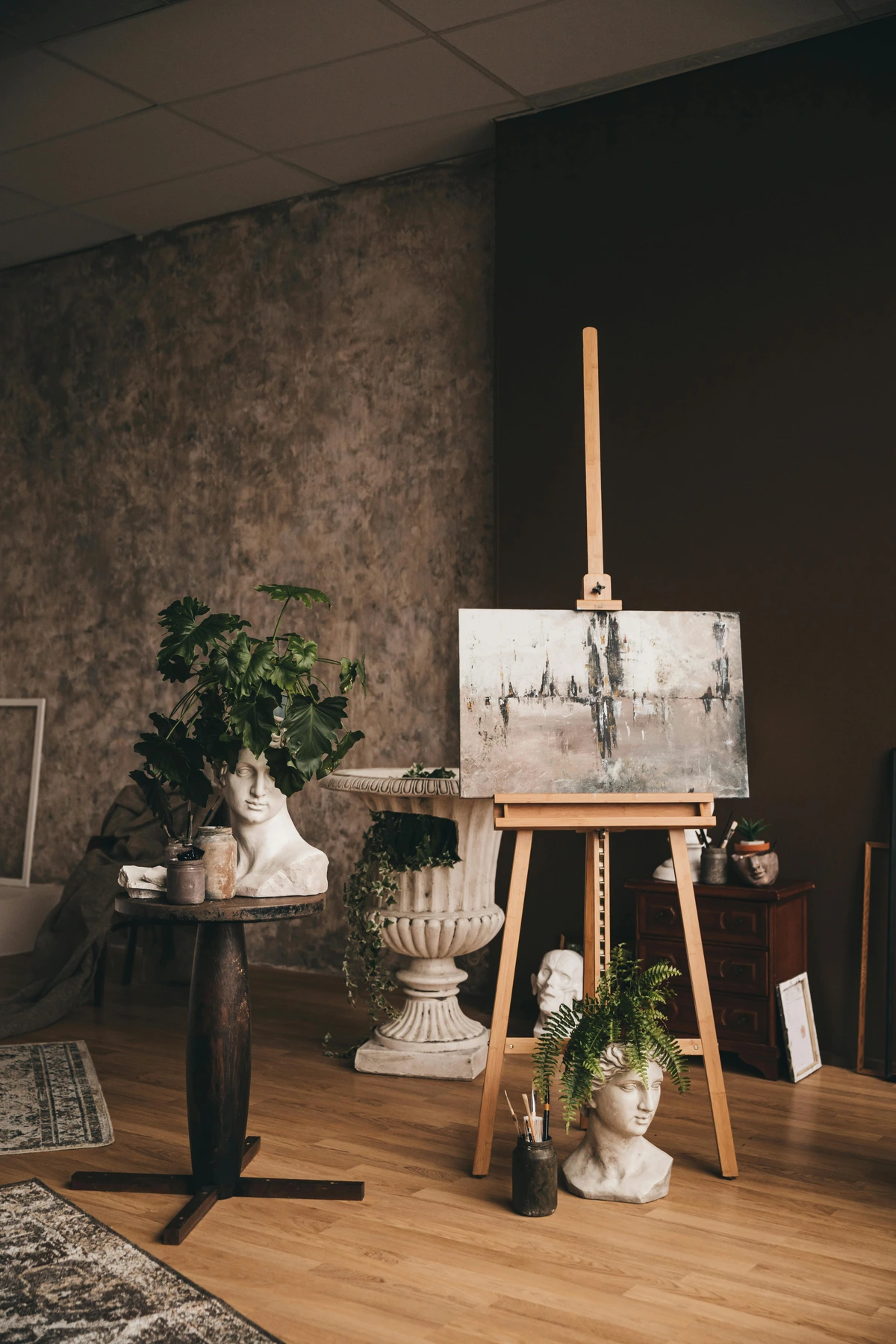
Quick Checklist for Your Perfect Easel:
- Maximum Canvas Size (Realistically): What's the biggest you realistically paint? (This impacts easel height, strength, and how much vertical space you need).
- My Art Style & Energy: Delicate watercolors or aggressive impasto? (This will dictate your stability needs and the easel's weight capacity, and whether you'll be using basic brushstrokes for acrylic painting or more dynamic gestures.)
- Storage Space & Footprint: How much room do I have when not painting, and what's the easel's width when set up? (Crucial for folding easels and navigating tight spaces).
- Material Preference & Aesthetics: Do I prefer the classic look of wood or the portability of metal? (Consider how it fits your studio's vibe and your practical needs).
- Adjustability & Ergonomics: Do I need easy height/tilt changes for sitting/standing, or specific accessibility features? (This directly affects your comfort and posture).
- Budget & Investment: What's my realistic investment range, and how do I view the easel's longevity?
- Installation Comfort: Am I willing to drill into walls for a permanent, space-saving solution?
Dive Deeper into Key Considerations:
Size, Space Constraints, and Ceiling Height: Measure Twice, Buy Once!
Be honest with yourself. What's the biggest canvas size you realistically plan to work on? Don't buy an easel that can hold a 6-foot canvas if you only paint on 12-inch panels. More importantly, crucially, ensure the easel's fully extended height fits your ceiling! This is vital for anyone trying to figure out how to choose art for a small living room, and it's even more critical for your easel. Always measure your available vertical space, both when the easel is in use and when it's stored. A small detail like this can save you immense frustration (and a trip hazard for your head!). Similarly, consider the depth and width of the easel's footprint when fully set up, especially for A-frames whose back leg can extend further than you expect, or H-frames with wide bases. Every inch counts in a small studio, so map out your space mentally or even with painter's tape on the floor. I've learned the hard way that a beautiful easel is useless if it literally doesn't fit in the room, or worse, scrapes the ceiling when you try to adjust it. Measure everything, even the height of your tallest artwork, before committing.
Your Art Style and Canvas Demands: How Much Pressure Do You Apply?
This is where we get personal. Do you work with delicate watercolors (like these beautiful sets) or do you attack the canvas like a wrestler (like my often chaotic abstract work)? If you're an aggressive painter who applies a lot of pressure, perhaps even using a palette knife, you absolutely need the unwavering stability of an H-Frame or a sturdy wall-mounted option. Even for highly precise techniques like hyperrealism or detailed miniature painting, rock-solid stability is crucial to avoid micro-movements that can ruin fine details. If your touch is lighter, an A-Frame will be just fine. Consider how much pressure you apply and how much movement your process involves. This also relates to the easel's weight capacity – if you're working with heavy impasto, large canvases (perhaps even a freshly stretched canvas that's still a bit heavy with wet gesso), or even multiple layers of thick paint, ensure the easel can handle the load without swaying or feeling precarious. An easel that struggles with your canvas weight won't just frustrate you; it can lead to instability, damage your artwork, and even pose a safety risk. Don't underestimate the physical demands of your artistic process! I once had a canvas slip off a cheap easel during an intense abstract session – ruined the piece and nearly broke my foot. Never again.

Material Matters: Wood vs. Metal & Longevity
Most easels are either wood or metal, each with its own character. Traditional wood easels (especially sturdy hardwoods like beech, oak, or maple) are classic, beautiful, and absorb vibrations well due to their inherent weight and density, contributing to superior stability. They often feel more substantial and grounded, like a true partner in your creative process. Look for kiln-dried wood (wood that has been dried in a heated chamber to reduce moisture content and prevent warping, cracking, or bowing) to prevent warping and always consider sustainably sourced wood if possible (e.g., FSC-certified timber). Less expensive softwoods like pine can be lighter and more portable but also potentially flimsier; always check for solid joinery and good hardware. Metal easels (usually aluminum or steel) are lightweight (aluminum options), often more compact when folded, and better for travel or outdoor use due to their weather resistance. Aluminum is generally lighter and more resistant to rust than steel. Steel offers more robust heavy-duty support but can be very heavy and less portable; it's often treated with powder coating or anodizing for rust prevention and enhanced durability. It's purely a personal preference, but I lean towards wood for studio stability—it just feels right under my hands, like a trusted old friend, and the natural material just... works with art.

Adjustability, Ergonomics, and Accessibility: Your Comfort is Key
Can you easily adjust the height and the tilt? A good easel adapts to you, not the other way around. Look for smooth mechanisms—cranks, knobs, or friction locks—that allow for quick changes to suit different positions (sitting, standing) or techniques. Crank mechanisms (common on H-frames) offer the smoothest, most precise, and often effortless height adjustments, making them excellent for accessibility, especially for artists with mobility challenges or conditions like arthritis or limited hand strength. They require minimal physical effort compared to manually lifting and locking. Hand-screw knobs are common on A-frames and offer good security, though they can require more effort and be slower. Friction locks are quick but can wear down over time with heavy use, potentially leading to slippage. This is especially important for accessibility, as smooth crank adjustments can greatly assist artists with mobility challenges, allowing them to adjust their work with minimal effort and without straining. The goal is to minimize strain and discomfort during long creative sessions. Always aim for a setup where your arms can move freely from the shoulder without hunching, and your eye level meets the middle of your canvas when standing. Try to stand roughly 2-3 feet (60-90 cm) from your easel for most painting, allowing you to step back and assess your work frequently. For detailed work, you might move closer; for broad gestures, further. And don't forget to take regular breaks to stretch and refocus your eyes.
Easel Maintenance & Longevity: Keeping Your Creative Partner Healthy
Think of your easel as a long-term relationship; you want a partner that's built to last and easy to care for. Before buying, check reviews for assembly difficulty, as some complex H-frames can be a real project! For wood easels, occasional oiling or waxing (with a product like linseed oil or beeswax furniture polish) can prevent drying, cracking, and even help repel paint splatters. A simple wipe-down with a damp cloth after each session keeps paint from becoming a permanent fixture. For metal ones, regularly check joints for rust or looseness, and wipe them clean with a damp cloth; avoid harsh chemicals that can strip coatings. Periodically tighten all screws and bolts, and for easels with crank mechanisms, a little lubrication can keep them operating smoothly for years. The quality of hardware (screws, bolts, hinges) and the precision of the joinery (how the parts fit together, e.g., mortise and tenon joints in wood) are key indicators of an easel's longevity and stability. With proper care, even a moderately priced easel can be a companion for years, a testament to its value as an investment in your continuous artistic journey. It’s a tool, yes, but a crucial one that deserves respect. I've seen artists neglect their easels, only to have them wobble and creak like an old ship in a storm – not ideal for precision!
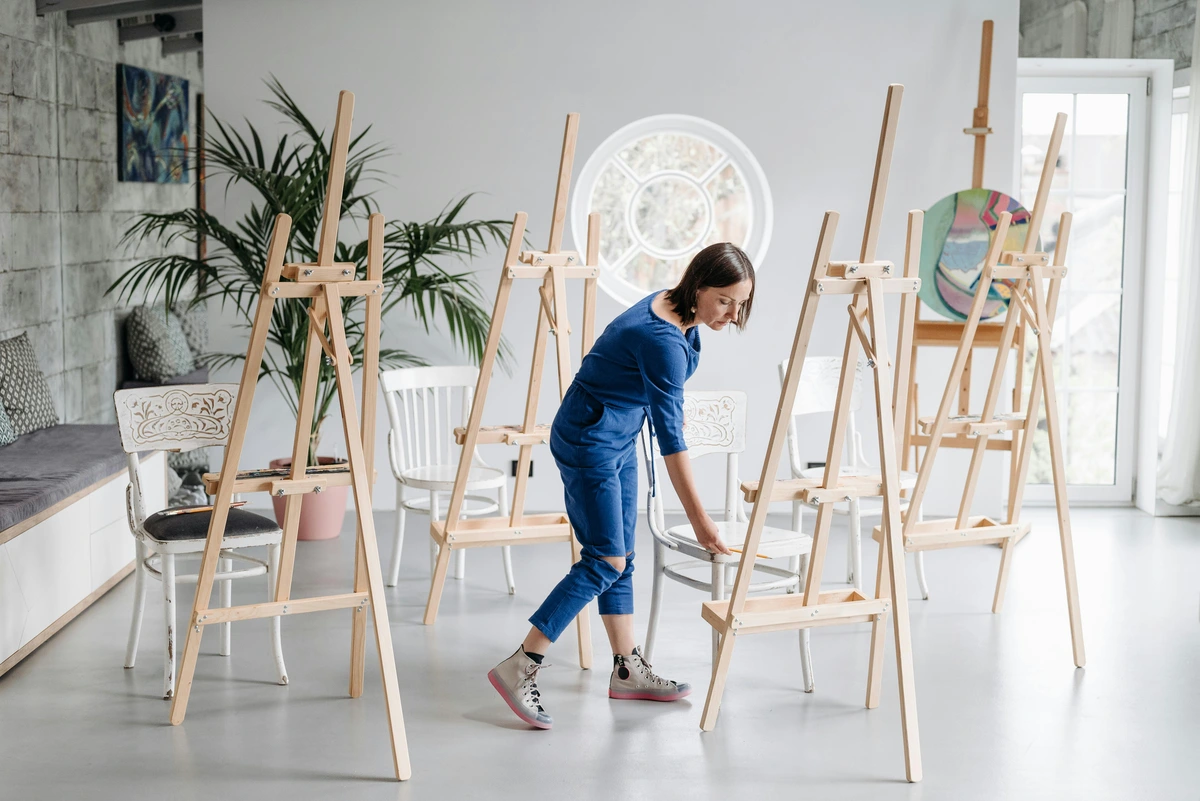
Essential Easel Accessories for Small Studios
To further optimize your small creative haven, consider a few key accessories:
- An attachable palette holder keeps your paints within easy reach without consuming extra desk space. Some even pivot, offering maximum flexibility.
- Easel trays or cups can hold brushes (ensuring they're ready for cleaning), pencils, or rags, ensuring your tools are always organized and close at hand.
- Specialized easel lights can attach directly to the easel frame, providing optimal, glare-free illumination right where you need it without requiring a separate stand.
- A small, rolling utility cart can also be a game-changer, allowing you to quickly bring all your supplies to your easel and then tuck them away when not in use. Look for models with lockable wheels for extra stability.
These small additions can dramatically improve workflow and minimize clutter, turning a chaotic corner into an organized art zone.
Bridging the Gap: Temporary DIY Solutions for the Ultra-Budget Artist (with Serious Caveats)
Look, I've been there. When every dollar counts, a temporary DIY setup can bridge the gap until you can invest in a proper easel. You can create a makeshift tabletop easel from a sturdy cardboard box or a stack of thick books, always ensuring it's stable and provides a slight upward tilt for your canvas or paper. For a standing solution, a robust ironing board (securely locked) can serve as a temporary vertical painting stand, albeit with limited canvas support and significant wobble. However, these are temporary emergency measures at best; they severely lack the stability, adjustability, and ergonomic benefits of a real easel. They carry a significant risk of your artwork falling, damage to your supplies, and long-term physical discomfort. Your makeshift setup might work for a quick sketch, but trying to undertake a serious painting on a wobbling stack of books will likely lead to immense frustration and potentially ruined work. These should only be considered for very short-term, absolute last-resort use, as a stepping stone, not a sustainable artistic practice. Your art (and your body) will thank you for upgrading as soon as possible – think of it as a brief, fleeting emergency, not a permanent solution. Seriously, don't risk your masterpiece on a pile of encyclopedias for too long!
Lighting and Your Small Studio Easel: Don't Paint in the Dark!
Even the perfect easel can't save you if you're painting in the dark. In a small studio, managing light is crucial for accurate color perception and reducing eye strain. Position your easel to take advantage of natural light, ideally from a north-facing window for consistent, soft illumination without harsh shadows. If natural light is limited, invest in good full-spectrum LED lights (around 5000K, or 'daylight' temperature) that mimic natural daylight. Look for lights with a high CRI (Color Rendering Index) of 90+ to ensure colors are seen accurately, crucial for any paint type. Proper lighting helps you see colors accurately, reduces eye strain, and works hand-in-hand with your easel for an optimal ergonomic setup. Pay attention to how light falls on your canvas to minimize glare (a harsh, reflective light that obscures details), which can obscure details and distort color perception. Consider clip-on easel lights for focused illumination right on your canvas, or a floor lamp with an adjustable head for broader, indirect light. It’s an often-overlooked but absolutely vital component of any productive art space. Think of it as another tool in your creative arsenal – you wouldn’t paint with a broken brush, so why paint under bad light?
Ventilation: A Breath of Fresh Air
For artists working with oil paints, solvents, or aerosol fixatives, proper ventilation is non-negotiable, even in a small studio. Position your easel near a window or consider a small fan to circulate air. If using harsh chemicals, a small air purifier with a carbon filter, or even a simple N95 mask, can offer additional protection, particularly when working in very confined spaces. Good airflow not only protects your health but also ensures your creative space remains pleasant and conducive to long working sessions. My nose can tell you stories about studios without proper ventilation – don't make the same mistake!
Budget vs. Quality: Finding the Right Balance
When you're equipping a small studio, every purchase feels significant. It's tempting to opt for the cheapest easel, but I've learned the hard way that a wobbly, frustrating easel is worse than no easel at all. Investing a little more upfront in a quality piece of equipment means it will last longer, provide better stability, and ultimately enhance your creative process, saving you money (and headaches) in the long run. As a general guide, expect to spend:
- Tabletop: $30-$70 for a solid model (look for sturdy hinges and a stable base).
- A-Frame/Lyre: $80-$250 for a reliable option (good joinery and robust adjusters).
- Compact H-Frame: $150-$400 for a durable, compact powerhouse (heavy-duty materials, smooth crank mechanisms).
- Wall-Mounted: $100-$400 for a robust option (excluding installation, which can vary widely).
Think of it as investing in your artistic well-being – a well-chosen easel is a partner that won't fight you. It’s not just a stand; it’s the foundation for your creative endeavors.
The Environmental Impact of Easel Choices
As artists, we often think about our materials, but what about our tools? If sustainability is important to you, consider the environmental impact of your easel choice. Look for wood easels made from sustainably harvested or certified wood (like FSC-certified, which ensures responsible forest management). Many reputable brands are moving towards more eco-conscious practices. For metal easels, consider their recyclability at the end of their lifespan; aluminum is a highly recyclable material. Choosing durable, high-quality easels also reduces waste by extending the product's usable life, moving away from a disposable culture. It's a small choice that contributes to a larger impact, aligning your creative practice with your values.
Common Easel Mistakes to Avoid in Small Studios
Even with the perfect easel, a few common missteps can quickly turn your creative haven into a frustration zone. Avoid these pitfalls, many of which I've learned the hard way, to keep your small studio productive and enjoyable:
Easel Selection & Setup Pitfalls
- Using a Display Easel for Painting: This is perhaps the most common and frustrating mistake. Display easels (the lightweight, often decorative tripods) are designed to show finished work, not support the dynamic process of painting. They lack stability, adjustment, and the structural integrity needed to withstand brushstrokes, palette weight, or even a slight bump. You'll end up with a wobbly canvas, smeared paint, and immense frustration. Always buy an easel designed for artists' use – trust me, the distinction is crucial.
- Ignoring Ceiling Height: It sounds obvious, but many artists forget to measure their ceiling height before purchasing a standing easel, especially H-frames that can extend quite high. There's nothing worse than unboxing your dream easel only to find it scrapes the ceiling when fully adjusted. Measure your maximum vertical space before you buy!
- Underestimating Wall Strength for Wall-Mounted Easels: While a wall-mounted easel is a fantastic space-saver, a shoddy installation can be disastrous. Don't rely on flimsy drywall anchors for heavy canvases. Always locate a wall stud or use heavy-duty masonry anchors for brick/concrete. When in doubt, hire a professional. Your art (and your wall) will thank you – better safe than sorry, and certainly better than a canvas crashing down.
Workspace Management & Ergonomic Errors
- Neglecting Organization: A small studio quickly becomes a chaotic one without dedicated storage. Don't let your easel become a dumping ground for brushes, rags, or half-empty tubes of paint. Utilize easel trays, rolling carts, or nearby shelves to keep your workspace clear and safe. Clutter not only hinders your creative flow but also increases tripping hazards. A clean space is a clear mind, after all.
- Forgetting to Account for Canvas Depth: Some easels have a narrow canvas ledge. If you frequently work with deep-edge canvases or cradled wood panels, ensure the easel's ledge and clamps can comfortably accommodate the depth of your painting surface without it feeling precarious. A good easel supports the entire canvas, not just its height – no one wants their artwork to tilt forward unexpectedly.
- Overlooking Assembly Instructions: Especially with more complex H-frames, a rushed or incorrect assembly can compromise the easel's stability, functionality, and longevity. Take your time, read the instructions carefully, and ensure all parts are correctly installed and tightened. A wobbly easel due to poor assembly is a self-inflicted wound! I've been there, thinking I knew better, only to spend hours re-doing it.
FAQ: Your Small Easel Questions, Answered
Choosing the Right Easel for Limited Space
What's the absolute best easel option for a tiny studio apartment where I need to maximize every inch?
If you have a desk and primarily do smaller works, start with a high-quality Tabletop Easel. It's the ultimate in flexibility and has a minimal footprint. If you crave the full standing experience and can make minor modifications, a Wall-Mounted Easel offers unparalleled stability with zero floor footprint when folded away – truly the ghost of easels when not in use. Otherwise, a slim A-Frame Easel that can be folded and stored behind a couch or in a closet is your best bet for reclaiming space. Each offers a unique way to turn a small space into a productive art studio.

Practicalities & Considerations for Small Studios
I found a vintage easel, is it a good idea for a small art studio?
Maybe! I love vintage tools; they often have character and a story. Just check it very carefully for stability. Older wood can warp, and joints can become loose or damaged. Give it a good wiggle before you commit. Look for sturdy construction, functional locking mechanisms, and ensure it can still hold your canvas securely. A thorough inspection for warping, loose bolts, or any signs of structural fatigue is crucial. If it's solid, you might have found a beautiful, unique piece with a great history – a nod to the artists of the past. You can even see recreations of historical artist studios at places like the Rembrandt House Museum.

What's a good price range for a quality easel that will last for years?
You don't need to break the bank, but avoid the absolute cheapest option you can find; a wobbly, frustrating easel is worse than no easel at all. For a very solid tabletop model, expect to spend $30-$70. For a good, reliable A-Frame or compact H-Frame that will truly last you for years, expect to spend between $80-$250. Wall-mounted options can range from $100-$400, depending on features, materials, and the complexity of installation. Think of it as an investment in your artistic well-being and your long-term creative practice – it pays off in comfort and peace of mind.
Are there any safety concerns with using easels in small spaces?
Absolutely. The main concerns are stability and tripping hazards. Ensure your easel is always on a flat, stable surface. If using an A-frame, be mindful of its back leg, which can extend surprisingly far and is a notorious shin-kicker (speaking from painful experience!). For H-frames, ensure the base is fully supported and not precariously balanced, especially if on wheels. Wall-mounted easels eliminate floor hazards but require secure installation to prevent them from falling. Always keep your workspace tidy to avoid tripping over supplies or the easel itself. A dedicated art zone, even small, should be safe and functional. My shins have earned their PhD in easel-leg-avoidance over the years!
Can I use an easel for painting on surfaces other than stretched canvas, like wood panels or paper?
Yes, absolutely! Most easels are designed to accommodate a variety of rigid painting surfaces. Wood panels can be placed directly on the easel's ledge, just like a stretched canvas. For paper, you'll typically need to tape or clip your paper to a rigid backing board (like Masonite or foam core) and then place that board on the easel. Some easels even come with smaller clamps or a top lip specifically for thinner materials. Just ensure the surface is stable and secure against the easel, regardless of its material – you want it to feel as secure as your most beloved canvas.
Studio Easels vs. Plein Air Easels: What's the Difference?
What about other easel types not covered here, like pochade boxes? Are they good for small studios?
While this guide focuses on small studio solutions, it's crucial to distinguish between studio easels and plein air easels. Studio easels, like the tabletop, A-frame, H-frame, and wall-mounted types we've discussed, prioritize stability, durability, and the ability to hold larger, heavier canvases. They are designed for a fixed, indoor workspace. Pochade boxes, on the other hand, are compact, self-contained painting kits that often include a palette and storage, primarily designed for plein air painting (painting outdoors). They prioritize portability, lightness, and quick setup/takedown. While a pochade box is fantastic for painting on the go, its lighter build and smaller canvas capacity generally make it less suitable as a primary, stable easel for serious indoor studio work. This guide prioritizes easels that offer the unwavering support and flexibility needed for painting in confined indoor spaces, which is a different set of priorities than extreme portability for outdoor work. Think of it this way: a studio easel is your reliable workhorse at home; a pochade box is your agile companion for adventure.

A Final Thought: Claim Your Corner, Create Your Art
The perfect easel is the one that gets out of your way and lets you create. It’s not about having the biggest or most expensive piece of equipment; it’s about finding the right tool that fits your unique space and your individual practice. Remember, whether it's a minimal tabletop, a genius wall-mounted solution, a classic A-frame, or a robust H-frame, the goal is the same: to provide a stable, ergonomic foundation for your art. Don't let a small room limit your big ideas. Claim your corner, set up your easel, and make something that only you can make. The world needs your art. This article has equipped you with the knowledge to select the ideal easel for your small studio, empowering you to transform any corner into a thriving creative sanctuary. Now, go forth and create, no matter how tiny your canvas might seem at first! Remember, the right easel is an investment in your comfort, your art, and your creative freedom. Make this your go-to resource for turning any tiny space into a vibrant studio.








What's your go-to method for storing your easel when not in use, or what's your best small-space easel hack? Share your tips and creative solutions below!