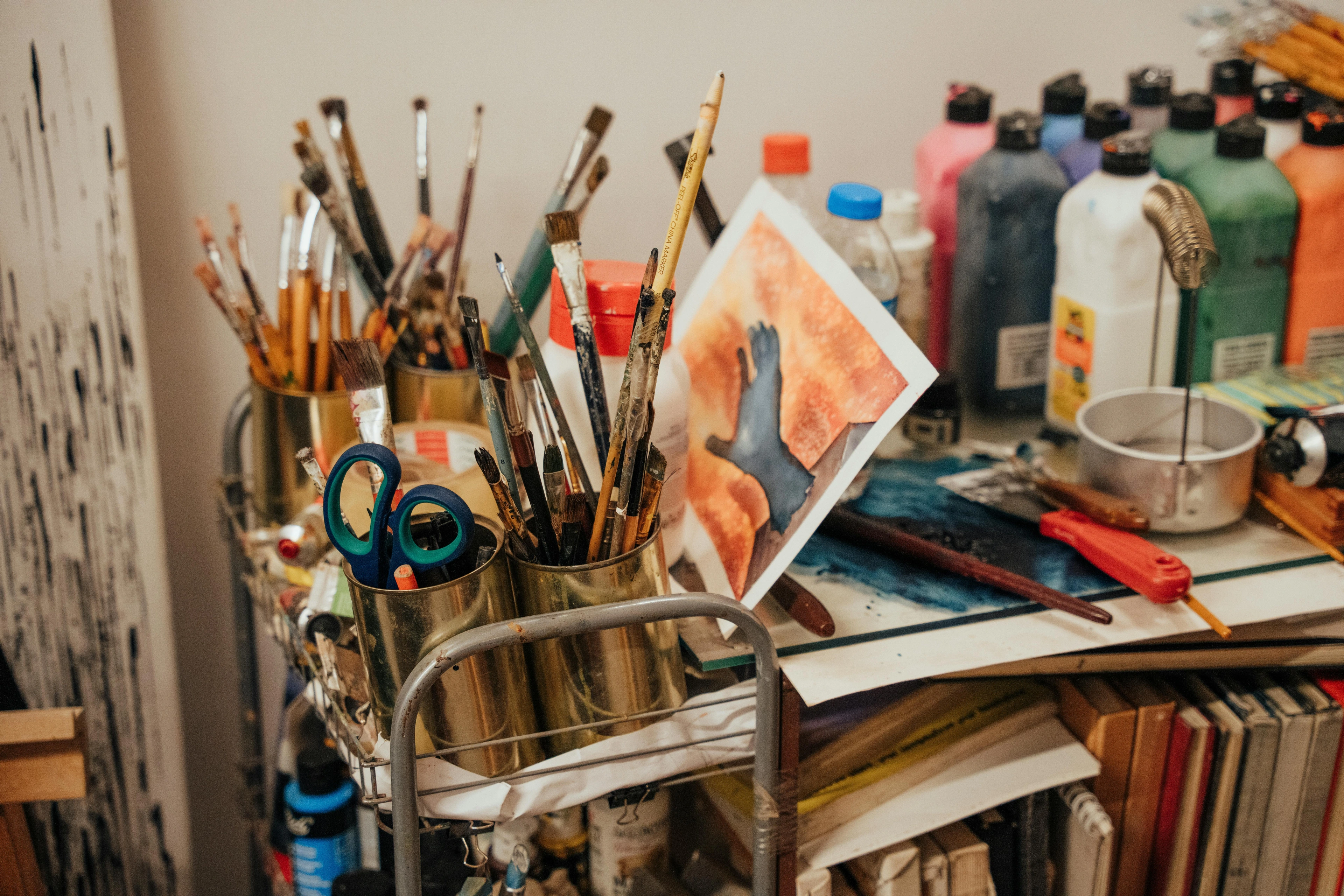
Unchain Your Art: The Definitive, Artist-Tested Guide to Choosing Your Perfect Portable Easel for Plein Air Painting
Unlock the freedom of outdoor painting with this ultimate guide! Discover artist-tested insights, detailed comparisons, DIY hacks, and expert advice for selecting the ideal portable easel for your plein air adventures.

Unchain Your Art: The Definitive, Artist-Tested Guide to Choosing Your Perfect Portable Easel for Plein Air Painting
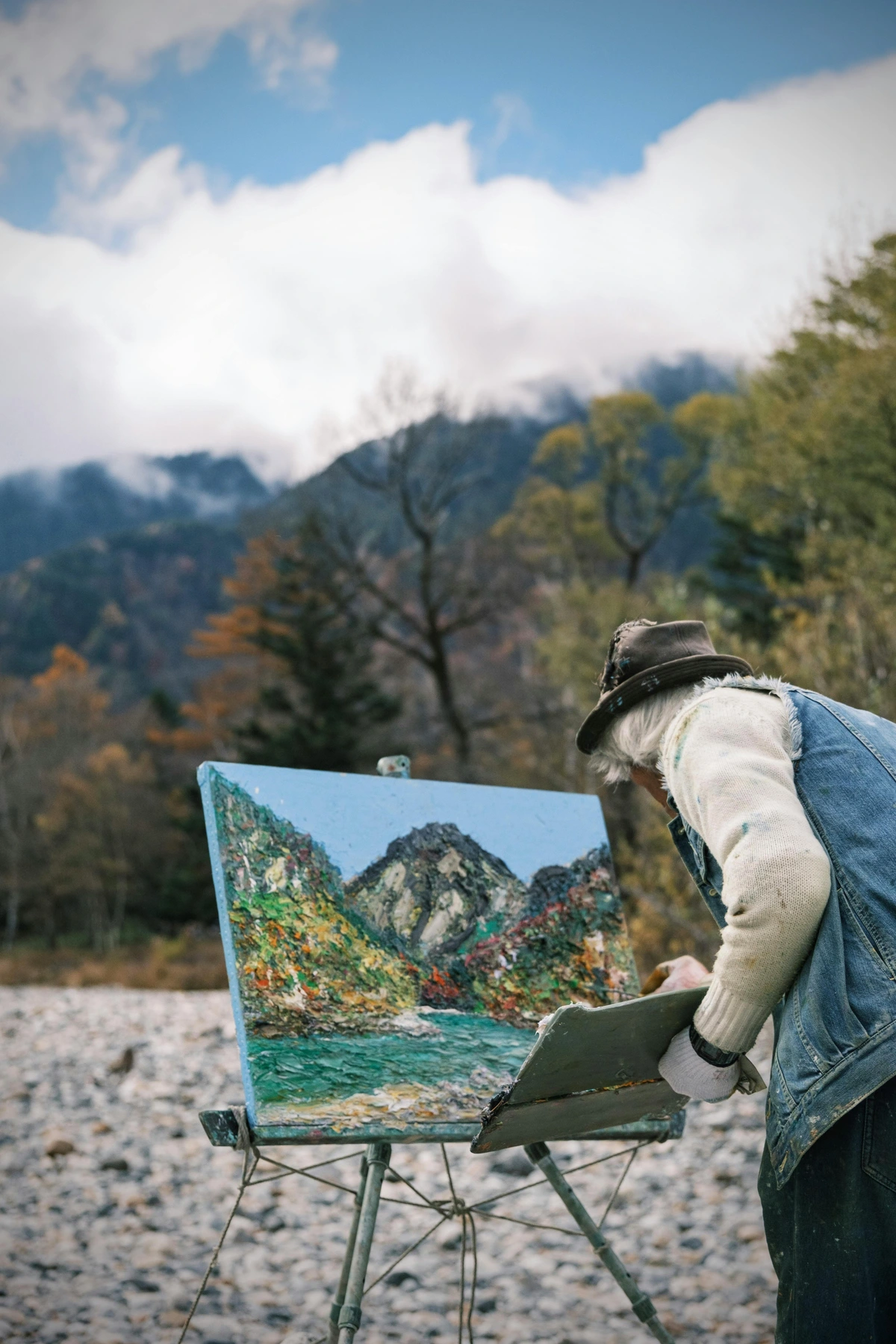
You know that feeling, right? The sun warming your shoulders, the scent of damp earth after a light rain, the distant murmur of a city waking up, or the quiet rustle of leaves in a forest. That undeniable itch to escape the studio, to capture a landscape or a fleeting moment exactly as it is, bathed in natural light, with all those sensory details pouring into your canvas. But then you start packing: the heavy easel, the overflowing bag of supplies, the fear of something breaking or blowing away. That, my friend, is the irresistible call of plein air painting – and the logistical headache that often comes with it. For me, there’s almost nothing more exhilarating, more alive. It's a connection to the world that few other art forms offer. My goal with this guide? To help you find an easel that elevates your artistic adventures, instead of becoming another logistical headache – because let's face it, we artists have enough of those!
This direct engagement with nature wasn't always within reach. For centuries, artists were tethered to their studios, relying on sketches and memory. Portable art solutions were limited, often makeshift. Some early innovators, even before the mid-19th century, experimented with clever 'box easels' – wooden containers that held supplies and could be propped up. But a true technological shift in the 1840s, with the invention of the collapsible metal paint tube by American painter John Goffe Rand, truly unleashed a revolution. Suddenly, pre-mixed paints could be carried anywhere without fuss, a crucial complement to the emerging designs of folding easels. This innovation, coupled with the revolutionary spirit of Impressionism in the 19th century, galvanized pioneers like Claude Monet and Pierre-Auguste Renoir to venture outdoors, their bold new canvases capturing the changing light and atmosphere firsthand. Monet, with his series paintings of haystacks and Rouen Cathedral, showed us how the shifting light changed a scene hour by hour. Renoir captured the vibrant life of Parisian cafes and gardens. Their secret weapon? These emerging, albeit sometimes clumsy, portable easel designs and the freedom of pre-packaged paints. This newfound liberty to pursue that raw, unfiltered experience became paramount.
We’ll explore the classic French easel, the nimble pochade box, the versatile tripod easel, and even custom minimalist setups, ensuring you find your perfect outdoor companion. This comprehensive guide aims to be your definitive resource for selecting the ideal portable easel, helping you unchain your art and truly embrace the freedom of the brush.
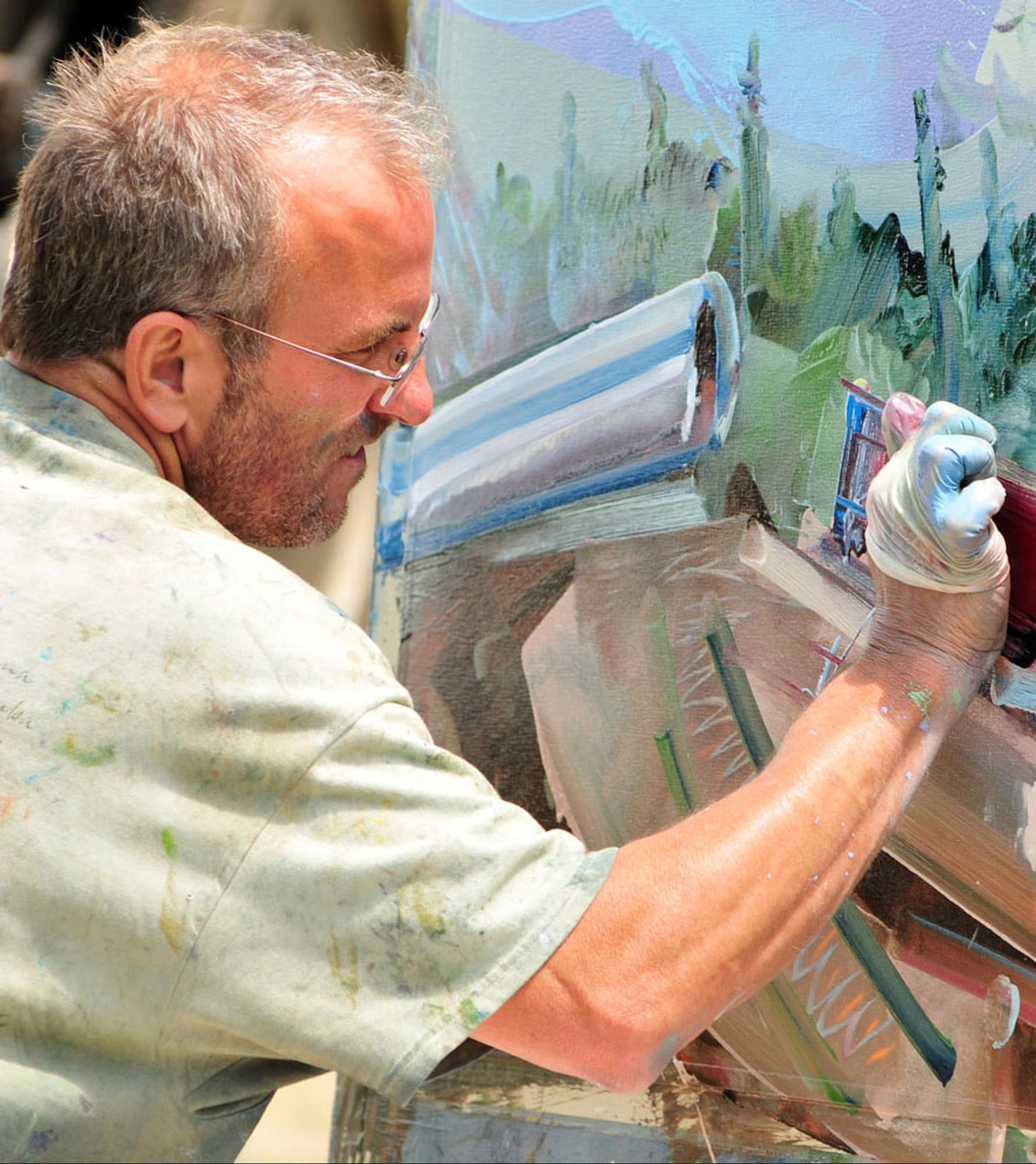
https://images.pexels.com/photos/24390314/pexels-photo-24390314/free-photo-of-artist-painting-at-park.jpeg, https://creativecommons.org/public-domain/
The Unmistakable Call of Plein Air: Why We Answer It
Before we dive into the nitty-gritty of aluminum versus wood, or how many bells and whistles one really needs, let’s just take a moment to reflect. Why do we brave the elements, the curious onlookers, and the occasional rogue gust of wind? Why do we answer this unmistakable call? I mean, really. You could just snap a photo, right? And paint it later in your perfectly lit, climate-controlled studio, perhaps even with a soothing podcast playing in the background. But there's an undeniable magic that happens when you're truly out there.
The way the light flickers and shifts minute by minute forces you to make quick, decisive choices, to simplify, to see in a profoundly different way. It’s a dynamic dance with the elements, a joyful challenge to capture fleeting beauty, a constant, humbling lesson in observation and adaptation. No photograph, however high-resolution, however perfectly composed, can truly capture the vibrant, multisensory energy of a real-world scene – the subtle shifts of hue, the sounds, the smells, the temperature, the very soul of a place.
I remember once, perched precariously on a cobbled Lisbon street, trying to capture the vibrant chaos of the Alfama district. The kaleidoscope of colors, the relentless movement, the sheer life of it all was overwhelming, yes, but also incredibly inspiring. The melancholic sounds of Fado drifting from a nearby cafe, the intoxicating smell of roasted chestnuts mingling with sea air, the warm, late-afternoon sun on my skin – these layers of sensory input, these ephemeral moments, are utterly impossible to replicate in a studio. No photo could ever quite grasp that dynamic, lived energy. It's those deep, resonant moments that make the logistical headache of a portable easel, the occasional dropped brush, and the inevitable paint smears on your favorite jacket, worth every single sigh.
https://upload.wikimedia.org/wikipedia/commons/5/5a/Mural_L%E1%B8%97th%C4%93_by_Pastel%2C_Lisbon.jpg, https://creativecommons.org/licenses/by-sa/4.0
Starting Small: DIY & Budget-Friendly Solutions for Your Outdoor Studio
Hesitant to invest heavily in a top-tier easel right away? I absolutely get it. Plein air can feel like a big commitment, especially when you're just dipping your toes into the water. Luckily, there are countless clever ways to get started without a huge outlay. Many artists, myself included, have cobbled together fantastic, functional setups from readily available (and often surprisingly affordable!) components. This is where your inner tinkerer and problem-solver can truly shine! Please, please, don't let the perceived lack of a 'perfect' setup stop you from painting outdoors. The raw experience, the learning, and the sheer joy of creating in the moment are infinitely more important than the gear you use.
- Adapt a Photography Tripod: If you already own a sturdy camera tripod, you're more than halfway there! Many lightweight pochade boxes and simple panel holders (like a 'plaq-easel' style attachment – essentially a small bracket designed to hold a painting panel securely) are specifically designed to mount directly onto a standard 1/4"-20 camera screw (that's the universal threading on most tripod quick-release plates). This is often the most cost-effective and immediate entry point into the world of portable easels.
- DIY Panel Holders: For the crafty artist, a simple wooden or metal L-bracket, or even a small, sturdy clipboard, can be ingeniously fashioned to hold a small panel or paper. With a bit of drilling, some wing nuts, and a simple bolt to fit your tripod, you can create a surprisingly robust solution. Online tutorials abound for these kinds of projects, often requiring just basic hand tools like a drill, saw, and screwdrivers.
- Modified Storage Boxes: Got an old, sturdy wooden box lying around? Maybe an old cigar box or a durable plastic container? With a few hinges, clasps, a sturdy chain or rope to hold the lid open at an angle, and perhaps some internal dividers made from cardboard or thin wood, it can be transformed into a basic, yet perfectly functional, pochade-style box. This takes a bit more effort but offers a truly custom solution on a shoestring budget.
- Minimalist Backpack Setups: For the ultimate in lightweight travel, combine a super-light photography tripod (perhaps an inexpensive carbon fiber one) with simple spring clamps or binder clips to hold a painting board or canvas. Use small, sealable plastic containers for your paints and a water bottle for brushes. It might not look fancy, but it absolutely gets you out there, unburdened and ready to create!
Before You Buy: Key Considerations for Your Outdoor Studio
"Portable" is a deceptively funny word, isn't it? For some, it simply means it fits comfortably in their car trunk, ready for a leisurely stroll to the local park. For others, it's a piece of gear that can be strapped to a backpack for a challenging mountain hike or a bustling urban exploration. When I talk about portable easels for plein air, I'm envisioning something that can be reasonably carried (sometimes for a considerable distance), sets up with minimal fuss, and, crucially, can withstand the glorious unpredictability of the outdoors – think sudden gusts of wind, uneven terrain, or a curious dog knocking into your setup. It’s a crucial distinction from your hefty, immovable studio workhorse. But before you even glance at the myriad types available, let’s take a pragmatic look at what you truly need from your ideal plein air companion. These considerations will fundamentally guide your choice among the various easel types we'll explore.
Your Budget: An Investment, Not Just a Purchase
Good gear, like any worthwhile artistic tool, is an investment. And like any investment, you want it to pay dividends in creative freedom, not financial regret. While it's tempting to snag the cheapest option, balance desired features with your budget, and truly consider how often you'll be using it. A flimsy easel is, in my experience, a false economy that leads to frustration and potentially ruined work. There are fantastic options at every price point, but prioritize stability over a few saved euros – your peace of mind is worth it.
Your Medium: Oil, Acrylic, Watercolor, or Gouache?
Each paint type presents its own set of demands on your easel.
- Oil and acrylic painters often require a very stable, robust surface to support heavier stretched canvases and panels, especially when applying vigorous brushstrokes. For oil painters, considering the ventilation for solvents (those turpentine-like liquids) and potential easel material reactions is also wise – certain plastics or finishes can degrade over time with constant exposure. Cleaning can be a hassle: dried oil paint or sticky mediums can seize hinges and joints, requiring careful, consistent cleaning with appropriate solvents. Acrylics, while less demanding on ventilation, can still splatter and, once dried, become incredibly difficult to remove from intricate mechanisms; fast-drying acrylics can also present a challenge if you want to keep your palette wet on the easel. A dedicated, easy-to-clean palette area is also a major plus.
- Watercolorists and Gouache painters, on the other hand, might prefer a much lighter setup, often working on smaller blocks or paper, and significantly benefit from the ability to tilt the surface to control washes and prevent paint from pooling. The easel material itself might also interact differently with water; look for non-absorbent options. Cleaning for watercolors and gouache is generally easier, but ensuring the easel is completely dried before packing is crucial to prevent mold or mildew growth on wooden parts or fabric bags.
For all mediums, consider how easy your easel will be to clean paint drips and splatters off of – a practical point often overlooked until you're scrubbing dried paint off a tricky joint!
https://upload.wikimedia.org/wikipedia/commons/1/1f/Verftubes_waarop_de_aanduiding_transparant_of_dekkend_te_zien_is.JPG, https://creativecommons.org/licenses/by-sa/4.0
Your Typical Terrain: Flat Ground vs. Rocky Trails
Are you envisioning leisurely strolls to the local park, setting up on a charming, paved city square, or embarking on a serious, multi-mile hike into the untamed wilderness? The terrain dictates your easel's needs. A wide footprint and individually adjustable legs are absolutely crucial for maintaining stability on uneven ground, rocky trails, or sloping riverbanks. Conversely, a very lightweight, compact setup is essential for long treks where every gram counts. Stability on a flat sidewalk is one thing; stability on a windswept, sandy beach or a precarious rocky outcrop is an entirely different beast.
Your Canvas Size Needs: Tiny Studies to Grand Views
Do you primarily create quick, intimate studies (say, 6x8 to 9x12 inches)? Or do you dream of tackling grand, panoramic landscapes (20x24 inches or even larger) that demand a substantial presence? Pochade boxes excel at small to medium formats, offering a confined, focused workspace. In contrast, French easels and many robust tripod easels can confidently handle much larger canvases. Ensure your easel's maximum canvas capacity and stability aligns perfectly with your artistic ambitions and preferred canvas size.
Durability & Longevity: Withstanding the Elements (and Your Artistry)
Outdoor painting means exposure to sun, wind, rain, and the inevitable bumps and scrapes of transport. When investing in an easel, consider how well its materials and construction will hold up over time. A cheaper, flimsier option might save you money upfront, but if it warps, breaks, or rusts after a few seasons, it becomes a false economy. Look for robust joints, quality fasteners, and materials designed to endure. Wooden easels, while beautiful, require more care against moisture and can warp or crack if not properly maintained. Aluminum and carbon fiber are generally more weather-resistant, though cheaper aluminum models can dent or bend easily. I've had easels where a single stiff gust of wind sent a leg buckling, and that's a mistake I only made once!
Accessibility: Painting for Everyone
While not always top of mind, consider how easily the easel can be set up, adjusted, and transported if you have any physical limitations or preferences. Some artists might prefer lighter options that can be carried in a backpack, while others might need a setup that allows for comfortable seated painting, or features larger, easier-to-grip adjustment knobs. The best easel is one that empowers, not hinders, your creative flow.
Exploring Portable Easel Types: My Adventures and Yours
Having braved everything from idyllic meadows to blustery city streets, I've had my share of adventures (and misadventures!) with various portable easels. Each type brings its own unique set of joys and challenges, and understanding them is key to finding your perfect match. Here's what I've learned from countless hours of painting outdoors.
The Grand Dame: French Easels
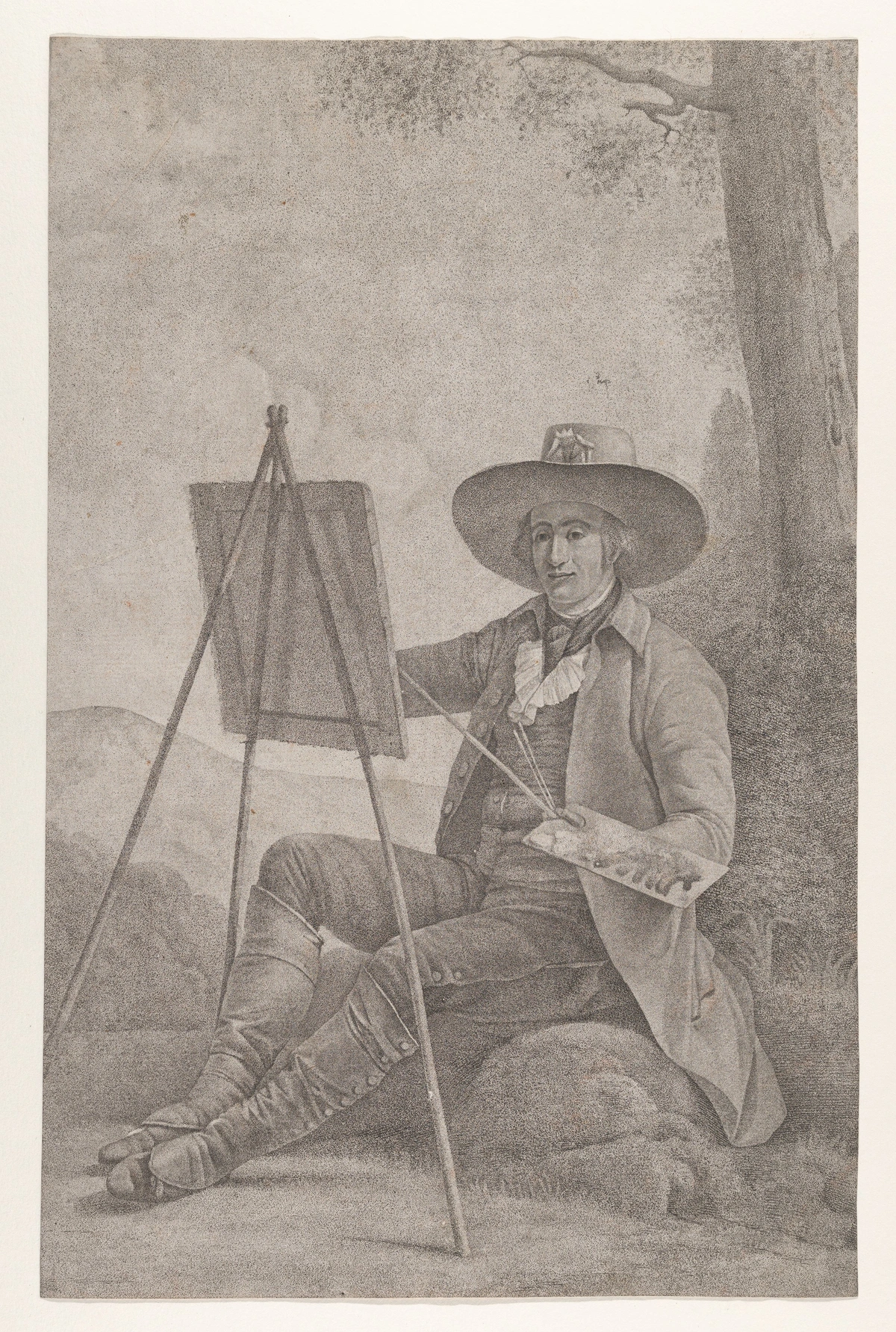
Ah, the classic French easel. It's the one that often comes to mind when you think of painting outdoors, evoking images of artists from centuries past. It's a self-contained wooden box, often quite beautiful and expertly crafted, that unfolds into a three-legged easel with built-in storage for your paints, brushes, and a dedicated palette. It's steeped in tradition, and there's something undeniably romantic and dignified about it. Imagine artists like Monet or Renoir, even Pissarro, lugging these beauties out into the fields – a testament to their dedication, and perhaps their stronger backs!
Pros:
- All-in-one solution: Truly a studio-in-a-box. Everything you need (almost) is neatly packed inside, minimizing separate bags and streamlining your setup. This often includes a palette, brush holders, and various compartments for tubes and mediums.
- Stable: Generally quite sturdy on flat ground, offering a solid, unyielding painting surface that can withstand vigorous brushstrokes. Many models also offer a decent footprint for added stability.
- Traditional aesthetic: Feels very "artist-like," connecting you to a long lineage of plein air painters and providing a certain gravitas to your outdoor studio.
Cons:
- Weight: Oh, the glorious, romantic, soul-crushing weight! I vividly remember one misadventure wrestling a fully-loaded French easel and its stubborn folding legs a mile uphill to a supposedly idyllic spot I'd scouted. By the time I arrived, my arm felt like it belonged to someone else, and my inspiration had been replaced by a desperate need for a lie-down. They can be surprisingly heavy, especially once you've packed them with paints, brushes, and mediums. Typically 4-7 kg (9-15 lbs) before you even add your supplies – imagine that on a long hike!
- Bulk: While beautifully self-contained, their often-bulky dimensions are definitely not ideal for long treks, crowded public transport, or squeezing into tight urban spots. This makes them less flexible for spontaneous painting opportunities.
- Setup time & complexity: For all their charm, they can be a bit of a puzzle the first few times you deploy them. Those many moving parts and clever hinges, while initially impressive, also mean more points of potential mechanical wear or stiffness over time, leading to frustrating wrestling matches with the equipment.
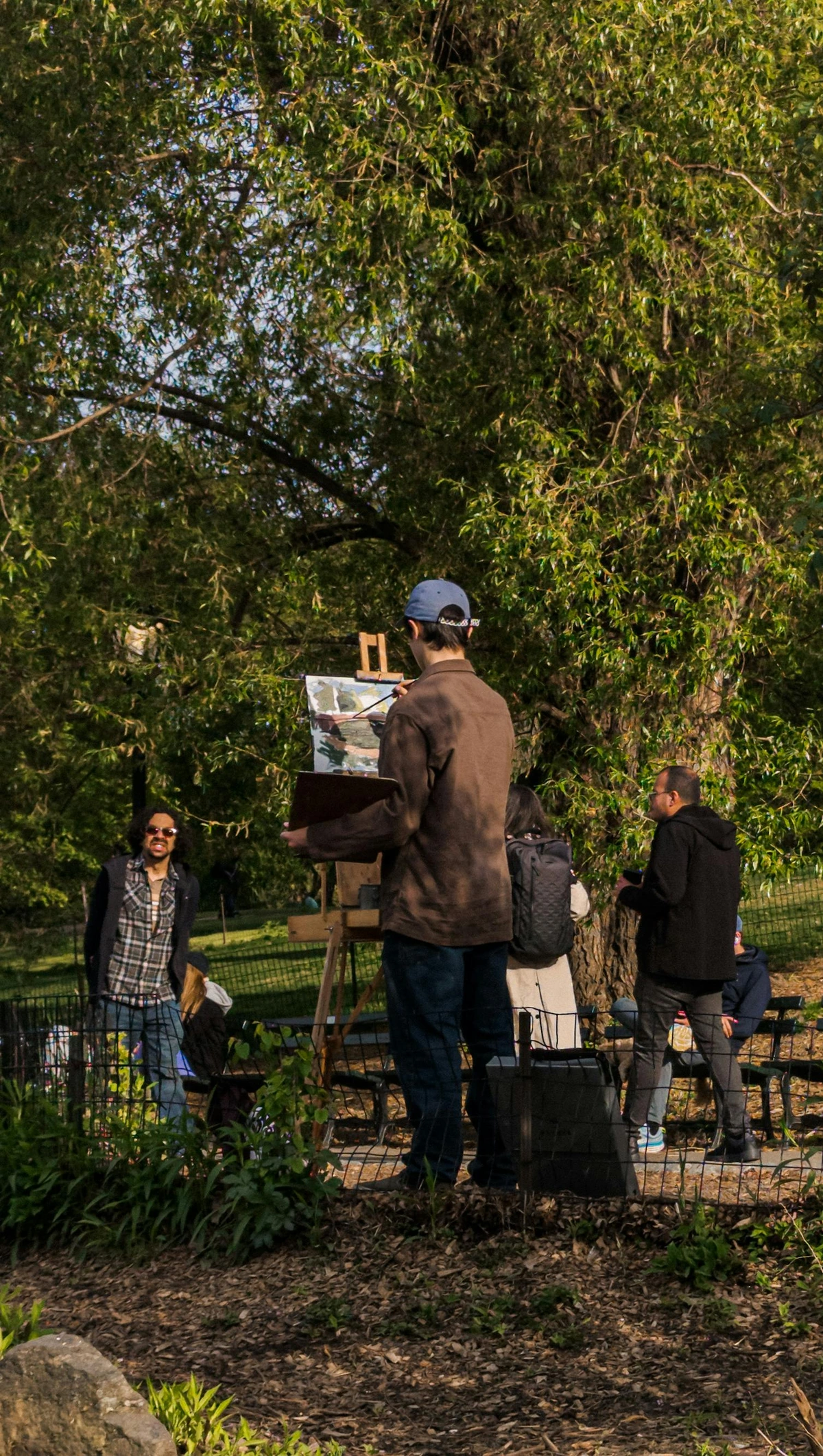
https://upload.wikimedia.org/wikipedia/commons/2/2b/Plein_Air_Painter_at_an_Easel_MET_DP834385.jpg, http://creativecommons.org/publicdomain/zero/1.0/deed.en
The Nimble Companion: Pochade Boxes
If the French easel is a stately manor, the Pochade box is a charming tiny house. A pochade box is a compact, self-contained painting box, typically without built-in legs, designed to hold small panels or canvases and provide a small palette area. Critically, most pochade boxes don't have built-in legs; they're designed to sit on a standard photography tripod, making them incredibly versatile and adaptable. This also means your tripod choice becomes paramount – look for robust leg locks, a hook for weights, and flexible leg-spread angles for uneven ground.
Pros:
- Extremely portable: Light and small enough to tuck into most backpacks, making them ideal for quick excursions, urban sketching, or travel. Usually 1-3 kg (2-7 lbs) for the box itself.
- Quick setup: Often designed to click onto a standard photography tripod in mere seconds, getting you painting faster and maximizing that precious outdoor light.
- Encourages quick studies: Their compact nature and limited panel size naturally lead to more immediate, energetic studies, perfect for capturing fleeting moments without overthinking.
Cons:
- Limited canvas size: Definitely not for grand landscapes, typically maxing out around 12x16 inches. They're built for intimacy, not immensity.
- Less storage: While some have clever mini-compartments, you'll almost certainly need a separate bag or a very carefully curated setup for most of your paints, solvents, and other supplies, as built-in compartments are minimal.
- Requires a separate tripod: This is the big one. If you don't already own a sturdy photography tripod, it's an added expense and another piece of gear to manage. Plus, the tripod itself needs to be stable and easy to adjust for uneven terrain.
The Workhorse: Tripod Easels (or Field Easels)
These are probably the most common sight in a plein air setup these days, and for good reason. Typically made of aluminum, they consist of a lightweight tripod with adjustable canvas holders. Think of it: their sole purpose is to hold your canvas, acting as a frame from which to paint. This means you’ll almost always need a separate palette and storage solution, making the overall setup a collection of discrete parts rather than a fully integrated unit.
Pros:
- Lightweight: Many models are incredibly easy to carry, often under 2 kg (4 lbs), making them excellent for longer walks or when flying.
- Very adjustable: Good for various heights and angles, suitable for different canvas sizes (sometimes surprisingly large) and painting positions (standing or sitting). Many feature an extendable center column, which can significantly increase maximum height or even invert for low-angle painting. Some even have optional accessory trays that attach directly to the easel for your palette.
- Affordable: Often the most budget-friendly option, making them a fantastic, low-barrier entry point for beginners.
Cons:
- Less integrated: This is their biggest trade-off. You'll absolutely need a separate table, a dedicated side-tray that attaches to the easel, or a small box for your palette and paints, which can make the setup feel less streamlined and more like a collection of disparate parts.
- Can be less stable: This is where quality really shows. While many are lightweight, some models can be surprisingly flimsy, especially in windy conditions or on uneven ground – which, let's face it, is a lot of outdoor ground! I've had more than one near-catastrophe with a canvas threatening to take flight, and a wobbly setup can lead to frustrating, hesitant brushwork. Look for sturdy leg locking mechanisms (often flip-locks are more robust than twist-locks in my experience), a wide, stable footprint, and ideally, a hook on the center column where you can hang a bag of sand or a weighted rock for extra stability on windy days.
- Minimal to no storage: Again, pack wisely and expect to bring a separate bag for all your brushes, tubes, mediums, and other essentials.




https://images.pexels.com/photos/18516626/pexels-photo-18516626/free-photo-of-man-painting-a-landscape.jpeg, https://creativecommons.org/public-domain/
The Minimalist's Dream: Backpack Easels & Custom Setups
For the truly adventurous, the ultralight enthusiast, or those who prize extreme portability above all else, there are minimalist solutions that integrate right into a backpack, or incredibly clever custom setups. Think a super-lightweight carbon fiber tripod paired with a tiny, custom-made panel holder, often a simple wooden bracket or a specialized clamp (sometimes called a 'plaq-easel' or 'panel holder'), and a micro-palette clipped directly to it. For the truly ultralight, some artists even use painting boards that strap directly to their backpack, or simple hand-held setups, foregoing a traditional easel entirely. These are purpose-built for serious hikers, dedicated cyclists, and urban explorers who need to move fast and light, and who delight in ingenious, compact solutions, often supplementing with digital sketching tools on a tablet for planning or quick studies (a complementary tool, not a replacement for the tactile experience of paint!).
Pros:
- Ultimate portability: Designed for serious hiking, cycling, or minimalist travel, often under 1 kg (2 lbs) for the core setup, allowing for unparalleled mobility.
- Highly customizable: You build it or choose components to your exact needs, allowing for unique setups that perfectly match your painting style and travel demands.
Cons:
- Often less stable: Sacrifices some stability for extreme weight reduction, making them more susceptible to wind and requiring careful placement and perhaps external weights. You'll need to be extra vigilant on blustery days.
- Can be costly: Custom solutions or ultralight materials (like carbon fiber) aren't always cheap, requiring a larger initial investment, especially if you're sourcing specialty components.
- Requires more DIY spirit: You might need to combine components from different manufacturers or even fabricate parts yourself, which isn't for everyone. It definitely appeals to a particular type of problem-solver!
Comparing Your Adventuring Companions: A Side-by-Side Look
To help you visualize the differences and pinpoint what might suit your style, here's a quick comparison of the main portable easel types:
Easel Type  | Typical Weight (without supplies) | Max Canvas Size (approx.) | Key Storage | Stability (on even ground) | Typical Price Range (USD) | Best For |
|---|---|---|---|---|---|---|
| French Easel | 4-7 kg (9-15 lbs) | 32 inches | Built-in box, palette | Very Good | $150 - $600 | Traditionalists, short walks, car-to-site, integrated solution |
| Pochade Box | 1-3 kg (2-7 lbs) | 12x16 inches | Small internal, palette | Good (depends on tripod) | $100 - $400 | Quick studies, urban sketching, travel, portability |
| Tripod Easel | 1-2 kg (2-4 lbs) | 48 inches | None (separate bags) | Moderate (can be wobbly) | $30 - $150 | Budget-conscious, hikers, various canvas sizes, lightweight |
| Minimalist | < 1 kg (< 2 lbs) | 12x16 inches | None (separate bags) | Varies (often less) | $50 - $500+ (custom) | Ultralight, serious hiking/cycling, custom needs, extreme portability |
Choosing Your Adventuring Companion: Key Features to Look For (and Why They Matter to Me!)
So, after all that, how do you pick your perfect easel? It’s not just about features on a spec sheet; it's about how those features translate into your personal painting experience. I always tell people to think about their typical painting scenario and their comfort level with logistics. Are you strolling to the local park? Hiking a mountain? Sitting in a bustling cityscape, like the one captured so vividly in Bilbao? The answers to these questions will guide you to your ideal artistic partner. Let me walk you through the factors that consistently weigh on my mind – and why they should weigh on yours too.
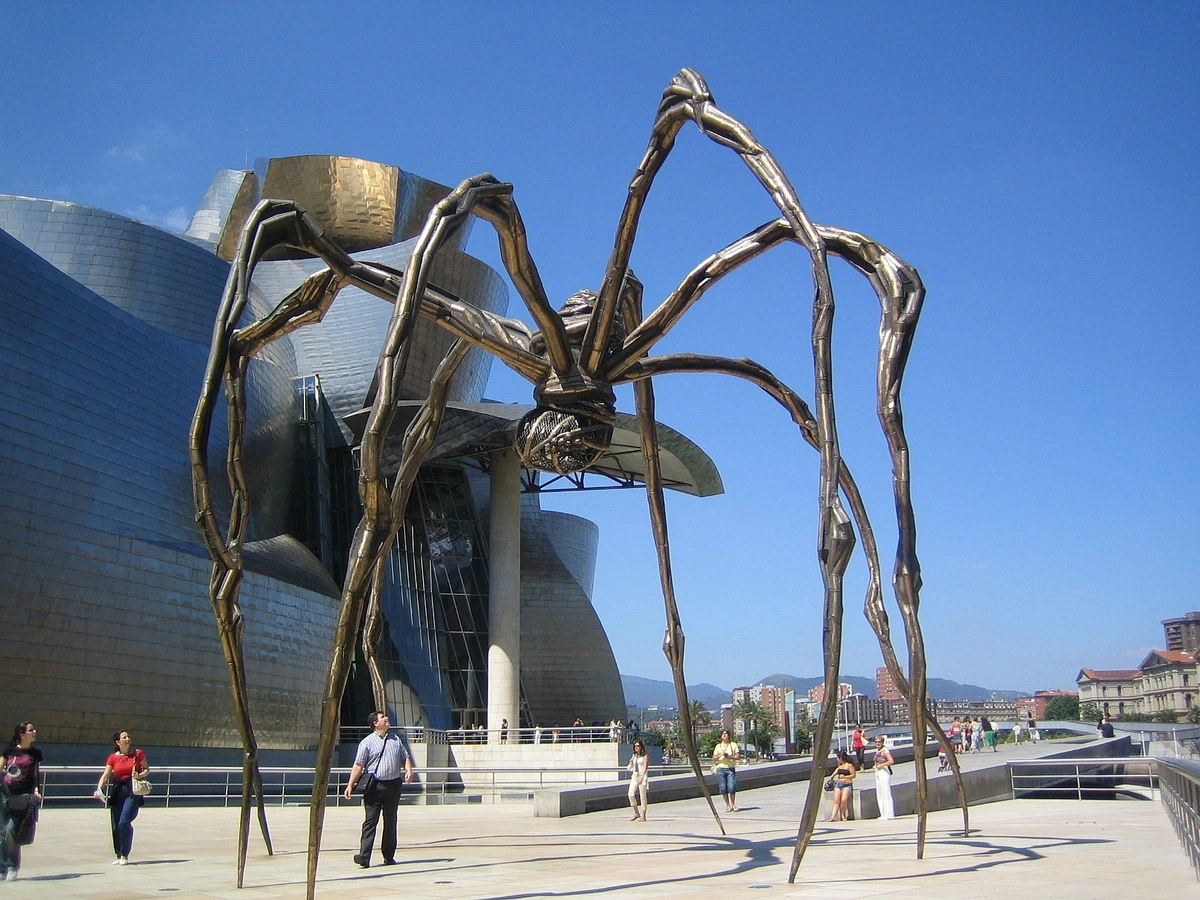
https://upload.wikimedia.org/wikipedia/commons/a/a4/Spider_Maman_and_Guggenheim_museum_at_Bilbao.jpg, https://creativecommons.org/licenses/by-sa/3.0
Feature | Why It Matters to Me (and probably you!) |
|---|---|
| Weight | This is paramount. Every extra kilogram feels like five when you're walking, especially uphill. I've lugged heavy setups for what felt like miles, and by the time I arrived, my energy for painting was zapped. Maximizes mobility and minimizes fatigue. Aim for the lightest you can afford that still feels sturdy. |
| * Less physical strain, more energy for painting. |
- Greater access to remote or challenging locations.
- Easier to carry on public transport or while traveling. | | Stability | Oh, the horror of a canvas flying away in a gust of wind! I've lost more than one precious sketch (and my temper!) to a sudden gust or a wobble on uneven ground. A wobbly easel also leads to hesitant brushwork, which is the last thing you want when trying to capture a fleeting moment. Look for wide footprints, solid leg locks (like flip-locks), and good bracing. Ensures secure painting and prevents damage/lost work. | | | * Confident, unhesitating brushwork.
- Protects your artwork from wind or accidental bumps.
- Essential on uneven, rocky, or sloped terrain. | | Material | Wood (often for French easels and some pochades) can be beautiful and traditional, but is generally heavier and more susceptible to warping or swelling with moisture if not meticulously maintained. Aluminum is lightweight, durable, and weather-resistant for tripod easels, though sometimes it feels less 'artisanal' and cheaper models can dent. Carbon fiber is a premium, ultralight option for tripod legs, offering exceptional strength-to-weight ratio. Balances aesthetics, durability, and weight. | | | * Wood: Classic look, sturdy feel, but heavier and needs more care.
- Aluminum: Lightweight, weather-resistant, durable, but can dent.
- Carbon Fiber: Ultimate lightweight strength, but often costly. | | Adjustability | Can it hold different canvas sizes? Can you paint standing or sitting? Can you tilt the canvas to avoid glare or manage watercolor washes? My back isn't what it used to be, so ergonomic adjustment for comfortable posture is essential for longer sessions. Supports diverse painting positions and prevents strain. | | | * Versatility for various subjects and compositions.
- Reduces back, neck, and shoulder strain during long sessions.
- Allows you to adapt to changing light and glare conditions. | | Storage | Do you want everything in one unit (French easel, some pochades) or are you happy carrying a separate bag for supplies (tripod easel, minimalist setups)? My habit of losing small things means I often prefer integrated storage if possible, but that comes with weight. This choice significantly influences convenience and overall gear bulk. | | | * Integrated storage (French easel) means fewer bags to manage.
- Separate storage (tripod easel) allows for customized, modular kits.
- Consider how easily you can access paints and brushes during a session. | | Setup Time | My patience wears thin quickly when inspiration strikes. I want something I can deploy in minutes, not ten, to catch that fleeting light. Missing that perfect moment because I'm wrestling with my gear is incredibly frustrating! Maximizes painting time and minimizes frustration. | | | * Crucial for capturing rapidly changing light or fleeting moments.
- More time painting, less time fiddling with gear.
- Reduces the barrier to getting out and starting. | | Footprint | How much space does the easel's legs occupy on the ground? Important for crowded areas, tight spots, or protecting your work from passers-by. Trying to paint in a bustling city square with an easel that takes up too much room is an invitation for bumped elbows (and ruined paintings!). Dictates where you can comfortably set up. | | | * Narrower footprint for urban environments or busy paths.
- Wider footprint for stability on uneven ground.
- Consider how close you need to be to your canvas. | | Medium Comp. | Does it accommodate your specific medium needs (e.g., strong enough for large oil canvases, ability to tilt for watercolor washes, resistance to solvents for oils)? As an artist who experiments, I need versatility. Ensures your easel supports your artistic process. | | | * Robustness for heavy oil/acrylic canvases and vigorous brushwork.
- Tilting capabilities for watercolor control.
- Material compatibility (e.g., non-absorbent for watercolors, solvent-resistant for oils). | | Stable Palette Surface | A wobbly palette is a recipe for disaster – dropped paints, brushes, or even your whole setup. I've learned this the hard way! Look for an integrated palette that locks securely or a stable side tray that attaches firmly. Prevents accidental spills and maintains your workflow. | | | * Keeps your paints and mediums secure.
- Allows for confident, uninterrupted color mixing.
- Reduces cleanup time and wasted materials. | | Ergonomics | Can you maintain a comfortable posture while painting, reducing strain on your back or neck? Adjustable height and tilt are key here. I find that discomfort quickly kills inspiration, so this is paramount for extending painting sessions. Promotes comfort and extends painting sessions. | | | * Prevents fatigue and pain, allowing longer painting sessions.
- Helps maintain focus and concentration.
- Adaptable for standing, sitting, or kneeling. | | Price Range | Good gear can be an investment. Balance features with your budget, but don't compromise too much on stability for the sake of a few euros. As I mentioned, a flimsy easel is a false economy. Think of it as investing in your artistic joy. Helps you find value without sacrificing quality. | | | * Finds a balance between cost and essential features.
- Avoids false economies of cheap, flimsy gear.
- Ensures your investment supports your artistic growth. | | Ease of Cleaning | Let's be honest, paint gets everywhere. An easel with smooth, non-porous surfaces and easily accessible joints will save you a lot of time and frustration after a messy session. Intricate mechanisms full of dried paint are a nightmare to deal with. Minimizes post-painting chores and keeps your gear functional. | | | * Saves time and effort on cleanup.
- Prevents paint from seizing moving parts.
- Extends the lifespan of your easel by keeping it well-maintained. |
Caring for Your Creative Partner: Maintenance Tips
Just like anything else, a little love and attention go a long way. Your easel endures the elements, so a bit of consistent care will extend its life and save you frustration. Treat it as the essential tool it is, and it will serve you well for years of outdoor adventures.
- Clean Regularly: Wipe down paint drips and dust promptly. This is especially crucial around moving parts, hinges, and locking mechanisms. Dried paint (especially acrylics, which are notoriously stubborn once dry) can seize mechanisms and make setup a nightmare. For metal joints or telescoping legs on aluminum easels, a light lubrication with a silicone-based spray can keep things moving smoothly if they start to stiffen. For wooden easels, be gentle and avoid harsh solvents that can strip finishes.
- Check Joints & Screws: Outdoor life, vibrations from transport, and constant setup/takedown can loosen things up. Periodically check and tighten anything that feels wobbly. A small multi-tool or screwdriver can be your best friend in the field. Don't let a loose screw turn into a catastrophic collapse!
- Store Properly: When not in use, keep your easel dry and away from extreme temperatures. Wood easels, especially, don't appreciate being left in a damp garage or direct, scorching sunlight for extended periods – they can warp, crack, or even grow mold. Ensure wooden components, particularly palettes, are completely dry after use to prevent mold or mildew. If you've got an expensive carbon fiber tripod, treat it with respect – don't just toss it in the corner.
- Respect its Limits: Don't try to force a heavy, oversized canvas onto a flimsy easel, or expect a feather-light setup to withstand a gale force wind. Understand what your easel is designed for and use it accordingly. It's about working with your equipment, not against it. Pushing it too far is a surefire way to break it (and potentially your artwork!).
Beyond the Easel: Essential Gear and Mindset for Success
An easel is just one part of the puzzle. To truly enjoy your plein air experience, think about the bigger picture – the whole kit that makes outdoor painting a joy, not a chore. Having the right mindset is just as important as the right gear.
Comfort & Practicalities
- A Comfortable Seat: Even if you plan to stand for most of your session, a small, collapsible stool is an absolute lifesaver for breaks, changing your perspective, or for those moments when you just need to sit and look. Trust me, your knees and back will thank you profusely. I always pack one because my knees aren't what they used to be, and a few minutes of rest can unlock hours of painting.
- Water & Snacks: You'd be surprised how quickly you get absorbed. Staying hydrated and fueled is crucial for maintaining focus and energy, especially under the sun or in colder temperatures. A thermos of hot tea can be a game-changer on a chilly day!
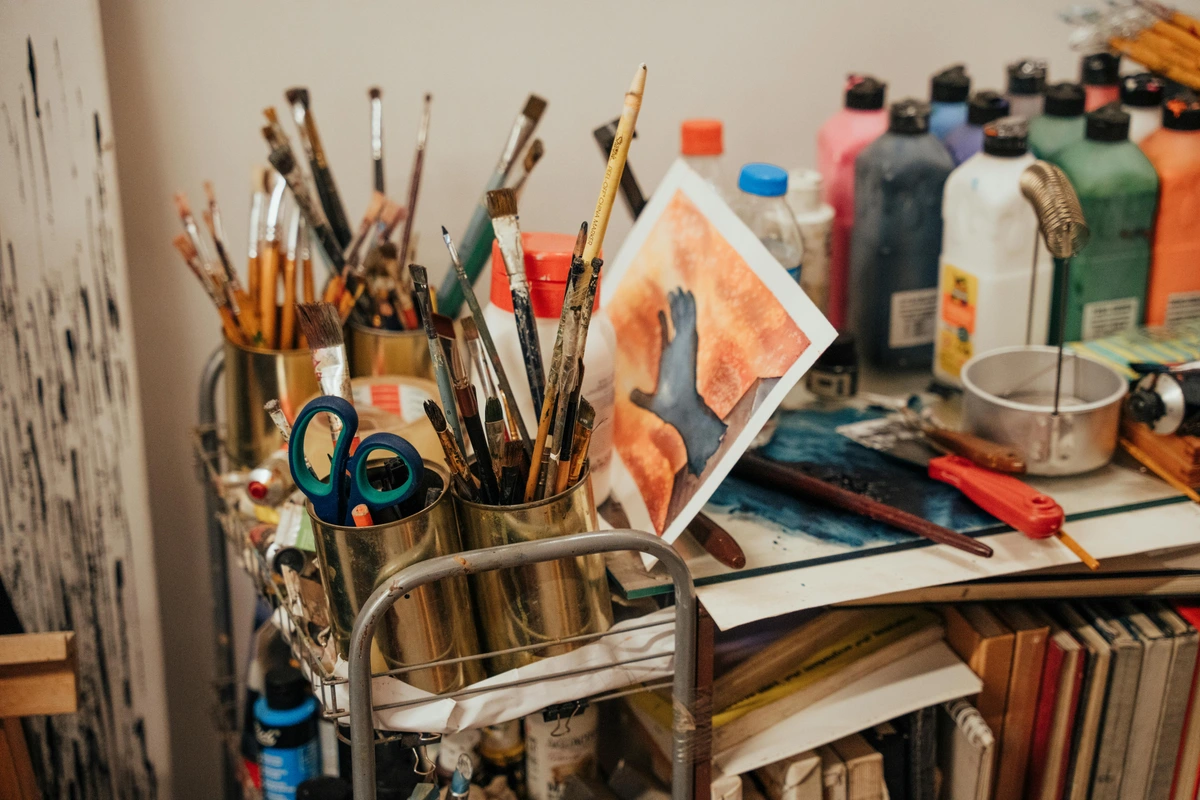
- Minimal Supplies & Prepared Palette: I know, I know, it's tempting to bring everything. But seriously, limit your palette to essential, harmonious colors, and bring only the essential brushes you'll truly use. Less to carry, less to clean, less to lose! Before you even leave the studio, lay out your common colors on your palette (whether it's glass, wood, or a disposable paper pad). Having your colors squeezed out and ready saves precious outdoor time when the light is shifting rapidly. And consider a brush washer with a tight, spill-proof lid to keep solvents contained and prevent accidental spills. For tips on keeping your tools pristine, check out our guide on cleaning and caring for your paint brushes.
- Sketching and Drawing Outdoors: And don't forget the power of a sketchbook! Even if your main goal is painting, a small sketchbook and a few pencils can be invaluable for quick studies, compositional planning, or simply capturing a fleeting moment without the full setup. Some easels, particularly pochade boxes, have clever ways to hold a smaller sketchpad alongside your main work. This is where those digital sketching tools on a tablet can also shine for quick reference or compositional tests before committing to paint.
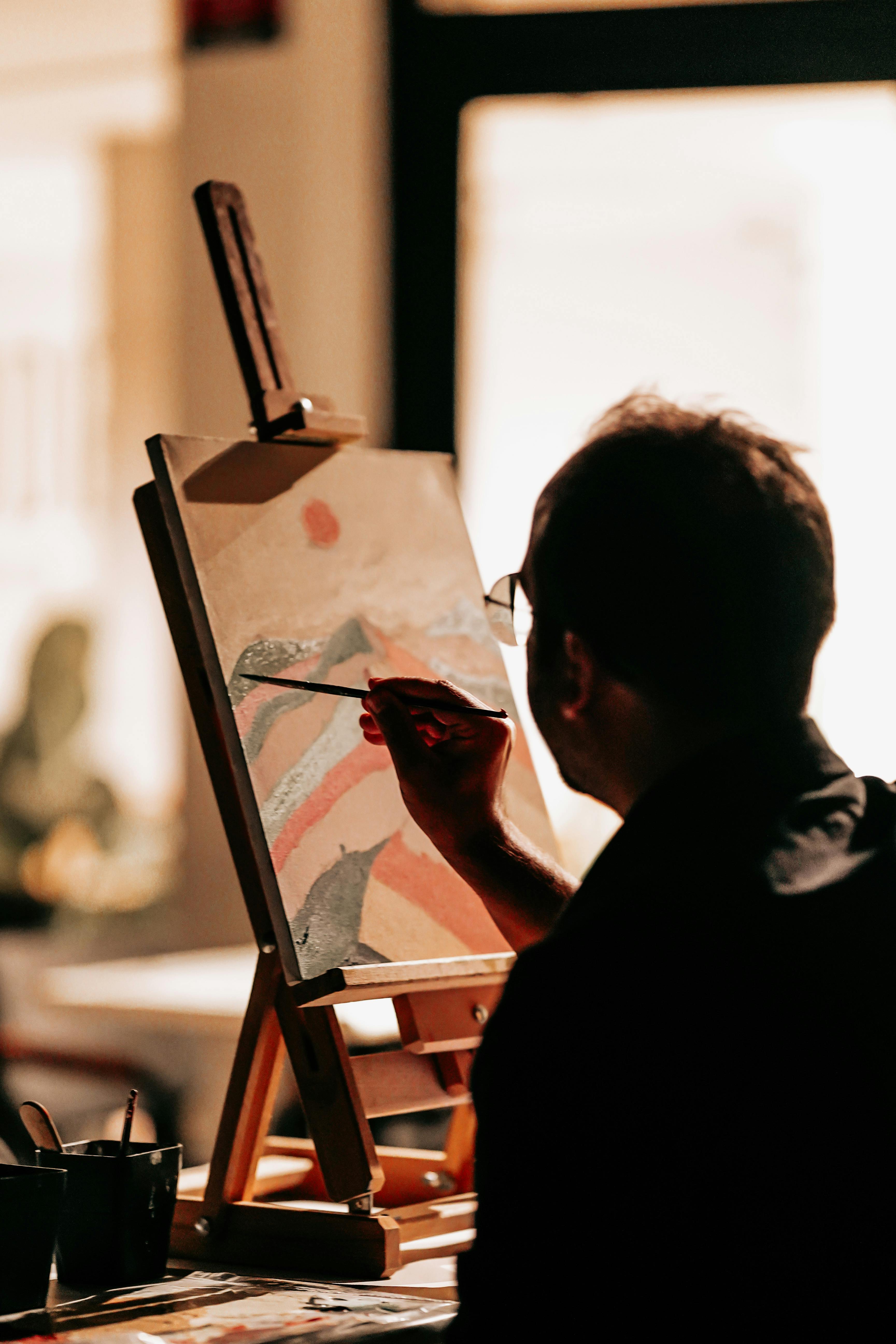
https://www.pexels.com/photo/creative-art-studio-with-brushes-and-paints-29589096/, https://creativecommons.org/public-domain/
Protection & Preparedness
- Sun & Weather Protection: A wide-brimmed hat, high-SPF sunscreen, and maybe even a small, sturdy umbrella (which can double as a shade for your canvas to prevent glare!) are non-negotiable. And while we’re talking about protection, consider a lightweight rain cover for your easel and bag if the forecast is even slightly iffy. For wind, if your easel isn't the sturdiest, bring a small bag of sand or a weighted rock to hook onto the center column – it can save you from a catastrophic canvas flight! I've also seen artists successfully use small, portable windbreaks or strategically position their vehicle or body to block the worst of the gusts. For extreme cold, consider insulated gloves that still allow for dexterity, and for extreme heat, a light, breathable long-sleeved shirt to prevent sunburn and regulate body temperature.
- Trash Bag: Always, always, always pack out what you pack in. Leave no trace. Be a good steward of the environment.
- Theft Prevention: If you're painting in a public or remote area with expensive gear, stay vigilant. Keep your backpack securely closed and close to you, and avoid leaving your setup unattended. Sometimes, a simple cable lock can deter opportunistic thieves if you need to step away for a moment. This is a practical, if slightly less romantic, consideration.
Safety Considerations
Being immersed in your art can make you forget your surroundings, so a moment of foresight can prevent a lot of trouble.
- Choose Safe Locations: Avoid setting up in areas with heavy foot traffic, blind corners, or unstable ground. Look out for overhanging branches, steep drop-offs, or any other potential hazards. Be aware of your exits and escape routes if necessary.
- Wildlife Awareness: If you're in a natural setting, be mindful of local wildlife. Keep food secure, and don't approach or disturb animals. A quick check for ticks or other insects after a session in tall grass is also a good habit.
- Basic First-Aid Kit: A small kit with bandages, antiseptic wipes, and pain relievers is invaluable for minor cuts, scrapes, or insect bites that can easily happen outdoors. Don't let a small mishap derail your artistic flow.
- Legal & Permitting: While generally permitted, always check local regulations for public parks, national forests, or designated historical sites. Some locations might require permits for commercial activity (even if you're just practicing), or have restrictions on where easels can be placed to protect fragile ecosystems or historical integrity. A quick search before you go can save you a potential fine or an awkward conversation.
Plein Air Etiquette & Mindset
- Plein Air Etiquette: When painting in public, always be mindful of your surroundings. Try not to block paths or entrances, avoid setting up on private property without permission, and always be respectful of curious onlookers (a smile and a brief explanation go a long way). Remember, we're guests in these spaces, so let's be good ones. A little politeness can turn a passerby into an admirer!
- Embrace Imperfection: Your first plein air pieces probably won't be masterpieces. That's not just okay; it's part of the process! It's about learning, observing, and experiencing. The best pieces often come from unexpected places, sometimes even from a happy accident when dealing with the wind or changing light. Don't let the pursuit of perfection steal your joy; let the experience be the masterpiece. Every painting, finished or not, is a lesson learned, a moment lived.
Frequently Asked Questions (FAQ)
We've answered some common questions below to further assist your decision-making and ensure you're well-equipped for your outdoor painting journey.
What's the real difference between a French easel and a tripod easel?
A French easel is typically a self-contained wooden box that unfolds into an easel, complete with a built-in storage compartment for supplies. It's an all-in-one unit, often heavier and bulkier, ideal for stationary setups or short walks. A tripod easel (or field easel) is usually a lightweight, often aluminum, standalone tripod that holds your canvas, requiring you to carry a separate palette and supply bag. The tripod easel offers greater portability and adjustability, while the French easel provides convenience and integrated storage. For a deeper dive into studio-based options, you might explore our guide on best studio easels for professional artists.
Can I use a regular photography tripod for my easel?
Yes, many artists do! Especially with Pochade boxes that are specifically designed to mount onto a standard camera tripod screw (1/4"-20). It’s a great way to save money if you already have a sturdy one. Just ensure it's stable enough for your canvas size and painting style. Some tripod easels also use standard photography quick-release plates, making them interchangeable.
What's the best material: wood, aluminum, or carbon fiber?
Wood offers a classic, beautiful aesthetic and can be very sturdy, but it's generally heavier and more susceptible to warping or swelling with moisture if not meticulously maintained. Aluminum is lighter, more inherently weather-resistant, and often allows for more complex, adjustable designs. However, cheaper aluminum models can dent or bend more easily. Carbon fiber is a premium option, offering exceptional strength-to-weight ratio for ultralight setups, though it comes at a higher price point. Each material presents trade-offs between weight, classic aesthetics, robust durability, and required maintenance.
How heavy is too heavy for a portable easel?
This is personal! For me, anything over 3-4 kg (7-9 lbs) without supplies starts to feel heavy if I have to walk more than 15 minutes. If you're car-to-site, then 5-7 kg might be acceptable. Remember, you're adding paints, brushes, canvases, water, a stool, etc.! My advice: weigh your entire packed kit and try walking with it for the distance you anticipate. You'll quickly find your personal limit, and your shoulders will be very clear about it!
What size canvas can a portable easel typically hold?
This varies greatly by easel type. Pochade boxes and minimalist setups are usually limited to smaller panels, often up to 12x16 inches. Many French easels can accommodate canvases up to 32 inches tall. Some robust tripod easels (especially certain heavy-duty field easels or those with extended center columns) can extend to hold very large canvases, sometimes up to 48 inches or more, though stability becomes a greater concern with larger formats, especially in wind.
How do different painting mediums affect my easel choice?
As mentioned earlier, oil and acrylics typically require a very stable easel to withstand the pressure of brushstrokes and to support heavier stretched canvases. A French easel or a robust tripod easel with a wide footprint is ideal. Consideration for solvent ventilation and material compatibility is also important for oils. Watercolors and gouache often allow for lighter setups, sometimes even just a board clipped to a photography tripod, as the medium is less physically demanding on the canvas. The ability to tilt the working surface significantly is also a big plus for washes, and non-absorbent easel materials are preferred.
Do I really need a special outdoor palette?
Not necessarily, but it helps. Many plein air painters use a simple glass palette (easy to clean), a disposable paper palette, or even the inside lid of their Pochade box. The key is something lightweight, easy to clean, and that won't blow away in a sudden breeze. I've often used a simple plastic plate from a picnic set! Just make sure it gives you enough space to mix your colors comfortably without feeling cramped.
Are there specific easels for watercolor painting outdoors?
While there aren't many exclusively watercolor easels, many artists adapt setups. A pochade box that allows for a nearly flat or slightly angled working surface (especially if you remove the internal panel holders) can work well. Alternatively, a lightweight tripod easel combined with a separate, flat board and clips for watercolor paper or blocks is a popular choice. The key is often less about a dedicated easel and more about a flexible setup that allows for various angles and stability for delicate washes, and easy-to-clean, non-absorbent surfaces.
What about using digital tools with my plein air setup?
Absolutely! While the tactile experience of paint is irreplaceable, digital tools like tablets with sketching apps can be fantastic complements. I use them for quick compositional studies, testing color palettes, or as a portable reference library. Some artists even attach small tablets to their easel or tripod for easy viewing while painting. They're a great way to plan and refine ideas without committing paint to canvas right away.
What about legalities or etiquette for painting in public spaces?
This is an excellent question! Generally, painting in public parks, sidewalks, or other accessible areas is permitted as long as you're not obstructing traffic (pedestrian or vehicle), blocking entrances, or causing a disturbance. However, always check local regulations, especially for protected natural areas, national parks, or historical sites, as some may require permits or have restrictions on setup locations. Being polite to curious onlookers and ready to answer a quick question is part of the etiquette. Most importantly, always leave your chosen spot as clean or cleaner than you found it.
What's the best way to clean my portable easel after a session?
For paint drips on aluminum or plastic, a damp cloth with a little soap usually does the trick. For wooden easels, wipe down promptly with a rag, avoiding harsh solvents that can damage the finish or cause warping. Ensure wooden components are completely dry to prevent mold. For dried acrylics, a plastic scraper can help, but gentle cleaning is always best to preserve the material. Always ensure all moving parts are free of paint to prevent seizing, and thoroughly dry the easel before storing it away, especially if it's been exposed to rain or damp conditions. A little maintenance goes a long way in extending its life!
Your Outdoor Studio Awaits!
Stepping out of the studio and into the vibrant, unpredictable world with your easel, your paints, and an open, observant heart is, for me, one of the most profoundly rewarding experiences an artist can have. It’s challenging, often humbling (especially on a really windy day!), and unequivocally inspiring. Please, do not let the sheer volume of gear options intimidate you. Think of your chosen easel not just as a piece of equipment, but as your silent partner, your reliable companion on countless adventures and quiet moments of observation.
This guide has aimed to equip you with all the insights you need to confidently choose your perfect plein air easel, whether you're a seasoned pro or just beginning your journey. Speaking from my own experiences as an artist, selecting the right tools has allowed me to capture those dynamic, fleeting moments that fuel my own work, much of which you can explore at zenmuseum.com/buy. Take another look at the comparison table, consider your own needs and aspirations, and don't hesitate to visit a local art supply store to get a feel for different models. But above all, the single most important thing, the absolute core of it all, is to simply get out there and paint. So, go on. Gather your gear, head outdoors, and let the magnificent, ever-changing world directly inspire your brush. Who knows, perhaps one day our paths will cross, brushes in hand, under an open, inspiring sky. I truly hope they do. You can always learn more about my artistic philosophy and journey at zenmuseum.com/timeline.
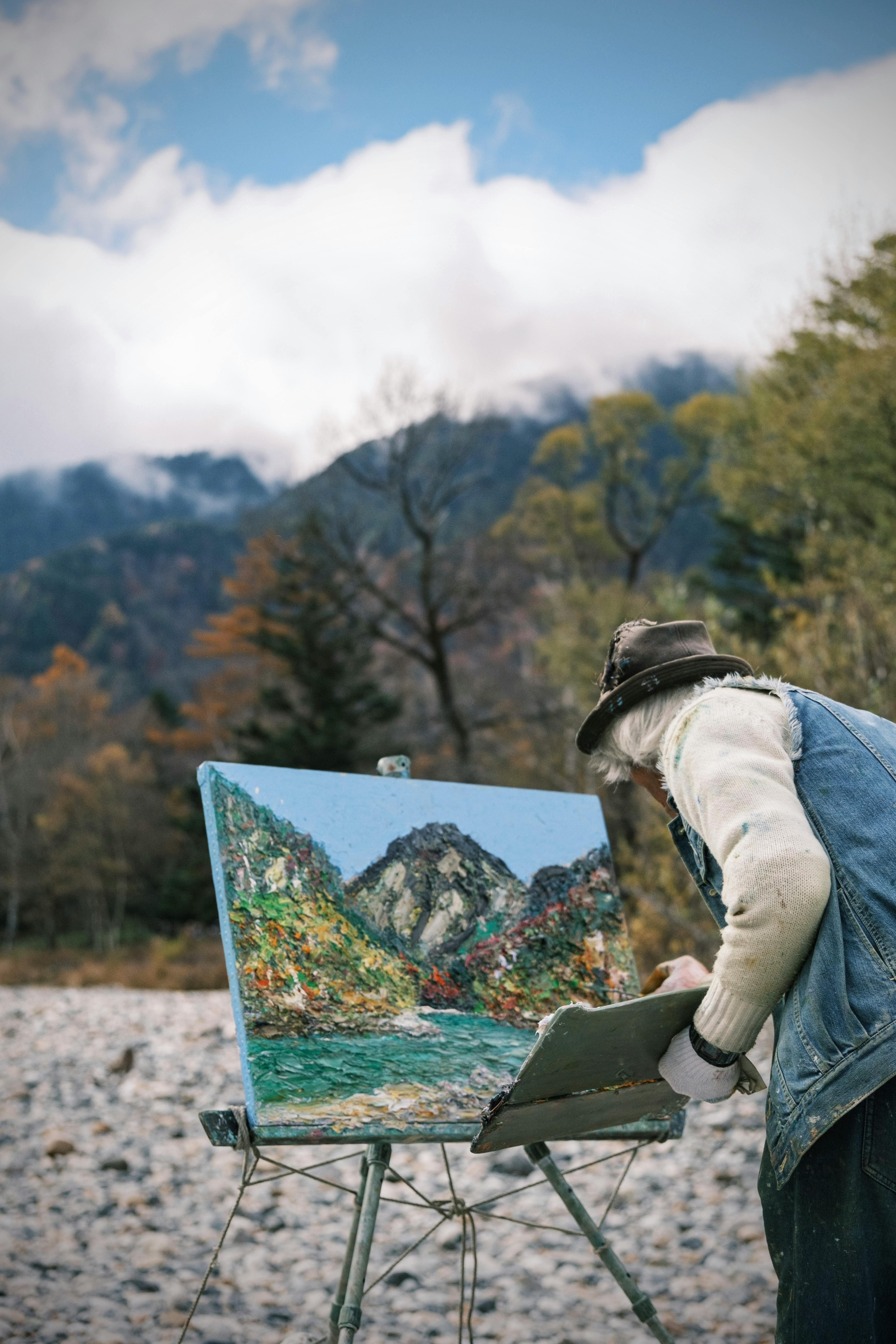
https://images.pexels.com/photos/18952243/pexels-photo-18952243/free-photo-of-artist-painting-in-mountains.jpeg, https://creativecommons.org/public-domain/