Art Pro Tips for Beginners: Essential Techniques and Insights
Discover essential pro tips for beginner artists, covering fundamental techniques, common mistakes to avoid, and professional insights to accelerate your artistic development.

Art Pro Tips for Beginners: Essential Techniques and Insights
So, you've decided to dive into the world of art. Congratulations! Whether you're picking up a paintbrush for the first time or sketching your heart out, starting your artistic journey can be both exciting and a bit overwhelming. I remember my first attempt at painting—a messy, abstract disaster that I still secretly love. But hey, everyone starts somewhere, right?
Art is a journey of self-discovery, creativity, and endless possibilities. It's about expressing yourself and connecting with others through your work. Whether you're drawn to painting, drawing, or any other medium, the key is to embrace the experience and learn as you go.
Art is not just about creating something visually appealing; it's about expressing yourself and connecting with others through your work. It's a journey of self-discovery, creativity, and endless possibilities. Whether you're drawn to painting, drawing, or any other medium, the key is to embrace the experience and learn as you go.
This guide is designed to help you navigate the early stages of your artistic journey, providing you with the tools and insights you need to grow and thrive as an artist.

The Role of Art in Personal Growth
Art is more than just a creative outlet; it's a powerful tool for personal growth. It allows you to explore your emotions, challenge your perspectives, and develop a deeper understanding of yourself and the world around you. Through art, you can express thoughts and feelings that are difficult to convey through words alone, making it a unique and valuable form of communication.
Art also fosters resilience and adaptability. It encourages you to take risks, embrace uncertainty, and learn from failure. These skills are not only essential for artistic growth but also for navigating life's challenges.

How Art Enhances Emotional Intelligence
Creating art can help you process complex emotions and experiences. It provides a safe space to explore feelings that might be difficult to articulate verbally. This emotional exploration can lead to greater self-awareness and emotional resilience, which are essential for personal growth.
Art also enhances empathy. By creating and observing art, you can better understand the emotions and experiences of others, fostering deeper connections and a sense of shared humanity.
Why Art Matters
Art is more than just a hobby or a profession; it's a way to connect with the world and express your unique perspective. It allows you to communicate emotions, ideas, and stories that words alone cannot convey. Whether you're creating for yourself or sharing your work with others, art has the power to inspire, challenge, and transform.
Art also plays a crucial role in society. It reflects cultural values, challenges societal norms, and fosters dialogue about important issues. It can be a catalyst for social change and a source of inspiration for future generations.
Art as a Universal Language
Art transcends cultural and linguistic barriers, making it a universal language. It allows people from diverse backgrounds to connect and share experiences. This universal appeal is what makes art such a powerful tool for communication and expression.
Art also fosters a sense of belonging and community. It brings people together, creating shared experiences and fostering a sense of unity and understanding.
Why These Tips Matter
Art isn't just about talent; it's about technique, practice, and a whole lot of patience. I've spent years figuring out what works and what doesn't, and I'm here to share some of those hard-earned lessons with you. These tips aren't just random advice; they're the kind of insights that can save you months, if not years, of trial and error.
Understanding the fundamentals of art can significantly accelerate your progress. It's not just about creating something visually appealing; it's about expressing yourself and connecting with others through your work. Whether you're a hobbyist or aspiring professional, these tips will help you build a strong foundation.
The Importance of Learning from Mistakes
Mistakes are an inevitable part of the artistic process. Instead of viewing them as failures, see them as opportunities to learn and grow. Every mistake teaches you something new about your craft and helps you refine your skills.
Embracing mistakes also fosters creativity. It encourages you to take risks and explore new ideas, leading to innovative and unique artistic expressions.
The Importance of Fundamentals
Mastering the basics of art is like learning the alphabet before writing a novel. It provides the structure and language you need to communicate your ideas effectively. Without a solid grasp of fundamentals, even the most creative ideas can fall flat. This section will delve into why these basics are so crucial and how they can transform your artistic journey.
Fundamentals also provide a framework for experimentation. Once you understand the rules, you can break them creatively, leading to innovative and unique artistic expressions.

Building a Strong Foundation
A strong foundation in art fundamentals gives you the confidence to experiment and innovate. It allows you to break the rules creatively once you understand them. This balance between structure and creativity is what makes art so dynamic and exciting.
Building a strong foundation also involves developing a deep understanding of art history and theory. This knowledge provides context and inspiration for your own artistic practice.
Essential Techniques for Beginners
1. Master the Basics
Before you dive into complex compositions, make sure you've got the basics down pat. This includes understanding color theory, perspective, and composition. Think of these as your artistic ABCs.
Mastering the basics also involves developing a deep understanding of art history and theory. This knowledge provides context and inspiration for your own artistic practice.
2. Practice Sketching Daily
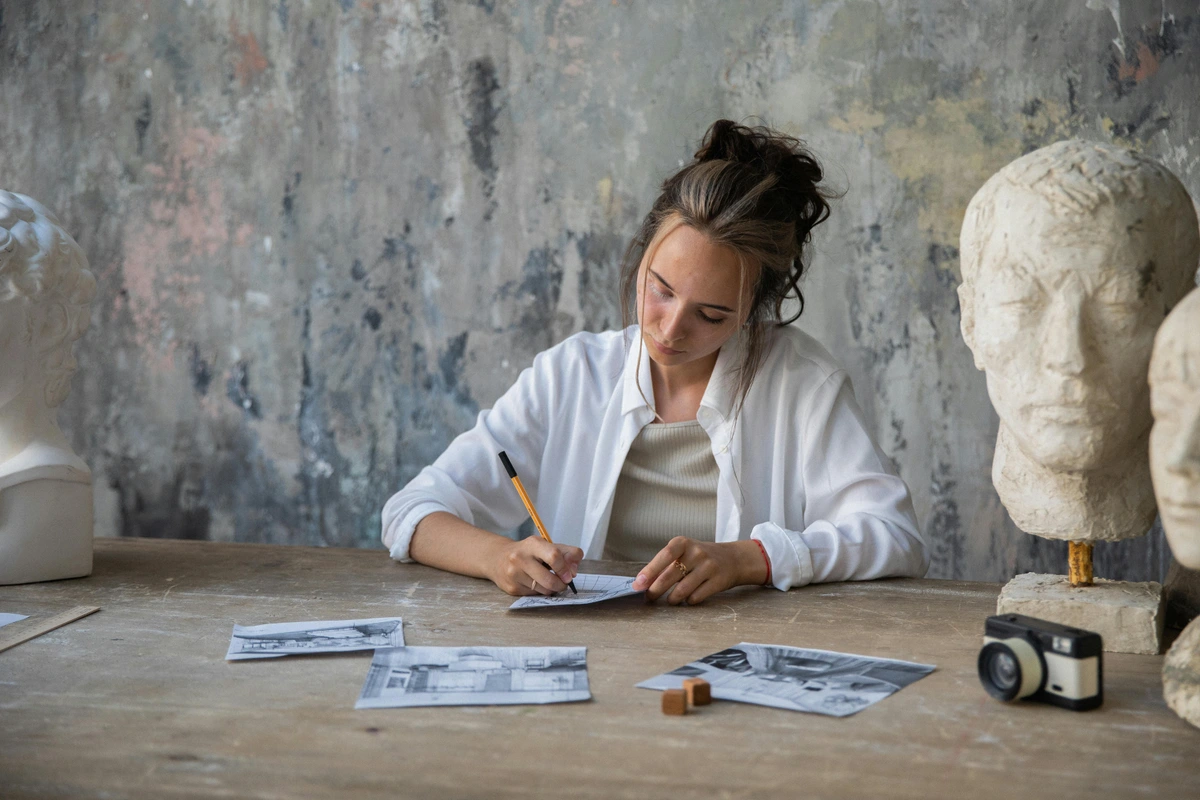
Sketching is a fundamental skill that helps you develop your observational abilities and hand-eye coordination. Set aside time each day to sketch, even if it's just for a few minutes. This consistent practice will help you improve your drawing skills and build confidence.
Sketching also fosters creativity. It encourages you to explore new ideas and experiment with different techniques, leading to innovative and unique artistic expressions.
Why Start with the Basics?
Starting with the basics is essential because they form the foundation of all artistic expression. Just as a building needs a strong foundation to stand tall, your art needs a solid understanding of these core principles to truly shine. They provide the tools and language you need to communicate your ideas effectively and create visually compelling work.
The basics also provide a framework for experimentation. Once you understand the rules, you can break them creatively, leading to innovative and unique artistic expressions.
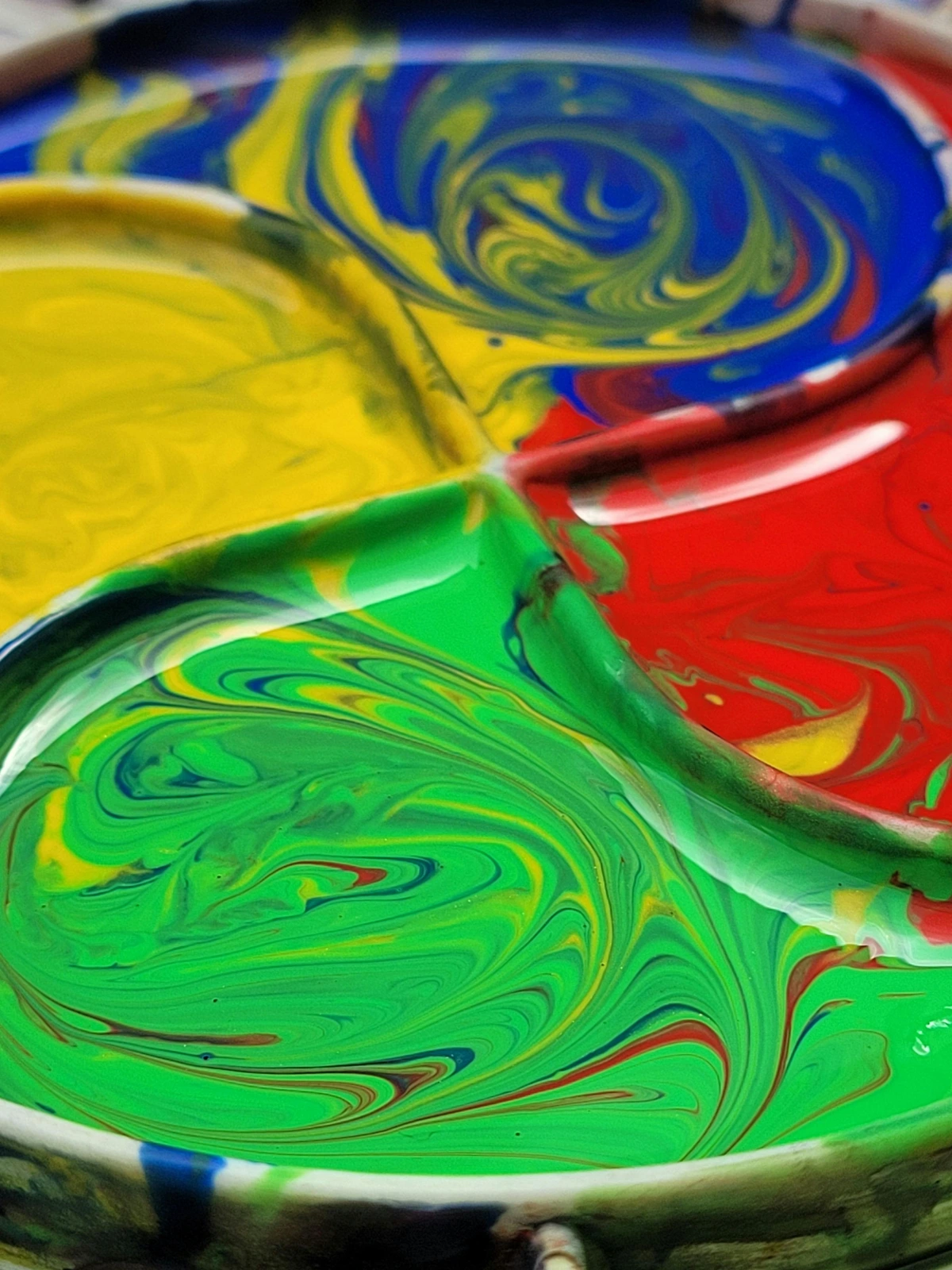
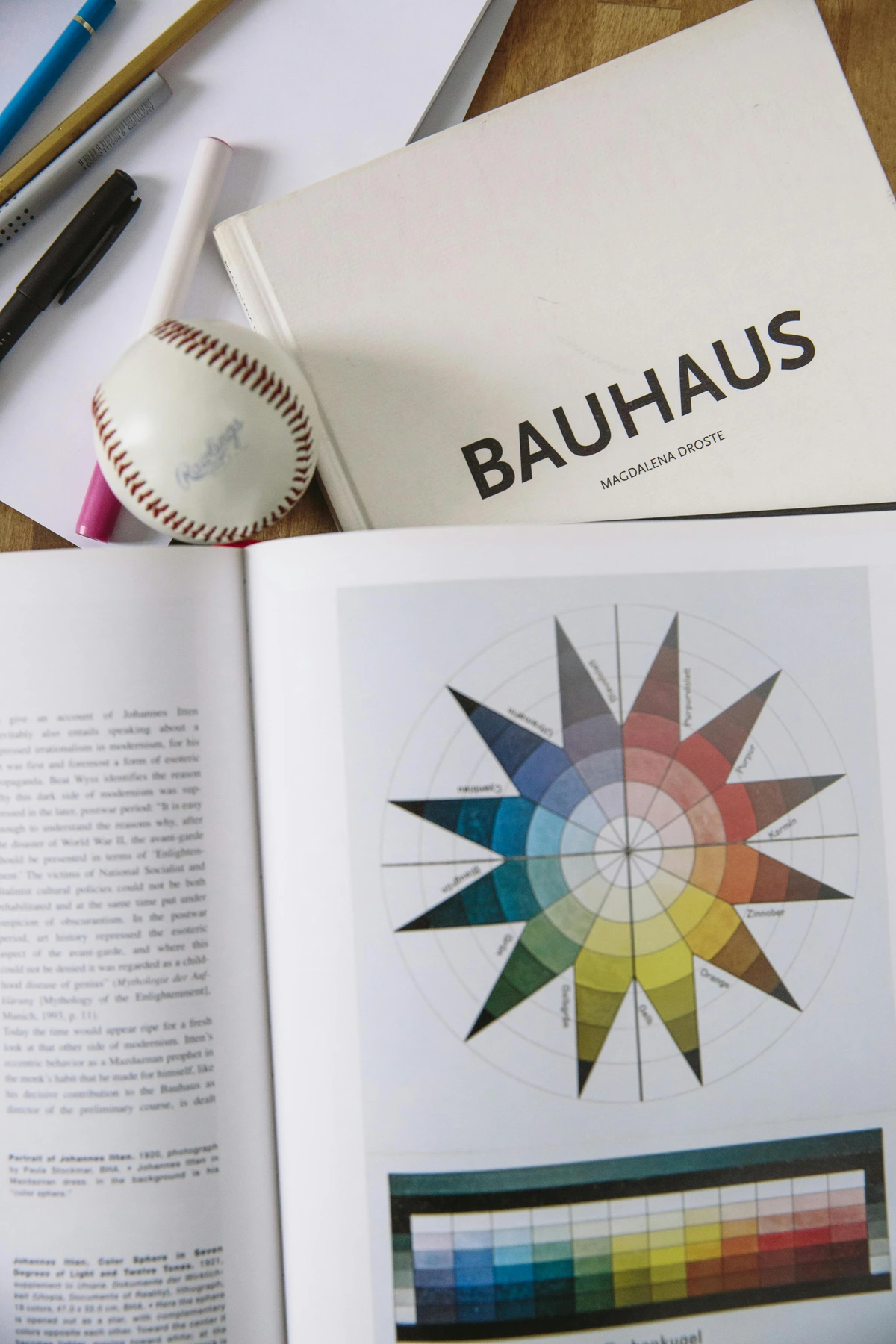
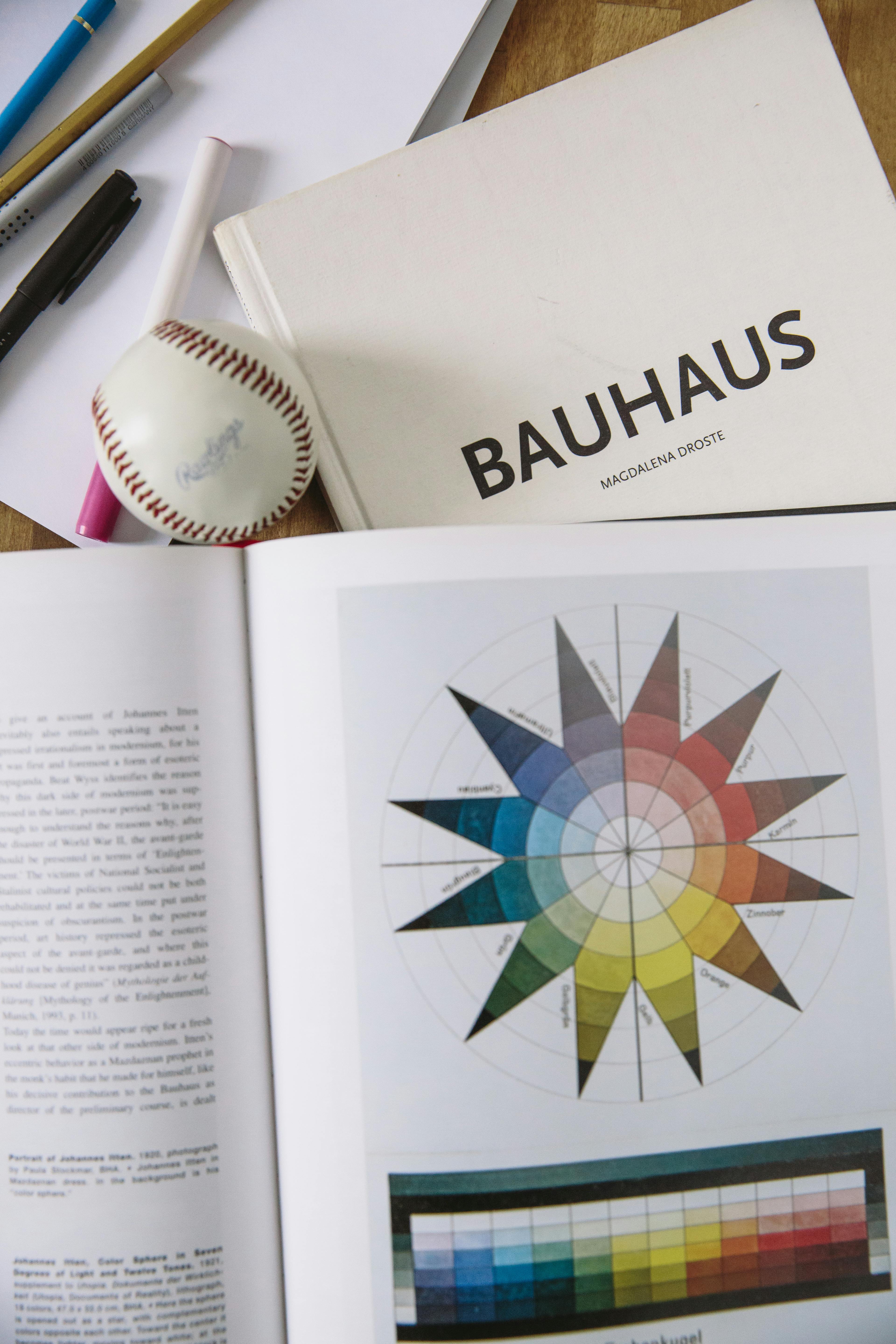
- Color Theory: Learn how colors interact. A simple exercise is to create a color wheel. It might seem basic, but trust me, it's a game-changer. Understanding complementary colors, warm and cool tones, and color harmony can elevate your artwork.
- Perspective: Practice drawing simple shapes in different perspectives. Start with cubes and spheres. It's like learning to walk before you run. Perspective helps you create depth and realism in your artwork, making it more engaging.
- Composition: Ever heard of the Rule of Thirds? It's a simple way to make your artwork more balanced and interesting. Imagine dividing your canvas into nine equal parts and placing your subject along those lines. This technique draws the viewer's eye naturally to the focal points of your piece.
- Proportion: Understanding proportion is essential for creating realistic and balanced artwork. Practice drawing objects and figures in correct proportions to improve your accuracy and attention to detail.
Additional Techniques to Explore
- Value and Contrast: Understanding the range of lightness and darkness in your artwork can add depth and dimension. Experiment with shading techniques to create a sense of volume and form.
- Texture: Adding texture to your artwork can make it more tactile and engaging. Experiment with different brushstrokes, materials, and techniques to create unique textures.
- Balance and Symmetry: Explore how balance and symmetry can create harmony in your compositions. Experiment with asymmetrical balance to create dynamic and visually interesting artwork.
2. Experiment with Different Mediums
Don't limit yourself to one medium. Experiment with various materials like watercolors, acrylics, charcoal, and digital art. Each medium offers unique challenges and opportunities for creativity. For example, watercolors are great for creating soft, flowing effects, while acrylics allow for bold, vibrant colors.
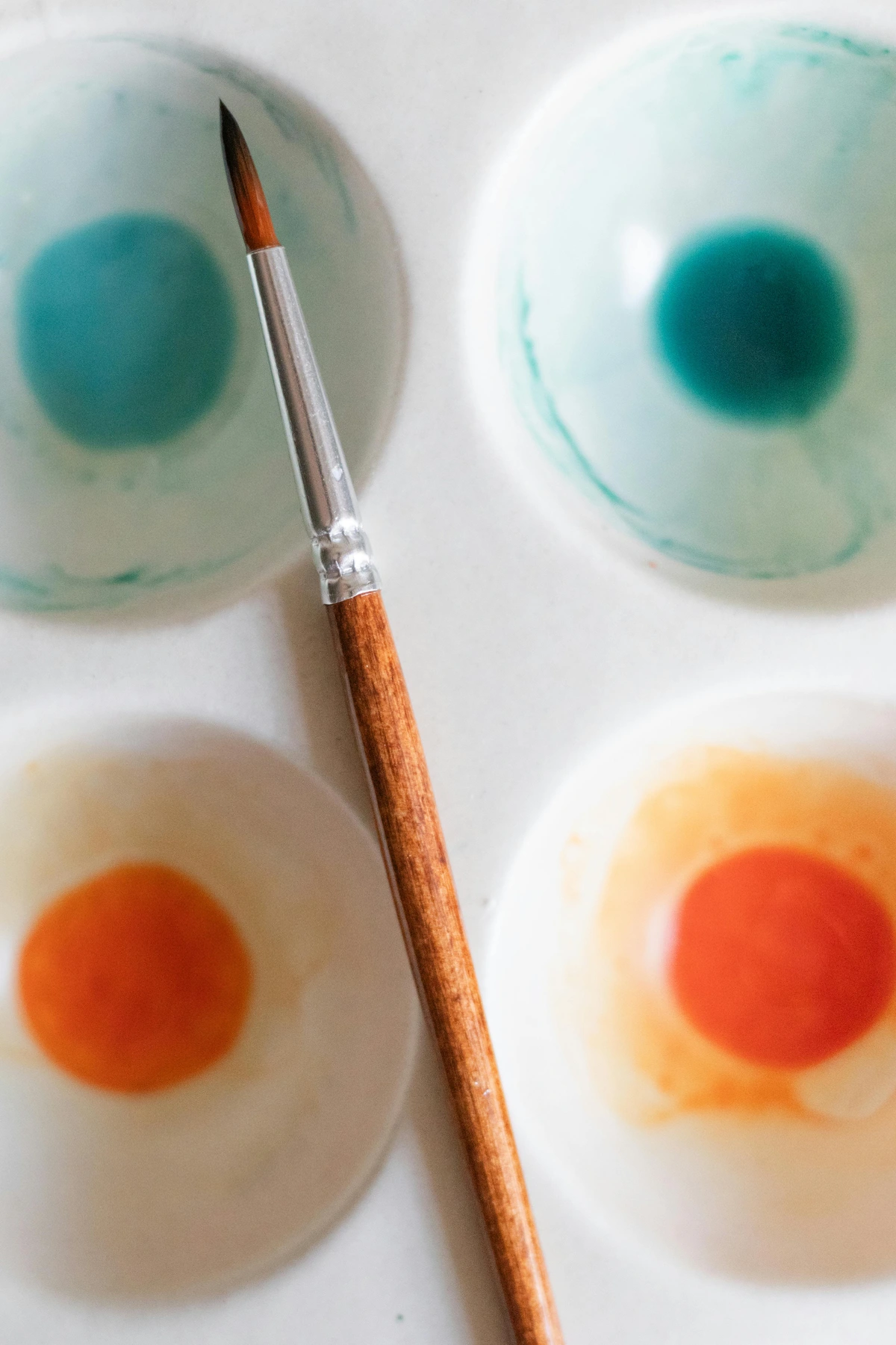
Experimenting with different mediums also fosters creativity. It encourages you to explore new ideas and techniques, leading to innovative and unique artistic expressions.
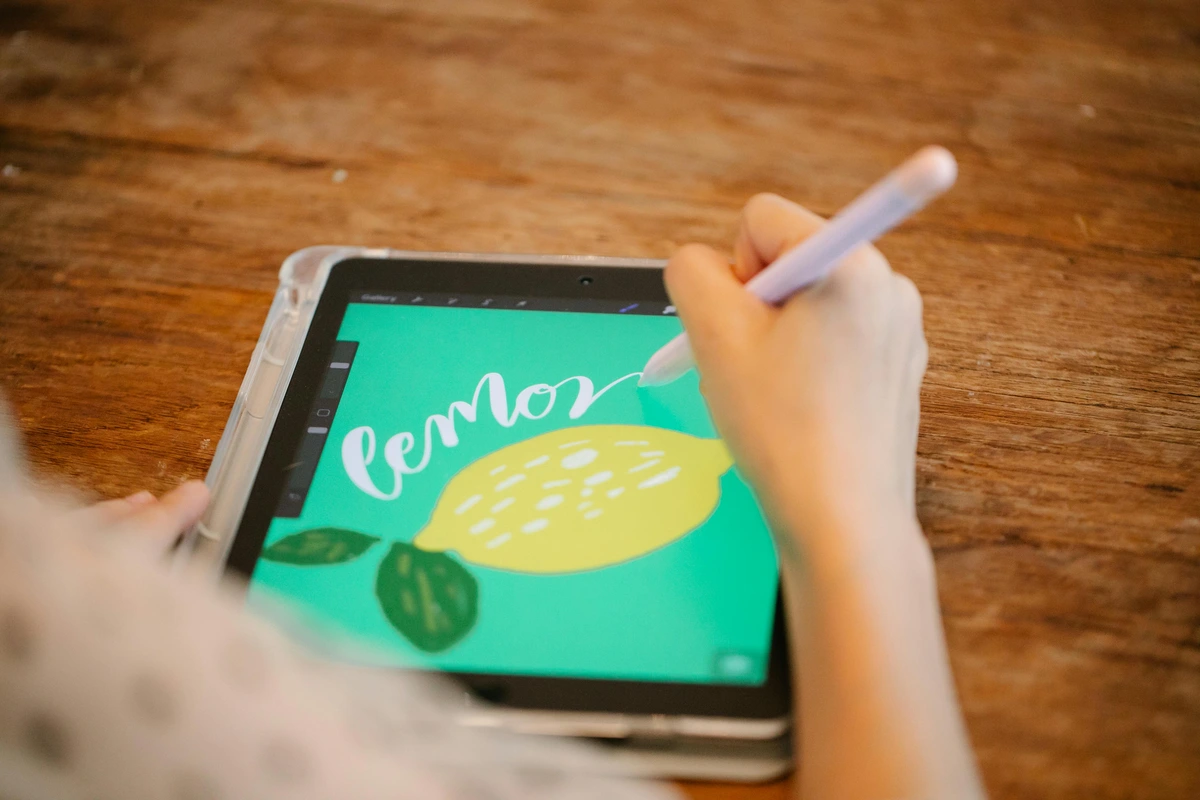
3. Explore Mixed Media
Mixed media art combines different materials and techniques to create unique and dynamic artwork. Experiment with combining traditional and digital mediums, or incorporating found objects into your art. This approach can lead to exciting and unexpected results.
Mixed media art also fosters creativity. It encourages you to explore new ideas and techniques, leading to innovative and unique artistic expressions.
Exploring Mediums
- Watercolors: Known for their translucency and fluidity, watercolors are perfect for creating soft, ethereal effects. They require a delicate touch and an understanding of water control.
- Acrylics: Versatile and fast-drying, acrylics are ideal for bold, vibrant colors and layering techniques. They can mimic the effects of both watercolors and oils, making them a popular choice for beginners.
- Charcoal: Charcoal is excellent for creating dramatic, high-contrast drawings. It's perfect for sketching and shading, and it allows for a wide range of textures and effects.
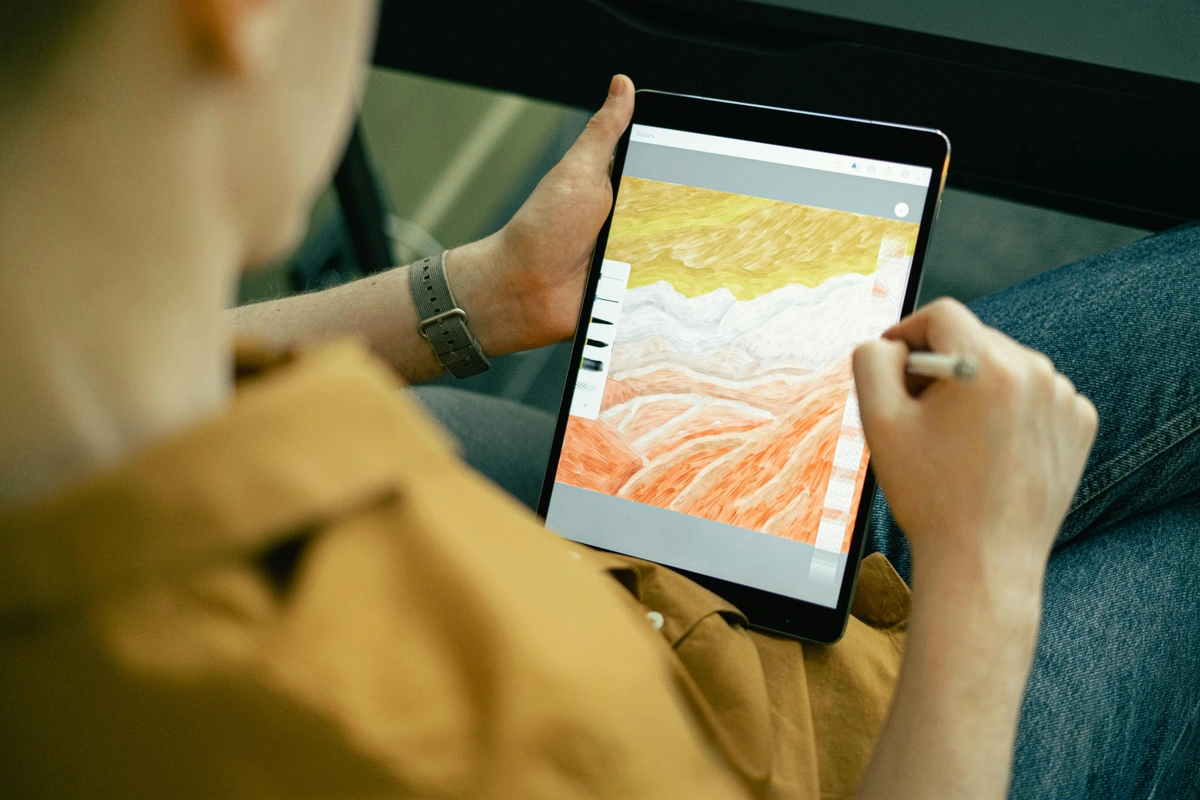
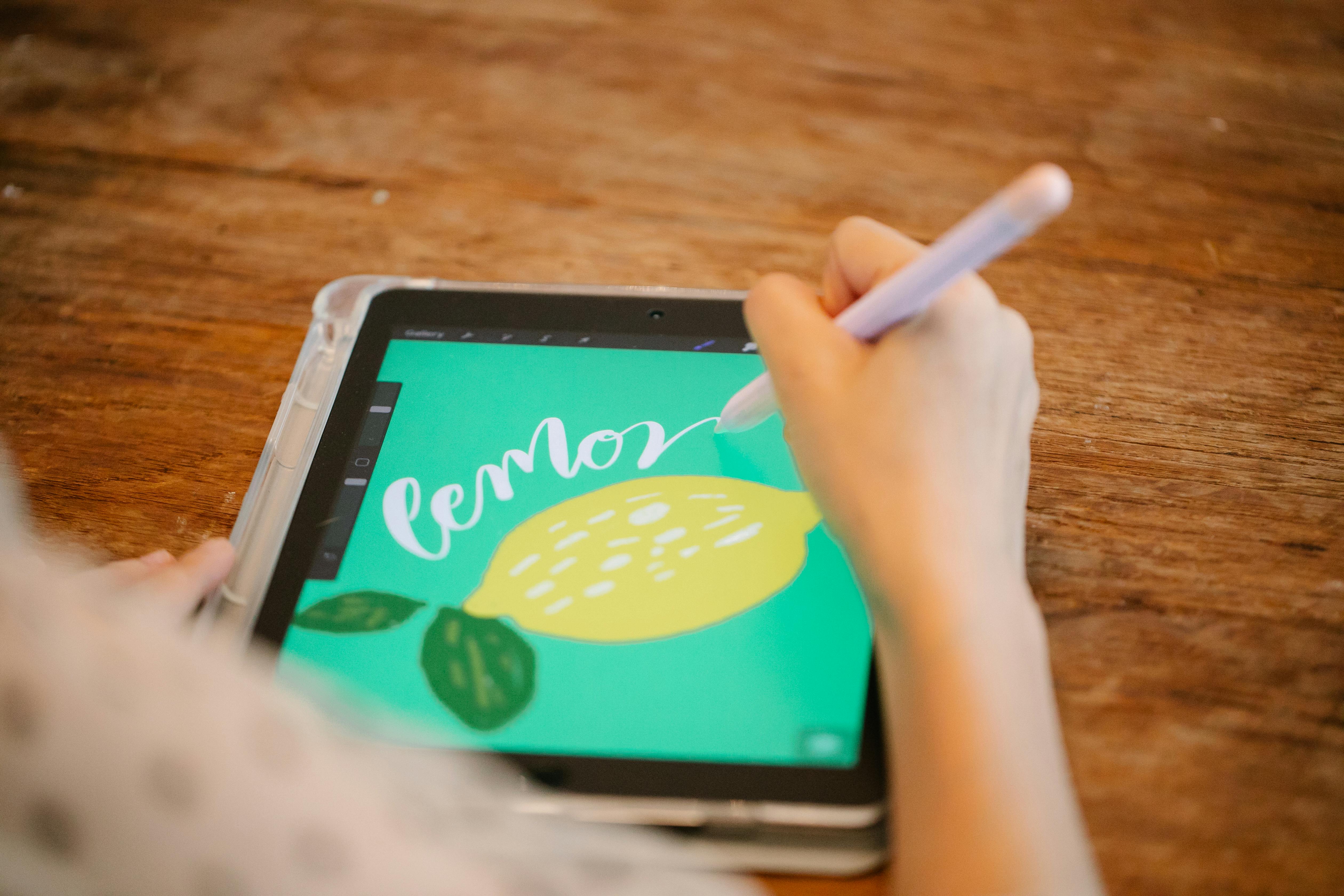
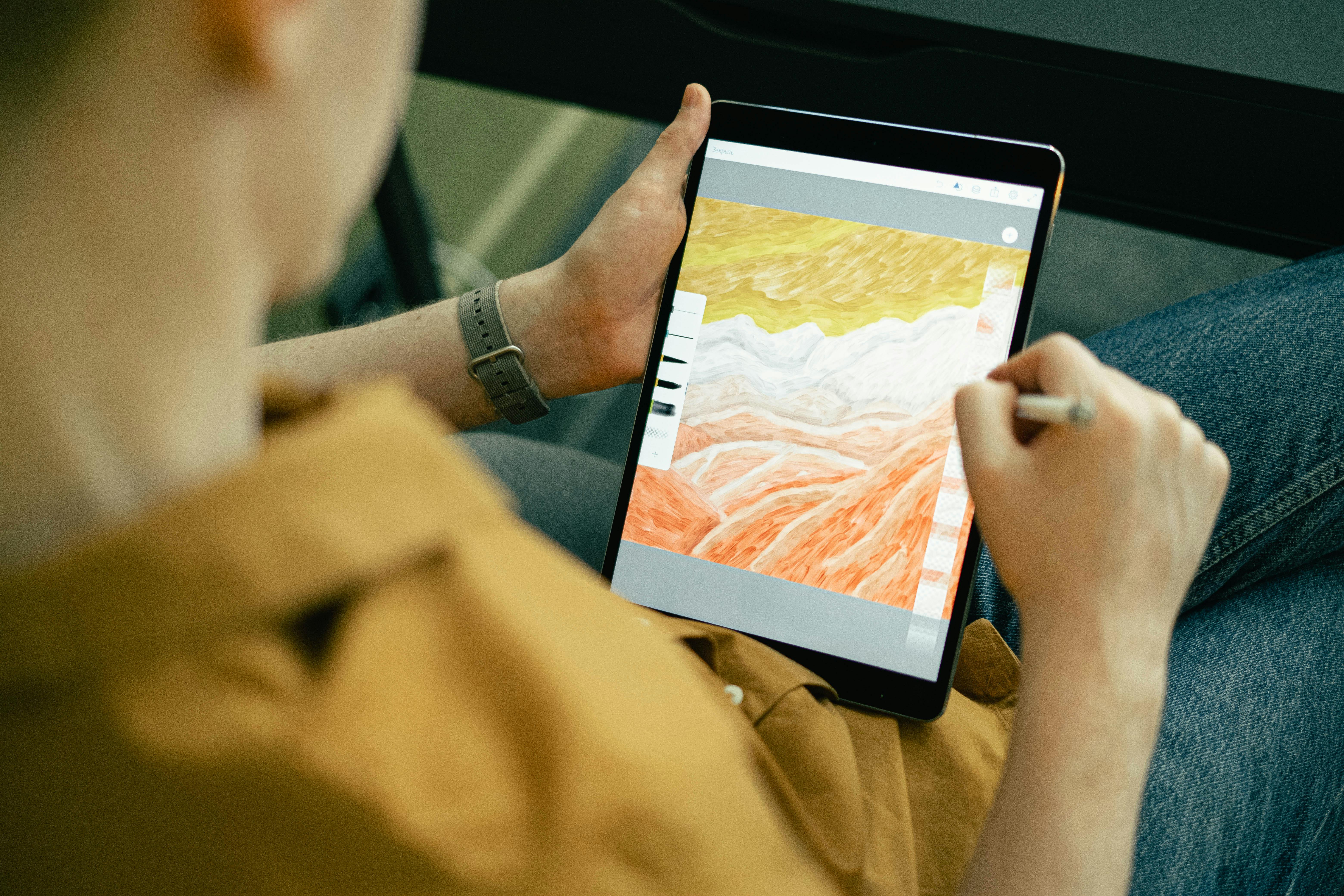
- Digital Art: Digital art offers endless possibilities for experimentation and creativity. With tools like digital brushes, layers, and filters, you can create artwork that would be difficult or impossible to achieve with traditional mediums.
3. Invest in Quality Materials
I know, I know. Quality art supplies can be expensive. But investing in good materials can make a world of difference. You don't need the most expensive stuff, but avoid the cheapest options. They can be more frustrating than helpful.
Investing in quality materials also fosters creativity. It encourages you to explore new ideas and techniques, leading to innovative and unique artistic expressions.
4. Organize Your Art Supplies
Keeping your art supplies organized can save you time and frustration. Use storage containers, shelves, and drawers to keep your workspace tidy and clutter-free. This will help you stay focused and inspired while creating art.
Organizing your art supplies also fosters creativity. It encourages you to explore new ideas and techniques, leading to innovative and unique artistic expressions.

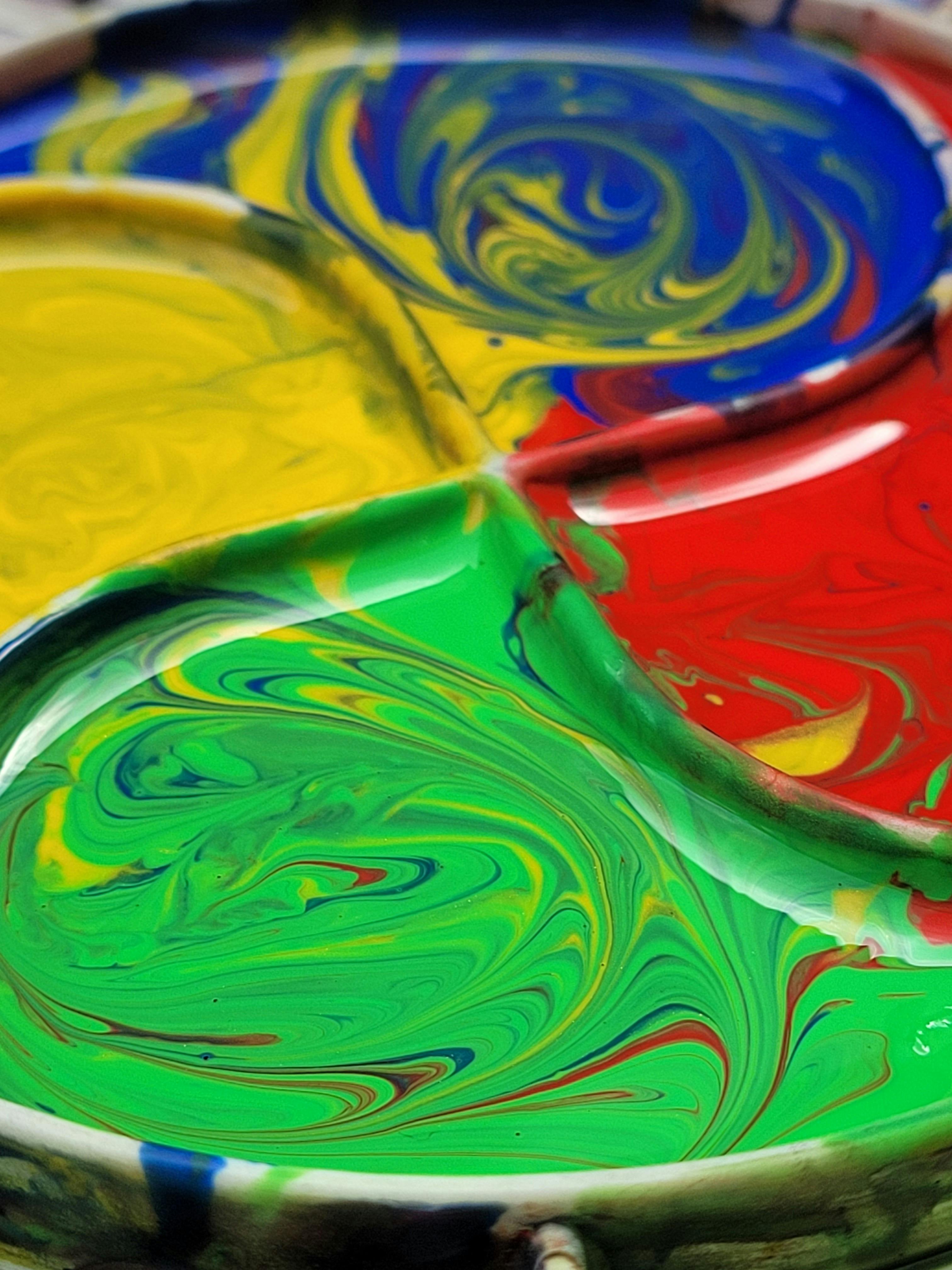
- Paints: If you're into painting, start with a basic set of acrylic or watercolor paints. They're versatile and easier to handle for beginners. Acrylics dry quickly and are great for layering, while watercolors offer a translucent, delicate finish.
- Brushes: A few good brushes can go a long way. Look for synthetic brushes if you're on a budget. Different brush shapes, like round, flat, and filbert, serve different purposes, so it's worth experimenting to see what works best for you.
- Paper: For sketching, a good quality sketchbook is essential. For painting, choose paper that's appropriate for your medium. Watercolor paper, for example, is thicker and designed to handle moisture without warping.
5. Set Up a Dedicated Workspace
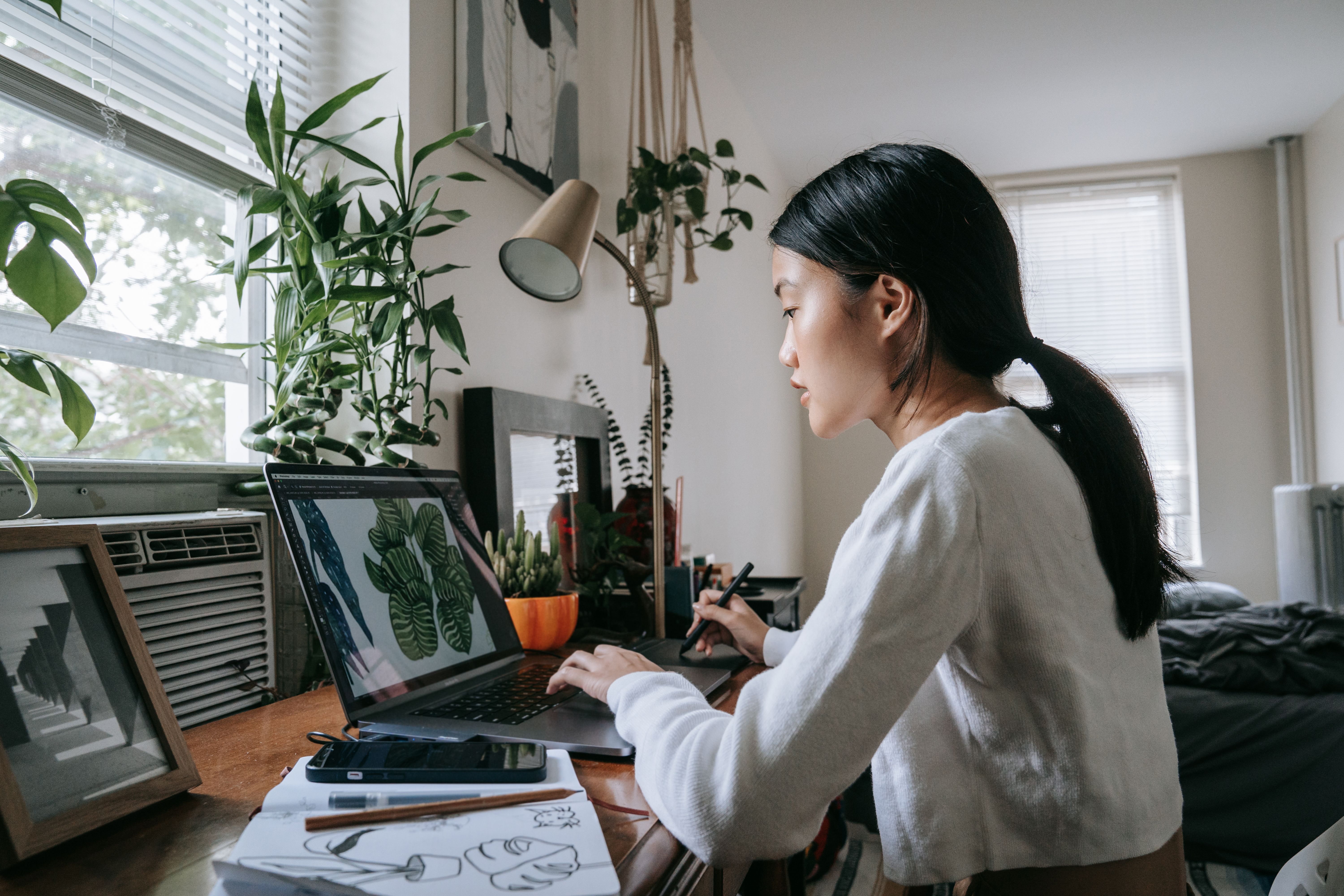
Having a dedicated space for your art can make a big difference. It doesn't have to be elaborate—a simple desk with good lighting and storage for your supplies will do. A well-organized workspace helps you stay focused and inspired.
Setting up a dedicated workspace also fosters creativity. It encourages you to explore new ideas and techniques, leading to innovative and unique artistic expressions.
6. Create a Creative Routine
Establishing a creative routine can help you stay motivated and productive. Set aside specific times each day or week for creating art. This consistency will help you develop your skills and make progress on your artistic projects.
Creating a creative routine also fosters creativity. It encourages you to explore new ideas and techniques, leading to innovative and unique artistic expressions.

Creating an Inspiring Workspace
- Lighting: Good lighting is essential for creating art. Natural light is ideal, but if that's not possible, invest in a good quality lamp that provides bright, even lighting.
- Organization: Keep your supplies organized and easily accessible. Use storage containers, shelves, and drawers to keep your workspace tidy and clutter-free.
- Inspiration: Surround yourself with inspiration. Hang up artwork that you love, keep a sketchbook nearby for quick ideas, and create a space that reflects your personality and artistic style.
- Comfort: Make sure your workspace is comfortable. Invest in a good chair, adjust your desk to the right height, and create a space where you can work for extended periods without discomfort.
7. Practice Regularly
This might seem obvious, but it's worth repeating. The more you practice, the better you'll get. Set aside some time each day, even if it's just 15 minutes. Consistency is key.
Practicing regularly also fosters creativity. It encourages you to explore new ideas and techniques, leading to innovative and unique artistic expressions.
Consider keeping a sketchbook where you can doodle, experiment, and track your progress. Over time, you'll see how your skills evolve, and you'll have a tangible record of your artistic journey.
8. Join Art Communities
Joining art communities can provide valuable feedback, inspiration, and motivation. Engage with other artists, share your work, and participate in discussions. This sense of community can help you stay motivated and grow as an artist.
Joining art communities also fosters creativity. It encourages you to explore new ideas and techniques, leading to innovative and unique artistic expressions.
Developing a Practice Routine
- Set Goals: Set specific, achievable goals for your practice sessions. Whether it's mastering a new technique, completing a sketch, or experimenting with a new medium, having a clear goal can keep you motivated and focused.
- Experiment: Don't be afraid to experiment and try new things. Art is about exploration and discovery, so embrace the process and enjoy the journey.
- Reflect: Take time to reflect on your progress. Look back at your earlier work and compare it to your current pieces. Celebrate your achievements and identify areas for improvement.
- Stay Inspired: Surround yourself with inspiration. Visit museums, galleries, and art exhibitions. Follow other artists on social media, and engage with the artistic community to stay motivated and inspired.
Common Mistakes to Avoid
1. Overworking Your Art
It's easy to get caught up in the details and keep tweaking your artwork until it's a muddy mess. Know when to stop. Sometimes, less is more. Overworking can lead to frustration and a loss of the spontaneity that makes art exciting.
Overworking your art can also hinder creativity. It discourages experimentation and risk-taking, leading to stagnation in your artistic practice.
2. Avoid Perfectionism
Striving for perfection can hinder your creative process. Embrace imperfections and allow your artwork to evolve naturally. This mindset will help you enjoy the creative process and produce more authentic and expressive art.
Avoiding perfectionism also fosters creativity. It encourages you to take risks and explore new ideas, leading to innovative and unique artistic expressions.
How to Avoid Overworking
- Set Limits: Set a time limit for your artwork. Once the time is up, step back and assess your work. This can help you avoid overworking and maintain the freshness of your piece.
- Take Breaks: Take regular breaks to step back and look at your work with fresh eyes. This can help you identify areas that need improvement and avoid overworking.
- Embrace Imperfections: Remember that art is about expression, not perfection. Embrace the imperfections in your work and let them add character and uniqueness to your pieces.
3. Ignoring the Background
The background is just as important as the subject. A well-thought-out background can make your artwork pop. Don't leave it as an afterthought. Consider how the background interacts with your subject and enhances the overall composition.
Ignoring the background can also hinder creativity. It discourages experimentation and risk-taking, leading to stagnation in your artistic practice.
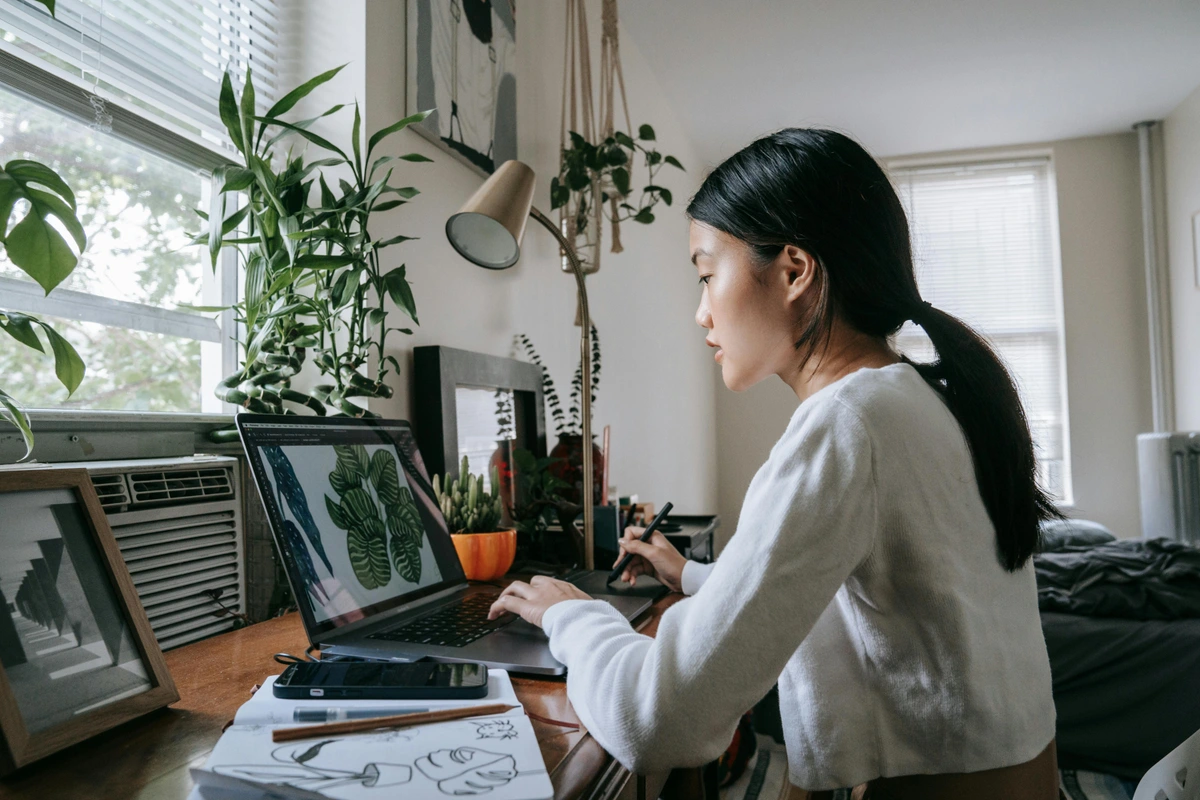
4. Experiment with Background Techniques
Try different techniques for creating backgrounds, such as washes, gradients, and textures. These techniques can add depth and interest to your artwork, making it more visually engaging.
Experimenting with background techniques also fosters creativity. It encourages you to explore new ideas and techniques, leading to innovative and unique artistic expressions.
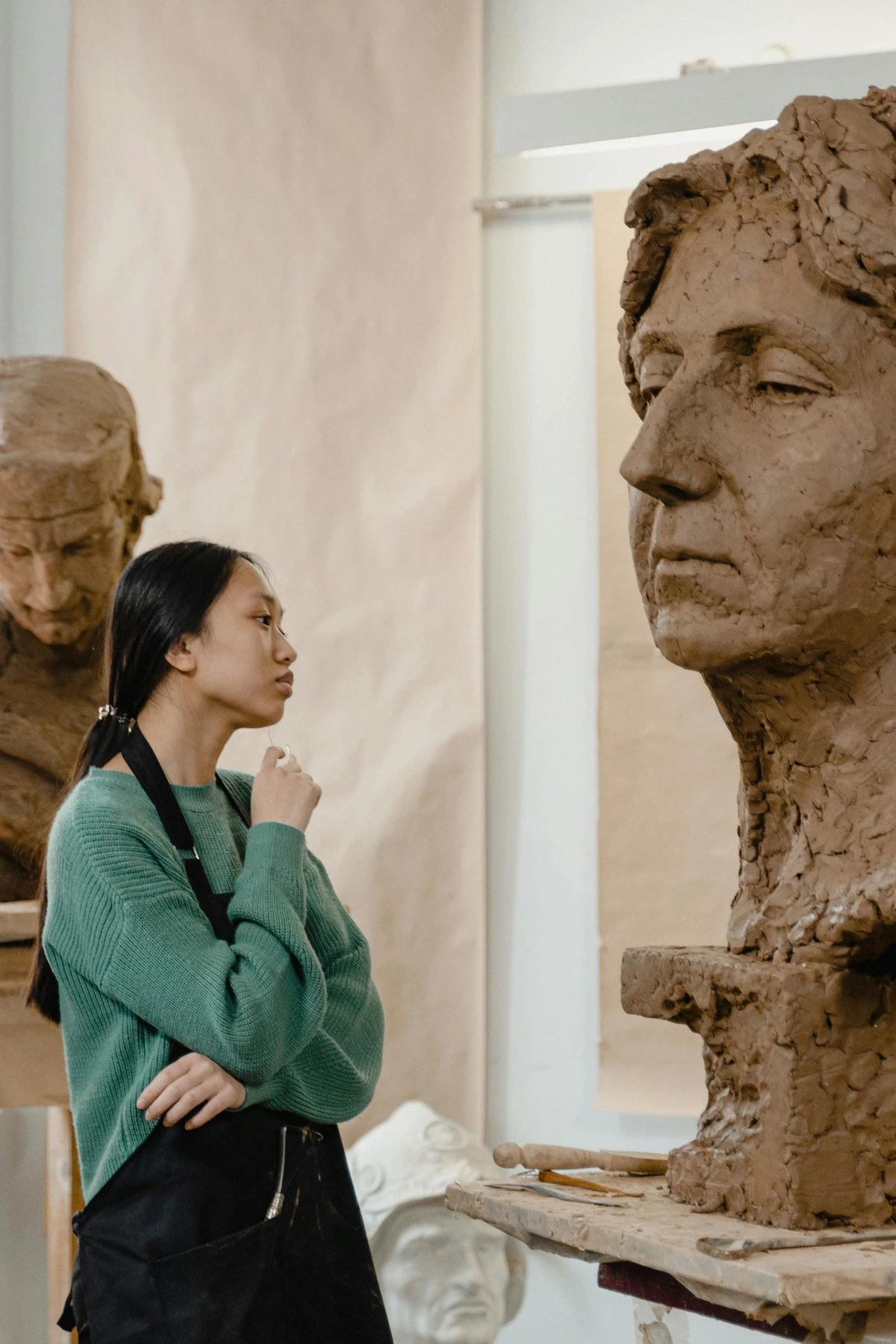
Creating Effective Backgrounds
- Plan Ahead: Plan your background before you start your artwork. Consider how it will interact with your subject and enhance the overall composition.
- Experiment with Techniques: Experiment with different techniques for creating backgrounds, such as washes, gradients, and textures. This can add depth and interest to your artwork.
- Use Color Strategically: Use color to create contrast and harmony in your backgrounds. Consider how the colors in your background will interact with the colors in your subject.
5. Comparing Yourself to Others
This is a big one. Everyone's artistic journey is unique. Comparing yourself to others can be discouraging and counterproductive. Focus on your own progress and enjoy the process. Remember, art is about personal expression, not competition.
Comparing yourself to others can also hinder creativity. It discourages experimentation and risk-taking, leading to stagnation in your artistic practice.
6. Celebrate Your Progress
Celebrate your achievements, no matter how small. Every step forward is a step closer to becoming the artist you want to be. This positive reinforcement will help you stay motivated and inspired.
Celebrating your progress also fosters creativity. It encourages you to explore new ideas and techniques, leading to innovative and unique artistic expressions.
Focusing on Your Journey
- Celebrate Your Progress: Celebrate your achievements, no matter how small. Every step forward is a step closer to becoming the artist you want to be.
- Set Personal Goals: Set goals that are meaningful to you and reflect your personal artistic vision. This can help you stay focused and motivated.
- Embrace Your Unique Style: Embrace what makes your art unique. Your personal experiences and perspectives are what make your art special, so let them shine through in your creations.
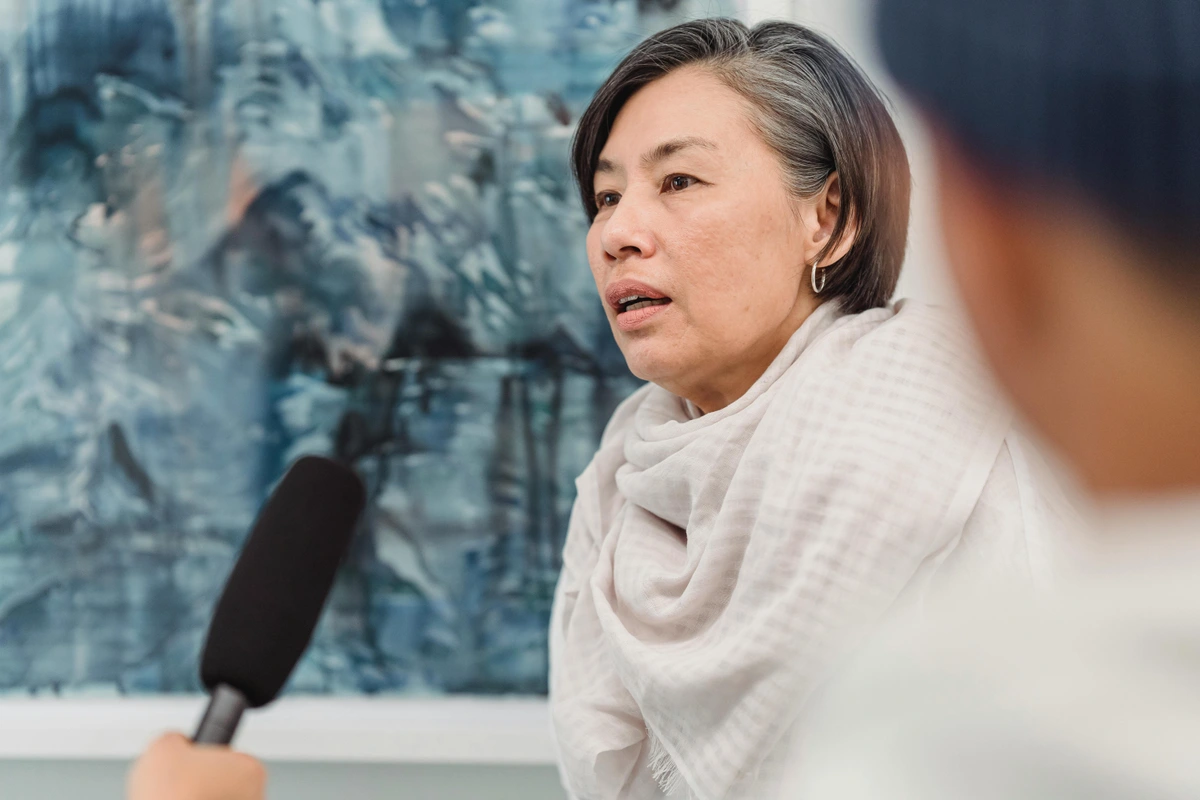
7. Neglecting to Study Light and Shadow
Understanding how light and shadow work is crucial for creating depth and realism in your artwork. Practice observing how light falls on objects and how shadows are cast. This skill will greatly enhance your ability to create lifelike drawings and paintings.
Neglecting to study light and shadow can also hinder creativity. It discourages experimentation and risk-taking, leading to stagnation in your artistic practice.
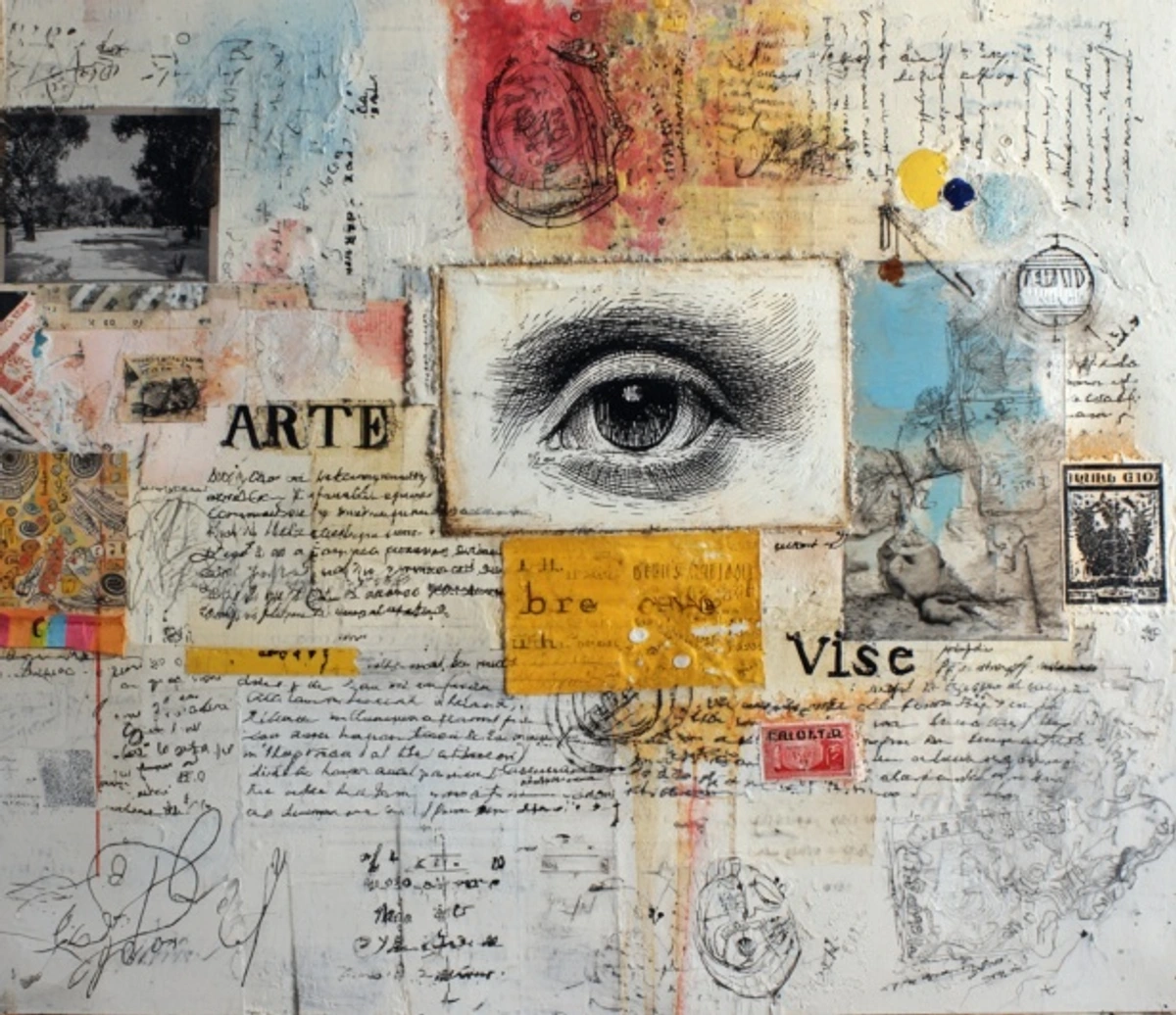
8. Practice Observational Drawing
Observational drawing involves studying and drawing objects from real life. This practice helps you understand how light and shadow interact with different forms and surfaces, improving your ability to create realistic and detailed artwork.
Practicing observational drawing also fosters creativity. It encourages you to explore new ideas and techniques, leading to innovative and unique artistic expressions.
Mastering Light and Shadow
- Observe Real Life: Spend time observing how light and shadow interact in the real world. Pay attention to the direction of light, the intensity of shadows, and how they change throughout the day.
- Experiment with Techniques: Experiment with different techniques for creating light and shadow in your artwork, such as hatching, cross-hatching, and blending.
- Use a Light Source: When creating your artwork, use a consistent light source to create a sense of depth and realism. This can help you create more lifelike and engaging pieces.
Professional Insights
1. Learn from the Masters
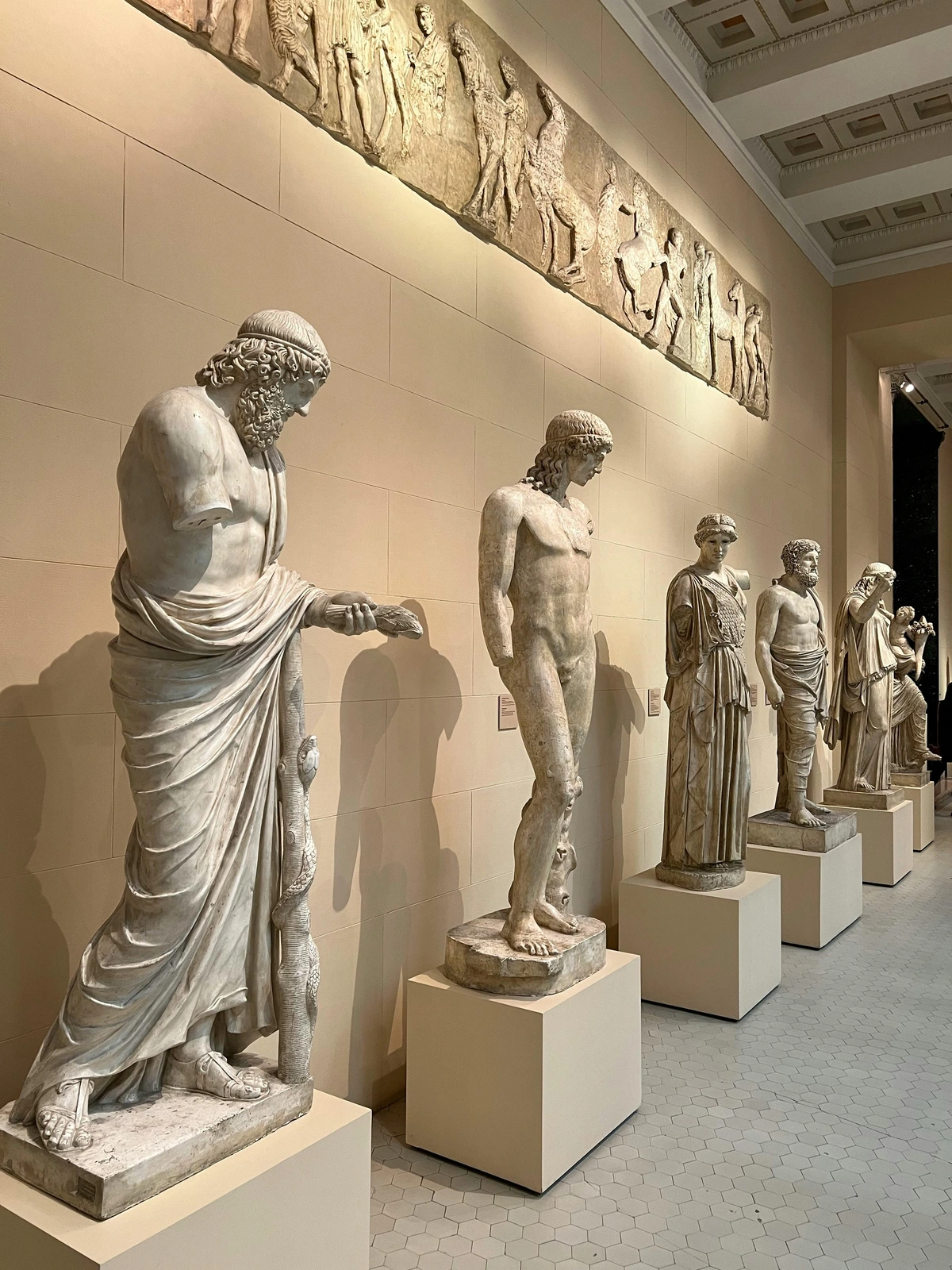
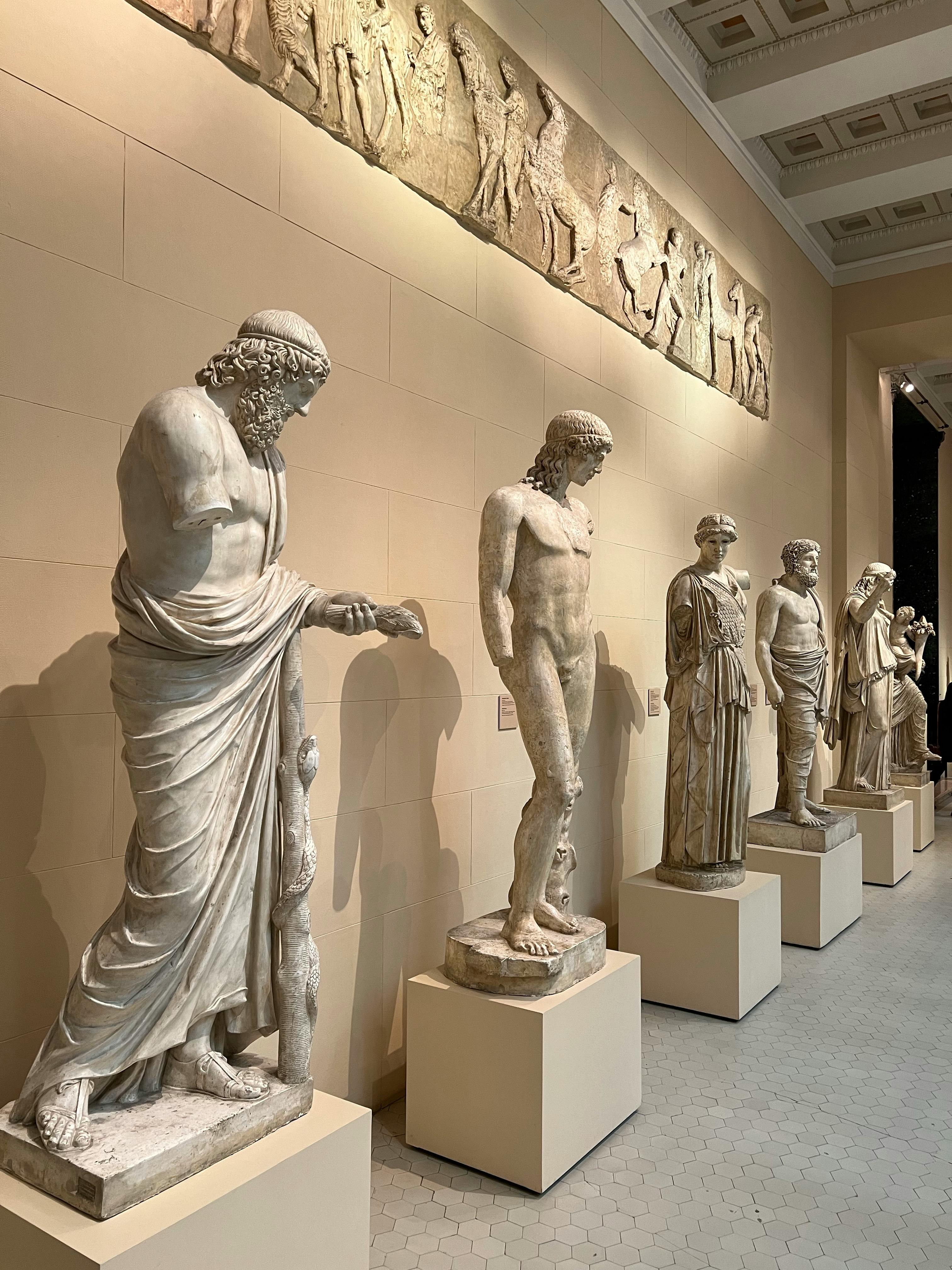
Study the works of famous artists. What techniques did they use? How did they approach their subjects? You can learn a lot by analyzing their work. Visit museums, read books, and explore online resources to gain insights into their creative processes.
Learning from the masters also fosters creativity. It encourages you to explore new ideas and techniques, leading to innovative and unique artistic expressions.
2. Analyze Art Movements
Explore different art movements, such as Impressionism, Cubism, and Surrealism. Understanding the characteristics and techniques of these movements can provide valuable insights and inspiration for your own artistic style.
Analyzing art movements also fosters creativity. It encourages you to explore new ideas and techniques, leading to innovative and unique artistic expressions.

Analyzing Masterpieces
- Visit Museums: Visit museums and galleries to see masterpieces up close. Pay attention to the techniques used by famous artists and how they approached their subjects.
- Read Books: Read books about famous artists and their creative processes. This can provide valuable insights into their techniques and inspirations.
- Explore Online Resources: Explore online resources, such as virtual museum tours, artist interviews, and tutorials. This can provide a wealth of information and inspiration for your own artistic journey.
3. Experiment and Have Fun
Don't be afraid to experiment with different styles and techniques. Art is about expression, so let your creativity flow. And most importantly, have fun with it! Trying new things can lead to unexpected discoveries and growth in your artistic abilities.
Experimenting and having fun also fosters creativity. It encourages you to explore new ideas and techniques, leading to innovative and unique artistic expressions.
4. Embrace Playfulness
Allow yourself to play and experiment without the pressure of creating a masterpiece. This playful approach can lead to innovative ideas and techniques, helping you develop your unique artistic voice.
Embracing playfulness also fosters creativity. It encourages you to explore new ideas and techniques, leading to innovative and unique artistic expressions.

Embracing Creativity
- Try New Techniques: Experiment with new techniques and styles. This can help you discover new ways of expressing yourself and expand your artistic horizons.
- Embrace Mistakes: Don't be afraid to make mistakes. They are a natural part of the creative process and can lead to unexpected discoveries and growth.
- Enjoy the Process: Remember that art is about enjoyment and expression. Embrace the process and have fun with your creations.
5. Seek Feedback
Getting feedback from others can be incredibly valuable. Join art communities, share your work, and be open to constructive criticism. It's one of the best ways to improve. Engaging with other artists can also provide inspiration and motivation.
Seeking feedback also fosters creativity. It encourages you to explore new ideas and techniques, leading to innovative and unique artistic expressions.
6. Participate in Art Challenges
Art challenges can provide structure and motivation for your creative practice. They encourage you to explore new techniques and themes, helping you grow as an artist and stay inspired.
Participating in art challenges also fosters creativity. It encourages you to explore new ideas and techniques, leading to innovative and unique artistic expressions.
Building a Support Network
- Join Art Communities: Join online and offline art communities to connect with other artists. This can provide valuable feedback, inspiration, and motivation.
- Share Your Work: Share your work with others and be open to constructive criticism. This can help you identify areas for improvement and grow as an artist.
- Engage with Others: Engage with other artists by commenting on their work, participating in discussions, and collaborating on projects. This can provide valuable insights and inspiration for your own artistic journey.
7. Develop a Personal Style
While learning from others is important, don't be afraid to develop your own unique style. Your personal experiences and perspectives are what make your art special. Embrace what makes your work distinct and let it shine through in your creations.
Developing a personal style also fosters creativity. It encourages you to explore new ideas and techniques, leading to innovative and unique artistic expressions.
8. Reflect on Your Artistic Journey
Take time to reflect on your artistic journey and the progress you've made. This reflection can help you identify your strengths and areas for improvement, guiding you toward developing a unique and authentic artistic style.
Reflecting on your artistic journey also fosters creativity. It encourages you to explore new ideas and techniques, leading to innovative and unique artistic expressions.
Finding Your Unique Voice
- Experiment with Styles: Experiment with different styles and techniques to find what resonates with you. This can help you develop a unique artistic voice.
- Reflect on Your Experiences: Reflect on your personal experiences and how they influence your artistic vision. This can help you create artwork that is meaningful and authentic.
- Embrace Your Uniqueness: Embrace what makes your art unique. Your personal experiences and perspectives are what make your art special, so let them shine through in your creations.
FAQ
What are the best materials for a beginner artist?
For beginners, I recommend starting with a basic set of acrylic or watercolor paints, a few good brushes, and a quality sketchbook. You don't need the most expensive materials, but avoid the cheapest options as they can be frustrating to work with. Additionally, consider investing in a set of pencils for sketching and a palette for mixing colors.
Choosing the right materials also fosters creativity. It encourages you to explore new ideas and techniques, leading to innovative and unique artistic expressions.
What should I look for in a sketchbook?
When choosing a sketchbook, look for one with acid-free paper to prevent yellowing over time. The paper weight should be appropriate for your medium—heavier paper for wet media like watercolors and lighter paper for dry media like pencils and charcoal.
Choosing the right sketchbook also fosters creativity. It encourages you to explore new ideas and techniques, leading to innovative and unique artistic expressions.
Recommended Materials for Beginners
Material  | Description |
|---|---|
| Acrylic Paints | Versatile and fast-drying, ideal for bold, vibrant colors. |
| Watercolor Paints | Translucent and fluid, perfect for soft, ethereal effects. |
| Brushes | A few good brushes in different shapes and sizes. |
| Sketchbook | A quality sketchbook for sketching and practicing. |
| Pencils | A set of pencils for sketching and shading. |
| Palette | A palette for mixing colors. |
How can I improve my drawing skills?
Practice regularly and focus on mastering the basics like color theory, perspective, and composition. Also, don't be afraid to experiment and seek feedback from others. Drawing from life, such as still life setups or landscapes, can also help you develop your observational skills.
Improving your drawing skills also fosters creativity. It encourages you to explore new ideas and techniques, leading to innovative and unique artistic expressions.
What are some effective drawing exercises?
Effective drawing exercises include gesture drawing, contour drawing, and shading practice. These exercises help you improve your observational skills, hand-eye coordination, and understanding of form and value.
Practicing effective drawing exercises also fosters creativity. It encourages you to explore new ideas and techniques, leading to innovative and unique artistic expressions.
Tips for Improving Drawing Skills
- Practice Regularly: Set aside time each day to practice drawing. Consistency is key to improving your skills.
- Master the Basics: Focus on mastering the fundamentals of drawing, such as line, shape, form, and value.
- Experiment: Don't be afraid to experiment with different techniques and styles. This can help you discover new ways of expressing yourself.
- Seek Feedback: Share your work with others and be open to constructive criticism. This can help you identify areas for improvement and grow as an artist.
- Draw from Life: Practice drawing from life, such as still life setups, landscapes, and portraits. This can help you develop your observational skills and create more lifelike drawings.
What are some common mistakes beginner artists make?
Some common mistakes include overworking your art, ignoring the background, and comparing yourself to others. Remember, everyone's artistic journey is unique. Additionally, beginners often neglect to study light and shadow, which are essential for creating depth and realism.
Avoiding common mistakes also fosters creativity. It encourages you to explore new ideas and techniques, leading to innovative and unique artistic expressions.

How can I avoid creative burnout?
To avoid creative burnout, take regular breaks, set realistic goals, and engage in activities that inspire you. It's also helpful to switch between different projects or mediums to keep your creative practice fresh and exciting.
Avoiding creative burnout also fosters creativity. It encourages you to explore new ideas and techniques, leading to innovative and unique artistic expressions.
Common Mistakes and How to Avoid Them
Mistake | How to Avoid It |
|---|---|
| Overworking Your Art | Set limits, take breaks, and embrace imperfections. |
| Ignoring the Background | Plan ahead, experiment with techniques, and use color strategically. |
| Comparing Yourself to Others | Celebrate your progress, set personal goals, and embrace your unique style. |
| Neglecting Light and Shadow | Observe real life, experiment with techniques, and use a consistent light source. |
| Using the Wrong Materials | Invest in quality materials that suit your medium and style. |
| Skipping the Basics | Master the fundamentals before moving on to complex compositions. |
How can I find my own artistic style?
Finding your own artistic style takes time and experimentation. Study the works of famous artists, try different techniques, and most importantly, have fun with your art. Your style will naturally evolve as you explore and refine your creative voice.
Finding your own artistic style also fosters creativity. It encourages you to explore new ideas and techniques, leading to innovative and unique artistic expressions.
What role does experimentation play in developing an artistic style?
Experimentation is crucial for developing your artistic style. It allows you to explore different techniques, mediums, and subjects, helping you discover what resonates with you and what makes your art unique.
Experimentation also fosters creativity. It encourages you to explore new ideas and techniques, leading to innovative and unique artistic expressions.
Steps to Discover Your Style
- Experiment: Try different mediums, techniques, and subjects to see what resonates with you.
- Study: Analyze the work of artists you admire and identify what you like about their style.
- Reflect: Think about your personal experiences and how they influence your artistic vision.
- Practice: The more you create, the more your unique style will emerge.
How do I stay motivated to create art?
Staying motivated can be challenging, but setting small, achievable goals can help. Join art communities, participate in challenges, and surround yourself with inspiration. Remember, the goal is to enjoy the process and express yourself, not to achieve perfection.
Staying motivated also fosters creativity. It encourages you to explore new ideas and techniques, leading to innovative and unique artistic expressions.
How can I overcome creative blocks?
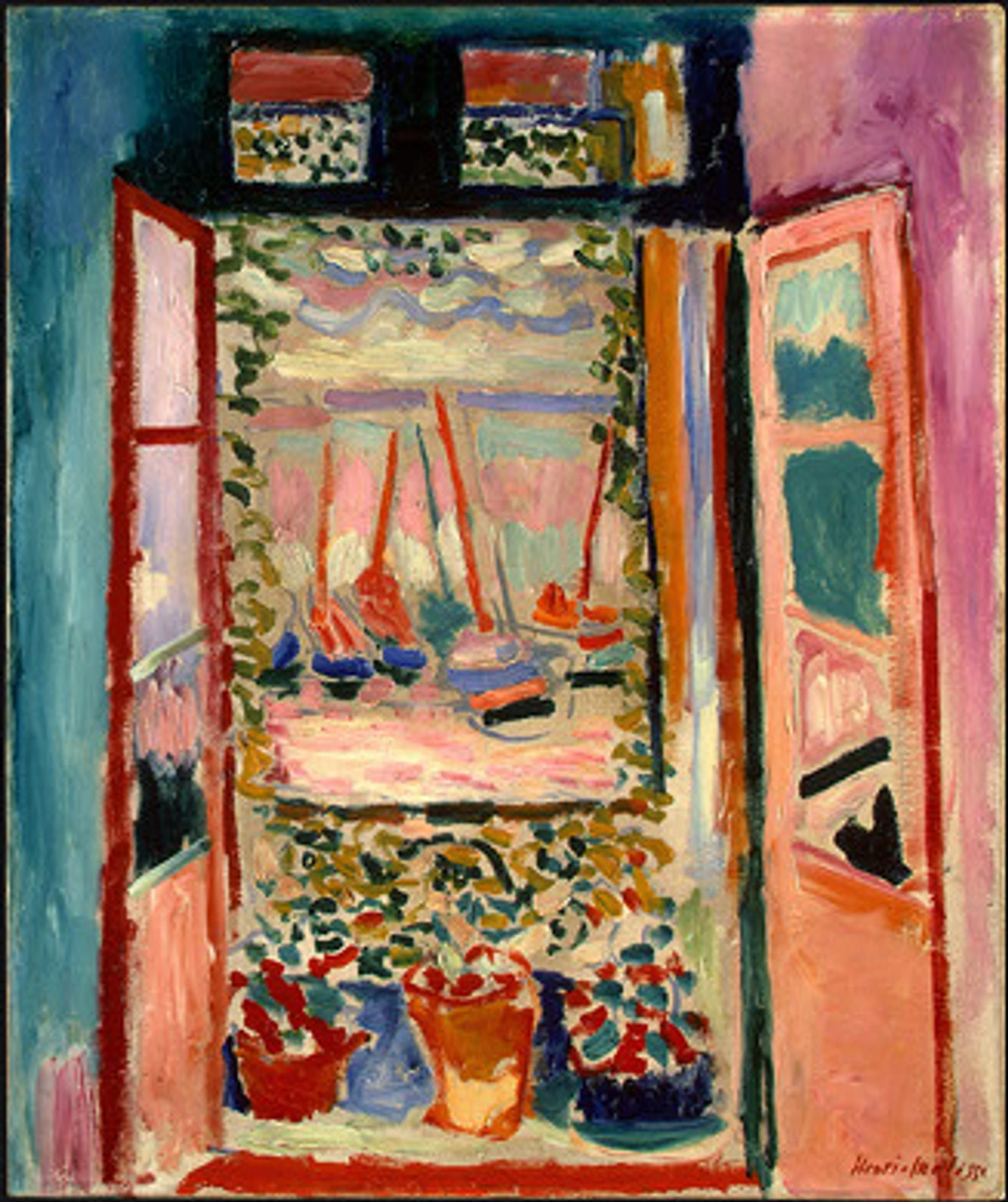
To overcome creative blocks, try changing your environment, experimenting with new techniques, or taking a break to recharge. Sometimes, stepping away from your work and engaging in other activities can spark new ideas and inspiration.
Overcoming creative blocks also fosters creativity. It encourages you to explore new ideas and techniques, leading to innovative and unique artistic expressions.
Tips for Staying Motivated
- Set Small Goals: Break down your artistic goals into smaller, manageable tasks.
- Join Communities: Engage with other artists to share your work and gain inspiration.
- Participate in Challenges: Art challenges can provide structure and motivation.
- Find Inspiration: Visit galleries, read books, and explore nature to spark your creativity.
What are some good resources for learning art?
There are many resources available for learning art, including online tutorials, books, and workshops. Websites like YouTube and Skillshare offer a wealth of free and paid courses. Additionally, visiting museums and galleries can provide inspiration and insights into different artistic styles and techniques.
Exploring good resources for learning art also fosters creativity. It encourages you to explore new ideas and techniques, leading to innovative and unique artistic expressions.
How can I make the most of online art tutorials?
To make the most of online art tutorials, follow along with the exercises, take notes, and practice the techniques regularly. Engaging with the tutorial community by asking questions and sharing your progress can also enhance your learning experience.
Making the most of online art tutorials also fosters creativity. It encourages you to explore new ideas and techniques, leading to innovative and unique artistic expressions.
Recommended Resources for Learning Art
Resource | Description |
|---|---|
| YouTube | A wealth of free tutorials and courses on various artistic techniques. |
| Skillshare | Offers a wide range of paid courses on art and design. |
| Museums and Galleries | Provide inspiration and insights into different artistic styles and techniques. |
| Books | Read books about famous artists and their creative processes. |
| Online Communities | Join online art communities to connect with other artists and share your work. |
| Art Challenges | Participate in challenges to stay motivated and inspired. |
| Local Workshops | Attend workshops to learn new techniques and meet other artists. |


















Conclusion
Starting your artistic journey can be both exciting and challenging. But with the right techniques, a bit of patience, and a whole lot of practice, you'll be well on your way to creating beautiful artwork. Remember, every artist was once a beginner. So, pick up that brush, let your creativity flow, and enjoy the process.
And if you're looking for some inspiration, check out our collection of contemporary art here. Who knows, you might find something that sparks your next masterpiece!
Art is a lifelong journey of learning and self-expression. Embrace the challenges, celebrate your progress, and never stop exploring new ideas and techniques. The world of art is vast and full of possibilities—dive in and make it your own.
credit, licence