NYC Art Odyssey: An Artist's Guide to Galleries & Hidden Gems
Go beyond the checklist. Explore NYC's art world through an artist's eyes: from iconic museums (Met, MoMA, Guggenheim) to vibrant street art, hidden galleries, and insider tips for collecting and discovery.

An Artist's Odyssey in New York City: Beyond the Expected Checklist – A Personal Guide to NYC's Vibrant Art Scene
Let's be honest, trying to navigate the art world of New York City can feel like attempting to drink from a firehose while riding a unicycle. There's this immense, almost paralyzing pressure to see everything, to check off every monumental museum and famous painting you've seen in glossy art books. I've certainly been there. You arrive with a meticulously crafted list, and by day two, you're so utterly exhausted by the sheer scale of it all that you start to forget why you were even excited in the first place.
But what if you didn't have to? What if New York's art scene wasn't a race to be won, but a labyrinth of inspiration waiting to be explored by those who dare to wander? This isn't another checklist. This guide is my attempt to reframe that experience, to turn what could be a frantic race into a personal odyssey through the eyes of someone who makes art, not just consumes it. Think of it not as a list of obligations, but as a conversation with a friend (that's me!) about how to truly savor the art in this beautifully chaotic city. We'll cover the big names, of course, but we’ll also talk about where the city's artistic heart really beats: in its galleries, on its streets, in unexpected corners, and in the quiet moments of discovery in between. After all, finding beauty in the overlooked is often where the real magic happens, both in art and in life. It's much like finding that perfect shade of blue that brings an abstract painting to life – it's often not the one you were initially looking for.
The Beating Heart of Giants: NYC's Essential Art Institutions
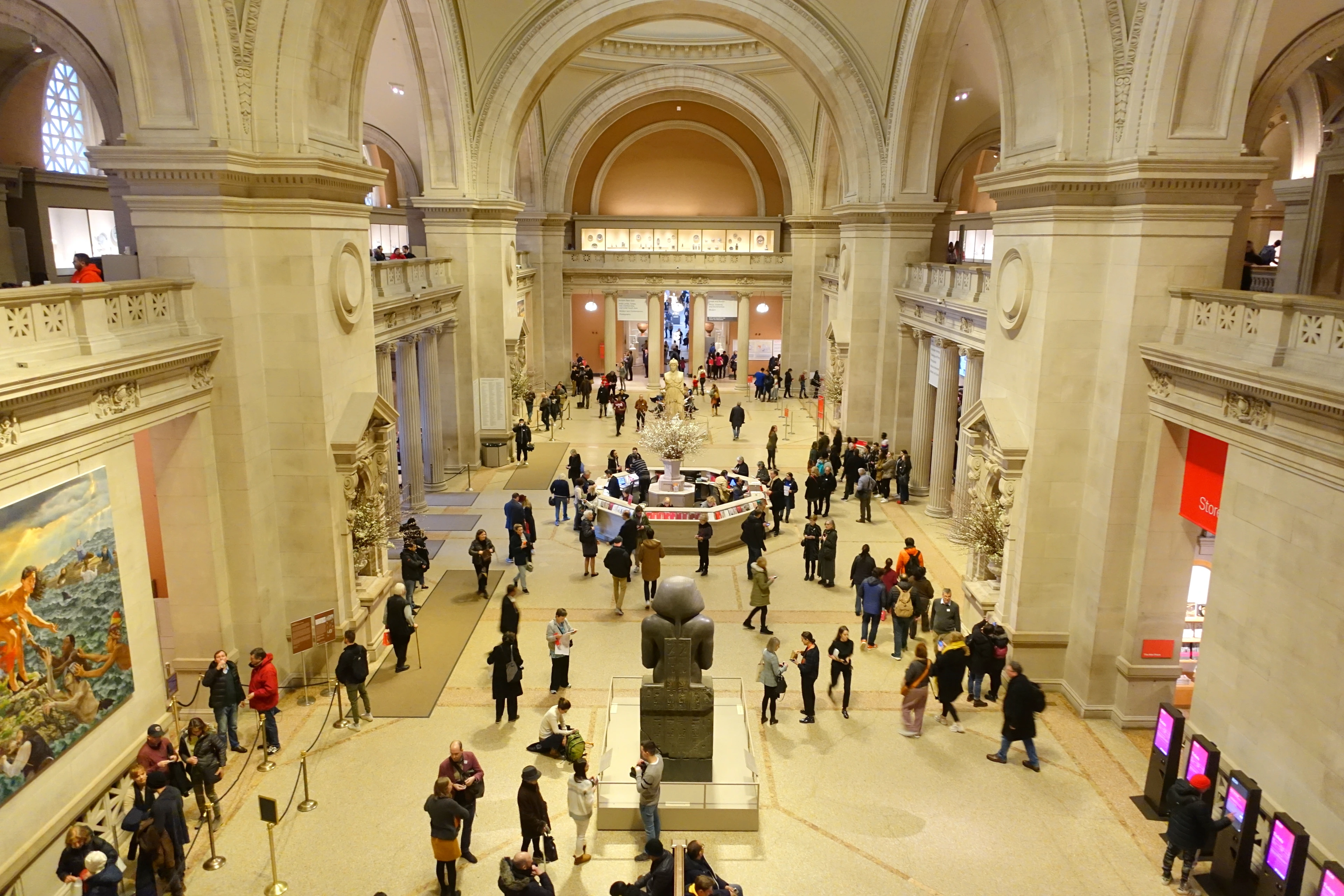
You can't really talk about art in New York without acknowledging the titans. These museums are world-class for a reason, holding collections that span millennia and continents. My advice? Don't try to conquer them. I learned this the hard way after one too many attempts to 'do' The Met in a single day, ending up with blurred vision and aching feet. Now, I pick a wing, an era, or even just five paintings I want to sit with. Give yourself permission to be selective, to linger, to let a single work truly speak to you. It's about quality of engagement, not quantity of sights. It's about letting the art breathe and finding that moment of connection, much like choosing the perfect brushstroke to complete a composition.
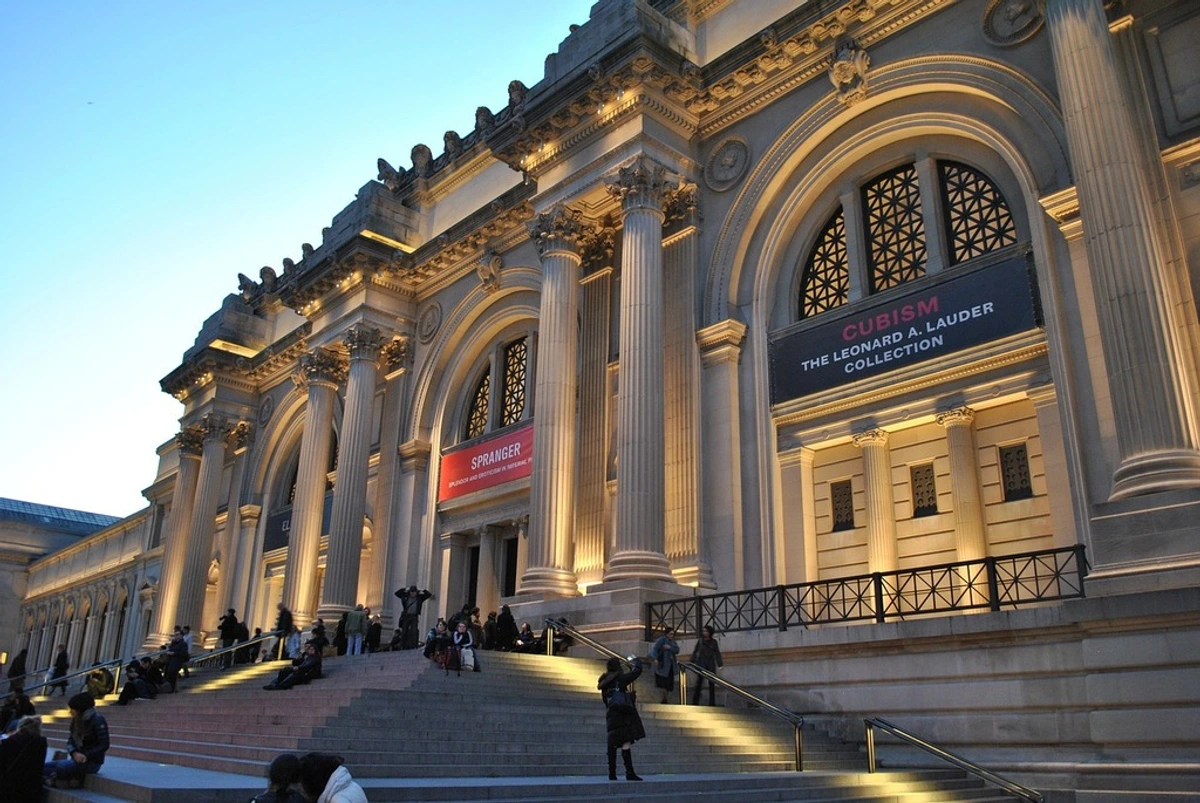
The Metropolitan Museum of Art (The Met)
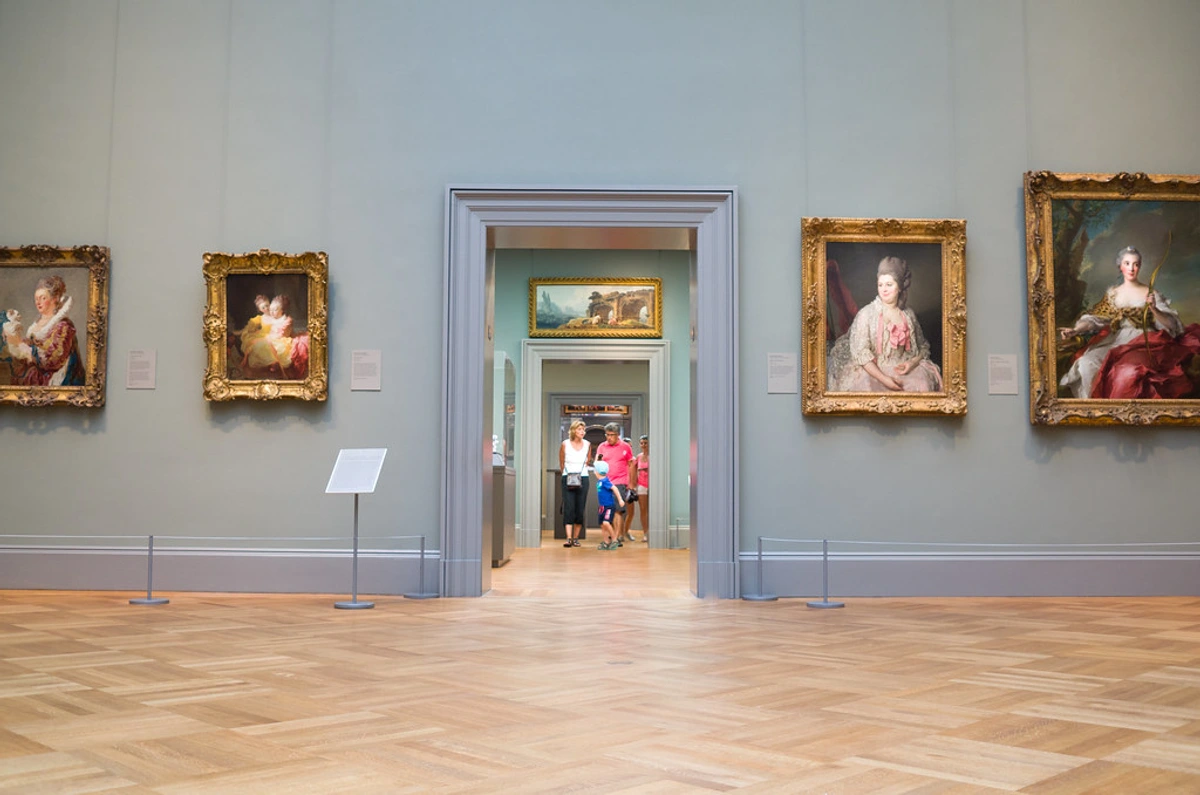
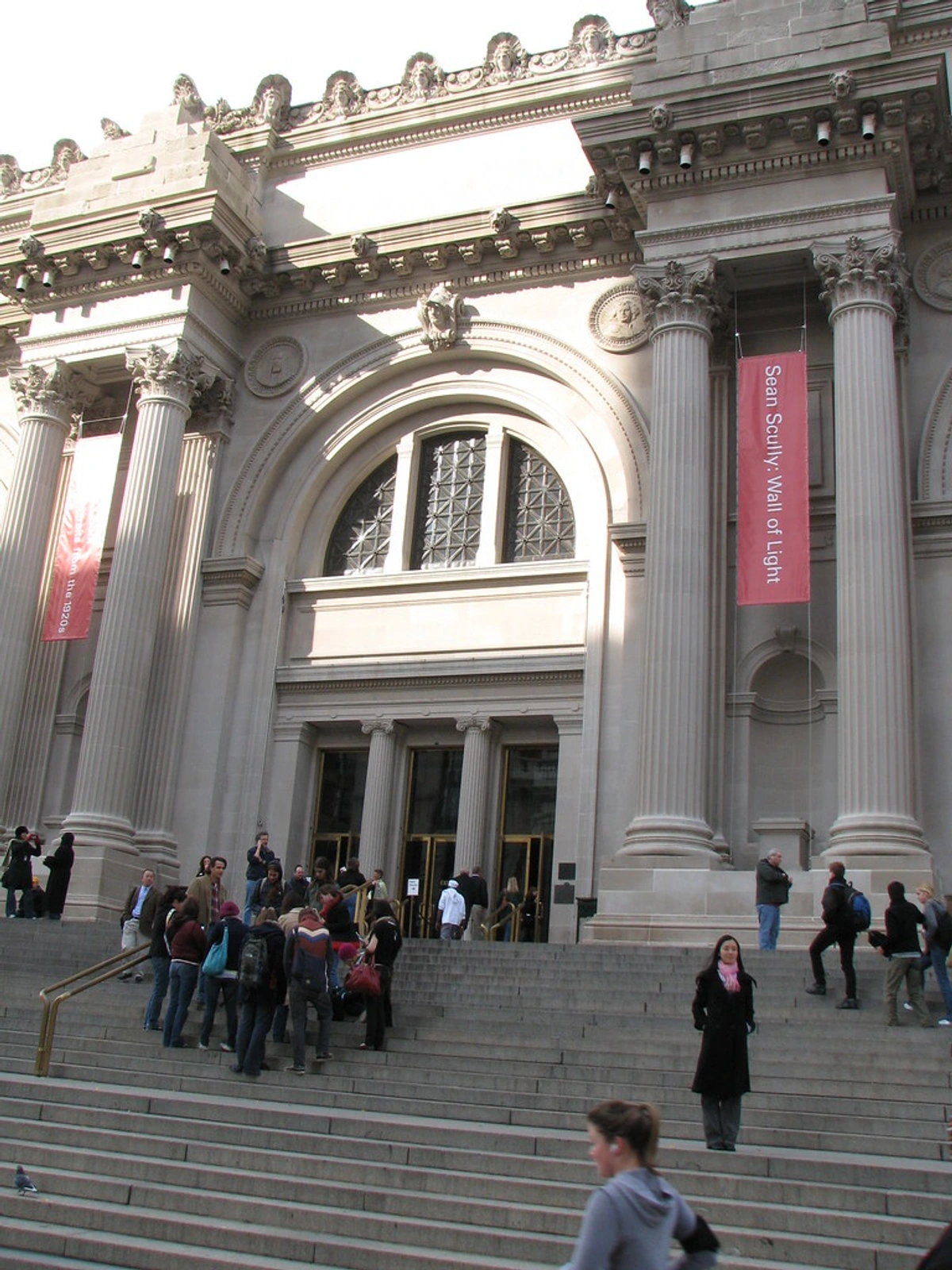
The Met isn't just a museum; it's a collection of entire worlds under one roof, a sprawling journey through human creativity. I get wonderfully lost in there every single time, and I've come to believe that's the whole point. One moment you're contemplating the ancient mysteries of the Temple of Dendur, the next you're standing before a luminous Vermeer or immersed in the grandeur of the American Wing. It's a place for wandering, for allowing your curiosity to lead. The sheer scale and historical weight of the place are humbling, reminding me of how artists throughout history have grappled with universal themes, much like I explore form and color in my own abstract pieces. For artists, it's a masterclass in diverse techniques—from the subtle nuances of Renaissance art to the bold statements of the Impressionists, offering endless inspiration for color palettes and compositional structures.
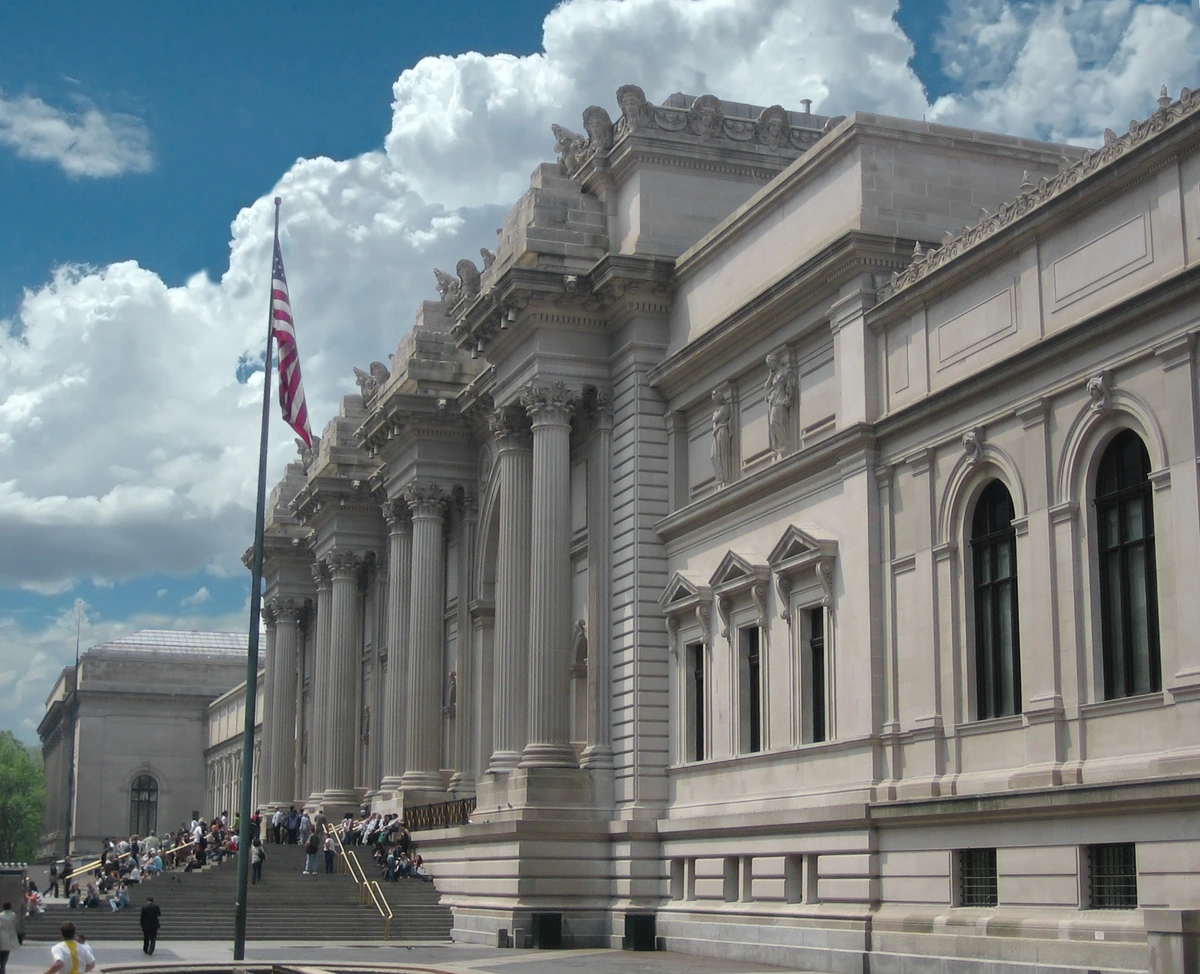
If it's your first time, the sheer size can indeed be daunting. We have a whole guide dedicated to navigating it, which you might find incredibly helpful: A First-Timer's Guide to The Metropolitan Museum of Art NYC.
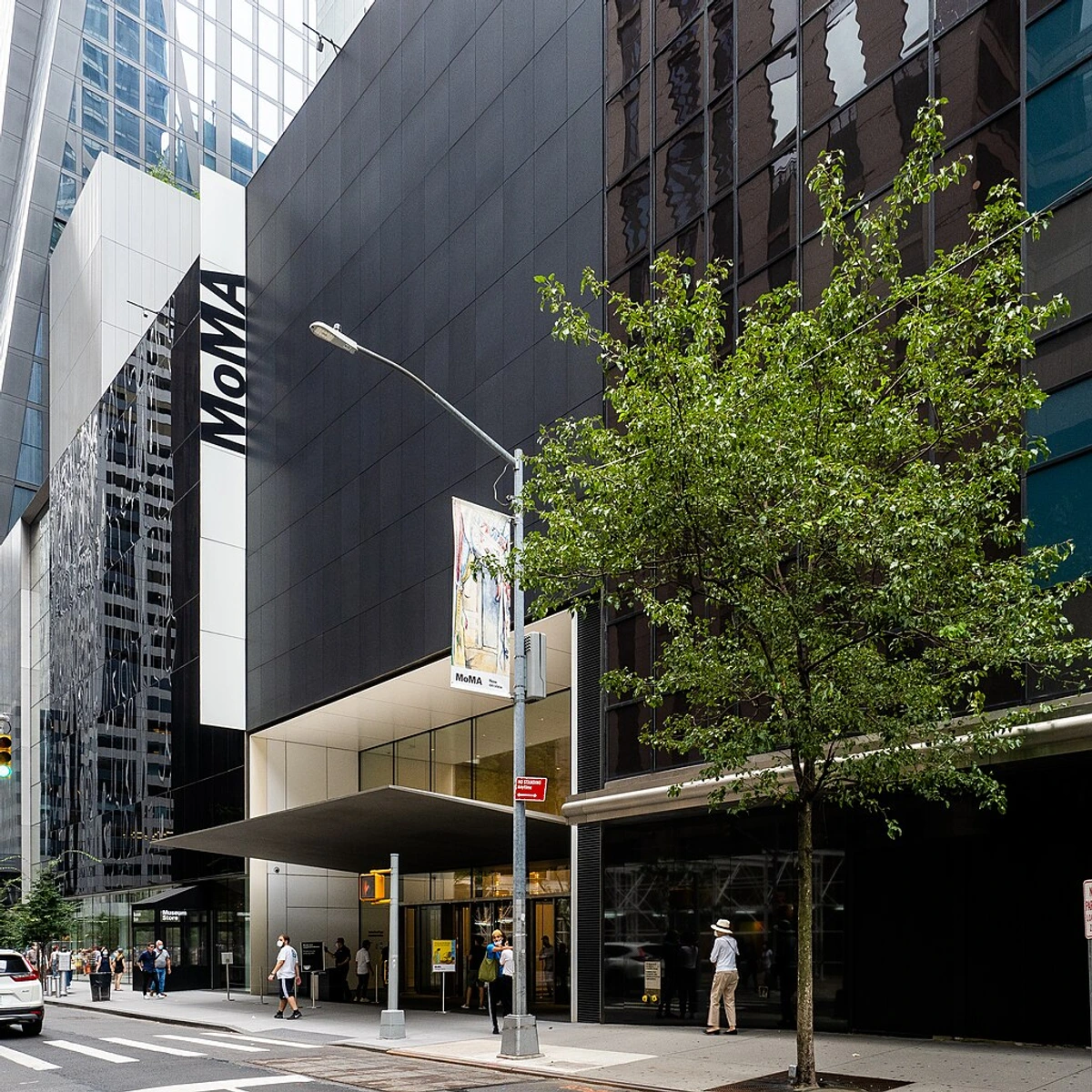
The Museum of Modern Art (MoMA)
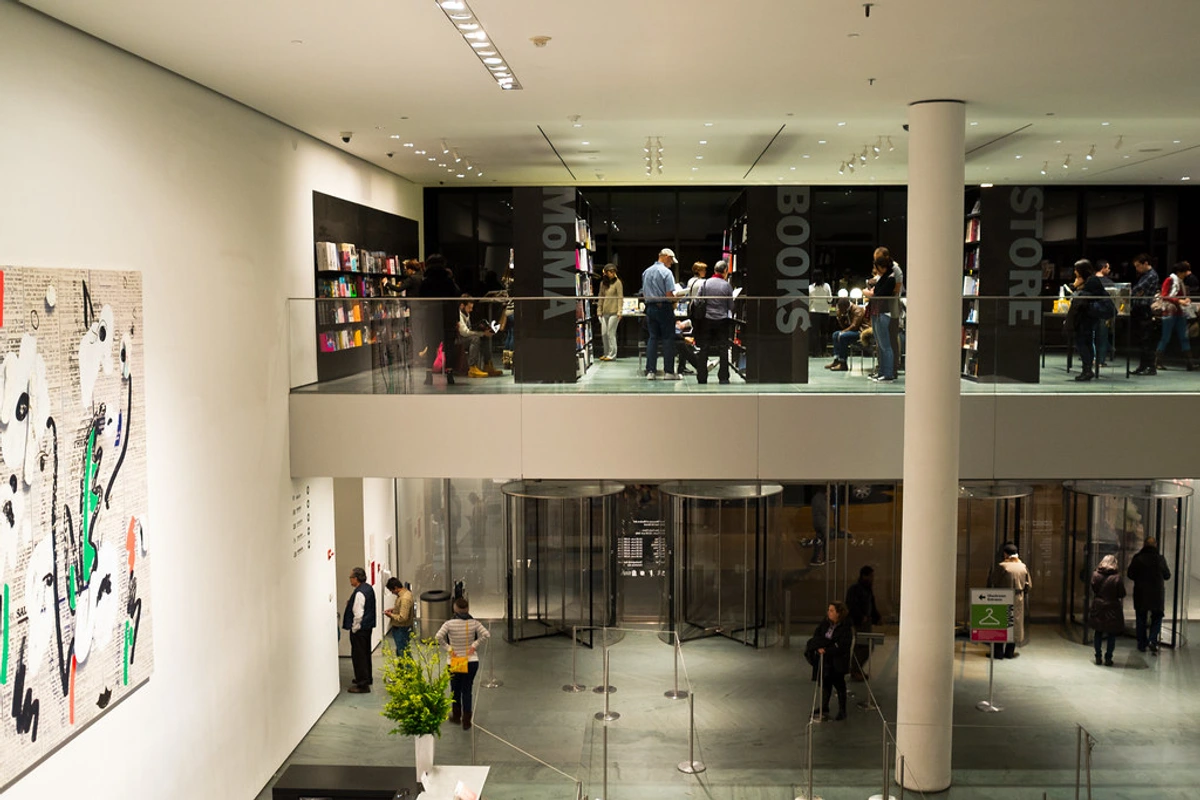
If The Met is a sprawling, historical epic, MoMA is a sharp, provocative conversation – a vibrant kaleidoscope of bold ideas. It’s where you go to lock into a silent debate with Picasso's Les Demoiselles d'Avignon, get utterly mesmerized by Van Gogh’s swirling Starry Night, or lose yourself in Monet's serene Water Lilies. It’s clean, it’s challenging, and it will undeniably make you think about the seismic shifts of the 20th century. Walking through its galleries is like a crash course in modernism itself. I often find myself thinking about the courage it took for these artists to break from tradition, a feeling I resonate with when pushing boundaries in my own abstract work. Observing the fragmentation of Cubism or the emotional intensity of Expressionism here often sparks new approaches to form and gesture in my own studio practice.
The Guggenheim & The Whitney
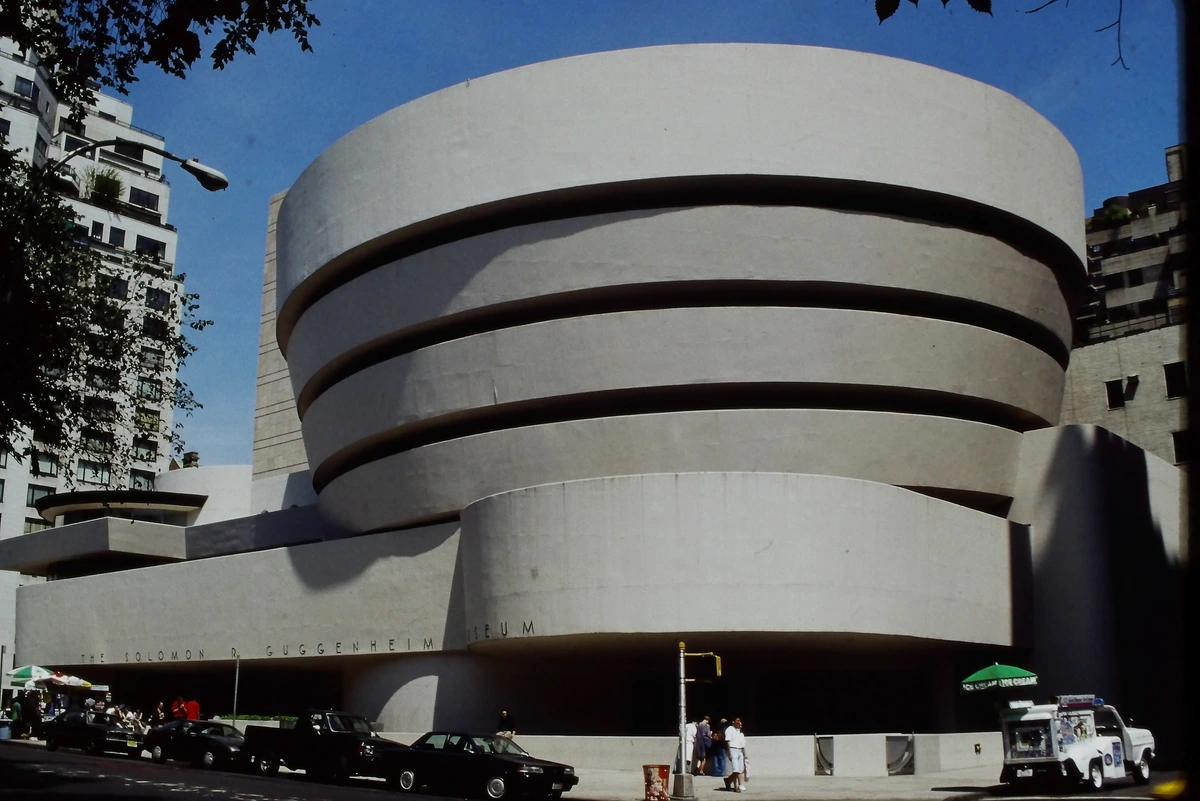
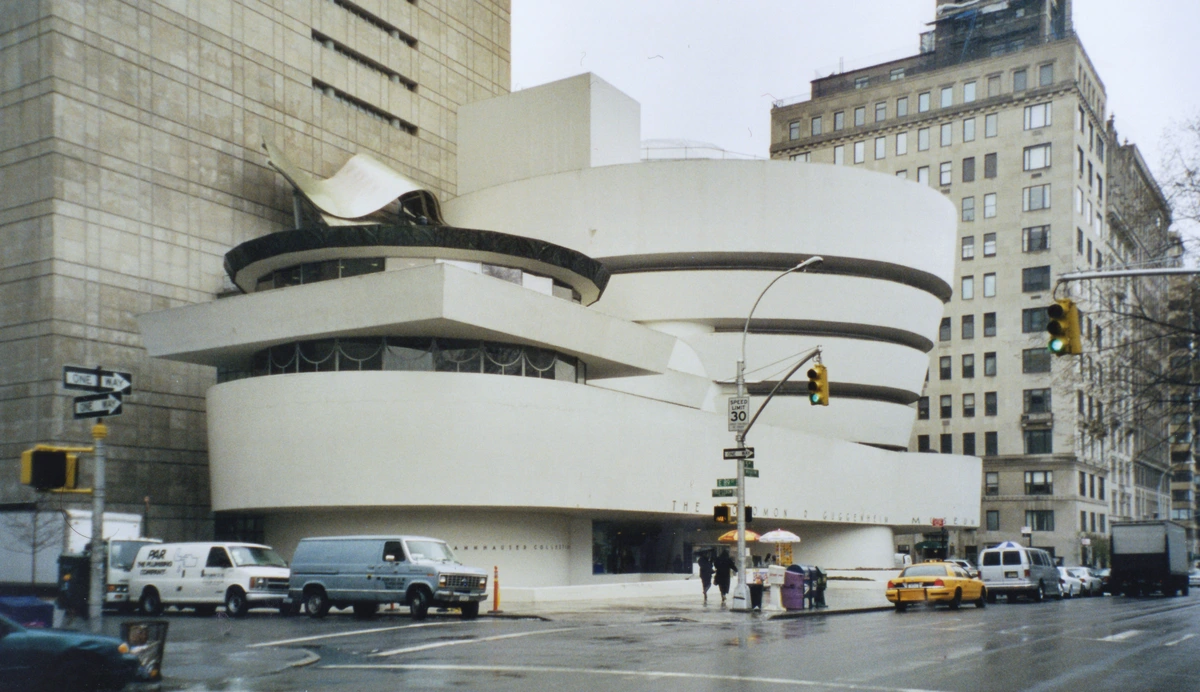
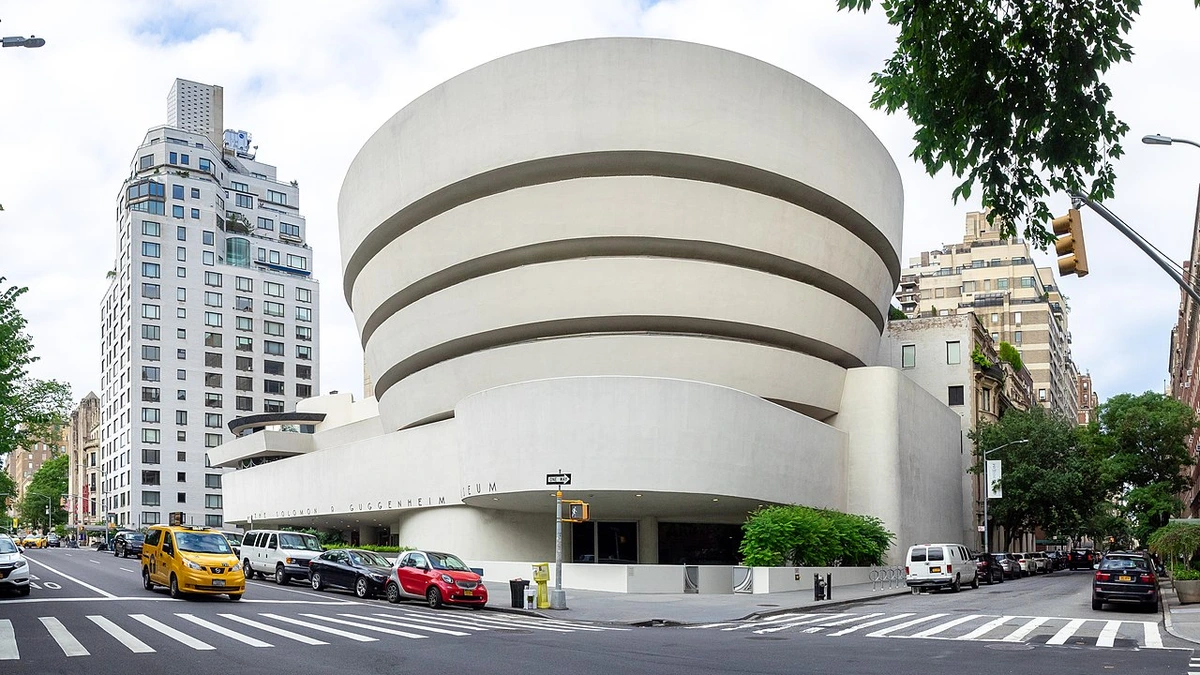
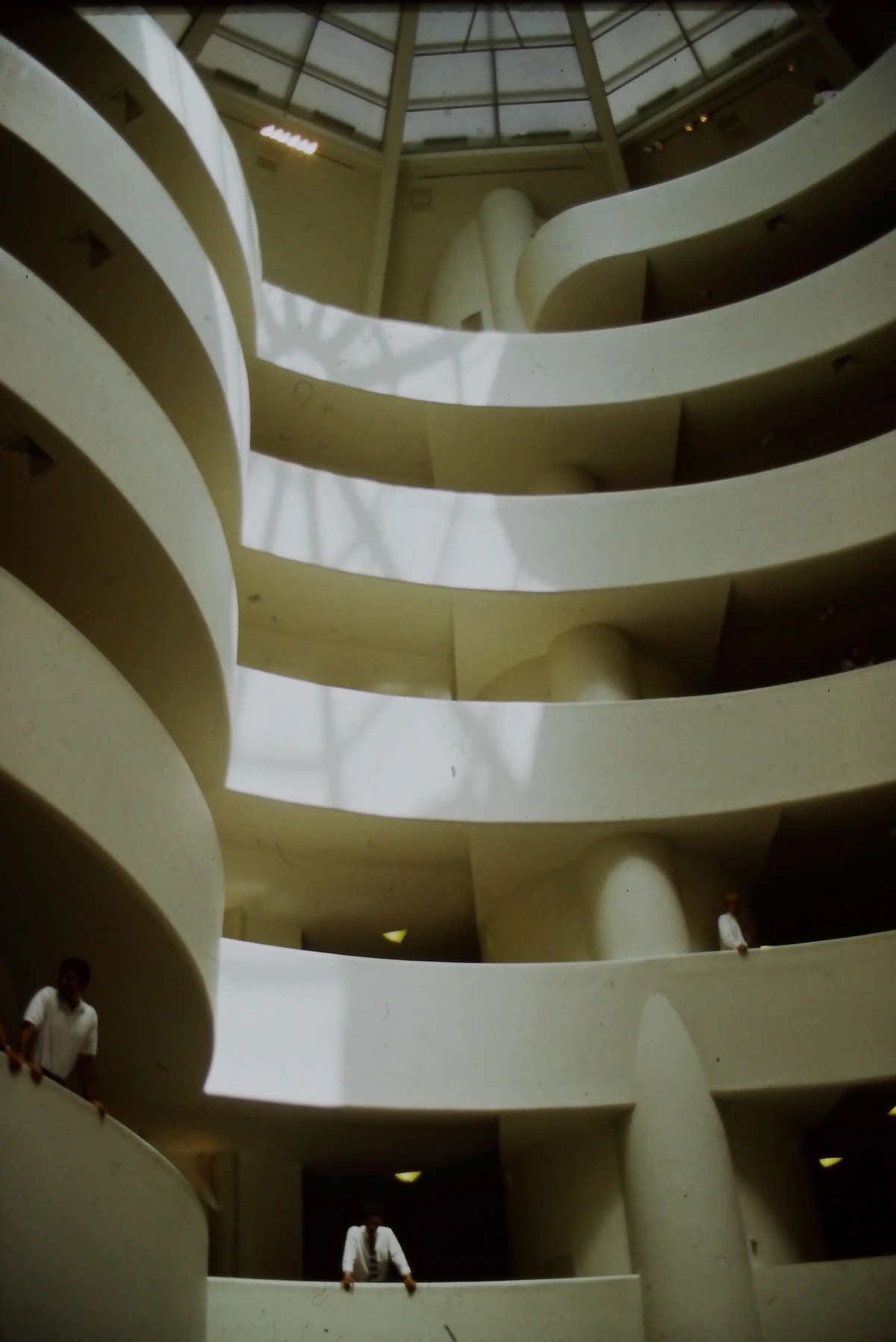
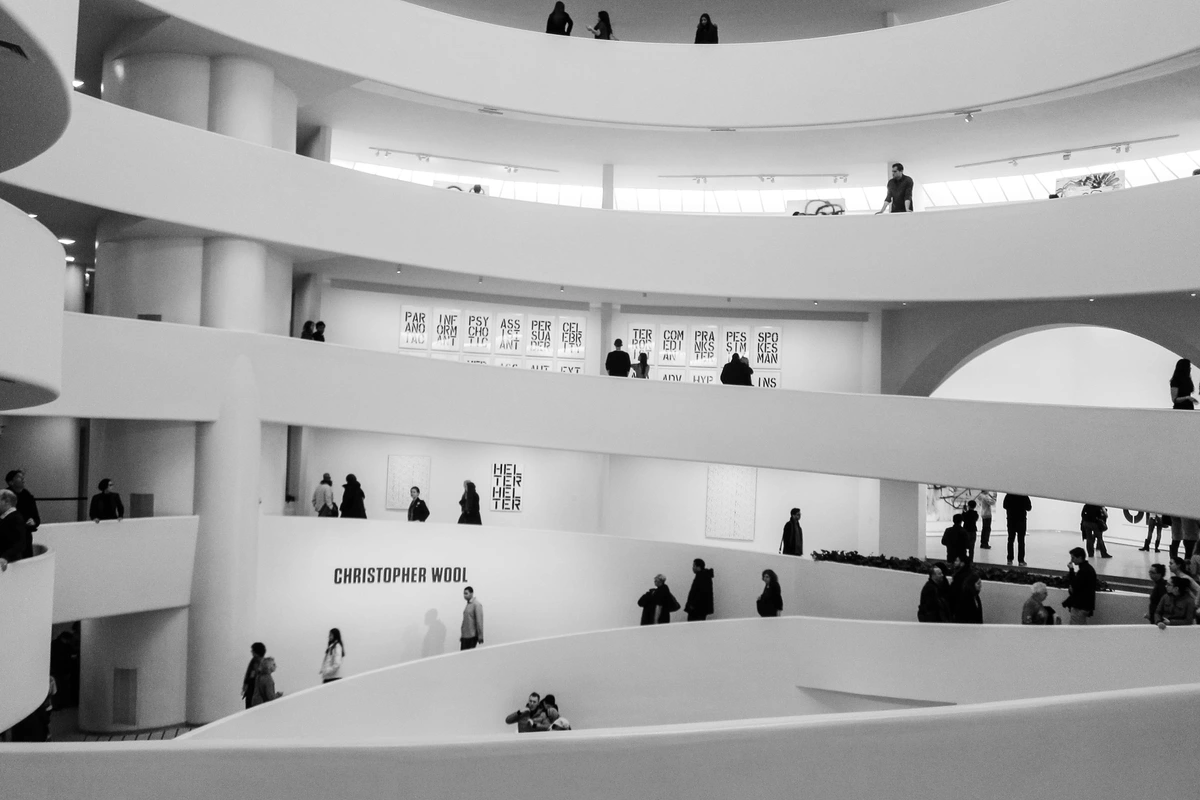
Sometimes, the building is as much a part of the art as what's inside. The Guggenheim is the perfect example. Frank Lloyd Wright's spiraling ramp itself is a masterpiece, dictating how you view the art as you ascend. It's a completely unique way to engage with a collection, guiding your gaze and pacing your experience. I often consider how this unique architectural space inherently alters the composition of viewing, influencing how one interacts with the pieces displayed along its continuous ramp. For a deep dive into its singular charm, check out our first-timer's guide to the Guggenheim Museum New York. It makes you consider the architectural space as part of the artistic statement, much like how a frame impacts a painting or a pedestal elevates a sculpture.
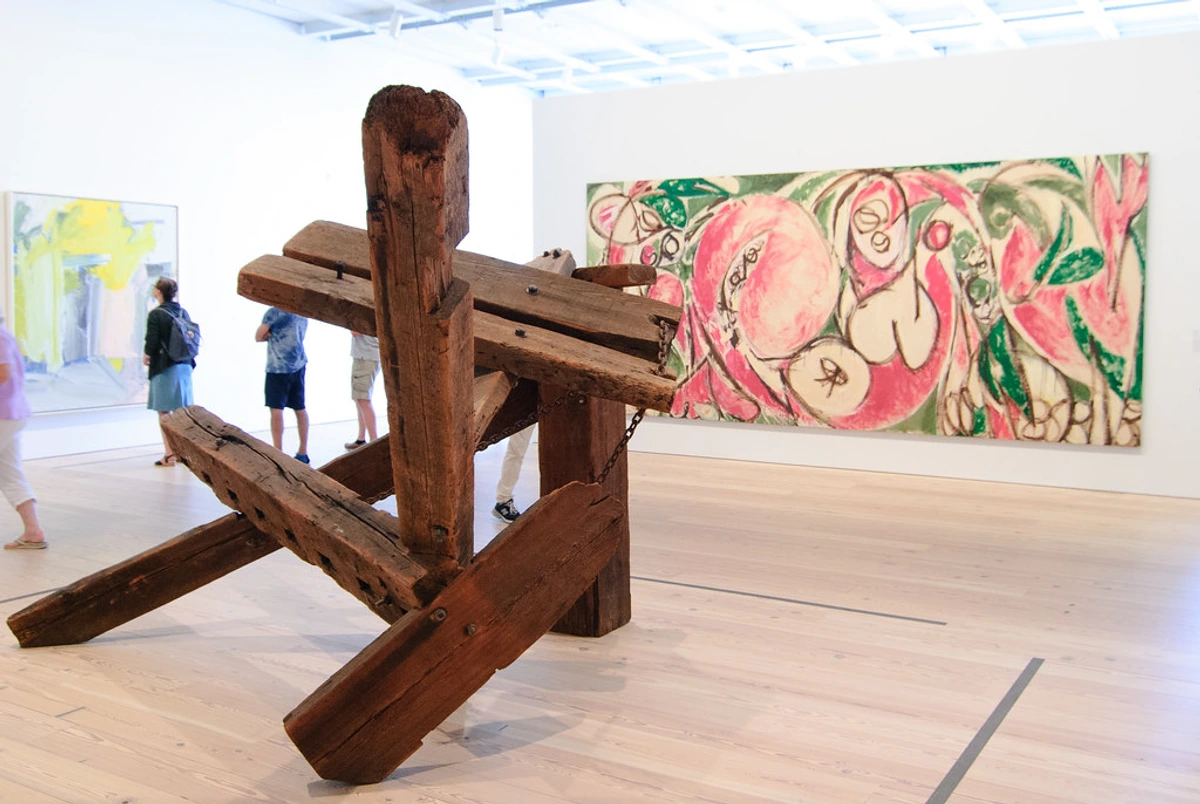
The Whitney Museum of American Art, on the other hand, offers a stunning, often provocative, survey of American creativity. Housed in a beautiful Renzo Piano building in the Meatpacking District, its terraces offer breathtaking views over the Hudson River. It feels more focused, more intimate than The Met, often showcasing cutting-edge contemporary works. I particularly appreciate how it often highlights artists who challenge conventions, much like the spirit of experimentation I strive for in my studio. It’s a wonderful place to see how American artists grapple with identity, social commentary, and abstraction through diverse media, providing a raw pulse of current artistic dialogues.
Beyond the Giants: Intimate Collections and Undiscovered Treasures
But the city's institutional art scene extends beyond these giants, offering a quieter, more curated experience for the discerning art lover. These are places where you can engage on a more intimate level, akin to studying a single, complex color field rather than a vast landscape, or appreciating the timeless skill of a master like Michelangelo in a more personal setting:
- The Frick Collection: A jewel-box museum on the Upper East Side, offering an intimate experience with Old Master paintings and decorative arts in the former mansion of Henry Clay Frick. It’s a completely different pace from the Met, allowing for deep contemplation. Think of it as a master study in how light and shadow play across historical canvases. (Note: currently housed in Frick Madison while its main building undergoes renovation).
- Neue Galerie: Also on the Upper East Side, this exquisite museum focuses on early 20th-century German and Austrian art and design, featuring iconic works by Gustav Klimt and Egon Schiele. Their collection feels incredibly potent in its specificity, providing a focused look at an artistic era defined by emotional intensity and decorative elegance.
- MoMA PS1: Located in Long Island City, Queens, this affiliate of MoMA is dedicated solely to avant-garde (experimental and innovative) contemporary art, often experimental and site-specific (art created for a particular location, engaging with its environment). It's where you go for the truly groundbreaking, often featuring large-scale installations, performance art, and multimedia projects that push the boundaries of what art can be. And it's always free.
- The Bronx Museum of the Arts: Always free and focusing on contemporary art, often highlighting artists from underrepresented backgrounds, making it a vital community hub. It's a powerful reminder that compelling art is created across all communities and often speaks directly to pressing social issues.
And if you just want a curated list of the heavy hitters and must-sees, we've got you covered with our guide to the best museums in New York City.
Feeling the Pulse: Navigating NYC's Vibrant Gallery Districts
Museums show you the history of art. Galleries show you what's happening right now, the cutting edge, the conversations forming the future. This is where you feel the undeniable pulse of the contemporary art world, and perhaps the best part? It's almost always free. Think of it as a living, breathing exhibition across the city. It’s a surprisingly democratic experience – you can just walk in, soak it all up, and walk out without feeling obligated to buy a single thing. Though, I admit, the temptation to bring a piece of that vibrant energy home with me is often strong! It's like witnessing raw creative energy, a direct conduit to the minds shaping tomorrow's art movements.
Historically, the gallery scene gravitated from the bohemian enclaves of Greenwich Village and SoHo, where movements like Pop Art found their early footing, to the industrial warehouses of Chelsea in the 1990s, seeking larger, more affordable spaces. Now, the energy is diversifying, with new hubs emerging.
My favorite way to spend a Saturday afternoon is simply wandering through Chelsea. The neighborhood is packed with dozens, if not hundreds, of galleries, from global powerhouses like Gagosian and David Zwirner, often showcasing monumental installations and abstract sculptures, to smaller, more experimental spaces championing emerging artists. You don't need a plan. Just show up, walk around, and let your curiosity lead you. It’s like a treasure hunt where every corner could reveal a new color palette or an unexpected form that sparks an idea, influencing my own exploration of form and texture.
Here's a quick cheat sheet to the main gallery districts, essential for any New York art guide:
District  | The Vibe | Best For |
|---|---|---|
| Chelsea | Polished, high-end, warehouse-style spaces showcasing large-scale installations, video art, and established contemporary work. | Seeing established contemporary art stars and blue-chip artists; experiencing grand, museum-quality shows for free. Ideal for witnessing monumental abstract works or complex multimedia pieces. |
| Lower East Side (LES) | Younger, grittier, and more experimental, often artist-run or co-op spaces with a strong DIY ethos (do-it-yourself, emphasizing independence). | Discovering truly emerging artists, avant-garde shows, and cross-disciplinary projects, often with raw, unmediated energy in painting, sculpture, and performance art. Look for galleries like The Hole or Marinaro for a pulse on what's next. |
| SoHo | Historically significant for its loft galleries; now a mix of art, fashion, and history. | Pockets of cutting-edge art alongside commercial ventures; exploring the history of the NYC art scene, particularly where movements like Pop Art and Minimalism found early homes. |
| Tribeca | A rapidly growing, sophisticated scene. Calmer than Chelsea, with diverse spaces, often featuring minimalist or conceptual art. | Finding both new and established galleries in a slightly more relaxed setting, often showcasing refined contemporary painting, photography, and conceptual installations. Look for spaces like P.P.O.W. or Canada Gallery. |
Don't be intimidated! You can just walk in, look around, and walk out. No one will bother you. It’s one of the city’s greatest democratic cultural experiences. Keep an eye on gallery websites or art listings magazines (like Artforum or Hyperallergic) for opening receptions – they're often free, open to the public, and a fantastic way to experience the scene and potentially rub shoulders with artists and collectors. For a more curated list, see our guide to the best galleries in New York.
The City as Canvas: Art Beyond Gallery Walls
Some of the most exciting art in New York isn't inside a building at all. The entire city is a living, breathing, ever-evolving canvas, offering serendipitous discoveries at every turn. It’s a constant source of inspiration, seeing how art interacts with the urban landscape, much like how I consider the background texture and implied space in my own compositions. It's a reminder that art isn't confined to a frame; it's a dialogue with its environment.
Street Art & Murals
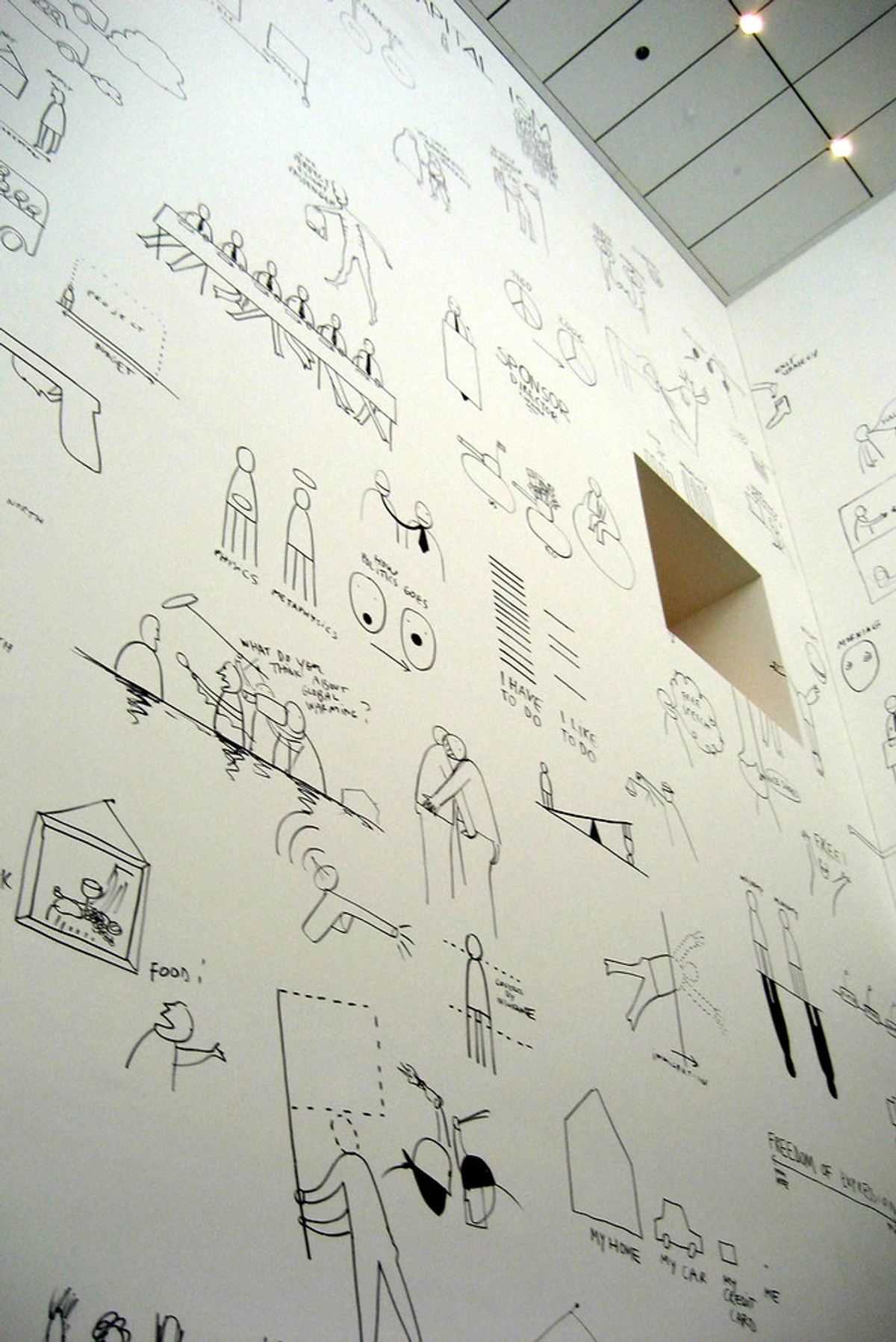
From the commissioned murals of the Bowery Art Wall (where artists like Shepard Fairey have left their mark) to the vibrant, ever-changing graffiti at the Bushwick Collective in Brooklyn, street art is an essential, visceral part of NYC's creative landscape. It's ephemeral, political, and undeniably alive. Keep your eyes open as you walk around; you never know what masterpiece you'll find down a side street, echoing the legacy of artists like Keith Haring and Jean-Michel Basquiat. Areas like Bushwick, and parts of the Lower East Side are continuously reinventing themselves with new works, offering a raw, unfiltered public gallery that speaks volumes about urban culture and artistic freedom. I often find inspiration in the bold lines and dynamic compositions of these public works, a direct conversation with the urban fabric.
Public Sculpture & Installations
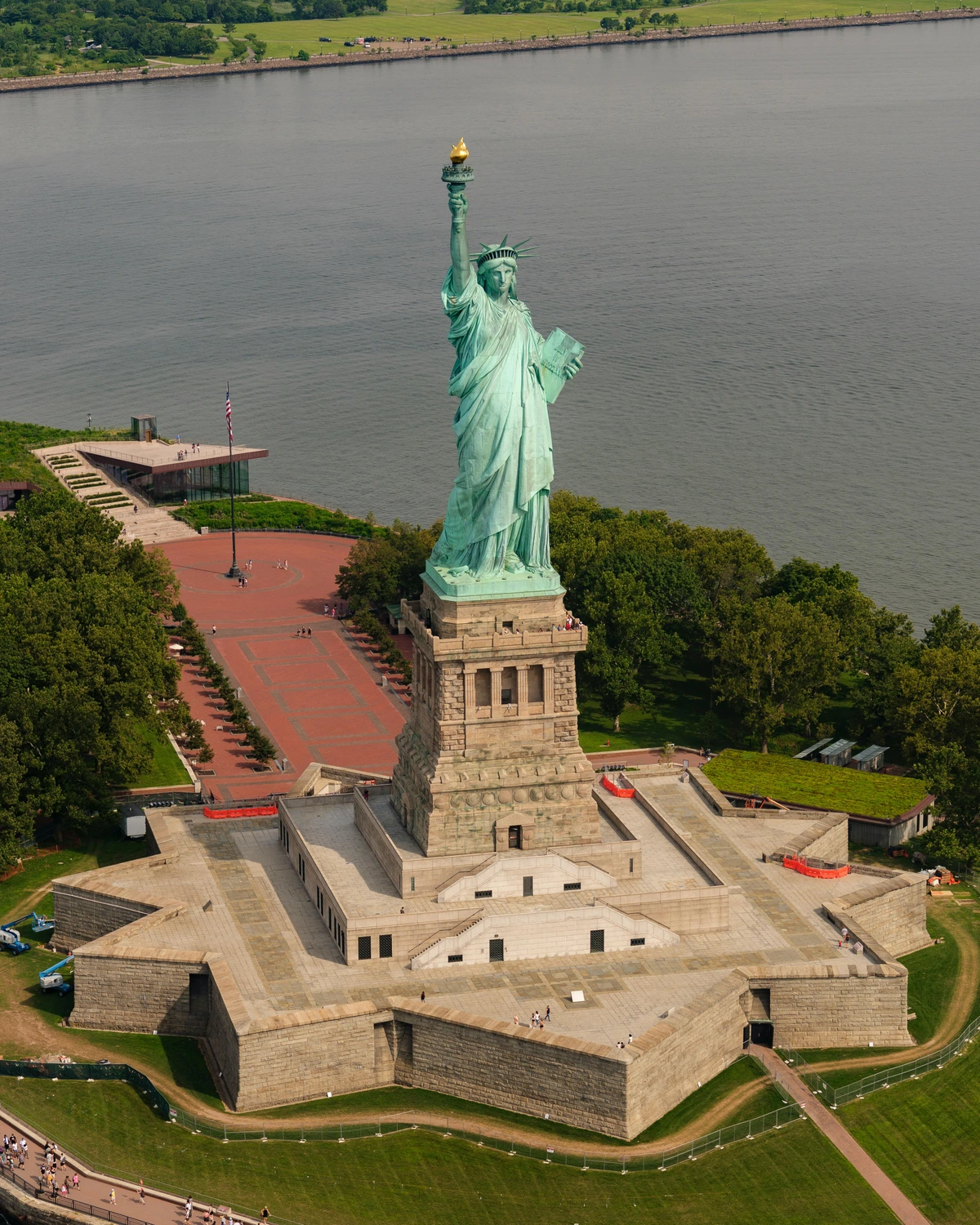
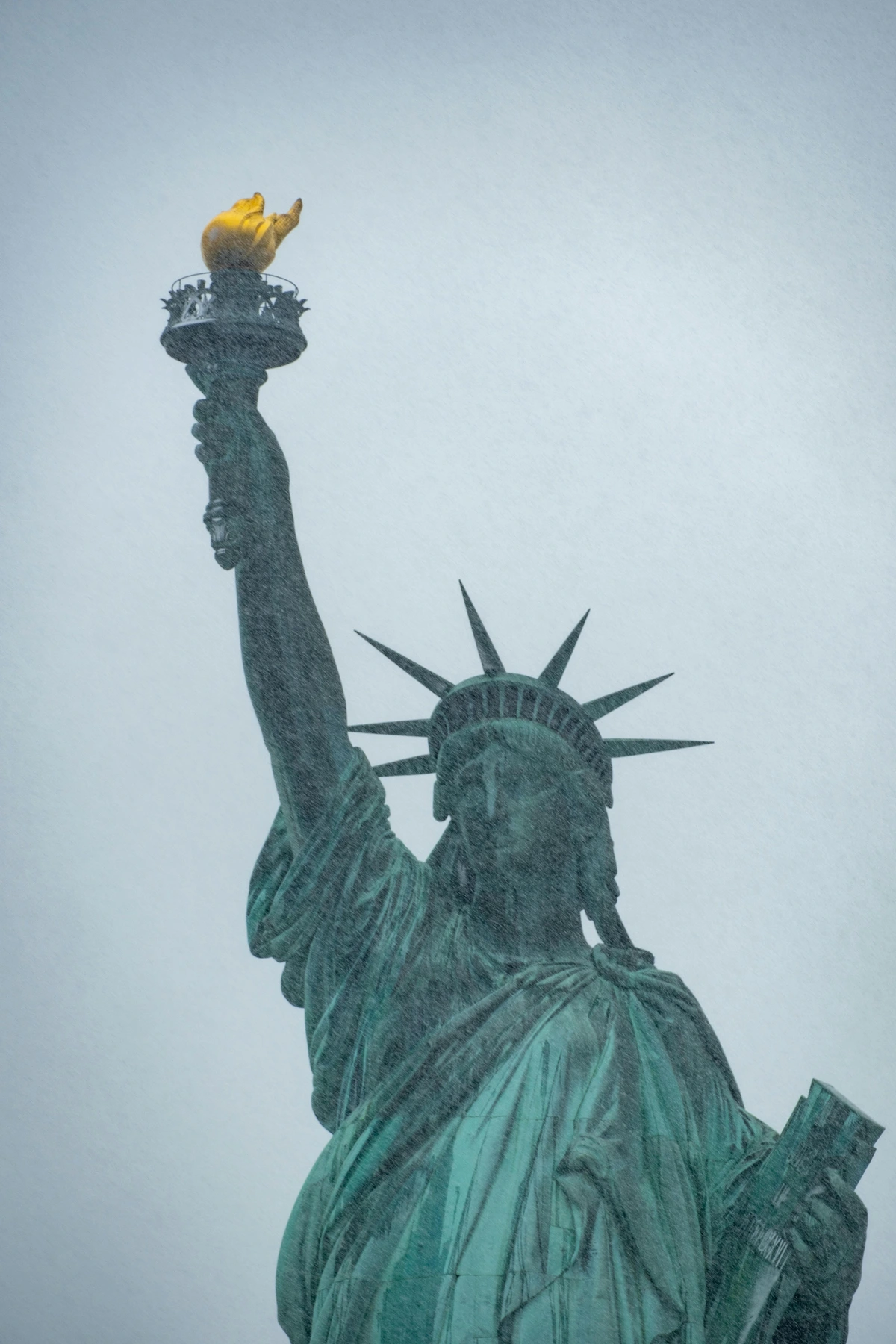
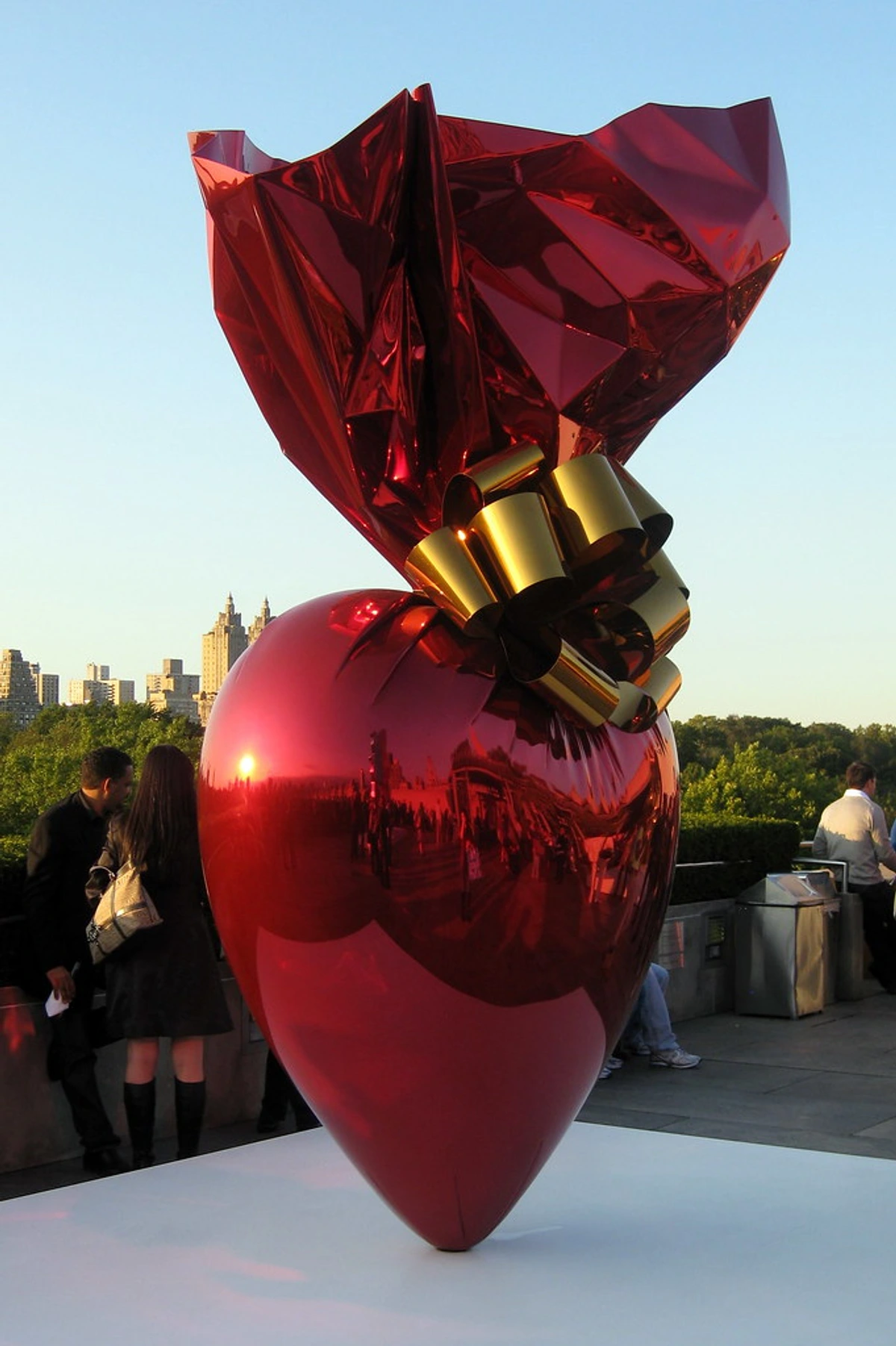
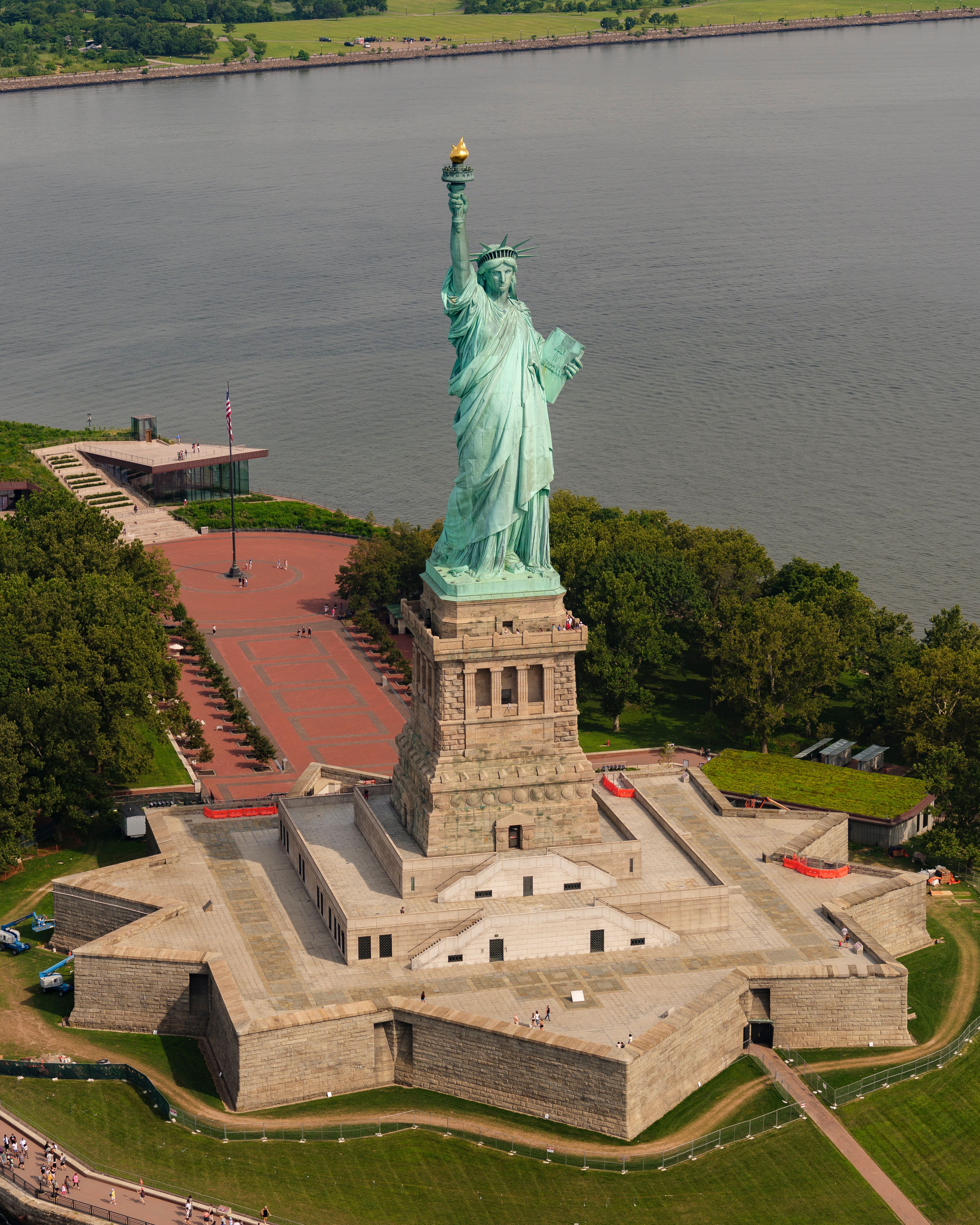
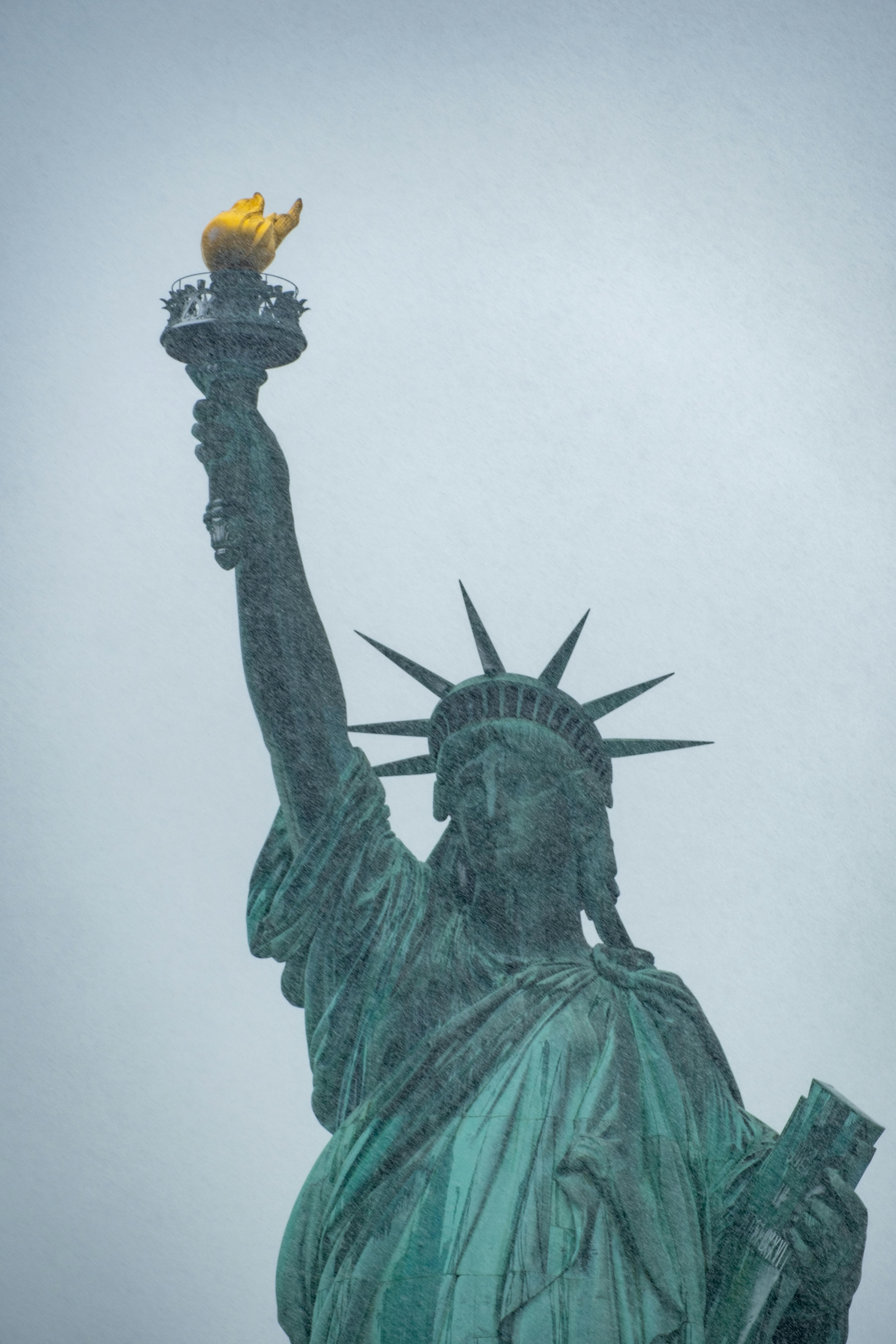
The city is dotted with iconic public art, both permanent and temporary. While tourists flock to the formidable Charging Bull on Wall Street, and the monumental Statue of Liberty stands as a global symbol, there are countless other sculptures and installations to discover. Think of Robert Indiana's iconic "LOVE" sculpture in Midtown, "The Vessel" at Hudson Yards (an architectural sculpture you can climb), or the rotating installations in Madison Square Park that often feature works by prominent contemporary artists. Even the often-overlooked details of architectural ornamentation contribute to the city's grand artistic statement. Keep an eye out for works by contemporary sculptors like Anish Kapoor or Jeff Koons that occasionally grace public spaces, transforming everyday environments into sites of artistic contemplation. Beyond traditional sculpture, look for light installations, sound art, and performance pieces that briefly transform public areas.
Art Fairs: A Whirlwind of Discovery
If you happen to be in town at the right time, attending an art fair is like stepping into a hyper-condensed version of the global art market. It’s exhilarating, overwhelming, and a crash course in current trends. The Armory Show is a landmark event, showcasing hundreds of galleries under one roof, with a strong focus on modern and contemporary masterpieces. But also look out for Frieze New York (often on Randall's Island) for cutting-edge contemporary art, focusing on emerging artists and experimental installations, or the more boutique Independent Art Fair for emerging voices in a more intimate setting. My top tips? Wear comfortable shoes, prioritize a few must-see booths, and don't be afraid to ask gallerists questions – they love talking about their artists! It can be overwhelming, yes, but it's an incredible snapshot of the current global art scene and market dynamics, offering a unique opportunity to see diverse artistic practices side-by-side.
The Alchemist's Lair: Inside NYC's Artist Studios
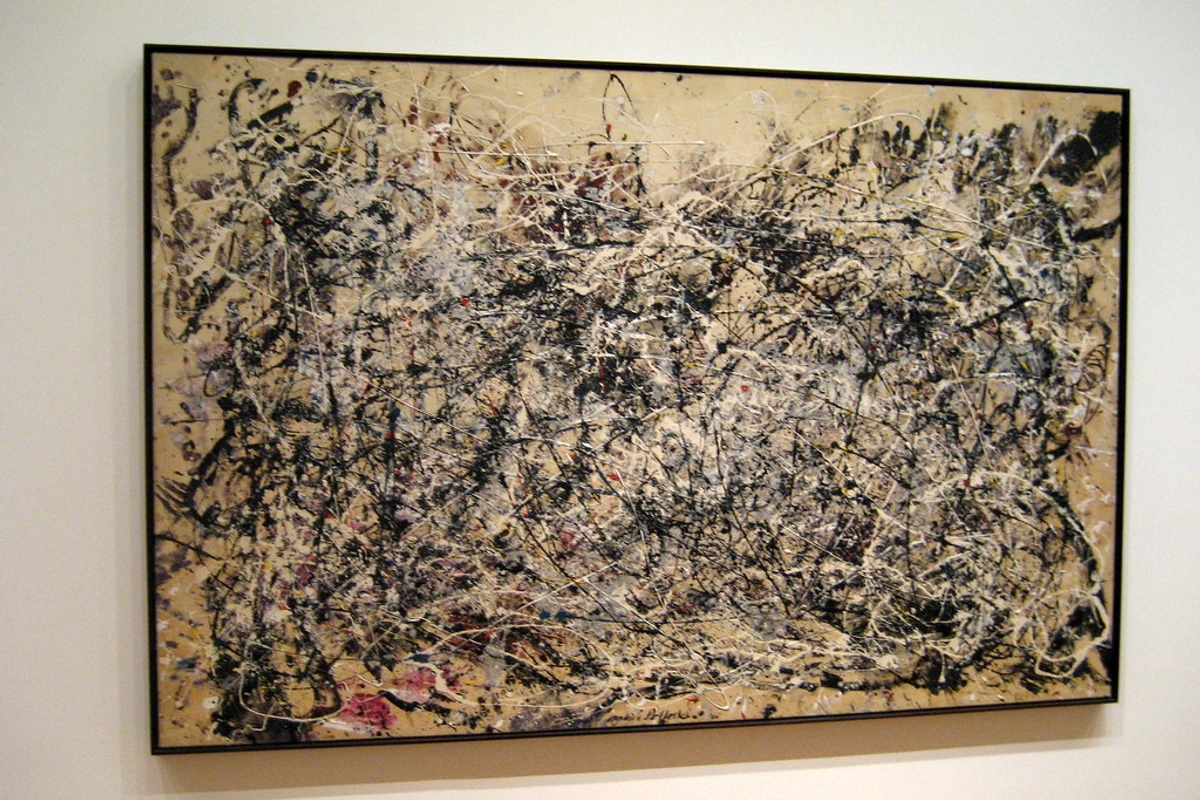
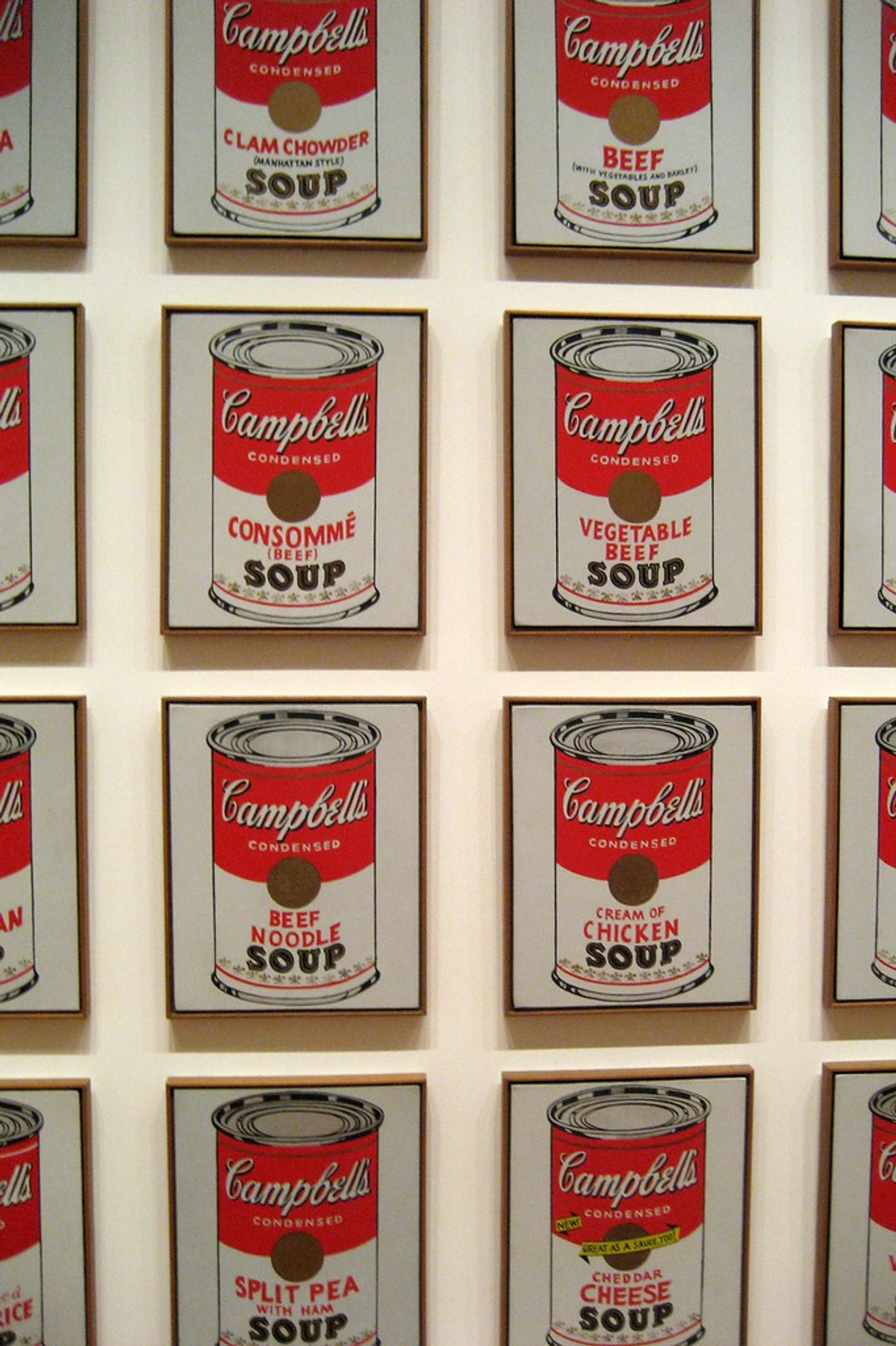
Beyond the polished walls of museums and galleries, the true engine of New York’s art scene often hums quietly within its artist studios. These are the spaces where ideas germinate, colors explode, and forms take shape. Historically, neighborhoods like Greenwich Village and SoHo were famous for their affordable lofts, nurturing movements like Abstract Expressionism (think Jackson Pollock's energetic drips and Mark Rothko's luminous color fields) and Pop Art (like Andy Warhol's Factory). This was a time of intense collaboration and competition, all fueled by the city's raw energy.
Today, while finding affordable space is a constant challenge, Brooklyn (especially Bushwick and Red Hook) and Queens (Long Island City) are vibrant hubs where artists continue to push boundaries. Visiting an artist's studio during an open studios event is a rare privilege – it's a chance to see the raw process, the tools, the sketches, and maybe even a work-in-progress. The smell of paint, the scattered materials, the focused intensity – it's where you truly understand the labor and the love that goes into each piece, something I cherish when I invite people into my own creative process. It reminds me that art is not just a final product, but a journey of exploration and dedication. For aspiring artists, seeking out these communities offers a glimpse into the practicalities of making a life in art, from finding shared studio spaces to networking with peers.
Artful Enclaves: Neighborhoods Where Creativity Thrives
Beyond the well-trodden paths of Midtown and Chelsea, New York pulses with artistic energy in its diverse neighborhoods. These are the places where artists live, work, and exhibit, often fostering a unique local scene, like distinct palettes contributing to a larger, complex painting. Experiencing these areas is like exploring the varied textures and forms within a single, compelling abstract work.
Harlem
Rich with the legacy of the Harlem Renaissance, this neighborhood continues to be a vibrant cultural hub. Explore smaller galleries like Claire Oliver Gallery (focusing on figurative and abstract contemporary art by underrepresented artists), powerful murals that tell stories of community and identity, and institutions like The Studio Museum in Harlem, dedicated to artists of African descent. It's a place where history and contemporary expression beautifully intertwine, often showcasing compelling narratives and innovative forms. Look for historical sites alongside new artistic initiatives.
Greenpoint, Brooklyn
Once an industrial enclave, Greenpoint is fast becoming a destination for emerging artists and independent galleries. Its warehouse spaces are ideal for large-scale installations and experimental shows, offering a grittier, yet exciting, alternative to Chelsea. You'll find a distinct Brooklyn aesthetic here, often characterized by a raw energy and a willingness to challenge convention, particularly in abstract and conceptual art forms. Keep an eye out for spaces like Greenpoint Terminal Gallery or temporary pop-up exhibitions that utilize the industrial backdrop for innovative displays.
East Village & Lower East Side
Historically the crucible of bohemianism and counter-culture, these contiguous neighborhoods still harbor a spirited artistic community. Alongside the Lower East Side galleries mentioned earlier (which now extend further into the East Village), you'll find countless artist-run spaces, pop-ups, and street art that reflect a dynamic, ever-evolving spirit. It’s where the city’s artistic underground often bubbles to the surface, offering unexpected delights and often a direct, unmediated connection to artists who challenge the status quo through painting, performance, and multimedia work.
Deeper Dives & Unexpected Delights: Art-Adjacent Experiences
To truly immerse yourself in New York's art world, it's worth exploring the experiences that orbit the main attractions. These are the details that build a richer, more nuanced understanding, much like the subtle underpainting that gives depth to a finished work.
- Art Bookstores: Places like the Strand Bookstore's extensive art section, or specialized independent bookshops like McNally Jackson in SoHo or Printed Matter (dedicated to artist books and publications) in Chelsea, offer a treasure trove of art history, theory, and artist monographs. Perfect for a quiet afternoon of discovery, these are invaluable resources for any artist seeking to deepen their knowledge and find inspiration. You might find rare editions on Abstract Expressionism or contemporary surveys of street art.
- Independent Cinemas & Film Festivals: Venues like Film Forum (Greenwich Village), Anthology Film Archives (East Village), or Metrograph (Lower East Side) often screen avant-garde films, artist documentaries, and international cinema that complements the visual arts experience. Look out for the New York Film Festival or Doc Fortnight (MoMA's festival of non-fiction film and media). These provide another lens through which to explore visual storytelling and creative expression, often showcasing how cinema engages with themes prevalent in painting and sculpture.
- Open Studios & Artist Markets: Keep an eye out for city-wide events like Bushwick Open Studios (check their official website or local arts listings). These offer incredible opportunities to meet artists directly, see their creative process, and perhaps even acquire a unique piece. It’s a completely different energy than a polished gallery, and often where true inspiration is found, providing a tangible connection to the creative pulse of the city. You might discover anything from small abstract paintings to intricate handcrafted jewelry.
- The High Line: This elevated park is not just a stunning piece of urban renewal but also a constantly evolving outdoor exhibition space for contemporary art installations and performances, offering art with a side of iconic city views. It's a wonderful example of how art can integrate seamlessly into public life, challenging our perceptions of urban space, and often featuring site-specific works that respond directly to the unique environment.
Art & Technology: A Mindful Lens
The art world, like everything else, is constantly evolving with technology. While I find myself gravitating towards the tangible and the handmade in my own art, it's worth noting the rise of digital art, virtual galleries, and augmented reality experiences in NYC. These can offer novel ways to engage with art, though I often find myself questioning the longevity and deeper connection they foster compared to standing before a physical canvas. For example, some galleries in Chelsea are experimenting with immersive digital projections that transform spaces, and virtual reality platforms offer 'tours' of impossible architectural art. The conversation around NFTs (non-fungible tokens) has certainly been loud, but the jury, in my humble artistic opinion, is still very much out on their enduring artistic value beyond market speculation. The lack of a physical presence and the focus on rapid financial transactions often overshadow the deeper, more timeless aspects of artistic creation and appreciation. It’s a fascinating, if sometimes bewildering frontier, prompting reflection on what truly endures in art.
Bringing Art Home: Collecting in the City that Never Sleeps
One of the most rewarding aspects of engaging with NYC's art scene is the opportunity to bring a piece of its vibrant energy into your own life. You don't need to be a millionaire to start an art collection in New York. The city is ripe with opportunities to find unique, meaningful works.
- Gallery Shows & Art Fairs: While some pieces are astronomical, many galleries, especially in the Lower East Side, offer affordable prints, smaller works, or editions by emerging artists. Art fairs often have dedicated sections for more accessible price points, making it possible to acquire a signed print or a small sculpture, typically ranging from $100 to $1,000 for emerging artists.
- Open Studios: This is, hands down, one of the best ways to acquire unique art and support local talent. You can meet the artist, understand their vision directly, and often purchase pieces at studio prices, bypassing gallery markups. It's a direct connection to the creative pulse, and I've found some of my most cherished pieces this way. Prices can start as low as $50 for smaller works or sketches.
- Artist Markets & Pop-ups: Keep an eye on local listings for temporary markets, particularly in Brooklyn and Queens. These are fantastic places to discover new artists and find original works, illustrations, or prints at various price points, from handcrafted jewelry to small abstract paintings. Expect prices from $20 to $500 for unique items.
- Online Platforms: Many NYC artists, myself included, have an online presence. Exploring their websites (like my online shop) allows you to connect with artists and collect pieces from anywhere. It's about finding what resonates with you, what sparks joy, and what you want to live with every day. Don't be afraid to strike up a conversation with an an artist – you might discover your next favorite piece!
A Whisper from the Past: NYC's Enduring Artistic Legacy
New York City isn't just a canvas for today's artists; it's steeped in a rich history that shaped global art movements. Imagine the Greenwich Village studios and downtown lofts where Abstract Expressionism exploded in the mid-20th century. Artists like Jackson Pollock with his energetic drips and Mark Rothko with his luminous color fields weren't just making art; they were living it, often in gritty, vibrant spaces that are now steeped in legend. This was a radical break, a new language for expression that challenged European dominance and asserted an American artistic identity.
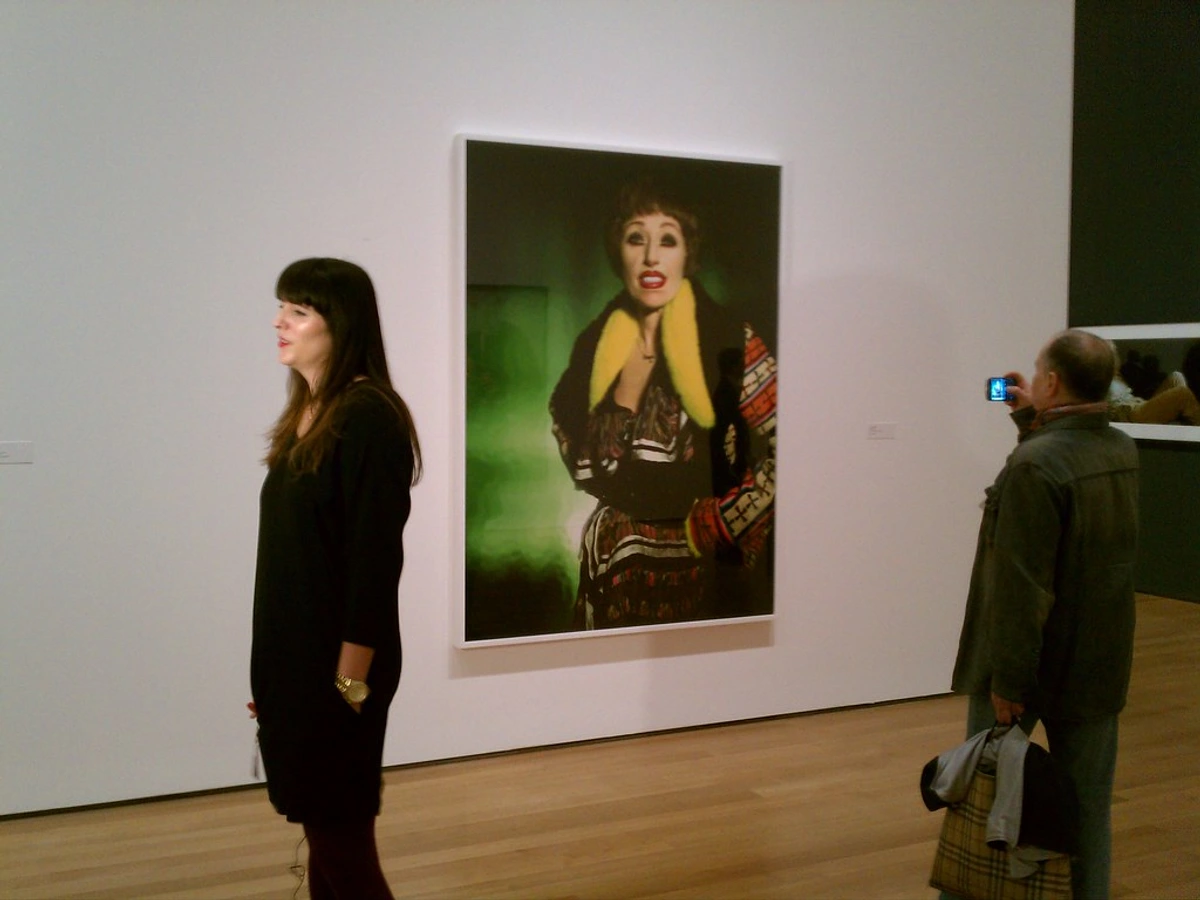
Then came Pop Art, championed by figures like Andy Warhol in his iconic 'Factory' studio, turning everyday objects and celebrity culture into high art, blurring the lines between commerce and creativity. Before them, the Ashcan School captured the gritty realities of urban life in the early 20th century, and later, movements like Fluxus challenged the very definition of art with performance and conceptual pieces. The energy of these movements, born directly from the city's pulse and often influenced by its economic and social shifts, continues to echo in the city's contemporary vibe, providing an incredible backdrop to every new creation. Even today, the spirit of experimentation and boundary-pushing from these past eras inspires new generations of artists across the boroughs.
Your NYC Art Odyssey: Questions Answered
This journey is personal, but some questions always come up when planning a New York art trip. Here are my thoughts to guide your exploration of NYC's best museums, galleries, and art experiences:
What's the one museum I absolutely cannot miss when visiting New York?
If I had to pick one to capture the breadth and depth of human artistic endeavor in New York City, it would be The Met. Its collection is so vast and encyclopedic that it truly offers something for everyone, no matter your interest or how much time you have. It's the quintessential New York museum experience, a world within a city, offering everything from ancient artifacts to impressionist masterpieces. It's a living textbook of art history and a constant source of inspiration.
How many days do I need to truly experience the art in NYC?
You could spend a lifetime and not see it all, and honestly, that's part of its charm. For a good, unhurried survey that allows for genuine engagement rather than frantic rushing, I'd recommend at least 3-5 full days dedicated purely to art. That gives you time for two or three major museums, an afternoon or two of gallery hopping, and some street art exploration, all without feeling utterly rushed. Pacing is key to avoiding art fatigue! Remember, it's about connecting with art, not just seeing it – a slow burn of discovery, much like watching an abstract painting reveal itself over time.
Is it expensive to see art in New York, and how can I find free or affordable art experiences?
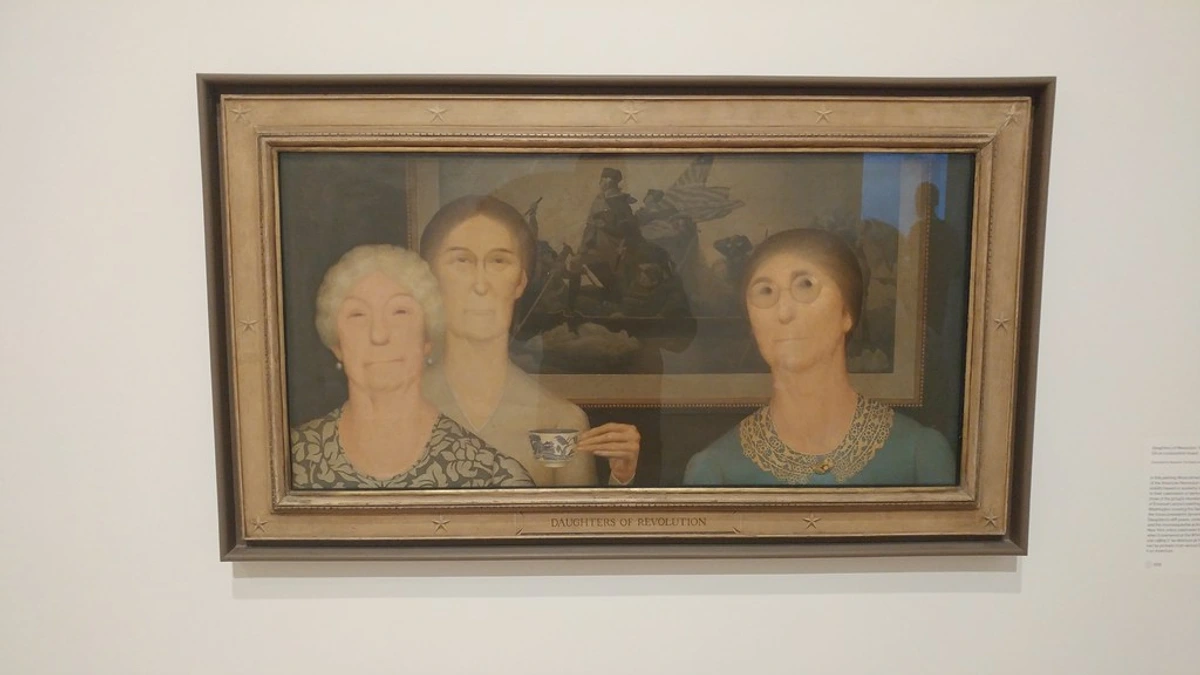
It absolutely doesn't have to be, even though New York is known for its high prices. Gallery hopping in Chelsea, the Lower East Side, and Greenpoint is universally free, offering a fantastic and often avant-garde experience without cost. Many major museums, including The Met, have 'pay-what-you-wish' policies for New York State residents and students from specific tri-state area universities. Institutions like MoMA PS1 and the Bronx Museum of the Arts are always free for everyone. Always check museum websites for specific free days, evenings, or suggested admission policies. Public art, like street murals and sculptures, is also freely accessible. A little planning goes a long way here to enjoy New York's art on a budget.
What's the difference between visiting a museum and visiting a gallery?
This is a crucial distinction for any art lover! Here's how I see it:
Feature | Museum Experience | Gallery Experience |
|---|---|---|
| Primary Purpose | Educate, preserve, research; showcase historical & established art. | Sell art; showcase contemporary & emerging artists. |
| Focus | Broad historical movements, iconic masterpieces, diverse collections. | Current trends, new works by living artists, specific artist or stylistic focus. |
| Entry Fee | Often ticketed, though many have free/discounted days or 'pay-what-you-wish' options. | Almost always free to enter. |
| Atmosphere | Formal, quiet, academic; designed for contemplation. | More commercial, dynamic, conversational; designed for discovery & transaction. |
| Artwork | Typically owned by the institution; not for sale. | Works are for sale, often with gallerists available to discuss pricing & artists. |
| Artist Profile | Generally established, often deceased, historical figures. | Primarily living, often emerging or mid-career contemporary artists. |
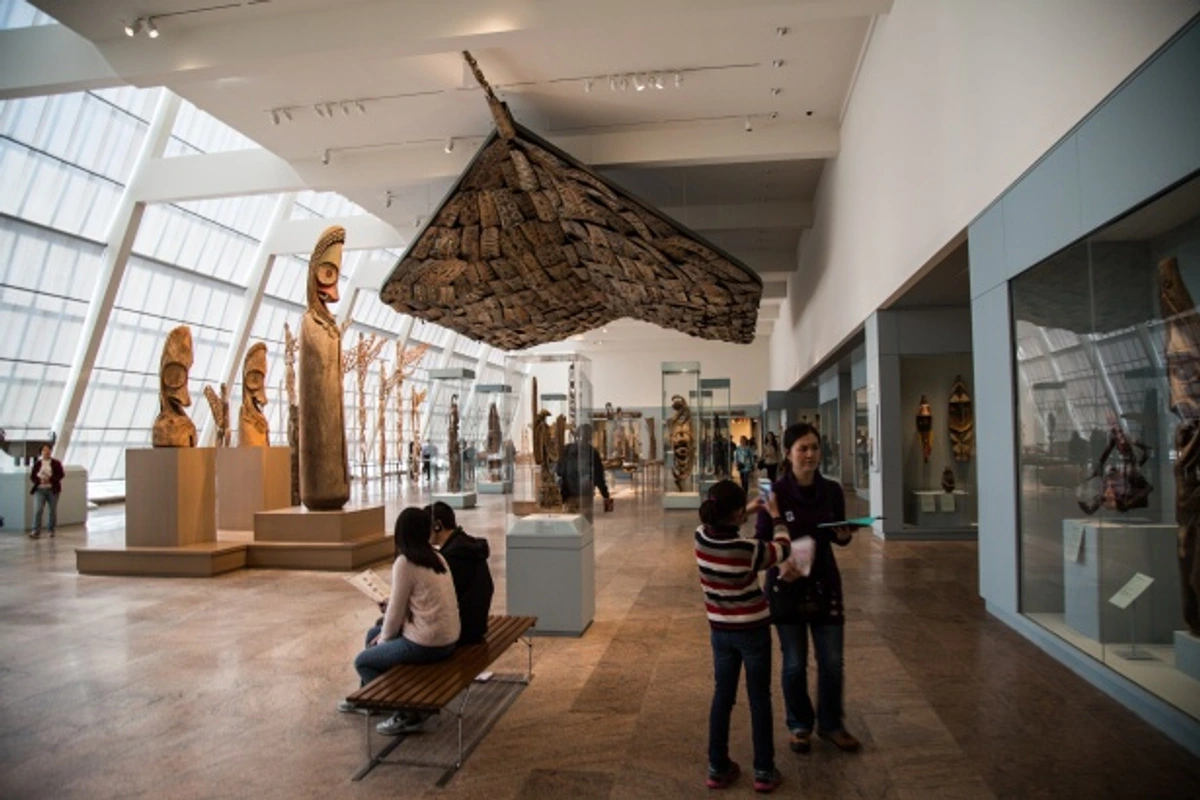
Both offer unique experiences, but galleries give you a direct pulse on the now of the art world, and a chance to meet the artists or their representatives.
Where can I buy affordable art from local artists in New York?
This is where the real gems are found! To buy art in NYC without breaking the bank, look for open studio events, particularly in Brooklyn (like Bushwick Open Studios) and Queens. Street fairs, pop-up markets, and artist-run spaces are also fantastic places to find unique, affordable pieces and meet the artists directly. It’s a completely different energy, a much more direct connection to the creative pulse of the city, and it’s where I find a lot of inspiration for my own work, which you can explore further in my online shop. Don't be afraid to strike up a conversation with an an artist – you might discover your next favorite piece of local New York art!
How can I discover truly avant-garde or experimental art in NYC?
To dive into the cutting-edge art of New York, beyond the established institutions, head to MoMA PS1 in Long Island City for its experimental installations. Explore the Lower East Side and Greenpoint gallery scenes, which are renowned for championing emerging and unconventional artists and often feature site-specific (art made for a specific location, engaging with its environment) works. Look for artist-run spaces and pop-up exhibitions advertised on art blogs like Hyperallergic or Artnet, or through local cultural listings. These are often the true incubators of new ideas and experimental art in New York.
What are some annual art events or festivals to look out for in New York City?
New York's art calendar is always buzzing! Key annual art events include:

- The Armory Show (usually February/March): A major international art fair showcasing hundreds of galleries under one roof, with a strong focus on modern and contemporary art.
- Frieze New York (usually May): Another prominent international contemporary art fair, often held on Randall's Island, known for cutting-edge and large-scale installations.
- Independent Art Fair (usually March): A more boutique, curated fair focusing on independent galleries and emerging art, offering a fresh perspective.
- Bushwick Open Studios (various times, check dates): A fantastic opportunity to visit artists' studios in Brooklyn, see works in progress, and buy directly.
- The Met Gala (first Monday in May): While primarily a fundraising event for the Met's Costume Institute, its associated exhibition and cultural impact make it a significant moment in the global art and fashion calendar.
Beyond Manhattan, what other boroughs offer significant art experiences in NYC?
Absolutely! New York's art scene is wonderfully diverse across its boroughs, offering rich experiences beyond Manhattan:
- Brooklyn: Beyond the Bushwick Collective for street art and Greenpoint for emerging galleries, neighborhoods like DUMBO and Williamsburg also house numerous galleries and creative spaces. The Brooklyn Museum is a major institution with a vast collection, offering diverse art experiences, from ancient Egyptian artifacts to contemporary American art.
- Queens: Home to MoMA PS1 (experimental contemporary art) and The Noguchi Museum (dedicated to the works of Isamu Noguchi, a serene and beautiful space). You'll also find vibrant street art scenes and community galleries, especially in Long Island City.
- The Bronx: The Bronx Museum of the Arts offers contemporary art, often focusing on underrepresented artists, and is always free. The borough also has a rich tradition of public art and murals, making it a great destination for art exploration.




How can I find current exhibitions or events happening during my visit?
Staying updated in NYC's dynamic art scene can feel like a full-time job, but a few resources are invaluable. I always check:
- Gallery Guides & Art Magazines: Pick up free gallery guides in Chelsea or LES, or consult online versions of publications like Artforum, Hyperallergic, Artnet News, or Time Out New York. These often list current exhibitions and openings.
- Museum Websites & Social Media: Most major museums have excellent "What's On" sections and active social media channels. Signing up for their newsletters is a great way to get updates directly.
- Local Cultural Calendars: Websites like NYC-Arts.org or specific neighborhood arts councils (e.g., in Brooklyn or Queens) often provide comprehensive listings of smaller, independent events and open studios.
- Simply Wander! Honestly, some of the best discoveries are made by simply walking through art-dense neighborhoods like Chelsea or the Lower East Side. Keep your eyes peeled for gallery signs and open doors; you never know what you'll stumble upon.
A Final Thought: Embrace the Serendipitous Canvas
The most important piece of advice I can give you is this: let go of the rigid plan. Use this guide as a robust starting point, a compass for your artistic journey, but allow yourself to get wonderfully sidetracked. Follow a strange sound down an alley that leads to an unexpected mural, pop into a gallery that looks interesting, spend an entire hour with one painting that speaks to your soul, or stumble upon an outdoor sculpture that takes your breath away. The best art experiences in New York are rarely the ones you meticulously schedule. They're the ones that find you when you're simply open to looking, to feeling, and to truly experiencing the city as the magnificent, serendipitous canvas it is. And perhaps, along the way, you'll find a new piece that resonates with your own journey, much like the abstract, vibrant pieces I create in my studio, which you can explore further on my timeline.