
Antonio Corradini's Sculpture Techniques: A Deep Dive into Baroque Mastery
Explore the intricate techniques and craftsmanship behind Antonio Corradini's Baroque sculptures, and discover what makes his work timeless.

Antonio Corradini's Sculpture Techniques: A Deep Dive into Baroque Mastery
I remember the first time I stood in front of a Corradini sculpture. The way the marble seemed to breathe, the delicate folds of fabric that looked almost soft to the touch—it was as if the stone had been whispered into submission. That moment sparked a fascination with how Corradini achieved such lifelike forms, and today, I want to take you through the techniques that made his work so extraordinary.
But before we dive into the intricacies of his craft, let's set the stage. Imagine stepping into a dimly lit gallery, the air thick with the scent of aged wood and polished marble. The sculptures around you seem to hum with life, their surfaces catching the light in a way that makes them appear almost alive. This is the world Corradini created, and it's a world worth exploring.
The Enduring Legacy of Corradini's Art
Corradini's work transcends time, offering a glimpse into the Baroque era's artistic brilliance. His sculptures are not just relics of the past; they are living testaments to the power of human creativity and craftsmanship. As we explore his techniques, we'll uncover the secrets behind his ability to transform cold, hard marble into figures that seem to breathe and emote.
The Historical Context of Baroque Sculpture
To fully appreciate Corradini's work, it's essential to understand the broader context of the Baroque era. The Baroque period, which spanned from the late 16th century to the early 18th century, was characterized by its grandeur, drama, and emotional intensity. Sculptors of this era sought to evoke strong emotions and create a sense of movement and dynamism in their works. Corradini's sculptures are a perfect embodiment of these ideals, blending technical mastery with profound emotional depth.
Key Characteristics of Baroque Sculpture
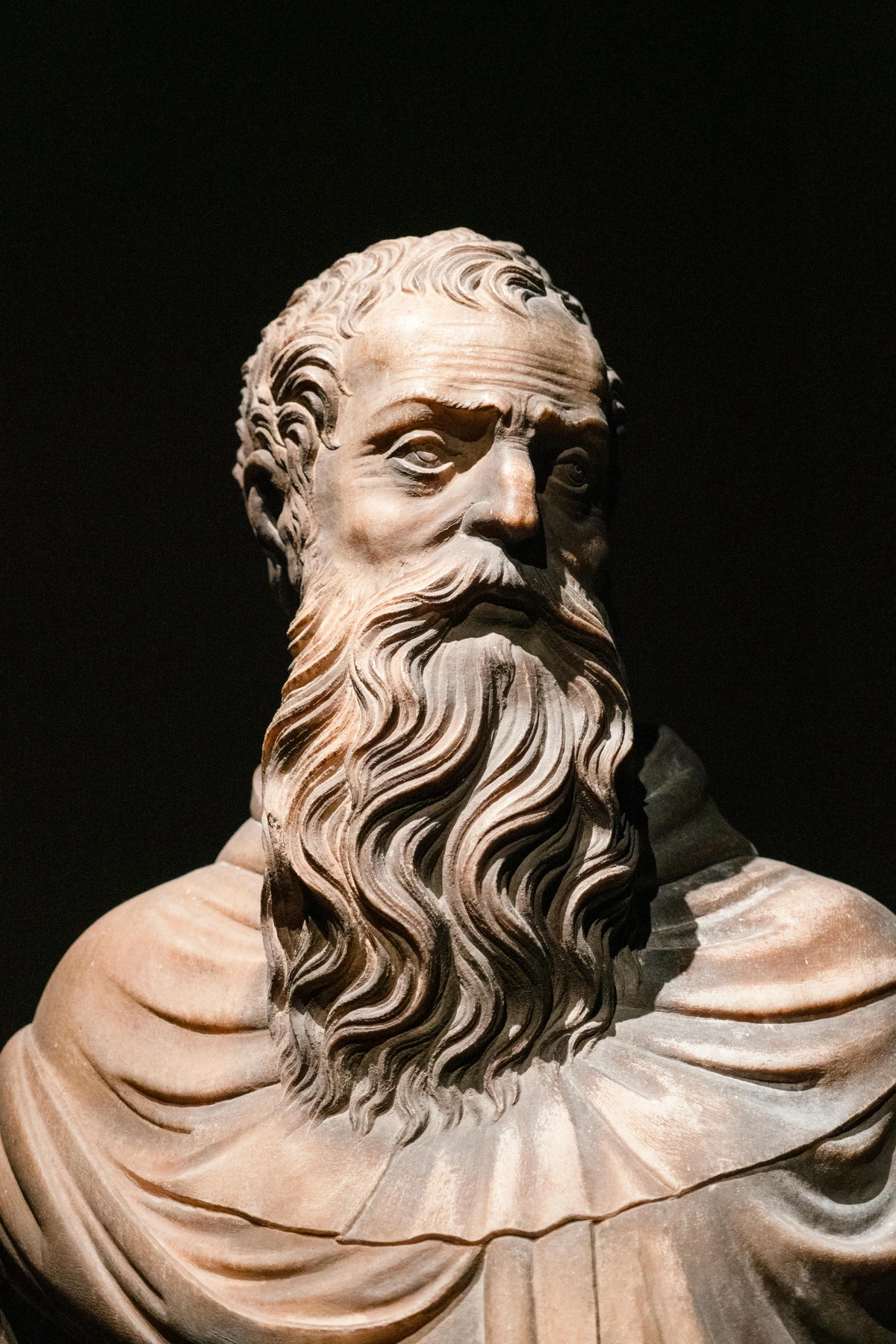
Baroque sculpture is defined by its emphasis on movement, emotion, and realism. Unlike the static and idealized forms of the Renaissance, Baroque sculptures are dynamic and expressive. They often depict dramatic scenes or intense emotions, drawing the viewer into the narrative. Corradini's work exemplifies these characteristics, with his sculptures conveying a sense of life and movement that is both captivating and emotionally resonant.
The Influence of the Counter-Reformation
The Baroque era was also shaped by the Counter-Reformation, a movement within the Catholic Church aimed at revitalizing its influence and combating the spread of Protestantism. This period saw a renewed emphasis on religious themes in art, with sculptures often depicting saints, martyrs, and biblical scenes. Corradini's work reflects this influence, with many of his sculptures exploring themes of faith, devotion, and spiritual contemplation.
Why Corradini's Work Stands Out
Corradini's sculptures are not just masterpieces of the Baroque era; they are a testament to the power of human creativity and craftsmanship. His ability to transform cold, hard marble into figures that seem to breathe and emote is nothing short of magical. This article will explore the techniques, influences, and legacy of one of the most remarkable sculptors in history.
The Unique Style of Corradini
What sets Corradini apart from his contemporaries is his ability to infuse his sculptures with a sense of life and emotion. His figures are not static; they seem to move, to breathe, and to emote. This lifelike quality is achieved through a combination of technical skill and artistic vision, making his work both visually stunning and emotionally resonant.
The Role of Emotion in Corradini's Art
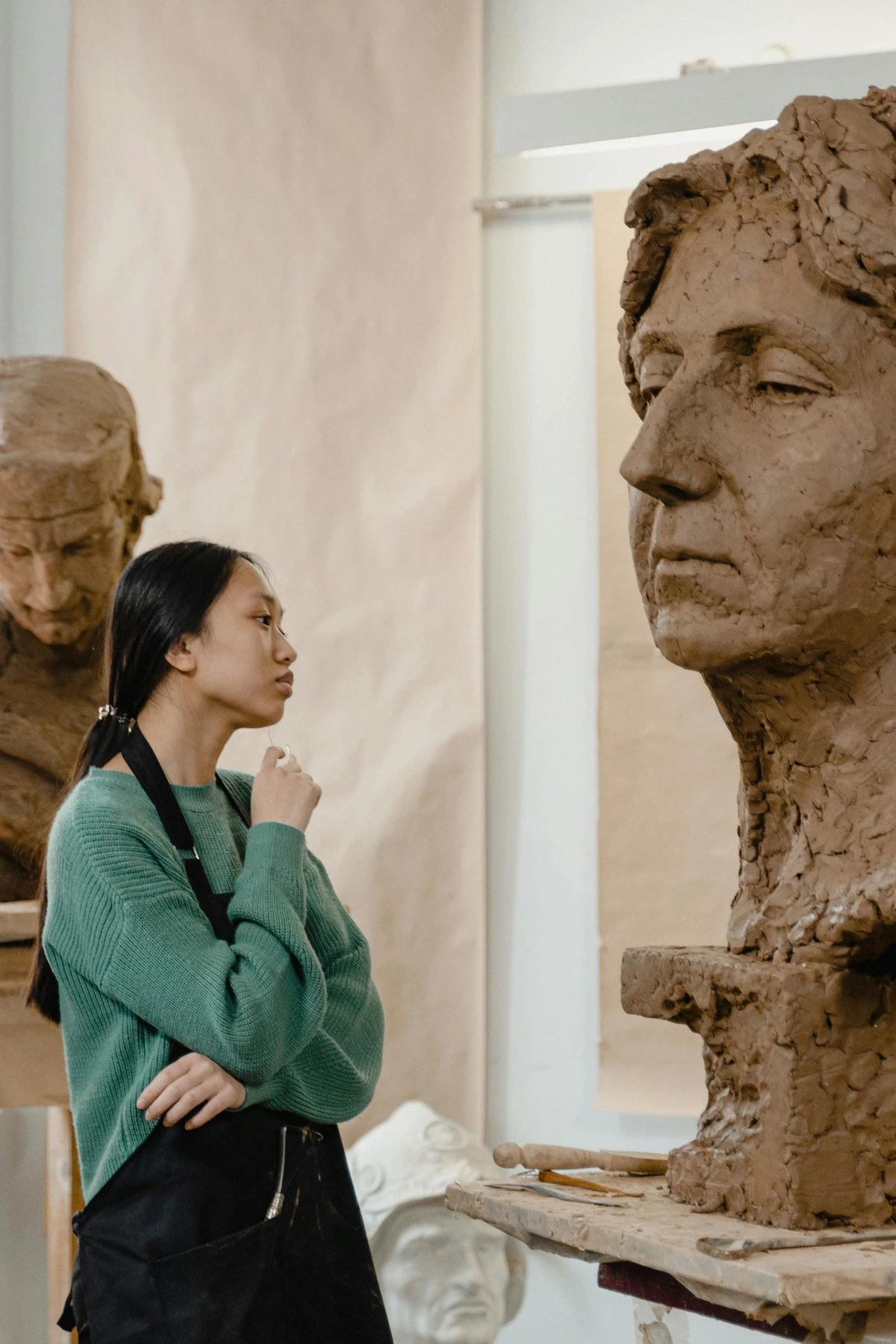
Emotion is at the heart of Corradini's work. His sculptures often depict figures in moments of contemplation, melancholy, or ecstasy, inviting the viewer to connect with the subject on a deeply personal level. This emotional depth is a hallmark of his style, setting his work apart from the more restrained and idealized forms of the Renaissance.
The Emotional Resonance of Baroque Art
Baroque art is renowned for its emotional intensity and dramatic flair. Unlike the restrained elegance of the Renaissance, Baroque artists sought to engage the viewer on a visceral level. Corradini's work exemplifies this approach, with sculptures that seem to pulse with life and emotion. His figures often convey a sense of melancholy, contemplation, or even ecstasy, drawing the viewer into their world and inviting them to share in their emotional journey.
The Use of Symbolism in Baroque Sculpture
Symbolism plays a crucial role in Baroque sculpture, with artists using visual cues to convey deeper meanings and themes. Corradini's work is rich in symbolism, with his sculptures often exploring themes of faith, devotion, and the human condition. This use of symbolism adds layers of meaning to his work, inviting the viewer to delve deeper into the narrative and emotional content of his sculptures.
The Man Behind the Marble
Antonio Corradini (1688–1752) was an Italian sculptor whose work epitomized the Baroque era. Born in Venice, he trained under some of the greatest artists of his time, absorbing their techniques while developing his own unique style. His sculptures are known for their emotional depth, intricate details, and an almost ethereal quality that makes them stand out even centuries later.
Corradini's Early Influences
Corradini's early years in Venice exposed him to a rich artistic heritage, with the city serving as a hub for creativity and innovation. He was influenced by the works of masters like Michelangelo and Bernini, whose techniques and styles can be seen in his early sculptures. This exposure to the works of the greats helped shape his artistic vision and set the foundation for his future masterpieces.
The Evolution of Corradini's Style
Over the course of his career, Corradini's style evolved, becoming more refined and distinctive. His early works show the influence of his mentors, but as he matured as an artist, he developed his own unique approach to sculpture. This evolution is evident in the increasing complexity and emotional depth of his later works, which are characterized by their lifelike quality and intricate details.
Corradini's Artistic Philosophy
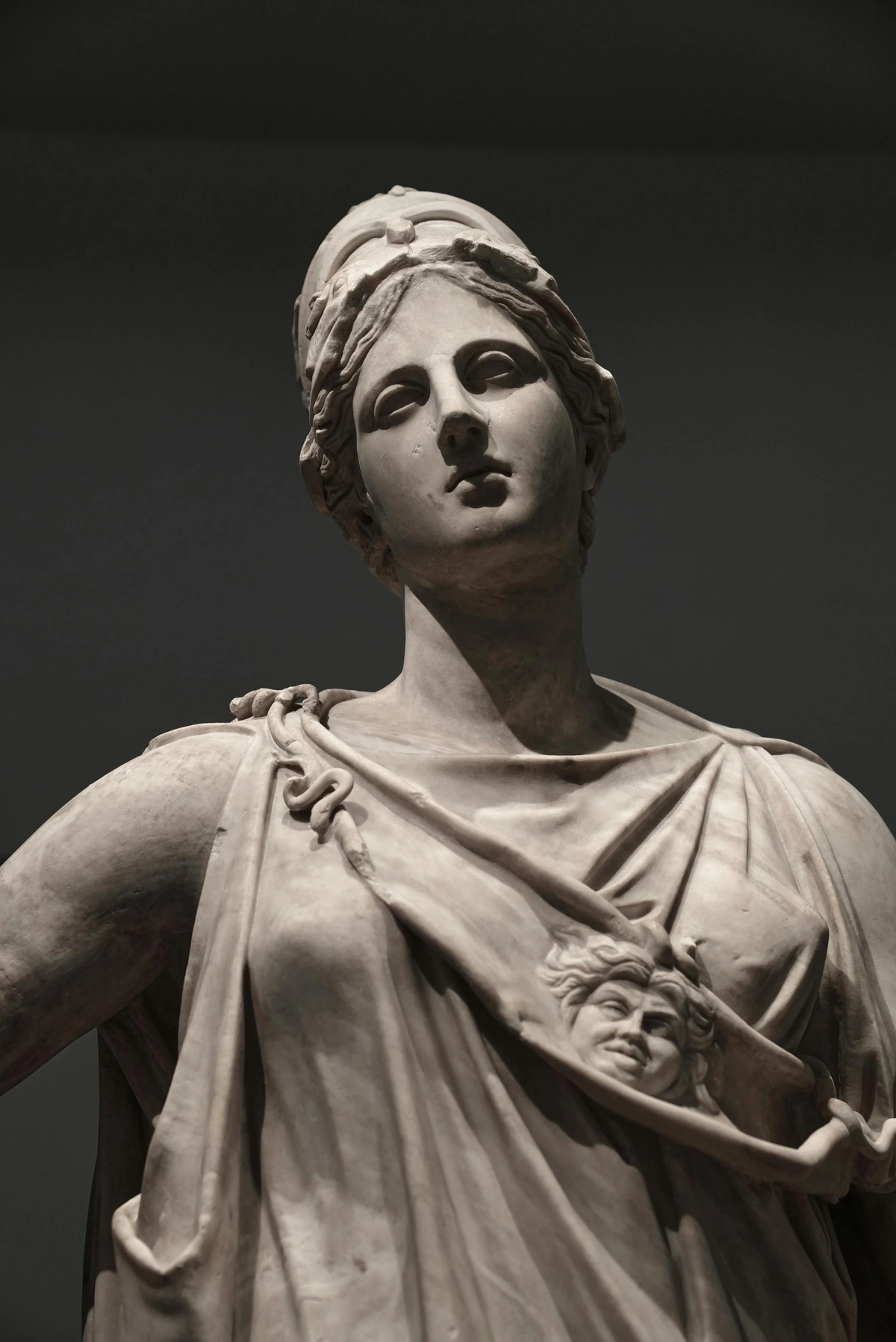
Corradini's approach to sculpture was deeply rooted in his belief that art should evoke emotion and tell a story. He saw marble not just as a material but as a medium through which he could express the complexities of the human experience. His sculptures often explore themes of vulnerability, beauty, and the transient nature of life, inviting viewers to reflect on their own emotions and experiences.
The Role of Narrative in Corradini's Work
Narrative is a central element of Corradini's artistic philosophy. His sculptures are not just objects to be admired; they are stories to be experienced. Through his use of symbolism, emotion, and movement, Corradini invites the viewer to engage with the narrative of his sculptures, creating a deeply personal and immersive experience.
The Influence of Literature and Mythology
Corradini's work is also influenced by literature and mythology, with many of his sculptures drawing inspiration from classical and religious texts. This literary influence adds depth and complexity to his work, inviting the viewer to explore the themes and narratives that inspired his sculptures.
Early Life and Training
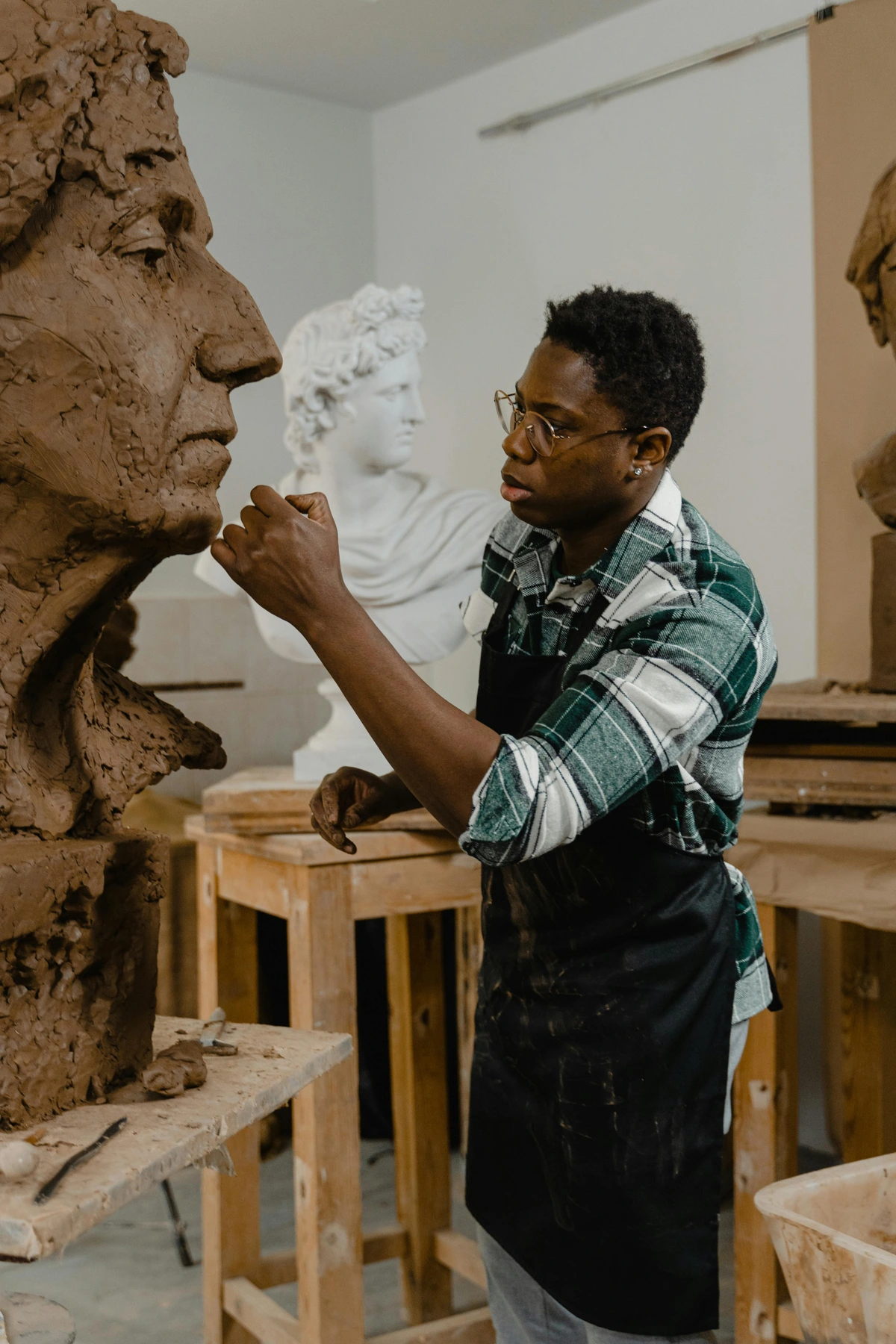
Corradini's journey as an artist began in Venice, a city renowned for its rich artistic heritage. He was exposed to the works of masters like Michelangelo and Bernini, whose influence can be seen in his early works. His training was rigorous, focusing on the fundamentals of sculpture, including anatomy, composition, and the use of light and shadow.
The Importance of Anatomy in Corradini's Training
Anatomy was a cornerstone of Corradini's training, with a focus on understanding the human form in detail. This knowledge allowed him to create sculptures that were not only beautiful but also anatomically accurate. His study of anatomy is evident in the lifelike quality of his sculptures, which seem to breathe and move.

The Role of Composition in Corradini's Work
Composition played a crucial role in Corradini's training, with a focus on creating balanced and harmonious sculptures. His understanding of composition is evident in the way he arranges his figures, creating a sense of movement and dynamism that draws the viewer into the narrative of his sculptures.
The Influence of Venetian Art
Venice, with its vibrant artistic community, played a crucial role in shaping Corradini's artistic vision. The city's unique blend of Eastern and Western influences, along with its rich tradition of craftsmanship, provided a fertile ground for his artistic development. Corradini's early exposure to the works of Venetian masters helped him refine his techniques and develop his distinctive style.
The Role of Venetian Craftsmanship
Venetian craftsmanship was renowned for its attention to detail and quality, and this tradition had a profound influence on Corradini's work. The city's artisans were known for their skill and precision, and Corradini's exposure to this tradition helped shape his approach to sculpture. His work reflects the Venetian emphasis on craftsmanship, with its intricate details and lifelike quality.
The Influence of Eastern and Western Art
Venice's unique position as a crossroads of Eastern and Western cultures exposed Corradini to a diverse range of artistic styles and techniques. This exposure enriched his artistic vision, allowing him to incorporate elements from both traditions into his work. The result is a distinctive style that blends the best of both worlds, creating sculptures that are both visually stunning and emotionally resonant.
Rise to Prominence
Corradini's talent quickly gained recognition, and he began receiving commissions from prominent patrons across Europe. His ability to capture the human form with such realism and emotion set him apart from his contemporaries. By the time he reached his thirties, Corradini was already considered one of the leading sculptors of his generation.
The Role of Patronage in Corradini's Career
Patronage played a crucial role in Corradini's rise to prominence, with influential patrons providing the support and resources he needed to create his masterpieces. These patrons recognized his exceptional talent and provided him with the opportunities to showcase his work in churches, palaces, and private collections across Europe.
Corradini's International Influence
Corradini's work had a significant impact on the European art scene, with his sculptures influencing artists across the continent. His ability to capture the human form with such realism and emotion set a new standard for sculpture, inspiring generations of artists to push the boundaries of their craft.
Corradini's Patronage and Legacy
Corradini's rise to prominence was fueled by the support of influential patrons who recognized his exceptional talent. His works were commissioned for churches, palaces, and private collections, showcasing his versatility and adaptability. Today, his sculptures are celebrated not only for their technical mastery but also for their ability to evoke deep emotional responses in viewers.
The Role of Corradini's Patrons
Corradini's patrons played a crucial role in his career, providing him with the resources and opportunities he needed to create his masterpieces. These patrons were often influential figures in the church and nobility, and their support helped Corradini establish himself as one of the leading sculptors of his time.
Corradini's Influence on Future Generations
Corradini's work has had a lasting impact on the world of sculpture, inspiring generations of artists to push the boundaries of their craft. His ability to capture the human form with such realism and emotion set a new standard for sculpture, and his techniques continue to influence artists today.
Key Techniques in Corradini's Sculptures
Corradini's sculptures are a testament to his mastery of technique and his deep understanding of the human form. Let's explore the key techniques that defined his work.
The Role of Sketching and Modeling
Sketching and modeling played a crucial role in Corradini's creative process, allowing him to refine his ideas and experiment with different compositions. These preliminary studies helped him visualize the final sculpture and make adjustments before committing to the marble. This iterative process was essential to achieving the lifelike quality and emotional depth of his sculptures.
The Importance of Proportion and Balance
Proportion and balance were key elements of Corradini's technique, with a focus on creating sculptures that were both visually harmonious and anatomically accurate. His understanding of proportion is evident in the lifelike quality of his figures, which seem to breathe and move. This attention to detail is a hallmark of his style, setting his work apart from his contemporaries.
The Role of Light and Shadow
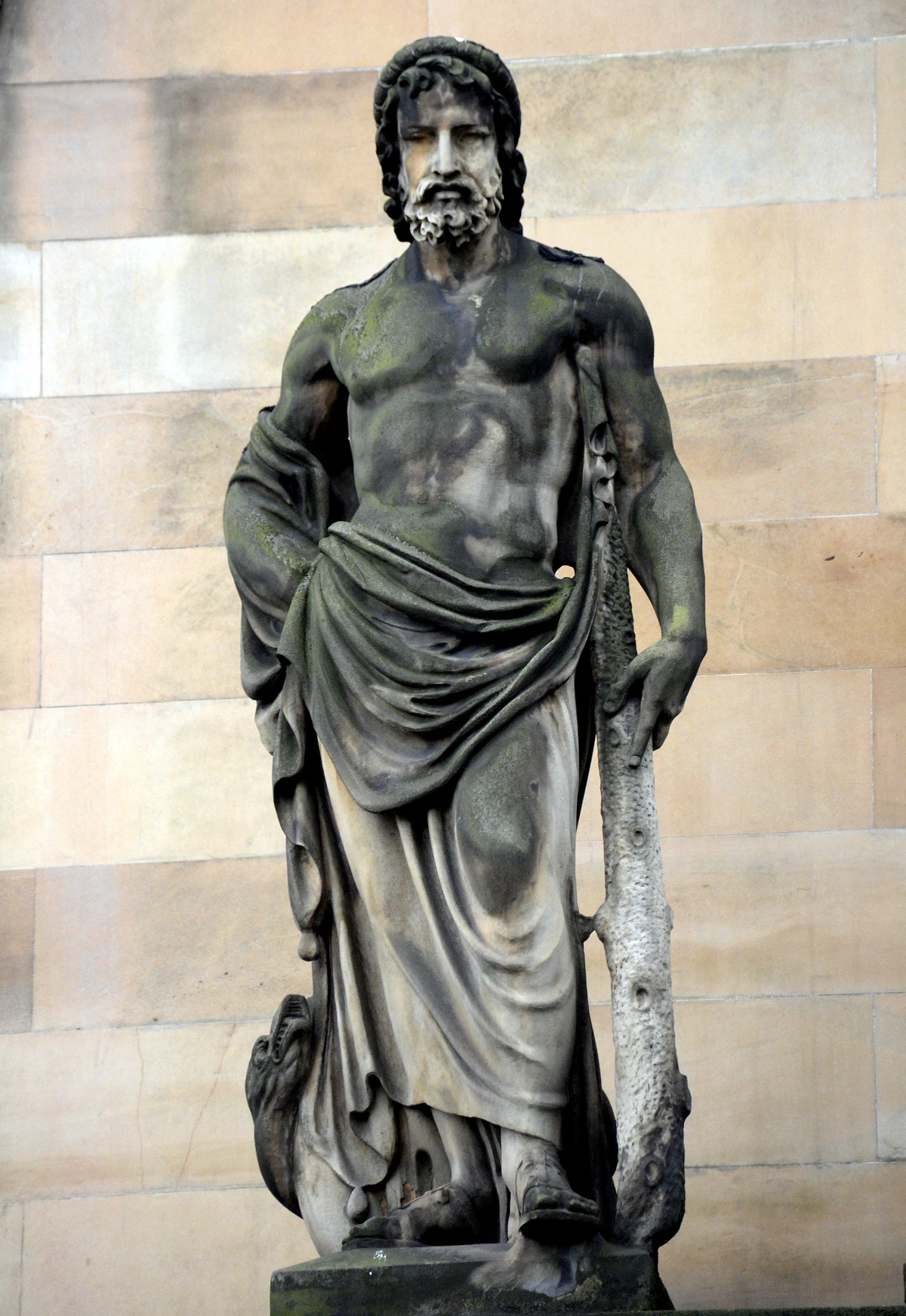
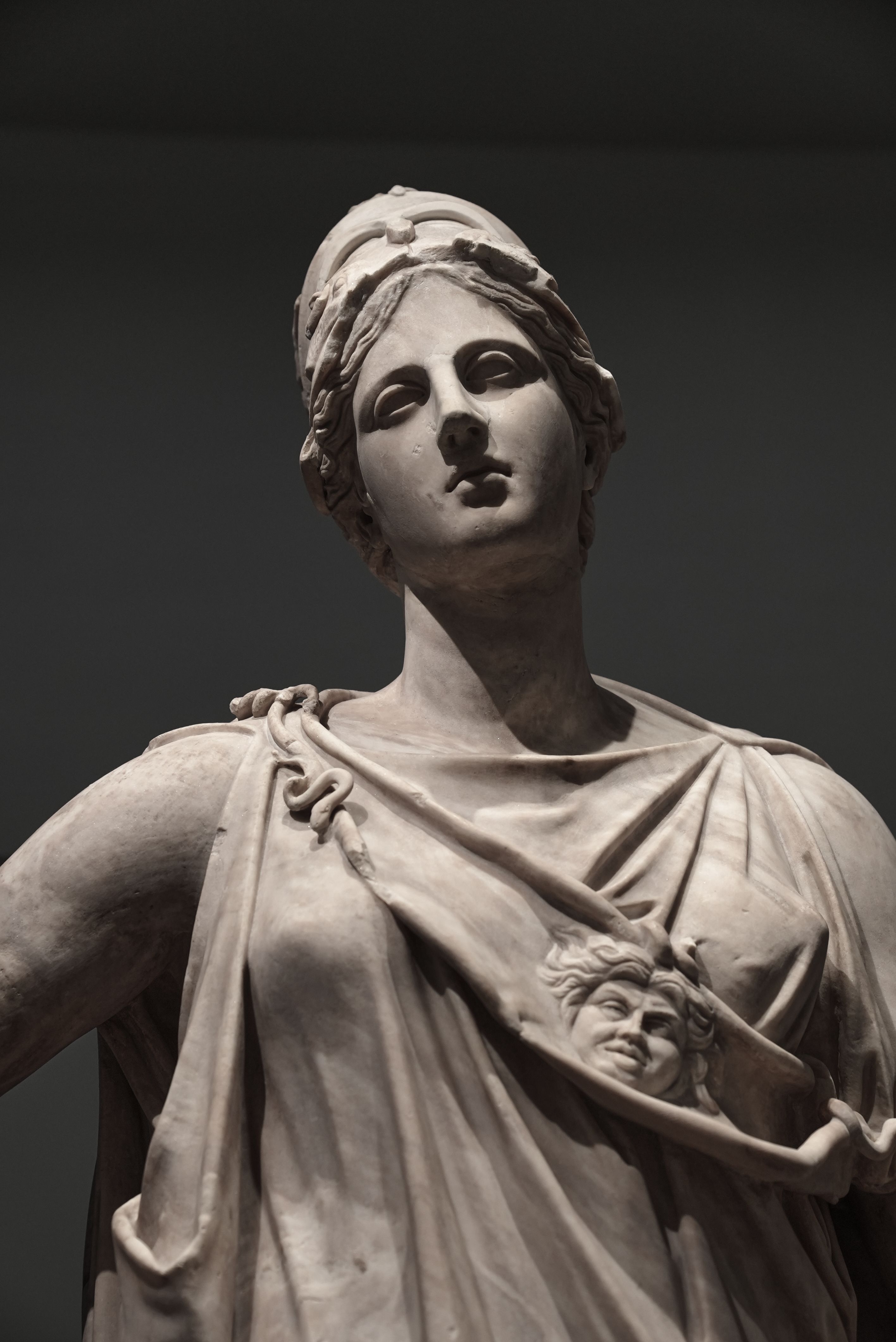
One of the most striking aspects of Corradini's sculptures is his use of light and shadow. He understood that the interplay of these elements could create a sense of depth and realism, making his figures appear almost lifelike. By carefully carving the marble to catch the light in specific ways, Corradini was able to enhance the emotional impact of his work.
The Use of Chiaroscuro in Corradini's Sculptures
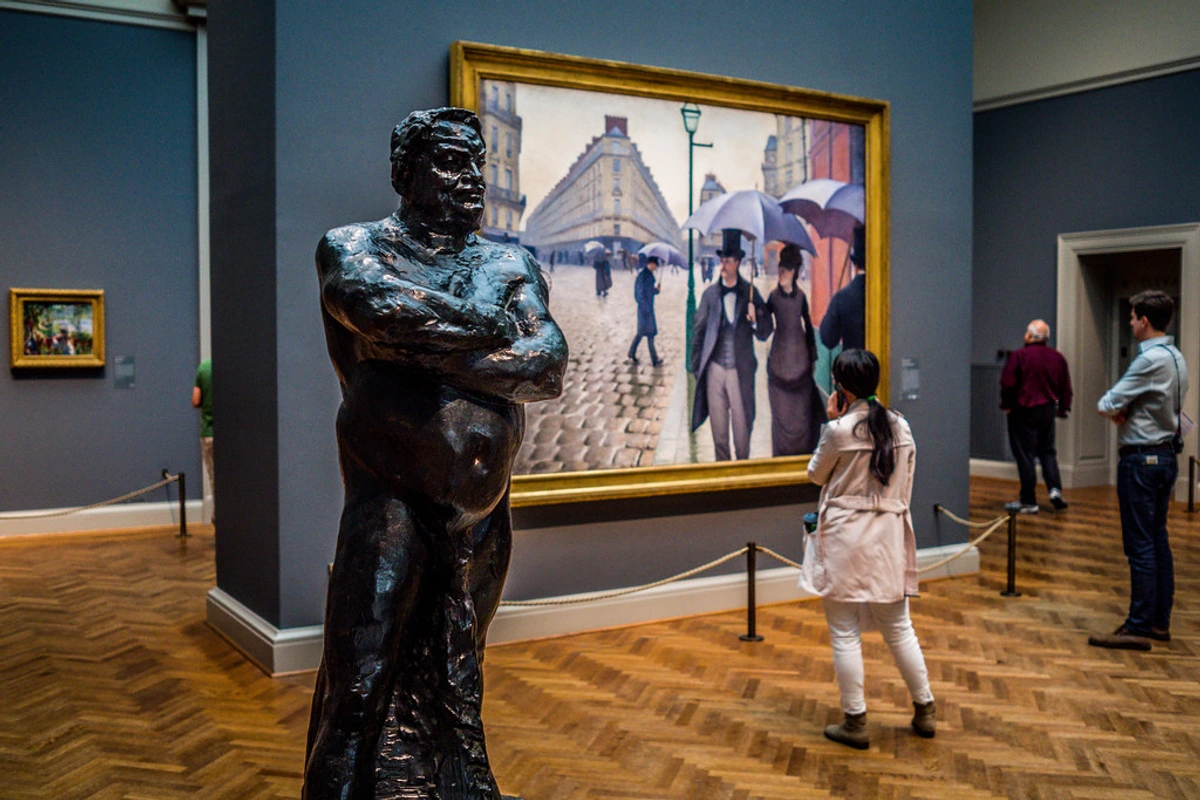
Chiaroscuro, the use of strong contrasts between light and dark, is a key technique in Corradini's sculptures. This technique creates a sense of drama and depth, drawing the viewer into the narrative of the sculpture. Corradini's mastery of chiaroscuro is evident in the way he uses light and shadow to highlight the emotional and narrative content of his sculptures.
The Role of Light in Creating Emotion
Light plays a crucial role in creating emotion in Corradini's sculptures. By carefully carving the marble to catch the light in specific ways, Corradini was able to enhance the emotional impact of his work. This use of light creates a sense of depth and realism, making his figures appear almost lifelike and inviting the viewer to connect with the subject on a deeply personal level.
The Importance of Anatomy
Corradini's deep knowledge of human anatomy allowed him to create sculptures that were not only beautiful but also anatomically accurate. He studied the human body in detail, focusing on the muscles, bones, and proportions that make up the human form. This understanding is evident in the lifelike quality of his sculptures, which seem to breathe and move.
The Study of Human Movement
Corradini's study of human movement was a key element of his technique, allowing him to create sculptures that appear dynamic and lifelike. His understanding of how the human body moves is evident in the way he arranges his figures, creating a sense of movement and dynamism that draws the viewer into the narrative of his sculptures.
The Role of Anatomy in Creating Emotion
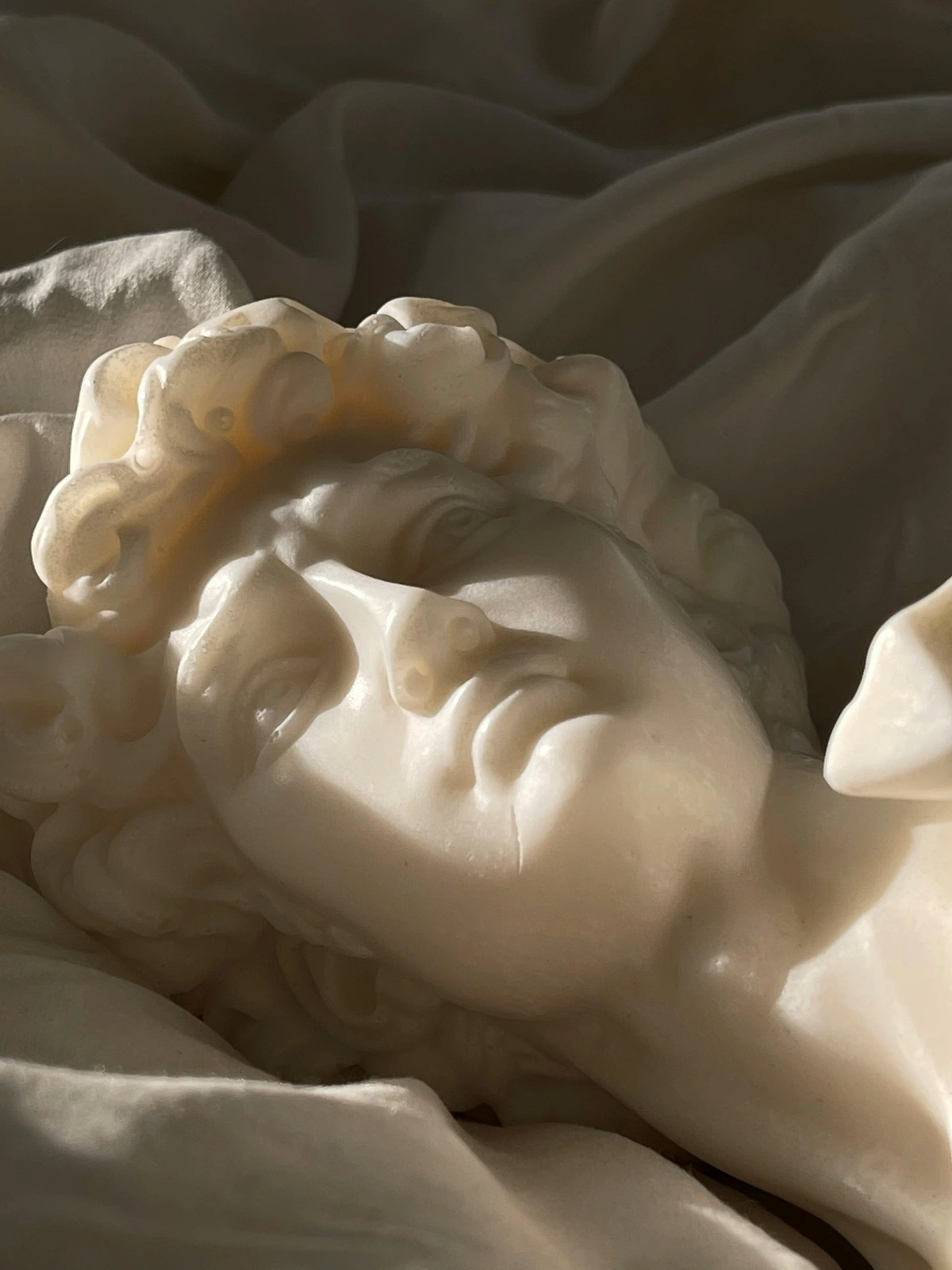
Anatomy plays a crucial role in creating emotion in Corradini's sculptures. His deep knowledge of the human form allowed him to create figures that are not only anatomically accurate but also emotionally resonant. This attention to detail is a hallmark of his style, setting his work apart from his contemporaries.
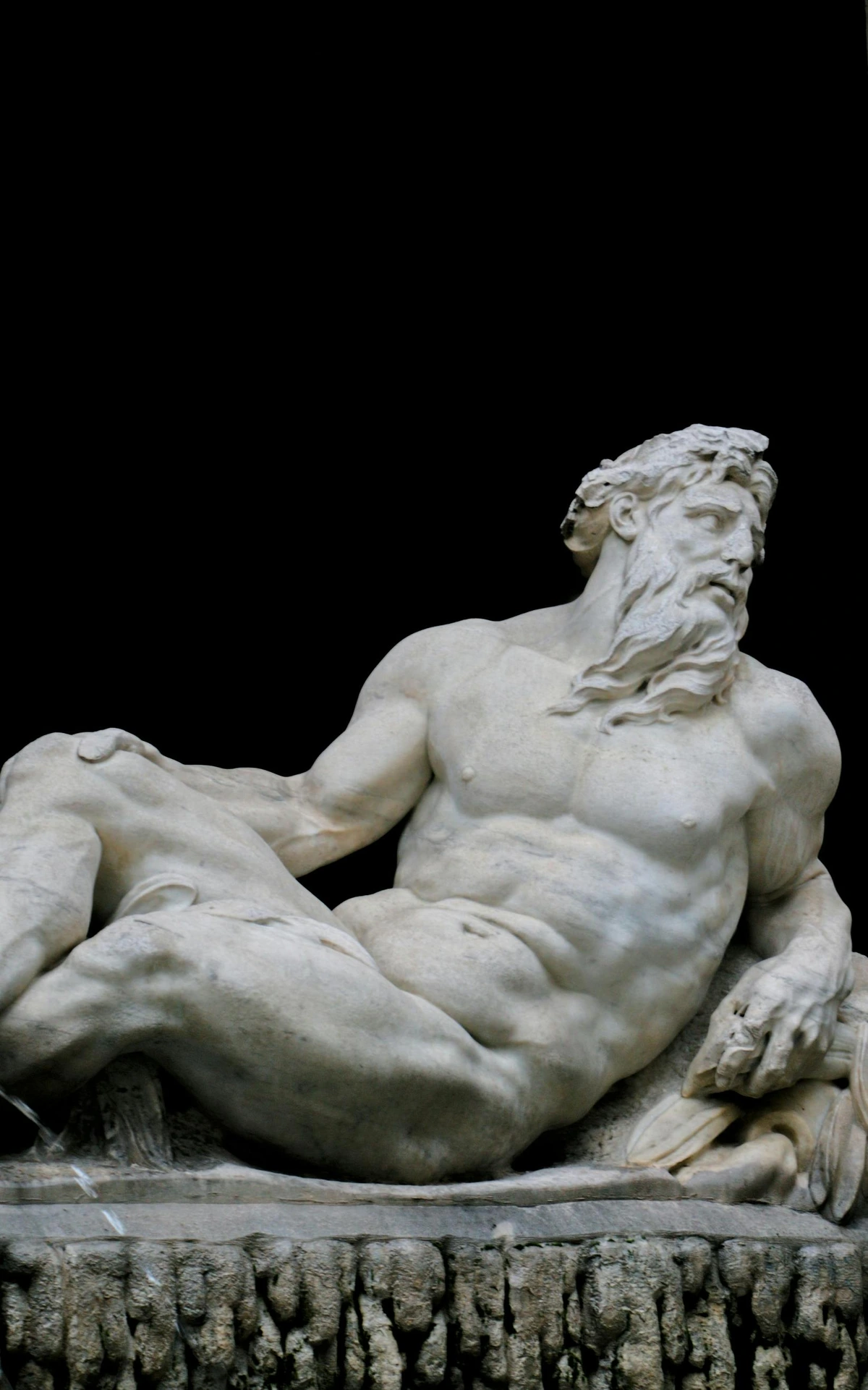
1. Marble Carving: A Dance of Precision and Patience
Marble isn’t just a material; it’s a conversation between the artist and the stone. Corradini’s approach to marble carving was meticulous, often starting with a rough block and gradually refining it into a masterpiece. Here’s how he did it:
The Art of Selection
Choosing the right marble was crucial for Corradini. He preferred Carrara marble, known for its fine grain and purity. This type of marble allowed him to achieve intricate details without the risk of cracking or flaws. The selection process was not just about aesthetics; it was about finding a material that could bring his vision to life.
The Process of Transformation
Corradini's process began with a rough block of marble, which he would gradually refine using a variety of tools. He started with larger chisels and mallets to remove excess material, then switched to finer tools to add delicate details. This process required both strength and precision, as each strike of the chisel brought him closer to revealing the sculpture's soul.
- Selection of Marble: Not all marble is created equal. Corradini preferred high-quality Carrara marble, known for its fine grain and purity. This choice allowed for intricate detailing without the risk of cracking or flaws.
- Roughing Out: Using a variety of chisels and mallets, he would begin by removing large sections of marble to form the basic shape. This stage required both strength and precision.
- Refinement: Once the rough form was achieved, Corradini would switch to finer tools, gradually smoothing the surface and adding delicate details like folds in fabric or strands of hair.
Corradini's refinement process was not just about removing excess material; it was about revealing the form hidden within the stone. Each strike of the chisel was a step closer to uncovering the sculpture's soul.
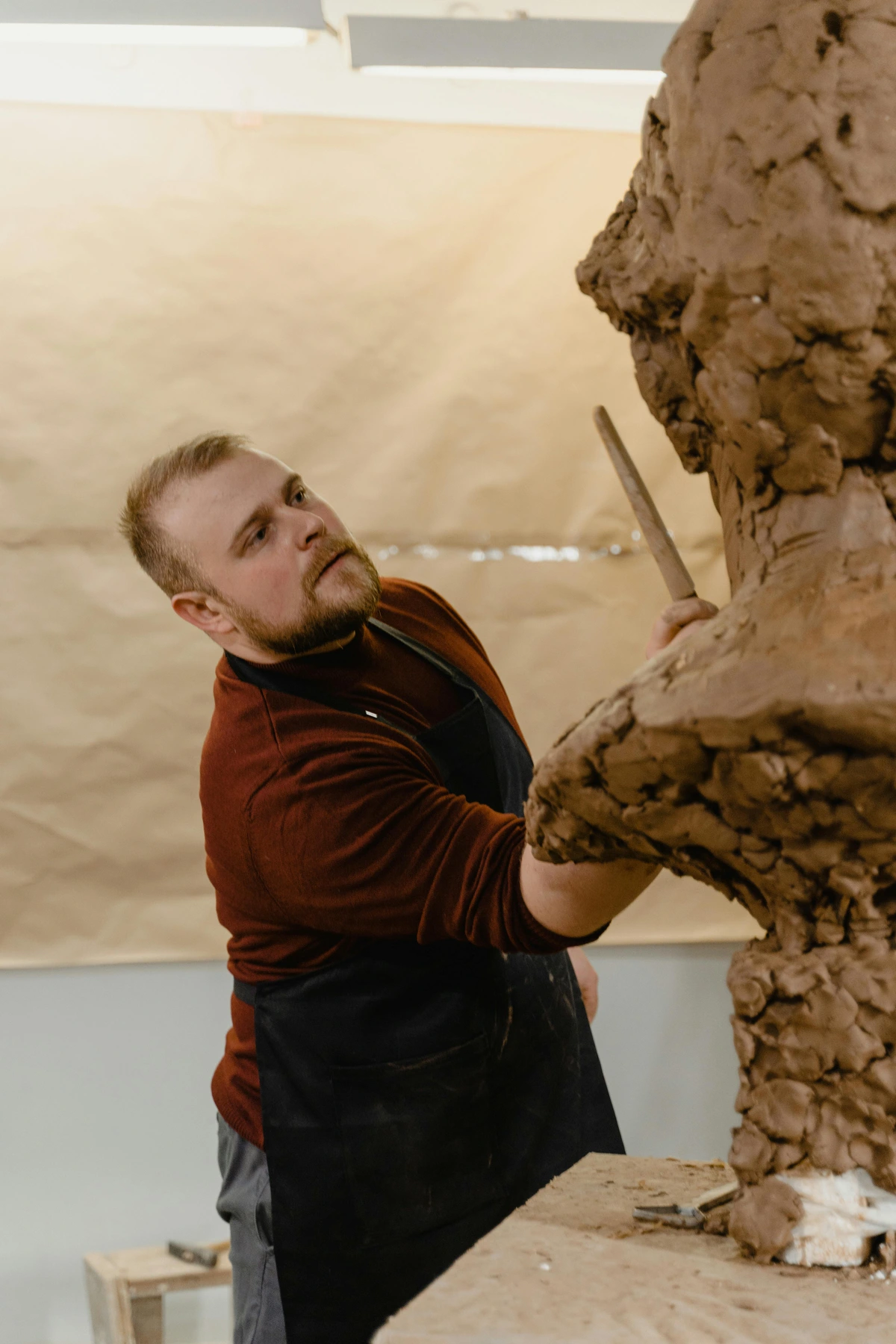
2. **The Illusion of Movement
One of the most striking features of Corradini’s work is the sense of movement. His figures seem to sway, their drapery flowing as if caught in a gentle breeze. This wasn’t just artistic flair; it was a calculated technique:
The Role of Contrapposto in Corradini's Sculptures
Contrapposto, a technique where the body’s weight is shifted to one leg, creating a naturalistic stance, is a key element of Corradini's work. This technique creates a sense of movement and dynamism, drawing the viewer into the narrative of the sculpture. Corradini's mastery of contrapposto is evident in the lifelike quality of his figures, which seem to breathe and move.
The Influence of Dance on Corradini's Work
Dance played a crucial role in Corradini's understanding of movement, with its fluid and dynamic poses influencing his sculptures. His study of dance allowed him to create figures that appear to move, capturing the grace and elegance of the human form in motion. This influence is evident in the lifelike quality of his sculptures, which seem to breathe and move.
The Science of Motion
Corradini's ability to capture movement in stone was rooted in his understanding of physics and anatomy. He studied how the human body moves and how fabric behaves in motion. This knowledge allowed him to create sculptures that appear dynamic and lifelike, as if frozen in a moment of time.
The Role of Drapery
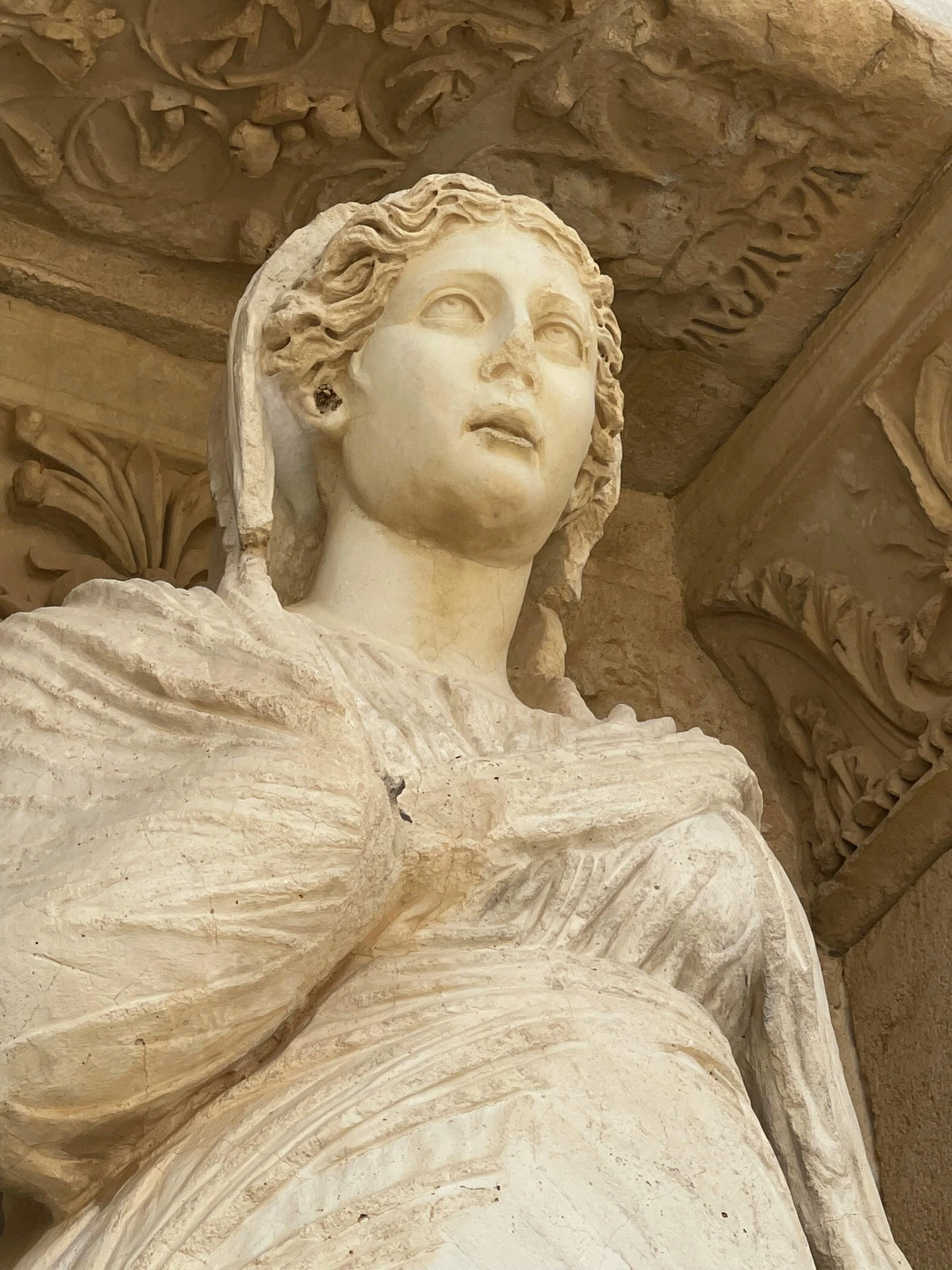
Drapery was not just a decorative element in Corradini's sculptures; it was a tool for storytelling. He used the folds and creases of fabric to convey emotion and movement, creating a sense of rhythm and flow. Each fold tells a story, each crease conveys emotion, and each ripple suggests movement.
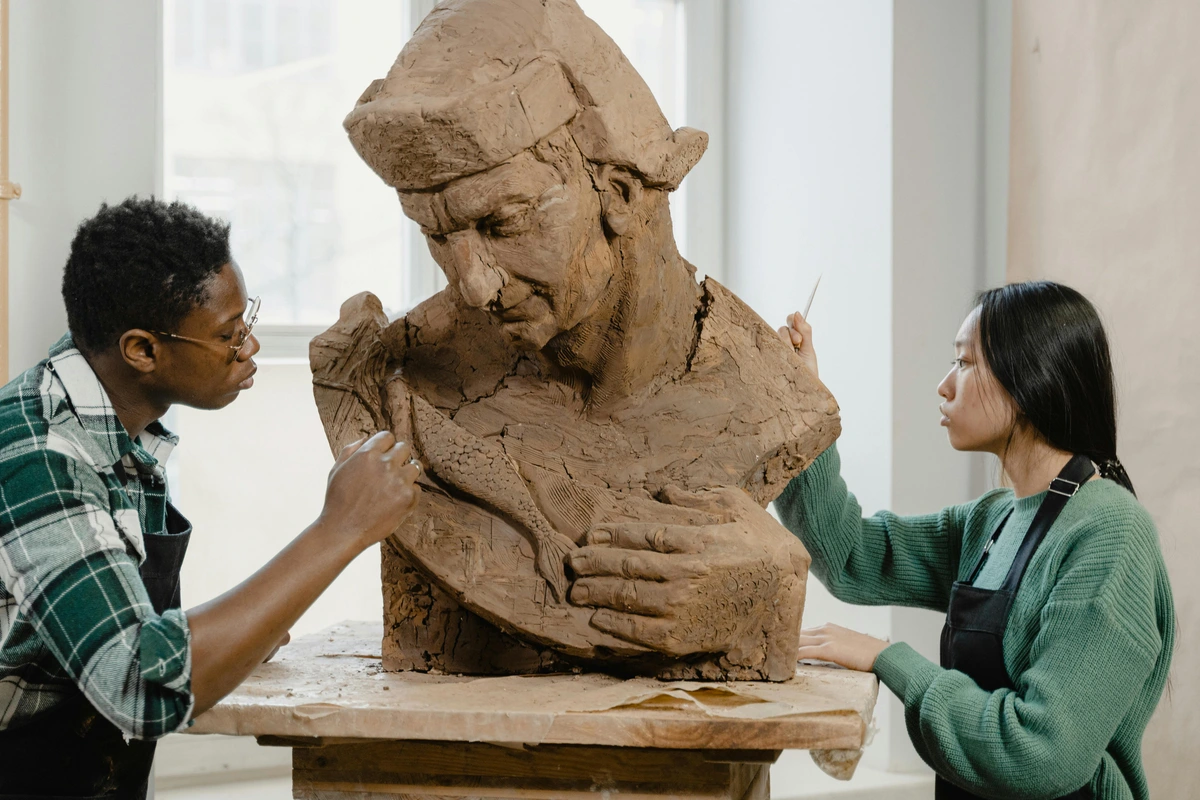
Corradini's ability to capture movement in stone was nothing short of magical. It's as if he could freeze a moment in time, making the marble appear as fluid as fabric.
- Dynamic Poses: Corradini often depicted his subjects in dynamic poses, using contrapposto—a technique where the body’s weight is shifted to one leg, creating a naturalistic stance.
- Drapery Mastery: The way fabric folds and drapes can make or break a sculpture. Corradini’s drapery wasn’t just decorative; it was a tool to convey emotion and movement. He studied how fabric behaves in real life, translating those observations into stone.
The drapery in Corradini's sculptures is not merely an aesthetic choice; it's a narrative device. Each fold tells a story, each crease conveys emotion, and each ripple suggests movement. It's a testament to his keen observation and unparalleled skill.
3. **Emotional Depth and Expression
Baroque art is all about emotion, and Corradini was a master at infusing his sculptures with feeling. His figures often exhibit a sense of melancholy or contemplation, drawing the viewer into their world.
The Role of Facial Expressions in Corradini's Sculptures
Facial expressions play a crucial role in creating emotion in Corradini's sculptures. His attention to detail is evident in the lifelike quality of his figures, which seem to breathe and emote. This focus on facial expressions is a hallmark of his style, setting his work apart from his contemporaries.
The Influence of Psychology on Corradini's Work
Psychology played a crucial role in Corradini's understanding of emotion, with its focus on the complexities of the human mind influencing his sculptures. His study of psychology allowed him to create figures that are not only visually stunning but also emotionally resonant. This influence is evident in the lifelike quality of his sculptures, which seem to breathe and emote.
The Power of Facial Expressions
Corradini's sculptures are known for their lifelike facial expressions. He paid close attention to the subtle curvature of a lip, the slight furrow of a brow, and the depth of a gaze. These details brought his figures to life, making them relatable and emotionally resonant.
The Language of the Body
Body language played a crucial role in Corradini's work. He used the positioning of hands, the tilt of a head, and the stance of a figure to convey emotion and narrative. This attention to detail enhanced the emotional impact of his sculptures, making them timeless and universally relatable.
Corradini's sculptures are not just objects to be admired; they are experiences to be felt. They invite the viewer to pause, to reflect, and to connect with the emotions they evoke.
- Facial Expressions: The subtle curvature of a lip, the slight furrow of a brow—these details brought his figures to life. Corradini paid close attention to the human face, capturing expressions that resonate with viewers on a deeply personal level.
- Body Language: Even the way a hand is positioned or how a figure leans can tell a story. Corradini used body language to enhance the emotional impact of his work.
The emotional depth in Corradini's sculptures is a result of his meticulous attention to detail. Every gesture, every expression, and every posture is carefully crafted to evoke a specific emotion, making his work timeless and universally relatable.
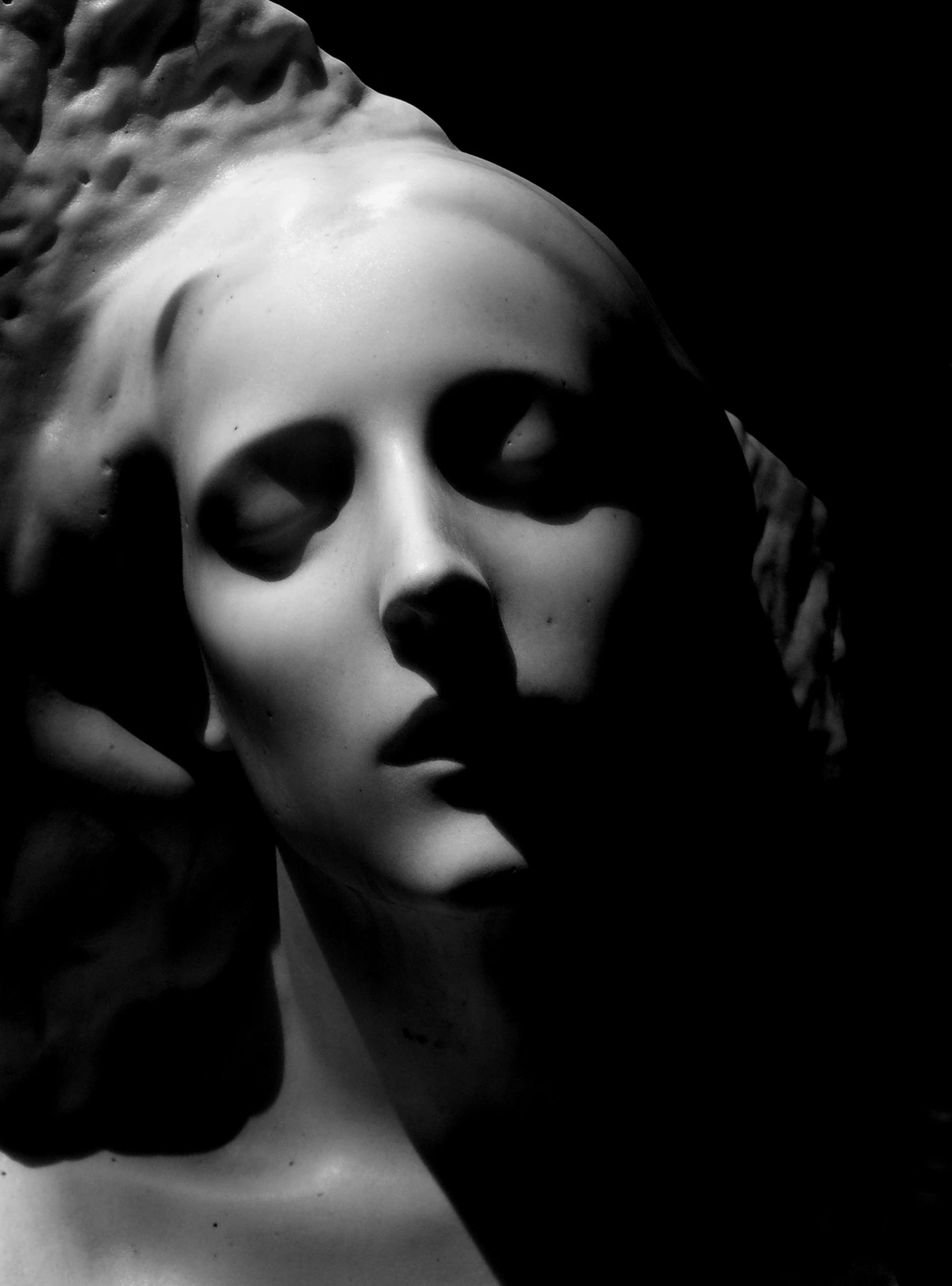
Examples of Corradini’s Mastery
Corradini's mastery is perhaps best exemplified in his most famous works. These sculptures not only showcase his technical prowess but also his ability to evoke emotion and tell a story through stone.
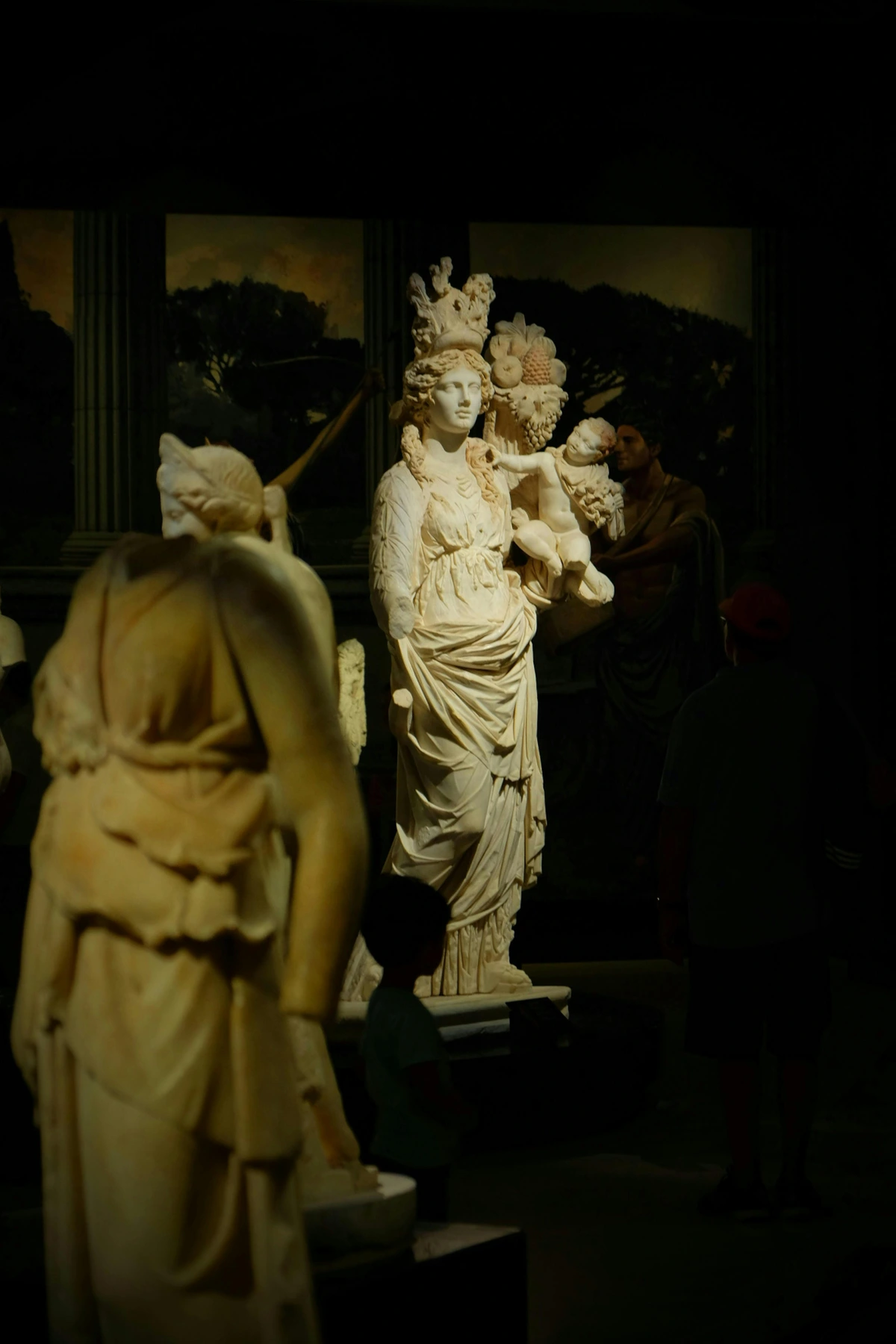
The Influence of Corradini's Masterpieces
Corradini's masterpieces have had a lasting impact on the world of sculpture, inspiring generations of artists to push the boundaries of their craft. His ability to capture the human form with such realism and emotion set a new standard for sculpture, and his techniques continue to influence artists today.
The Role of Corradini's Masterpieces in Art History
Corradini's masterpieces are not just technically impressive; they are historically significant. His sculptures offer a glimpse into the Baroque era's artistic brilliance, showcasing the techniques and styles that defined the period. This historical significance is a testament to the enduring power of his work, which continues to captivate and inspire viewers today.
The Veiled Truth
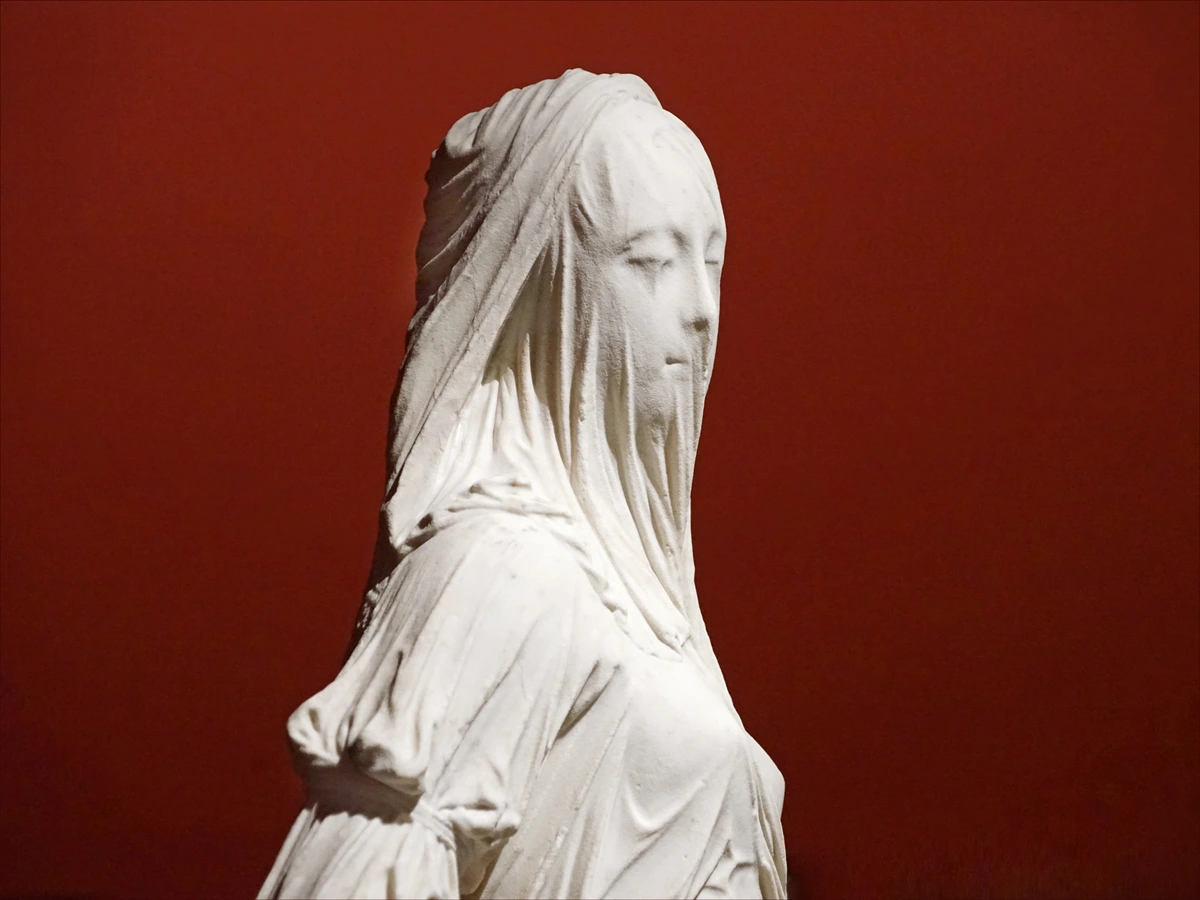
One of Corradini’s most famous works is The Veiled Truth, a sculpture that seems to defy the limitations of marble. The veil appears almost translucent, as if it could be lifted with a gentle breeze. This piece showcases his ability to manipulate light and shadow, creating an illusion of softness in a medium known for its hardness.
The Symbolism of The Veiled Truth
The Veiled Truth is rich in symbolism, with the veil representing the mysteries of life and the human condition. This symbolism adds depth and complexity to the sculpture, inviting the viewer to explore the themes and narratives that inspired Corradini's work. The veil also serves as a metaphor for the artist's ability to reveal the hidden beauty and emotion within the marble.
The Influence of The Veiled Truth on Modern Art
The Veiled Truth has had a lasting impact on the world of sculpture, inspiring generations of artists to push the boundaries of their craft. Its innovative use of light and shadow, combined with its emotional depth, set a new standard for sculpture. This influence is evident in the work of modern sculptors, who continue to explore the interplay of form, light, and emotion in their sculptures.
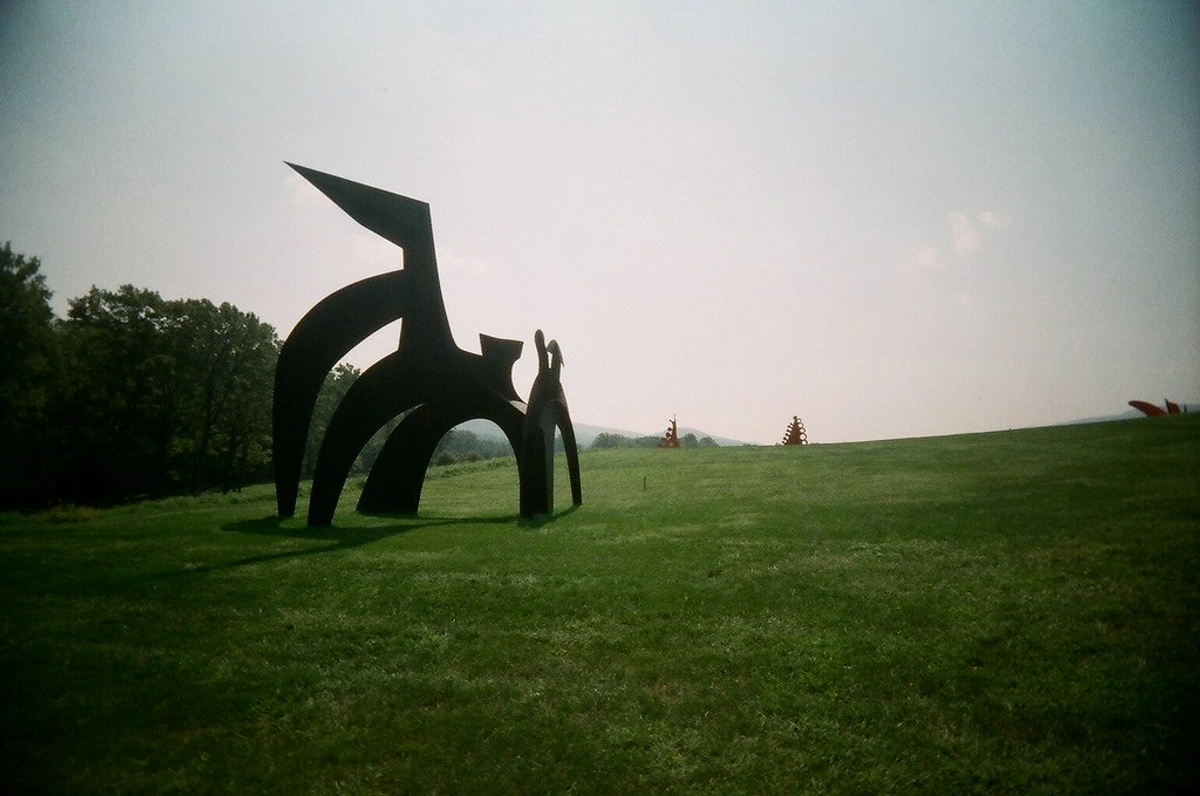
The Veiled Truth is more than just a technical marvel; it's a meditation on the nature of truth and perception. The veil, both literal and metaphorical, invites the viewer to ponder what lies beneath the surface.
credit, licence
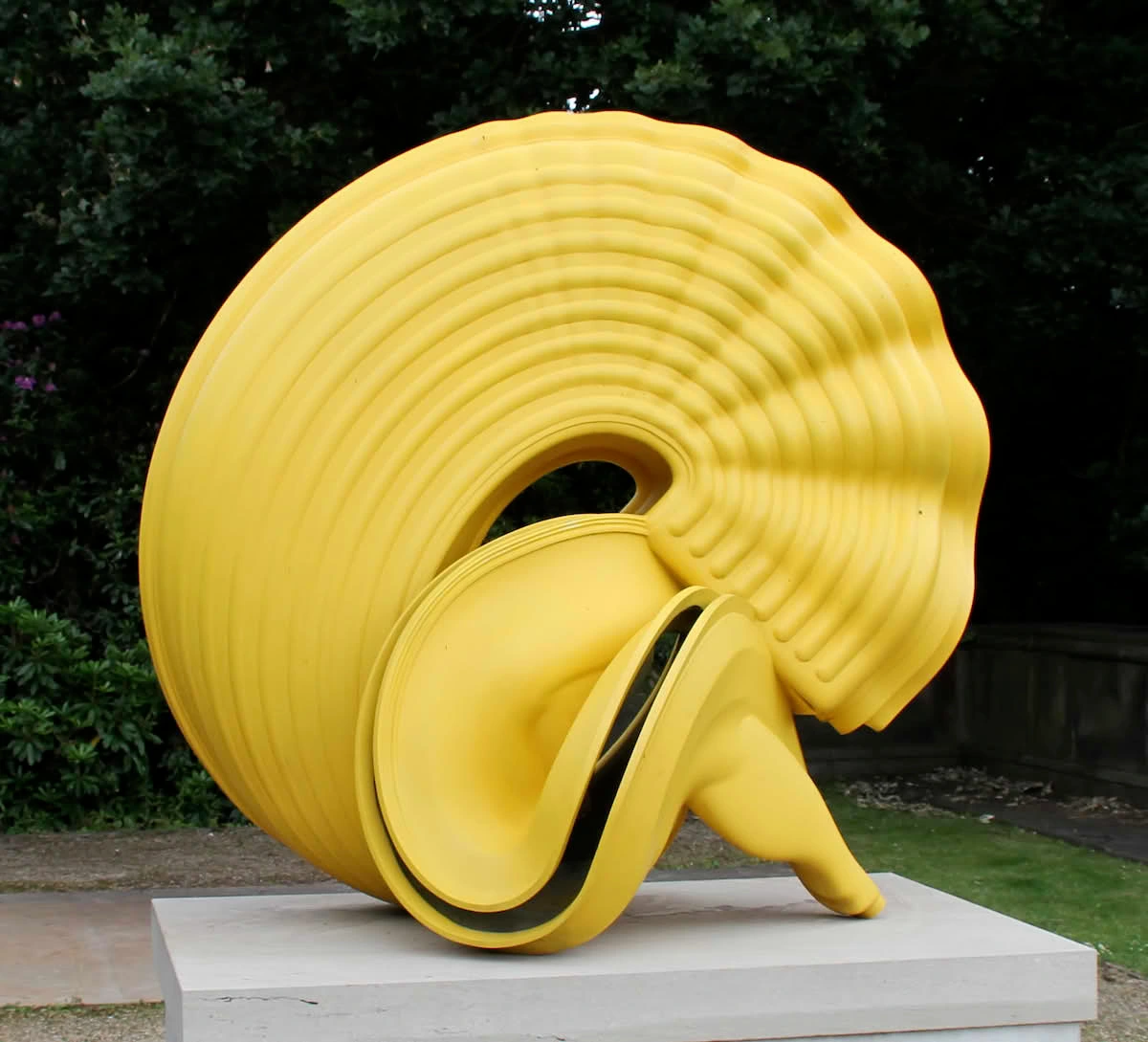
The Modesty of Venus
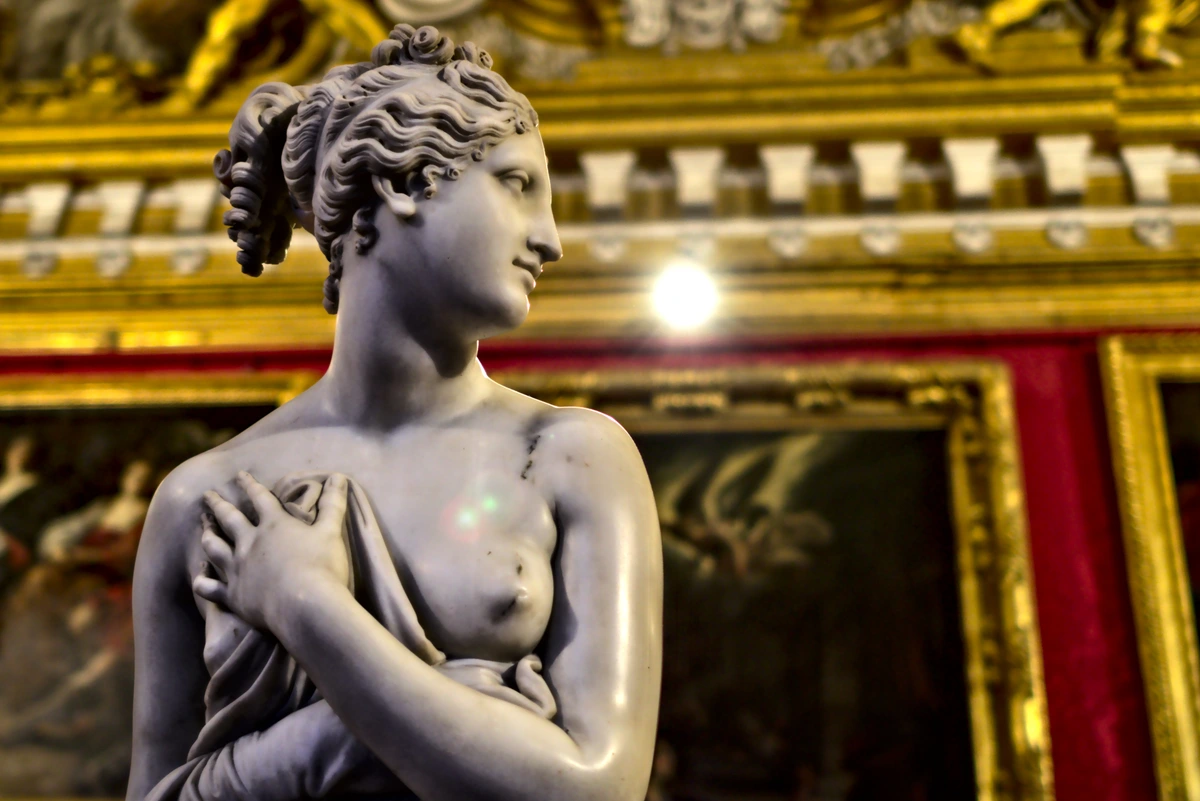
Another standout piece is The Modesty of Venus. Here, Corradini captures Venus in a moment of vulnerability, her body partially covered by a veil. The interplay of light and shadow, combined with the delicate folds of the fabric, creates a sense of intimacy and grace.
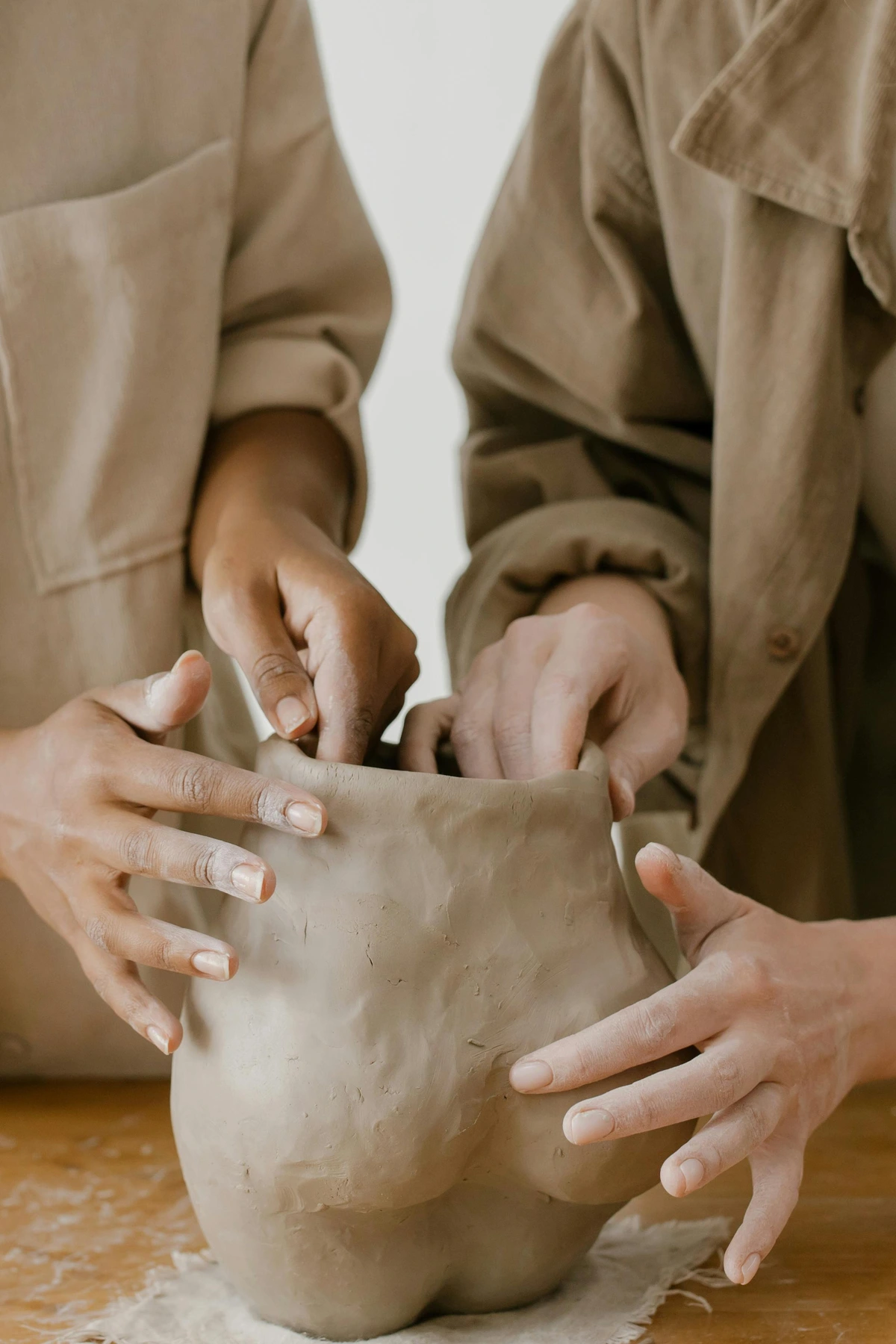
The Symbolism of The Modesty of Venus
The Modesty of Venus is rich in symbolism, with the veil representing the duality of beauty and vulnerability. This symbolism adds depth and complexity to the sculpture, inviting the viewer to explore the themes and narratives that inspired Corradini's work. The veil also serves as a metaphor for the artist's ability to reveal the hidden beauty and emotion within the marble.
The Influence of The Modesty of Venus on Modern Art
The Modesty of Venus has had a lasting impact on the world of sculpture, inspiring generations of artists to push the boundaries of their craft. Its innovative use of light and shadow, combined with its emotional depth, set a new standard for sculpture. This influence is evident in the work of modern sculptors, who continue to explore the interplay of form, light, and emotion in their sculptures.
The Modesty of Venus is a celebration of beauty and vulnerability. The sculpture invites the viewer to appreciate the delicate balance between exposure and concealment, a theme that resonates deeply in the context of Baroque art.
!The Modesty of Venus by Antonio Corradini

credit, licence
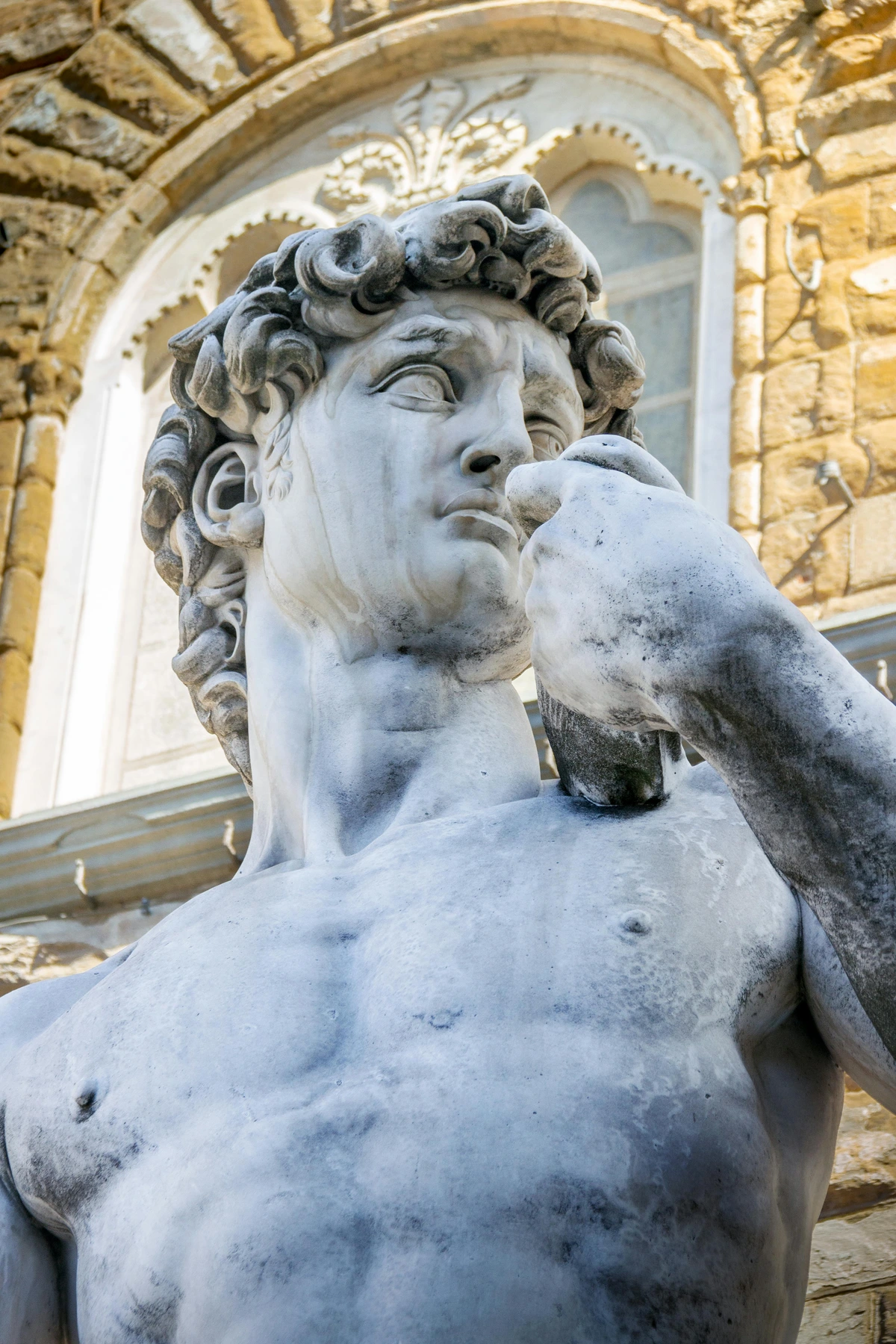
How Corradini’s Techniques Influence Modern Art
Corradini’s techniques aren’t just historical footnotes; they continue to inspire artists today. The way he approached marble carving, his attention to detail, and his ability to convey emotion are all lessons that modern sculptors can learn from.
The Legacy of Corradini's Techniques
Corradini's techniques have had a lasting impact on the world of sculpture, inspiring generations of artists to push the boundaries of their craft. His ability to capture the human form with such realism and emotion set a new standard for sculpture, and his techniques continue to influence artists today.
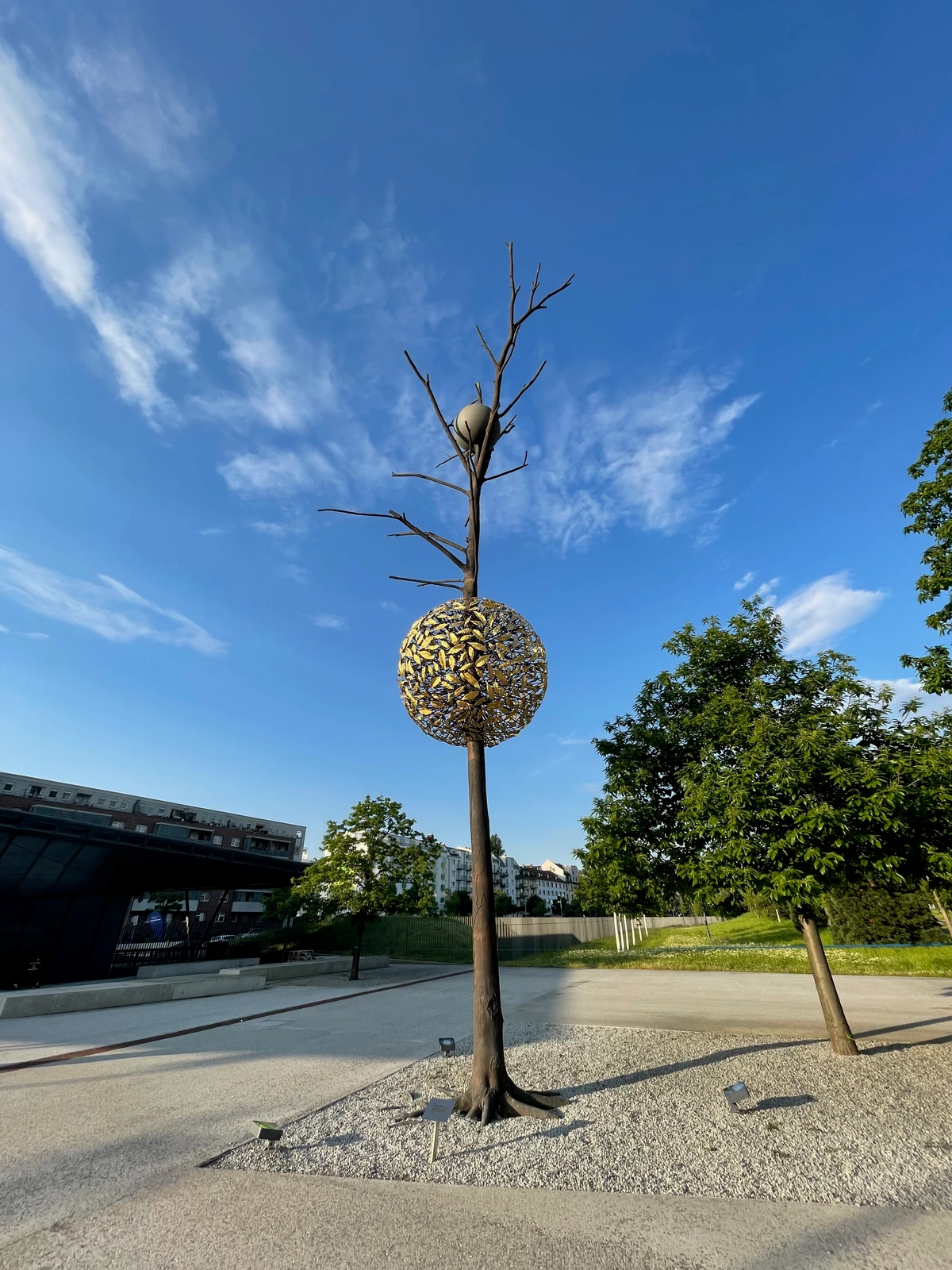
The Role of Corradini's Techniques in Modern Sculpture
Corradini's techniques play a crucial role in modern sculpture, with artists continuing to explore the interplay of form, light, and emotion in their work. His mastery of marble carving, combined with his attention to detail and emotional depth, set a new standard for sculpture. This influence is evident in the work of modern sculptors, who continue to draw inspiration from his techniques.
The Legacy of Marble Carving
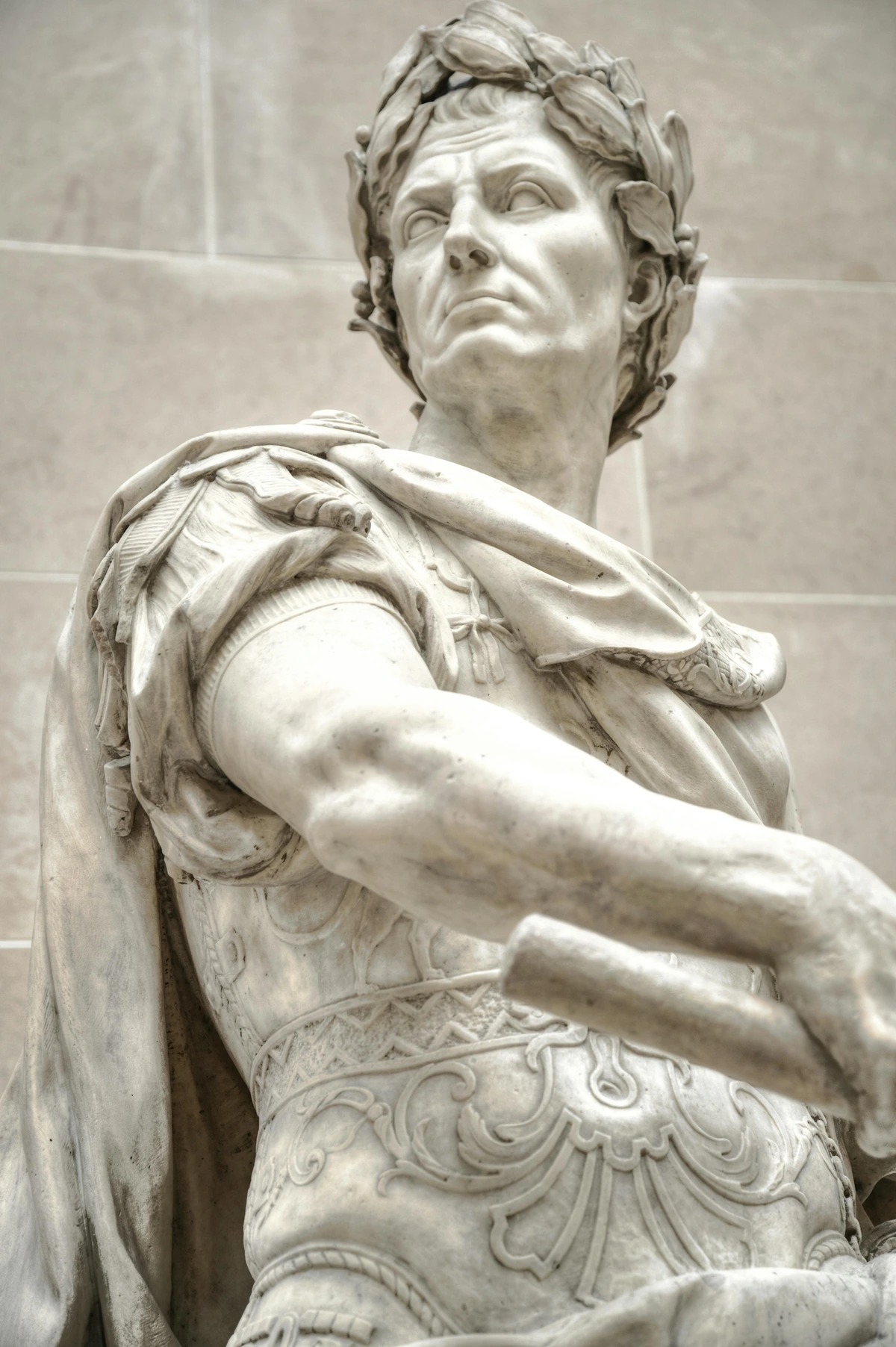
While contemporary artists experiment with a variety of materials, marble remains a favorite for its timeless beauty and durability. Corradini’s methods remind us of the importance of patience and precision in working with this medium. His techniques have inspired generations of sculptors to push the boundaries of what is possible with marble.
The Role of Marble in Modern Sculpture
Marble continues to play a crucial role in modern sculpture, with artists drawn to its timeless beauty and durability. Corradini's techniques have inspired generations of sculptors to explore the possibilities of this medium, pushing the boundaries of what is possible with marble. This influence is evident in the work of modern sculptors, who continue to draw inspiration from his techniques.
The Influence of Corradini's Techniques on Contemporary Artists
Corradini's techniques have had a lasting impact on contemporary artists, inspiring them to explore the interplay of form, light, and emotion in their work. His mastery of marble carving, combined with his attention to detail and emotional depth, set a new standard for sculpture. This influence is evident in the work of contemporary artists, who continue to draw inspiration from his techniques.
The Power of Emotional Storytelling
In a world where art can sometimes feel detached or overly conceptual, Corradini’s focus on emotion and storytelling serves as a powerful reminder of the impact art can have on the human experience. His ability to evoke emotion and tell a story through his work continues to inspire artists across various mediums, from painting to digital art.
The Role of Emotional Storytelling in Modern Art
Emotional storytelling plays a crucial role in modern art, with artists continuing to explore the interplay of form, light, and emotion in their work. Corradini's focus on emotion and storytelling serves as a powerful reminder of the impact art can have on the human experience. This influence is evident in the work of modern artists, who continue to draw inspiration from his techniques.

The Influence of Corradini's Techniques on Contemporary Storytelling
Corradini's techniques have had a lasting impact on contemporary storytelling, inspiring artists to explore the interplay of form, light, and emotion in their work. His mastery of marble carving, combined with his attention to detail and emotional depth, set a new standard for sculpture. This influence is evident in the work of contemporary artists, who continue to draw inspiration from his techniques.
The Influence on Contemporary Sculpture
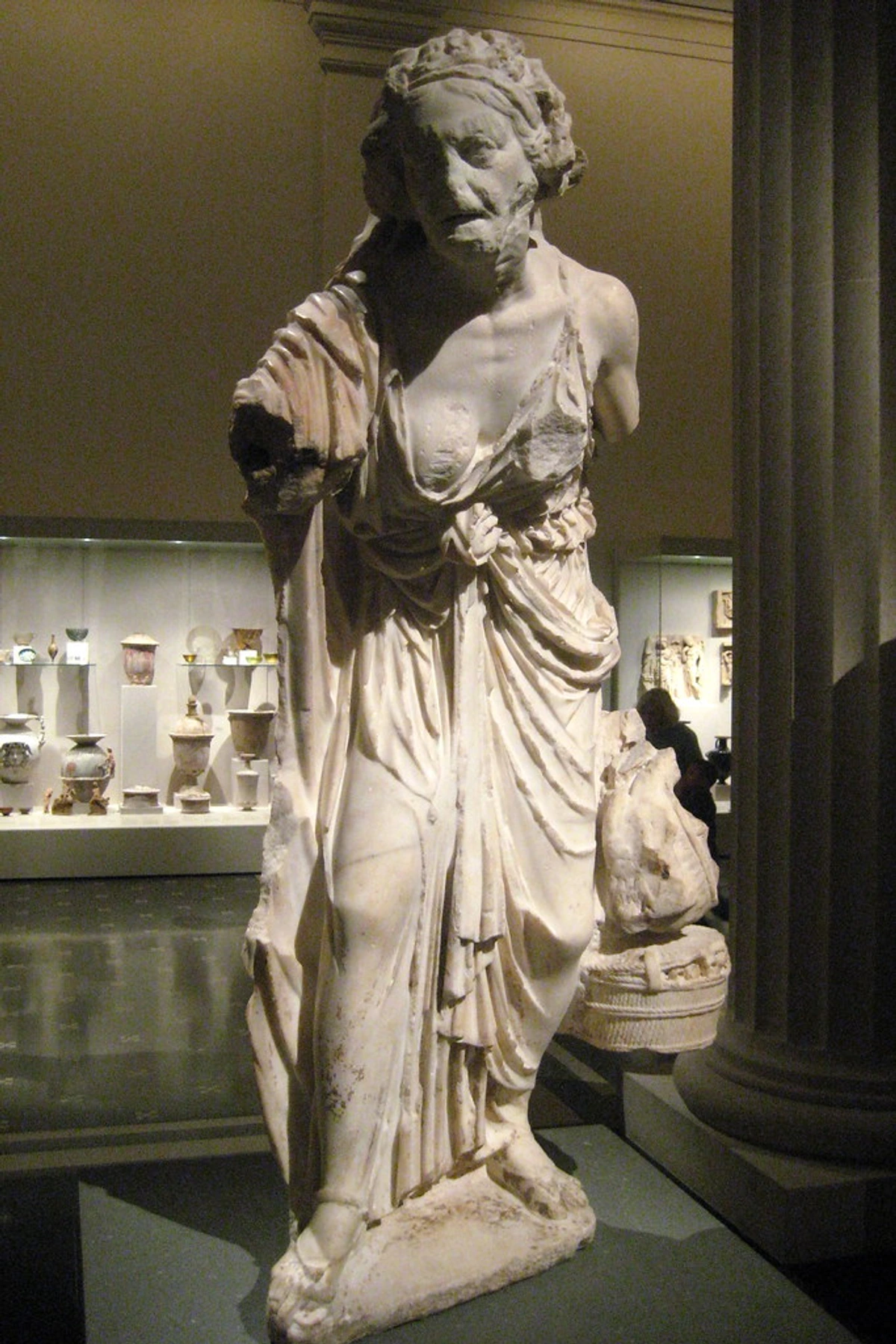
Corradini's influence extends beyond traditional sculpture. His techniques have inspired contemporary artists to explore new ways of capturing emotion and movement in their work. Whether through the use of light and shadow or the manipulation of form, Corradini's legacy lives on in the work of modern sculptors.
The Role of Corradini's Techniques in Contemporary Sculpture
Corradini's techniques play a crucial role in contemporary sculpture, with artists continuing to explore the interplay of form, light, and emotion in their work. His mastery of marble carving, combined with his attention to detail and emotional depth, set a new standard for sculpture. This influence is evident in the work of contemporary sculptors, who continue to draw inspiration from his techniques.
The Influence of Corradini's Techniques on Modern Art Movements
Corradini's techniques have had a lasting impact on modern art movements, inspiring artists to explore the interplay of form, light, and emotion in their work. His mastery of marble carving, combined with his attention to detail and emotional depth, set a new standard for sculpture. This influence is evident in the work of modern artists, who continue to draw inspiration from his techniques.
Table: Corradini's Techniques and Their Modern Applications
Technique  | Description | Modern Application |
|---|---|---|
| Marble Carving | Precision and patience in carving marble | Inspires modern sculptors to experiment with traditional materials |
| Emotional Storytelling | Conveying emotion through facial expressions and body language | Influences contemporary artists to focus on narrative and emotion |
| Illusion of Movement | Creating a sense of motion through drapery and dynamic poses | Inspires modern artists to explore the interplay of form and movement |
| Use of Light and Shadow | Enhancing depth and realism through light and shadow | Influences contemporary artists to experiment with lighting and texture |

Corradini's influence extends beyond the realm of sculpture. His techniques have inspired artists across various mediums, from painting to digital art. His ability to evoke emotion and tell a story through his work serves as a reminder of the power of art to connect with the human experience.

- Marble as a Medium: While contemporary artists experiment with a variety of materials, marble remains a favorite for its timeless beauty and durability. Corradini’s methods remind us of the importance of patience and precision in working with this medium.
- Emotional Storytelling: In a world where art can sometimes feel detached or overly conceptual, Corradini’s focus on emotion and storytelling serves as a powerful reminder of the impact art can have on the human experience.
Corradini's techniques are a testament to the enduring power of traditional craftsmanship. They remind us that, even in an age of digital innovation, there is still value in the time-honored practices of the past.

FAQ
What makes Corradini’s sculptures unique?
Corradini’s sculptures are unique for their lifelike quality, intricate details, and emotional depth. His ability to make marble appear soft and flowing sets his work apart from other Baroque sculptors.
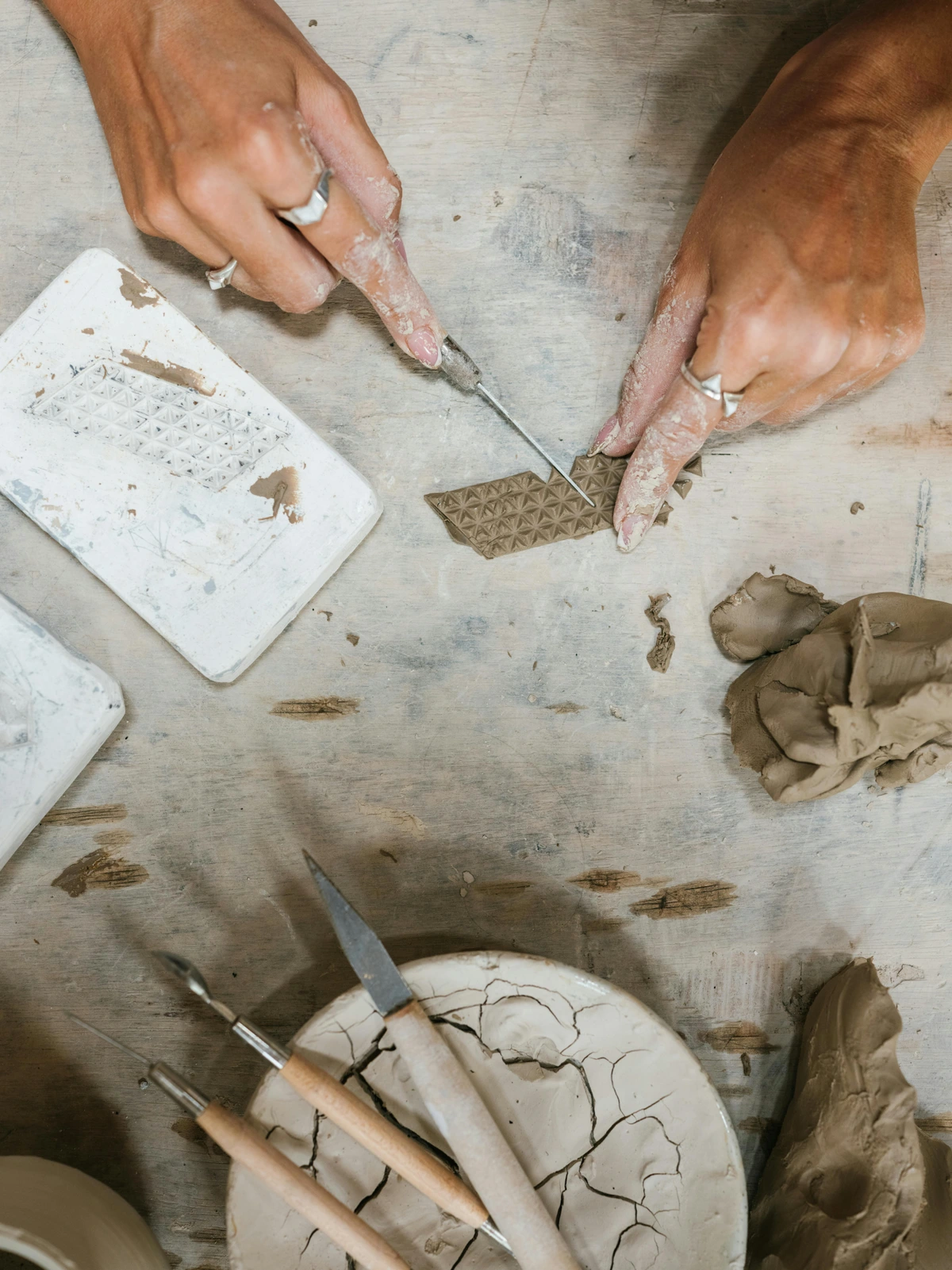
Corradini's sculptures are not just technically impressive; they are emotionally resonant. They invite the viewer to connect with the subject on a deeply personal level, making his work timeless and universally relatable.

How did Corradini achieve such realistic drapery in his sculptures?
Corradini achieved realistic drapery by carefully studying how fabric behaves in real life. He translated these observations into stone, using fine tools to create delicate folds and shadows that mimic the movement of cloth.
The realism in Corradini's drapery is a result of his keen observation and meticulous attention to detail. Each fold and crease is carefully crafted to evoke a sense of movement and emotion, making his sculptures appear almost lifelike.

What type of marble did Corradini use?
Corradini preferred Carrara marble, known for its fine grain and purity. This type of marble allowed him to achieve intricate details without the risk of cracking or flaws.
Carrara marble was not just a practical choice for Corradini; it was a medium that allowed him to fully express his artistic vision. Its fine grain and purity made it the perfect canvas for his intricate and detailed sculptures.
How has Corradini’s work influenced modern sculpture?
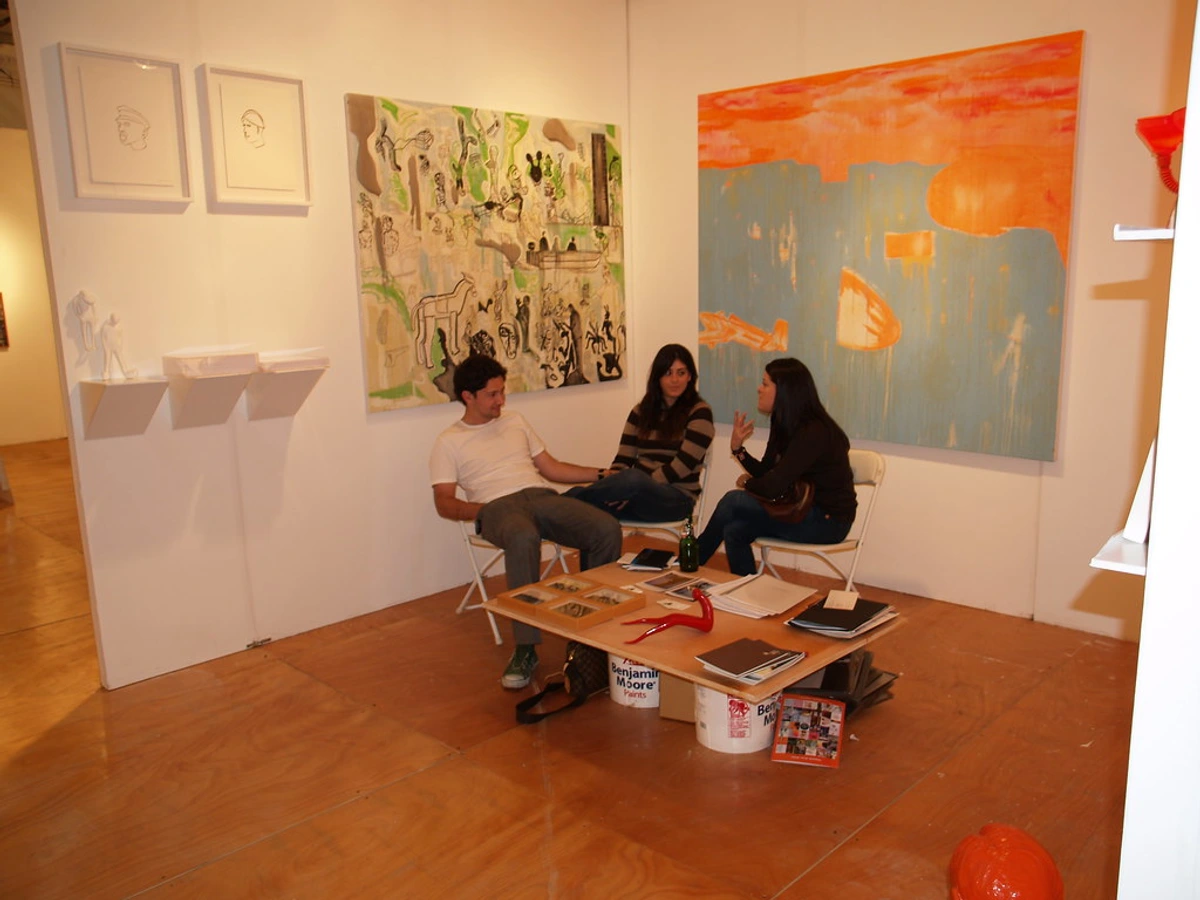
Corradini’s techniques continue to inspire modern sculptors, particularly in the use of marble as a medium and the focus on emotional storytelling. His attention to detail and ability to convey emotion are lessons that resonate with artists today.
Corradini's influence on modern sculpture is a testament to the enduring power of his techniques. His ability to evoke emotion and tell a story through his work serves as a reminder of the timeless value of traditional craftsmanship.

Conclusion
Antonio Corradini’s sculptures are more than just beautiful objects; they are a testament to the power of craftsmanship and the human touch. His techniques, from marble carving to emotional storytelling, continue to captivate and inspire. Whether you’re an artist, a history buff, or simply someone who appreciates beauty, there’s something in Corradini’s work that speaks to the soul.
Corradini's legacy is a reminder of the enduring power of art to connect with the human experience. His sculptures invite us to pause, to reflect, and to appreciate the beauty and emotion that can be captured in stone. They are a testament to the timeless value of traditional craftsmanship and the universal language of art.
Final Thoughts
As we reflect on Corradini's work, we are reminded of the importance of patience, precision, and passion in the creative process. His sculptures challenge us to look deeper, to question our assumptions, and to appreciate the beauty in the world around us. They are a testament to the power of art to transcend time and connect with the human spirit.
If you’re as fascinated by the interplay of light, shadow, and emotion as I am, you might find yourself drawn to other forms of art that capture the same essence. Perhaps even something like the vibrant, contemporary pieces you can find here.




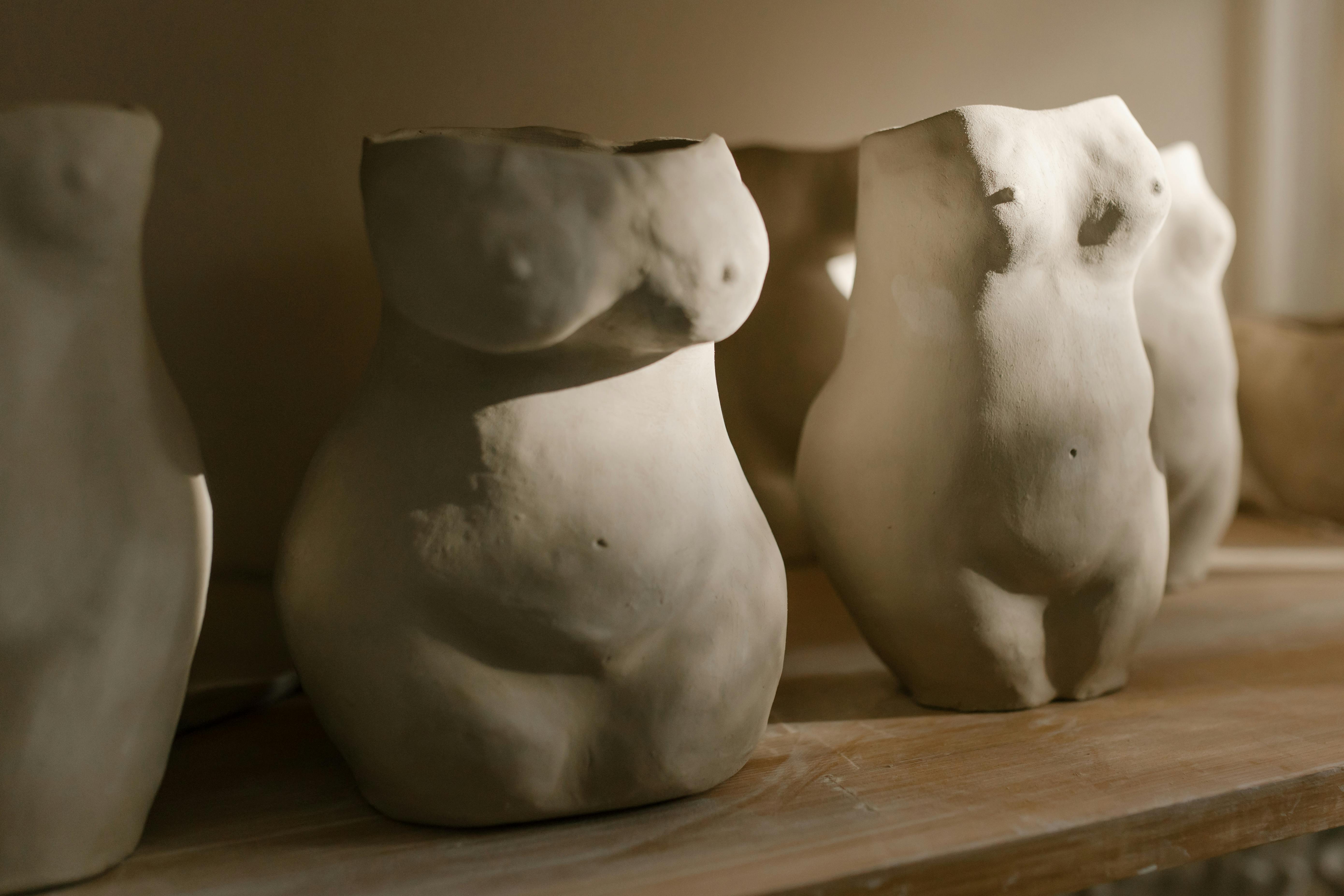

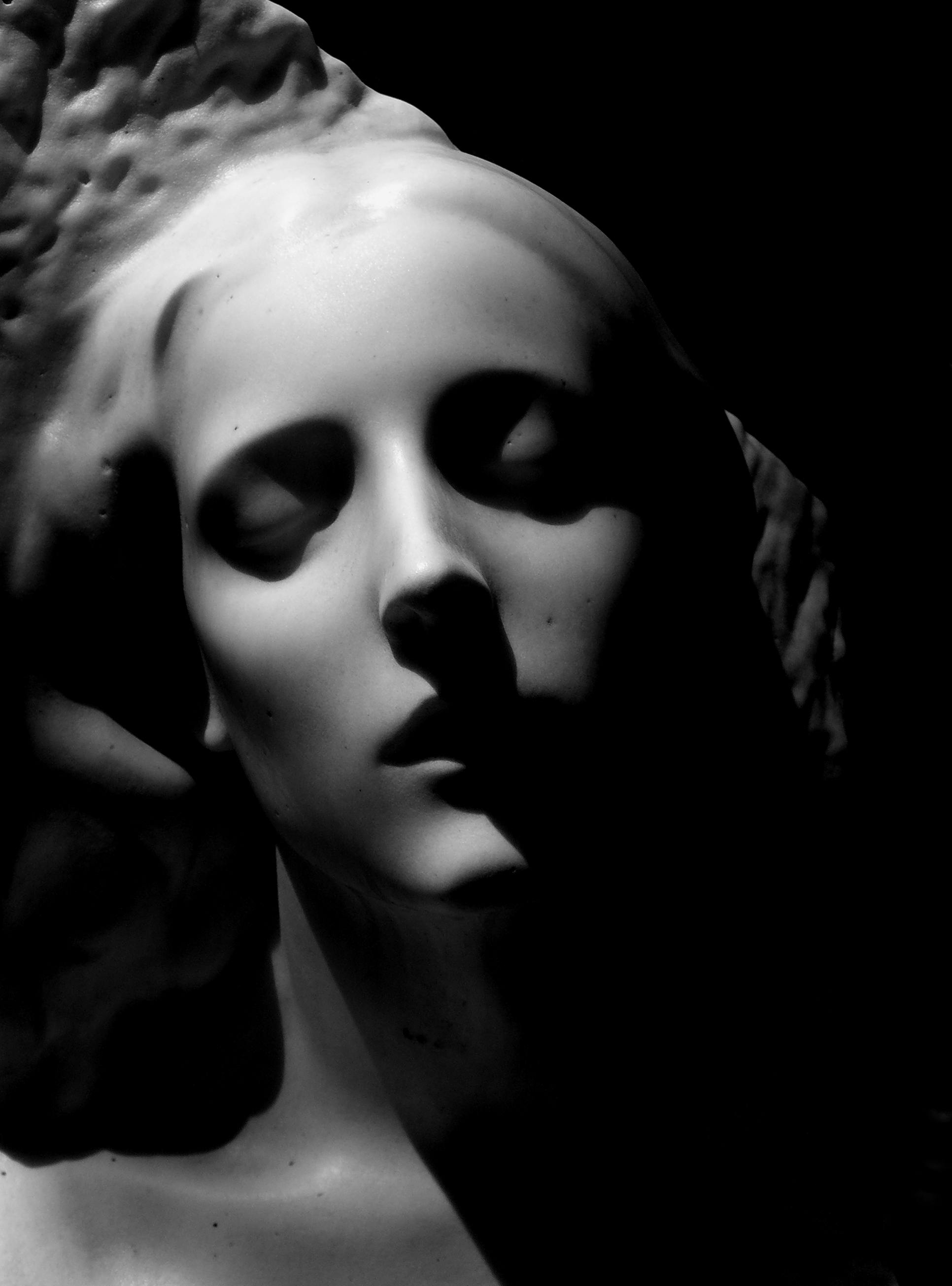
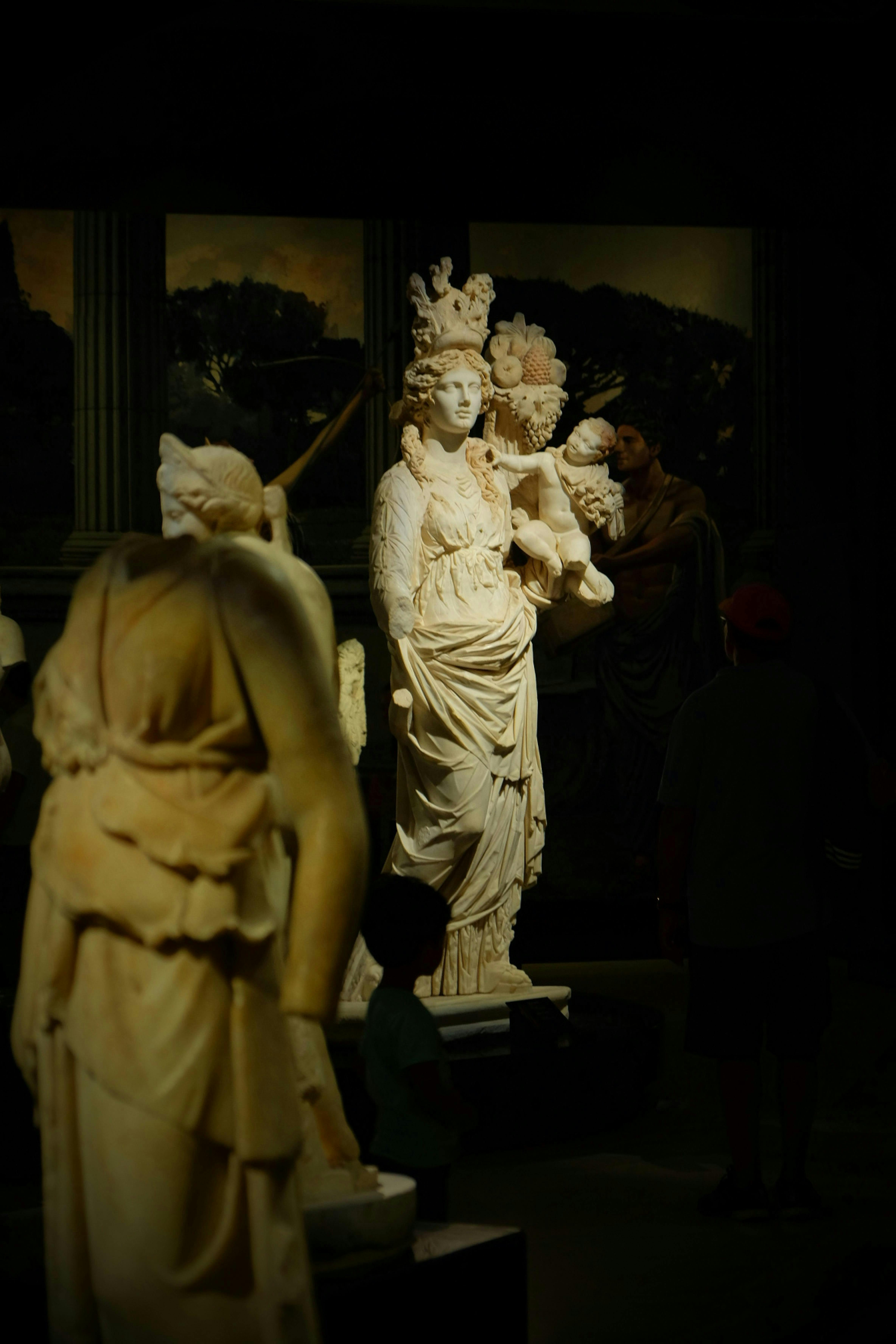


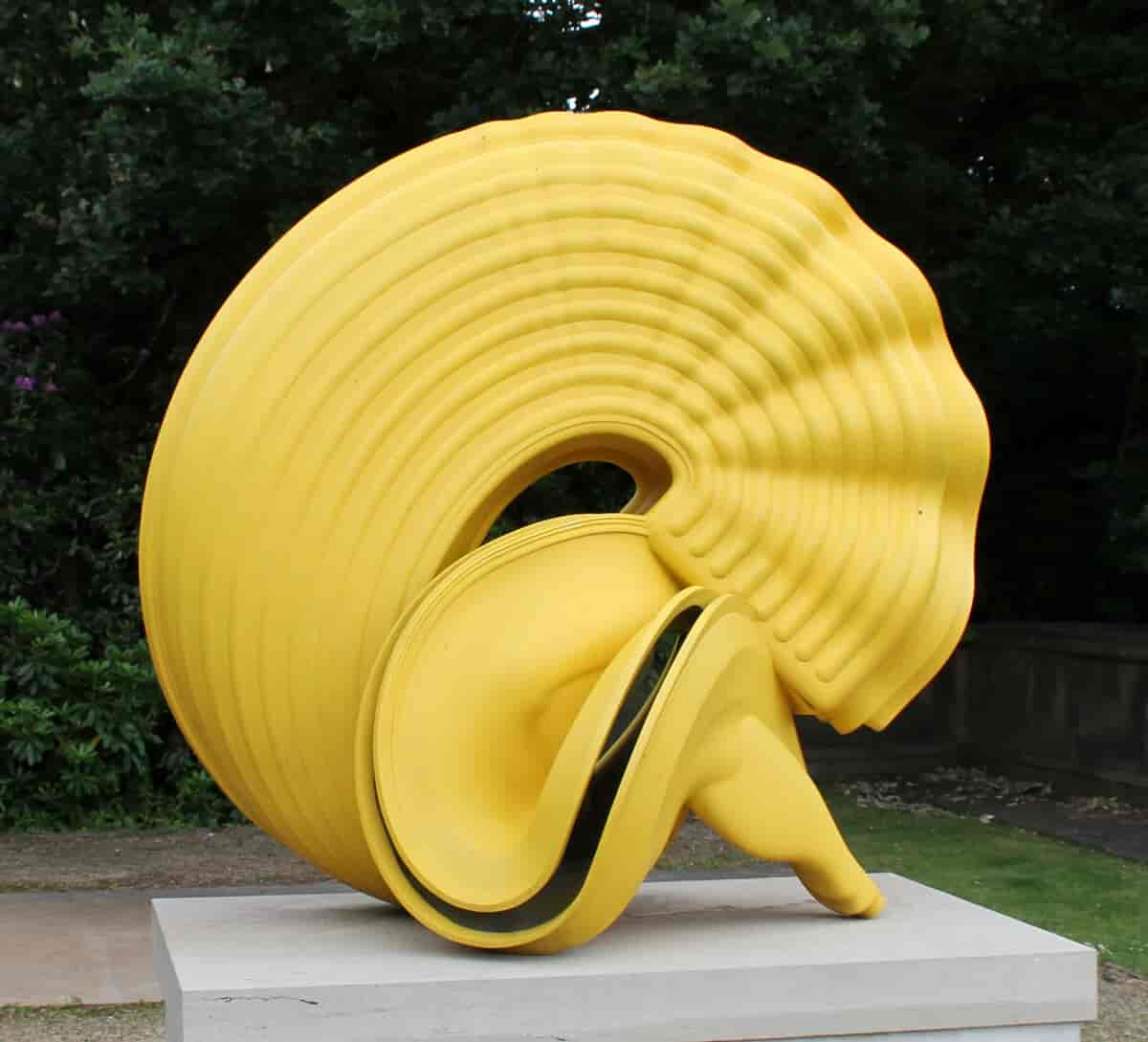









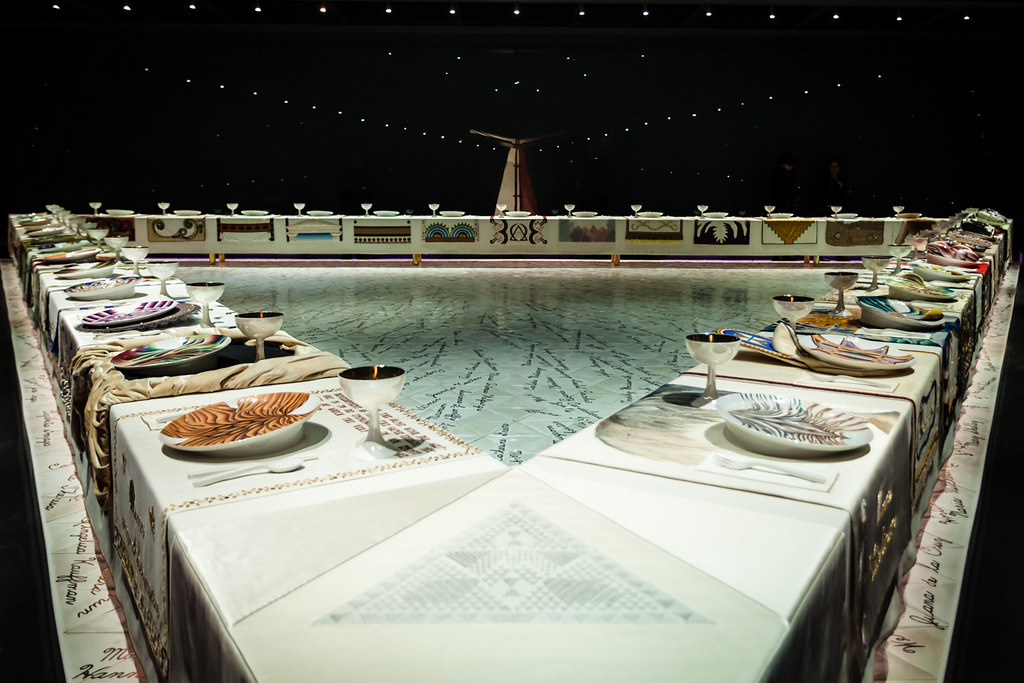


And if you’re as fascinated by the interplay of light, shadow, and emotion as I am, you might find yourself drawn to other forms of art that capture the same essence. Perhaps even something like the vibrant, contemporary pieces you can find here.