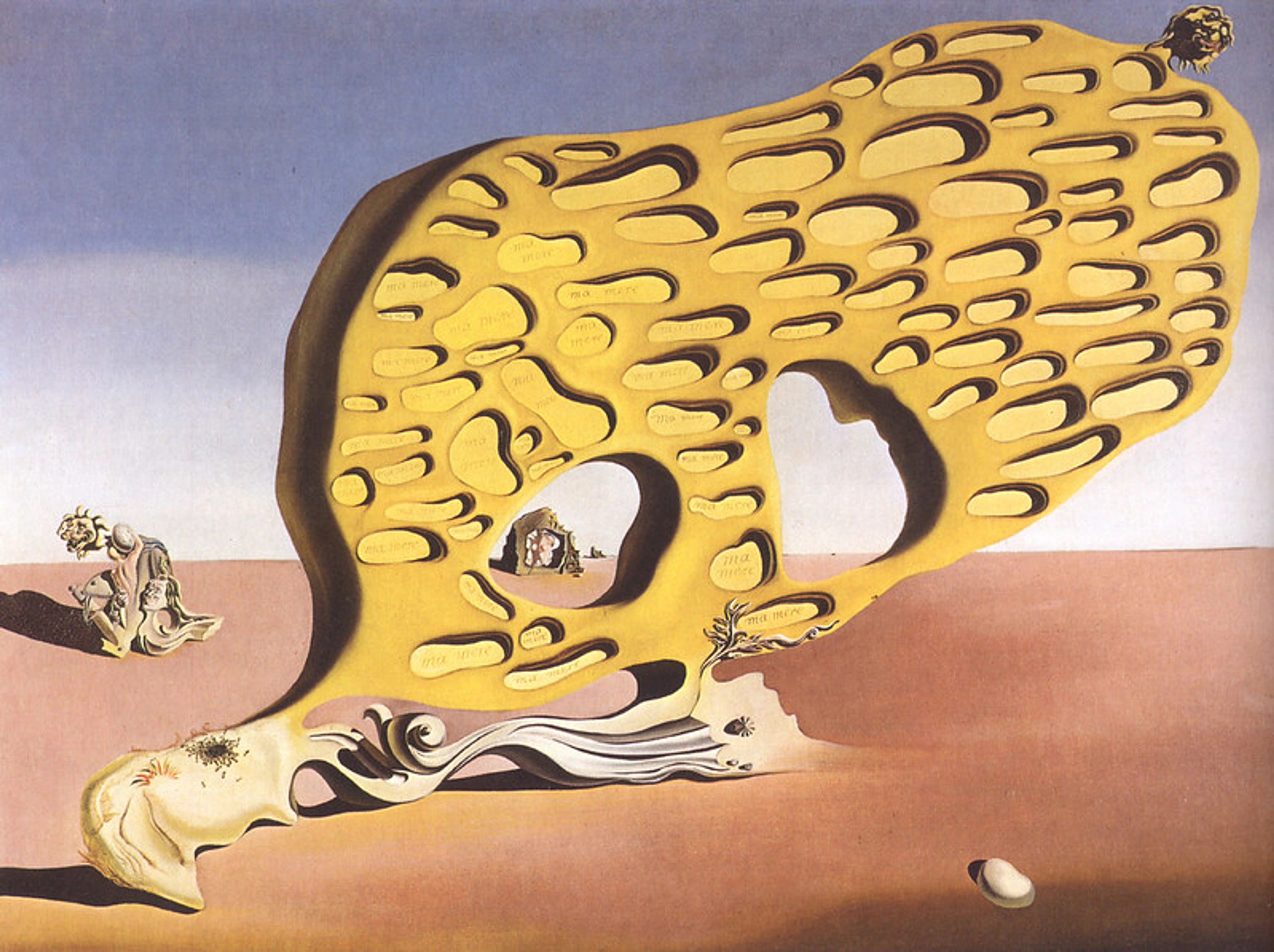
André Breton's Radical Vision: Unleashing the Surrealist Mind for Art and Life
Explore André Breton's revolutionary Surrealist philosophy. Discover how his ideas on the subconscious, automatism, objective chance, and convulsive beauty unlock profound creativity in your art and life. The ultimate guide.

André Breton's Radical Vision: Unleashing the Surrealist Mind for Art and Life
Ever felt like your creative spark is a flickering match in a gale of logic? That frustrating weight of trying to be creative, of demanding order when all you want is raw, uninhibited expression? There was a time I was wrestling with a commissioned piece, staring at a canvas that felt impossibly flat, my mind choked by self-doubt. It was in that frustration that I often find myself pulling a dog-eared copy of a radical thinker off the shelf, someone who dared to smash the logic barrier and rewire our understanding of art itself. And frankly, few rattled those foundations quite like André Breton.
This isn't just a surface-level glance at Surrealism; it's an invitation to truly inhabit Breton's radical vision and understand its enduring power, making this the most comprehensive and engaging source you'll find. Breton, often dubbed the 'Pope of Surrealism,' wasn't just another artist; he was a trained psychiatrist, a sharp theorist, a fierce provocateur, and a true master of the memorable, often jarring phrase. His insights aren't just clever lines; they're like skeleton keys. They unlock parts of the mind that logic and reason usually tell us to keep firmly shut, hidden away in dusty corners. So, let’s not treat this as a stuffy academic exercise, okay? Instead, think of it as an intimate, slightly anarchic conversation about how to truly see, how to feel, and most importantly, how to create without the nagging censorship of the conscious mind. We’re going to pick up some of Breton’s most potent ideas, turn them over in our hands, and see how they can spark something utterly new in our own work today, pushing us beyond the expected and into the genuinely marvelous.
André Breton: The Man, The Mind, and the Genesis of Surrealism
Before we dive into his potent words, a quick refresher on who this formidable figure was, and why his ideas still resonate so deeply today. André Breton (1896-1966) was a French writer and poet, best known as the co-founder and chief theorist of Surrealism.
Early Life and Psychiatric Influence
His early training in medicine and psychiatry during World War I wasn't just a biographical detail; it was absolutely formative. Witnessing the raw, unfiltered horrors of the human mind – the shell shock, the trauma, the breakdown of rational thought under extreme duress – made him profoundly skeptical of pure logic. He saw how the 'reasonable' world, driven by supposed rationality, had shattered itself into unprecedented violence, leading directly to the horrors of the Great War. This experience solidified his belief that a purely rational approach to life and art was insufficient, even dangerous.
He was deeply fascinated by the psychoanalytic theories of Sigmund Freud, particularly the idea of the unconscious mind as a wellspring of untapped creativity and desire, a secret language waiting to be deciphered. However, Breton was never a strict Freudian disciple; rather, he adapted Freudian ideas to serve his own artistic and philosophical pursuits, stretching the boundaries of psychoanalysis into the realm of radical artistic expression. His psychiatric background, especially in using Freud's techniques with war veterans, gave him direct access to the raw, unmediated expressions of the subconscious, convincing him of its immense power and beauty.
Divergence from Dada to Constructive Surrealism
Breton believed that the only way forward, to mend a broken world and a broken psyche, was to dive headfirst into the irrational, the dream, the marvelous. This was a direct counterpoint to the nihilistic cynicism of the Dadaist movement, of which he was initially a part. While Dadaists like Marcel Duchamp sought to destroy and negate existing art conventions – often by presenting absurd, readymade objects to provoke questions about what art could be – Breton’s Surrealism aimed to rebuild and explore. He used the very irrationality Dada exposed to tap into a 'superior reality' of dreams and the subconscious, to construct a new way of seeing the world rather than just dismantling the old. His influence on modern art is, frankly, impossible to overstate, indirectly shaping movements like Abstract Expressionism and even Pop Art.
Philosophical Underpinnings and Key Publications
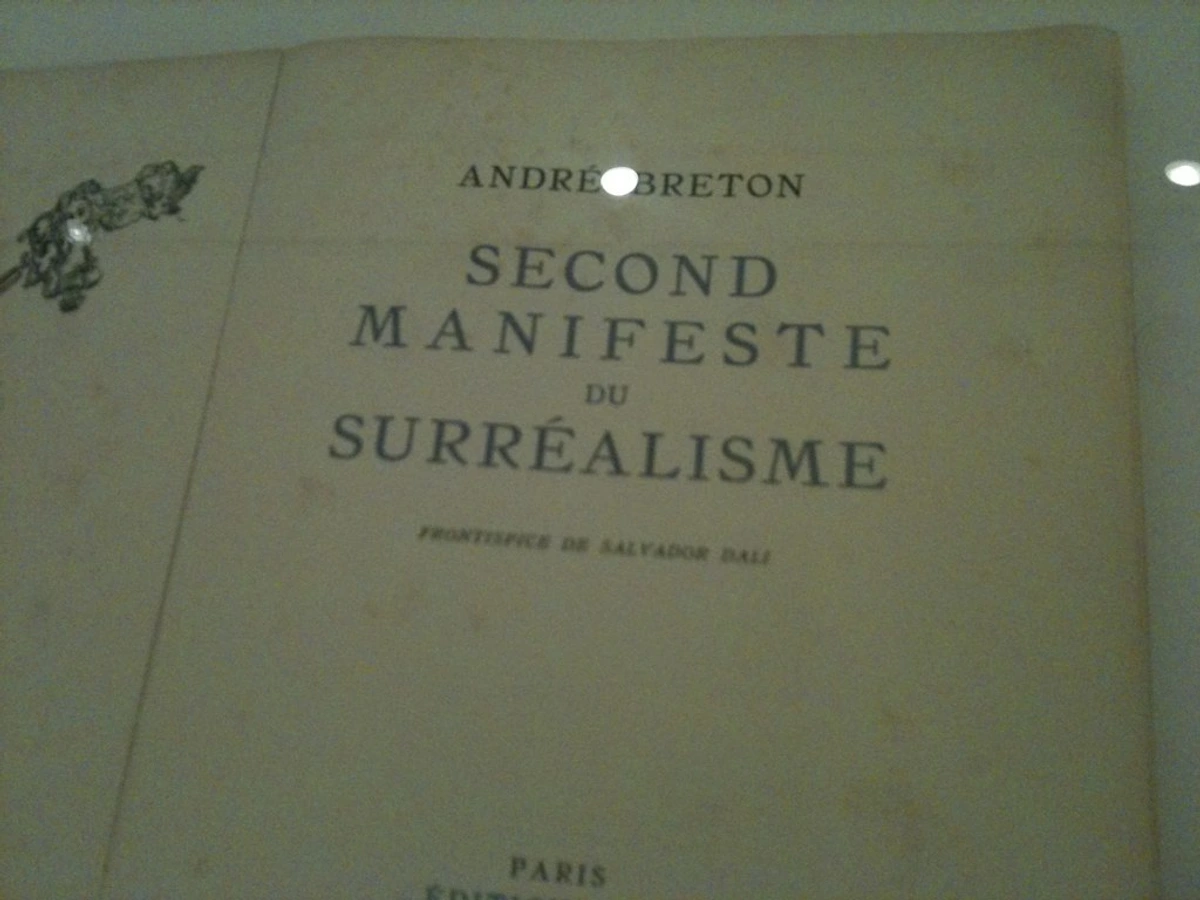
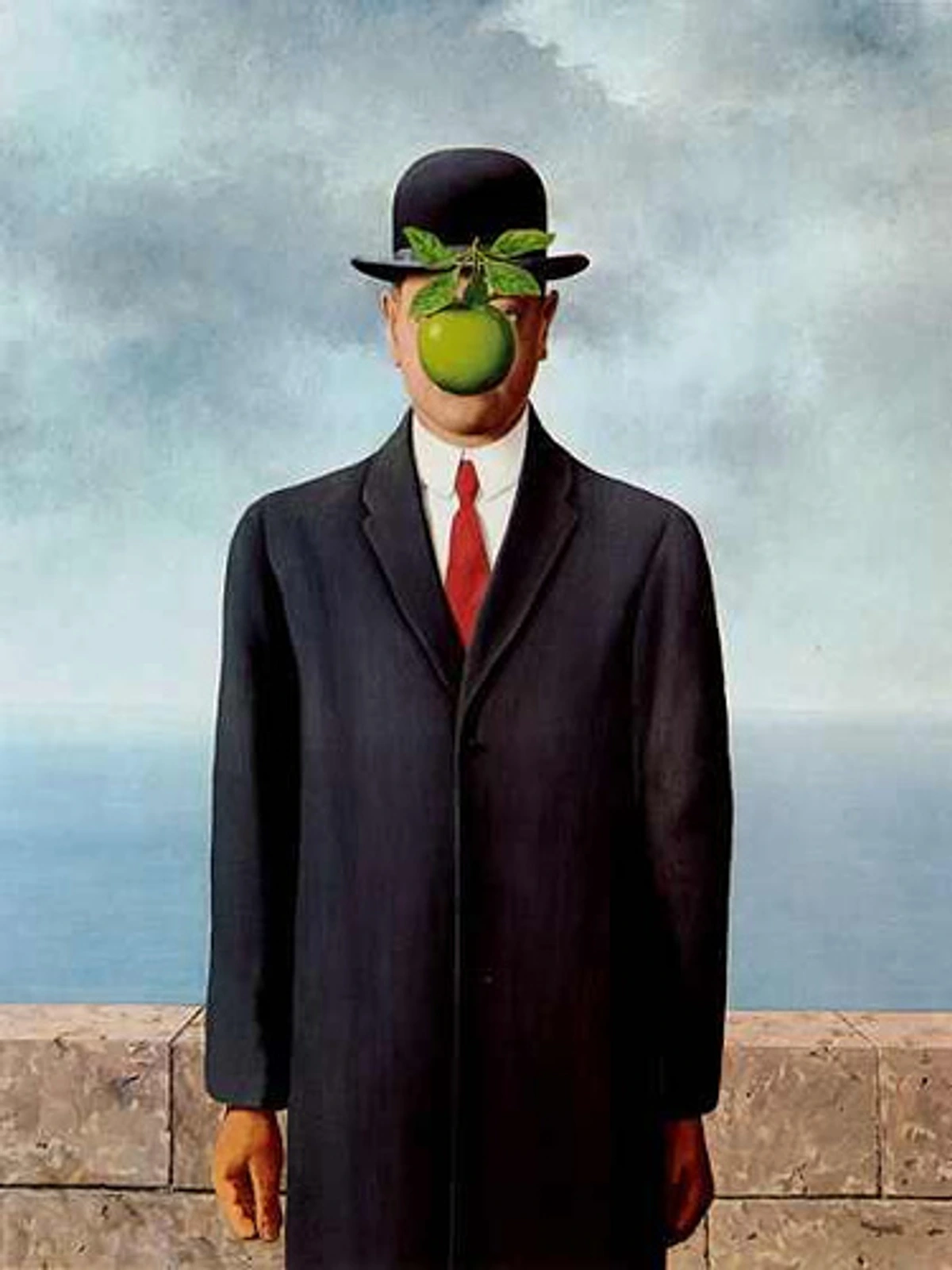
Breton gathered a diverse circle of artists and writers, including Max Ernst, Salvador Dalí, and René Magritte, lending their strange, dream-like visions a unifying name and philosophy. His Surrealist Manifesto of 1924, followed by other seminal works like Nadja (1928) – an autobiographical novel blurring fiction and reality – and L'Amour fou (1937) – exploring love as a revolutionary act – were powerful calls to arms for the imagination. During World War II, his exile in New York saw him connect with American artists like Jackson Pollock and Robert Motherwell, further solidifying Surrealism’s global footprint.
Political Engagement and Ideological Purity
Beyond art, Breton was also a politically engaged intellectual, initially aligning with the Communist Party before becoming disillusioned with its dogmatism. He became critical of the Party's rigid adherence to ideology and its suppression of individual artistic and intellectual freedom, seeing it as another form of the logic he sought to dismantle. This political idealism, a desire for profound societal as well as artistic revolution, fueled his sometimes fiercely controlling nature within the Surrealist group. He wasn't just observing; he was actively shaping, though his famously dogmatic insistence on ideological purity often led to public 'excommunications' of those who, in his view, strayed from the true Surrealist path. For instance, Salvador Dalí was famously expelled for his commercialism and perceived political opportunism, illustrating Breton's fierce commitment to the movement's purity over all else.

The Dream as Superior Reality: Breton's Core Concepts for Uninhibited Creation
But where did Breton believe this raw, uninhibited material originated? The answer lies in a realm we all visit nightly, yet rarely acknowledge in our waking lives. This is the heart of it all, where the magic truly begins. For Breton, the dream state wasn't just random neurological noise; it was, in fact, a superior reality, or more accurately, a surreality – a higher, more complete reality where the waking world and dreams merge. He believed the waking world, constrained by logic, societal norms, and our endless self-censorship, offered only a fragmented, often repressed view of human experience, leading to stifled desires and limited creativity. The unconscious mind, unburdened by these limitations, was the true wellspring of untapped creativity and authentic desire, a place where impossible things simply are.
This belief underpinned his concept of pure psychic automatism – the spontaneous expression of thoughts and images without any conscious control exercised by reason, and outside of all aesthetic or moral concern. It’s like your hand has a mind of its own, scribbling furiously while your conscious brain is busy making a cup of tea. It's about letting your subconscious drive the car for a while, perhaps even blindfolded, and seeing where it takes you. Imagine the liberation if your inner critic simply ceased to exist for a moment. This technique, heavily influenced by his Freudian studies, aimed to bypass the conscious censor and directly tap into the unconscious, much like Freud sought to in his analytic sessions. Automatism could take many forms, from automatic writing to automatic drawing, or even games like the 'exquisite corpse' where artists collaboratively build images or poems without seeing the previous contribution.
"The mind of the man who dreams is fully satisfied by what happens to him. The agonizing question of possibility is no longer pertinent."
This quote gets right to the point, cutting through all the mental clutter. I love it because I've often found myself paralyzed by the 'what ifs' of a new piece – "What if this color clashes?" or "What if nobody understands it?" In a dream, you might find yourself soaring through the sky or having a deep, philosophical chat with a talking raven; you don't pause to question the physics, do you? You just experience it with an unquestioning certainty. The 'agonizing question of possibility' is that persistent, limiting voice that whispers, "You can't draw that," or "That color combination doesn't make sense," or "Who would ever buy that?" Breton is daring us to silence that voice and embrace a dream-state confidence in our waking, creative lives, where the 'impossible' becomes merely 'unexplored.' It's a profound invitation to shed self-doubt and dive into the boundless possibilities of the unconscious.
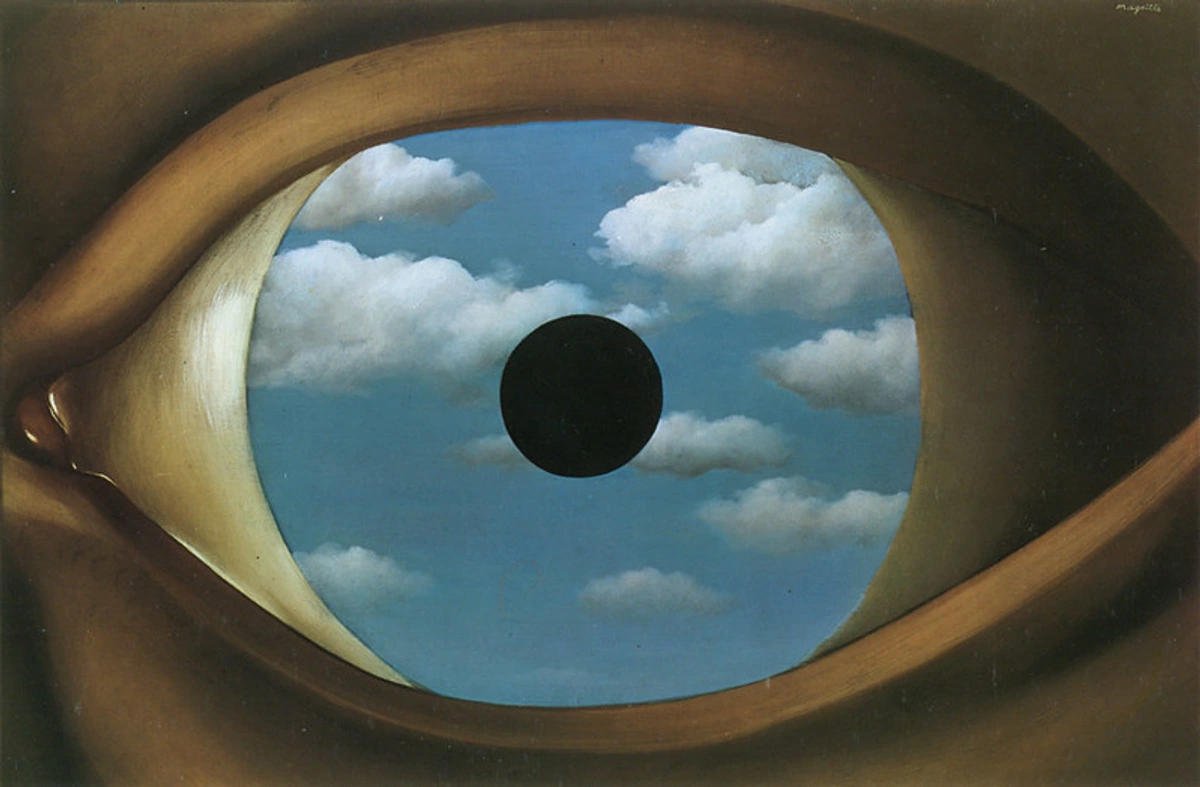
"Surrealism is based on the belief in the superior reality of certain forms of previously neglected associations, in the omnipotence of dreams, in the disinterested play of thought."
This cornerstone quote is straight from the Surrealist Manifesto. The key phrase for me here, and for any creator struggling with self-imposed limits, is "disinterested play of thought." This doesn't mean apathy, but rather a lack of attachment to specific outcomes or ego-driven goals. Think about it: when you're trying to be creative, you're usually burdened by expectations – you want to make something 'good,' something that sells, something people will like. Breton urges us to shed those goals and simply let the mind play, without agenda, without judgment. This is the foundation of techniques like automatic writing (where you just let words flow without thinking), or physical techniques like frottage (rubbings to transfer textures unconsciously) and grattage (scraping paint for random effects). It's about connecting disparate things, letting a random word spark an image, or just allowing your hand to move without conscious direction. It's about bypassing the critical filter and tapping directly into that unfiltered stream of the subconscious – a process I find immensely liberating in my own abstract art practice.
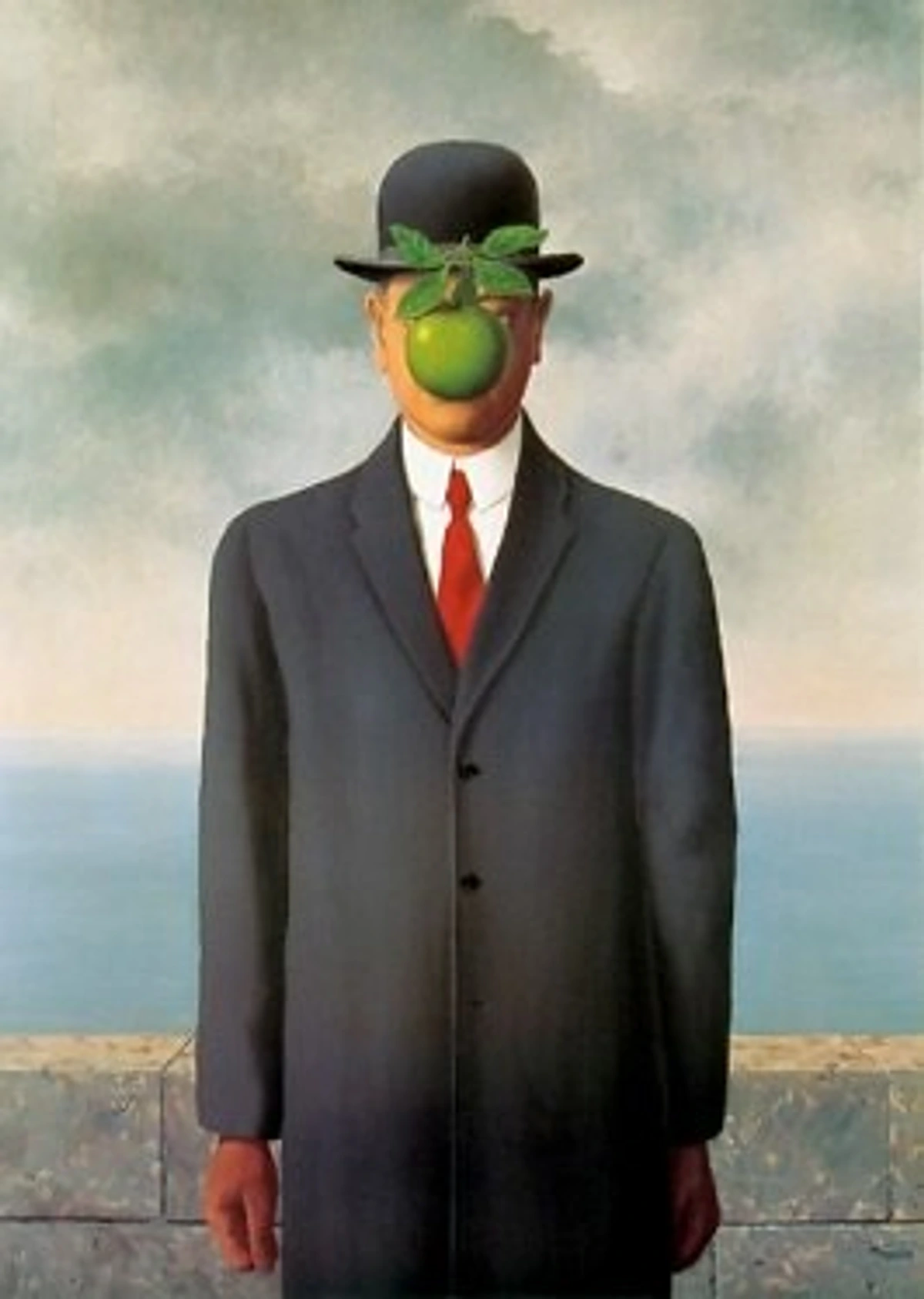
Art as a Window: Objective Chance and Manifesting the Imaginary
So if the subconscious is the source, what is the art itself? For Breton, it was never about just making pretty pictures. It was about discovery, a tangible manifestation of an interior world, a way of revealing hidden truths. This belief in the subconscious as the ultimate muse also led to the concept of objective chance (le hasard objectif). For Breton, this wasn't just random coincidence; it was a deeply meaningful, often poetic encounter between desire and external reality, revealing profound, hidden connections in the universe. It was a kind of synchronicity where the outer world seems to conspire with your inner thoughts and desires, a tangible manifestation of the marvelous, waiting to be recognized by an open mind. Imagine finding the perfect quote for your artwork in a random book you picked up, or a song on the radio that perfectly captures the mood of your painting – that's objective chance at play. Max Ernst, for instance, employed frottage to seek out objective chance, finding unexpected landscapes and creatures in wood grain rubbings. But it wasn't limited to specific techniques; it was about cultivating a mindset.
"The imaginary is what tends to become real."
This is such a powerful, almost magical idea, isn't it? It reframes the artist not as a mere decorator of the world, but as someone who actively brings new realities into being. What starts as a fleeting image in your head – a swirling city, an impossible creature, a feeling captured in a color – once put on canvas or paper, becomes a real object in the world that can affect other people. It's a huge responsibility and a thrilling one – that personal, weird idea in your head is just waiting for you to give it form. It’s truly a leap of faith into the tangible, and I've experienced it countless times in the studio: a vague notion, a whisper of an idea, slowly, painstakingly, becoming a vibrant, undeniable piece of art that simply wasn't there before I brought it into being.

"To see, to hear, means nothing. To recognize (or not to recognize) means everything."
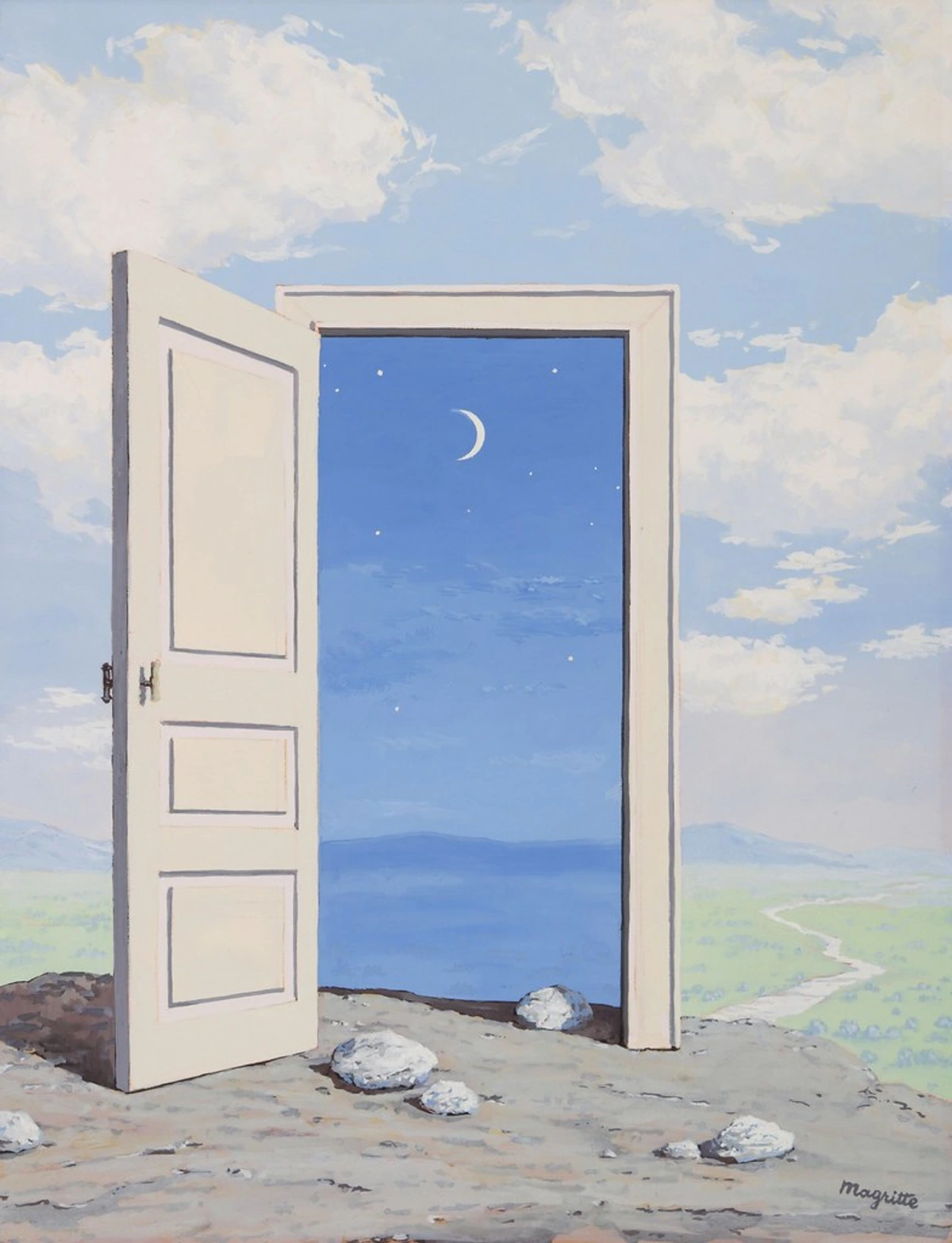
This quote cuts through so much noise, doesn't it? We are bombarded with images and sounds all day, but how much do we truly recognize – not just identify, but truly perceive the hidden strangeness, the profound essence, the underlying truth of something? Breton suggests that art’s job isn't to just show us a tree, but to make us recognize the strangeness of the tree, its inherent 'tree-ness,' in a way we never had before. It's about peeling back the layers of convention and habit to reveal a deeper, often unsettling, truth. This is the philosophy behind Magritte's famous painting, The Treachery of Images, with its declaration "Ceci n'est pas une pipe" (This is not a pipe). What you see is not always what you recognize – a vital lesson for any artist striving for originality and seeking to challenge viewers' perceptions.
'Beauty Will Be Convulsive': The Marvelous and its Shock
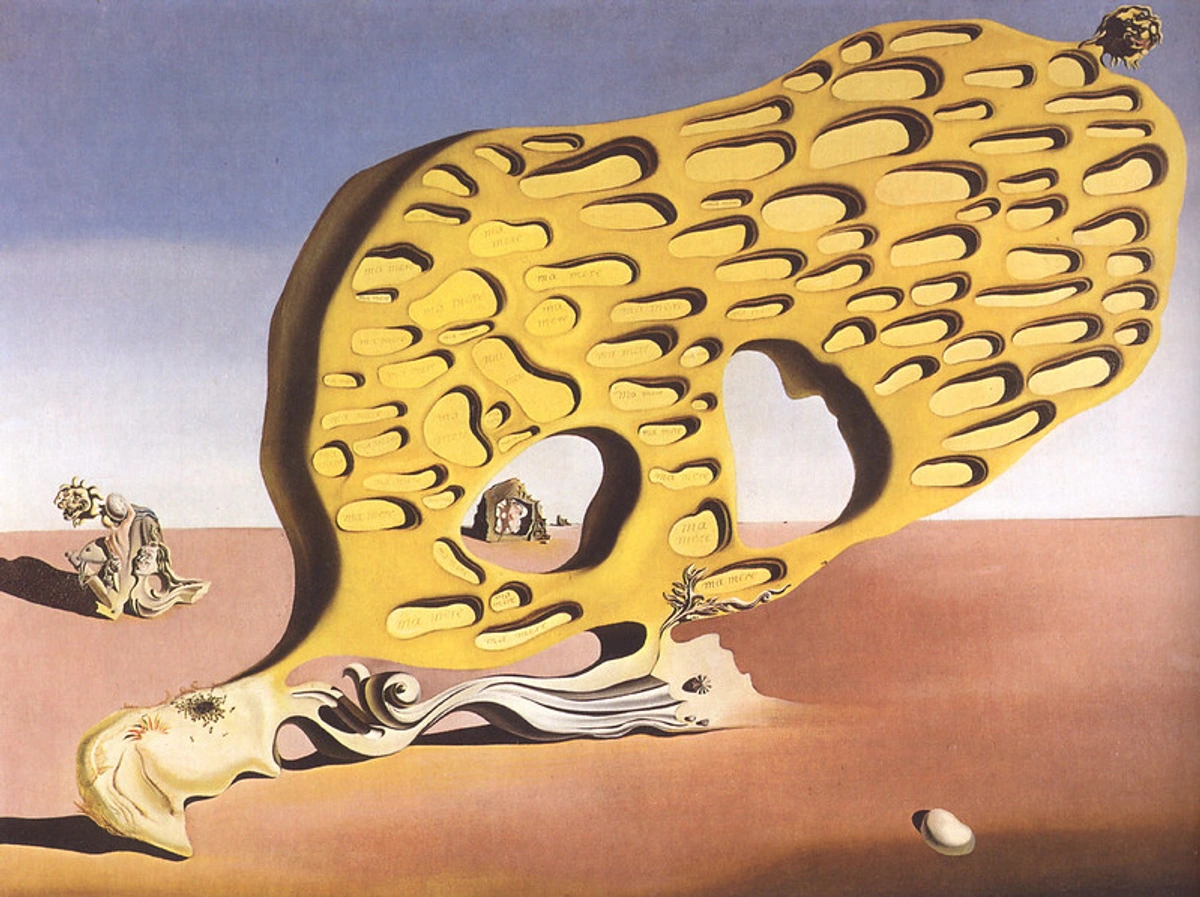
Breton wasn't interested in conventional, passive beauty – the kind that simply soothes or pleases. He wanted an art that shocked you, that jolted you out of your complacency, that made you feel something profound and unsettling. This led to one of his most famous and sometimes misunderstood declarations. Inspired by the French poet Lautréamont (whose Les Chants de Maldoror was a Surrealist touchstone), Breton sought a beauty born from the unexpected, the startling conjunction, the dynamic transformation. This is what he termed the convulsive marvelous, a state where profound beauty and radical surprise converge.
"Beauty will be CONVULSIVE or will not be at all."
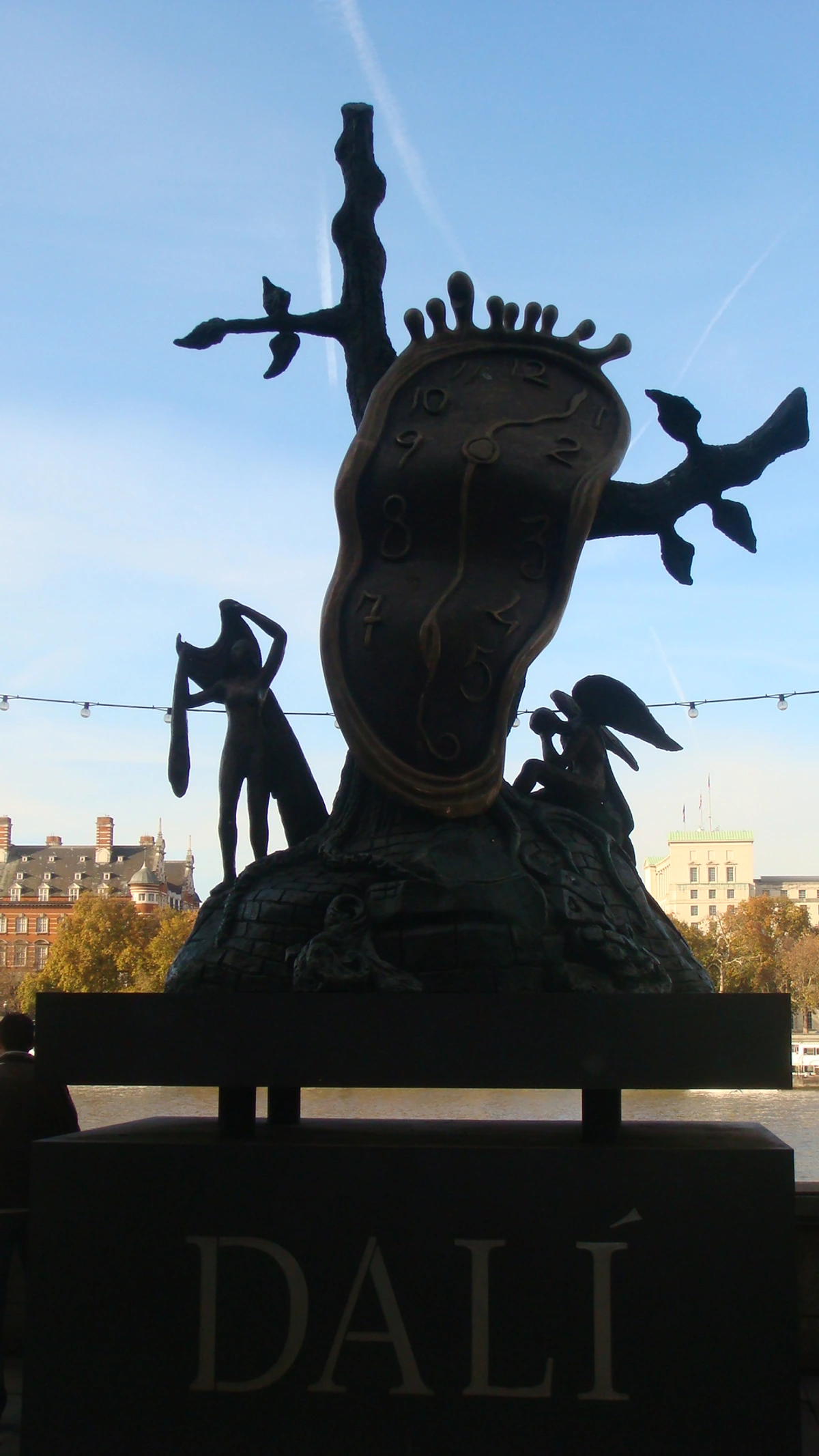
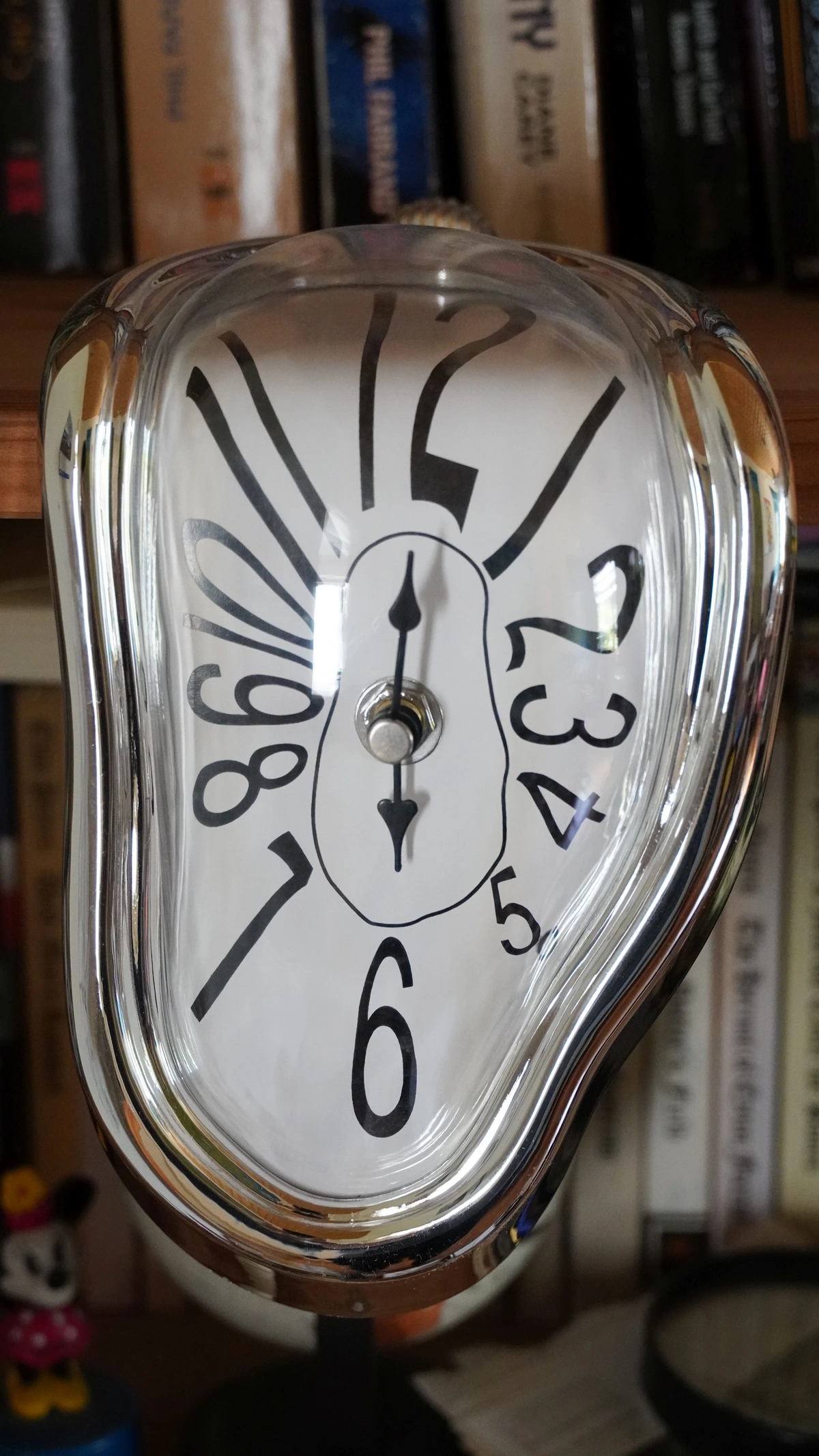
He wasn't talking about something ugly or grotesque in a crude sense; that's far too simple. A 'convulsive' beauty is a beauty that is dynamic, startling, vibrantly alive, almost as if it's undergoing a metamorphosis before your eyes. It’s a beauty that jolts, disorients, and reorients your perception. Think of the sudden flash of lightning illuminating a dark landscape, the intricate, rapid formation of a crystal, or the jarring harmony of dissonant chords in a revolutionary music piece. It's the strange, potent juxtaposition of "a sewing machine and an umbrella on a dissecting table" – a phrase Lautréamont used that became a Surrealist mantra for the unexpected power of combining disparate objects. You see it in the melting clocks of Dalí's The Persistence of Memory, where time itself becomes fluid and dreamlike, or the biomorphic forms of a Joan Miró painting that feel both alien and utterly alive. It’s a beauty that doesn’t just sit there; it acts upon you. I find myself chasing that same jolting beauty in my own canvases – a clash of colors that feels both jarring and exhilarating, demanding attention rather than passively pleasing the eye.
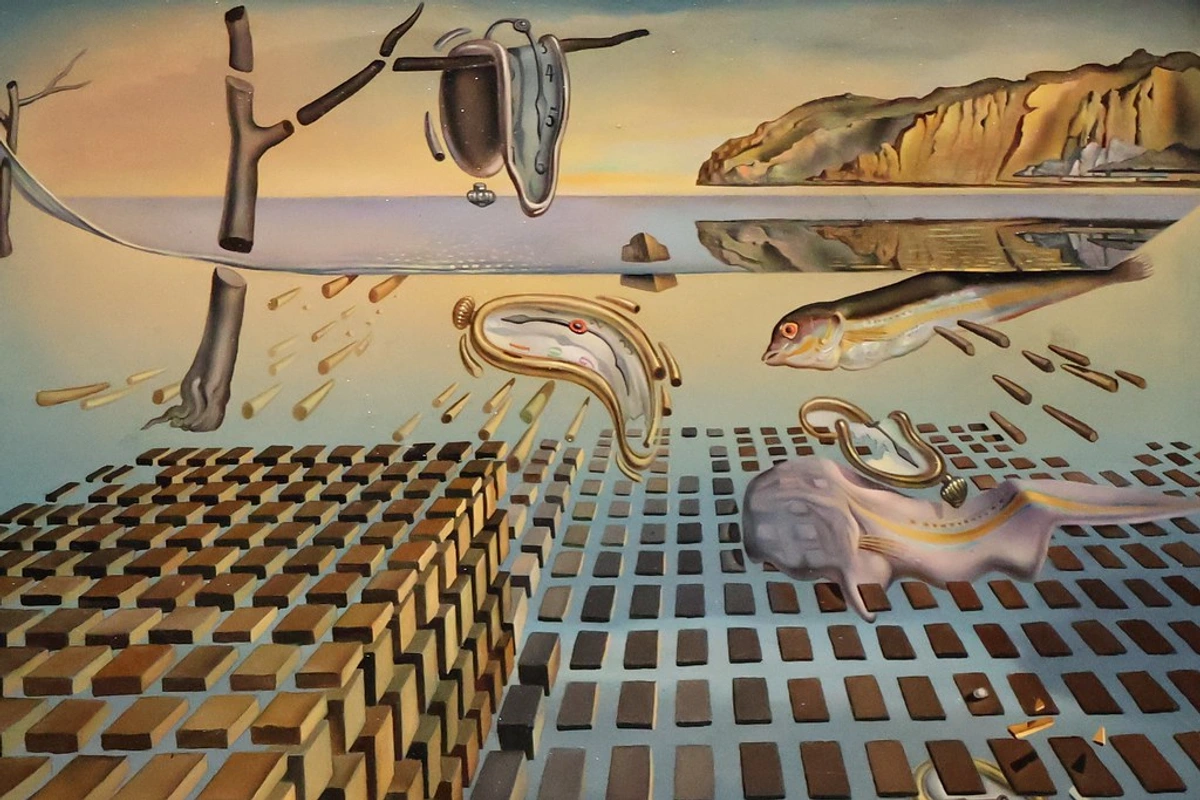
This convulsive quality also manifests in the unexpected grace of a glitch in digital art that creates a stunning, dynamic pattern, the unsettling distortion in a contemporary painting like Zeng Fanzhi's 'Mask Series', or the unexpected narrative twist in a compelling novel. It’s a beauty that doesn't soothe you; it awakens you, shakes you into a new perception. It's about finding the extraordinary hidden within the ordinary, often with a profound jolt that alters your entire view of what 'beautiful' can be. For Breton, this marvelous was not just a literary or artistic concept; it was a way of life, an opening to the hidden poetry and synchronicity of existence.
Beyond the Manifestos: Legacy, Evolution, and Criticisms of a Visionary
Breton's impact reverberated far beyond his immediate circle. Surrealism didn't just stay within the confines of art history; it seeped into literature, film, fashion, advertising, and even psychology. His ideas provided a framework for exploring the irrational and the subconscious that continues to influence contemporary artists, writers, and thinkers today, offering a crucial lens through which to examine a world that often defies logic.
Surrealism's Enduring Cultural Impact
Beyond the canvas, Surrealism permeated culture. In film, the dreamlike sequences and shocking juxtapositions of Luis Buñuel and Salvador Dalí's Un Chien Andalou (1929) and Buñuel's later L'Âge d'Or (1930) shattered conventional narrative, leaving an indelible mark on cinematic storytelling. Fashion designers like Elsa Schiaparelli famously collaborated with Dalí, creating iconic pieces like the 'Lobster Dress' and 'Shoe Hat,' bringing Surrealist wit and absurdity to couture. Even advertising adopted Surrealist strategies, using illogical imagery to grab attention and tap into subconscious desires. Moreover, the movement's emphasis on accessing the subconscious and making novel connections has influenced diverse fields from psychotherapy (beyond Freud's original application) to creative problem-solving in business. In a hyper-connected age saturated with information, Breton's call to reconnect with the irrational and the dream offers a powerful antidote to mental overload and the often superficial 'realities' presented online. For example, Jackson Pollock's spontaneous, gestural 'drip paintings' in Abstract Expressionism can be seen as a form of automatism, allowing the subconscious to guide the brush, while Andy Warhol's repetitions and dreamlike celebrity portraits in Pop Art sometimes echo Surrealist juxtapositions of the familiar and the uncanny.

Criticisms and the Voices of Female Surrealists
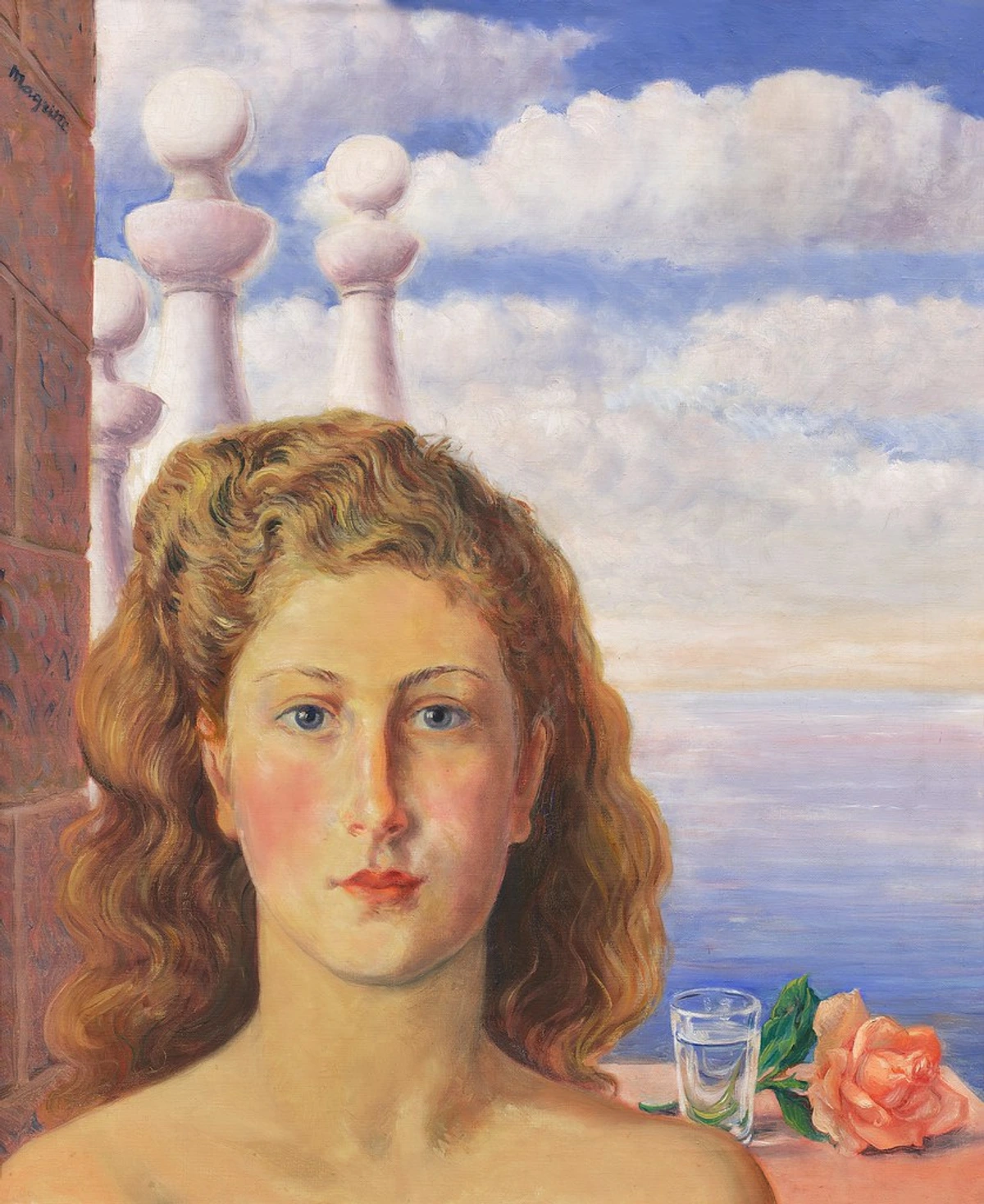
However, being the 'Pope' meant he also attracted criticism. His zealous insistence on ideological purity and his frequent 'excommunications' of those who deviated (like Dalí, but also others like Aragon or Bataille) led to accusations of authoritarianism and a stifling of individual artistic freedom. It's worth noting that while Breton often championed a distinctly masculine genius, significant female Surrealist artists created powerful, often deeply personal, dreamscapes, subtly challenging or extending his core tenets.
- Leonora Carrington: Her fantastical paintings, like Self-Portrait (1937–38), weave intricate personal mythologies, alchemical symbols, and animalistic transformations that transcend Breton's often rigid frameworks, exploring themes of feminine identity and magical realism. Her work is a testament to the power of subjective, inner worlds.
- Remedios Varo: A master of intricate detail and allegorical narratives, Varo's paintings, such as Ponderales (1959), feature ethereal, often solitary female figures engaged in mystical processes or strange crafts, creating a unique feminine universe steeped in occultism and scientific curiosity that felt distinct from the male-dominated Surrealist gaze.
- Dorothea Tanning: Known for her unsettling, sensuous, and often erotic imagery, Tanning's Eine Kleine Nachtmusik (1943) portrays disheveled girls in a decaying hotel corridor, pushing the boundaries of psychological tension and exploring latent desires in a way that amplified and personalized the Surrealist project.
These artists, among others like Frida Kahlo and Meret Oppenheim, enriched Surrealism far beyond its initial Parisian, male-dominated core, offering unique feminine perspectives within the movement. Surrealism also reached global shores, significantly influencing artists in Latin America, such as Roberto Matta in Chile and Rufino Tamayo in Mexico, who adapted its tenets to explore local myths and political realities. Despite these valid critiques and evolutions, Breton's relentless pursuit of a deeper reality and his unwavering belief in the power of the imagination remain an undeniable force in the landscape of modern thought.
Breton's Tools for the Everyday Creative: A Mini-Manifesto for Your Mind
So, how do we, in our busy, logical lives, actually put Breton’s radical ideas to work? It’s not about becoming a full-fledged Surrealist (unless you want to!), but about adopting a mindset that unlocks creative flow. Here are a few simple, actionable steps inspired by his philosophy:
- Embrace the 'Happy Accident': Next time you spill paint, smudge a line, or find an odd piece of scrap material, don't immediately dismiss it. Instead, ask: What new direction could this take me? Breton taught us to see meaning in the seemingly random. Your 'mistake' might be objective chance knocking. For instance, if you accidentally smudge a charcoal line while drawing, instead of erasing, try turning that smudge into a cloud formation or a ghostly figure.
- Date Your Dreams: Keeping a dream journal isn't just for Freudian analysis. It's a goldmine of raw, uncensored imagery and narrative. Don't worry about coherence; just capture the feeling, the strange juxtapositions, the impossible physics. You'll be amazed at the ideas that emerge for your art, writing, or even problem-solving. Look for recurring symbols, impossible juxtapositions (like a fish flying through a library), or intense emotional states.
- Play Without a Purpose: Set aside 10-15 minutes regularly for pure, disinterested play of thought. This could be automatic drawing (scribble freely), frottage (rub a pencil over a textured surface), or just writing down a stream of consciousness. The key is to shut off the inner critic and let your mind wander, without expectation of a 'good' outcome. That's where true originality hides. Try starting with random scribbles and then trying to 'find' an image within them, like a face or an animal, adding details as you go.
- Seek the Convulsive Marvelous in the Mundane: Look for jarring beauty. The way light hits a discarded object on the street, the unexpected harmony of two clashing colors in a shop window, the bizarre pattern in peeling paint. Train your eye to find the dynamic, unsettling, and alive in everyday life. It’s a perceptual shift that enriches everything. Observe the jarring beauty of rust patterns on an old car, or the unsettling symmetry of a spiderweb after rain.
A Practical Table of Breton's Ideas for Today's Creator
Let's distill Breton’s radical wisdom into actionable steps for artists and creatives today:
Quote Snippet  | Core Concept | Why It Matters for Your Art | Practical Application for an Artist | Potential Pitfall / Misconception |
|---|---|---|---|---|
| "...the omnipotence of dreams..." | Dreams: The True Frontier of Consciousness | Dreams are raw, unfiltered narratives, free from logic's chains. They bypass your inner censor, offering a direct line to your deepest desires, fears, and unexpected imagery – pure, unadulterated inspiration. | Keep a dream journal right by your bed. Don't try to interpret them; just mine them for raw, strange imagery, unexpected color palettes, and compelling narratives. Try a five-minute sketch inspired by a single dream fragment. | Dismissing dreams as 'just nonsense' or trying too hard to rationally 'solve' them. |
| "...disinterested play of thought." | Creative Freedom: Beyond Purpose & Expectation | When you create without an agenda (no 'good' or 'bad,' no 'sellable' or 'popular'), you bypass self-criticism. This is where true originality, surprising connections, and authentic, uninhibited expression emerge. | Try automatic drawing: close your eyes and let your hand move freely across the page for several minutes. Or experiment with collage from random materials, or frottage to extract unconscious textures. | Believing 'play' must yield a 'masterpiece' or getting stuck trying to force a pre-conceived outcome. |
| "The imaginary is what tends to become real." | Manifesting the Mind: Art as Reality-Maker | Your internal world isn't just 'in your head.' By giving it tangible form, you literally bring it into existence, allowing it to influence, provoke, and reshape the shared world around you. | Treat your ideas, no matter how weird or fleeting, with profound respect. Give them physical form immediately – sketch them, write them, paint them. That act of externalizing is the first, crucial step to making them real. | Letting ideas remain only in your head, fearing imperfection in their manifestation. |
| Objective Chance | Meaningful Coincidence: Synchronicity in the Everyday | This is about discovering profound, unexpected connections between your inner desires and external events. It reveals a hidden order, transforming randomness into revelation, and affirming the 'marvelous' in daily life. | Cultivate an open, observant mindset. Keep a small notebook to jot down uncanny coincidences, strange encounters, or objects found unexpectedly. Use these as prompts for new artworks, seeing them as messages from your subconscious. | Confusing genuine, meaningful synchronicity with mere random happenstance or superficial 'luck.' |
| "Beauty will be convulsive..." | Beauty Reimagined: The Dynamic, Startling, Alive | Conventional beauty can be passive and expected. Convulsive beauty actively engages, shocks, and awakens, revealing the unexpected marvel in the ordinary, or the profound within the unsettling. It demands your full attention. | Look for jarring, unexpected combinations in your work. Juxtapose clashing colors, textures, or seemingly unrelated subjects. Aim to surprise yourself first, then your audience. Embrace dynamic tension rather than serene harmony. | Equating convulsive beauty with mere ugliness or shock value without deeper meaning or transformative power. |
Frequently Asked Questions (FAQ)
Did Breton believe dreams were more important than reality?
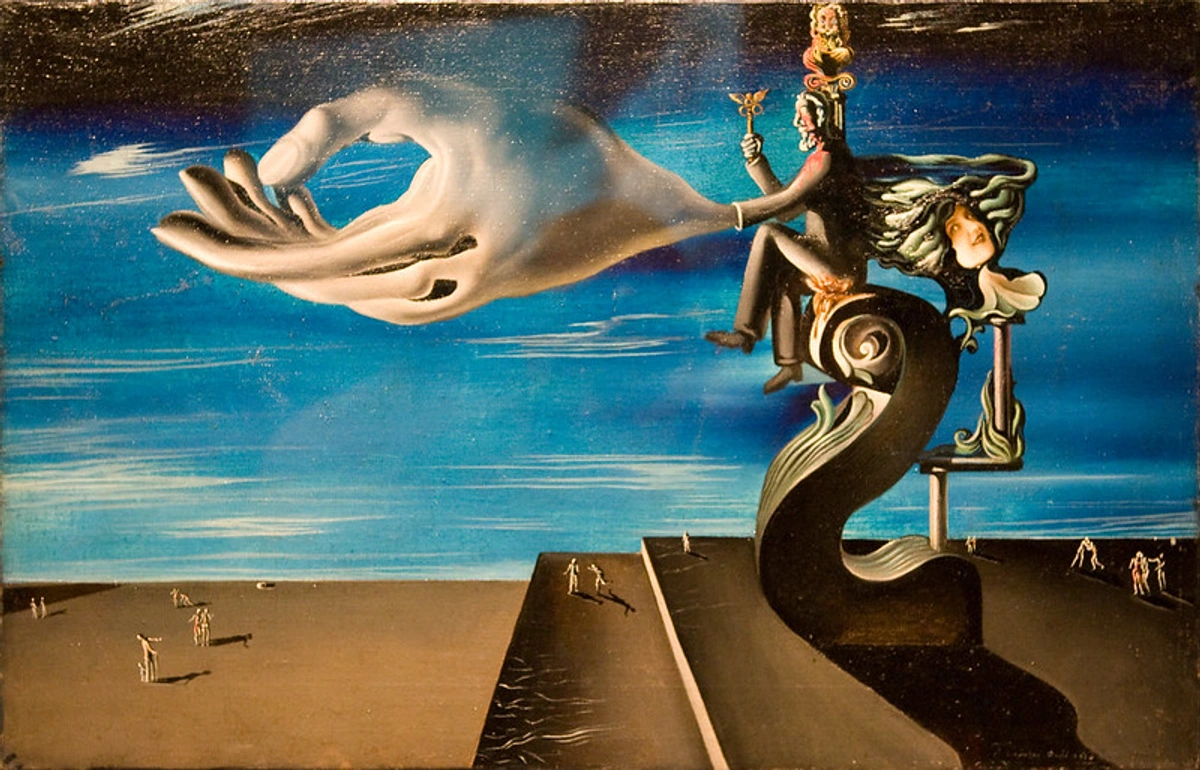
It’s a common question that often oversimplifies his intricate philosophy. Breton didn't see dreams as simply more important, but rather as an essential, unacknowledged component of a complete reality, which he termed 'surreality.' He believed that the so-called 'reality' of our waking lives was just one possibility, often a very repressed and incomplete one. He sought to synthesize dream and reality into an absolute reality – a 'super-reality' where the two states merged to reveal a deeper, more authentic truth. So, it was less about one being superior and more about the waking world being incomplete and impoverished without the rich insights and boundless freedom of the unconscious mind. He wanted to unite the two, finding the marvellous in the everyday and the logic in the dream.
What are some key Surrealist artworks that embody Breton's ideas?
Many iconic works perfectly illustrate Breton's philosophy and the core tenets of the Surrealist movement:
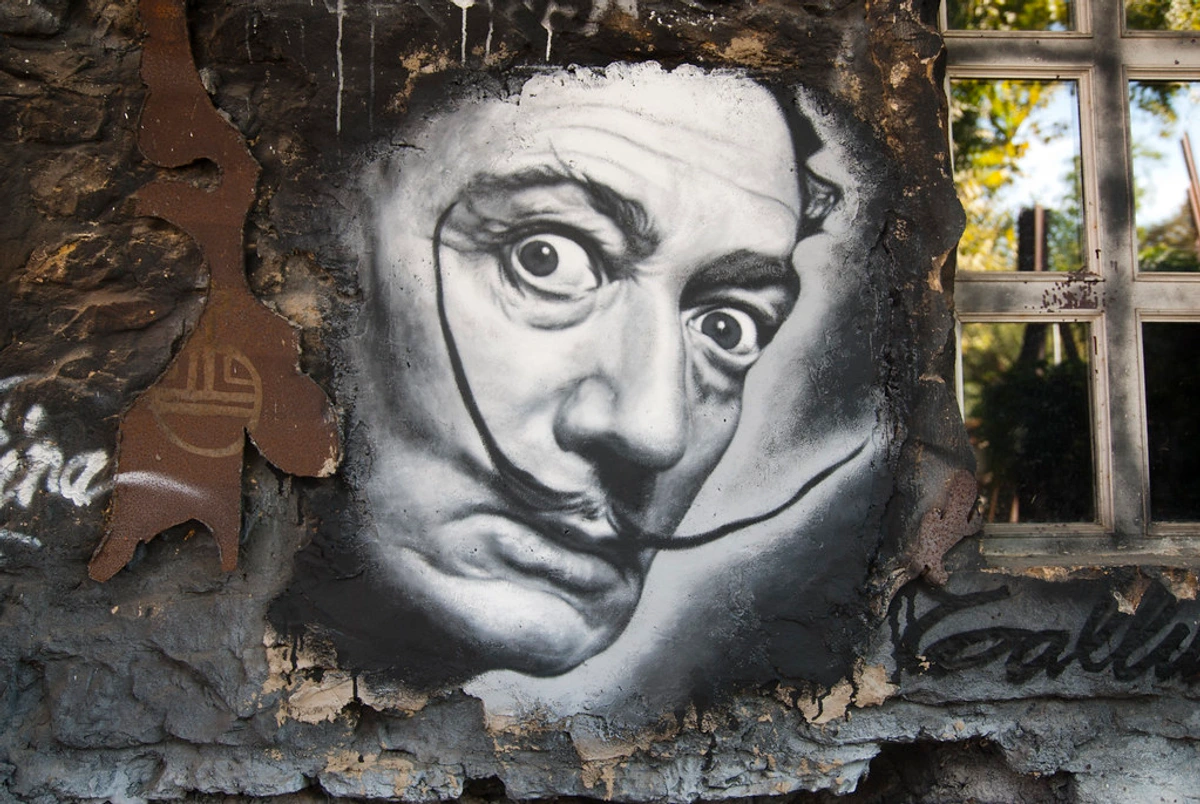
- Salvador Dalí's The Persistence of Memory (1931): Its melting clocks in a desolate landscape are a quintessential depiction of a dream state, defying logic and linear time. A vivid example of tapping the subconscious.
- René Magritte's The Treachery of Images (1929): The famous pipe with "Ceci n'est pas une pipe" directly challenges our perception of reality and representation, resonating with Breton's call to 'recognize' rather than just 'see.'
- Max Ernst's Europe After the Rain II (1940-42): Created using frottage and grattage, this painting exemplifies automatism, revealing biomorphic forms and unsettling landscapes born from unconscious techniques.
- Meret Oppenheim's Object (Déjeuner en fourrure) (1936): A fur-covered teacup, saucer, and spoon is a prime example of objective chance and convulsive beauty, creating a jarring, sensuous, and utterly unexpected object that jolts the viewer into a new perception of the familiar.
What is the Surrealist Manifesto about?
The Surrealist Manifesto (1924) by André Breton is the foundational text of the Surrealist movement. It's less a rigid set of rules and more a passionate call to arms for the imagination. Its core tenets include:
- Definition of Surrealism: Pure psychic automatism, expressed verbally, in writing, or by any other means, through which one intends to express the actual functioning of thought, in the absence of any control exercised by reason, outside of all aesthetic or moral preoccupation.
- Omnipotence of Dreams: Declares the belief in the superior reality of certain forms of previously neglected associations and the omnipotence of dreams.
- Critique of Rationalism: Argues that reason and logic have suppressed humanity's deeper imaginative and emotional capacities.
- Reunion of Dream and Reality: Calls for the synthesis of dream and reality into a 'surreality' – an absolute reality.
- Influence of Freud: Acknowledges Freud's theories of the subconscious as a vital source of creative inspiration.
Essentially, the Manifesto seeks to liberate the human mind from rational constraints, valuing the irrational, the dream, and the unconscious as primary sources for profound truth and artistic creation.
Was André Breton difficult to work with?
History suggests he was notoriously difficult. He was a passionate idealist, which often made him dogmatic, unyielding, and fiercely controlling. He held strict views on what constituted 'true' Surrealism and famously 'excommunicated' members from the group – like Salvador Dalí, Paul Éluard, and Louis Aragon – who he felt strayed from its core principles, engaged in commercialism, or pursued differing political agendas. His pursuit of purity, while admirable in its intent, often led to clashes and purges within the movement, making collaboration a challenging endeavor for many.

How did Surrealism influence NFTs or digital art?
While André Breton championed new forms of expression, the Surrealist movement predates digital technologies like NFTs and blockchain. However, the core Surrealist principles of exploring the subconscious, challenging perception, and valuing authenticity could be interpreted in relation to how digital art and ownership are evolving. The movement's emphasis on the 'marvelous' and the 'imaginary becoming real' might offer a lens through which to critically examine the perceived value and uniqueness of digital creations. Breton himself likely would have approached such technologies with profound skepticism, questioning their authenticity and potential for commodification over genuine artistic exploration, perhaps seeing them as another manifestation of a commercialized, overly rationalized world.





How can I apply Breton's ideas if I'm not a painter?
His ideas are remarkably universal for any creative field, or even just for navigating everyday life with more imagination. If you're a writer, try automatic writing, blackout poetry, or the 'exquisite corpse' game. If you're a musician, try aleatoric composition (using chance operations) or improvise without worrying about scales or theory. If you're a designer, create mood boards with seemingly unrelated images or experiment with found objects to spark new connections. For anyone, simply paying close attention to serendipitous encounters – those moments of "objective chance" – can unlock profound insights. It's all about disrupting your logical patterns and opening up to the irrational flow, whether in art, writing, music, problem-solving, or just how you perceive the world around you.
A Final Thought: Embrace the Uncharted
Reading André Breton can, at times, feel like trying to grab smoke – his ideas are vast, elusive, and often wonderfully contradictory. Yet, the effort is profoundly worth it, especially in a world that often demands rigid logic and instant gratification. He reminds us that the most potent, most interesting, and most transformative parts of ourselves are often the ones we're taught to ignore—the nonsensical, the contradictory, the nocturnal, the utterly weird. He gives us radical permission to be weird, to value the strange static that plays in the back of our minds, and to let it shape not just our creative output, but our very perception of reality.
For any artist, writer, or simply anyone staring at a blank canvas of life, that permission isn't just helpful; it's a profound invitation to a richer, more imaginative existence. Embrace the marvelous, let your desires guide your brush (or pen, or instrument), and remember that the imaginary is always tending towards the real. Your unique vision, once freed from the shackles of expectation, is ready to transform the world, one convulsive marvel at a time. It's time to let your own subconscious speak. If you’re looking for art that embodies this spirit, why not explore my latest collections or visit my museum in Den Bosch? The beauty of the uncharted awaits you.