How Ancient Greek Art Shapes Modern Design
Explore the enduring influence of ancient Greek art on modern design, from architecture to interior decor, and discover how to incorporate these timeless principles into your own space.

How Ancient Greek Art Shapes Modern Design
The influence of ancient Greek art on modern design is profound and far-reaching. From the symmetry of a smartphone app to the ergonomics of a chair, Greek principles are embedded in our daily lives. This article explores the enduring impact of Greek aesthetics and provides practical guidance on incorporating these principles into contemporary design.
I remember the first time I walked into a room and felt an inexplicable sense of harmony. The proportions were just right, the colors balanced, and the space felt alive. It wasn’t until later that I realized this feeling was no accident—it was the echo of ancient Greek art principles, still shaping our modern world. This realization led me to explore how ancient Greek aesthetics continue to influence contemporary design, from architecture to interior decor.
This realization led me to explore how ancient Greek aesthetics continue to influence contemporary design, from architecture to interior decor. The Greeks didn’t just create art; they crafted a philosophy of beauty that transcends time. Their legacy is not confined to museums or history books; it is alive in the spaces we inhabit and the objects we use daily. Their pursuit of harmony, balance, and proportion has left an indelible mark on the world of design.
But what exactly is it about Greek art that makes it so enduring? Is it the symmetry, the proportion, or the way it celebrates the human form? Or is it something deeper, something that resonates with our innate sense of beauty and order? These are the questions that have driven artists, designers, and philosophers for centuries, and they continue to inspire us today. To understand this, we must delve into the historical context of Greek art and its evolution over time.
The Historical Context of Greek Art
To truly appreciate the influence of Greek art, it’s essential to understand its historical context. Ancient Greece was a collection of city-states, each with its own unique cultural identity. Despite this diversity, a shared appreciation for beauty, harmony, and proportion united them. This collective ethos laid the foundation for the artistic and architectural achievements that followed.
The Birth of Greek Art
Greek art emerged during a time of great cultural and intellectual growth. The city-states of Athens, Sparta, and Corinth, among others, were hubs of innovation and creativity. This period saw the development of democratic ideals, philosophical thought, and artistic expression that would shape Western civilization.
The Greeks were pioneers in many artistic forms, including sculpture, pottery, and architecture. Their innovations were not just aesthetic but also philosophical. They believed that art should reflect the ideal form of nature, not just its physical appearance. This pursuit of perfection and balance is what makes Greek art so timeless and universally appealing.
The Role of Philosophy in Greek Art
Philosophy played a crucial role in shaping Greek art. Philosophers like Plato, Aristotle, and Pythagoras explored the nature of beauty, harmony, and proportion. Their ideas influenced artists and architects, leading to the creation of works that embodied these principles.
The Evolution of Greek Artistic Forms
Greek art evolved through several distinct periods, each contributing to the rich tapestry of Greek aesthetics:
- Archaic Period (800–480 BCE): Characterized by stiff, stylized figures and the emergence of the iconic Greek smile. This period laid the groundwork for the artistic innovations that would follow.
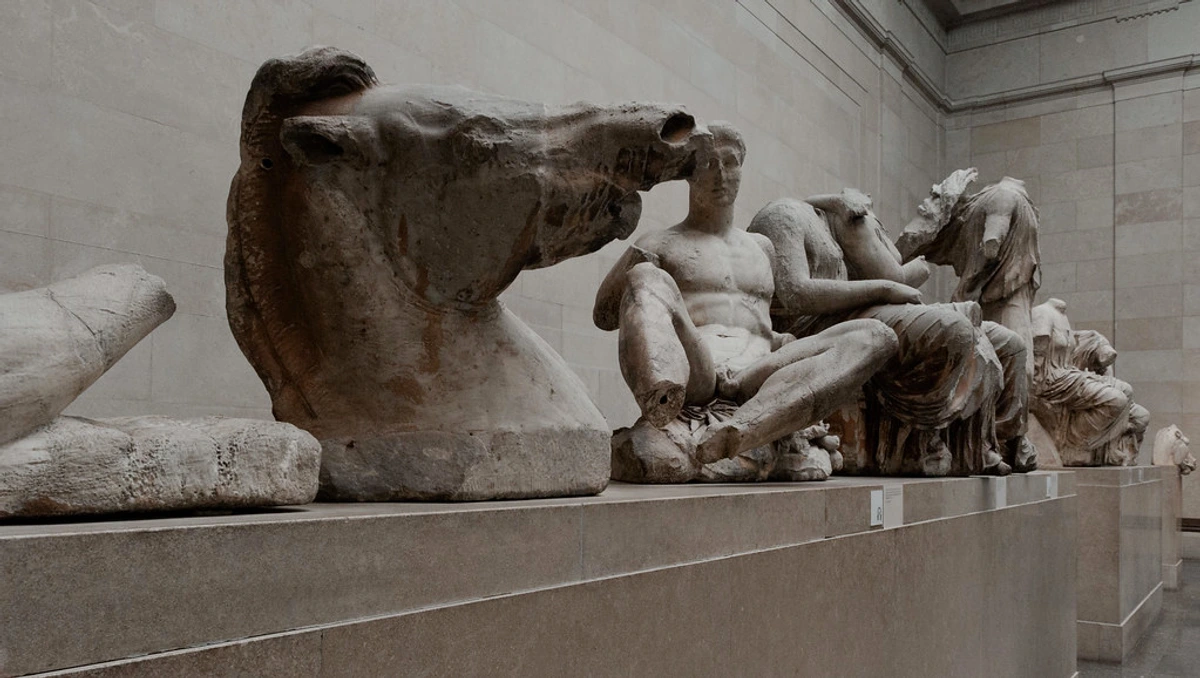
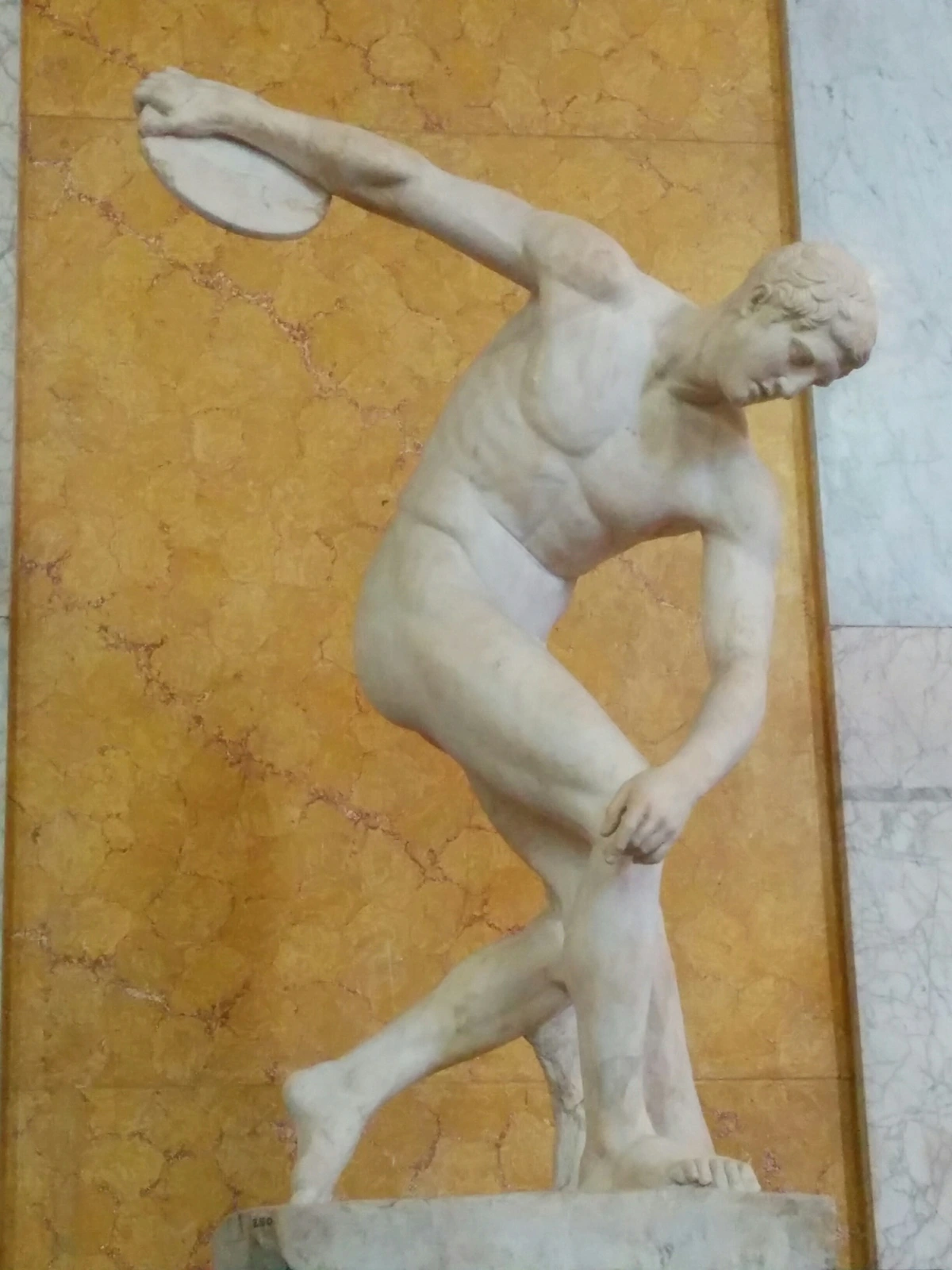
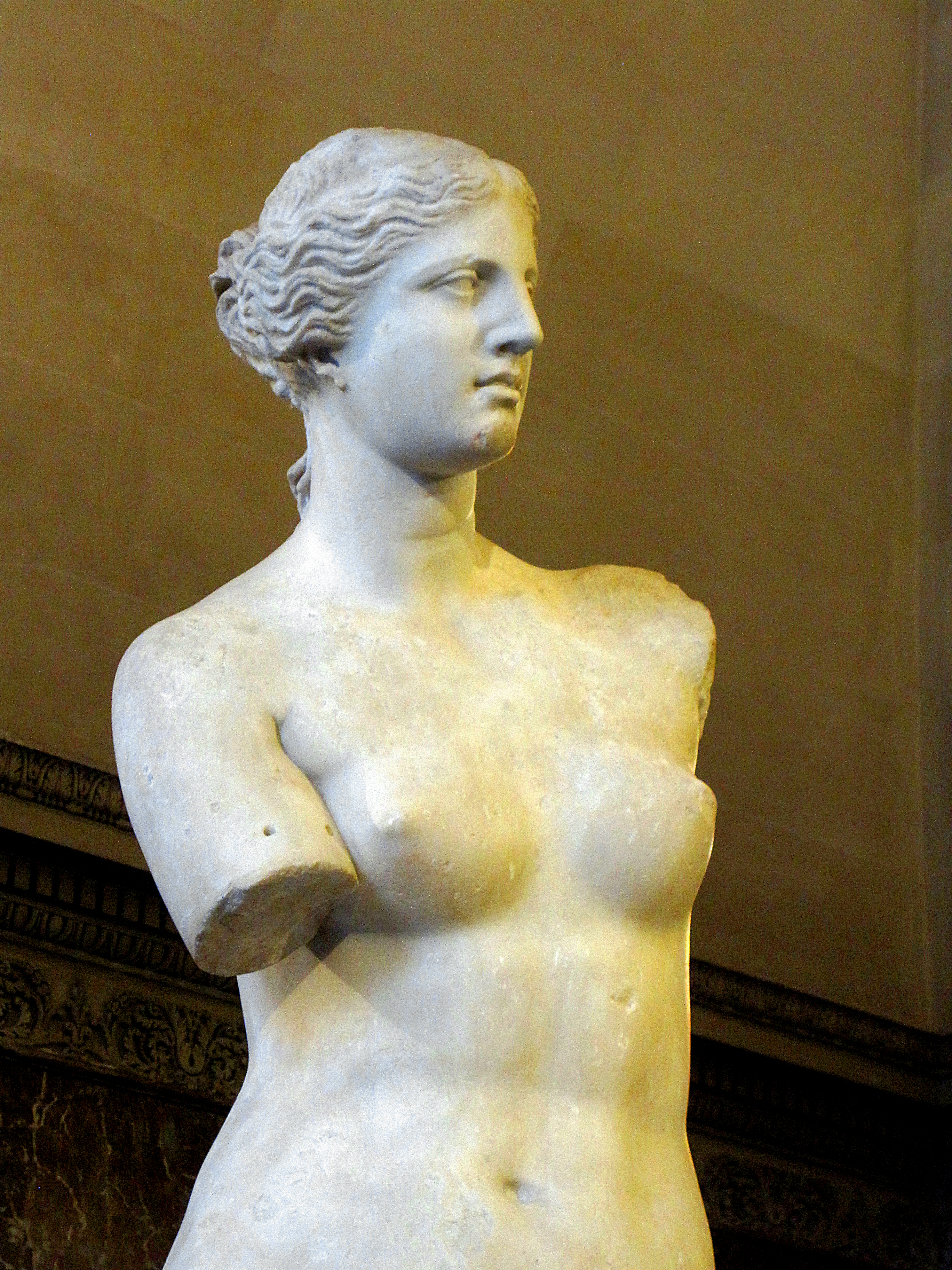
- Classical Period (480–323 BCE): Marked by a focus on realism, proportion, and the idealized human form. This era produced some of the most iconic works of Greek art, including the Parthenon and the sculptures of Phidias.
- Hellenistic Period (323–31 BCE): Known for its dramatic expressions, dynamic poses, and intricate detailing. This period saw the spread of Greek culture across the Mediterranean and beyond.
Each period built upon the last, refining techniques and expanding the boundaries of artistic expression.
The Timeless Influence of Greek Aesthetics
Ancient Greek art is more than just a historical curiosity; it is a living tradition that informs modern design. From the symmetry of a smartphone app to the ergonomics of a chair, Greek principles are embedded in our daily lives. This article will delve into the enduring impact of Greek aesthetics and provide practical guidance on incorporating these principles into contemporary design.
Greek Aesthetics in Architecture
Greek architecture has had a profound impact on modern design. The use of columns, pediments, and friezes in contemporary buildings is a testament to the enduring appeal of Greek aesthetics. Even in the digital age, architects and designers continue to draw inspiration from the Greeks, creating spaces that are both functional and beautiful.
The Role of Greek Aesthetics in Modern Technology
The principles of Greek aesthetics are not limited to physical spaces. They also play a significant role in modern technology. For example, the golden ratio is often used in web design to create visually appealing layouts. The symmetry and balance of Greek art can be seen in the design of user interfaces, where clarity and harmony are essential for a positive user experience.
Greek Aesthetics in Digital Design
Digital designers often use Greek principles to create intuitive and visually pleasing interfaces. The golden ratio, for instance, is used to determine the proportions of elements on a webpage, ensuring a harmonious layout. This approach enhances user experience by making digital spaces more intuitive and aesthetically pleasing.
Greek Aesthetics in Everyday Objects
From furniture to household items, Greek aesthetics influence the design of everyday objects. The ergonomics of a chair, the proportions of a vase, and the symmetry of a table all reflect the principles of Greek art. These elements contribute to the functionality and beauty of the objects we use daily.
The Role of Greek Aesthetics in Fashion
Greek aesthetics have also made their mark on the world of fashion. Designers often incorporate Greek motifs, such as meanders and palmettes, into their collections. The draped fabrics and flowing lines of Greek clothing have inspired countless modern designs, proving that Greek aesthetics are as relevant today as they were thousands of years ago.

The Evolution of Greek Aesthetics
Greek aesthetics have evolved over centuries, adapting to new cultural and technological contexts. The principles of harmony, balance, and proportion have remained constant, but their application has changed. For example, the use of the golden ratio in digital design is a modern interpretation of an ancient concept. This evolution highlights the adaptability and relevance of Greek aesthetics in today’s world.
Greek Aesthetics in Contemporary Art
Contemporary artists continue to draw inspiration from Greek aesthetics. The principles of harmony, balance, and proportion are evident in modern art movements, from minimalism to abstract expressionism. Artists use these principles to create works that resonate with viewers on a deep, emotional level.
The Influence of Greek Aesthetics on Modern Art Movements
Greek aesthetics have also influenced various modern art movements. For instance, the Neoclassical movement of the 18th and 19th centuries drew heavily from Greek art, emphasizing symmetry, proportion, and idealized forms. Similarly, the Art Deco movement incorporated Greek motifs and geometric patterns, blending ancient aesthetics with modern design.
Greek Aesthetics in Minimalism
The minimalist movement, with its focus on simplicity and functionality, also draws inspiration from Greek aesthetics. The clean lines, balanced proportions, and emphasis on harmony are all hallmarks of both Greek art and minimalist design. This connection highlights the timeless appeal of Greek principles in contemporary art.

The Philosophical Foundations of Greek Art
Greek art is deeply rooted in philosophy. The Greeks believed that beauty was not just about appearance but about harmony, balance, and proportion. This philosophy was reflected in their art, architecture, and even their approach to life. The idea that beauty could be quantified and understood through mathematics was revolutionary and continues to influence design today.
Key Philosophers and Their Influence
- Plato: Believed that art should represent ideal forms, not just physical reality. His ideas laid the groundwork for the pursuit of perfection in art.
- Aristotle: Emphasized the importance of balance and harmony in art, which he saw as essential for creating a sense of order and tranquility.
- Pythagoras: Introduced the concept of the golden ratio, a mathematical principle that creates visually pleasing proportions.
These philosophers shaped the way the Greeks approached art and design, and their ideas continue to resonate in modern aesthetics.
The Role of Mathematics in Greek Art
Mathematics played a crucial role in Greek art. The Greeks used mathematical principles to create harmonious and balanced compositions. The golden ratio, for example, was used to determine the proportions of buildings, sculptures, and even paintings. This mathematical approach to art ensured that Greek aesthetics were not just visually appealing but also structurally sound.
The Role of Mythology in Greek Art
Mythology played a significant role in Greek art. The stories of gods, heroes, and monsters were not just entertainment; they were a way to explore human nature, morality, and the mysteries of the universe. These themes are still relevant today, and many modern artists and designers draw inspiration from Greek mythology to create works that resonate with contemporary audiences.
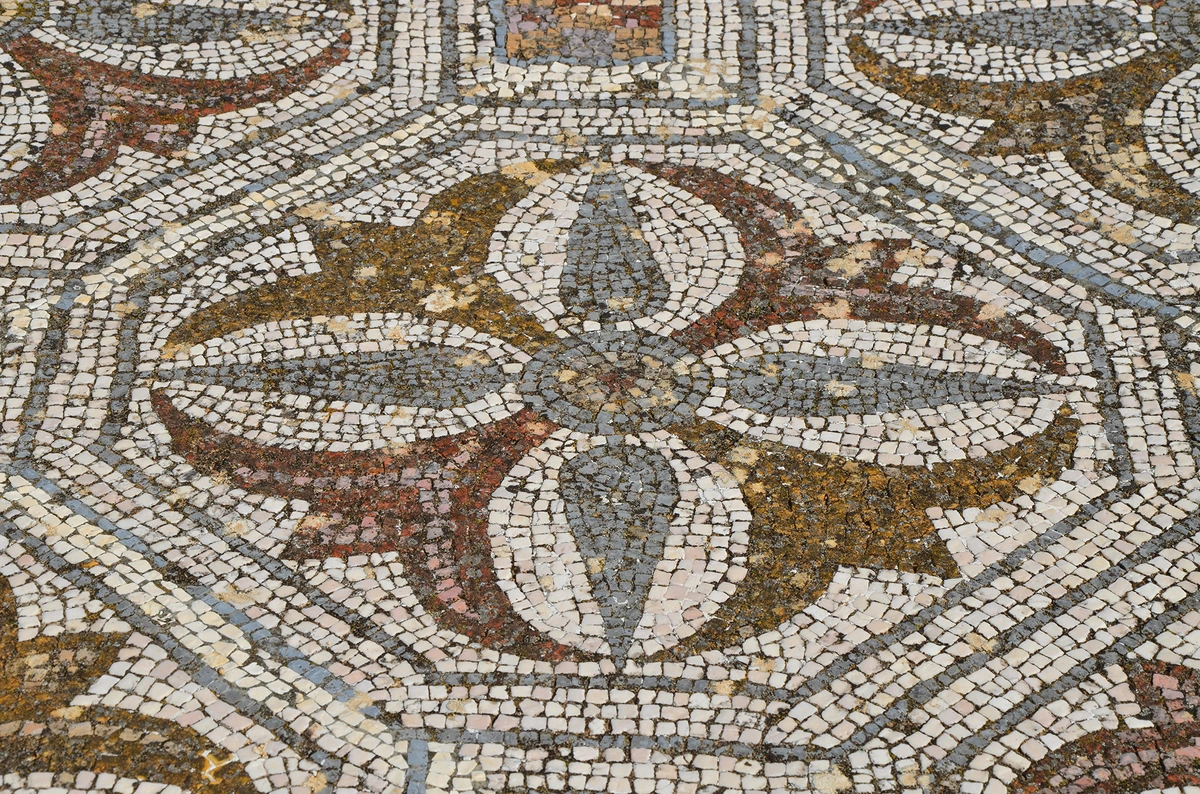
Popular Mythological Themes in Modern Design
- Heroism and Courage: Themes of heroism, such as those found in the stories of Hercules and Achilles, inspire modern designs that celebrate strength and resilience.
- Nature and the Divine: Greek myths often explore the relationship between humans and the natural world, a theme that resonates in eco-friendly and sustainable design.
- Love and Tragedy: Stories of love and tragedy, like those of Orpheus and Eurydice, inspire designs that evoke deep emotional responses.
These themes are not just decorative; they add layers of meaning and depth to modern art and design.
The Symbolism of Greek Mythology in Art
Greek mythology is rich in symbolism, and these symbols are often incorporated into modern art and design. For example, the owl, a symbol of wisdom associated with the goddess Athena, is often used in designs that emphasize knowledge and learning. Similarly, the laurel wreath, a symbol of victory and honor, is used in designs that celebrate achievement and excellence.
The Enduring Legacy of Ancient Greek Art
Ancient Greek art isn’t just about marble statues and temple ruins. It’s a philosophy of beauty, balance, and proportion that has seeped into every corner of modern design. From the symmetry of a well-designed website to the elegance of a minimalist chair, the Greeks laid the foundation.

The Influence of Greek Art on Modern Architecture
Greek architecture has had a profound impact on modern design. The use of columns, pediments, and friezes in contemporary buildings is a testament to the enduring appeal of Greek aesthetics. Even in the digital age, architects and designers continue to draw inspiration from the Greeks, creating spaces that are both functional and beautiful.

Greek Art in Contemporary Fashion
The influence of Greek art is not limited to architecture and interiors. It has also made its mark on the world of fashion. Designers often incorporate Greek motifs, such as meanders and palmettes, into their collections. The draped fabrics and flowing lines of Greek clothing have inspired countless modern designs, proving that Greek aesthetics are as relevant today as they were thousands of years ago.
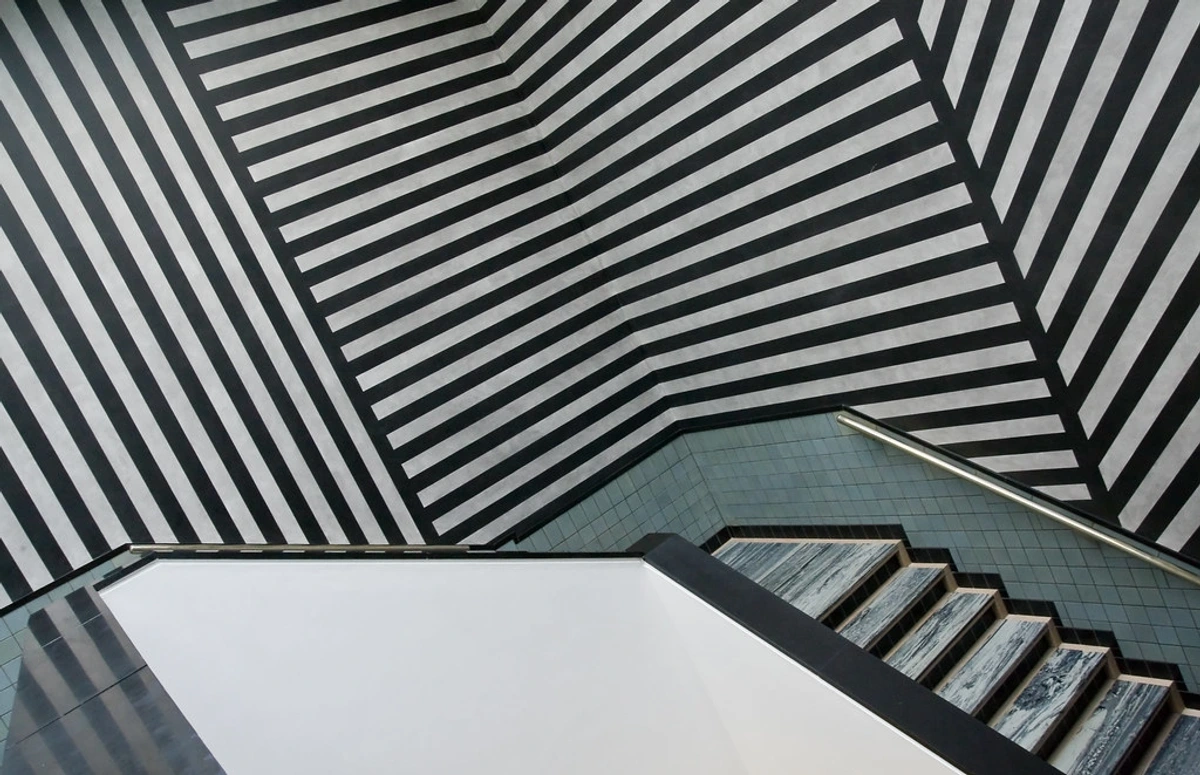
Greek-Inspired Fashion Trends
- Draped Fabrics: The flowing, draped fabrics of ancient Greek clothing have inspired modern designs that emphasize movement and elegance.
- Greek Motifs: Patterns like meanders and palmettes are often used in textiles and accessories, adding a touch of history and sophistication.
- Minimalist Design: The simplicity and elegance of Greek clothing have influenced modern minimalist fashion, which focuses on clean lines and timeless designs.
These trends highlight the enduring appeal of Greek aesthetics in the world of fashion.

Why Greek Art Matters Today
The principles of Greek art are not relics of the past; they are living ideas that shape how we perceive beauty and functionality. Whether it’s the layout of a smartphone app or the ergonomics of a chair, Greek aesthetics are deeply embedded in our daily lives.
The Psychological Impact of Greek Aesthetics
There is something inherently calming and satisfying about Greek aesthetics. The symmetry, proportion, and balance create a sense of order and tranquility that resonates with our subconscious. This psychological impact is why Greek principles are so widely used in modern design, from the layout of a room to the design of a logo.

The Psychological Impact of Greek Aesthetics
There is something inherently calming and satisfying about Greek aesthetics. The symmetry, proportion, and balance create a sense of order and tranquility that resonates with our subconscious. This psychological impact is why Greek principles are so widely used in modern design, from the layout of a room to the design of a logo.
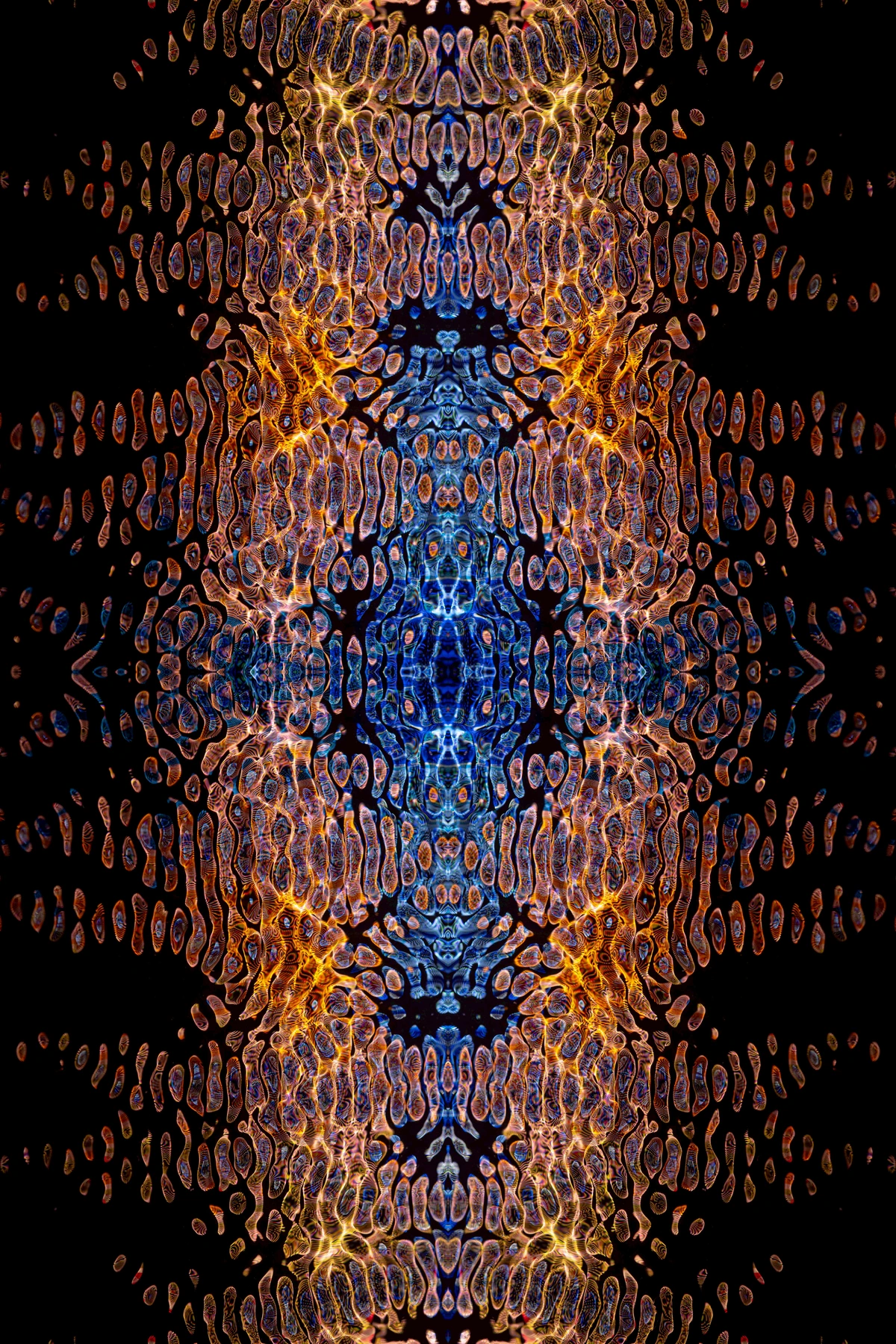
Key Principles of Greek Aesthetics
- Harmony and Proportion: The Greeks believed in the golden ratio, a mathematical principle that creates visually pleasing proportions. You’ve probably seen it in everything from the Parthenon to your favorite smartphone.
- Balance and Symmetry: Whether it’s the layout of a room or the design of a logo, symmetry creates a sense of order and tranquility. The Greeks mastered this, and we still rely on it today.
- Humanism: Greek art celebrated the human form and experience. Modern design, especially in furniture and interiors, often reflects this focus on human comfort and ergonomics.
- Idealism: Greek artists sought to depict the ideal form, not just reality. This pursuit of perfection influences modern design, where aesthetics and functionality are often balanced to create the ideal user experience.
- Narrative and Symbolism: Greek art was rich in storytelling and symbolism. Mythological scenes and symbolic motifs were used to convey deeper meanings and explore complex themes. This narrative approach is still used in modern design, where visual storytelling is a powerful tool for communication and expression.
- Naturalism: Greek artists also emphasized the importance of naturalism, depicting the world as it is while striving for ideal beauty. This principle is evident in modern design, where natural materials and organic forms are often used to create a sense of harmony with the environment.
- Functionality: Greek art was not just about aesthetics; it was also about functionality. This principle is reflected in modern design, where form and function are often seamlessly integrated to create practical and beautiful objects.
Ancient Greek Art in Modern Interiors
Color Palettes Inspired by Greek Art
The Greeks loved earthy tones—terracotta, olive green, and deep blues. These colors are making a comeback in modern interiors. Imagine a living room with terracotta walls, olive green cushions, and a deep blue rug. It’s timeless.
Table: Greek-Inspired Color Palettes
Color  | Hex Code | Usage | Emotional Impact |
|---|---|---|---|
| Terracotta | #E2725B | Walls, Accents | Warmth, Earthiness |
| Olive Green | #6B8E23 | Textiles, Furniture | Calm, Natural |
| Deep Blue | #00008B | Rugs, Decor | Depth, Serenity |
| Sandy Beige | #F5F5DC | Backgrounds | Neutral, Balanced |
| Marble White | #F8F8FF | Countertops, Flooring | Purity, Elegance |
| Burnt Sienna | #E97451 | Accent Walls, Art Frames | Energy, Passion |
These colors evoke a sense of history and tranquility, making them perfect for creating a serene and inviting atmosphere.
The Role of Natural Materials
Greek interiors were characterized by the use of natural materials like marble, stone, and wood. These materials are not only durable but also add a sense of warmth and authenticity to a space. In modern interiors, incorporating natural materials can create a timeless and elegant look that is both functional and beautiful.
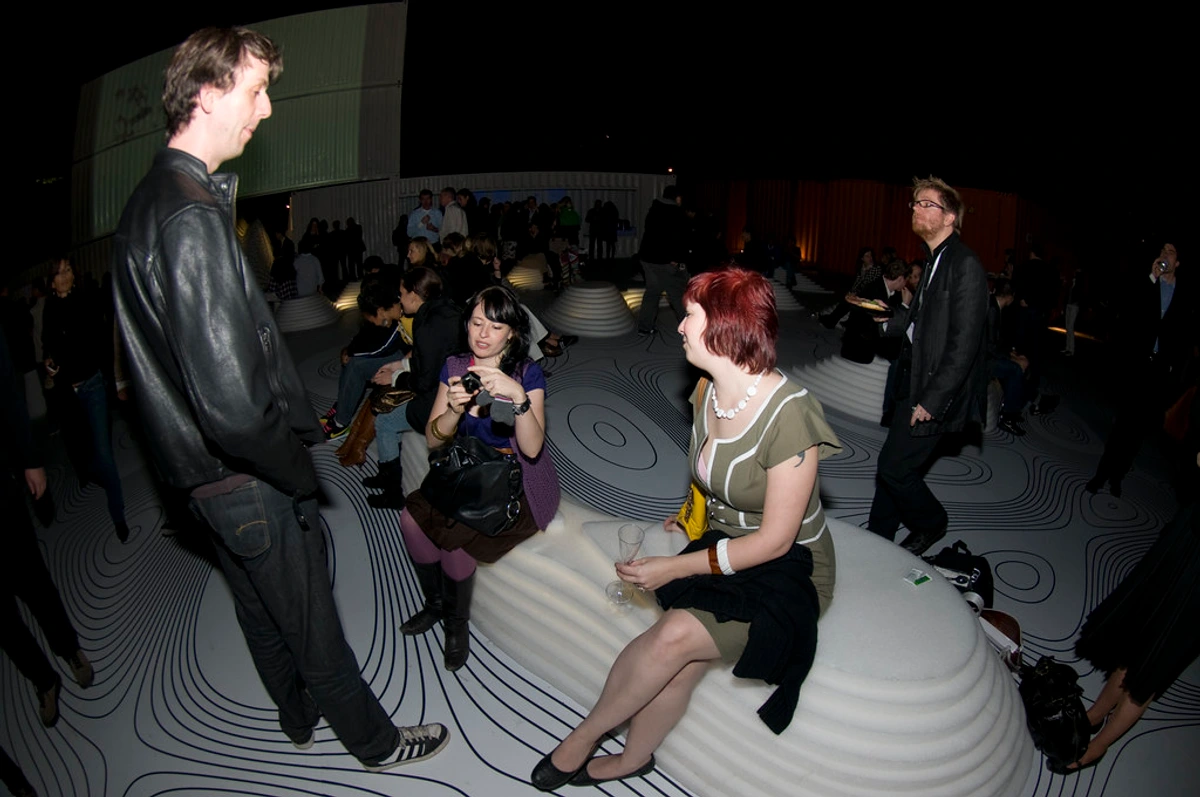
Motifs and Patterns
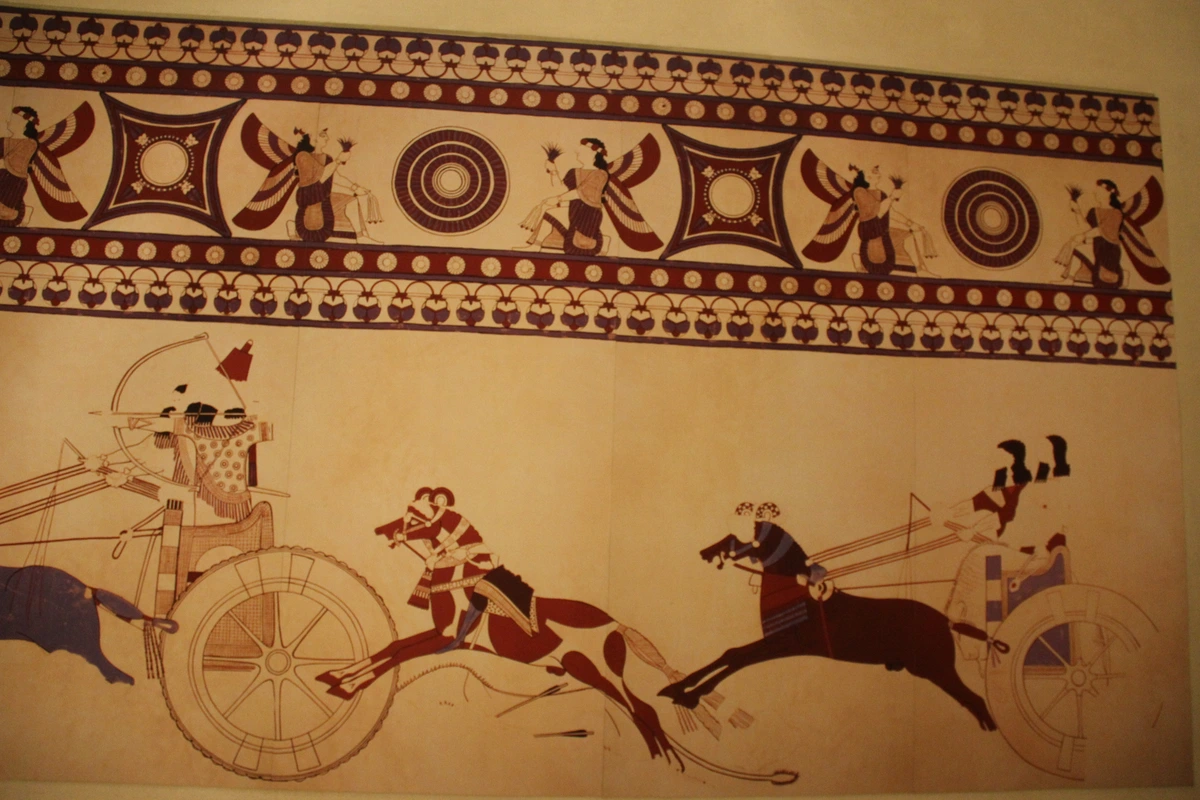
From meanders to palmettes, Greek motifs are everywhere. You might see them in wallpaper, textiles, or even in the design of a coffee table. These patterns add a touch of history and sophistication to any space.

Popular Greek Motifs
- Meander: A continuous line that forms a repeating pattern, symbolizing infinity and unity.
- Palmette: A stylized palm leaf motif, often used in decorative borders.
- Greek Key: A geometric pattern that represents the labyrinth and is often used in architectural details.
- Acanthus Leaf: A decorative motif inspired by the leaves of the acanthus plant, often used in carvings and moldings.
- Fret: A geometric pattern consisting of repeated vertical and horizontal lines, often used in borders and friezes.
These motifs can be incorporated into modern design through wallpaper, textiles, and even furniture design.

The Symbolism Behind Greek Motifs
Greek motifs are not just decorative; they carry deep symbolic meanings. For example, the meander pattern symbolizes infinity and unity, while the palmette represents victory and triumph. Understanding the symbolism behind these motifs can add a layer of meaning and depth to your design choices.

Architectural Elements
Columns, pediments, and friezes—these aren’t just for ancient temples. Modern buildings and interiors often incorporate these elements to evoke a sense of grandeur and permanence.
Table: Greek Architectural Elements in Modern Design
Element | Description | Modern Application |
|---|---|---|
| Columns | Vertical structural elements | Used in porches, entryways, and interior design |
| Pediments | Triangular gables | Found in facades and decorative moldings |
| Friezes | Decorative bands | Used in wall art and architectural detailing |
| Architraves | Horizontal beams resting on columns | Used in doorways and window frames |
| Cornices | Decorative moldings at the top of walls | Used in ceiling designs and crown moldings |
These elements add a timeless elegance to modern structures, bridging the gap between ancient and contemporary aesthetics.

The Influence of Greek Architecture on Urban Design
Greek architecture has also influenced urban design. The concept of the agora, or public square, has inspired modern city planning, where public spaces are designed to foster community and interaction. The use of columns and pediments in public buildings, such as museums and government offices, is a testament to the enduring appeal of Greek aesthetics.
How to Incorporate Greek Aesthetics into Your Home
Step-by-Step Guide
- Start with Proportion: Measure your space and aim for the golden ratio in your layout. This might mean arranging furniture in a way that creates a balanced, harmonious flow.
- Choose a Greek-Inspired Color Palette: Opt for earthy tones like terracotta, olive green, and deep blues. These colors create a warm, inviting atmosphere.
- Add Greek Motifs: Incorporate patterns like meanders or palmettes in your textiles, wallpaper, or decor. These add a touch of history and elegance.
- Use Architectural Elements: Consider adding columns, pediments, or friezes to your space. Even small details can make a big impact.
- Focus on Humanism: Design your space with comfort and ergonomics in mind. Choose furniture that is both beautiful and functional.
- Incorporate Art: Select artworks that reflect Greek themes or aesthetics. This could include sculptures, paintings, or even modern interpretations of Greek motifs.
- Lighting: Use natural light and soft, warm lighting to enhance the ambiance and highlight the beauty of your space.
- Textiles and Fabrics: Choose fabrics that reflect Greek motifs and colors. This could include curtains, cushions, and rugs that feature Greek-inspired patterns.
- Accessories: Add accessories like vases, statues, and decorative bowls that evoke Greek aesthetics. These small touches can tie the entire space together.
- Outdoor Spaces: Extend Greek aesthetics to your outdoor spaces by incorporating elements like marble statues, Greek-inspired planters, and outdoor furniture with clean lines and elegant designs.
- Create a Focal Point: Use a statement piece, such as a Greek-inspired sculpture or a large piece of art, to create a focal point in your space. This can draw the eye and set the tone for the rest of the room.
- Mix and Match Styles: Don’t be afraid to mix Greek-inspired elements with other design styles. The contrast can create a unique and visually interesting space that reflects your personal taste and creativity.
Tips for Success
- Mix and Match: Don’t be afraid to mix Greek-inspired elements with modern design. The contrast can create a unique and visually interesting space.
- Focus on Balance: Ensure that your space feels balanced and harmonious. Avoid overcrowding with too many Greek-inspired elements.
- Personalize: Make the space your own by incorporating personal touches and elements that reflect your style and personality.
- Experiment: Don’t be afraid to experiment with different colors, patterns, and textures. The goal is to create a space that feels uniquely yours.
- Seek Inspiration: Look to museums, art galleries, and design books for inspiration. The more you immerse yourself in Greek aesthetics, the more ideas you’ll have for incorporating them into your home.
- Start Small: If you’re new to Greek-inspired design, start with small changes, such as adding a few accessories or incorporating a Greek motif into your textiles. This can help you get a feel for the style before making bigger changes.
The Role of Greek Aesthetics in Sustainable Design
Greek aesthetics also play a role in sustainable design. The use of natural materials and earthy color palettes aligns with the principles of sustainability, creating spaces that are both beautiful and environmentally friendly. By incorporating Greek aesthetics into sustainable design, you can create a harmonious and eco-conscious living environment.
FAQ
What is the golden ratio in design?
The golden ratio is a mathematical principle that creates visually pleasing proportions. It’s often used in design to create harmony and balance. The ratio is approximately 1.618, and it’s found in everything from ancient Greek architecture to modern logos.
How can I incorporate Greek aesthetics into a small space?
Even in a small space, you can incorporate Greek aesthetics by using a Greek-inspired color palette, adding small accessories like vases or statues, and incorporating Greek motifs into your textiles or wallpaper. The key is to focus on balance and proportion to create a harmonious and inviting atmosphere.
What are some common mistakes to avoid when incorporating Greek aesthetics?
One common mistake is overcrowding a space with too many Greek-inspired elements. It’s important to focus on balance and harmony, and to avoid overwhelming the space with too many patterns or accessories. Another mistake is ignoring the principles of proportion and symmetry, which are essential to Greek aesthetics.

How can I use Greek motifs in my home?
You can incorporate Greek motifs in various ways, such as through wallpaper, textiles, or decor. Patterns like meanders and palmettes are popular choices. These motifs add a touch of history and sophistication to any space.
What are some examples of Greek-inspired modern design?
Examples include the use of columns in modern buildings, the incorporation of Greek motifs in textiles, and the use of earthy color palettes in interiors. Even the layout of a well-designed room can reflect Greek principles of harmony and proportion.
How can I incorporate Greek aesthetics into my garden?
You can incorporate Greek aesthetics into your garden by using natural materials like stone and marble, adding Greek-inspired statues and planters, and incorporating earthy color palettes. The goal is to create a sense of harmony and balance that reflects the natural beauty of the Greek landscape.
What are some Greek-inspired design trends for 2023?
Some Greek-inspired design trends for 2023 include the use of earthy color palettes, the incorporation of natural materials, and the use of Greek motifs in textiles and decor. These trends highlight the enduring appeal of Greek aesthetics in modern design.
How can I learn more about Greek art and aesthetics?
You can learn more about Greek art and aesthetics by visiting museums and art galleries, reading books and articles, and taking online courses. The more you immerse yourself in Greek aesthetics, the more you’ll appreciate their enduring influence on modern design.

Conclusion
Ancient Greek art isn’t just a relic of the past—it’s a living, breathing influence on modern design. By understanding and incorporating these timeless principles, you can create spaces that are not only beautiful but also harmonious and inviting. So next time you’re designing a room or choosing a piece of art, remember the Greeks. Their legacy is all around us.
The Future of Greek Aesthetics
As we continue to explore and reinterpret Greek aesthetics, we can expect to see new and innovative ways of incorporating these principles into modern design. From sustainable architecture to digital art, the influence of Greek aesthetics is likely to grow and evolve, inspiring future generations of artists, designers, and architects.

Final Thoughts
The beauty of Greek art lies in its ability to transcend time and culture. Whether you’re an artist, a designer, or simply someone who appreciates beauty, the principles of Greek aesthetics offer a timeless guide to creating spaces that are both functional and inspiring. Embrace these ideas, and let them guide you in your creative endeavors.
Exploring Greek Art Further
If you’re inspired to explore Greek art further, consider visiting museums and art galleries that feature Greek collections. You can also find a wealth of information in books, online courses, and documentaries. The more you learn about Greek art and aesthetics, the more you’ll appreciate their enduring influence on modern design and the world around us.

Credit, License

















Credit, License
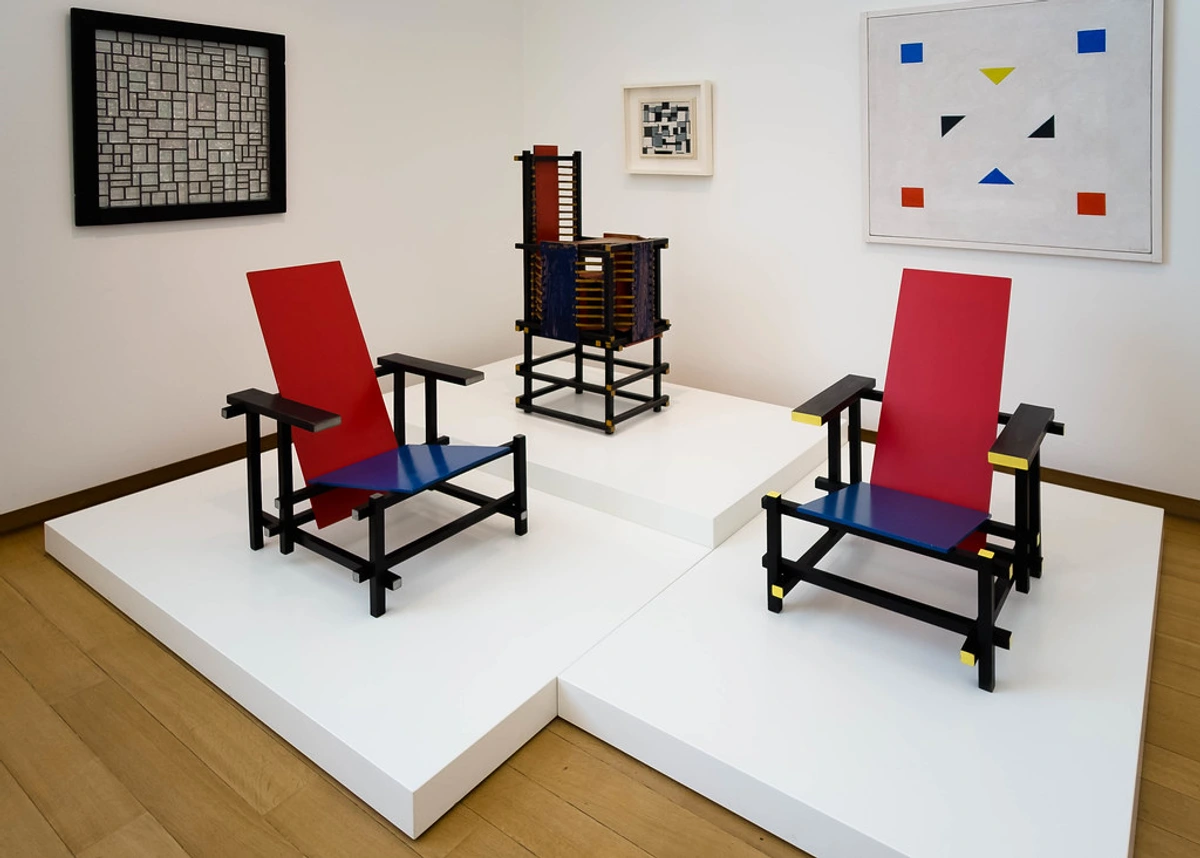
For more inspiration, check out our collection of contemporary art or visit the Den Bosch Museum to see how these principles are applied in modern art.