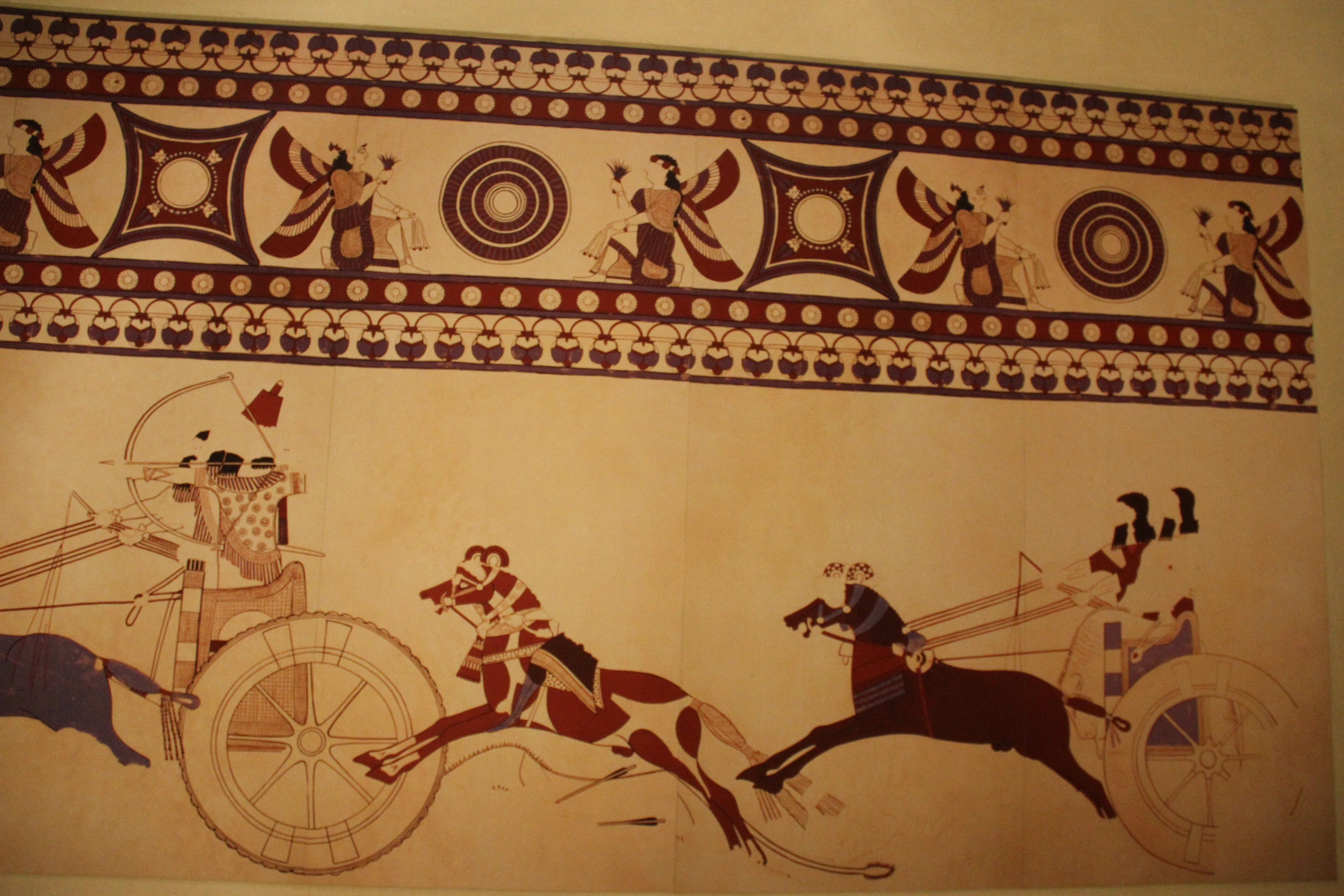
Ancient Greek Art History: A Journey Through Time and Creativity
Explore the rich history of ancient Greek art, from classical sculptures to intricate vase paintings. Discover how these masterpieces shaped Western art and continue to inspire modern creativity.

Ancient Greek Art History: A Journey Through Time and Creativity
I remember the first time I stood in front of a classical Greek sculpture. It was one of those moments where you feel a deep connection to the past, as if the artist had reached across centuries to speak directly to you. Ancient Greek art has that power—it’s not just about beauty, but about the stories, the myths, and the sheer human ingenuity that went into creating these masterpieces.
Greek art is a testament to the creativity and skill of a civilization that valued harmony, balance, and the human form. It’s a journey through time, from the geometric patterns of early pottery to the lifelike sculptures of the Classical period, and it continues to inspire artists and art lovers today.
Greek art is a testament to the creativity and skill of a civilization that valued harmony, balance, and the human form. It’s a journey through time, from the geometric patterns of early pottery to the lifelike sculptures of the Classical period, and it continues to inspire artists and art lovers today.
The evolution of Greek art reflects the cultural, religious, and philosophical ideals of ancient Greece. It allows us to understand how art was used to express identity, commemorate events, and honor the gods. Moreover, Greek art provides a foundation for understanding the development of Western art and its enduring influence on modern and contemporary art forms.
But what makes Greek art so enduring? Why does it still captivate us after thousands of years? To answer these questions, we need to delve deeper into the history, techniques, and cultural significance of Greek art.
The Historical Context of Greek Art
Ancient Greek art did not emerge in isolation. It was shaped by the broader historical and cultural context of the Mediterranean world. The Greeks were influenced by neighboring civilizations such as Egypt and Mesopotamia, but they also developed their own unique artistic traditions. Understanding this context is essential for appreciating the depth and significance of Greek art.
Greek art is not just about aesthetics; it’s about storytelling, mythology, and the exploration of the human condition. It reflects the values, beliefs, and aspirations of a society that laid the foundation for Western art and culture.
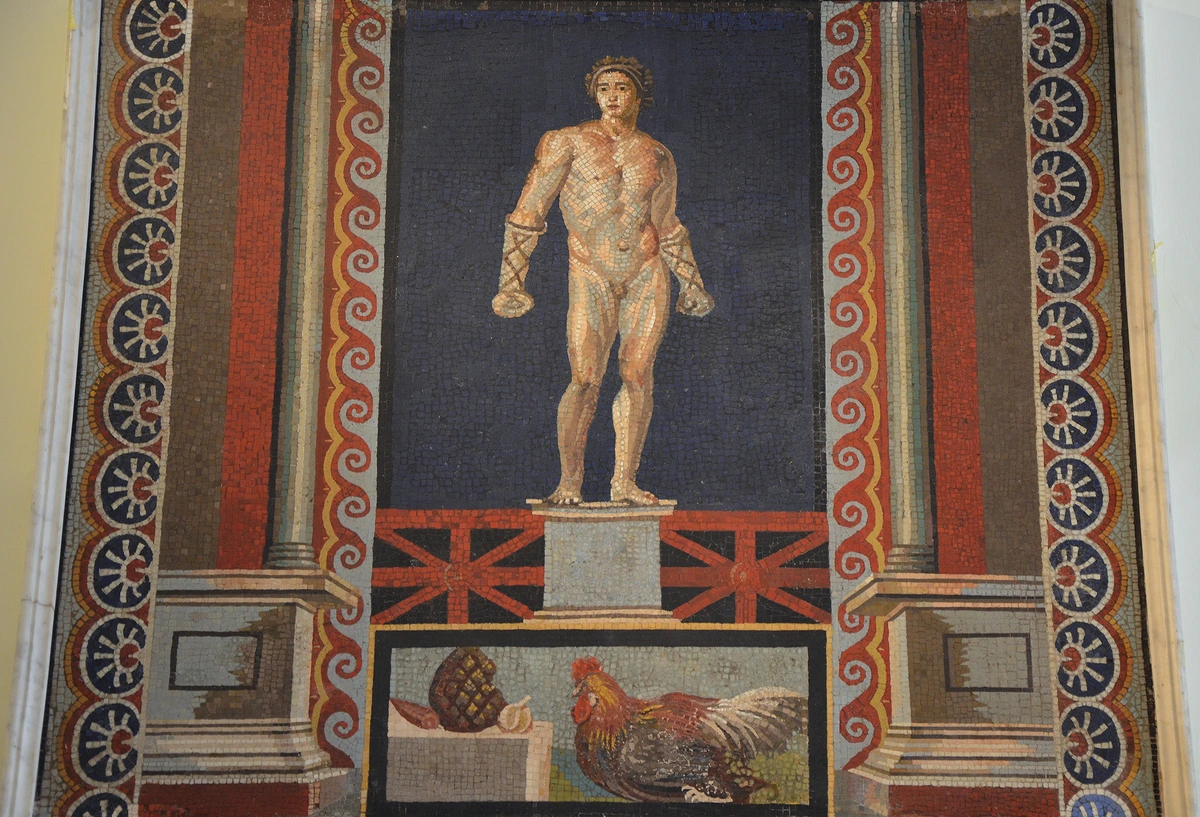
Introduction to Ancient Greek Art
Ancient Greek art is more than just a collection of old statues and pottery. It’s a window into a civilization that valued harmony, balance, and the human form. From the geometric patterns of early vase paintings to the lifelike sculptures of the Classical period, Greek art evolved in ways that still influence artists today.
Greek art is deeply intertwined with religion, philosophy, and daily life. It reflected the values and beliefs of a society that sought to understand the world and its place in it. This context is essential for appreciating the depth and significance of Greek art.
The Role of Religion in Greek Art
Religion played a central role in Greek society, and this is reflected in their art. Temples, statues, and pottery were often dedicated to the gods and goddesses. These artifacts were not merely decorative; they served as a means of honoring the divine and seeking favor from the gods. The depiction of mythological scenes in Greek art also served to reinforce the cultural and religious beliefs of the society.
Greek art is not just about aesthetics; it’s about storytelling, mythology, and the exploration of the human condition. It reflects the values, beliefs, and aspirations of a society that laid the foundation for Western art and culture.
The influence of Greek art can be seen in everything from Renaissance paintings to contemporary sculptures, making it a timeless and enduring legacy.
Why Study Greek Art?
Studying Greek art offers insights into the cultural, religious, and philosophical ideals of ancient Greece. It allows us to understand how art was used to express identity, commemorate events, and honor the gods. Moreover, Greek art provides a foundation for understanding the development of Western art and its enduring influence on modern and contemporary art forms.
Greek art is a testament to the creativity, skill, and imagination of a civilization that valued beauty and harmony. Its influence can be seen in everything from Renaissance paintings to contemporary sculptures, making it a timeless and enduring legacy.
The Influence of Greek Art on Architecture
The principles of Greek art extended beyond sculpture and pottery to architecture. The Greeks developed architectural styles such as the Doric, Ionic, and Corinthian orders, which are characterized by their columns and decorative elements. These styles have had a lasting impact on Western architecture, from the buildings of ancient Rome to the neoclassical structures of the modern era.

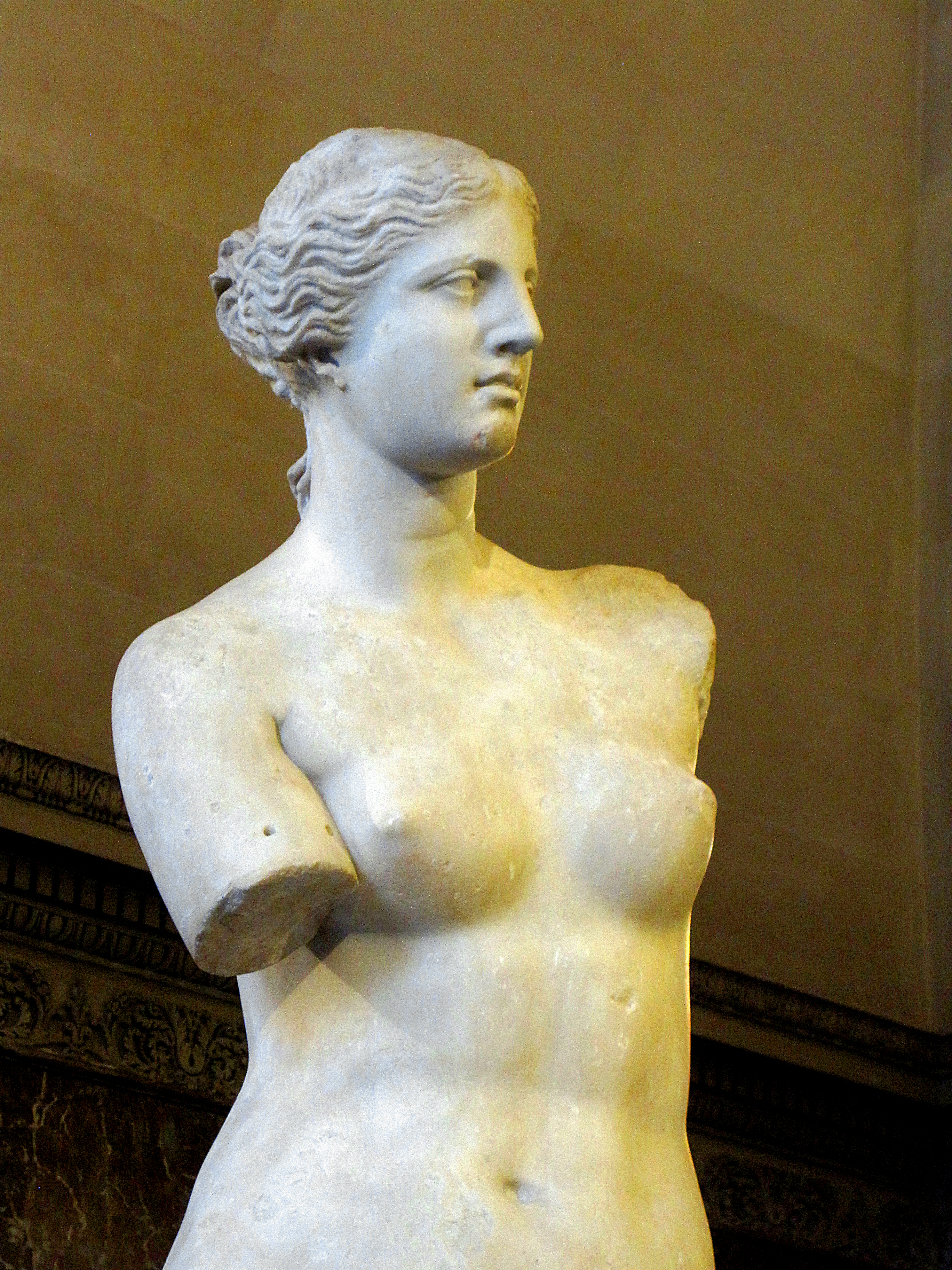
The Venus de Milo is one of the most iconic examples of Greek sculpture. Created during the Hellenistic period, this statue of the goddess Aphrodite is renowned for its beauty and the mystery surrounding its missing arms. It embodies the Greek ideal of harmony and proportion.
The Evolution of Greek Art
Greek art didn’t spring up overnight. It evolved through several distinct periods, each with its own unique characteristics:

The Winged Victory of Samothrace is a masterpiece of Hellenistic sculpture. Its dynamic pose and intricate details capture the essence of Greek artistry and the cultural significance of victory in ancient Greek society.
- Geometric Period (900-700 BCE): Known for its intricate geometric patterns on pottery, this period laid the groundwork for Greek artistic expression.
- Archaic Period (700-480 BCE): The era of the famous Kouros and Kore statues, which were stiff and formal but full of potential. This period also saw the rise of narrative storytelling in art.
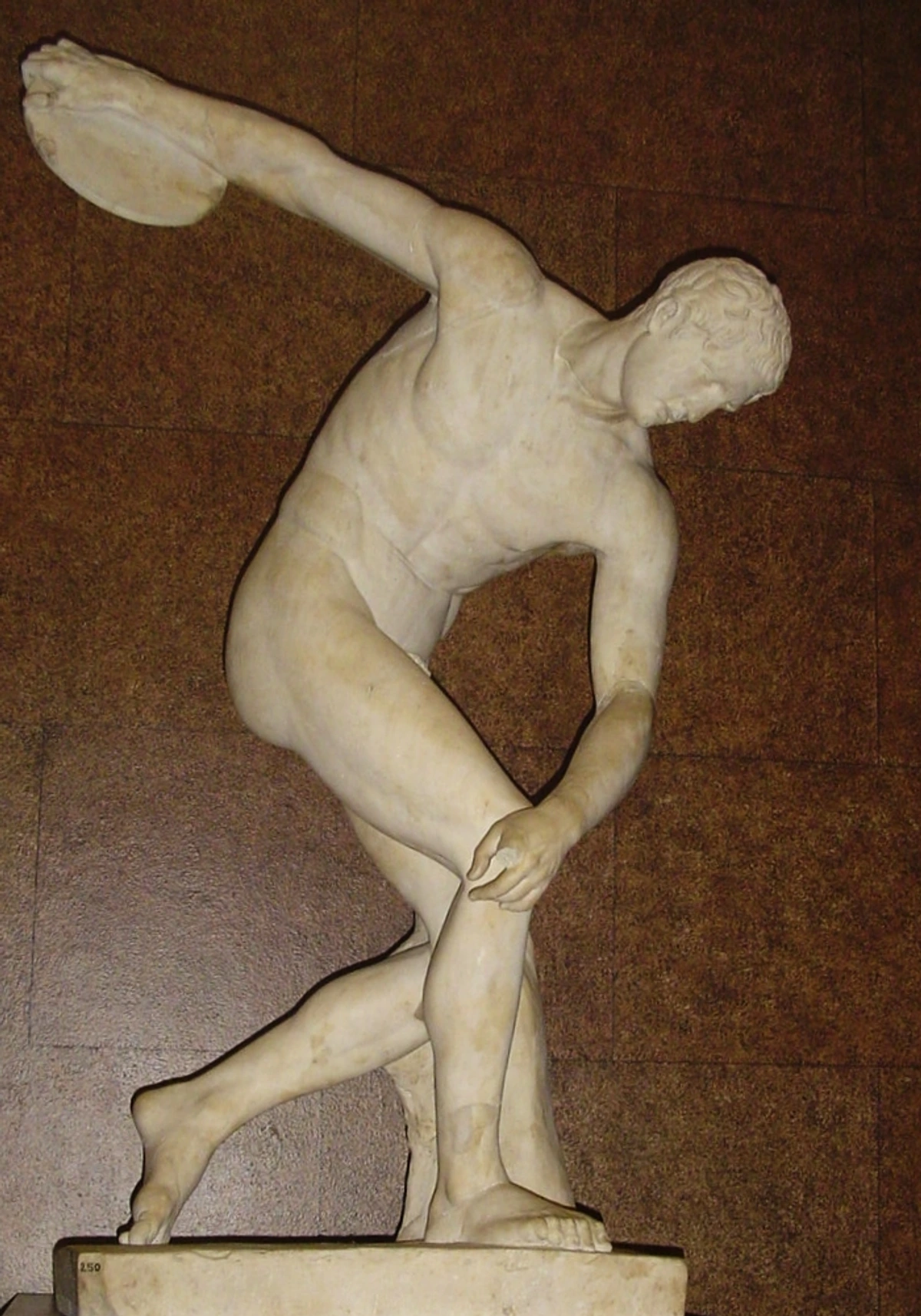
- Classical Period (480-323 BCE): The golden age of Greek art, marked by lifelike sculptures and balanced compositions. Artists like Phidias and Myron created works that emphasized idealized beauty and proportion.
- Hellenistic Period (323-31 BCE): A time of dramatic expression and emotional intensity in art. This period saw the expansion of Greek influence across the Mediterranean, leading to a fusion of styles and themes.
Each of these periods contributed to the rich tapestry of Greek art, showcasing the evolution of techniques, themes, and cultural influences.
The Legacy of Greek Art
The legacy of Greek art extends far beyond its historical context. It has influenced countless artists and movements throughout history, from the Renaissance to modern art. The principles of harmony, balance, and proportion that defined Greek art continue to inspire artists today, making it a timeless and enduring legacy.
Key Concepts in Greek Art
One of the most striking aspects of Greek art is its focus on the human form. The Greeks believed that the human body was the most perfect subject for art, and they spent countless hours studying and perfecting their representations of it.
Greek art is also characterized by its emphasis on harmony, balance, and proportion. These principles are evident in everything from sculptures to architecture, reflecting the Greek ideal of beauty and order.
The Human Form in Greek Art
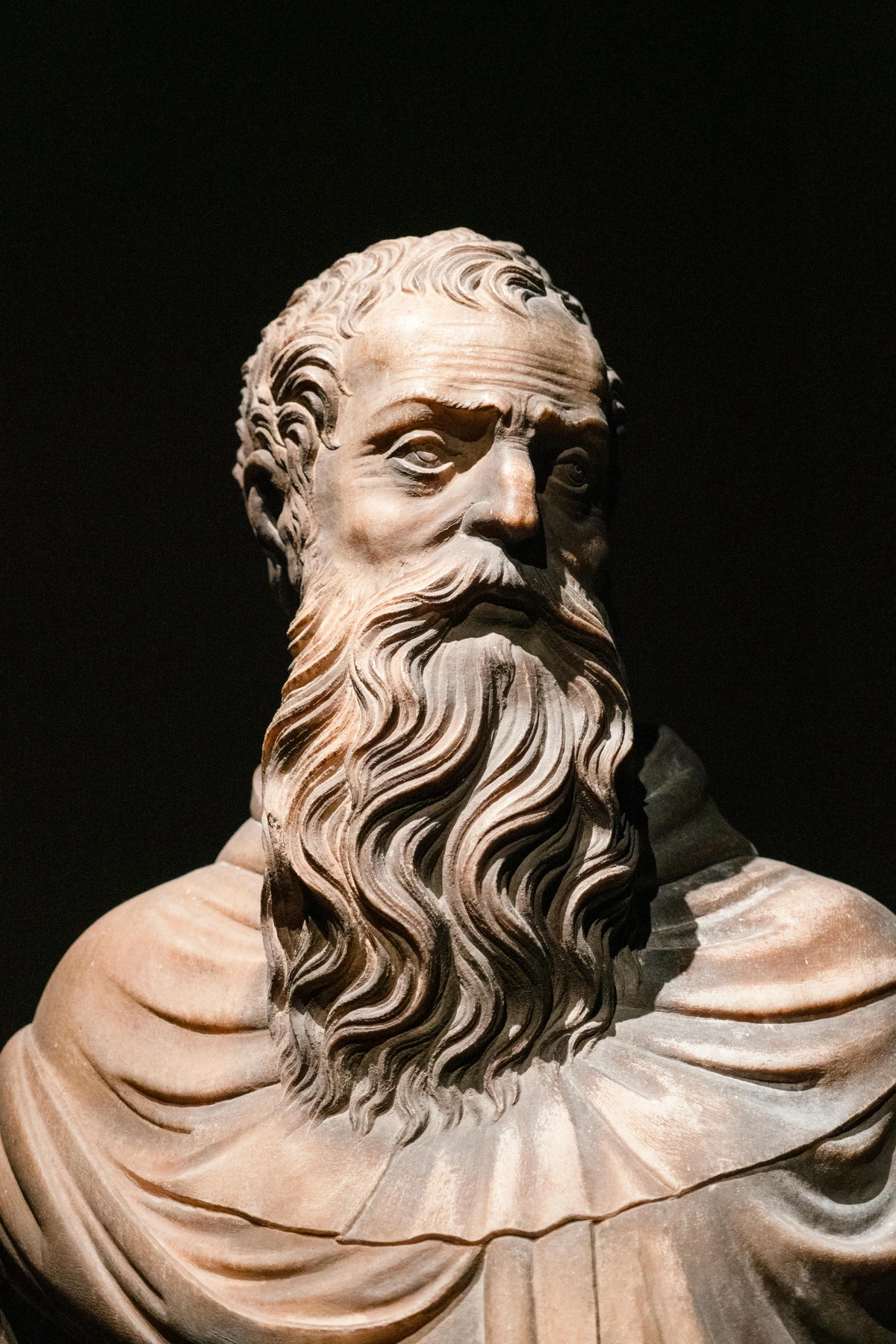
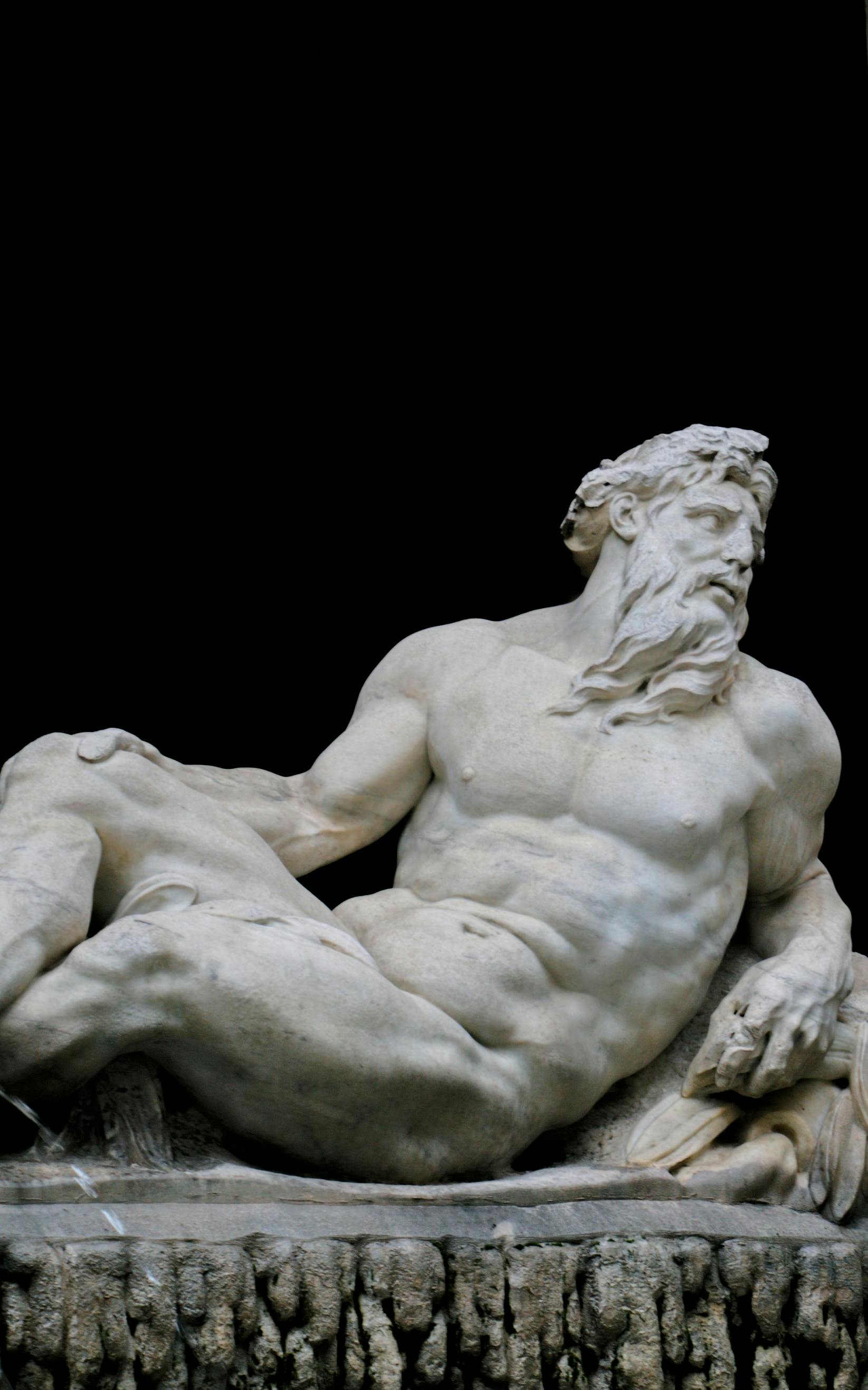
The human form was central to Greek art. Artists sought to depict the body in its most perfect and balanced state, often drawing inspiration from athletes and gods. This focus on the human form influenced not only sculpture but also painting and pottery. The Greeks believed that the human body was the most perfect subject for art, and they spent countless hours studying and perfecting their representations of it.
The Role of Art in Greek Society
Art in ancient Greece was not merely decorative; it served a variety of functions:
- Religious Devotion: Many sculptures and temples were created to honor the gods and goddesses.
- Commemoration: Art was used to commemorate victories, honor heroes, and celebrate significant events.
- Storytelling: Through pottery and sculptures, artists depicted myths and legends, preserving cultural narratives.
- Daily Life: Art was integrated into everyday objects, from pottery to jewelry, reflecting the aesthetic values of Greek society.
The Role of Art in Greek Education
Art also played a role in Greek education. The study of art was seen as a way to cultivate the mind and develop an appreciation for beauty and harmony. This emphasis on art education contributed to the development of a society that valued creativity and artistic expression.
The Human Form
Greek sculptures are renowned for their lifelike quality. Artists like Phidias and Praxiteles created works that captured the idealized human form, emphasizing proportion, balance, and harmony. These sculptures weren’t just about physical beauty; they were about the ideal of human perfection.
The study of the human form was central to Greek art. Artists sought to depict the body in its most perfect and balanced state, often drawing inspiration from athletes and gods. This focus on the human form influenced not only sculpture but also painting and pottery.
The Greeks believed that the human body was the most perfect subject for art, and they spent countless hours studying and perfecting their representations of it. This dedication to realism and beauty is evident in everything from sculptures to architecture, reflecting the Greek ideal of beauty and order.
Techniques in Greek Sculpture
Greek sculptors employed a variety of techniques to achieve their artistic goals:
- Contrapposto: A technique where the body is positioned with most of its weight on one foot, creating a sense of movement and dynamism.
- Chryselephantine Sculpture: A method of creating statues using gold and ivory, often used for cult statues of gods.
- Bronze Casting: The lost-wax technique allowed for the creation of intricate bronze sculptures.
These techniques showcased the Greeks' mastery of materials and their commitment to realism and beauty.
The Role of Materials in Greek Sculpture
The choice of materials played a significant role in Greek sculpture. Marble and bronze were the most commonly used materials, each offering unique advantages. Marble was prized for its durability and the ability to capture fine details, while bronze allowed for more dynamic and lifelike representations. The use of these materials contributed to the enduring legacy of Greek sculpture.
Mythology and Storytelling
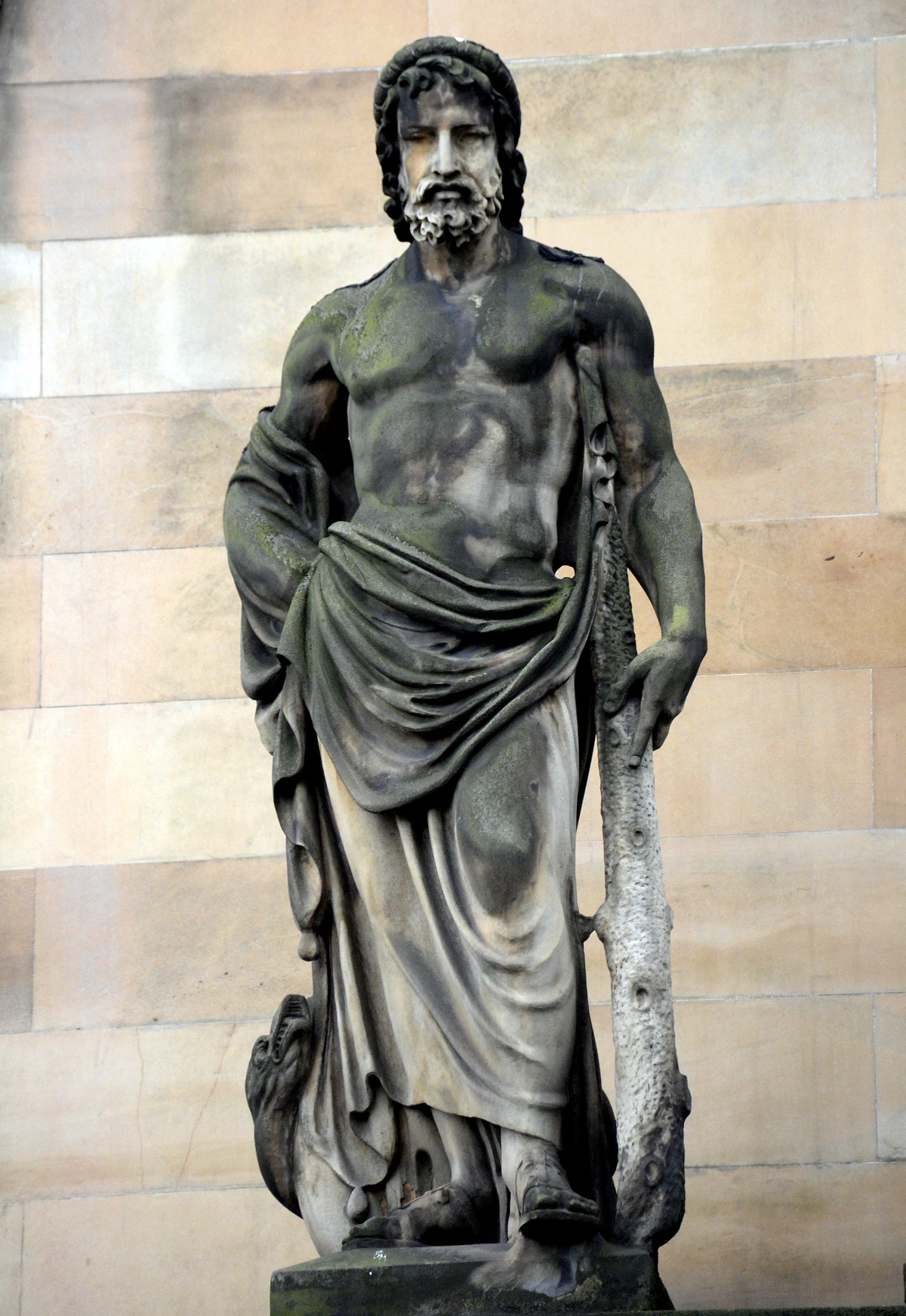
Greek art is also deeply intertwined with mythology. From the exploits of Hercules to the tragedies of Oedipus, Greek artists used their work to tell stories that were central to their culture. These myths weren’t just entertainment; they were a way to explore the human condition and the mysteries of the gods.
Mythology provided a rich source of inspiration for Greek artists. It allowed them to depict heroic deeds, divine interventions, and moral lessons. These stories were not only a form of entertainment but also a means of preserving cultural identity and values.

Notable Mythological Themes in Greek Art
Mythological Figure  | Common Depictions | Symbolism |
|---|---|---|
| Zeus | Thunderbolts, eagles | Power, authority |
| Athena | Owls, helmets | Wisdom, warfare |
| Hercules | Lion skin, club | Strength, heroism |
| Aphrodite | Doves, roses | Love, beauty |
These themes were not only decorative but also served to reinforce the cultural and religious beliefs of ancient Greek society.
The Role of Mythology in Greek Art
Mythology provided a rich source of inspiration for Greek artists. It allowed them to depict heroic deeds, divine interventions, and moral lessons. These stories were not only a form of entertainment but also a means of preserving cultural identity and values. The depiction of mythological scenes in Greek art also served to reinforce the cultural and religious beliefs of the society.
Examples of Ancient Greek Art
Sculpture
The Parthenon Marbles
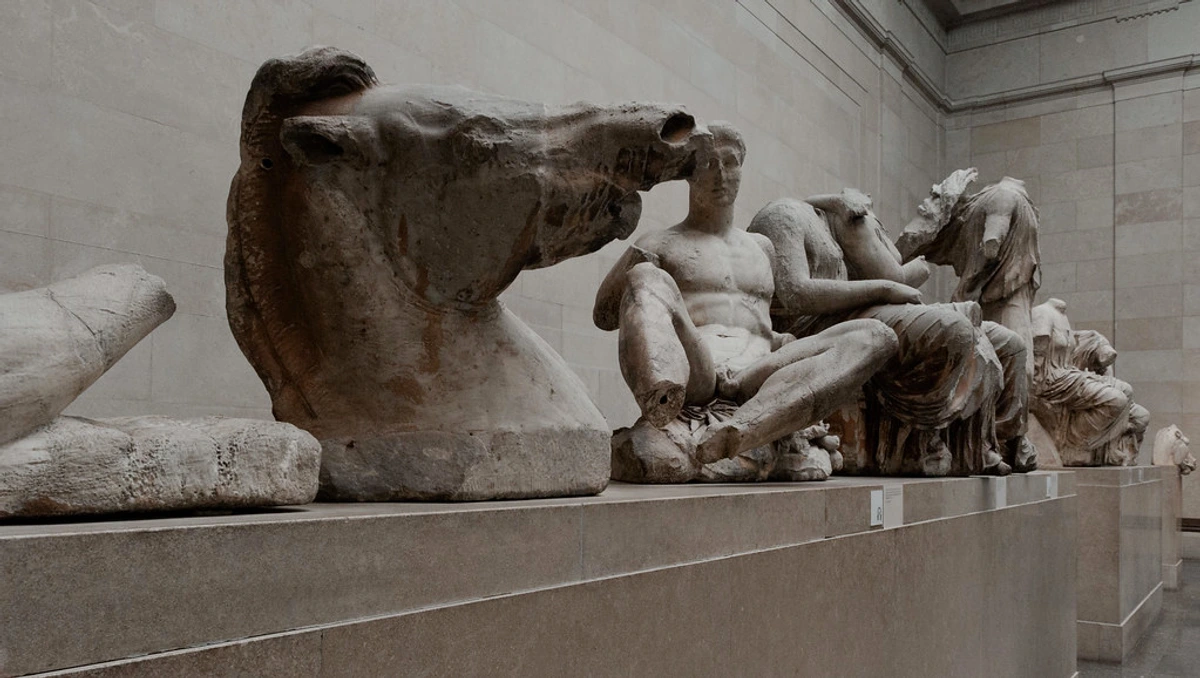
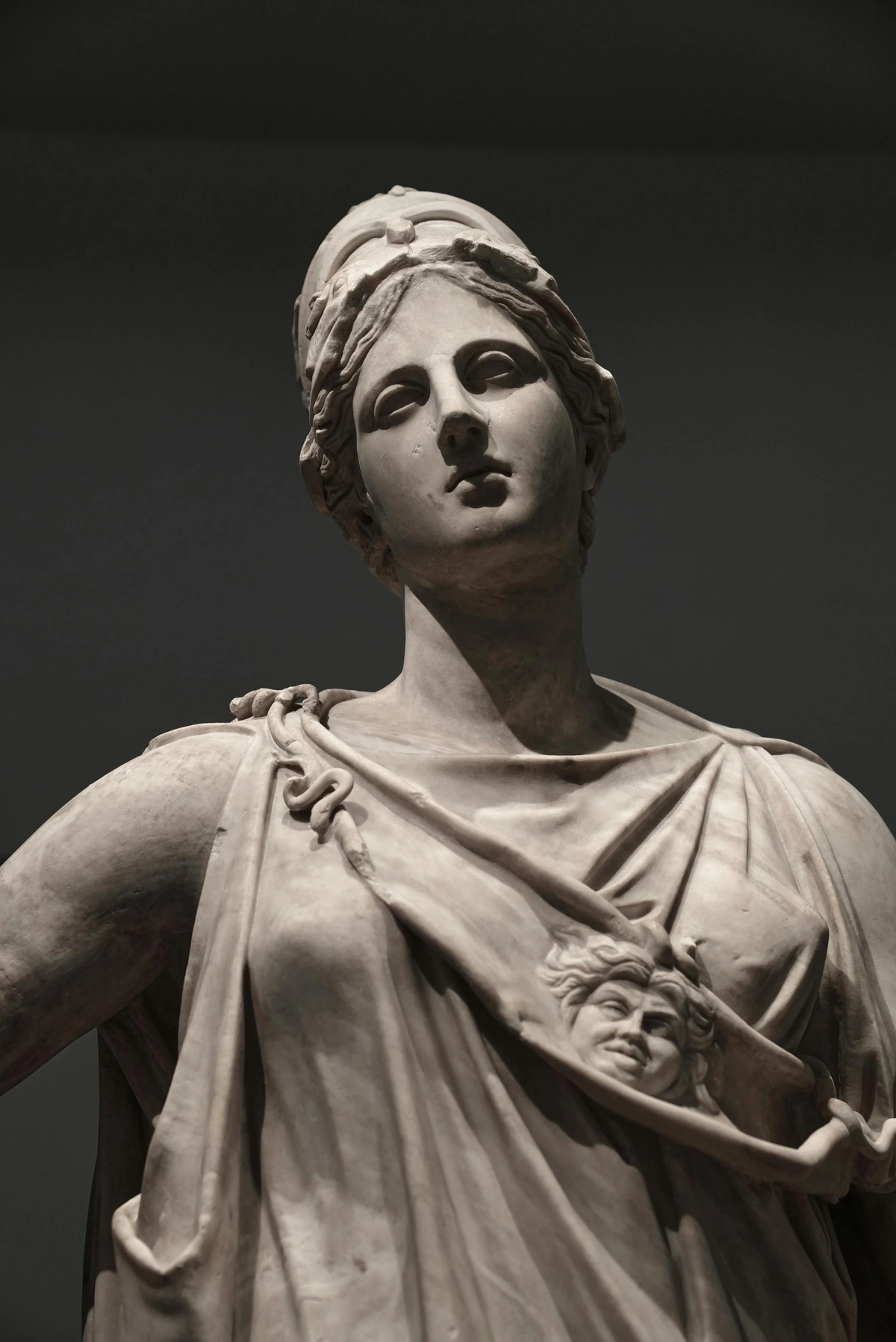
The Parthenon Marbles, also known as the Elgin Marbles, are a series of classical Greek marble sculptures that originally adorned the Parthenon and other buildings on the Acropolis in Athens. These sculptures are a testament to the skill and creativity of Greek artists, capturing the dynamic movement and emotional intensity of their subjects.
The Parthenon Marbles are a testament to the skill and creativity of Greek artists, capturing the dynamic movement and emotional intensity of their subjects. These sculptures are a window into a civilization that valued harmony, balance, and the human form.
The Parthenon Marbles: A Closer Look
Sculpture | Description | Significance |
|---|---|---|
| East Pediment | Depicts the birth of Athena | Symbolizes the divine origins of Athens |
| West Pediment | Shows the contest between Athena and Poseidon | Represents the founding myth of Athens |
| Metopes | Carved panels depicting battles | Celebrates Greek victories and heroic deeds |
These sculptures are a window into a civilization that valued harmony, balance, and the human form. They continue to inspire artists and art lovers today.
The Controversy Surrounding the Parthenon Marbles
The Parthenon Marbles, also known as the Elgin Marbles, have been the subject of controversy for many years. The marbles were removed from the Parthenon in Athens by Lord Elgin in the early 19th century and are now housed in the British Museum. The debate over their ownership and repatriation continues to this day, highlighting the complex issues surrounding cultural heritage and the preservation of ancient artifacts.
Venus de Milo
credit, licence

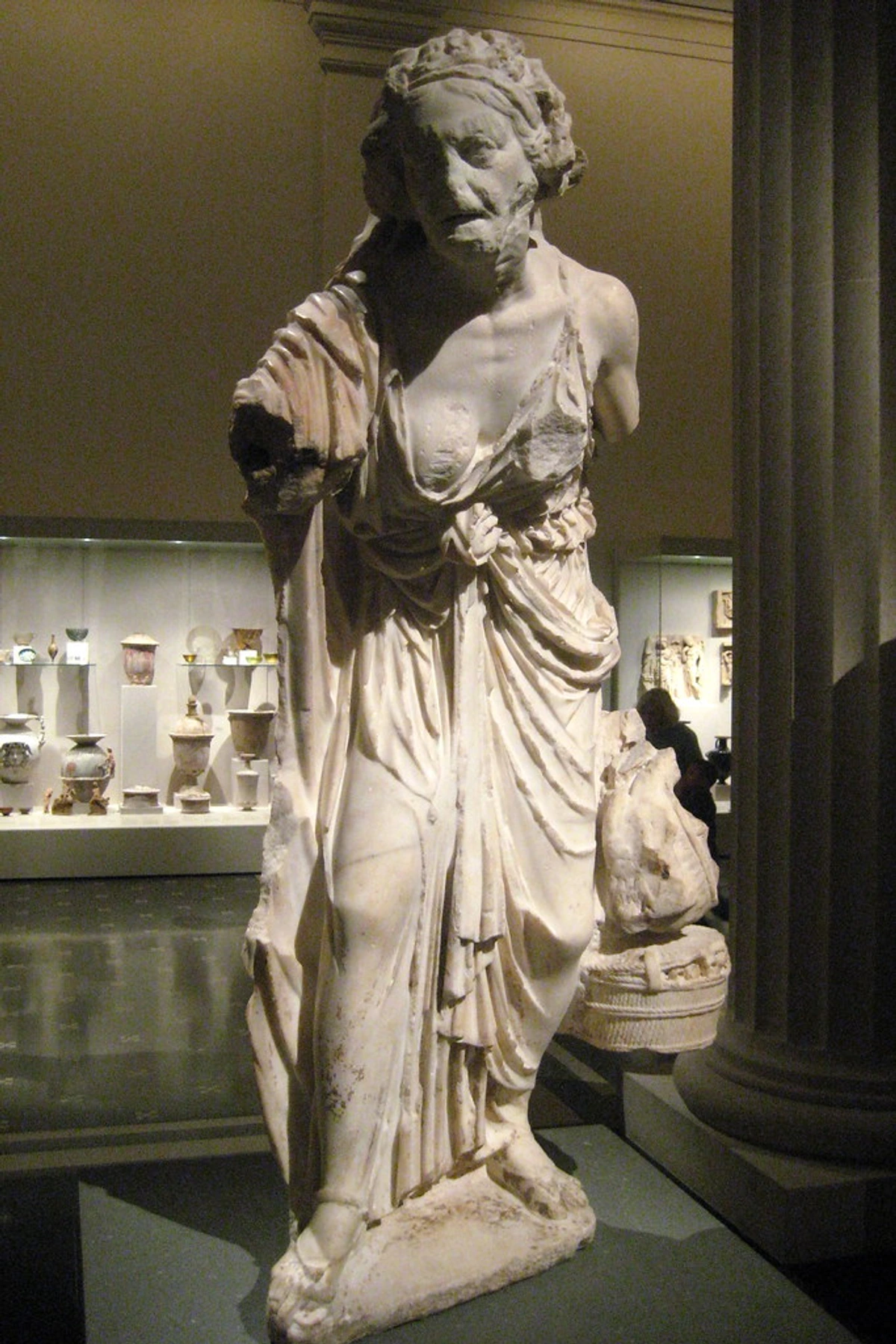
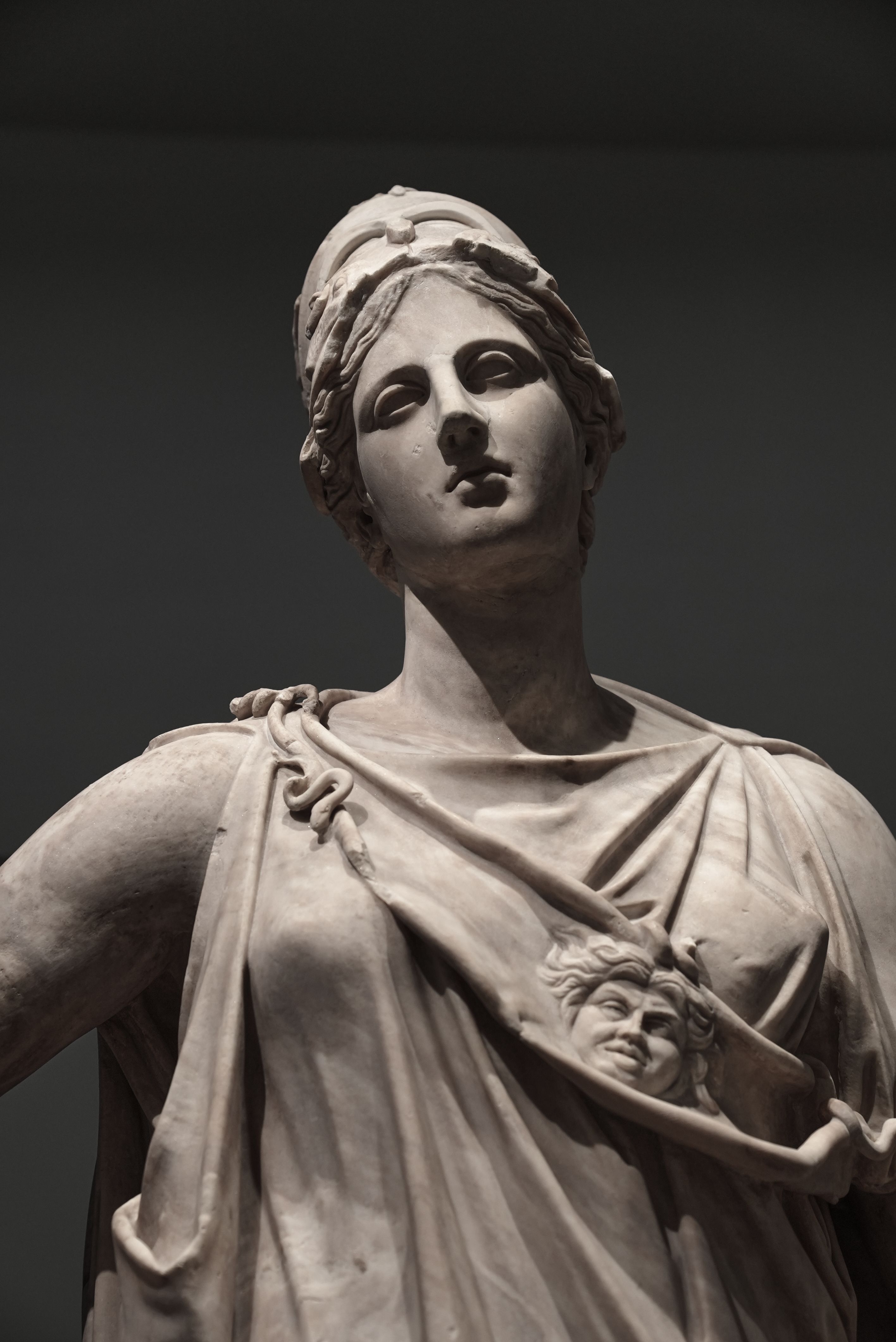
The Venus de Milo is one of the most famous examples of ancient Greek sculpture. Created during the Hellenistic period, this statue of the goddess Aphrodite is renowned for its beauty and the mystery surrounding its missing arms.
Vase Painting
Black-Figure and Red-Figure Techniques
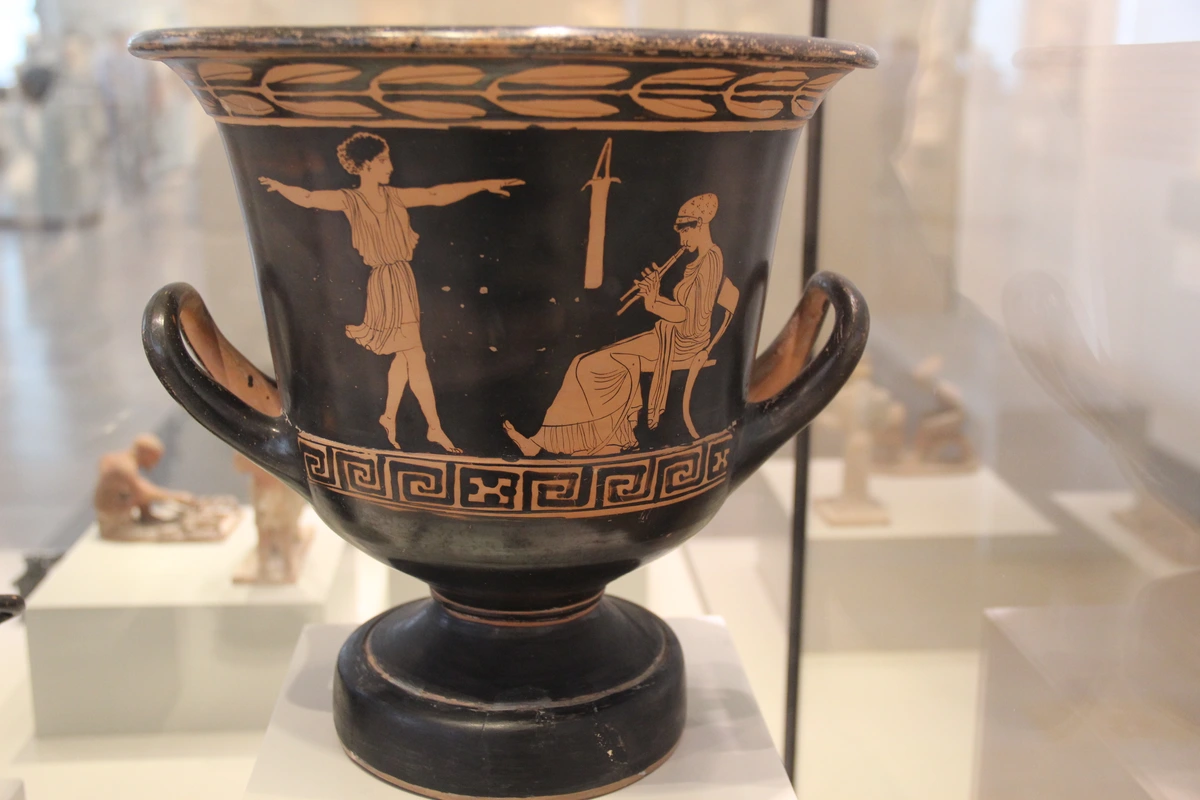
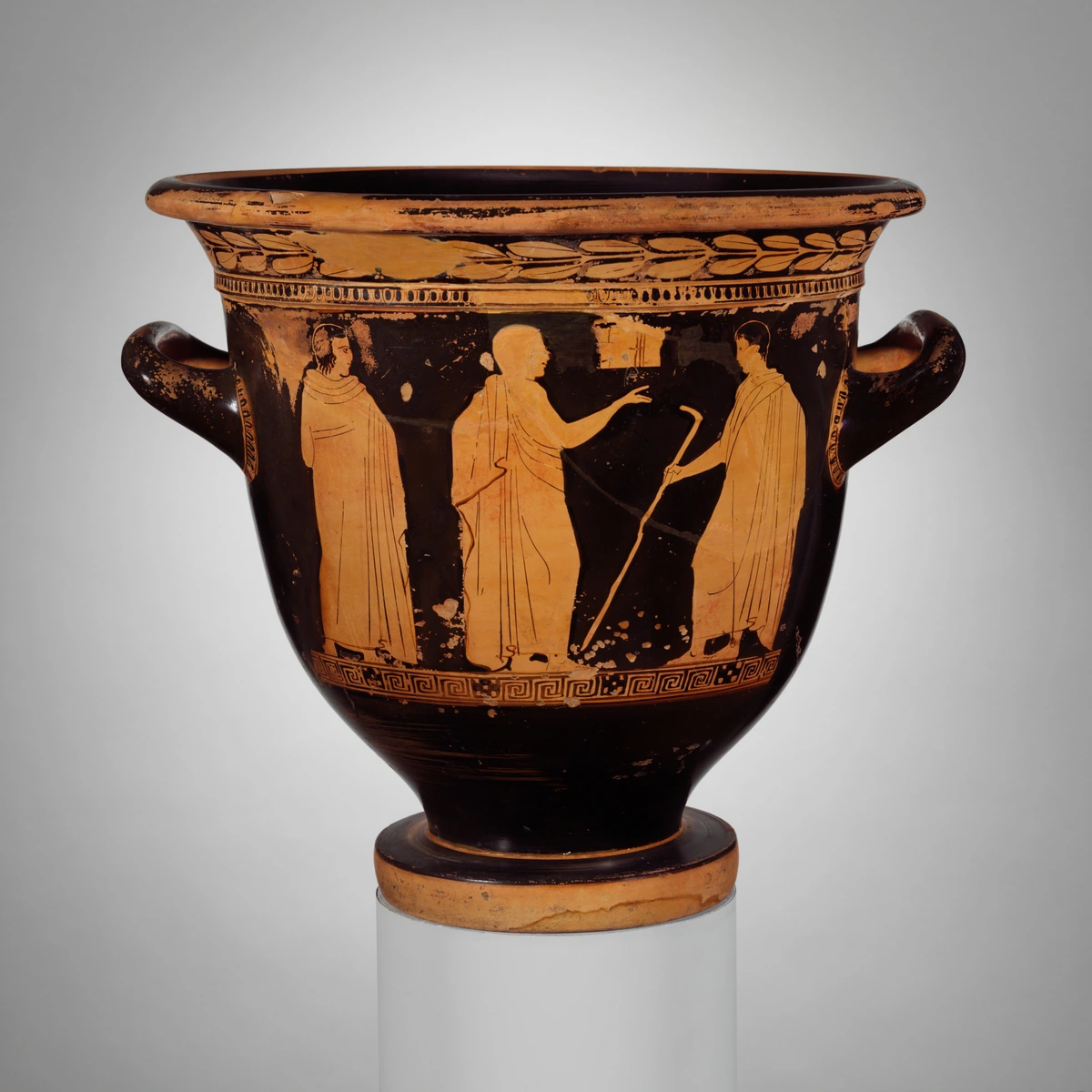
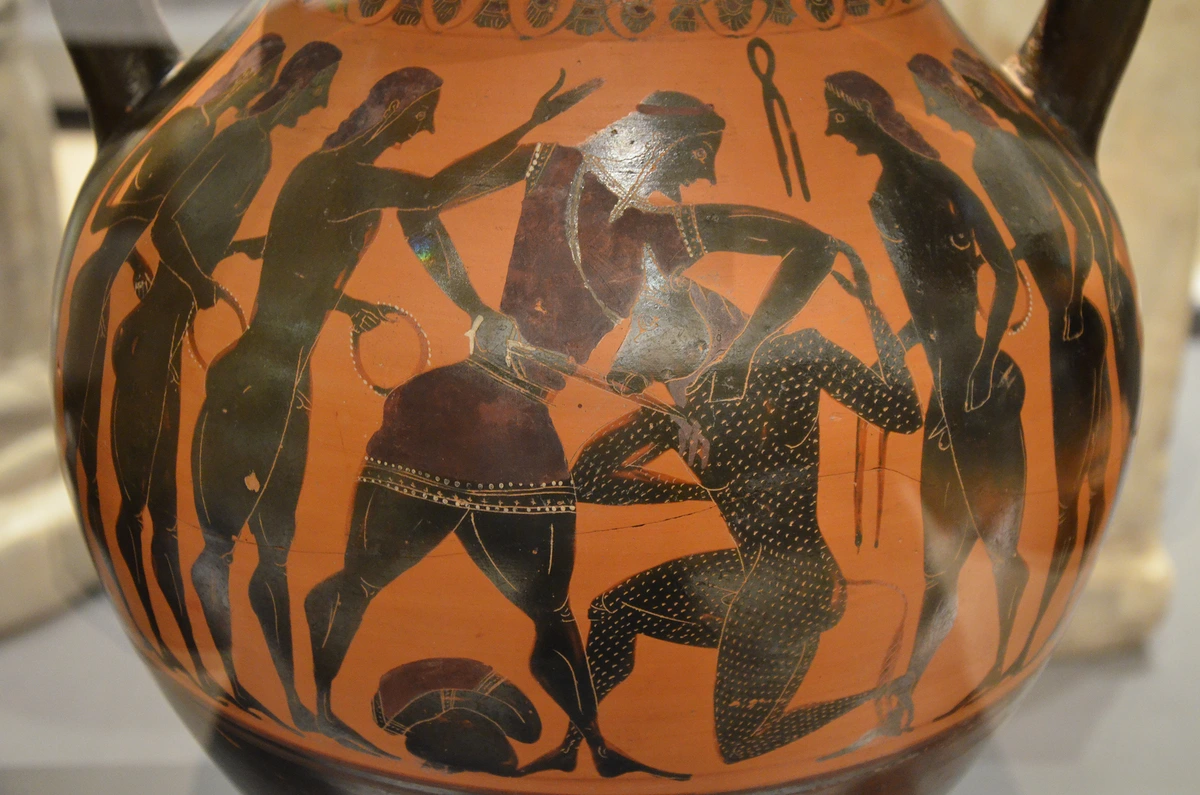
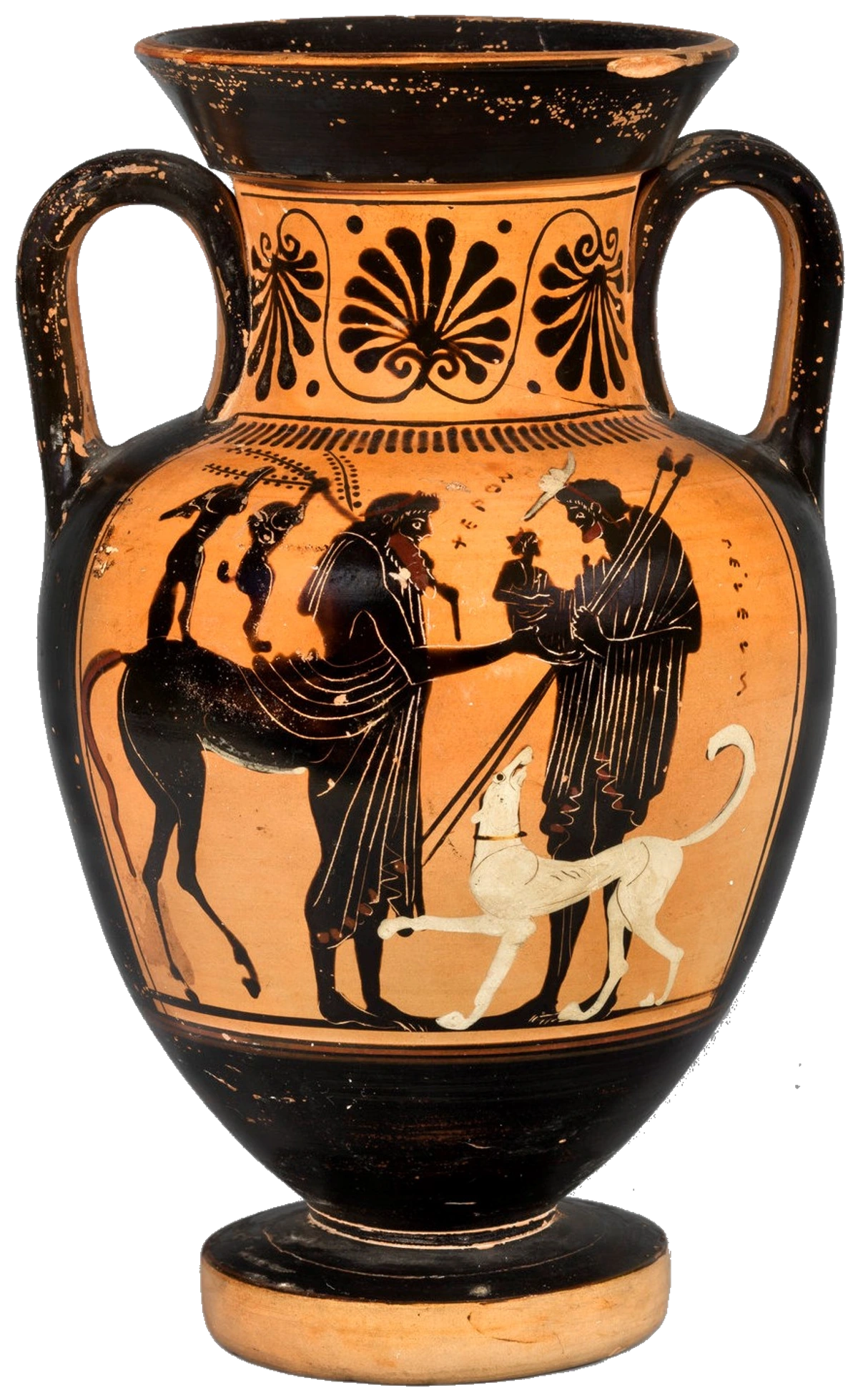
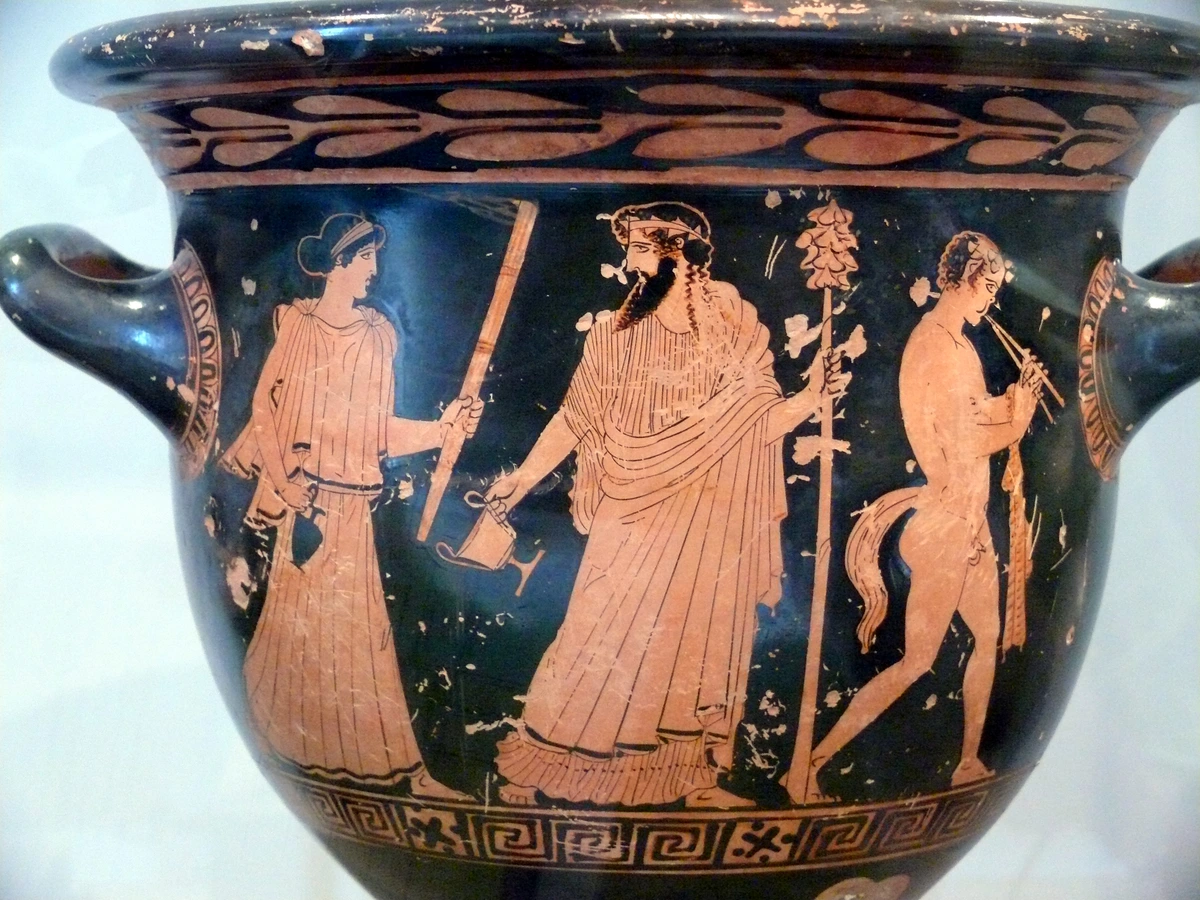
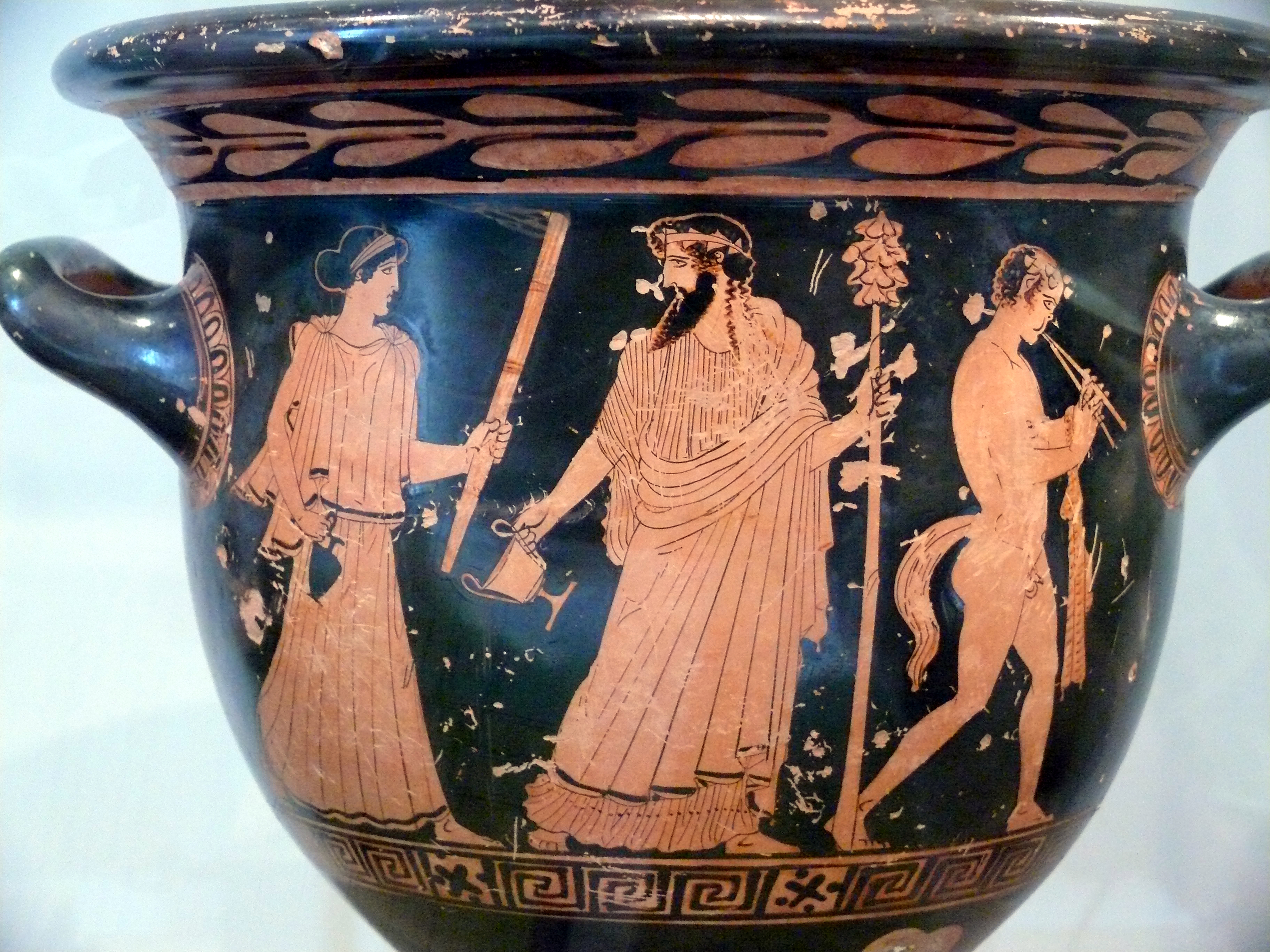
Greek vase painting is another fascinating aspect of ancient Greek art. The black-figure technique, where figures were painted in black against a red background, was popular in the Archaic period. Later, the red-figure technique emerged, with figures painted in red against a black background. These techniques allowed artists to create intricate scenes depicting myths, battles, and everyday life.
Greek vase painting is a testament to the skill and creativity of Greek artists, capturing the dynamic movement and emotional intensity of their subjects. These paintings are a window into a civilization that valued harmony, balance, and the human form.
Evolution of Vase Painting Techniques
Technique | Period | Characteristics |
|---|---|---|
| Black-Figure | Archaic | Figures painted in black against a red background |
| Red-Figure | Classical | Figures painted in red against a black background |
| White Ground | Hellenistic | Figures painted on a white background, often with added colors |
These techniques showcased the Greeks' ability to innovate and adapt their artistic methods to achieve greater realism and detail.
The Role of Vase Painting in Greek Society
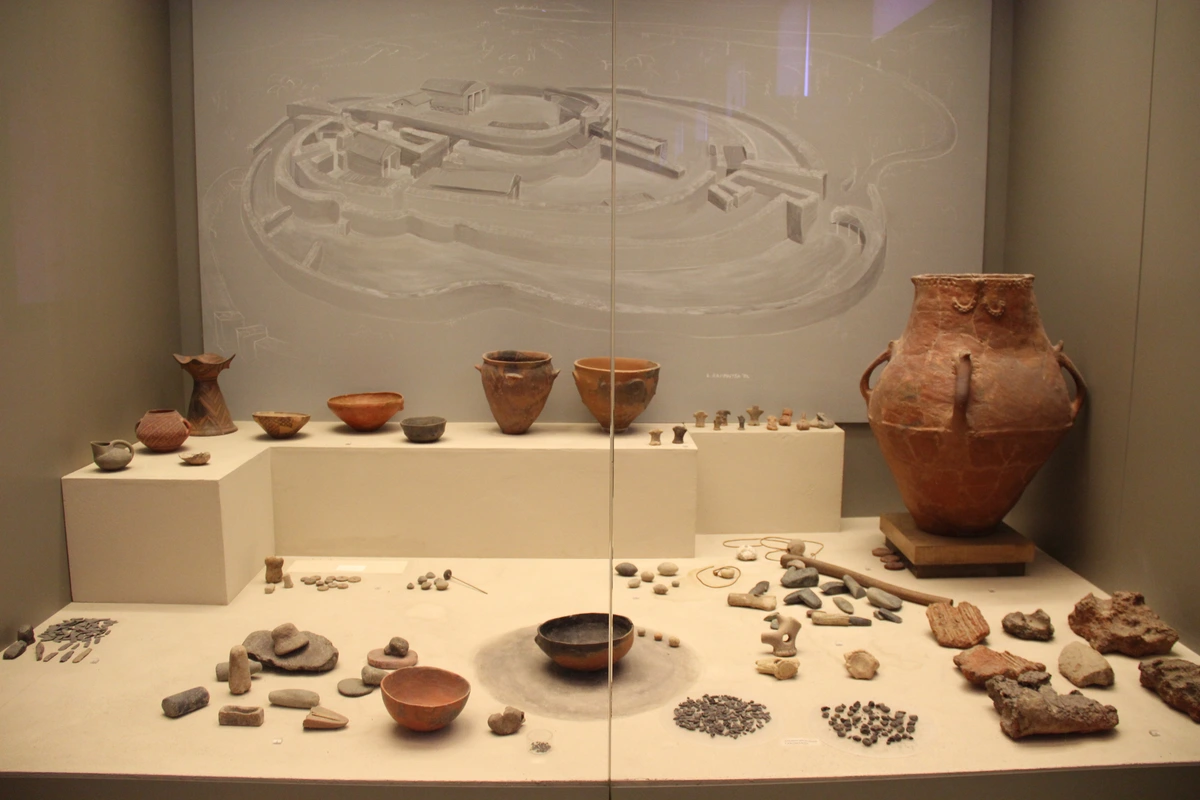
Vase painting was not merely decorative; it served a variety of functions in Greek society. Vases were used in religious ceremonies, as grave goods, and as everyday objects. The scenes depicted on these vases often told stories from Greek mythology or depicted scenes from daily life, providing a window into the cultural and social practices of ancient Greece.
credit, licence
How Ancient Greek Art Influences Modern Art
The influence of ancient Greek art can be seen in countless works of modern art. From the neoclassical sculptures of the Renaissance to the abstract forms of contemporary art, the principles of harmony, balance, and proportion that defined Greek art continue to inspire artists today.
Greek art's emphasis on the human form, idealized beauty, and storytelling has left a lasting legacy. It has shaped the way artists approach composition, form, and narrative, making it a cornerstone of Western art history.
Greek Art in the Renaissance
During the Renaissance, artists like Michelangelo and Leonardo da Vinci drew heavily from Greek art. The study of classical sculptures and the principles of proportion and anatomy became central to Renaissance art education. This revival of classical ideals led to a renaissance of realism and humanism in art.
The influence of Greek art can be seen in the lifelike sculptures and balanced compositions of Renaissance artists. This period marked a renewed appreciation for the beauty and harmony of Greek art.
The Role of Greek Art in the Renaissance
The Renaissance was a period of renewed interest in the art and culture of ancient Greece and Rome. Artists and scholars studied classical texts and artifacts, seeking to revive the ideals of beauty, harmony, and proportion that defined Greek art. This revival of classical ideals had a profound impact on the development of Western art and culture.
Contemporary Artists and Greek Art
Many contemporary artists draw inspiration from ancient Greek art. For example, the works of artists today often incorporate elements of classical Greek sculpture, blending ancient techniques with modern sensibilities. This fusion of old and new creates a unique and compelling visual language that resonates with audiences today.
The influence of Greek art can be seen in various forms, from sculpture and painting to architecture and design. Artists continue to explore the themes of mythology, the human form, and the ideals of beauty and harmony that defined Greek art.
The Role of Greek Art in Modern Design
The principles of Greek art have also influenced modern design. The emphasis on harmony, balance, and proportion can be seen in everything from furniture design to graphic design. The enduring legacy of Greek art continues to inspire designers and artists, making it a timeless and enduring source of inspiration.
Modern Interpretations of Greek Art
Artist | Work | Influence |
|---|---|---|
| Jeff Koons | Balloon Dog | Playful reinterpretation of classical forms |
| Cy Twombly | Bacchus Series | Abstract exploration of mythological themes |
| Louise Bourgeois | Spider Sculptures | Symbolic representation of Greek myths |
These artists demonstrate how Greek art continues to inspire creativity and innovation in the contemporary art world.
Considerations for Appreciating Greek Art
Understanding the Context
To truly appreciate ancient Greek art, it’s important to understand the cultural and historical context in which it was created. The Greeks saw art as a way to honor the gods, celebrate human achievement, and explore the mysteries of life. By understanding these motivations, we can gain a deeper appreciation for the art they created.
Greek art was deeply intertwined with religion, philosophy, and daily life. It reflected the values and beliefs of a society that sought to understand the world and its place in it. This context is essential for appreciating the depth and significance of Greek art.
The Role of Philosophy in Greek Art
Greek philosophy, particularly the ideas of Plato and Aristotle, played a significant role in shaping Greek art. Plato's emphasis on ideal forms and Aristotle's focus on realism and proportion influenced how artists approached their work. These philosophical ideas are evident in the balance, harmony, and realism of Greek sculptures and paintings.
The influence of Greek philosophy can be seen in the lifelike sculptures and balanced compositions of Greek artists. This period marked a renewed appreciation for the beauty and harmony of Greek art.

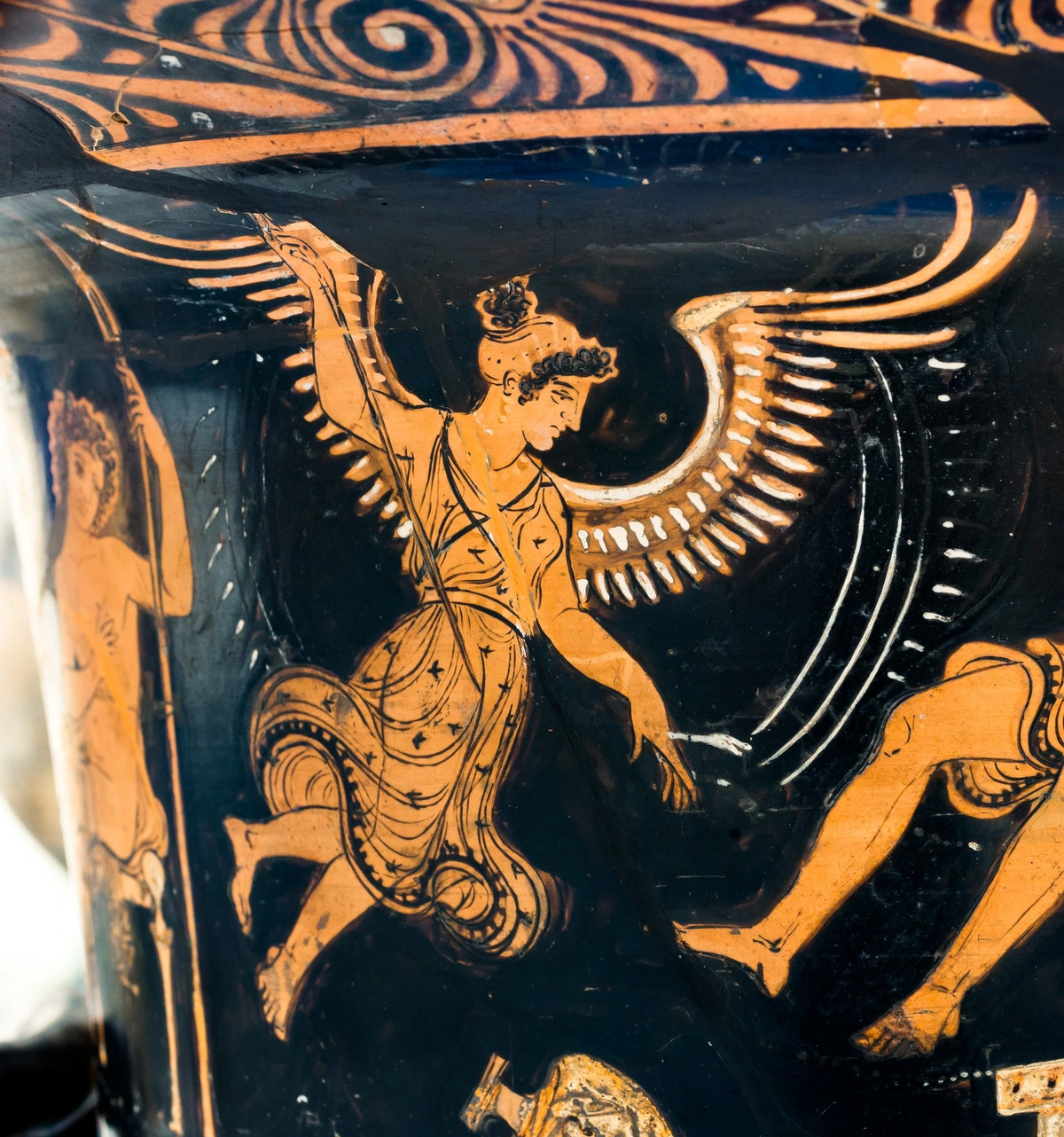
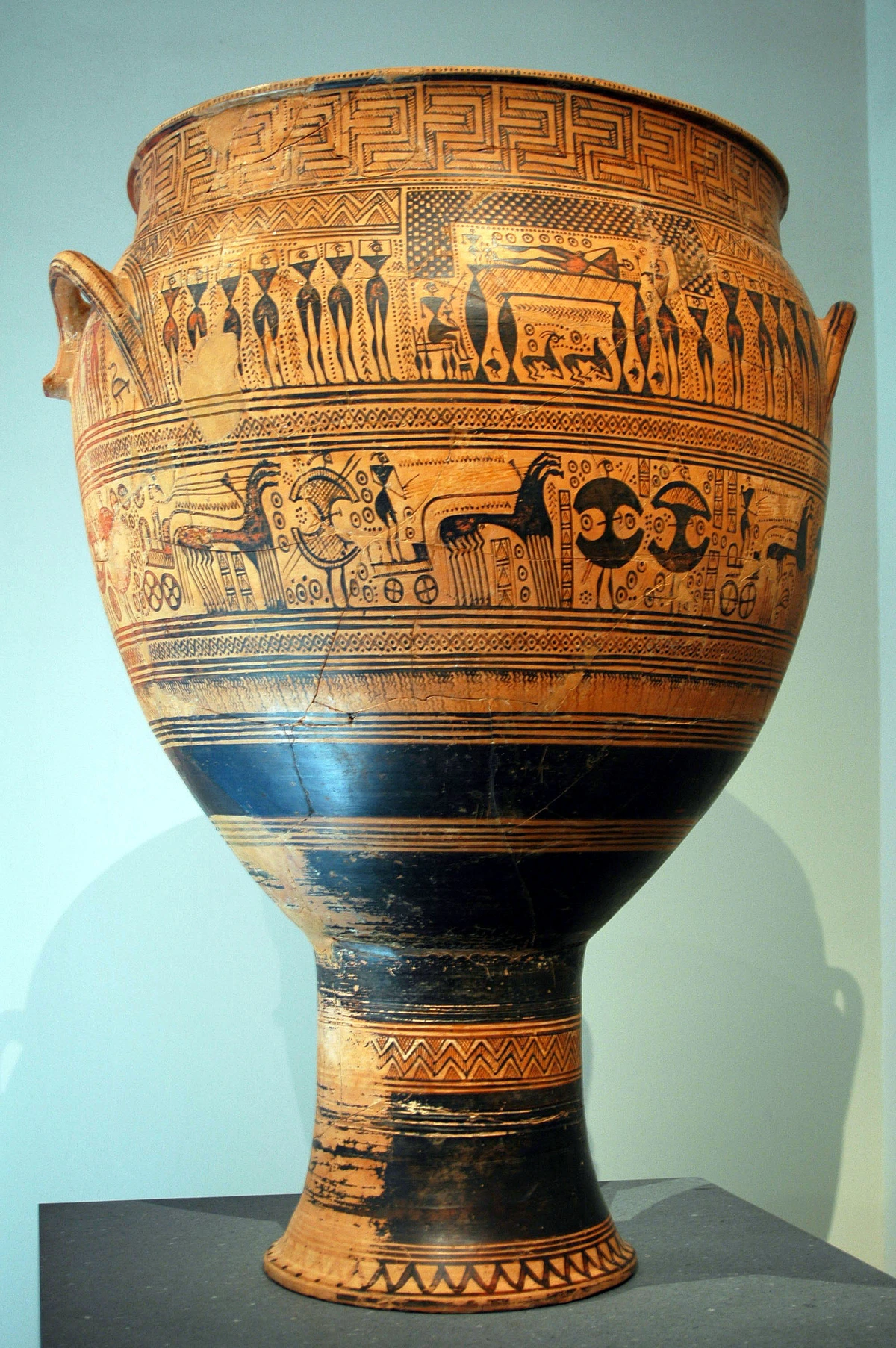
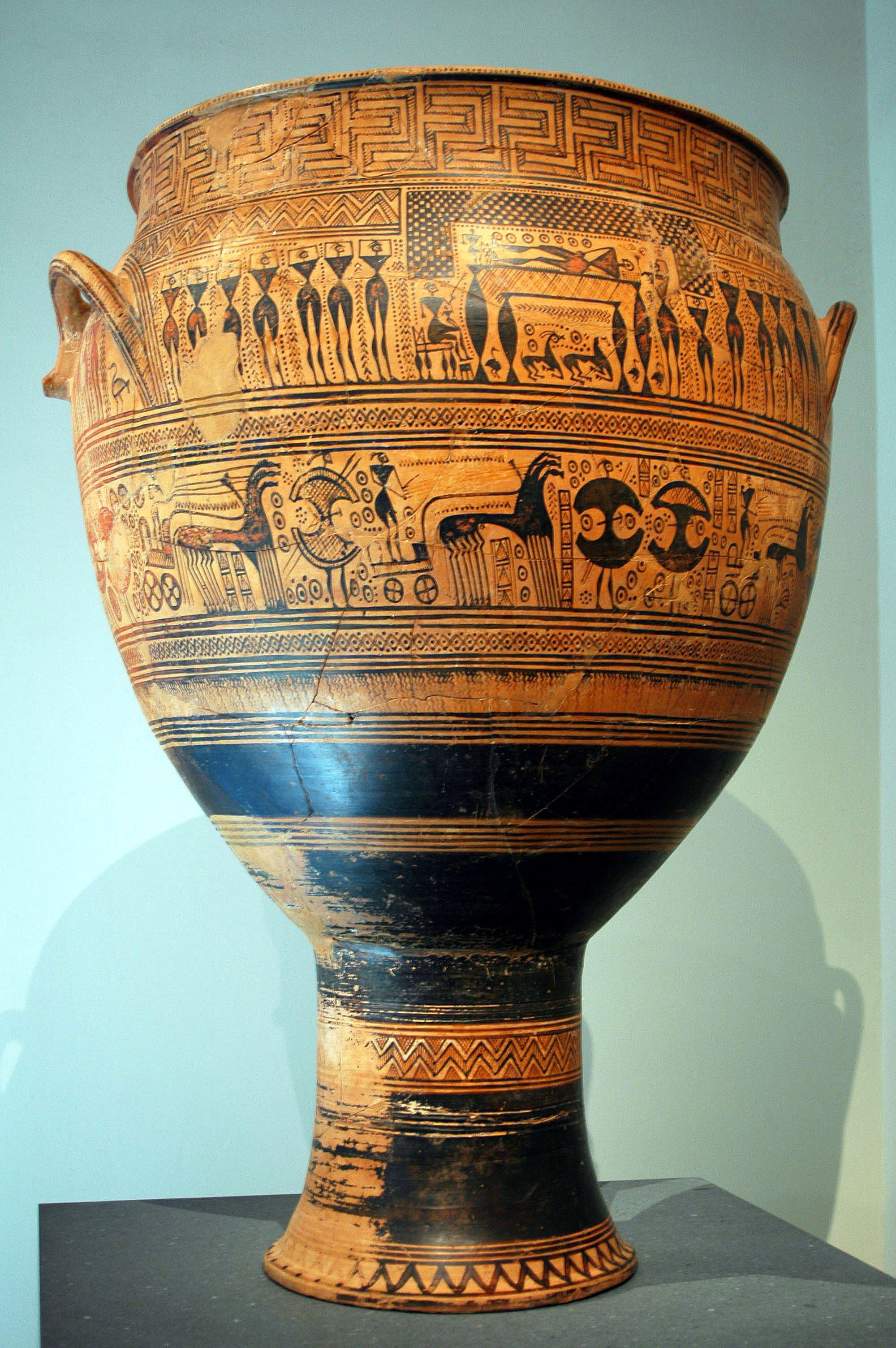
This Attic volute krater is a stunning example of Greek pottery. The intricate details and vibrant colors showcase the skill and creativity of Greek artists.
Visiting Museums
One of the best ways to experience ancient Greek art is to visit museums that house significant collections. The Louvre Museum in Paris, the British Museum in London, and the Acropolis Museum in Athens are just a few places where you can see these masterpieces up close.
Visiting these museums offers a unique opportunity to see Greek art in person, allowing you to appreciate its scale, detail, and craftsmanship. It’s a chance to connect with the past and gain a deeper understanding of the art and the civilization that created it.
The Role of Museums in Preserving Greek Art
Museums play a crucial role in preserving and showcasing Greek art. They provide a space for people to learn about and appreciate the cultural and historical significance of these artifacts. By visiting museums, we can gain a deeper understanding of the art and the civilization that created it, ensuring that the legacy of Greek art continues to inspire future generations.

Notable Museums with Greek Art Collections
Museum | Location | Notable Exhibits |
|---|---|---|
| Louvre Museum | Paris | Venus de Milo, Winged Victory of Samothrace |
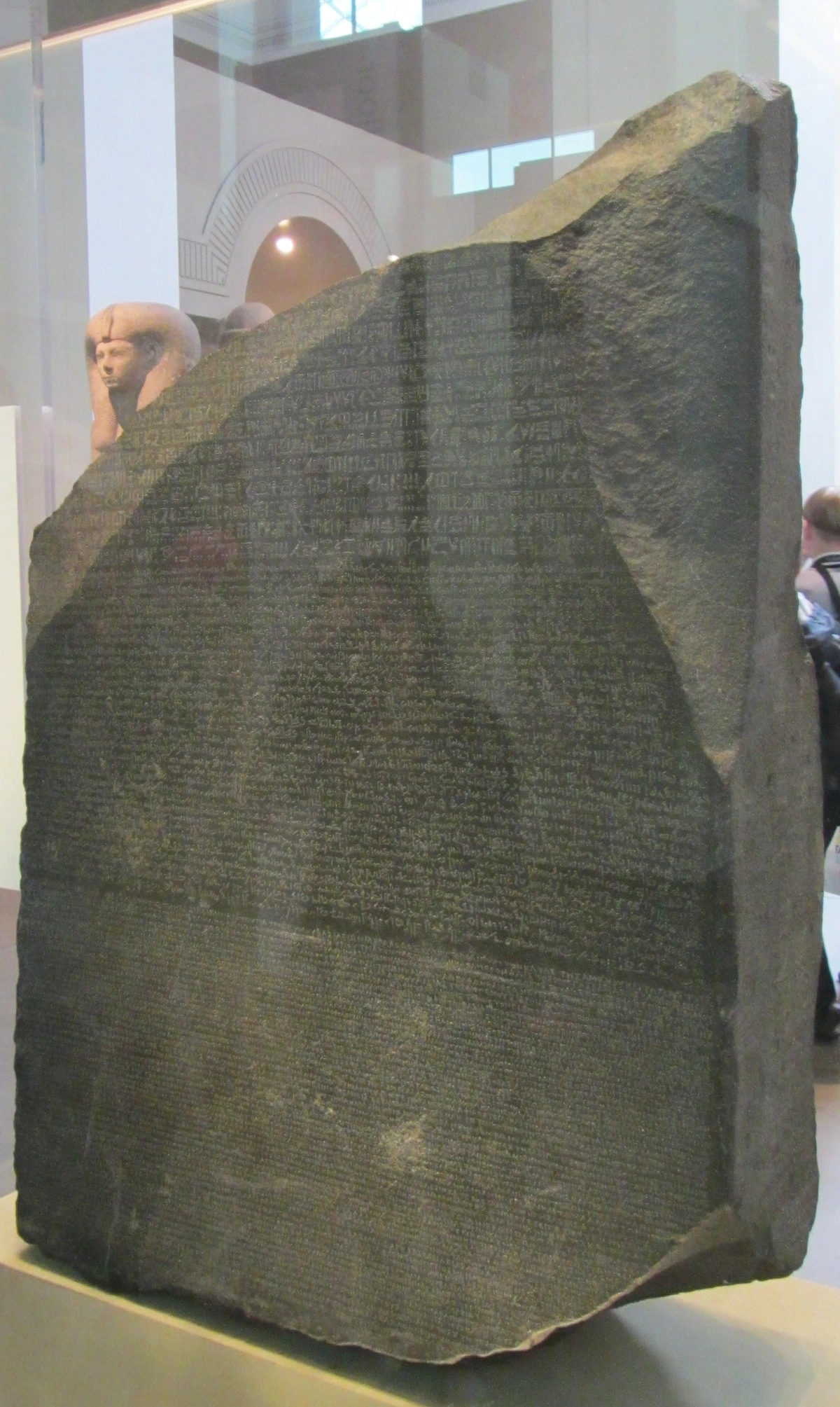
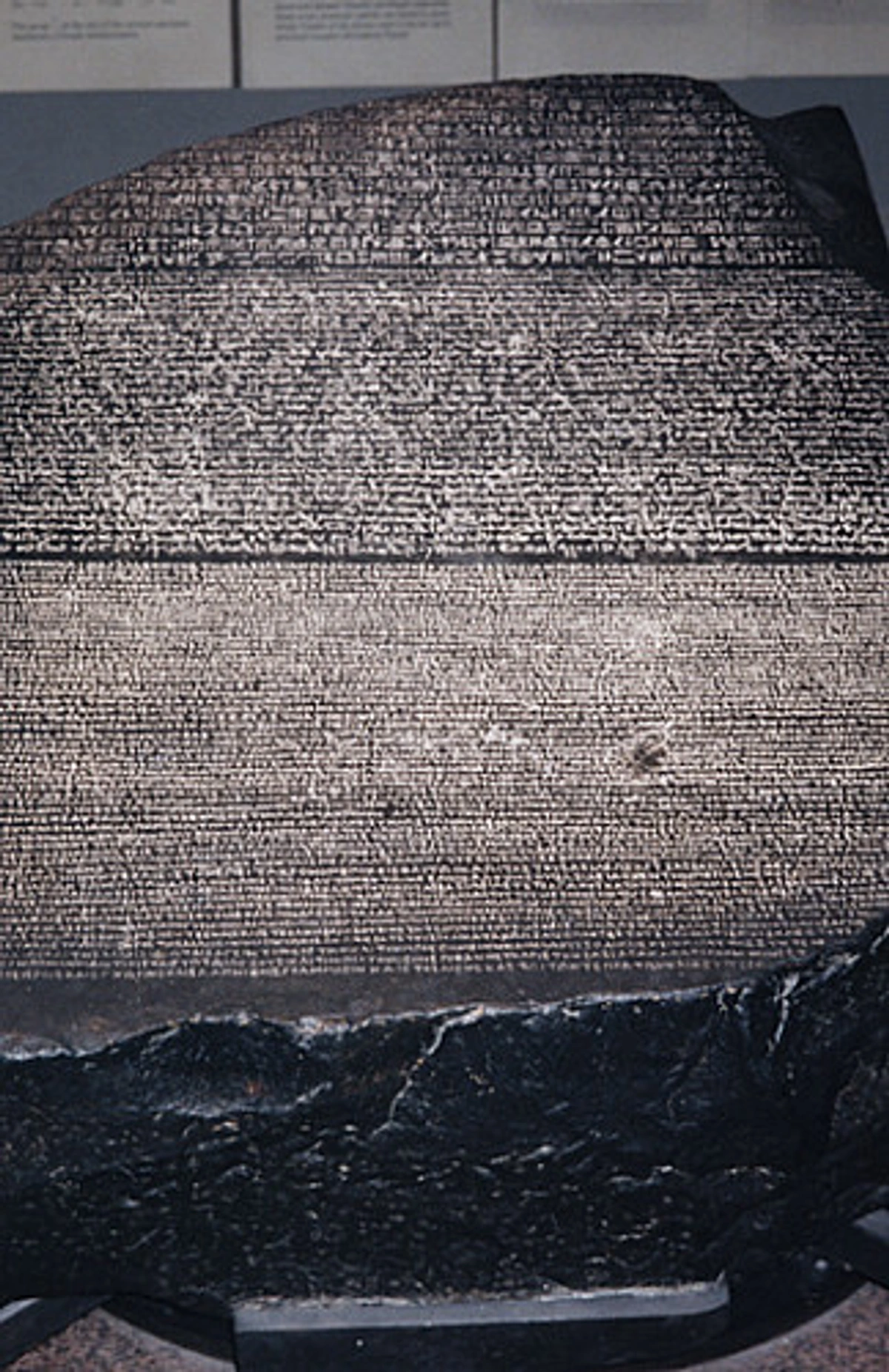
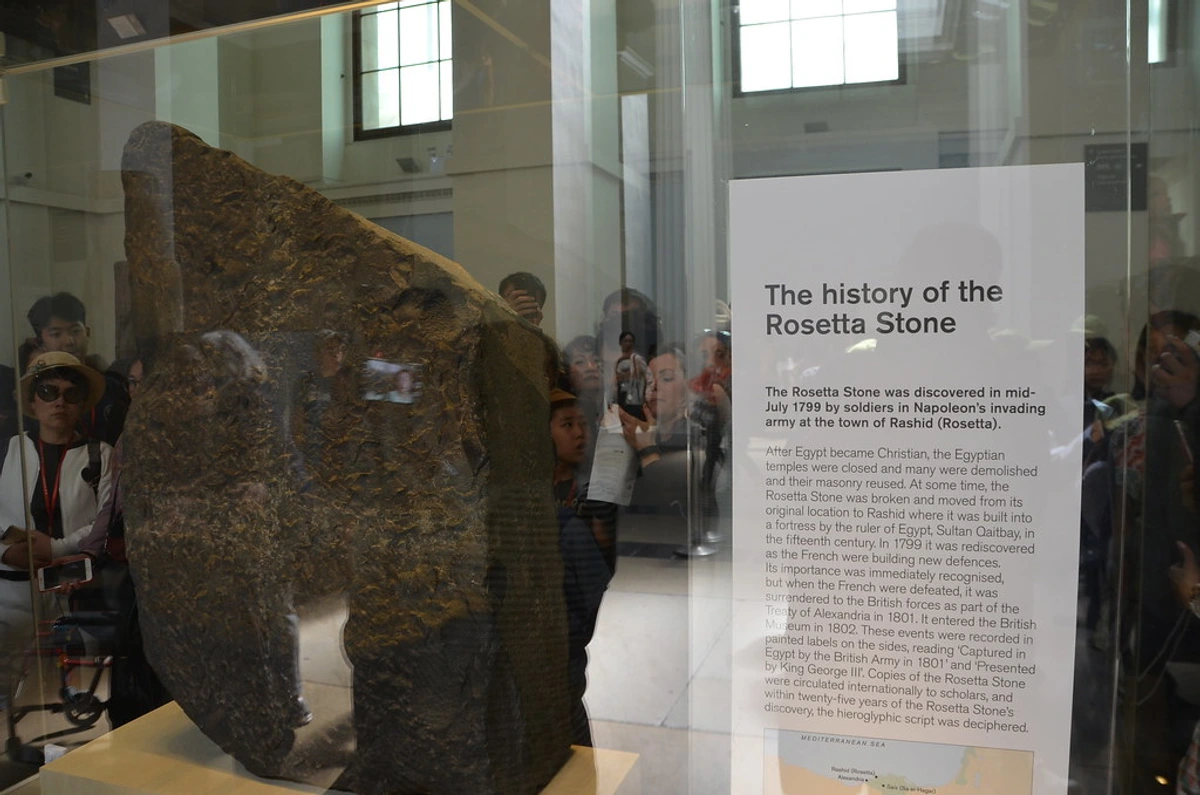
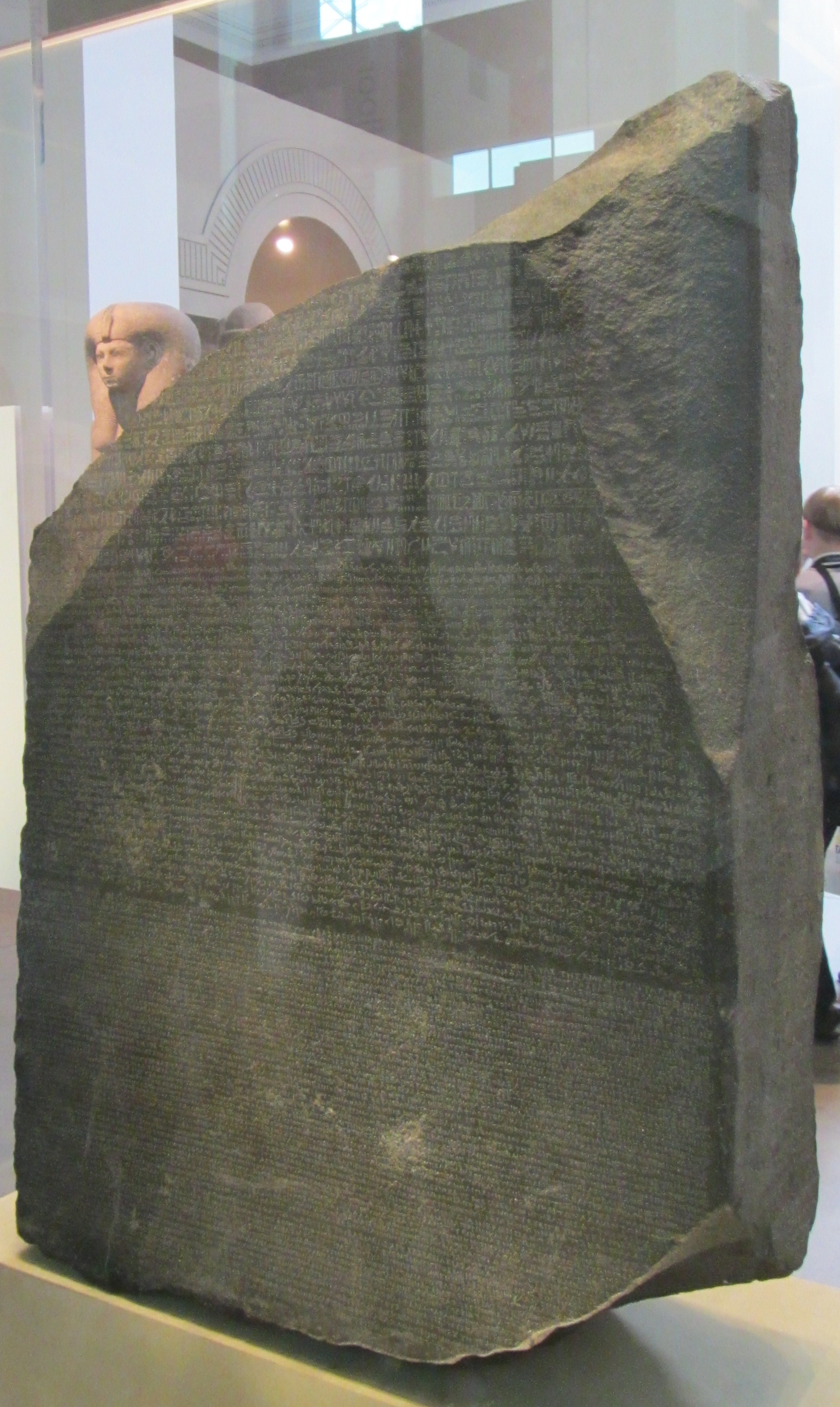
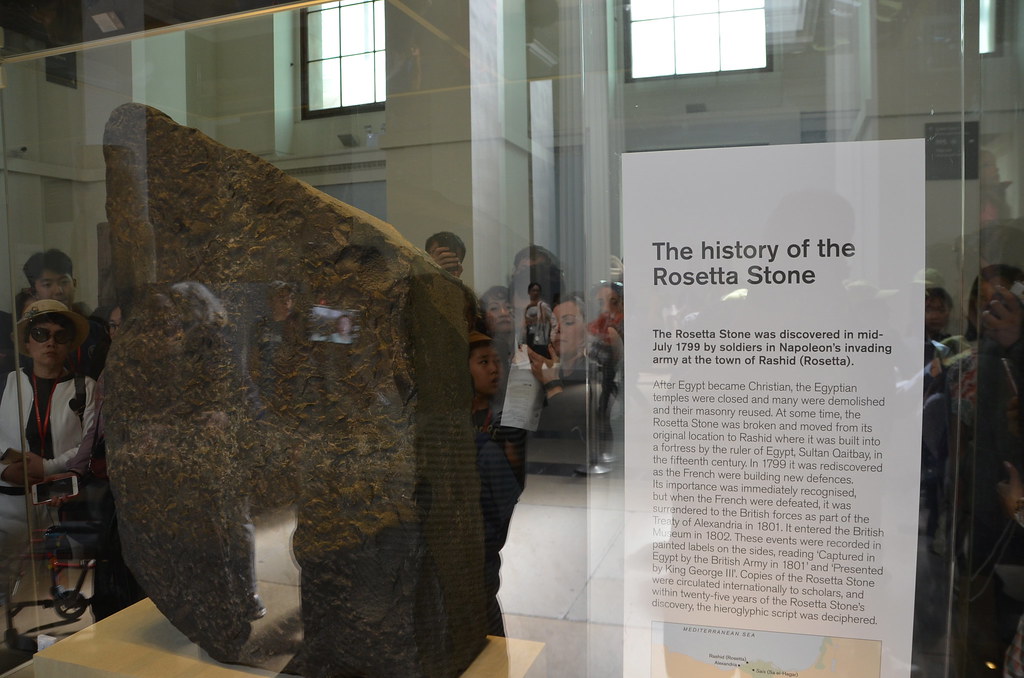
| British Museum | London | Parthenon Marbles, Rosetta Stone |
| Acropolis Museum | Athens | Parthenon Sculptures, Caryatids |
| Metropolitan Museum of Art | New York | Greek Pottery, Sculptures |
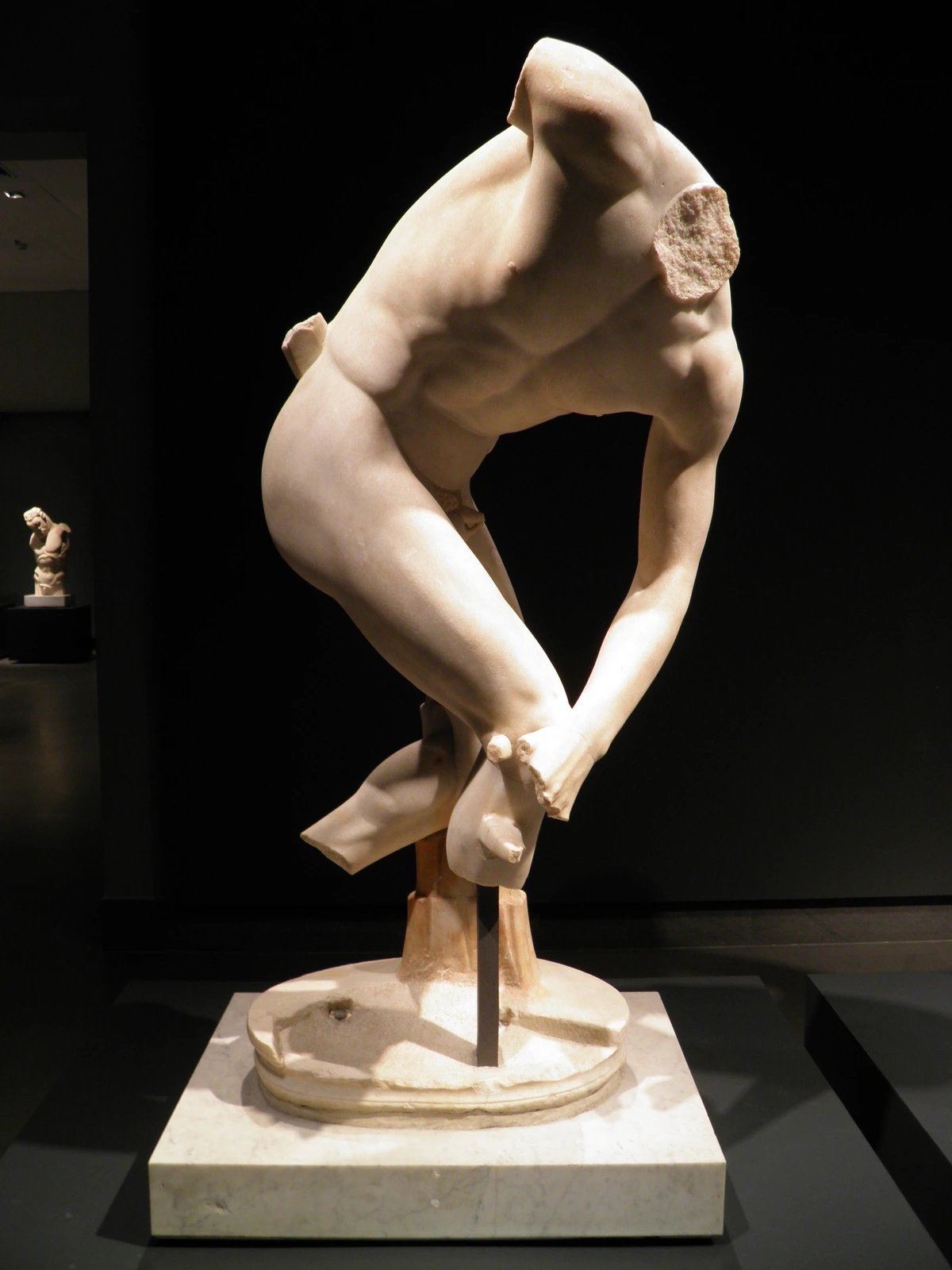
These museums provide a comprehensive view of Greek art and its evolution over time.
The Role of Museums in Education
Museums also play a crucial role in education. They provide a space for people to learn about the cultural and historical significance of Greek art. By visiting museums, we can gain a deeper understanding of the art and the civilization that created it, ensuring that the legacy of Greek art continues to inspire future generations.
FAQ
What are the main periods of ancient Greek art?
The main periods of ancient Greek art are the Geometric Period (900-700 BCE), the Archaic Period (700-480 BCE), the Classical Period (480-323 BCE), and the Hellenistic Period (323-31 BCE).
What were the key characteristics of each period?
- Geometric Period: Known for its intricate geometric patterns on pottery.
- Archaic Period: Characterized by the Kouros and Kore statues and the rise of narrative storytelling.
- Classical Period: Marked by lifelike sculptures and balanced compositions.
- Hellenistic Period: Known for dramatic expression and emotional intensity.
Who were some famous ancient Greek artists?
Some famous ancient Greek artists include Phidias, Praxiteles, and Myron. These artists were known for their lifelike sculptures and their ability to capture the idealized human form.
Their works continue to inspire artists and art lovers today, showcasing the enduring legacy of Greek art.
What were their contributions to Greek art?
- Phidias: Known for his work on the Parthenon and the statue of Zeus at Olympia.
- Praxiteles: Renowned for his lifelike sculptures, including the statue of Aphrodite of Knidos.
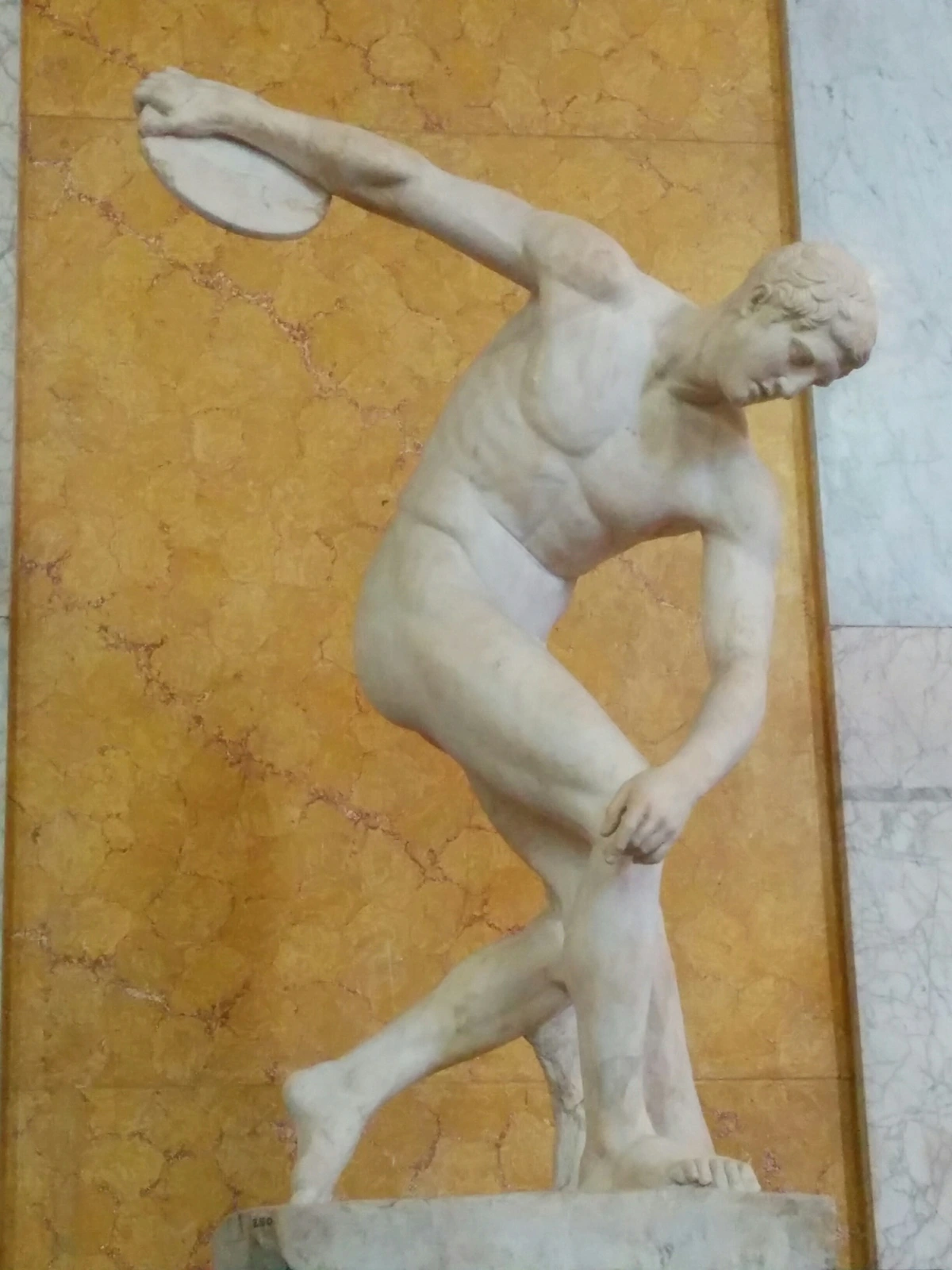
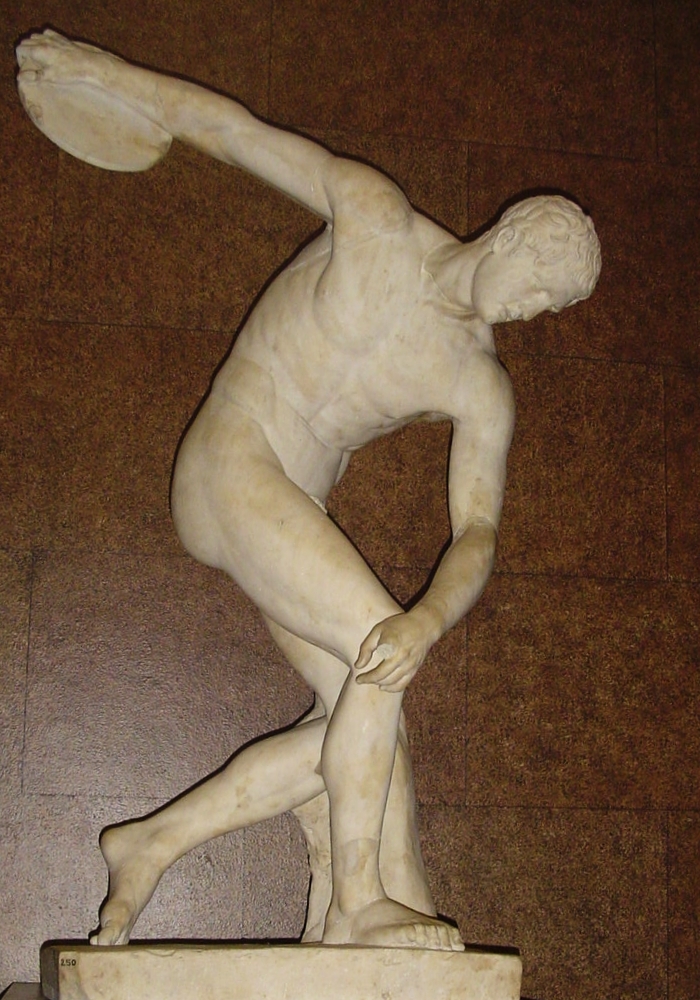
- Myron: Famous for his bronze sculptures, including the Discobolus.
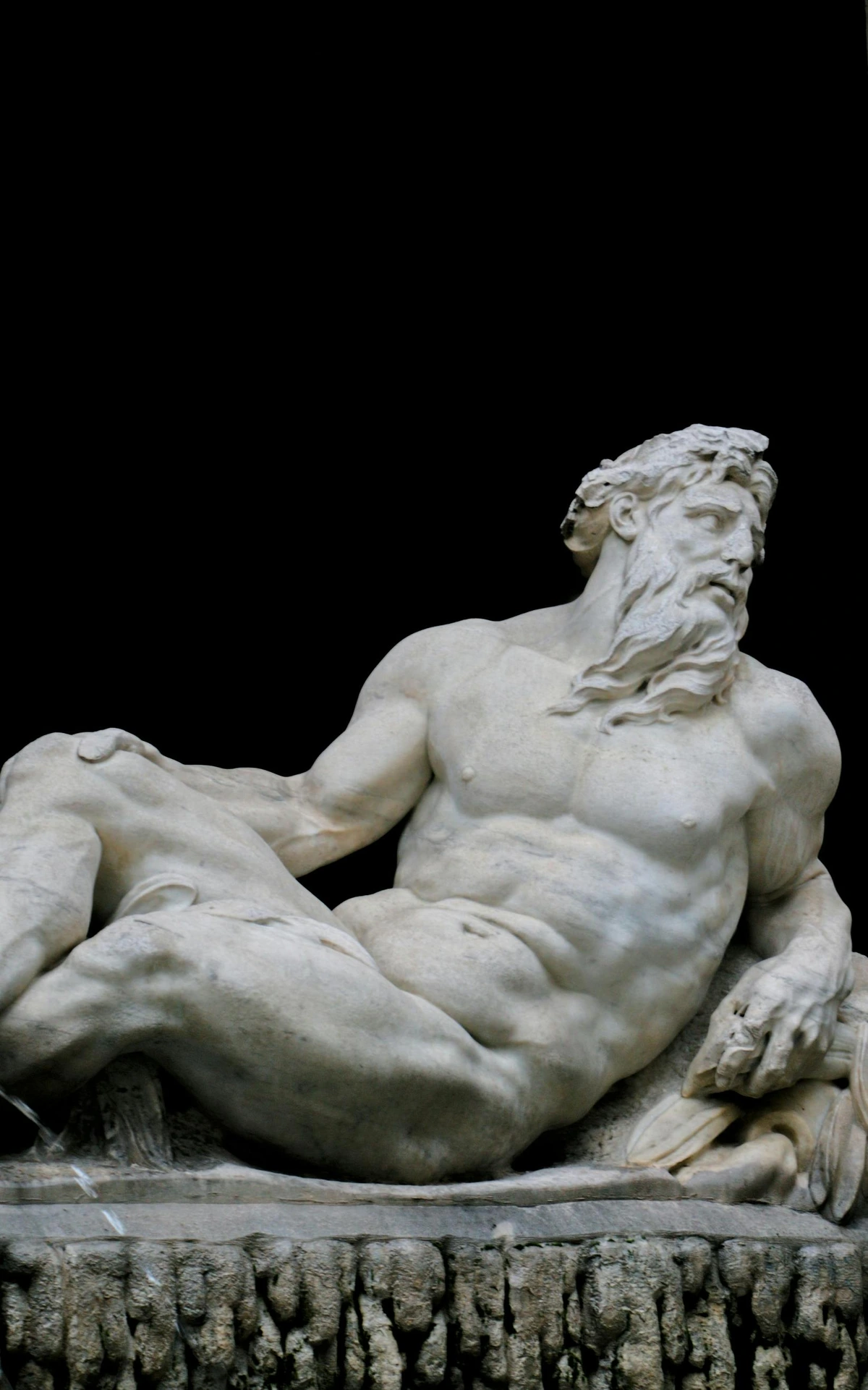
The Venus de Milo is one of the most iconic examples of Greek sculpture. Its timeless beauty and craftsmanship continue to inspire artists and art lovers around the world.
How did ancient Greek art influence modern art?
Ancient Greek art influenced modern art through its emphasis on harmony, balance, and proportion. These principles can be seen in the works of Renaissance artists, neoclassical sculptors, and even contemporary artists who draw inspiration from classical techniques.
What are some examples of Greek influence in modern art?
- Renaissance Art: Artists like Michelangelo and Leonardo da Vinci drew heavily from Greek art.
- Neoclassical Sculpture: Sculptors revived classical ideals of beauty and proportion.
- Contemporary Art: Artists continue to explore themes of mythology and the human form.

Where can I see ancient Greek art today?
You can see ancient Greek art in museums around the world, such as the Louvre Museum in Paris, the British Museum in London, and the Acropolis Museum in Athens. These museums house significant collections of Greek sculptures, pottery, and other artifacts.
What are some notable exhibits in these museums?
- Louvre Museum: Venus de Milo, Winged Victory of Samothrace.
- British Museum: Parthenon Marbles, Rosetta Stone.
- Acropolis Museum: Parthenon Sculptures, Caryatids.
What are some key themes in ancient Greek art?
Some key themes in ancient Greek art include mythology, the human form, and the ideals of beauty and harmony. These themes are reflected in sculptures, vase paintings, and other forms of Greek art.

How did Greek artists depict mythology in their art?
Greek artists depicted mythology in their art through scenes from myths, heroic deeds, and divine interventions. These depictions were not just decorative; they were a way to explore the human condition and the mysteries of the gods.
What techniques were used in Greek vase painting?
Greek vase painting used techniques like the black-figure and red-figure methods. The black-figure technique involved painting figures in black against a red background, while the red-figure technique involved painting figures in red against a black background. These techniques allowed artists to create intricate and detailed scenes.
Conclusion
Ancient Greek art is a testament to the creativity, skill, and imagination of a civilization that valued beauty and harmony. From the lifelike sculptures of the Classical period to the intricate vase paintings of the Archaic period, Greek art continues to inspire and captivate audiences today. Whether you’re an artist, a history buff, or simply someone who appreciates beauty, exploring the world of ancient Greek art is a journey worth taking.
















Greek art is more than just a collection of artifacts; it’s a window into a civilization that laid the foundation for Western art and culture. Its influence can be seen in everything from Renaissance paintings to contemporary sculptures, making it a timeless and enduring legacy.
As you explore the world of ancient Greek art, you’ll discover a rich tapestry of creativity, skill, and imagination that continues to inspire and captivate audiences today.
The Enduring Legacy of Greek Art
The enduring legacy of Greek art is a testament to its timeless appeal. From the lifelike sculptures of the Classical period to the intricate vase paintings of the Archaic period, Greek art continues to inspire and captivate audiences today. Whether you’re an artist, a history buff, or simply someone who appreciates beauty, exploring the world of ancient Greek art is a journey worth taking.