The Louvre First-Timer's Guide: Master Paris's Iconic Art Museum with an Artist's Eye
Unlock the Louvre! This artist's guide for first-timers offers practical tips, curated routes, and insights into masterpieces like the Mona Lisa and hidden gems, ensuring an inspiring visit to Paris's iconic museum.

The Louvre First-Timer's Guide: Master Paris's Iconic Art Museum with an Artist's Eye
I remember my first time heading to the Louvre, stomach buzzing with a mix of excitement and, I'll admit, a healthy dose of pure, unadulterated dread. Dread, you ask? Oh yes. Because the Louvre isn't just a museum; it's a monumental, sprawling behemoth, a former royal palace that swallowed up entire collections over centuries. It’s easy to feel like you need a degree in art history and a compass just to find the restroom, let alone the Mona Lisa. But here’s the thing: it doesn’t have to be overwhelming. What if I told you that with a little planning, a good dose of curiosity, and a willingness to get a little lost (in a truly wonderful way!), your first Louvre experience can be truly magical? It’s a chance to connect with history, with beauty, and perhaps even rekindle that childlike wonder we sometimes forget we have. This colossal, ongoing conversation, stretching across centuries, is precisely what fuels my own artistic journey, a path you can glimpse on my timeline.
This isn't just a guide; it's my personal strategy for transforming a potentially daunting visit into a delightful and enriching adventure, ensuring you leave inspired, not exhausted. Think of me as your slightly-scattered, overly enthusiastic personal guide, here to help you truly experience the Louvre, not just survive it.
Before You Go: The Essential Prep for Your Artistic Journey
Look, I know you’re itching to just show up, buy a ticket, and stroll in. Trust me, at the Louvre, that's a recipe for frustration. This isn't your charming local museum like the Den Bosch Museum, as lovely as it is. This is a global icon, a true jewel among art capitals of the world, and a bit of foresight will save you hours of precious Paris time. As an artist, I've learned that preparation often unlocks the deepest inspiration, whether it's setting up my studio or planning a visit to a world-class institution.
credit, licence
Quick Facts: Your At-A-Glance Louvre Essential Information
Detail  | Information |
|---|---|
| Official Website | www.louvre.fr |
| Address | Rue de Rivoli, 75001 Paris, France |
| Nearest Métro | Palais Royal - Musée du Louvre (Lines 1 & 7) |
| Closed On | Tuesdays, January 1st, May 1st, December 25th |
| Typical Hours | 9 AM - 6 PM (Extended until 9:45 PM on Wednesdays & Fridays) |
| Online Tickets | Highly Recommended, book in advance! |
Tickets: Your Golden Key to Art History
This is non-negotiable: buy your tickets online in advance. Seriously. I once saw a queue so long it snaked around three city blocks – a colossal waste of precious Paris time! Don’t be that person. You’ll choose a specific time slot, which sounds rigid, but it’s your express pass to avoiding major headaches. You can typically find them on the official Louvre website (www.louvre.fr) or authorized resellers like GetYourGuide or Tiqets. Just be very cautious of unofficial sources to avoid scams, inflated prices, or invalid tickets. These often sell out weeks in advance for peak season, so don't procrastinate!
Insider Tip for Louvre tickets: Always check the official Louvre website for specific dates or times that might be free or discounted, particularly for EU residents under 26. These opportunities are golden, and sometimes overlooked!
Ticket Type | Description | Where to Buy (Official) |
|---|---|---|
| Standard Entry | Access to permanent collections & temporary exhibitions | Official Louvre Website |
| Paris Museum Pass | Unlimited access to many Paris museums over 2, 4, or 6 days. Can be highly cost-effective if visiting multiple museums in a short period. | Paris Tourist Office / Online |
| Guided Tour | Small group tour with an expert, often skipping lines and providing valuable context. | Official Louvre Website / Tour Operators |
| Family/Group Ticket | Discounted entry for families or larger groups, check specific requirements. | Official Louvre Website |
Best Time to Visit: Timing is Everything for a Serene Experience
Want to enjoy a masterpiece without a thousand selfie sticks photobombing your view? Timing is crucial. Early mornings (right at opening, around 9 AM) or late afternoons (after 3 PM, especially on extended opening days) are usually your best bet. Mid-week (Wednesday, Thursday) is also generally less crowded than weekends. Remember, the Louvre is closed on Tuesdays and typically on January 1st, May 1st, and December 25th.
Day of the Week | Ideal Time | Notes |
|---|---|---|
| Wednesday & Friday | Evenings (after 6 PM) | Open until 9:45 PM; significantly fewer crowds and a more intimate atmosphere. |
| Monday, Thursday | Early Morning (9 AM-10 AM) | Fewer school groups, fresher eyes, and a chance to beat the main rush. |
| Weekends | Avoid if possible; if not, go at opening or after 4 PM | Expect larger crowds; be patient and focus on specific areas. |
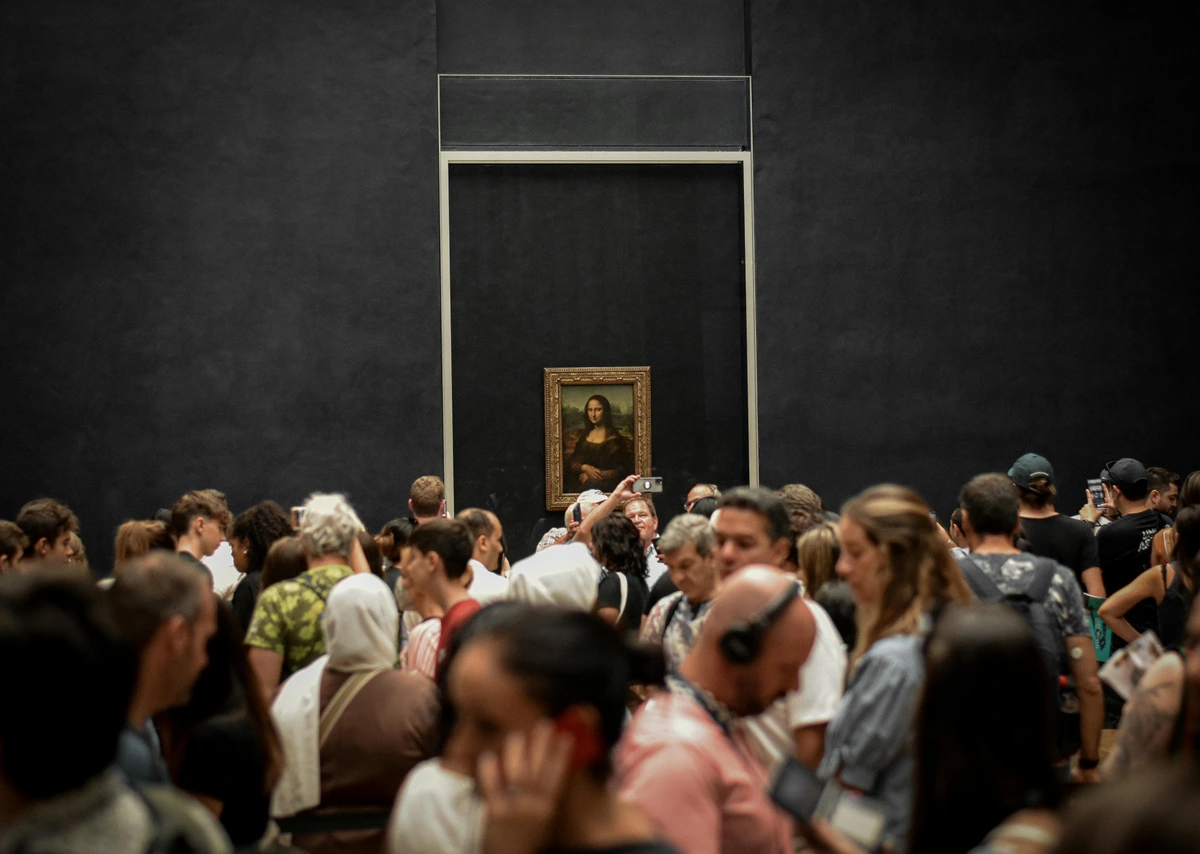
For overall planning, I've found that avoiding peak tourist seasons (like summer, especially July and August, or major European holidays like Easter and Christmas) can drastically improve your experience. These times bring larger crowds due to school breaks and widespread vacations. Spring (late April-May) and Fall (mid-September-October) offer pleasant weather and significantly more manageable crowds, making them ideal times for a visit. You’ll thank me later for this peace of mind.
Getting There & What to Bring (or Strategically Leave Behind)
Paris’s Métro is your best friend for convenience. The Palais Royal – Musée du Louvre station drops you right at the museum’s doorstep. Simple. Alternatively, for a less crowded entrance, especially on a busy day or if it's raining, consider the Carrousel du Louvre entrance via the underground shopping mall. It often has shorter queues than the main Pyramid entrance and leads directly into the inverted pyramid area. Or, my personal favorite, if you're feeling adventurous and the weather is nice, take a leisurely stroll through the Tuileries Garden and approach from there – it's a beautiful way to mentally prepare, a moment of calm before the storm of masterpieces. Taxis or ride-sharing services are also an option, but be mindful of Paris traffic, which can be intense, especially during rush hour.
As for what to bring: a small bag (large ones need to be checked), a portable charger for your phone (all those photos!), comfortable shoes (you'll walk miles, I promise), and a sealed water bottle. Leave the giant backpack and, well, any emotional support animal at the hotel. Security is thorough but efficient, so be prepared for bag checks upon entry. The cloakroom service is free for items larger than 55 x 35 x 20 cm (21.6 x 13.7 x 7.8 inches), and it's typically located near the main entrance within the Pyramid hall. Items such as large luggage, scooters, rollerblades, and selfie sticks are strictly prohibited. If you get a bit disoriented inside, which is entirely possible, don't hesitate to ask a museum attendant for directions or consult your offline app map – they're there to help!
Item | Recommended | Not Recommended / Prohibited |
|---|---|---|
| Bag | Small backpack, handbag | Large luggage (>55x35x20cm), large umbrellas |
| Footwear | Comfortable walking shoes | High heels, uncomfortable shoes |
| Electronics | Portable phone charger, small camera | Tripods, selfie sticks, flash photography (unless permitted) |
| Food/Drink | Sealed water bottle | Open drinks, large food items |
| Transportation | Métro tickets | Scooters, rollerblades, skateboards |
| Other | Sketchbook & pencil, official Louvre app | Dangerous objects, weapons |
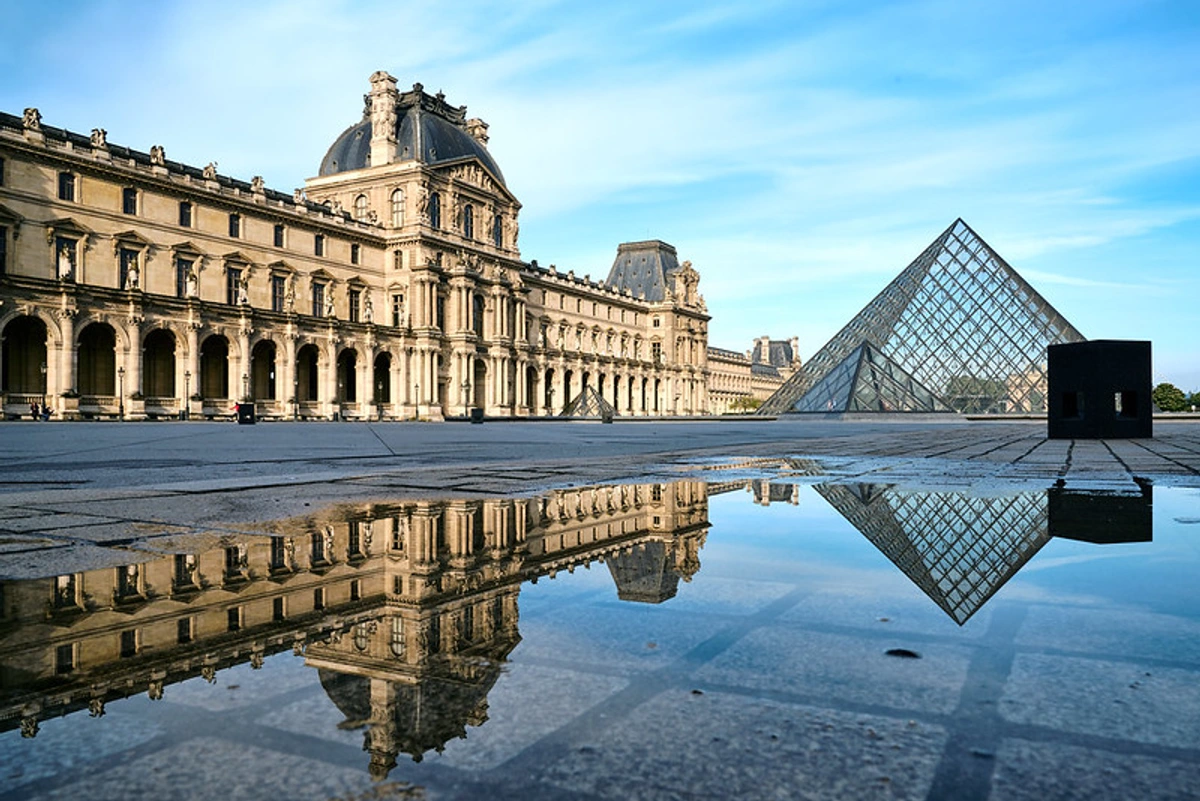
Inside the Palace: Unraveling Centuries of History and Art
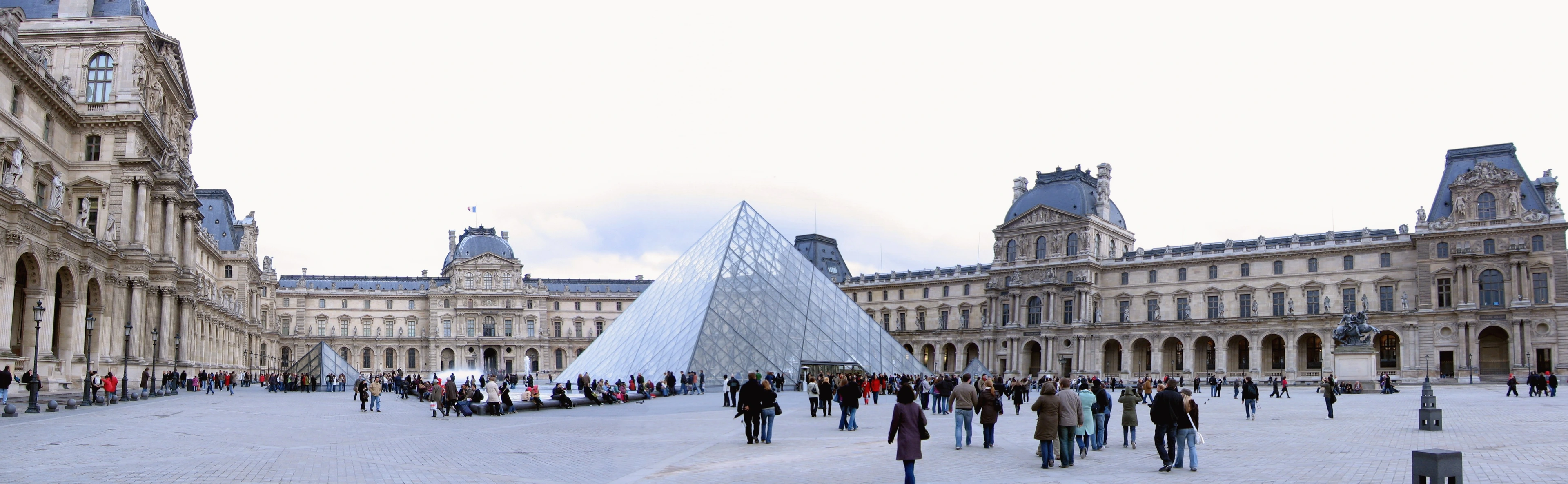
Alright, you’re past the entrance, hopefully via the majestic glass pyramid (or one of the equally efficient underground entrances like the Carrousel du Louvre, a great tip for rainy days!). Now what? It’s massive, right? My first thought was, "Where do I even begin?" But here’s the thing about the Louvre: it wasn't always a museum. This colossal structure began its life as a medieval fortress, built by Philip II Augustus in the late 12th century, serving as a defensive stronghold. Over centuries, it transformed under the ambitions of French monarchs.

François I, for example, began converting it into a royal palace in the 16th century, introducing Italian Renaissance styles and housing his growing art collection – including the Mona Lisa! Later, Louis XIII and Louis XIV (the Sun King) further expanded it into the grand Baroque palace we largely see today. When Louis XIV moved the royal court to Versailles, the Louvre became a place to house royal collections and host academies. It also served as a residence for artists like me, who could live and work within its walls – imagine the inspiration! It officially opened its doors as a public museum in 1793 during the French Revolution, truly democratizing access to art. Today, the Louvre's permanent collection alone features over 35,000 works of art, with many more in storage, making it one of the largest and most comprehensive in the world.
Imagine the whispers in these halls, the intrigues, the grandeur! This deep history is woven into its very stones, making every step an echo of the past. The architectural grandeur itself, from the intricate medieval foundations glimpsed in the Sully wing, to the graceful Renaissance facades, opulent Baroque interiors, and the bold modernism of I. M. Pei's glass pyramid, is a masterpiece. For me, as an artist, walking through these layers of history is as inspiring as the art itself – a testament to evolving creativity and ambition. Your first Louvre experience should be about quality, not quantity. Don't try to see everything; you'll burn out and resent every beautiful brushstroke.
Navigating the Maze: Wings, Levels, Maps & Digital Guides
The Louvre is divided into three main wings: Denon, Sully, and Richelieu. It helps to visualize them as forming a U-shape around the central Cour Carrée and the glass pyramid. Each wing has multiple levels, ranging from the 'entresol' (mezzanine or lower ground floor) to the first and second floors. Crucially, these wings are interconnected, allowing you to move between them, though a map is absolutely essential to avoid getting truly lost in the labyrinth. For a quick orientation, here’s a breakdown of what you’ll generally find in each:
Wing | Key Themes/Periods | Main Collections / Highlights |
|---|---|---|
| Denon | Italian, Spanish, Northern European Renaissance & Baroque; Hellenistic & Roman | Mona Lisa, The Wedding Feast at Cana, Winged Victory of Samothrace, Roman & Greek Antiquities, Islamic Arts |
| Sully | Ancient Civilizations (Egypt, Greece, Etruria, Rome); Medieval Louvre History; Early French | Venus de Milo, Egyptian Antiquities (Great Sphinx of Tanis, Seated Scribe), Greek & Etruscan Antiquities, Medieval Louvre Moat |
| Richelieu | French Sculpture; Decorative Arts; Near Eastern Antiquities; Northern European | Napoleon III Apartments, Code of Hammurabi, Mesopotamian Antiquities (Winged Bulls of Khorsabad), French & Northern European Paintings |
Grab a physical map at the entrance, or better yet, download the official Louvre app. It's a lifesaver, offering interactive maps, themed trails, and information about the collections. Make sure to download any offline maps within the app (look for a 'download maps' or 'offline access' option in the app's settings) before you enter, as Wi-Fi can be spotty in such a large building. I usually pick one wing and one specific area to focus on, then allow myself to wander a bit. Like life, the best discoveries often happen when you’re not looking for them. Also, keep an eye out for temporary exhibitions! The Louvre regularly hosts special shows that can offer a focused and unique perspective, sometimes requiring a separate ticket or booking, so check their website beforehand.

The Collections: A Journey Through Time and Art
Okay, let’s talk art. Yes, you’ll see the Mona Lisa. Everyone does. But the Louvre is home to so much more, a universe of human creativity that makes you feel both tiny and incredibly connected. Think of it as a personal dialogue with the past. The sheer breadth of its collections, from ancient civilizations spanning Mesopotamia, Egypt, Greece, Etruria, and Rome, to European decorative arts, sculptures, and paintings from the Middle Ages to the mid-19th century, is mind-boggling. It’s a curated cross-section of humanity's artistic endeavors, a place where epochs converse through stone, canvas, and clay – a powerful demonstration of how diverse cultures have expressed universal human experiences through art. For more Parisian art adventures, check out my guide to the best art museums in Paris for first-timers.

The Iconic Three (and how to truly see them):
These are the titans, the masterpieces you've seen in countless books and documentaries. They're essential viewing, but approach them with a strategy to fully appreciate their magic.
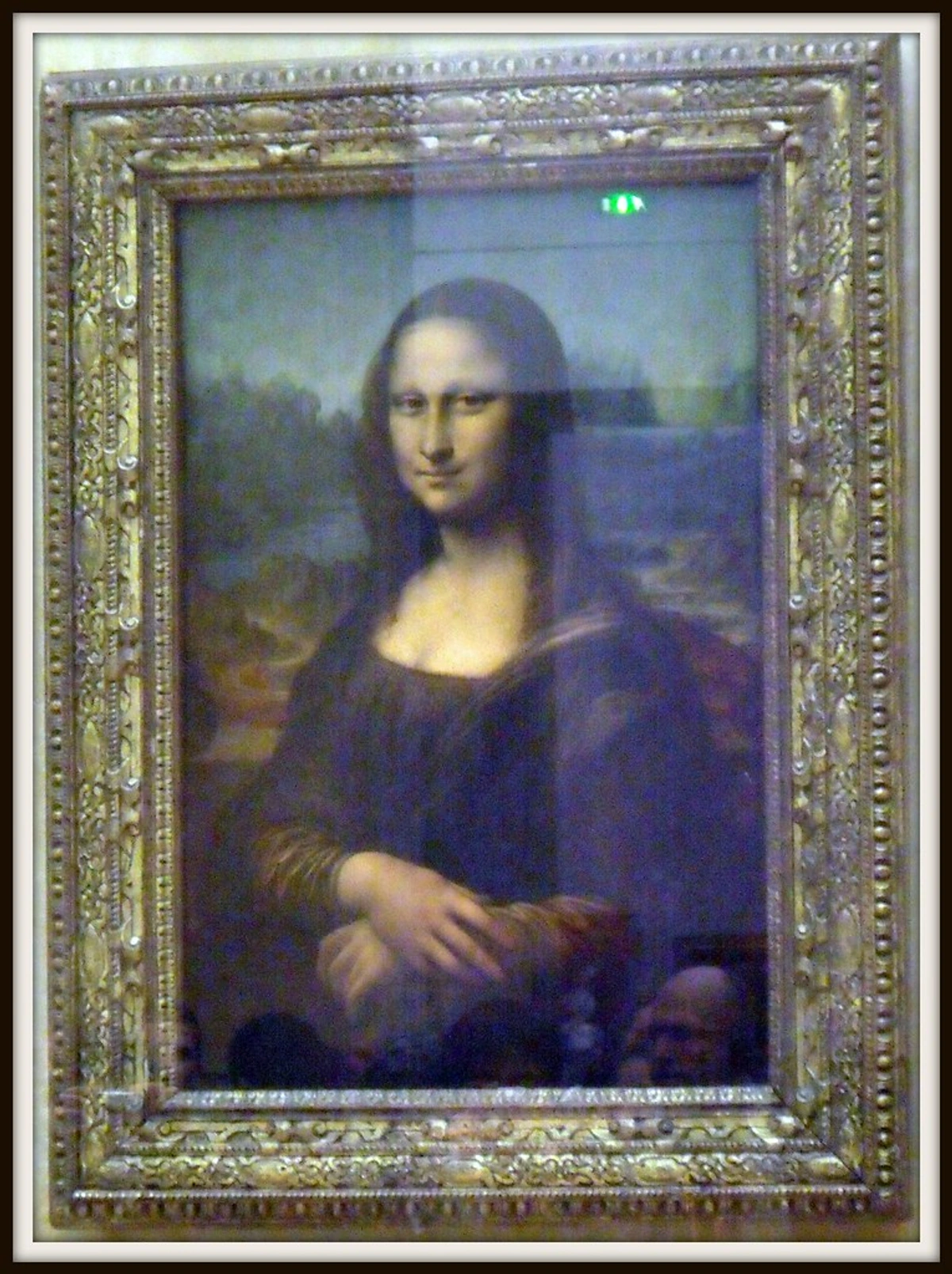
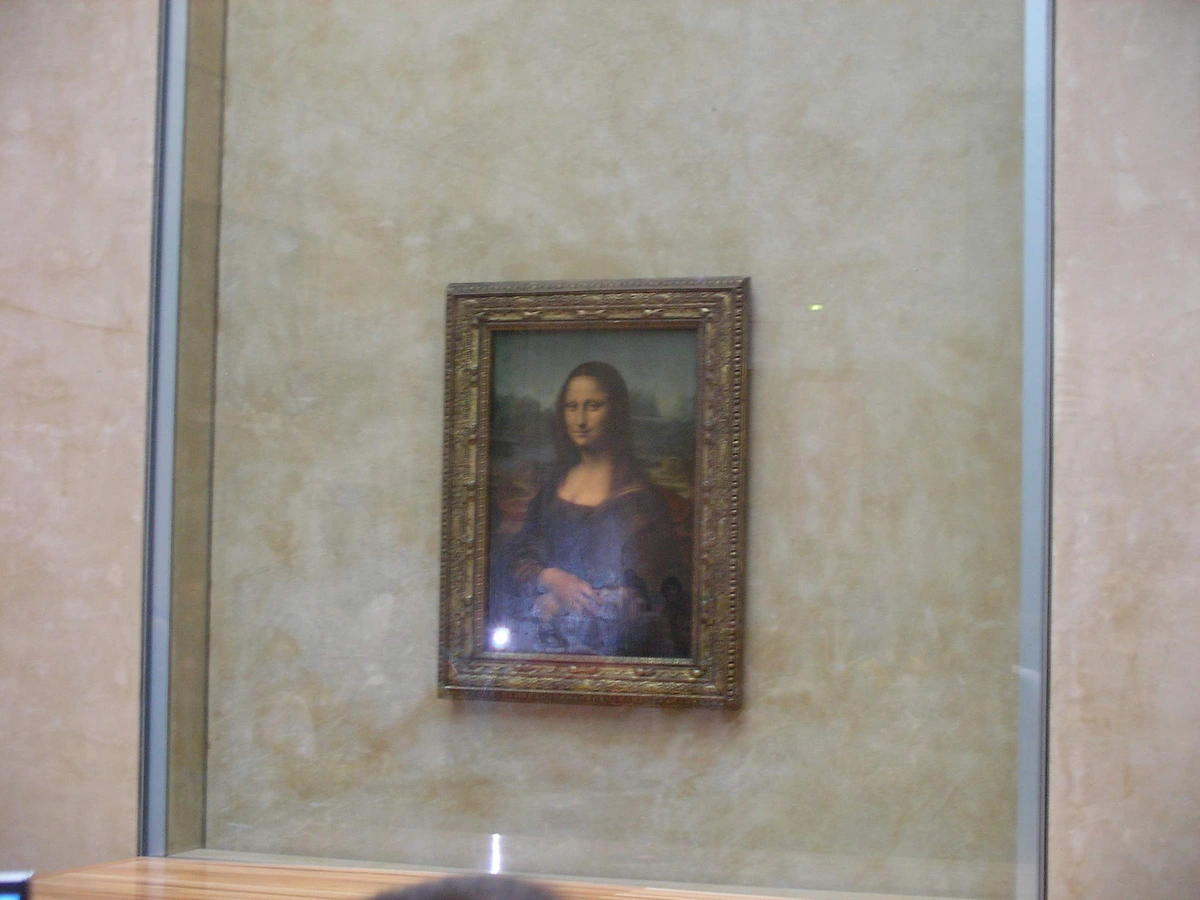
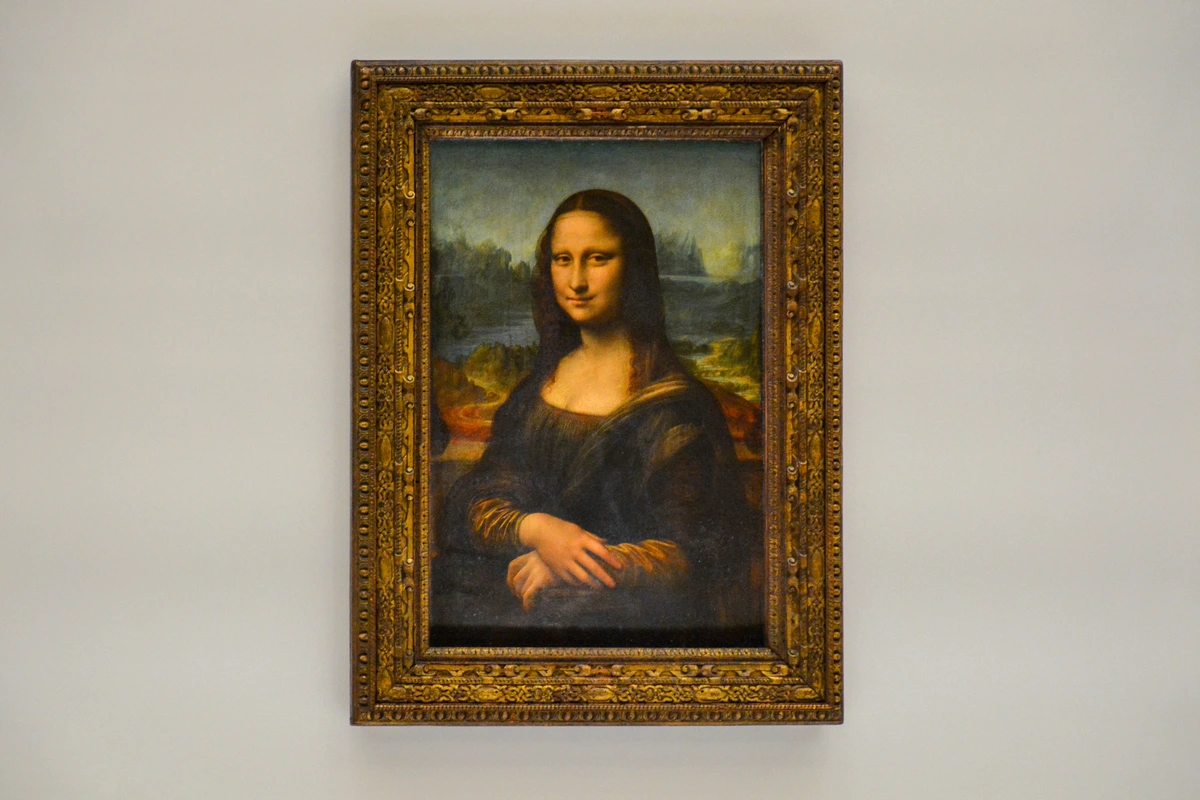
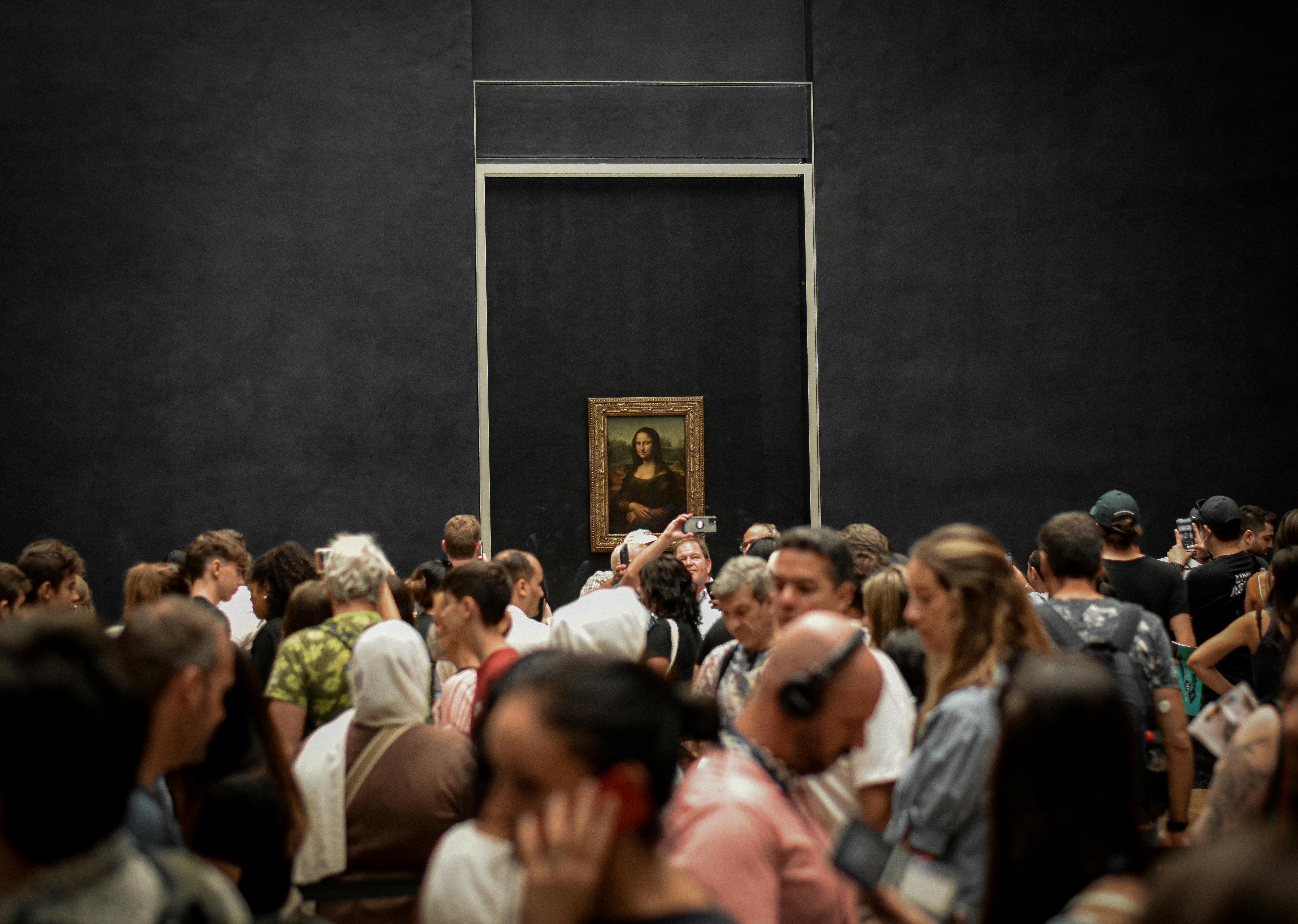
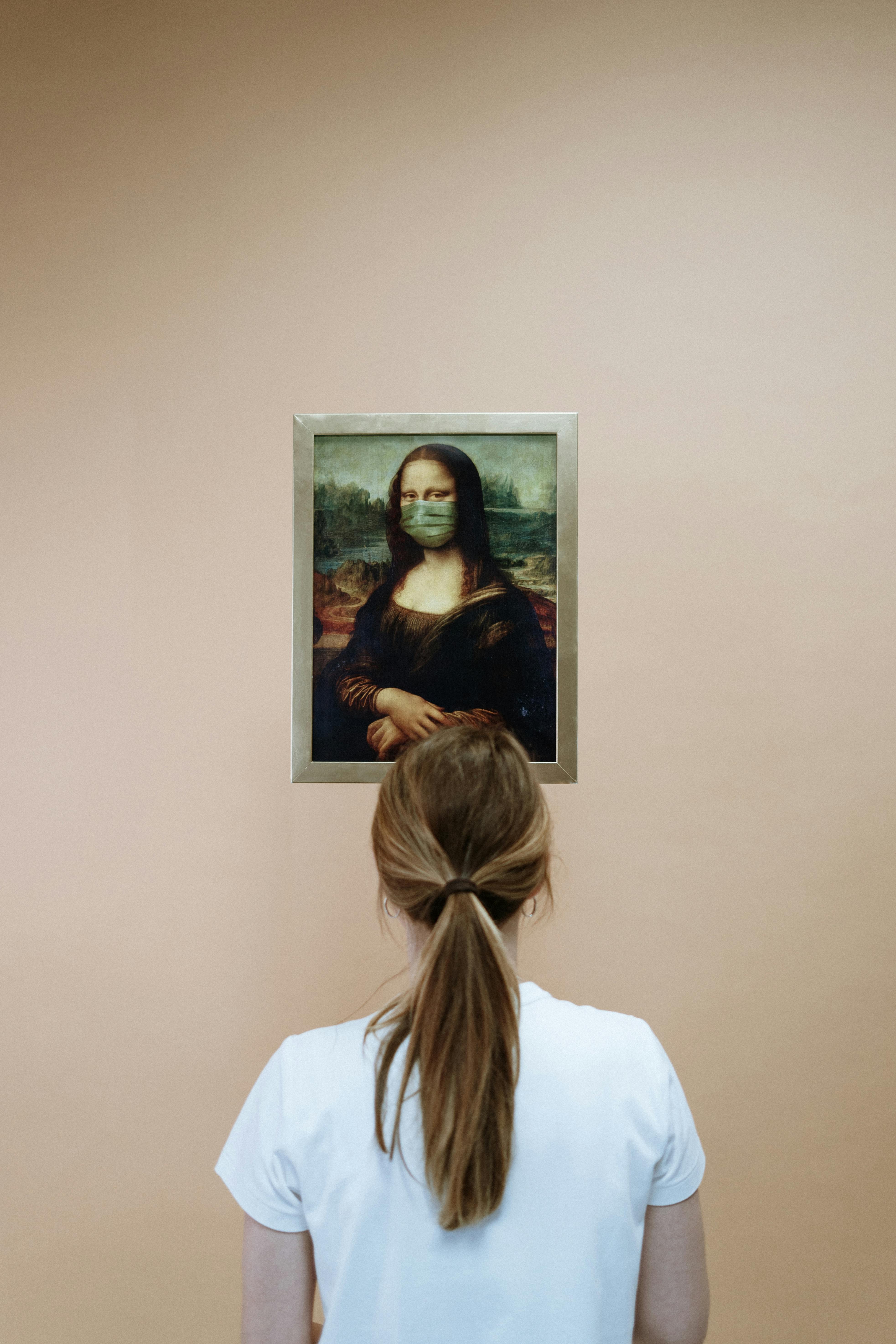
- The Mona Lisa (Denon Wing, 1st Floor, Room 711): Leonardo da Vinci's iconic Renaissance portrait. She's smaller than you think (approximately 77 x 53 cm, or 30 x 21 inches), often behind a barrier, displayed at shoulder height, and surrounded by a thicket of people. Her fame stems not just from her enigmatic smile and Leonardo's revolutionary sfumato technique (the soft, subtle blending of colors), but also from her dramatic theft in 1911 and subsequent global tours, cementing her status as a cultural icon. My advice? Go, see her, acknowledge her presence, and then move on. If the crowd is too dense, give yourself a strict 5-minute time limit to observe, then turn around. Here’s the real secret: turn around. Right opposite her is Paolo Veronese's colossal The Wedding Feast at Cana. This massive canvas (6.77 x 9.94 meters, or 22.2 x 32.6 feet!), a riot of color and detail, often gets overlooked in the Mona Lisa frenzy. As an artist, I find it fascinating – it's a testament to the grandeur and narrative ambition of Venetian Renaissance painting, a complete contrast to Leonardo's intimate portrait, and a masterpiece in its own right. Its vibrant composition, meticulous detail, and theatricality embody the lavishness of 16th-century Venetian art, making it an absolute explosion of life and artistry that you can get much closer to! Learn more about Leonardo's genius and why this portrait is so famous in my guides: why is the Mona Lisa so famous and ultimate guide to Leonardo da Vinci.
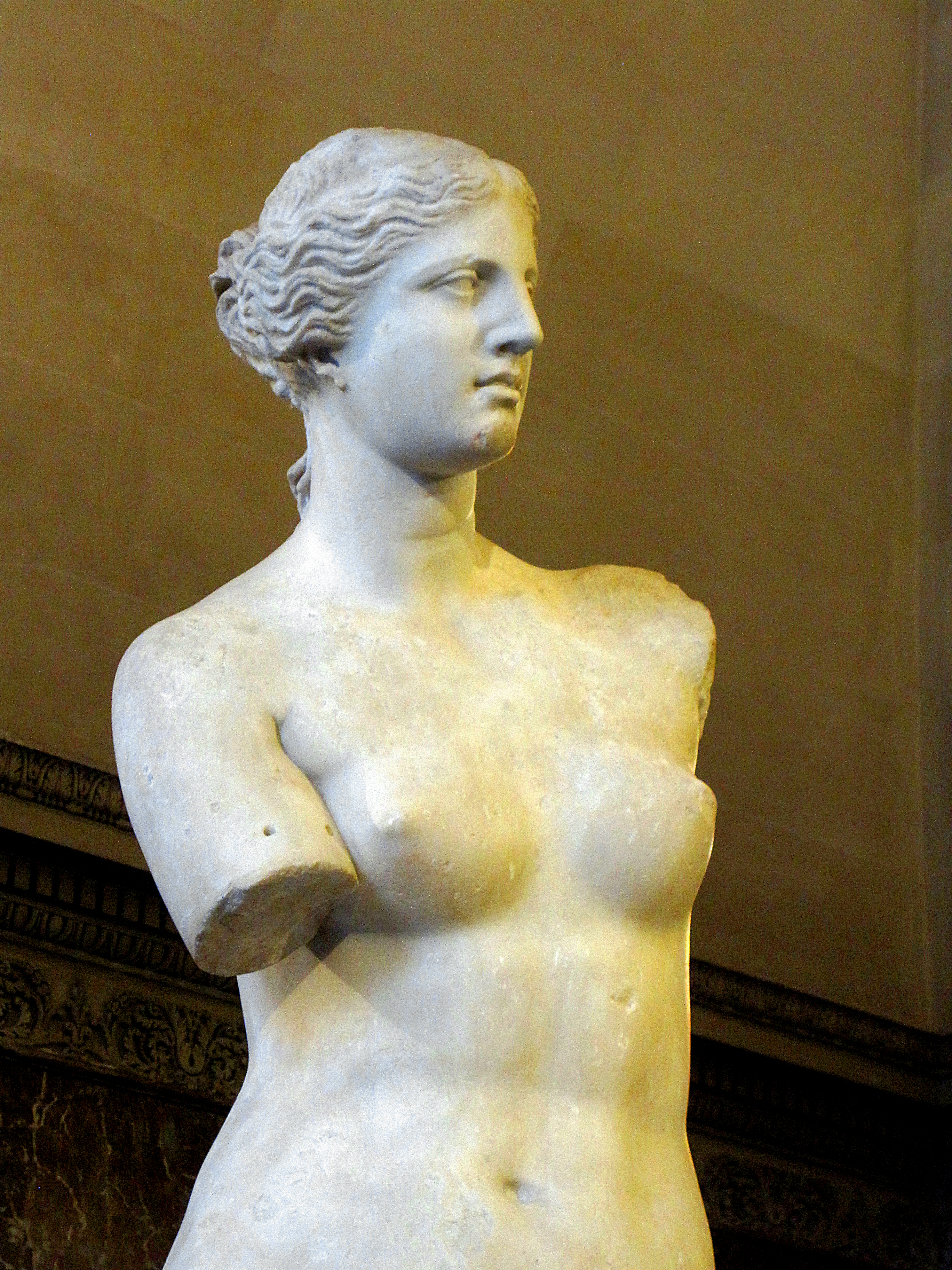
- Venus de Milo (Sully Wing, Ground Floor, Room 345): This Hellenistic masterpiece, created around 130-100 BC and discovered in 1820 on the island of Milos, is graceful, serene, and absolutely mesmerizing. Hellenistic art (ancient Greek art from 323-31 BC) is known for its dramatic emotion, heightened realism, and grand scale, often departing from classical serenity. Her missing arms only add to her enigmatic appeal, inviting the viewer to imagine her original pose; theories range from holding an apple (symbol of Aphrodite) to a shield or a spindle. For me, the way her drapery falls, creating a sense of movement and volume that reveals the human form beneath, is a masterclass in sculpting the human body in marble. It embodies a timeless ideal of beauty, with a subtly twisting pose that was revolutionary for its time, creating a powerful sense of arrested motion and inviting dynamic interaction from the viewer. Spend a moment just absorbing her powerful, yet tranquil, presence.
- Winged Victory of Samothrace (Denon Wing, 1st Floor, Daru Staircase): A powerful Hellenistic marble sculpture, created around 200-190 BC and discovered in 1863 on the island of Samothrace. Perched majestically at the top of a grand staircase, this headless, armless goddess commands attention, celebrating a naval triumph. Originally placed on the prow of a ship in the Sanctuary of the Great Gods on Samothrace, the drapery of her robes, clinging to her body as if whipped by the sea wind, creates an incredible sense of motion, as if she's just landed. It’s powerful, evoking a divine presence descending from the heavens. Take a moment at the bottom of the stairs to look up and let her inspire you. The sheer scale (3.28 meters or 10.76 feet high) and dynamic composition are breathtaking, illustrating the mastery of ancient Greek sculptors in conveying emotion and movement in stone, a true marvel of ancient engineering and artistry.
Beyond the Icons: My Curated Highlights for Deeper Exploration
Once you've paid homage to the "Big Three," allow yourself to delve deeper. These are the treasures that have personally captivated me, offering a richer, often less crowded, connection to history and art. Remember, this is your journey – don't be afraid to veer off the well-trodden path. For those without extensive art history knowledge, remember that connecting emotionally with a piece, or simply appreciating its craftsmanship and beauty, is just as valid an experience as a scholarly analysis. The Louvre is for everyone.

- Egyptian Antiquities (Sully Wing, Ground & 1st Floor): Step into a world of pharaohs and ancient gods. The Louvre's collection is simply astounding, showcasing the profound beliefs and artistic ingenuity of a civilization that spanned millennia. Don't miss the haunting Great Sphinx of Tanis, a truly ancient and imposing figure, or the exquisitely detailed Seated Scribe, whose lifelike eyes seem to follow you. You'll also discover impressive mummified remains, the elaborate Sarcophagus of the Priestess of Amun, intricate papyrus scrolls, and countless artifacts from daily life and funerary rituals. The sheer age and craftsmanship here are astounding, offering a direct window into a civilization that shaped so much of human history, influencing art for millennia. As a contemporary artist, I'm always struck by the timeless quality of Egyptian design and symbolism – a profound lesson in how enduring artistic principles can be. For more on this, explore the enduring influence of ancient Egyptian art on modernism.
- Mesopotamian & Near Eastern Antiquities (Richelieu Wing, Ground Floor): Often overlooked, this section is a revelation. Here you'll find monumental pieces like the Winged Bulls of Khorsabad (Lamassu) from the palace of Sargon II of Assyria. These colossal human-headed, winged bull statues are guardians, their intricate carvings telling stories of ancient empires, power, and myth. Each Lamassu, with its five legs (so that from the front it appears stationary, and from the side, striding), is a masterful blend of realism and fantastical elements. This collection also proudly houses the Code of Hammurabi, one of the oldest deciphered writings of significant length, a testament to early legal systems inscribed in Cuneiform script. Look for the Stele of Narâm-Sin, an Akkadian victory stele, and the exquisite Lady of Uruk (or Warka Mask), one of the earliest known naturalistic sculptures. Walking among them feels like stepping back thousands of years, a powerful reminder of civilization's dawn and the universality of monumental sculpture. The scale and narrative reliefs here often make me think about how to convey a grand story within a static form in my own abstract work.
- Apartments of Napoleon III (Richelieu Wing, 1st Floor): Prepare for opulent excess! Gilded everything, massive chandeliers, velvet and silk. These aren't just rooms; they're a theatrical stage set for power and prestige, a pristine example of Second French Empire style (or Napoleon III style), characterized by lavish decoration, rich materials, and historical eclecticism. Emperor Napoleon III, nephew of the famous Napoleon Bonaparte, ruled during the Second French Empire (1852-1870), a period known for its lavish tastes and grand public works. Exploring these apartments offers a fascinating glimpse into French imperial grandeur and reminds you that the Louvre was once a living, breathing palace, brimming with power and intrigue. They are preserved not just for their beauty, but as a testament to the building's multi-layered history as a royal residence and seat of power. For me, it’s a lesson in how art and design can be utterly entwined with power and politics, often communicating status more effectively than any declaration. Look closely at the intricate craftsmanship – the marquetry, the elaborate tapestries, the porcelain – each piece a silent witness to a bygone era of extravagance.
- The Code of Hammurabi (Richelieu Wing, Ground Floor, Room 227): One of the oldest deciphered writings of significant length, this monumental black basalt stele contains nearly 300 laws from ancient Babylon, covering everything from property rights to criminal justice. Dating back to around 1754 BC, it's history etched in stone – literally – offering profound insight into early legal systems and societal structures that influenced subsequent legal traditions across the globe. Discovered in Susa (modern-day Iran) in 1901, its revelation revolutionized our understanding of ancient legal principles. It makes you realize how long humans have been grappling with fairness and order. A stark, powerful piece that speaks volumes without a single brushstroke, demonstrating the profound intersection of art, law, and human civilization.
- The Raft of the Medusa (Denon Wing, 1st Floor, Room 77): Théodore Géricault’s colossal (4.91 x 7.16 meters, or 16.1 x 23.5 feet) and dramatic Romanticism painting of survival and human despair. Romanticism was an art movement emphasizing intense emotion, individualism, and the glorification of dramatic events and nature. Inspired by the real-life shipwreck of the French naval frigate Méduse in 1816 and the subsequent scandal of its corrupt officers abandoning the crew, the raw emotion is palpable. The strong diagonals and chiaroscuro (dramatic contrasts between light and dark) pull you into the scene, focusing the eye on the desperate figures clinging to life. It’s a masterclass in conveying human suffering and hope, a visceral cry against injustice. This painting always reminds me of the raw, unflinching power art can hold, shaking you to your core without uttering a word.
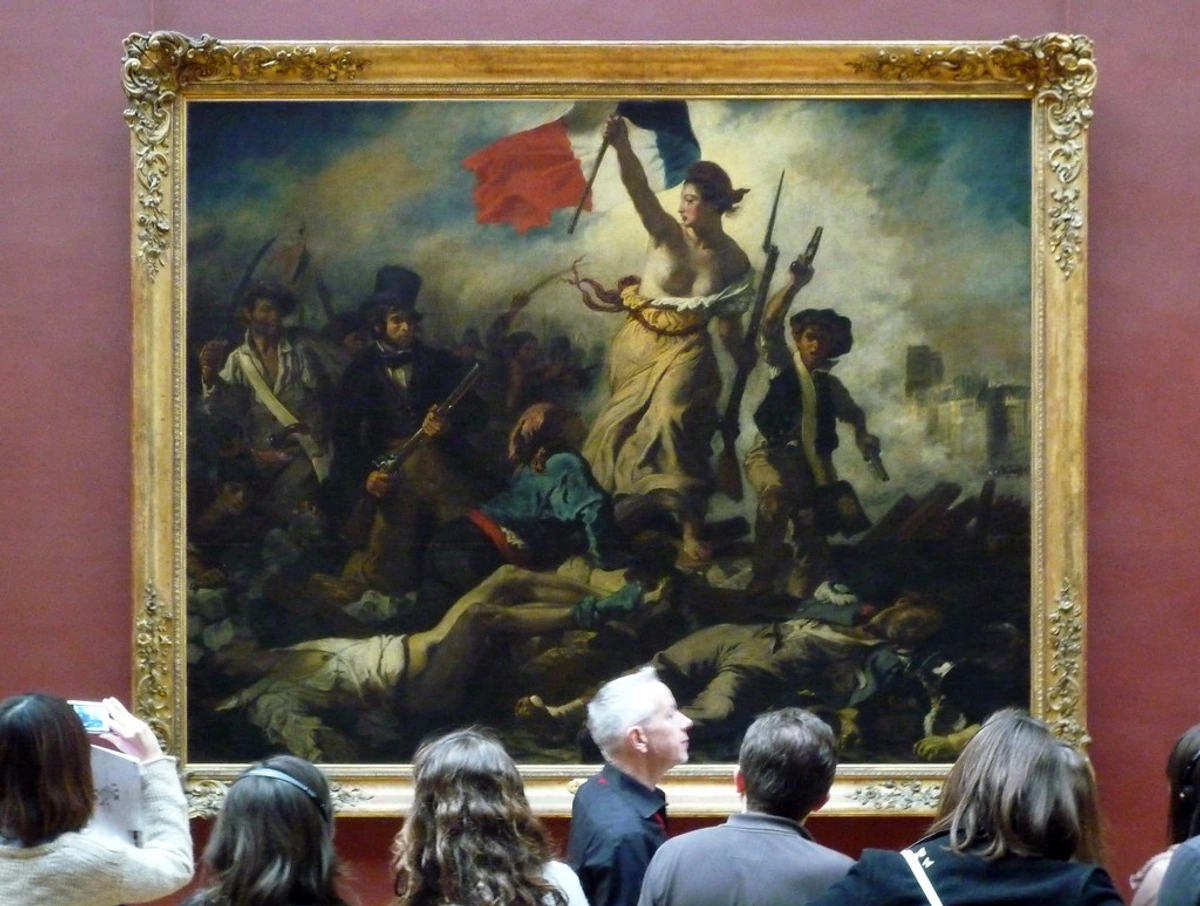
- Liberty Leading the People (Denon Wing, 1st Floor, Room 77): Eugène Delacroix’s iconic allegorical Romanticism painting commemorating the July Revolution of 1830, a powerful symbol of French republicanism. Prominently displayed in a large gallery like the Mollien Room, it's truly inspiring, with Liberty dynamically leading the charge over fallen bodies, the vibrant tricolor flag waving overhead. Liberty, personified as a bare-breasted woman wearing a Phrygian cap (a symbol of freedom), is surrounded by figures representing different social classes – a testament to a unified people. The vibrant colors and energetic composition perfectly capture the revolutionary spirit. Both The Raft of the Medusa and Liberty Leading the People are powerful examples of how art can reflect and shape historical moments. When I see this, I often think about how to inject a similar sense of dynamic movement and raw energy into my own abstract compositions.
- Islamic Arts Department (Denon Wing, Ground Floor): Tucked away in a stunning modern wing beneath a rippling glass and steel canopy, this department showcases a rich array of objects from the 7th to the 19th centuries, spanning Spain to India. Expect intricate glazed ceramics (like dazzling lustreware), delicate ivory carvings, stunning metalwork (including astrolabes), exquisite carpets (especially from Safavid Persia), and beautiful Ottoman Iznik tilework. One particularly striking example is the Baptistery of Saint Louis, a monumental Mamluk basin made of hammered bronze with gold and silver inlay, showcasing unparalleled artistry. It’s a peaceful, less-crowded area that offers a refreshing contrast to the grandeur of European painting and sculpture, providing a glimpse into a different, equally magnificent artistic tradition. The geometric patterns and calligraphic beauty always leave me feeling creatively re-energized, showing how complex beauty can emerge from strict formal rules.
- Department of Prints and Drawings (Various locations, requires specific access): For those interested in the more intimate side of art, the Louvre holds an immense collection of drawings, engravings, and pastels. While much of it is not on permanent display due to conservation requirements (light exposure can damage them), special rotating exhibitions or appointments can offer a glimpse into these delicate works by masters across centuries. These often include preparatory studies and sketches, offering a direct window into the creative process, the initial ideas, and the raw hand of the master before the grand, finished piece. It’s like peeking into a secret sketchbook, revealing the evolution of an artist's vision. For an artist like myself, these collections are an invaluable lesson in technique, composition, and the iterative nature of creation. Check the official Louvre website (www.louvre.fr) under "Exhibitions" or "Collections" for information on current displays or how to arrange viewings of specific works.
My Personal Tips for a Truly Zen Louvre Experience
I’ve learned a few things over the years (and accumulated a few blisters, bless my cotton socks) that can make or break your museum visit. These apply not just to the Louvre, but to other grand institutions like the Musée d'Orsay or the Centre Pompidou. After all, a museum visit should be about joy and discovery, not endurance! I've learned the hard way that museum fatigue is a real beast, and trust me, you'll want to avoid it at all costs.
Essential Strategies for an Enjoyable Visit:
- Take a Break (or two, or three): The Louvre is immense, and museum fatigue is real! Luckily, it has numerous cafes and restaurants. Use them! You'll find options in all three wings, perfect for a quick coffee and a croissant. For a more formal meal or stunning views, consider
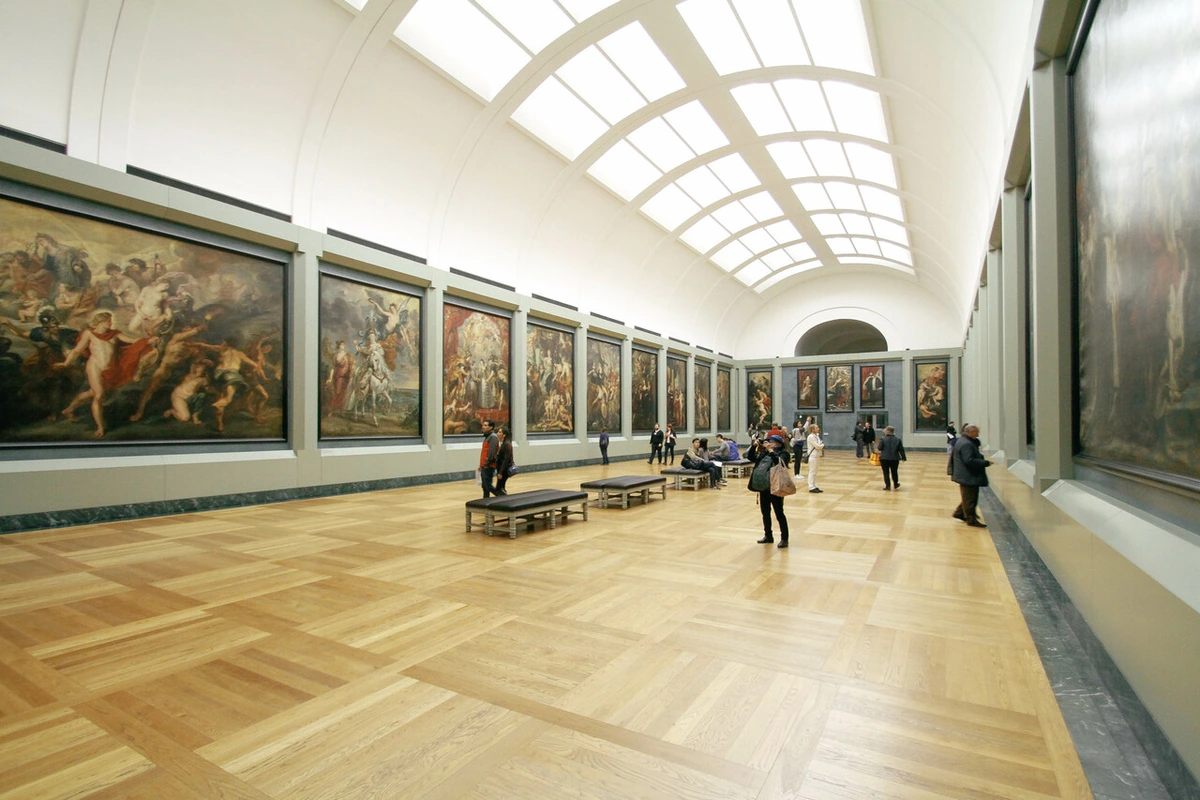
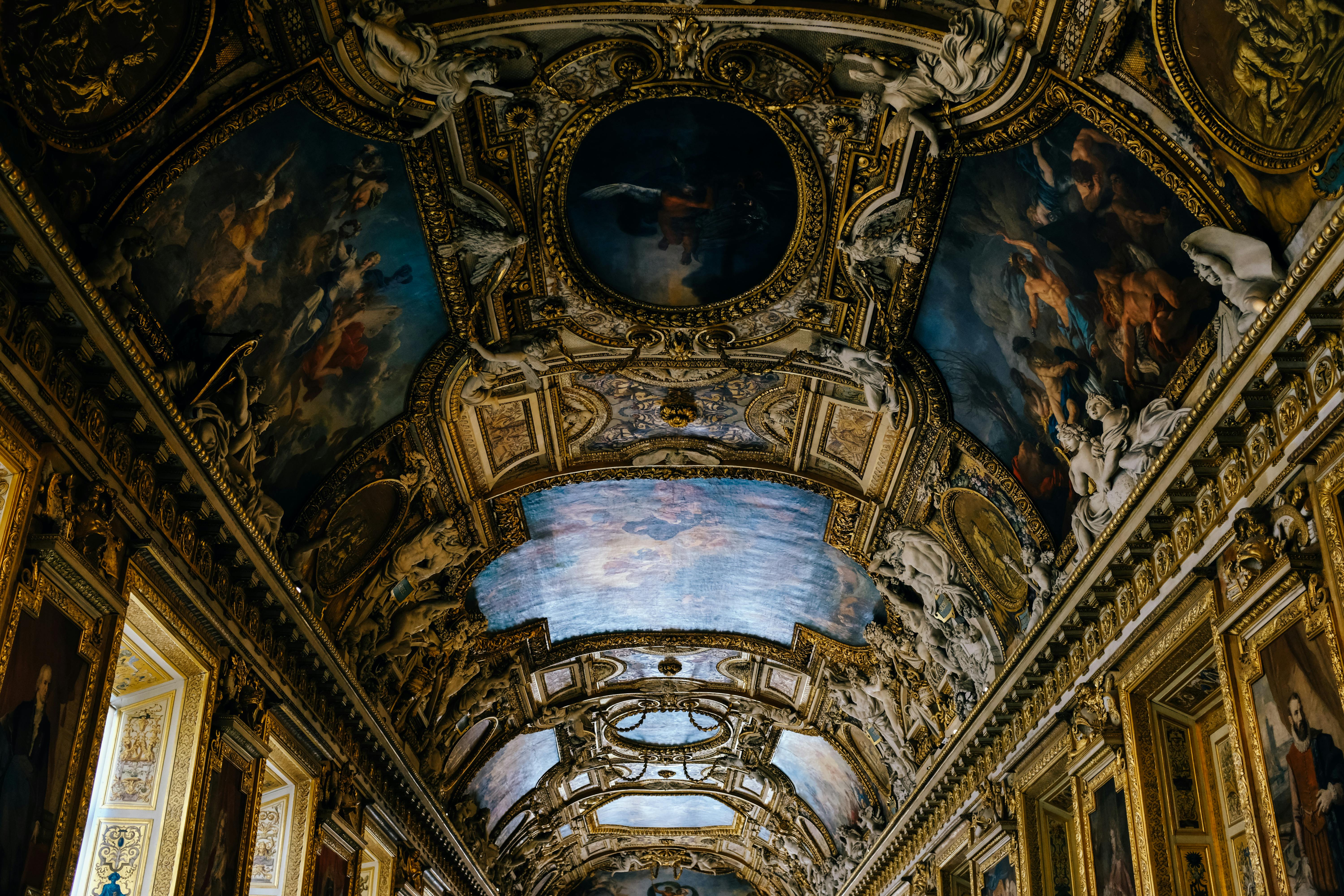
Café Richelieu-Angelinawith its panorama of the pyramid and Tuileries Garden, or theComptoir du Louvrefor quicker, casual fare. Prices can be on the higher side (expect typical Parisian museum prices), but the convenience is invaluable. Don't underestimate the power of a good espresso to revive weary feet and minds. Stepping into the Tuileries Garden outside for some fresh air can also be a wonderful reset. Your brain (and feet) will thank you, and I promise, the art will still be there when you return. - Look Up, Look Down, Look Around: Seriously, the ceilings are often masterpieces in themselves. The ornate frescos, the intricate gilded carvings – they are integral to the palace's history and beauty. Have you ever considered how the very building you're in can be as inspiring as the art it holds? And don’t forget the intricate floor patterns, the architectural details, the way light filters in through the windows. The building itself, from its medieval foundations to its Renaissance and Baroque additions, is a work of art, telling stories of power and patronage. As an artist, I often find myself more captivated by a ceiling fresco than a famous painting, simply because of the unexpected scale and perspective. It's a reminder that art is all-encompassing.
- Don't Try to See Everything (Embrace FOMO): You absolutely cannot see every single piece of art in the Louvre in one day, or even a week. It’s physically impossible. For a first visit, I strongly recommend pre-selecting 2-3 specific wings or time periods you want to explore. Pick a few must-sees, and then let serendipity guide you. The art you stumble upon unexpectedly often leaves the biggest impression. I remember once getting delightfully lost in the lesser-known Mesopotamian antiquities section after a wrong turn. I wasn't looking for anything specific, but I stumbled upon some intricate carvings that captivated me for an hour, far away from the crowds. It felt like my own personal discovery, a quiet dialogue with ancient artists. That's the magic of the Louvre sometimes – the unplanned moments. This embrace of discovery is something I try to bring to my own vibrant abstract art.
- Connect, Don't Just Observe: Don't feel pressured to understand every historical context or artistic movement. Just stand in front of a piece that calls to you. What colors do you see? What story does it tell you? How does it make you feel? That’s where the real magic happens, the kind of visceral connection I strive to evoke in my own art. Allow the art to speak to your soul, rather than just your intellect. This is how the Louvre truly becomes a personal journey.
- Consider a Themed Visit: Instead of trying to see "everything," pick a theme. Maybe "Ancient Egypt," "Renaissance Portraits" (perhaps focusing on ultimate guide to Renaissance art), or "French Sculpture." It gives your visit focus and makes it far more manageable. This approach works wonderfully for other best museums in Europe, too! It's like curating your own exhibition.
- Photography & Sketching: Generally, non-flash photography is allowed for personal use in the permanent collections, but always check for specific temporary exhibitions, which often have stricter rules. Flash photography, tripods, and selfie sticks are usually prohibited. If you're looking to take professional-grade photos or use specialized equipment, you'll need to apply for specific authorization through the Louvre's press or communications department well in advance. And if you're an artist, like me, feel free to bring a sketchbook and pencil (no ink, pastels, or charcoal, please, to protect the art!) to capture your impressions. It’s a wonderful, meditative way to connect deeply with the works and develop your own artistic eye.
- Respect the Space and Others: The Louvre is a shared space, a global treasure. Please be mindful of other visitors, avoid blocking views for extended periods, keep voices down, and never touch the artworks. It's about respecting the art, the history, and the shared experience for everyone, ensuring this incredible legacy is preserved for future generations. Remember, the Louvre is also actively engaged in crucial conservation and research efforts, ensuring these treasures remain for centuries to come.
Frequently Asked Questions (FAQ) About Visiting the Louvre
To help you prepare even further, here are answers to some common questions I hear from first-timers, providing you with all the practical details you need for a smooth and enjoyable visit.
How long does it take to see the Louvre properly for a first-timer?
That's like asking how long is a piece of string! "Properly" is subjective and depends entirely on your goals. For a first-timer aiming to see the main highlights without rushing, I'd say 3 to 4 hours is a good minimum. If you want to delve deeper into a specific collection or truly immerse yourself, plan for 5-6 hours or even two shorter visits on different days. Trying to cram everything into one day is a surefire way to induce museum fatigue. Some visitors find a timed 2-day pass, if available, offers a more relaxed and fulfilling experience for deeper exploration.

What kind of bag can I bring into the Louvre?
Small backpacks and handbags are generally fine, but anything larger than 55 x 35 x 20 cm (21.6 x 13.7 x 7.8 inches) will likely need to be checked in the cloakroom. The cloakroom service is free for these larger items and is located near the main entrances. Luggage, scooters, rollerblades, skateboards, and other bulky items are strictly not allowed. Plan accordingly to save time and hassle at the security check-points, which are thorough upon entry.
Are there guided tours available at the Louvre?
Absolutely! The Louvre offers its own guided tours (check their official website, www.louvre.fr, for schedules and booking). These often focus on specific themes like "Masterpieces" or "Egyptian Antiquities." Many private tour operators also offer skip-the-line tours with expert guides, often focusing on specific themes or highlights. This can be a fantastic option for a more structured and informative visit, especially for a first-timer feeling overwhelmed by the sheer scale of the museum.
Is the Louvre accessible for visitors with disabilities or reduced mobility?
Yes, the Louvre is committed to accessibility for all its visitors. There are elevators, ramps, and accessible restrooms throughout the museum. Wheelchairs are available for loan at the information desk. It's always a good idea to check their official website (www.louvre.fr) prior to visiting for the most up-to-date accessibility information, specific entrance recommendations (such as the accessible entrance via the Carrousel du Louvre, which avoids the main pyramid steps), and any temporary closures of certain facilities.
What's the best way to avoid crowds when seeing the Mona Lisa?
Ah, the million-dollar question! The best advice is to go immediately at opening or late in the afternoon/evening (especially on Wednesday and Friday when the museum is open late until 9:45 PM). Some suggest visiting other popular works first and saving the Mona Lisa for later, hoping the initial rush has subsided. Ultimately, a crowd is almost guaranteed, so mentally prepare to manage expectations and focus on the experience of seeing it, rather than expecting an unhindered, solitary view! Alternatively, as I mentioned, explore the massive Veronese painting The Wedding Feast at Cana right opposite her, which often has far fewer people and offers an equally stunning visual experience without the throngs.
What are my food and drink options inside the Louvre?
The Louvre offers a wide range of choices, from quick snacks to full meals. You'll find several Cafés (like Café Richelieu-Angelina or Starbucks) and Restaurants scattered throughout the wings, as well as grab-and-go options in the Carrousel du Louvre shopping mall. Prices can be a bit steep (expect typical Parisian museum prices), but they're convenient for refuelling. Sealed water bottles are generally allowed in exhibition rooms, but consuming food or open drinks is restricted to designated areas to protect the art.
Can I take professional photos or videos inside the museum?
For personal, non-flash photography, it's generally allowed in the permanent collections. However, if you're a professional photographer, influencer, or planning to use specialized equipment like tripods, additional lighting, or large lenses, you will almost certainly need to apply for specific authorization through the Louvre's press or communications department well in advance. Without prior approval, such equipment is usually prohibited, and you might be asked to check it at the cloakroom or denied entry if you plan to use it for professional purposes.







The Final Brushstroke: Embrace Your Louvre Journey
Visiting the Louvre for the first time is a rite of passage, a dance with history and art on an epic scale. It’s an experience that can feel overwhelming, exhilarating, and deeply personal all at once. The Louvre is a living institution, constantly evolving and adding to its collections, and actively engaged in crucial conservation and research efforts, ensuring these treasures remain for centuries to come. So there's always something new to discover, encouraging repeat visits. My hope is that this guide helps you feel a little less daunted and a lot more excited, equipping you with the strategies to make it truly yours.
Don’t be afraid to let your own curiosity lead you. Find a quiet bench, gaze at a painting that speaks to you, or just marvel at the sheer grandeur of the place. It's not about ticking off boxes; it's about soaking it all in, making a connection, and maybe, just maybe, leaving a little bit inspired to see the world, and art, in a new light. Embrace the unexpected turns, for sometimes the most profound discoveries happen when you least expect them, far from the madding crowds. If you find yourself deeply moved by the power of art, perhaps a piece from my buy collection can bring that same inspiring energy home with you, a vibrant echo of your own adventures and a reminder of your own unique perspective. This is how art continues its conversation across time – from the masters in the Louvre, to your own living room.
Bon voyage, art adventurer. The Louvre awaits – and it's ready to tell its stories to you.