The Louvre First-Timer's Ultimate Guide: Conquering Paris's Art Everest with Confidence
Unlock the Louvre's secrets! This ultimate first-timer's guide provides expert planning, smart navigation, must-see masterpieces, hidden gems, and practical tips for Paris's iconic art museum.

The Louvre First-Timer's Ultimate Guide: Conquering Paris's Art Everest with Confidence
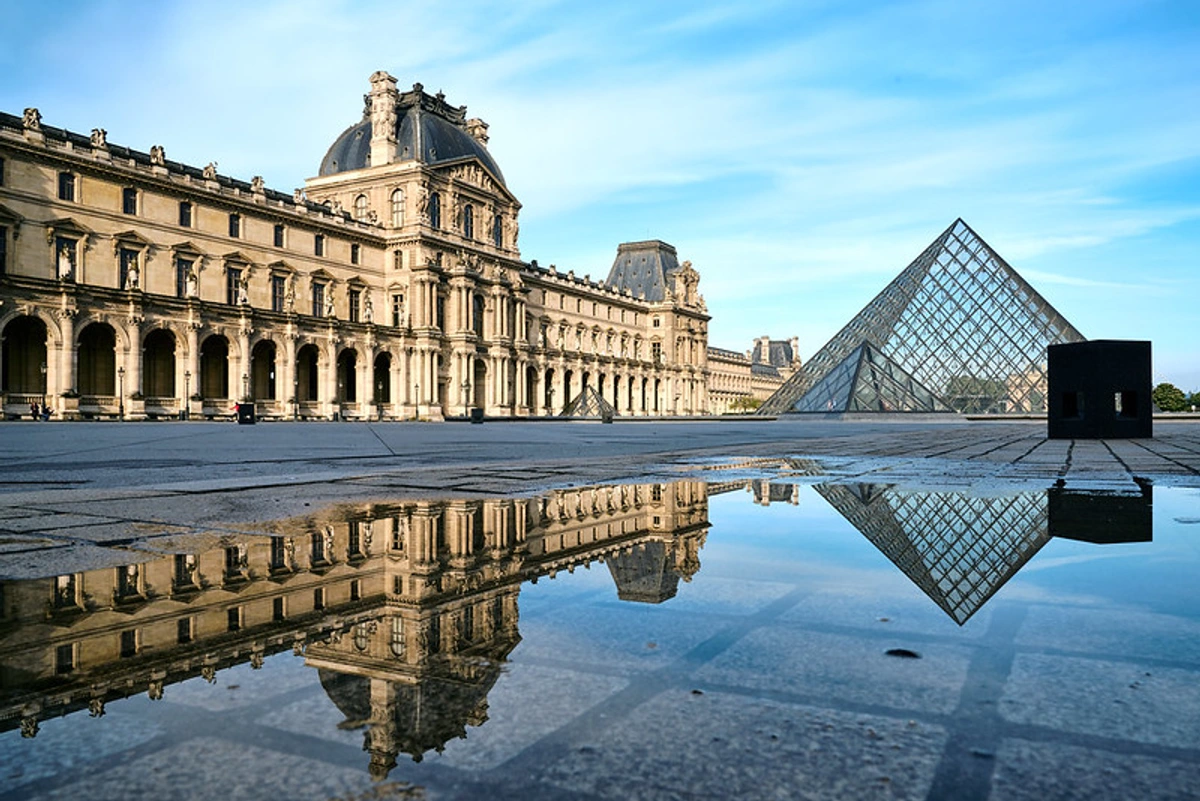
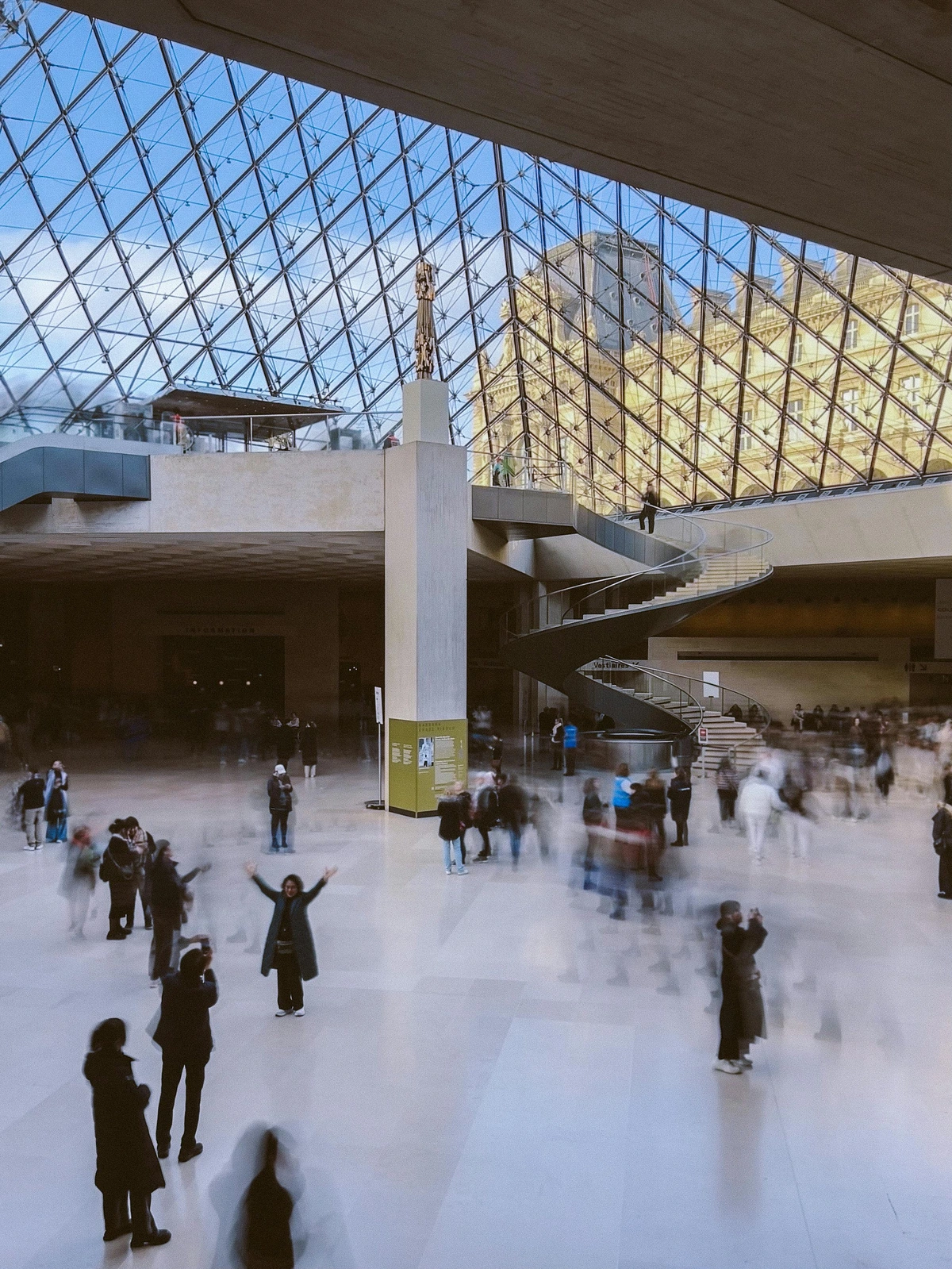
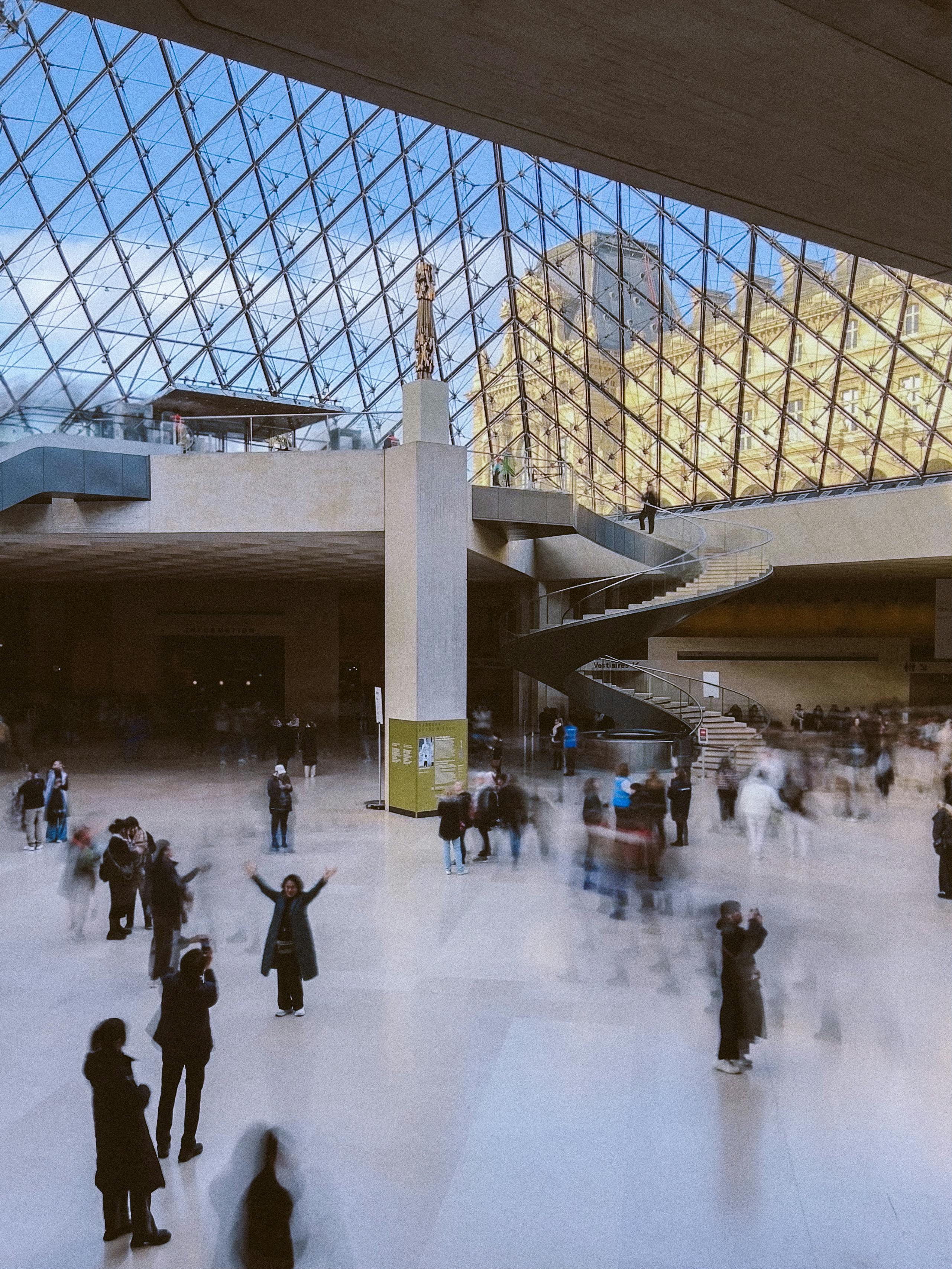
The moment you whisper 'Paris,' the Louvre almost immediately surfaces – a non-negotiable pilgrimage for countless travelers. And I get it, I really do. But let me tell you, the first time I walked into that grand courtyard, staring up at I. M. Pei's pyramid, my initial thought wasn't awe; it was a quiet, internal gasp of, "Oh, this is going to be a lot." And you know what? It was. Treating the Louvre as an 'art Everest' to conquer in one go is a recipe for disappointment, physical exhaustion, and a feeling of being utterly overwhelmed. The sheer scale of the Louvre, with its iconic pyramid, can feel less like an invitation and more like a daunting, existential challenge to your carefully planned itinerary. I remember feeling a bit like a tiny ant in a sprawling kingdom.
But don't let its size intimidate you; instead, let's learn to embrace it, turning potential overwhelm into an experience of deep wonder and personal transformation. This isn't your average, dry museum guide. This is me, thinking out loud, sharing my own slightly overwhelmed, utterly enchanted, and ultimately deeply rewarding experience. I'm hoping to arm you with a bit of my personal wisdom before you step into that legendary space for the first time. Think of it less as a rigid map and more as a friendly whisper in your ear from someone who's been there, done that, and definitely got a little lost along the way. This guide bridges the gap between purely factual advice and a deeply personal artistic reflection, offering insights you won't find in a standard tourist pamphlet, preparing you not just for a visit, but for a journey.

Before You Go: Your Essential Louvre Blueprint
This might sound obvious, but it’s the kind of obvious that’s easy to overlook when you’re caught up in the romance of Parisian planning. Trust me, a little preparation goes a long, long way here. Taking a few moments to plan can transform your visit from a stressful rush into a memorable journey. I've learned this the hard way more times than I care to admit, and it's the bridge between potential overwhelm and genuine wonder. So, let’s get into the nitty-gritty, starting with how to even get there.
1. Getting There: Your Parisian Journey to the Louvre
Navigating Paris is part of the adventure, but getting to the Louvre smoothly is key to starting your visit right. The most convenient Metro station is Palais Royal-Musée du Louvre (Lines 1 and 7), which offers direct underground access to the Carrousel du Louvre entrance. It truly can't get any closer and saves you from dealing with street-level crowds – a real time-saver! For those arriving from major train stations or airports:
- From Charles de Gaulle Airport (CDG): Take the RER B train to Châtelet–Les Halles, then transfer to Metro Line 1 (direction La Défense) and get off at Palais Royal-Musée du Louvre. Expect about an hour of travel.
- From Orly Airport (ORY): Take the Orlyval shuttle to Antony, then the RER B to Châtelet–Les Halles, and transfer to Metro Line 1 to Palais Royal-Musée du Louvre. This also takes roughly an hour.
- From Gare du Nord (Eurostar): Take Metro Line 4 (direction Mairie de Montrouge) to Châtelet, then transfer to Metro Line 1 (direction La Défense) to Palais Royal-Musée du Louvre. This is usually a quick 20-30 minute journey.
- From Gare de Lyon: Take Metro Line 1 (direction La Défense) directly to Palais Royal-Musée du Louvre. A straightforward 15-20 minute ride.
Consider purchasing a Paris Visite travel pass if you plan to use public transport extensively, or simply a carnét of tickets for individual journeys. Always validate your tickets!

2. Tickets Online: Your VIP Pass to Sanity
The queues for tickets can be legendary, stretching around the pyramid and eating into precious museum time. Booking your timed entry tickets online well in advance transformed my experience – it’s a sanity saver I now swear by, having previously dreaded the queues. You'll want to look for the official Louvre website, usually with a .fr domain, to ensure you're getting legitimate tickets. It's usually a breeze: you pick a slot, provide basic information, use your credit card, you show up, and you waltz past the despairing queues. It’s like having a VIP pass, and believe me, it’s worth every penny (and then some). Always double-check their cancellation or modification policies, just in case your plans shift. And if you’re hoping to catch a specific temporary exhibition, remember to book those tickets even further in advance, as they often sell out independently of general admission.
3. Choosing Your Moment: Timing is Everything (Almost)
I've tried it all: early mornings, late evenings, Tuesdays (when it's closed, naturally, which was a learning experience for me once, ha!). Generally, I've found that early mornings (right at opening) or late evenings (on days when it's open late, typically Wednesdays and Fridays) tend to be slightly less chaotic. Why? Fewer large tour groups in the early hours, and locals often visit after work in the evenings. Weekdays are almost always better than weekends. But honestly, it's the Louvre; there will always be people. It's part of the energy. Just manage your expectations and don't let the crowds steal your joy.
Also, a quick check of the Louvre's official website for any temporary exhibitions or specific gallery closures before your visit can unlock new experiences and help you tailor your visit. Be mindful that certain periods, like Paris Fashion Week, major public holidays (such as Bastille Day or May 1st, or Easter and Christmas weeks), or when a particularly popular special exhibition is running, can see exceptionally high visitor numbers. Always look out for special evening openings or events advertised on their official site, as these can offer a uniquely serene viewing experience. Additionally, the Louvre often hosts free entry days (like the first Saturday of each month during specific evening hours or on Bastille Day, July 14th) which, while potentially very crowded, can be a great way to experience the museum for those on a budget – though I usually advise against these for a first-timer seeking a truly immersive experience.
4. Entrance Strategy: Beyond the Pyramid's Crowds
While the glass pyramid is iconic, it’s also undeniably the busiest entrance. For a potentially quicker entry with your pre-booked ticket, consider the Carrousel du Louvre entrance (underground, near the inverted pyramid, leading directly into the museum from the shopping mall) or the Porte des Lions entrance (often used for group tours, but sometimes open to individuals with tickets and can be less crowded, located near the Seine). To find the Carrousel entrance, look for the underground shopping center signs from the Rue de Rivoli or directly from the Palais Royal-Musée du Louvre Metro station. The Porte des Lions entrance is on the south side of the Denon Wing, close to the Pont Royal bridge and the Tuileries Garden. Keep in mind that while these may offer quicker entry, all entrances require security checks. A little research beforehand on which entrances are currently most efficient, possibly by checking recent visitor reviews or the official website on the day of your visit, can save you a surprising amount of time and stress.
Louvre Entrances at a Glance
Entrance Point  | Location | Best For | Typical Experience | Considerations | Typical Wait Time (without pre-booked ticket) |
|---|---|---|---|---|---|
| Carrousel du Louvre | Underground, shopping mall access | Quicker entry with pre-booked tickets, less grand | Efficient, Modern | Requires navigating shopping mall, less grand entrance, direct Metro access | ~15-30 minutes |
| Porte des Lions | South-west corner, near Seine | Often least crowded for individual ticket holders, historical charm | Quieter, Scenic | Sometimes closed, check official website for availability, leads to sculptures | ~10-20 minutes (if open) |
| Richelieu Passage | Rue de Rivoli, Cour Napoléon | Group tours, members, staff | Exclusive, Restricted | Not for individual public access, leads to Richelieu Wing, security check | N/A |
| Pyramid Entrance | Main courtyard, iconic | Iconic photo ops, central access, first-timers | Bustling, Grand, Long queues | Longest queues, often very crowded, main security check, always open | ~1-2 hours or more |
5. Practicalities & Etiquette: On-the-Ground Essentials
Once you’ve navigated your entry, understanding the on-the-ground essentials will ensure a smoother experience. These aren't just rules; they're about creating a better experience for everyone, and for me, it's about making sure I can truly connect with the art without unnecessary distractions. I've learned that a heavy bag will drain your energy faster than a French coffee can restore it, so pay attention to what you carry.
- Security Procedures: Expect airport-style security checks at all entrances. Bags are scanned, and you may be subject to a body scan or pat-down. Sharp objects, large luggage (typically over 55cm in height), and open bottles of liquid other than water are generally prohibited. Always check the official website for the most current list of prohibited items.
- Cloakrooms & Lockers: Available for larger bags, coats, and umbrellas. Essential for comfort and security; don't drag heavy luggage around! These are usually free, but check for any size restrictions or time limits. Small backpacks (e.g., standard daypacks under 55cm in height) are generally fine in the galleries, but anything larger will need to be checked. Take my word for it, a heavy bag will drain your energy faster than a French coffee can restore it.
- Restrooms & Wi-Fi: Easily found throughout the museum. Free Wi-Fi is generally available, great for using their official app or quickly checking directions, though signal strength can vary in some of the older, thicker-walled sections. Consider downloading the app's content offline before your visit. The Louvre also does a great job with accessibility, providing dedicated routes, elevators, and ramps for visitors with reduced mobility or families with strollers, and wheelchairs can often be borrowed from information desks.
- Food & Drink: Small water bottles are fine, and encouraged for hydration. I always bring a refillable one. Eating is restricted to designated cafes and restaurants within the museum. Take a break and refuel – I always factor in a coffee and pastry break to recharge. It's non-negotiable for me. Plus, it's an opportunity to people-watch and rest those weary feet.
- Photography: Generally permitted without flash. However, be respectful – don't block views for long periods or use selfie sticks. Selfie sticks can obstruct others' views, pose a safety risk in crowded areas, and can be seen as disrespectful. Always look for signage, as some specific sensitive artworks (like fragile prints or drawings) or temporary exhibitions might have explicit "no photography" zones. Perhaps try a sketch or simply soak it in without a screen between you and the masterpiece.
- Respect the Art & Space: No touching the artworks, maintain a moderate voice (speak in hushed tones, especially in quiet galleries), and be mindful of other visitors. We're all here to share in the wonder.
- What to Wear: This might sound mundane, but trust me on this one. Wear your most comfortable shoes. Seriously. You will be doing a lot of walking, often on hard stone floors, and climbing stairs. I once wore slightly less comfortable (but more stylish!) boots and regretted it within an hour – never again. Dress in layers too; museum temperatures can fluctuate, and you might get warm moving between galleries. A small, lightweight crossbody bag is often ideal for essentials like your phone, wallet, and water bottle, keeping your hands free.
6. What to Pack: Beyond the Obvious
Beyond your tickets and comfortable shoes, a few small items can significantly enhance your Louvre experience. These are my personal lifesavers, honed over many visits. For instance, I've had that panic moment when my phone battery died mid-visit, and it's not fun.
- Portable Charger: Essential. You'll be using your phone for maps, photos, and potentially the audio guide. Nothing worse than a dead battery mid-visit! Aim for a power bank with at least 10,000mAh capacity to ensure multiple full charges.
- Small Notebook and Pen/Pencil: For quick sketches, jotting down observations, or making a note of an artist or artwork that particularly moved you. It's a wonderful way to engage more deeply than just snapping a photo, and a practice I always encourage in my own creative work. Plus, it never runs out of battery.
- Comfortable Socks: Even with the best shoes, extra cushioning or a fresh pair can be a lifesaver for tired feet. A simple swap can feel like heaven.
- Small, Portable Snack: While eating is restricted to cafes, a discreet energy bar or a few nuts in your bag can be a genuine lifesaver for a quick energy boost if you're stuck between snack spots or if the museum cafes are particularly busy. Just remember to eat it outside the galleries, never near the artworks.
- Headphones: If you plan to use the Louvre's official audio guide app on your phone, headphones are a must. They allow for a more immersive experience without disturbing others, and frankly, some of the audio content is truly compelling.
It's this blend of careful planning and small creature comforts that truly transforms a potentially overwhelming visit into a deeply enjoyable, personal journey through art and history.
Embracing the Grandeur: Why the Louvre is a Marathon, Not a Sprint
Now that we've covered the essential pre-visit planning, let's delve into the sheer magnitude of what awaits us inside. But how does one even begin to comprehend a place of such magnitude? For me, it was by accepting that this isn't a race, but a journey through centuries of human endeavor.
A Museum of Immense Scale
Here’s the first, most crucial truth I learned: the Louvre is huge. I mean, truly, mind-bogglingly vast. It's home to something like 550,000 objects in total, with approximately 38,000 works on display at any given time, spanning centuries and continents. To put its exhibition space into perspective, at over 73,000 square meters (782,910 sq ft), it's equivalent to more than ten football fields laid end-to-end, or roughly the size of 18 acres! This makes it one of the world's largest art museums, comparable in scale to the British Museum or the Metropolitan Museum of Art. If you walked every single hallway, you'd cover several miles. This colossal collection resides in a former royal palace, whose own history is as rich as the art it contains.
Louvre by the Numbers: A Glimpse into its Scale
Feature | Detail | Clarification |
|---|---|---|
| Total Objects | Approximately 550,000 | Stored in collections, some on rotation, many in archives and study reserves |
| Displayed Art | Around 38,000 works | Visible to the public in galleries at any given time, with many others in storage or on rotation |
| Exhibition Space | Over 73,000 square meters (782,910 sq ft) | Equivalent to many city blocks or over 10 football fields, vast and sprawling, one of the world's largest |
| Galleries | Roughly 400 rooms | A diverse range of styles, sizes, and collections |
| Wings | 3 major: Denon, Sully, Richelieu | Each a world unto itself, requiring dedicated time, interconnected |
| Years of History | Over 800 (as a fortress, then palace, then museum) | From medieval origins to modern cultural icon, layers of history |
| Annual Visitors | ~8-10 million (pre-pandemic average) | One of the most visited museums globally, impacting crowd levels |
| Art Categories | 8 main curatorial departments | Encompassing diverse areas like Egyptian Antiquities, European Paintings, Islamic Art, and more |
From Fortress to Cultural Icon: The Louvre's Enduring Story
To understand the Louvre today, we need to trace its remarkable journey through time. It began not as a palace of art, but as a robust medieval fortress.
Originally a medieval fortress built in the late 12th century by Philip II Augustus to protect Paris, its subterranean remnants can still be explored today in the Sully Wing. This defensive stronghold gradually transformed, reflecting the evolving power and artistic tastes of French monarchs.
By the 16th century, Francis I, a passionate collector and patron of the French Renaissance, began converting it into a lavish Renaissance palace. He established the foundational royal art collection that would one day become the Louvre's heart, famously acquiring masterpieces like Raphael's Portrait of Baldassare Castiglione and, of course, Leonardo da Vinci's Mona Lisa, which he brought to France. The architects Pierre Lescot and sculptor Jean Goujon were instrumental in its Renaissance transformation. Later, the Sun King, Louis XIV, further expanded the palace, adding the impressive Cour Carrée and many new galleries, though he eventually moved the court to Versailles. His reign continued to enrich the royal treasury of art through commissions and acquisitions, including numerous significant classical sculptures and promoting the Académie Royale de Peinture et de Sculpture.
Then, forged in the crucible of the French Revolution, it was reimagined as a public museum in 1793 – a truly revolutionary act that democratized art and declared it the property of the people, not just the elite. This transformation was deeply rooted in Enlightenment ideals, which championed reason, public education, and the universal accessibility of knowledge and culture. This revolutionary act not only democratized art but also initiated the dispersal of many royal and aristocratic collections, some of which found homes in other emerging national museums, while others were tragically lost or privately acquired. Its collections grew exponentially not only through royal acquisition but also through state seizures from the church and aristocracy during the Revolution. This revolutionary spirit cemented its status as a national icon, embodying both the grandeur of the monarchy and the enduring ideals of the Republic.
Later, Napoleon Bonaparte's campaigns brought significant European treasures (like the Apollo Belvedere and the Laocoön Group for a time), though many were later repatriated to their countries of origin after his fall, notably by the Treaty of Paris (1815). He briefly renamed it the 'Musée Napoléon.' Archaeological expeditions (like those that led to the Egyptian and Near Eastern collections – it's worth noting the Rosetta Stone, though discovered during Napoleon's Egyptian campaign, now resides in the British Museum due to the terms of the Treaty of Alexandria) and countless generous donations over two centuries further enriched the collections. Walking through its halls, you're not just seeing art; you're tracing the very narrative of France, its cultural heritage, and its intellectual pursuits. It's a living testament to the nation's changing identity and its enduring commitment to culture. This rich history has shaped its three main wings – Denon, Sully, and Richelieu – which now each house distinct periods and regions of art.
You absolutely, positively cannot see everything in a single visit, or even several visits. And once I finally accepted that, a huge weight lifted off my shoulders. My advice? Don't even try. Pick a few must-sees, a specific wing, or even just a period of art that genuinely intrigues you. Think of it as dating the Louvre, not marrying it on the first encounter. You're there to have a memorable experience, not to check off every single box on an exhaustive list. I once spent an entire afternoon just exploring the Egyptian antiquities, and it was glorious, far more rewarding than rushing past everything just to say I'd 'seen' it. Pace yourself for this artistic marathon; don't try to sprint through every exhibit. The worst thing you can do is exhaust yourself trying to consume everything; you'll end up with museum fatigue and a blurry memory of masterpieces.
Inside the Labyrinth: Navigating the Masterpiece Maze
With an understanding of its immense scale and rich history, let's delve into the practicalities of navigating the museum's vast interior. With your pre-visit preparations complete and your timed entry ticket in hand, the true adventure begins as you step inside the labyrinthine halls of the Louvre. It’s easy to feel like a tiny speck in an ocean of masterpieces, but a bit of strategy comes in handy.
First things first: grab a physical map at the entrances, or better yet, download the Louvre's official app; it often has interactive maps, audio guides, and crucially, the most up-to-date information on temporary closures or detours. I highly recommend downloading content offline before your visit, as signal strength can be patchy in some of the older, thicker-walled sections. Knowing the general layout of the Denon, Sully, and Richelieu wings is essential for not just wandering aimlessly (unless, of course, that's your goal, which can also be lovely). Remember, a plan helps you conquer the art, not be conquered by the crowds. And if you do find yourself disoriented, don't hesitate to ask a staff member – they're usually very helpful, and I’ve been saved by their guidance more times than I can count.
The Three Wings: Your Thematic Compass
Each wing offers a different world to explore, often reflecting the historical periods from which their collections grew and their distinct architectural evolution. Understanding their unique character can help you decide where to focus your precious time. I find it helpful to think of them in terms of their most famous residents and general vibe:
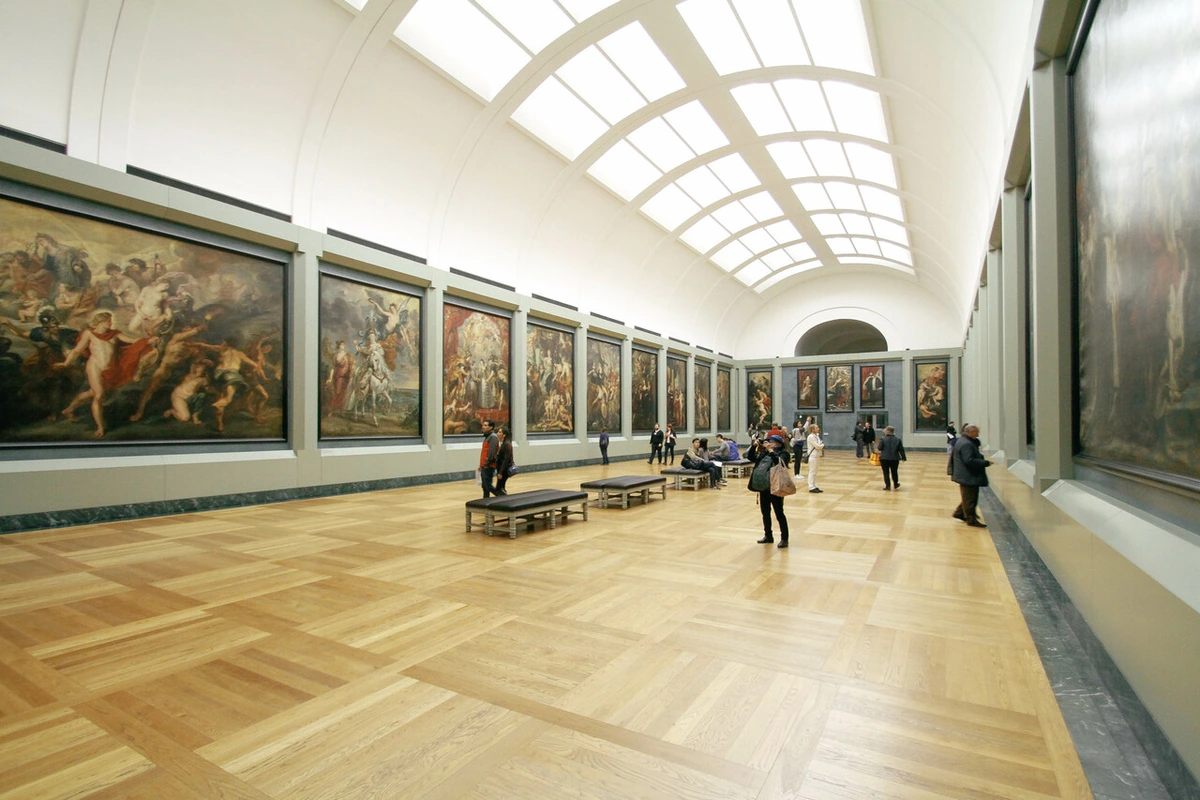
- The Denon Wing (The Blockbuster Wing): This is arguably the most famous and often the most crowded. Architecturally, it features grand, high-ceilinged galleries with classical proportions, designed for showcasing monumental works and the vast canvases of the Romantic period. This is where you'll find the biggest stars, focusing heavily on Italian Renaissance and Baroque painting, and grand French Romanticism, alongside significant ancient art:
- Italian and Spanish Painting: Think Leonardo da Vinci's Mona Lisa (Salle des États), Caravaggio's dramatic Death of the Virgin, and Goya's powerful The May 3rd 1808. These galleries showcase the evolution of painting from the early Renaissance to the 19th century, characterized by vibrant narratives, emotional depth, and often dramatic use of light and sfumato (a painting technique that creates soft, hazy transitions between colors and tones, eliminating sharp outlines).
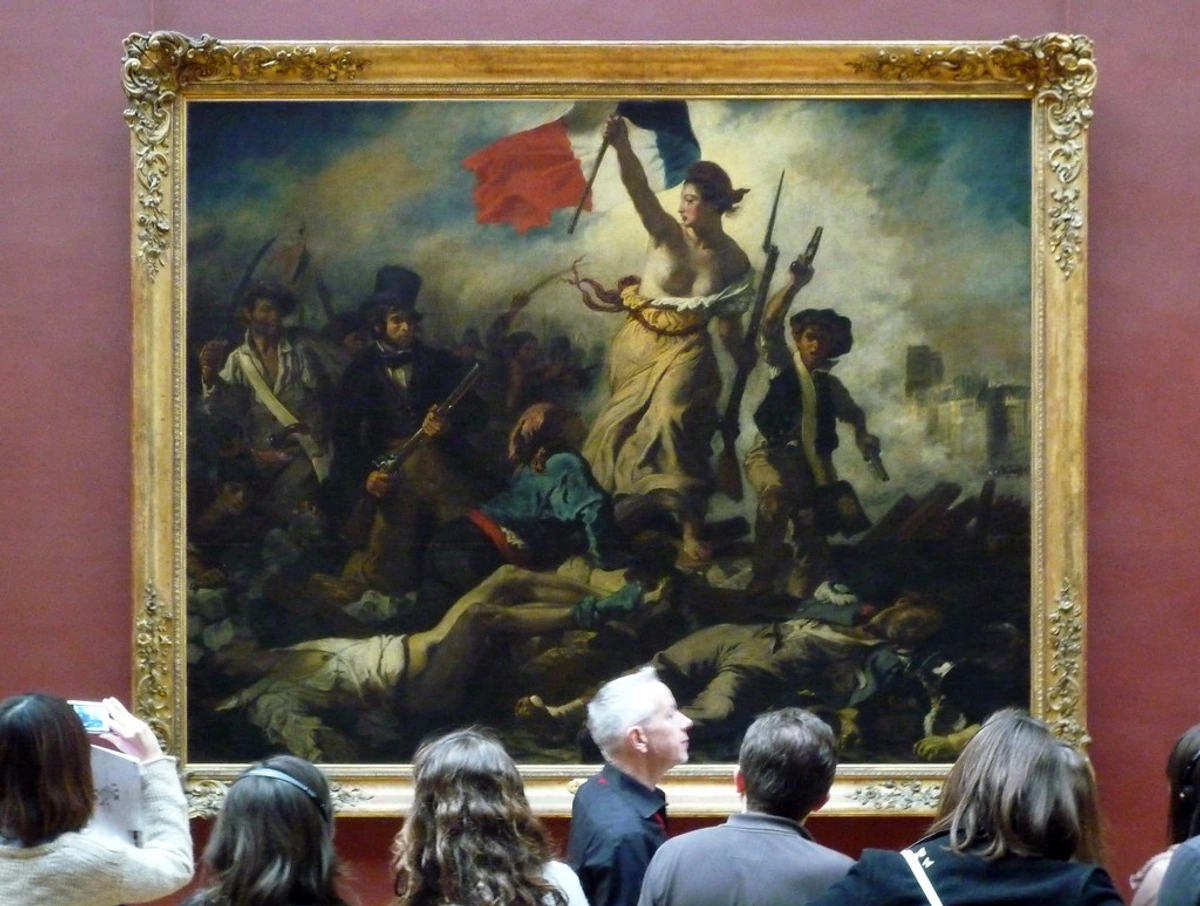
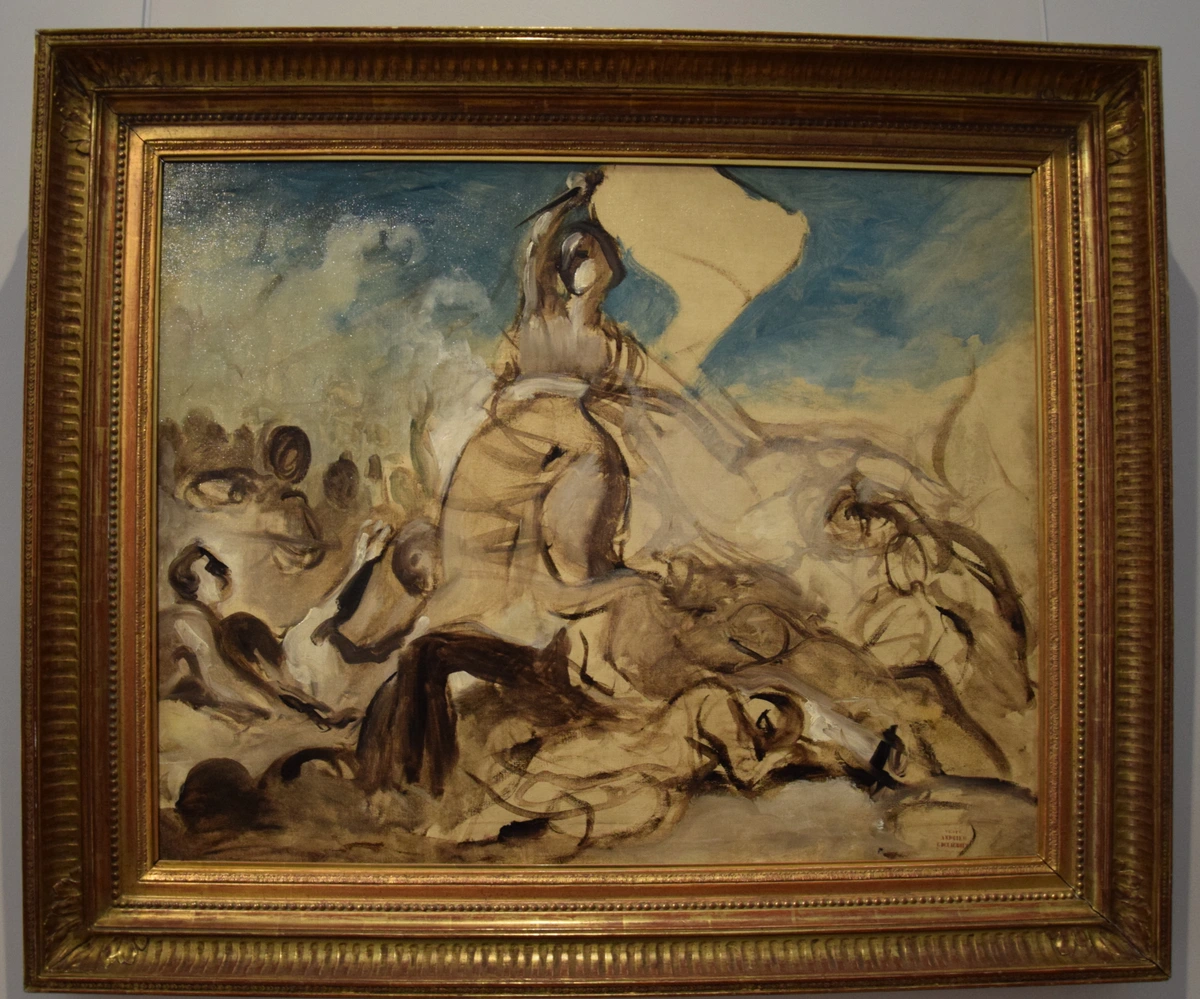
- Large-Format French Paintings: Like David's epic The Coronation of Napoleon, Géricault's haunting The Raft of the Medusa, and Veronese's colossal The Wedding at Cana (found in the same Salle des États as the Mona Lisa). These works often tell grand stories, reflecting pivotal moments in history and culture.
- Significant Greek, Etruscan, and Roman Antiquities: Including the iconic Venus de Milo and Winged Victory of Samothrace, alongside the intricate Sarcophagus of the Spouses. This wing is characterized by grand, high-ceilinged galleries designed for showcasing monumental works, often inspiring with their classical proportions and storytelling.
- Arts of Africa, Oceania, and the Americas (Pavillon des Sessions): Though often less crowded due to their location, these collections offer a diverse perspective on global artistic heritage, showcasing powerful ceremonial masks, intricate sculptures (like the Statue of King Seated from the ancient Bamum kingdom of Cameroon), and vibrant textiles.
- The Sully Wing (The History & Ancient Civilizations Wing): Surrounding the historic Cour Carrée, the oldest part of the palace, this wing offers a journey through earlier civilizations and the Louvre's own origins. Architecturally, it reflects the medieval fortress and early Renaissance palace, offering a more intimate, historical ambiance compared to Denon's grandeur. Here you'll find:
- Egyptian Antiquities: A breathtaking collection with sarcophagi, mummies, and hieroglyphic texts, truly transportive. This immersive experience offers a profound look into one of the world's oldest and most mysterious civilizations. The sheer scale of some of the sarcophagi and the enigmatic glow of the hieroglyphs are unforgettable.
- Works from the Middle Ages to the 17th Century: Showcasing the evolution of European art and craftsmanship, including intricate illuminated manuscripts, powerful Gothic sculptures, and early French paintings, giving context to later movements. This is where you can trace the stylistic shifts that led to the Renaissance.
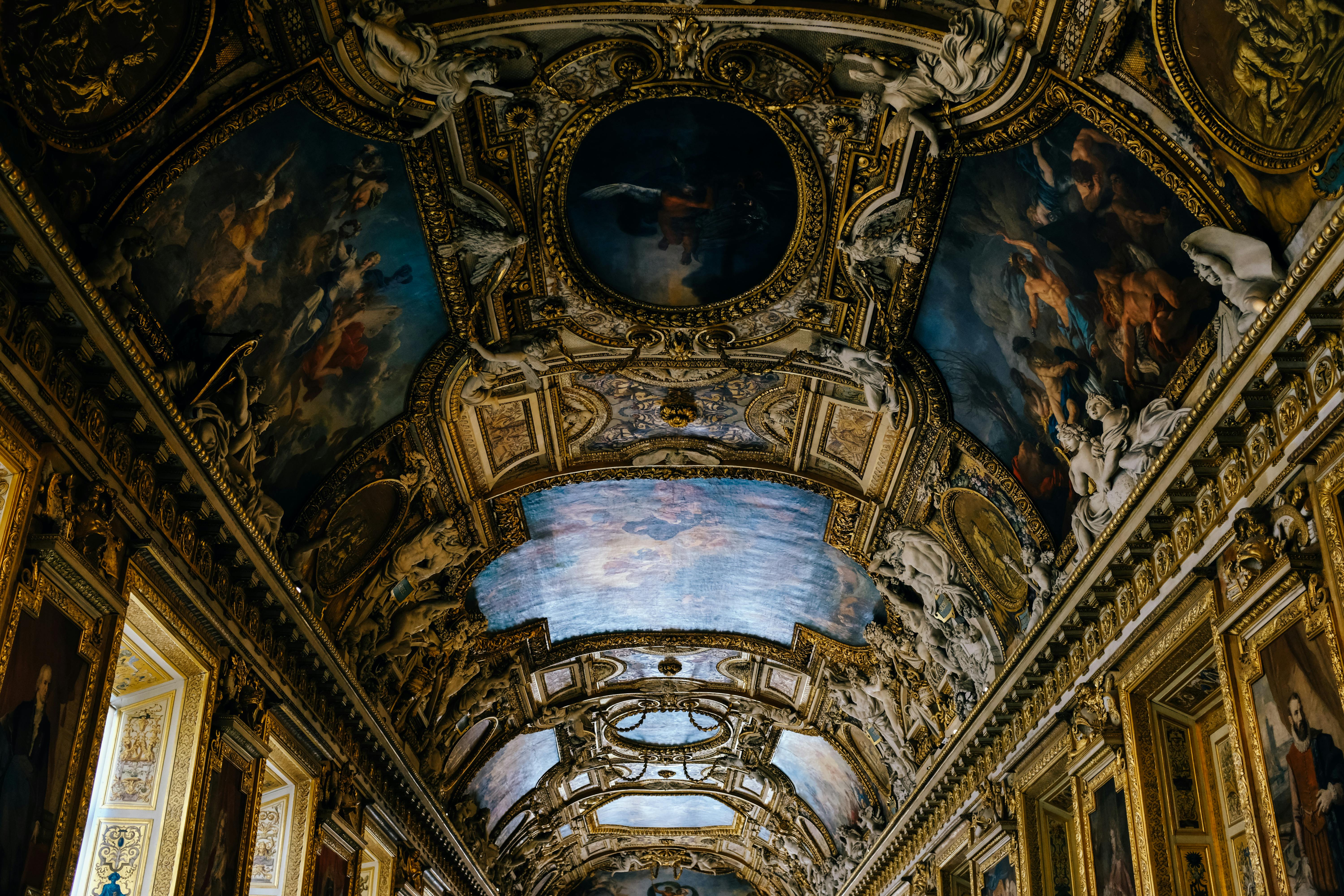
- The Dazzling Apollo Gallery: With its magnificent painted ceilings, a precursor to the Hall of Mirrors at Versailles. It’s a feast for the eyes and a testament to royal splendor, often displaying the French Crown Jewels.
- Foundations of the Medieval Louvre Fortress: A fascinating archaeological experience where you can descend to explore the remnants of Philip II Augustus's original stronghold – don't miss the Crypt of Charles V. You'll find a more intimate, historical ambiance here, reflecting the palace's earlier architectural phases and offering a tangible connection to its deep past.
- The Richelieu Wing (The Opulence & Northern Masters Wing): This wing boasts opulent state rooms and important collections, often feeling grander and more palatial, with natural light flooding some of its sculpture courts. Its architecture showcases the luxury and extravagance of later royal expansions. Highlights include:
- Northern European Painting: Featuring Dutch, Flemish, and German Masters like Rembrandt's Bathsheba at Her Bath and Vermeer's The Lacemaker. These works are renowned for their meticulous detail, masterful use of light, and keen observation of everyday life, often employing profound chiaroscuro (the use of strong contrasts between light and dark, usually bold, for a whole composition).
- French Sculpture: Including impressive works by Antoine-Denis Chaudet and Puget, displayed in the stunning, light-filled Cour Marly and Cour Puget. These courts feature monumental sculptures that blend classical ideals with Baroque dynamism.
- The Opulent Napoleon III Apartments: Stepping into these lavishly decorated rooms is like time travel, offering a jaw-dropping glimpse into Second Empire luxury, complete with gilded ceilings, velvet furnishings, and intricate marquetry (the intricate inlaying of various colored woods or other materials to form decorative patterns). It's a stunning display of decorative arts and power.
- Near Eastern Antiquities: An impressive collection featuring monumental pieces like the Lamassu from Khorsabad, offering a window into the ancient civilizations of Mesopotamia and beyond, with a focus on powerful sculptural forms and relief carvings.

Crowd management is key. Try to visit the most popular works, like the Mona Lisa, immediately after opening or closer to closing. Don't be afraid to take a less-traveled path through a wing that genuinely interests you – sometimes the most profound discoveries happen when you veer off the main tourist circuit. Believe me, the Louvre rewards curiosity.
The Big Three (and how I approach them)
You're probably thinking about the Mona Lisa, the Venus de Milo, and the Winged Victory of Samothrace, right? Everyone does. These are the undisputed superstars, and here's my take on experiencing them. Their iconic status is not just about their beauty, but often their fascinating histories – from discovery to daring theft, or simply their overwhelming presence.

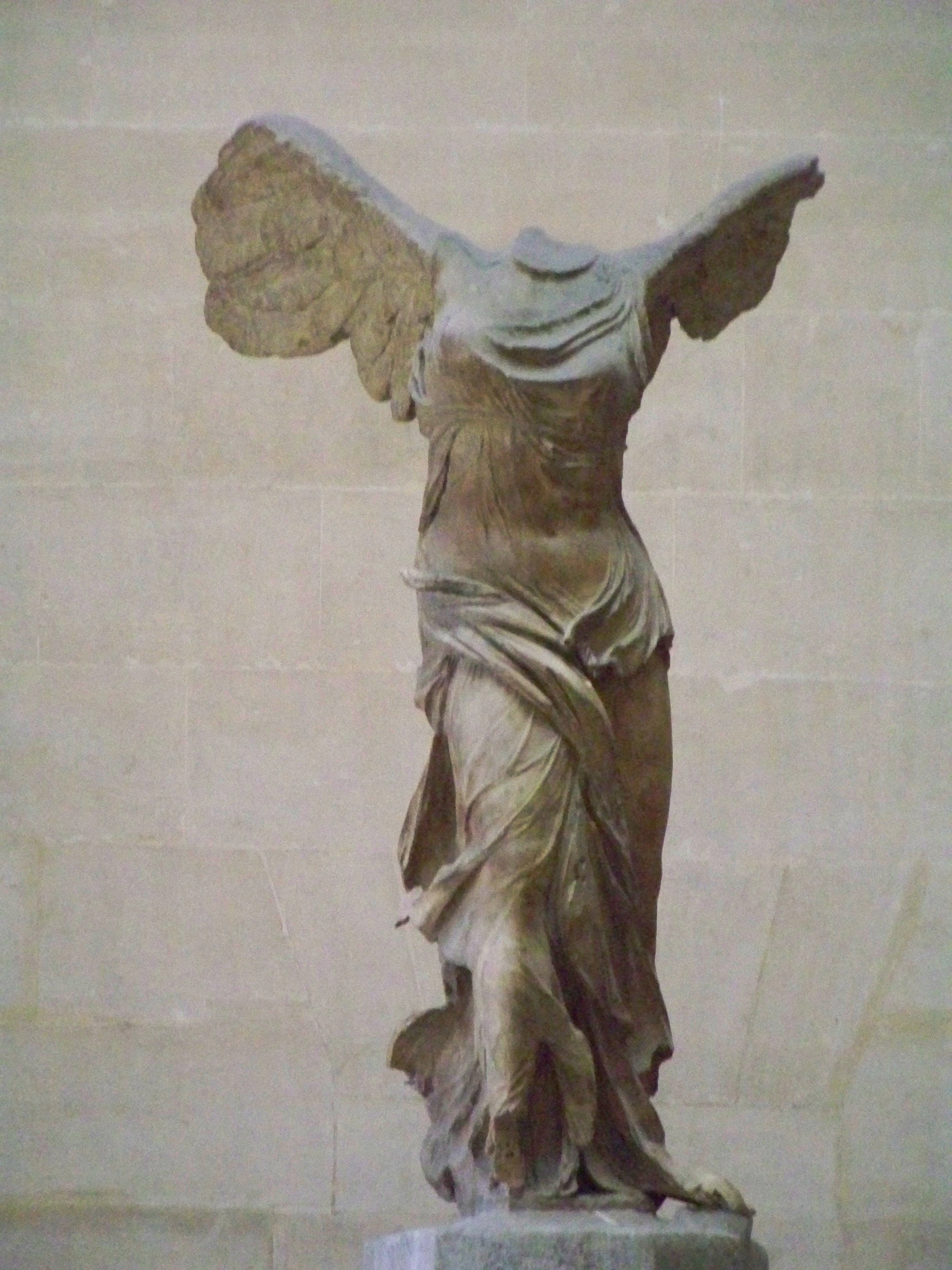
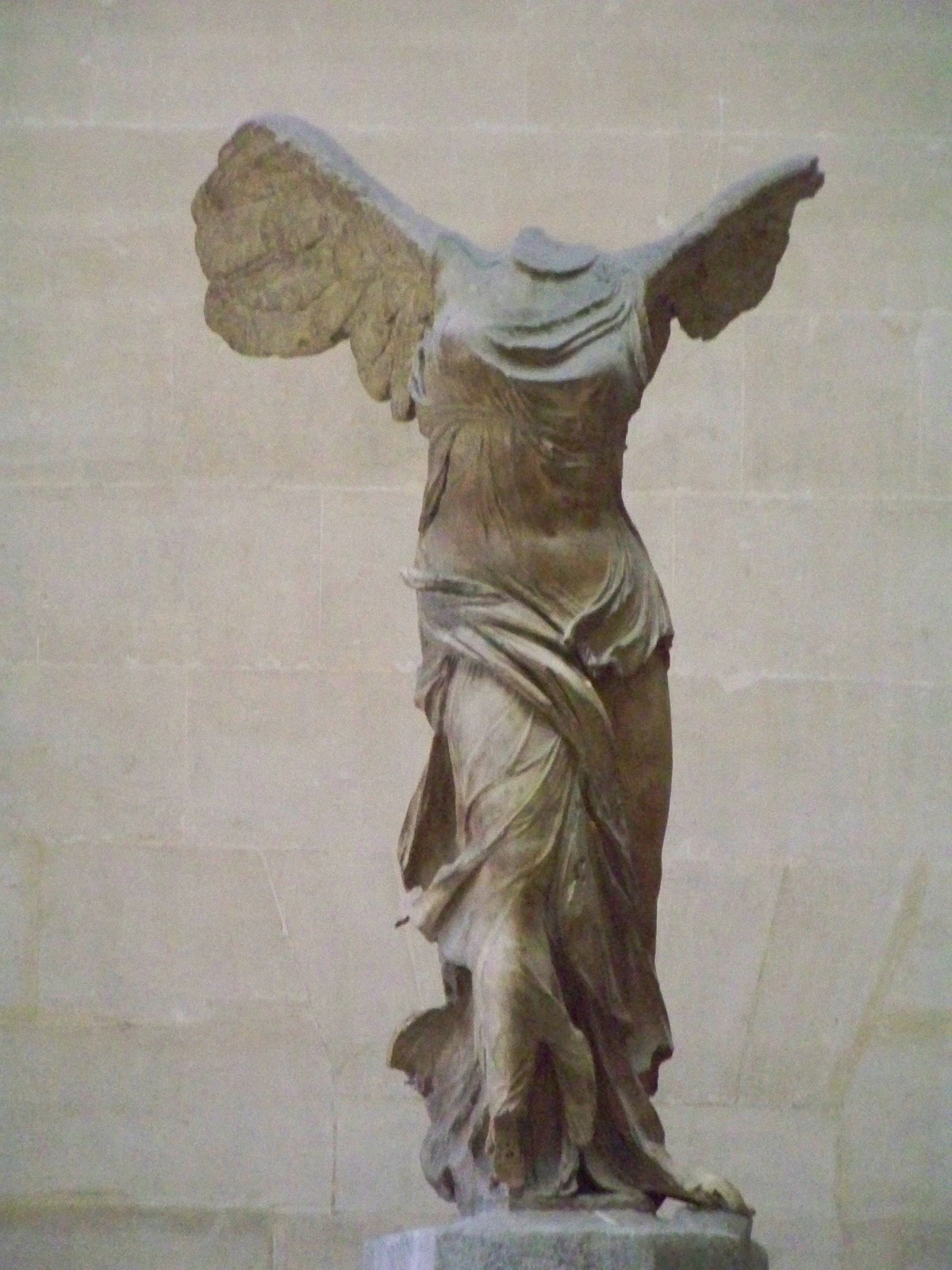
- The Winged Victory of Samothrace (Denon Wing, Daru Staircase): This is my personal favourite of the three 'superstars.' Perched majestically at the top of the grand Daru staircase (leading into the Denon wing), she embodies movement and triumph. Stand there for a moment, look up from the bottom of the stairs, then walk around her, and just feel it. The way the light catches the drapery, the sheer scale, the sense of motion... it's truly breathtaking. Discovered in 1863 on the island of Samothrace, this Hellenistic masterpiece was originally part of a fountain display, celebrating a naval victory. As an artist, I can truly appreciate the dynamic flow of her form and the way it commands the entire space, almost soaring. The way the sculptor captured the fabric clinging and swirling around her body is a masterclass in conveying energy.
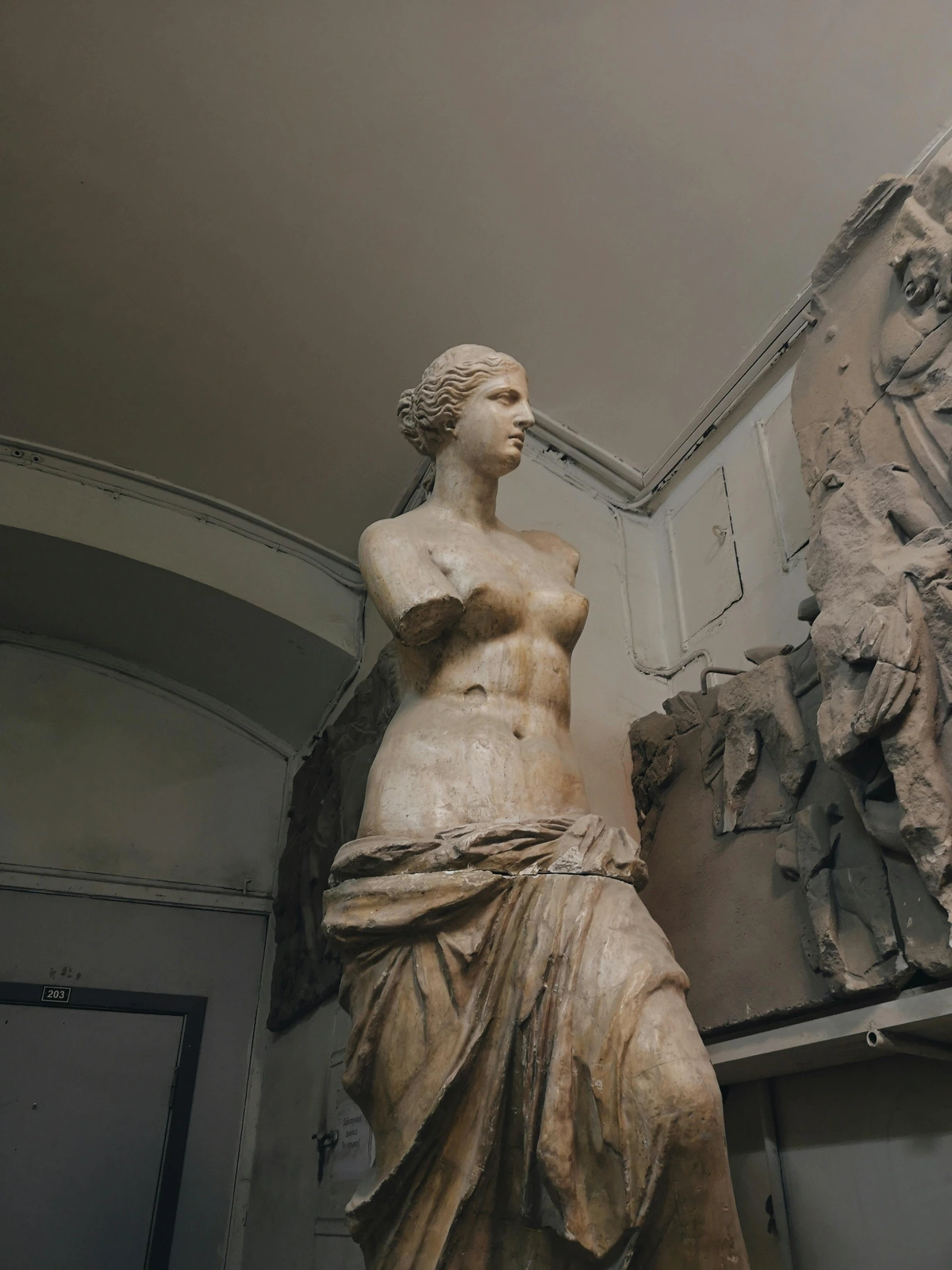
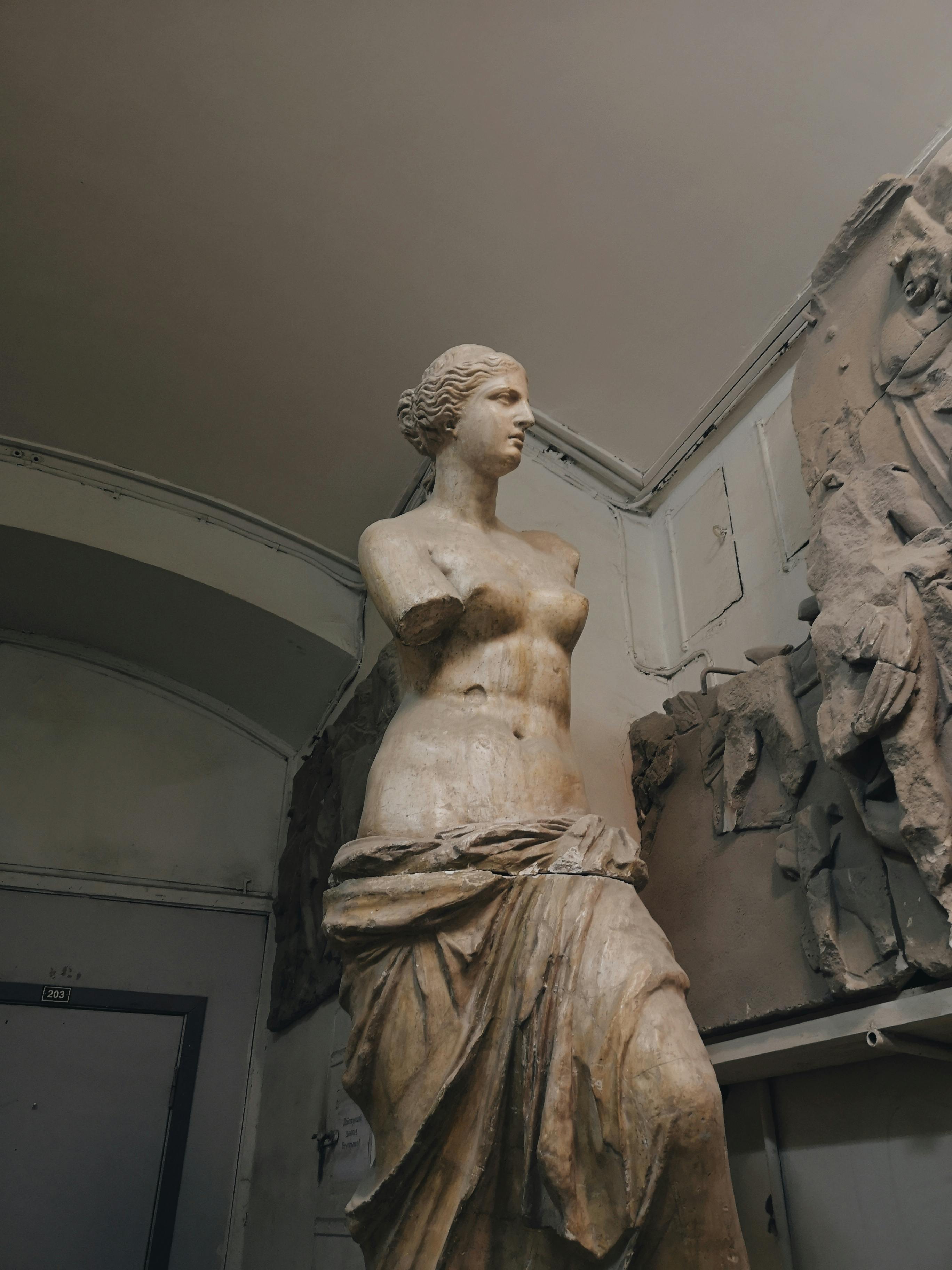
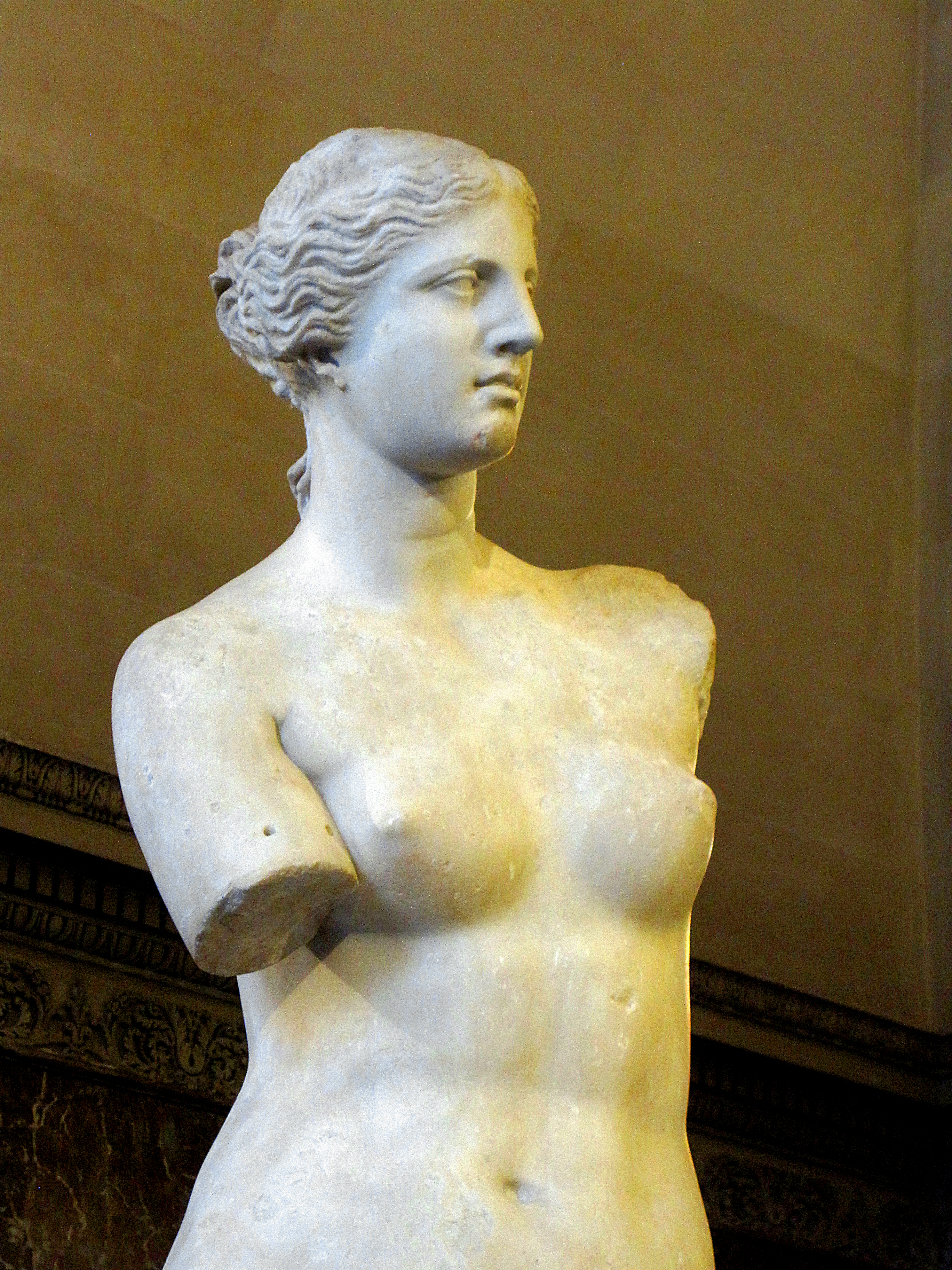
- The Venus de Milo (Denon Wing, Salle de la Vénus de Milo): Stunning, serene, and often less crowded than the Mona Lisa. Find her in the Denon Wing, Salle de la Vénus de Milo. Take your time, walk around her, appreciate the artistry from every angle. I love how the missing arms invite your imagination to complete her story, adding to her timeless allure. Discovered on the island of Milos in 1820, her classical beauty immediately captured the world's imagination. The subtle curves and dynamic pose are truly captivating. As an artist, I particularly admire the sculptor's masterful use of negative space, which gives her an almost ethereal lightness despite her marble form. It’s a wonderful moment of quiet reflection amidst the bustle.
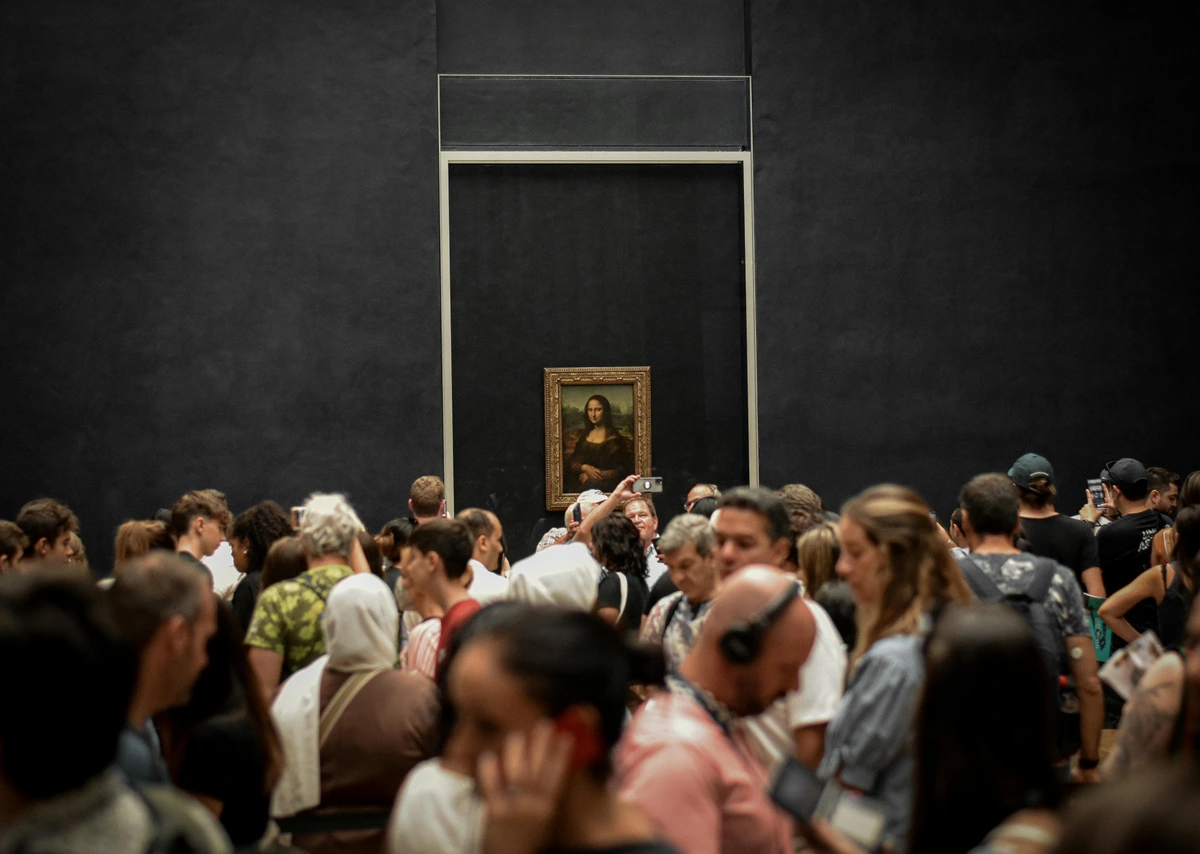
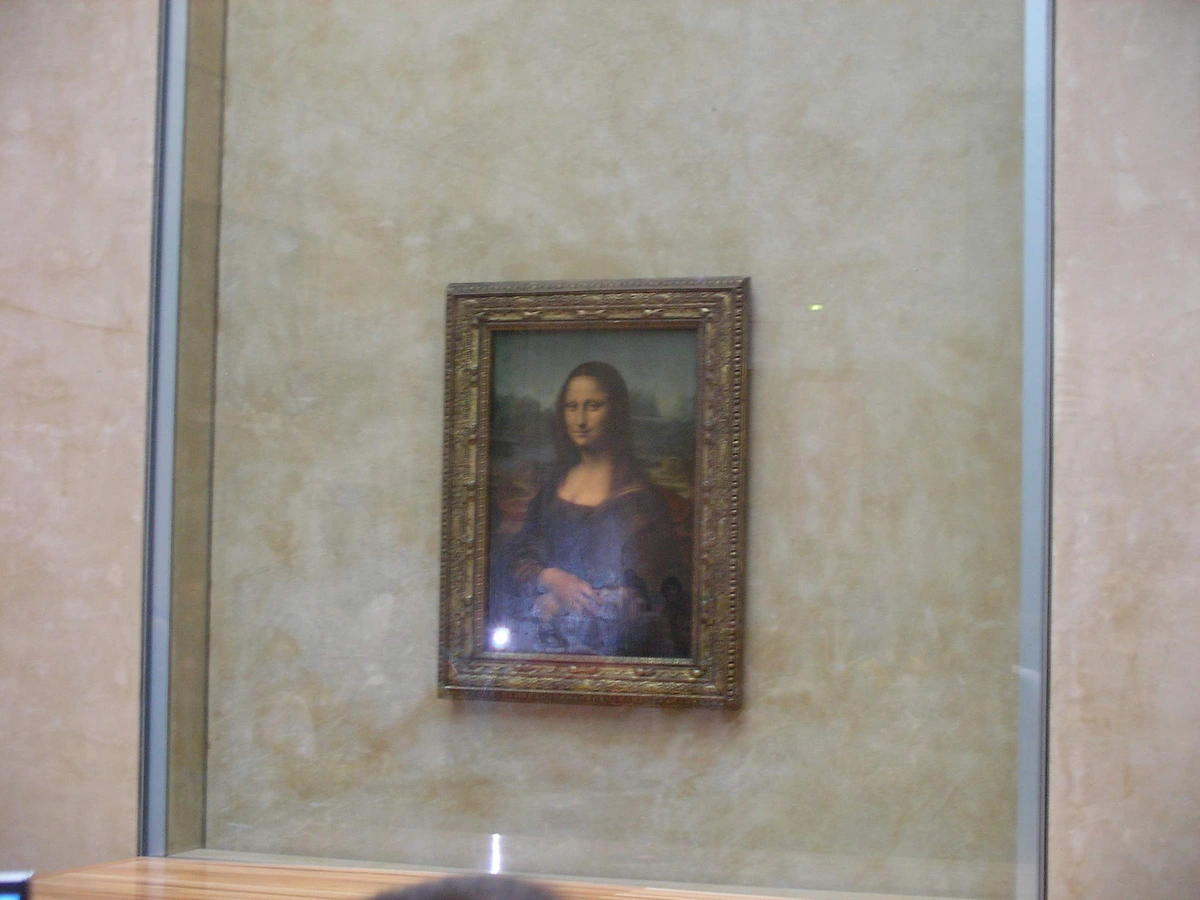
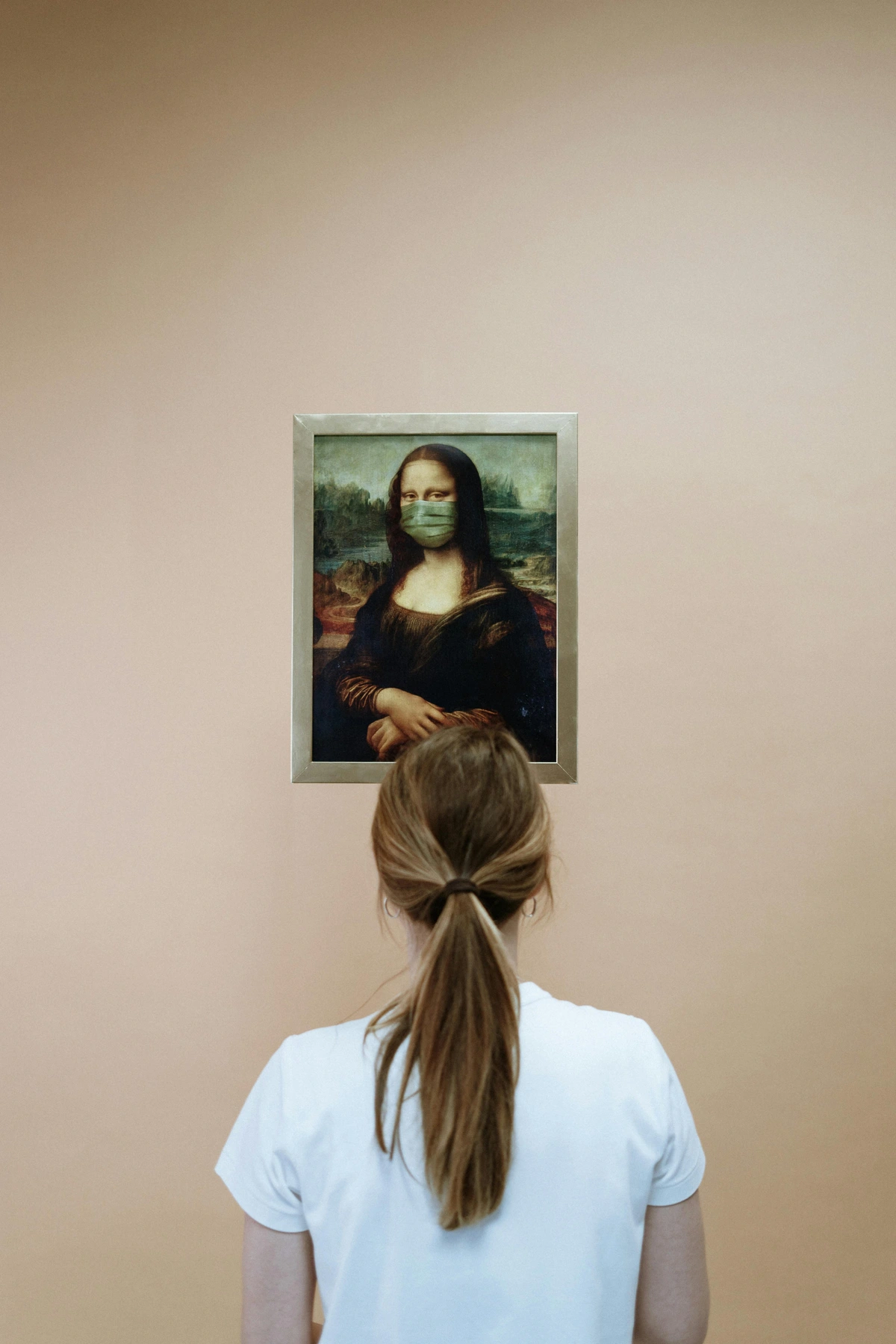
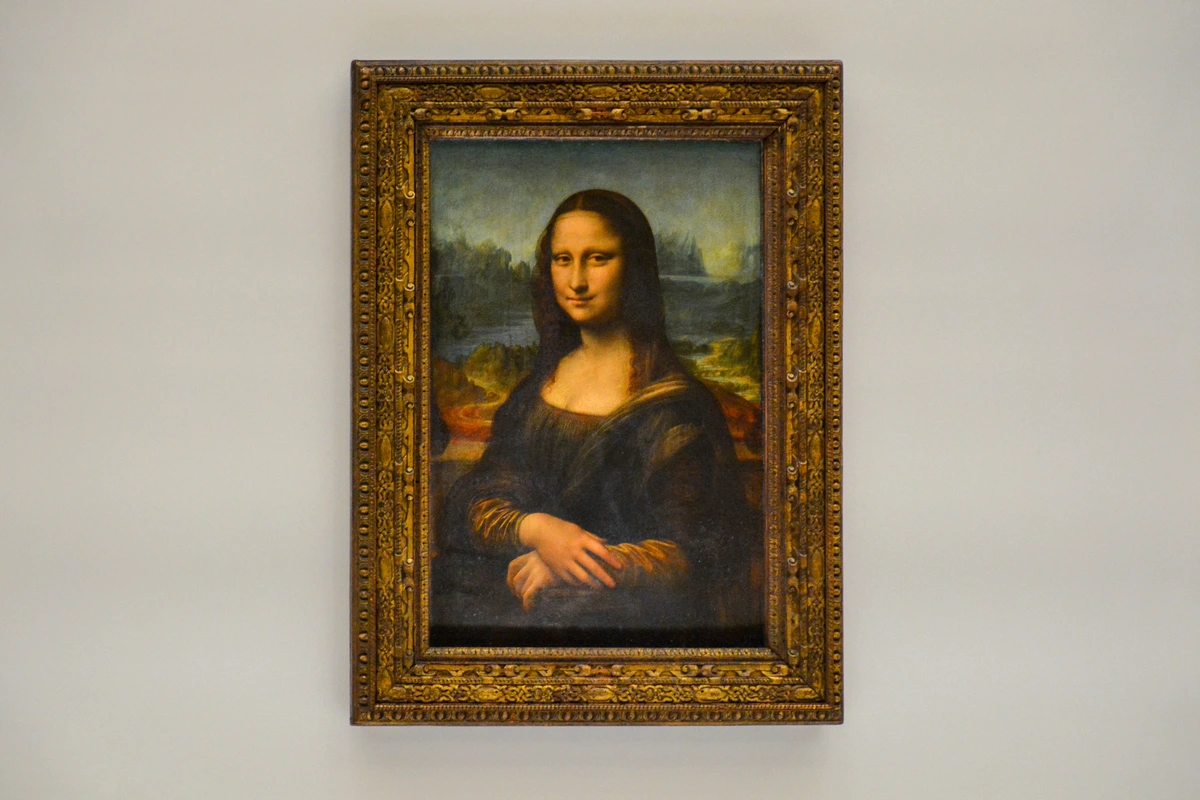
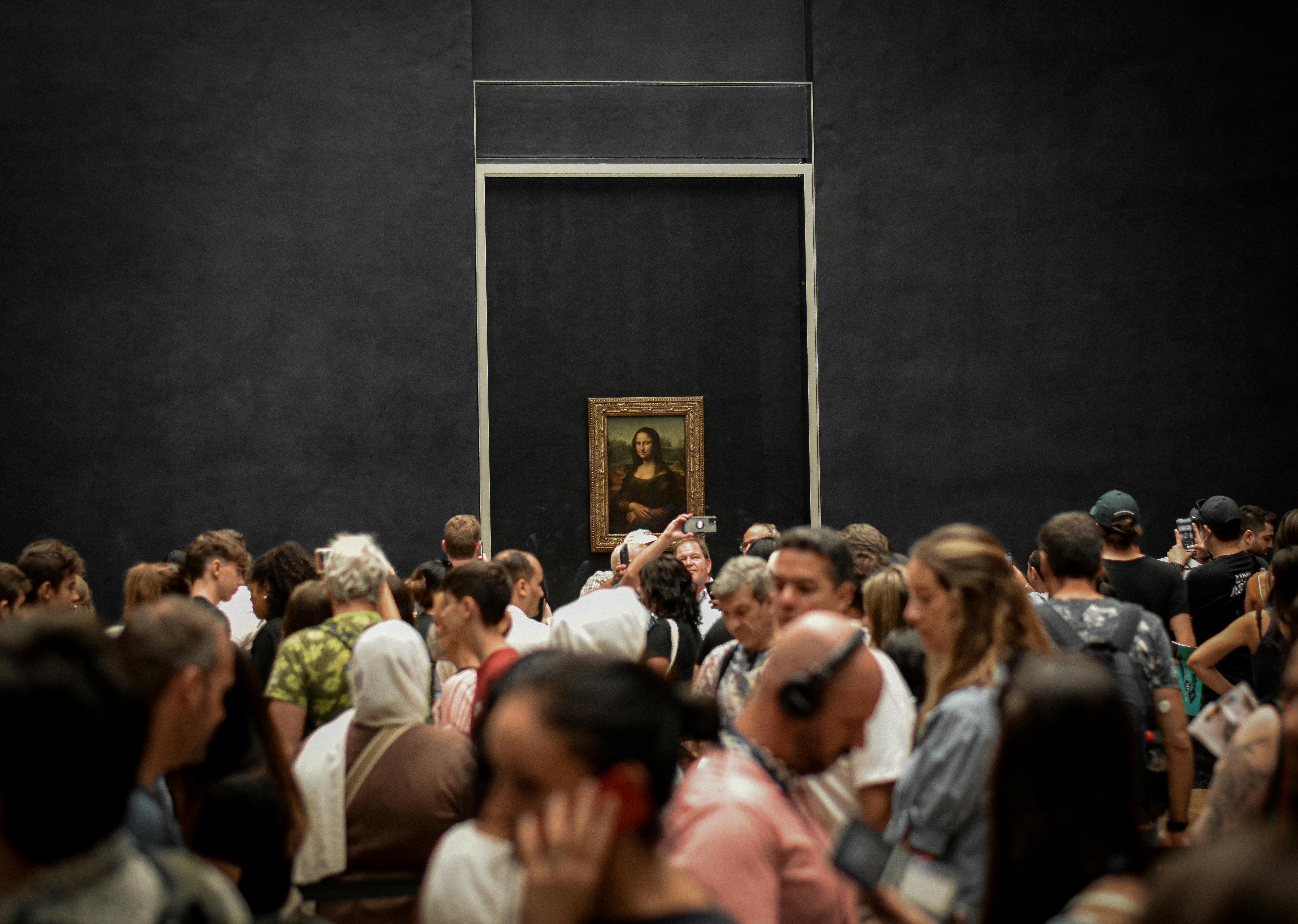
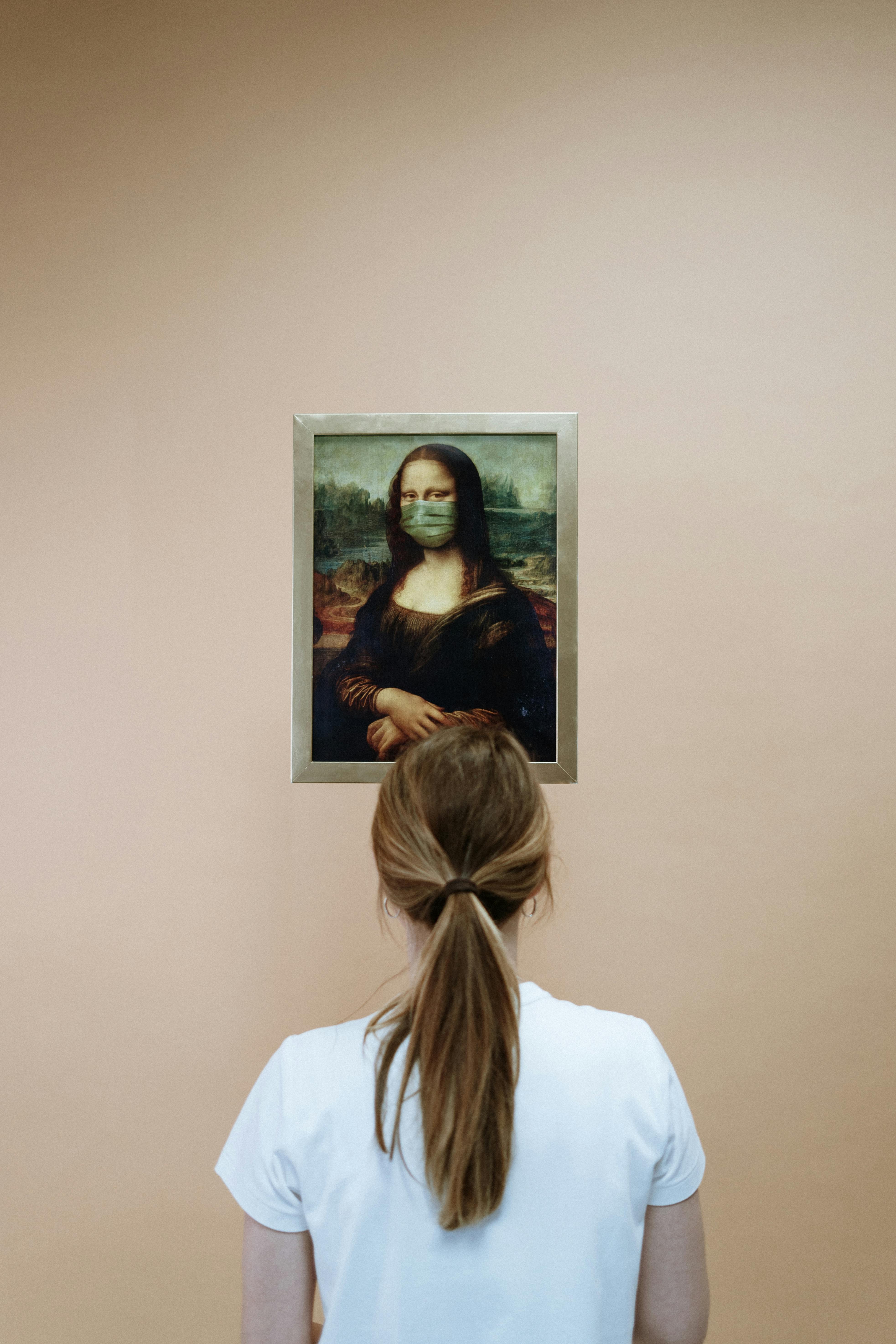
- The Mona Lisa (Denon Wing, Salle des États): Yes, you should see her. She's located in the Denon Wing, Salle des États. But prepare yourself for a crowd; you'll likely face a sea of phones trying to capture her enigmatic smile. The small size of the painting (approx. 77 x 53 cm) often surprises first-timers, adding to her mystique behind bulletproof glass. Her fame was catapulted by a sensational theft in 1911 and subsequent global hunt. My advice? Get your respectful glimpse, appreciate her mystique – focusing on the subtle sfumato and her famous gaze – and then move on. There's so much more to discover, sometimes even more impactful pieces that get overlooked because of the 'Lisa-mania.' If you can, try to visit her during the quieter moments of your reserved time slot, such as immediately after opening or closer to the end. And don't forget to look around the Salle des États; it also houses Veronese's colossal The Wedding at Cana, often overshadowed but truly magnificent.
It's not just about seeing these masterpieces; it’s about experiencing them, which means being present. Allow yourself to be drawn to what genuinely captivates you, even if it's not on every guide's 'must-see' list. That's where your most personal Louvre memories will be made.
Beyond the Big Three: My Other Must-Sees (Hidden Gems to Seek Out)
While the icons are essential, the Louvre's true depth lies in its wider collections. Don't miss these often-overlooked treasures and less crowded galleries, which can offer a more intimate and profound viewing experience, revealing layers of human creativity that might otherwise be missed. I always feel like I've found a secret when I stumble upon a quiet corner with a masterpiece that isn’t swarming with people.
- The Code of Hammurabi (Sully Wing, Ancient Near Eastern Antiquities): This isn't just a fascinating ancient Babylonian law code; it's one of the oldest deciphered writings of significant length, dating back to around 1754 BC. Engraved on a massive basalt stele, its cuneiform script offers an incredible window into early legal systems and societal structures, shifting your perspective on justice and civilization itself. The sheer historical weight of this object is immense, a testament to ancient legislative thought and a foundational text for understanding the development of law. It's truly mind-boggling to stand before something so ancient and impactful.
- Napoleon III Apartments (Richelieu Wing): Stepping into these opulent rooms is like time travel. Lavish decorations, gilded ceilings, velvet furnishings, and incredible furniture (often featuring intricate marquetry – the intricate inlaying of various colored woods or other materials to form decorative patterns) offer a jaw-dropping glimpse into Second Empire luxury and extravagance. It’s a stunning contrast to the quieter galleries and a feast for the eyes in its own right, a true display of decorative arts, from the grand Salon d'Apollon to the personal study.
- Dutch Masters (Richelieu Wing): Beyond the blockbuster Italian works, spend time with the delicate precision of Northern European painters. While Vermeer's The Lacemaker is small and intimate, its masterful use of light and profound detail are captivating. You'll also find works by the profound Rembrandt (including Bathsheba at Her Bath, a powerful and intimate depiction of vulnerability and moral conflict, and The Syndics of the Corporation of Clothmakers), Frans Hals, and other masters who excelled at rendering everyday life with such remarkable skill and subtle chiaroscuro (the use of strong contrasts between light and dark), revealing the soul of their subjects. I find these works incredibly relatable in their humanism.
- Islamic Art Collection (Denon Wing): A truly stunning collection spanning 13 centuries and diverse cultures, housed in the light-filled Cour Visconti. Featuring intricate ceramics, elaborate metalwork (like the famous Baptistery of Saint Louis), sumptuous carpets, and delicate textiles, this collection offers a sense of peace and breathtaking beauty, celebrating the rich artistic traditions from Spain to India. Look out for the mesmerizing tile work and calligraphy, often incorporating complex geometric patterns and floral motifs. It's a serene space, a real escape from the crowds.

- Medieval Louvre Foundations (Sully Wing, lower level): Descend beneath the modern museum to explore the remnants of the original fortress built by Philip II Augustus. It’s a unique archaeological experience that offers a profound connection to the site's deep history, far removed from the grand art galleries above. Don't miss the crypt of Charles V. This is where you truly feel the layers of time, literally walking through centuries of Parisian history, a stark contrast to the opulence above.
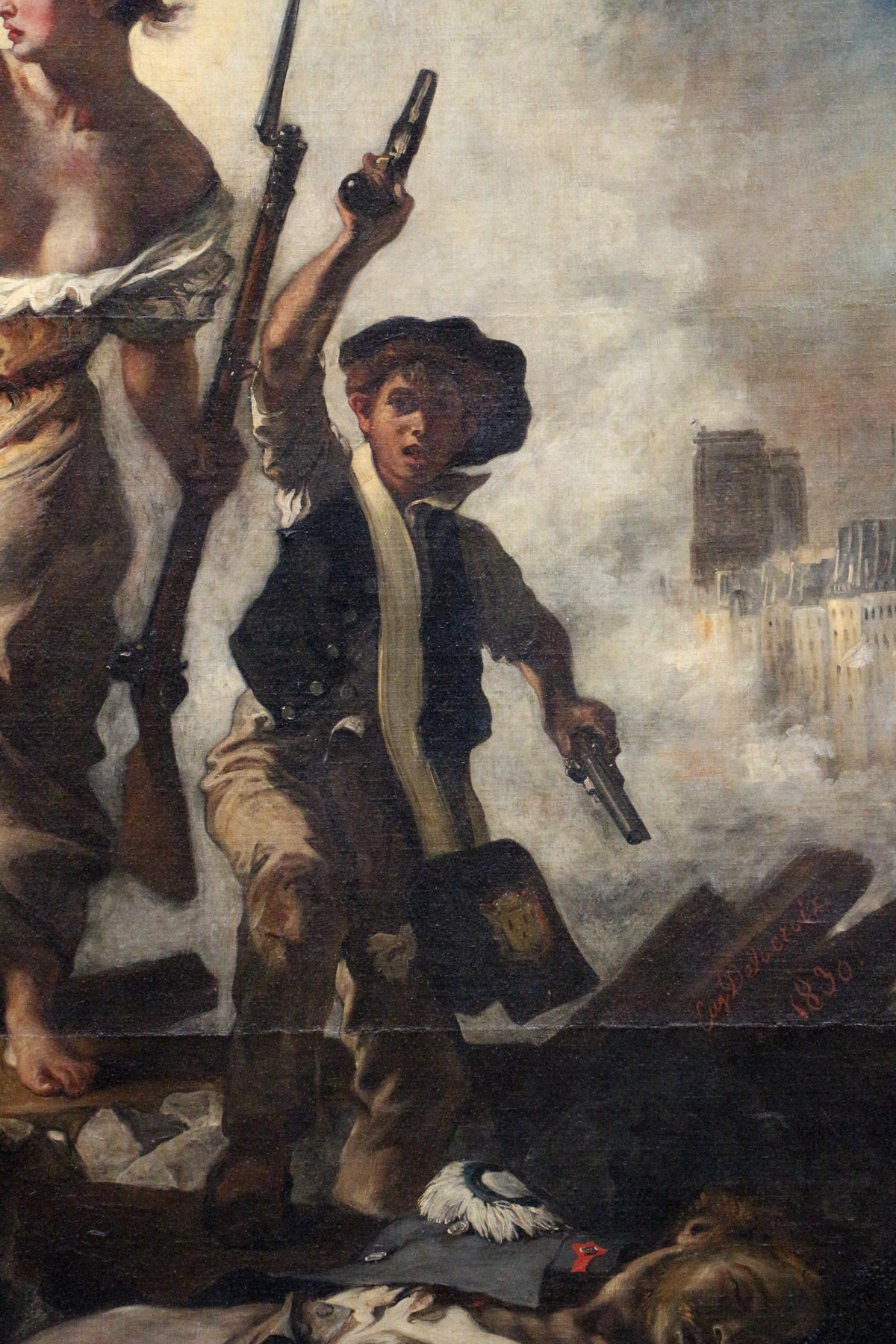
- French Painting Collections (Denon Wing, beyond the Salon Carré): While the large format paintings grab attention, the Denon Wing also houses other remarkable French paintings. Look for works by masters like Jean-Honoré Fragonard, particularly his charming The Lock, which exemplifies Rococo elegance and lightheartedness, or the classical grandeur of Nicolas Poussin, perhaps his masterful The Shepherds of Arcadia. These galleries often provide a quieter viewing experience than the 'superstar' rooms, allowing for a more intimate engagement with the artistry.
- Decorative Arts (Richelieu and Sully Wings): Don't overlook these sections. From stunning royal jewels (like the Regent Diamond) and elaborate furniture to intricate tapestries and ornate ceramics (including exquisite Sèvres porcelain), these collections offer a fascinating glimpse into the craftsmanship and aesthetic sensibilities of different eras, often providing a delightful surprise away from the major crowds. You'll find yourself admiring the sheer skill that went into creating these functional (and beautiful) objects, a testament to artistry beyond the canvas.
How the Louvre Inspires (and Overwhelms) My Own Artistic Journey
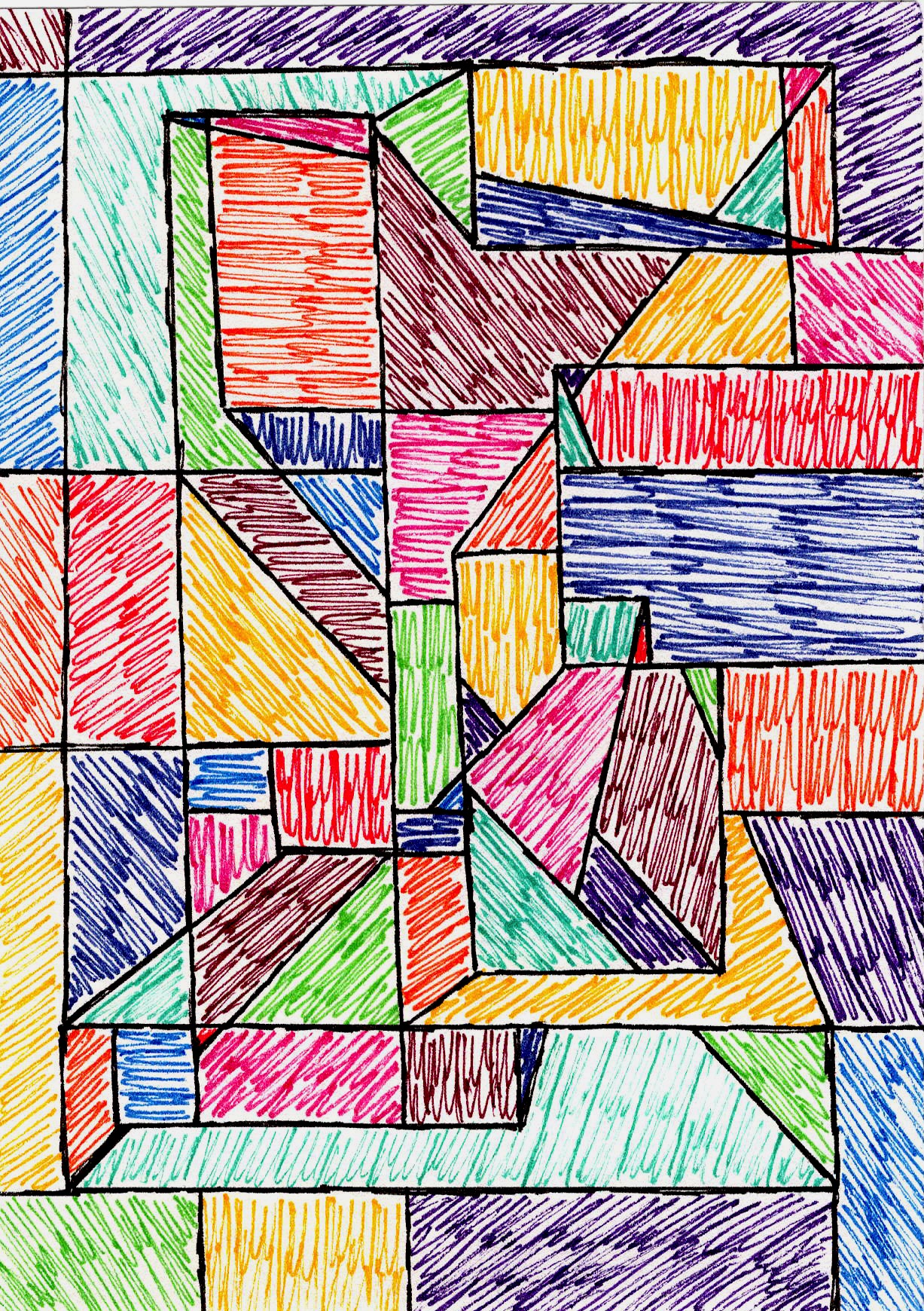
As an artist, visiting a place like the Louvre is a double-edged sword. On one hand, the sheer volume of human creativity, the mastery of techniques honed over millennia, is incredibly inspiring. The compositional balance of Renaissance masters like Leonardo in the Denon wing, or the dramatic chiaroscuro of Caravaggio, constantly pushes me to explore light and shadow, and the interplay of color, in my own abstract work. I find myself lingering on the brushstrokes of a Dutch master, like the subtle yet profound impasto in Rembrandt's Bathsheba at Her Bath, contemplating the patience and precision that went into capturing such delicate light and texture. It's a reminder of the foundational elements that continue to resonate in contemporary art, even in pieces like my own abstract pieces. It makes me reflect on my own artistic journey, a path marked by similar explorations of light and form. For instance, the way light dances across fabrics in a Rococo painting, like Fragonard's The Lock, often inspires me to experiment with dynamic light patterns and implied motion in my abstract compositions, seeking to capture that ephemeral quality without a narrative subject. You can explore some of my work on my art page. View my art
I remember one particular moment, standing before a French Rococo piece – perhaps Fragonard's The Lock. The way the light danced across the fabric, the delicate color palette, and the playful composition sparked an unexpected idea for a new abstract piece, focusing on the movement of light itself, rather than a narrative. It's these kinds of unexpected connections that make the Louvre so powerful. You see the progression of human thought, emotion, and skill laid bare, and it's a humbling yet exhilarating experience.
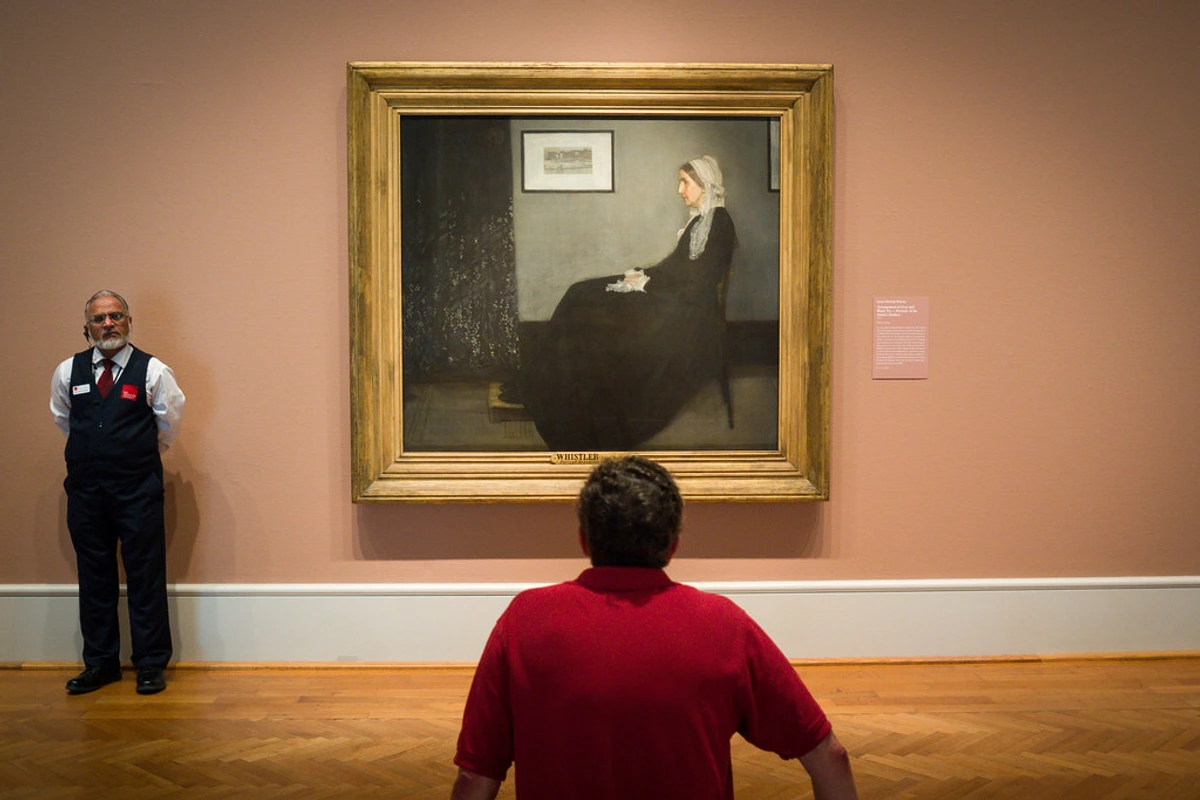
On the other hand, it can be utterly overwhelming. A nagging voice might whisper, "What's the point? It's all been done, and better!" This feeling, a kind of artistic imposter syndrome (the persistent inability to believe that one's success is deserved or legitimately achieved, often despite external evidence of capability), can be immense. But I quickly remind myself that art isn't a competition. Every artist, from the Renaissance masters to the contemporary abstract painters I admire, brings their unique perspective. The enduring physical presence of these masterpieces in the Louvre reminds me of the lasting impact of tangible art.
This physical longevity and direct sensory experience stand in strong contrast to the sometimes ephemeral and speculative nature of purely digital assets. While concepts like NFTs (Non-Fungible Tokens) offer interesting new paradigms for ownership and value in the digital realm, their longevity, cultural weight, and direct sensory impact offer a different kind of experience, one that, for me, doesn't quite replicate the visceral connection of a physical object that has journeyed through centuries and human hands. A marble statue has a physical presence that a digital file, no matter how unique its token, simply cannot replicate in my eyes, at least not in the same way. The tactile experience of art, the way light plays on its actual surface, and the physical degradation or preservation through time, remains unparalleled, prompting a skepticism about the long-term cultural significance and tangible impact of purely digital works compared to their physical counterparts.
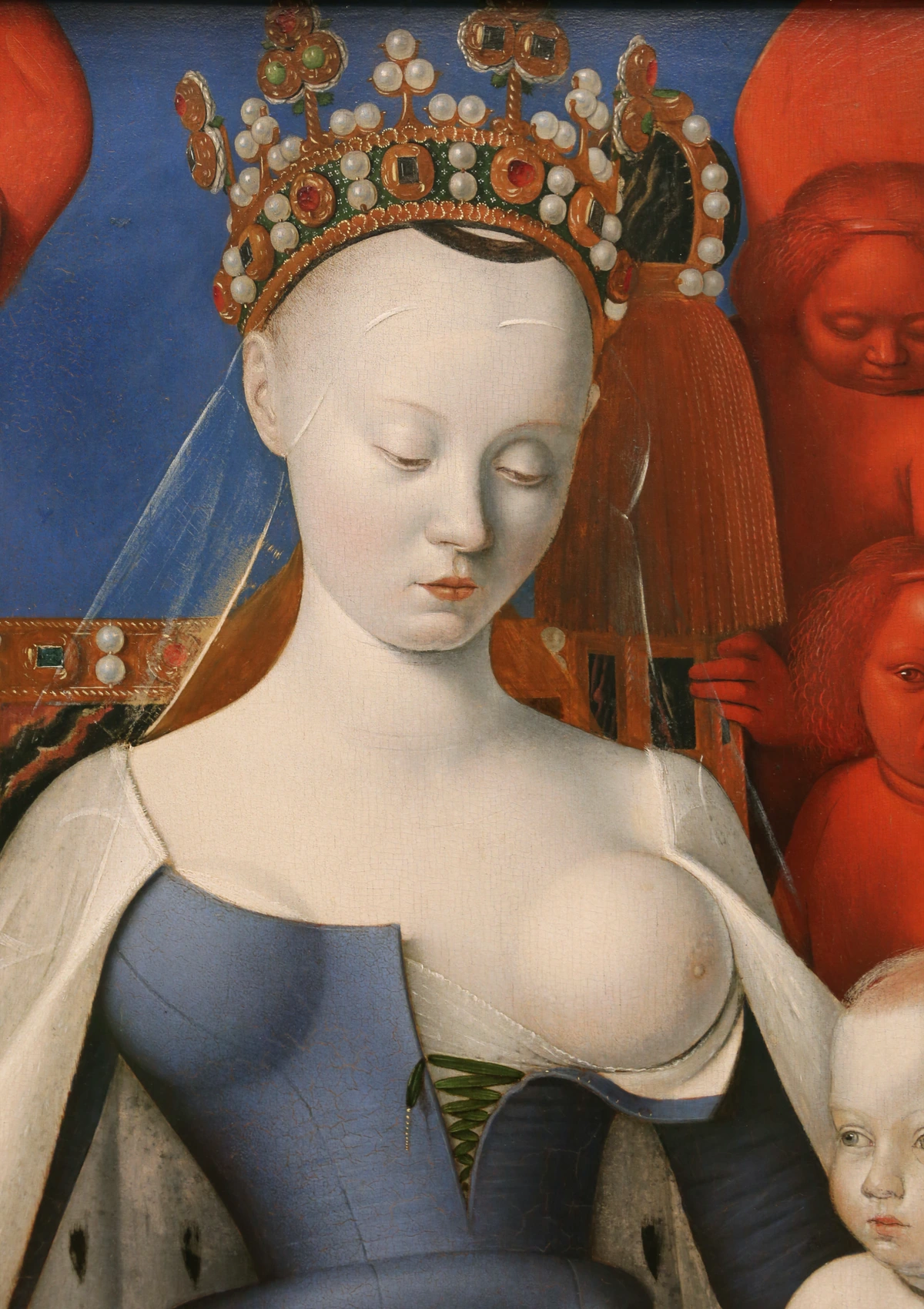
The Louvre, for all its grandiosity, reminds me that art is a continuous conversation, a vast, ever-evolving story. It also makes me appreciate the intimate scale of a place like my local museum, where the focus is tighter, more personal, allowing for a different kind of deep engagement. It's a different kind of magic, but magic nonetheless, and both fuel my creative fire.
credit, licence
Frequently Asked Questions (My Two Cents)
Having walked these grand halls countless times, I've gathered a few insights into the most common questions first-time visitors have. These are just a few, but the best way to find your own answers is to experience it firsthand. This guide to the Louvre should certainly help you plan.
How long do I need for a first visit?
Honestly, I'd say at least 3-4 hours if you want to see a few major highlights without feeling completely rushed. If you're really into art, a full day (with breaks!) isn't out of the question. I aim for 4-5 hours myself, often splitting it with a lunch break because sustenance is key to a good museum day! Remember, it's a marathon, not a sprint! For your first visit, focus on a wing or a specific set of artworks rather than trying to cover everything. Trying to see everything is one of the biggest mistakes first-time visitors make – you’ll only end up with sore feet, museum fatigue, and a blurred memory of what you actually saw. More importantly, you won't allow yourself to simply absorb the atmosphere or discover unexpected art off the main path.

Can I bring food or drink?
Small bottles of water are generally fine, and encouraged for hydration, especially with all the walking. For food, you're usually not allowed to eat within the galleries, but the Louvre has several cafés and restaurants where you can grab a meal or a snack. From quick coffee stands to more formal dining, there's a range of options depending on your budget and how much time you want to dedicate to a break. I always factor in a coffee break, because sustenance is key to a good museum day! My personal ritual often involves a croissant, if I'm being honest.
Is the Louvre accessible?
Yes, the Louvre is generally very accessible for visitors with reduced mobility. There are dedicated accessible routes, elevators, and ramps throughout, and wheelchairs can often be borrowed (check their official website for details). It’s always a good idea to check their official website for the most up-to-date accessibility information and to contact their visitor services directly if you have specific needs to ensure a smooth visit. They do a great job ensuring everyone can experience the art.
Are there guided tours available?
Absolutely! The Louvre offers a variety of guided tours, both official ones (often small group, thematic) and those run by independent companies. These can be fantastic for first-timers, as a knowledgeable guide can help you navigate and provide context to the artworks, turning what might be a bewildering experience into an insightful journey. I’ve found them incredibly insightful, especially for historical pieces or focusing on specific collections like Egyptian antiquities or French painting. Many tours also offer skip-the-line benefits, which is a definite plus! A good audio guide, whether official or third-party, often reveals details about the artist's unique technique, hidden symbolism, or the fascinating provenance (history of ownership) of a piece, enriching your visit significantly.










How much does a Louvre ticket cost?
Ticket prices can vary slightly, but a standard entry ticket typically costs around €17-€22. It's always best to check the official Louvre website for the most current pricing and to book your timed entry, as prices can change and booking online is often required. Keep an eye out for potential discounts, such as free entry for visitors under 18, or EU residents under 26. The Louvre also occasionally offers free entry days (e.g., the first Saturday of each month during specific evening hours or on Bastille Day, July 14th), but be warned, these are exceptionally crowded and might not be ideal for a first-timer aiming for a serene experience. Personally, I find this a small price for the sanity and incredible experience it provides.
What should I wear for my visit?
Comfort is key! As I mentioned earlier, wear your most comfortable shoes because you'll be doing a lot of walking on hard floors and potentially many stairs. Also, dressing in layers is a smart move; the temperature inside the museum can vary, and you might get warm moving between galleries. A light jacket or scarf is usually a good idea. I always carry a small crossbody bag to keep my hands free.
Are audio guides available and worth it?
Yes, the Louvre offers audio guides, often through their official app for smartphones. They typically cost a few extra euros but can be incredibly valuable, especially for first-timers. A good audio guide provides context, historical details, and fascinating insights into the artworks and the museum's history, enriching your visit significantly. I find them particularly useful for focusing on specific galleries or themes, helping to bring the art to life without overwhelming you, often revealing details about the artist's unique technique, hidden symbolism, or the fascinating provenance (history of ownership) of a piece. It's like having a mini art historian in your ear!
What are some common mistakes first-time visitors make at the Louvre?
Oh, I've made a few myself! The most common ones include:
- Trying to see everything: It's impossible and leads to burnout and museum fatigue. Focus on a few areas you're genuinely interested in to have a truly memorable experience. More importantly, you won't allow yourself to simply absorb the atmosphere or discover unexpected art off the main path.
- Not booking tickets in advance: This is a big one. You'll waste valuable time in long queues that could be spent inside.
- Wearing uncomfortable shoes: Your feet will scream at you by the end of the day. Prioritize comfort above all else! I speak from painful experience.
- Ignoring the map/app: The museum is a maze; a plan helps immensely. Don't rely solely on instinct, unless you're intentionally aiming to get lost (which can also be fun, for a little while!).
- Rushing past lesser-known works: Some of the most magical discoveries happen off the main path! Give yourself permission to explore and find your own hidden gems. I promise, the Louvre rewards curiosity far more than adherence to a strict checklist.
- Not allowing for breaks: Your brain and feet need a reset. Plan for coffee, lunch, or simply a sit-down in one of the quieter courtyards. This isn't a race; it's an experience to savor.
My Final Thought: Just Be Present
So there you have it, my rather rambling, utterly heartfelt guide to tackling the Louvre for the first time. Don't stress, don't rush, and please, for the love of art, don't try to see everything – remember, it's a marathon, not a sprint! Just let yourself be. Wander, observe, get lost for a moment, and allow yourself to be moved by a brushstroke, a chisel mark, or the sheer weight of history. It's in these quiet discoveries, away from the celebrated masterpieces, that the museum often truly opens up, becoming a treasure trove of personal revelations. It's an experience that stays with you, a beautiful, overwhelming, utterly Parisian memory. Enjoy every single moment of it. What will be the masterpiece that whispers to you, or the quiet corner that captures your heart? I hope it's a bit of both. And who knows, maybe it will even inspire your own creative journey, just as it has mine. You can always check out some of my work, inspired by such visits, on my personal art timeline. Explore my timeline