A First-Timer's Guide to the Louvre Abu Dhabi: My Curated Journey
Planning your first visit to Louvre Abu Dhabi? Join me for a personal, curator's guide to navigating its architectural marvels, universal collection, and unique cultural experience. Discover insider tips, must-see artworks, and how to truly connect with this extraordinary museum.

A First-Timer's Guide to the Louvre Abu Dhabi: My Curated Journey to a Universal Story
Wherever I go, museums call to me like a siren song, a whisper from across the ages promising profound connections. There’s just something profoundly beautiful about a space dedicated to collecting human stories, preserving them with reverence, and presenting them in a way that makes us all feel a little more connected. Who doesn't love a good story, especially when it's told through the intricate, awe-inspiring lens of human creativity across millennia? This particular journey takes us to a place where ancient traditions meet dazzling modernity, a vibrant beacon of cross-cultural dialogue that has truly redefined what a museum can be: the Louvre Abu Dhabi. Nestled on Saadiyat Island, a rapidly developing cultural hub, it stands as a powerful testament to Abu Dhabi's ambitious vision to become a global cultural capital, fostering a profound appreciation for shared human heritage and presenting a truly unique vision for what a museum can be in the 21st century, a genuine 'universal museum' in every sense of the word. For me, it's not just about the art; it's about the deep, underlying currents of human experience that flow through every piece, connecting us all in a timeless tapestry.
Now, you might be thinking of Paris when you hear "Louvre," and rightfully so – that grand dame is legendary, holding a special place in my heart, truly, like my own A First-Timer's Guide to the Louvre Museum in Paris attests. But let me tell you, the Louvre Abu Dhabi is a completely different, equally mesmerizing beast. It’s not a clone; it’s a brilliant, audacious conversation between cultures, built on a desert island, under a 'rain of light.' It's a profound bridge, a continuous dialogue, a universal narrative woven in light and stone, right here in the Arabian Gulf. It's a transformative place where you can trace the enduring threads of humanity through artistic expression, from the ancient to the contemporary, a concept I often explore in my own abstract art, seeking those fundamental connections that bind us all and transcend geographical boundaries. It's truly a testament to the power of art to unite us, revealing a shared tapestry of human creativity rather than isolated narratives. Its very essence challenges the traditional notion of what a museum should be, pushing boundaries and inviting new perspectives on our shared heritage.
I vividly recall my first steps onto Saadiyat Island, a place that felt, truly, like the future was unfolding right before my very eyes – a testament to visionary urban planning and a profound belief in the power of culture. This rapidly developing cultural district, whose very name means 'island of enlightenment' in Arabic, is meticulously envisioned as a global hub for arts, education, and refined living. It perfectly complements the Louvre Abu Dhabi's mission, creating a synergistic environment where world-class cultural institutions, luxury resorts, premium residential areas, and pristine natural beaches are seamlessly integrated. It's a holistic destination focused on enrichment and well-being, designed to elevate the human experience. The shimmering dome of the Louvre Abu Dhabi, seemingly floating above the tranquil waters, immediately struck me as more than just a building. It was a profound statement about shared humanity and the transcendent power of art to connect us all. As a curator and artist, I can tell you, statements like this are rare and incredibly powerful, leaving an indelible mark on your soul. It often makes me reflect on how my own abstract work frequently seeks to uncover these universal threads, these connections that effortlessly transcend time and place, much like the abstract compositions and vibrant colors I explore in my daily practice. This museum isn't merely an isolated structure; it's the radiant jewel in the crown of a burgeoning cultural district on Saadiyat Island, a testament to Abu Dhabi's unwavering commitment to arts, education, and global exchange, setting a new benchmark for cultural institutions worldwide and inspiring a new generation of meaningful cultural dialogue.
The Genesis of a Universal Museum: A Vision Born in the Desert
The Louvre Abu Dhabi is far more than just a magnificent building filled with exquisite art; it’s the culmination of an extraordinary, almost revolutionary, vision to create a truly universal museum in the heart of the Arabian Gulf. This audacious idea, born from a unique and landmark intergovernmental agreement forged between the United Arab Emirates and France, sought to deliberately bridge East and West, ancient and contemporary, through the shared, undeniable language of art. The ambition was never merely to establish a satellite branch of the Louvre Paris, which would have been impressive enough, but to boldly forge an entirely new model: a dynamic place where diverse cultures could genuinely meet, converse, and profoundly discover their commonalities. It stands as a powerful testament to the deeply held belief that art possesses an unparalleled power to unite us, revealing the enduring threads of human creativity that weave through all civilizations, often in surprising and beautiful ways. This unwavering commitment to cross-cultural dialogue and understanding is intrinsically embedded in its very foundation, from its ambitious initial conception to its innovative, ongoing curatorial philosophy that guides every acquisition and exhibition.
Why Louvre Abu Dhabi is Different (and Why That's Fantastic)
We're all familiar with museums dedicated to specific regions or eras, right? Think of a museum solely for Dutch Masters, or one focused only on contemporary American art. They're wonderful, of course, offering deep dives into specific cultural narratives and preserving national treasures. But the Louvre Abu Dhabi? It dares to be a universal museum. This isn't just a catchy phrase; it's a revolutionary and deeply intentional concept in the museum world. It means it tells a single, overarching story of shared human history, charting artistic achievements from ancient civilizations to modern times, deliberately cutting across geographical and chronological boundaries. It’s a profound and deliberate effort to highlight connections rather than divisions, to illuminate how human creativity, beliefs, and struggles echo across continents and centuries, creating a sense of global kinship.
This ambitious vision is the direct result of a unique and meticulously crafted intergovernmental agreement signed in 2007 between the United Arab Emirates and France, a landmark 30-year cultural collaboration. This unparalleled partnership lends the Louvre Abu Dhabi its prestigious name and, crucially, grants it access to an unparalleled collection of expertise, curatorial guidance, and loaned masterpieces from leading French institutions. These include not only the iconic Louvre Museum in Paris but also revered institutions like the Musée d'Orsay, Centre Pompidou, the Palace of Versailles, and many others – truly a testament to the depth and collaborative spirit of this groundbreaking venture. This agreement isn't merely about lending art; it's a profound commitment to fostering shared cultural understanding and intellectual exchange on a global scale, an ongoing dialogue between East and West, ancient and contemporary – not just in its collection but in its very foundation, from its staffing to its educational programs. This collaboration represents a pioneering model for international cultural partnerships, creating a dynamic platform for intellectual curiosity and artistic exploration that resonates far beyond its physical walls. It’s breathtakingly ambitious, and frankly, it works beautifully, offering a truly fresh perspective on art history. I find this approach incredibly refreshing, challenging the traditional paradigms of art institutions, and it constantly reminds me of how art can transcend boundaries, much like the work I've exhibited at the [/den-bosch-museum], seeking universal resonance and revealing the interconnectedness of human endeavor.
Universal vs. Traditional Museums: A Quick Comparison
To fully grasp the revolutionary nature of the Louvre Abu Dhabi, it helps to see how its 'universal' concept stands apart from more traditional museums. It's not about being better or worse, but distinctly different in its mission:
Feature  | Louvre Abu Dhabi (Universal Museum) | Traditional Encyclopedic Museum (e.g., Louvre Paris, The Met) |
|---|---|---|
| Core Mission | Unifying human narratives, highlighting commonalities across cultures and fostering cross-cultural dialogue | Comprehensive survey of specific cultures/periods, often national treasures, with a focus on historical progression |
| Collection Focus | Thematic, cross-cultural connections, shared human experiences, drawing from global art history | Chronological, regional, in-depth historical survey of a particular artistic tradition, emphasizing origin and period |
| Curatorial Approach | Deliberately curated to foster dialogue between diverse artworks and challenge traditional categorizations | Often presents art within its specific historical and geographical context, emphasizing provenance and evolution within a culture |
| Emphasis | What connects us globally, shared artistic evolution, and universal human themes | Depth of a particular civilization's artistic output, national identity, and historical significance |
| Visitor Experience | Journey of discovery, making personal cross-cultural connections, encouraging introspection and new perspectives | Educational, understanding specific art historical movements and their evolution, often following a linear narrative |
| Partnerships | Collaborative, often drawing loans and expertise internationally from multiple institutions | Primarily showcases its own vast, often centuries-old, permanent collections, with occasional special exhibitions |
| Acquisition Strategy | Focused on acquiring pieces that exemplify universal themes and fill narrative gaps, often through loans and targeted purchases | Primarily focused on acquiring pieces that enrich specific historical or regional collections, often through donations and endowments |
| Funding Model | Primarily government-funded, with significant investment from Abu Dhabi, supplemented by partnerships and visitor revenue | Often relies on a mix of government funding, private endowments, philanthropic donations, and visitor-generated revenue |
| Sustainability Efforts | Integrated sustainable design (e.g., dome's micro-climate), focus on environmental consciousness within a desert context | Increasingly incorporating green initiatives, but often retrofit within existing historic structures, facing different challenges |
| Audience Focus | Global and diverse, promoting intercultural understanding | Often caters to a broader general public, with a strong national/regional focus |
| Interdisciplinary Approach | Actively integrates diverse fields (archeology, science, philosophy) to highlight connections | Primarily art historical, though may include broader cultural context |
This table really underscores the unique intellectual and emotional journey you embark on at the Louvre Abu Dhabi. It's designed to provoke thought, reveal unexpected parallels, and encourage visitors to see art history not as a series of isolated narratives, but as a rich, vibrant tapestry of interconnected human experiences. It prompts you to question, to compare, and to ultimately understand the profound commonalities that bind us all. For a deeper dive into the traditional encyclopedic approach, where depth within a specific cultural context is celebrated, you might also consider my guide to The Metropolitan Museum of Art in NYC, or even the historical richness of the Prado Museum in Madrid. Both offer invaluable, albeit different, journeys through art history.
History and Conception: From Vision to Reality
The story of the Louvre Abu Dhabi is truly a fascinating tale of visionary ambition, strategic foresight, and unparalleled international collaboration. The audacious idea first emerged in the early 2000s, not just as a cultural endeavor, but as an integral part of Abu Dhabi's broader strategy to diversify its economy beyond oil and firmly establish itself as a leading global cultural capital. The deliberate choice of the prestigious Louvre name was a powerful statement, signaling an unwavering commitment to world-class standards and an immediate, recognizable connection to a globally revered institution, while simultaneously carving out its own distinct identity. The intergovernmental agreement with France, signed in 2007, was a monumental undertaking, involving extensive negotiations and a deep, shared understanding of the profound role culture plays in nation-building, international diplomacy, and fostering global understanding. Pritzker Prize-winning architect Jean Nouvel was selected in 2007, tasked with creating a structure that would not only house a universal collection but would also serve as a profound artwork in itself – deeply rooted in its local desert-island context while simultaneously reaching for global significance and embodying the very philosophy of the museum. Construction commenced in 2009, overcoming significant engineering and logistical challenges inherent in building such a complex structure in a unique desert-island environment. The museum officially opened its doors to the public on November 11, 2017, marking a pivotal and celebrated moment in the cultural landscape of the Middle East and solidifying Abu Dhabi's place on the world stage as a burgeoning, vibrant hub for arts, enlightenment, and cross-cultural dialogue.
A Meeting of Worlds Under a Starry Dome
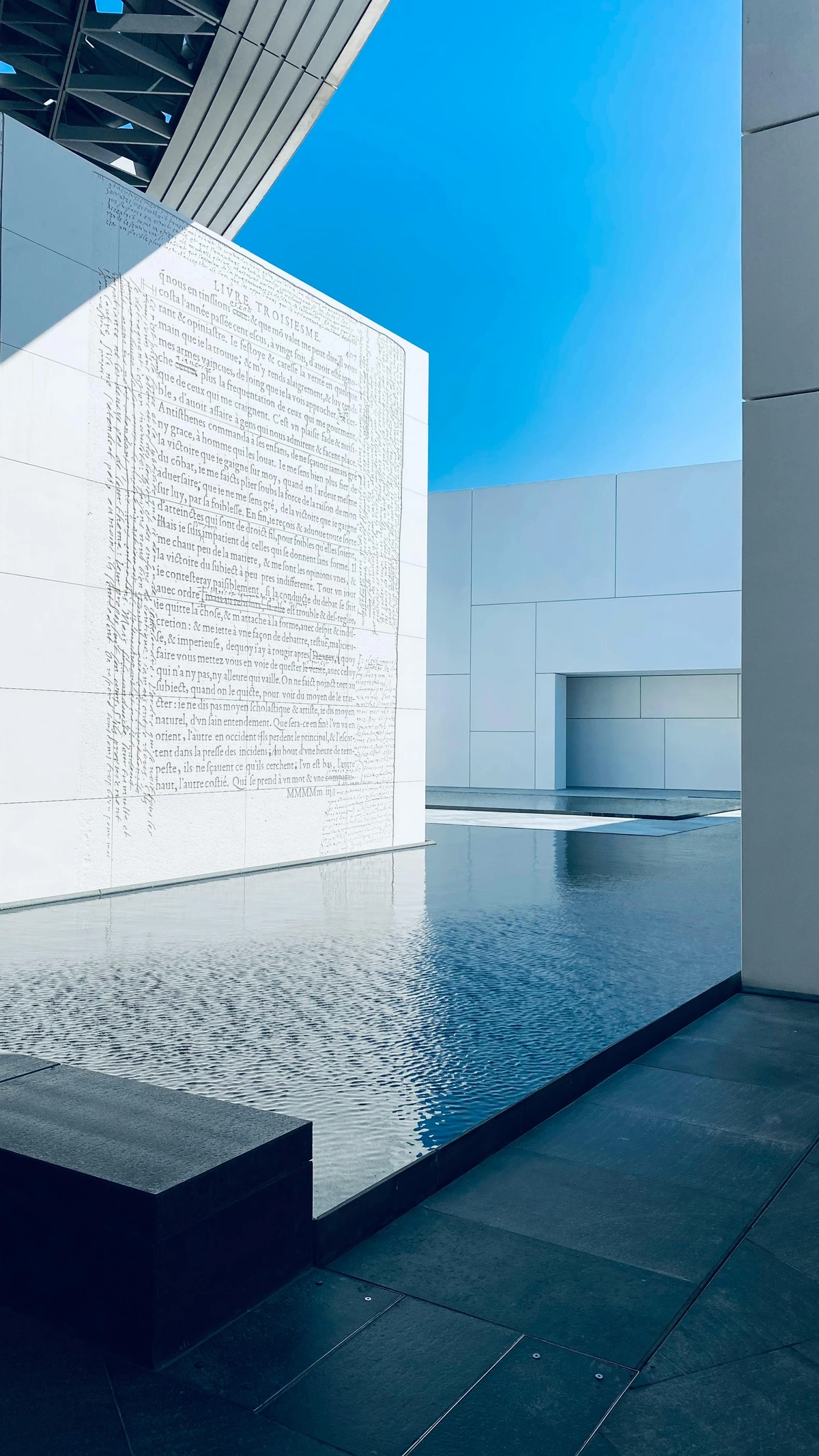
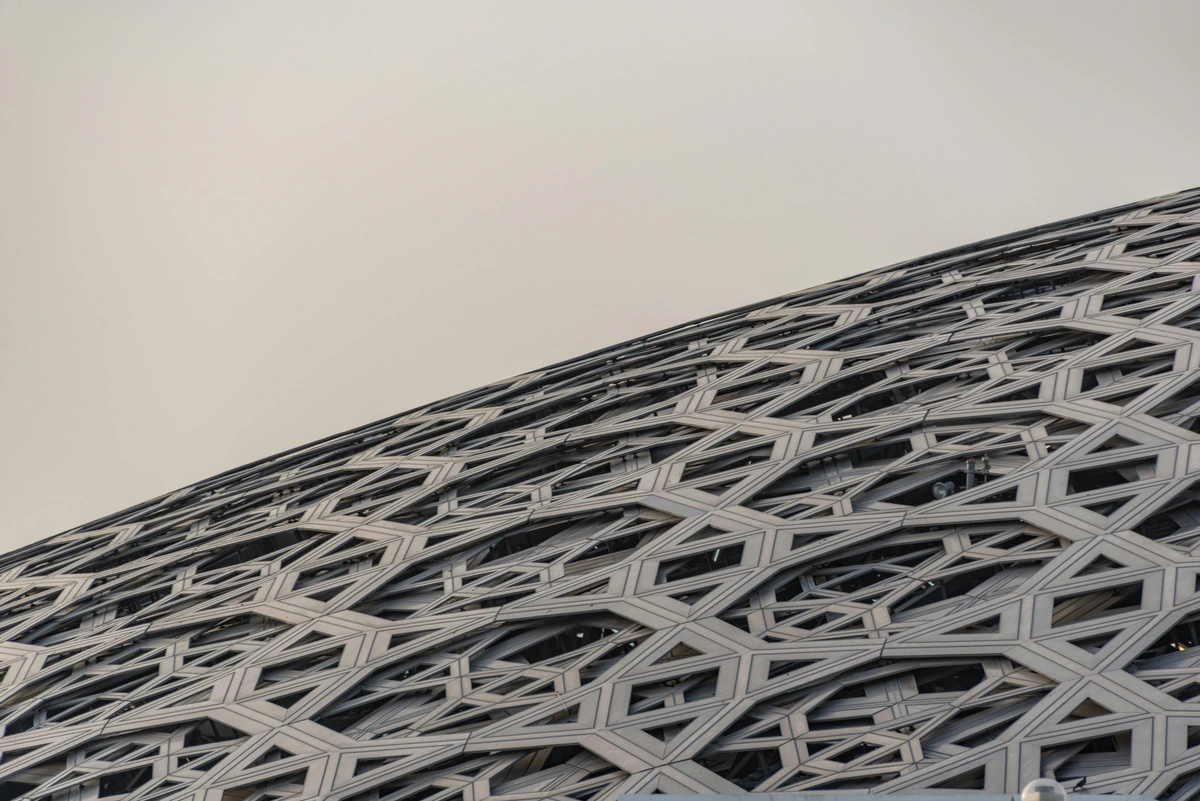
You simply cannot talk about the Louvre Abu Dhabi without, almost immediately, talking about its breathtaking architecture. Jean Nouvel, the visionary Pritzker Prize-winning French architect, created something truly extraordinary here – a marvel of modern design that integrates so seamlessly and thoughtfully with its unique desert-island setting, it's as if it grew organically from the landscape. He famously envisioned a "museum city" or a 'medina' on the sea, a serene complex of low-lying buildings and interconnected galleries, pathways, and tranquil courtyards, all magnificently protected by a massive, intricate dome. This iconic dome, a staggering 180 meters in diameter and weighing approximately 7,500 tons (which, if you can believe it, is roughly the same as the Eiffel Tower!), is far more than merely structural; it is a meticulously engineered artwork, a celestial canopy. Its design is a profound fusion of inspiration: the overlapping fronds of palm leaves, traditional Arab architectural patterns, specifically the 'mashrabiya' screens renowned for filtering light and providing shade, and the serene interplay of sunlight and shade found in a desert oasis. Nouvel also drew from the region's ancient falaj irrigation systems, integrating water channels that contribute to a distinct micro-climate beneath the dome – a space that is both aesthetically stunning and profoundly environmentally conscious. This ingenious, passive design significantly reduces the energy consumption required for cooling, a critical achievement in the challenging desert climate, demonstrating how high-concept architecture can also be profoundly sustainable and responsible. The dome's intricate geometric pattern, a mesmerizing result of nearly 8,000 unique star-shaped openings spread across its eight layers (four outer layers of gleaming stainless steel and four inner layers of aluminum), creates the captivating and famous "rain of light" effect. This ethereal light show shifts throughout the day, transforming the museum's internal spaces into an ever-changing, almost spiritual, canvas.
When I first walked underneath it, I was utterly captivated by the ethereal "rain of light" effect created by the sun filtering through the dome's eight geometric layers. It's not just a roof; it’s an artwork in itself, a living, breathing canopy that constantly shifts throughout the day, transforming the space below into a dynamic spectacle of light and shadow. This play of light and shadow changes the entire experience of viewing the art beneath it, making you feel both inside and outside simultaneously, connected to both the curated narrative and the natural environment. The gentle lapping of the waters from the surrounding canals, combined with the filtered sunlight and the subtle desert breeze, creates a remarkably serene and contemplative atmosphere – a truly multi-sensory experience that engages sight, sound, and even the subtle feel of the air. It's an environmental masterpiece, a testament to how architecture can elevate and redefine the museum experience. It truly resonated with me, reminding me of how light interacts with the surfaces in my own studio, constantly changing the perception of a piece. This unique micro-climate under the dome, a blend of traditional Arab design and cutting-edge engineering, is as much a part of the museum's universal story as any artifact within its walls. The way light subtly shifts and dances across the museum's courtyards and galleries is a continuous performance, a quiet dialogue between human ingenuity and the natural world, reinforcing the museum's core message of interconnectedness. It’s a sensory symphony, preparing your mind for the profound stories held within the galleries.  credit,
licence
credit,
licence
The Collection: A Universal Narrative
Unlike its venerable Parisian cousin, which you can read about in my A First-Timer's Guide to the Louvre Museum in Paris, the Abu Dhabi collection isn't about vast national treasures or a comprehensive historical survey of a single culture or region. Instead, it’s a meticulously curated selection of artworks and artifacts that powerfully illustrates connections and profound commonalities across cultures and civilizations, spanning millennia. Think of it as a global conversation, a sweeping journey through time and geography that reveals the enduring spirit of humanity through its astonishing creative output – a deliberate, revolutionary choice to highlight shared heritage over isolated national or regional narratives. This approach fundamentally redefines how we interact with art history, inviting us to see ourselves reflected in diverse expressions from across the globe, from the earliest tools shaped by human hands to the most avant-garde contemporary installations. Each piece, whether an ancient tool, a devotional relic, or a cutting-edge sculpture, is chosen with surgical precision to contribute to this singular, overarching story, illustrating how common human experiences, aspirations, beliefs, and struggles manifest across disparate cultures and times, ultimately revealing a shared, undeniable artistic DNA that binds us all.
Within these walls, you’ll find ancient Egyptian sarcophagi placed thoughtfully alongside Roman busts, intricate Islamic pottery conversing with groundbreaking Impressionist paintings, and thought-provoking contemporary installations – sometimes, astonishingly, within the very same gallery! – all meticulously arranged thematically to highlight universal human experiences. The museum's truly innovative curatorial approach is structured around 12 distinct chapters or galleries, each painstakingly designed to explore a universal theme that effortlessly transcends geographical and chronological boundaries. It’s a brilliant, intuitive, and deeply engaging way to trace the enduring threads of human creativity and belief across millennia, inviting you to connect the dots in unexpected ways and discover profound, often surprising, parallels. This thematic presentation intentionally challenges the traditional linear narratives of art history, which often tend to isolate cultures; instead, it passionately encourages a more fluid, interconnected understanding of human expression. It’s about creating a profound dialogue between objects that might otherwise never meet, revealing surprising commonalities, cross-cultural influences, and shared artistic languages that powerfully underscore our shared humanity and the enduring power of creation. From the very dawn of civilization to the complex, interconnected intricacies of the modern world, each chapter unfolds a vital part of this grand, evolving story, demonstrating with clarity that our shared journey is far richer and more intricate than often assumed, inviting deep contemplation on our collective identity and common purpose.
Here's a glimpse into some of these fascinating thematic journeys – consider them waypoints on your global art exploration, designed to deepen your understanding of our shared human story:
Gallery Chapter | Core Theme | Examples of Artworks/Artifacts (Illustrative) |
|---|---|---|
| The Great Vestibule | Introduction to the museum's universal narrative | This isn't just an entrance; it’s an immersive prelude. You'll find early artifacts setting the stage for human creativity and universal connections, often with foundational pieces from diverse origins, such as early tools, symbolic figures like a Sumerian worshiper, or ancient vessels, inviting reflection on the earliest expressions of human ingenuity and the shared impulse to create and adorn, providing a powerful foundational experience for the journey ahead. |
| First Villages | The dawn of human settlements and early organized life | Step back in time to the very beginnings of human communal living. This gallery features Neolithic tools, early pottery, and significant pieces like 'The Two-Headed Idol' from Jordan (6500 BCE), powerfully showcasing humanity's first decisive steps towards organized community, settled agriculture, and the earliest belief systems that profoundly shaped collective existence, revealing our shared roots in the land and our first, often enigmatic, attempts at symbolic representation and the sacred. |
| First Great Powers | The rise of ancient empires and complex societies | Immerse yourself in the grandeur of early empires. Here, you'll encounter majestic Egyptian sarcophagi, expressive Roman busts of emperors and citizens capturing individual gravitas, intricate Mesopotamian cuneiform tablets documenting early law and literature, and ceremonial gold objects. These pieces powerfully reflect the grandeur and power of early civilizations, their complex administrative structures, and their artistic prowess in projecting authority and sophisticated cultural identity across vast territories, showcasing how art served power from its inception. |
| Civilizations and Empire | Expansion of empires and cross-cultural exchanges | This gallery vividly illustrates the dynamic era of imperial expansion and the profound cross-cultural exchanges that shaped vast regions. You'll discover masterful Greek and Roman sculptures alongside early Islamic art, precious Silk Road artifacts (such as intricately patterned textiles, exquisite glass, or precious ceramics), and serene Buddhist relics. These diverse objects collectively illustrate the profound interactions, extensive trade routes, and rich cultural fusions between evolving societies, powerfully demonstrating shared artistic and intellectual currents that effortlessly transcended geographical and political borders. |
| Universal Religions | The development and spread of major belief systems | Explore humanity's profound quest for meaning. This section features serene Buddhist sculptures from Asia (e.g., exquisite Gandhara Buddha heads), iconic Christian iconography from Europe (e.g., early illuminated Gospels), intricately illuminated Islamic manuscripts, and sacred texts from various faiths and traditions. Together, these artifacts powerfully demonstrate the shared human quest for meaning and spirituality across faiths and continents, and how these deeply held beliefs inspired incredibly diverse, yet often spiritually resonant, artistic forms and narratives that united communities and shaped civilizations. |
| From the Mediterranean to the Atlantic | Interconnections across continents and the Age of Discovery | This gallery traces the crucial period of intense intercontinental connections and the nascent Age of Discovery. You'll find rich Medieval European art (e.g., luminous stained glass, precious reliquaries), sophisticated Islamic scientific instruments (such as precision astrolabes, celestial globes, and groundbreaking early maps by cartographers like al-Idrisi), advanced navigational tools, and early cartography. These objects collectively chart the dynamic flow of knowledge, goods, trade, and culture across vast geographical expanses, sparking new explorations that fundamentally reshaped the world and our understanding of it. |
| The World in Comparison | Global interactions and cultural exchange through objects | This fascinating section brings together objects from diverse corners of the globe, inviting a profound contemplation on global interactions and cross-cultural exchange. You'll see exquisite Chinese ceramics (e.g., the unparalleled beauty of Tang dynasty pottery), evocative African masks used in ceremonial rituals and performances, intricate European decorative arts (e.g., the vibrant artistry of Limoges enamels), and rich textiles from diverse regions. These pieces reveal both striking differences and surprising commonalities in human adornment, craft traditions, and symbolism, illustrating a vibrant, ongoing global aesthetic conversation that transcends linguistic and geographical barriers. |
| Magnificent Courts | Art and power in royal and imperial settings across the globe | Step into the opulent world of royalty and empire. This gallery showcases elaborate royal portraits (e.g., from European monarchies or the magnificent Mughal India), opulent textiles (e.g., exquisite Ottoman silks), ceremonial objects, and finely crafted weaponry from various empires. These stunning pieces powerfully reveal how art has always served as a potent tool to project authority, grandeur, and distinct cultural identity across diverse imperial traditions, universally reflecting desires for prestige, luxury, and a lasting legacy. |
| A New Art of Living | Innovations and societal changes in daily life | This gallery explores the transformative period marked by rapid innovations and profound societal changes that reshaped daily life. You'll encounter groundbreaking Impressionist paintings (e.g., by Monet or Manet) capturing fleeting moments of modern existence, early photography that powerfully documented a changing world, revolutionary decorative arts (such as the organic elegance of Art Nouveau or the sleek sophistication of Art Deco), and pioneering industrial design pieces. These works collectively reflect profound shifts in daily life, leisure, and aesthetic sensibilities in the rapidly modernizing world, fundamentally impacting how we live, perceive, and interact with our surroundings. |
| Modern World | The impact of industrialization, conflict, and global change | This section plunges into the tumultuous currents of the modern era, revealing the profound impact of industrialization, global conflicts, and rapid social change. Here, you'll find thought-provoking works from the Industrial Revolution, poignant pieces reflecting the World Wars, and influential early 20th-century movements (e.g., the intense emotion of Expressionism, the dynamism of Futurism). These powerful artworks capture the anxieties, transformations, and incisive social commentaries of an era marked by rapid scientific, political, and social upheaval, profoundly reflecting global human challenges and evolving perspectives on existence, identity, and societal structures. |
| Challenging Modernity | Artistic responses to the modern era's complexities | This gallery explores the vibrant artistic responses to the increasing complexities and uncertainties of the modern era. You'll encounter bold Cubist paintings (by pioneers like Picasso and Braque) radically deconstructing reality, dreamlike Surrealist works (from visionaries like Dalí and Magritte) exploring the depths of the subconscious, and expressive Abstract Expressionism (by masters like Pollock and Rothko) embracing gesture and raw emotion. These pieces showcase artists grappling with entirely new forms of expression, exploring profound psychological depth, and responding to societal upheaval in increasingly complex and innovative ways, continually pushing the boundaries of art and perception and audaciously questioning established norms. |
| A Global Stage | Contemporary art and its diverse expressions in an interconnected world | Welcome to the pulsating heart of contemporary creativity. This gallery features cutting-edge modern installations, evocative photography addressing pressing social issues, diverse global contemporary pieces (from vibrant art scenes across Africa, Asia, the Americas, and Europe), and multidisciplinary works. These artworks powerfully reflect the complex and interconnected world we inhabit today, often addressing urgent themes of identity, globalization, technology, environmental concerns, and social justice with fresh perspectives and challenging traditional artistic forms, thereby inviting crucial global dialogue and fostering new understandings of our shared present and future. |
| Shared Human Stories | Synthesis of universal themes through time and place | This gallery acts as a powerful conceptual culmination, a synthesis of universal themes revisited through poignant comparative displays. It expertly ties together how creativity continually expresses fundamental human experiences – love, loss, power, faith, beauty, resilience, joy, and sorrow – across every era and culture imaginable. This section serves as a profound and poignant reminder of our collective human journey, inviting a deep sense of connection to all humanity, and powerfully demonstrating the timeless, unifying power of art to communicate profound, universal truths that resonate with each of us. |
This genuinely revolutionary cross-cultural presentation invites you to instinctively draw parallels, notice subtle yet profound influences, and deeply appreciate the shared threads of humanity meticulously woven through diverse artistic expressions. It's also absolutely crucial to remember that many of these masterpieces are on long-term loan from prestigious French museums as part of the landmark 30-year cultural agreement, meaning the collection is inherently dynamic and wonderfully ever-evolving, consistently offering new discoveries and fresh insights with each visit. This forward-thinking curatorial strategy ensures that the museum remains a vibrant, living entity, continually offering fresh perspectives on global art history and challenging visitors to engage deeply. It's a journey, truly, designed to foster dialogue and deep understanding, intentionally challenging preconceived notions of art historical linearity. I always encourage visitors to let the overarching narrative guide them, to surrender to the flow, rather than rushing from one famous piece to the next as if ticking off a checklist. Pause, reflect, and genuinely see how a serene Chinese vase from the Tang dynasty speaks volumes to a flamboyant French Rococo painting, or how an ancient, powerful mask from Africa resonates with a piece of medieval European armor. This, for me, is where the true magic happens – where you begin to grasp humanity as one grand, interconnected story, one that constantly evolves, surprises, and reveals new layers of meaning. It’s a bit like tracing the myriad connections in my own artistic timeline, continually seeking those deeper currents of influence and innovation that shape our creative world. The permanent collection, rich and thoughtfully assembled, is further supplemented by world-class temporary exhibitions, often featuring incredibly rare and significant pieces on loan from institutions around the globe, ensuring there's always something new and compelling to discover and a powerful reason to return, time and again.
Temporary Exhibitions: A Dynamic Dialogue
Beyond its groundbreaking permanent collection, the Louvre Abu Dhabi is celebrated for its truly exceptional and dynamic program of temporary exhibitions. These meticulously curated shows offer deeper dives into specific themes, influential artists, or significant periods, often bringing together incredibly rare and significant works from international collections that might otherwise never be seen in the region. These exhibitions are far from mere add-ons; they are absolutely integral to the museum's core mission, powerfully extending its universal narrative by fostering new dialogues, challenging existing perspectives, and presenting fresh, often provocative, insights. They might explore, for instance, the profound influence of ancient trade routes on artistic expression across continents, delve into a specific art movement through a genuinely global lens, or showcase the compelling work of contemporary artists responding to universal human concerns, from climate change to identity. I find these temporary exhibitions incredibly enriching and often transformative, as they provide an unparalleled opportunity to see masterpieces that might otherwise never travel here and offer a unique chance to engage with art history in a focused, intellectually stimulating, and often deeply moving way. I always make it a point to check the museum's official website well before my visit to see what's currently on display – sometimes, a single temporary exhibition can quite literally be the highlight of your entire trip, offering an entirely new, resonant layer to the already profound experience of the museum. These dynamic and constantly evolving shows ensure that every single visit offers something new and exciting to discover, keeping the intellectual curiosity alive and constantly expanding our understanding of our shared global art history.
Planning Your Visit: My Top Tips for First-Timers
Okay, so you're convinced. You want to experience this gem for yourself. Excellent choice! Here's how I approach planning a visit to ensure it's as enriching and stress-free as possible – because the last thing you want is logistical stress clouding your artistic immersion.
Getting There
The Louvre Abu Dhabi is gracefully situated on Saadiyat Island, a rapidly developing cultural hub that’s remarkably easy to access. It's just a short and scenic 15-20 minute drive from downtown Abu Dhabi, making it a convenient excursion. Moreover, it's strategically located approximately 20-30 minutes from Abu Dhabi International Airport (AUH), which makes it an ideal first (or last) stop on your itinerary, perhaps even combining it seamlessly with a layover if you’re passing through the region. For ultimate convenience and a truly hassle-free experience, taxis and ride-sharing services (like Uber and Careem, which are widely available and quite affordable) are your best bet throughout the city, offering a direct route right to the museum's entrance. If you prefer public transport within Abu Dhabi, local bus routes, such as the 94, also serve Saadiyat Island, running at regular intervals, though checking the latest schedules on the ITC website or app is always a good idea for real-time updates, as routes can sometimes change or be impacted by local events or public holidays. Many hotels in both Abu Dhabi and, notably, Dubai also offer dedicated shuttle services directly to the museum, which can be a comfortable and often cost-effective alternative; always inquire with your accommodation during booking, as these often provide door-to-door convenience and allow you to relax and enjoy the scenery without a single logistical worry.
For visitors making the journey from Dubai, a popular option for many international travelers, you have several excellent choices: intercity bus services provide a very economical choice (look for comfortable, modern buses heading to Abu Dhabi central bus station, then connect locally via taxi or bus), private car hire offers maximum flexibility and comfort, particularly for groups or those wanting to explore more of Abu Dhabi at their own pace. Alternatively, a direct taxi or ride-share will get you there in about 90 minutes to two hours, depending on traffic conditions. Many reputable tour operators also offer dedicated day trips from Dubai to Abu Dhabi, often including the Louvre Abu Dhabi as a key stop, which can be a convenient all-in-one solution for those without a car, handling all logistics and providing guided insights. If you're driving your own vehicle, rest assured there's ample, well-marked underground parking available directly at the museum, with sheltered access to the entrance – a welcome relief from the summer heat and direct sunlight. This underground parking is accessible 24/7 and is often free for the first few hours, making it incredibly convenient. Honestly, I often opt for a ride-sharing service from my hotel in Abu Dhabi; it’s usually the most direct and stress-free option, allowing me to focus entirely on the art rather than the navigation, especially when I'm eager to dive into the universal stories within and bypass any potential parking woes.
Best Time to Go
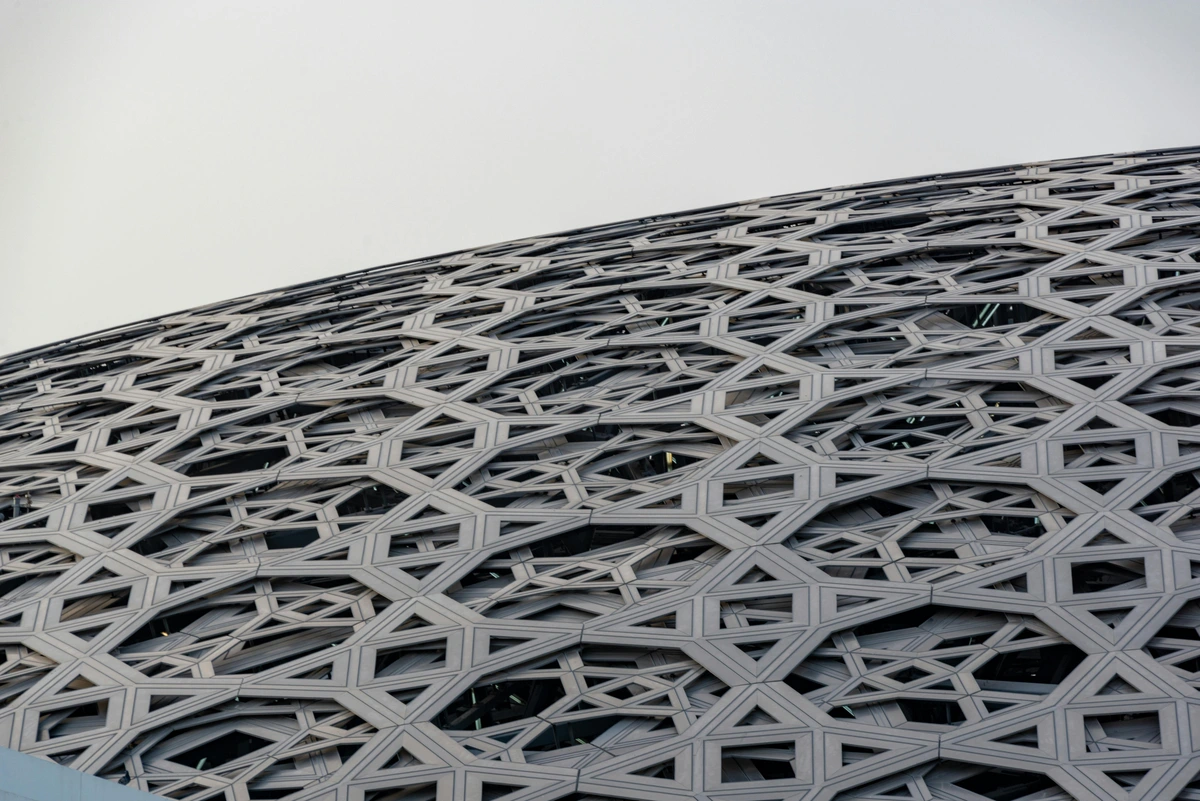
Timing your visit wisely can significantly enhance your experience. The UAE summer (June to September) is, let's be honest, incredibly hot, with temperatures soaring to often uncomfortable levels. While the museum is wonderfully air-conditioned throughout, walking around the exterior or spending prolonged time outdoors might be less comfortable during these months. If you can, aim for the cooler, more temperate months between October and May, when the weather is simply glorious for enjoying both the indoor galleries and the breathtaking outdoor spaces, including the stunning waterfront promenades, tranquil courtyards, and even the unique kayaking tours around the museum.
Weekdays are generally less crowded than weekends (remember, Friday and Saturday constitute the weekend in the UAE), offering a more serene, almost meditative experience. I have a personal preference for early mornings, right after opening; there's a certain tranquility and hush before the larger crowds arrive, allowing for a more intimate engagement with the art and architecture. You might even catch the dome's "rain of light" at its most dramatic, casting ethereal patterns across the galleries in a truly magical way. Also, keep a close eye on their official schedule for special events, engaging temporary exhibitions, thought-provoking film screenings, interactive educational workshops, or even enchanting sunset viewings and concert series, which can offer a truly magical atmosphere and a different dimension to your visit. For example, during cooler months, they might host outdoor performances, vibrant art markets, family festivals, or even wellness events like yoga under the dome, transforming the museum grounds into a dynamic cultural bazaar. Some evenings feature spectacular guided tours or performances under the illuminated dome, creating an unforgettable and unique experience that blends art, architecture, and the natural environment. I always check their calendar a few weeks before my trip; sometimes, catching a specific event – like an artist talk, a classical music concert, or a film screening under the 'rain of light' – can completely elevate the visit from a simple viewing to a profound cultural immersion. Consider attending one of their evening events; seeing the museum bathed in artificial light under the dome's intricate patterns is a truly different and enchanting experience that reveals another facet of Nouvel's genius.
Tickets and Timing
This is crucial: book your tickets online in advance! Seriously, do it. It not only saves you precious time queuing upon arrival but also guarantees entry, especially during peak season or for popular temporary exhibitions. The museum offers various ticket types, including general admission, specific exhibition access for temporary exhibitions (which are often fantastic and absolutely worth the separate ticket!), and sometimes even family packages or annual memberships if you're a local or planning multiple visits. Annual memberships, for instance, often grant unlimited entry, discounts at the boutique and cafes, and invitations to members-only events, which can be a real treat, offering exclusive access and insights into the museum's ongoing initiatives. For visitors with specific needs, the museum is fully accessible, offering ramps, wide elevators, and readily available wheelchairs for loan from the information desk, ensuring everyone can comfortably navigate the galleries and outdoor spaces. Booking online in advance not only streamlines your entry and helps you avoid queues but can also sometimes offer slight discounts or access to time slots that might sell out during peak periods, particularly for highly anticipated special exhibitions. Trust me, you don't want to arrive only to find all tickets are gone for the day, especially after making the journey to Saadiyat Island! They also offer excellent, comprehensive audio guides in multiple languages (Arabic, English, French, German, Spanish, Mandarin, Japanese, Russian, and more), which I highly recommend for enriching your understanding of the collection's universal narrative, providing insightful commentary on key artworks and the museum's philosophy. These can be rented upon arrival or sometimes accessed via the official museum app for a personalized tour.
I usually allocate at least 3-4 hours for a comprehensive, unhurried visit to the main galleries, and that's not even counting time for lunch, leisurely browsing the gift shop, or simply sitting by the water, soaking in the architectural beauty. If you're an art history enthusiast or a slow, contemplative viewer (like me, who can spend ages pondering a single brushstroke and how it connects to a broader human experience), you could easily spend a full day here, perhaps even splitting your visit to focus on different sections. Consider it like exploring the vast collections of the Rijksmuseum in Amsterdam or The Metropolitan Museum of Art in NYC – you want to savor it, let the art unfold at its own pace, rather than rush through it like a checklist. This is a place for slow discovery and profound connection, so factor that into your timing. For families, consider visiting during off-peak hours or taking advantage of specific family-friendly programs and the dedicated Children's Museum, ensuring a relaxed and enriching experience for everyone.
What to Wear
Abu Dhabi is indeed a cosmopolitan and welcoming city, but as a guest, it's always important to be mindful and respectful of local customs and cultural sensitivities. While there isn't a strict formal dress code for the Louvre Abu Dhabi, I always advise choosing comfortable, modest clothing that covers your shoulders and knees. This means avoiding overly revealing tops, short shorts, or mini-skirts. For men, this generally means trousers or longer shorts, and shirts with sleeves. For women, lightweight trousers, long skirts, or dresses with sleeves are excellent choices. This applies to both men and women, and it just shows a nice level of respect for the local culture and traditions, allowing you to feel more comfortable and blend in seamlessly within the broader Emirati society. Think light, breathable fabrics like linen or cotton – they’re perfect for the climate – and layers are always a good idea given the contrast between the outdoor desert heat and the cool indoor air conditioning. For instance, I always pack a light scarf or a pashmina – it's perfect for covering up if needed, offers a bit of warmth indoors, and can even be useful if you plan to visit other cultural or religious sites during your trip. And don't forget a wide-brimmed hat and sunglasses if you plan to spend time outdoors, especially during the sunnier months! While Abu Dhabi is incredibly welcoming and diverse, I find that embracing modest attire enhances the entire experience, allowing me to feel more connected to the place and its people and focusing the attention on the art, not on what you're wearing.
Given the sheer size of the museum and the amount of exploration you'll be doing, comfortable walking shoes are absolutely non-negotiable – your feet will thank you later, trust me! Sneakers, comfortable sandals, or loafers are ideal. The museum's interior is wonderfully air-conditioned to combat the desert heat, so a light scarf, shawl, or sweater might be a welcome addition to your bag, especially if you tend to get chilly indoors. Think practical elegance and mindful comfort, and you'll be perfectly at ease to embark on your artistic journey.
Navigating the Museum: A Curator's Eye View
This isn't your typical sprawling European palace-turned-museum like the Prado Museum in Madrid or the vast historical collections of the Louvre in Paris. The Louvre Abu Dhabi is designed to be a journey, a deliberately curated experience where its groundbreaking architecture and its thoughtfully assembled collection work in concert to tell a single, universal story of humanity. It’s an immersive narrative, inviting you to engage with art in a profound and interconnected way.
Don't Rush the Architecture
Here's a curator's secret: before you even step inside to look at a single piece of art, take a moment – or twenty! – to absorb the building itself. This isn't just a container for art; it is art, a masterpiece in its own right, a testament to visionary architecture. Walk around the exterior, let the shimmering waters of the Arabian Gulf play with your perception, experience the dynamic interplay of the distinctive perforated dome, the expansive sea, and the dazzling desert light. Stroll through the outdoor 'streets' and tranquil courtyards beneath the monumental dome. Feel the dappled coolness of the shade, listen to the gentle lapping of water in the reflecting pools and the hushed echoes that reverberate under the magnificent, star-perforated canopy. The scent of the sea, the feel of the cool air currents, and the mesmerizing dance of light and shadow create a multi-sensory prelude to the art within, a holistic immersion before you even cross the threshold. This profound connection to the natural environment and the architect's vision is utterly integral to understanding the museum's entire philosophy. It's an artwork in constant dialogue with its surroundings, a truly holistic experience that preps your mind for the universal stories within, symbolizing a bridge not just between East and West, but between nature and human ingenuity, a dialogue that transcends mere visual appreciation. The interplay of light and shadow, the subtle sound of water, and the cool air beneath the dome all work in concert to create a meditative space, an experience that transcends mere visual appreciation and speaks directly to the soul. It’s a deliberate design to make you feel both grounded and expansive, much like the feelings I aim to evoke in my own abstract paintings. When you're ready to dive deeper into the world of museum operations and the philosophy behind such spaces, consider exploring resources like my guide on how museums acquire art or roles in a museum.
 credit,
licence
credit,
licence
Key Artworks You Absolutely Cannot Miss
While the collection is dynamic and often features loans, certain pieces form the backbone of the universal narrative, serving as anchors in the grand story of humanity. These are more than just historical artifacts; they are profound expressions of human ingenuity and belief across millennia, connecting us all through shared experience. Look for these key highlights:
- The Bactrian Princess: This exquisite ancient statue from Central Asia (around 2000-1800 BCE), often referred to as a 'Mother Goddess,' offers a powerful representation of early human civilization, societal structures, and spiritual beliefs. Its striking, stylized form with wide eyes and folded arms speaks volumes about the artistry and cosmology of its time, inviting contemplation on early human attempts to understand fertility, the divine, and their intricate relationship with the natural world. It’s a quiet testament to early human ingenuity.
- The Two-Headed Idol: A rare and profoundly fascinating Neolithic statue from Jordan (6500 BCE), this enigmatic figure hints at the dawn of organized spiritual beliefs and the profound human need to represent the divine or ancestral. Its sheer antiquity and enduring mystery are truly captivating, making you wonder about the specific rituals and meanings behind its creation, and how early communities conceptualized their world and their place within it.
- A Roman Bronze Head of a Man: An exquisite example of classical portraiture from the 1st century CE, this meticulously crafted head captures the gravitas, individuality, and psychological depth that defined Roman art. It showcases the advanced artistic techniques, such as realistic rendering and an emphasis on individual features, and the societal values of the Roman Empire, emphasizing human likeness and character in a way that feels remarkably contemporary and universally relatable.
- Buddha Head: A serene, elegant piece from China (6th century CE), this sculpture demonstrates the widespread influence and artistic adaptations of Buddhism across Asia, as the faith traveled along ancient trade routes. Its calm, meditative expression embodies the core tenets of enlightenment, inner peace, and compassion that spread across continents, offering a universal message of spiritual introspection and the enduring search for inner tranquility.
- Leonardo da Vinci's "Salvator Mundi": (When on display) This profoundly significant piece, famously acquired by Abu Dhabi, is a powerful statement about the museum's ambition and its commitment to showcasing pivotal works of global art history. While its display is sometimes dynamic due to loans or conservation, its presence in the collection speaks volumes about the museum's vision to collect universal masterpieces, regardless of their origin, bridging the European Renaissance with the modern Middle East and affirming the global, timeless value of human genius and artistic achievement.
- A Gold Bracelet with a Lion's Head: An exquisite example of ancient craftsmanship and luxury from the Neo-Assyrian period (9th-7th century BCE), often found within the "Magnificent Courts" section. Such intricate jewelry, featuring fierce animal motifs, not only showcases incredible technical skill in metallurgy but also symbolizes power, status, royalty, and aesthetic values across diverse cultures, from ancient empires to modern adornment, revealing universal desires for beauty and prestige in personal ornamentation.
- Statue of a Standing Bodhisattva: Representing the spread of Buddhist ideals and artistic forms from India to other parts of Asia, particularly the Gandhara region (2nd-3rd century CE), this majestic figure embodies compassion, wisdom, and enlightenment, guiding devotees towards spiritual awakening. It beautifully illustrates how religious iconography transcended geographical borders while adapting local artistic traditions, creating a universal language of devotion and spiritual guidance.
- Paintings by Impressionist Masters: Works by revolutionary artists like Édouard Manet, Claude Monet, and Paul Cézanne often feature in sections exploring "A New Art of Living" or "Modernity," demonstrating the global dialogue of artistic movements that challenged academic norms. These artists pioneered new ways of seeing and representing the world through light, color, and subjective perception, echoing universal shifts in perspective and societal change, fundamentally altering the course of art history and influencing countless subsequent movements.
- Statue of a God from Ancient Egypt: A potent symbol of divine power and the intricate belief systems of ancient Egypt (e.g., a statue of Osiris or Horus), these sculptures often depict deities or pharaohs with iconic attributes, showcasing masterful carving in stone and the deep spiritual reverence embedded in Egyptian art and cosmology. They served as conduits between the mortal and divine worlds, reflecting a universal human quest for understanding the cosmos.
- Early Islamic Astrolabe: A stunning example of scientific innovation and artistic craftsmanship from the Islamic Golden Age (e.g., 13th-century Andalusia), this complex navigational and astronomical instrument highlights the advanced mathematical and scientific knowledge of the era. It demonstrates the profound cross-cultural scientific exchange that occurred during this period, with influences from Greek, Indian, and Persian scholarship, showcasing human ingenuity in mapping the heavens.
- Ceremonial Mask from West Africa: These powerful masks, rich in symbolism and cultural significance (e.g., from the Dan or Baule peoples), are used in rituals, dances, and performances, embodying ancestral spirits and conveying stories of community, initiation, and social order. They exemplify the profound role of art in spiritual and social life across diverse communities, transcending mere decoration to become vital cultural tools.
- Japanese Woodblock Print (Ukiyo-e): An iconic form of Japanese art from the Edo period (17th-19th centuries), these vibrant prints, by masters like Hokusai or Hiroshige, depict scenes from everyday life, theater, nature, and beautiful women, showcasing exquisite detail and dynamic compositions. They demonstrate the global influence of artistic styles, notably impacting European Impressionism, and offer a window into a specific cultural epoch, while still resonating with universal themes of beauty and transient existence.
Always check the current exhibitions before your visit, as the collection is designed to be dynamic! My advice is to not just look at the label, but really look at the piece. What story does it tell you? How does it make you feel? This kind of contemplation is what makes visiting places like the Guggenheim Museum Bilbao or even a small local gallery so rewarding, allowing you to trace your own connections to the universal story of art.
The Children's Museum
If you're traveling with little ones, typically aged 6-12, the dedicated Children's Museum is an absolutely fantastic resource. It’s not just a playroom; it's a thoughtfully designed space that extends the universal narrative of the main museum to younger audiences. It offers interactive, hands-on educational experiences tailored specifically for children, allowing them to engage with art and cultural themes – like movement, light, architectural forms, or animals in art – in a playful, age-appropriate way. Past exhibitions have included "Feel the Art" exploring textures and senses, or "Animals: From Fable to Reality," blending art with natural history and storytelling, or even "Colours of the World" that encouraged exploration of palettes and cultural symbolism. This dedicated space allows them to explore their own creativity, develop critical thinking skills, and create their own connections with art, often through drawing, building, digital interactives, and immersive storytelling. It’s an ideal spot for families to take a break from the main galleries while ensuring the younger generation still benefits from a truly enriching cultural experience. My own journey into art started with simple curiosity, a playful exploration of colors and forms, and seeing kids engage so freely here truly warms my heart, knowing that the love for art can begin at any age.
Photography Tips
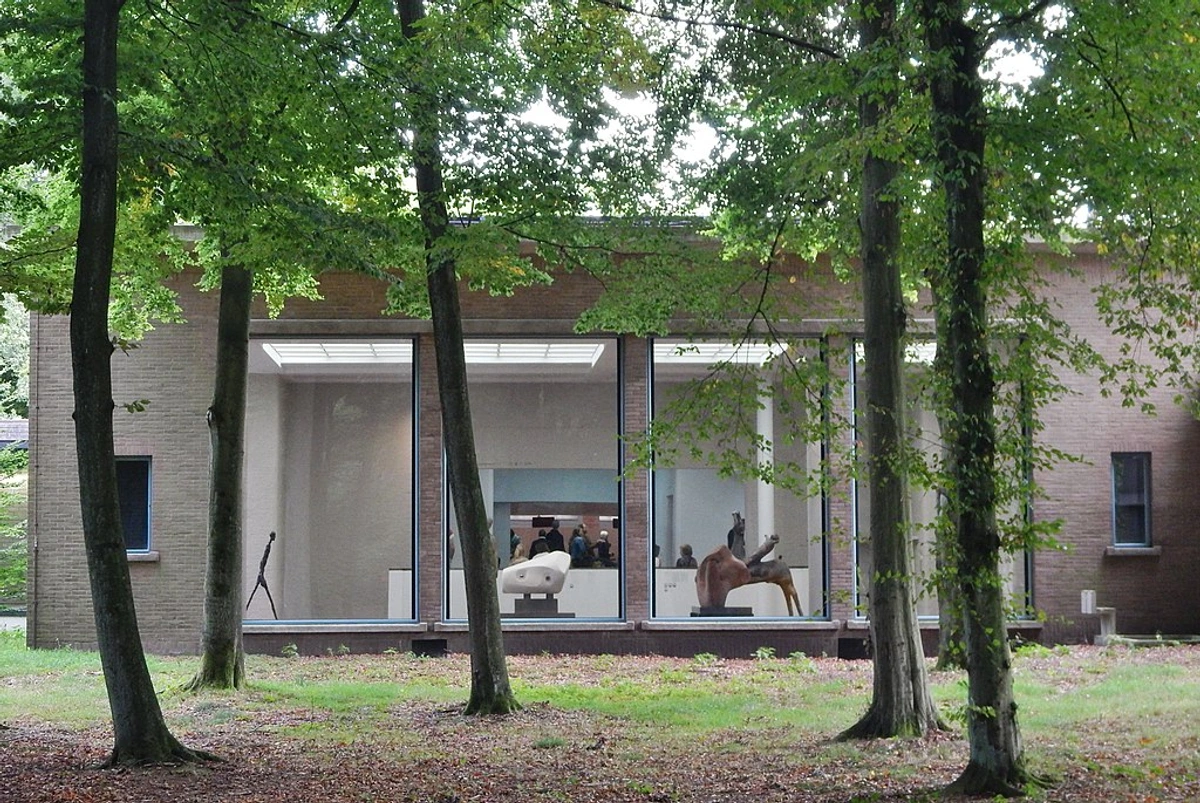
For those of us who love to capture memories, the Louvre Abu Dhabi offers incredible photographic opportunities, a true feast for the lens. While personal photography without flash is generally allowed (this is crucial for the preservation of delicate artworks and the comfort of fellow visitors!), always check signage for specific exhibition restrictions, as some temporary installations or particularly sensitive artworks might have stricter rules. I have a few tips to make your photos truly shine: Take full advantage of the sublime natural light filtering through the dome – it creates stunning, ever-changing effects that are truly unique and can transform ordinary shots into extraordinary ones. Capture the intricate architectural details, the breathtaking reflections on the water (especially around the outer promenades and courtyards), and the unique ways the art interacts with its environment, often bathed in a soft, diffused, almost ethereal glow. The "rain of light" effect under the dome is particularly mesmerizing for photos, creating constantly shifting patterns that dance across the galleries – a true challenge and delight for any photographer. To capture it best, try shooting from different vantage points, looking up at the dome, or focusing on how the light dramatically transforms the artworks themselves. Remember to be respectful of other visitors and avoid blocking views or using large equipment like tripods unless specifically permitted (usually only with prior arrangement and permission). And, as a personal challenge, try to capture not just what you see, but how the space feels – the sense of tranquility, the grandeur, the subtle shifts in light, the palpable atmosphere. When sharing on social media, consider using relevant hashtags like #LouvreAbuDhabi, #UniversalMuseum, #ArtInAbuDhabi, #RainOfLight, or #SaadiyatIsland to connect with a wider audience and share your unique perspective. Don't be afraid to experiment with angles, compositions, and even different times of day to truly capture the unique atmosphere. Remember, the goal isn't just to document, but to interpret the beauty around you, much like an artist interprets a scene on canvas, imbuing it with their own vision.
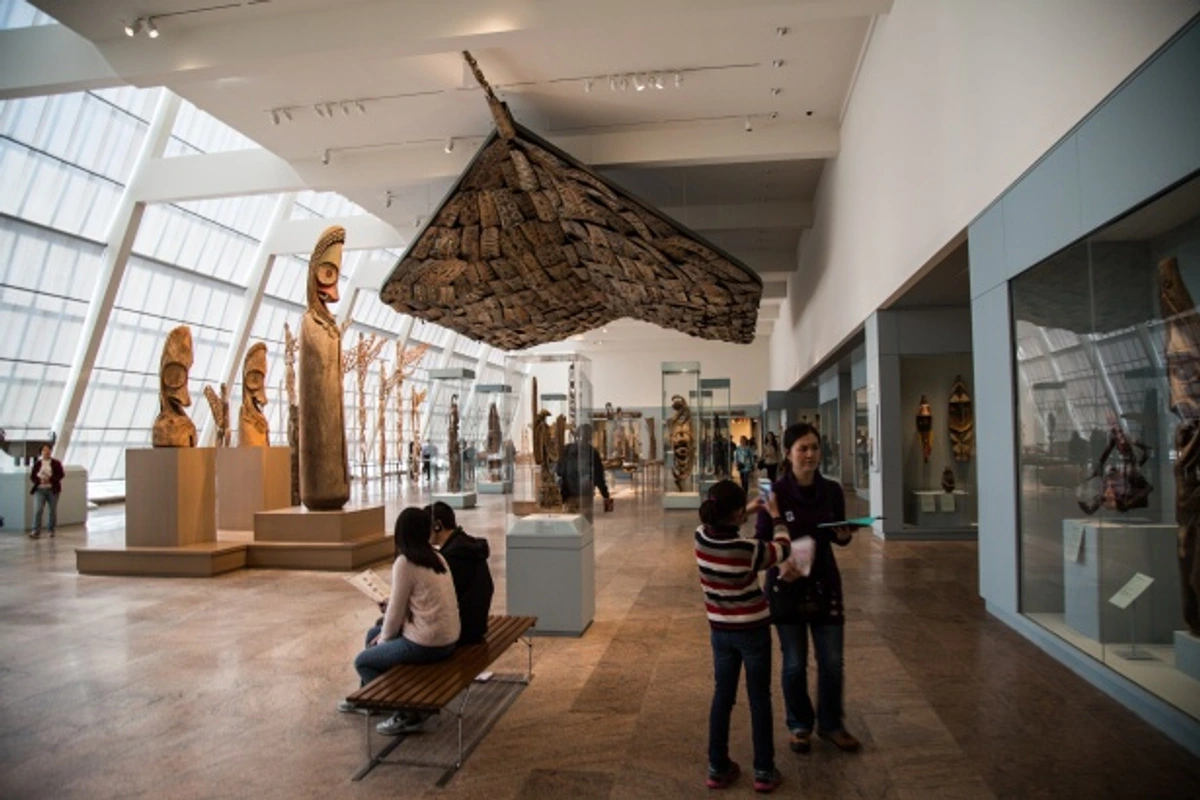
Beyond the Galleries: Water, Light, and Reflection
Seriously, don’t limit your visit to just the indoor galleries. To do so would be missing half the magic, half the profound connection this museum offers! The outdoor promenades, the tranquil water features that seem to merge seamlessly with the surrounding Arabian Gulf, and that ever-changing, mesmerizing light show beneath the dome are as much a part of the experience as the priceless artifacts within. This is where the architecture truly breathes, where the ingenuity of human design meets the boundless beauty of nature, inviting you to slow down and truly immerse yourself in the environment. It's a space that encourages you to engage all your senses, not just your sight.
It's a place for quiet reflection, for simply being in the space, for letting your mind wander and allowing the grandeur to wash over you. I've spent countless moments just observing the shifting patterns of light on the walls and floors, thinking about how architecture can profoundly shape our perception and emotional state, creating a sense of calm and wonder. It's almost a meditation in itself, connecting the grandeur of human creation with the timeless beauty of natural elements like sunlight and water. This interplay of light, water, and structured space deeply resonates with my own artistic practice, where I explore how abstract forms and vibrant colors can evoke similar feelings of boundless connection and introspection. I find myself observing the interplay of light on surfaces here in much the same way I study how light transforms the perception of a new piece in my studio. It’s about finding the art in everything, isn't it? The museum teaches us to see the world as a continuous canvas, where human creation and natural phenomena are in constant, beautiful dialogue. And for a truly unique, breathtaking experience, you can even take a guided kayaking tour around the museum itself for a truly unique, water-level perspective on its architectural genius and its harmonious integration with the sea. Imagine paddling under that iconic dome, observing its intricate patterns from below – it’s an unforgettable experience, offering a serene and active way to appreciate the museum's design from an entirely new vantage point. It’s a perfect blend of adventure and artistic appreciation, particularly during the cooler months when the weather is ideal for outdoor activities.
Workshops, Events, and Guided Tours
credit, licence
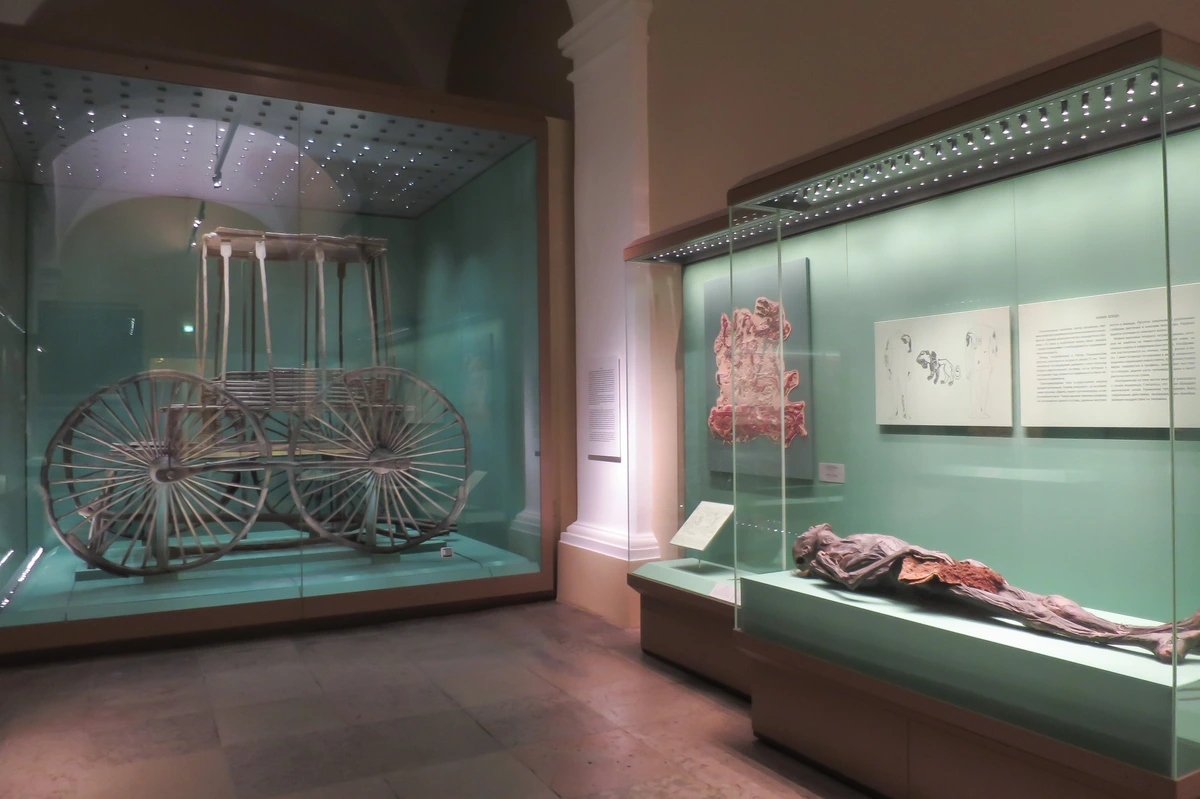
Beyond the permanent collection and special exhibitions, the Louvre Abu Dhabi is a dynamic cultural hub that frequently hosts a variety of workshops, talks, film screenings, and performances for all ages and interests. It's worth checking their official website before your visit to see what's on, as the calendar is always evolving. You might stumble upon a fascinating lecture by an art historian on ancient civilizations, a hands-on workshop inspired by a specific cultural art form (like calligraphy, traditional crafts, pottery, or even contemporary abstract techniques), or even a live music performance under the dome, ranging from classical to contemporary, creating an almost magical acoustic experience. They often have dedicated programs for families, teens, and adults, offering diverse ways to engage with art and culture, from art-making sessions to philosophical discussions, storytelling sessions, and even wellness programs like yoga. These events provide incredible opportunities to deepen your engagement with the museum's themes and the broader world of art, often reflecting the universal connections that are at the core of the museum's mission and encouraging a more active, participatory role for visitors. Keep an eye out for special seasonal festivals or themed cultural weeks that often bring the museum grounds to life with vibrant programming.
credit, licence
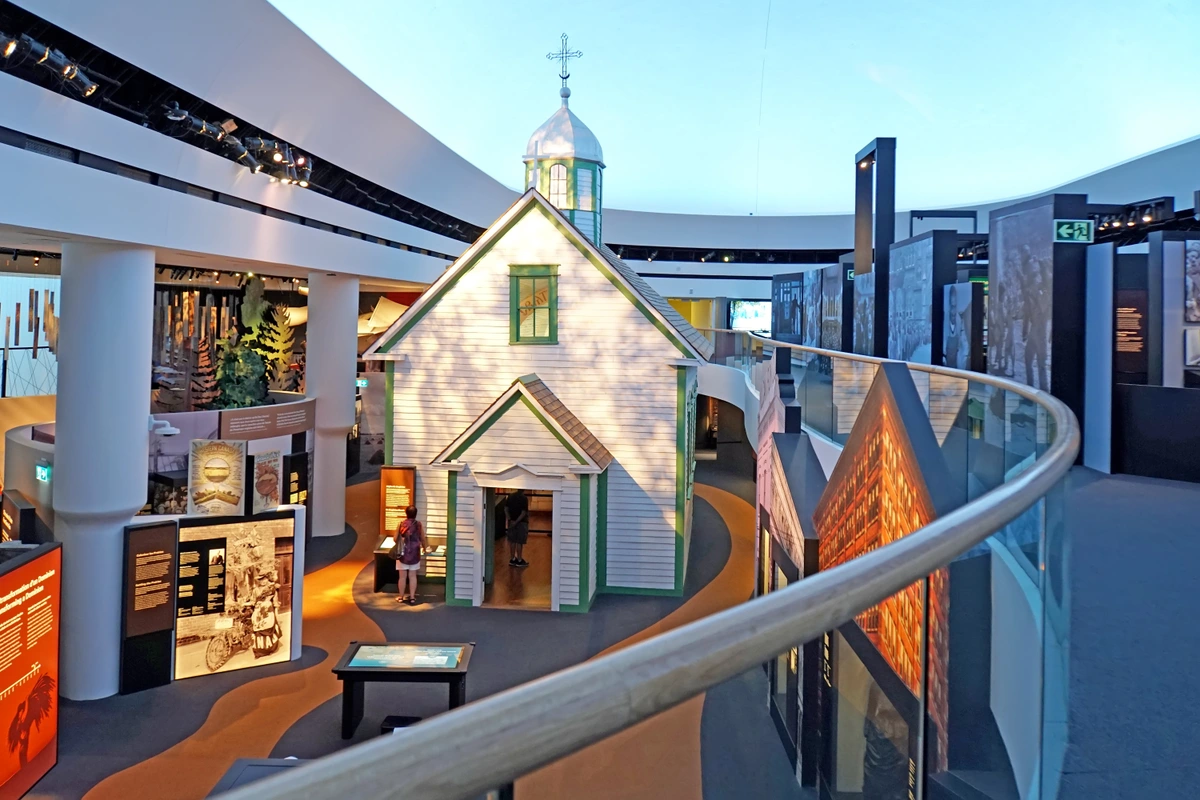
They also offer excellent guided tours, often led by knowledgeable docents, which can provide invaluable insights into the universal narrative and specific artworks. These tours come in various forms – from general introductions to thematic deep-dives, and even architectural tours – catering to different interests. While I often enjoy a solo wander, a good guided tour can truly unlock layers of meaning you might otherwise miss, providing context and highlighting connections you might not spot on your own. I find engaging with a passionate guide to be an incredibly enriching experience, bringing the art to life through their expertise and stories. Don't be shy; ask questions and let their passion guide you! Beyond formal tours, look out for informal talks or pop-up discussions that can happen spontaneously around specific artworks; these unplanned encounters are often some of the most memorable and offer unique, immediate insights.
Fueling Your Artistic Journey: Dining and Shopping Let's be honest, all that profound contemplation, all that walking, all that mental cross-cultural dialogue can make a person wonderfully hungry! The museum understands this inherent human need, offering several excellent dining options to suit various tastes and budgets, ensuring your artistic journey is well-fueled.
For a quick refuel or a delightful coffee break, there are several casual cafes dotted around the premises, perfect for a pastry, a light sandwich, or a refreshing beverage. I often find myself at Aptitude Cafe, which is known for its specialty coffee, artisanal pastries, and light fare, and boasts fantastic views of the surrounding waters and the urban skyline – an ideal spot to pause, jot down some thoughts, and reflect on the art you've seen, letting the inspiration marinate. For something more substantial, and perhaps a touch of French elegance, the renowned Fouquet's Abu Dhabi offers exquisite French cuisine in a chic, sophisticated setting with stunning panoramic views of the Arabian Gulf and the mesmerizing dome. Imagine savoring a classic French dish like steak frites or an expertly prepared sole meunière while gazing out at this architectural marvel – it’s a culinary experience that truly complements the artistic one! There’s also the Museum Café, offering a more relaxed atmosphere and a range of international dishes to suit various palates, from local specialties to comforting familiar favorites, perfect for a family lunch. I usually grab a coffee and a light snack to sustain my focus mid-visit, then maybe indulge in a more substantial, reflective meal afterward, perhaps at Fouquet's, letting the day's artistic journey simmer and truly sinking into the experience. For a truly memorable experience, try to secure a table with a view of the dome or the surrounding waters at one of the more upscale options; it really extends the magic of the visit and allows for a moment of luxurious contemplation. And if you're looking for something lighter but equally delicious, the museum also features smaller kiosks offering refreshing drinks and quick bites, perfect for re-energizing without losing momentum and allowing you to maximize your time in the galleries.
The Museum Boutique
The gift shop (or, as I prefer to call it, the museum boutique) is, as expected, beautifully curated and an extension of the museum's aesthetic and universal narrative, a treasure trove in itself. You’ll find an impressive selection of books on art history, architecture, Islamic art, and general cultural studies, alongside exquisite exhibition catalogues, scholarly publications, and even children's books that cleverly introduce art concepts, offering deeper dives into the themes presented within the galleries. Beyond literature, there are unique souvenirs, high-quality replicas of iconic artifacts from the collection, bespoke locally inspired crafts (from intricate pottery to woven textiles), contemporary jewelry by regional designers, and even educational toys and games for children that echo the museum's themes, fostering curiosity and creativity in young minds. You’ll find everything from intricate calligraphy sets to sleek modern design pieces, luxurious home decor items, and bespoke fashion accessories, all reflecting the museum's unique blend of tradition and modernity. It’s a fantastic place to pick up a meaningful memento of your visit, find a thoughtful, culturally rich gift for someone special, or even simply gather inspiration for your own creative endeavors. They also often feature limited-edition items tied to temporary exhibitions, making each visit's shopping experience truly unique. I confess, I always leave with a new book or a small object that sparked a creative idea; it’s like taking a piece of that universal dialogue home with you, much like a collector might acquire a piece of abstract art to continue an aesthetic conversation, bringing the museum's spirit into your own space and extending the conversation beyond the museum walls.
Making the Most of Your Experience: My Personal Reflections

For me, visiting the Louvre Abu Dhabi isn't just about ticking off a list of masterpieces from an art history textbook. It's about deep immersion. It's about understanding, on a visceral level, how art effortlessly bridges gaps, how human stories are truly universal, and how profound beauty can be found in the most unexpected dialogues across time and culture. This is why I created my own timeline, to trace these threads and explore the evolution of human creativity, seeing how each era builds upon or reacts to what came before, revealing the intricate dance of influence and innovation across the centuries.
credit, licence
I wholeheartedly encourage you to approach your visit with a sense of open curiosity and a willingness to simply be, to let the atmosphere and the art wash over you. Don't feel pressured to rush through. Here are a few personal reflections and tips to truly make the most of your experience, ensuring it's not just a visit, but a memorable journey, one that stays with you long after you've left:
- Utilize the Museum App: Before or during your visit, make sure to download the official Louvre Abu Dhabi app. It often provides invaluable interactive maps, excellent audio guides (sometimes even more in-depth than the rented physical ones), rich additional information on artworks, and up-to-date details on current events and programs, enhancing your overall experience significantly. It's like having a personal curator and navigator in your pocket, offering layers of context and insight that deepen your connection to the universal narrative and help you explore at your own pace. I find it invaluable for planning my route and getting quick, reliable facts on the fly.
- Consider Returning for Temporary Exhibitions: The museum consistently hosts world-class temporary exhibitions that are often just as compelling, if not more so, than the permanent collection. If you're staying in Abu Dhabi for a few days or weeks, definitely check if there's a new one opening; they offer fresh perspectives and deep dives into specific themes or artists, often showcasing works that directly challenge or complement the permanent collection's universal narrative. These are often where some of the most exciting new dialogues emerge and where you can encounter truly rare masterpieces and contemporary insights.
- Slow Down, Always: This isn't a race to tick off a checklist of famous pieces. Don't try to see everything in one go. Instead, pick a few galleries or thematic sections that truly pique your interest and commit to spending quality, unhurried time with the pieces. Let them speak to you, let their stories unfold, and don't feel pressured to absorb every single detail immediately. The beauty of a universal museum is that it invites multiple visits, each offering new discoveries and deeper connections. It’s about quality of engagement over quantity of exhibits seen, allowing for genuine introspection and discovery.
- Engage Beyond the Label: Of course, read the labels – they offer invaluable context and scholarly insights from the museum's experts. But then, step back. Let your own feelings, intuition, and personal experiences guide you. What emotions does the artwork evoke? What questions does it spark about the human condition? What are your personal connections to the universal themes presented? This personal engagement is where the real magic happens, where the art transcends its historical context and truly resonates with your own humanity. I sometimes challenge myself to look at a piece for five minutes before reading the label, just to see what stories it tells me and what initial impressions it leaves.
- Look Up, Look Down, Look Around: The building itself, designed by Jean Nouvel, is a masterpiece, a co-star to the collection within. Don't forget to constantly admire the awe-inspiring dome, the reflective water channels that extend the sea into the museum, and the ever-changing natural light that filters through, creating the iconic 'rain of light' effect. It’s a holistic, almost spiritual experience, one that deeply resonates with my belief that art isn't just confined to a frame or a pedestal, but surrounds us, much like my own abstract pieces are designed to evoke boundless connections. The architecture is a silent, yet powerful, part of the narrative, constantly engaging your senses and inviting contemplation on the interconnectedness of art, nature, and human ingenuity.
- Take a Journal: Seriously, bring a small notebook or a sketch pad. Jot down thoughts, sketch a detail that catches your eye, or simply record a feeling that a piece or a space evokes. It's a wonderful way to process and remember your journey, helping you capture those fleeting moments of inspiration and personal reflections that might otherwise fade. It turns your visit into a more active, creative dialogue.
- Embrace the Unexpected: Sometimes, the most memorable encounters aren't with the most famous pieces, but with a quiet, lesser-known artifact that just clicks with you, sparking a profound realization or a new line of inquiry. Be open to those serendipitous moments, as they often lead to the most profound personal discoveries and connections, revealing unexpected beauty or meaning in the periphery.
- Talk to the Staff: The museum staff, from security to information desk personnel, are often incredibly knowledgeable and passionate about the museum and its collection. Don't hesitate to ask questions or strike up a conversation about a piece; you might gain an unexpected insight or learn a fascinating tidbit that enriches your understanding of a particular artwork or the museum's philosophy, offering a local perspective that deepens your appreciation.
Frequently Asked Questions (FAQ)
I know, I know, you've got questions! When you're planning a trip to such a unique and ambitious cultural destination, it's natural to have a few practical considerations buzzing around. So, let's tackle some of the most common inquiries I hear, because the last thing I want is logistical worries to dampen your artistic immersion.
A Quick Comparison: Louvre Abu Dhabi vs. Louvre Paris | Feature | Louvre Abu Dhabi (Universal Museum) | Louvre Paris (Traditional Encyclopedic Museum) |
| :----------------------- | :-------------------------------------------------------------------- | :------------------------------------------------------------------------------- | | Core Concept | Universal museum, storytelling across cultures, fostering dialogue | Encyclopedic, focusing on Western art history, national collections | | Architecture & Ambiance | Modern, iconic dome by Jean Nouvel, 'rain of light', serene, contemplative | Historic palace, grand, classical, bustling, majestic, traditional | | Collection Size | Smaller, highly curated, thematic, dynamic loans | Massive, comprehensive, vast, largely permanent collection | | Primary Focus | Connections, shared human experience, global artistic evolution | National treasures, historical periods, in-depth regional artistic traditions | | Location | Saadiyat Island, Abu Dhabi, UAE, a burgeoning cultural hub | Heart of Paris, France, within a historic European capital | | Founding | 2017, unique intergovernmental agreement between UAE and France | 1793, former royal palace, evolving over centuries | | Key Curatorial Mission | Forging a universal narrative across diverse cultures and timelines | Managing and presenting vast historical national collections with depth and rigor | | Visitor Journey | Thematic journey, inviting personal connections and cross-cultural parallels | Often chronological/regional, offering deep dives into specific art historical movements | | Educational Emphasis | Commitment to cultural dialogue, education, and research with a global perspective | Preserving and presenting French and Western art, extensive scholarly resources | | Exhibition Strategy | Dynamic, frequently rotating loans from French partners, fostering ongoing discovery | Predominantly permanent collection with world-class special exhibits and scholarly research |
This table pretty much sums up why I find both utterly indispensable in their own ways. Each offers something unique, and comparing them isn't about superiority, but about appreciating their distinct contributions to the art world and the diverse ways we can engage with art history. They truly complement each other on the global stage, offering different yet equally enriching narratives, expanding our understanding of what a museum can be and how it can connect us. Think of them as two different, equally profound ways to experience the vastness of human creativity, each with its own unique story to tell and its own path to universal understanding.
Frequently Asked Questions (FAQ)
How long does it take to visit the Louvre Abu Dhabi?
I recommend dedicating at least 3 to 4 hours to explore the main galleries and truly absorb the thematic narrative. If you include lunch at one of the lovely cafes, a visit to the Children's Museum, leisurely browsing the boutique, or spend extra time enjoying the outdoor spaces, the 'rain of light,' and the remarkable architecture, a full day is easily justifiable. For me, it's often a full-day affair, allowing for contemplation and discovery rather than rushing. Remember, the goal here is thoughtful immersion, not a quick dash through the exhibits.
Is photography allowed inside the museum?
Yes, personal photography is generally allowed for non-commercial use, but always without flash, please – this is crucial for the preservation of the art and the comfort of other visitors. Some specific temporary exhibitions or particularly sensitive artworks might have additional restrictions, so always look out for signage, and if in doubt, just ask a museum staff member. I always find the natural light under the dome provides the most stunning, ethereal shots anyway, far better than any harsh flash could achieve, truly capturing the unique atmosphere. Remember, the focus is on capturing the memory and the aesthetic, not disturbing the experience for others or potentially harming the delicate artworks.

Is the museum accessible for visitors with disabilities or strollers?
Absolutely. The Louvre Abu Dhabi is designed to be fully accessible. There are ramps, wide elevators, and accessible restrooms throughout the museum. Wheelchairs are often available for loan on a first-come, first-served basis at the information desk. Strollers are also welcome, making it a comfortable experience for families with young children. They truly want everyone to experience the art, and I find this commitment to inclusivity deeply inspiring. The pathways are wide, and there are plenty of resting spots, ensuring a comfortable visit for all guests, regardless of mobility.

What languages are spoken by staff and for tours?
The Louvre Abu Dhabi is a truly international institution, and its staff reflects this diversity. You'll find that many staff members are multi-lingual, with English, Arabic, and French being commonly spoken. Guided tours and audio guides are also offered in a variety of languages to accommodate a global audience, typically including English, Arabic, French, German, Spanish, Mandarin, Japanese, and more. It's always best to check their official website or inquire at the information desk for the most up-to-date list of available languages for tours and guides. This commitment to multilingualism ensures that the universal narrative of the museum truly reaches a global audience.
Are there guided tours or audio guides available?
Yes, and I highly recommend them! The museum offers both public guided tours (often included with your ticket or available for a small fee), led by knowledgeable guides who can delve deeper into the collection's themes and the connections between diverse pieces. These tours come in various forms – from general introductions to thematic deep-dives, and even architectural tours – catering to different interests and offering tailored insights. Additionally, comprehensive audio guides are available for rent, offering fascinating commentary on key artworks and the architectural marvels, often in multiple languages. It's a great way to enrich your understanding and appreciate the nuances, especially when you want to absorb every detail of the universal narrative. Don't be shy to ask the guides questions – their passion is infectious! These tours provide an invaluable layer of context, helping you to connect the dots between seemingly disparate artifacts and understand the deeper philosophical underpinnings of the museum's vision.
Is there a dress code for the Louvre Abu Dhabi?
While there's no strict formal dress code, it's advisable to dress modestly out of respect for local culture. This typically means covering your shoulders and knees. Light, breathable fabrics like linen or cotton are ideal for the local climate. And seriously, comfortable walking shoes are an absolute must – your feet will thank you after exploring such an expansive and engaging space. Remember, Abu Dhabi is a respectful, but welcoming city, and dressing modestly is a simple way to show appreciation for local customs.
Are there any restrictions on bags or personal belongings?
Yes, for your comfort and security, and crucially, to ensure the preservation of priceless artworks, the museum has certain restrictions on bags and personal belongings. Large bags, backpacks, and luggage are typically not allowed into the main galleries. However, the museum provides convenient complimentary cloakroom facilities where you can store coats, smaller bags, and umbrellas securely. For larger luggage or bulky items, there are usually secure, well-maintained lockers available, which is a lifesaver if you're exploring the island before or after your visit and don't want to be burdened while immersing yourself in art. It’s always best to check with the information desk upon arrival for their current policy and locations, as you'll want to move freely and comfortably through the galleries, unencumbered, to fully appreciate the art. Please note that security checks are in place upon entry, similar to many international museums, ensuring a safe environment for everyone. My advice? Travel as light as you can, but rest assured, they have you covered if you need to store something.
Is there a prayer room available?
Yes, understanding and respecting the diverse needs of its global visitors, the Louvre Abu Dhabi provides dedicated, well-appointed prayer rooms for both men and women. These quiet, serene spaces offer a peaceful environment for contemplation and prayer, ensuring a comfortable and respectful experience for all. You can easily inquire at the information desk for clear directions to the nearest prayer facilities, which are designed to offer privacy and tranquility. It's another example of the museum's deep commitment to creating a truly inclusive and welcoming environment for all global visitors, reflecting the spirit of universal dialogue that underpins its mission. Also, don't underestimate the power of the museum's official website and social media channels; they are often the most up-to-date sources for planning your visit and discovering hidden gems or any operational changes, so give them a quick check before you head out.
Is there Wi-Fi available at the museum?
Yes, the Louvre Abu Dhabi generally offers free Wi-Fi access throughout the museum, making it easy to stay connected. This can be super handy for using the museum's app, accessing digital resources, looking up additional information on artworks, or simply sharing your experience in real-time (though I always advocate for putting the phone down for a bit and truly immersing yourself!). Look for clear signage or ask at the information desk for connection details, usually found at various points throughout the complex. This seamless connectivity supports both educational exploration and social sharing, bridging the digital and physical experience.
Can children visit the Louvre Abu Dhabi?
Absolutely! The Louvre Abu Dhabi is designed to be a welcoming and enriching experience for all ages. Besides the main galleries, there's a dedicated Children's Museum with interactive exhibits designed specifically for younger visitors, typically aged 6-12, making it a truly family-friendly destination. It’s a wonderful way to introduce them to art and culture in an engaging, hands-on environment, fostering curiosity and creativity from a young age through playful learning experiences. My own journey into art started with simple curiosity, a playful exploration of colors and forms, and seeing kids engage so freely here truly warms my heart, knowing that the love for art can begin at any age. The Children's Museum also frequently hosts themed workshops and art-making sessions led by museum educators, giving kids the chance to get hands-on with materials and techniques inspired by the collection. These programs are often designed to foster a sense of global citizenship and creativity, perfectly aligning with the museum's universal mission.
Beyond the Museum: Exploring Saadiyat Island
Your journey to the Louvre Abu Dhabi doesn't have to end at its magnificent doors; in fact, it's just the beginning of discovering the broader cultural tapestry of Saadiyat Island. This remarkable destination, often referred to as Abu Dhabi's cultural district, is rapidly developing into a world-class destination in its own right, offering a wealth of experiences just a stone's throw from the museum. In fact, exploring Saadiyat Island can truly complement and extend your cultural immersion, offering a profound glimpse into Abu Dhabi's ambitious vision for the future, blending art, nature, and luxury in a harmonious, sustainable way.
Saadiyat Island itself is a master-planned project designed to be a vibrant hub of cultural, leisure, and residential offerings. Its name, meaning 'island of enlightenment' in Arabic, truly reflects its profound ambition to be a beacon of knowledge and artistic expression. This makes it an ideal place to spend more than just a few hours, allowing for a deeper appreciation of Abu Dhabi's pivotal role on the global cultural stage.
Here are some other compelling attractions and future developments to explore on Saadiyat Island that perfectly complement your Louvre Abu Dhabi experience:
- Manarat Al Saadiyat: This is the island's dedicated arts and culture center, a dynamic creative space that often hosts a revolving calendar of exhibitions, workshops, film screenings, and performances. It serves as a vital exhibition space, a public engagement point, and a venue for cultural events, showcasing everything from photography and digital art to contemporary Emirati and regional works, providing a fascinating contrast and complement to the Louvre's universal focus. It's truly a dynamic hub for local artistic expression and dialogue, a great place to experience the vibrant contemporary art scene of the UAE and see how local artists are responding to global trends and engaging in cross-cultural conversations. You might even find an art fair, a film festival, or a public art installation taking place here, extending the cultural offerings far beyond traditional museum walls. I always pop in to see what local talent is on display; it offers a wonderful counterpoint to the global narrative of the Louvre Abu Dhabi, grounding it in regional creativity.
- Zayed National Museum (Under Development): While still under construction, this future museum, designed by the acclaimed Foster + Partners, will be the national museum of the UAE and a profound tribute to the nation's heritage. It will tell the inspiring story of the late Sheikh Zayed bin Sultan Al Nahyan, the visionary founding father of the UAE, and chronicle the rich history, culture, and social and economic transformation of the Emirates. Its iconic falcon-wing-inspired architecture, with its towering, lightweight structures designed to resemble the wings of a falcon in flight, promises to be another breathtaking landmark, a symbol of aspiration and progress. Its grand opening will undoubtedly be a pivotal moment for understanding the nation's heritage, its journey to modernity, and its forward-looking vision, offering a deep dive into the unique story of the Emirates and their significant place in the global narrative. Keep an eye out for its grand opening, which is expected to further cement Saadiyat Island's cultural significance and provide an essential historical context to the region.
- Guggenheim Abu Dhabi (Under Development): Another architectural marvel in the making, designed by the legendary Pritzker Prize-winning architect Frank Gehry, this will be a sister institution to its New York and Guggenheim Museum Bilbao counterparts. Its distinctive cluster of conical, cylindrical, and sculptural forms, reminiscent of a traditional Gulf wind tower, promises to be a landmark in itself and a striking addition to the island's skyline. It will focus on modern and contemporary art from the 1960s to the present day, with a particular emphasis on art from the Middle East, North Africa, and South Asia, offering a truly global perspective on contemporary creativity. Its presence promises to be a game-changer for the region's contemporary art scene, offering a global perspective on recent artistic developments and fostering new dialogues that align perfectly with the universal mission of the Louvre, but with a distinct, modern focus and a commitment to showcasing diverse artistic voices from across the globe. I'm incredibly excited to see how this institution will challenge and expand our understanding of global contemporary art and its evolving narratives.
- Soul Beach: If you need a moment of blissful relaxation after all that art and intellectual stimulation, Saadiyat Island boasts stunning, pristine beaches. Soul Beach offers crystal-clear turquoise waters and soft, white sands, perfect for unwinding, swimming, or simply soaking in the Arabian sun. You can rent comfortable sun loungers, enjoy various watersports like paddleboarding or kayaking, or dine at the delightful beachside eateries, making it a perfect complement to a cultural day, allowing you to reflect on the beauty both human-made and natural in a tranquil setting. This beautifully managed beach provides a serene escape with panoramic views of the glittering Arabian Gulf, a true oasis of calm. After a deep dive into art, there's nothing quite like the soothing rhythm of the waves and the vastness of the sea to bring you back to nature and offer a sense of renewal.
- Saadiyat Beach Golf Club: For those inclined towards a bit of sport and recreation, this award-winning beachfront championship golf course, designed by the legendary Gary Player, offers incredible views of the Arabian Gulf and a challenging yet rewarding round for golfers of all levels. Its immaculate fairways, oceanfront holes, and natural dunes provide a truly unique and memorable golfing experience amidst stunning scenery, a world-class amenity in this burgeoning cultural and leisure destination. This seamless blend of world-class culture, luxury leisure, and pristine natural beauty is what makes Saadiyat Island truly special, offering something for every type of traveler, from art lovers to golf enthusiasts. Even if you're not a golfer, the verdant landscape contrasting with the desert and sea is a sight to behold, a testament to the island's comprehensive vision for a holistic destination.
Exploring these nearby attractions can truly round out your visit, giving you a fuller picture of Abu Dhabi's dynamic cultural landscape and its visionary plan for the future. Beyond these, Saadiyat Island continues to evolve, with ambitious plans for more residential areas, luxury resorts, and further cultural institutions, promising an even richer and more comprehensive visitor experience in the years to come. It’s a destination that beautifully marries culture, nature, and luxury, positioning Abu Dhabi as a leading global cultural and leisure hub, a true testament to forward-thinking urban development and cultural investment. Consider checking for specific art festivals or cultural events that occasionally take place across the island, like components of 'Art Dubai' or other regional art initiatives, as these can add another layer of unique insight to your visit and offer a chance to engage with the vibrant contemporary scene.
Conclusion: Your Journey Continues Beyond the Walls
There's so much more to discover here, and I hope this guide helps you feel a little less like a first-timer and a lot more like a seasoned explorer. The Louvre Abu Dhabi is more than just a place to see art; it's a place to feel it, to understand our shared humanity under a most extraordinary roof. Go, explore, and let the art speak to you! Perhaps it will even inspire your own creative journey, just like the colors and forms in my abstract work often speak to the connections I feel across different cultures and eras. It’s all about finding that universal thread, isn't it? If you're curious about how art can inspire, I invite you to see some of my work, perhaps even consider something for your own space, where it can continue the dialogue you started at the museum. Find out more at [/buy]. And if you want to see what else I'm up to, you can always visit me at the [/den-bosch-museum] or trace connections through my artistic timeline.
Happy exploring! I truly hope you enjoy your visit as much as I always do, and that it sparks a deeper appreciation for the boundless, interconnected story of human creativity. It's a journey that will stay with you long after you've left the 'rain of light' behind.
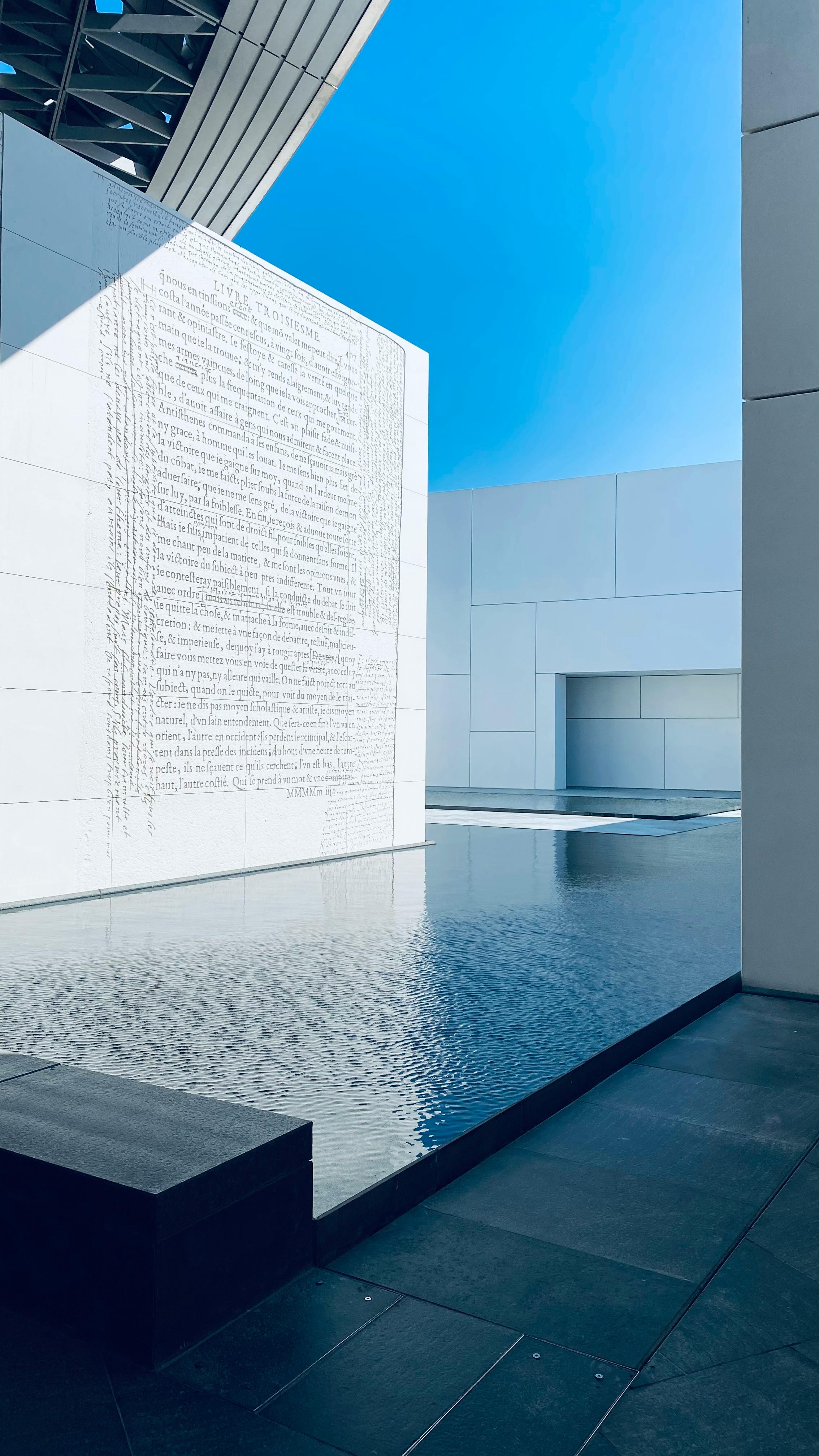
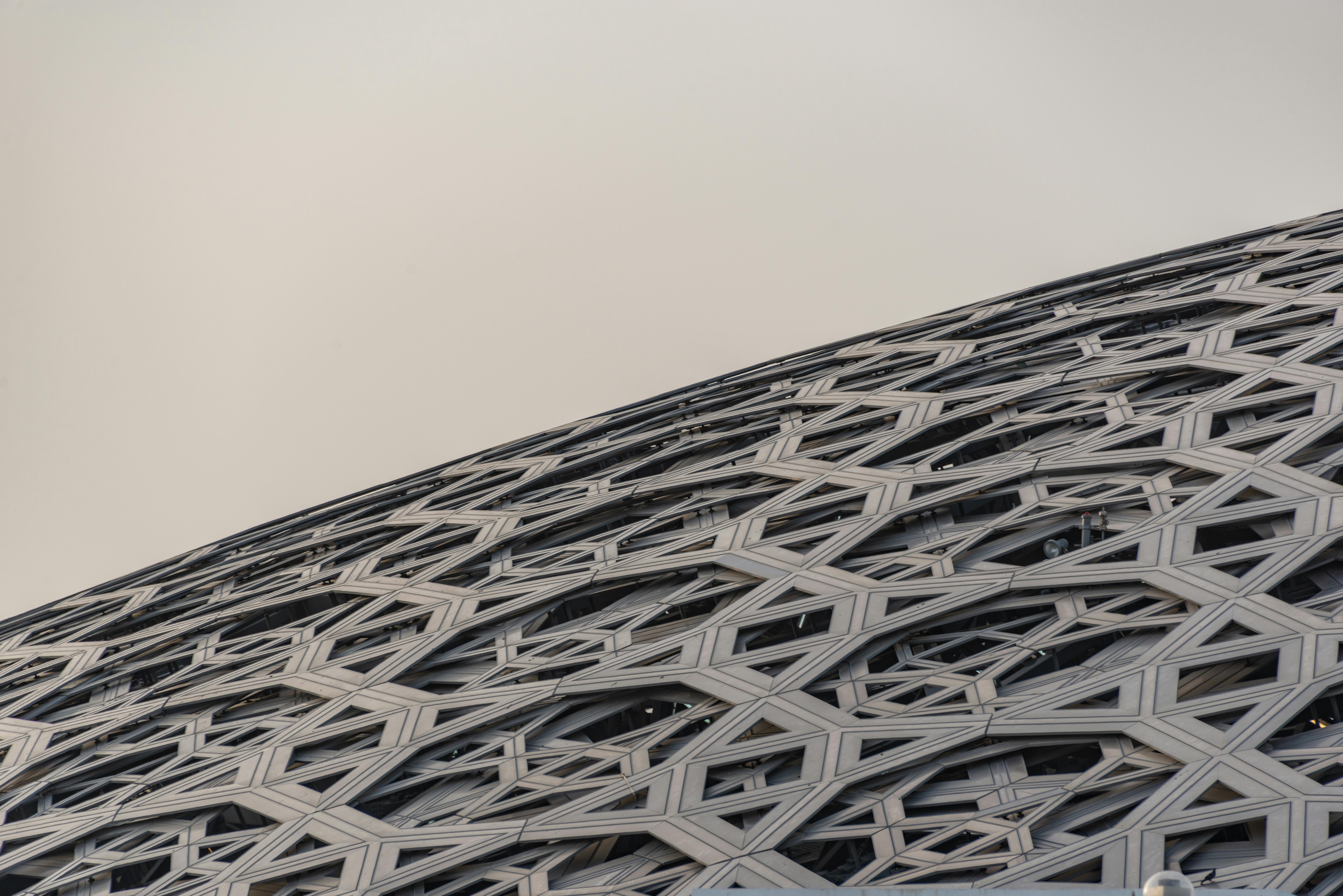

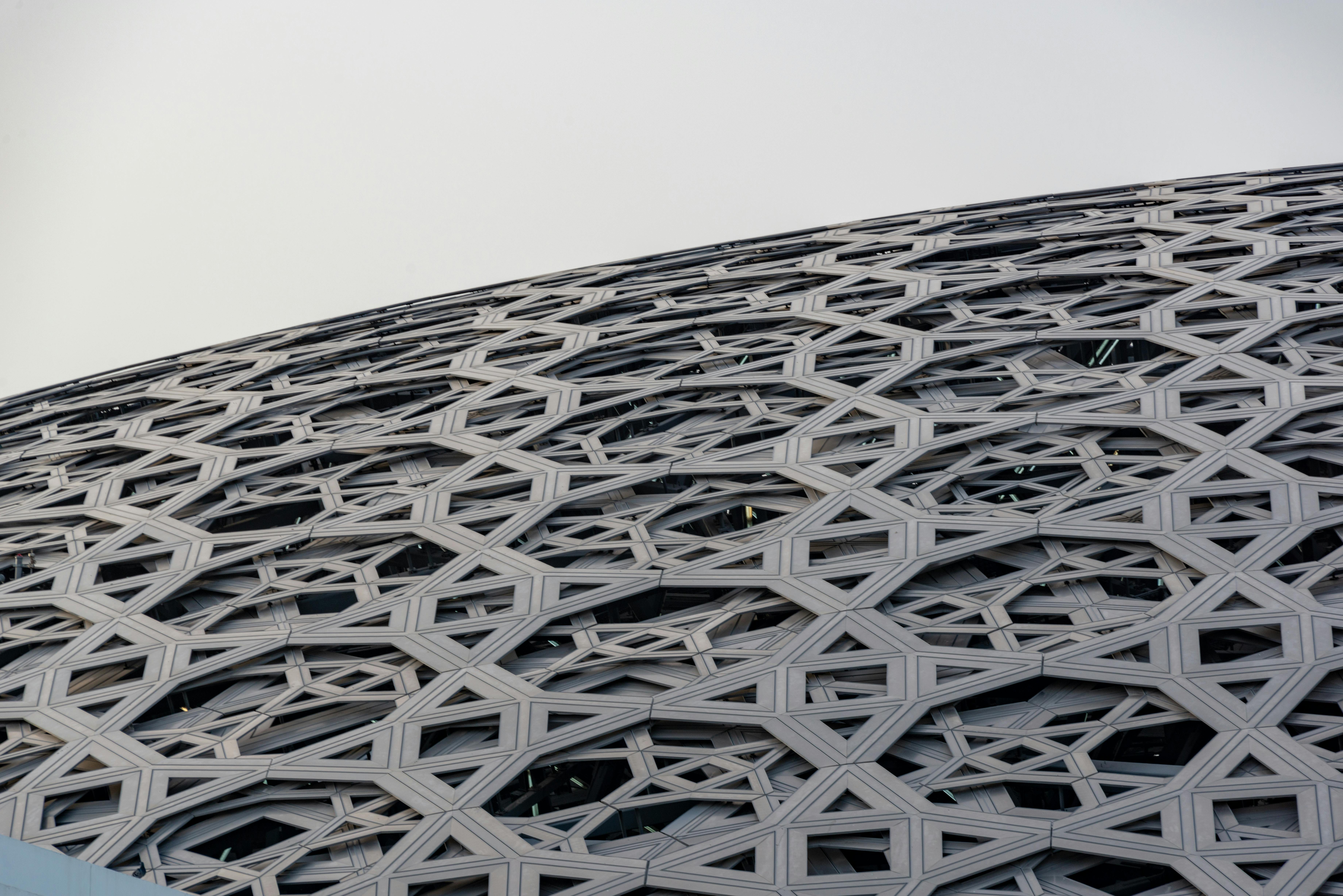




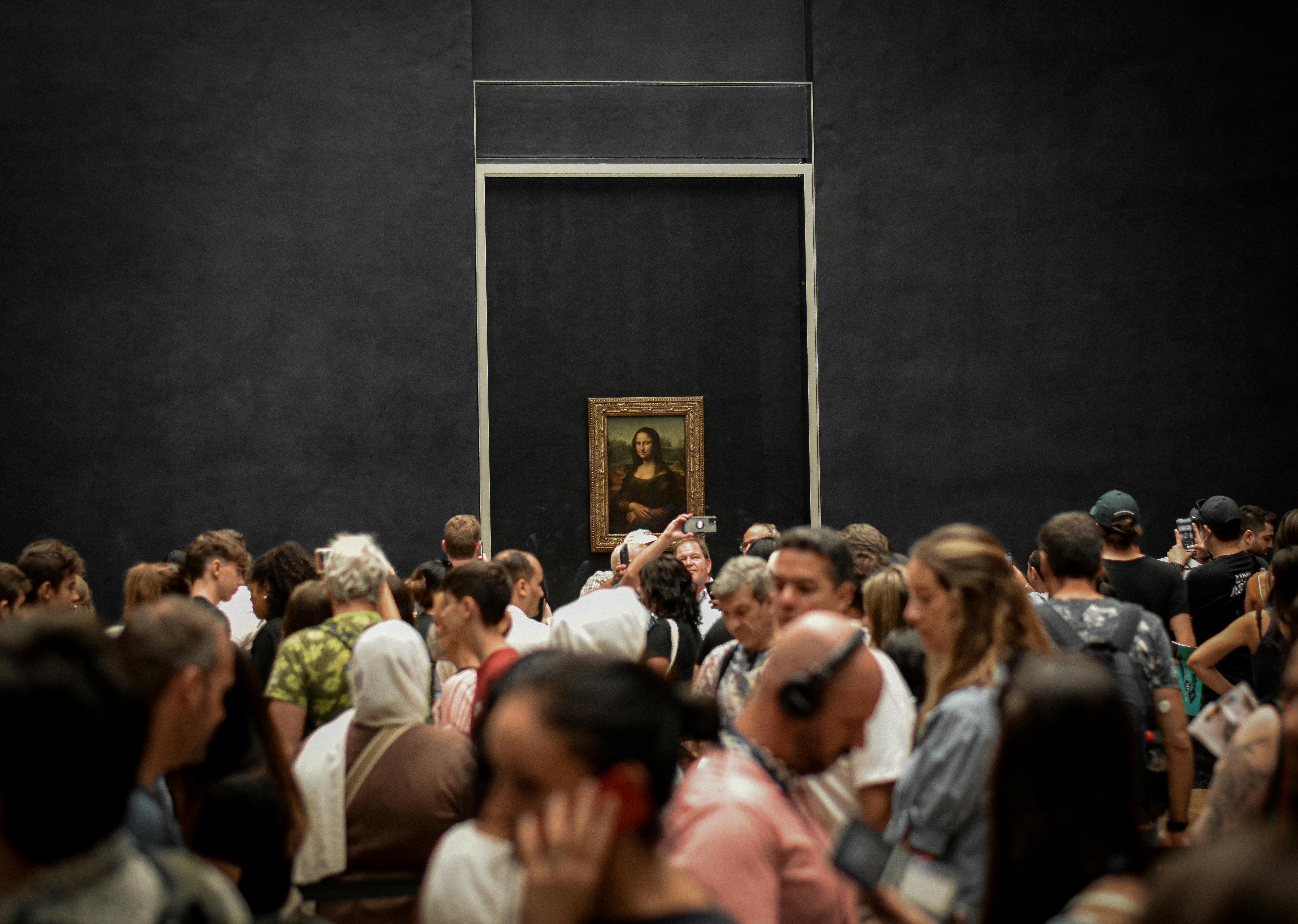


Your Journey Continues Beyond the Walls
Remember, the experience doesn't end when you leave the magnificent dome. The inspiration you gather, the connections you make, and the questions that arise can continue to resonate long after your visit. That's the enduring power of a universal museum – it's designed to stay with you. It sparks a dialogue not just between artworks, but within ourselves, continually shaping our perspective on human history and creativity. So, take those insights, those newfound perspectives, and let them enrich your own creative life and understanding of the world. After all, isn't that what art is truly for? It's about seeing the threads that connect us all, everywhere, across time and space, fostering a global appreciation for human ingenuity.