Storm King Art Center: Your Comprehensive Guide to Unforgettable Outdoor Sculpture & Nature
Navigate Storm King Art Center's 500 acres of monumental outdoor sculpture with this ultimate, in-depth guide. Discover insider tips on tickets, transport, must-see works like Maya Lin's Wavefield, and how the landscape actively shapes your art experience. Plan your unforgettable Hudson Valley art adventure now.

The Ultimate First-Timer's Guide to Storm King Art Center: Your Unforgettable Journey Awaits!
Some places, you hear about them for years, places people rave about, and you just nod along, thinking, "Yeah, I'll get there eventually." For me, Storm King Art Center was one of those. And let me tell you, it's not just another museum; it's a sprawling 500-acre landscape where colossal sculptures interact directly with rolling hills and distant mountains. Tucked away in New York's Hudson Valley, it's a place that absolutely demands you to experience art, not just observe it. My first trip there was an absolute revelation – a beautiful, sometimes challenging, blend of art, nature, and, if I'm honest, a significant amount of walking! (My calves still remember that day with a mixture of pride and phantom aches.) Prepare yourself, because this is everything I wished I'd known, meticulously gathered to make your first visit truly unforgettable. This guide will equip you with all the essential knowledge for planning your visit, from transportation and tickets to navigating the grounds and making the most of your unforgettable journey.
A Revolutionary Vision: Where Giants Meet the Earth
To truly appreciate the magic of Storm King, it's essential to understand the groundbreaking vision that brought it to life. Before it became the iconic sculpture park we know today, this land had a rich history – a largely agricultural one, stewarded by various hands, before becoming a private estate. Records show it was primarily farmland for centuries, with the fertile Hudson Valley soil supporting diverse crops like corn and wheat, and livestock such as dairy cows and sheep, reflecting the region's deep agricultural roots. Generations of farmers worked this very land, shaping its contours long before any artist did. Then, in 1960, a seismic shift began. It started, surprisingly, not as a sculpture park, but as a museum dedicated to painting. However, visionaries H. Peter Stern and Ralph E. Ogden soon transformed it into something groundbreaking. Their mission was clear and, frankly, felt revolutionary when I first learned about it: to create a place where large-scale sculpture could truly thrive, unconstrained by traditional gallery walls.
They reportedly chose this particular site for its unparalleled natural topography – rolling hills, expansive fields, and distant mountain vistas that offered an inherent dialogue with monumental art. They envisioned a dynamic, ongoing conversation between art and nature, where the very land was an integral part of the artistic narrative, a canvas and a co-creator rather than just a backdrop. This concept fundamentally challenged the traditional confines of a gallery – those pristine white walls and controlled environments that often detach art from the living world. Instead, their dedication to monumental, site-specific work – art designed and created specifically for a particular location, deeply interacting with its unique environment – is what allows pieces to truly breathe. This means a sculpture isn't just placed on the land; its angles might frame a distant mountain peak, its surface might reflect the changing light of the Hudson Valley sky, or its form might even subtly mimic the geological undulations of the Schunemunk Ridge nearby. It’s about creating a profound dialogue, where the environment isn't passive but an active participant. It's a far cry from a gallery piece, where the space is often a neutral container, often leaving art feeling constrained.
This integration is why you see pieces from every angle, why they transform with changing light, weather, and seasons. It's this deep-rooted philosophy that continues to shape every aspect of the experience, reminding us that art isn't just for looking at, but for living with, for walking through, and for integrating into the broader canvas of our world. For someone like me, who deeply appreciates how art can transform a space – or how a space can transform art – it’s just magical. It truly makes you question everything you thought you knew about art display, pushing beyond traditional gallery confines, much like the challenging ideas found when exploring [the definitive guide to the history of abstract art, key movements, artists, and evolution](/finder/page/the-definitive-guide-to-the-history-of-abstract-art-key-movements-artists-and-evolution). It’s where art becomes an immersive environment itself.
The Evolving Canvas: Permanent Collection Meets Dynamic Exhibitions
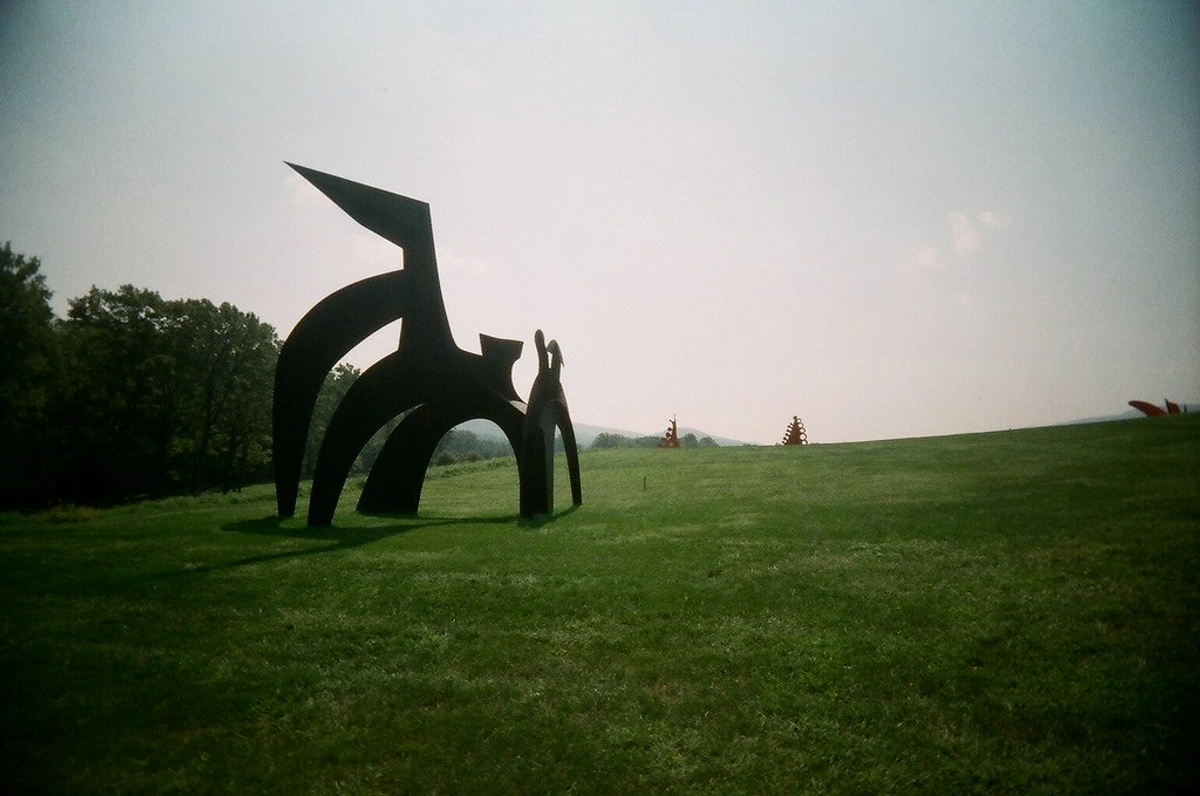
One of the fascinating aspects of Storm King is its dual identity: a world-renowned permanent collection that forms the very bedrock of the experience, and a vibrant program of temporary exhibitions that keeps the landscape perpetually fresh and thought-provoking. The permanent collection is where you'll find the iconic works that define Storm King – pieces by artists like Alexander Calder, Richard Serra, and Maya Lin, meticulously placed over decades to harmonize with the land. For instance, you might encounter Alexander Calder's monumental The Arch, its vibrant red steel curves playfully cutting through the green hills, or walk through Richard Serra's powerful Schunemunk Fork, whose towering Corten steel plates redefine your perception of the sprawling fields. These are the anchors, the sculptures that weather storms and bask in sun, becoming integral parts of the Hudson Valley scenery, literally aging with their surroundings. They’re a constant dialogue with the elements, shaping the very topography.
But then there are the temporary exhibitions, which introduce new voices, experimental forms, and contemporary perspectives, often pushing the boundaries of what outdoor sculpture can be. The center's curatorial team often selects artists whose work directly engages with environmental themes, site-specificity, or innovative materials, ensuring new exhibitions resonate with Storm King's founding vision while exploring contemporary issues. These might explore themes of environmentalism, social commentary, or the use of cutting-edge materials, reflecting trends in [art movements of the 21st century](/finder/page/art-movements-of-the-21st-century). I always recommend checking their website for current exhibitions before you go. It's a wonderful way to see how the center continues to evolve, constantly inviting new conversations between human creativity and the environment. This constant reinvention, while respecting the enduring core, reminds me a lot of how I approach my own art – always building on a fundamental vision while exploring new techniques and ideas, which you can track through my [/timeline] as an artist. Even the small Museum Building near the Visitor Center often hosts more intimate, indoor exhibitions that complement the outdoor experience, offering a different perspective on contemporary art.
Key Artists and Their Iconic Works at Storm King
To give you a glimpse of the artistic giants who have shaped Storm King, here's a brief overview of some standout artists and their indelible contributions:
Artist  | Notable Works at Storm King | Key Characteristics & Impact |
|---|---|---|
| Alexander Calder | The Arch, Five Swords | Pioneer of Mobiles (kinetic sculptures) and Stabiles (stationary abstracts); vibrant, playful, and monumental forms that balance engineering with organic fluidity. Calder's works often appear to defy gravity, a testament to his precise understanding of physics and aesthetics. |
| Richard Serra | Schunemunk Fork, Terminal | Massive, weathered Corten steel sculptures that dramatically alter the viewer's perception of space, gravity, and the landscape; create immersive, architectural pathways. Serra’s installations are often designed to make you feel the weight and scale of the material, forcing a visceral engagement. |
| Maya Lin | Wavefield, Storm King Wall | Celebrated for site-specific environmental art and memorials; works that integrate seamlessly with the earth, shaping topography to evoke natural forms and emotional responses. Lin’s art is about connection to place and memory, often using the earth itself as her primary medium. |
| Mark di Suvero | Ad Astra, Mother Peace | Monumental, often kinetic steel sculptures that invite interaction; industrial materials transformed into dynamic, expressive forms. Di Suvero is known for his ability to transform heavy, industrial steel into seemingly weightless and playful compositions. |
| Henry Moore | Reclining Figure: Arch Leg, Large Two Forms | Humanoid, biomorphic abstract forms that echo natural landscapes and universal themes; often monumental and carved from stone or cast in bronze. Moore's works frequently explore the relationship between the human figure and the landscape, blurring the lines between body and earth. |
| Isamu Noguchi | Momo Taro, The Great Rock of Inner Seeking | Sculptures that blend Eastern and Western aesthetics, often inspired by natural forms and landscapes; works that evoke a sense of timelessness and contemplation. Noguchi's pieces often invite touch and interaction, emphasizing a deep connection to natural materials and forms. |
| Andy Goldsworthy | Storm King Wall | Ephemeral land art and permanent stone structures that follow natural contours, emphasizing natural processes and the passage of time. Goldsworthy’s Storm King Wall, in particular, snakes organically through the landscape, blurring the line between human construction and natural growth. |

Planning Your Sculptural Safari: What I Learned (So You Don't Have To)
Before you embark on this incredible journey, let's talk preparation. Storm King is expansive, and a little foresight goes a long way in maximizing your experience. The way the light changes the sculptures throughout the day, the sheer audacity of placing such powerful human creations in conversation with raw nature – it all prompts a quiet, yet intense, reflection that you don't want to miss due to a lack of planning. To ensure your visit runs as smoothly as possible, here's a breakdown of the essential logistical details I wish I'd had organized from the start:
Tickets & Entry: Don't Just Show Up!
This is a big one, and a mistake I witnessed countless times. Storm King requires timed-entry tickets bought in advance. Seriously, I saw more than a few hopeful souls turned away at the entrance because they hadn't booked ahead. Trust me, secure your spot online well before your planned visit, especially on weekends, holidays, or during peak fall foliage season. It helps them manage visitor flow, and it saves you a potentially heartbreaking drive (or train ride!). Consider it your golden ticket to sculptural paradise.
Essential Visitor Information
To ensure your visit is as smooth and enjoyable as possible, keep these key details in mind, and always double-check the official Storm King website for the most current information before you leave – schedules and policies can change!
- Operating Hours & Seasons: Storm King is generally open from April through December, Wednesday to Monday (closed Tuesdays). Typical hours are 10:00 AM to 5:30 PM, with extended hours during peak summer. However, these can vary seasonally, and special events or maintenance can also affect opening times. Always check their website for the most current schedule and any last-minute alerts. Trust me, it saves a lot of headaches.
- Admission Fees: As of my last check, general admission is around $23 for adults, $18 for seniors (65+), students, and active military. Children under 4 are free. Members enjoy complimentary admission. Check their website for current pricing and any special discount days, like their occasional free community days, which are fantastic but also incredibly popular and book up fast.
- Food & Drink Policy: Picnics are heartily encouraged in designated areas throughout the park – a wonderful way to enjoy the scenery! Please remember to pack out all your trash, leaving no trace. On-site, you'll find the Outdoor Café near the Visitor Center for light fare (think sandwiches, salads, coffee, and snacks, typically in the $10-20 range), along with seasonal food trucks offering various options during warmer months. The food trucks are usually a pleasant surprise. You'll also find several water fountains conveniently located near restrooms and the Visitor Center for refilling your water bottles.
- Restroom Locations: Restrooms are conveniently located at the Visitor Center, the Museum Building, and at several points around the grounds. Consult the map upon arrival for specific locations – knowing this ahead of time is surprisingly comforting.
- Visitor Center Services: The Visitor Center is your primary hub upon arrival. Here, you can collect a physical map, get information from helpful staff (sometimes docents are available), browse the gift shop for unique art-inspired souvenirs, and access restrooms. They do not offer lockers for rent, so plan to carry your belongings or keep them in your vehicle. It’s a great starting point for orientation, and I always grab a map, even if I've been there before.
- Lost & Found: Should you misplace something (easy to do in such a vast space!), head to the Visitor Center or contact Storm King directly after your visit. Be prepared to provide a detailed description and contact information.
- Accessibility: Storm King strives to be accessible. Paved pathways connect many major sculptures and facilities. Accessible restrooms are available at the Visitor Center and Museum Building. The tram service is also wheelchair accessible. Always check their official website for the most current and detailed information regarding accessible routes, tram services, and any specific accommodations you might need. I’ve found their staff to be incredibly helpful in this regard. If you have specific accessibility needs not explicitly covered online, I highly recommend contacting Storm King directly in advance; their team is usually very supportive in providing personalized guidance.
- EV Charging Stations: As a commitment to sustainability, Storm King offers several electric vehicle (EV) charging stations near the main parking area. Check their website or a charging app for availability and any associated fees.
The Best Time to Visit: My Two Cents
Everyone raves about fall, and for good reason – the foliage is spectacular, painting a vibrant, dramatic backdrop to the sculptures. But it's also incredibly busy. My personal preference? I went in late spring, and it was glorious. The fresh, verdant green of the grass, the budding trees, fewer crowds, and pleasantly mild temperatures made all the walking a joy. Each season truly offers a unique perspective on how the sculptures interact with their natural surroundings, from lush summer greens to stark winter silhouettes. Changing light and weather subtly alter their appearance and the very feel of the artwork. Remember that special events, such as new exhibition openings or community days, can significantly increase visitor numbers, regardless of the season, so always check the calendar if you prefer fewer crowds.
Here’s a quick overview:
Season | Pros | Cons |
|---|---|---|
| Spring (Apr-May) | Mild temps, lush greens, fewer crowds | Still a chance of cooler, rainy days, some areas might be recovering from winter |
| Early Summer (Jun-Jul) | Longer days, vibrant greens, warm but not hot | Can get busy, humidity starts to creep in, popular for school trips |
| Late Summer (Aug) | Peak outdoor activity, all facilities open | Can be very hot and humid, highest crowds, insects more active |
| Fall (Sep-Nov) | Spectacular foliage, comfortable temperatures | Heaviest crowds, tickets sell out fastest, plan way ahead |
| Early Winter (Dec) | Sparse crowds, stark beauty, unique photo ops | Colder temps, shorter days, limited hours, some facilities might be reduced |
Getting There: Navigating the Hudson Valley
Look, getting to the Hudson Valley from New York City without a car can feel like planning a minor expedition. But trust me, it's absolutely doable! For those relying on public transport, the most common route involves taking the Metro-North Port Jervis Line train to Salisbury Mills–Cornwall station. From there, you'll absolutely need a pre-booked taxi or ride-share to Storm King, which is about a 10-15 minute drive. This isn't a station with a readily available taxi stand; you must arrange your ride in advance, especially on weekends when availability is limited and surge pricing can be a factor. I'd recommend booking at least 30-60 minutes before your train arrives. Expect the taxi fare to be roughly $25-35 one-way. Alternatively, during peak seasons, Storm King sometimes partners with specific shuttle services from certain train stations in the Hudson Valley, or even direct from NYC; always check their official website for the most current shuttle information and schedules.
Driving, of course, offers the most flexibility, allowing you to arrive and depart at your leisure, which is what I ultimately opted for. The drive itself is beautiful, a winding preamble to the art you’re about to encounter.
Parking at Storm King is available in several large, designated lots near the Visitor Center and main entrance. There's a flat fee (typically $10-20, check their website) and the lots can fill up quickly on busy days, so arriving early is always a good idea. Accessible parking is also available in designated areas closer to the Visitor Center.
Transportation Comparison Table
Transportation Method | Pros | Cons | Estimated Time (from NYC) | Cost (approx. one-way from NYC) | Best For |
|---|---|---|---|---|---|
| Metro-North + Taxi | Relaxing train journey, less driving stress | Less flexible, taxi wait/cost (must pre-book, potential surge pricing) | 2 - 2.5 hours | Train ($15-20) + Taxi ($25-35) | Budget-conscious, solo travelers, those who prefer not to drive |
| Driving | Most flexible, scenic drive, car storage, EV charging | Traffic dependent, parking fee, tolls | 1.5 - 2 hours | Gas + tolls + parking ($10-20) | Flexibility, groups, carrying gear, multiple stops in Hudson Valley |
| Shuttle Service | Convenient, direct from NYC (seasonal), no driving/parking stress | Limited availability, fixed schedule, can be expensive | 1.5 - 2 hours | Varies ($40-60+) | Hassle-free, direct transport, no car needed |
Navigating the Expansive Landscape: Engage with Art, Not Just Observe
Alright, you've planned, you've arrived, and now the real adventure begins. This isn't a place where you just "stroll through" passively. It's an active, immersive experience. Think of it less as a gallery and more like a carefully curated nature preserve where monumental art happens to live and breathe, inviting you into its vast embrace. I remember feeling a sense of delightful challenge, almost like a sculptural safari, on my first visit, encountering pieces that felt like ancient guardians rising from the earth. It truly is a unique way to engage with art, making you feel like an explorer.
Getting Around: Walk, Bike, or Tram? The Scale is Real!
Let me tell you, the sheer scale of Storm King is something you truly feel when you're there. My first instinct was to walk everywhere. And I did! While walking allows for the most intimate discoveries and offers unique perspectives on the art, seeing it from different angles as you approach and recede, it’s a massive property. To truly cover ground and conserve energy, Storm King offers several options:
- Walk: Ideal for focused exploration of specific areas like the North Woods or the central fields around the Museum Building. This is where you can deeply engage with individual pieces, noticing subtle shifts in perspective and light. While paved paths are prevalent, walking allows you to explore designated grassy areas and natural trails where permitted, getting truly up close with the art. It's my preferred method for certain sections where I want to absorb every detail and feel the true scale of the works.
- Bike Rentals: Available first-come, first-served at the Visitor Center (so get there early, especially on busy days!). A fantastic way to cover larger distances, feel the wind in your hair, and discover installations tucked away in the sprawling fields, particularly effective for reaching the northern and eastern parts of the grounds. Bikes are generally restricted to paved paths and designated routes, and are not allowed on grassy fields or natural trails to protect the landscape and artworks. Make sure you understand the rules. Note that bikes are not permitted on the tram.
- Tram Service: This convenient, complimentary service stops at major installations and is excellent for getting a lay of the land, reaching distant sections quickly (like the distant Schunemunk Fork), or taking a much-needed break. It generally runs on a continuous loop; check the Visitor Center for the most up-to-date schedule and stops. Important: Bikes are not permitted on the tram, so plan your routes accordingly if you're mixing transport methods.
My advice? Mix it up. Walk the areas that truly pique your interest, rent a bike for wider exploration of sections like the fields or northern parts, or hop on the tram when you need a break, want to reach a distant section quickly, or simply want a panoramic overview. I found the tram particularly useful for getting a sense of the vast landscape before committing to extensive exploration on foot. There's no shame in taking the easy route sometimes! Combining these methods allows for both deep dives into specific sculptures and broad sweeps across the stunning grounds, ensuring you experience the full breadth of what Storm King has to offer.
Engaging with the Art: A Shifting Perspective
One of the most profound aspects of Storm King is how the sculptures transform as you move around them. It's not like viewing a painting in a gallery from a single optimal spot. Here, the art actively invites you to walk its periphery, approach it from afar, or even stand directly beneath it. From a distance, a sculpture might appear as a stark silhouette against the horizon, part of the natural topography. As you draw closer, details emerge – the texture of the material, the intricate engineering, the way light plays across its surfaces. Walk around a Serra, and its towering planes might momentarily disorient you, only to reveal a new, framed vista. Stand beneath a di Suvero, and you feel the immense scale of industrial materials transformed into delicate balance. Each step redefines the artwork, offering a dynamic narrative that deepens your understanding of [understanding the elements of sculpture](/finder/page/understanding-the-elements-of-sculpture) in conversation with nature.
My Unofficial Picks: Sculptures That Changed My Perspective
While every piece at Storm King has its own story, a few really stuck with me, shaping my perception of art and its interaction with the environment. These are the works that make you pause, reflect, and perhaps even rethink what art can be, echoing the questions I often ask in my own studio when creating abstract works for [/buy]. You’ll quickly find that the sheer scale of many of these pieces is not just impressive, but fundamentally alters your experience of them.

- Maya Lin's Wavefield: Lin, an acclaimed American artist and designer best known for the Vietnam Veterans Memorial, creates works that integrate seamlessly with the landscape, often evoking themes of memory and nature. Wavefield isn't just a sculpture; it's an immersive landscape experience, a monumental example of Land Art. You literally walk into these rolling earthworks, massive undulations carved from the land itself through meticulous grading and shaping of soil, and the world outside just... disappears. The sheer scale, spanning acres, allows you to feel truly enveloped, evoking a primal sense of being cradled by the earth, offering a serene, almost meditative escape. If you're into works that truly engage with the landscape, or even if you just appreciate the subtlety of
[the ultimate guide to minimalism](/finder/page/ultimate-guide-to-agnes-martin-minimalism-grids-and-the-pursuit-of-perfection)(though Wavefield is anything but minimal in scale), this is a profound experience. It showcases earth art at its finest, blurring the lines between natural topography and human intervention, evoking a sense of ancient mounds or colossal ocean swells. It made me think about how space itself can be sculpted to evoke emotion, much like I try to do with color and form. - Richard Serra's Schunemunk Fork: Serra, an influential American sculptor known for his large-scale, site-specific works often made from rolled steel, challenges viewers' perceptions of space and gravity. His monumental steel works are always a conversation starter, and this piece is no exception. Schunemunk Fork is an immense series of towering, weathering Corten steel plates that carve pathways and vistas through the landscape. Corten steel is fascinating because it develops a stable, rust-like appearance when exposed to weather, creating a protective layer that changes color over time – from orange to deep brown – allowing the sculpture to literally age with its surroundings. The installation of such massive steel plates, some weighing hundreds of tons, is a feat of engineering in itself, requiring specialized equipment and precise coordination to ensure they stand as intended, subtly reconfiguring the viewer's perception of the fields. Walking through its narrow, curving passages, you feel dwarfed by the towering 14-foot-high walls, your sense of direction delightfully disoriented. The work plays with your perception of scale, obscuring familiar landmarks, only to emerge into breathtaking open expanses that frame distant mountains like living paintings. This journey, at once architectural and almost visceral, compels you to interact with the art on a profound, physical level as it reconfigures your perception of the environment. I remember feeling both dwarfed and invigorated, a sensation I often seek to convey in my own large-scale abstract pieces.
- Alexander Calder's Mobiles and Stabiles: Calder, an American sculptor celebrated for inventing the mobile and for his monumental stabiles, brings a vibrant, often playful energy to the grounds. A mobile is a type of kinetic sculpture constructed with delicately balanced or suspended components that move freely, often by air currents, exemplifying balance and motion, often achieved through precise calculations of weight and pivot points. A stabile, by contrast, is a stationary, abstract sculpture, often large and brightly colored, created to be viewed from multiple angles, its structural integrity meticulously engineered to withstand outdoor conditions. Seeing a colossal Calder stabile, like The Arch, with its bold, primary colors, silhouetted against the sky is just breathtaking – a defiant splash of human ingenuity against the natural canvas. Its immense scale makes you feel small, yet invigorated by its presence. His mobiles, swaying gently with the breeze, are a masterclass in balance and kinetic art, a topic I find endlessly fascinating (check out
[what is kinetic art movement in modern sculpture](/finder/page/what-is-kinetic-art-movement-in-modern-sculpture)). They remind me that art doesn't have to be static to be powerful; movement itself can be a medium. - Mark di Suvero's Ad Astra: This towering, dynamic sculpture, a hallmark of di Suvero's work, commands attention with its massive steel beams and kinetic elements. Di Suvero, an American abstract expressionist sculptor known for his monumental, often interactive, outdoor works, frequently incorporates salvaged materials. Ad Astra (Latin for "To the Stars") invites viewers to walk beneath and through its imposing structure, experiencing its vastness and the interplay of its various components as they shift slightly with the wind. The "kinetic elements" are often large, suspended beams or platforms that gently pivot or rock, creating a slow, monumental dance as the wind interacts with the sculpture. Its sheer height, reaching over 40 feet, creates a dramatic dialogue with the sky and surrounding landscape, making you feel both awestruck and intimately connected to its industrial poetry. It’s a testament to raw power and graceful engineering, a true marvel of how industrial materials can achieve poetic expression. You can sometimes even gently push some of its parts, becoming a temporary, active participant in the artwork's slow, monumental dance. It's this kind of physical interaction with art that really resonates with me, blurring the line between observer and participant, much like I envision in my own
[/den-bosch-museum]where I create large-scale installations that invite direct engagement.
Hidden Gems: Sculptures You Might Miss (But Shouldn't!)
Beyond the headline-grabbing works, Storm King is full of quieter, yet equally profound, pieces that reward deeper exploration. These are some of my personal favorites that offer a different kind of engagement, often tucked away or requiring a bit more effort to discover:
- Momo Taro by Isamu Noguchi: Tucked away in a serene, slightly secluded area, this large-scale granite sculpture invites you to sit and reflect within its primal, organic forms. It’s a beautifully serene space, almost like a natural sanctuary within the larger park, urging contemplation. You might find yourself sitting on its smooth, carved surfaces, feeling a deep connection to the earth and ancient forms, a testament to Noguchi's minimalist yet deeply evocative style.
- Jean Dubuffet’s Monument with Standing Beast: This playful, cartoon-like sculpture contrasts wonderfully with the more serious works. Its bold black and white lines and seemingly chaotic form inject a sense of joyous anarchy into the landscape, a reminder that art can be both profound and utterly fun. It's almost a visual palate cleanser, and often surprises visitors who stumble upon it.
- Louise Nevelson’s Storm King Wall: A powerful, dark assemblage of painted wood, this piece creates a dramatic linear presence against the natural backdrop. It’s less about a single viewpoint and more about its commanding silhouette and the intricate details that reveal themselves as you walk alongside it. Nevelson's work, known for its monumental, monochromatic constructions, creates a stark, almost architectural dialogue with the vast outdoor space, rewarding those who take the time to appreciate its complex textures and forms.
Practical Tips for Your Storm King Adventure: Come Prepared!
This isn't a quick sprint; it's a beautiful, art-filled marathon. Being prepared will make all the difference in your comfort and enjoyment. Trust me, I learned this the hard way on my first visit – showing up unprepared can really diminish the magic! So, let my past mistakes be your wisdom.
What to Pack for Your Storm King Adventure
- Comfortable Walking Shoes: Seriously, you'll be covering miles across varied terrain, from paved paths to grassy hills. Your feet will thank you. I underestimated this, and my feet paid the price!
- Layers of Clothing: The weather in the Hudson Valley can change quickly, from sunny to breezy, and you're largely exposed to the elements. Be ready for anything.
- Water and Snacks: While there are food options, having your own stash is always smart, especially when you're deep in the park and a café seems miles away. Remember, there are water fountains available to refill your bottles!
- Sunscreen and a Hat: Essential for sun protection, even on cloudy days. You're outside for hours.
- Sunglasses: For glare, especially off the reflective sculptures and bright skies.
- Insect Repellent: Particularly during warmer months, to keep those pesky bugs at bay. You don't want to be swatting mosquitoes instead of admiring art.
- Binoculars: For distant views of sculptures nestled against the mountains or to spot details you might otherwise miss. It's a game-changer.
- Art Supplies (Optional): If you're an artist or enjoy sketching, a small sketchbook and pencils or watercolors are perfectly fine to bring. There are no restrictions on personal art-making supplies, just be mindful of other visitors and do not block pathways or touch the artworks. I often bring a small notepad to jot down my reflections.
General Tips for a Fulfilling Visit
- Download the map/app: Cell service can be spotty in parts of the sprawling grounds. A downloaded map (or a physical one from the visitor center) is your best friend for navigation. Storm King also often has a great mobile app that can enhance your visit with audio guides for individual sculptures or themed tours, which you can access via your phone.
- Pace yourself: Don't try to see everything in one go. Pick areas, explore them thoroughly, and allow yourself to just be with the art, to sit, observe, and reflect. Rushing diminishes the experience. Remember, quality over quantity!
- Photography: Storm King is incredibly photogenic! Respectful photography for personal use is encouraged. Be mindful of other visitors and do not climb on or touch the sculptures unless explicitly permitted. Remember, these are artworks, not playgrounds. To get great shots, try different angles and distances, and always prioritize the artwork and other visitors' experience.
- Accessibility: As mentioned, Storm King strives to be accessible. Paved pathways connect many major sculptures and facilities. Accessible restrooms are available at the Visitor Center and Museum Building. The tram service is also wheelchair accessible. Always check their official website before your visit for the most current information regarding accessible routes, tram services, and any specific accommodations you might need. Don't hesitate to ask staff for assistance; they are very knowledgeable.
- Check for temporary closures: Sometimes, specific sculptures or areas may be temporarily closed for maintenance, conservation, or private events. Always check the Storm King website or ask at the Visitor Center for the most up-to-date information to avoid disappointment.
- Consider a guided tour or workshop: During peak seasons, Storm King often offers guided tours led by knowledgeable docents, which can provide deeper insights into the art and landscape. They also occasionally host workshops or special programs. Check their event calendar online for details; it's a great way to enrich your visit.
Artistic Philosophy Behind Storm King's Landscape Design
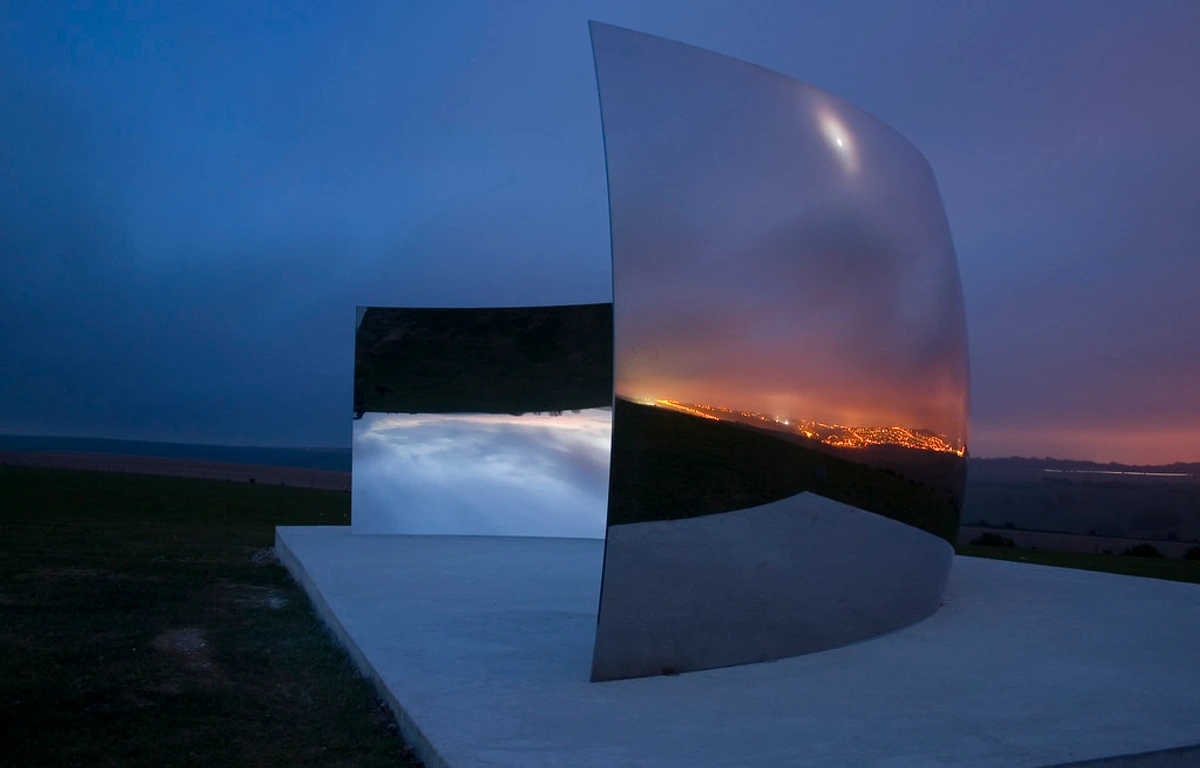
What truly distinguishes Storm King is the intentionality behind its very landscape. It's not just a collection of sculptures dropped into a field; the land itself has been meticulously sculpted and designed over decades to engage with the art. The initial vision of Stern and Ogden evolved with the involvement of influential landscape architects and designers. William Rutherford, who served as the center's first landscape architect, was instrumental in this. His philosophy, and that of subsequent designers like Dan Kiley and Lynden B. Miller, focused on enhancing natural contours and vistas, creating subtle interventions that guide the eye and frame the monumental works rather than imposing formal gardens. Kiley, known for his modernist landscape designs, brought a minimalist, geometric sensibility to certain areas, often using precise grids of trees to create formal counterpoints to the organic forms of the sculptures, or clear sightlines that emphasize scale. Miller, on the other hand, focused on enhancing the horticultural aspects, using native plantings to complement the artworks, ensuring sustainable beauty that blends seamlessly with the regional ecosystem. Her work often means strategically placed groupings of indigenous wildflowers or tall grasses that subtly direct your gaze or create natural frames for distant art. This careful stewardship means that each sculpture isn't merely on the land, but of it, with sightlines guiding your gaze and natural elements framing the monumental works. It's a masterclass in how landscape architecture can become an art form in dialogue with sculptural pieces, creating an immersive experience where every step redefines your perspective, deepening the understanding of Land Art as an art movement where the landscape itself is the medium. The landscape here doesn't just hold the art; it is an active component of the art, continually inviting a fresh encounter with each turn of the path and shift in the seasons.
Sustainability and Community Impact at Storm King
Storm King Art Center is more than just a place to see art; it's a testament to responsible land stewardship and a vital community resource. Its commitment to conservation efforts is deeply woven into its operations, maintaining its expansive grounds not just as a display for art, but as a living, thriving ecosystem. They engage in a wide range of ecological stewardship, including extensive native species planting and meadow restoration to support pollinators and local wildlife, as well as sophisticated sustainable water management practices like rainwater harvesting for irrigation and the use of permeable pathways to reduce runoff. They even conduct ongoing ecological research and habitat monitoring to ensure the delicate balance of the environment that cradles the art is preserved for generations. This isn't just about greenwashing; it’s a profound, active commitment to the health of the Hudson Valley environment.

Beyond environmental concerns, Storm King fosters a strong relationship with the local community. It serves as a significant cultural and economic anchor for the region, drawing visitors and partnering with local businesses. Their dedication extends to offering robust educational programs for schools, summer camps that introduce young minds to art and nature, and accessible community days, ensuring art is available to everyone. This profound connection between art, nature, and community – with an eye towards future evolution and ongoing projects – is a philosophy that deeply resonates with my own approach to creating and exhibiting art, particularly in how I think about [how to incorporate sculptural art into modern interiors](/finder/page/how-to-incorporate-sculptural-art-into-modern-interiors). It’s about creating lasting value, much like the vibrant energy I try to imbue in my [/buy] abstract works.




Public Art Conservation: The Guardians of Giants
The monumental scale and outdoor exposure of Storm King's collection present unique, complex challenges for art conservation. Unlike indoor museum pieces, these sculptures are constantly subjected to the elements – sun (causing UV degradation and color fading), rain (leading to erosion and material loss), snow (freeze-thaw cycles, structural stress), wind (abrasion, kinetic wear), and temperature fluctuations (material expansion/contraction, cracking). This constant environmental interaction means that decisions about conservation are incredibly nuanced and require a significant financial and resource commitment. For pieces like Richard Serra's Corten steel, for example, the natural weathering and development of a rust patina is often integral to the artist's intent and is carefully monitored rather than prevented. For other materials, active intervention is necessary.
Storm King has dedicated, world-class conservation programs, employing expert conservators who specialize in large-scale outdoor sculpture. Their work involves ongoing monitoring of each piece, regular cleaning, protective coatings, and, when necessary, complex restoration. This often includes researching innovative materials and techniques, such as non-invasive diagnostic tools and environmentally stable coatings, to ensure the longevity of these invaluable works for future generations, balancing preservation with the artists' original intent and the natural weathering process that is often integral to the art itself. It's a continuous, thoughtful, and incredibly costly process of stewardship that underscores the profound investment in these public masterpieces.
Frequently Asked Questions About Storm King Art Center
Here are a few common questions I've heard (or asked myself!) about visiting Storm King, organized for easy reference:
Planning Your Visit
- Is Storm King suitable for children? Absolutely! Kids often love the open space to run (responsibly, of course!) and the sheer scale of the sculptures. It's a great way to introduce them to art in a fun, interactive environment, fostering an early appreciation for large-scale works and nature. Just keep an eye on them, as some pieces are not meant for climbing.
- Are dogs allowed? Unfortunately, no pets are allowed, except for service animals. This helps protect the delicate ecosystem and artworks.
- How long should I plan for my visit? I'd recommend at least 3-4 hours to properly explore a good portion of the grounds. A full day (5-6 hours) is even better if you want to see most of it without rushing, especially if you plan to walk extensively or rent a bike. Time flies when you're immersed in art and nature!
- What if it rains? Storm King is primarily an outdoor experience. While some indoor spaces exist (like the Visitor Center and the small Museum Building), most of the art is exposed to the elements. They usually remain open in light rain, but always check their website for severe weather closures before heading out. Dressing in layers and bringing rain gear is smart if the forecast is uncertain; some of the most dramatic views happen under a moody sky!
- Are there electric vehicle (EV) charging stations? Yes, Storm King offers several EV charging stations in the main parking area as part of its sustainability initiatives. Check their website or a charging app for current availability and any fees.
On-Site Experience & Engagement
- Can I picnic? Yes, picnicking is encouraged in designated areas! It's a lovely way to break up your day and enjoy the scenery amidst the art. Just remember to pack out everything you pack in.
- Are there water fountains? Yes, water fountains are available near the Visitor Center and restrooms throughout the park for refilling your bottles.
- Can I take photos? Yes, photography for personal use is encouraged! It's a beautiful place for snapping pictures of art and nature, just be respectful of other visitors and the artworks. Avoid climbing on or touching sculptures unless explicitly stated – you don't want to damage a masterpiece. To get a unique perspective, try framing the sculptures with the distant mountains or capture how the changing light transforms their appearance.
- Can I bring my own art supplies? Yes, you are welcome to bring personal art-making supplies like sketchpads, pencils, or watercolors. Just be sure to be respectful of other visitors, avoid blocking pathways, and under no circumstances should you touch or climb on the sculptures unless explicitly permitted. Your creativity is encouraged, but safety and preservation come first.
- Are guided tours or workshops available? Yes, Storm King often offers guided tours with knowledgeable docents and occasional art-making workshops, especially during peak season. Check their official event calendar online for schedules and booking information; these can greatly enhance your understanding and appreciation of the art and landscape.
- What if a sculpture or area is temporarily inaccessible? Occasionally, pieces may be closed off for conservation, maintenance, or the installation/deinstallation of temporary exhibitions. Storm King usually posts these updates on their website, so it's always a good idea to check before your visit or ask at the Visitor Center upon arrival.
Art & Conservation Specifics
- Are the sculptures ever moved or is the collection static? The majority of Storm King's collection consists of permanent, site-specific installations, meaning they are intended to remain in their carefully chosen locations, often aging with the landscape. However, the center regularly hosts temporary exhibitions with new artists and works, which are installed for a season or longer before being deinstalled. So, while the core collection is static, the artistic dialogue with the landscape is always evolving.
- Does Storm King feature digital or NFT art? No, Storm King Art Center is dedicated to showcasing large-scale, physical sculpture and site-specific installations that engage directly with the natural environment. The focus is on tangible art experiences rather than digital or blockchain-based art forms. This emphasis on physical interaction and environmental dialogue aligns with the deep historical roots of sculpture and land art, concepts I often reflect upon in my own studio, particularly for works destined for my
[/den-bosch-museum]. - Does Storm King have art conservation or restoration programs? Absolutely. Given the monumental scale and outdoor exposure of its collection, Storm King has dedicated conservation programs. They employ expert conservators to monitor, maintain, and restore sculptures as needed, ensuring these invaluable works endure for future generations, often researching innovative techniques for outdoor art preservation. This is a continuous and significant undertaking.
My Final Thoughts: Just Go. Seriously.
So, if you've been putting off that trip to Storm King, consider this your unequivocal nudge. It’s more than just an art center; it’s an experience that nourishes the soul, challenges perceptions, and leaves you feeling a little more connected to both art and the natural world. It’s a reminder of the endless possibilities when creativity meets vast landscapes – an echo of the creative dialogue I pursue in my own work. The way these massive works engage with the sky and earth, shaping perspectives and inviting contemplation, deeply resonated with my own approach to creating abstract art. It's a reminder that art can be a dialogue with the environment, a concept I explore daily in my studio, much like the experience I hope to curate at my own [/den-bosch-museum], where I showcase my contemporary abstract works. In an increasingly digital world, Storm King stands as a testament to the enduring power and necessity of tangible, physical art that truly grounds you in the present. Don't just observe; immerse yourself. And who knows, maybe you'll find a new favorite sculpture, or just a really good spot to sit and contemplate the clouds, seeing a fleeting piece of art in the sky itself. Either way, it’s undeniably worth the journey. Go on, embrace the art, the nature, and the walk!