William Morris: The Revolutionary Artist Who Hated Factory Art
Explore William Morris’s life, radical philosophy, and timeless designs that sparked the Arts and Crafts movement. A deep dive into patterns, socialism, and modern relevance.

William Morris: The Revolutionary Artist Who Hated Factory Art
I remember staring at a William Morris wallpaper in a historic house years ago, tracing those swirling leaves with my fingers. And I thought: "This looks like something I’d design after three cups of tea." The patterns felt impossibly alive, yet deeply human. That’s Morris’s magic – he made nature sing in repetitive rhythms. But here’s the twist: the man hated mass production more than I hate Monday mornings. How many creators can say their aesthetic rebellion changed furniture, printing, and political theory? Buckle up. We’re dissecting the man behind the birds and blossoms.
The Morris Nobody Tells You About: Before the Patterns
His early education was anything but conventional – while other boys were drilled in classics, Morris was devouring medieval romances and sketching the natural world around him.
His epiphany hit during the 1851 Great Exhibition in London. While the crowds gushed over "crystal palaces" full of machine-made junk, Morris walked out fuming. The manufactured goods were soulless. Fake. Exploitative. It was like watching a robot try to paint a sunset – technically possible, but utterly dead inside. That moment ignited his life's mission: good art should be made by hand, for the people, by the people.
Education and Early Influences
Morris's education at Oxford's Exeter College was absolutely formative. From 1853 to 1856, he immersed himself in medieval studies, architecture, and poetry, becoming part of the "Oxford Movement" that sought to revive medieval ideals. His time at Oxford was marked by intense intellectual exploration and the beginning of his lifelong fascination with craftsmanship.
What's fascinating is how Morris's education diverged from typical Victorian norms. While most Oxford students focused on classical languages and philosophy, Morris developed an obsession with the Middle Ages. He spent hours studying Gothic architecture, reading medieval romances, and developing theories about how medieval society had achieved a harmony between art and daily life that Victorian England had lost. This wasn't just academic interest – it was a spiritual and political awakening.

He befriended Edward Burne-Jones, who would become a lifelong collaborator and fellow Arts and Crafts pioneer. Their friendship began when Burne-Jones saw Morris's medieval-inspired poetry and declared it "the most beautiful thing I've ever read." This meeting sparked one of the most important artistic partnerships of the 19th century, leading to collaborations that would change British design forever.
The Pre-Raphaelite Connection
Morris's early career was absolutely intertwined with the Pre-Raphaelite Brotherhood, the revolutionary art movement that rejected Victorian academic conventions. In 1856, he served as an apprentice to architect G.E. Street, where he met Philip Webb, who would later design Red House – Morris's revolutionary home and manifesto for Arts and Crafts living.
At Street's office, Morris encountered a world of like-minded rebels who believed in "truth to nature" and rejected the polished, artificial style of academic art. This was where Morris truly began to develop his design philosophy. His paintings, though less famous than his later designs, showed the same attention to detail and love of medieval aesthetics that would define his career. The Pre-Raphaelite emphasis on detailed observation and rejection of academic conventions directly influenced Morris's approach to design.
What's remarkable is how Morris absorbed multiple influences simultaneously: the medievalism of Oxford, the naturalism of the Pre-Raphaelites, and the practical craftsmanship of Street's architectural firm. These diverse influences didn't conflict – they merged to create Morris's unique vision of art that was both beautiful and meaningful.
Personal Life and Relationships
Morris married Jane Burden in 1859, a muse who appeared in many Pre-Raphaelite paintings including Rossetti's famous "The Blessed Damozel." Their marriage was deeply complex – intellectually stimulating but emotionally distant. Jane was a woman of remarkable intelligence and artistic sensibility, but she and Morris often struggled to connect on an intimate level.
Their relationship existed within a fascinating artistic circle that included Dante Gabriel Rossetti, who became deeply infatuated with Jane. This triangle of artistic and personal relationships created tension throughout their lives. Jane had an affair with Rossetti after Morris's death, but the dynamics of their relationships were far more nuanced than simple infidelity.
These personal connections profoundly shaped Morris's understanding of beauty, desire, and the role of art in human relationships. His art often explored themes of love, longing, and the tension between idealized beauty and human reality. The intensity of these relationships may have contributed to Morris's later socialist politics – his belief that society needed to create conditions where human connections could flourish authentically.
Most people picture Morris as a jolly bearded man churning out floral wallpaper. Fair enough – his designs are iconic. But Morris didn’t stumble into design. He was a late bloomer with rage issues and a radical streak. Born in 1834 to a wealthy merchant family, he spent his youth translating Icelandic sagas and building treehouses while his peers memorized Latin verbs.
His epiphany hit during the 1851 Great Exhibition in London. While the gushed over "crystal palaces" full of machine-made junk, Morris walked out fuming. The manufactured goods were soulless. Fake. Exploitative. It was like watching a robot try to paint a sunset – technically possible, but utterly dead inside. That moment ignited his life’s mission: good art should be made by hand, for the people, by the people.
The Arts and Crafts Movement: Defying Industrial Greed
If Morris was the heart, the Arts and Crafts movement was his fever dream – a whole philosophy rejecting Victorian England’s love affair with factories. It wasn’t just about pretty textiles; it was a full-blown rebellion against soulless production. Morris and his crew (friends like Philip Webb and Dante Gabriel Rossetti) believed:

- Beauty requires human touch: No stamping out identical junk. Each piece should carry the maker’s energy.
- Materials deserve respect: Wood should look like wood. Metals should gleam. No hiding natural textures under gunk.
- Workers shouldn’t be cogs: Artisans deserve fair pay, decent conditions, and creative control. (He’d lose his mind over modern gig economy culture.)
- Nature is the ultimate designer: Forget geometric grids. Let leaves flow like rivers and birds swoop like dancers.
The Environmental Philosophy Behind Morris's Work
Morris's rejection of industrial production wasn't just aesthetic or political – it was deeply environmental. Long before modern environmentalism emerged, Morris understood the destructive relationship between industrial capitalism and the natural world. This makes him one of history's earliest ecological thinkers, recognizing that environmental degradation and social injustice were two sides of the same coin.
What's extraordinary is how Morris connected environmental concerns to aesthetics – he believed that destroying nature also destroyed our ability to create beautiful art. This wasn't just about protecting trees and rivers; it was about preserving the very source of human creativity and spiritual well-being.
Early Environmental Awareness
Resource Depletion: Morris witnessed firsthand the environmental damage caused by industrialization:
- Deforestation for fuel and materials
- Pollution of rivers and streams
- Soil exhaustion from intensive agriculture
- Loss of biodiversity
Sustainable Materials: His insistence on natural materials wasn't just about aesthetics – it was about environmental sustainability:
- Wool from sheep raised on British pastures
- Wood from responsibly managed forests
- Natural dyes from plants and minerals
- Linen and cotton grown without chemicals
Longevity over Disposability: Morris's focus on durability was revolutionary in an age of planned obsolescence. He believed objects should be made to last generations, reducing waste and the need for constant replacement.
Modern Environmental Connections
Circular Economy: Morris's principles align perfectly with modern circular economy concepts:
- Design for longevity and repairability
- Use natural, biodegradable materials
- Minimize waste through careful design
- Create objects with emotional value that people won't discard
Local Production: His emphasis on local production resonates with today's "eat local" and "buy local" movements. Local production reduces transportation emissions and supports local economies.
Sustainable Craft: The modern craft movement, with its focus on traditional techniques and natural materials, is a direct continuation of Morris's environmental philosophy.
Morris vs. Modern Environmentalism
Shared Values:
- Opposition to mindless consumption
- Belief in human connection to nature
- Critique of industrial exploitation
- Emphasis on quality over quantity
- Support for traditional knowledge systems
Different Contexts:
- Morris worked before climate science existed
- His solutions were pre-industrial rather than technological
- He focused on art and craft rather than policy
- His audience was primarily the middle and upper classes
Practical Environmental Lessons
What We Can Learn:
- Value things made to last - Choose quality over disposability. Morris believed objects should be made to last generations, not just seasons.
- Support local makers - Reduce transportation emissions. Morris's emphasis on local production resonates with today's "buy local" movements.
- Appreciate natural materials - Avoid synthetic, petroleum-based products. Morris's preference for natural materials was both aesthetic and environmental.
- Embrace repair culture - Fix rather than replace. Morris would have loved the modern "right to repair" movement.
- Connect with nature - Find inspiration in the natural world. Morris's observation of nature wasn't just artistic – it was spiritual.
- Question consumption - Ask "Do I really need this?" Morris was challenging consumerism long before it was mainstream.
- Learn making skills - Morris believed everyone should understand how things are made.
- Share and borrow - Morris promoted community sharing of resources and tools.
- Grow your own - Morris was an avid gardener who grew many plants for dyeing.
- Advocate for change - Morris understood that individual action wasn't enough – systemic change was needed.
The Future of Morris's Environmental Vision
Morris's environmental philosophy remains relevant as we face climate change and resource depletion. His belief that human well-being depends on healthy, beautiful surroundings is now supported by environmental psychology research. His emphasis on craftsmanship and quality offers an alternative to our throwaway culture.
However, Morris's vision also needs updating for the 21st century. His rejection of technology is no longer tenable – we need sustainable technologies alongside traditional crafts. His focus on individual craftsmanship needs to be balanced with community-scale solutions. And his primarily middle-class audience needs to expand to include working people and communities of color.

Despite these limitations, Morris's environmental wisdom offers valuable guidance for creating a more sustainable future. As he wrote: "The true secret of happiness lies in taking a genuine interest in all the details of daily life." This attention to detail, this connection to the world around us, may be the most environmental principle of all.
Core Principles vs. Industrial Production
Feature  | Arts & Crafts Ideals | Industrial Production |
|---|---|---|
| Creation | Handcrafted with intention | Machine-stamped |
| Materials | Natural, visible | Artificial, hidden |
| Labor | Skilled artisans, dignified | Low-wage workers, exploited |
| Durability | Built to last generations | Disposable, replaceable |
| Soul | ✨ Present ✨ | ❌ Absent ❌ |
| Quality | Obsessive attention to detail | Rushed for profit margins |
| Design | Integrated with function | Separated from production |
| Scale | Human-sized, intimate | Factory-sized, impersonal |
| Ownership | Maker and user connection | Anonymous producer/consumer |
| Time | Process-oriented, meditative | Result-oriented, stressful |
| Connection | Deep relationship between creator and user | Transactional relationship |
| Imperfection | Embraced as character | Minimized as defect |
| Local | Rooted in place and community | Global, disconnected |
| Sustainability | Built to last, repairable | Planned obsolescence |
| Meaning | Objects carry stories and meaning | Pure commodities |
| Skill Transfer | Knowledge passed down generations | Skills replaced by machines |
| Cultural Identity | Reflects local traditions and values | Homogenized global aesthetic |
| Spiritual Value | Objects nourish the soul | Objects serve material needs |
| Environmental Impact | Minimal, sustainable | High resource consumption |
| Social Impact | Strengthens communities | Weakens social bonds |
But the movement had its own contradictions that Morris never fully resolved. While they championed accessibility, handcrafted goods were inevitably more expensive than mass-produced items. This meant that the beautiful Morris wallpaper that adorned working-class homes in idealized illustrations was actually found mainly in the homes of wealthy industrialists – the very people the movement was supposed to oppose. Morris himself acknowledged this paradox: "The difficulty is to make beautiful things that the poor can afford." This tension between idealism and practicality would become the defining challenge of his career.

Morris's response to this contradiction evolved over time. Initially, he believed that improving design quality would eventually make beautiful objects more affordable. Later, he came to realize that the problem was systemic – that capitalism itself was incompatible with his ideals. This led him deeper into socialism, as he began to see that changing how things were made required changing who owned the means of production. The Arts and Crafts movement, for all its beauty, was ultimately limited by its inability to address the economic structures it sought to reform.
This realization came gradually. In the 1870s, Morris was still optimistic that better design could improve society. By the 1880s, he had become more radical, arguing that capitalism needed to be replaced entirely. This shift is evident in his writing – his early essays focus on design reform, while his later works like "News from Nowhere" imagine a complete post-capitalist society.
The Morris & Co. Empire: Building Beauty in the Modern World
In 1861, Morris and his friends founded Morris, Marshall, Faulkner & Co. (later renamed Morris & Co.), a design firm that would become the commercial heart of the Arts and Crafts movement. This wasn't just an artistic collective – it was a serious business enterprise that employed dozens of craftsmen and generated substantial revenue. The company produced everything from stained glass and furniture to wallpaper, textiles, and even metalwork.
What made Morris & Co. revolutionary was its integrated approach to design and production. Morris insisted on overseeing every aspect of the creative process, from initial sketches to final installation. This was radical in an era when designers were becoming increasingly separated from the actual making of objects. Morris believed that true design required understanding materials, processes, and the people who would use the final products.
The company's founding represented Morris's attempt to bridge the gap between art and commerce. He wanted to prove that beautiful, meaningful objects could be produced commercially while maintaining ethical standards. This was an incredibly difficult balancing act – how to create luxury goods that aligned with socialist ideals while still being financially viable.
The founding of Morris & Co. was a remarkable achievement. At a time when designers and manufacturers were becoming increasingly separated, Morris brought them back together. The company's initial partners included Philip Webb (architecture), Dante Gabriel Rossetti, Ford Madox Brown, and Edward Burne-Jones (all painters), plus Charles Faulkner (metalwork). This interdisciplinary approach was revolutionary – and reflected Morris's belief that all arts should work together harmoniously.
The company's business model reflected Morris's philosophical contradictions. On one hand, it operated as a capitalist enterprise, selling luxury goods to wealthy clients. On the other hand, it tried to implement fair labor practices, pay workers reasonable wages, and maintain high artistic standards. Morris would often work alongside his craftsmen, learning skills like tapestry weaving so he could understand the production process from the inside out. This hands-on approach was unusual for a designer in Victorian England, where art and craft were often seen as separate domains.
Morris & Co. operated several workshops, including a tapestry workshop at Merton Abbey in Surrey (established in 1881) and a wallpaper printing works. Merton Abbey became particularly important – Morris transformed former workshops into spaces where craftspeople could work in conditions that were both productive and humane. He insisted on natural light, proper ventilation, and regular breaks, ideas that were radical at the time. The workshops became models of what Morris believed work should be: collaborative, skilled, and meaningful.
Morris & Co.'s most famous products were its wallpapers, which became synonymous with the Arts and Crafts aesthetic. Designs like "Strawberry Thief" (1883) and "Willow Bough" (1887) featured intricate patterns inspired by nature, with flowing vines, birds, and flowers that seemed to grow organically across the surface. What made these designs revolutionary wasn't just their beauty, but their technical innovation. Morris developed new printing techniques and color formulas that allowed for more nuanced, painterly effects in wallpaper production. He also insisted on using natural dyes, believing that chemical colors lacked the depth and subtlety of plant-based pigments.
Morris's approach to wallpaper design was incredibly systematic. He would often start with detailed botanical studies, then develop repeating patterns that could be printed using wood blocks. His designs typically featured 15-20 different colors, each requiring a separate printing block. This labor-intensive process meant that Morris wallpapers were expensive to produce, but the results were unmatched in quality and beauty. Morris was particularly proud of his color work – he spent years experimenting with natural dye sources, developing recipes that produced rich, lasting colors that have remained vibrant for over a century.

Despite Morris's socialist ideals, Morris & Co. became wildly successful, with commissions from aristocrats, industrialists, and even royalty. The company's popularity created what Morris called "the dilemma of modern life" – beautiful, meaningful art was accessible only to those who could afford it, while the working classes who needed it most were stuck with mass-produced junk. This tension between accessibility and quality would haunt Morris for the rest of his career, driving him to explore new ways of making art that could truly serve the people.
By the 1880s, Morris & Co. was one of the most successful design firms in Britain, with showrooms in London and a growing international reputation. The company employed over 100 people, including skilled craftsmen, designers, and administrative staff. Yet Morris's success brought him little satisfaction. He wrote in his diary: "I cannot help feeling that the work I have done has been of little real use to the world." This sense of inadequacy drove him to increasingly focus on his socialist activities, as he came to believe that changing society's values was more important than changing its decorative arts.

Morris the Designer: Patterns That Refuse to Fade
Morris didn’t just talk rebellion – he wallpapered with it. His studio (Morris & Co.) churned out textiles, tapestries, and wallpaper that still make modern designers swoon. His magic formula?
- Obsessive Nature Observation: He’d spend hours under actual willow trees, sketching leaf shadows until his fingers cramped. No "generic leaf" vibes.
- Repetition with Life: Wallpaper isn’t just repeating shapes. His "Strawberry Thief" pattern (1883) has thrats (that's "thrushes" to everyone else) that shift positions in each repeat, so birds feel like they’re moving across the wall.
- Color Psychology: Morris hated garish chemical dyes. He used plants, roots, and minerals for earthy, grounding palettes – think deep burgundy, olive green, not neon pink.



But here’s the irony: his anti-machine stance made his work wildly popular with the rich who could afford it. The very industrialists he despised were buying his patterns for their mansions. Morris hated this. "If all the world rich and poor could enjoy my designs," he grumbled, "that would be utopia." (Spoiler: utopia was still pending.)
More Than a Designer: Morris the Socialist Firebrand
While your grandma probably knows Morris for cushion covers, he spent his evenings writing socialist pamphlets and giving speeches to factory workers. His art and his politics were one and the same – they were two expressions of the same fundamental belief that human life should be meaningful, beautiful, and dignified.
Morris didn't see a conflict between making beautiful things and fighting for social justice. In fact, he believed they were deeply connected. "The true secret of happiness lies in taking a genuine interest in all the details of daily life." – William Morris
This quote reveals Morris's core philosophy: happiness comes from engagement with the world, from finding beauty and meaning in everyday activities. For Morris, this meant that work shouldn't be just about survival – it should be about creating beauty and fulfilling human potential.
He saw art as liberation. Making beautiful things wasn’t just decoration; it was resisting a system that crushed workers’ spirits. This is why the Arts & Crafts movement got stuck: handmade elegance requires time and skill… and time equals money. Socialist ideals + capitalism = eternal tension. He knew his designs were inaccessible to the workers he fought for. It ate at him. He called this "the dilemma of modern life." We still live in that dilemma, by the way. Ever bought "ethical" art that costs more than rent? Same struggle. Different century.
Morris Today: Why His Rebellion Still Matters
We see Morris everywhere now. That indie coffee shop with handthrown mugs? That’s his ghost. Sustainable fashion brands? His echo. Even digital designers mimic his flowing patterns (though he’d probably throw a teacup at a screen). But why does a 19th-century socialist still feel urgent?

- Against Throwaway Culture: Morris hated disposable things, not unlike our fight against single-use plastic.
- Work With Meaning: His push for artisan dignity is the grandfather of today’s "quiet quitting." Work shouldn’t just pay bills; it should feed the soul.
- Nature as Inspiration: As climate change worsens, Morris’s belief that nature is the perfect designer feels less retro, more vital.
- Resistance to "Fast Art": His hatred of soulless mass production echoes in critiques of AI-generated art and algorithmic creativity. Would he love AI? Skeptical: "It lacks human messy beautiful imperfection."
His ideas still clash with reality. Handmade items remain luxuries. But Morris’s revolution wasn’t about instant victory; it was about raising a flag and saying: "This matters."
FAQ: Answering Your Burning Morris Questions
Who was William Morris really?
The short answer: Designer, poet, socialist, and wallpaper revolutionary. The long answer: A complex artist who hated industrialization but got famous for selling art to industrialists. A dreamer who wanted art for the masses while making high-end pieces for billionaires. A guy who translated ancient sagas by day and hollered about worker rights by night. He’s a walking contradiction, and that’s what makes him fascinating.
What is the Arts and Crafts movement?
It's a philosophy (mid-1800s to early 1900s) that said art should be handcrafted, use natural materials, and respect both maker and environment. Think: high-quality, anti-furniture rebellion. Morris was its ringleader. It’s a philosophy (mid-1800s to early 1900s) that said art should be handcrafted, use natural materials, and respect both maker and environment. Think: high-quality, anti-furniture rebellion. Morris was its ringleader.
I adore Morris patterns but can’t afford antiques. Help?
Absolutely! Reproduction companies like Morris & Co. (still open!) sell wallpaper, fabrics, and goods inspired by his originals. Smaller designers often offer modern interpretations on sites like Etsy. Even better: channel his DIY spirit. Try block printing with simple shapes – you’d be surprised how leafy and alive your napkins turn out.
Was Morris actually a socialist?
Yes, but a practical one. He joined the Socialist League, gave fiery speeches, and wrote utopian novels like News from Nowhere (which imagines a socialist paradise where art is life). He believed capitalism corrupted creativity. Sound familiar? You can buy his essays online. They're surprisingly spicy. Yes, but a practical one. He joined the Socialist League, gave fiery speeches, and wrote utopian novels like News from Nowhere (which imagines a socialist paradise where art is life). He believed capitalism corrupted creativity. Sound familiar? You can buy his essays online. They’re surprisingly spicy.
Why should I care about Morris today?
Because his rebellion isn't over. Every time you choose handmade over mass-produced, fair trade over exploitative, or nature over neon, you're echoing Morris. He was a pioneer in saying: "Art shouldn't just look good. It should do good." In a world of fast fashion and AI-generated everything, that feels radical. Because his rebellion isn’t over. Every time you choose handmade over mass-produced, fair trade over exploitative, or nature over neon, you’re echoing Morris. He was a pioneer in saying: "Art shouldn’t just look good. It should do good." In a world of fast fashion and AI-generated everything, that feels radical.
Final Thought: The Unfinished Rebellion
Morris never saw his utopia. Handmade art stayed expensive. Factories kept churning. But he planted seeds. His patterns still wallpaper our lives, his ideas still fuel social debates, and his frustration with a broken system still feels hauntingly modern. He reminds us that creating beautiful things isn't escape – it's resistance. A quiet, persistent, leaf-swirling rebellion against a world that often feels too harsh, too artificial, too fast. And honestly? After staring at Morris's work for hours, I feel less alone in my own art-making struggles. Maybe the deepest lesson this revolutionary offers is this: Create with soul. Question everything. And never, ever let your thrats fall flat. After all, Morris would want it that way.
Morris's Enduring Legacy
Cultural Impact:
- Design Influence: His patterns continue to inspire interior design, fashion, and graphic design
- Political Influence: His ideas about art and society influenced generations of designers and activists
- Environmental Influence: His sustainable design principles are more relevant than ever
- Educational Influence: His belief in craft education lives on in art schools worldwide
The Paradox of Morris's Success: Morris's greatest irony is that his rebellion against industrial capitalism made him one of its most successful products. His designs became luxury items coveted by the very industrialists he despised. Yet this contradiction doesn't diminish his importance – it makes him more human, more relatable. We all face similar compromises between our ideals and practical reality.
What We Can Learn from Morris Today
For Designers:
- Study nature deeply – Spend time observing the natural world, not just looking at it
- Respect your materials – Understand where they come from and how they behave
- Create work that has meaning beyond aesthetics – Ask "why" before "how"
- Consider the social impact of your designs – Who benefits from your work?
- Maintain quality over profit – Excellence should be non-negotiable
- Embrace imperfection – Flaws often add character and human connection
- Think in systems – How does your work fit into larger contexts?
- Collaborate with makers – Understand the production process intimately
- Continue learning – Craftsmanship is a lifelong journey
- Teach others – Knowledge grows when shared
For Consumers:
- Appreciate craftsmanship and the human stories behind objects – Every object has a history
- Choose quality over quantity – Better to own one excellent thing than ten mediocre ones
- Support makers who align with your values – Your purchases vote for the world you want
- Learn basic craft skills yourself – Understanding making transforms appreciation
- Question consumption habits – Ask "Do I need this?" and "Who made this?"
- Repair rather than replace – Extend the life of objects you already own
- Buy less, choose well – Quality relationships with objects matter more than quantity
- Support local makers – Reduce environmental impact while supporting community
- Invest in heirloom pieces – Objects that can be passed through generations
- Share your knowledge – Teach others to appreciate craft and making
For Society:
- Art should be accessible, not just affordable – Democratize beauty and meaning
- Work should be fulfilling, not just profitable – Redefine success beyond economics
- Beauty matters as much as utility – Aesthetic experience is essential to human flourishing
- We need to balance tradition with innovation – Honor the past while embracing the future
- Technology should serve human needs, not control us – Keep humans at the center of design
- Education should include making – Hands-on learning develops critical thinking
- Communities should value craft – Support local crafts economies and traditions
- Cities should integrate art into daily life – Beauty shouldn't be confined to museums
- Policy should support sustainable practices – Create conditions where ethical production thrives
- We should measure success by well-being, not just GDP – Redefine progress
Morris never saw his utopia. Handmade art stayed expensive. Factories kept churning. But he planted seeds. His patterns still wallpaper our lives, his ideas still fuel social debates, and his frustration with a broken system still feels hauntingly modern. He reminds us that creating beautiful things isn't escape – it's resistance. A quiet, persistent, leaf-swirling rebellion against a world that often feels too harsh, too artificial, too fast. And honestly? After staring at Morris’s work for hours, I feel less alone in my own art-making struggles. Maybe the deepest lesson this revolutionary offers is this: Create with soul. Question everything. And never, ever let your thrats fall flat. After all, Morris would want it that way.

Practical Guide: Creating in the Morris Tradition
If you're inspired by Morris's work and want to create in his tradition, here are some practical approaches. Morris's methods were systematic – he didn't just follow his intuition; he developed techniques that could be learned and applied.
The Morris Design Process: A Step-by-Step Guide
Creating in the Morris tradition requires both technical skill and a particular way of seeing the world. Morris's approach combined artistic intuition with systematic methodology. Here's how you can adapt his process for modern practice:
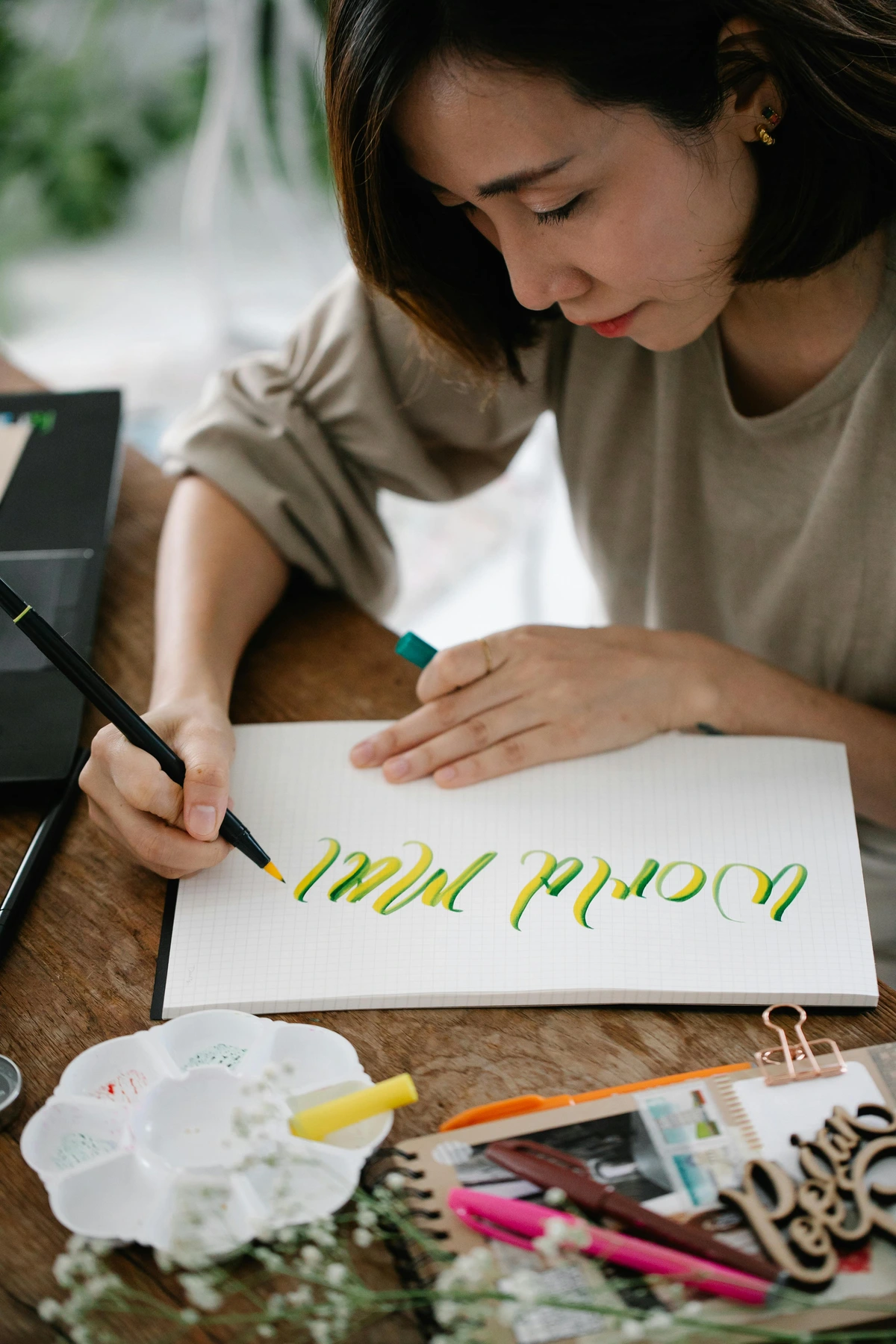
Getting Started with Morris-Inspired Design
Understanding Morris's Design Process:
- Observe Nature Closely: Take sketchbooks into gardens, forests, and parks
- Simplify Forms: Reduce complex natural elements to essential shapes
- Consider Rhythm: How will your pattern flow across a surface?
- Plan Colors: Think about natural color harmonies
- Test and Refine: Create prototypes before final production
Morris's Approach to Observation: Morris was incredibly systematic about studying nature:
- Field Sketches: Hours spent drawing plants and animals in detail
- Seasonal Studies: How plants change throughout the year
- Light Studies: How natural light affects colors and forms
- Microscopic Observation: Details of leaves, flowers, and insects
- Pattern Recognition: How natural elements repeat and flow
Essential Tools and Materials
Traditional Approach:
- Sketchbooks and pencils for field studies
- Watercolors for color studies
- Carving tools for block printing
- Wood blocks or linoleum for printing
- Natural inks and dyes (when possible)
- Fabric or paper for final pieces
Modern Approach:
- Digital tablets for sketching and design
- Vector software (Illustrator, Inkscape) for pattern creation
- Color management software for precise color work
- 3D printers for creating printing blocks
- Digital fabric printing services for production
Hybrid Approach:
- Combine traditional observation with digital tools
- Use digital planning for traditional execution
- Blend hand techniques with modern technology
Simple Block Printing Project
You can create Morris-inspired patterns using basic block printing techniques:
Materials needed:
- Linoleum blocks or wood blocks
- Carving tools
- Printing ink or fabric paint
- Paper or fabric
- Brayer (ink roller)
- Bench hook (for safety)
Steps:
- Choose your subject - Start with simple natural forms like leaves, flowers, or berries
- Sketch your design - Morris used flowing, organic curves; avoid harsh angles
- Carve your block - Remember that what you carve won't print, so work in reverse
- Test print - Make practice prints to check your design
- Create repeats - Plan how your pattern will repeat across your surface
- Print carefully - Use even pressure and register each color layer precisely
Morris-inspired tips:
- Use earthy, natural colors
- Keep your design relatively simple for best results
- Think about how your pattern will flow across a surface
- Don't be afraid to make mistakes – imperfections add character
Digital Morris Design
For those comfortable with digital tools:
Software: Adobe Illustrator, Procreate, or free alternatives like Inkscape
Techniques:
- Start with natural reference photos
- Create vector shapes inspired by Morris's forms
- Use the "pattern" tool to create repeating designs
- Experiment with color palettes based on Morris's work
- Consider how your pattern would work at different scales
Finding Morris Inspiration
Study the originals: Visit museums with Morris collections (V&A in London, William Morris Gallery in Walthamstow)
Read his writings: Start with "News from Nowhere" and "Hopes and Fears for Art"
Visit places: Red House (his home), Kelmscott Manor (his country house)
Join communities: The Arts and Crafts Society, William Morris Society
Modern Morris-Inspired Designers
Several contemporary designers carry on Morris's tradition:
- William Morris & Co. - The original company still produces Morris's designs
- Sanderson - Offers Morris-inspired collections
- Liberty - Continues the British textile tradition Morris influenced
- Small independent makers - Many artisans create work in the Morris spirit
Resources for Further Study
Books:
- "William Morris: Design and Enterprise" by Fiona MacCarthy
- "The Earthly Paradise: William Morris and 19th Century Design" by Paul Thompson
- "William Morris Artist, Writer, Socialist" by E.P. Thompson
Websites:
- The William Morris Gallery (wmgallery.org.uk)
- The V&A Museum's Morris collection
- The William Morris Society
Documentaries:
- "William Morris: The Red House"
- "The Arts and Crafts Movement"
Morris's Major Works: A Gallery of Revolutionary Design
William Morris's creative output was staggering – he designed over 50 wallpaper patterns, countless textiles, stained glass windows, furniture pieces, and even wrote poetry and novels. His productivity was remarkable, especially considering his involvement in socialist politics and his perfectionism. Here are some of his most influential works:
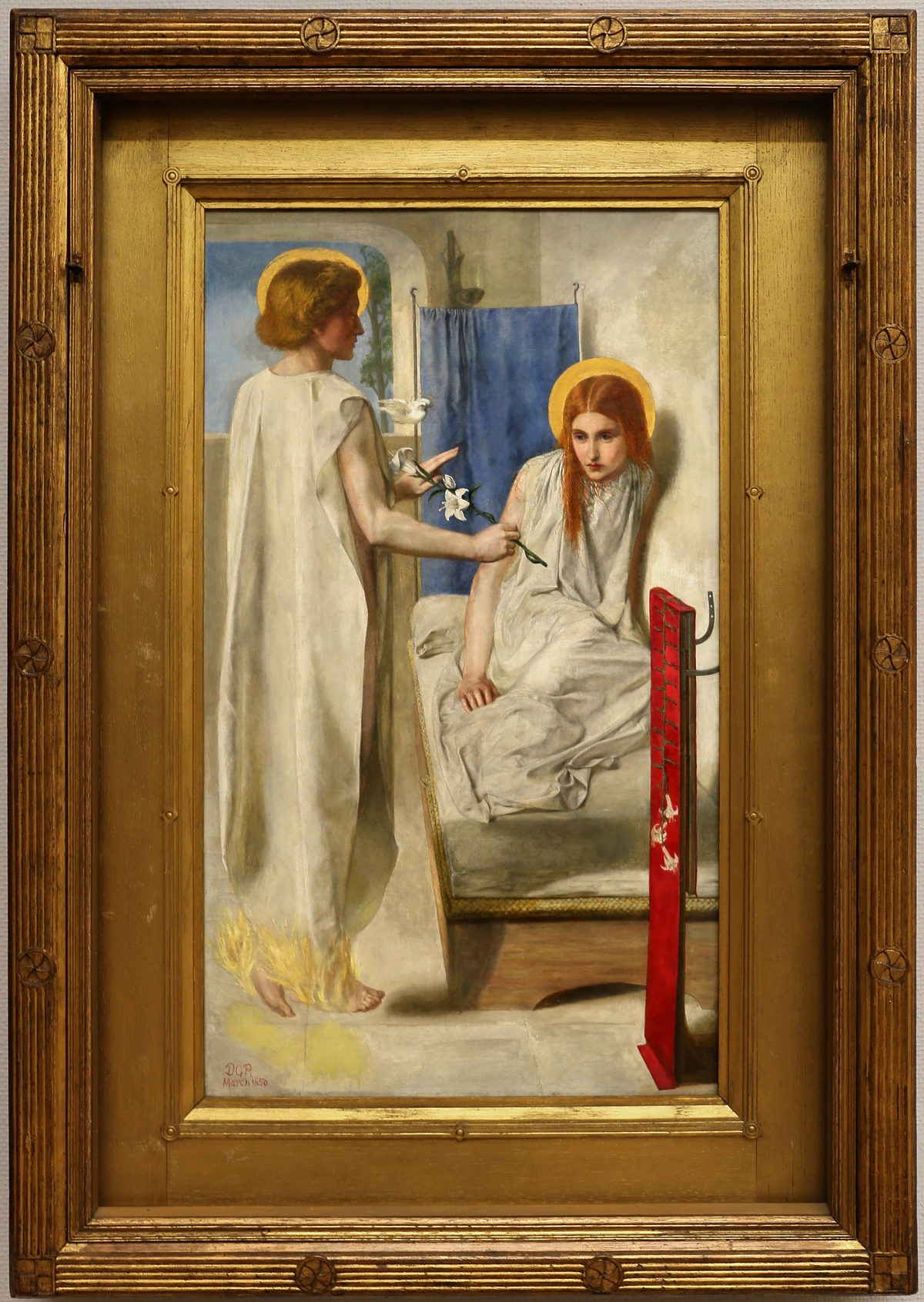
The Evolution of Morris's Design Language
Morris's style evolved significantly throughout his career. Early works like "Trellis" (1862) show his Pre-Raphaelite influences with more literal natural forms. By the 1870s, his designs like "Honeysuckle" (1873) and "Marigold" (1875) developed greater fluidity and abstraction. His mature works from the 1880s, including "Strawberry Thief" (1883) and "Willow Bough" (1887), represent the pinnacle of his style – intricate, flowing patterns that feel both organic and mathematical.
Morris was remarkably prolific even by today's standards. During his career, he produced:
- Over 50 wallpaper patterns
- Hundreds of textile designs
- Numerous stained glass windows
- Furniture designs for homes and public buildings
- Poetry including the epic "The Earthly Paradise"
- Several novels including the utopian "News from Nowhere"
- Translations of medieval texts
- Essays on art, politics, and socialism
- Designs for bookbindings and typography This extraordinary range of work shows Morris's belief that all arts should be integrated – that poetry, painting, furniture making, and social reform were all part of the same human enterprise.
Iconic Wallpaper Designs
Pattern Name | Year Created | Inspiration | Significance | Color Palette | Technical Innovation |
|---|---|---|---|---|---|
| Strawberry Thief | 1883 | Thrushes stealing strawberries from his kitchen garden | Featured birds that shift position in each repeat, creating movement | Deep blues, rich greens, warm reds | Multiple color layers with registration techniques |
| Willow Bough | 1877 | Weeping willow trees in Morris's garden | Demonstrated Morris's mastery of organic flow and repetition | Soft greens, browns, subtle yellows | Complex interlocking pattern system |
| Honeysuckle | 1873 | Climbing honeysuckle vines | One of his earliest successful commercial designs | Warm yellows, oranges, greens | First use of Morris's signature flowing vine motif |
| Marigold | 1875 | Field of marigold flowers | Showed his ability to capture natural energy in pattern | Deep golds, rich oranges, greens | Bold color blocking with organic shapes |
| Pimpernel | 1876 | Scarlet pimpernel wildflowers | Featured Morris's signature "doom" border design | Deep reds, blacks, golds | Introduction of Morris's signature border design |
| Golden Lily | 1876 | Lily flowers in his garden | Demonstrated Morris's skill with color gradients | Soft yellows, greens, blues | Advanced color blending techniques |
| Daisy | 1874 | English daisies | Simple, elegant design that became immensely popular | Pure whites, soft greens, blues | Minimalist approach within Morris's complex style |
| Fruit | 1864 | Various fruits and vegetables | Early design showing Morris's interest in natural forms | Rich reds, greens, browns | Early exploration of Morris's natural themes |
| Trellis | 1862 | Garden trellises | His first commercial wallpaper design | Greens, browns, subtle blues | Foundation for Morris's later complex patterns |
| Wandle | 1884 | The River Wandle near his workshops | Showed influence of local landscape on his work | Blues, greens, earth tones | Integration of local environment into design |
| Crane | 1879 | Japanese-inspired crane motifs | Showed Morris's international influences | Blues, greens, whites | Incorporation of Japanese aesthetic elements |
| Dove | 1886 | Doves in flight | Demonstrated Morris's mastery of movement | Soft blues, greys, whites | Advanced pattern flow techniques |
| Merton | 1885 | Flowers from his garden at Merton Abbey | Showed Morris's connection to place | Rich florals, deep backgrounds | Integration of personal experience into design |
Textile and Tapestry Designs
Morris's textile work was equally revolutionary. His tapestries like "The Forest" (1887) and "The Attainment" (1890) combined medieval techniques with modern sensibilities. He developed new methods for dyeing wool using natural materials, creating colors that were both vibrant and subtle. His designs for carpets, like the famous "Hammersmith" carpet (1885), featured complex patterns that worked beautifully at different scales.
Literary Works
Beyond design, Morris was a significant literary figure:
- The Earthly Paradise (1868-1870) - Epic poem cycle drawing on myths and legends from around the world
- News from Nowhere (1890) - Utopopian novel describing socialist England where art and craftsmanship flourish
- The Well at the World's End (1896) - Fantasy novel that influenced Tolkien and other fantasy writers
- Translations - Brought ancient Icelandic sagas and other medieval texts to English readers
Morris's literary work deserves special attention. "The Earthly Paradise" was his major poetic achievement – a vast collection of retold myths and legends from ancient Greece, Rome, Scandinavia, and other traditions. Written in the style of Chaucer's Canterbury Tales, it was incredibly popular and established Morris as a major poet.
"News from Nowhere" remains his most famous literary work. This utopian novel describes a future London where capitalism has been replaced by a socialist society organized around craft guilds and communal living. The book is remarkable for its detailed vision of how art and craftsmanship could flourish in a post-capitalist world. Morris's descriptions of workshops, guildhalls, and communal living spaces show how deeply he had thought about the practical organization of his ideal society.
"The Well at the World's End" was one of the first modern fantasy novels, predating Tolkien's work by decades. It tells the story of a young man's quest for a magical well that grants eternal youth. The novel's influence on the fantasy genre is immeasurable – Tolkien himself cited Morris as a major influence, and elements of Morris's style can be seen throughout "The Lord of the Rings."
Architectural Collaborations
Morris worked closely with architect Philip Webb on several projects:
- Red House (1859-1860) - Morris's own home, designed by Webb, became a manifesto for Arts and Crafts living
- Stanmore Hall (1873) - Large country house where Morris designed interior textiles and wallpapers
- Queen's College, Oxford - Designed stained glass windows for the college chapel
Morris's Design Philosophy: The Seven Principles
Morris's approach to design was systematic and philosophical. Here are the core principles that guided his work:
- Nature as the ultimate source - "The true way to study nature is to go to nature herself"
- Honesty in materials - Wood should look like wood, metal like metal
- Function follows beauty - Beautiful things should also be useful
- Craftsmanship over commerce - Quality matters more than profit
- Tradition with innovation - Learn from the past but make it your own
- Integration of arts - All arts should work together harmoniously
- Accessibility in aspiration - Beautiful design should be available to all, even if it's not affordable to all
The Deeper Meaning Behind the Principles
These seven principles may seem straightforward, but they represent a radical rethinking of design in the industrial age. Each one challenges Victorian assumptions about art, production, and value. What's remarkable is how these principles weren't just abstract ideas – they were practical guidelines that shaped every decision Morris made.
Morris didn't just design beautiful objects; he developed a comprehensive philosophy of design that continues to influence artists and designers today. These principles emerged from his deep understanding of human nature and his belief that beautiful surroundings were essential to human happiness.
Nature as Ultimate Source Morris's reverence for nature wasn't just aesthetic – it was philosophical. He believed that nature represented perfect design, evolved over millions of years. By studying natural forms, Morris thought designers could learn timeless principles of beauty, balance, and harmony. This was revolutionary in an age when designers were increasingly drawing inspiration from machines and geometric abstraction.
Honesty in Materials This principle attacked the Victorian practice of disguising materials – covering wood with paint, hiding construction details, using artificial substitutes. Morris believed that materials should be celebrated for their inherent qualities. A wooden chair should look and feel like wood, not like painted plastic. This honesty extended to construction – joinery should be visible, not hidden.
Function Follows Beauty Morris inverted the Victorian dictum that "form follows function." For Morris, beauty and utility were inseparable. A beautiful object should also be useful, and a useful object should also be beautiful. This rejected the idea that decoration was separate from or inferior to function.
Craftsmanship Over Commerce This principle directly challenged industrial capitalism. Morris believed that profit should never compromise quality. The goal of production should be to create excellent objects, not to maximize shareholder value. This was radical in an age when factories were increasingly cutting corners to compete on price.
Tradition with Innovation Morris wasn't a reactionary who wanted to return to the past. He respected traditional crafts and techniques but believed they should be adapted to modern needs. This balance between respect for tradition and openness to innovation is key to understanding his approach.
Integration of Arts Morris hated the specialization of modern art and design. He believed that painting, architecture, furniture making, textiles, and poetry should all work together harmoniously. This integrated approach was lost in the industrial age and has only recently been rediscovered in movements like total design.
Accessibility in Aspiration Perhaps the most poignant of Morris's principles. He recognized that beautiful, handcrafted objects would always be expensive, but he insisted that everyone should have access to beautiful surroundings. This meant democratizing good design through public spaces, education, and by encouraging people to make their own beautiful objects.
Morris didn't just create beautiful objects; he developed a comprehensive philosophy of design that continues to influence artists and designers today. These principles weren't just abstract ideas – they were practical guidelines that shaped every decision he made, from choosing materials to pricing his work.
Morris believed that good design should be democratic in spirit, even if it couldn't always be democratic in practice. He wrote: "I do not want art for a few, any more than education for a few, or freedom for a few." This belief drove his constant search for ways to make beautiful, well-made objects available to ordinary people, even as his business model inevitably produced luxury goods.

This tension between ideal and reality Morris called "the dilemma of modern life" – the conflict between what we believe in and what we can achieve within existing systems. Morris struggled with this dilemma throughout his career, and his response evolved from trying to reform the system to trying to replace it entirely.

How to Identify Authentic Morris Designs
If you're collecting or studying Morris's work, here are some key characteristics to look for:
- Signature motifs - Birds, flowers, vines, and leaves arranged in flowing patterns
- Color palettes - Deep, earthy colors derived from natural dyes - no bright neon hues
- Border designs - Many Morris patterns feature distinctive "doom" borders with intricate repeating motifs
- Quality of reproduction - Authentic Morris designs have crisp lines and balanced composition
- Signature - Many pieces bear the Morris & Co. mark or Morris's initials
The Business of Beauty: Morris & Co.'s Economic Model
Morris & Co. was more than just an artistic venture – it was a complex business operation that reflected Morris's contradictory relationship with capitalism. Understanding how Morris balanced his socialist ideals with commercial success reveals much about his character and the challenges of implementing his philosophy.
The Economics of Hand Production
Pricing Strategy: Morris's handcrafted goods were inherently expensive. A typical Morris wallpaper could cost 10-20 times more than mass-produced equivalents. This pricing reflected:
- The labor-intensive nature of production
- High-quality materials
- Skilled craftsmanship
- Artistic investment
- The cost of developing new techniques
- The time required for perfect execution
Market Positioning: Despite Morris's socialist ideals, his primary market was wealthy clients: industrialists, aristocrats, and the emerging middle class with disposable income. This created the central tension of his career – creating beautiful objects that the working class he championed could never afford.
The Pricing Breakdown: To understand why Morris's work was so expensive, consider that "Strawberry Thief" wallpaper required:
- 20 separate wood blocks (one for each color)
- Multiple printings with careful registration between colors
- Natural dyes that had to be prepared by hand
- Skilled printers who could maintain consistent quality
- Design development that took months or even years
While a mass-produced wallpaper might cost a few shillings per roll, Morris's "Strawberry Thief" could cost £2-3 per roll – equivalent to hundreds of pounds today.
Labor Practices and Workers' Rights
Fair Wages: Morris paid his workers significantly better than industry standards. At Merton Abbey, weavers earned wages that allowed them to live comfortably, something unusual in the textile industry of the time.
Working Conditions: The workshops featured:
- Natural lighting
- Proper ventilation
- Reasonable working hours
- breaks and holidays
- Clean, safe environment
Apprenticeship System: Morris maintained traditional apprenticeship systems, ensuring knowledge transfer and maintaining quality standards. Young craftsmen learned from experienced masters, preserving skills that might otherwise have been lost.
The Challenge of Scale
Production Limitations: The hand-production model inherently limited how much Morris & Co. could produce. This meant:
- Long waiting times for clients
- Inability to meet mass demand
- Higher prices that excluded most people
Attempts at Innovation: Morris experimented with ways to make production more efficient while maintaining quality:
- Improved dye techniques
- Better block printing methods
- Streamlined design processes
Despite these innovations, Morris & Co. never achieved the scale that would have made beautiful objects affordable to working people. This limitation haunted Morris throughout his career and ultimately drove him toward more radical socialism.
Legacy of the Business Model
Successes:
- Proved that quality craftsmanship could be commercially viable
- Created employment for skilled workers
- Preserved traditional crafts
- Demonstrated that business could operate ethically
Failures:
- Could not overcome the economic barriers to mass affordability
- Relied on wealthy clients despite socialist ideals
- Could not compete with industrial-scale production
- Ultimately unsustainable as a model for widespread social change
Morris & Co.'s business model represents one of the most fascinating experiments in ethical capitalism. It showed that businesses could treat workers well and produce beautiful objects while remaining profitable. But it also demonstrated the fundamental limitations of trying to create social change within a capitalist system – especially when that change involved making luxury goods accessible to everyone.
Morris in the Digital Age: Patterns for the 21st Century
One of the most surprising aspects of Morris's legacy is how his work has adapted to the digital age. While Morris himself would likely have been skeptical of technology, his designs have found new life in digital contexts:
- Digital pattern libraries - Companies like Spoonflower offer Morris-inspired designs that can be printed on demand
- 3D printing - Morris's geometric principles have influenced 3D design software and printing techniques
- Digital archives - Institutions like the V&A have created high-resolution digital archives of Morris's work
- AI pattern generation - Some designers use AI to create new patterns inspired by Morris's style
Digital Morris: Contradictions and Possibilities
The digital representation of Morris's work raises fascinating questions about authenticity and originality. When Morris designs are scanned, digitized, and reproduced using modern technology, something is inevitably lost – the tangible quality of the original printing, the subtle variations of hand-block printing, and the physical presence of the pattern in space. Yet something new is also gained: accessibility, reproducibility, and the ability to experiment with Morris's principles in new ways.
Digital tools have actually made Morris's design principles more accessible than ever before. Modern software allows designers to create patterns that incorporate Morris's love of nature, his sense of rhythm and repetition, and his understanding of color – but with tools Morris could never have imagined. This creates an interesting paradox: the digital age, which Morris would have likely opposed, has become one of the best ways to study, appreciate, and extend his design legacy.

The question of AI-generated patterns inspired by Morris is particularly complex. On one hand, AI can analyze Morris's patterns and generate new ones that capture their essence. On the other hand, Morris believed that true creativity came from human experience and connection to nature – qualities that AI fundamentally lacks. Would he approve of AI-inspired patterns? Probably not. But he might appreciate how such tools can introduce his aesthetic to new audiences who might never encounter his work otherwise.
What's fascinating is how Morris's principles of organic flow, natural inspiration, and thoughtful design translate to digital contexts. The same qualities that made his handcrafted designs revolutionary – their connection to nature, their attention to detail, their emotional resonance – make them just as powerful when created using modern tools.
Museums and Collections: Where to See Morris's Work
If you want to experience Morris's designs in person, here are some of the best places to visit:
Major Collections in the UK
The Victoria and Albert Museum, London
- Houses the world's largest collection of Morris work
- Features wallpapers, textiles, furniture, and original designs
- Regularly has special exhibitions on Morris and the Arts and Crafts movement
The William Morris Gallery, Walthamstow
- Located in Morris's birthplace
- Comprehensive display of his life and work
- Beautiful gardens designed in the Morris style
Red House, Bexleyheath
- Morris's first home, designed by Philip Webb
- Shows how Morris lived with his own designs
- Managed by the National Trust
Kelmscott Manor, Oxfordshire
- Morris's country home
- Contains original Morris furniture and textiles
- Beautiful setting that inspired many of his designs
International Collections
The Metropolitan Museum of Art, New York
- Significant collection of Arts and Crafts objects
- Includes American interpretations of Morris's principles
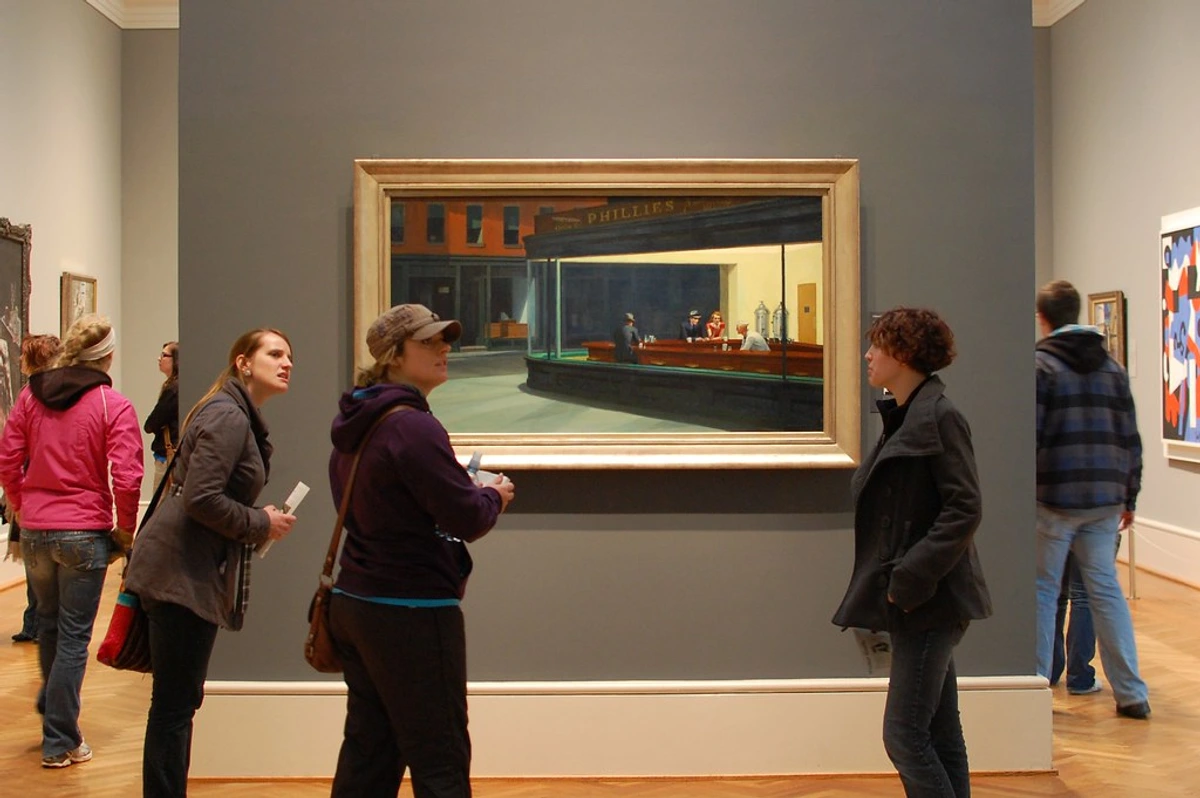
The Art Institute of Chicago
- Important Arts and Crafts holdings
- Features both British and American examples
Musée d'Orsay, Paris
- Collects international Arts and Crafts movement
- Shows European reception of Morris's ideas
Virtual Collections
n Online Archives:
- The V&A's online collection has thousands of Morris designs
- The William Morris Society website offers digital resources
- Many museums now offer virtual tours of their Morris collections
Digital Exhibitions:
- "William Morris: Designing the World We Want" (online)
- "Arts and Crafts Movement" (various museum websites)
- "The Earthly Paradise: Morris's Literary Legacy"
Morris's Global Influence
While Morris is often seen as a British figure, his influence spread worldwide:
- America - Influenced Gustav Stickley's Mission furniture and the American Arts and Crafts movement
- Germany - Connected to the Werkbund, which influenced the Bauhaus and modern design
- Japan - Morris's interest in Japanese aesthetics (he collected Japanese prints) influenced his own work, and his ideas in turn influenced Japanese craft traditions
- Scandinavia - His emphasis on natural materials and functional beauty influenced Scandinavian design
- Australia/New Zealand - The Arts and Crafts movement took root in these British colonies, with local adaptations
Detailed Global Impact
American Arts and Crafts Movement Morris's ideas crossed the Atlantic in the late 19th century and profoundly influenced American design. Gustav Stickley, often called the "American Morris," adapted Morris's principles to create the Mission style furniture that defined American Arts and Crafts. Unlike Morris, who worked primarily with middle-class clients, Stickley aimed his more affordable furniture at the growing American middle class. Other American designers like Frank Lloyd Wright and Greene & Greene also show Morris's influence in their integration of architecture, furniture, and decorative arts.
German Design Evolution In Germany, Morris's ideas contributed to the development of the Deutscher Werkbund (German Work Federation), which included designers like Peter Behrens and later influenced the Bauhaus. The Werkbund sought to bridge the gap between art and industry in a way that Morris might have approved of – maintaining quality while embracing modern manufacturing techniques. This represents an interesting evolution from Morris's anti-industrial stance.
Japanese Craft Connections Morris was deeply influenced by Japanese art, which he collected extensively. His interest in flat perspective, simplified forms, and pattern-based design shows clear Japanese influence. In turn, Morris's ideas about craft quality and the integration of art with daily life resonated with Japanese traditional crafts, particularly during the Meiji period when Japan was modernizing. This cross-cultural exchange represents one of the most interesting aspects of Morris's global influence.
Scandinavian Design Legacy The Scandinavian design movement of the mid-20th century, with its emphasis on simplicity, natural materials, and functional beauty, shows clear Morrisian influence. Designers like Alvar Aalto and Hans Wegner created furniture that embodied Morris's belief that beautiful objects should also be useful and made from honest materials. The Scandinavian approach to integrating craft with modern life represents perhaps the most successful implementation of Morris's principles in the 20th century.
This global reach shows how Morris's ideas about the relationship between people, objects, and nature are universal rather than culturally specific. His principles speak to something fundamental about human creativity and our relationship to the material world.