What is the Meaning of Art? An Engaging Exploration
Explore the elusive meaning of art. Is it beauty, expression, or something more? Dive into a relatable guide on finding your connection to its significance.

What is the Meaning of Art? Let's Actually Talk About It
Art is a mirror to our soul, a bridge between cultures, a question without a final answer. It's about feeling, not just facts.
In this article, we'll dive into why art's meaning is so personal, explore the different roles it plays in our lives, and help you find your own connection to it. We'll cover everything from ancient cave paintings to modern art, from the history of art to how you can start appreciating it on a deeper level. We'll also explore the psychological bedrock of artistic impulses, what happens inside the artist's mind, and how art functions as a form of social dialogue, a career path fraught with uncertainty, and even a battleground for ideology.
But I also want to think about what happens behind the scenes—the psychological underpinnings of creativity, the economic realities of being an artist, and the often invisible labor that goes into a single work. What does it mean when a piece becomes a valued asset, or when it exists only for a fleeting moment, like in performance or digital art? What about the influence of art institutions and the subtle politics of the gallery system? These questions aren't just footnotes; they shape how art is made, seen, and valued in our world.
"What is the meaning of art?" It's one of those questions that can stop you dead in your tracks in the middle of a gallery, a studio, or even just scrolling online. It feels big, slightly intimidating—like trying to explain why you fell in love, or why a certain melody gives you goosebumps. You feel it, you know there\’s something there, but pinning it down with a simple definition feels... well, kind of impossible. And maybe even a bit beside the point. After all, if a painting can make you cry or a sculpture can make you gasp, does it really matter if we can't fit that feeling into a neat little box? The very frustration you feel is a clue—it suggests art's meaning isn't a statement, but a process, an event that happens in the meeting place between an object and a human life.
I think the intimidation comes from a fear of being wrong. We walk into a white-walled gallery and suddenly feel like we need a PhD to have an opinion. It reminds me of being in a doctor's office, scared to admit you don't understand the jargon. But art isn't a test. There's no secret vocabulary you're supposed to know. The meaning begins with your reaction, not with what a critic said fifty years ago. The entire art world, from the grand museum to the local gallery, rests on the foundation of your individual, subjective encounter. That encounter is the source of all value and meaning, whether the market recognizes it or not.
We already have a page trying to grapple with What is Art? in a more definitional sense, exploring its characteristics. But the meaning? That feels deeper, more personal, more tangled up with being human. It’s less about classifying and more about connecting.
Honestly, sometimes I think asking for the meaning of art is like asking for the meaning of life. There isn’t just one answer, is there? And thank goodness for that. How dull would it be if Van Gogh, Marina Abramović, and the person doodling on a napkin in a café were all aiming for the exact same thing? It’s precisely this diversity of intent—from spiritual quest to political protest to idle distraction—that makes the arts a true mirror of human complexity.
That doodle is just as much an expression of a fleeting moment as a masterwork is. I can't help but think about how artists themselves navigate this question. Their meaning might be about process, a daily ritual of showing up to the canvas. For others, it might be a step in a larger creative process—a messy sketchbook page that leads to a final piece. The meaning isn't static. For many artists, the studio is a laboratory for thought, where ideas are not illustrated but discovered through the act of making. An artist friend once told me he doesn't know what he thinks until he sees what he's made. That's a profound shift—the meaning is not pre-planned but emergent, a surprise even to the creator.
Why Is This So Slippery?
Trying to define the meaning of art feels like trying to catch smoke. Why? Because art isn't a "thing" with fixed properties; it's an event, a relationship between an object and a person. Philosophers and aestheticians have wrestled with this for centuries, trying to build a cage for something that refuses to be contained. I find it more helpful to think in terms of 'functions' rather than 'definitions.' What work is the art doing in the world, and in your life?
- It's Subjective: What resonates deeply with one person might leave another cold. I might look at a chaotic abstract piece and feel exhilaration, while you might see... well, chaos. And that’s okay! Your experiences, your culture, your mood that day—it all shapes your interpretation. Defining your personal art style and taste is a journey in itself. This subjectivity is a feature, not a bug. It's what opens up the conversation instead of closing it down. It means that the viewer is not a passive consumer but an active co-creator of the art's meaning. Every time you look at a painting and it reminds you of something from your own life, you have just written a new, tiny chapter in that work's history.
- It's Context-Dependent: A urinal in a bathroom is just a urinal. That same object, signed "R. Mutt" and placed in a gallery in 1917 by Marcel Duchamp, becomes Fountain—a work that questioned the very definition of art and still sparks debate today. The meaning hinges on where it is, who put it there, and why. Think of it this way: a chair in a living room is furniture. That same chair, isolated under a spotlight in a gallery, becomes a sculpture asking you to think about what a chair even is. This is the core idea of institutional theory—the art world itself (museums, galleries, critics) has the power to designate what is and isn't art. It's a circular and imperfect system, but it's the one we have.
- It's Historically Fluid: The goals of a Renaissance master painting a biblical scene for a church are light-years away from a Post-Impressionist like Van Gogh trying to capture a feeling in a landscape, or a 20th-century abstractionist exploring pure color. The "meaning" of art has shifted dramatically across different periods and cultures. A guide to the history of art reveals how much these goals have changed. What was once a tool for religious propaganda became a vehicle for personal expression, and then a platform for philosophical inquiry. Knowing this history isn't just trivia; it equips you to see a work not as a solitary object but as a participant in a long, unfolding argument about what matters most to us as human beings.
Okay, But What Could Art Mean? Common Threads
Even if there's no single answer, we can explore some common functions and ideas that people often associate with the meaning of art. Think of these not as rigid definitions, but as facets of a complex gem. It’s a way for us to make sense of a messy, complicated, and deeply human impulse to create. A single artwork can embody several of these functions at once—a beautiful object that also contains sharp political commentary, for instance. They aren't mutually exclusive categories, but rather overlapping territories on a map of creative purpose. They represent the varied and intersecting reasons why humans have always felt this compulsion to mark, shape, and re-imagine their world.
1. Expressing the Inexpressible
Sometimes, words just aren't enough. Art can be a powerful vehicle for emotion, whether it's the raw anguish in Munch's "The Scream," the turbulent energy in a Van Gogh sky, or the quiet contemplation evoked by a Rothko color field. It can also express complex ideas, philosophies, or spiritual states that defy simple language. This isn't just about the artist's feelings, but also about the ineffable qualities of existence itself—the way light hits a wall at a certain time of day, the specific weight of a collective memory, or the abstract sensation of hope. Art gives form to the formless. It allows us to externalize our inner worlds in a way that others can witness, creating a bridge between private experience and shared understanding.
I know sometimes when I'm painting, it feels like I'm trying to get something out that I can't quite articulate otherwise – maybe related to my own artistic journey. There's a kind of cognitive hum that happens when your hands are moving, and you're not thinking in sentences anymore. It's a direct translation from experience to form, bypassing the verbal filter. That internal struggle, that search for a perfect line or color, can itself become the meaning. It’s an embodied form of knowing, closer to dancing or playing music than to writing an essay. The meaning is encoded in the gesture, the texture, and the energy of the mark itself.
This is perhaps the most ancient and primal meaning of art. Think of the cave paintings at Lascaux. We can only guess at their exact purpose—ritual, storytelling, a record of a hunt—but they undeniably communicate something powerful and essential about the human experience, something far beyond what words on a wall could do. What's fascinating is that they were made in near-total darkness, deep within the earth. They weren't made for a casual audience. This suggests the meaning was less about "display" and more about the sacred act of creation itself—of making the invisible (the spiritual, the hoped-for outcome of a hunt) visible. This primal impulse persists. We still use art to make the unseen seen: our dreams, our traumas, our visions for the future.
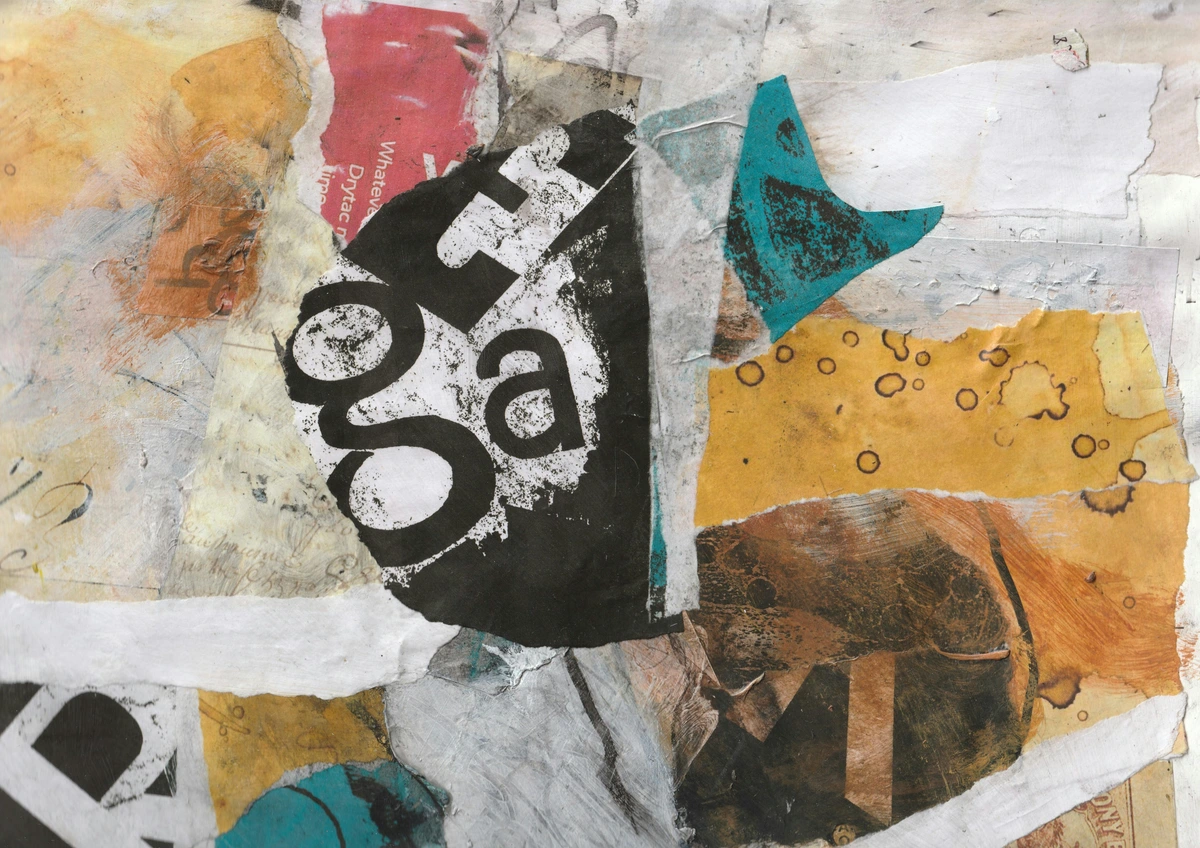
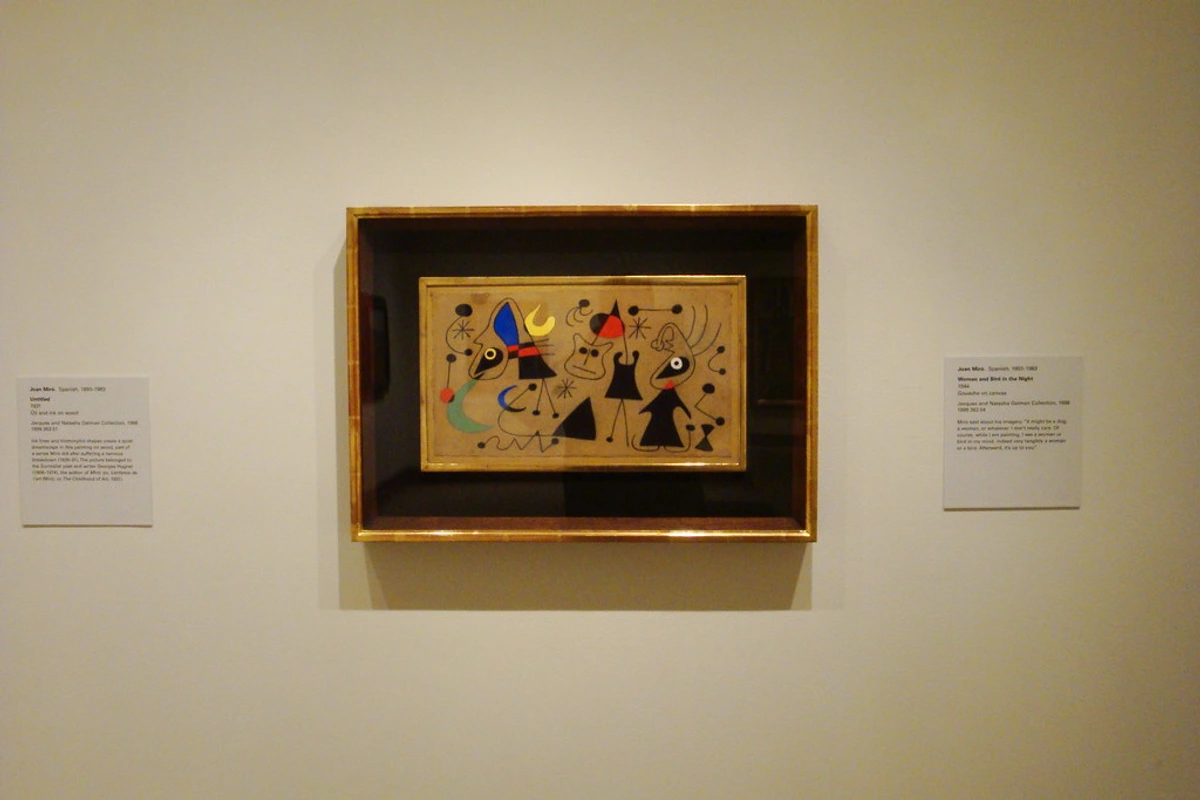
Artworks like those by Joan Miró feel like a visual language of their own, tapping into something wordless.
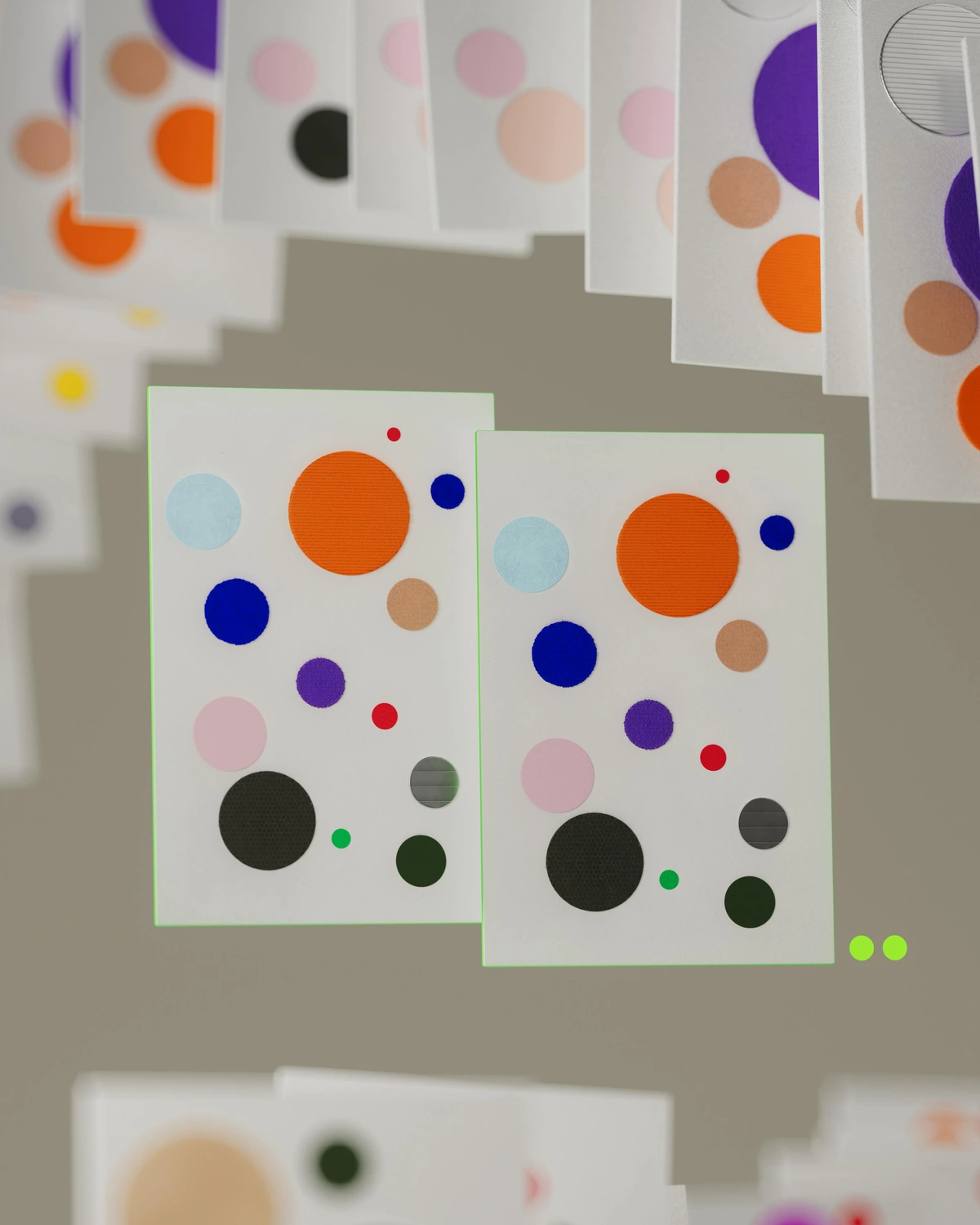
2. Communication Across Divides
Art can transcend language, culture, and time. A prehistoric cave painting speaks to us across millennia. A powerful photograph can communicate the reality of a situation more effectively than a news report. It’s a form of shared human experience. When you look at a portrait from centuries ago, you're not just seeing a face; you're witnessing a moment of shared consciousness. The painter saw that person, and now, through the painting, you see them too. It's a form of time travel. It collapses physical and temporal distance, allowing you to inhabit, however briefly, the perceptual world of another person. This type of communication doesn't rely on facts; it relies on empathy. It allows you to feel your way into another reality.
When I see an ancient Greek sculpture or a Japanese woodblock print, I'm connected to a person from a completely different world who had the same impulse to create something meaningful. It collapses time and distance. This kind of connection also builds bridges between communities today. Think about the powerful role art plays in social movements, giving a voice to the marginalized and creating symbols of unity. It can foster empathy on a massive scale. Art can be a form of resistance, a way of saying "we were here, we matter" when official histories would rather erase you. From the protest graphics of the Black Panthers to the AIDS Memorial Quilt, art creates a visible record of struggle and humanity that can outlast empires.
3. Seeking Beauty, Aesthetics, and Order
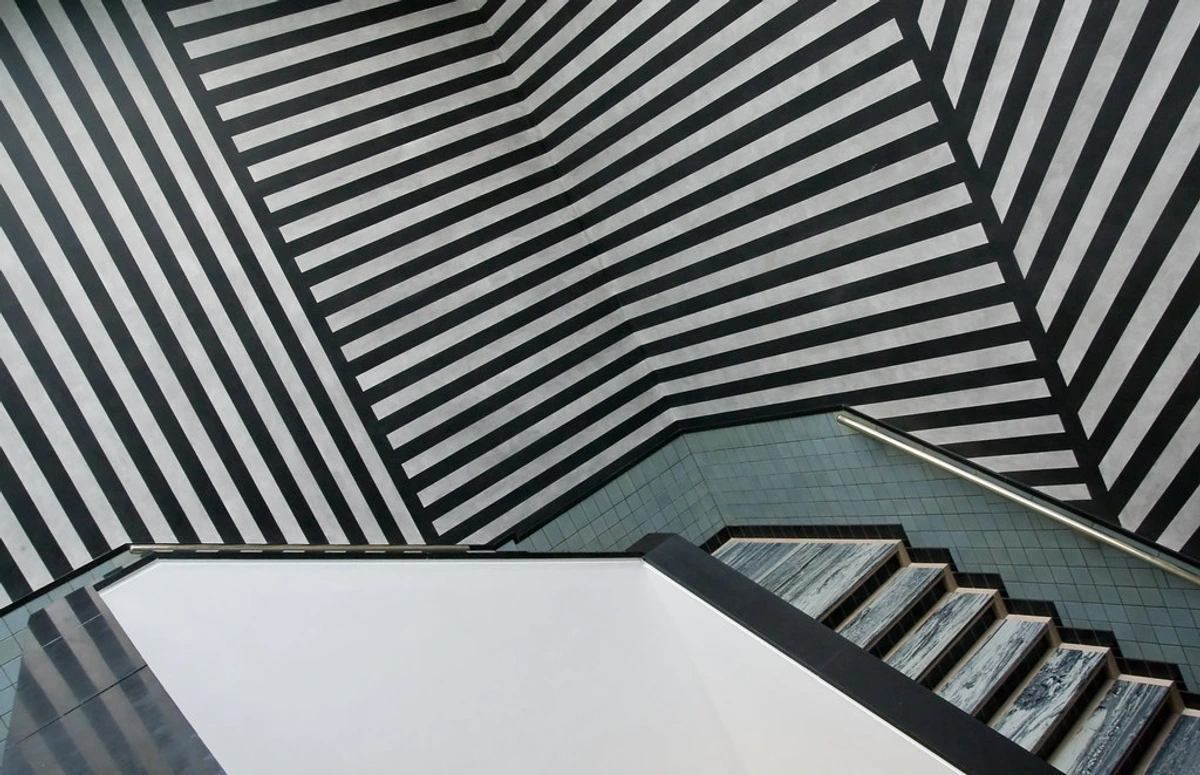
Let's face it, sometimes art is just beautiful. It pleases the eye, harmonizes colors and forms, and creates a sense of aesthetic pleasure. From the intricate patterns of Islamic art to the delicate light in an Impressionist painting, the pursuit of beauty is a valid and significant meaning for many artworks and viewers. Though, beauty itself is subjective and not always the primary goal, especially in modern art. But the search for order goes beyond mere prettiness. For the artist, the canvas can be a place to take the raw chaos of the world—the noise, the randomness, the conflicting emotions—and shape it into something with harmony and structure. It's an attempt to create a small pocket of logic in an illogical world, to find rhythm in the mess. This can be a deeply therapeutic act, a way of digesting the overwhelming input of existence and rendering it comprehensible, even if just for a moment.
The Japanese concept of Yūgen gets close to this. It's the profound, mysterious sense of the beauty of the universe that’s hinted at but not fully revealed. Not every beautiful painting needs to shout. Sometimes the most powerful meaning is found in suggestion, in the quiet suggestion of depth. This reminds me of how a Mark Rothko painting works—it doesn't hit you over the head with an image, but slowly immerses you in an atmosphere of color and light that can feel almost religious in its intensity. The meaning is in the feeling of being enveloped, not in deciphering a symbol.
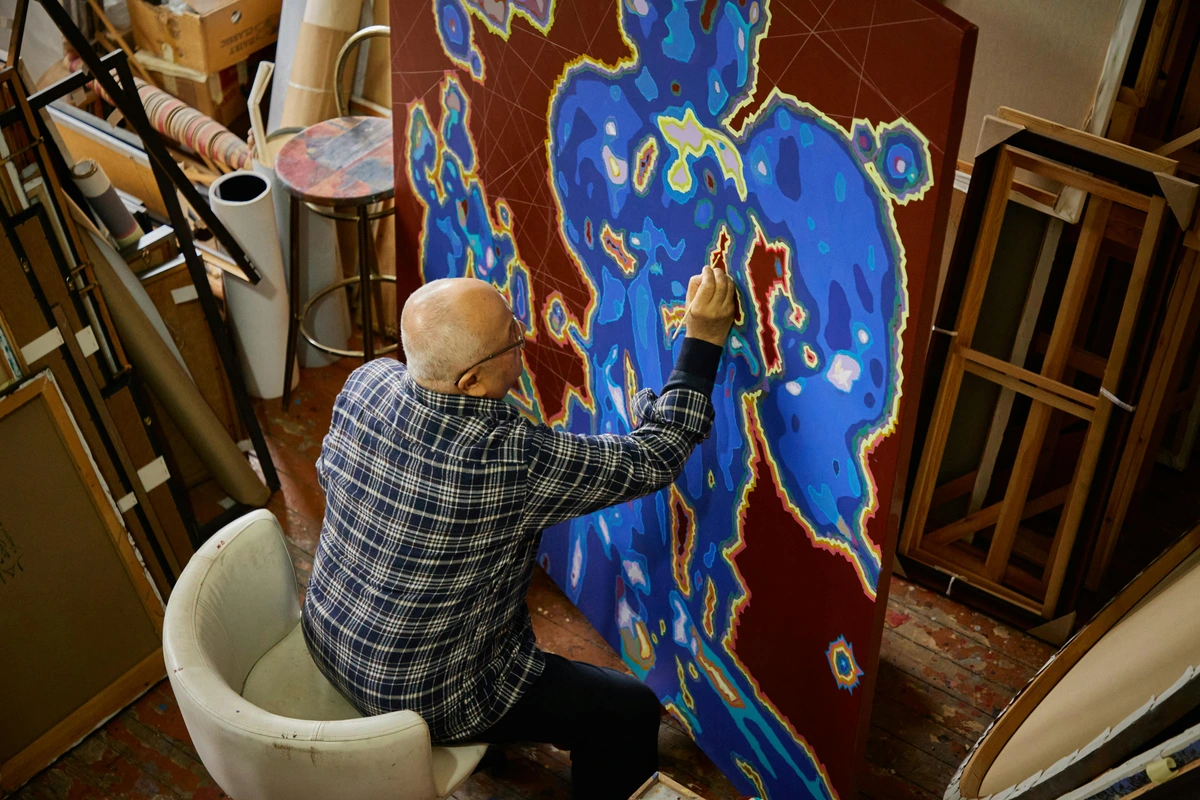
Think about it: a perfectly balanced composition, the satisfying tension of a bold color palette, or the rhythm of repeating shapes. Often, the meaning lies in art's ability to impose order on chaos. The artist sees a messy world and creates a small, perfect piece of it—a moment of visual harmony that offers a sense of peace, balance, and clarity. It's a fundamentally optimistic act, isn't it? To declare that even when things are falling apart, we can still make something structured and meaningful. Maybe that's why we're drawn to hang art in our homes; it's a way of taming the chaos, bringing a point of focus and calm into our daily lives. An orderly artwork can make an entire room feel more settled and intentional.
4. Reflection, Commentary, and Provocation
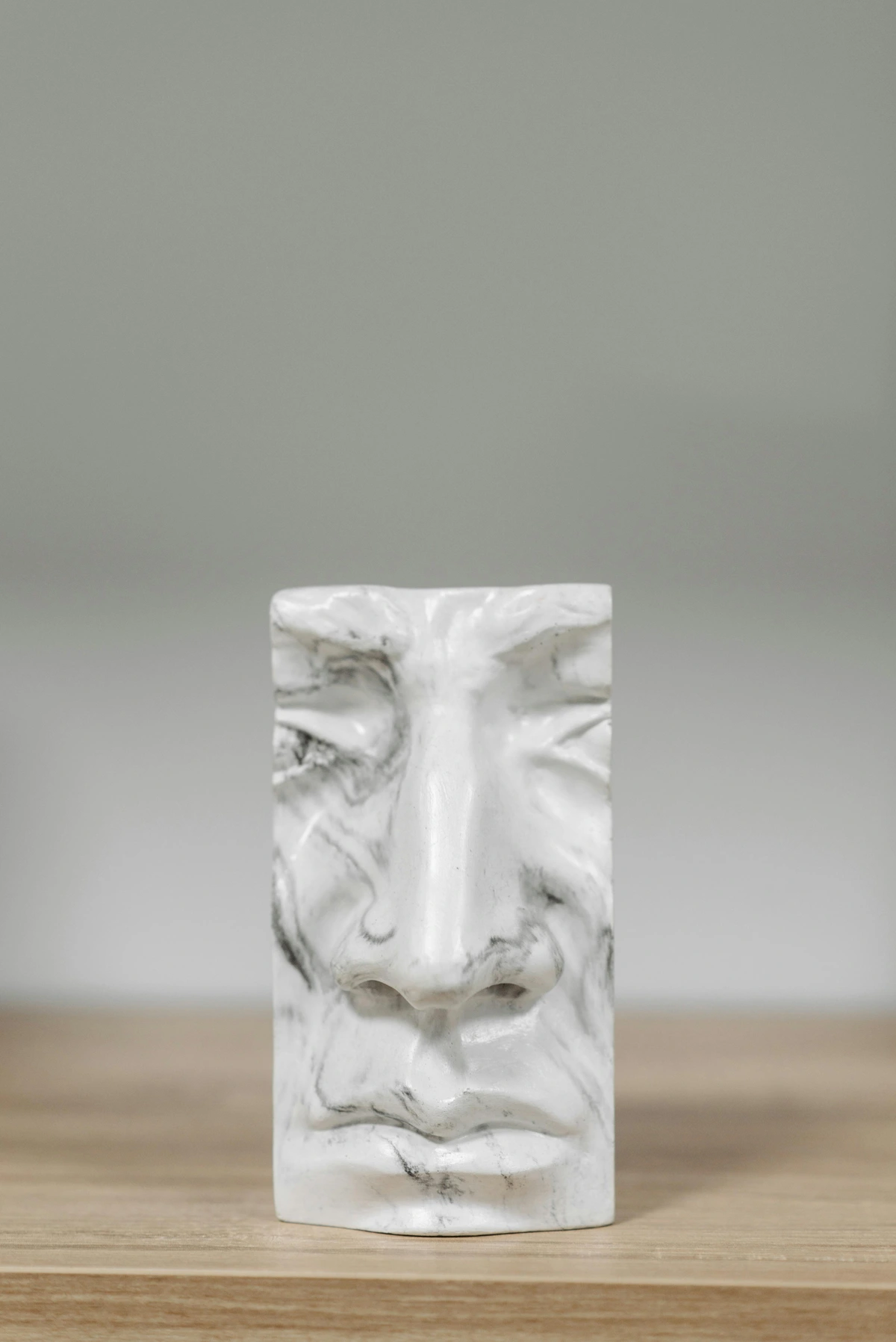
Art can hold a mirror up to society, comment on political events (think Picasso's Guernica), challenge conventions, question authority, and provoke thought. It can make us uncomfortable, force us to see things differently, and spark conversations. Contemporary artists often engage heavily in this kind of commentary. This is art as a form of critical thinking, a way of breaking through the numbness of daily life to ask uncomfortable questions: Who holds power? What are we choosing to ignore? Is this the world we want? It shows us reality, but refracted through an artist's critical lens, forcing us to confront what we might otherwise look past.
This is where art shows its teeth. It isn't just about creating pretty things; it's about asking difficult questions and forcing us to confront uncomfortable truths about power, injustice, and our place in the world. The artist becomes a witness and a critic. This can be fraught with danger, too. Art that challenges authority has, throughout history, gotten artists arrested, exiled, or worse. The meaning is potent enough to be seen as a genuine threat to the established order. A painting or a song can become a rallying cry, a symbol of hope, or an act of defiance. This is why tyrants so often try to control art—they understand its power to shape not just what we see, but how we think and feel about the world.
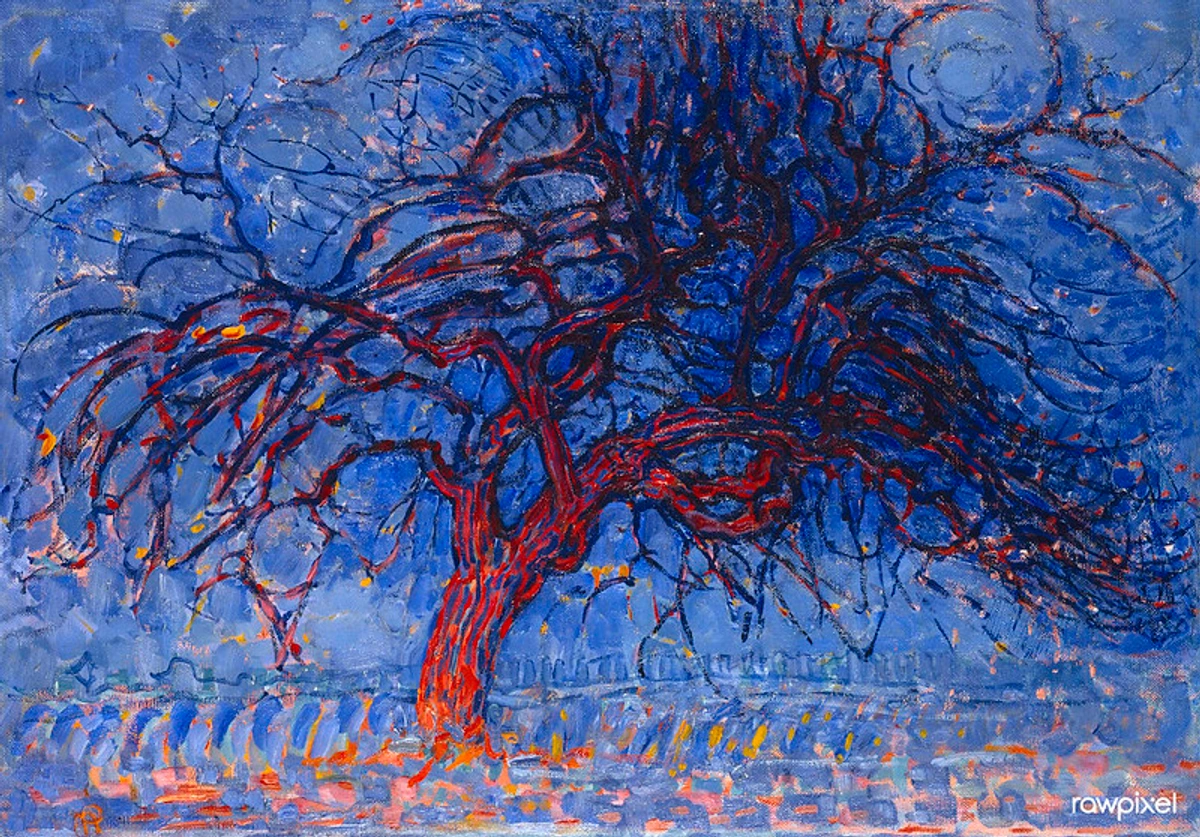
The beauty and order of an artwork can transform a space, making it feel more complete. That transformation isn't just about visual appeal. It can alter your mood, change the acoustics of a room, or even influence the way you interact with others. A space with art is an environment with a soul. It declares that this isn't just a neutral box to be occupied, but a place where thought and feeling have been considered. The choice to place a challenging, provocative piece in your home is a choice to live with a question, to keep a certain dialogue alive every single day.
5. Skill, Craft, and Mastery
Part of the meaning can lie in the sheer skill and craftsmanship involved. The mastery of technique, the innovative use of materials (like in the work of Rudolf Stingel), the dedication required – these can be awe-inspiring in themselves. Appreciating the "how" can be just as important as the "what" or "why." For the artist, the physical act of creation can be a meditative practice—a deep focus where the mind is quieted and the only thing that exists is the coordination of hand, eye, and material. The slow accumulation of skill over a lifetime is itself a profound story. It's a record of discipline, resilience, and problem-solving. The meaning, in this case, isn't just in the final product, but in the thousands of hours of unseen practice it represents. In a world increasingly dominated by the virtual and the automated, this evidence of human patience and dexterity feels more significant than ever.
When you see a Renaissance drawing with every feather perfectly rendered, or a Chinese ink painting where a single stroke of the brush captures the essence of a mountain, you're not just looking at an image. You're witnessing decades of patient practice and a profound mastery of a medium. It's a celebration of human dexterity and dedication. In our digital age, this physical mastery takes on a new significance. In a world of "undo" buttons and perfect digital lines, the unique, imperfect, and unrepeatable quality of a handmade mark is a testament to a human presence. The meaning is found in the finger smudge, the brush hair that got stuck in the paint, the slight wobble in a line—the "happy accidents" that reveal a human hand at work. This fallibility is what makes it feel alive. Each stroke is a decision made in real-time, a record of a moment that can never be perfectly replicated, imbuing the work with a sense of precious, fleeting humanity.
6. Creating an Experience
Sometimes art isn't just something you look at; it's something you experience. Think of immersive installations, performance art (Marina Abramović is a prime example), or land art. The meaning lies in the interaction, the feeling of being present within the work. This moves art from being an object-centric practice to an event-centric one. The meaning is no longer contained within a frame or a plinth; it unfolds over time and space, often blurring the lines between the artwork, the viewer, and the environment. It democratizes the creative act to some extent, making the viewer's physical presence and movement an essential component of the work's completion. Without you there, walking through it, the art is incomplete.
I think about monumental works like Christo and Jeanne-Claude's "The Gates" in Central Park. The meaning wasn't just in the thousands of saffron-colored fabric panels. It was in the experience of walking among them, feeling the wind move the fabric, seeing the landscape change color. The art wasn't the object; it was what the object did to your perception as you moved through it. This is art you can't buy or hang on a wall. It's a communal experience, a shared memory for a city. The meaning resides in the collective "oh!" of a crowd discovering a familiar place made newly strange and beautiful.
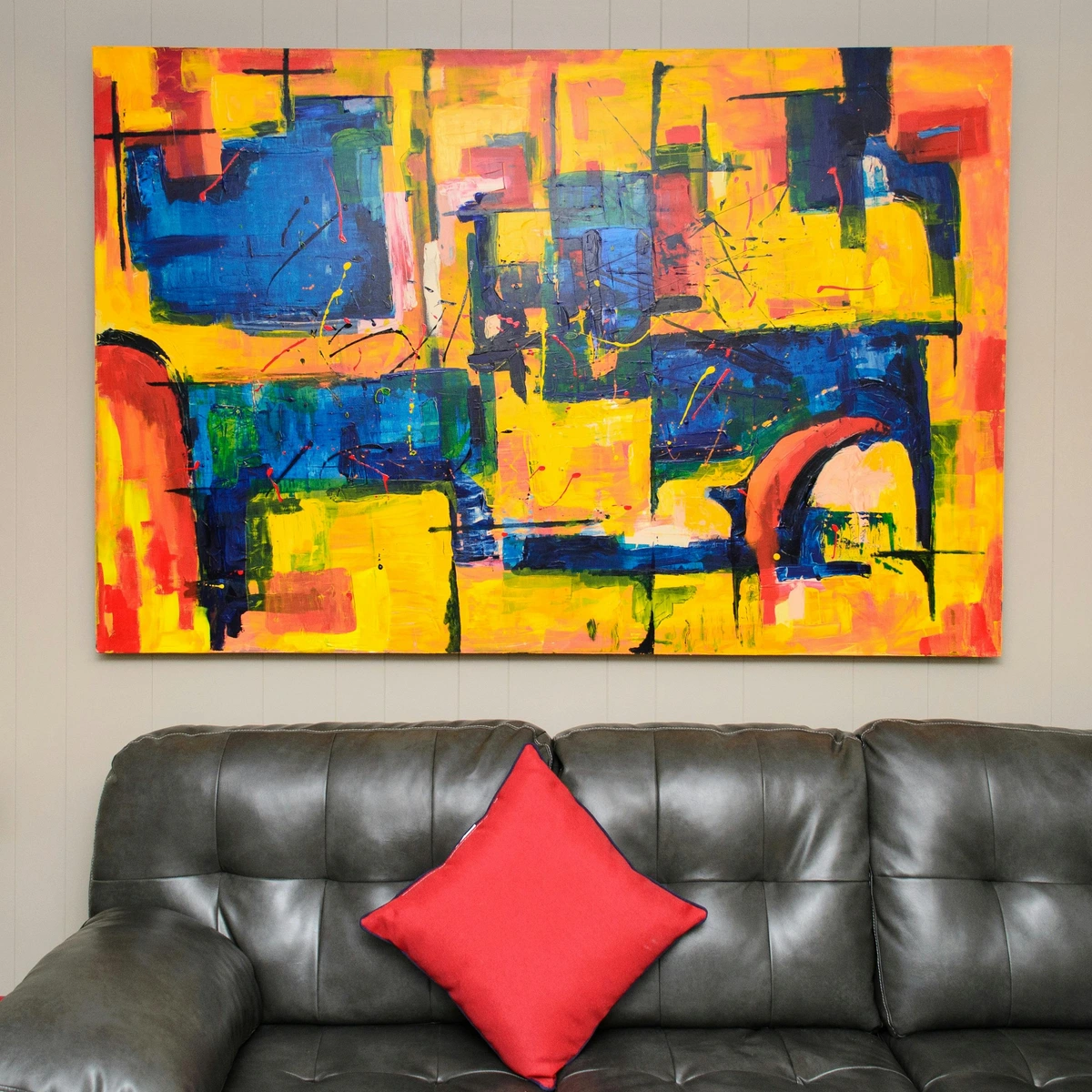
I remember walking into a room-sized installation once. It completely changed my sense of space and sound. The art wasn't just the objects in the room; it was the feeling of being in it. The meaning was the experience itself—the temperature of the air, the way the light shifted, the sound of my own footsteps echoing. It was a memory I could walk through. The meaning of such work is fleeting by design. Like a musical performance, it exists fully only in the moment, making the viewer's direct participation essential to its existence. This is the opposite of art as a timeless monument; it's art as a temporary gift, a shared secret between the artist and those who were there to see it.
7. Pure Decoration or Enjoyment
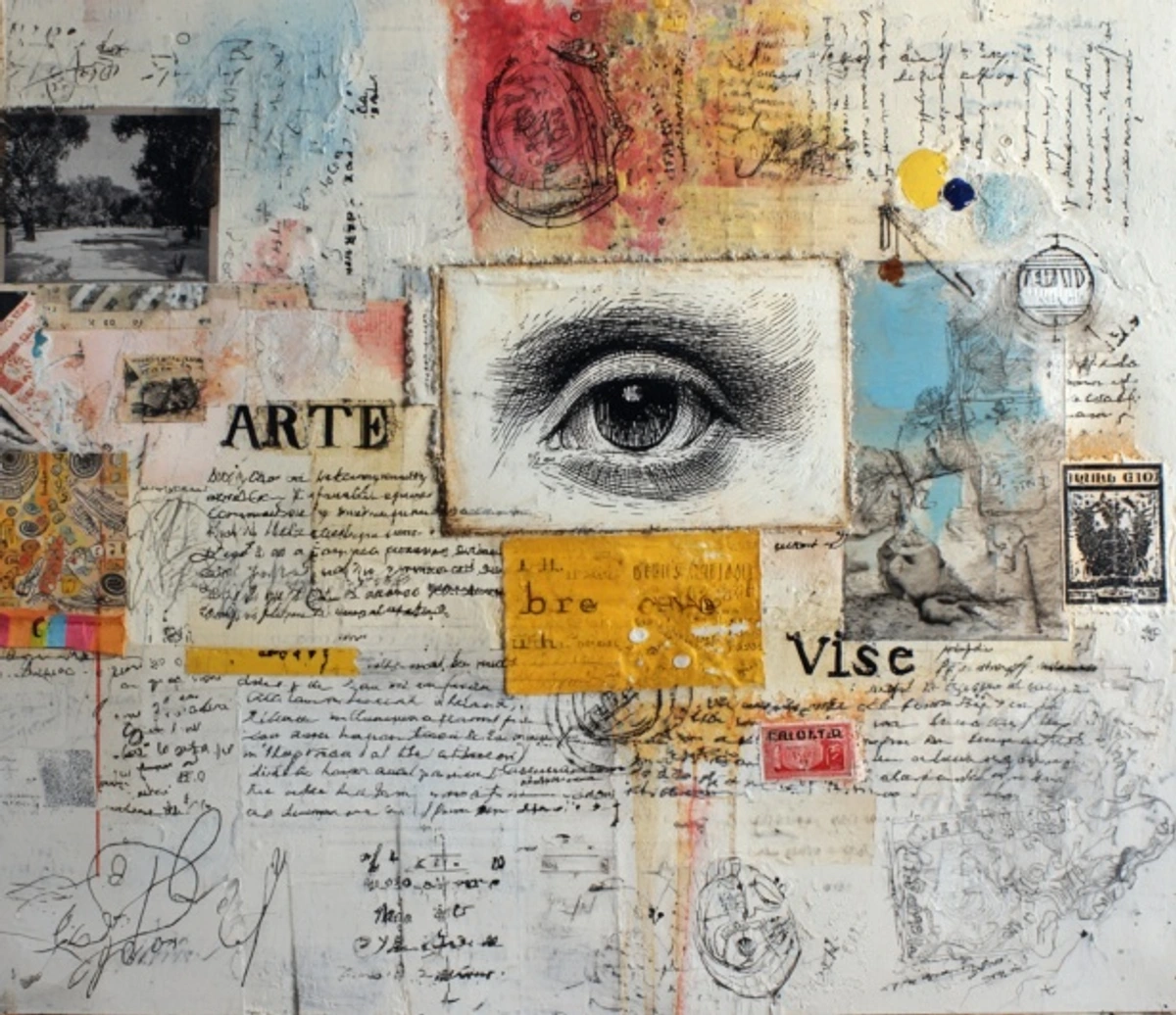
And sometimes... art is just meant to be enjoyed! It can enhance our surroundings (decorating your home with art is a joy), bring pleasure, or simply be visually interesting. There's no shame in liking a piece simply because you like looking at it. Maybe you're looking for art to buy specifically for this purpose. I think we sometimes get so tied up in "deep" meaning that we forget one of art's oldest functions: to make life more pleasant and bearable. A beautiful object can lift your spirits, remind you of a happy moment, or simply make a room feel like home. That's a meaningful function, isn't it? Let's not undervalue the simple act of bringing beauty and harmony into the daily grind. It's a radical act of self-care and world-building.
I think there's a kind of intellectual snobbery that looks down on decorative art, as if "pleasing" is a lesser goal than "provoking." But consider the sheer effort it takes to create something that is genuinely and consistently pleasing. It requires a profound understanding of color, form, and material. To bring beauty into someone's daily life—on their wall, on their coffee mug—is a quiet but radical act of care. Think of a perfectly crafted ceramic bowl. It doesn't shout a political message, but in its balance, its texture, and its utility, it offers a daily, low-level dose of aesthetic pleasure that can subtly improve the quality of a life. That is a profound and ancient meaning of art, one that we dismiss at our own peril.
Does It Need One Definitive Meaning?
Honestly, I lean towards no. The richness of art often lies in its ambiguity. A piece can mean different things to different people, and even different things to the same person at different times. Trying to force a single, "correct" interpretation can sometimes kill the magic. It's like dissecting a joke – it might help you understand the mechanics, but it probably won't make you laugh anymore. I've had paintings that I thought were just okay, but then I come back to them years later and they punch me in the gut. The painting didn't change; I did. The meaning revealed itself in that new context. That personal evolution is one of the great gifts of engaging with art over a lifetime—it acts as a mirror for your own growth. A work that seemed trivial in your youth might suddenly contain tragic depth in middle age.
There's a term for this: hermeneutics, which is the theory of interpretation. It acknowledges that we always bring our own historical moment, our personal experiences, and our biases to the act of reading or viewing. A painting doesn't have a single meaning frozen in time; it has a range of potential meanings that are activated differently with each new viewer, in each new generation. The meaning is a product of the conversation between the work and the world. A classic example is how our reading of a 19th-century landscape painting changes in an era of climate crisis; it's no longer just a pretty scene but a historical document of a world we have lost.
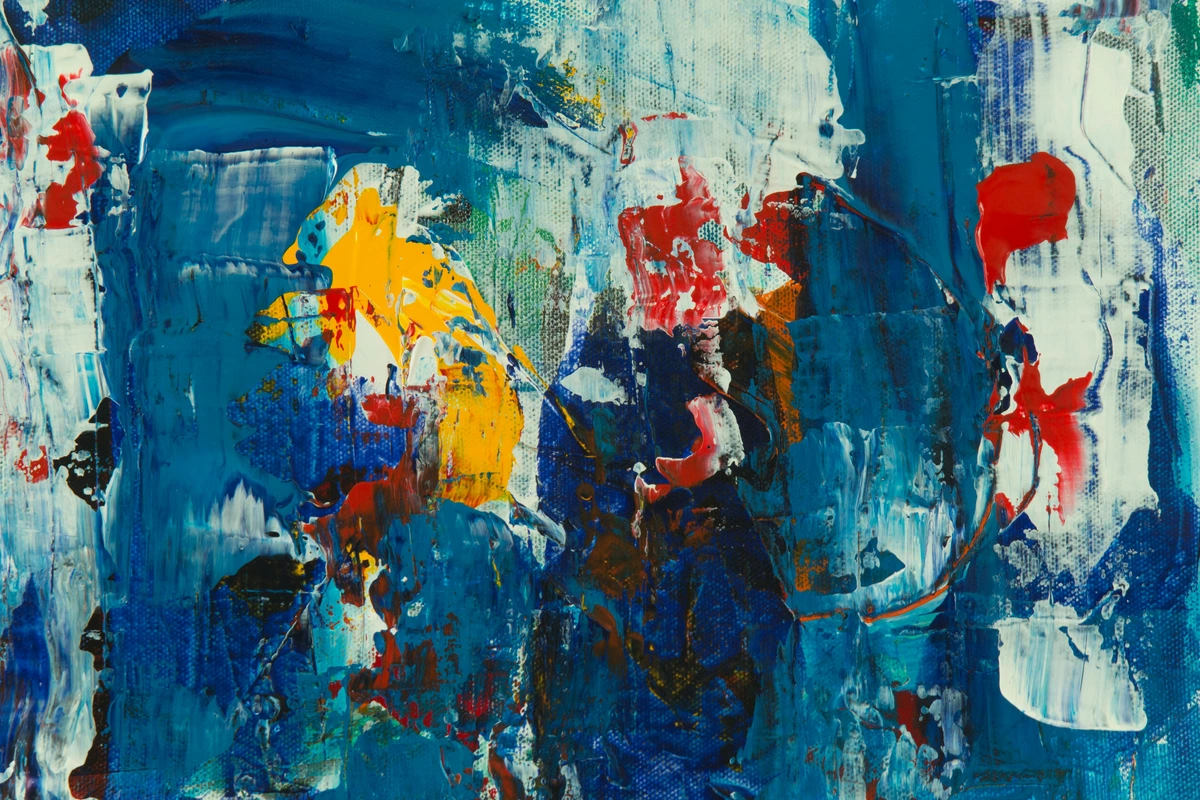
Learning how to read a painting isn't about finding the answer, but about opening yourself up to possible answers and deepening your engagement. When you read about the art movements that led up to a piece, or the life of a specific artist like Kandinsky, it doesn't give you a final answer. Instead, it gives you more questions to ask, more layers to peel back. The meaning isn't a destination; it's the journey of looking, thinking, and feeling. The goal is not to arrive at a final, authoritative verdict, but to enrich your own experience, to see more, feel more, and connect more deeply with the work and, by extension, with the world around you.
So, What Does Art Mean To You?
This is where it gets interesting. Forget the textbooks and the experts for a moment. When you encounter art, what happens? This is the only question that truly matters in the end. The entire edifice of art history, criticism, and markets is just scaffolding built around this fundamental, private transaction between the viewer and the object.
A Quick-Start Guide to Your Own Reaction
When a piece of art catches your attention, try running through this brief mental checklist. Don't overthink it; just note the first things that come to mind.
- Emotional Weather: Does it make you feel something? (Joy, sadness, confusion, anger, peace?) Don't judge the emotion, just name it.
- Intellectual Spark: Does it make you think? (About society, yourself, history, the nature of beauty?)
- Time Travel: Does it transport you somewhere else, either in this world or to an imagined one?
- Awe of Making: Do you admire the skill involved? Does the sheer effort or ingenuity impress you?
- Personal Echo: Does it connect with a personal memory, experience, or a secret part of yourself?
- Environmental Fit: Does it simply make your space feel more complete, more like you?
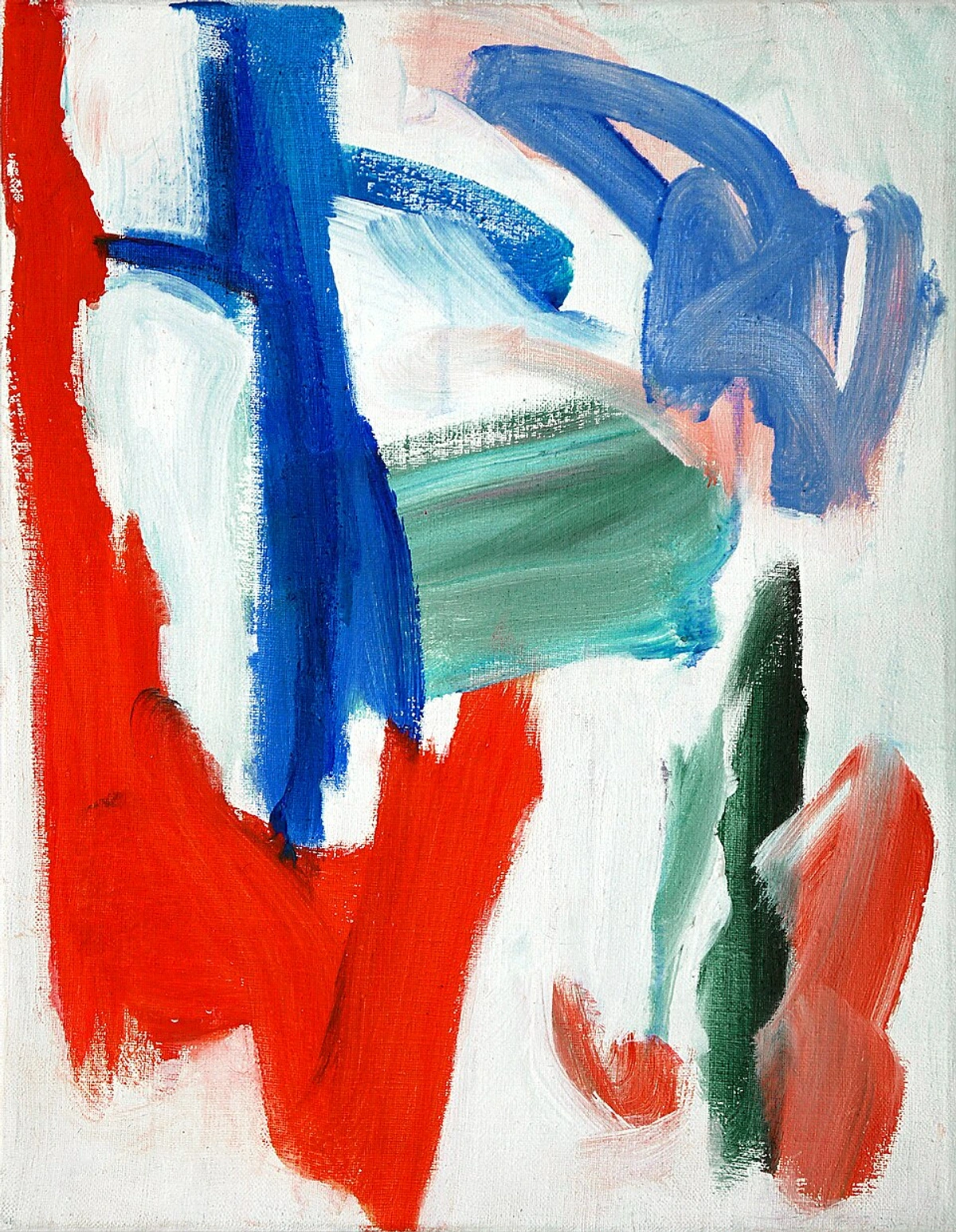
There are no wrong answers here. Your personal connection is the most authentic meaning you can find. I think a lot of us are afraid of 'getting it wrong,' as if there's a secret club of art experts with all the answers. The truth is, those experts are just people who have spent a lot of time looking and developing their own set of questions. The meaning isn't locked away in a textbook; it happens in the quiet conversation between you and the work. What I find helpful is to keep a little mental checklist when something catches my eye. I try to name the feeling it gives me, and then I ask 'why?' That second question is where the real discovery happens, like peeling back the layers of an onion. It's a way of training yourself to be a more active and confident viewer.
Finding Your Own Connection
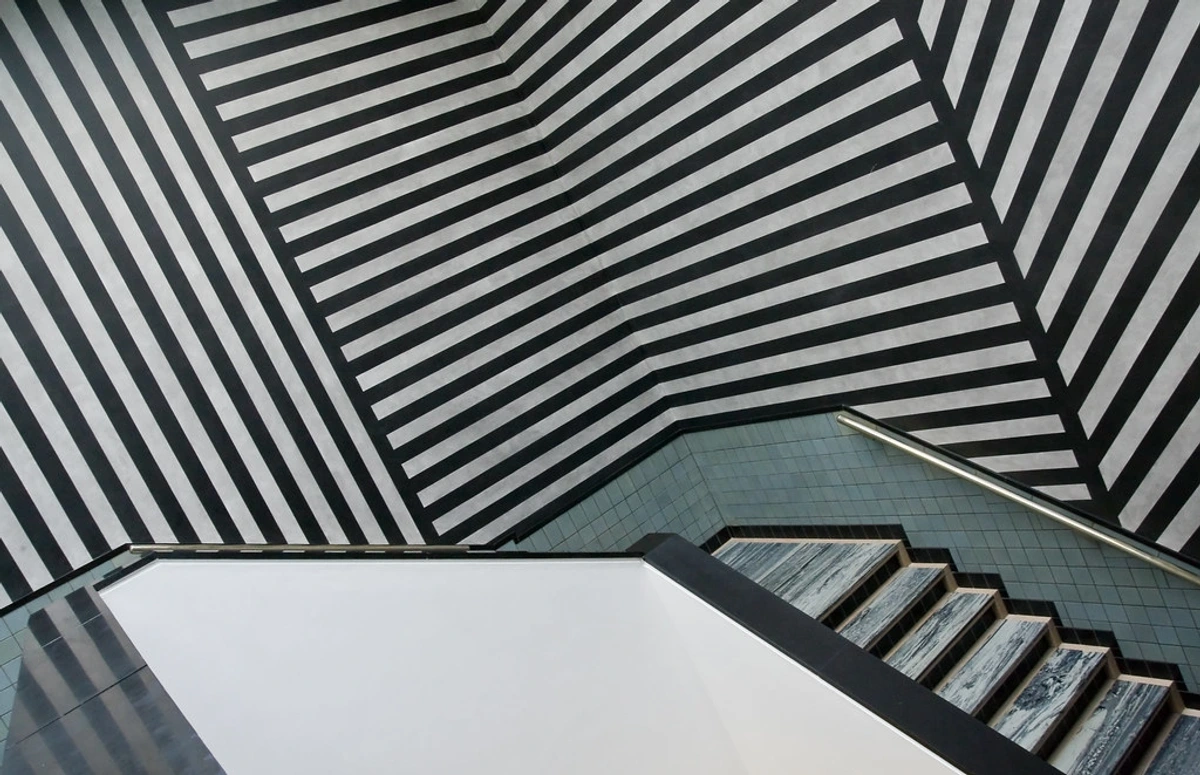
If you're feeling a bit lost or want to deepen your relationship with art, here are a few ideas. Think of these as invitations, not instructions. The goal is to move from passively looking to actively seeing, which is a skill that gets stronger with practice. Remember, you don't need anyone's permission to have a relationship with art. You just need a little bit of curiosity and the willingness to trust your own eyes.
- Look, Look, Look: Visit galleries, museums (big and small - even the little museum space I have in 's-Hertogenbosch can offer insights!), browse art online (you can even find art for sale this way). Don't worry about "getting it" initially, just expose yourself to different styles and see what catches your eye. A trick I use is to walk through a whole gallery once, fast, just to see what pulls at me. Then I go back and spend ten minutes with just that one piece. It's amazing what you miss on the first pass.
- Ask Questions (Even if Just to Yourself): What do I see? How does it make me feel? What does it remind me of? What choices did the artist make? I sometimes play a little game where I try to imagine what the artist was listening to, or what the weather was like, or what they were worried about that day. It's complete speculation, of course, but it makes the work feel more human.
- Read a Little (But Not Too Much): Sometimes, a little context about the artist (like the guides we have for artists like Picasso or contemporary figures) or the art movement can open up new perspectives. But don't let it dictate your experience. The best approach is often to have a strong personal reaction first, and then seek out context to enrich that reaction.
- Talk About It: Share your thoughts with friends. You might be surprised by their perspectives. I've had some of my best insights about a piece after hearing someone else completely misinterpret it—or at least, interpret it differently to me. Art is a wonderful social catalyst, a way to find out how other minds experience the world.
- Trust Your Gut: If a piece resonates with you, it does. If it doesn't, it doesn't. Don't feel pressured to like something just because it's famous or critically acclaimed. Your taste is your own. A good litmus test: if you could take one piece home with you from a museum, which would it be? That's the one that truly means something to you.
- Try Making Something: Even simple sketching or painting can give you huge inspiration and appreciation for the creative process. You don't have to show anyone. The act of making is a way of understanding from the inside out. There are plenty of art techniques and styles to experiment with, from expressive mark-making to calming patterns. You appreciate the final product so much more once you understand the effort, struggle, and joy that went into its creation.
Frequently Asked Questions (FAQ)
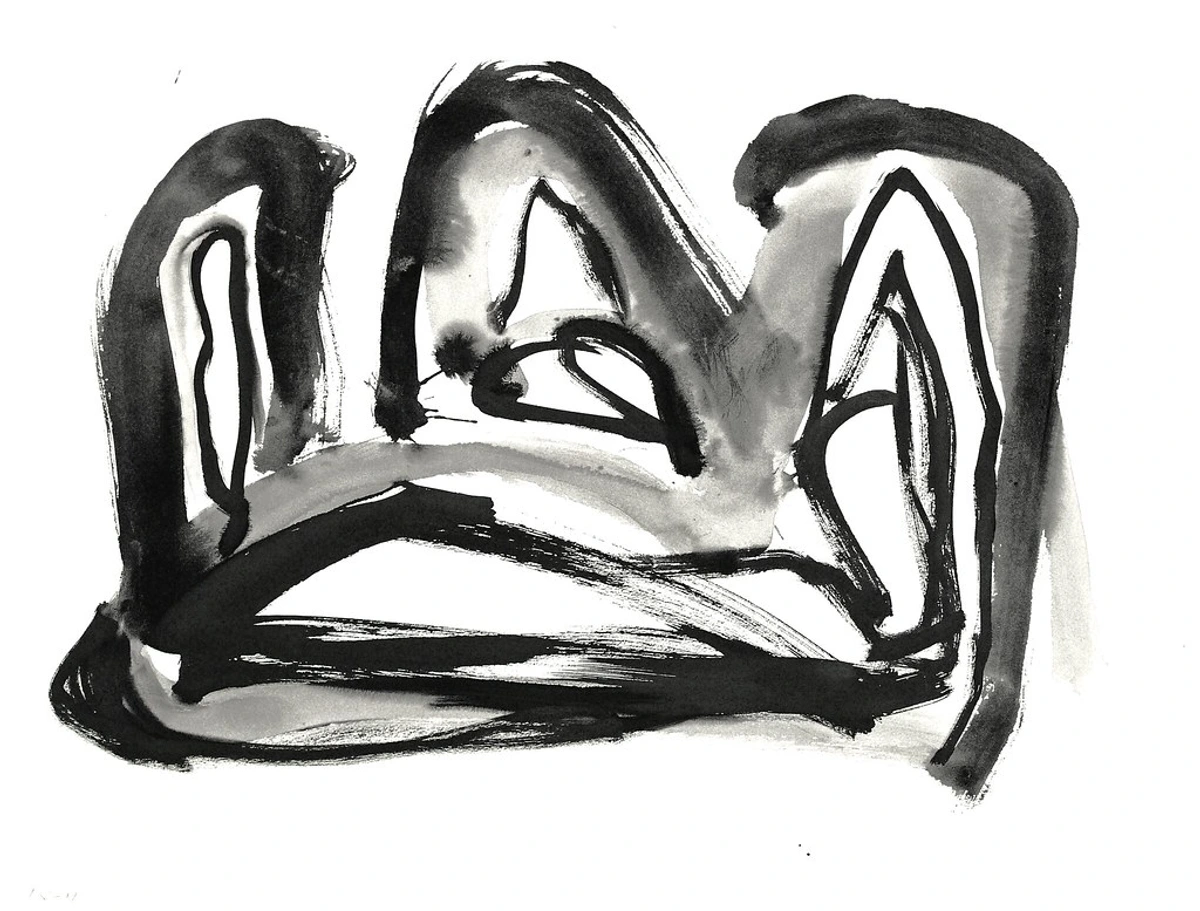
Let's get into some of the most common questions people have when they start thinking about art's meaning. These are the kinds of things that can keep you up at night, but grappling with them is part of the fun.
Q: Does art have to be beautiful to have meaning? A: Absolutely not! Art can be intentionally challenging, disturbing, or even ugly to convey its message or evoke a specific reaction. Meaning isn't always tied to conventional beauty. Think of Goya's "Black Paintings" or many works that deal with trauma. Their power comes from their ability to confront us with difficult truths, not to please our senses. Sometimes the most meaningful art is the kind that makes you want to look away, because it's showing you something you needed to see.
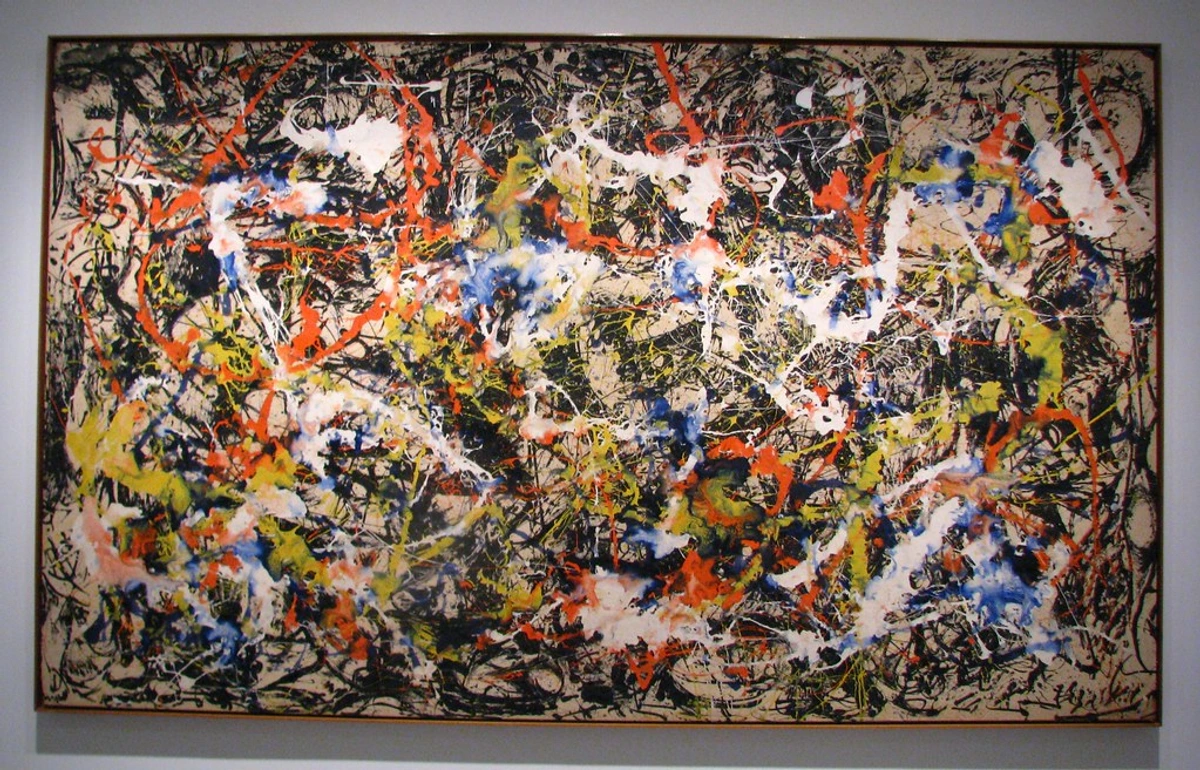
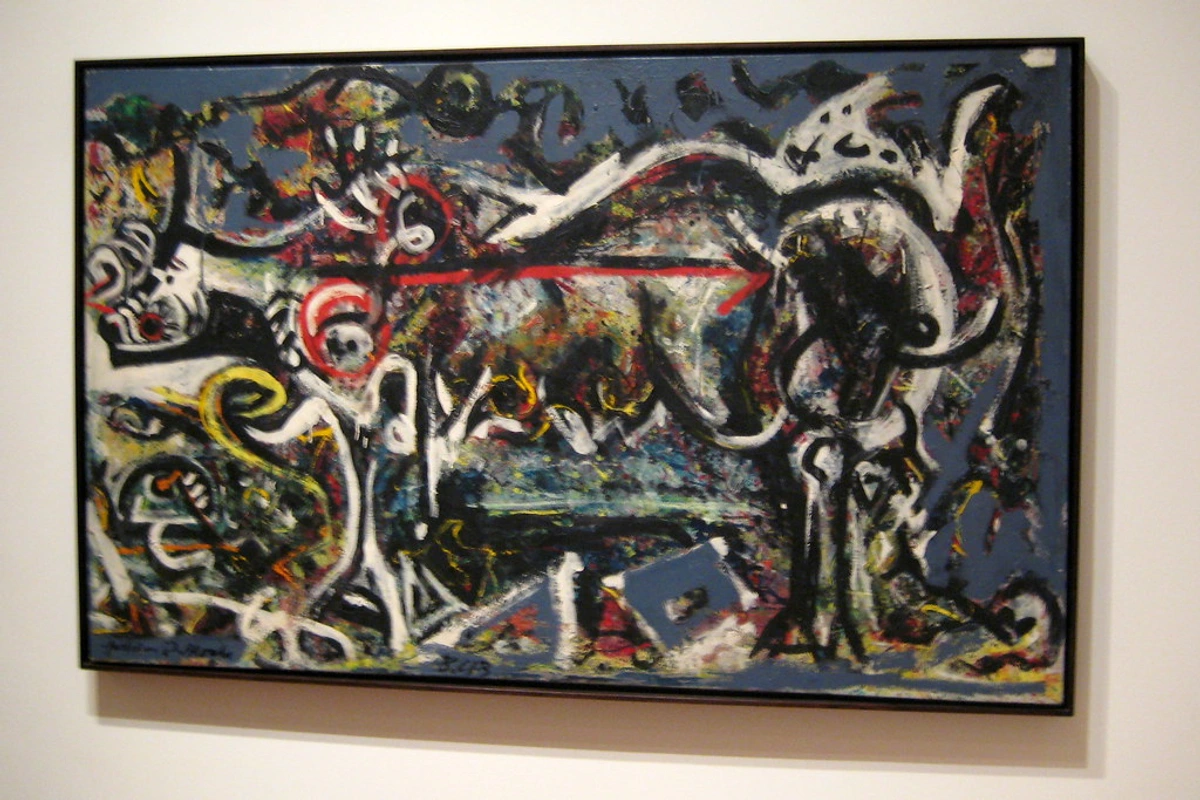
Q: Is modern or abstract art really art? It just looks like scribbles. A: This is a classic! Yes, it's art. Its meaning often lies less in realistic representation and more in exploring color, form, emotion, process, or concepts. It requires a different way of looking, focusing on feeling and interpretation rather than just identification. Our guide on why abstract art is compelling dives deeper into this. For artists like Pollock, the process of creating was as much a part of the meaning as the final painting itself. If it helps, think about it like music. A song doesn't have to sound like rain falling to make you feel a thunderstorm. It uses rhythm, harmony, and dissonance to evoke a feeling directly. Abstract art is trying to do the same thing, but with paint instead of sound.
Q: Why is some art so expensive? Does price equal meaning? A: Art prices are complex, influenced by artist reputation, rarity, provenance, dealer markups, and market trends. While high value can reflect cultural significance, price doesn't directly equate to intrinsic meaning or quality. Meaning is far more personal than a price tag. The meaning a piece has for you on your wall is worth more than any auction record if it truly moves you. The high-end art market can sometimes feel like a parallel universe with its own set of rules, having more to do with financial speculation than with artistic merit. It's a system all its own, and it's separate from the direct, personal connection you have with a work.
Q: Can anything be art? A: This is a philosophical hot potato! Since Duchamp displayed a urinal as art, the boundaries have been constantly pushed. Often, the context (like being placed in a gallery) and the intention behind it play huge roles. The meaning might lie precisely in questioning what art can be. This is often called institutional theory, which is essentially the idea that the art world (museums, galleries, critics) decides what is and isn't art. It's a circular and imperfect system, but it's the one we have. It’s a living debate, not a closed case. Every generation of artists finds new ways to stretch the definition. For more on this, our guide on what art is explores these boundary-pushing questions. The interesting follow-up question isn't 'Is this art?' but 'What happens when we treat this as art?' That's where the real insight begins.
Q: How can I learn to appreciate art I don't initially like? A: This is a great question. The first step is to drop the pressure to like it. Instead, try to understand it. Ask yourself: What was the artist trying to do? Is it trying to challenge me? Am I reacting to the subject matter, or the way it's painted? Sometimes, understanding the context, like the social commentary in contemporary art, can flip a switch. Other times, you might just conclude it's not for you, and that's perfectly fine. Appreciation and liking are two different things. I can appreciate the immense skill and historical importance of a work while also admitting that it doesn't speak to me personally. Developing that distinction is a sign of a mature and confident viewer.
Q: Who decides what art is "good" or "important"? A: This is the million-dollar question, and the answer is messy. There's no single authority. It's a complex ecosystem of players: influential critics and theorists who write about art, curators at major museums who decide what gets shown, gallery owners who choose which artists to represent, and wealthy collectors whose purchases can drive market trends. Over time, a consensus can form around certain artists or movements, but this consensus can also be challenged and overturned by later generations. Ultimately, while the 'art world' has a huge say, the question of what is 'good' on a personal level is always yours to answer.
The Never-Ending Conversation
So, what is the meaning of art? Perhaps the meaning is the question itself. It’s the ongoing human impulse to create, to express, to connect, to make sense of the world and our place within it, using more than just words. It's a conversation that has been going on since the first handprint was pressed onto a cave wall. And in a way, every new artwork is a new voice joining that conversation, giving a different answer to the same fundamental question. We are all part of that conversation, both as viewers and, potentially, as creators. Your interpretation of a work adds to its meaning, just as my writing this adds to it. Every time you look at a piece and feel something, every time you choose to hang something on your wall, you are participating in this endless, sprawling dialogue.
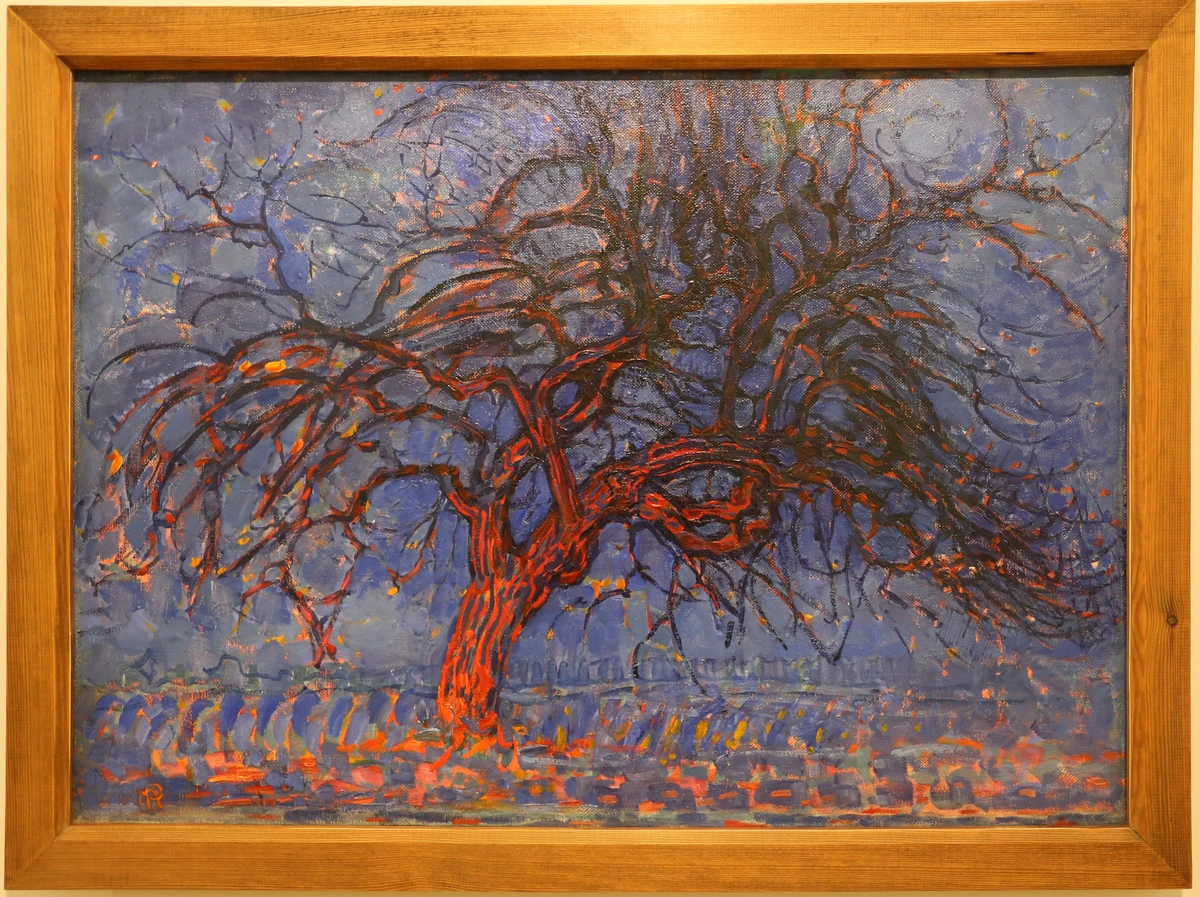









It’s a conversation we have with ourselves, with the past, with each other. It’s complex, messy, sometimes frustrating, often exhilarating, and deeply personal. Maybe the best approach isn't to find a final answer, but to keep looking, keep feeling, and keep asking the question. The meaning reveals itself in the engagement, not in a dictionary definition. It's in the goosebumps, the gasp, the quiet nod of recognition, or even just the simple pleasure of looking. And that, I think, is meaning enough. Every time you choose to hang a print on your wall, or visit a gallery, or even just pause on an image online, you are casting a vote for the things you find meaningful in this world. In a way, you're shaping the answer. The meaning of art, in the end, is not something you find—it's something you do.