How Contemporary Art Illuminates the Modern World of Labor and Work
A deep dive into how contemporary artists explore work, labor, and toil. Discover techniques and the power of socially engaged art in our modern world.

The Weight of a Hammer: Art’s Search for the Soul of Modern Labor
I remember being in a gallery once, staring at a painting depicting a blacksmith at his anvil. It wasn't the subject that struck me first; it was the way the artist had layered the paint so thickly that it seemed to carry the weight of the hammer itself. A strange, almost intrusive sensation washed over me—a phantom fatigue, the echo of a day's work I never physically performed. That moment transformed my understanding of labor art.
I remember being in a gallery once, staring at a painting depicting a blacksmith at his anvil. It wasn't the subject that struck me first; it was the way the artist had layered the paint so thickly that it seemed to carry the weight of the hammer itself. A strange, almost intrusive sensation washed over me—a phantom fatigue, the echo of a day's work I never physically performed.
It’s tempting to believe that art about labor begins and ends with Soviet posters glorifying the proletariat or gritty 19th-century Realism showing us the soot-stained faces of the Industrial Revolution. These movements were undeniably powerful, but they were the opening statements in a conversation that has grown infinitely more complex. Today, artists are grappling with what it means to work in an era of algorithmic management, the gig economy, and the looming uncertainty of automation. The very idea of a "job" is being reshaped by forces our predecessors could scarcely have imagined, and our art is struggling to keep up, let alone make sense of it all. But this is precisely where it gets interesting. We're not just looking at depictions of work anymore; we're looking at art that interrogates work's soul—probing the quiet desperation of the gig worker, the invisible labor that powers our digital lives, and the fundamental question of whether automation frees us or erases us.
This contemporary exploration feels far more personal and intimate than the grand historical narratives. The goal is less about monumentalizing the worker as an abstract hero, and more about excavating uncomfortable truths.
Artists today are asking questions that cut to the bone: "What is the human cost of our convenience? Who pays the price for next-day delivery? What happens to the soul of our work when an algorithm becomes our manager? Is my job even real, or just a series of data points feeding a corporate dashboard?" This inquiry has become a vibrant, messy, and absolutely essential thread in the tapestry of modern art, forcing us to confront the ripple effects of labor in our own lives.
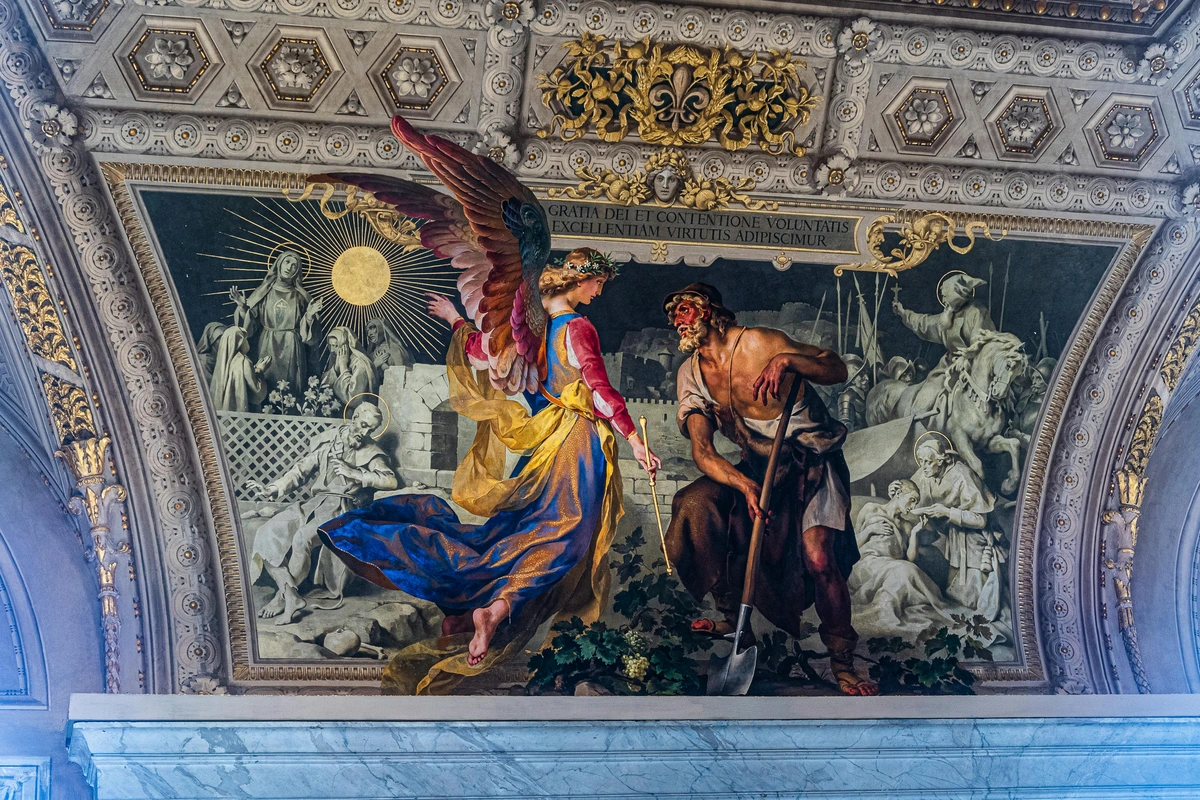
But this isn't just a story of modern anxiety. To understand this moment, we need to glance back. The history of depicting labor is long and winding. In ancient Egyptian tombs, paintings showed farmers tilling fields and bakers kneading dough, not as social commentary, but as a magical invocation to provide for the deceased in the afterlife. Labor was a sacred, cyclical part of the natural order. Fast forward to the Renaissance, and work often appears as a backdrop for religious scenes—Joseph the carpenter in his workshop, a symbol of humble, pious devotion. The worker wasn't the subject; they were part of the scenery.
The turn towards depicting the worker as a central, dignified subject truly began in the 19th century. This was the era of industrial upheaval, and artists responded. The Realism movement was a shocking departure. Gustave Courbet's The Stone Breakers (1849) wasn't a heroic or romantic vision; it was a deliberately un-beautiful depiction of back-breaking, monotonous toil. He wasn't glorifying the workers; he was forcing the bourgeois art audience to look at them. This was followed by the monumental idealism of the Mexican Muralists, like Diego Rivera, who turned factory workers and farmers into titans, building the nation with their own hands. And of course, there were the Soviet and Social Realist posters, which sought to monumentalize the worker as a heroic, unified symbol of state power. Each of these historical movements set the stage for today's far more personal and questioning artistic explorations.
The rigid, time-bound nature of industrial work has fractured into the fluid, often precarious world of the gig economy. Art is now exploring the isolated experience of the Uber driver or the food delivery courier—their cars and bikes becoming the new workshops, their smartphones the time clocks that never stop ticking. Artists like Torkwase Dyson, with her focus on spatial justice and environmental politics, and the late, great Harun Farocki, whose video installations dissected the invisible systems of industrial and military labor, offer profound and unsettling insights into how work shapes our world and our bodies.
The pandemic, for instance, forced a global reckoning with essential labor—the grocery store clerks, the transit workers, the healthcare professionals whose bodies were literally on the line. Artists responded with work that was both elegiac and fiercely political, honoring these workers while indicting the systems that placed them at such extreme risk. This wasn't just about depicting heroes; it was about revealing the deep societal fractures that forced them into that heroic position in the first place.
Beyond the gig economy lies an even more shadowy realm: the invisible workforce. So much of the labour that props up our modern lives is deliberately hidden from view. Artists are turning their attention to the clickworkers of the platform economy, the unseen cogs in the digital machine who perform micro-tasks for pennies, and the cleaners, carers, and home-workers—disproportionately women and often migrants—whose emotional and physical labour has long been erased from public view. This is a crucial theme in the work of artists exploring social practice and community engagement, who seek to make the unseen seen and the unheard heard.
The Philosophical Turn: Art About Labor in the 21st Century
Art about labour has shifted from being purely documentary—showing you what work looks like—to being deeply philosophical, making you feel what work does to a person. It excavates the toll on the body, the distortion of the mind, and the corrosion of the self. We've moved from observing the worker's body to inhabiting their psychology. This shift forces us to confront a central paradox of our time: as technology promises to liberate us from toil, so many of us feel more trapped than ever. Why does this theme still captivate us, even as traditional forms of work seem to dissolve?
At its core, I think the captivation stems from a shared, often unspoken, understanding. Work is the one thing that binds the artist agonizing over a canvas to the programmer debugging code at 2 a.m. and the delivery driver navigating city streets in the rain. We all speak the language of effort.
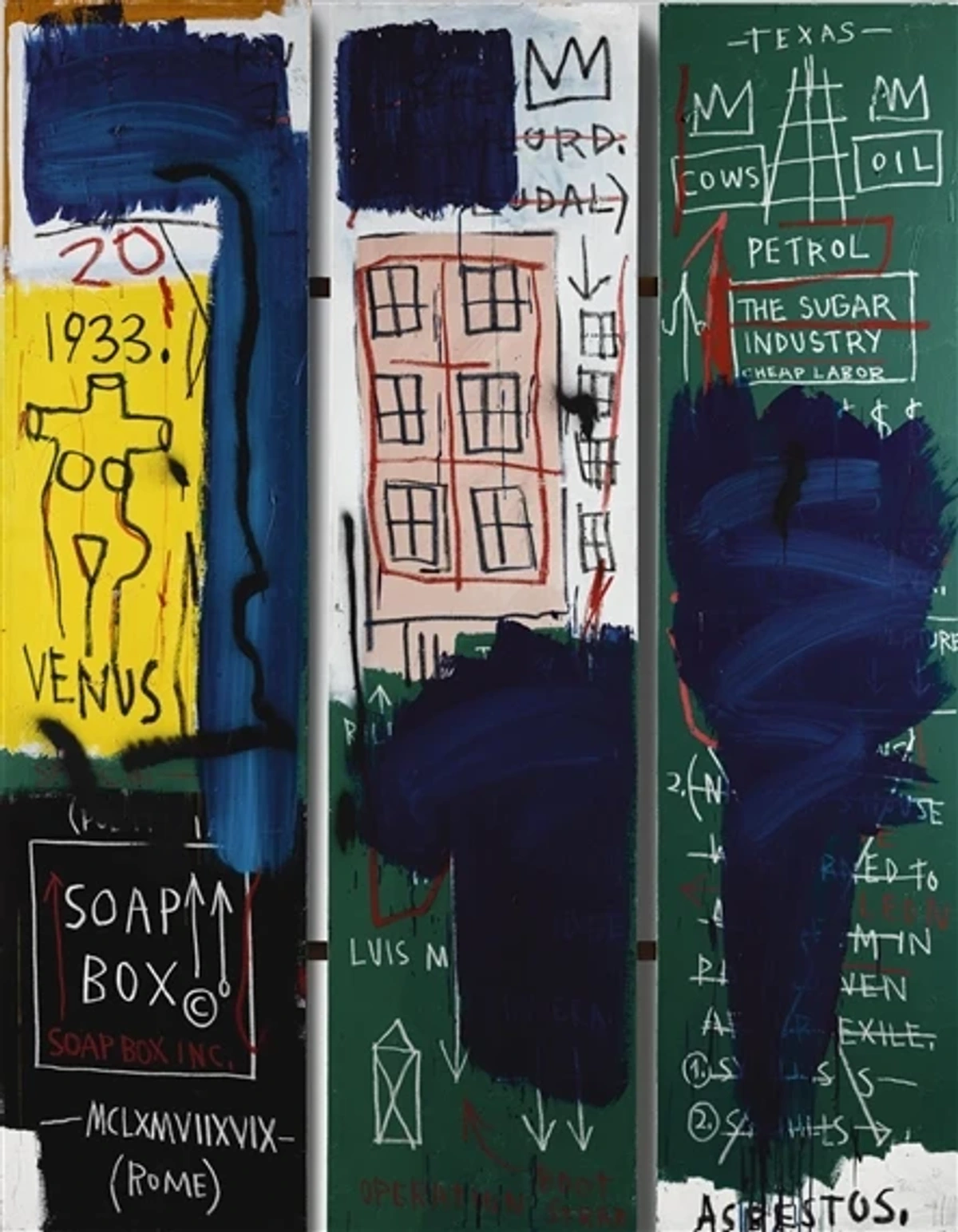
Art about labor taps directly into this reservoir of shared experience. It holds up a mirror to our daily grind and forces us to confront it not as a mundane necessity, but as a fundamental part of what it means to be human. It's a story that can be beautiful, cruel, banal, and heroic—often all within the same hour. The work of Allora & Calzadilla, for instance, often takes labor as its frame, exploring how bodies move in time and space, sometimes in collaboration with and sometimes in resistance to the systems that direct them.
Artists have become cultural anthropologists of the workplace. They are our ethnographers, our investigators, and our archivists, turning a spotlight on themes that resonate with the very fabric of our modern world:
Tuning In: How Artists Capture the Rhythm of Modern Work
Capturing something as intangible as labor is a puzzle. It’s not just about documenting a physical action; it’s about conveying the weight of time, the psychology of a task, and the energy contained within effort. How do you make a viewer feel the ache of a twelve-hour shift or the numbing boredom of a data-entry job? How do you visualize the feeling of being managed by an algorithm, or the anxiety of never being able to log off? The contemporary artist’s toolbox has had to expand far beyond simply painting what the eye can see. It’s now about creating an immersive experience, a form of empathy engineering that makes the viewer step into shoes that aren't their own, even if only for a moment.
Over the years, I’ve found that artists employ a dizzying range of methods to get at this theme, each unlocking a different facet of the worker’s experience. If you’re an artist feeling the pull of these ideas, or are just curious about how these powerful works are made, here’s a closer look at the most compelling techniques I’ve encountered, and what each one offers you.
Drawing and Painting: The Enduring Power of the Hand-Made
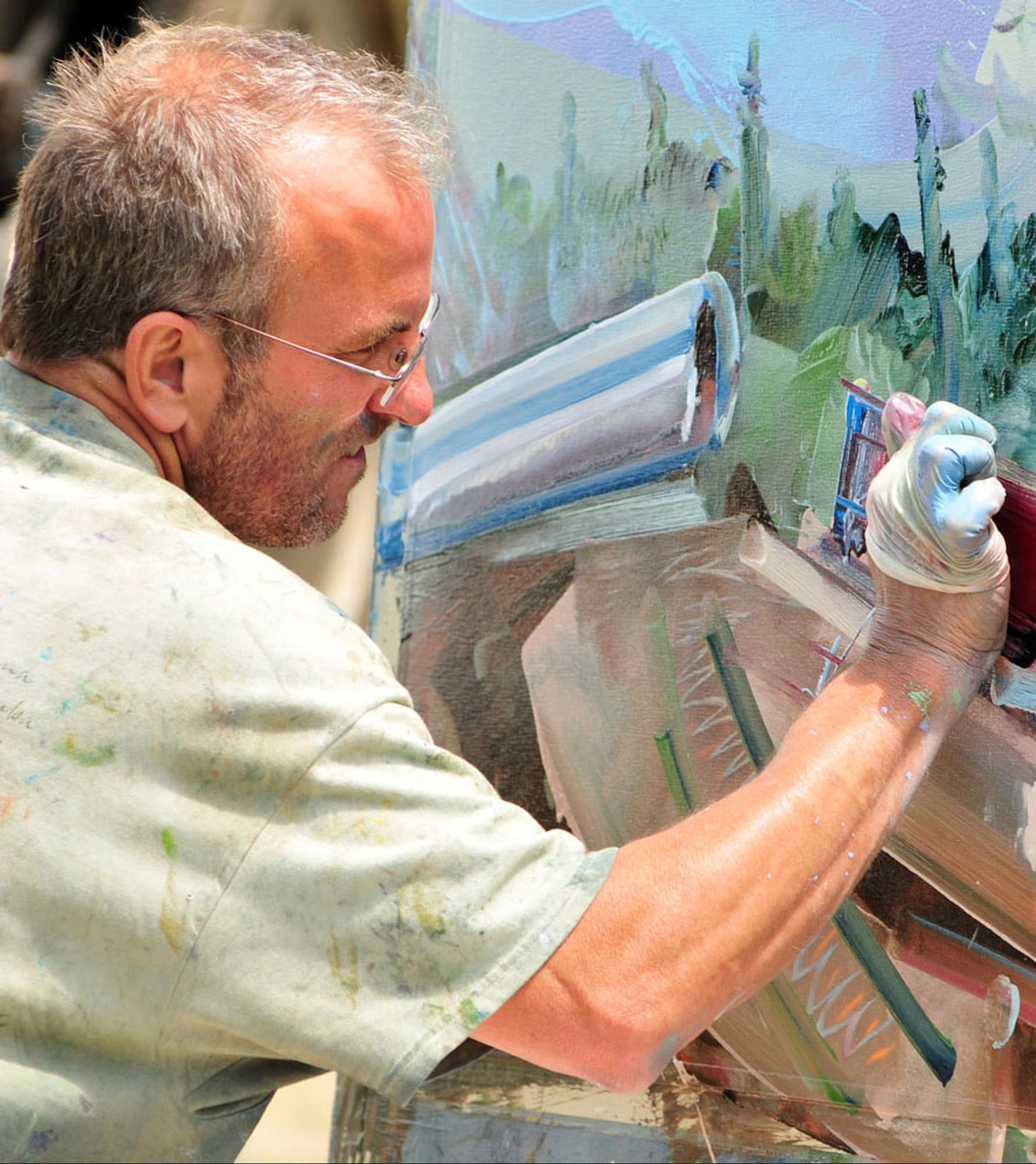
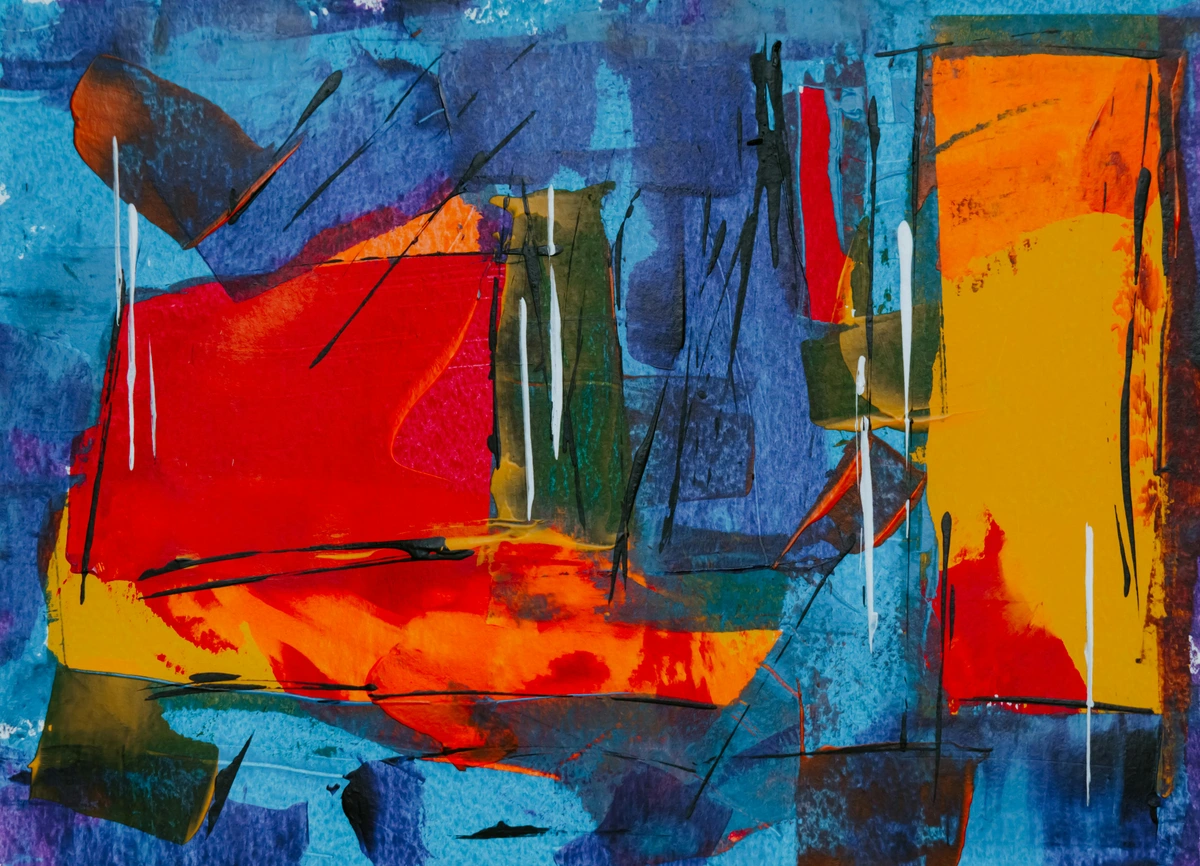
I’ve always felt a deep pull toward the sheer physicality of painting and drawing as a way to talk about labour. There’s an undeniable meta-narrative at play. You're using the age-old, physically demanding techniques of your own craft—mixing pigments, stretching canvas, applying layers—to represent the physical demands of another. Every pencil stroke defining a sinewy arm, every thick daub of paint that becomes a clump of dirt, is a tiny act of labour in itself. The artist’s hand doesn’t just describe the work; it participates in it, creating a direct lineage of effort from the subject to the creator. You are, in a very literal sense, laboring to represent labor.
This approach can be incredibly intimate and powerful. Sometimes, it's about honoring a craft that is disappearing. Think of portraits of traditional artisans—blacksmiths, weavers, cobblers—their faces lined with concentration, their hands captured mid-movement. The painting itself becomes an artifact of that labor. It's an act of preservation. When that craft disappears, the artwork remains as a testament to the skill and dedication it required. It's a way of saying this work, this way of being, mattered.
It's easy to think labor art is all factory floors and field work, but artists are equally fascinated by the labor of the mind. The cognitive load of our modern world is immense, and artists have found ways to make it visible. Look at the work of an artist like Julie Mehretu. Her massive, layered canvases are a profound meditation on the labor of thinking, planning, and processing information. The way she builds up architectural plans, maps, and data into a frenetic, beautiful whole feels like a perfect representation of the cognitive labor that defines our time—the work of the architect, the financier, the system analyst.
But the labor of the mind isn't always about frenetic data. There's also the labor of focus, of deep work. Chuck Close's early photorealist paintings are a testament to this. The sheer, almost superhuman focus required to render a face at that scale, mark by tiny mark, transforms painting into a marathon of concentration. Looking at his work, you don't just see a person; you feel the thousands of hours of disciplined, physical and mental effort that went into creating the image. It's a powerful reminder that art itself is a form of labor, one that demands both incredible skill and immense perseverance.
I'm fascinated by how artists use vastly different styles to land a similar emotional blow. Take Hyperrealism. It acts like a temporal trap. It freezes a single moment of exertion—a bead of sweat, ingrained dirt under a fingernail, the drape of sweat-soaked fabric—with an almost unbearable clarity. It forces you to confront the physical toll, holding up a mirror to the body's quiet rebellion against the demands placed upon it. Artists like Chuck Close, in his earlier photo-realist work, captured the immense, almost inhuman focus required for detailed handwork, turning the act of seeing into a form of labor itself.
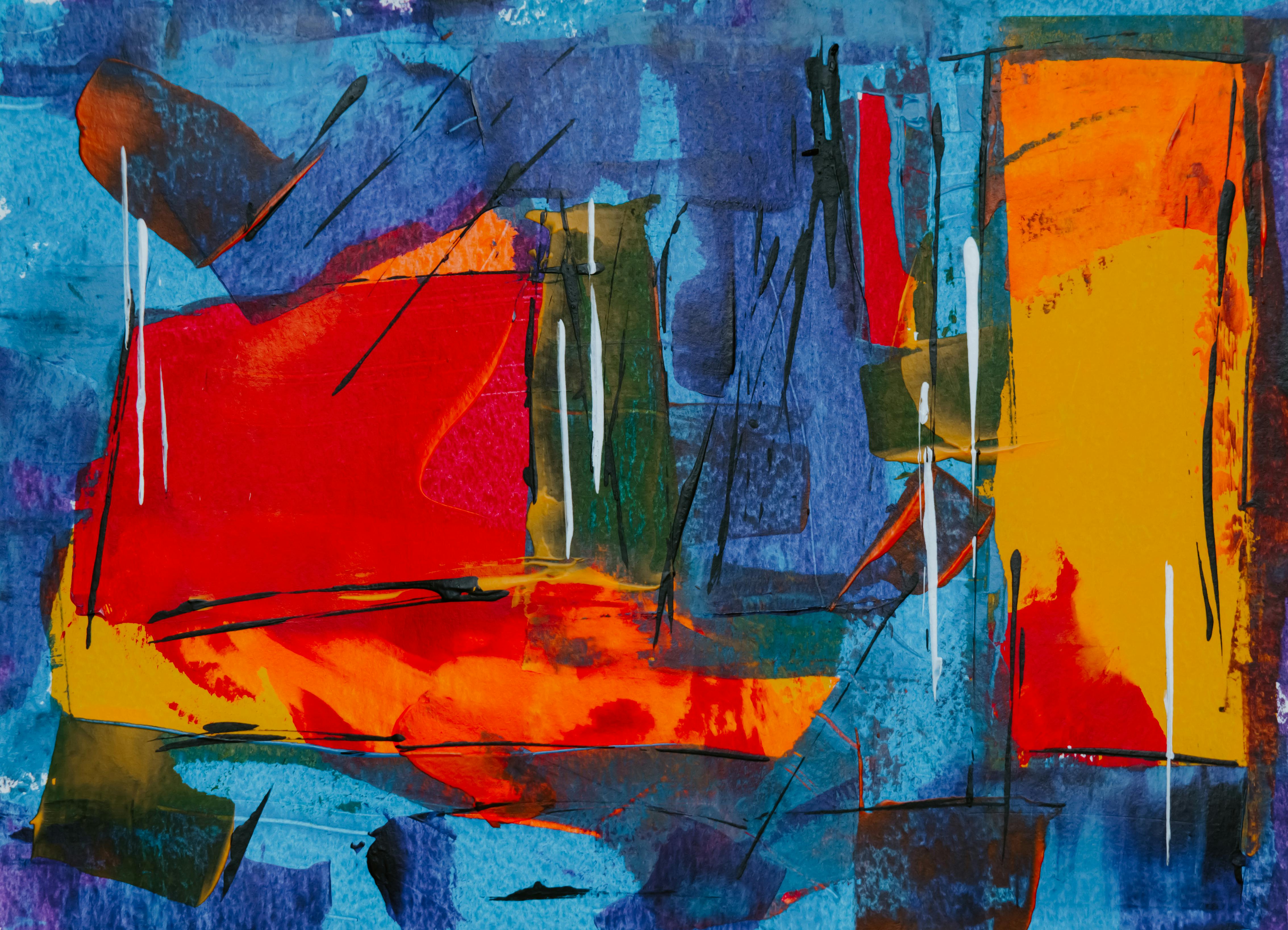
On the other hand, abstract or gestural styles abandon the literal to chase the feeling. I think of an artist like Julie Mehretu, whose large-scale paintings reference urban planning, data networks, and systemic complexity. The chaotic accumulation of marks in her work feels like a visual representation of the cognitive labor that powers our globalized world—the work of the analyst, the programmer, the financier. It's a different kind of sweat, but the exhaustion it evokes is just as real.
Photography and Video: A Lens on the Real World
Photography and video possess an almost holy power to bear witness. They have an indexical quality—a direct, physical relationship to the light that bounced off the subject and into the lens. Artists like Sebastião Salgado have spent decades documenting manual labourers across the globe, from Brazilian gold miners emerging from mud like earth-born titans to workers in massive open-pit mines. His images, shot in stark, high-contrast black and white, create epic, almost biblical portraits. They don't just inform; they grant a profound dignity and scale to their subjects, elevating them to figures of quiet, monumental strength, forcing us to confront the epic human effort hidden in the mundane objects of our lives.
But the medium can also be used to unsettle. The stark, unflinching gaze of documentary photography can reveal the absurdities and brutalities of labour that we normally glance over. Think of the surreal, almost dystopian imagery captured by artists like Edward Burtynsky. His aerial photographs of factory farms, sprawling logistics warehouses, and quarries reveal the monstrous, inhuman scale of extraction and logistics—the literal groundwork of our consumer society. His work isn't about individual workers; it's about the systems we've built, landscapes where humanity has been subsumed into a larger, often terrifying, pattern of production. Mishka Henner takes this a step further, using Google Earth and satellite imagery to document these "manufactured landscapes" from above, revealing feedlots and oil fields as abstract, gruesome paintings we've created on the earth's surface.
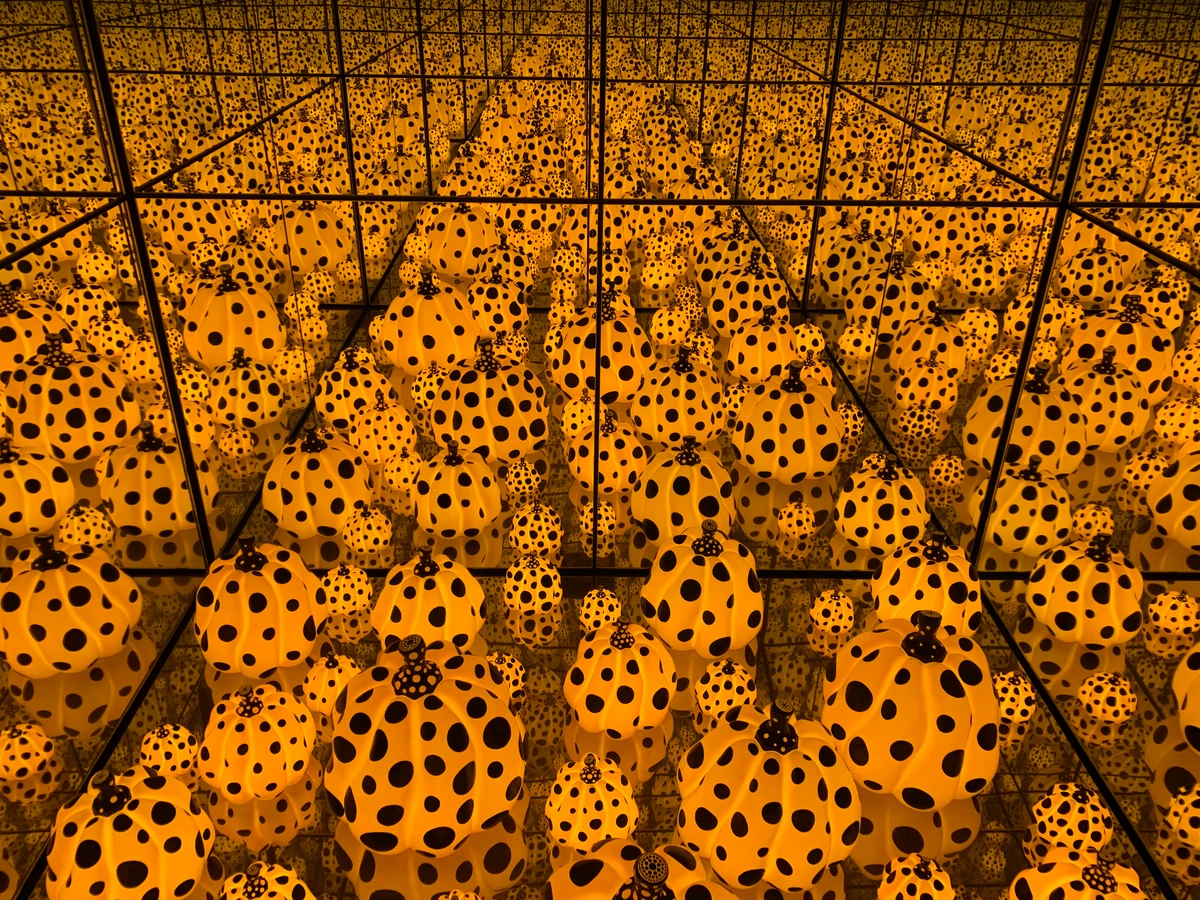
But the medium can also be used to unsettle. The stark, unflinching gaze of documentary photography can reveal the absurdities and brutalities of labour that we normally glance over. Think of the surreal, almost dystopian imagery of factory farms, logistics warehouses, or tech campuses. Artists are using the lens not just for heroism, but for cold, hard critique. Video, in particular, has an edge here—its ability to capture sound brings the gallery to life with the cacophony of industry. The clang of metal, the relentless hum of an engine, or the eerie silence of an automated facility can be just as powerful as any visual. It’s a raw, unfiltered soundscape of modern work that can be profoundly affecting, and often deeply disturbing.
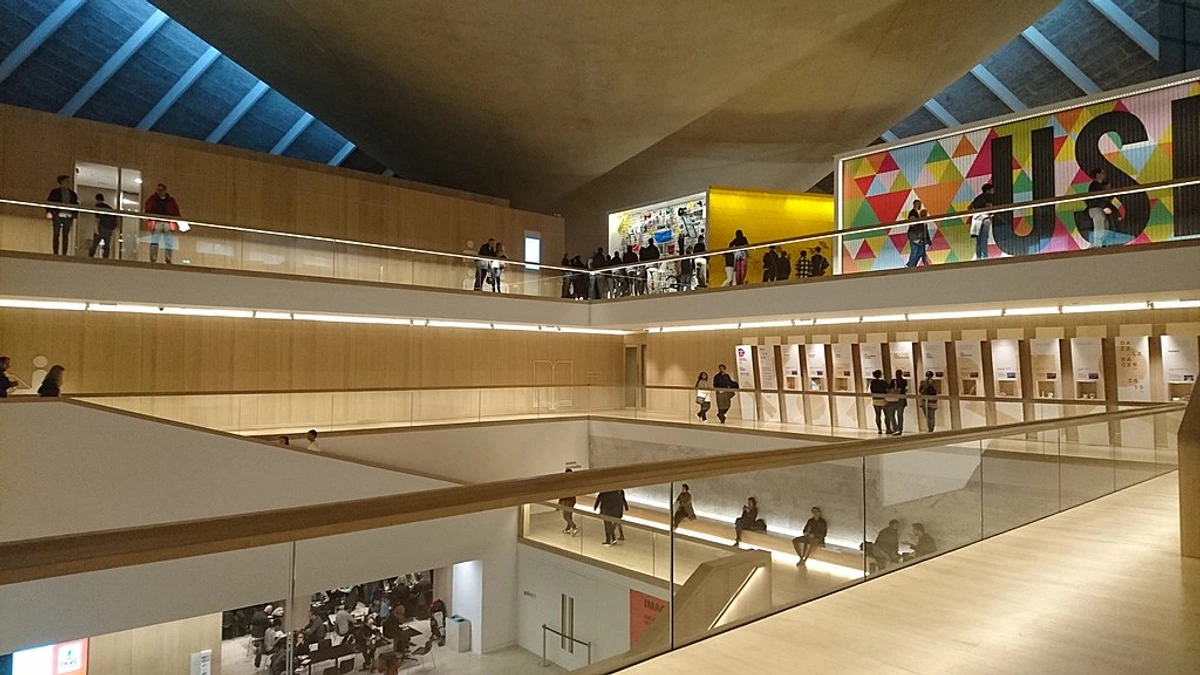
Video art can go a step further, using duration to mimic the experience of work. An artist might film a mundane task for hours, forcing the viewer to confront the reality of its monotony or its hidden, rhythmic beauty. It's a powerful tool for translating the most invisible aspect of labor: time itself.
Installation and Performance: Inviting You Inside
This is where the traditional barrier between viewer and artwork begins to dissolve completely. An installation artist might meticulously reconstruct a segment of an assembly line or a garment factory within the pristine, white-walled space of a gallery. The audience is no longer a passive observer; they are physically immersed in the space of labour. Walking through such an installation, you can feel the claustrophobia, smell the industrial solvents, or sense the ghostly presence of the hundreds of workers who occupied that space.
But this immersion can be pushed even further. I've encountered works where the artist creates full-scale replicas of environments that stand as silent monuments to labor—a perfect replica of a miner's cottage, or a full-scale mock-up of a factory control room. These immersive dioramas transcend simple reconstruction; they become meditative spaces that force you to consider the lives lived within these walls. They ask you to imagine the countless hours of human thought, muscle, and breath that animated these sterile, functional spaces.
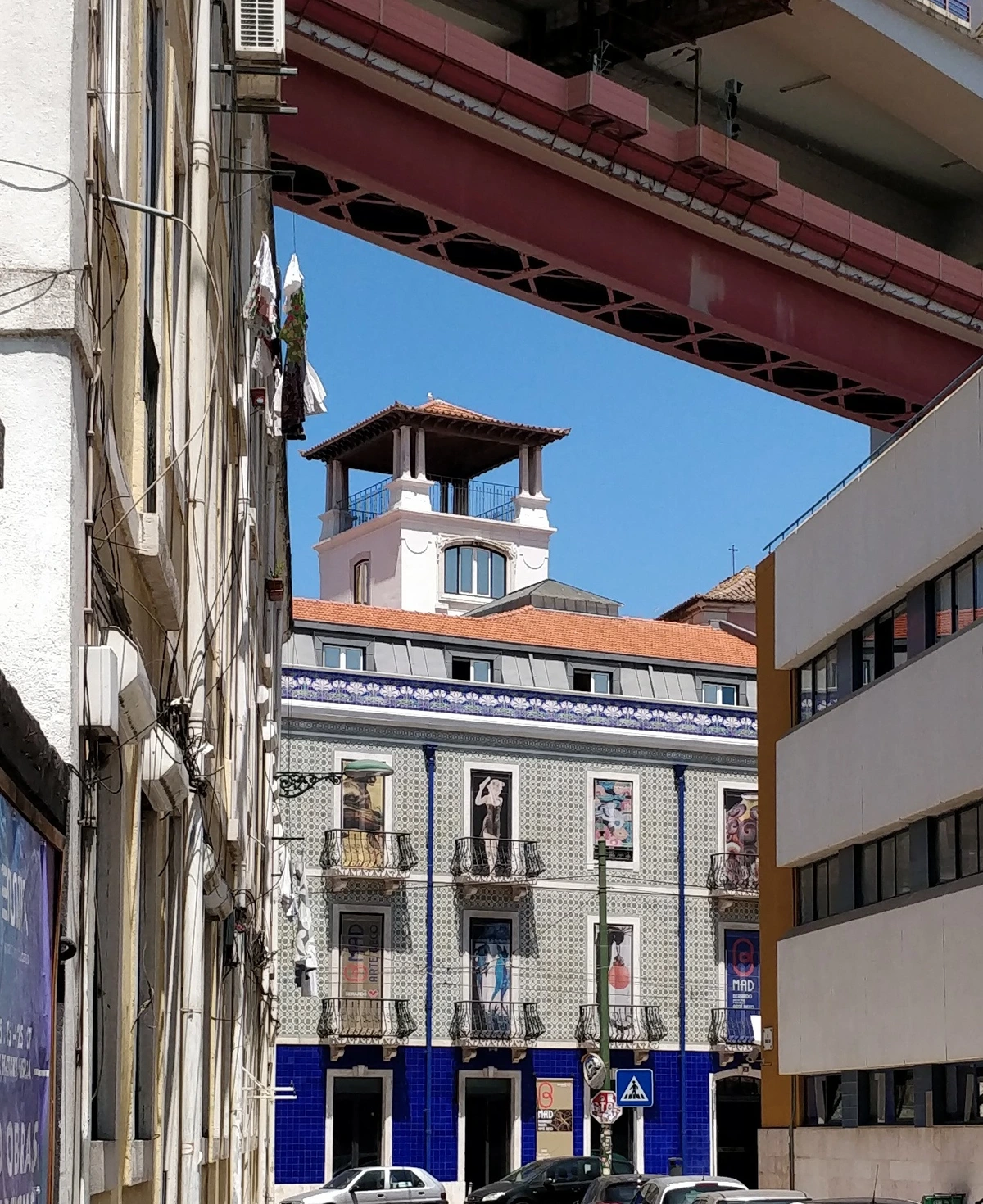
Sometimes, it's not about recreating a space, but transforming the gallery itself into a site of production. I'm thinking of an artist who might cover the pristine white floors with the dirt and debris of a construction site, forcing visitors to walk on it. Or another who might fill the space with the smell of industrial lubricant or the sound of a distant factory hum. These installations use the gallery's 'neutrality' as a foil, creating a jarring dissonance that makes the reality of the labor space feel even more potent and intrusive. The art isn't the object; it's the feeling of being in that transformed space.
Performance Art: The Artist's Body as a Site of Labor
In performance art, the immersion is absolute. The artist's own body becomes both the tool and the subject of the work. This is the most direct and confrontational method, collapsing the distance between artist, artwork, and subject entirely.
Think of the legendary Tehching Hsieh punching a time clock every hour on the hour for an entire year (his One Year Performance 1980-1981). He transformed his entire existence—sleep, travel, everything—into a literal, relentless work shift, complete with photographic documentation. The absurdity of punching a clock to produce 'art' instead of a widget is a brutal critique of the time-discipline inherent in modern labor. Or consider Mierle Laderman Ukeles' Touch Sanitation Performance, where she spent 11 months shaking the hand of every one of New York City's over 8,500 sanitation workers, thanking them for keeping the city alive. Her performance wasn't about endurance through pain, but endurance through presence and radical empathy, reframing sanitation work as a form of essential environmental caregiving.
At its heart, this method is a radical act of endurance and presence. It's a visceral, stripped-down way of saying, "This is what it feels like, and now you must sit with it." The performance is a mirror, reflecting the absurdity and the exhaustion inherent in so much modern labour, forcing the audience to become involuntary witnesses to this act of 'non-productive' work. Marina Abramović has repeatedly used her body in this way, turning her own physical and psychological limits into a meditation on will, pain, and presence that echoes the experiences of physical laborers everywhere. It's hard, often grueling to watch, and that's precisely the point.
Textile and Fiber Arts: Weaving the Fabric of Labor
Textile art carries a deep, often overlooked history of gendered labor. For centuries, weaving, embroidery, and sewing were dismissed as "women's work"—domestic, decorative, and not considered "high art." Today, contemporary artists are reclaiming these mediums to talk about labor explicitly. Faith Ringgold's story quilts are a masterclass in this, blending painting, quilting, and narrative to tell the stories of Black American life and struggle. She literally stitches history together, using a craft passed down through generations of women to address issues of labor, race, and gender.
It's not just about gendered labor, but colonial and economic history. The cotton picked by enslaved people in America fueled the textile mills of Industrial Revolution England. Artists like Hew Locke use textiles and found objects to create elaborate installations that speak to this complex, often violent global supply chain. A simple piece of cloth can become a web of historical connection, linking the plantation, the factory, and the sweatshop in a single object. When an artist uses fabric, they are often working with a material that is already saturated with the history of human toil.
The Digital Frontier: New Bodies, New Workplaces
The most recent, and perhaps most alien, forms of labor are emerging online. Digital art and new media offer tools to explore this strange new world. How do you represent the labor of a content moderator for a social media company, whose job is to witness humanity's worst impulses for eight hours a day? Or the "influencer," whose leisure, relationships, and very identity become a form of precarious, always-on brand labor?
Artists like Simon Denny create sculptural installations using the bizarre corporate aesthetics of tech companies to critique their monopolistic power and the new kinds of labor they create. Hito Steyerl, in her powerful video essays, dissects the circulation of images in our digital economy, revealing how they, too, are products created by invisible labor in data factories and server farms scattered across the globe. These artists use the tools of the digital world—from 3D modeling to algorithmic generation—to hold that world up for examination, revealing the hidden human and environmental costs of our "frictionless" digital existence.
The promise was to 'tokenize' labour, to create a digital asset that could supposedly represent and transfer the value of creative or physical work. Honestly, the whole thing left me feeling deeply skeptical. It struck me as a classic example of a technological solution in search of a problem, and a deeply cynical one at that—an attempt to reduce the rich, complicated, often painful human experience of work down to a speculative asset traded in a volatile digital casino. When the power goes out, the servers shut down, and the hype fades, what are you left with? A digital token that evaporates. But a painting, a photograph passed down through a family, or the memory of a powerful performance? These things have a resilience that speculative assets often lack.

Engaging the World Beyond the Gallery
Socially Engaged Art: When Art Becomes Action
This brings us to a crucial idea: socially engaged art. This is art that doesn’t just sit on a wall; it steps out into the community. It's collaborative, often created with a group of people rather than just about them. It's an approach preferred by artists like Mierle Laderman Ukeles, who famously became the unsalaried artist-in-residence for New York City’s Department of Sanitation in the late 1970s. Her work didn't just represent sanitation workers, it was a sustained, decades-long dialogue with them, honoring their labor as a form of environmental and social caretaking.
This approach often demands a level of patience and humility that can be deeply uncomfortable. You are not a saviour arriving with answers; you are a guest arriving with questions, hoping to facilitate a process. Rimini Protokoll, a German theatre collective, takes this further by creating "Reality Casts," staging theatrical events using experts, workers, and amateurs instead of professional actors. Imagine a play performed entirely by call center workers, or a guided tour of a city led by its taxi drivers. The art is found in the authentic words and experiences of these individuals, reframing their daily labor as a source of profound wisdom and narrative power. The goal is to create a space where others can be heard, on their own terms.
Imagine an artist working with a group of retired factory workers, not just to paint their portraits, but to co-create an artwork from their collective memories and stories. The final piece becomes a testament to their shared history, giving them a voice and a platform they might never have had otherwise. This is art as a form of social practice, blurring the lines between artist, activist, and community organizer.
It’s a fundamental shift in artistic purpose. The goal is no longer just to produce an object of contemplation, but to initiate a process of social healing, dialogue, or even change. These projects can take years. An artist might embed themselves within a community, building genuine relationships and trust long before any 'art' is ever made. The process is the art. The conversations, the shared meals, the excavation of long-buried memories—these are the true medium. The final sculpture, mural, or exhibition is often just the residue, a marker for all the invisible, human work that came before it.
A powerful recent example is Tania Bruguera's long-term project Immigrant Movement International. She opened a community space in Queens, New York, that functions as a hub for immigrant advocacy and support. The 'art' is not an object to be sold, but the social and political movement itself. It provides English classes, legal aid, and a platform for political mobilization. This work blurs the lines between art studio, community center, and political headquarters, proving that the most engaged art can become a vital support structure for the communities it aims to serve.
This approach demands a level of patience and humility that can be deeply uncomfortable. You are not a saviour arriving with answers; you are a guest arriving with questions, hoping to facilitate a process. The goal is to create a space where others can be heard, on their own terms.

The Unseen Labor of the Artist and the Question of Reenactment
But here's the rub, one that's often left unspoken: what about the artist's own labor? We talk about making labor visible, but the artist's studio practice, or the emotional toll of socially engaged work, is itself a form of labor that is frequently romanticized or ignored. The pressure to produce, to perform, to constantly innovate to survive in the art market, mirrors the very capitalist demands that much of this art critiques. It's a paradox at the heart of the contemporary art world: the artist, too, is a precarious worker.
Furthermore, the ethics of representing another person's labor are fraught. When an artist from outside a community documents or represents that community's work, questions of power, consent, and voice immediately arise. A key strategy to navigate this minefield is reenactment. Instead of an artist depicting miners on the picket line, what if the artist invites the miners themselves to re-enact key moments from their own history, guiding the performance? This flips the script. The community becomes the author of its own story, and the artist acts as a facilitator, providing tools and a platform. It transforms the artwork from an "about them" object into a "by them" creation. It doesn't erase the ethical questions, but it shifts the power dynamic, honoring the knowledge and experience of the workers themselves.
In the end, a truly ethical work about labor acknowledges its own embeddedness in systems of power and economy. It doesn't pretend to be a detached observation. It implicates the artist, the viewer, and the entire art ecosystem in the very conditions it seeks to illuminate.
Other Forms of Deep Engagement
Art, Labor, and Economics: The Goldsmiths' Twist
Crucially, some socially engaged art seeks not just to represent labor, but to actively reframe its economic structure. This is where it gets radical. Santiago Sierra is famous for this. He often pays people minimum wage to perform absurd, meaningless, or physically demanding tasks in a gallery setting. In one piece, he paid workers to sit in cardboard boxes for hours. In another, he had the lines of a poem tattooed onto the backs of unemployed men, paying them the equivalent of their unemployment benefits. His work is deeply uncomfortable viewing. It's not celebratory; it's a cold, hard mirror held up to the brutal reality of economic necessity. It exposes the gallery as a site of labor exchange, forcing the audience to confront their own complicity in a system that permits, and even requires, such transactions. He doesn't judge; he simply makes the invisible transaction hyper-visible.
A softer, more constructive approach is found in the work of artists who create alternative economies. Imagine an artist-run cafe where the "currency" is not money, but stories about your workday. Or a project that establishes a barter system between artists and other skilled laborers, trading paintings for dental work, or sculptures for electrical repairs. These projects attempt to create micro-utopias, however fleeting, that exist outside the dominant capitalist logic, celebrating skill, community, and mutual aid over pure monetary exchange. The collective Goldsmiths, based in London, has been a pioneer in this area, exploring how art can be used to prototype and manifest new social and economic relations.
Public Space as a Stage for Labor: The Form of the Monument
Finally, the ultimate public space for art is the monument. For centuries, monuments were reserved for kings, generals, and statesmen. The idea of a monument to a nameless worker was radical. Think again of Diego Rivera's murals, which are essentially massive, public monuments to labor. More recently, we've seen a push to commemorate the very nature of labor itself. The Helmhaus (Helmet House) in Hamburg, Germany is a stunning example. This isn't just a sculpture; it's an entire architectural folly, a massive concrete replica of a dockworker's helmet, which houses a community center and a memorial to the 100th anniversary of the port workers' strike. It's a functional piece of public infrastructure that is also a powerful symbol of labor solidarity.
These new monuments, whether official or guerilla, reframe public space. They insist that the history of a city isn't just a story of its famous leaders, but of the millions of hours of collective effort, organization, and struggle by its ordinary inhabitants. They invite us to remember that our cities were literally built by the hands of workers, and that this reality deserves a permanent place in our collective memory and our public squares.
Artists to Watch: Champions of Labor in Contemporary Art
It's one thing to talk about movements and techniques, but it's often through specific artists that these ideas come alive. Here are a few contemporary artists whose work I find myself returning to when I think about the future of "labor art." These are the people pushing the conversation forward, each in their own unique way.
Torkwase Dyson works at the intersection of environmental justice, spatial theory, and abstraction. Her large-scale paintings and sculptures are visually stunning, but they're also deeply researched investigations into how space is constructed by systems of power and labor. She looks at architecture, infrastructural engineering, and the "built environment" as a form of language that shapes who works where, and who is visible or invisible. Her work asks: how does the design of a space enable or disable freedom of movement, collective action, and the basic human need for breathable space? For Dyson, the abstract shape of a holding cell or a factory floor is a starting point for a conversation about labor, race, and environmental politics.
Christien Meindertsma is a Dutch artist who obsessively traces the supply chains of everyday objects. In her project PIG 05049, she followed the afterlife of a single pig, cataloging the 185 distinct products made from its parts, from the obvious (sausages) to the shocking (bullets, train brakes, heart valves). Her work is a form of forensic accounting of modern labor. She reveals the dizzying, globalized web of production that connects the farmer to the factory worker, the logistics driver to the supermarket shelf-stocker. Meindertsma makes the absolutely invisible, hyper-visible again, forcing us to confront the immense, complex human effort embedded in the most mundane things we touch every day.
Ai Weiwei has consistently used his platform to be a voice for the oppressed and to critique systems of power. In works like Dropping a Han Dynasty Urn or Sunflower Seeds, he interrogates concepts of value, authenticity, and the human cost of mass production—specifically, the thousands of hours of skilled labor represented by each tiny, hand-painted porcelain seed in the latter installation. His work is a constant reminder of how labor is valued (or devalued) across different cultural and political contexts, and how individual workers are often sacrificed for the sake of a larger system or ideology.
And honestly? Sometimes it is depressing. Art has never shied away from humanity's brutal, exhausting, or humiliating realities. A factory closing can devastate a town. A job can crush a soul. The point isn't to look away from that grief; it's to acknowledge its weight. For many artists, this isn't a choice between joy and despair, but a commitment to the difficult truth. By confronting it head-on, they give us the tools to understand our own place in that story. It's an act of finding meaning, not of wallowing.
Is art about labor always political?
More often than not, yes. Even an artwork seemingly devoid of an overt activist message is making a political statement. The choice of what to depict, and perhaps more importantly, whom to depict, is inherently political. It’s a reflection of what an artist believes is worthy of our attention—a statement about who and what our society chooses to see, value, and remember. Choosing to center a piece on a factory worker instead of a CEO, or a delivery cyclist instead of a venture capitalist, is a political choice. So the question is rarely if a work about labor is political. The more interesting and urgent question is always what its politics are, and what kind of world those politics are quietly arguing for. It’s an act of framing reality, and every frame makes its own argument.

I'm not an artist, but I'm moved by this theme. How can I connect with more art like this?
That's a wonderful question, and the fact that you're asking it is the most important first step. You don’t need to be an artist to be part of this conversation.
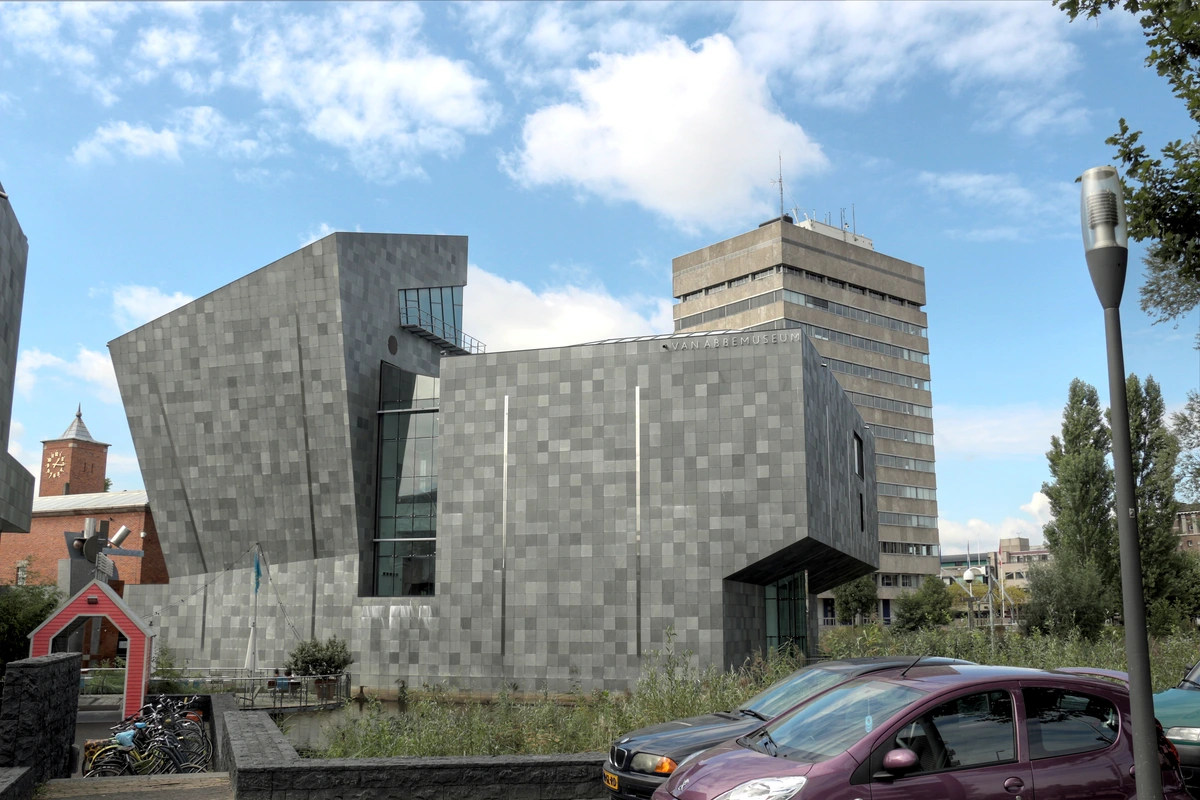
Start by following your curiosity. Search online for terms like "social practice art," "art and labor," or "contemporary political art." Many major museums—like MoMA, the Tate, or the Stedelijk Museum—have rich digital archives you can get lost in for hours from your couch. Look for online exhibition tours or lectures that dive into these themes. Your local scene is just as important. Don’t overlook your local art centers, artist-run spaces, or university galleries. They are often hotbeds for more daring, contemporary work that tackles social themes head-on, and you can often meet the artists directly. If a particular piece or artist resonates with you, see if they have work on offer. Living with a piece of art that explores these themes can be a powerful, daily act of connection.

Your local scene is just as important. Don’t overlook your local art centers, artist-run spaces, or university galleries. They are often hotbeds for more daring, contemporary work that tackles social themes head-on, and you can often meet the artists directly. Finally, follow artists, critics, and curators you admire on social media. It’s a great way to see what’s happening right now, from powerful new projects to searing critiques of current labour conditions through an artistic lens.
If a particular piece or artist resonates with you, see if they have work on offer. Living with a piece of art that explores these themes can be a powerful, daily act of connection—a quiet reminder of the complex world of unseen effort that sustains our lives.









The Work of Seeing
At its heart, art about labour is a profound act of empathy. It asks us to look—really look—at the people who build our world, serve our meals, deliver our packages, and clean our streets. It asks us to acknowledge the dignity, the struggle, and the humanity inherent in every form of toil, visible and invisible. It's about recognizing that the objects we use, the services we rely on, and the infrastructure we navigate are not abstract conveniences but the end products of countless hours of human life, effort, and ingenuity.
In a culture that often encourages us to look away from what is difficult or mundane, these artists compel us to turn our heads and see the beauty and complexity in the very things we take for granted. The next time you pass a construction site or watch a barista craft a coffee, you might just see a flash of it yourself—the simple, powerful poetry of a person at work. It reminds us that our world is not a given; it is worked for, fought for, and made, hour by painstaking hour.
Glossary: Key Terms in Labor and Art
- Socially Engaged Art: Art that prioritizes collaboration and dialogue with a community over the creation of a static object. The process and social interaction are the primary focus.
- Performance Art: Art in which the artist's own body is the medium. It often involves endurance, presence, and direct confrontation with an audience.
- Precariat: A neologism for the contemporary working class, characterized by job insecurity, lack of benefits, and unstable income, common in the gig economy.
- Invisible Labor: Work that is essential but often overlooked, unpaid, or hidden, including domestic labor, emotional labor, and digital clickwork.
- Muralism: A public art form, often with a political or social message, designed to be accessible to the general public, famously exemplified by the Mexican Muralist movement.
- Cognitive Labor: Work that is primarily mental rather than physical, such as data analysis, coding, strategic planning, and creative ideation.