The Explosive World of Siqueiros: Unpacking Revolutionary Mural Techniques
David Alfaro Siqueiros transformed walls into vibrant battlegrounds. Dive into his pioneering techniques—polyangular perspective, airbrushing, and experimental—that redefined public art.

The Explosive World of Siqueiros: Unpacking Revolutionary Mural Techniques
I remember standing before Siqueiros’ Tropical America in LA, the raw energy hitting me like a physical wave. How did he make concrete bleed with such political fire? That’s the question that has obsessed me since I first saw his work in Mexico City decades ago, a question that pulls you past the surface and into the engine room of revolution. That’s the rabbit hole we’re diving into today—a no-fluff exploration of how this Mexican mural master weaponized paint, perspective, and pure audacity to shake foundations. Forget academic jargon; we’re talking practical rebellion.
What does it mean for an artist to truly be dangerous? Not just controversial, but to pose a genuine threat to the established order? David Alfaro Siqueiros wasn’t just painting protests; he was engineering seismic shifts in how we perceive space, truth, and power. This is the story of the techniques that turned walls into weapons, transforming passive viewers into active participants in a revolution that’s still echoing through today’s street art and public installations. Think about it—when you walk past a massive mural on the side of a building, you’re not just looking at a picture. You’re walking through a perspective, you’re caught in its gravitational pull. That’s pure Siqueiros.
Why Bother with Siqueiros Now?
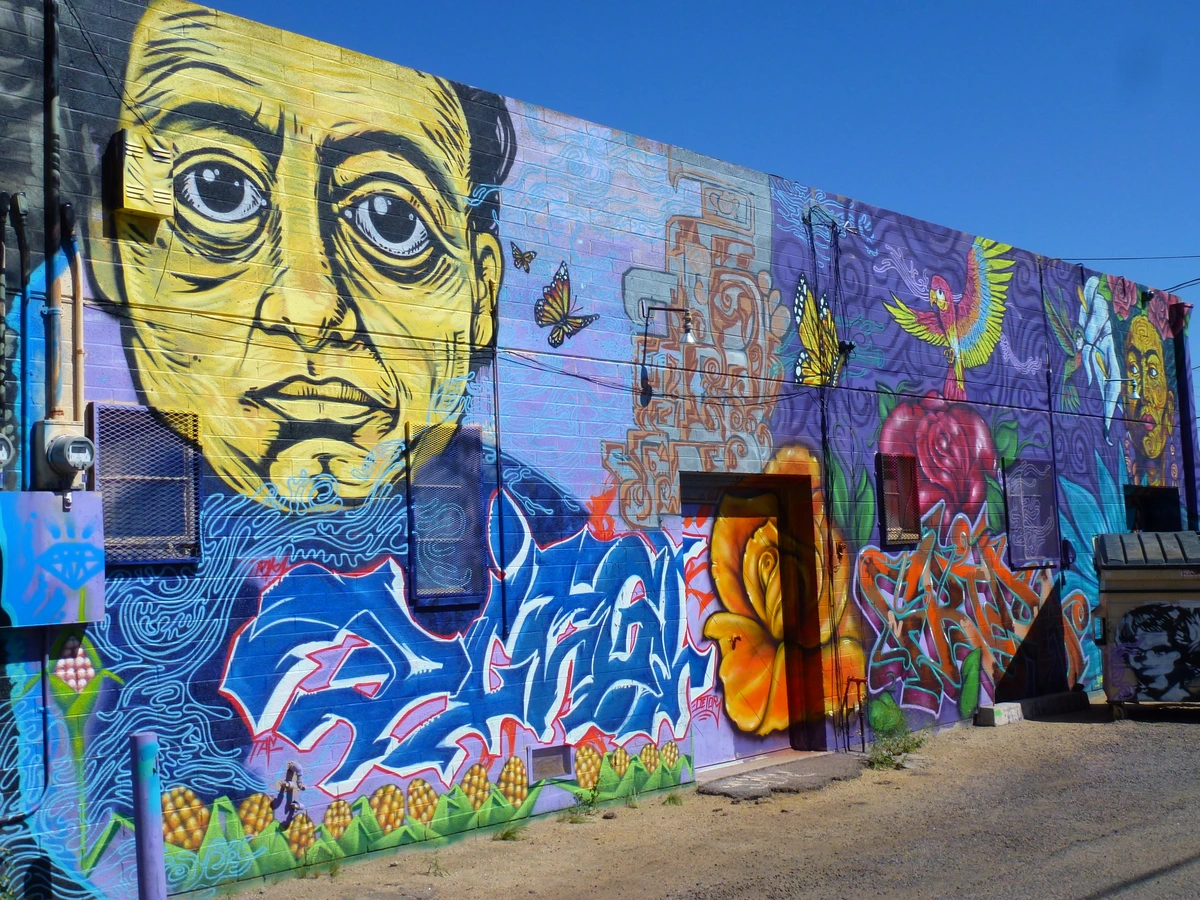
Look, I get it. In a world of digital art and fleeting content, Siqueiros can feel like a relic from a more confrontational time. But that’s precisely why he matters. His murals weren’t just decorations—they were declarations scaled to human architecture. He forces us to ask uncomfortable questions about art’s purpose. Is it just something to hang on a clean white wall, or is it meant to claw at the foundations of the status quo? He chose the latter, every single time. He treated walls as living canvases, merging politics, form, and social urgency. This wasn’t about aesthetics divorced from reality; it was art as direct action, a form of speech that was literally built into the landscape. He used the architectures of power—government buildings, universities, union halls—as the very surface for his critique, turning the walls of the powerful into platforms for the dispossessed. Whether you’re a budding artist questioning ‘What makes art matter?’ or just someone mesmerized by public spaces, his methods crackle with relevance. Let’s get messy.
It’s easy to feel drowned out today, with a billion voices clamoring for attention in a digital sea of pixels and hot takes. Siqueiros offers a different model: one of profound, unavoidable presence. He didn't try to win the algorithm; he built a new stage altogether, one that you had to physically encounter on your way to work, to school, to the market. His art existed outside the gallery, outside the feed, in the messy, unpredictable space of public life. By transforming entire buildings into narratives, he forced confrontation with historical memory and social reality that simply couldn’t be scrolled past. He understood that physical scale carries its own authority—a lesson deeply relevant for any contemporary artist trying to break through the noise.
It’s a question I get all the time: why dig up a 20th-century muralist when we’re drowning in pixels and fleeting trends? The answer is simple. Siqueiros confronted the noise of his era by making art you couldn’t ignore—physically, politically, or emotionally. He’d plaster entire buildings with narratives of revolution, forcing passersby to reckon with uncomfortable truths. In our era of curated feeds and muted dissent, his approach feels less like history and more like a survival manual. Think of him as the antidote to apathy, a reminder that art can be a verb, not just a noun. His legacy raises crucial questions for our time: What does it mean to make art in public without permission? How do we reclaim shared visual spaces from the endless scroll of commercial messaging? And can art truly change anything when the mechanisms of power seem so entrenched? I don't have easy answers, but standing in front of his work, you feel the weight of those questions in your gut, not just your head.
The Core Toolkit: Siqueiros' Signature Techniques
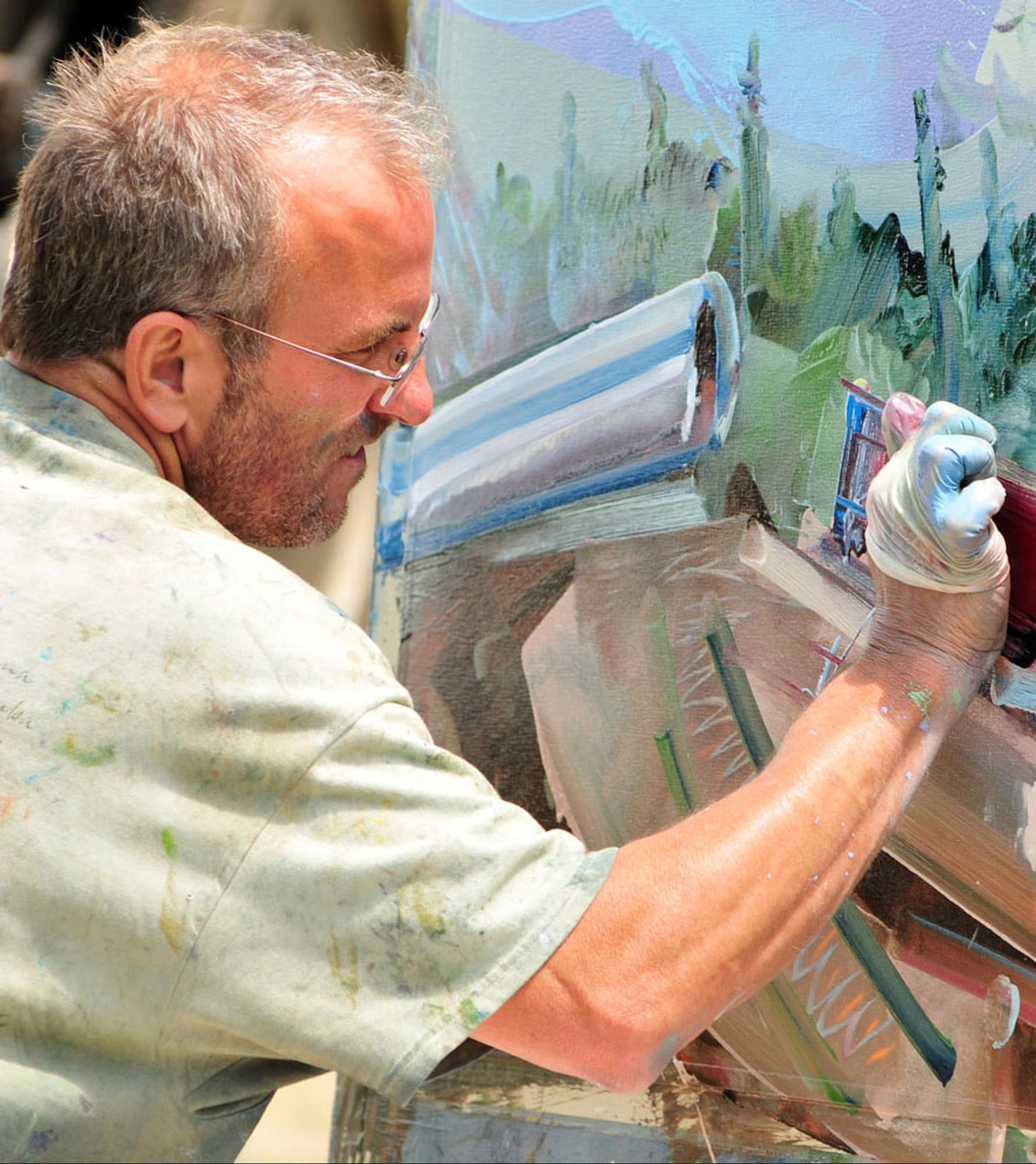
Siqueiros saw art history as a toolbox—not a cage. And let me tell you, he had a deep, almost disrespectful knowledge of the European canon. He’d studied the Renaissance masters, understood their one-point perspective, their sfumato, their delicate brushwork. But for him, these were the tools of a dead culture, suited for depicting a static, hierarchical world. He needed a new toolbox for a world in violent, revolutionary motion. He didn’t just paint; he invented. His Siqueiros Experimental Workshop in New York wasn’t just a studio; it was a laboratory where he and his collaborators (including a young Jackson Pollock) treated the canvas like a combat zone. They’d layer, scrape, and bombard surfaces with industrial materials, seeking the perfect alchemy of accident and control. It was here that he formulated many of the techniques that would define his legacy. Here’s the gear that made his rebellion:

This workshop was less of an academy and more of an anarchist's garage. The goal wasn't to refine a single style but to discover new ways for materials to behave, to force paint to do things it had never done before. They’d mix paint with sand and concrete, they’d apply it with trowels, they’d set it on fire to see what happened. It was chemical warfare on the canvas—a deliberate assault on the polite traditions of fine art. He was hacking the fundamentals of visual art, turning tools of industry into instruments of revolution.
1. Polyangular Perspective: Seeing Beyond the Straightjacket
Remember the boring one-point perspective you learned in art class? That one perfect, god-like viewpoint? Siqueiros blew it up. He called the Renaissance notion of perspective “the great error of Western art,” a straightjacket that forced a single, static view onto a dynamic, multi-faceted reality. His murals often feature multiple vanishing points, creating disorienting, immersive scenes where viewers are literally pulled into the action. It’s like standing at a vortex—politically charged and visually intoxicating.
Traditional single-point perspective creates a singular, authoritative view, like a king on a throne surveying his domain. Siqueiros shattered this because he understood that a political mural isn’t a static image; it’s an event that unfolds as you move through space. He was composing for the person walking by, the commuter rushing past, the child looking up. This shattered perspective forced you to experience multiple truths fighting for space in the same frame—the bourgeoisie sipping cocktails while the worker starved, the soldier and the revolutionary locked in the same eternal struggle. It wasn’t just visual trickery; it was political philosophy rendered in line and shadow, arguing that the "correct" viewpoint doesn’t exist—truth is a composite of many conflicting, simultaneous perspectives.
Take his mural The March of Humanity in Mexico City. As you walk along its massive length, different narrative episodes surge towards you and recede, creating a sense of historical time unfolding through physical movement. It’s cinema without a screen, with your own body as the camera. I’ve walked its length, and it’s disorienting, almost nauseating in its power. You begin to feel the weight of history not as an abstract concept, but as a physical force pressing against your chest. This wasn’t just decoration; it was architectural choreography, forcing your body to participate in the drama of progress and resistance. This dynamic relationship with the viewer makes his work a direct ancestor of today’s immersive installations and public art interventions that seek to transform how we inhabit urban environments. But there's a crucial difference: while much contemporary public art is playful or purely aesthetic, Siqueiros’s work was always an act of political confrontation. It wasn’t just inviting you to look; it was demanding you take a side.
2. Airbrush & Spray Gun: The Industrial Revolution Arrives
Ever notice Siqueiros’ skies look like they breathed? That was his airbrush experiments.
In the 1930s, while others were still grinding pigments, he repurposed industrial spray equipment (yeah, car spray guns!) for velvety gradients and glowing atmospheres. The spray gun was his answer to the artist’s brush—a tool of distance and speed, perfect for covering vast surfaces and creating atmospheric effects that felt both futuristic and ominous. He was no longer just painting on a surface; he was bombarding it, atomizing pigment into a mist that settled like a new skin over the wall. Speed, scale, and that ethereal glow—boom.
Why spray guns? It’s a deeper question than technique. He was literally using the tools of the industrial complex he sought to critique. There’s a profound irony in using car paint to depict the suffering of the common worker, and Siqueiros was acutely aware of it. By co-opting these technologies, he was making a powerful statement about cultural ownership. The airbrush allowed him to create a sense of atmospheric reality that felt modern, even futuristic—a perfect visual metaphor for a new world struggling to be born. The result was a surface that felt mass-produced and organic at the same time, reflecting the contradictions of the machine age.
He also pioneered pyroxylin, a type of nitrocellulose paint that dried almost instantly. This was revolutionary—not just for speed, but for its chemical nature. Pyroxylin is essentially guncotton, the same stuff used in early explosives. He was quite literally painting with a material born from industrial violence, turning it into a tool for revolutionary expression. Unlike traditional frescoes or oils that required waiting days between layers, pyroxylin allowed Siqueiros to build complex, layered compositions with incredible speed and urgency. It was about matching the velocity of his thoughts to the permanence of his message. This chemical fusion of paint and surface created a shell-like hardness, turning his murals into something more akin to urban geology—layers of color sedimented over time. To touch one of his walls is to touch a geological event, a human-made cliff face recording the pressures of history. I once saw a conservator trying to remove a layer of later paint from a Siqueiros mural—it was easier to grind away the concrete behind it than to separate his fused layers. This relentless pace wasn’t just about productivity; it was a reflection of his belief that art must meet the speed of history.
Materials at a Glance: Siqueiros’ Experimental Arsenal
Material/Tool  | Siqueiros’ Purpose | Modern Substitute | Key Takeaway |
|---|---|---|---|
| Airbrush/Spray Gun | Creating vast, seamless gradients; speed. | Modern airbrush kits, HVLP sprayers. | Distance and speed are your new brushes. |
| Pyroxylin Paint | Fast-drying, durable layers; chemical fusion. | Automotive enamels, fast-dry acrylics. | Patience isn’t always a virtue; sometimes urgency is. |
| Industrial Enamels | Vivid, weather-resistant color; high-gloss. | Marine-grade enamels, urethane paints. | The permanence of your message depends on the durability of your materials. |
| Duco Cement | Adhesion, texture; industrial substrates. | Multi-surface primers, epoxy adhesives. | Don’t force a material to do what it wasn’t meant to—find the right tool for the job. |
| Trowels, Scrapers | Aggressive application, textural scraping. | Painting knives, palette knives. | The tool you’re holding changes the gesture you make; the gesture reveals the thought. |
This wasn’t just a stylistic choice; it was an ideological one. For Siqueiros, the art of the Renaissance and its fading frescoes were symbolic of an ephemeral power structure. His work, backed by the ruthless chemistry of the factory, was designed to be a permanent scar on the face of the city—a reminder that the struggle for justice is a force of nature that can be delayed but not denied. His art, powered by the very chemistry that built the industrial complex, was meant to be a permanent record of the people’s struggle—a visual cry that would outlast earthquakes, revolutions, and time itself.
He loved Duco paints, a brand of nitrocellulose lacquer, famously using over 25 gallons of it on his mural Portrait of the Bourgeoisie. He literally made his revolutionary art with the materials of the oppressor. The irony is so thick you could cut it with a knife, isn’t it? He was chemically hijacking the very products of the industrial complex to critique that same system—using car paint to depict the suffering of the auto worker. This material choice reflects a deeply dialectical approach—he believed in turning the tools of the dominant class against them, transforming the very substance of capitalism into a vehicle for its critique. The glossy finish created a subtle but profound psycho-spatial effect: it reflected the viewer’s own image back at them, implicating them in the scene. You weren’t just looking at a mural; you were complicit in its narrative, forced to see yourself as part of the ongoing drama of history.
4. Dynamic Brushwork and "Accidentism": When the Wall fights Back
Siqueiros wasn’t a passive painter. His surfaces were battlefields. He’d pour, scrape, and even throw paint at walls. The result? Textures that screamed movement—splatters, streaks, and swirls that made history feel alive. Imagine paint flying while arguing with Trotsky about revolution—that level of intensity. The wall wasn’t a passive canvas; it was an opponent, a partner, a witness.
This visceral approach to the material was driven by a philosophy he called ''accidentism.'' It was the belief that controlled chaos could reveal deeper truths than any carefully pre-planned composition. He’d attack the wall with trowels, use sticks to drag wet paint into jagged lines, and even burn sections with chemicals to create distressed, scarred textures. When a splash of paint went astray, he’d incorporate it, arguing that the material itself was rebelling against the strictures of form. This embodied a profound respect for the agency of matter itself—a dialogue between the artist’s will and the material’s inherent properties.
He saw this physical struggle with the material as a metaphor for the class struggle itself. The unpredictability of the process meant he was never in full control, just as history itself is never fully determined by a single will. This makes him a crucial link between social realism and the later emergence of action painting, showing that gestural intensity can be deeply political long before it becomes purely abstract expressionism. The difference? For Siqueiros, the gesture told a story. For Pollock and his successors, the gesture was the story. Siqueiros never let his paint become truly non-representational; the revolutionary content had to be legible.
The Siqueiros Process: A Practical Breakdown
His technical process was a carefully orchestrated assault on the wall. It wasn’t just about throwing paint; it was a multi-stage battle plan that ensured his message would last.
- Priming the Battlefield: He’d begin by sandblasting or sanding the wall to create a toothy surface that would lock in the industrial paints. This wasn’t gentle preparation; it was abrasive, ensuring the synthetic resins would fuse into the wall’s pores.
- Building the Underpainting: Using spray guns, he’d establish vast gradients for skies and backgrounds, often while the primer was still slightly wet. This created a chemical bond between layers, literally fusing them together.
- Accidentism in Action: With broad brushes, trowels, and sometimes bare hands, he’d lay in the main figures and compositional lines. He’d work fast, allowing the pyroxylin paints to drip, pool, and be manipulated before they hardened.
- Refinement and Scraping: As layers dried, he’d scrape back into them or sand parts down, revealing earlier layers in a process echoing geological erosion. This created a sense of depth and history within the mural itself.
- The Final Armor: A final spray of clear lacquer or resin would seal the work, giving it that iconic, defiant gloss and protecting it from the elements and the hands of time.
It’s a method that blends Renaissance fresco’s layering with assembly-line production’s speed. To see how these values translate into contemporary practice, visit our museum space at the Den Bosch Museum, where artists continue to challenge material limits.
Material/Tool | Siqueiros’ Purpose | Modern Equivalent | Key Insight |
|---|---|---|---|
| Enamel Paints | High-gloss, permanent color; chemical resistance. | Automotive acrylics, marine enamels, urethane paints. | Choose a finish that reflects your intent—gloss for defiance, matte for subtlety. |
| Spray Guns | Gradients, large-scale evenness; speed and industrial aesthetic. | Airbrush compressors, HVLP spray systems. | Mastering air pressure and distance is the key to a seamless gradation. |
| Sandpaper | Roughing surfaces to grab paint; creating textured underpaintings. | Orbital sanders, angle grinders with flap discs. | The surface texture dictates the paint’s final character—smooth for fluidity, rough for aggression. |
| Industrial Resin | Protective, glossy finish; sealing and durability. | Polyurethane sealers, epoxy topcoats. | Your final protective layer is as important as your first stroke of paint. |
| Plastic Sheeting | Controlling splashes, fast work; large-scale masking. | Canvas drop cloths, poly sheeting, masking films. | Embrace spontaneity, but control the chaos. |
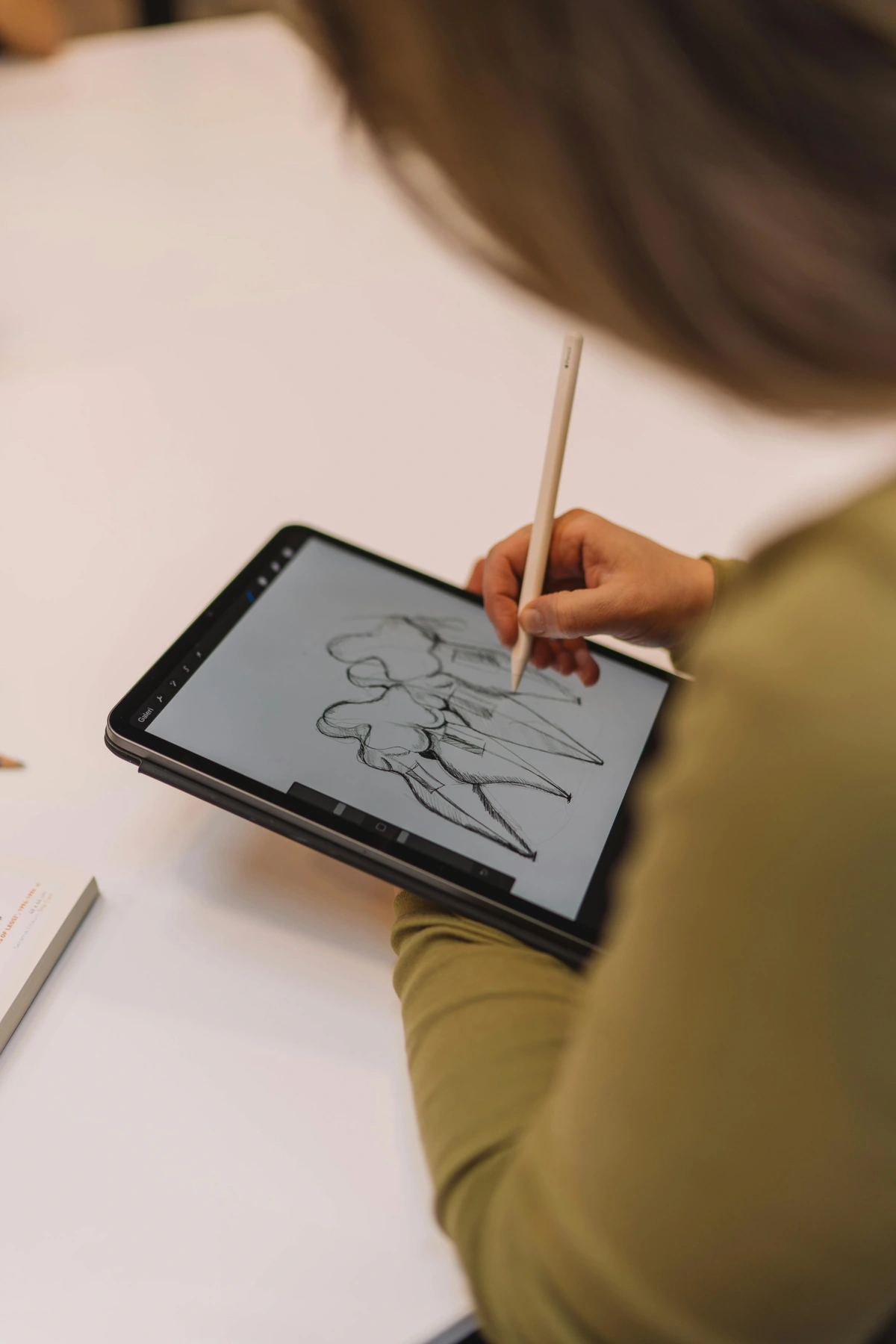
| Digital Tools | (Contemporary Addition) Pre-visualization, dynamic layouts, scaling. | Projectors, tablet design software, digital mockups. | Technology can be a powerful aid for visualizing complex murals before committing paint to wall. |
Conceptual Pro-Moves: Thinking Like Siqueiros Today
Beyond the gear, his real lesson was strategic. Here are three ideas to steal:
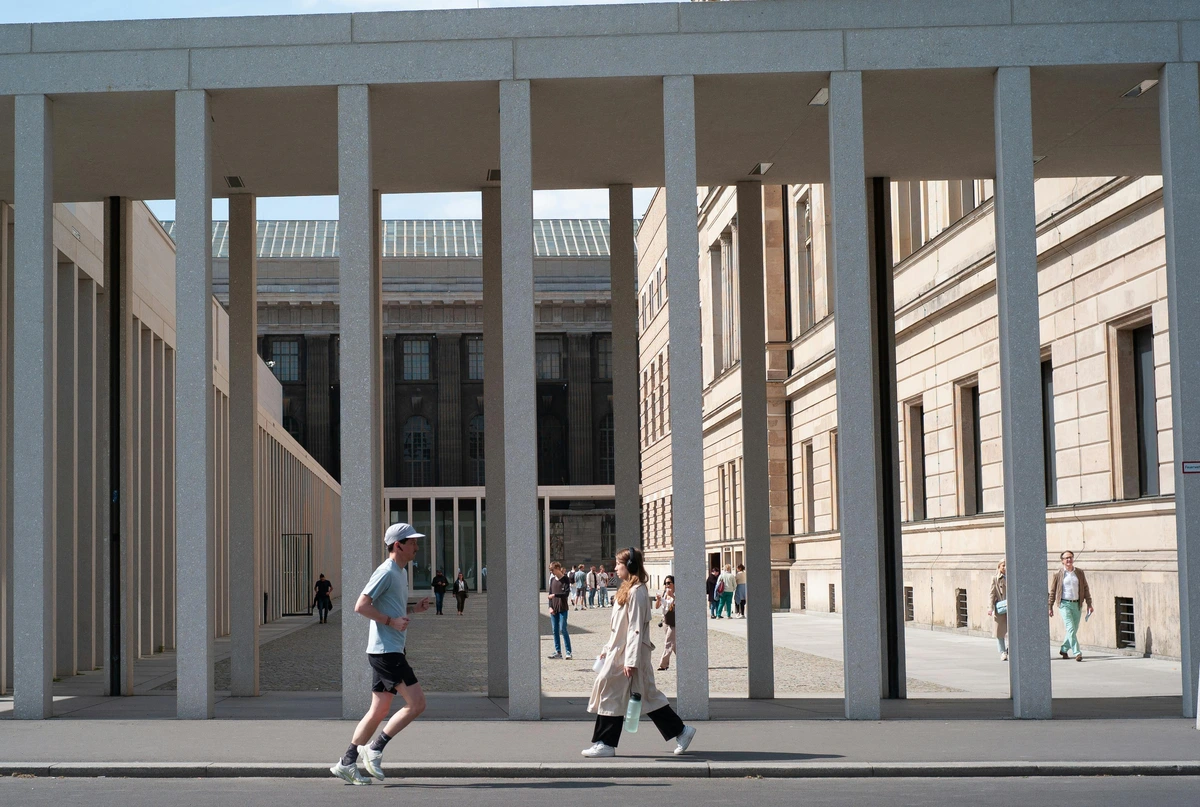
- Architectural Integration: Don’t just put a picture on a wall; make the wall become the picture. Use polyangular perspective to play with the building’s existing lines—make columns or windows part of the composition. The architecture isn’t a frame; it’s a collaborator.
- Make Accidentism a Practice: Set up controlled experiments. Pour paint on a horizontal surface and let it flow. Let the material do half the work. Incorporate weather, shadows, and passersby as part of the piece’s life. This teaches you to cede some control, creating space for the unpredictable.
- Think in Conversations, Not Monuments: A mural should speak to its community. Interview locals, research the site’s history, and let those stories guide your composition. Your art isn’t an object you leave behind; it’s a question you ask the public. Discover contemporary artists who ask these questions with their work at /buy.
Case Study: Echo of a Scream (1937)
This piece? It’s a masterclass in controlled chaos. Witness:
- Polyangular angles: The crying child and barbed wire warp toward you, collapsing perspectives of suffering.
- Spray-painted tears: They glide like liquid mercury, not dry brushstrokes.
- Industrial sheen: The polished finish makes horror feel unmistakable—no fading, no ambiguity.
Siqueiros painted this in the height of the Spanish Civil War, channeling his grief and rage over the bombing of defenseless civilians. The central figure, a screaming infant, is inspired by harrowing photographs from the conflict. The mangled industrial debris in the background isn’t just set dressing; it’s a portrait of a world torn apart by the very machines that were supposed to serve humanity.
Analyzing its techniques: the polyangular perspective collapses the space around the child, pulling the viewer into a suffocating embrace. Tears rendered with an airbrush have an unnatural, metallic gleam, like liquid mercury. The entire surface has a high-gloss finish that reflects the viewer’s face, forcing a moment of personal implication. This painting is a gut punch, using every technique we’ve discussed to make suffering immediate, monumental, and unforgettable. It’s not a picture you observe; it’s a trauma you witness at point-blank range.
The Man, The Myth, The Contradiction
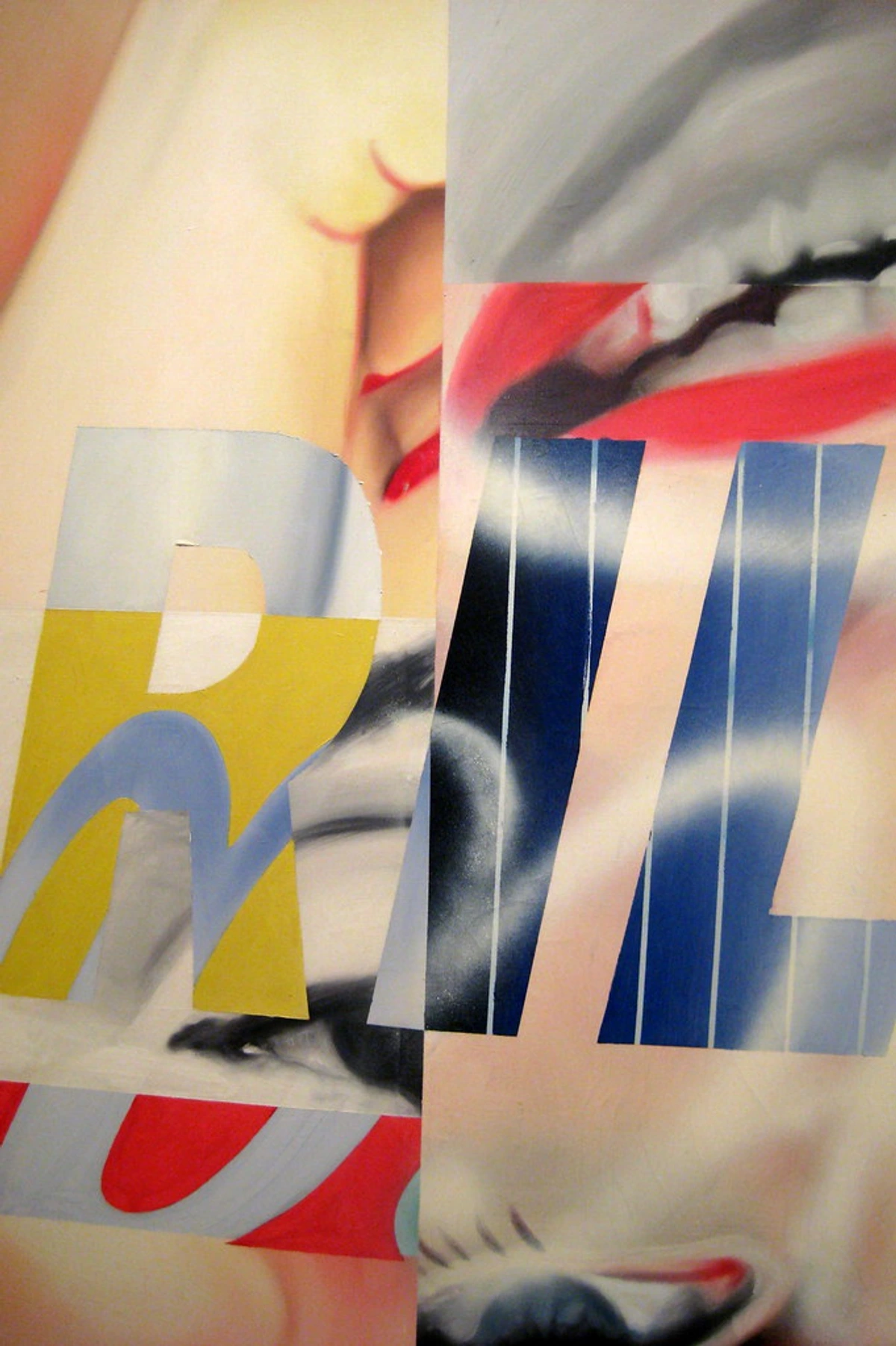
Before we dive deeper, let’s get one thing straight: Siqueiros was a man of profound and often disturbing contradictions. He was a living, breathing paradox—a communist who painted anti-imperialist murals while serving as a military officer, a champion of the collective who nurtured a massive ego, a political activist who spent years exiled and imprisoned for his beliefs. These weren't flaws to be swept under the rug; they were the very contradictions that fueled his fire. He fought for the people’s revolution while his own life was marked by personal turmoil, including a famous, failed assassination attempt on Leon Trotsky, his ideological rival. He demanded collective art while fostering a cult of personality. His monumental art championed the worker, yet he lived a life far removed from their hardship.
These aren’t flaws to be swept under the rug; they’re contradictions that fueled his fire. How could someone who so passionately painted the face of the common man also be involved in such blatant acts of political violence? This paradox is central to understanding his work. The Trotsky affair, in particular, reveals a man so committed to his specific vision of communism that he was willing to eliminate his rivals. It’s a dark chapter that complicates any simplistic reading of him as a pure hero of the people. Acknowledging this doesn’t diminish his genius; it makes his relentless drive to create a more complex and human story. He was an artist-soldier, a revolutionary who painted his battles and fought with his brush, believing the ends justified the brutal means. In many ways, his life reads like a character from a Dostoevsky novel—brilliant, passionate, and racked by the moral complexities of his own choices. His contradictions weren't just personal flaws; they were the fault lines where his art's explosive energy was generated.
The 1921 Manifesto: A Blueprint for Revolutionary Art
In 1921, Siqueiros and his comrades in the Syndicate of Technical Workers, Painters and Sculptors published a manifesto in their newspaper El Machete that reads like a battle cry. It’s one of the most brutally honest and uncompromising documents in the history of art. It demanded the “ideological regeneration of the plastic arts” and the destruction of bourgeois individualism in art. It’s hard to overstate how radical this was. They weren’t just proposing a new style; they were advocating for a new social and spiritual purpose for all art—one rooted in public utility and collective experience.
The manifesto declared that art should be a public, monumental, and educational force. This flew directly in the face of easel painting and the private, market-driven gallery system. This wasn’t just a theoretical stance; it was a declaration of war on the entire art market. He saw easel painting as a decadent, bourgeois activity, producing luxury objects for private consumption while the world burned outside the collector’s window. For Siqueiros, painting small pictures for wealthy collectors was a betrayal of art’s true potential. This wasn’t about making pretty things; it was about forging the visual language of a new world, accessible to all, on the walls of the buildings where people lived and worked. Every technique he developed—the polyangular perspective, the industrial materials, the embrace of accident—can be traced back to the fiery principles laid out in this foundational document. It was the blueprint for a revolution in form, function, and philosophy, a declaration that the artist's role was not to decorate society, but to change it.
His legacy is not a monument to be admired from a distance, but a living set of questions that challenge every artist working in public space today. When a contemporary collective paints a mural in a gentrifying neighborhood, they are walking in Siqueiros’s footsteps. When an artist chooses a cheap, fast-drying house paint for its accessibility and speed, they are channeling his pragmatic, revolutionary spirit. His influence can be seen in the massive, politically charged canvases of an artist like Ai Weiwei, and it can be felt in the community-engaged projects that define progressive public art practice. When you see the fearless political commentary in the work of the Guerrilla Girls, or the monumental scale of Christo and Jeanne-Claude's wrapped projects, you’re seeing a little of Siqueiros's DNA in action—art that refuses to be quiet, or small, or polite.







He fundamentally redefined the mural, transforming it from decorative appliqué into a form of architectural, social, and political intervention. The urgency he brought to the wall—the sense that art wasn’t a luxury but a vital, necessary part of the struggle for a better world—remains his most powerful and enduring contribution to our visual culture.