The Art Collector's Dilemma: Originals vs. Prints
A personal guide to understanding the difference between original art, limited edition prints, and mass-produced posters. Make informed choices for your collection.

The Art Collector's Dilemma: Originals, Prints, and the Beauty of Mass Production
I remember staring at two versions of the same image years ago. One was a cheap, glossy poster of a famous painting, tacked to a friend's dorm room wall, its colors bleeding slightly under a strip of clear tape. The other was a framed, signed print of that same painting in a small gallery, the paper thick and soft, the blacks impossibly deep. It was the same composition, the same colors, but the feeling was worlds apart. The dorm room poster felt like a loud echo; the gallery print felt like a trusted whisper. It’s a peculiar sort of magic, isn’t it? How two objects can look so similar, yet carry a completely different weight in the world—and in our hearts. If you're starting to collect art or just trying to decorate your walls with things you love, you've probably run into this yourself. You see a piece you adore, but it comes in different forms: the eye-wateringly expensive 'original,' the intriguing 'limited edition print,' and the friendly, affordable 'poster.' The choice can feel overwhelming, a puzzle where the pieces don't seem to fit a single picture.
I’ve seen this play out a thousand times. People often fall into a quiet panic, worried they’re getting a ‘fake’ or making a ‘wrong’ choice. The fear is understandable; we’ve been conditioned to believe that value is tied to rarity and price. But what if that’s only half the story? What if owning art is less about making a single, perfect investment and more about understanding a whole ecosystem of creative expression? This dilemma, I’ve come to realize, isn't about quality—it's about intent and scarcity. An original artwork is an act of singular creation. A limited edition print is an act of curated distribution. A poster is an act of democratic communication. Understanding this spectrum—from the unique object to the mass-produced image—is the key to navigating the art world with confidence, whether you're spending fifty dollars or fifty thousand.
What’s the real difference? And more importantly, which one is right for you? Let's break it down, not like a stuffy textbook, but like we're figuring this out together over a coffee. We'll explore the history, the craftsmanship, and the surprisingly emotional reasons why one version might feel priceless to you while another feels disposable.
Let's Get the Lingo Straight: What Are We Even Talking About?
First things first, the terminology in the art world can feel a bit like a secret handshake. It's not. It's just a way to describe how a piece of art came into the world. Each label—original, print, poster—is a story about scarcity, craftsmanship, and the artist's intent. Think of it less as a secret code and more as the ingredients list on a meal you love; it tells you exactly what you're consuming. It's a way of understanding the artist's intention and the object's potential lifespan, helping you make an informed decision that aligns with your own goals.
The One-and-Only: The Original Artwork
The Source and Its Singular "Aura"
This is the source. The genesis. The one-of-a-kind piece created directly by the artist's hand. It could be a painting on canvas, a drawing on paper, or a sculpture carved from a block of wood. I recently visited an artist's studio and watched a piece evolve over a week—the layers, the decisions, the changes of heart. It has texture—the kind you can feel with your eyes closed—maybe some happy accidents, and the unique energy of the creative process. It's the physical manifestation of the artist's idea, carrying with it the complete history of its own making.
When you stand before an original, you're not just seeing an image; you're seeing the history of its own making. You might notice a brushstroke that was wiped away and repainted, or a pencil line that was left to guide the artist's hand. These imperfections are its autobiography, written in a language of paint and pressure. The art critic Walter Benjamin famously called this quality the "aura"—that sense of unique presence and authenticity that can't be replicated. It's the feeling that you are in the presence of something singular, with its own life story. This aura is precisely what collectors seek when they invest in an original. It's the closest you can get to being in the room with the artist at the moment of creation, a direct connection to the spark of an idea and the labor that brought it to life.

How do you choose? I find it helps to think of your personal art ecosystem like a library. You need some core, substantial volumes (an original, or a meaningful limited edition), a few reference books (solid prints that hold their own), and plenty of entertaining paperbacks (posters and open editions that can be easily swapped out). This approach prevents the feeling that every purchase has to be a monumental, once-in-a-lifetime decision, and instead turns collecting into an evolving, joyful practice. The goal isn't to have a 'finished' collection; it's to have a living, breathing environment that continues to surprise and inspire you.
When you own an original, you become a custodian of that history. No one else in the world has this exact object, with its unique spectrum of molecules and memories. That's why it carries the highest financial value and, for many, the deepest personal connection. It’s a conversation between you and the artist, with no one else in the room. The responsibility can be immense—you're now in charge of its conservation, its exposure to light, its very survival for the next generation—but so can the reward. You are not just an owner; you are a link in the chain of the artwork's existence, preserving it for future generations. This is why provenance—the documented history of ownership—is so crucial in the world of originals. It's the artwork's passport, proving its authenticity and journey through time.
The Artist's Echo: Limited Edition Prints
The Craft of Authorized Reproduction
Now, this is where it gets interesting. A limited edition print is not just a photocopy. It’s a careful, considered echo of the original. It's a high-quality reproduction that the artist has overseen and approved, produced in a deliberately small, fixed number—say, 50, 100, or sometimes just 10. Once they're gone, they're gone. I’ve worked with master printers who view their job as a collaboration, a translation of a unique vision into a democratic medium without losing the soul of the work in the process.
Here's what makes them special, and why they sit in that fascinating middle ground between the singular original and the infinite poster:
- Scarcity: This is the big one. By limiting the number, the artist creates a form of digital-age scarcity. It’s a promise that this particular image won’t be endlessly diluted. This self-imposed limit is what allows the print to hold and even gain value over time. It’s a contract with the collector that the image will remain special. This dedication to scarcity is precisely what distinguishes it from mass-produced art.
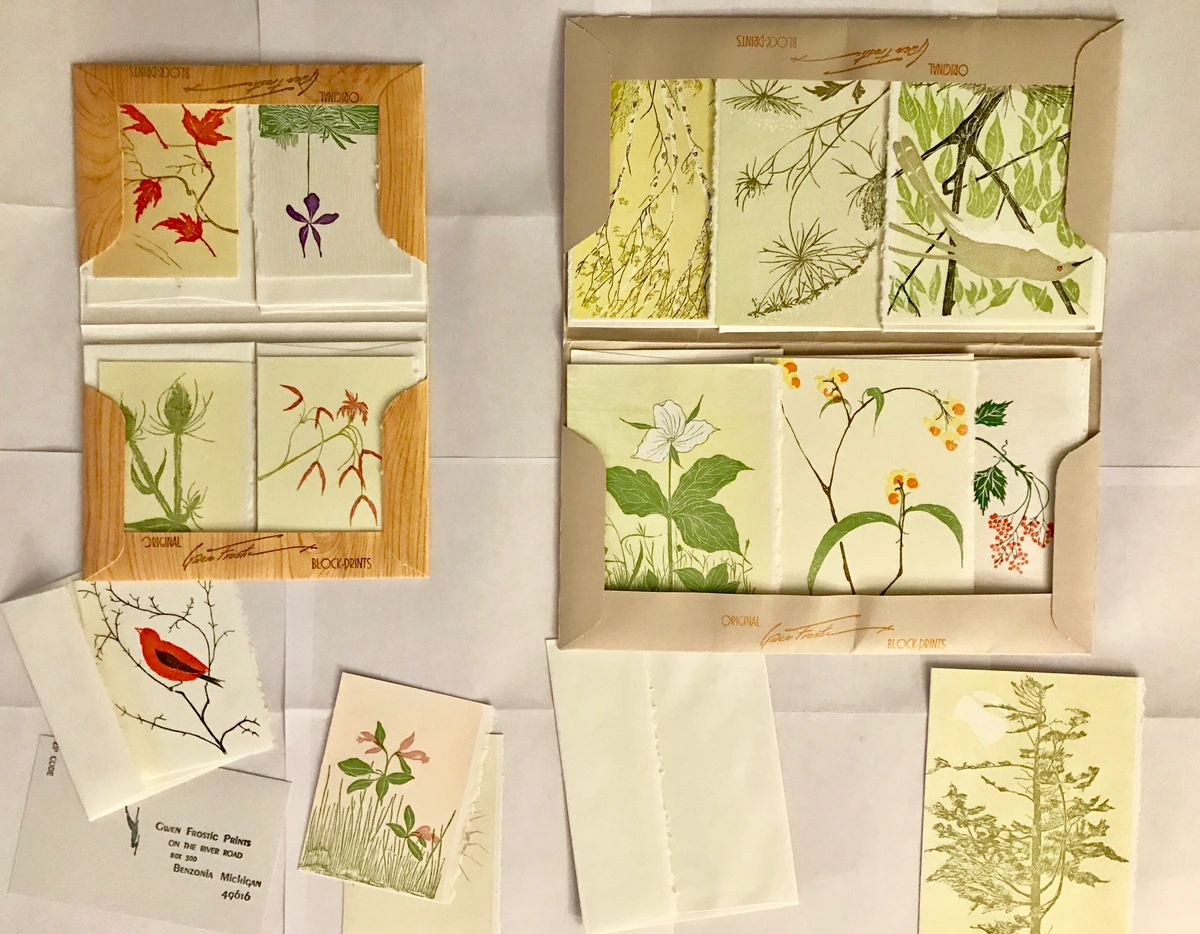
- Quality: We’re not talking about the output of a standard office printer here. Limited editions are often made using museum-grade methods like giclée (a high-end inkjet process) or screen printing. They’re printed on archival paper with pigment-based inks designed to last for over a century without fading, a stark contrast to the unstable dyes used in a typical poster. This commitment to archival quality ensures that the work can be passed down as a meaningful object.
- Artist's Touch: Each print in the edition is typically hand-signed and numbered by the artist (e.g., '1/50', '2/50'). This signature isn’t just a flourish; it’s a physical bridge, a mark of approval that links this particular sheet of paper directly back to the original creator. It’s a personal stamp that says, 'Yes, this one is authorized.' This direct intervention transforms the printed sheet into an authentic artwork.
Think of it as a way for an artist to share a popular work with a wider audience without diluting the specialness. It's an authorized, high-quality echo of the original idea. Limited editions democratize access to an artist's vision while maintaining a level of exclusivity that preserves its collectible nature. This model allows artists to generate sustainable income, enabling them to continue producing the one-of-a-kind originals that define their practice. Without this secondary market, many artists simply couldn’t afford to create their large-scale, time-intensive originals; the prints, in a very real sense, sponsor the existence of the one-of-a-kind works.

The Art for Everyone: Open Edition Prints & Posters
The Language of Democratic Accessibility
This is what we usually mean by 'mass production.' An open edition print or poster can be printed an infinite number of times. There's no limit. They are designed for maximum accessibility and affordability.
Does that make them 'bad'? Absolutely not. Their purpose is different. An open edition print or a poster is a democratic broadcast of an image. It's meant to celebrate a composition, to bring a splash of color and joy to a space—a college dorm, a child's bedroom, a startup office—without a hefty price tag. The paper is often thinner, more akin to heavy cardstock, and the inks are commercial dyes that may fade over five or ten years in direct sunlight. It won’t have a hand-signed signature; any signature is just part of the printed image. This isn't a flaw; it's a feature. It's a fantastic way to enjoy an image you love on a budget, or to test-drive a piece before you decide to invest in a higher-quality print. Living with an image, even a cheap one, teaches you about your own taste in ways that browsing a gallery never will.
It's the difference between owning a first edition novel and a paperback you picked up at the airport. Both contain the same story, but one is an artifact and the other is a companion. Posters allow an artist's visual vocabulary to permeate culture at large, turning private expressions into public icons, sparking trends, and shaping the visual landscape of an era.

A Quick-and-Dirty Comparison
Sometimes a table just makes things clearer. Here’s a simple breakdown of where each type of art object sits on the spectrum from one-of-a-kind to mass-produced.
Feature  | Original Artwork | Open Edition / Poster | |
|---|---|---|---|
| Exclusivity | The only one in existence | A fixed, small number exist (e.g., 1/50) | Unlimited number exist |
| Artist's Hand | Directly created by the artist | Signed and numbered by the artist | No direct artist involvement |
| Production | One-off creation process (painting, sculpture) | High-quality, archival methods (giclée, silkscreen) | Standard, commercial printing (offset lithography) |
| Materials | Canvas, wood, handmade paper, oil, acrylics | Archival, acid-free paper; pigment-based inks | Standard paper or light cardstock; dye-based inks |
| Longevity | Can last for centuries if cared for | Designed to last 100+ years without fading | May fade in 5-10 years in sunlight |
| Value | Highest potential for appreciation, illiquid | Can appreciate, holds value, semiliquid | Primarily decorative, negligible resale value |
| Purpose | Investment, heirloom, singular statement piece | Collectible, affordable art, supporting the artist | Decoration, accessibility, temporary enjoyment |
Liquidity is a less talked-about factor. An original artwork is often considered illiquid—it can take months or even years to find the right buyer at the right price. A limited edition print is more semiliquid; the market is more active. A poster is liquid only in that you can easily take it down and replace it, but it has virtually no financial resale value. This isn’t a flaw; it’s a feature. Each serves a different purpose in your life and in the broader art ecosystem.
This table is a starting point, not a final judgment. The "right" choice for you depends entirely on how much you value exclusivity versus accessibility, whether you prioritize longevity or immediate impact, and what kind of relationship you want to have with the art you bring into your life.
Why Does Any of This Matter? (Hint: It’s All About You)
These categories aren't just labels; they're invitations. Each one asks you to participate in the life of an artwork in a different way. Your choice is a reflection of your goal, your budget, and frankly, your relationship with the piece itself. Let's look at the classic archetypes of buyers.
Okay, so we know the differences. But the real question is, how do you choose? It comes down to your personal goals. Are you trying to build a financial asset, create a deeply personal sanctuary, or simply participate in the joy of aesthetics?
The Investor's Eye
If you're looking at art as a financial investment, you're primarily playing in the world of originals and, to a lesser extent, rare limited edition prints from a handful of blue-chip artists whose markets are well-established. This is the world of galleries, auction houses, and provenance—the impeccable history of ownership that makes a work legitimate. It's a complex market, subject to trends and the whims of the ultra-wealthy, but the potential for a pivotal original work to appreciate in value is unmatched. For these buyers, scarcity is the ultimate currency. It's a world fraught with pitfalls for the novice, where countless variables—the artist's career trajectory, the influence of powerful critics, and the work's exhibition history—can affect its value far more than its aesthetic qualities. The best advice? If you're truly motivated by investment, you must also become a genuine student of art history and market dynamics. Most importantly, don't assume that just because a piece is 'limited' or 'original,' it's a guaranteed winner. Provenance, condition, and finding the right buyer when you're ready to sell are often far more critical. It's a sophisticated ecosystem that operates under its own set of rules.
The Decorator's Heart
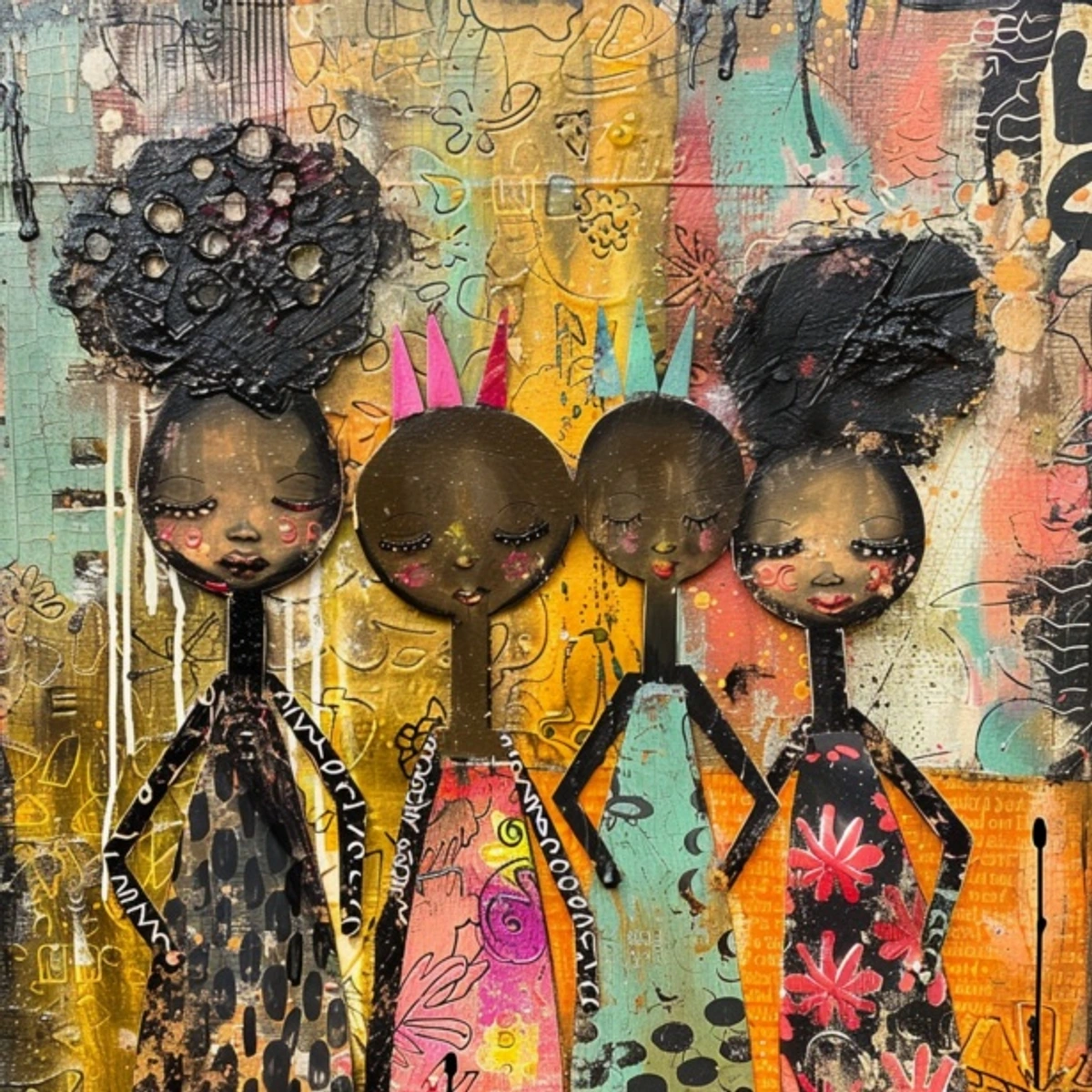
This is where most of us live. You have a blank wall and you want to fill it with something that makes you happy. Here, all options are on the table.
- An original piece can be the soul of a room—a unique focal point that tells a story and becomes the anchor for everything else around it. It's a commitment. It’s the difference between wearing a bespoke suit and one off the rack; both cover you, but one is a second skin, a statement of intent.
- A limited edition print offers a sense of intentionality and quality. It says, 'I sought this out, I invested in a real piece from an artist I admire.' It elevates a room from being simply decorated to being thoughtfully curated.
- A poster is pure, uncomplicated joy, a democratic statement of taste. Love a particular image from a museum exhibition or a graphic designer? A poster is the perfect way to bring it home without overthinking it.
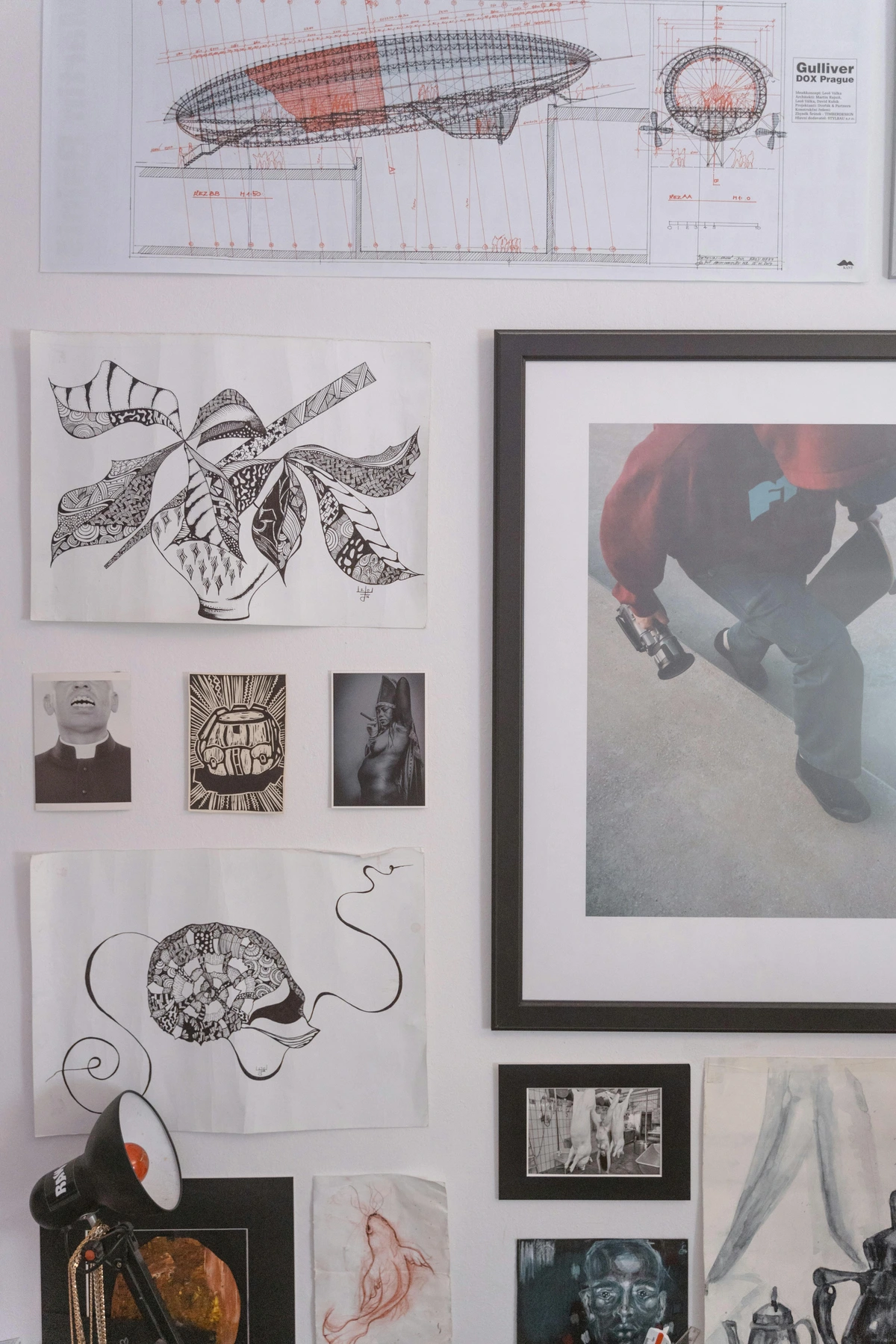
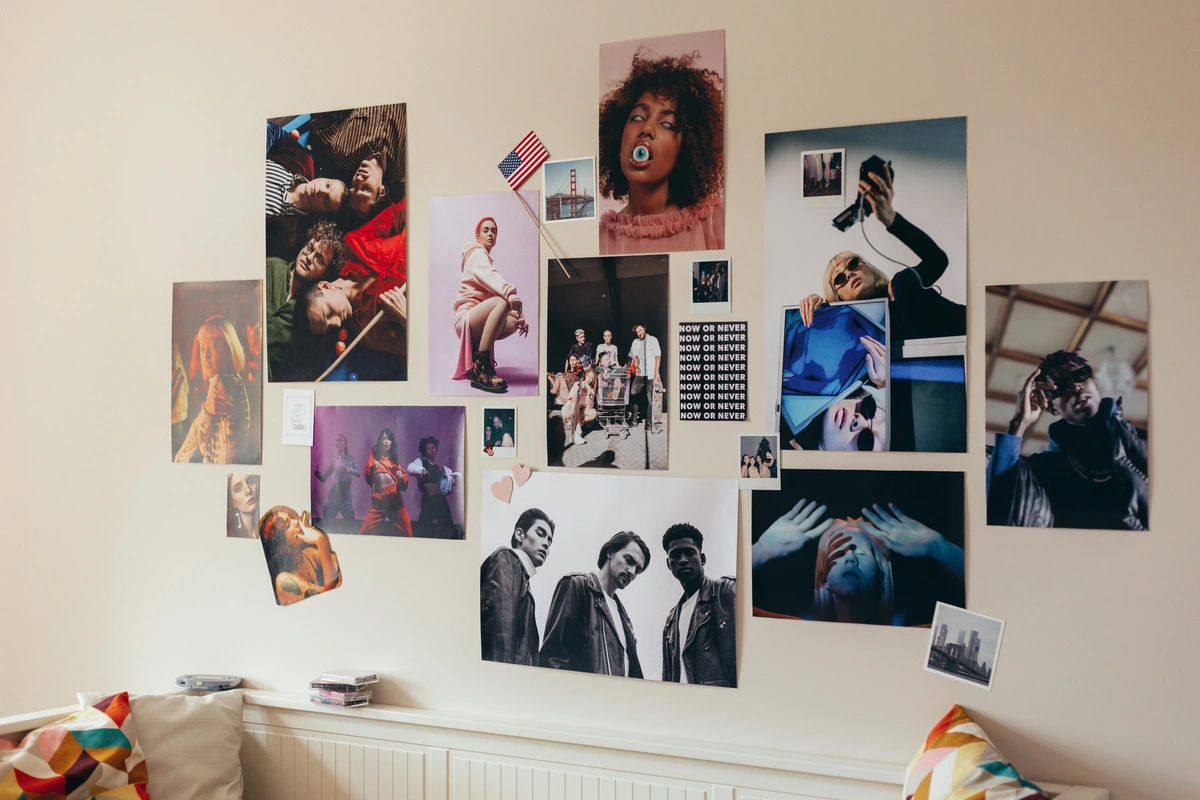
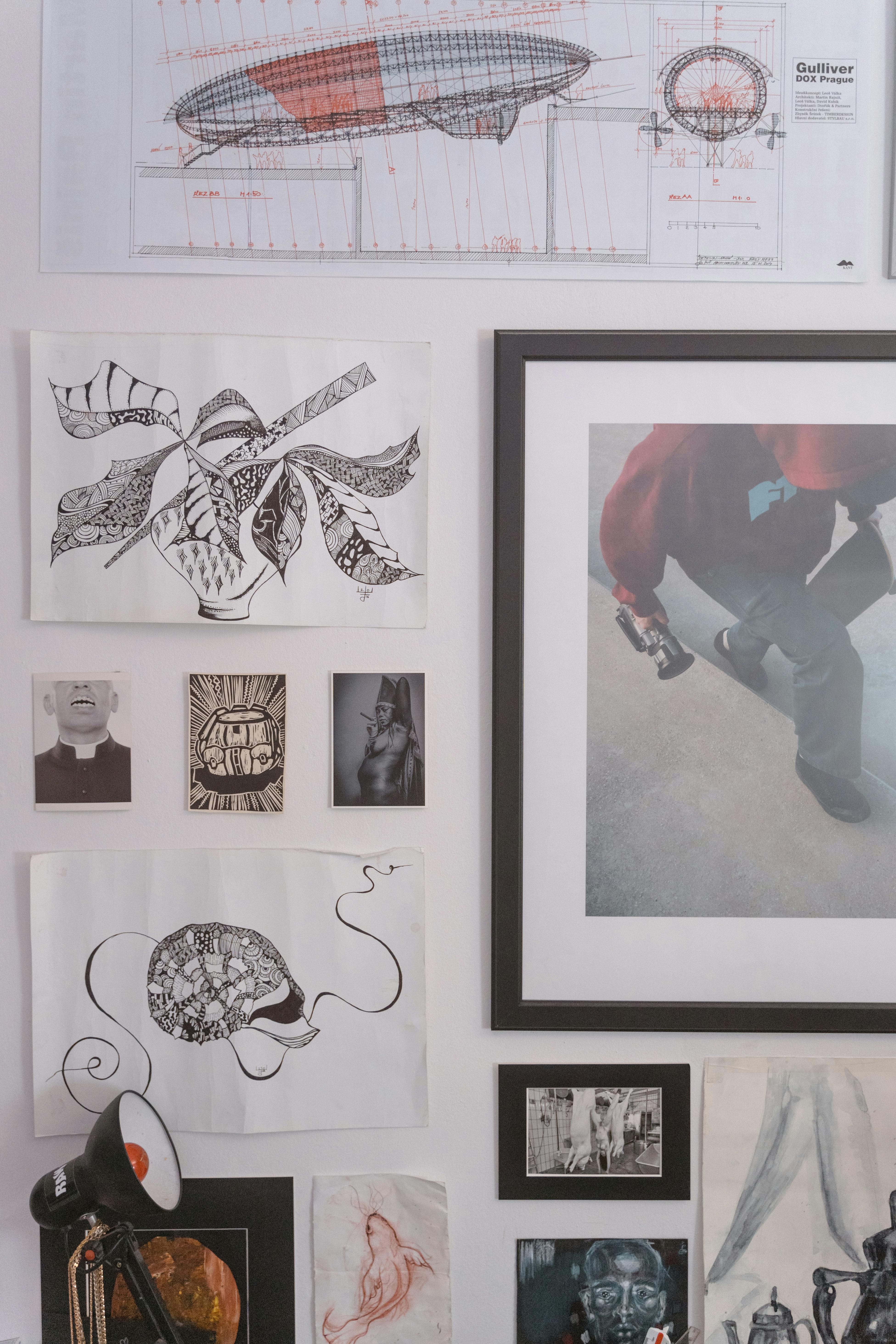
Mixing and matching is the key. A gallery wall is the ultimate expression of this, a chance to beautifully combine a small original drawing, a couple of limited prints, and a fun, graphic poster. It’s your space, your rules. The story is in the mix. I often advise people to start with a single, meaningful anchor piece—like a small original drawing you truly love—and then build outwards with limited edition prints and posters that complement its energy. This creates a curated, dynamic environment that feels intentional rather than a single, static statement.
The Fan's Soul
Sometimes, it's just about supporting an artist whose work resonates with you. Many artists, myself included, rely on print and poster sales to make a sustainable living. Buying a limited edition—or even a poster from their own shop—is a direct and powerful way to support their continued work. It’s an accessible entry point to becoming a patron of the arts, a silent partner in their creative life. You get a beautiful piece for your home, and the artist gets to keep creating. It's a win-win. It's art as a relationship, not just a transaction. If you see work you like, check if the artist has a shop—you can often find beautiful prints to /buy. There's something uniquely satisfying about knowing that your purchase directly contributes to an artist's ability to keep creating.
This is crucial for the art world's health. It fosters a sustainable ecosystem where artists can make a living from their work, galleries can take risks on emerging talent, and collectors can discover new voices without needing the budget of a museum trustee. You're not just buying an object; you're making an investment in a person's creative future.
Behind the scenes, the journey from an original artwork to a high-quality print is a meticulous craft in its own right. This process often begins with a high-resolution scan or a professional photographic capture of the original. The goal is to faithfully translate the texture, depth, and color of the piece into a digital file. This file then undergoes a painstaking color-correction process to match the original as closely as possible—a task that can take hours of careful work. The final print is made on an archival substrate, such as a 100% cotton rag paper, ensuring the color will endure for generations.
Andy Warhol Walked So We Could Run
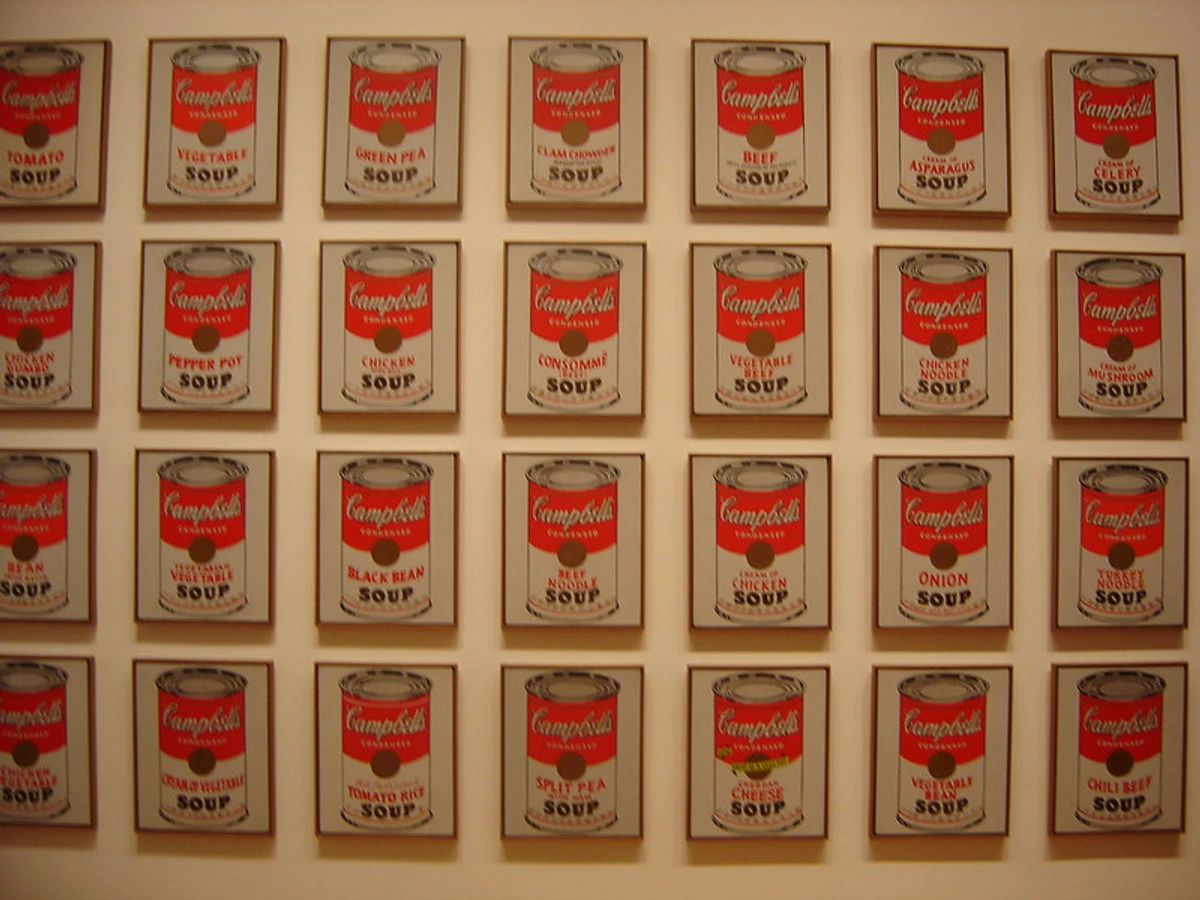
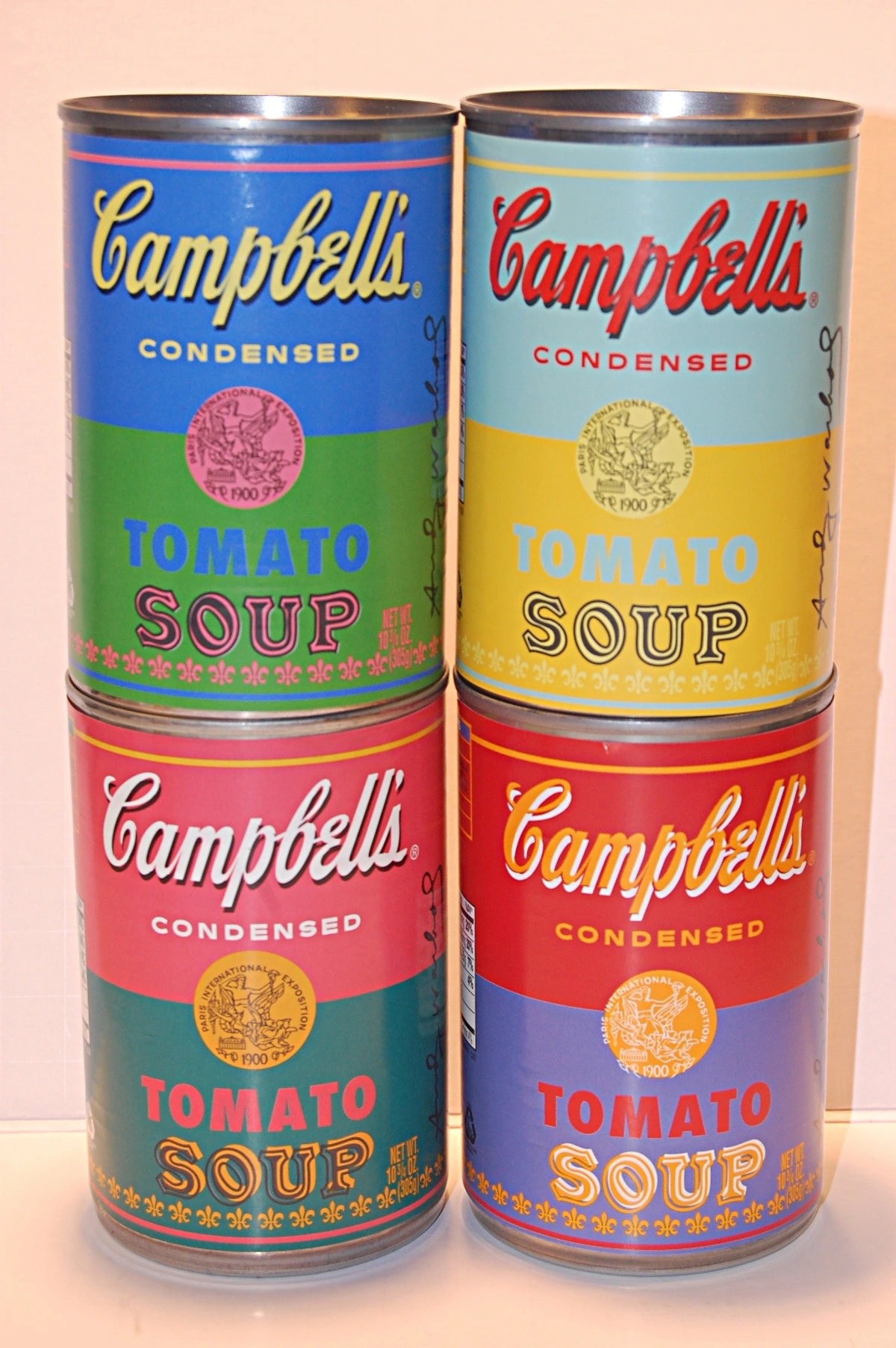
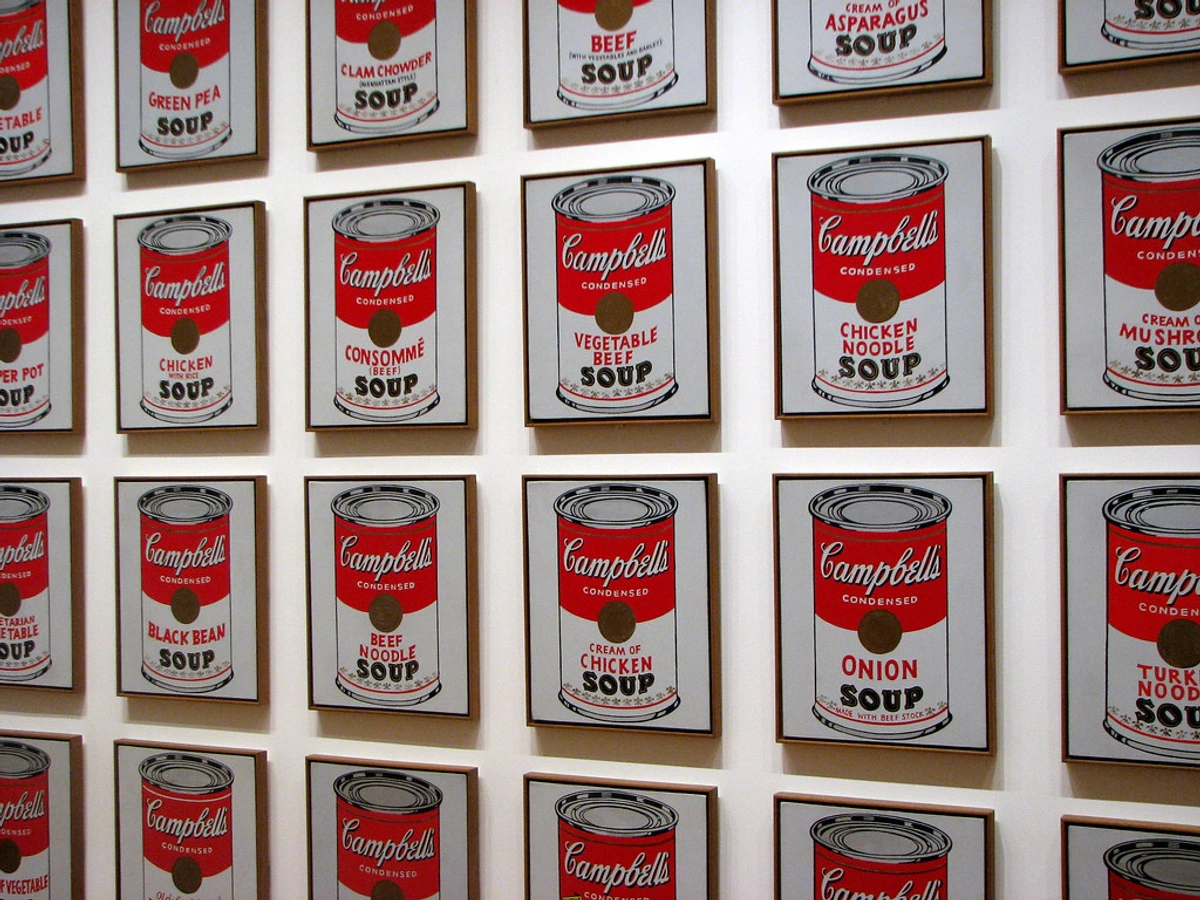
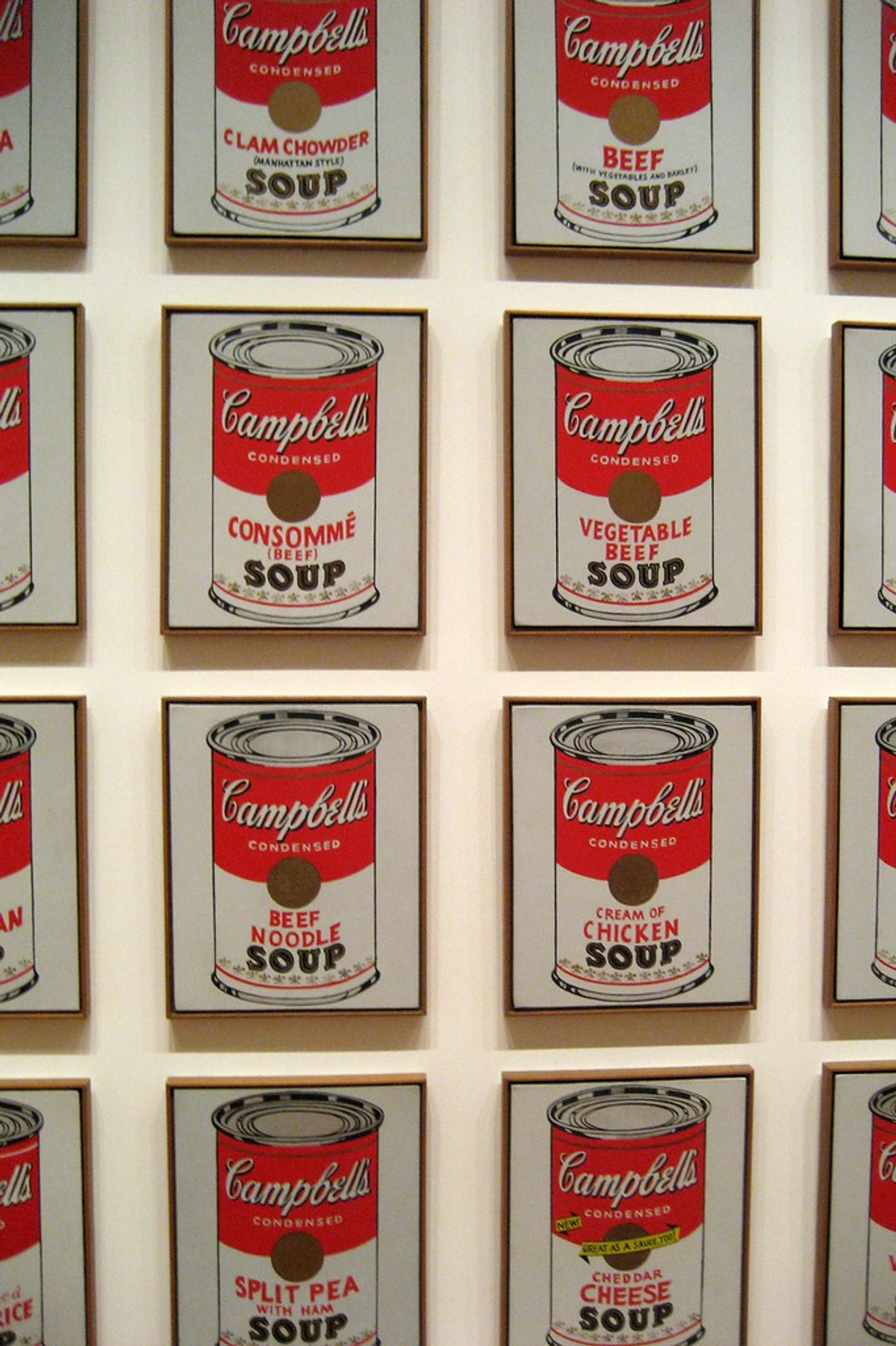
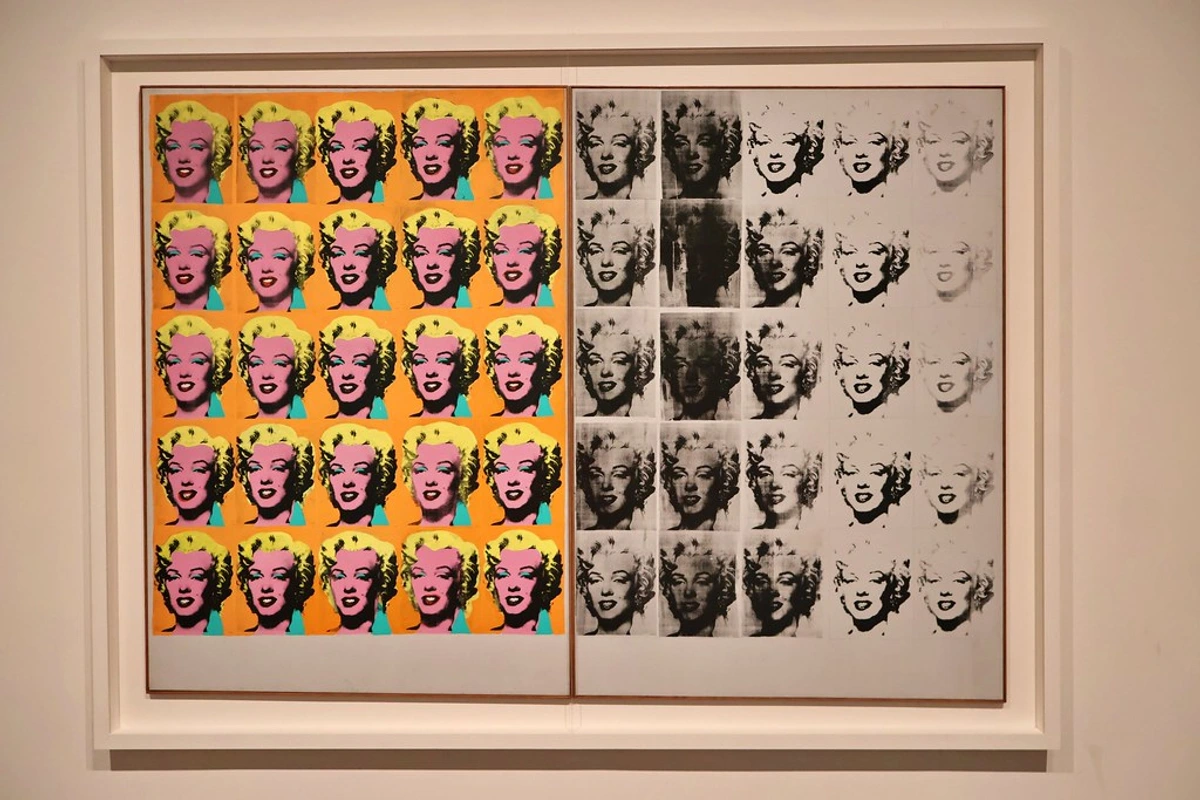
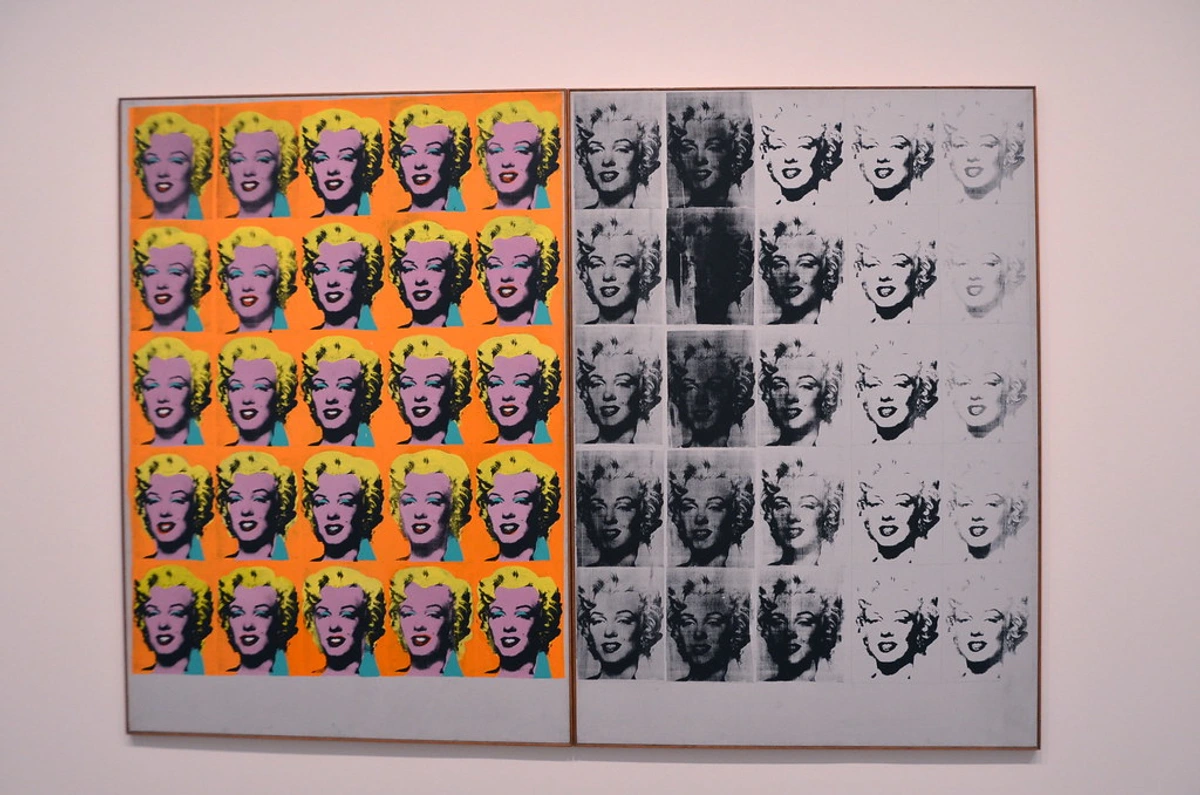
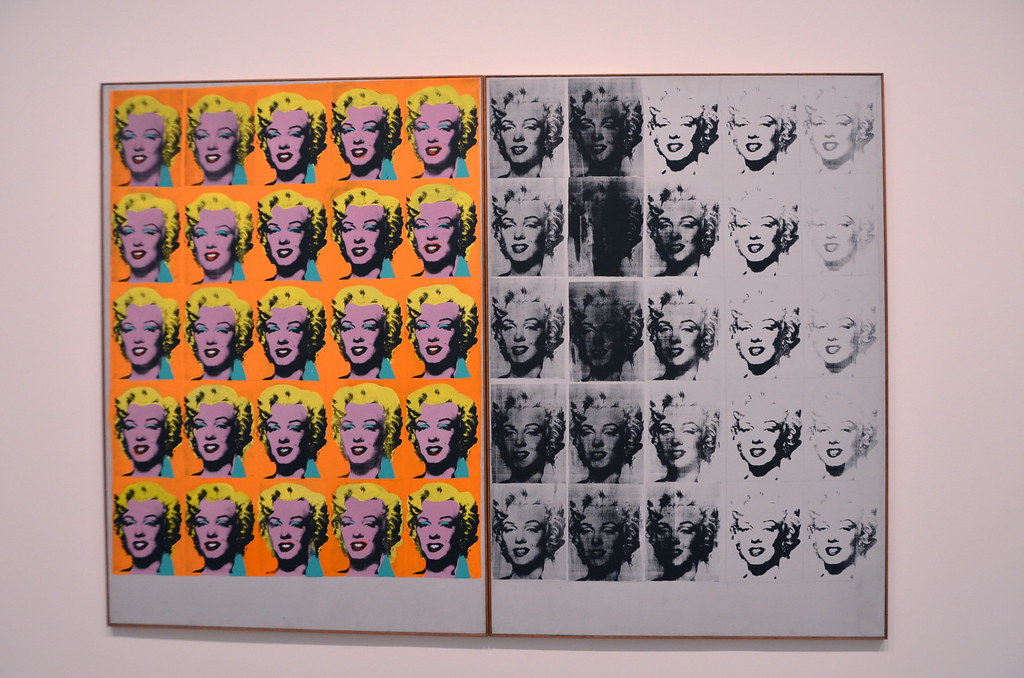
You can't talk about prints and mass production without talking about Andy Warhol. He and the Pop Art movement didn't just participate in the conversation about originality; they grabbed the microphone and started a whole new song. They challenged the romantic idea of the lone genius, arguing that in a world saturated with factory-made objects, perhaps the most honest art was one that embraced its own moment of production. By embracing commercial techniques like screen printing, Warhol turned everyday items—Campbell's soup cans, Brillo boxes—into high art. He didn't just make prints of his paintings; the print was the original. His Factory was a production line, churning out authorized, yet mechanically reproduced, art objects. He proved that the power of the idea could be just as potent as the power of the unique, hand-touched object, fundamentally questioning what it meant to be an artist in an age of mass media and consumer culture.
This was a radical democratization of a concept. Before, "collecting" was almost exclusively the domain of the elite. By producing art in editions—and on a massive scale—Warhol asked the art world to reconsider its snobbish attachment to the singular object. A Warhol print wasn't a "lesser" copy of a painting; it was an equally valid, and often more relevant, expression of his artistic thesis. He understood that in the 20th century, the image itself—the Marilyn, the soup can, the electric chair—could be the "original," and the printing process was simply the medium for its dissemination, much like a book is the medium for a story. The subtle variations between prints in an edition—a slightly thicker application of ink here, a misregistration there—were not flaws to be discarded, but records of a handmade process within a mechanical framework. He showed us that the 'aura' of an artwork could reside in the idea itself, not just in its unique physical form.
He forced the art world to ask: Does a work's value come from its uniqueness, or from the power of its idea? His work celebrated mass culture and, in doing so, blurred the lines between original and copy forever. He argued that in an age of mechanical reproduction, the 'aura' of a unique object was less important than the cultural impact of the image itself. It’s a fascinating, and still-controversial, part of art's /timeline. And he did it all while capitalizing on this new market he helped create, proving that a savvy artist could leverage commercial production not just for ideas, but for income—a legacy that continues to shape how artists manage their careers today.
A Quick Word on the Digital Frontier
In the digital age, these lines are blurring even more. Digital artists create 'originals' that exist as files, which can then be printed as limited or open editions. The same principles of quality, scarcity, and artist signature apply. This has given rise to a fascinating new category of print: the archival pigment print, or giclée. These are created from high-resolution digital scans of an original work, or from a purely digital file, and are inkjet-printed onto museum-grade substrates with inks designed to last for centuries.
The debate rages on: is the original the digital file (the 'master'), or is it the first print made from that file? Some artists consider the digital file the sole original, with all physical prints being reproductions. Others, particularly those working with generative art, might consider each unique output of their algorithm to be a distinct original. There's no easy answer, and artists and collectors are still writing those rules in real time. It's a fascinating moment, but for most practical purposes today, the 'original' is considered to be the fully realized physical print that best represents the artist's vision.
And yes, then there's the whole world of NFTs (Non-Fungible Tokens), which tried to create digital scarcity with… well, let's say mixed results. The core idea was to attach a unique, provable token of ownership to a digital file using blockchain technology. Proponents argued it was a new way to authenticate digital art. Critics, myself included, often find the tangible, physical connection to a print you can hold or a painting you can see the brushstrokes on to be more direct and honest. There's a certain poetry in the weight of a canvas, the texture of a hand-pulled screen print, or even the subtle smell of ink on archival paper that a purely digital file, no matter how authenticated, struggles to replicate. This isn't luddism; it's about acknowledging that some of art's most profound effects come through its physical presence in space and time. The environmental cost of the underlying technology and the highly speculative nature of the market also raise significant concerns. It’s a technology that exists, but whether it captures the soul of art, or simply commodifies it in a new and less satisfying way, is a debate that's far from settled. The art world, by and large, has gravitated back toward the tangible, the physical, and the human-scaled, whether that's an original canvas, a screen print with a slightly misaligned layer, or a finely crafted digital-to-physical print.
FAQ: Your Questions, Answered
Here are some of the most common questions I hear, and the answers I find myself giving most often. This is the practical, down-to-earth advice that can help you avoid common pitfalls and make confident choices.
Is a limited edition print a 'real' work of art?
Yes, absolutely. It is a work of art authorized and authenticated by the artist. It's a legitimate medium, just like sculpture or photography. A print isn't a fake of something else; it is the final artwork in its own right. The edition itself is the piece. Don't let anyone tell you it's just a copy. In many historical periods, from Japanese ukiyo-e woodblock prints to Albrecht Dürer's engravings, the print was the primary medium through which art was disseminated and appreciated. The artist's engagement in the printing process—selecting the paper, approving the colors, and ultimately signing the work—is what elevates a reproduction into an original print.
How can I tell if a print is a genuine limited edition?
Look for the artist's signature (usually in pencil, not printed) and the edition number (e.g., '24/100'). This tells you the print's place in the sequence. You might also see 'AP' for Artist's Proof, a small number of prints outside the main edition reserved for the artist. Other marks you might encounter are 'PP' (Printer's Proof) for the master printer, or 'HC' (Hors Commerce), meaning "not for sale," which are often given to collaborators. Reputable sellers and galleries will always provide a certificate of authenticity that documents the edition size, the printing method, the paper used, and the publisher. If they can't or won't, that's a major red flag. The certificate is your contract, the tangible promise that the piece is what it claims to be.
Does a signature always make a print valuable?
Not necessarily. A hand-signed signature (in pencil or pen, not printed) on a limited edition is a crucial mark of authenticity that supports its value. It's a direct, physical link to the creator. A printed signature on a mass-produced poster, however, is just part of the graphic design and adds no financial value. The money is in the physical, intentional act of the artist's hand.
However, value is a complex equation. The artist's reputation, the desirability of the image, the condition of the print, its provenance (previous ownership history), and the size of the edition all play a much larger role than the signature alone. A signature from an unknown artist doesn't magically create value, but the absence of one on a piece from a major artist can destroy it.
Are posters ever worth anything?
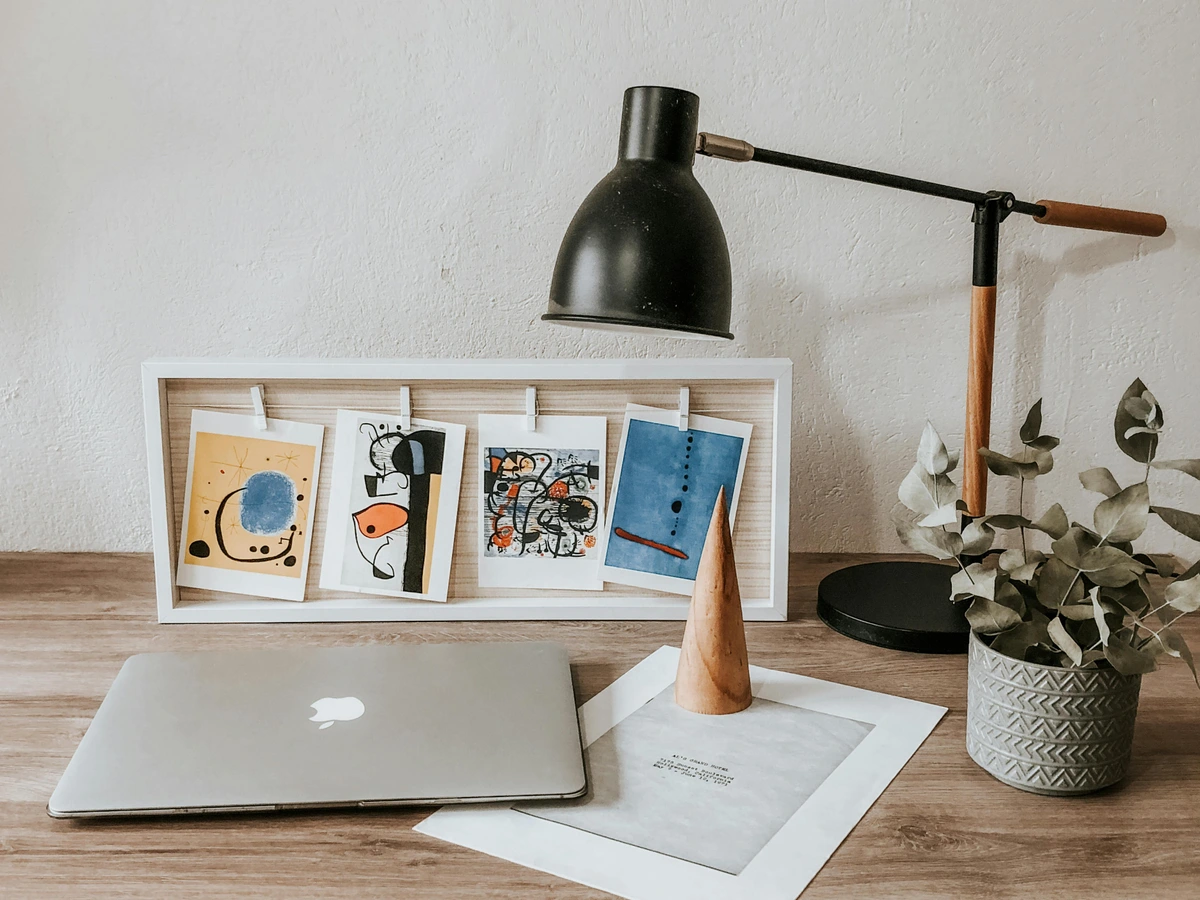
Rarely for contemporary pieces, but it happens. Vintage posters, especially original stone lithograph travel posters from the 1920s or original movie posters from iconic films, can be highly collectible because of their age, condition, and historical significance. The same goes for psychedelic rock posters from the 1960s or promotional posters for landmark cultural events. But for most contemporary art and pop culture posters today, their value is almost always purely decorative. They are an investment in your daily joy, not a financial one. Their 'worth' is measured in how much happiness they bring you, not in their long-term market value. And that's a perfectly valid reason to buy one.
My Final Take
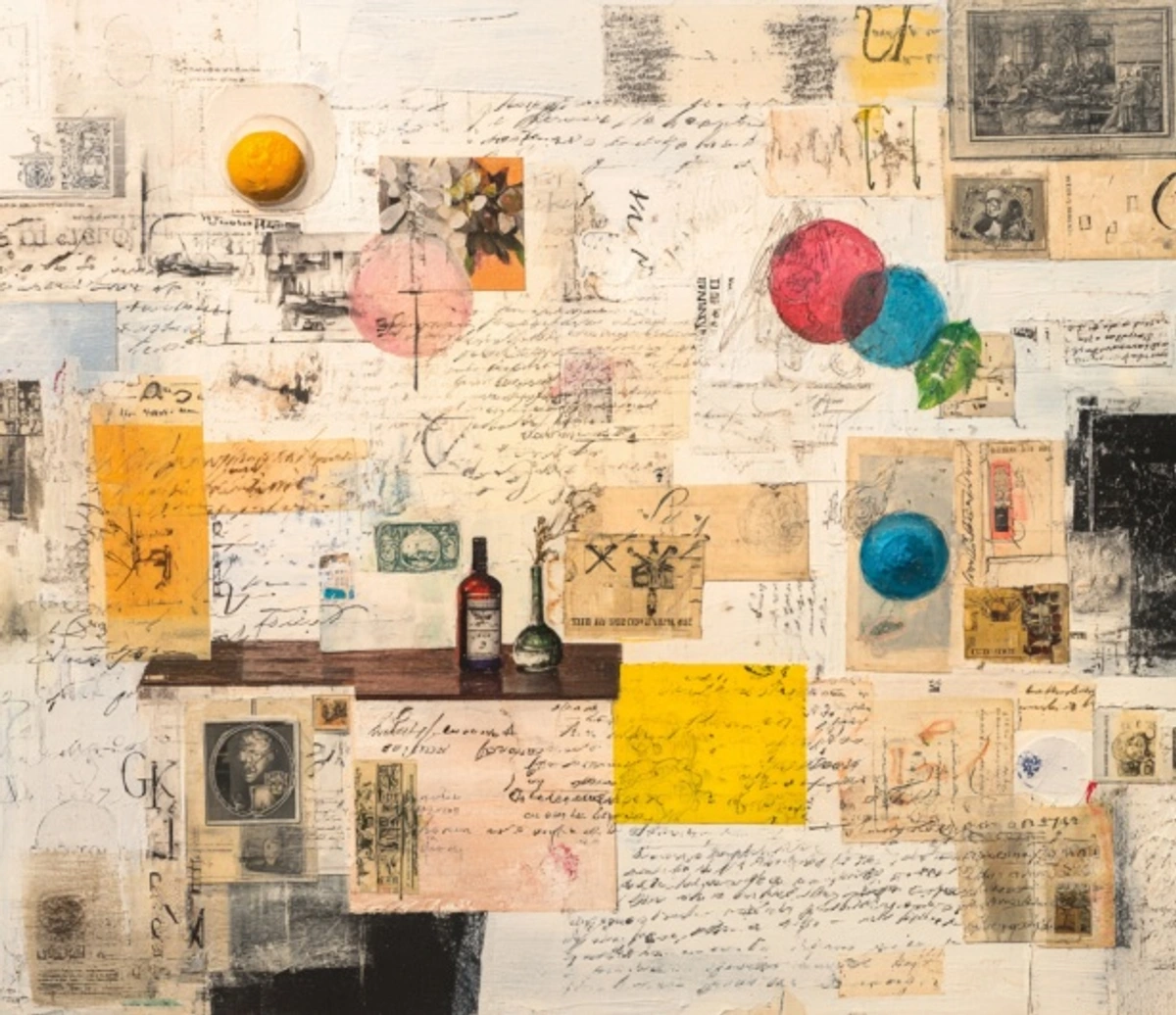
So, is mass production the enemy of art? I don't think so. It's just a different language, another way for an idea to travel from one person's mind to millions of lives. The question isn't whether it's good or bad, but what it's for. Mass production is a tool, a method of distribution, a way for an idea to find its audience. The only sin is in pretending that a poster is an original, or that an original is somehow corrupt because it's been made into a poster.
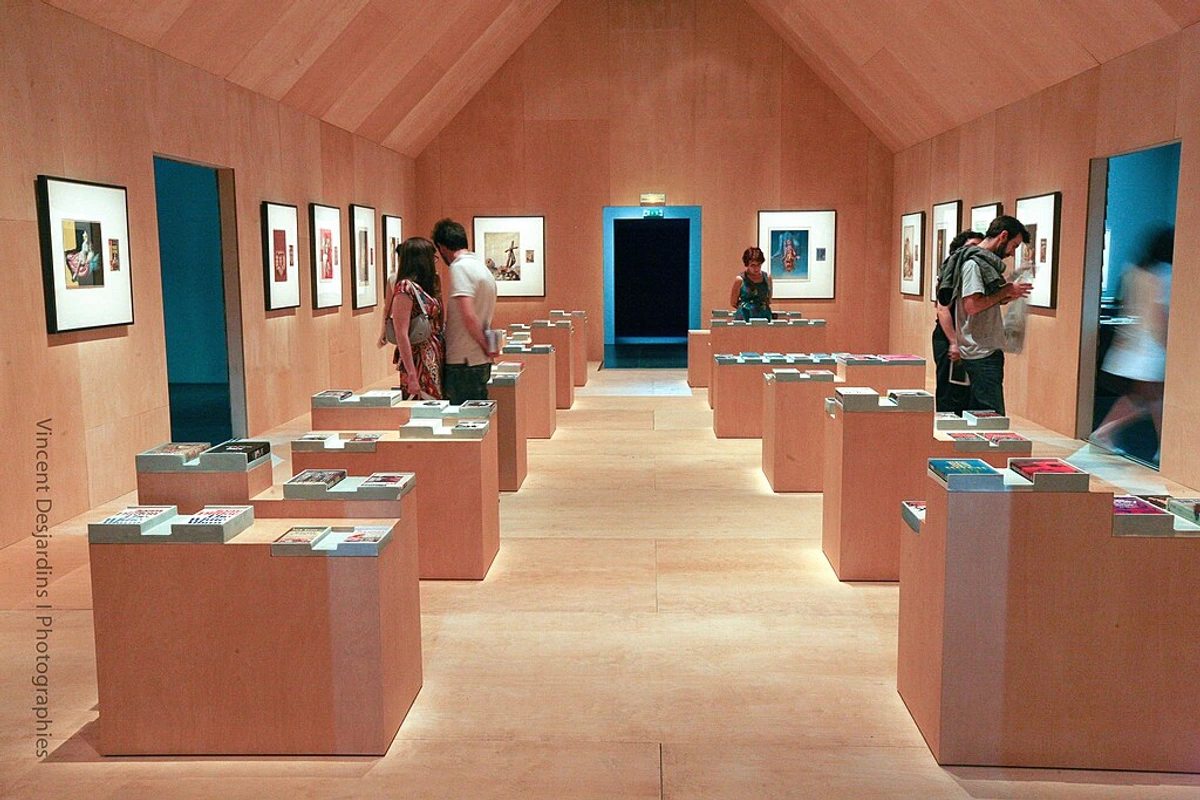
An original whispers a secret just to you. You can see the brushstrokes, the layers, the artist's literal touch. Seeing one in person at a place like the /den-bosch-museum is a totally different experience.
A limited edition print shares that secret with a select group. It’s a bond between you, the artist, and a few other people who loved the work enough to own a piece of it. It's like being part of a small, exclusive book club, where everyone has read the same story and seen the same magic in it.






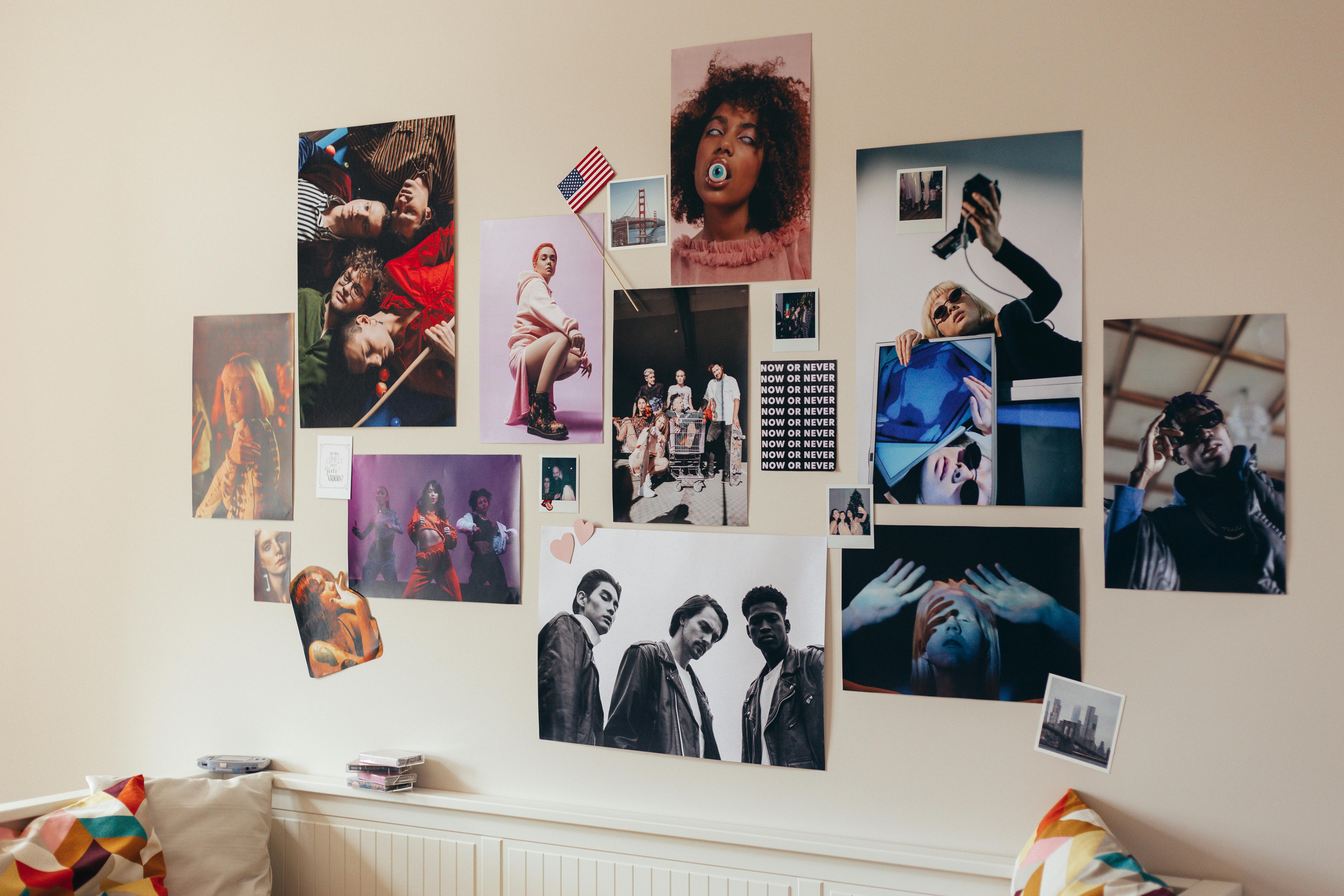
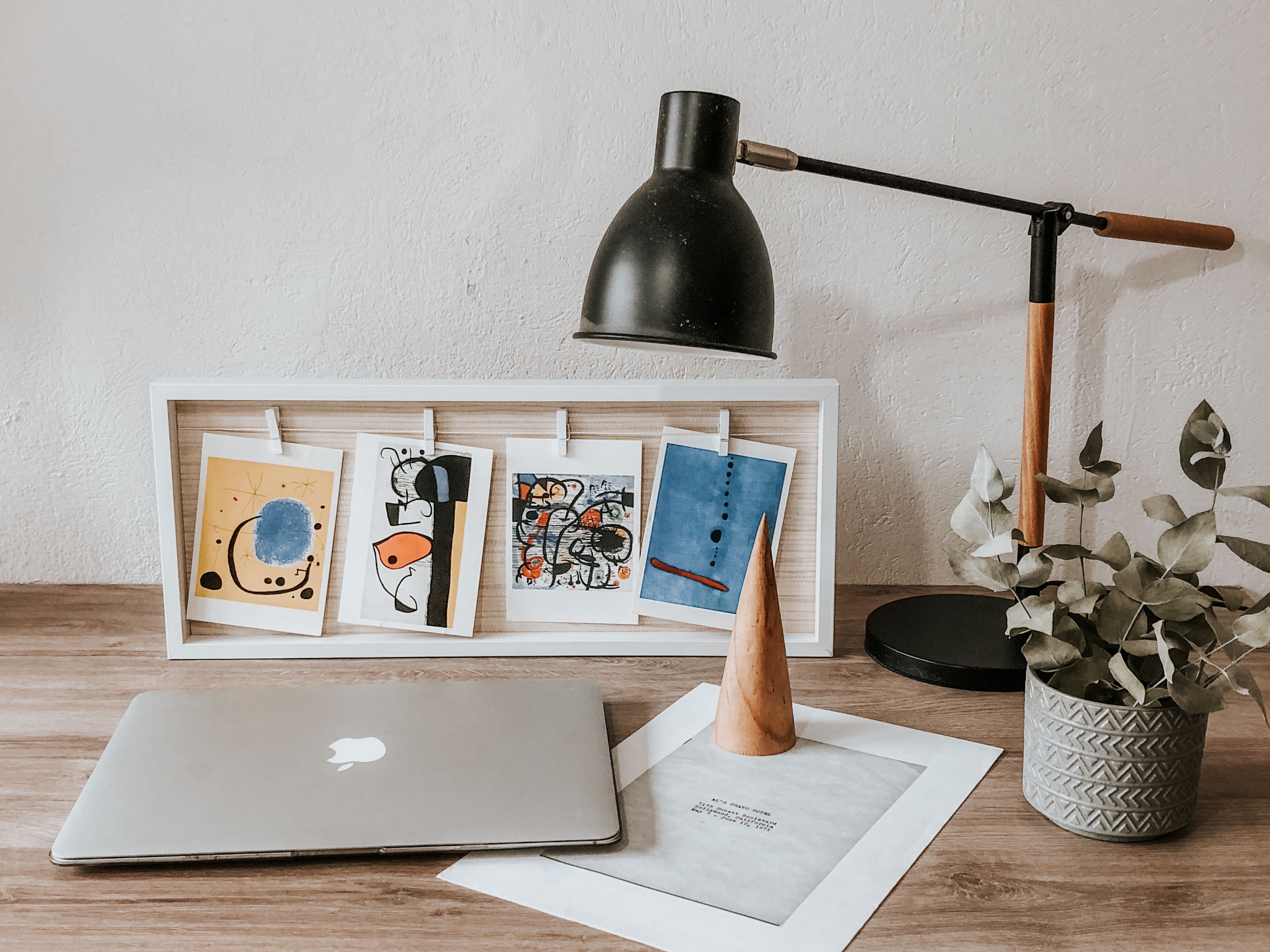


A poster shouts the idea from the rooftops for everyone to enjoy. It’s a celebration. It’s the instant gratification of art, the simple pleasure of seeing an image that inspires you every day, without the anxiety that can sometimes accompany a more precious object.
The real question isn't 'which is better?' It's 'which one is speaking to you right now?' Whether you're investing in a one-of-a-kind masterpiece or tacking a beloved poster to your wall, you're doing the same thing: you're choosing to live with art. And that's what really matters.