Lost Art Masterpieces & Legends: The Ultimate Engaging Guide
Explore the captivating world of lost art masterpieces. Discover famous cases, legends, theft, war, and the hunt for missing treasures. Your ultimate guide.

Chasing Ghosts: Your Ultimate Guide to Lost Art Masterpieces & Legends
There's a peculiar thrill, isn't there, in the things we can't quite grasp? Like a half-remembered dream, or that perfect comeback you thought of hours too late. It’s the same sort of pull that draws us to stories of lost art. These aren't just misplaced objects; they're fragments of history, whispers of genius, veiled in mystery, tragedy, or sometimes, just sheer carelessness.
We hear about paintings vanishing into thin air, sculptures looted in the chaos of war, masterpieces destroyed by fire or flood, and legendary works that might never have existed at all. It’s a world filled with audacious thieves, dedicated detectives, wartime villains, and the enduring hope of rediscovery. It reminds me, in a way, of trying to track down a specific old sketch of mine – less valuable, sure, but the feeling of something significant being gone resonates.
This isn't just about dusty museum archives; it's about the human stories intertwined with these lost treasures. So, let's dive into the captivating realm of lost art, exploring why it fascinates us, how it disappears, and the legendary tales that continue to haunt the art world. Consider this your guide to the ghosts of art history.
Why Do We Obsess Over What's Gone?
It seems a bit counterintuitive, perhaps. Why pour so much energy into artworks we can't even see? You can visit the best museums in the world and see countless masterpieces right now. Yet, the allure of the lost persists.
- The Thrill of the Mystery: Like a great detective novel, lost art presents a puzzle. Who took it? Where is it now? Was it destroyed, or is it hidden away, waiting? This inherent mystery taps into our love for intrigue and the unknown.
- Incalculable Value: We're talking about works by some of the most important artists ever known. Their monetary value is often staggering, but their cultural and historical value is immeasurable. Losing such a piece feels like losing a part of our collective heritage.
- The 'What If': What would it be like to stand before Vermeer's 'The Concert' today? How would Caravaggio's stolen 'Nativity' change our understanding of the artist? The potential impact of these lost works fuels endless speculation and fascination.
- Human Drama: The stories behind lost art often involve dramatic events – audacious heists, the devastation of war, tragic accidents. These narratives connect us to the past on a deeply human level.
- The Hope of Rediscovery: Every so often, a lost piece is found. This possibility, however slim, keeps the flame of hope alive and makes the search feel worthwhile.
It's like knowing a legendary concert recording exists but hasn't been found – the anticipation and imagination fill the void, sometimes making the lost object even more powerful in its absence.
How Art Gets Lost: The Unfortunate Realities
Art doesn't just wander off (though sometimes it feels like it). Losing a masterpiece usually involves some rather unfortunate circumstances.
Theft: The Art of the Steal
This is perhaps the most dramatic way art disappears. High-profile heists capture the public imagination, often involving meticulous planning or brazen opportunism. Motivations vary:
- Ransom: Sometimes thieves hope to extort money from museums or insurers.
- Black Market: Selling stolen masterpieces is incredibly difficult due to their fame, but sometimes they enter the murky underworld, traded between criminals as collateral or status symbols.
- Commission: Occasionally, thefts are commissioned by unscrupulous private collectors (though this is more common in fiction than reality).
- Trophy Hunting: Simply the notoriety and challenge of stealing something priceless.
The consequences are devastating, robbing the public of access to cultural heritage. The complexity of the secondary art market makes recovery even harder.
War and Conflict: Culture as Casualty
Throughout history, war has been catastrophic for art.
- Looting: Victorious armies often plunder the cultural treasures of the vanquished. The Nazi regime's systematic looting during WWII is a notorious example, resulting in the displacement and loss of hundreds of thousands of artworks.
- Destruction: Bombings, fires, and general chaos during wartime can lead to the irreparable destruction of artworks and the buildings housing them.
- Displacement: Artworks moved for safekeeping can become lost in the shuffle, their whereabouts unknown after the conflict ends.
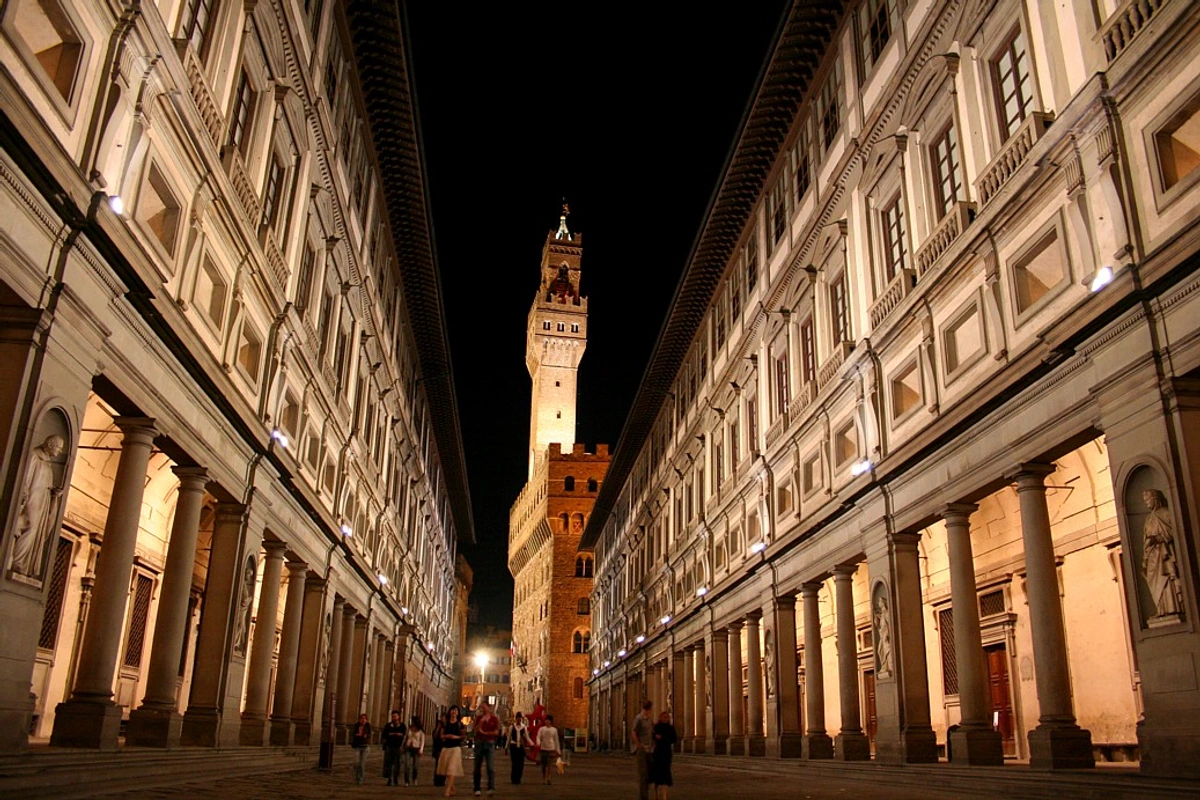
The recovery and restitution (returning art to its rightful owners) of war-looted art is an ongoing, complex process, often involving decades of research and legal battles.
Accidental Destruction: When Fate Intervenes
Sometimes, loss is less dramatic but no less final. Fires, floods, earthquakes, and even simple neglect have claimed countless works. Think of fragile drawings exposed to light, paintings stored in damp basements, or sculptures damaged beyond repair. It's a stark reminder of the physical vulnerability of art and the importance of proper art care.
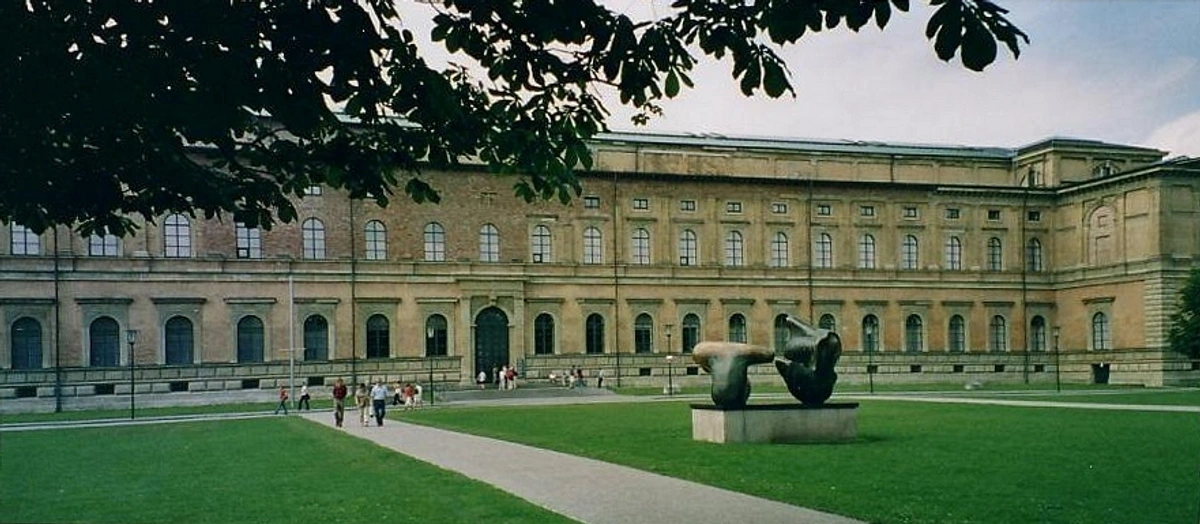
Misattribution and 'Lost in Plain Sight'
Occasionally, a masterpiece isn't truly lost, but its identity is. A painting might be wrongly attributed to a lesser artist, forgotten in storage, or even hanging in plain sight in a private collection, unrecognized for its true significance. Rediscovery often happens through painstaking provenance research (tracking the history of ownership) or new scholarly analysis.
Legendary or Apocryphal Works: Ghosts in the Machine
Some 'lost' works might be more legend than reality. Historical records might mention a commissioned piece, but no concrete evidence proves it was ever completed or existed as described. These phantom artworks fuel speculation and debate among art historians.

Famous Cases: Stories That Haunt Art History
The annals of art history are littered with tales of missing masterpieces. Here are a few of the most famous and intriguing:
The Amber Room

Perhaps the ultimate lost treasure legend. This wasn't a single painting, but an entire room adorned with amber panels, gold leaf, and mirrors, originally constructed in Prussia in the early 18th century and later gifted to Tsar Peter the Great of Russia. Located in the Catherine Palace near St. Petersburg, it was looted by Nazi Germany during WWII. Packed into crates, its trail went cold in Königsberg (now Kaliningrad) in 1945 amidst the chaos of the war's end. Was it destroyed by bombing? Hidden in a secret bunker? Sunk on a ship? The mystery endures, though a reconstruction now stands in the Catherine Palace.
Isabella Stewart Gardner Museum Heist (1990)
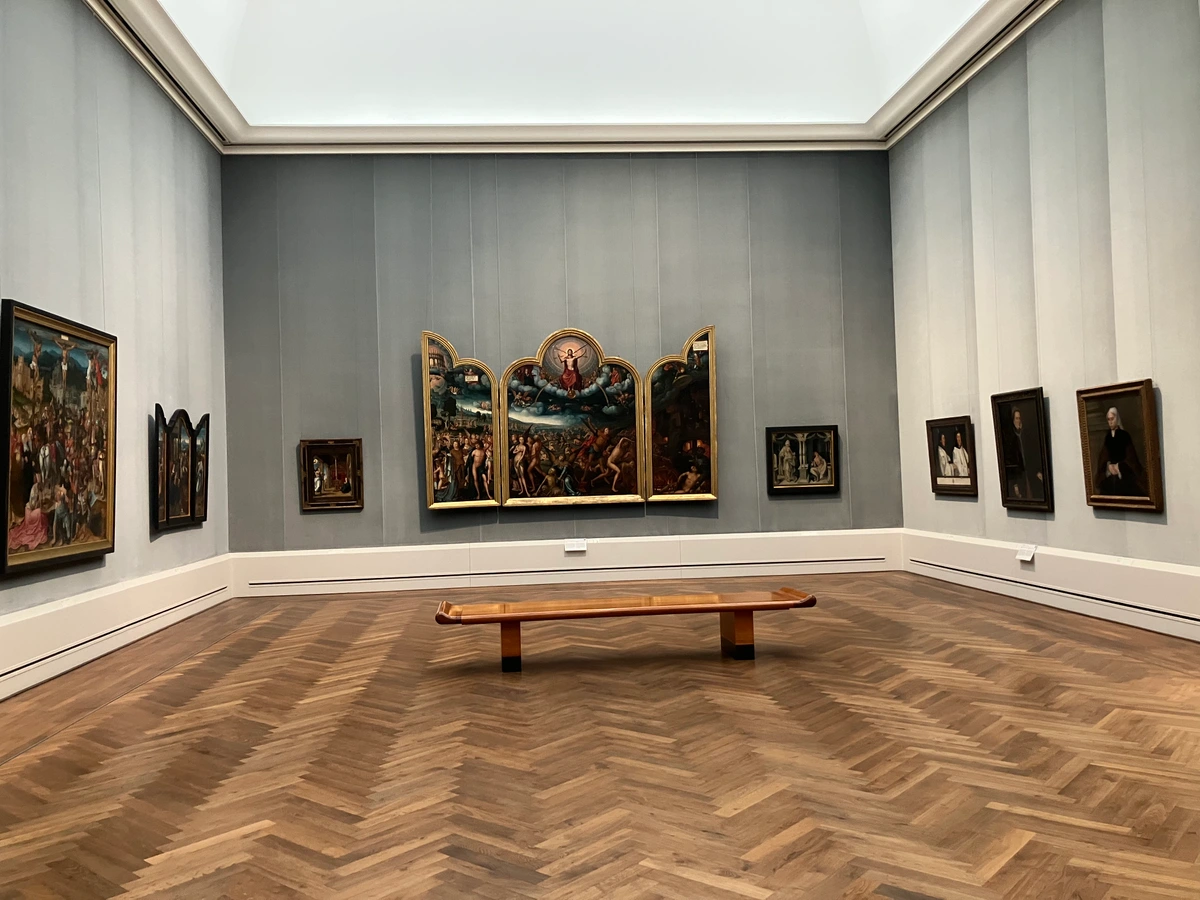
The largest property theft in world history remains unsolved. Two thieves disguised as police officers talked their way into the Boston museum, tied up the guards, and spent 81 minutes stealing 13 works of art, including Vermeer's 'The Concert', Rembrandt's 'Christ in the Storm on the Sea of Galilee' and 'A Lady and Gentleman in Black', a Manet, and several Degas sketches. Estimated value: over $500 million. Despite numerous leads and a hefty reward, the artworks have never been recovered, leaving empty frames hanging in the museum as placeholders and a constant reminder of the loss.

Van Gogh's 'The Painter on the Road to Tarascon' (1888)
While not the famous 'Starry Night' above, this self-portrait depicted Van Gogh carrying his easel and supplies. It was housed in the Kaiser Friedrich Museum in Magdeburg, Germany. During WWII, it was moved for safety to a salt mine. It's widely believed to have been destroyed by fire during Allied bombing or subsequent chaos near the war's end, though definitive proof is lacking. Its loss is particularly poignant as it was one of the few paintings showing Van Gogh fully equipped as an artist at work. For more on Van Gogh, see our ultimate guide to Vincent van Gogh.
Caravaggio's 'Nativity with St. Francis and St. Lawrence' (1600)
Stolen from the Oratory of San Lorenzo in Palermo, Sicily, in 1969. This large altarpiece is considered one of the most significant art thefts ever. Suspected to be the work of the Sicilian Mafia, its fate remains unknown. Theories range from it being hidden, damaged by neglect or clumsy thieves, destroyed, or even cut up and sold in pieces. Its absence is a gaping wound in Caravaggio's legacy and Sicilian heritage.
Leonardo da Vinci's 'Battle of Anghiari' (c. 1505)
This is more of a legendary lost work. Leonardo was commissioned to paint a massive mural depicting a famous battle in the Palazzo Vecchio in Florence (a city filled with amazing galleries and museums). He used experimental techniques that proved problematic, and the work was likely never fully completed or deteriorated quickly. Later, the hall was remodeled, and Giorgio Vasari painted his own frescoes over the same wall. For decades, art historian Maurizio Seracini has argued, based on clues in Vasari's work and scientific scans, that Vasari may have built a false wall in front of Leonardo's surviving fragments to preserve them. Drilling attempts have yielded intriguing but inconclusive results. Did Vasari save a Da Vinci masterpiece, or are we chasing a phantom?
Courbet's 'The Stone Breakers' (1849)
A seminal work of Realism depicting the harsh reality of peasant labor. Owned by the Gemäldegalerie Alte Meister in Dresden, Germany, it was sadly destroyed in February 1945 when a transport vehicle moving it to safety was hit during the Allied bombing of the city. Only photographs remain.
The Hunt for Lost Art: Recovery Efforts and Technology
Finding lost art isn't just about luck; it's a dedicated effort involving specialized skills and technology.
Art Detectives and Databases
Specialized units like the FBI Art Crime Team and Interpol's Works of Art unit investigate thefts and track illicit trafficking. Organizations like the Art Loss Register maintain vast databases of stolen and missing artworks, which auction houses, dealers, and museums consult to check provenance and avoid handling stolen goods.
Technology's Role
Modern tech plays a crucial part:
- Imaging Techniques: Infrared reflectography, X-rays, and hyperspectral imaging can reveal underdrawings, hidden signatures, or even entire paintings beneath later layers (potentially relevant for works like the 'Battle of Anghiari').
- Digital Databases: Online databases make provenance research more accessible and allow for wider dissemination of information about missing works.
- Forensic Analysis: Material analysis can help authenticate recovered pieces or trace their origins.
The Ethical Maze
Recovery isn't always the end of the story. Ownership disputes, especially concerning Nazi-looted art or antiquities taken from their country of origin centuries ago, lead to complex legal and ethical battles over restitution and repatriation. What makes art 'important' becomes entangled with questions of rightful ownership and historical justice.
Could Your Attic Hold a Masterpiece?
Okay, probably not a missing Rembrandt. But it's fun to think about, isn't it? It feels a bit like when I started using second-hand canvases – you never know what history lies beneath the surface. Sometimes, lesser-known works by significant artists, or pieces misattributed over time, do turn up in unexpected places – flea markets, inherited collections, dusty attics.

Recognizing potential value requires a good eye and often some research. Understanding different art styles and the basics of art history can help. While the odds are long, the stories of accidental discoveries add another layer to the romance of lost (and found) art. It certainly makes you look twice at that old painting Grandma had, right? Maybe it's time to learn how to spot value?

The Enduring Legend: Why Lost Art Captures Our Imagination
Lost art masterpieces represent more than just missing objects. They embody mystery, the fragility of existence, the drama of human history, and the tantalizing possibility of rediscovery. They remind us that history is incomplete, that treasures can vanish, and that some stories may never have a final chapter.
These legends fuel our imagination, inspire books and movies, and drive the relentless search by dedicated individuals. They make us appreciate the famous art we can see in museums worldwide even more, knowing how easily it could have been lost to time, theft, or tragedy. The ghosts of lost art continue to whisper, ensuring their stories, at least, will never truly disappear.
FAQ - Lost Art Masterpieces
Q: What is the most famous lost artwork?
A: It's subjective, but contenders include the Amber Room, Vermeer's 'The Concert' (from the Gardner Heist), Caravaggio's 'Nativity', and potentially Leonardo's 'Battle of Anghiari'.
Q: How much lost art is recovered?
A: Recovery rates are relatively low, especially for high-profile thefts. Estimates vary, but perhaps only 5-10% of stolen art is ever found. Recovery often depends on tips, police work, and luck.

Q: Where does stolen art usually end up?
A: It rarely appears on the open market. Some pieces are held for ransom, others enter the criminal underworld as collateral, some might be hidden away by misguided collectors, and tragically, some are likely destroyed.
Q: Is there a central database for all lost art?
A: Several databases exist, like the Art Loss Register and Interpol's Stolen Works of Art database, but there isn't one single, universally comprehensive list. Many thefts go unreported, especially from private collections.


Q: Can technology find lost art hidden behind walls?
A: Techniques like radar and thermal imaging are sometimes used, especially in architectural searches (like for the 'Battle of Anghiari'), but success depends heavily on the specific circumstances and materials involved. It's not quite the X-ray specs from comic books!
Q: What should I do if I think I've found a lost artwork?
A: Document everything carefully (photos, any known history). Contact relevant authorities like the FBI's Art Crime Team, Interpol, or major museums' curatorial departments. Consulting an expert in art authentication and provenance is also advisable before making any public claims. And maybe learn how to take care of your art in the meantime!