
How to Store Your Art Collection: A Practical Guide
A personal, practical guide for collectors on how to properly store paintings, prints, and sculptures. Learn about climate control, light, and handling to protect your art.

Your Art Collection's Keeper: A Not-So-Scary Guide to Storing Art
I remember the first time I bought a piece of art that felt like a serious investment. It wasn't about the money, not really. It was the emotional weight, that sudden jolt of responsibility. "Oh no. Now I have to keep this thing alive." Sound familiar? That quiet, cold panic after the initial wave of joy is, I've found, a common thread among collectors. We bring these objects into our homes not just for their aesthetic appeal or monetary value, but because they resonate with us, often holding a piece of our own story, or connecting us to a larger human narrative. And once they're ours, the unspoken pact is to ensure they endure, to preserve that resonance for generations to come. It’s a profound honor, really, to be a temporary guardian of something so deeply meaningful. But what does that guardianship actually entail? And how do we, in our imperfect, beautiful, lived-in spaces, fulfill that often daunting responsibility? This guide is my attempt to share the lessons learned, the mistakes made, and the hard-won wisdom from years of navigating the delightful, yet challenging, world of art collection care.
Most of us, let's be honest, don't live in a museum. We have pets, kids, variable heating, and windows that insist on letting the sun in. This guide isn't about turning your home into a sterile vault; it's about empowering you, the guardian of your collection, to make smart, practical choices that protect the art you love for a very, very long time. It's about proactive care, not reactive damage control. Because the longevity of your cherished pieces begins and ends with the choices you make every day. But it's also about knowing your art, understanding its subtle vulnerabilities, and creating an environment where it can truly thrive. This isn't just a list of rules; it's an invitation to a deeper relationship with your collection, transforming you from a mere owner into a thoughtful steward. I've often thought of it as a quiet act of defiance against entropy, a gentle but firm hand in the face of inevitable decay. It's about giving your art its best possible life, within the realities of your own.
The Art of Stewardship: Why Preservation Matters So Much
Beyond monetary value, the true essence of art lies in its ability to tell stories, evoke emotions, and connect us to broader human experiences. As collectors, we become stewards of these narratives. Ensuring the survival of an artwork is an act of cultural preservation, a commitment to future generations. I've always felt a responsibility to contribute to this continuity, to ensure that the visual dialogues started by artists can continue for centuries. It's not just about owning, but about safeguarding a legacy, becoming a vital link in the chain of its existence. It’s a profound responsibility, but also an immense privilege – to know that a piece you cherish today will continue to speak to hearts and minds for generations to come, all thanks to your thoughtful care. Think of the ancient cave paintings, the Renaissance masterpieces, or the vibrant contemporary works that resonate with us today. Their survival isn't accidental; it's the result of continuous, conscious guardianship across centuries. Your role is no less significant in the life cycle of the art you bring into your home. This commitment extends beyond personal enjoyment; it's a contribution to the global human narrative, ensuring these cultural artifacts endure. It's a dialogue across time, and you, the collector, are a crucial participant.
Beyond monetary value, the true essence of art lies in its ability to tell stories, evoke emotions, and connect us to broader human experiences. As collectors, we become stewards of these narratives. Ensuring the survival of an artwork is an act of cultural preservation, a commitment to future generations. I've always felt a responsibility to contribute to this continuity, to ensure that the visual dialogues started by artists can continue for centuries. It's not just about owning, but about safeguarding a legacy, becoming a vital link in the chain of its existence. It’s a profound responsibility, but also an immense privilege – to know that a piece you cherish today will continue to speak to hearts and minds for generations to come, all thanks to your thoughtful care. Think of the ancient cave paintings, the Renaissance masterpieces, or the vibrant contemporary works that resonate with us today. Their survival isn't accidental; it's the result of continuous, conscious guardianship across centuries. Your role is no less significant in the life cycle of the art you bring into your home.

The Three Big Enemies of Art: A Strategic Overview
Think of your art as being in a constant, slow-motion battle with three invisible, yet incredibly powerful, enemies: Light, Temperature, and Humidity. I often imagine them as a mischievous trio, constantly trying to undermine your efforts, like a band of tiny, artistic saboteurs. Your job as the keeper isn't just to react, but to be a strategic general, understanding their tactics and managing the battlefield – your home – with foresight and care. These aren't just isolated threats; they often work in concert, amplifying each other's destructive potential, subtly chipping away at the integrity of your cherished pieces. Understanding this trinity of threats is the bedrock of art preservation. Developing a robust, proactive conservation strategy built around these principles is far more effective than simply reacting to damage once it's already occurred. It's about designing your home environment to be a sanctuary, not a battleground. This is your personal mission brief, a detailed look at how to outmaneuver these silent adversaries and ensure your art's enduring legacy.
Enemy #1: The Silent Killer (Light)
Light, especially the ultraviolet (UV) part of it, is a relentless vampire for colors. It literally breaks down the chemical bonds in pigments, causing them to fade, embrittle, and lose their vibrancy. This damage is cumulative and, heartbreakingly, irreversible. I once saw a beautiful vintage print with a perfect rectangle of faded color where it had been exposed to a sliver of sunlight from a window for years; it was a permanent scar, a ghost of its former self. Different art materials have varying sensitivities; watercolors, dyes, and organic pigments are particularly fragile, while some modern acrylics and oil paints can be more robust. But let's be clear: no material is truly immune to the relentless march of light damage. Understanding this inherent vulnerability is not just the first step in being a good guardian, it's the foundation of effective preservation. Think of light exposure in terms of a 'light dose' – the total amount of light an artwork receives over its lifetime, often measured in lux hours. Museums meticulously track this, and so should you, even in a casual way. For particularly sensitive works, conservators might recommend a maximum light exposure of 50 lux (a common museum standard) for a limited number of hours per day or year. While replicating museum conditions at home is challenging, the principle remains: less light, especially less UV, means a longer, more vibrant life for your art. This isn't about living in the dark, it's about being smart and strategic with your display choices.
Light, especially the ultraviolet (UV) part of it, is a relentless vampire for colors. It literally breaks down the chemical bonds in pigments, causing them to fade, embrittle, and lose their vibrancy. This damage is cumulative and, heartbreakingly, irreversible. I once saw a beautiful vintage print with a perfect rectangle of faded color where it had been exposed to a sliver of sunlight from a window for years; it was a permanent scar, a ghost of its former self. Different art materials have varying sensitivities; watercolors, dyes, and organic pigments are particularly fragile, while some modern acrylics and oil paints can be more robust. But let's be clear: no material is truly immune to the relentless march of light damage. Understanding this inherent vulnerability is not just the first step in being a good guardian, it's the foundation of effective preservation. Think of light exposure in terms of a 'light dose' – the total amount of light an artwork receives over its lifetime, often measured in lux hours. Museums meticulously track this, and so should you, even in a casual way. For particularly sensitive works, conservators might recommend a maximum light exposure of 50 lux (a common museum standard) for a limited number of hours per day or year. While replicating museum conditions at home is challenging, the principle remains: less light, especially less UV, means a longer, more vibrant life for your art.
The Science of Light Damage: Photodegradation
When we talk about light damage, we're fundamentally talking about photodegradation – a chemical process where light energy breaks down the molecular structure of pigments and materials. UV radiation (UV-A, UV-B, and UV-C) is the most destructive because its shorter wavelengths carry higher energy, causing significant chemical alteration. But even visible light can contribute to photobleaching, a fading process where dyes and pigments lose their color due to light exposure. This isn't just about color loss; it can also lead to embrittlement, cracking, and even a complete breakdown of the artwork's structural integrity over time. It's a slow, relentless erosion at the molecular level. Think of it like a prolonged sunburn for your art – the damage might not be immediately visible, but it accumulates, and the consequences are lasting. The rate of photodegradation is influenced by several factors: the intensity of light, the duration of exposure, and the specific wavelengths (UV being the most damaging), as well as the inherent lightfastness of the pigments and materials themselves. Understanding these variables empowers you to make informed decisions about display and protection.
- Direct Sunlight: The absolute arch-nemesis. Never, ever hang or store important art in direct sunlight. Not even for a little bit. It's an open invitation to accelerated degradation. This is the art equivalent of leaving ice cream in the sun; it's just going to melt, and there's no going back. I've seen vibrant colors vanish in a matter of months under direct sun, leaving behind only ghost images.
- Indirect Sunlight: Still dangerous. UV rays bounce around a room like a pinball, reflecting off surfaces and assaulting your art from unexpected angles. Consider UV-filtering film for windows in rooms with art, or investing in glazing that offers superior UV protection for framed pieces. This isn't just about direct hits; it's about the cumulative exposure over time. Think of it like sunscreen for your art – essential, even on cloudy days. You might also want to consider how to choose art for a room with low light if you have a particularly sensitive piece and a bright room. Even ambient light from lamps and overhead fixtures contributes to this cumulative dose. Don't underestimate the power of reflected light – a bright white wall opposite a window can act like a giant reflector, bouncing damaging rays directly onto your artwork.
- Artificial Light: Some light is better than others. Modern LEDs are the champions as they emit very little UV and heat, making them ideal for illuminating art without accelerating its demise. Look for LEDs with a color rendering index (CRI) of 90 or above for accurate color representation without excessive brightness. Fluorescent lights are notoriously bad, emitting significant UV radiation, and incandescent bulbs produce a lot of heat, which brings us to our next enemy – and its moody partner. If you have older incandescent or halogen bulbs, consider switching them to LED equivalents to reduce both UV exposure and heat production. For more specific guidance on how to illuminate your collection without damaging it, explore our guide on how to choose the right lighting to enhance your abstract art collection. Beyond bulb type, consider dimmer switches to control intensity, and directional lighting that illuminates the art without casting excessive light on surrounding areas. Smart lighting systems can also be programmed to limit daily light exposure for sensitive pieces, turning off automatically after a set number of hours.
Understanding Light Dosages for Your Home
While museums use precise lux meters, you can approximate 'light dose' at home with simple vigilance. Imagine a particularly sunny wall – even if no direct sun hits your art, that wall is reflecting significant ambient light. This is where strategic placement and window treatments become your best friends. Heavy curtains, blinds, or UV-filtering window film are simple yet highly effective barriers. For extremely sensitive works, think about seasonal rotation: display them during darker winter months, and store them in stable, dark conditions during brighter summer months. This might sound excessive, but it drastically reduces the cumulative light exposure over the artwork's lifetime. It's like giving your artwork a much-needed vacation from the spotlight, ensuring its vibrancy for generations. I also sometimes utilize light-blocking curtains or even temporary covers for particularly vulnerable pieces during peak sun hours.
Here's a quick and dirty breakdown:
While museums use precise lux meters, you can approximate 'light dose' at home with simple vigilance. Imagine a particularly sunny wall – even if no direct sun hits your art, that wall is reflecting significant ambient light. This is where strategic placement and window treatments become your best friends. Heavy curtains, blinds, or UV-filtering window film are simple yet highly effective barriers. For extremely sensitive works, think about seasonal rotation: display them during darker winter months, and store them in stable, dark conditions during brighter summer months. This might sound excessive, but it drastically reduces the cumulative light exposure over the artwork's lifetime. It's like giving your artwork a much-needed vacation from the spotlight, ensuring its vibrancy for generations.
Here's a quick and dirty breakdown:
Light Source  | UV Risk | Heat Risk | Recommendation |
|---|---|---|---|
| Direct Sunlight | Extreme (all UV spectrums) | High | Avoid at all costs – causes rapid, irreversible damage like fading, embrittlement, and discoloration. |
| Fluorescent | High (significant UV-A, some UV-B) | Low | Replace with LEDs if possible. Emits harmful UV radiation, often with inconsistent spectral output, leading to accelerated degradation. |
| Incandescent/Halogen | Low (UV-A, minimal UV-B) | High | Keep a safe distance (minimum 1 meter) to avoid heat damage, which accelerates chemical reactions and embrittlement. Some minor UV emission. |
| LED | Very Low (negligible UV) | Very Low | The gold standard. Emits virtually no UV or heat, making them ideal. Choose high CRI (90+) for accurate color representation and display. |
The Importance of UV-Filtering Glazing
For framed works on paper, photographs, and other light-sensitive pieces, UV-filtering glazing (acrylic or glass) is not a luxury; it's a necessity; it's foundational. This specialized material blocks a significant percentage of harmful UV rays (often 97% or more), offering a crucial layer of protection. While it won't stop all light damage, as visible light still contributes to degradation, it drastically slows it down, extending the vibrant life of your artwork. Think of it as investing in an invisible shield against the relentless attack of photons, a silent guardian for your most vulnerable pieces. Acrylic (Plexiglas) is often preferred over glass for its lighter weight, shatter resistance, and often superior UV blocking capabilities, though anti-reflective glass options are also available for enhanced viewing. When I'm framing a new piece, especially something vibrant or on paper, I always opt for this. It's a small upfront cost that saves endless heartache later. Don't be tempted to skimp here; the difference in protection is monumental, and the peace of mind it offers is priceless. For more insights, you might find our Q&A with an expert art framer helpful. Don't be tempted to skimp here; the difference in protection is monumental, and the peace of mind it offers is priceless.
For framed works on paper, photographs, and other light-sensitive pieces, UV-filtering glazing (acrylic or glass) is not a luxury; it's a necessity; it's foundational. This specialized material blocks a significant percentage of harmful UV rays (often 97% or more), offering a crucial layer of protection. While it won't stop all light damage, as visible light still contributes to degradation, it drastically slows it down, extending the vibrant life of your artwork. Think of it as investing in an invisible shield against the relentless attack of photons, a silent guardian for your most vulnerable pieces. Acrylic (Plexiglas) is often preferred over glass for its lighter weight, shatter resistance, and often superior UV blocking capabilities, though anti-reflective glass options are also available for enhanced viewing. When I'm framing a new piece, especially something vibrant or on paper, I always opt for this. It's a small upfront cost that saves endless heartache later.
Enemy #2 & #3: The Moody Couple (Temperature & Humidity)
Temperature and relative humidity (RH) are indeed a package deal, a moody couple if you will, and their relationship status is 'complicated'. The issue isn't just the absolute levels, but the fluctuations. Most art materials – canvas, wood, paper, even certain metals, ivory, and plaster – are hygroscopic, meaning they absorb and release moisture from the air. This causes them to expand and contract. When this happens too quickly, too often, or inconsistently across a single piece, the internal stresses become immense. That's when things start to crack, warp, delaminate, and tear. Imagine your artwork constantly stretching and shrinking, like a living organism trying to adapt to wildly unstable conditions; it’s exhausting, and eventually, something has to give. This constant push and pull, known as dimensional instability, is a primary culprit in long-term damage, manifesting as cracking (or craquelure) in paint layers, warping in wood panels, embrittlement and foxing on paper, and even corrosion on certain metals. It's a slow, relentless assault on the structural integrity of your cherished possessions. I often think of a beautiful antique wooden panel painting, where centuries of stable conditions were undone by a few months in a fluctuating environment, leading to irreversible cracking. It's a sobering reminder of art's fragility. The impact of these fluctuations is particularly severe at the microscopic level, where molecular bonds are constantly stressed and strained. It's a dynamic battle against the very forces of nature.
Temperature and relative humidity (RH) are indeed a package deal, a moody couple if you will, and their relationship status is 'complicated'. The issue isn't just the absolute levels, but the fluctuations. Most art materials – canvas, wood, paper, even certain metals, ivory, and plaster – are hygroscopic, meaning they absorb and release moisture from the air. This causes them to expand and contract. When this happens too quickly, too often, or inconsistently across a single piece, the internal stresses become immense. That's when things start to crack, warp, delaminate, and tear. Imagine your artwork constantly stretching and shrinking, like a living organism trying to adapt to wildly unstable conditions; it’s exhausting, and eventually, something has to give. This constant push and pull, known as dimensional instability, is a primary culprit in long-term damage, manifesting as cracking (or craquelure) in paint layers, warping in wood panels, embrittlement and foxing on paper, and even corrosion on certain metals. It's a slow, relentless assault on the structural integrity of your cherished possessions. I often think of a beautiful antique wooden panel painting, where centuries of stable conditions were undone by a few months in a fluctuating environment, leading to irreversible cracking. It's a sobering reminder of art's fragility.
The Dangers of Extremes
- Too Dry (Low Humidity): Can make paper and old paint brittle, causing desiccation and irreversible shrinkage. This leads to cracking, flaking, and a loss of flexibility in materials like canvas, wood, and even some plastics. Imagine your skin in a very dry desert – it becomes tight, cracked, and uncomfortable. Your art experiences a similar, albeit slower, desiccation, losing its inherent moisture and becoming fragile.
- Too Damp (High Humidity): The absolute worst. It invites mold, mildew, and foxing (those ugly brown spots on paper), which are not only unsightly but can actively consume organic materials. High humidity also causes canvas to slacken, wood panels to swell, and glues to weaken, increasing the risk of delamination and insect infestation. It's a perfect breeding ground for microscopic threats and a direct attack on the structural integrity of the artwork. I've seen enough mold-damaged pieces to know that humidity is the art collector's most insidious enemy.
The magic numbers are generally a stable temperature of 18-22°C (65-72°F) and a relative humidity between 45-55%. Stability is more important than the exact number. A slow seasonal change is fine; wild daily swings are not. I can't stress this enough: a sudden drop or spike in humidity, or a drastic temperature swing, can be far more damaging than a slightly-off but consistent environment. These fluctuations put incredible stress on organic materials. Think of it like a tightrope walker – they can handle a steady breeze, but a sudden gust will send them tumbling. Your art is that tightrope walker. For collectors in regions with extreme seasonal changes, this can be a constant battle, requiring careful monitoring and proactive adjustments to your home environment. Even small shifts can initiate a slow, degenerative process.
Here's a general guide for common art materials:
Material | Ideal Temperature (°C/°F) | Ideal Relative Humidity (%) |
|---|---|---|
| Oil/Acrylic Paint | 18-22°C (65-72°F) | 45-55% |
| Works on Paper | 18-21°C (65-70°F) | 40-50% |
| Wood/Furniture | 18-22°C (65-72°F) | 45-55% |
| Metal Sculptures | 18-25°C (65-77°F) | 30-50% (to prevent corrosion, especially for iron/steel; avoid active condensation) |
| Textiles | 18-21°C (65-70°F) | 45-55% (to prevent fiber embrittlement or mold growth) |
| Ceramics/Glass | 18-24°C (65-75°F) | 40-60% (less sensitive to RH fluctuations, but extreme cold/heat can cause thermal shock) |
| Photographs | 18-20°C (65-68°F) | 30-40% (lower humidity is critical for preventing emulsion degradation and silver mirroring) |

This means some places in your house are art-free zones. Period. And I'm not just being dramatic. These environments are the fast track to damage. But it's not just about avoiding the worst; it's about actively cultivating the best possible environment, or at least understanding the trade-offs in less-than-ideal spots.
Understanding Microclimates and Environmental Control
To actively combat problematic microclimates, especially for high humidity, consider dehumidifiers in damp areas (like basements, but remember basements are generally bad for art anyway). Look for models with a humidistat that allows you to set a target RH. For overly dry conditions, a humidifier can help, but use distilled water to prevent mineral deposits and ensure regular cleaning to prevent mold growth within the unit itself. For comprehensive guidance on managing these environments, especially for stored pieces, you might want to look into art storage solutions for collectors. For truly critical control, particularly in larger spaces or storage rooms, you might even consider a whole-house HVAC system with integrated humidification and dehumidification capabilities. It's an investment, but it offers unparalleled stability. Even small, localized solutions like passive silica gel packs within display cases (with careful monitoring for moisture absorption) can offer a degree of microclimate control for very sensitive objects.
Storage Location | Verdict | Why It's a Terrible (or Great) Idea |
|---|---|---|
| Attic | Absolutely Not | Extreme temperature swings, potential for pests and leaks. |
| Basement | Very Risky | Often damp, prone to flooding and mildew. |
| Garage | No Way | Same problems as the attic, plus car fumes. |
| Near Radiators/Vents | Bad Idea | Direct heat and airflow cause rapid environmental changes. |
| Kitchen/Bathroom | With Extreme Caution | High humidity, temperature fluctuations, grease, and cleaning product aerosols. Only for very specific art types (e.g., glazed ceramics, certain metals) naturally resistant to moisture, and only with excellent ventilation. |
credit, licence | An Interior Closet | Good | Generally dark, stable temperature, and buffered from outside walls. | | Under a Bed | Pretty Good | Dark and stable, as long as it's not a high-traffic area. | | Professional Art Storage | Excellent | Climate-controlled, secure, and monitored environments specifically designed for art. |
Securing Displayed Art: Beyond Storage
Even when art is on display, ensuring its stability is paramount. For lighter pieces, proper hanging hardware is usually sufficient. But for heavier or more delicate sculptures, or in areas prone to vibrations (hello, busy street, or children running through the house!), consider these additions. My philosophy here is always 'better safe than sorry.' A small, inexpensive preventative measure can save you from a heartbreaking and costly accident.
- Museum Wax or Putty: A small dab of museum wax (a non-damaging, reversible adhesive) on the base of a sculpture or decorative object can provide surprisingly good stability, preventing accidental nudges from sending it crashing. I use this for smaller ceramics, and it gives me real peace of mind. It's surprisingly effective for things you want to keep stable but still be able to move later.
- Seismic Mounts: For serious collectors in earthquake-prone regions, professional seismic mounts can isolate wall-hung art and sculptures from tremors, a vital investment for irreplaceable pieces. These are the unsung heroes for safeguarding against the unpredictable.
- Professional Hanging Systems: For very heavy or valuable wall-hung pieces, consider employing professional art installers who use specialized secure hanging systems. These systems often involve multiple anchors, security clips, and anti-theft mechanisms, ensuring the artwork stays precisely where it's meant to be, preventing both accidental falls and deliberate removal. I've seen too many instances where a standard picture hook failed, leading to a catastrophic fall. For large canvases, a proper wire or D-ring hanging system, correctly installed into wall studs, is non-negotiable. Don't skimp on hardware; it's the invisible insurance for your visible treasures.
Other Physical Protection Measures for Displayed Art
Beyond just hanging and securing, there are other physical considerations for art on display:
- Clearance from Walls & Furniture: Ensure paintings have a slight gap behind them for air circulation, preventing moisture buildup or damage from contact with the wall. For sculptures, allow ample space around them to prevent accidental bumps from passersby or furniture.
- Pedestal Stability: For freestanding sculptures, ensure their pedestals are not only sturdy and level but also appropriate for the piece's weight and dimensions. A wobbly pedestal is an accident waiting to happen. For example, a heavy bronze on a flimsy, narrow pedestal is simply asking for trouble. Think about the center of gravity and the potential for impact.
- Framing for Protection: While discussed elsewhere, remember that a robust frame for paintings can offer a degree of physical protection against minor bumps and abrasions to the edges of the canvas. It's not just for aesthetics; it's a structural component. A good frame, combined with proper backing, also creates a buffer against dust and some environmental fluctuations. For more on this, you can check out a Q&A with an expert art framer.
Beyond the Big Three: Other Environmental Concerns and Hidden Threats
While light, temperature, and humidity are the headline acts in the drama of art preservation, there are other, more subtle antagonists lurking in the wings, often unnoticed until damage is done. Overlooked threats like airborne pollutants, insidious pests, physical mishandling, and even a lack of proper security can silently undermine your efforts to protect your cherished collection. A truly comprehensive approach requires a watchful eye on these elements too, turning you into a detective of your domestic environment. It's about thinking like a conservator, always anticipating potential harm, and building layers of defense around your treasured pieces.
Pollutants & Airborne Threats
Beyond the 'Big Three' – Light, Temperature, and Humidity – which are essentially environmental physics, we also have to contend with environmental chemistry. That's where pollutants come in, the sneaky, invisible agents of decay. Believe it or not, the air in your home is not always your art's friend. Beyond the visible dust, there's a cocktail of invisible airborne threats: soot from fireplaces or candles, volatile organic compounds (VOCs) from cleaning products, fresh paint, or even new furniture, and industrial pollutants from outside. These can settle on or interact with your artwork, causing discoloration, surface damage, or insidious chemical reactions. I've personally seen delicate surfaces dulled by years of dust accumulation and colors subtly shifted by ambient fumes. The solution isn't to live in a hermetically sealed bubble, but to be acutely mindful and proactive.
Sources of Indoor Pollution
Many of the pollutants that threaten art aren't just drifting in from outside; they're generated right within our homes. Common culprits include: paints, varnishes, carpets, furniture (especially new pieces which off-gas for months or years), cleaning products, air fresheners, cooking fumes, fireplaces, and even some types of building materials. Understanding the origins of these invisible threats is the first step in mitigating their impact. It's a reminder that every choice we make in our home, from what we clean with to what furniture we buy, can have a ripple effect on the longevity of our art.
Types of Airborne Contaminants and Their Effects
- Particulate Matter (Dust, Soot): These visible and microscopic particles can settle on surfaces, dulling them, and, if acidic, can cause localized chemical reactions. They also attract moisture and can be abrasive during cleaning.
- Volatile Organic Compounds (VOCs): Emitted from paints, varnishes, carpets, furniture, and cleaning products, VOCs can off-gas corrosive acids or reactive chemicals that directly degrade organic art materials, causing discoloration, embrittlement, or surface etching.
- Gaseous Pollutants (Ozone, Sulfur Dioxide, Nitrogen Oxides): Primarily from industrial activity, traffic, and even some indoor sources, these can react with pigments and materials, accelerating deterioration, particularly in sensitive works like photographs and works on paper.
Practical Solutions for Air Quality Control
- Dust Regularly (Gently!): Use a very soft, clean brush or a microfiber cloth for framed pieces. For sculptures, compressed air (held at a safe distance) can be useful for intricate areas. Never use harsh chemicals or wet cloths unless you are absolutely certain of the artwork's material and stability. I keep a dedicated, soft-bristled brush just for art, separate from other household cleaning tools.
- Ventilate Strategically: Ensure good airflow in your home by opening windows during times of low outdoor pollution, but avoid placing art directly in the path of strong drafts carrying outdoor pollutants, especially in urban or industrial areas.
- Mind Your Products: When cleaning your home, choose low-VOC or natural products. Avoid spraying aerosols, air fresheners, or cleaning solutions near art – the particulate matter can settle on surfaces and cause damage over time. If you're doing renovations, painting, or even having new furniture delivered, carefully cover and remove art from the immediate area. Allow new materials to off-gas in a separate, well-ventilated space before bringing them near your collection.
- Consider Air Purification: For areas with high pollutant levels (e.g., urban environments, homes with fireplaces), a high-quality air purifier with a HEPA filter (for particulates) and activated carbon (for VOCs and gaseous pollutants) can significantly reduce airborne threats. Look for models with a high CADR (Clean Air Delivery Rate) for effective particle and gas removal. For very sensitive or valuable works, consider creating a sealed display case with internal filtration that protects against these environmental aggressors while allowing for viewing. This creates a localized 'clean room' for the artwork.
- Avoid Smoking & Open Flames: This might seem obvious, but smoke (from cigarettes, cigars, or even heavy incense burning) leaves a sticky, acidic residue that can cause irreversible yellowing and damage to nearly all art materials. Similarly, fireplaces and candles produce soot and particulate matter that should be kept far away from your collection. If you must, ensure it's in a completely separate, well-ventilated area, far from your collection. I've seen enough smoke-damaged paintings to know this is a non-negotiable rule.
Pest Management (The Creepy Crawlies)
This might sound like something out of an Indiana Jones movie, but believe me, pests are a very real, very insidious threat to organic art materials. Silverfish adore paper and adhesives, carpet beetles feast on textiles and natural fibers (like those in canvas and natural dyes), and even rodents can cause immense, irreparable damage by gnawing, nesting, and leaving droppings. They're drawn to dark, damp, undisturbed places – precisely where art is often stored. My rule of thumb, gleaned from painful experience, is simple: Keep it clean, keep it dry, and check on things periodically. It's about denying them a hospitable environment, because once they're in, they're a nightmare, and often a very expensive one to eradicate. I've had to deal with the heartbreak of silverfish damage on old prints myself, and it taught me a valuable, albeit difficult, lesson about vigilance. It's a constant, quiet battle against nature's smaller inhabitants, who unfortunately see your cherished artworks as a delicious meal or a cozy home.
This might sound like something out of an Indiana Jones movie, but believe me, pests are a very real, very insidious threat to organic art materials. Silverfish adore paper and adhesives, carpet beetles feast on textiles and natural fibers (like those in canvas and natural dyes), and even rodents can cause immense, irreparable damage by gnawing, nesting, and leaving droppings. They're drawn to dark, damp, undisturbed places – precisely where art is often stored. My rule of thumb, gleaned from painful experience, is simple: Keep it clean, keep it dry, and check on things periodically. It's about denying them a hospitable environment, because once they're in, they're a nightmare, and often a very expensive one to eradicate. I've had to deal with the heartbreak of silverfish damage on old prints myself, and it taught me a valuable, albeit difficult, lesson about vigilance.
Preventative Home Maintenance for Pest Control
Beyond simply avoiding storage in attics and basements, a proactive approach to home maintenance is crucial for pest control. Seal any cracks or gaps in walls, floors, and around windows and doors, especially near potential entry points like pipes or vents. Ensure window screens are intact. Keep your home generally clean, reducing clutter and food sources that attract pests. Regular vacuuming (especially under furniture and along baseboards) and dusting can remove eggs and larvae before they become a problem. For truly vulnerable pieces, especially those in storage, consider placing pest monitoring traps (like sticky traps) near (but not touching!) the art to detect early signs of infestation. This isn't about setting out poison; it's about being an informed detective in your own home.

Common Art Pests and Their Targets
Pest Type | Preferred Food / Damage | Prevention Strategy |
|---|---|---|
| Silverfish/Firebrats | Paper, adhesives (glues, sizing), starch, textiles; leave irregular holes, yellow stains, or surface abrasion. | Keep areas dry, clean, and cool. Store paper in archival enclosures. Reduce clutter. Monitor with sticky traps. |
| Carpet Beetles/Moths | Natural fibers (wool, silk, cotton, feathers, fur); cause irregular holes, frass (excrement), webbing (moths), or shed skins. | Regular vacuuming, climate control, proper storage in breathable archival bags/boxes. Frequent inspections. |
| Rodents (Mice, Rats) | Gnaw on canvas, wood, paper, textiles for nesting material; leave droppings, urine stains, structural damage. | Seal entry points, eliminate food sources, use traps (away from art), keep storage areas clear and undisturbed. |
| Termites/Woodworm | Wood (frames, stretchers, sculptures, furniture); cause tunneling, sawdust-like frass, weakened structures. | Regular structural inspections, maintaining low humidity, avoiding wood-to-ground contact. Professional pest control for active infestations. |
Integrated Pest Management (IPM) for Art Collections
- Regular Inspections: Routinely check stored and displayed art for any signs of insect activity (frass, tiny holes, cocoons, webbing, shed skins) or rodent droppings. Look for tiny chewed edges, tunnels, or unexplained powdery residue – these are all red flags. Don't forget to check the backs of frames and beneath pedestals. I make this a quarterly ritual, meticulously checking even the hidden corners.
- Clean Storage Areas: Keep closets, under beds, and any storage spaces free of food crumbs, dust, and clutter that could attract pests. Pests love undisturbed environments, so regular disturbance is a deterrent. Cleanliness is paramount.
- Avoid Wood Against Art: If storing unframed works on paper, ensure there's a barrier (like archival board) between the artwork and any wooden shelves or drawers, as raw wood can attract certain insects and also contains acids that can migrate to paper.
- Climate Control is Key: Good climate control (low to moderate humidity, stable temperature) is your absolute best defense. Most pests thrive in warmer, damper conditions, which accelerate their life cycles and provide ideal breeding grounds. By maintaining stable, moderate conditions, you make your home a much less attractive hotel for these unwelcome guests. A stable environment discourages not only mold but also the pests that love it. A consistent, cool, dry environment is incredibly inhospitable for most common art pests.
- Natural Deterrents & Barriers: While chemical pesticides near art are a big no-no, natural deterrents like cedar blocks (placed near, but not touching, art) can help. Ensure all windows and doors are well-sealed, and use screens to prevent entry. For long-term storage, acid-free archival boxes provide a good physical barrier against many crawling insects. Remember, prevention is always easier (and cheaper) than extermination. For particularly vulnerable pieces, or in areas with known pest issues, consider placing pest traps (e.g., sticky traps) near (but not touching!) stored art to monitor for activity. This proactive monitoring allows you to identify and address a problem before it escalates. It's about being observant and taking swift, non-toxic action.
Handling with Care: The Human Element
While environmental threats are insidious, sometimes the biggest danger to art is, well, us. Improper handling is a leading cause of damage, from fingerprints etching delicate surfaces to accidental drops. This isn't about paranoia, but about developing a mindful, respectful approach to interacting with your collection. Every touch carries a risk, so minimize unnecessary contact and ensure that when you do handle art, you do so with utmost care and the right tools. It’s about cultivating a habit of conscious interaction, understanding that each piece, no matter its perceived robustness, has vulnerabilities. I've seen more damage from a careless bump or a greasy fingerprint than from any mysterious environmental factor – usually because the environmental factors are easier to guard against than human error. Our own casualness, born of familiarity, can be the artwork's undoing.
While environmental threats are insidious, sometimes the biggest danger to art is, well, us. Improper handling is a leading cause of damage, from fingerprints etching delicate surfaces to accidental drops. This isn't about paranoia, but about developing a mindful, respectful approach to interacting with your collection. Every touch carries a risk, so minimize unnecessary contact and ensure that when you do handle art, you do so with utmost care and the right tools. It’s about cultivating a habit of conscious interaction, understanding that each piece, no matter its perceived robustness, has vulnerabilities. I've seen more damage from a careless bump or a greasy fingerprint than from any mysterious environmental factor – usually because the environmental factors are easier to guard against than human error.
Best Practices for Touching and Moving Art
- Clean Hands & Gloves: This is foundational. Always wash your hands thoroughly before handling art. For unvarnished surfaces, photographs, textiles, or any delicate medium, wear clean, lint-free cotton or nitrile gloves. The oils, acids, and dirt from bare hands can leave irreversible marks, especially on porous or sensitive surfaces. It's a tiny step that makes a monumental difference. My personal preference leans towards nitrile gloves for most handling, as they offer better dexterity and don't shed fibers like cotton. This isn't just about visible smudges; it's about the invisible transfer of oils and acids that can degrade materials over time.
- Support Adequately: Never hold a framed painting by the top of its frame. Always support it from the sides, distributing weight evenly. For works on paper, use both hands and support the entire sheet or its archival mat board. For sculptures, understand the center of gravity and lift from the most stable, robust points, never by protruding or fragile elements. It's about thinking strategically about physics before you move. A misjudged grip can easily lead to a tear, a dent, or a broken element.
- Clear the Path: Before moving any piece, big or small, mentally (or physically) clear the path. Remove obstacles, open doors, and ensure you have a clear, safe destination. Rushing or navigating around clutter is an open invitation for accidents. I’ve learned this lesson the hard way – a moment of haste can lead to a lifetime of regret for a damaged piece. Take a deep breath, and survey your route. Even a minor bump against a doorframe can cause significant damage.
- Clean Hands & Gloves: This is foundational. Always wash your hands thoroughly before handling art. For unvarnished surfaces, photographs, textiles, or any delicate medium, wear clean, lint-free cotton or nitrile gloves. The oils, acids, and dirt from bare hands can leave irreversible marks, especially on porous or sensitive surfaces. It's a tiny step that makes a monumental difference. My personal preference leans towards nitrile gloves for most handling, as they offer better dexterity and don't shed fibers like cotton.
- Support Adequately: Never hold a framed painting by the top of its frame. Always support it from the sides, distributing weight evenly. For works on paper, use both hands and support the entire sheet or its archival mat board. For sculptures, understand the center of gravity and lift from the most stable, robust points, never by protruding or fragile elements. It's about thinking strategically about physics before you move.
- Clear the Path: Before moving any piece, big or small, mentally (or physically) clear the path. Remove obstacles, open doors, and ensure you have a clear, safe destination. Rushing or navigating around clutter is an open invitation for accidents. I’ve learned this lesson the hard way – a moment of haste can lead to a lifetime of regret for a damaged piece.
Safe Lifting Techniques
For heavier or larger pieces, proper lifting technique isn't just about protecting the art; it's about protecting yourself! Always bend at the knees, keep your back straight, and lift with your legs. If a piece is too heavy or awkward for one person, ask for help. Two people can distribute the weight more effectively and navigate obstacles more safely. Never twist your body while lifting. For truly oversized or extremely valuable pieces, engaging professional art handlers with specialized equipment (like rolling dollies, lifting straps, or even hydraulic lifts) is not an extravagance; it's a necessity. It’s an investment in both safety and preservation.
Security for Your Valuables
While we don't often think of home security in the same breath as climate control, protecting your art from theft or accidental damage is just as vital – it's all part of being a diligent guardian. Even if you don't own a Rembrandt, your collection has sentimental value that is literally irreplaceable, and often significant monetary value. It's a pragmatic, albeit less romantic, side of collecting that simply cannot be ignored. After all, what good is perfect climate control if the piece is stolen or inadvertently damaged by a curious visitor? This is where your inner security expert needs to emerge, a strategic thinker who anticipates risks and puts robust protections in place. It's about layering your defenses, much like securing a fortress, but for your beloved artworks.
Discreet Display
While you want to enjoy your art, sometimes a more discreet display for extremely valuable pieces, or rotating them with less valuable works, can reduce their visibility to potential thieves. It's a psychological tactic as much as a physical one. Don't make it easy for opportunists. It's about layering your defenses, much like securing a fortress, but for your beloved artworks.
While we don't often think of home security in the same breath as climate control, protecting your art from theft or accidental damage is just as vital – it's all part of being a diligent guardian. Even if you don't own a Rembrandt, your collection has sentimental value that is literally irreplaceable, and often significant monetary value. It's a pragmatic, albeit less romantic, side of collecting that simply cannot be ignored. After all, what good is perfect climate control if the piece is stolen or inadvertently damaged by a curious visitor? This is where your inner security expert needs to emerge, a strategic thinker who anticipates risks and puts robust protections in place.
- Insurance: This is non-negotiable for serious collectors. It's your financial safety net, and trust me, you want it in place before you need it. Ensure your art is properly appraised by a qualified professional (something we'll discuss later, and you can delve deeper into understanding art appraisals: what every collector needs to know) and covered by a specialized fine art insurance policy or a comprehensive rider on your homeowner's insurance. Standard homeowner's policies often have surprisingly low limitations on high-value items like art, so don't assume you're covered. Regularly review and update your policy as your collection grows or appreciates – market values can change dramatically. I can't stress this enough: read the fine print and understand your coverage limits, especially for specific perils like flood or earthquake.
- Secure Hanging: Use proper, robust hardware for hanging, especially for heavier pieces. My rule of thumb: two hooks are always better than one, distributing the weight and providing redundancy. For very valuable or frequently accessed wall-mounted art, consider professional security hangers that require a special tool to remove, deterring snatch-and-grab theft. For sculptures, ensure pedestals are stable and consider securing bases with museum wax.
- Location, Location, Location: Think strategically about where you display valuable pieces. High-traffic areas increase the risk of accidental bumps. Ground floor windows or easily accessible walls might be less ideal for your most prized possessions, especially if they are visible from the street. Sometimes, a beautiful piece in a slightly less prominent, but more secure, location is the wiser choice. Don't make it easy for opportunists.
- Minimize Traffic: Keep valuable pieces out of high-traffic areas where they might be accidentally bumped or knocked over. This also applies to placing fragile objects near doors or passageways.
- Home Security Systems: A comprehensive home security system, including alarms, motion sensors, and security cameras, is a robust deterrent against theft. Modern systems can even integrate with smart home technology, allowing for remote monitoring.
- Discreet Display: While you want to enjoy your art, sometimes a more discreet display for extremely valuable pieces, or rotating them with less valuable works, can reduce their visibility to potential thieves.
- Digital Inventory: As we'll discuss later, a thorough digital inventory (with high-quality photos and detailed descriptions!) is invaluable for insurance claims, recovery in case of theft, and simply managing your collection. It's not just for museums; it's an essential tool for you, the private collector, providing undeniable proof of ownership and condition. In the unfortunate event of a theft, a detailed inventory is your best friend for law enforcement and insurance claims, dramatically increasing the chances of recovery and proper compensation.
Disaster Preparedness: Planning for the Unthinkable
It's uncomfortable to think about, but natural disasters (fires, floods, earthquakes) and unforeseen accidents can strike anywhere. Having a basic disaster plan in place for your art collection isn't about being pessimistic; it's about responsible stewardship. A few minutes of planning now can save irreplaceable pieces later. I remember a friend who lost a significant portion of his collection in a basement flood – a stark reminder that preparation is everything.
- Emergency Contact List: Keep a readily accessible list of your insurance agent, art conservator, and professional art handler. Include their 24/7 contact information if available, as emergencies rarely happen during business hours. Having these numbers at your fingertips can save crucial time.
- Designated Safe Zone: Identify a relatively safe, elevated, and interior spot in your home where smaller, most valuable pieces can be quickly moved in an emergency. This 'safe zone' should be away from windows, external walls, and potential water sources, and ideally on an upper floor if flood is a risk. Consider using sturdy, waterproof containers in this zone.
- Emergency Kit: Assemble a small kit with clean cotton gloves, flashlights, archival plastic sheeting, and absorbent materials (like unprinted newsprint or clean towels) for initial response to water damage. Remember, do not attempt extensive self-restoration; the goal is to stabilize and protect until professionals arrive. A roll of painter's tape can also be useful for securing plastic sheeting or temporary labels.
- Know Your Evacuation Plan: For larger pieces, understand what steps would be necessary for a professional art handler to safely remove them if time allows. This might involve pre-planning access routes or having specialized equipment on standby. Practicing this mentally can make a real difference in a high-stress situation.
- Regular Review: Periodically review and update your disaster plan, especially after acquiring new significant pieces or making home renovations. Share this plan with trusted family members or house sitters so they know what to do in your absence. Thinking about the unthinkable now can prevent unimaginable loss later.
- Designated Safe Zone: Identify a relatively safe, elevated, and interior spot in your home where smaller, most valuable pieces can be quickly moved in an emergency.
- Emergency Kit: Assemble a small kit with clean cotton gloves, flashlights, archival plastic sheeting, and absorbent materials (like unprinted newsprint) for initial response to water damage. Remember, do not attempt extensive self-restoration; the goal is to stabilize and protect until professionals arrive.
- Know Your Evacuation Plan: For larger pieces, understand what steps would be necessary for a professional art handler to safely remove them if time allows.
- Regular Review: Periodically review and update your disaster plan, especially after acquiring new significant pieces or making home renovations.
Handling & Storing Different Media: Tailored Approaches for Every Artwork
Alright, let's dive into the specifics, because as any good conservator will tell you, a one-size-fits-all approach to art care simply doesn't exist. It's not like you'd clean a delicate watercolor the same way you'd dust a robust bronze sculpture, right? How you handle, display, and store a piece depends entirely on its unique material makeup and construction. Each medium presents its own set of vulnerabilities and demands a tailored approach to ensure its longevity. Think of it as knowing the dietary restrictions for each of your art 'children' – what works for one might be detrimental to another. This is where understanding the nuances truly pays off, transforming you from a mere owner into a true connoisseur of preservation. This is where the detective work begins, where you learn to 'read' your artwork and understand its particular needs, much like a seasoned chef understands the subtleties of different ingredients. As a collector, I find this deep understanding incredibly satisfying; it's a way to truly connect with the artist's intent and the material's story.
Paintings (Canvas & Panel)
Paintings are tougher than paper but more sensitive to physical damage. The golden rule is to touch them as little as possible. Every interaction carries a risk, so minimize unnecessary contact. I confess, I've seen too many instances of accidental scratches or dings from casual handling, reinforcing this golden rule. From the moment the paint leaves the brush to its final display, every step impacts its long-term viability. You can learn more about the intrinsic properties of different painting materials in our definitive guide to paint types for artists. From the moment the paint leaves the brush to its final display, every step impacts its long-term viability. You can learn more about the intrinsic properties of different painting materials in our definitive guide to paint types for artists.
Paintings are tougher than paper but more sensitive to physical damage. The golden rule is to touch them as little as possible. Every interaction carries a risk, so minimize unnecessary contact. I confess, I've seen too many instances of accidental scratches or dings from casual handling, reinforcing this golden rule.
Handling and Transport
- Proper Grip & Support: This is critical. Always use two clean, dry hands – or better yet, lint-free cotton or nitrile gloves, especially if you'll be touching the stretcher bars or unvarnished areas. Hold the piece by the sturdy parts of the frame or the stretcher bars on the sides, distributing the weight evenly. Never, ever hold it by the top of the frame (it's often weakest there) or, heaven forbid, touch the painted surface directly. Oils from your skin can etch into the surface over time, leaving a subtle, irreversible residue. Before moving any significant piece, I always do a quick mental (or actual) check of the route, clearing obstacles and ensuring I have a clear path to its new location. It's like planning a delicate dance. For particularly large pieces, a two-person lift is essential to maintain balance and prevent torque on the frame or stretcher.
- Safe Wrapping: If you must wrap a painting, never let plastic bubble wrap touch the surface directly, especially on oil or acrylic paintings. It can stick to the varnish (even if completely dry) and, more importantly, trap moisture, leading to dreaded mold growth. The professional method is to first wrap the face with glassine paper (a special acid-free, non-stick, translucent paper), then use a layer of archival foam or corrugated board for rigid protection, and only then can you use bubble wrap for cushioning. For long-term storage or shipping, consider a custom-built crate – it's an investment, but worth it for irreplaceable works. For guidance on preparing the canvas itself, you might find our article on how to stretch a canvas for painting useful, as proper preparation impacts longevity. For extra security, ensure the rigid boards are slightly larger than the painting's edges to protect against impacts. Label clearly with 'FRAGILE' and 'THIS SIDE UP'.
- Proper Grip & Support: This is critical. Always use two clean, dry hands – or better yet, lint-free cotton or nitrile gloves, especially if you'll be touching the stretcher bars or unvarnished areas. Hold the piece by the sturdy parts of the frame or the stretcher bars on the sides, distributing the weight evenly. Never, ever hold it by the top of the frame (it's often weakest there) or, heaven forbid, touch the painted surface directly. Oils from your skin can etch into the surface over time, leaving a subtle, irreversible residue. Before moving any significant piece, I always do a quick mental (or actual) check of the route, clearing obstacles and ensuring I have a clear path to its new location. It's like planning a delicate dance.
- Safe Wrapping: If you must wrap a painting, never let plastic bubble wrap touch the surface directly, especially on oil or acrylic paintings. It can stick to the varnish (even if completely dry) and, more importantly, trap moisture, leading to dreaded mold growth. The professional method is to first wrap the face with glassine paper (a special acid-free, non-stick, translucent paper), then use a layer of archival foam or corrugated board for rigid protection, and only then can you use bubble wrap for cushioning. For long-term storage or shipping, consider a custom-built crate – it's an investment, but worth it for irreplaceable works. For guidance on preparing the canvas itself, you might find our article on how to stretch a canvas for painting useful, as proper preparation impacts longevity.
Understanding Paint Types and Vulnerabilities
Understanding the type of paint used (e.g., oil vs. acrylic, or even encaustic) is crucial, as each has different drying times, curing processes, and environmental sensitivities. For instance, the history of encaustic painting shows a medium with unique stability challenges, being particularly sensitive to heat. Different paint types also respond differently to light exposure, temperature shifts, and humidity, so knowing your medium helps tailor your care. You can explore a broader context in our definitive guide to paint types for artists, which also touches upon tempera, gouache, and watercolor.
Storage Best Practices
- Vertical Storage is King: Always store paintings vertically (like books on a shelf), not stacked flat on top of each other. Stacking flat creates pressure points and can lead to impressions or cracks, especially along the stretcher bars. If you're leaning them against a wall, place a piece of cardboard or archival foam on the floor to prevent abrasion, and another between each painting. Make sure they are face-to-face or back-to-back, and never lean the delicate face of a canvas against the rough back of another. For unframed canvases, interleaving with glassine or archival paper is crucial if they must touch. Consider purpose-built art storage racks or bins to keep them organized and protected. The goal is to minimize any pressure on the canvas or panel surface. For larger collections, museum-style slotted racks are ideal, allowing each painting its own protected vertical slot. If you absolutely must stack, use archival spacers between each piece to distribute weight evenly and prevent contact.
- Backing Boards & Stretcher Keys: Ensure your framed pieces have proper backing boards (preferably archival corrugated plastic or acid-free foam core) to protect the canvas from dust, airborne pollutants, and punctures from the rear. For larger or older canvases, occasionally checking the stretcher keys (small wedges in the corners) can help maintain tension, but only adjust them if you know what you’re doing or consult a professional conservator. Over-tensioning can cause as much damage as under-tensioning, leading to cracking in brittle paint layers. A canvas that's too slack, however, can lead to sagging and vulnerability to impact. It’s a delicate balance. A conservator can also advise on humidifying a dry canvas to allow for gentle re-tensioning if needed.
- Varnishes: Many oil and acrylic paintings are protected by a varnish layer. This layer not only enhances the colors but also provides a sacrificial barrier against dust, dirt, and some pollutants. Varnishes can degrade over time (yellowing or becoming cloudy) and may need to be professionally removed and reapplied by a conservator. Never attempt to clean or re-varnish a painting yourself without expert guidance. A professional conservator understands the chemical composition of different varnishes and pigments, ensuring a safe and reversible treatment.
- Vertical Storage is King: Always store paintings vertically (like books on a shelf), not stacked flat on top of each other. Stacking flat creates pressure points and can lead to impressions or cracks, especially along the stretcher bars. If you're leaning them against a wall, place a piece of cardboard or archival foam on the floor to prevent abrasion, and another between each painting. Make sure they are face-to-face or back-to-back, and never lean the delicate face of a canvas against the rough back of another. For unframed canvases, interleaving with glassine or archival paper is crucial if they must touch. Consider purpose-built art storage racks or bins to keep them organized and protected. The goal is to minimize any pressure on the canvas or panel surface. For larger collections, museum-style slotted racks are ideal, allowing each painting its own protected vertical slot.
- Backing Boards & Stretcher Keys: Ensure your framed pieces have proper backing boards (preferably archival corrugated plastic or acid-free foam core) to protect the canvas from dust, airborne pollutants, and punctures from the rear. For larger or older canvases, occasionally checking the stretcher keys (small wedges in the corners) can help maintain tension, but only adjust them if you know what you’re doing or consult a professional conservator. Over-tensioning can cause as much damage as under-tensioning, leading to cracking in brittle paint layers. A canvas that's too slack, however, can lead to sagging and vulnerability to impact. It’s a delicate balance.
- Varnishes: Many oil and acrylic paintings are protected by a varnish layer. This layer not only enhances the colors but also provides a sacrificial barrier against dust, dirt, and some pollutants. Varnishes can degrade over time (yellowing or becoming cloudy) and may need to be professionally removed and reapplied by a conservator. Never attempt to clean or re-varnish a painting yourself without expert guidance.
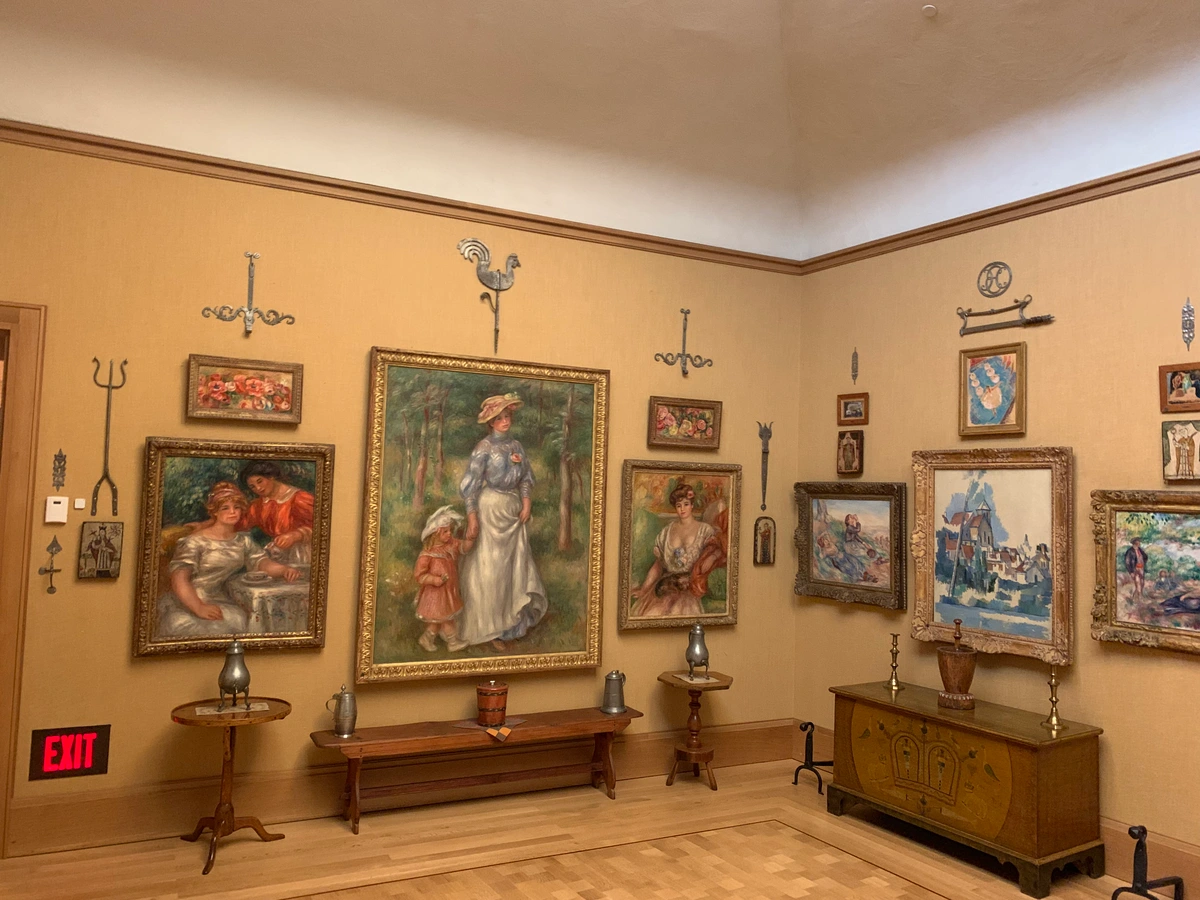
Works on Paper (Drawings, Prints, Watercolors)
Paper is, without a doubt, the most fragile medium I deal with. It's susceptible to everything: light, humidity, pests, and even the acidic materials around it. Different types of paper, from delicate Japanese rice paper and traditional laid papers to robust watercolor sheets and modern photographic bases, will react uniquely to environmental stressors. Understanding your specific artwork's paper type (e.g., cotton rag, wood pulp, albumen, baryta) can sometimes give you clues about its inherent vulnerabilities. The key here, more than almost any other medium, is proactive, meticulous protection. It's a bit like guarding a secret – the less exposure to hostile elements, the better its chances of enduring. I've seen beautiful historical documents turn brittle and yellow merely from being stored in regular cardboard boxes, a heartbreaking and entirely preventable tragedy that highlights the silent damage of acid migration. For detailed insights into its care, refer to our guide on how to care for works on paper: a collectors guide. This medium demands an almost surgical level of care and attention to detail.
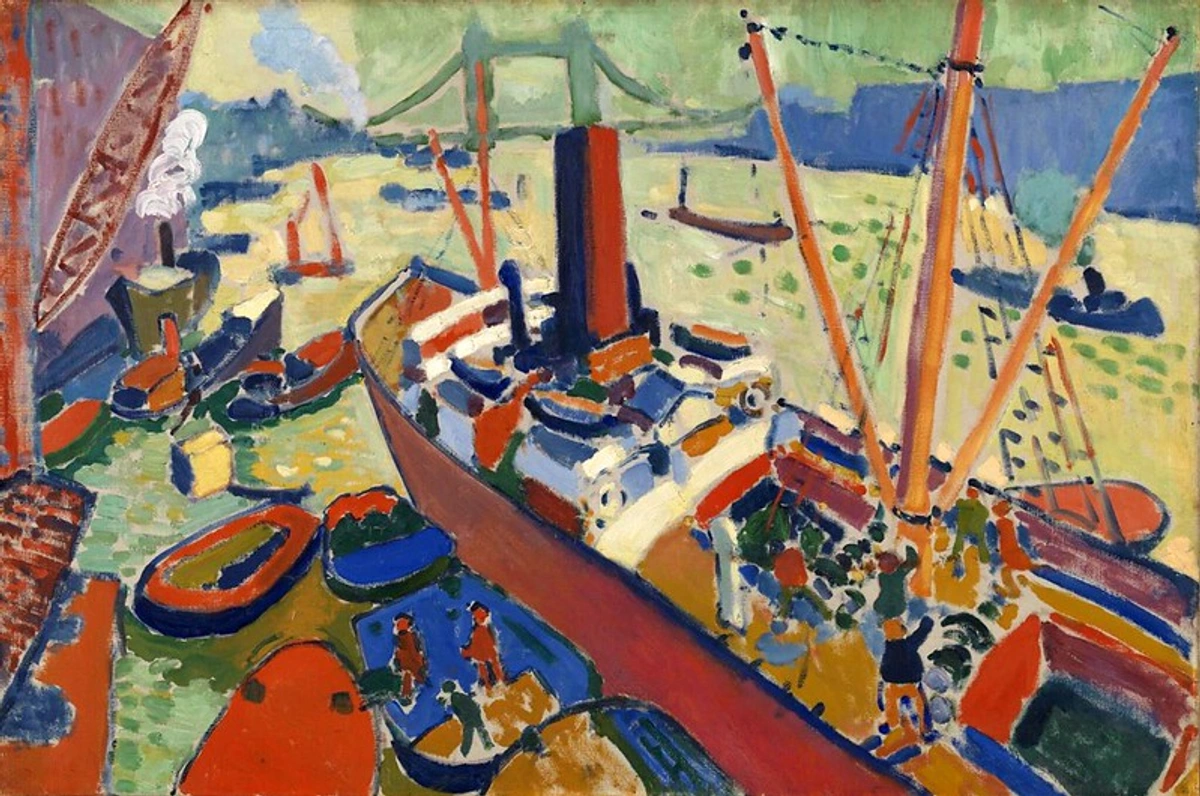
Paper is, without a doubt, the most fragile medium I deal with. It's susceptible to everything: light, humidity, pests, and even the acidic materials around it. Different types of paper, from delicate Japanese rice paper and traditional laid papers to robust watercolor sheets and modern photographic bases, will react uniquely to environmental stressors. Understanding your specific artwork's paper type (e.g., cotton rag, wood pulp, albumen, baryta) can sometimes give you clues about its inherent vulnerabilities. The key here, more than almost any other medium, is proactive, meticulous protection. It's a bit like guarding a secret – the less exposure to hostile elements, the better its chances of enduring. I've seen beautiful historical documents turn brittle and yellow merely from being stored in regular cardboard boxes, a heartbreaking and entirely preventable tragedy that highlights the silent damage of acid migration. For detailed insights into its care, refer to our guide on how to care for works on paper: a collectors guide.
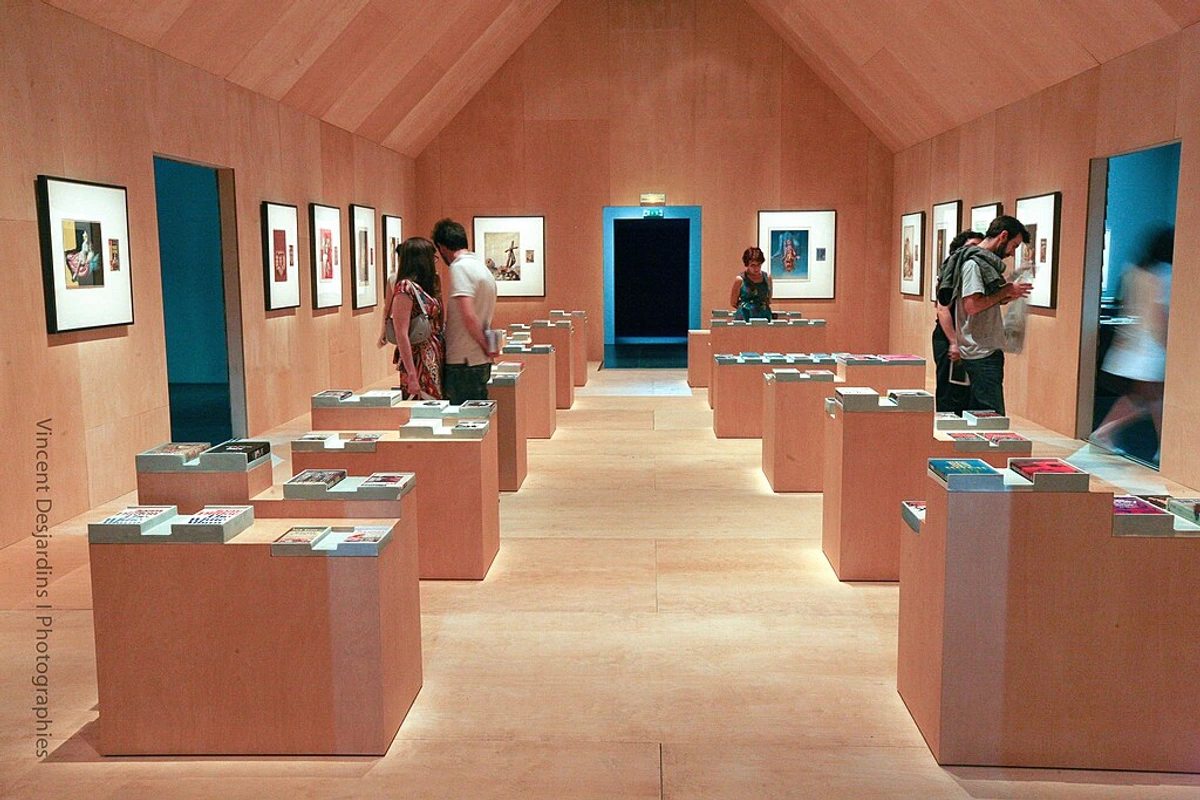
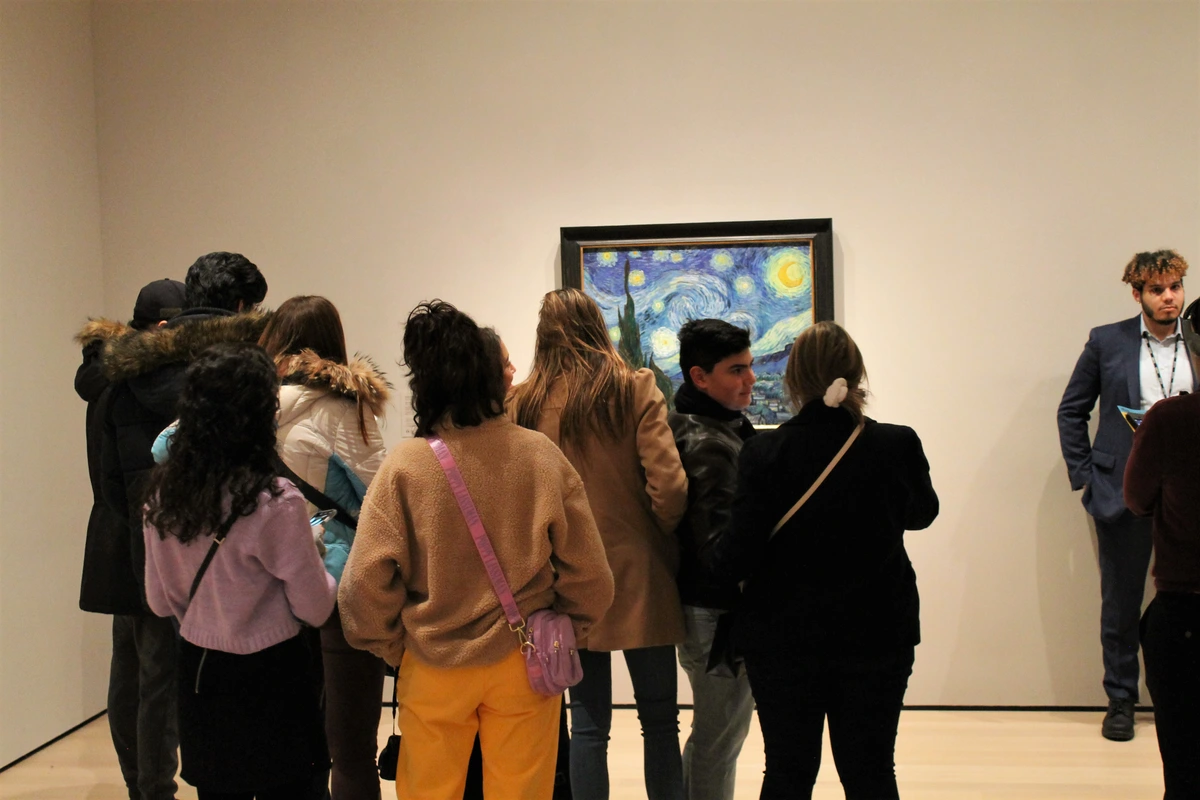
- The Acid-Free Mantra: Everything that touches your paper art must be archival or acid-free. This includes mats, backing boards, folders, and storage boxes. Regular cardboard and wood pulp paper contain acids (lignin, specifically) that will migrate into your artwork over time, causing it to yellow, embrittle, and suffer from "acid burn." It's a slow, silent, and entirely preventable death. Always opt for museum-quality materials, even for less expensive pieces – it's just good practice.
- Proper Matting and Hinging: A well-cut, acid-free mat not only enhances presentation but also creates an essential air buffer between the artwork and the glazing, preventing condensation from forming directly on the art. This 'airing' is crucial. For hinging, never use pressure-sensitive tapes (like Scotch tape, masking tape, or any household tape!), which will inevitably stain, embrittle, and cause irreversible damage to the paper. Professional conservators use Japanese paper hinges with a reversible, archival paste (like wheat starch paste), allowing the artwork to expand and contract freely within the mat package without buckling. You can learn more about how to frame a canvas painting and similar concepts here, which often apply to works on paper as well, but for paper, the archival standards are even more stringent. You might also find a Q&A with an expert art framer insightful for framing delicate works.
- Storage Methods:
- Flat Files: This is the museum standard. Large, flat drawers where art can lie completely flat without pressure.
- Archival Boxes: A more affordable option. These are sturdy, acid-free boxes. Store your prints inside acid-free folders within the box, ensuring that each piece is interleaved with acid-free tissue or Mylar if multiple works are stacked.
- Framing: A good frame with UV-protective acrylic (or glass) and an acid-free mat is an excellent storage solution! It creates a safe little micro-environment, protecting against light, dust, and physical damage. Always ensure the artwork isn't directly touching the glazing – an acid-free mat or spacers are essential. This level of framing is critical for paper works, and it's a topic I could talk about for hours. You can read more about it by checking out a Q&A with an expert art framer.
Photographs
Oh, photographs. They capture moments, memories, and sometimes, profound artistic statements. But they are notoriously delicate, particularly susceptible to light, air pollutants, and improper handling. The emulsion (the image layer) can fade, crack, or discolor, often irreversibly. My own early experiments with photography, especially developing my own prints, taught me this lesson the hard way: every step matters, from processing to presentation. The chemical stability of the photographic process itself plays a huge role in its longevity, making some prints inherently more fragile than others. For me, a photograph is a tangible whisper from the past, and preserving it feels like preserving a piece of time itself. These fragile windows to history require specialized care to ensure their stories aren't lost to time.
Oh, photographs. They capture moments, memories, and sometimes, profound artistic statements. But they are notoriously delicate, particularly susceptible to light, air pollutants, and improper handling. The emulsion (the image layer) can fade, crack, or discolor, often irreversibly. My own early experiments with photography, especially developing my own prints, taught me this lesson the hard way: every step matters, from processing to presentation. The chemical stability of the photographic process itself plays a huge role in its longevity, making some prints inherently more fragile than others. For me, a photograph is a tangible whisper from the past, and preserving it feels like preserving a piece of time itself.
Understanding Different Photographic Processes
Not all photographs are created equal, and their vulnerability varies wildly – it's a fascinating and complex chemical landscape. Knowing the process behind your photograph is the first step in understanding its specific preservation needs. You can delve deeper into the origins of this medium in the history of photography as fine art.
- Silver Gelatin Prints: Common in traditional black and white photography, these are generally stable but susceptible to oxidation (which causes 'silver mirroring') and pollutants. Toning (e.g., selenium or sepia) can significantly increase their longevity and alter their aesthetic. These prints are sensitive to residual processing chemicals, which can cause deterioration over time.
- Color Prints (Chromogenic): These are far more susceptible to fading and color shifts (the dreaded magenta shift!), especially older prints from the 20th century. The dyes are inherently unstable. Modern archival pigment prints (often called "giclée", which you can learn more about in what is giclee print) offer much better longevity if made with stable inks and archival papers, boasting a lifespan of decades, even centuries, under proper conditions. The stability here is largely dependent on the ink and paper quality, making archival certifications important.
- Daguerreotypes & Albumen Prints: These historic processes (popular in the 19th century) are incredibly fragile and require highly specialized environmental controls, meticulous handling, and often sealed enclosures to protect their delicate surfaces from air pollution and abrasion. They are windows into the past, but exceedingly vulnerable to mechanical damage and environmental pollutants. The metallic surfaces of daguerreotypes are easily scratched and tarnished.
- Cyanotypes & Platinum/Palladium Prints: These alternative processes are known for their exceptional stability and archival qualities. Platinum and palladium prints, in particular, are among the most permanent photographic processes due to the inherent stability of the noble metals used in their imagery, making them highly prized by collectors concerned with longevity. Cyanotypes, while stable, are susceptible to alkaline environments and can fade if exposed to excessive light.
Digital Archiving for Physical Prints
Even with physical prints, a comprehensive digital archive is your ultimate backup. High-resolution scans (or professional digitization) of your prints, stored redundantly across multiple platforms (external drives, secure cloud storage, and even offline cold storage) ensure that the image itself survives, even if the physical object is lost, damaged, or suffers irreversible degradation. It's a bit like having an immortal twin for your precious photograph – a digital ghost that can be reborn if the original is compromised. Be sure to use high-quality image formats like TIFF for maximum fidelity.
- Gloves are Your Friends: Always handle photographs with clean, lint-free cotton or nitrile gloves. Fingerprints can leave oils and acids that etch into the emulsion over time, causing irreversible discoloration and damage. It's a tiny act that yields huge returns in preservation. Even the cleanest hands carry natural oils, which can react with photographic emulsions, leading to subtle but permanent damage over time. It’s a habit that every serious collector should adopt.
- Archival Storage: Store photographs in acid-free sleeves, folders, or boxes. Avoid PVC (polyvinyl chloride) plastic sleeves, which are notorious for degrading over time, leaching chemicals that can stick to and damage prints. Opt for polyester, polypropylene, or polyethylene archival plastics instead.
- Environmental Control: Like works on paper, photographs are highly sensitive to humidity and temperature fluctuations. Stable conditions are paramount to prevent fading, yellowing, silver mirroring, and mold. High humidity is a particular enemy of photographic emulsions.
- Light Exposure: Display photographs in very low light, away from any direct or indirect sunlight. If framing, UV-filtering glazing is absolutely essential, and rotating them out of display (replacing them with a reproduction or another artwork for periods of time) is highly recommended to minimize cumulative light dose.
Textiles & Tapestries
Textiles, from delicate antique laces to robust modern tapestries, bring warmth and texture to a space. However, they are magnets for dust, susceptible to insect damage, and prone to weakening from improper handling or hanging. I've always admired the patience of textile artists – a patience we should mirror in their care. These works of art, often created with painstaking detail, deserve meticulous preservation. The intricate weave and delicate fibers require a unique approach to ensure their longevity, as their structural integrity can be compromised by a myriad of environmental factors. Thinking about the hundreds of hours poured into a tapestry makes me extra cautious with their care. They are, in essence, woven stories, and like all good stories, they deserve to be preserved for future generations.
Textiles, from delicate antique laces to robust modern tapestries, bring warmth and texture to a space. However, they are magnets for dust, susceptible to insect damage, and prone to weakening from improper handling or hanging. I've always admired the patience of textile artists – a patience we should mirror in their care. These works of art, often created with painstaking detail, deserve meticulous preservation. The intricate weave and delicate fibers require a unique approach to ensure their longevity, as their structural integrity can be compromised by a myriad of environmental factors. Thinking about the hundreds of hours poured into a tapestry makes me extra cautious with their care.
- Cleanliness is Key: Regularly (and gently!) dust textiles with a soft brush and a low-suction vacuum with a protective screen. Avoid harsh chemicals or spot cleaning, which can set stains or damage fibers. Surface dust attracts moisture and pests, so a clean environment is critical.
- Pest Vigilance: Moths and carpet beetles consider textiles a gourmet meal, especially those made of natural fibers like wool, silk, or cotton. Store them in clean, cool, dry conditions, ideally in archival garment bags or boxes. Inspect them frequently for any signs of activity – tiny holes, webbing, or frass (insect droppings). Cedar blocks can help as a deterrent, but never let them touch the fabric directly. For deep dives into fiber art, you might find a Q&A with a textile artist insightful. I once opened an antique linen chest to find a small infestation; it was a devastating sight that solidified my commitment to regular inspections.
- Proper Support: Never hang heavy textiles from a single point, as this can cause immense stress, distortion, and tearing over time. Distribute the weight evenly across a padded hanging rod (covered in unbleached cotton or muslin) or, for delicate or large pieces, use a fabric-backed mounting system (e.g., Velcro sewn to a sturdy backing board). For long-term storage, rolling large textiles onto wide, acid-free tubes, interleaved with unbleached muslin, is almost always preferred over folding, which can create permanent creases and fiber damage.
- Professional Cleaning & Conservation: Resist the urge to clean antique or delicate textiles yourself. Professional textile conservators have specialized knowledge and tools to clean, repair, and stabilize these works without causing further damage. This is definitely a job for the experts – think of them as specialized surgeons for fabric, able to perform delicate interventions to stabilize and restore. For a deeper dive into the rich history and care of this medium, you might enjoy exploring a deep dive into the history of textile art. They can also advise on proper display methods for long-term preservation.
- Avoid Direct Light: Like all organic materials, textiles will fade, embrittle, and weaken in light. Display them in areas with minimal light exposure, and rotate them if possible. Even indirect sunlight can cause significant fading over time, especially for natural dyes, leading to irreversible color loss and degradation of the fibers. Consider UV-filtering window treatments or display cases for particularly sensitive pieces.
Sculptures & 3D Objects: Stability, Dust, and Material Nuances
With sculptures and other 3D objects, the main concerns shift from light damage to physical stability, dust, and material-specific degradation. From delicate glass to robust bronze, from carved wood to mixed media assemblages, each material presents its own unique challenges, demanding a tailored approach to care and preservation. It's rarely a one-size-fits-all scenario, and the nuances can make all the difference. My general advice? Approach each piece as an individual with its own specific needs, much like tending to a diverse garden, or understanding the unique properties of different paint types for artists. For instance, a collectors guide to bronze sculpture would highlight different care protocols than for a ceramic piece. This is where understanding the fundamentals of a beginners guide to understanding sculpture becomes incredibly helpful. I recall a friend's small, intricate wooden sculpture developing a hairline crack because it was placed too close to a heating vent – a simple oversight with irreversible consequences. The three-dimensional nature introduces unique vulnerabilities, from points of impact to concealed surfaces that can collect dust or harbor pests.
With sculptures and other 3D objects, the main concerns shift from light damage to physical stability, dust, and material-specific degradation. From delicate glass to robust bronze, from carved wood to mixed media assemblages, each material presents its own unique challenges, demanding a tailored approach to care and preservation. It's rarely a one-size-fits-all scenario, and the nuances can make all the difference. My general advice? Approach each piece as an individual with its own specific needs, much like tending to a diverse garden, or understanding the unique properties of different paint types for artists. For instance, a collectors guide to bronze sculpture would highlight different care protocols than for a ceramic piece. This is where understanding the fundamentals of a beginners guide to understanding sculpture becomes incredibly helpful. I recall a friend's small, intricate wooden sculpture developing a hairline crack because it was placed too close to a heating vent – a simple oversight with irreversible consequences.
Material-Specific Concerns:
- Wood: Sensitive to humidity and temperature fluctuations, which can cause warping and cracking. Protect from pests that bore into wood.
- Stone: Generally robust but can be porous and absorb stains. Susceptible to abrasion. Avoid acidic cleaners.
- Metal (Bronze, Steel, etc.): Can corrode (rust on iron/steel, patination changes on bronze) in high humidity or in contact with certain chemicals. Keep dry and dust-free. Never use abrasive cleaners, which can strip away delicate patinas. For a deeper dive, consider a collectors guide to bronze sculpture.
- Glass/Ceramics: Prone to breaking or chipping from impact. Keep stable and away from vibration. Unglazed ceramics can absorb moisture and stain.
- Mixed Media/Assemblage: These are often the most challenging, as they combine various materials with different vulnerabilities. The weakest link dictates the care. Always consult a conservator for complex pieces.
- Stability: Store them on a sturdy, level shelf where they won't be easily knocked over. Avoid high-traffic areas where they might be bumped. For taller or top-heavy pieces, you might consider museum wax or putty to secure the base, providing an extra layer of stability against accidental bumps or minor tremors. For heavier pieces, ensure the shelf itself can bear the weight without bowing or becoming unstable. Vibrations from nearby appliances, foot traffic, or even music can cause micro-damage over time, so consider placing isolation pads beneath delicate items. For integrating them into your decor, consider our guide on how to incorporate sculptural art into modern interiors.
- Covering: To protect from dust, you can cover a sculpture with a soft, clean cotton sheet or a custom-made dust cover. Avoid plastic as it can trap moisture, creating a breeding ground for mold, and can also scratch delicate surfaces.
- Cleaning: Dust gently with a very soft brush (like a high-quality makeup brush) or a soft, lint-free microfiber cloth. For intricate details, a can of compressed air (used carefully and from a safe distance) can dislodge dust, but avoid directing strong streams at fragile elements. Never use commercial cleaning sprays, polishes, or water unless you have precise knowledge of the material and have consulted a conservator. For metal sculptures, inappropriate cleaners can strip delicate patinas or accelerate corrosion. For unglazed ceramics, water can leave stains, and abrasive cloths can scratch glazes. When in doubt, gently dust, and nothing more – or call a professional conservator. For bronze sculptures, for example, a specialized collectors guide to cleaning and maintaining sculptures would advise against harsh chemicals that can damage the patina. Similarly, stone sculptures require very specific, often dry, cleaning methods.
Special Considerations for Digital Art & NFTs
I know what you're thinking: "Digital art? How do I store that?" It's a fascinating, relatively new frontier, and frankly, one that still has many questions. While the physical concerns of light and humidity don't apply, the challenges of longevity, authenticity, and access become paramount. My personal take? I remain somewhat skeptical of the hype surrounding many NFTs, often seeing them as more about speculative investment than enduring artistic value, often detaching the record of ownership from the artwork itself. However, the underlying digital artworks themselves are a valid and growing part of the art world, and they do require a different kind of care, one focused on data integrity and technological foresight. It's a realm where 'preservation' takes on an entirely new, often more abstract, meaning. It's a different kind of battle against decay, one fought in the digital ether.
I know what you're thinking: "Digital art? How do I store that?" It's a fascinating, relatively new frontier, and frankly, one that still has many questions. While the physical concerns of light and humidity don't apply, the challenges of longevity, authenticity, and access become paramount. My personal take? I remain somewhat skeptical of the hype surrounding many NFTs, often seeing them as more about speculative investment than enduring artistic value, often detaching the record of ownership from the artwork itself. However, the underlying digital artworks themselves are a valid and growing part of the art world, and they do require a different kind of care, one focused on data integrity and technological foresight. It's a realm where 'preservation' takes on an entirely new, often more abstract, meaning.

- File Format & Storage: If you own digital art, ensure you have the highest quality file format available (e.g., uncompressed TIFF, high-resolution PNG, or lossless video formats) and back it up redundantly – on multiple external hard drives, secure cloud storage, and even offline cold storage solutions. This is your digital canvas, and like a physical canvas, you need to protect its integrity and ensure its accessibility. Data corruption is the digital equivalent of a canvas tear, and it can be silent and insidious. Consider using archival-grade external drives and reputable cloud services with strong data redundancy protocols. Regularly verify the integrity of your backups.
- Hardware Obsolescence: Digital art often relies on specific display hardware or software. What happens when that technology becomes obsolete, or the proprietary format is no longer supported? This is a serious long-term challenge for digital art preservation. Think of early video art that requires specific vintage equipment to be viewed, or interactive installations that depend on defunct operating systems – it's a constant race against technological decay. When collecting, consider the long-term viability of the display mechanisms and whether the artist or gallery provides migration strategies or open-source solutions.
- NFTs and Blockchain: If your digital art is tied to an NFT, understand that the NFT itself is merely a record of ownership on a blockchain, a sort of digital certificate. Crucially, it is not the artwork itself. The actual digital artwork might be stored on a separate server (centralized or decentralized), which has its own vulnerabilities regarding data loss, server failures, or link rot. It's a complex ecosystem, and while it offers a novel approach to provenance and ownership tracking, it doesn't automatically solve all the traditional preservation problems of the digital asset itself. Always verify where the actual artwork file is hosted and its long-term stability. While blockchain technology offers intriguing possibilities for immutable records, the long-term accessibility and integrity of the digital artwork file remain the primary concern for preservation. I find it ironic that some consider NFTs 'forever' when the digital files they point to can be as ephemeral as a fleeting thought.
My advice? Treat digital art with the same long-term thinking as physical art, but with a different set of tools and considerations. Ensure you have control over the underlying files, understand the display requirements, and be aware of the inherent impermanence and rapid evolution of digital formats. This often means proactive migration of files to newer formats and maintaining documentation of the original viewing experience. It's less about dust, and more about data rot and software entropy – a constant battle against technological decay.
Documenting Your Collection: The Unsung Hero of Art Preservation
This sounds like boring homework, I know. But trust me, do it. If there's ever a fire, flood, or theft, you'll be so glad you did. It's also just a wonderful way to keep track of your art's story – its provenance, its condition, and its place in your life. It transforms your collection from a mere accumulation of objects into a curated, traceable archive. I always tell collectors, 'Your memory is a beautiful thing, but for insurance and legacy, it's not enough. You need the facts on paper, or pixels.' I've had to help a collector reconstruct their inventory after a disaster, and without solid documentation, it's an agonizing, often incomplete, process. It's a foundational act of stewardship. A comprehensive inventory is the backbone of responsible collecting, providing verifiable proof of your collection's existence and condition.
This sounds like boring homework, I know. But trust me, do it. If there's ever a fire, flood, or theft, you'll be so glad you did. It's also just a wonderful way to keep track of your art's story – its provenance, its condition, and its place in your life. It transforms your collection from a mere accumulation of objects into a curated, traceable archive. I always tell collectors, 'Your memory is a beautiful thing, but for insurance and legacy, it's not enough. You need the facts on paper, or pixels.' I've had to help a collector reconstruct their inventory after a disaster, and without solid documentation, it's an agonizing, often incomplete, process. It's a foundational act of stewardship.
Creating a detailed, comprehensive inventory isn't just about protecting your investment; it's about preserving the story of your collection. I've often found that the act of documenting actually deepens my connection to each piece, forcing me to truly look at it and reflect on its journey, its unique marks, and its subtle imperfections. Beyond insurance, a robust inventory is invaluable for lending, exhibitions, future sales, or even just sharing your passion with others. Don't forget to back up your digital files (high-quality photos, acquisition documents, condition reports) to a secure cloud service and an external hard drive – redundancy is key here. This is your digital safety net, and it needs to be robust, much like a meticulous archivist safeguarding precious historical records. Think of it as building a digital twin of your physical collection, a comprehensive record that can tell its story even if the physical object is temporarily unavailable. For more on ensuring your financial safety net, explore understanding art insurance: protecting your valuable collection.
The Importance of Professional Appraisals
While your digital inventory is crucial, for insurance purposes and accurate valuation, you'll periodically need a professional appraisal. A certified art appraiser can provide a documented, defensible valuation of your artwork, which is essential for insurance, estate planning, and potential sales. Don't rely on your purchase price alone, as the market fluctuates dramatically – sometimes up, sometimes down. An accurate appraisal ensures you're properly covered and valued. For a deeper understanding, check out understanding art appraisals: what every collector needs to know. A thorough appraisal will not only provide a financial valuation but often includes a detailed condition report, which becomes another vital document for your inventory. I've seen appraisals save collectors from significant financial losses after theft or damage, proving their true value.
Here's a basic template, which you can expand using specialized collection management software (CMS) if your collection grows substantially:

Field | What to Include |
|---|---|
| Artist | The creator's name. |
| Title | The title of the work. |
| Date Created | The year the piece was made. |
| Medium | e.g., Oil on canvas, archival print on paper, bronze. |
| Dimensions | Height x Width x Depth. |
| Purchase Info | Where you bought it, when, and for how much. |
| Provenance | Previous owners, exhibition history (if known). |
| Condition Report | Detailed notes on the artwork's current state, any damage or repairs. |
| Photos | Take clear photos of the front, back, and signature. (Include high-resolution images of any known damage or significant details). |
| Current Location | Where it's displayed or stored in your home. |
| Condition Report History | Dates and details of any professional conservation work or repairs. |
| Exhibition History | If the piece has been exhibited, list dates and venues. |
| Publications | Any books or catalogs where the artwork has been featured. |
| Value/Appraisal | Date of appraisal and appraised value, insurance policy number. |
FAQ - Your Burning Questions Answered: Practical Advice for Common Dilemmas
This section addresses some of the most common questions I hear from collectors, from daily maintenance to disaster preparedness. It’s all about empowering you with quick, actionable answers to keep your art safe and sound. Consider these the 'cheat sheet' for those moments when you need fast, reliable advice without having to re-read the entire guide (though I highly recommend doing that eventually!). My goal here is to cut through the jargon and give you straightforward, actionable advice, born from experience and a healthy dose of common sense.
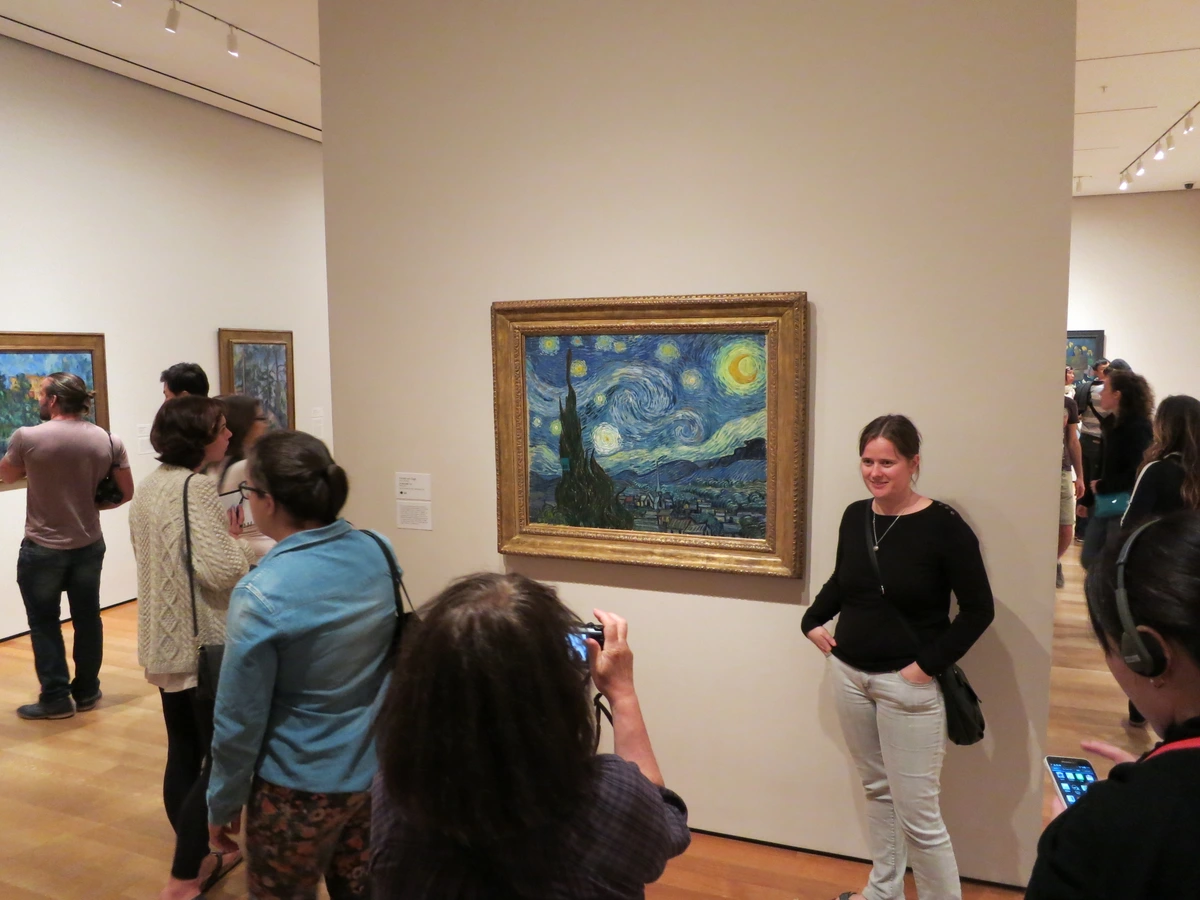
This section addresses some of the most common questions I hear from collectors, from daily maintenance to disaster preparedness. It’s all about empowering you with quick, actionable answers to keep your art safe and sound. Consider these the 'cheat sheet' for those moments when you need fast, reliable advice without having to re-read the entire guide (though I highly recommend doing that eventually!).
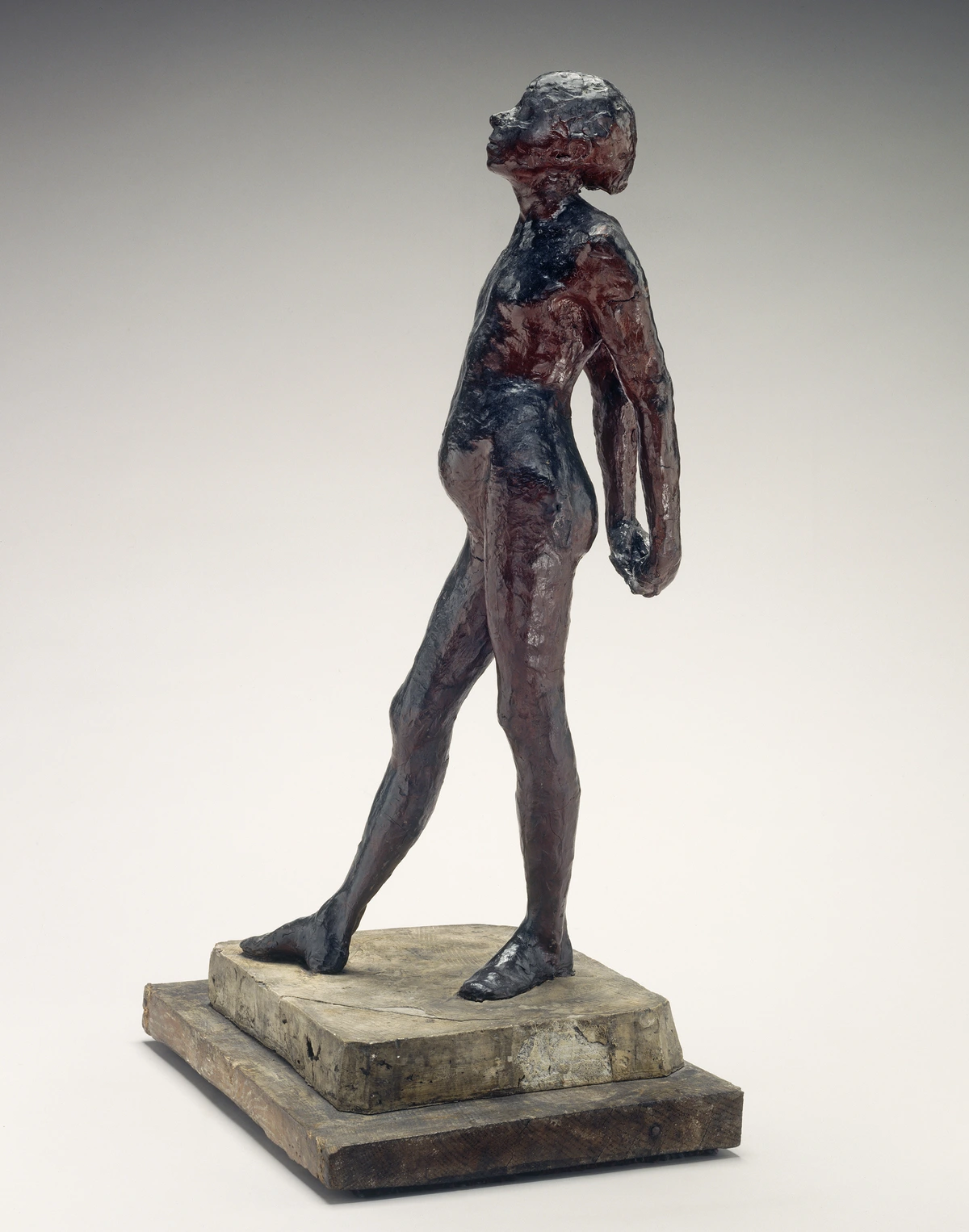
Q: How often should I check on my stored art?
A: For actively displayed art in stable environments, a quarterly check is probably sufficient to dust and look for any changes. But don't just glance; actively inspect for subtle shifts in color, surface irregularities, or tiny signs of pests (like frass, tiny holes, or webbing). For art in storage, especially in less-than-ideal conditions (which you're hopefully avoiding!), I'd recommend a monthly or bi-monthly check. It allows you to catch any problems (like pests or mold) early before they become catastrophic. And honestly, it's a nice excuse to reconnect with pieces you might not see every day, reminding yourself why you loved them enough to bring them home. Think of it as a wellness check for your art, a regular preventative measure that pays dividends in the long run. I once found a small patch of mold on the back of a canvas during a routine check, which I caught early enough for a conservator to easily address. Early detection can literally save an artwork from irreversible damage. Early detection can literally save an artwork from irreversible damage.
A: For actively displayed art in stable environments, a quarterly check is probably sufficient to dust and look for any changes. But don't just glance; actively inspect for subtle shifts in color, surface irregularities, or tiny signs of pests (like frass, tiny holes, or webbing). For art in storage, especially in less-than-ideal conditions (which you're hopefully avoiding!), I'd recommend a monthly or bi-monthly check. It allows you to catch any problems (like pests or mold) early before they become catastrophic. And honestly, it's a nice excuse to reconnect with pieces you might not see every day, reminding yourself why you loved them enough to bring them home. Think of it as a wellness check for your art, a regular preventative measure that pays dividends in the long run. I once found a small patch of mold on the back of a canvas during a routine check, which I caught early enough for a conservator to easily address.
Q: Can I really not store my art in the attic or basement?
A: Short answer: please don't. Long answer: The extreme and rapid fluctuations in temperature and humidity, coupled with higher risks of pests, leaks, and dust, will almost certainly cause damage over time. It's one of the fastest, most guaranteed ways to ruin a piece of art. Imagine your precious oil painting or delicate watercolor subjected to freezing winters and sweltering, humid summers – it's a recipe for cracking, warping, and mold, and it will happen faster than you think.
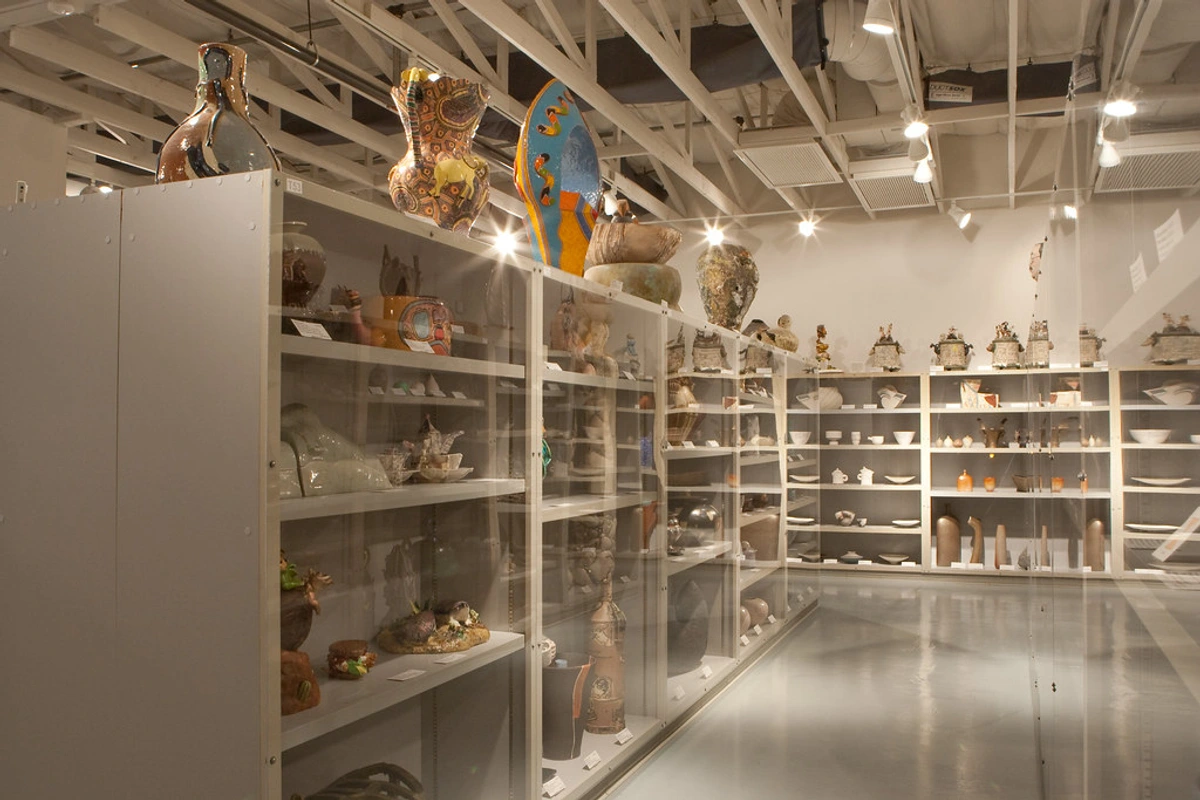
Q: What kind of glass/acrylic should I use for framing?
A: For most valuable or light-sensitive works on paper, I always recommend UV-filtering acrylic or glass. Acrylic is lighter and less prone to shattering than glass, making it a safer choice, especially for larger pieces or in homes with children or pets. Beyond UV protection, there are also options with anti-reflective coatings that significantly reduce glare, improving the viewing experience without compromising protection. This makes a huge difference in how you interact with the artwork. For further insights, our Q&A with an expert art framer covers these options in detail. Always clarify the percentage of UV protection offered by the glazing, aiming for 97% or higher for optimal preservation. It's a critical investment for your art's long-term health.
A: For most valuable or light-sensitive works on paper, I always recommend UV-filtering acrylic or glass. Acrylic is lighter and less prone to shattering than glass, making it a safer choice, especially for larger pieces or in homes with children or pets. Beyond UV protection, there are also options with anti-reflective coatings that significantly reduce glare, improving the viewing experience without compromising protection. This makes a huge difference in how you interact with the artwork. For further insights, our Q&A with an expert art framer covers these options in detail. For further insights, our Q&A with an expert art framer covers these options in detail.
Q: What's the best way to wrap a painting for moving or short-term storage?
A: My preferred method, which balances protection with practicality for a home setting:
- Surface Protection: Gently cover the entire painted surface with acid-free glassine paper. This non-stick layer protects against abrasion and prevents anything from adhering to the paint.
- Rigid Shield: Cut two pieces of archival corrugated board or sturdy foam core to be slightly larger than the painting. Place one on the front and one on the back, creating a rigid sandwich around the artwork. Tape these boards together around the edges, but not directly to the artwork itself.
- Cushioning: Only after the surface is protected and rigid boards are in place, wrap the entire package in several layers of bubble wrap for cushioning. Ensure the bubbles face outwards to prevent marks.
- Labeling: Clearly label the package "FRAGILE," "THIS SIDE UP," and indicate which side is the front of the painting. This critical information guides handlers.
For valuable or large works, however, I will always recommend engaging professional art handlers or conservators for packing and shipping. Remember, a cheap moving blanket and a roll of duct tape is almost certainly insufficient for anything truly valuable.
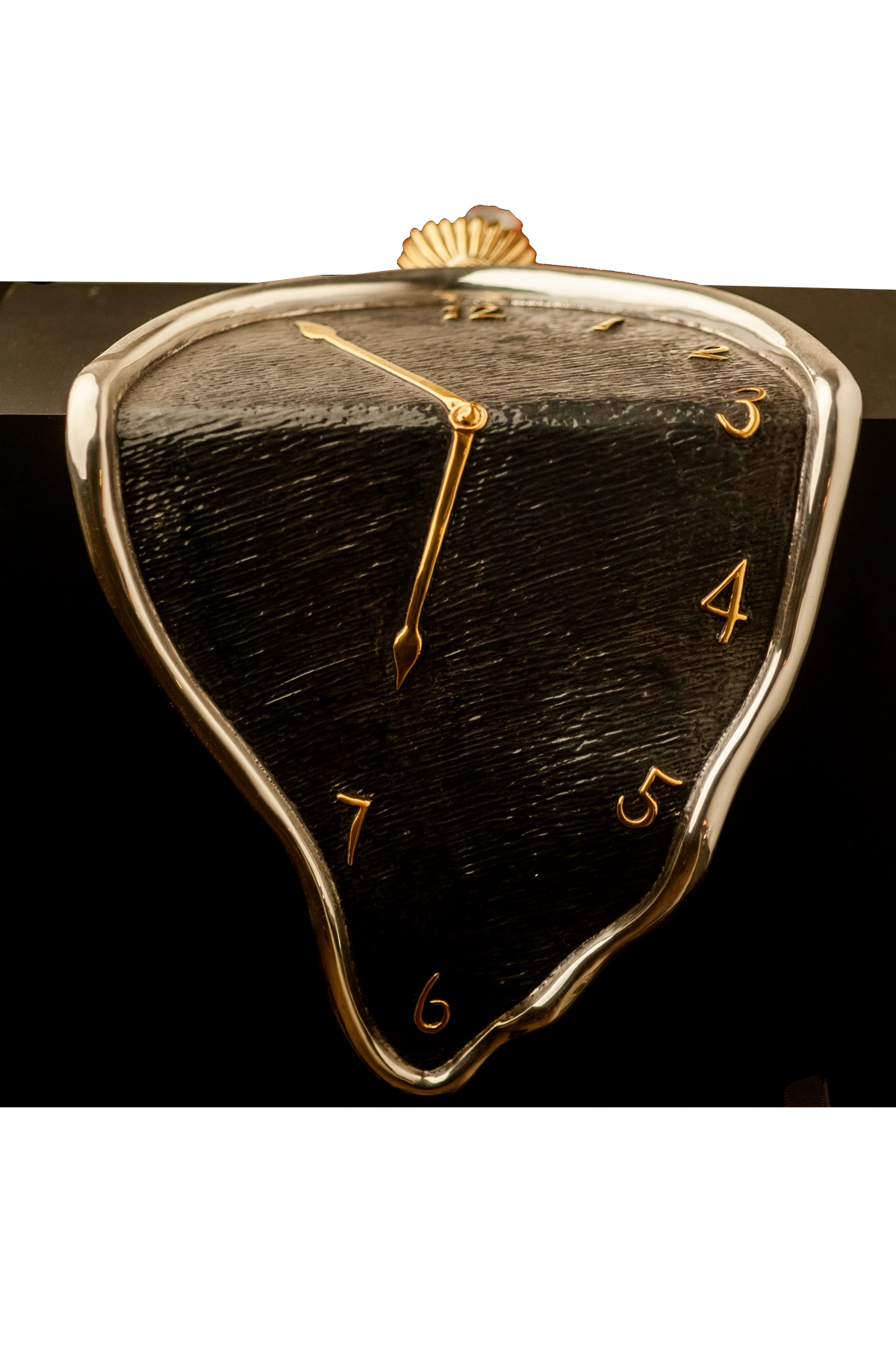
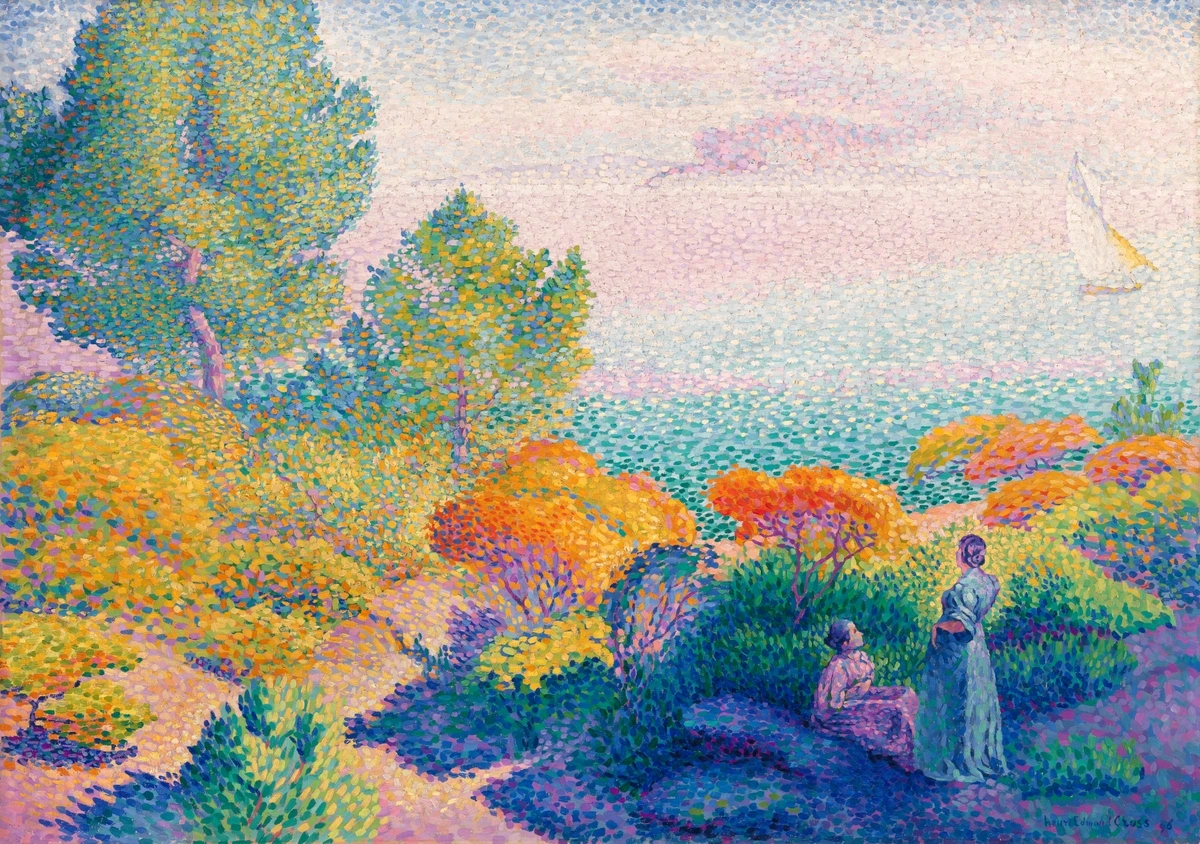
Q: What about displaying art in bathrooms or kitchens?
A: While these areas are often excluded due to high humidity and temperature fluctuations, it's not an absolute 'never.' For framed works, ensure they are well-sealed with UV-filtering glazing and archival materials. For other media, consider materials naturally resistant to moisture, like certain ceramics, glass, or metals that have appropriate finishes. However, even for these, long-term exposure to steam, grease, and cleaning product aerosols can take a toll. My honest advice: if it's truly valuable or irreplaceable, I'd suggest a less volatile environment. If you insist, ensure excellent ventilation, ideally with an extractor fan, and use framing that provides maximum protection against moisture ingress. You can learn more about how to choose art for a bathroom here, but proceed with extreme caution and regular vigilance for any signs of damage. Similarly, kitchens expose art to grease, food particles, and extreme temperature shifts, making them generally unsuitable for delicate works. For high-humidity environments, consider artworks made of metal sculptures or glazed ceramics, which are more resilient. Even then, I'd avoid placing them directly above heat sources or sinks, and be prepared for increased maintenance. Ultimately, these are 'high-risk' zones for most art, and a careful assessment of the artwork's material and resilience is essential.
A: While these areas are often excluded due to high humidity and temperature fluctuations, it's not an absolute 'never.' For framed works, ensure they are well-sealed with UV-filtering glazing and archival materials. For other media, consider materials naturally resistant to moisture, like certain ceramics, glass, or metals that have appropriate finishes. However, even for these, long-term exposure to steam, grease, and cleaning product aerosols can take a toll. My honest advice: if it's truly valuable or irreplaceable, I'd suggest a less volatile environment. If you insist, ensure excellent ventilation, ideally with an extractor fan, and use framing that provides maximum protection against moisture ingress. You can learn more about how to choose art for a bathroom here, but proceed with extreme caution and regular vigilance for any signs of damage. Similarly, kitchens expose art to grease, food particles, and extreme temperature shifts, making them generally unsuitable for delicate works. For high-humidity environments, consider artworks made of metal sculptures or glazed ceramics, which are more resilient. Even then, I'd avoid placing them directly above heat sources or sinks, and be prepared for increased maintenance.
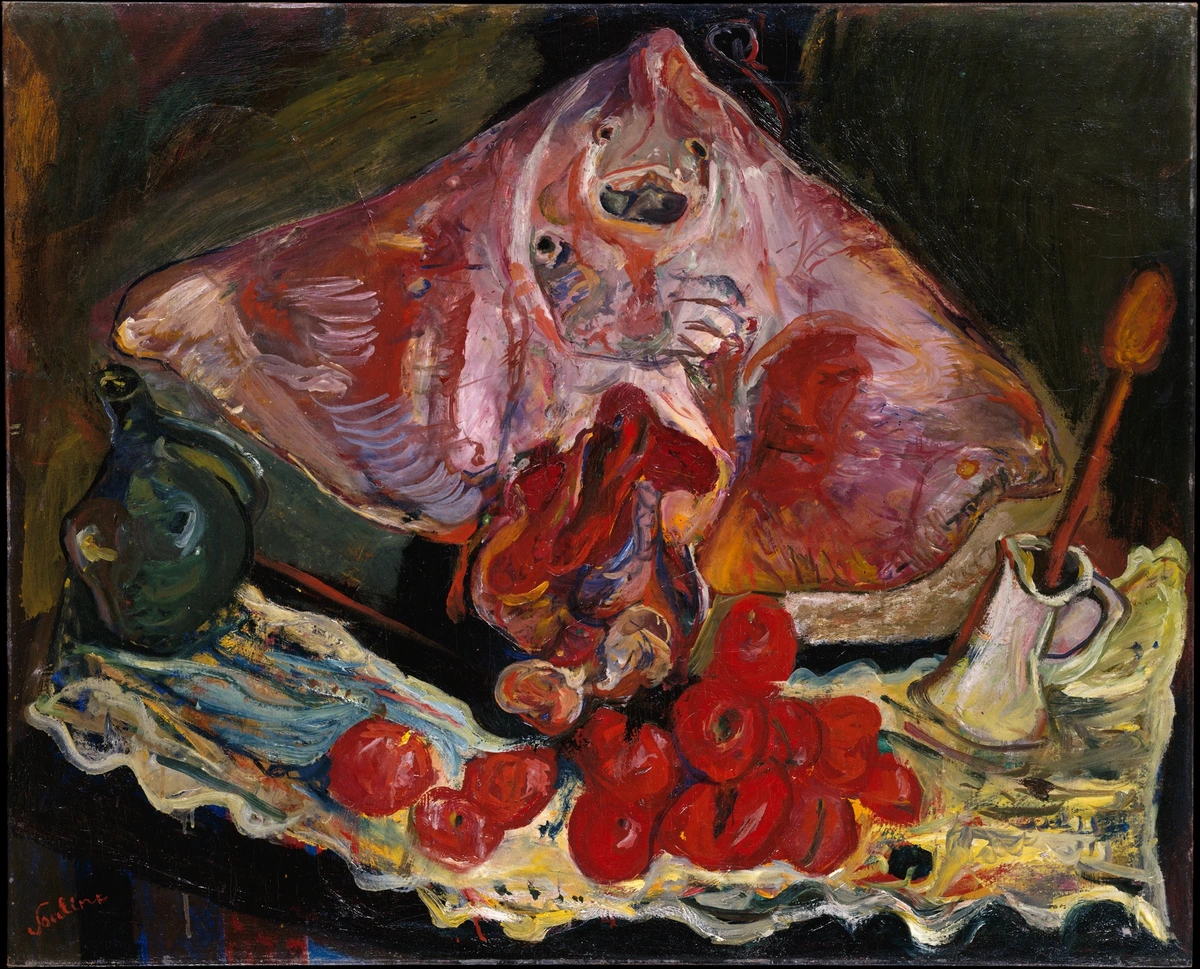
Q: What are the common signs of art damage I should look for?
A: Regular inspections are key to early detection. Here's a quick checklist of red flags:
- Fading or Discoloration: Especially in areas exposed to light, indicating photodegradation.
- Cracking (Craquelure) or Flaking Paint: Signs of dimensional instability due to temperature/humidity fluctuations, or inherent material issues.
- Warping or Distorting: Common in wood panels or canvases exposed to inconsistent environments.
- Mold, Mildew, or Foxing: Fuzzy growth or brown spots, particularly on paper or textiles, indicating high humidity.
- Insect Activity: Tiny holes, tunnels, frass (dust-like excrement), webbing, or visible pests. A huge warning sign, especially for organic materials.
- Tears, Punctures, or Abrasions: Physical damage, often from mishandling or accidental bumps.
- Discoloration around Edges: 'Acid burn' from non-archival mats or backing materials on works on paper.
- Slack Canvas: A canvas that sags or has lost its tension, making it vulnerable to impact and indicating humidity issues.
Catching these signs early can drastically reduce the cost and complexity of professional conservation.
Q: Can I use regular cleaning products on my art?
A: Absolutely not. This is where I'd advise extreme caution – and usually, don't do it yourself. The surface of a painting or sculpture is incredibly delicate, and improper cleaning can cause irreparable damage to the paint layers, varnish, patinas, or even underlying materials. Dusting a framed painting or a robust, glazed ceramic is one thing with a very soft, dry brush or a lint-free microfiber cloth. But if your artwork needs more than a gentle, dry dust, if there's grime, smoke residue, or any kind of stain, it's time to call a professional art conservator. Commercial cleaning sprays, polishes, and especially water on unvarnished or porous surfaces can cause irreversible staining, chemical reactions, or physical degradation. Attempting a DIY cleaning on a valuable piece is one of the quickest ways to devalue and irreversibly damage it. Better safe than sorry, always! Remember, a conservator's goal is to preserve, not just clean, using reversible methods and specialized knowledge. Even 'natural' cleaners can contain acids or solvents that are detrimental to artistic materials.
Q: How do I choose a professional art conservator?
A: Choosing the right conservator is a critical decision. Here's what to look for:
- Accreditation & Expertise: Seek conservators who are accredited by recognized professional organizations (e.g., AIC in the US, ICON in the UK). These professionals adhere to strict ethical codes and standards of practice. Ensure they specialize in the medium of your artwork (e.g., paintings conservator, paper conservator, objects conservator).
- References & Portfolio: Ask for references from other collectors, museums, or galleries. A reputable conservator will also be able to share examples of their previous work.
- Detailed Proposals: They should provide a written examination report, a detailed treatment proposal outlining the recommended work, materials to be used, estimated timeframe, and clear costs. This should all be discussed with you thoroughly.
- Preventive Advice: A good conservator will not only treat existing damage but also provide comprehensive advice on preventive care to avoid future issues. It’s a partnership in preserving your art.
Q: How does framing protect art, beyond just the glass?
A: Framing is a multi-layered defense system. Beyond the UV-filtering glazing, a well-constructed frame provides:
- Physical Protection: The frame itself creates a rigid barrier, protecting the edges of the artwork from bumps, scrapes, and handling damage. For canvases, a robust frame can add significant structural stability.
- Environmental Barrier: The entire frame package (glass, mat, backing board, and sealed frame) creates a micro-environment around the artwork, buffering it from rapid changes in temperature and humidity, and slowing the ingress of dust and pollutants. A sealed backing is especially crucial.
- Aesthetic Presentation: While protective, the right frame also enhances the artwork's visual appeal, defining its space and complementing its style. For more on this, check out a Q&A with an expert art framer.
Q: How do I prepare art for long-term storage?
A: For any piece going into long-term storage (more than a few months), the key is protection from environmental fluctuations, dust, pests, and physical damage. Ensure items are thoroughly dry before packing to prevent mold. Use acid-free archival materials (boxes, folders, tissue, sleeves) appropriate for the medium. Paintings should be stored vertically in breathable art bins or crates, never stacked flat. Works on paper should be flat in archival folders within flat files or archival boxes. Maintain stable temperature and humidity in the storage area, and conduct regular pest inspections. For valuable pieces, consider professional art storage facilities which offer climate-controlled, secure environments specifically designed for art. Remember the "dark, cool, and dry" mantra for most organic materials. Wrapping is critical: use acid-free materials directly contacting the art, followed by appropriate cushioning and rigid outer protection. Think of it as putting your art into a deep, protected slumber.

Q: What is the role of an art conservator?
A: An art conservator is a highly trained professional who specializes in the preservation and restoration of art. They possess a deep knowledge of art materials, chemistry, art history, and conservation ethics. You should call a conservator if your art has sustained damage (e.g., tears, cracks, flaking paint, mold, insect damage, significant fading, discoloration), needs specialized cleaning beyond gentle dusting, or requires preparation for long-term storage, travel, or exhibition. They're like specialized doctors for your art – they can diagnose problems, perform treatments using reversible, scientifically sound methods, and provide expert advice on preventive care to extend the life of your pieces. Trust me, it's always better to consult an expert than attempt a DIY fix that could cause irreparable harm and reduce the artwork's value. They also play a crucial role in documenting condition and treatment history, which is vital for provenance and future valuations.
A: An art conservator is a highly trained professional who specializes in the preservation and restoration of art. They possess a deep knowledge of art materials, chemistry, art history, and conservation ethics. You should call a conservator if your art has sustained damage (e.g., tears, cracks, flaking paint, mold, insect damage, significant fading, discoloration), needs specialized cleaning beyond gentle dusting, or requires preparation for long-term storage, travel, or exhibition. They're like specialized doctors for your art – they can diagnose problems, perform treatments using reversible, scientifically sound methods, and provide expert advice on preventive care to extend the life of your pieces. Trust me, it's always better to consult an expert than attempt a DIY fix that could cause irreparable harm and reduce the artwork's value.
Q: How do I prepare art for moving or shipping?
A: This is a complex area, but the short answer is: very carefully, and often with professional help. For local moves of smaller, framed pieces, gentle wrapping (glassine, foam, bubble wrap) and secure transport in a climate-controlled vehicle might suffice. For valuable pieces, long-distance moves, or international shipping, you absolutely need to engage professional art handlers and specialized art shippers. They will custom-crate your artwork, manage climate control during transit, and ensure it's properly insured for the journey. Attempting to ship valuable art yourself is a significant risk I would never recommend, as improper packing is a leading cause of damage during transit. Always get multiple quotes and ensure the chosen service specializes in fine art transport. Consider a courier service for irreplaceable pieces, where the art never leaves human hands. For a more in-depth guide, you can refer to our article on art storage solutions for collectors which includes tips on preparing for transit. Always get multiple quotes and ensure the chosen service specializes in fine art transport. Consider a courier service for irreplaceable pieces, where the art never leaves human hands. For a more in-depth guide, you can refer to our article on art storage solutions for collectors which includes tips on preparing for transit.
A: This is a complex area, but the short answer is: very carefully, and often with professional help. For local moves of smaller, framed pieces, gentle wrapping (glassine, foam, bubble wrap) and secure transport in a climate-controlled vehicle might suffice. For valuable pieces, long-distance moves, or international shipping, you absolutely need to engage professional art handlers and specialized art shippers. They will custom-crate your artwork, manage climate control during transit, and ensure it's properly insured for the journey. Attempting to ship valuable art yourself is a significant risk I would never recommend, as improper packing is a leading cause of damage during transit.
Q: Is it okay to roll a canvas painting for storage?
A: This should be an absolute last resort, and only for a short time. If you must, always roll it with the painted side facing out. Rolling it inward will compress the paint layer and can cause it to crack and flake, especially if the paint is brittle or thick. Unroll it as soon as possible and re-stretch it, as prolonged rolling can cause permanent distortions to both the canvas and paint layers. Flat storage is always preferred for paintings. If rolling is unavoidable, ensure it's onto a wide-diameter, acid-free tube to minimize stress, and interleave with Tyvek or acid-free tissue. It's a temporary solution, not a long-term strategy.
A: This should be an absolute last resort, and only for a short time. If you must, always roll it with the painted side facing out. Rolling it inward will compress the paint layer and can cause it to crack and flake, especially if the paint is brittle or thick. Unroll it as soon as possible and re-stretch it, as prolonged rolling can cause permanent distortions to both the canvas and paint layers. Flat storage is always preferred for paintings.
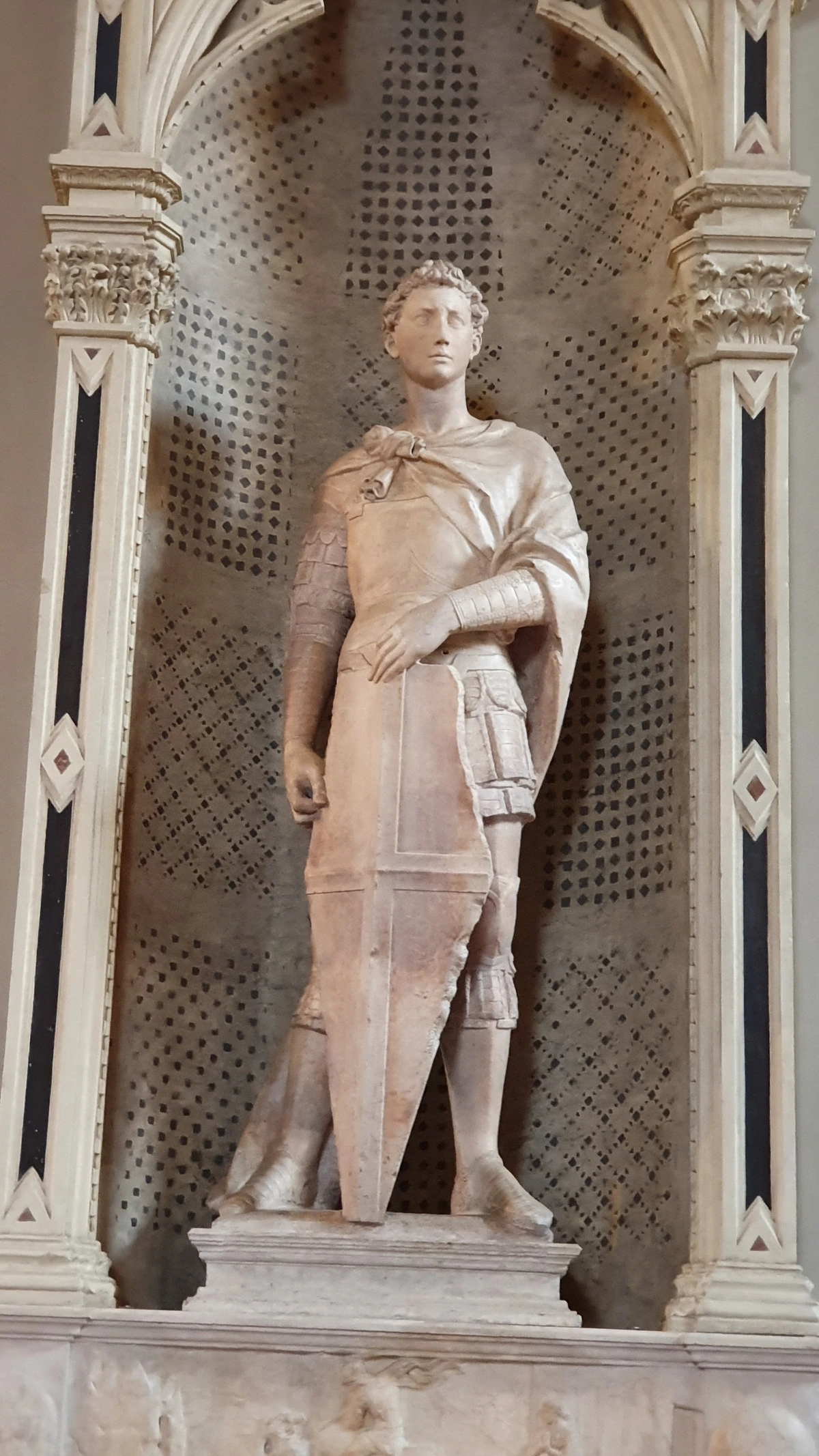
A Final Thought
Caring for an art collection sounds intimidating, but it's really just about mindfulness. It's about paying attention to the quiet needs of these objects that bring us so much joy. You don't need a fortune to do it right; you just need to be thoughtful. It's a practice, a dialogue between you and the artwork, ensuring its stories can continue to be told long after it leaves your hands. And isn't that, ultimately, part of the profound pleasure of collecting? Knowing that you're not just an owner, but a crucial link in its enduring legacy. It transforms ownership into an act of thoughtful guardianship, a quiet but powerful commitment. It's a journey of continuous learning, adaptation, and appreciation. What an honor to be a part of it.
Every piece you acquire is a chapter in your life's story, a part of your own personal timeline. Protecting it isn't just a chore; it's a profound act of honoring that story, a quiet dialogue between you and the artwork. It's a small act of love, ensuring that the art that inspires you today will be around to inspire you (and maybe others) for many years to come. In a transient world, being the keeper of beauty and meaning feels like a genuinely significant endeavor. So go forth, be a vigilant guardian, and let your art continue its silent, powerful work for generations. And perhaps, along the way, you'll discover something new about yourself, too.
Caring for an art collection sounds intimidating, but it's really just about mindfulness. It's about paying attention to the quiet needs of these objects that bring us so much joy. You don't need a fortune to do it right; you just need to be thoughtful. It's a practice, a dialogue between you and the artwork, ensuring its stories can continue to be told long after it leaves your hands. And isn't that, ultimately, part of the profound pleasure of collecting? Knowing that you're not just an owner, but a crucial link in its enduring legacy. It transforms ownership into an act of thoughtful guardianship, a quiet but powerful commitment.





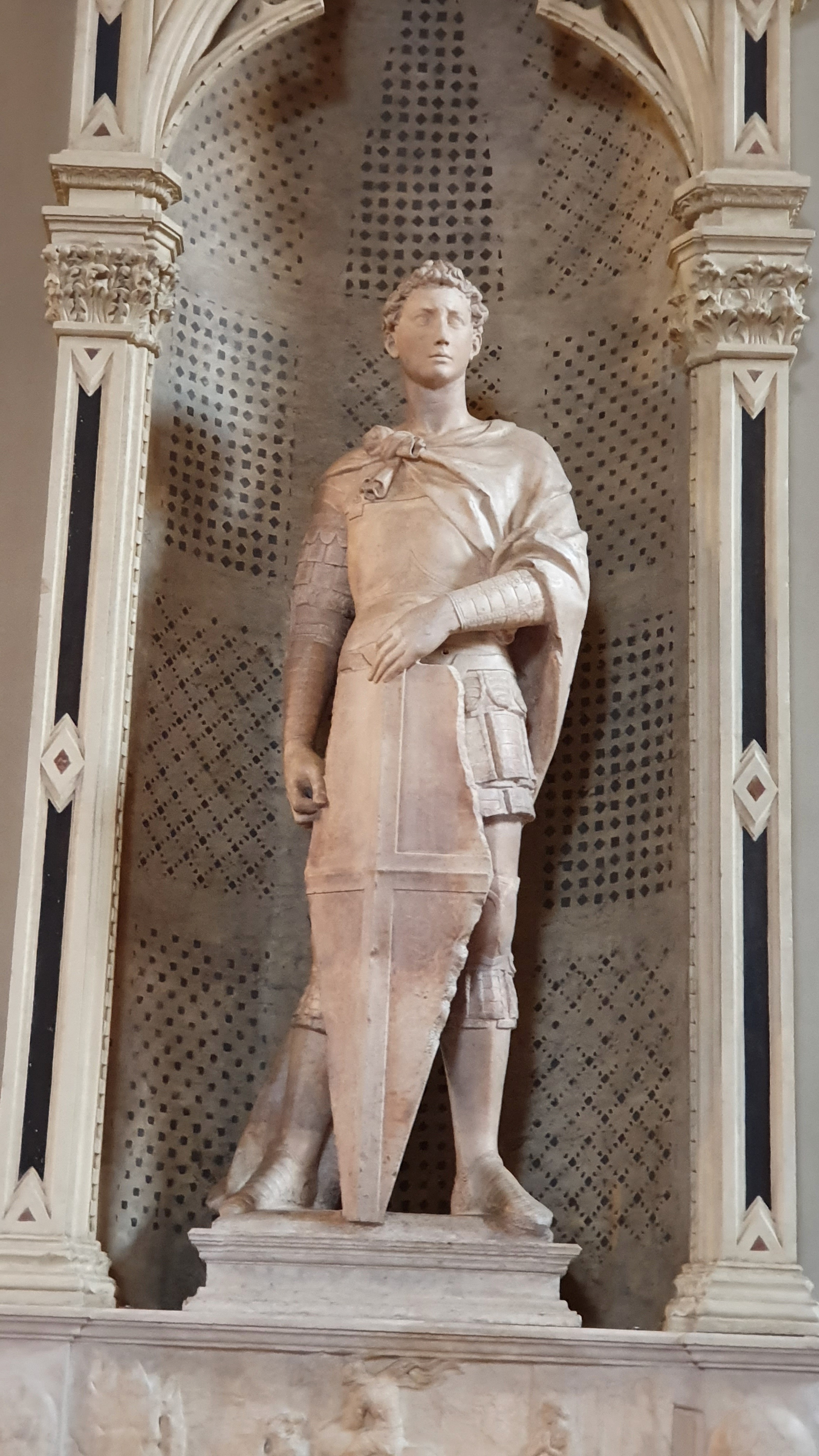
Every piece you acquire is a chapter in your life's story, a part of your own personal timeline. Protecting it isn't just a chore; it's a profound act of honoring that story, a quiet dialogue between you and the artwork. It's a small act of love, ensuring that the art that inspires you today will be around to inspire you (and maybe others) for many years to come. In a transient world, being the keeper of beauty and meaning feels like a genuinely significant endeavor. So go forth, be a vigilant guardian, and let your art continue its silent, powerful work for generations.