The Ultimate Guide to Researching Artists: Become a Confident Collector
Unlock confident art collecting with this comprehensive guide. Learn to research artists, verify provenance, assess market value, identify forgeries, and navigate the art world like a pro. Essential for smart acquisitions.

The Ultimate Guide to Researching Artists: Become a Confident Collector
That electrifying moment when a piece of art just grabs you. Your heart races, your wallet feels a little lighter already, and all you want to do is make it yours. I get it, I really do. I've been there, a dozen times, probably more. It’s the thrill of discovery, the sudden, undeniable connection. But before you succumb to that beautiful impulse, before you invite that captivating work into your life (and home), there's a crucial pause I insist on. It's a step I've honed over years of collecting, a habit born from both absolute triumphs and, let's just say, a few 'educational detours' in the vast and sometimes bewildering art world. Like the time I almost acquired a stunning, large-scale abstract painting, but its seller was unusually vague about its previous owners. My gut screamed, "Research!" and thankfully, I listened. That little voice saved me from what could have been a very expensive lesson in poor provenance, or worse, an imitation of a far more famous hand. This pause, this essential step, is research: deep, deliberate, and undeniably rewarding research. It's how you move from merely admiring art to confidently acquiring it.
Look, my aim isn't to turn you into a full-blown forensic art investigator (unless you want to be, in which case, welcome to the club!). It's to arm you with the confidence to buy, to truly grasp what – or who – you’re investing in. Because art collecting transcends mere aesthetics; it’s about understanding the narrative, the journey, and the enduring value that comes with it – a blend of aesthetic, historical, and financial worth. I've witnessed firsthand how skipping this crucial homework can lead to that sinking feeling of buyer's remorse, a costly lesson that the art world sometimes teaches. Trust me, a little digging upfront can spare you a lot of heartache (and a good chunk of change) down the line.
Why This Deep Dive Matters (and Why Yours Should Too)
I confess, I'm a bit of an information maximalist, especially when something significant is on the table. Would you buy a house without inspecting its foundations? A car without a test drive? Probably not. Just as those analogies highlight the importance of examining the underlying structure, art research involves dissecting its various components. Art, for me, demands the same rigor, if not more. The research isn't just a chore; it's an integral part of the pleasure, an extension of the connection I feel with the artwork itself. It's like reading the compelling biography of a fascinating person before you meet them, adding layers of appreciation to every interaction. The fear of making a costly mistake, of buying the 'wrong' piece, is often what holds potential collectors back. To truly own and cherish a piece of art, you need to understand its story, its journey, and its inherent value. This is where the 'deep dive' truly begins.
It’s about peeling back the layers to understand the artist's creative odyssey, the provenance (that all-important history of ownership), and their position within the wider art market landscape. Without this crucial context, you’re essentially acquiring a beautifully wrapped mystery box. And while I appreciate a good surprise in life, I’m rather particular about where my art budget goes, thank you very much. A strong provenance isn't just about bragging rights; it's a bedrock for authenticity, a key factor in future valuation, and a safeguard against potential legal entanglements. It’s what assures you that what you're buying is truly what it claims to be, protecting you from issues like art forgeries, disputed ownership, or even stolen art that might have been deaccessioned (formally removed from a museum's collection, often for reasons such as lack of relevance, poor condition, or to fund new acquisitions). Ethical considerations here are paramount, as is understanding the artwork's condition report – a vital document detailing its physical state, any damage, or past restorations that can profoundly impact its value. I've learned that truly understanding a piece's history, even uncovering a past owner you admire, adds an immense, almost tangible, layer of appreciation and trust to your collection. This is also where provenance research becomes critically important in cases of art theft or restitution, ensuring you're not inadvertently contributing to an unjust history.
For contemporary art, especially from emerging artists, the 'foundations' might still be setting. This makes research a speculative but exciting endeavor, betting on future potential and understanding an artist's nascent trajectory. For historical works, you’re validating an existing, often well-documented structure, seeking to confirm its integrity and historical significance. The depth and focus of your research will shift accordingly, but the underlying principles remain.
Beyond the obvious, good research helps you navigate the sometimes-tricky distinction between artistic merit and market value. An artist might be incredibly talented and conceptually brilliant, yet their market value might not reflect that yet due to factors like limited exposure, lack of critical consensus, insufficient gallery representation, or the nascent stage of their career. Conversely, some art commands high prices due to hype, scarcity, aggressive marketing, or even celebrity endorsements, not necessarily profound artistic innovation. Imagine Artist A, whose profound conceptual work challenges norms but whose market hasn't yet caught up due to limited gallery exposure. Compare this to Artist B, whose aesthetically pleasing but less innovative pieces command high prices due to aggressive marketing or celebrity endorsements. My goal is always to find that sweet spot where both align, where genuine artistic value is acknowledged by a healthy market.
My Personal Research Toolkit: Where I Start My Investigation
When an artist's work captivates me, my brain instantly shifts into full-on detective mode – trench coat and a slightly suspicious eyebrow twitch included. So, when that undeniable connection to an artwork sparks, my detective hat goes on. Here’s how I start, my personal checklist, the avenues I explore to construct a comprehensive picture. I'm always asking: "How do I find an artist's website?" or "What should I look for on an artist's social media?" This toolkit provides the answers.
1. Decoding the Digital Trail: An Artist's Online Footprint
In our hyper-connected world, a legitimate artist will almost certainly have a digital presence. This is always my first port of call. Think of it as their public face, curated or otherwise. It's often the easiest entry point into their world, telling you volumes about their professional approach and how they wish to be perceived. When I'm asking "What are the best art research tools?", I start here.
Artist's Direct Presence
- The Artist's Website/Portfolio: Is it professional, well-maintained, and user-friendly? Does it showcase a consistent, evolving body of work? Are contact details transparent and easy to find? I'm looking for signs of dedication, a clear artistic vision, and a palpable sense of pride in their presentation. A sloppy website is, in my book, a subtle red flag about their attention to detail. This is often the first place to truly understand how to find an artist's website and what caliber of presentation to expect.
- Social Media (Instagram, Facebook, LinkedIn, etc.): This isn't just for viral memes and cat videos! Artists often use platforms like Instagram to share their creative process, studio insights, inspirations, and even works-in-progress. It offers a glimpse into their personality and authenticity, and critically, their engagement with their audience and the broader art community. Do they respond to comments? Do they interact with other artists or galleries? I'm seeking genuine passion and consistent activity here; it shows they're truly invested in their craft and community. This answers the question "what to look for on an artist's social media" beyond just pretty pictures.
Market & Archival Insights
- Online Galleries & Marketplaces: Are they represented on reputable platforms that specialize in art sales? This immediately lends credibility. Distinguish between primary market platforms (where art is sold directly from the artist or their representing gallery for the first time) and secondary market platforms (resale, auctions). Primary market examples might include sites dedicated to emerging artists (like Saatchi Art, Artsy, Artfinder) or established online galleries, while secondary often involves auction houses like Sotheby's or Christie's. I also scrutinize pricing consistency across different sites – significant, unexplained fluctuations are a red flag. Knowing "best online art marketplaces" means understanding their role in the art ecosystem.
- Auction Results: This is where the rubber truly meets the road for understanding market value, especially for more established artists. Websites like Artnet, Artsy, and the archives of major auction houses (Sotheby's, Christie's) provide historical sales data. I'm keen to see if prices are stable, growing, or, a significant red flag, wildly inconsistent. For serious collectors, understanding how to interpret these records is crucial. This involves distinguishing between different periods of an artist's work, different mediums, and varying sizes, and noting the frequency of sales and whether works sell above or below their estimates. For a more in-depth understanding of how to interpret these results and broader valuation strategies, I found exploring /finder/page/understanding-art-appraisals-what-every-collector-needs-to-know to be invaluable.
- Digital Archives and Databases: Look beyond personal sites. Reputable platforms compile extensive exhibition histories and bibliographic information, often cross-referencing artists with galleries and institutions globally. Consider:
- ArtFacts.net: Offers comprehensive exhibition histories and bibliographies, helping you trace an artist's professional journey and key showings.
- Museum Archives: Digital collections of major museums (e.g., Tate, MoMA) often contain mentions, reviews, or curatorial notes about artists whose work they hold or have exhibited.
- University & Library Databases: Scholarly articles, dissertations, and digitized historical documents can provide in-depth academic analysis of an artist's work and context.
- Gallery Archives: Records of past exhibitions and artist representation can confirm an artist's historical engagement with commercial spaces. These sources further cement an artist's verifiable digital provenance and intellectual presence.
Identifying Art Forgeries and Imitations: Your Inner Sherlock Holmes
This is where your inner Sherlock Holmes really comes alive. Art forgery isn't just a plot device in a movie; it's a real and present danger in the market, costing collectors millions. Knowing the signs is your first line of defense. This section helps answer the critical question: "How can I tell if an artwork is authentic?"
- Inconsistencies in Style or Materials: Does the artwork deviate significantly from the artist's known periods, techniques, or preferred materials? Forgers might use pigments or canvas types not available during the artist's time, or a stylistic element that doesn't fit the artist's recognized evolution. For older works, anachronistic materials are a major red flag.
- Incorrect Signatures or Dates: A signature might look similar, but slight deviations in an artist's hand, an incorrect date for a particular style, or a signature that appears too perfect or deliberately aged can be a giveaway. Always compare against documented examples, perhaps from a catalog raisonné (a comprehensive, scholarly list of all known works by an artist, often including detailed signature analysis).
- Unusual or Fragmented Provenance: A missing link in the ownership chain, a sudden reappearance of a long-lost work, or a vague backstory should raise immediate red flags. This is where meticulous provenance research protects you.
- Lack of Supporting Documentation: Genuine artworks by established artists often come with exhibition catalogs, gallery invoices, or prior appraisal documents. Their absence is concerning.
- Too Good to Be True Pricing: If a work attributed to a famous artist is offered at a suspiciously low price, it almost certainly is. The art market is efficient enough that genuine bargains of this magnitude are extremely rare.
- Professional Authentication for Older Works: For high-value works, especially historical pieces, consider engaging independent art authenticators, conservators, or art historians specializing in the artist or period. They use scientific methods (e.g., carbon dating, pigment analysis, infrared reflectography) to determine authenticity, examining the work's physical characteristics beyond what is visible to the naked eye. Verifying the authenticity of older works often relies heavily on expert material analysis.

2. The Human Element: Galleries, Advisors, and Direct Connections
While the digital realm offers a wealth of information, the art world is fundamentally built on relationships and expertise. Sometimes, the most crucial insights come not from screens, but from people. This is where you can often glean insights that mere online searching can't provide, connecting you more deeply to the story behind the art.
- Gallery Representation: If an artist is represented by a gallery – especially a well-regarded one – this is a significant endorsement. Galleries aren't just storefronts; they are often career managers, investing in their artists by nurturing their development, promoting their work, ensuring authenticity, and sometimes even assisting with conservation. They can provide invaluable information on provenance, exhibition history, future plans, and the artist's vision. Different types of galleries (from small, independent spaces to international mega-galleries like Gagosian or David Zwirner, or even non-profit and artist-run spaces) will offer varying levels of support and market exposure. They're like the artist's agent, filtering and presenting their work to the world. I've learned that a gallery isn't just a place to buy; it's a testament to belief in an artist's long-term vision. For insights into the gallery world, a /finder/page/qa-with-a-gallerist-on-discovering-new-talent can be very illuminating.
- Interviews & Artist Statements: Does the artist have an interview online, in print, or perhaps a studio visit video? Reading or watching them discuss their work, their philosophy, and their creative process (perhaps similar to how I share why I paint abstract in my own work) provides a direct conduit into their artistic mind. It helps you understand their intent and vision, which can profoundly deepen your appreciation of the artwork. Many artists also have an artist statement on their website or in exhibition catalogs, offering a written explanation of their practice, their motivations, and their creative theories. This offers crucial insight into their intellectual and conceptual framework.
- Art Fairs: Major art fairs (like /finder/page/a-first-timers-guide-to-tefaf-maastricht, Art Basel, Frieze) are fantastic research opportunities. They bring together dozens, sometimes hundreds, of galleries under one roof, allowing you to see a vast spectrum of work, observe current market trends, and speak directly with gallerists about their artists. It’s an immersive crash course in the contemporary art scene. You can literally walk from a gallery representing a cutting-edge abstract painter to one showcasing Renaissance masters, observing the vast ecosystem of the art world firsthand.
- Art Consultants/Advisors: For serious collectors, especially those just starting, an art consultant can be an invaluable guide. They typically have deep market knowledge, an extensive network, and can conduct much of this research on your behalf, providing expert, objective advice. Consultants can specialize in various areas, from emerging contemporary art to specific historical periods or mediums. It's crucial to choose a consultant whose expertise aligns with your collecting goals and to understand their fee structure and potential biases. Always vet your advisor carefully, checking their client list, affiliations, and specializations. (Of course, choose your consultant as carefully as you choose your art – they should always prioritize your collecting goals!) My own journey had me consulting with a few before I truly found my stride; their insights can be priceless, saving you from a costly misstep.
3. Beyond the Studio: Critical Acclaim and Institutional Validation
Is the artist merely creating and selling art, or are they actively contributing to, and engaging with, the broader artistic conversation? This is where critics, curators, and fellow artists become your key informants, acting as vital gatekeepers in the art world. Their validation, or lack thereof, can significantly impact an artist's trajectory and market perception. This section answers "how to find an artist's exhibition history" and "what are the signs of a reputable art gallery."
- Articles & Reviews: Has their work been featured in respected art magazines (e.g., Artforum - known for its critical depth and avant-garde focus; Art in America; Frieze; Hyperallergic; ARTnews; The Art Newspaper - for industry news and market analysis), reputable online journals, or major newspapers? Positive critical reception is a huge green light. It signals that their work is resonating, sparking dialogue, and being formally recognized beyond direct sales. Different publications carry different weights; a mention in a local paper is good, but a feature in an international art journal like Artforum is monumental, signifying a deeper engagement with art historical discourse. Always scrutinize the source's credibility – an academic journal article holds more weight than a personal blog post, for example. Understanding their editorial scope and audience helps discern the weight of a review.
- Exhibition History: Where have they shown their work? Are these respected commercial galleries, non-profit art spaces, or major institutions (museums, biennales)? A solo show at a well-known gallery, or inclusion in a significant museum exhibition, speaks volumes about their professional trajectory and critical validation. Consider the difference between a juried show (where work is selected by a panel, good for emerging artists), a curated group show (often a good start for emerging artists, showing an artist in dialogue with others), and a highly sought-after solo exhibition (a major milestone). This is key to finding "an artist's exhibition history" and understanding "what are the signs of a reputable art gallery."
- Awards & Grants: While not the sole determinant of artistic merit, recognition from established art bodies, foundations, or governmental organizations can indicate potential, sustained artistic commitment, and a degree of peer validation. It suggests that their work has been judged by experts and found to be noteworthy, often providing crucial funding for an artist's development.
- Public Collections: Is their work held in the collections of major museums, institutions, or significant private collections that are publicly recognized? Inclusion in a prestigious public collection, like the Picasso Museum in Antibes (where works by /finder/page/ultimate-guide-to-picasso are housed), is a powerful affirmation of an artist's significance and enduring cultural value. It’s a stamp of approval from the highest echelons of the art world.
Artist's Signatures and Markings
The signature isn't just a flourish; it's a crucial part of the artwork's identity and provenance, especially for establishing authenticity. Here's what to look for:
- Consistency: Does the signature on the artwork match other known, authenticated signatures by the artist? Artists often maintain a relatively consistent signature style, although it can evolve over a long career or vary slightly between different mediums.
- Placement and Medium: Where is the signature typically placed (e.g., lower right, verso)? Is it in the appropriate medium (e.g., graphite for a drawing, paint for a painting)? For printmaking, signatures are often in pencil below the image.
- Variations Over Time: Research how an artist's signature might have changed throughout their career. Early works might bear a different signature than mature works (e.g., an artist might sign with just their last name in their early career, then transition to their full name, and later add a personal symbol). A catalog raisonné is invaluable for this analysis.
- Authentication: When in doubt, consult a catalog raisonné (if available for the artist), which meticulously documents all known works and often includes detailed information on signatures. Professional art authenticators or conservators can also analyze signatures for age, consistency, and technique, often using forensic methods.
Navigating the Art Market Landscape: Understanding the Art Object and Its Ecosystem
Once you've delved into an artist's personal narrative and critical reception, it's time to understand the broader ecosystem they inhabit and the nuances of the art object itself. The art market is a complex beast, with different segments and players. It's not just about what's out there, but how it circulates and is valued. Understanding these distinctions is crucial for anyone asking "how can I tell if an artwork is authentic?"
Types of Art Markets: Understanding the Ecosystem
To understand where an artwork fits into the broader ecosystem, it's essential to recognize the different types of art markets:
Market Type  | Description | Examples |
|---|---|---|
| Primary Market | First sale, directly from artist or their representing gallery. Prices set by artist/gallery. | Small independent galleries, major galleries like David Zwirner, online platforms like Artsy for new works. |
| Secondary Market | Resale of artworks previously sold. Prices influenced by supply/demand, past results, artist's trajectory. | Major auction houses (Sotheby's, Christie's), private dealers, online resale platforms. |
| Tertiary Market | Less-discussed segment of secondary sales, often discreetly outside public auctions, via specialized dealers. These discrete sales often occur for high-profile collectors seeking privacy or for works with complex histories requiring specialized handling. Requires high due diligence. | Private brokers facilitating sales between collectors, often for high-value works. |
| Emerging Art Market | Focuses on new talent; more speculative, betting on future potential. Research is often more direct (studio visits). | Online emerging art galleries, smaller local galleries, art school shows. |
| Private Sales | Direct transactions between collectors, facilitated by advisors, outside public forums. Often confidential. | Collector-to-collector sales, often for sensitive or high-profile pieces. |
Editions and Multiples: Nuances of Value
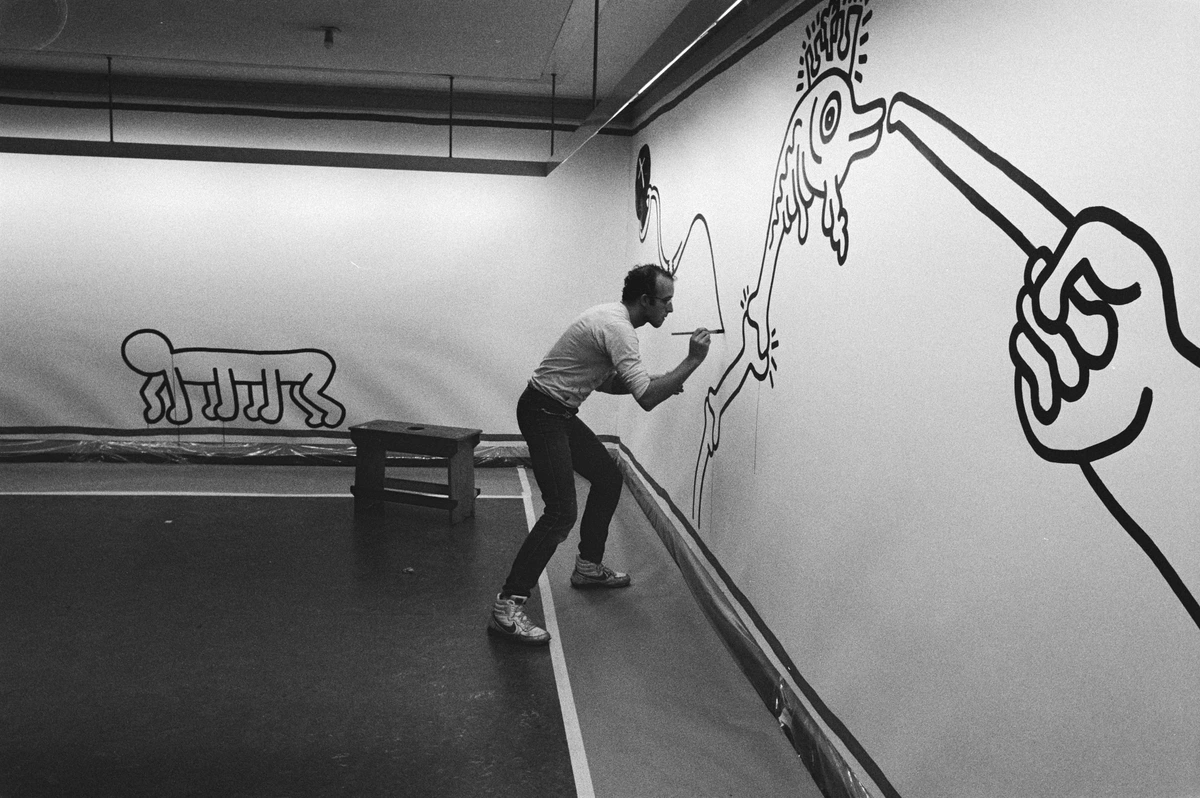
Beyond unique paintings or sculptures, many artists produce editions (like prints, photographs, or cast sculptures). Understanding the edition size (e.g., 1/100), the type of printmaking, and whether it's signed and numbered by the artist is crucial for valuation. A Limited Edition means a finite, predetermined number of identical prints, photographs, or sculptures have been produced. The lower the edition number (e.g., 1/10 instead of 1/100), the scarcer the work and generally the higher the price. You'll often see Artist's Proofs (APs), typically 10-15% of the total edition, reserved for the artist; these are often valued for their direct connection to the artist's process and are outside the main numbered edition. Printer's Proofs (PPs) are for the printer. Both APs and PPs can still be valuable. For instance, a /finder/page/ultimate-guide-to-keith-haring screenprint will have different research needs than a unique canvas by a Renaissance master.
Here are some common printmaking techniques:
- Lithograph: An image is drawn on stone or metal with a greasy medium, then treated with acid and gum arabic. Ink adheres only to the greasy parts, which are then printed onto paper. Known for subtle tonal gradations.
- Etching: A metal plate is coated with a wax ground, an image is incised through the ground, and the plate is submerged in acid. The acid "etches" lines into the exposed metal. Ink fills these etched lines for printing. Known for fine, precise lines.
- Screenprint (Serigraph): Ink is forced through a fine mesh screen (stencil) onto the paper below. Areas not to be printed are blocked. Allows for bold colors and flat, unmodulated areas. Popular in Pop Art.
- Giclée: A high-quality inkjet print using archival inks and papers. While a common term, it's important to verify if the artist was directly involved in its production and if it's a limited edition, as the term itself doesn't guarantee artistic input or scarcity.
The All-Important Condition Report
A condition report is a detailed document outlining the physical state of an artwork. Never skip asking for one – it's your right as a buyer. It should describe the materials, techniques, and, critically, any pre-existing damage, losses, or restorations. Common issues include:
- Paintings: Cracks (craquelure), flaking paint, canvas tears, stretcher bar marks, discolored varnish, past amateur repairs.
- Sculptures: Nicks, chips, abrasions, instability, missing elements, prior breakages, corrosion (for metals).
- Works on Paper: Foxing (age spots), creases, tears, water damage, fading, acidic mat burn (discoloration from acidic framing materials).
- Prints/Editions: Damage to paper, inconsistent inking, missing signatures/numbers, tears along plate marks.
Past restorations, even if expertly done, can sometimes affect value. These issues not only impact the aesthetic integrity but can also signal future instability, requiring costly conservation, thereby diminishing long-term value. Understanding the condition ensures you're aware of the artwork's integrity and any potential future conservation needs, directly impacting its long-term value and stability. This is paramount for anyone wondering, "How can I tell if an artwork is authentic or has hidden issues?"
The Artist's Estate: Guardians of Legacy
For deceased artists, the artist's estate often plays a crucial role. This entity manages the artist's legacy, authenticates works, maintains archives, and controls copyrights. Researching an estate can provide definitive answers on authenticity, provenance gaps, and even insights into the artist's complete oeuvre (the entire body of work by an artist) and production periods. A well-managed estate is a powerful guarantor of an artwork's legitimacy and market stability, offering a crucial layer of trust, especially for works by masters like /finder/page/ultimate-guide-to-salvador-dali. You can often contact an artist's estate through their representing gallery, a dedicated foundation (e.g., The Andy Warhol Foundation), or an art lawyer specializing in estates. They typically provide definitive authentication by comparing the work to documented examples, assessing materials, and verifying provenance, and can also offer catalog raisonné entries and insights into conservation needs.
Art as Investment vs. Passion: Finding Your Balance
While this guide emphasizes collecting with informed passion, I'd be remiss not to acknowledge the investment aspect. For some, art is primarily an asset. For others, it's purely about joy. Most fall somewhere in the middle. Your motivation will subtly influence your research priorities. An investment-focused collector might lean more heavily on auction results, market trends, and an artist's estate plan, whereas a passion collector might prioritize the narrative, aesthetic connection, and the artist's personal philosophy, perhaps similar to the compelling visual stories in abstract art by /finder/page/ultimate-guide-to-jackson-pollock or /finder/page/ultimate-guide-to-willem-de-kooning-the-master-of-abstract-expressionism.
It's also important to avoid common misconceptions about art valuation. Price and value are not always synonymous. A high price can be driven by market trends or scarcity, not necessarily profound artistic merit. Conversely, an artist of immense talent might not yet command high prices. Understand the difference, and remember that long-term artistic legacy often outlives fleeting market trends. And always remember that viewing art solely as a financial investment can detract from its inherent cultural and personal value, not to mention the art market's inherent illiquidity.
The Role of AI in Art (and Research)
The emergence of AI-generated art, often termed generative art, presents fascinating new challenges. While not a focus of my personal collection (I'm a bit of a traditionalist when it comes to the human hand, though I appreciate the innovation!), if you encounter AI art, your research must include understanding the algorithms used, the artist's involvement in the 'prompting' or 'curating' process, and its originality. Provenance here might extend to the digital footprint of the algorithm itself and the data sets used. Ethical questions around authorship, intellectual property, and what truly constitutes "artist's intent" are still being debated. It's a new frontier, and I approach it with cautious curiosity, always prioritizing genuine artistic intent over technological novelty. Is it the human guiding the machine, or the machine generating? That's the core question. For more on this, check out /finder/page/the-role-of-ai-in-art-curation-opportunities-and-challenges-for-galleries-and-collectors.
Ethical Considerations in Art Buying: Beyond Value
Beyond authenticity and value, ethical considerations are paramount. This involves understanding the sourcing of materials (e.g., endangered species, conflict minerals), avoiding works that might involve cultural appropriation without respectful engagement, and ensuring the art wasn't produced under exploitative or unethical labor conditions. Due diligence here extends to asking questions about the artist's practices and the gallery's sourcing policies. Buying ethically means contributing positively to the broader art ecosystem. Consider pieces from problematic historical periods – do you acquire a colonial-era artifact if its provenance suggests unjust acquisition? What about contemporary works that appropriate cultural symbols without respectful engagement, ensuring that the use of cultural symbols or motifs is done with respect, understanding, and ideally, with the collaboration or consent of the originating culture? Or art produced in conditions that raise labor exploitation concerns? Your research extends to the very integrity of the art's creation and journey, acknowledging that art can also function as a piece of cultural heritage.
Researching Ephemeral & Performance Art: Documenting the Experience
For forms like ephemeral installations, performance art, or conceptual pieces, traditional provenance based on physical ownership shifts. The "artwork" here is often the experience and its documentation, rather than a static object. Think Marina Abramović's durational performances, Christo and Jeanne-Claude's massive land art installations documented through photographs and plans, or Yoko Ono's conceptual instruction pieces. Research focuses on documentation: photographs, videos, scripts, certificates of authenticity, and instructions for re-performance. Understanding the artist's intent for the work's lifespan, its re-creation, and its market often requires direct engagement with the artist or their estate, as well as a thorough review of their archives. The physical documentation is the collectible, and your research validates the integrity of that documentation.
The Globalization of the Art Market
The art market is increasingly global, with artists, collectors, and institutions operating across borders. This means research needs to consider diverse cultural contexts, local market dynamics, and international art law. An artist's reception and valuation can vary significantly between their home country and international markets. Understanding these nuances, including differing legal frameworks for art ownership and export/import regulations, is crucial for a truly comprehensive view of an artist's standing and potential.
Researching Artists from Diverse Cultural Backgrounds
The global art scene is incredibly vibrant, a rich tapestry of styles and narratives. However, research challenges can arise when exploring artists from non-Western or historically marginalized contexts. Information might not be readily available in dominant languages or digital archives, and established market structures might differ significantly. In these cases, it's crucial to:
- Engage with Local Experts: Connect with gallerists, curators, and academics who specialize in the artist's specific cultural context.
- Seek Out Indigenous or Regional Publications: Look for critical discourse within their own cultural sphere, which may offer invaluable insights not found elsewhere.
- Understand Cultural Nuances: Recognize that artistic intent, symbolism, and community validation might operate on different principles than what you're accustomed to. This deepens your appreciation and ensures respectful engagement with the artwork and its origins, avoiding imposing Western art-historical frameworks where they don't apply.
Emerging vs. Established Artists: Tailoring Your Research
The research journey shifts considerably depending on where an artist is in their career. What constitutes a 'green light' for an emerging talent might be a 'red flag' for an established master, and vice-versa. Understanding these differences is key to effective collecting, whether you’re hunting for tomorrow’s stars or proven legends like /finder/page/ultimate-guide-to-picasso or /finder/page/ultimate-guide-to-salvador-dali.
Feature | Emerging Artists (The Thrill of Discovery) | Established Artists (The Assurance of Legacy) |
|---|---|---|
| Focus | Talent, potential, dedication, unique vision, artistic process, materiality | Verifiable history, market stability, critical legacy, art historical significance, influence |
| Key Indicators | Early gallery representation (even local), art school background, grants, residencies, studio visits, mentorship, participation in curated group shows at non-profit spaces, active online presence, growing collector base, early positive critical mentions. | Major museum shows, robust auction records, inclusion in public and prestigious private collections, art historical significance, major curatorial publications, art historical scholarly discourse, clear and consistent artist's estate management. |
| Provenance | Simpler, often direct from artist/first gallery; easy to trace. | Complex, multi-layered ownership history; often requires extensive due diligence for specific works. |
| Market Data | Limited or nascent, more about perceived potential and early sales; sometimes inconsistent. | Extensive, consistent, often growing sales figures; comprehensive market analysis available. |
| Risk/Reward | Higher risk, potentially higher future reward. | Lower risk, more predictable value growth (generally); focus on preservation of value. |
Researching Emerging Artists (The Thrill of Discovery)
When you're looking at artists just starting to make waves, your focus shifts from extensive market data to signs of raw talent, potential, and dedication. This is where the detective work gets really exciting, as you’re often betting on intuition backed by tangible indicators. I love this part – it feels like you're part of their origin story! It's about finding tomorrow's masters, as I discuss in /finder/page/collecting-emerging-abstract-art-a-guide-to-discovering-tomorrows-masters.
credit, licence
- Focus on Studio Visits & Direct Communication: If possible, meet the artist in person. Visit their studio. Talk about their process, their inspirations, and their aspirations. This direct connection offers unparalleled insight into their passion and commitment. It’s less about a long exhibition history and more about feeling that authentic spark, the energy you sense in their creative space, and the understanding of their materiality – how they use their chosen materials, which often reveals technical skill and innovative approaches.
- Early Gallery Representation: Being picked up by even a smaller, local, but reputable gallery (or participation in curated group shows at non-profit spaces) is a significant step for an emerging artist. It shows someone in the professional art world believes in their future and is willing to invest.
- Art School Background & Grants/Residencies: Did they attend a respected art institution? Have they received any early-career grants or prestigious residencies? These can indicate foundational training and early recognition, signaling they've been vetted by a peer group or academic body.
- Consistency of Vision (Even Early On): Is there a cohesive body of work developing? Do their pieces, even across different series, feel like they're coming from the same singular artistic voice? This suggests artistic maturity, even if they're still evolving. I'm not looking for perfection, but a clear direction.
- Engaged Online Presence: An emerging artist must have a clear, active digital footprint. It's their primary way of reaching the world and demonstrating their professional commitment.
Researching Established Artists (The Assurance of Legacy)
For artists with a significant track record, the research focuses more on verifiable history, market stability, and critical legacy. Here, you're looking for evidence of sustained impact and value. Think of researching a modern master like /finder/page/ultimate-guide-to-gerhard-richter or /finder/page/ultimate-guide-to-cy-twombly-the-poetic-abstraction-of-a-modern-master.
- Comprehensive Exhibition & Publication History: Look for shows in major museums, prestigious galleries, and mentions in significant art historical texts or academic journals. This signifies sustained critical engagement and institutional validation – they're part of the canon. This also includes art historical scholarship, such as peer-reviewed articles, books, and comprehensive exhibition catalogs that place the artist's work within a broader historical and theoretical context, like discussions around /finder/page/ultimate-guide-to-cubism or /finder/page/ultimate-guide-to-renaissance-art.
- Robust Auction Records & Market Data: Consistent, ideally growing, sales figures at major auction houses for various periods of their work are crucial. This demonstrates a strong, liquid market for their art. You want to see healthy demand, not just sporadic spikes.
- Clear Provenance for Specific Works: The history of ownership for the specific piece you are considering becomes paramount. Any gaps or inconsistencies are major red flags, as authenticity and clear title are essential for high-value works. You need to know where the artwork has been, who owned it, and that its title is clean. This is where the artist's estate often plays a crucial role for deceased artists, managing their legacy and authenticating works.
- Inclusion in Public Collections: If their work is held in the collections of major museums or institutions (like the Picasso Museum in Antibes), it's a powerful affirmation of their artistic significance and enduring cultural value. It's a stamp of approval from the highest echelons of the art world.
- Art Historical Significance: Has the artist influenced subsequent movements or artists? Are they taught in art history courses? This speaks to their lasting impact on the broader art world, their contribution to the /finder/page/the-definitive-guide-to-the-history-of-abstract-art-key-movements-artists-and-evolution, or movements like /finder/page/ultimate-guide-to-baroque-art-movement or Cubism. They're not just making art; they’re adding to the conversation and shaping its future.
My Green Lights & Red Flags: What I'm Really Looking For
After all the detective work, here's my condensed checklist, my personal 'go/no-go' guide for anyone asking, "How can I truly tell if an artwork is authentic?" or "What are the red flags I absolutely must avoid?" This is the culmination of years of experience, boiled down to the essentials.
Green Lights (Proceed with Enthusiasm!) | Red Flags (Approach with Extreme Caution!) |
|---|---|
| Consistent Artistic Vision: Recognizable, evolving, cohesive, with strong materiality. | Scarcity of Information: Minimal online presence (e.g., no professional website or only one obscure listing on a defunct online gallery), no verifiable history, particularly for an established artist. |
| Solid Exhibition History: Reputable galleries, museums, major fairs, significant group or solo shows. | Inconsistent Pricing: Wild fluctuations without clear explanation across platforms or auction results. |
| Positive Critical Reception: Featured in respected art journals, academic discourse, major press. | Dubious Provenance: Murky, incomplete, or unexplained gaps in ownership history, especially for high-value works. |
| Clear Provenance: Transparent, well-documented ownership, clean legal title for the specific piece. | Lack of Consistent Vision/Evolution: Disconnected, uninspired body of work, unclear artistic direction, or blatant stylistic shifts without artistic explanation. |
| Stable/Growing Market Value: Consistent auction/gallery sales, healthy demand over time. | No Public Collections/Major Exhibitions (for established artists): Lack of institutional validation or critical legacy, despite claims of establishment. |
| Originality & Contribution: Pushing boundaries, influencing others, contributing to art historical discourse. | Unexplained Gaps in Career: Prolonged periods of artistic inactivity without clear reason or sudden, uncharacteristic bursts of prolificacy. |
| Ethical Practices: No red flags regarding authenticity, legal issues, sourcing, or exploitative conditions in creation. | Negative Press/Controversy (Unresolved): Serious ethical or legal issues surrounding the artist or their works that remain unaddressed or downplayed. |
| Good Condition Report: Artwork is well-maintained or appropriately restored, with clear documentation that doesn't impact long-term value. | Poor Condition/Damage (Undisclosed): Significant damage, undocumented restoration, or deliberate concealment of flaws that impacts value and integrity. |

Common Pitfalls to Avoid
Even with the best intentions, it's easy to stumble. One major pitfall is buying purely on emotion without the factual backup. I know, I know, I just started this whole article talking about emotional connection! But true confidence comes when emotion meets intellect. Another trap is succumbing to pressure from a salesperson or a perceived "limited-time offer." Good art will always find its way; don't let artificial scarcity rush your decision. And please, please, never skip asking for a full condition report for physical works. It's your right, and it protects your investment. Always remember: "what are the red flags when buying art?" Often, it's pressure or a lack of transparency.
What If You Can't Find Much Information? (Or It Feels Too Good to Be True?)
Sometimes, you'll encounter an artist whose work you love, but their digital footprint is minimal, or their history feels a bit thin. For very early-career, truly emerging artists, this can be normal. In such cases, lean heavily on direct contact (studio visits, interviews), and if they have any gallery representation, engage those galleries thoroughly. Ask them about the artist's background, training, and future plans. For artists claiming a certain level of establishment, however, a scarcity of information is a significant red flag. My advice? If the information simply isn't there, or if any part of the story feels off – that little voice in your gut? Listen to it. It's usually right. Err on the side of caution. There is always more art out there, waiting for you to discover it.
Frequently Asked Questions About Researching Artists
Q: How long should I spend researching an artist?
A: It really depends on the piece, the artist's career stage, and your budget. For an expensive, high-value work by an established artist, you might spend weeks or months verifying provenance and market data. For a more accessible piece by an emerging artist, a few hours to a few days might be sufficient to check their online presence, exhibition history, and speak with their gallery. The goal isn't endless research, but sufficient research to feel confident in your decision.
Q: What is provenance, and why is it so important?
A: Provenance is the documented history of an artwork's ownership. It's crucial because it establishes the work's authenticity, its legal title, and significantly impacts its value. A clear, unbroken provenance chain is a safeguard against forgeries, stolen art, and disputes over ownership, ensuring that what you're buying is legitimate and ethically acquired. A gap in provenance is concerning because it allows room for doubt about the work's authenticity or whether it was legally obtained. It's the artwork's verifiable biography, a story you absolutely want to understand.
Q: Can I trust online art marketplaces?
A: Yes, many online art marketplaces are reputable, but it's vital to know which ones. Distinguish between primary market platforms that curate and vet artists/galleries (focused on first sales) and secondary market platforms that are purely resale platforms. Always check their policies on authenticity, returns, and buyer protection. Look for clear contact information, a professional online presence, and reviews from other collectors. Verify if established galleries participate on the platform. Treat online purchases with the same research rigor you would an in-person acquisition, verifying the artist and the platform's credibility.
Q: How to verify the authenticity of a print or editioned work?
A: Beyond general artist research, specifically for prints and editions, check the edition number (e.g., 1/50), look for the artist's signature (often in pencil below the image) and the edition notation. Consult the artist's catalog raisonné if one exists (a comprehensive, scholarly list of all known works). Confirm the printmaking technique matches the description. For older works, professional authentication might involve examining paper, watermarks, or printing methods to ensure it's not a reproduction or a later, unauthorized print.
Q: What is a Catalog Raisonné?
A: A catalog raisonné is a comprehensive, scholarly inventory of all known works by an artist. It's meticulously researched and typically includes detailed descriptions, images, provenance, exhibition history, and bibliographic references for each artwork. For established artists, it serves as the definitive reference for authenticating works and understanding their complete oeuvre.
Q: What's the difference between an original and a print?
A: An original artwork is a unique, one-of-a-kind piece created directly by the artist, such as a painting or a unique sculpture. A print (or an editioned work) is typically one of a series of identical images or objects, often produced from a master matrix (like a printing plate or screen) by the artist or under their supervision. While prints are multiples, they are considered original artworks if the artist was directly involved in their creation and approved the edition.
Q: What is an Art Advisory Board and when should I consider using one?
A: An Art Advisory Board (or a single art advisor) consists of experts who provide guidance on collecting, market trends, provenance, and acquisitions. You might consider one if you're making significant investments, new to collecting, looking to build a specific type of collection, or need help navigating complex authentication or legal issues. They offer objective expertise but always ensure their interests align with yours and understand their fee structure. It's a professional partnership to enhance your collecting journey.
Q: Should I buy art as an investment?
A: While art can appreciate in value, I always advocate buying art primarily for the joy and aesthetic pleasure it brings you. Viewing art solely as a financial investment can detract from its inherent cultural and personal value. If you do consider the investment aspect, ensure you've done extensive market research, consulted with experts, and understand the inherent risks and illiquidity of the art market. Always prioritize what genuinely moves you.
Q: What's the difference between a primary and secondary art market?
A: The primary market refers to the first sale of an artwork, directly from the artist or their representing gallery. This is where new works are introduced, often directly from the studio. The secondary market involves the resale of artworks that have previously been sold. This includes auctions and private sales between collectors. Research differs significantly between the two, with the primary market focusing more on the artist's current practice and trajectory, and the secondary market on historical sales data and verifiable provenance.
Your Confident Collecting Journey Starts Now
So, there you have it. My deep dive into researching an artist before you buy. I know it might seem like a lot, a dizzying array of checks and balances, but trust me, the payoff is immense. It transforms the act of buying art from a potentially anxious transaction into a thrilling, informed, and deeply personal journey. Every piece you acquire, backed by your diligent research, becomes a story you truly understand, a narrative you can confidently share, and a testament to your discerning eye. It builds a collection that reflects not just your taste, but your intelligence and your genuine engagement with the art world. Start small if you need to, perhaps choosing one research technique from this guide to apply this week. The key is to begin, to cultivate that curious, detective mindset. So, go forth, explore, ask the tough questions, and buy with informed conviction. The art world is waiting for your discerning, researched passion. Perhaps you'll even find your next treasured piece on /buy, or draw inspiration from the artists highlighted in /timeline.