
David Alfaro Siqueiros: Biography and Legacy
Explore the revolutionary life and art of David Alfaro Siqueiros. Discover his mural techniques, political activism, and enduring impact on modern art.

David Alfaro Siqueiros: Biography and Legacy
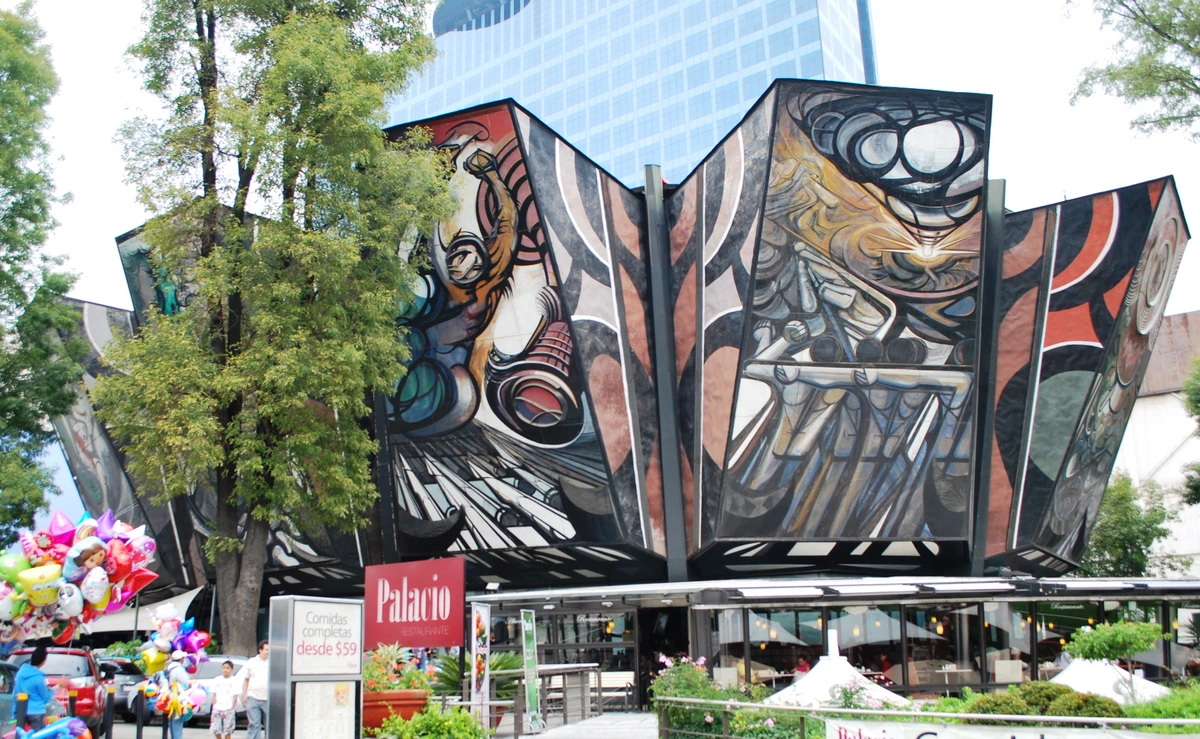
Have you ever stood before a mural that felt like a punch to the gut? Where the colors weren’t just paint but raw emotion channeled through concrete and steel? That’s David Alfaro Siqueiros for you – a force of nature wrapped in artistic rebellion. I remember first encountering The March of Humanity in Mexico City and feeling completely destabilized. This wasn’t art as decoration; it was art as molten lava, reshaping how we see power, struggle, and humanity itself. Let’s dive into the explosive life of this Mexican maverick who taught the world that art isn’t something you hang on a wall – it’s something you live.
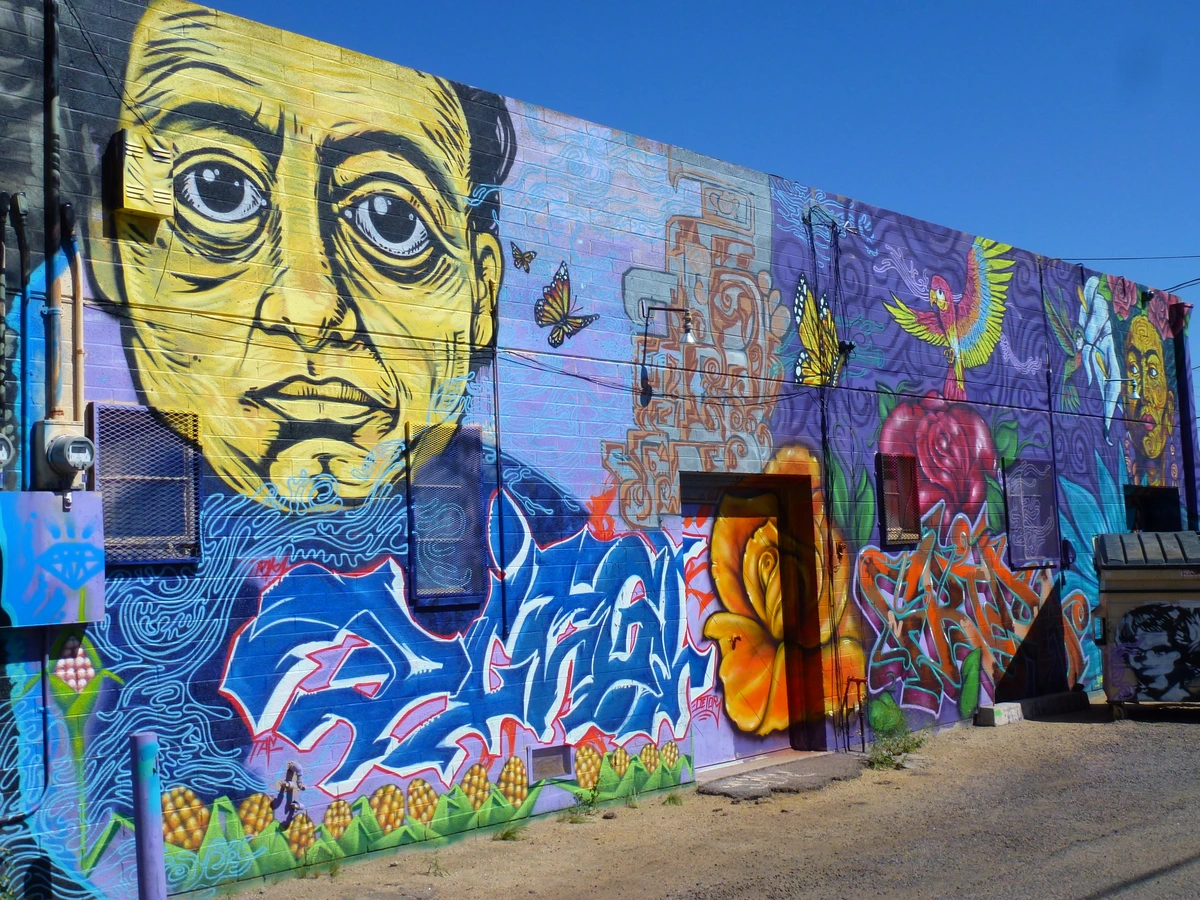
Early Life: The Making of a Revolutionary Painter
Born in Chihuahua, Mexico, in 1896, Siqueiros was destined for drama. His childhood was steeped in political turmoil – his father was a lawyer defending Indigenous rights, and the Mexican Revolution (1910-1920) raged outside their window. Imagine being a teenager debating ideology one day and dodging bullets the next. At just 15, he joined the Constitutionalist Army and saw firsthand how art and statecraft intersected in battle zones sketching soldiers and trenches.
This duality – the artist/soldier – never left him. He later said, “I wanted to become an artist, but revolution became my teacher.” After the war, he formalized his training at the Academia de San Carlos in Mexico City, but soon abandoned academic constraints. Can you blame him? When your country is rebuilding itself from the ground up, who has time still-life paintings of fruit bowls?

The Mexican Muralist Movement: Painting Walls into Protest
Here’s where things get deliciously radical: post-revolution Mexico needed a new national identity. Enter Los Tres Grandes (The Big Three) – Siqueiros, Diego Rivera, and José Clemente Orozco – who turned public buildings into grand canvases. But while others focused on historical epics, Siqueiros weaponized walls. His 1921 manifesto declared art must be “collective,” “public,” and serve as a “weapon of the masses.” Think less fresco, more political Molotov cocktail.
Key Characteristics of Siqueiros' Style
Technique  | Description | Impact |
|---|---|---|
| Piroxilina | Fast-drying synthetic lacquer (like airplane paint) | allowed bold colors and unique textures outdoors |
| Accidental Painting | Letting drips and splashes guide composition | embraced chaos as creative ally |
| Multi-Perspective | Forcing viewers to move around murals | created immersive, 3D illusions |
| Airbrush Revolution | Industrial spray guns for gradients | blurred lines between machinery and art |
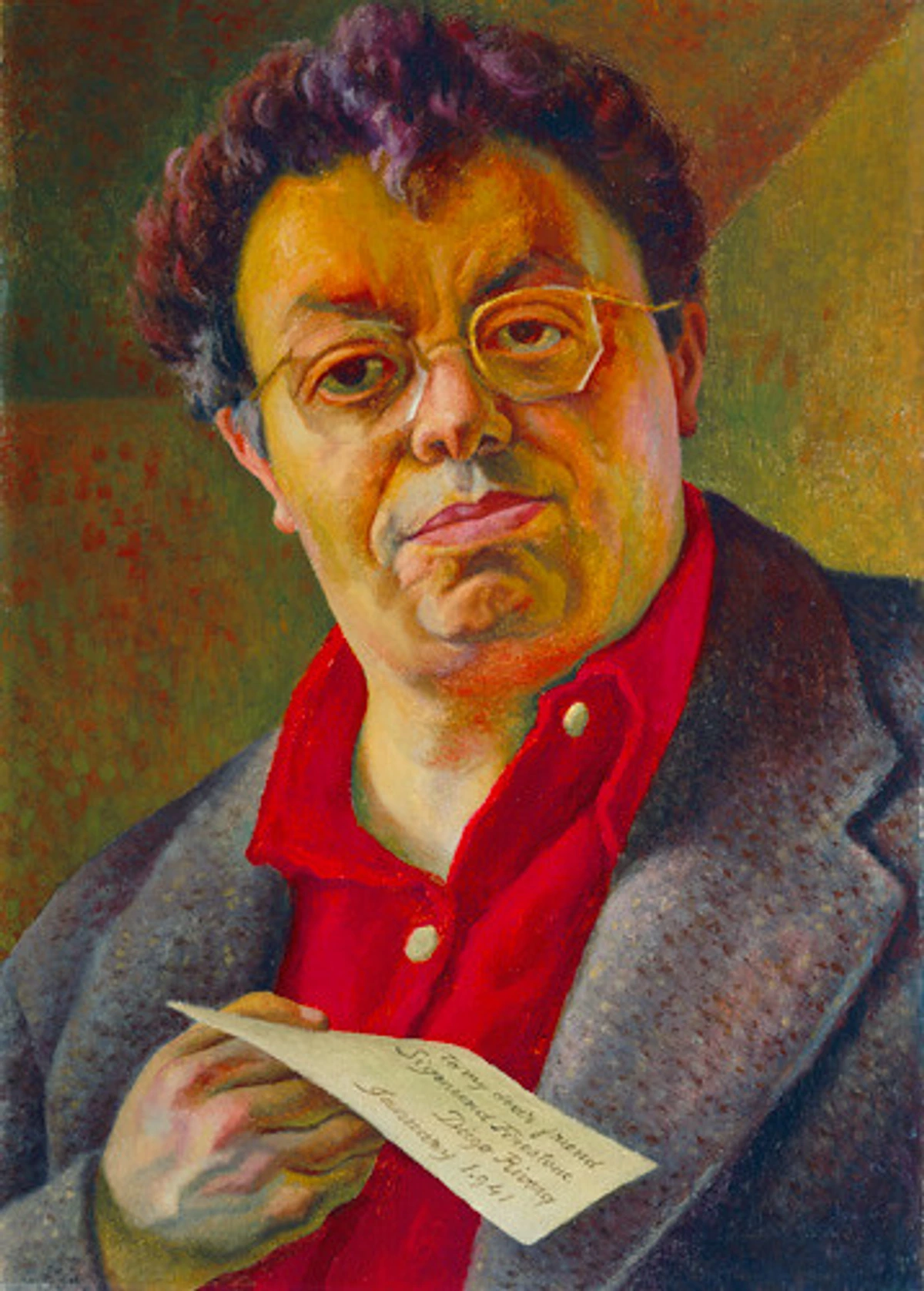
Imagine standing in front of his Portrait of the Bourgeoisie (1922-1923). He paints the Mexican elite as grotesque caricatures while workers morph into heroic figures beneath. It’s not just a painting; it’s a visual lynch mob.
Innovations That Shook the Art World
Siqueiros wasn’t content with brushes. He industrialized art. During his 1936 Los Angeles workshops (infamously raided by the FBI for his communist ties), he taught artists like Jackson Pollock to throw paint, drip solvent, and experiment with unconventional tools. Sound familiar? Pollock’s drip paintings? Siqueiros practically handed him the recipe. “We broke the easel,” he boasted, “and art was never the same.”
His most audacious experiment? Polyforum Siqueiros in Mexico City. A 17-story conical building where The March of Humanity wraps all interior surfaces. He poured plastics, sprayed industrial resins, and even used puppeteers to paint upside down. This wasn’t a mural; it was a cathedral of chaos.

A Life in Exile: Politics vs. Passion
Brilliance has a cost. Siqueiros’ communism got him imprisoned eight times, exiled from 12 countries, and even involved in the failed assassination of Leon Trotsky in Mexico (1940). While other muralists decorated, he battled. In Spain during the Civil War, he painted front-line bunkers. In Argentina, he taught guerrillas to use art for propaganda. His hands, covered in paint and pistol oil, never stopped creating.
But did this compromise his art? Hell no. His 1932 America Tropical in Los Angeles – a Native American crucified under an American eagle – was whitewashed within years. Now partially restored, it still vibrates with defiance. Even when silenced, his art screamed.
The Story of America Tropical:
Commission: Created for the exterior of the Italian Hall in Los Angeles' Olvera Street Subject: Depicts a Native American figure being crucified beneath a American eagle, symbolizing oppression Controversy: Immediately censored by city officials and whitewashed after just months Rediscovery: Partially restored in the 1960s and fully restored in 2012 Current Status: Protected historic landmark, open to public viewing Significance: Represents Siqueiros' bold political statement and censorship resistance
Other Censored and Damaged Works:
- Portrait of the Bourgeoisie (1922-1923) - Initially commissioned but later covered over
- The Proletarian Trilogy (1927-1928) - Partially destroyed during political purges
- Political murals in government buildings - Frequently painted over by subsequent administrations
- Works in private collections - Some lost or damaged during political turmoil
- Experimental works from prison - Many created under difficult conditions, some lost
Artistic Philosophy: The Revolutionary Manifesto
Siqueiros developed one of the most comprehensive artistic philosophies of the 20th century:
Core Principles:
- Art as Weapon: "Art must be used to destroy the bourgeoisie and liberate the proletariat"
- Collective Creation: Art should be made by and for the people, not individual elites
- Technological Innovation: Industrial materials and methods should democratize art
- Political Commitment: Artists have a responsibility to engage with social issues
- International Solidarity: Mexican art should connect to global revolutionary movements
- Cultural Authenticity: Reject European academic traditions in favor of Mexican realities
- Artistic Unity: All art forms should serve the same revolutionary purpose
- Public Accessibility: Art should be in streets, not galleries
- Educational Function: Art should teach and inspire social change
- Historical Memory: Art must preserve the struggles of the people
Theoretical Framework:
Dialectical Materialism: Siqueiros incorporated Marxist dialectical materialism into his artistic theory, believing that art should reflect and advance class struggle Collective Consciousness: Art should express the collective will of the people rather than individual ego Technological Determinism: Believed that new industrial technologies would naturally lead to new forms of revolutionary art Critical Realism: Art should truthfully represent social realities while inspiring revolutionary action Internationalism: Mexican art should be part of global revolutionary movements, not just national expression
Writings and Theoretical Works:
- "Towards a Revolutionary Art" (1922) - Co-authored manifesto with Rivera and Guerrero
- "The Revolutionary Artist" (1936) - Technical and philosophical manifesto from LA period
- "Letters from Prison" (Various dates) - Writings created during imprisonment periods
- "The Artist and Politics" (1940s) - Essays on the relationship between art and social change
- "Technique and Ideology" (1950s) - Later writings on artistic methodology
- "Art and Revolution" (1960s) - Final philosophical synthesis
Philosophical Evolution:
Siqueiros' philosophy evolved significantly throughout his career:
Early Period (1920s): Focused on class struggle and proletarian revolution Middle Period (1930s-1940s): Expanded to include anti-fascism and international solidarity Later Period (1950s-1970s): Incorporated more universal themes of human progress and technological advancement
This evolution reflected both his personal growth and changing global circumstances, showing how his revolutionary commitment remained constant while his artistic expression adapted to new challenges and ideas.

The 1922 Manifesto:
"Towards a Revolutionary Art" remains one of the most important documents in modern art:
- Published: 1922 in Mexico City
- Co-authors: Siqueiros, Diego Rivera, Xavier Guerrero
- Key Points: Rejected individualism, embraced collective action, called for industrial methods
- Impact: Became the theoretical foundation of Mexican Muralism
- Legacy: Influenced political art movements worldwide
Complete 1922 Manifesto Text (Excerpts):
"We repudiate the so-called easel painting and all the art forms of the past, since they were all born of aristocratic regimes... We believe that the new art must be monumental, collective, and public... We must industrialize art..."
"The artist must break with all individualist traditions and enter the collective workshop... All art must be at the service of the revolution..."
The 1936 Experimental Art Manifesto
During his Los Angeles period, Siqueiros issued another revolutionary manifesto:
- Focus: Technical innovation over political dogma
- Key Innovation: Proposed "experimental" methods that would later define Abstract Expressionism
- Controversy: Other Mexican muralists criticized him for "abandoning" revolutionary ideals
- Legacy: Ironically became more influential internationally than his earlier political manifestos
Complete 1936 Manifesto Highlights:
"We must break with all traditional methods... The artist must become an experimenter with new materials and techniques... Art must be made, not just painted..."
"We must destroy the easel... We must industrialize art... We must make art accessible to the masses..."
Teaching Philosophy:
Siqueirs was as much a teacher as an artist:
- Workshops: Over 50 experimental workshops worldwide
- Methods: Hands-on, collaborative, experimental
- Students: Included Pollock, Guston, Kadish, and countless others
- Philosophy: "Anyone can make art, they just need the courage to break the rules"
- Legacy: His teaching methods influenced generations of artists
Key Teaching Principles:
- Democratize Art: Remove barriers between "artist" and "non-artist"
- Process Over Product: Focus on creative liberation rather than technical perfection n3. Political Consciousness: Every art exercise should connect to social reality
- Technical Experimentation: Constantly explore new materials and methods
- Collective Creation: Art should be made together, not alone
- Breaking Rules: The first step to finding your voice is breaking established conventions
Workshop Methodology: The Siqueiros System
Siqueiros' teaching wasn't about technique; it was about revolutionizing how artists think. His workshops were revolutionary in several ways:
Collaborative Creation: Students worked together on large projects, rejecting individual ego Technical Experimentation: Each workshop introduced new materials and methods Political Context: Every art project was connected to social issues Breaking Rules: Students were explicitly encouraged to "break the easel" and all traditional methods
Famous Workshop Exercises:
- Foot Painting: Creating art with feet to break hand-based technical habits
- Industrial Tool Art: Using spray guns, rollers, and industrial applicators
- Large-Scale Collaborations: Groups working together on massive paintings
- Political Statement Projects: Creating art that addressed current social issues
- Material Experiments: Testing unconventional materials like plastics and resins
- Speed Painting: Creating work under time pressure to overcome perfectionism
- Environmental Installation: Transforming entire spaces with art
One famous exercise involved students painting with their feet while blindfolded, forcing them to trust instinct over technique. Another had them create art using only industrial tools like spray guns and sponges. The goal wasn't to create "good art" but to free the creative spirit from bourgeois constraints.
Workshop Success Stories:
Jackson Pollock: Attended Siqueiros' 1936 Los Angeles workshop, where he was introduced to drip painting techniques that would revolutionize American abstract art Philip Guston: Worked with Siqueiros and later incorporated political themes into his abstract expressionist work Raphael & Reuben Kadish: Collaborated with Siqueiros on multiple mural projects and became influential teachers themselves Isamu Noguchi: Japanese-American artist who participated in Siqueiros' workshops and later became renowned for sculpture and public art
Legacy: Why Siqueiros Still Matters
Today, amid Instagram filters and NFT debates, Siqueiros feels urgently modern. He proved that art should be messy, public, and fiercely human. His techniques echo in stenciled street art, immersive installations, and even digital murals – remember when Banksy shredded his painting? Siqueiros would’ve approved. Chaos elevated to art.
He reminds us that art isn’t precious; it’s prosthetic armor for society. When I see new artists at [/den-bosch-museum] tackling themes of justice and identity, I hear Siqueiros’ ghost whispering, “Paint the system. Break the system.”
FAQ
1. Was Siqueiros friends with Diego Rivera? They were collaborators turned bitter rivals. Rivera focused on idealized pre-Columbian pasts; Siqueiros demanded revolutionary futures. Their arguments were legendary – once they nearly burned down a studio over artistic principles.
2. What was Siqueiros best known for? His technical innovations (pyroxilina, airbrushing) and political subject matter. He made oppression visible and rebellion electrifying.
3. How many murals did he create? Over 200! But many were destroyed in political purges. His surviving works span from Mexico to Cuba to the U.S.
4. Where can I see his most important work today? The March of Humanity at Mexico City’s Polyforum Siqueiros is non-negotiable. For European visitors, [/timeline] contextualizes how muralism reshaped global art movements.
5. Did he influence non-Mexican artists? Massively. Jackson Pollock, Willem de Kooning, and Philip Guston all cited his work as revolutionary. Even Marvel Comics used his dynamic compositions in superhero action scenes.
Conclusion
David Alfaro Siqueiros died in 1974, but he never left the building. He lives in every crack of paint that defies convention, in every mural transforming a gray wall into a thunderstorm of meaning. He reminds us that art isn’t passive – it’s active warfare against indifference. So next time you pass graffiti or a protest poster, thank the stormy-souled soldier who taught us that the most powerful weapon isn’t a sword; it’s a bucket of paint and the courage to hurl it.
For those inspired to create your own revolutions on canvas, explore materials and visions at [/buy]. Your walls are waiting.
Further Reading and Resources
To delve deeper into Siqueiros' world, consider these resources:
Essential Books:
- "Siqueiros: His Life and Works" by Desmond Rochfort (Comprehensive biography)
- "The Mexican Muralists" by Desmond Rochfort (Context for Los Tres Grandes)
- "Siqueiros: A Biography" by Shifra M. Goldman (Detailed life story)
- "The Murals of David Alfaro Siqueiros" by Adriana Zavala (Technical analysis)
- "Siqueiros: The Emergence of a Revolutionary Artist" by Leonard Folgarait (Academic analysis)
- "Pollock and Siqueiros: A Documentary History" by Anne Wagner (Influence on American art)
- "The Mexican Mural Renaissance" by Desmond Rochfort (Historical context)
- "Siqueiros: Experimental Techniques" by various artists (Technical manual)
Documentaries and Films:
- "Siqueiros: The Artist as Revolutionary" (PBS, 2000) - Comprehensive biography
- "The Polyforum Siqueiros" (Mexican documentary, 1971) - Behind the scenes
- "The FBI Files: Siqueiros" (History Channel investigation) - Political aspects
- "Revolution on the Walls" (BBC, 2018) - Mexican Muralism overview
- "Siqueiros in America" (PBS, 2020) - US period focus
- "The March of Humanity" (Mexican film, 1975) - His masterpiece
Major Museums and Collections:
Institution | Location | Notable Works | Visit Info |
|---|---|---|---|
| Polyforum Siqueiros | Mexico City | The March of Humanity | Daily tours available |
| Los Angeles County Museum of Art | Los Angeles | America Tropical studies | Temporary exhibitions |
| Museo Nacional de Arte | Mexico City | Portrait of the Bourgeoisie | Permanent collection |
| Museo de Arte Moderno | Mexico City | Various murals | Extensive collection |
| Tate Modern | London | Selected works | International focus |
| Reina Sofia Museum | Madrid | Political works | European collection |
| Museo de Bellas Artes | Caracas | Latin American collection | South American focus |
| Art Institute of Chicago | Chicago | American period works | Educational resources |
| Museo Mural Diego Rivera | Mexico City | Comparative collection | Focus on Los Tres Grandes |
| Centro Cultural Recoleta | Buenos Aires | South American works | Regional focus |
| Museo Universitario de Arte Contemporáneo | Mexico City | Contemporary influence | Modern applications |
| Palacio de Bellas Artes | Mexico City | Major murals | Historic venue |
| Museo de Arte Carrillo Gil | Mexico City | Experimental works | Avant-garde collection |
| San Francisco Museum of Modern Art | San Francisco | American period | West Coast collection |
Online Resources and Archives:
- Siqueiros Digital Archive (Comprehensive online collection of works and documents)
- Mexican Muralism Database (Context and analysis of all muralists)
- Art Institute of Chicago (Educational resources and workshops)
- Getty Research Institute (Siqueiros papers and archives)
- Smithsonian Archives (Political documents and correspondence)
- UNAM Digital Library (Mexican academic resources)
- Polyforum Virtual Tour (3D exploration of his masterpiece)
- Instituto Nacional de Bellas Artes Digital Collection (Official Mexican collection)
- Google Arts & Culture (Virtual exhibitions and high-resolution images)
- MoMA Collection (American period works and influence)
- Tate Collection Online (European holdings)
- WorldCat Search (Global library holdings)
- Academic Journals Database (Research papers and articles)
- Artist Interviews and Documentaries (Video archives and oral histories)
Educational Programs:
- Siqueiros Workshop Method (Modern art schools teaching his techniques)
- Mural Painting Summer Schools (Mexico and US)
- Political Art Seminars (Various universities)
- Technical Innovation Workshops (Focus on industrial materials)
- University Extension Courses: UCLA, UNAM, Universidad Autónoma de México offer courses on Mexican Muralism
- Artist Residencies: Polyforum Siqueiros and other Mexican institutions offer residencies focusing on mural techniques
- Online Learning Platforms: Coursera, edX have courses on Latin American art and political art movements
- Community Art Programs: Organizations teaching Siqueiros' collaborative methods in urban settings
- Conservation Workshops: Training in mural preservation and restoration techniques
- Digital Art Applications: Modern adaptations of Siqueiros' techniques for digital media
Art Supply Recommendations:
For artists wanting to experiment with Siqueiros' techniques:
- Industrial spray guns (Used for his airbrush effects)
- Polyurethane resins (Experimental texture medium)
- Enamel paints (His signature fast-drying medium)
- Collage materials (Mixed media experiments)
- Large format canvases (To work in his monumental scale)
- Acrylic paints (Modern equivalent to his experimental media)
- Spray paints and markers (For street art applications)
- Textured applicators (Rollers, sponges, scrapers for his techniques)
- Projection equipment (For large-scale composition planning)
- Safety equipment (Respirators, gloves for working with industrial materials)
- Digital tools (Tablets and software for modern applications of his methods)
Siqueiros' Most Famous Quotes
To end with the master's own words:
"I wanted to become an artist, but revolution became my teacher."
"Art must be collective, public, and serve as a weapon of the masses."
"The easel must be destroyed, along with all other bourgeois instruments."
"We broke the easel, and art was never the same."
"Paint the system. Break the system."
"The most powerful weapon isn't a sword; it's a bucket of paint and the courage to hurl it."
Siqueiros' Philosophical Evolution Through Quotes:
Early Period (1920s) - Revolutionary Zeal:
"Art must be used to destroy the bourgeoisie and liberate the proletariat." (1921) "Mexican art must be born from Mexican soil." (1921) "The revolution in art must come before the revolution in society." (1922)
Middle Period (1930s-1940s) - Technical Innovation:
"I paint with my feet and my heart." (1936) "Art is not a mirror held up to reality, but a hammer with which to shape it." (1935) "We must industrialize art... we must make art accessible to the masses." (1934)
Later Period (1950s-1970s) - Universal Humanism:
"Every artist is a revolutionary, whether they know it or not." (1950) "The artist must be the conscience of society." (1938) "I would rather be remembered as a revolutionary than as an artist." (1960)
Siqueiros' Enduring Impact:
Artistic Innovation: His technical experiments influenced everything from Abstract Expressionism to street art Political Art: Demonstrated how art could be both aesthetically powerful and socially engaged Educ Legacy: His teaching methods continue to inspire art education worldwide Cultural Identity: Helped shape Mexican national identity through public art International Influence: Connected Mexican art to global revolutionary movements Technical Legacy: Industrial techniques he pioneered are still used in contemporary art
Contemporary Relevance:
In today's world of social media activism and public art movements, Siqueiros' ideas feel more relevant than ever. His belief that art should be public, political, and accessible resonates with:




- Street artists using public space for social commentary
- Digital artists creating collective, interactive experiences
- Political activists using visual media for change
- Educators teaching collaborative, process-based art
- Curators focusing on socially engaged art practices
These words continue to inspire artists and activists worldwide, reminding us that art can be both beautiful and revolutionary, both personal and political, both individual and collective. David Alfaro Siqueiros wasn't just an artist – he was a force of nature who changed how we see art, politics, and the power of human creativity itself.