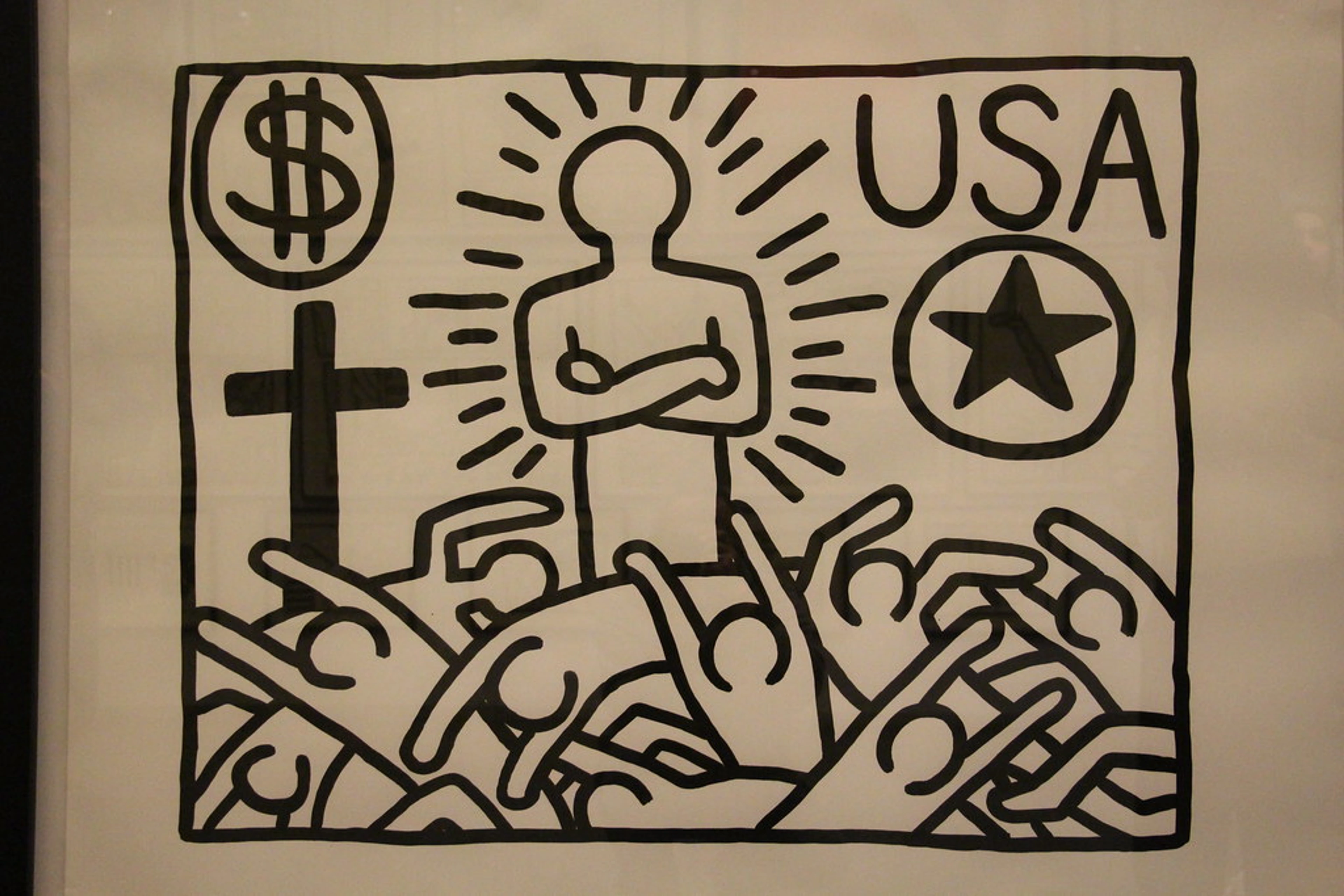
Art & Money: My Search for Intrinsic Value and a Way to Survive
An artist's raw exploration into art's intrinsic value versus its price tag. Unpack history, economic realities, and the indomitable spirit of creation.

Art & Money: My Search for Intrinsic Value and a Way to Survive
I often find the smell of linseed oil in my studio mixing with the quiet, nagging whisper of my rent statement. It’s a tension that punches me in the gut every single day: Can art really exist without money? My cynical inner voice, the one constantly tallying paint costs and agonizing over utility bills, screams, 'Of course not! How would anyone eat? Buy materials? Afford a space that isn’t also their cramped living room?' But then, the deeper, more hopeful artist in me, the one captivated by the pure act of making, pushes back. Hard.
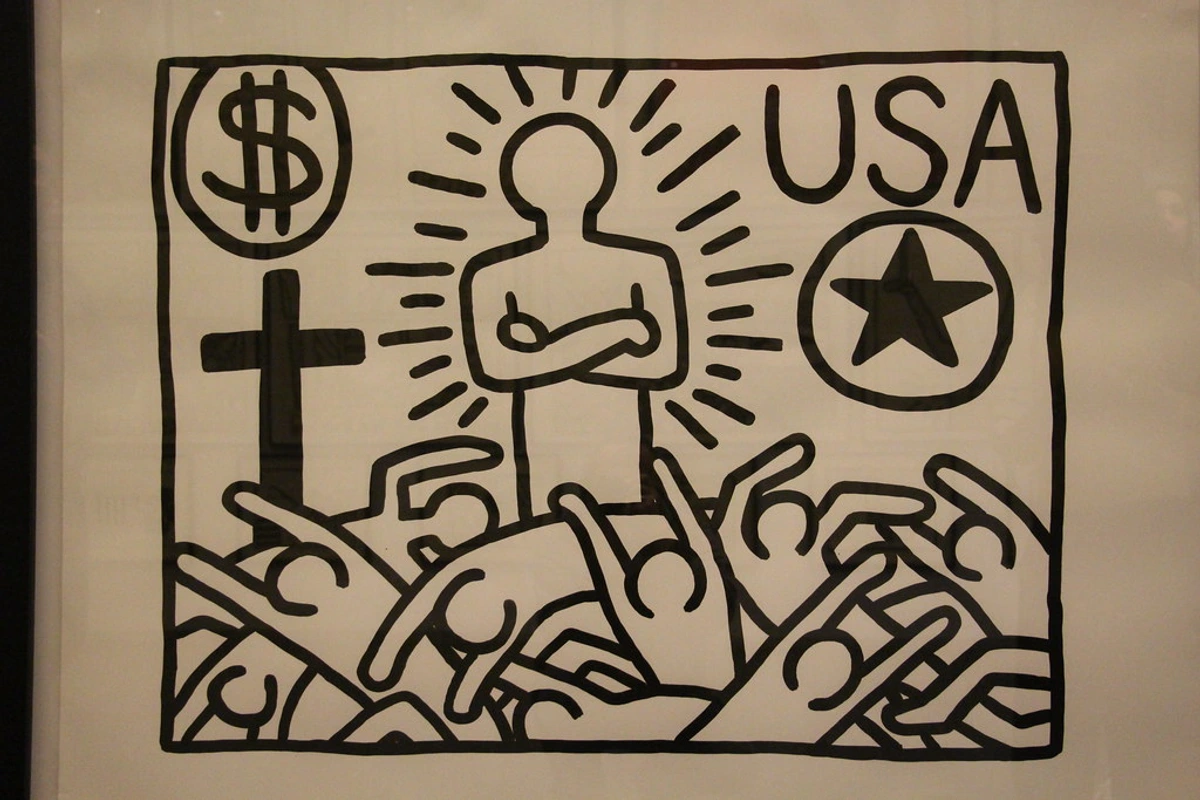
This isn't just an academic debate; it’s a tension I live with, a constant dance between passion and practicality that sits right at the core of whether art can truly flourish. Sometimes, I even wonder if I’m lying to myself, if this whole 'art for art’s sake' thing is just a romantic illusion. But deep down, I know it's not. I've seen art endure. I've lived it. Some of the most profound art I’ve encountered, whether creating it myself as a form of therapy or witnessing it, had absolutely nothing to do with a price tag. It was about something far more primal, a deeply personal dialogue with my inner world, a quiet act of self-care. This is the intrinsic value of art – its inherent worth that exists independently of any financial transaction, a pure use-value that speaks directly to the human spirit, rather than its potential exchange-value in a marketplace.
The Echoes of Creation: Before Coin and Commerce
Let’s rewind, way, way back. Think prehistoric caves, flickering torchlight, and the first human hand leaving its mark on a rock face. Was there a currency exchange for the Lascaux cave paintings? No. Was there a collector bidding on the Venus of Willendorf? Absolutely not. These were acts of ritual, communication, storytelling, and perhaps pure, unadulterated human expression. Art, in its most primal form, is born from an inherent human need to create, to interpret, to leave something behind. It predates currency, capitalism, and even coherent language. Modern anthropology and evolutionary psychology suggest this urge is hardwired, a fundamental aspect of human cognition tied to symbolic thought, cultural transmission, and even emotional regulation. We paint, we sculpt, we dance, not just to survive, but to make sense of our world and our place within it.
Beyond individual expression, early forms of artistic creation often played crucial roles in communal life, sometimes involving non-monetary systems of value exchange. Skilled artisans might receive practical goods like finely crafted tools, rare furs, or even communal labor and protection in return for their spiritual and aesthetic contributions. Shamans often created art as part of healing rituals, receiving community offerings not as payment, but as a recognition of their vital contribution. Think of Aboriginal Dreamtime art, which isn't just aesthetically pleasing; it's a sacred map of creation, history, and law, valued for its spiritual power and communal narrative, not for sale. Its value is intangible, rooted in connection, meaning-making, and even the therapeutic benefit of the creative act itself. These weren't 'deals' in our modern, transactional sense – where value is precisely quantified, driven by profit, and exchanged – but rather a fundamental, reciprocal agreement woven into the fabric of daily life, where art served a profound communal purpose and was valued intrinsically, much like water or shelter.
When I’m in my studio, lost in the process of building depth and narrative in my own abstract mixed media work, the last thing I’m thinking about is money. It's about that raw feeling, that almost spiritual connection between my intuition and the canvas. It's the intoxicating perfume of linseed oil, the visceral drag of a brush against the canvas weave – that's my truest currency, my most satisfying transaction. It's why I paint abstract art, a deeply personal philosophy and artistic vision that money initially has nothing to do with. The desire to make a mark, to translate emotion into a visual language, that's the pure impulse.
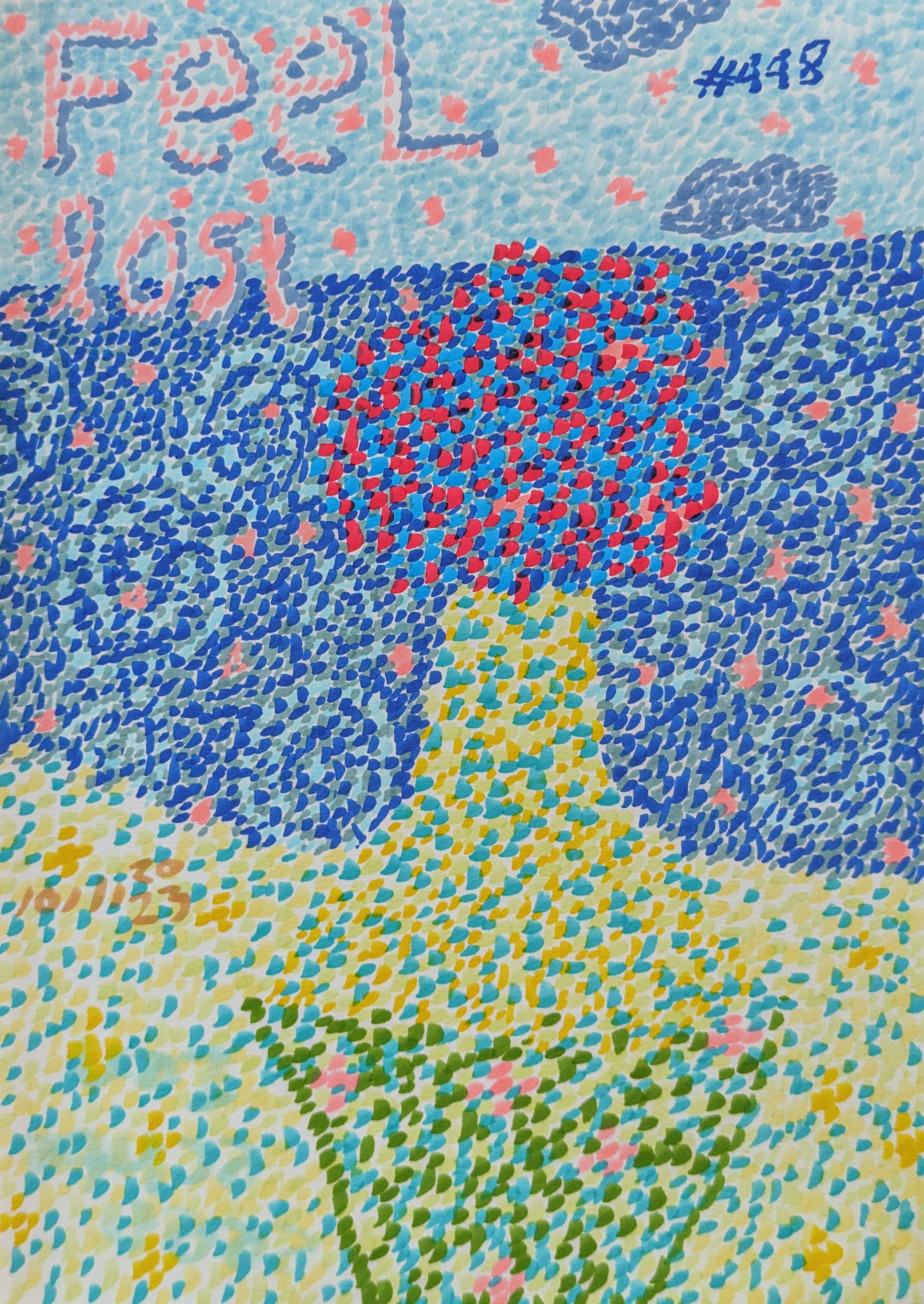
abstract, blue, pink, red, yellow, green, light blue, dots, pointillism, landscape, flowers, sky, clouds, text, "Feel Lost", "#448", licence not specified
This primordial urge to create, to connect, to express – it existed long before marketplaces or price tags. Yet, as societies grew and human interaction became more complex, so too did the ways in which art was supported and valued, inevitably leading it down a path intertwined with commerce.
The Artist's Reality: Navigating the Creative Economy
This brings me to the messy, exhilarating, and often exhausting reality: how do artists actually make it work? While selling pieces directly is a dream for many, the reality for most, myself included, involves a mosaic of income streams. It's rarely a straight line from easel to bank account; sometimes it feels more like navigating a labyrinth with a blindfold on. Some even create art purely for personal fulfillment, activism, or communal healing, with no financial expectation whatsoever – their 'survival' comes from within or from other means entirely. I've certainly had my moments where a freelance design gig saved my paint budget, or a workshop allowed me to finally replace a worn-out set of brushes.
Pricing the Priceless: My Constant Dilemma
So, how does an artist even begin to put a price on their work? My journey, my whole artist's timeline, is a constant dance between artistic purity and financial reality. When I'm deciding what to charge for a piece, I consider the cost of materials, the sheer hours of labor, the complexity of the piece, and my experience. But then there’s that intangible element: the piece of my soul, the emotion, the story embedded in every stroke. How do you quantify that? It’s like trying to put a price on a sunset, or a particularly profound dream – or maybe, more accurately, trying to quantify the exact weight of a fleeting emotion. Each stroke, each layer holds a memory, a struggle, a moment of pure joy or frustration. To then say, 'This is X amount of dollars,' feels… reductive, almost a betrayal of the journey. Often, it comes down to a blend of practical factors – what similar works sell for, my exhibition history, my reputation, and frankly, what the market will bear – combined with that deep, internal sense of worth that’s almost impossible to articulate. It’s a gut feeling, really, usually followed by a mild panic attack.
Diverse Income Streams: Keeping the Lights On
For those aiming for a sustainable art career, or simply finding ways to keep the studio lights on, here are some common avenues. It's a constant juggle, often demanding as much business acumen as artistic skill – which, let's be honest, sometimes feels like trying to balance a palette knife with a tax form. I often tell emerging artists that the best skill you can learn after painting is how to talk about your work and how to handle a spreadsheet.
Income Stream  | Description | Example |
|---|---|---|
| Teaching & Workshops | Sharing skills and philosophies through classes or workshops. | Giving a weekend abstract painting workshop. |
| Commercial Work | Lending creative talents to clients for design, illustration, or commissioned projects. | Designing a book cover, creating illustrations for a website, or a custom mural for a business. |
| Licensing | Allowing images of work to be used for products, publications, or digital media. Licensing agreements are crucial. | Your painting appearing on a greeting card, a magazine cover, or as stock art for a digital campaign. |
| Grants & Funding | Securing financial support from foundations, government bodies, or dedicated art organizations. Extremely competitive! | Receiving a grant from a cultural council to complete a specific series of works. |
| Crowdfunding | A modern twist on patronage, engaging a community of supporters for specific projects. | Launching a Kickstarter to fund materials for a large-scale installation or a new exhibition space. |
| Residencies | Opportunities to create art in a dedicated space, often with stipends, free from immediate financial pressure. | A three-month residency in a remote location, providing studio space and a living allowance. |
| Merchandise | Creating affordable products featuring your artwork, often leveraging print-on-demand services. | Selling prints, postcards, tote bags, art books, limited edition ceramic pieces, or even custom jewelry featuring your designs. This can range from simple items to unique artisan crafts, expanding your reach beyond high-priced originals. |
These alternative paths are not compromises; they are strategic ways to sustain a life dedicated to art, proving that while direct sales are wonderful, they are far from the only way for art to exist in our money-driven world. When you choose to buy art from me, you’re not just acquiring a piece; you’re investing in this intricate ecosystem, allowing the creative cycle to continue. It’s a bit like being a co-conspirator in an ongoing artistic adventure, just with less risk and more beautiful things.
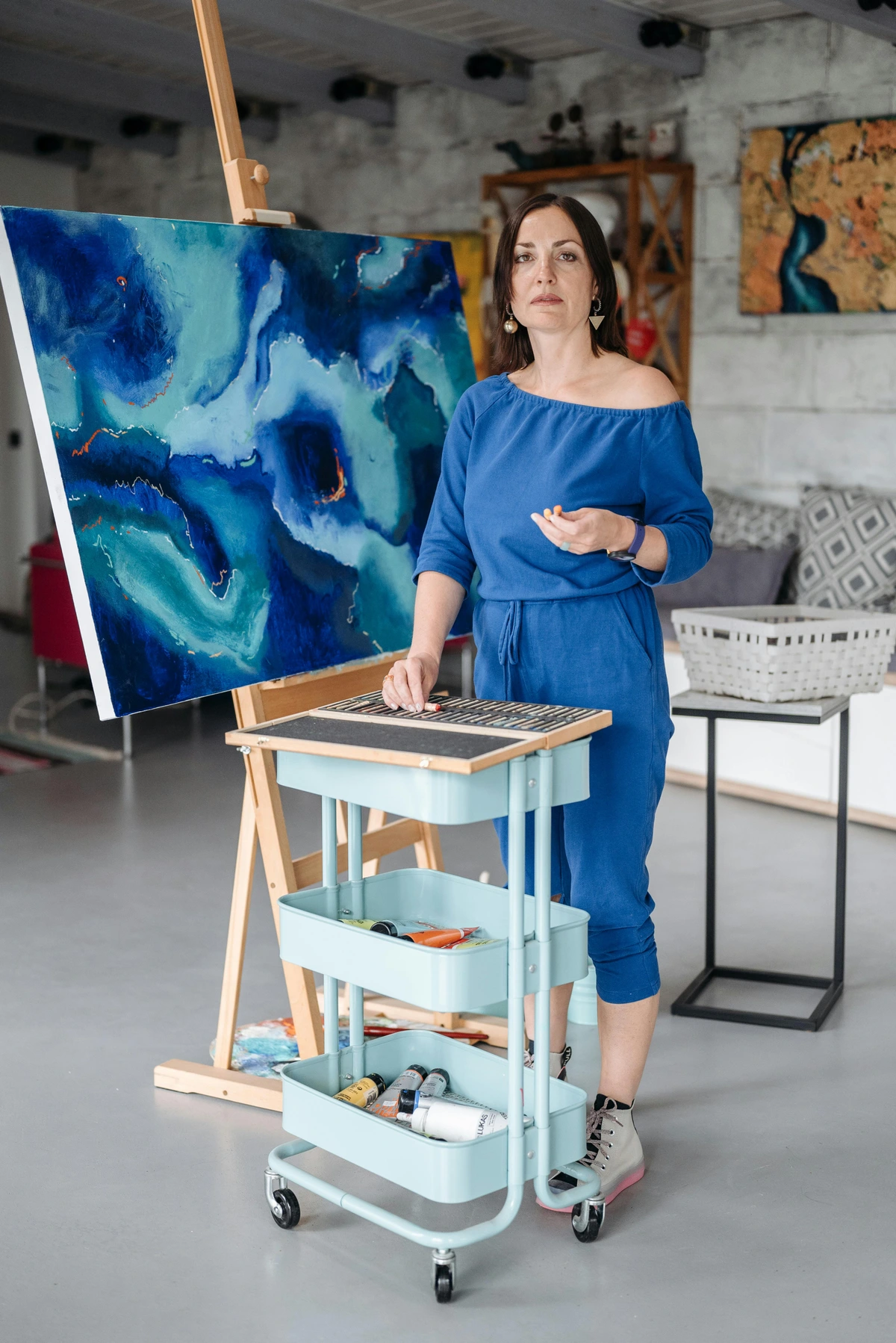
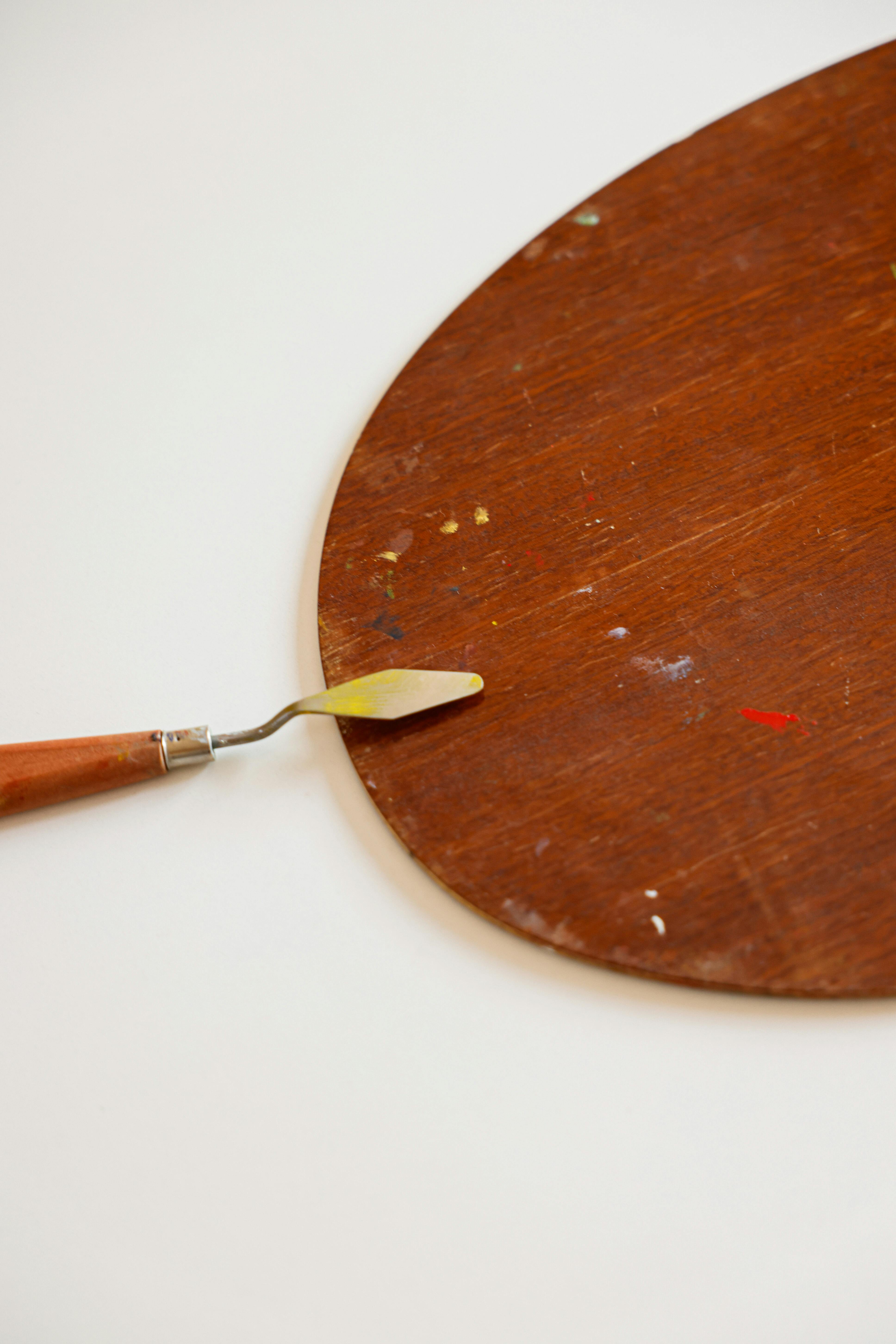
Artists Working in Studio, CC BY-SA 2.0
Practical Advice for the Emerging Artist
For those just starting out, the sheer breadth of options can feel overwhelming. My advice? Start small, build connections, and don't be afraid to experiment with different income streams. Networking with other artists, gallerists, and collectors is crucial. Develop a strong online presence and a professional portfolio. And perhaps most importantly, understand the basics of managing your finances and time – skills often overlooked in art education but absolutely essential for a sustainable career. Learning about basic tax implications, accounting for expenses, understanding artist rights, and crucial copyright and licensing best practices are not glamorous, but they are the foundational bricks that allow an artistic practice to thrive. It's about building a robust artistic practice that can weather the unpredictable nature of the market, allowing you to focus on what truly matters: making art. And maybe occasionally eating something other than instant noodles.
Money Enters the Canvas: A Historical Perspective
Now, let's fast forward a bit. As societies evolved, so did the role of art. Patrons — be it the Church, nobility, or wealthy merchants — began to commission and collect. Think of the Medici family funding Michelangelo, or popes commissioning grand works from Raphael; these artists weren't exactly working for free. They were part of an economic ecosystem, albeit a different one, where art was a symbol of power, faith, or prestige, often exchanged for status or political influence rather than direct cash. This transition from communal exchange to individual patronage was a significant step toward art becoming a specialized profession rather than solely an intrinsic community act. Of course, this patronage wasn't always altruistic; it often came with expectations, sometimes even influencing artistic choices – a subtle but important ethical consideration in the ongoing dance of art and money.
From Patronage to Commodity: The Rise of the Art Market
The real game-changer came with the rise of the modern art market. Suddenly, art became a commodity, an investment, a status symbol. Galleries emerged as intermediaries, auction houses became theaters of high-stakes drama, and prices soared to astronomical levels that sometimes make me wonder if the art world has a secret portal to another dimension where dollars grow on trees. This shift was fueled by several factors:
- The rise of a merchant class with disposable income, eager to display their cultural capital and social standing through art ownership.
- The decline of traditional patronage (especially after the Enlightenment), creating a void for artists to fill.
- The emergence of art criticism and public exhibitions, which helped to establish a sense of 'masterpiece' and market value. Critics like Denis Diderot in the 18th century, and later John Ruskin or Clement Greenberg, didn't just review art; they shaped public taste, influenced collectors, and effectively acted as powerful validators. Their words became a form of currency, subtly dictating market perception and economic value, often elevating certain artists or movements while dismissing others. It's a role that continues today, albeit fragmented across myriad online platforms.
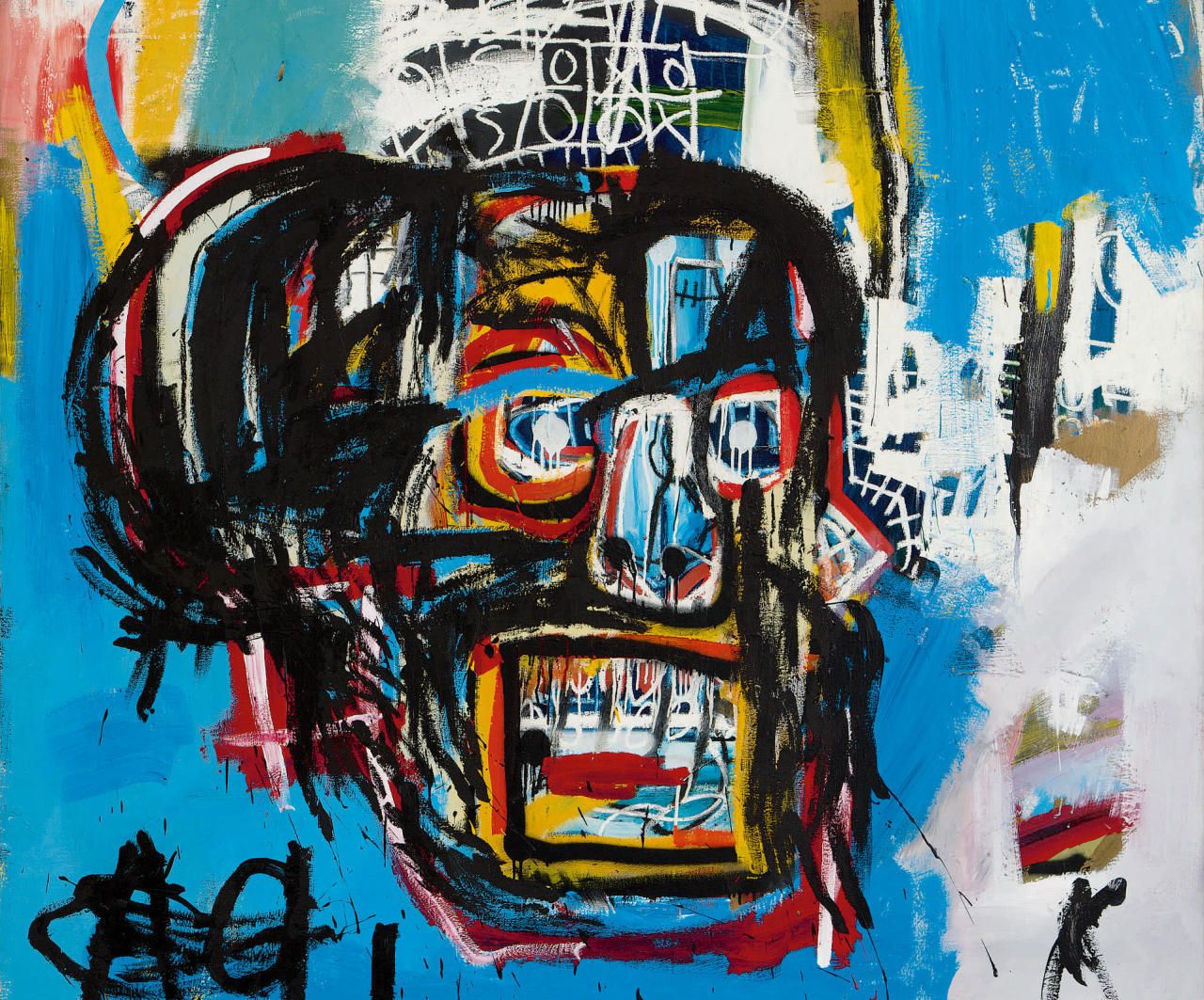
We see this acutely in the contemporary art world, where works by artists like Jean-Michel Basquiat, Christopher Wool, or even Andy Warhol's iconic Campbell's Soup Cans command sums that can make even the most seasoned artist scratch their head in wonder. These aren't just art pieces; they're financial assets, part of a global art investment market driven by factors often completely detached from aesthetic appreciation. The economic impact of this broader art sector is immense, supporting not just artists but also jobs in galleries, museums, conservation, and art supply manufacturing – a true ecosystem of creation and commerce.
Jean-Michel Basquiat's Untitled Skull Painting, CC BY 4.0
Remember the Impressionists? They were largely rejected by the official French Salon system, which was the gatekeeper of artistic taste and commercial success for generations. They had to create their own independent exhibitions, relying on a nascent private market and the support of a few brave dealers and critics. Their struggle highlights how market systems, and the gatekeepers within them, can initially resist, then eventually embrace, new forms of art, dramatically influencing an artist's ability to survive and thrive.
Andy Warhol - Campbell's Soup Cans, CC BY-NC-SA 2.0
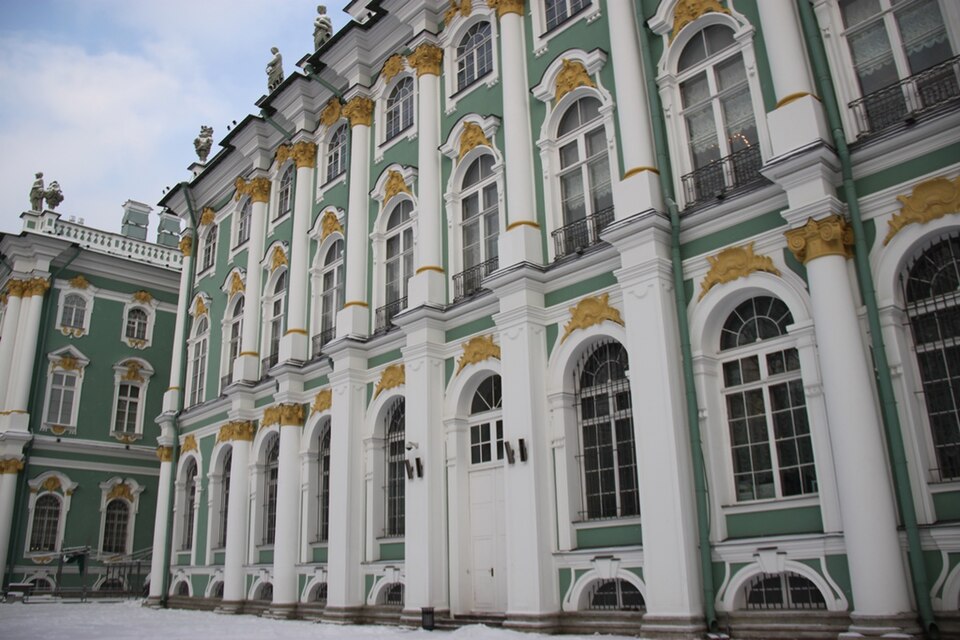
But it wasn't just about the elite. The rise of printmaking, for example, democratized art, making it accessible to a broader public beyond the wealthy patrons. Public galleries and museums, like The State Hermitage Museum in Saint Petersburg, also emerged, recognizing art's societal value and offering free access, further diversifying its consumption. Yet, the core tension remained: how do artists sustain themselves while contributing to both the high-stakes market and the public good? And beyond the Western paradigm, it's worth noting that many non-Western artistic traditions continue to operate with vastly different understandings of ownership, authorship, and value. For instance, in many indigenous cultures, art objects, ceremonies, and dances are communal property, passed down through generations, and their value lies in their spiritual significance, ability to connect with ancestors, or their role in maintaining social order, rather than individual commercial gain or ownership. Offerings of gratitude might be given, but never a 'sale' in our sense. Does this influx of money make the art 'better'? Not necessarily. Does it make it exist? Well, it certainly allows those artists to keep creating on a grand scale, to afford materials, and to gain widespread exposure. The truth is, the spark of creation might be free, but keeping that flame burning in our tangible world often comes with a very real bill. It's a complex, often maddening dance.
The State Hermitage Museum, Saint Petersburg, Russia, CC BY 2.0
The Shadow It Casts: Commodification's Hidden Costs
While money facilitates art's existence in many ways, its pervasive influence also casts a long shadow. The commodification of art – turning it into a marketable good with a primary focus on its economic exchange value rather than its inherent cultural or aesthetic worth – can breed a pressure to create for market trends rather than authentic expression. I've sometimes felt it myself: a nudge to produce 'palatable' work, or a fleeting thought about what might sell, rather than simply exploring a challenging new concept. It’s a subtle siren song that, if followed too blindly, can lead you away from the raw, vulnerable authenticity that often defines truly powerful art.
Beyond this creative pressure, there's the very real psychological toll: the constant worry about relevance and sales, the exhaustion of balancing a day job with creative output, and the self-doubt that replaces creative flow with financial stress, which can be utterly draining. The emotional and mental resilience required is a significant, often unacknowledged, hidden cost of being an artist. It's the kind of thing that makes you question why you ever started, only to remember the sheer joy of a perfectly mixed color or a finished piece.
From a societal perspective, pricing art at astronomical levels also creates a sense of inaccessibility. It can alienate potential enthusiasts, making art feel like an exclusive club rather than a universal human endeavor. This isn't just about the super-rich; it's about the everyday person wondering if their appreciation is valid if they can't afford a 'valuable' piece. This tension between art as a public good and art as a private investment is a challenge we constantly navigate, even in institutions like the Den Bosch Museum, which strives to make art accessible to all.
The 'Art for Art's Sake' Rebellion & Other Counter-Movements
In the 19th century, in direct response to the increasing commercialization and the Victorian emphasis on utilitarianism, a movement emerged championing 'Art for Art's Sake' (or Aestheticism). Figures like Oscar Wilde and Walter Pater argued that art needed no moral, didactic, or social justification; its sole purpose was to exist beautifully and provide aesthetic pleasure. It was a conscious rebellion against the idea that art should serve any master other than its own inherent beauty and form. Similarly, the Dadaist movement later challenged the commodification of art, using readymades (found objects presented as art) and anti-art statements to provoke and disrupt the emerging commercial art world, effectively saying: 'You can't sell this!' These movements highlight a recurring human impulse to reclaim art from the grip of commerce. More recently, movements like Fluxus or performance art often prioritize concept and experience over a tangible, sellable object, further resisting easy market integration.
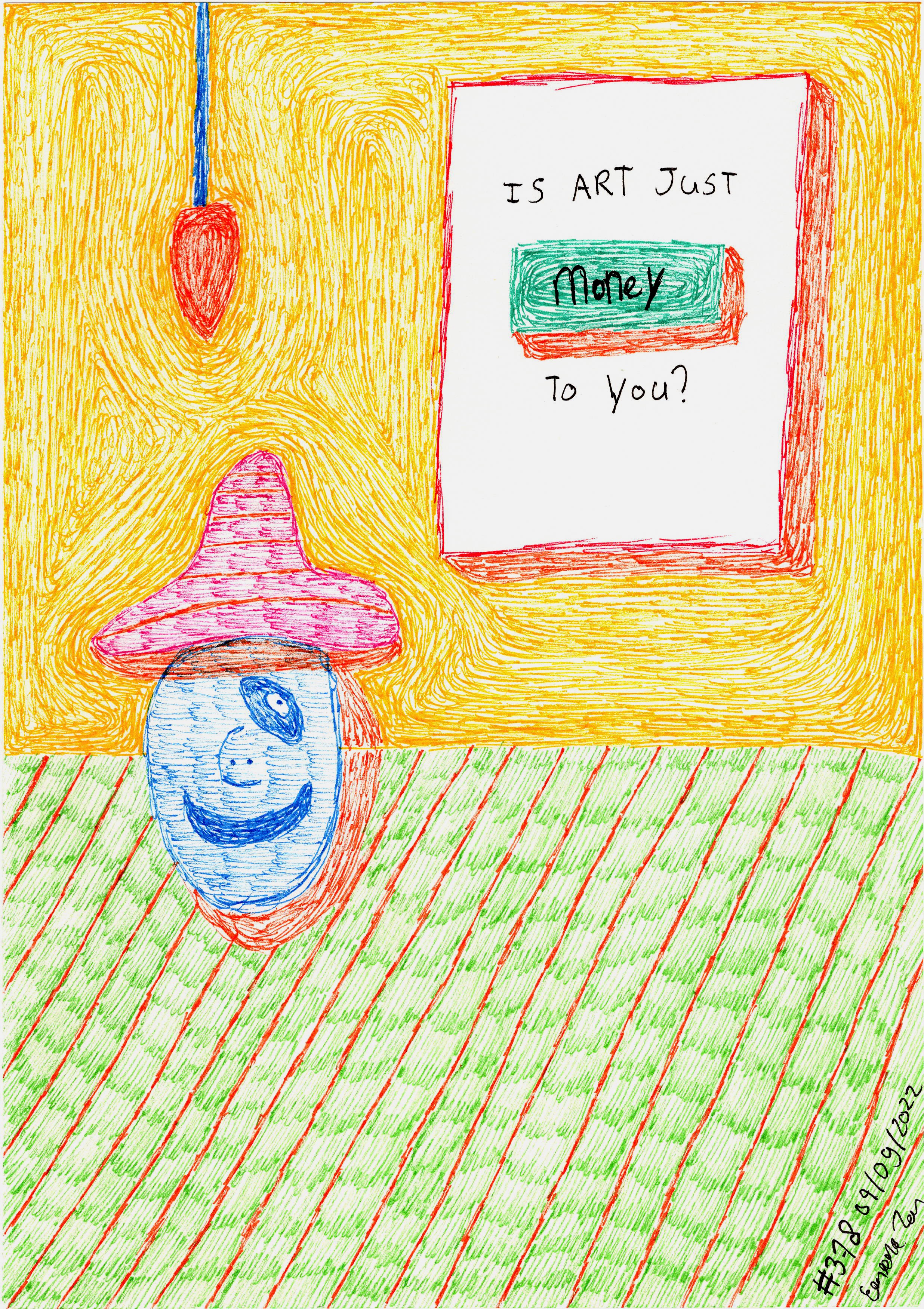
art, money, question, critique, value, commerce, capitalism, face, hat, drawing, illustration, red, green, yellow, blue, patterned background, signature, date, licence not specified
Art's Indomitable Spirit: Existing Beyond the Market
Thankfully, the story doesn't end with art becoming solely a commercial enterprise. We see countless examples of art thriving outside traditional monetary structures, a testament to its inherent, undeniable power.
Art as Protest, Commentary, and Public Space
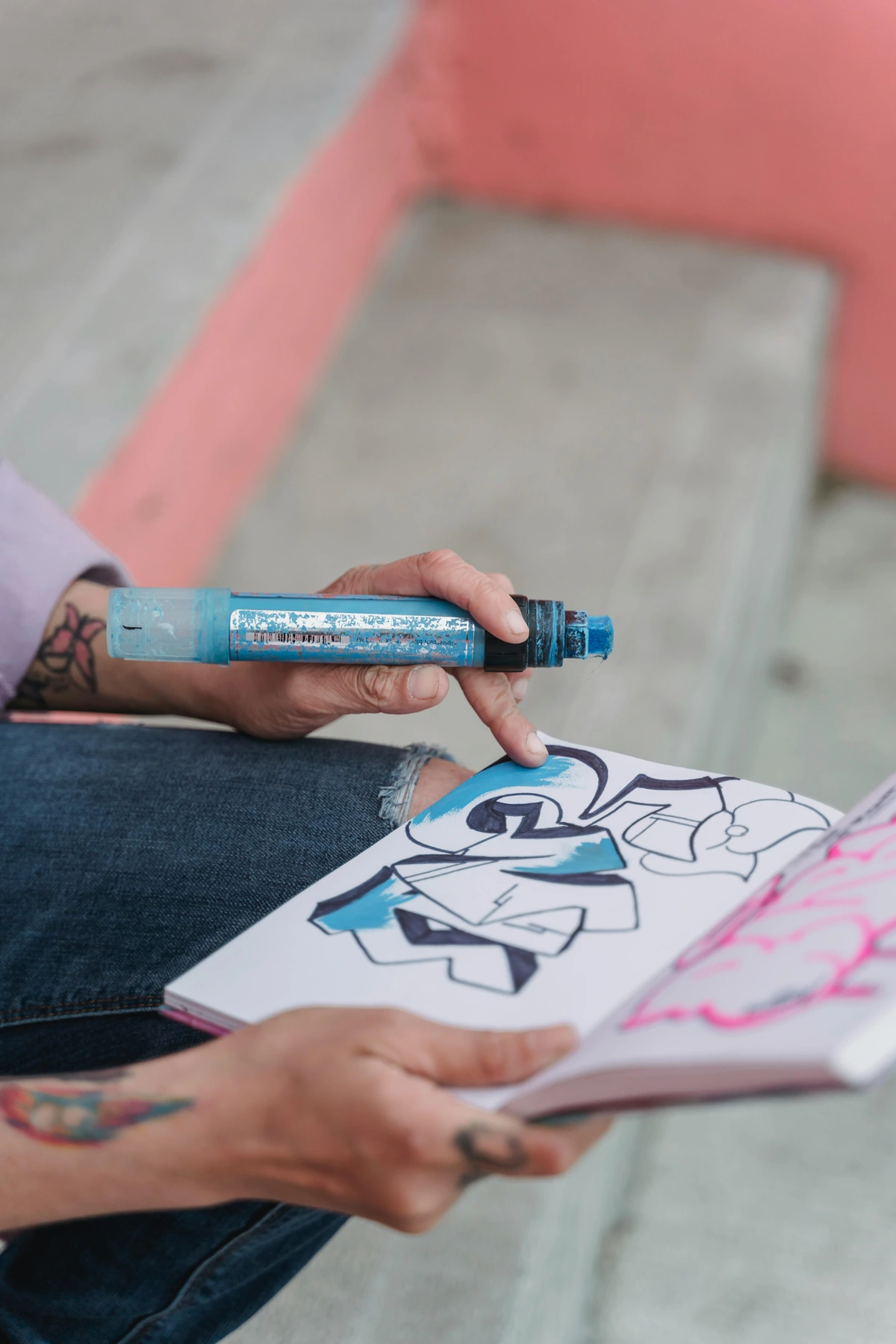
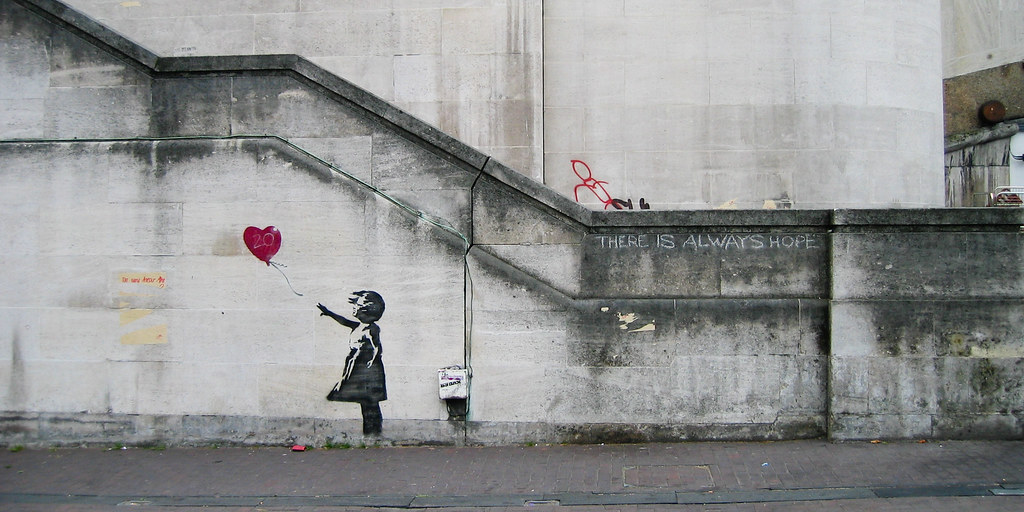
Street art, for instance, exemplified by figures like Banksy, often exists purely for public consumption, defiance, or political commentary. Its ephemeral nature – the very fact that it might be painted over tomorrow – often stands in stark contrast to the permanence sought by traditional gallery art, yet its impact is undeniably profound and immediate. Its value lies in its message, its reach, and its ability to provoke thought and dialogue in unexpected places. Beyond graffiti, consider the powerful tradition of Mexican muralism, protest art banners used in civil rights movements, or the poignant AIDS Memorial Quilt, historically used to challenge power structures and express dissent without any direct monetary goal. Their currency is social impact and collective voice, a different kind of wealth entirely.
Banksy Girl and Heart Balloon, CC BY-NC 2.0
The Value of Ephemeral Art and Cultural Preservation
Sometimes, artists like performance artists intentionally create works that cannot be bought or sold – their value lies in the live experience, the memory, the critical discourse, making them inherently resistant to commodification. Think of land art installations that eventually return to nature, or an ice sculpture that slowly melts away. Their essence is in the fleeting moment, the concept, and the interaction, not in a tangible, sellable object. This inherent resistance to the market often strengthens their artistic statement. The ephemeral nature forces us to confront value beyond permanence and possession.
Then there's community art, digital art shared freely online, and even the simple act of a child drawing on a sidewalk. These are all valid, powerful forms of art, and they often exist with little to no financial transaction involved. The currency here is connection, expression, joy, or protest. Beyond the aesthetic or emotional, art also holds immense intangible value: it's a powerful vehicle for cultural preservation, a tool for historical documentation, a poignant mirror for social commentary, and a vital source of community identity. Consider traditional African mask-making, where the mask isn't just an object; it embodies spirits and ancestors, used in rituals to connect generations and reinforce communal bonds. Or the ancient art of storytelling and epic poetry, passed down orally for millennia, which safeguards collective history and morality without a single sale. These are values that money simply cannot capture or replace, often providing a deeper, lasting societal wealth.
Even in the professional realm, public funding, grants, and residencies offer ways for artists to create without the immediate pressure of sales. These systems recognize the intrinsic value of art to society, beyond its market price. Furthermore, art therapy, as briefly mentioned earlier, offers profound personal value, allowing individuals to process emotions, reduce stress, and find self-expression purely for well-being, completely outside of any market considerations.
Technology, AI, and the Future of Art's Value
It’s also worth considering how art education shapes our understanding of value. Does it equip aspiring artists with the business acumen to navigate the market, or does it sometimes inadvertently foster an 'art for art's sake' mentality that clashes with financial realities? Ideally, it does both, preparing artists not just to create, but to sustain their practice in a complex world, instilling an appreciation for art's intrinsic worth alongside practical survival skills.
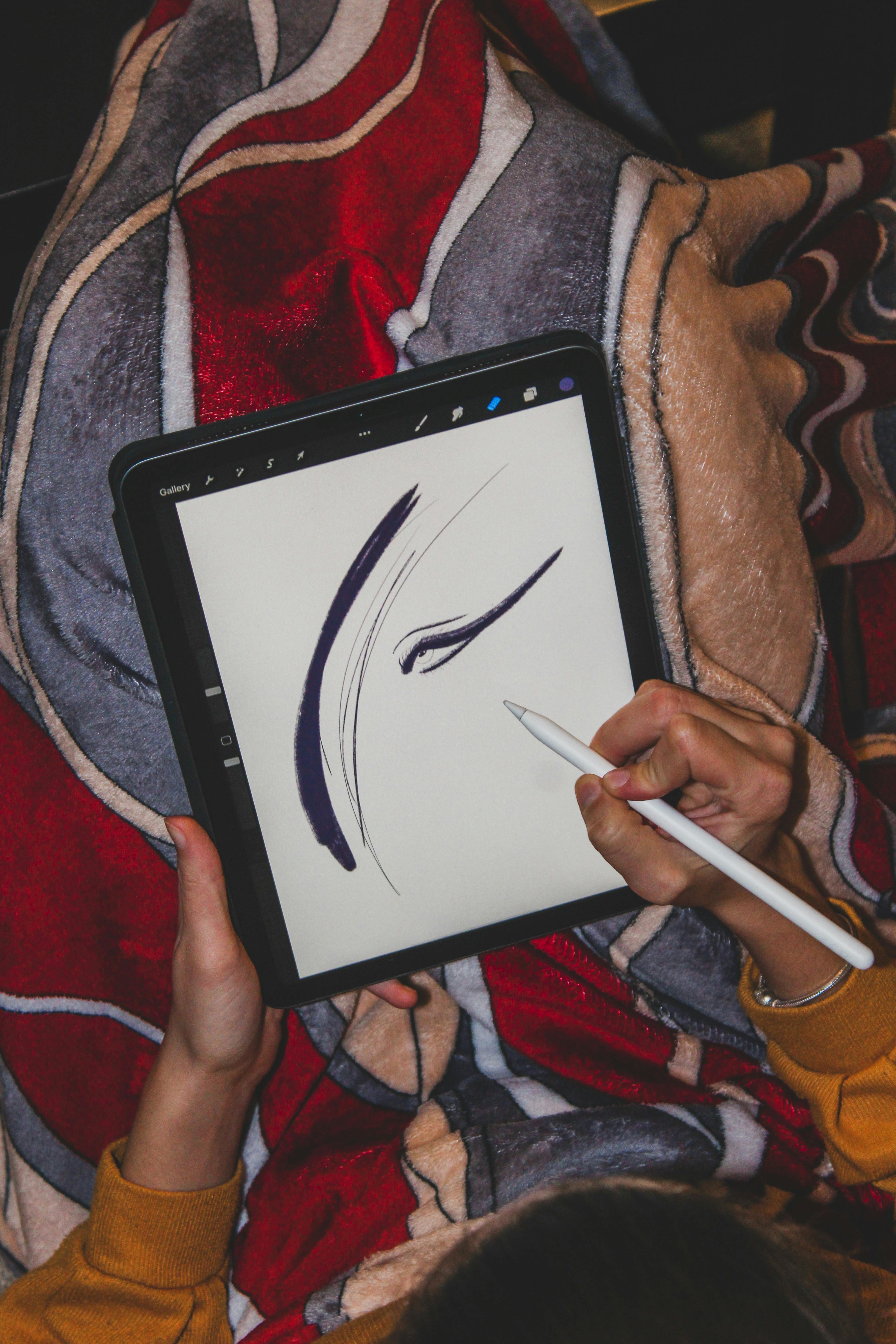
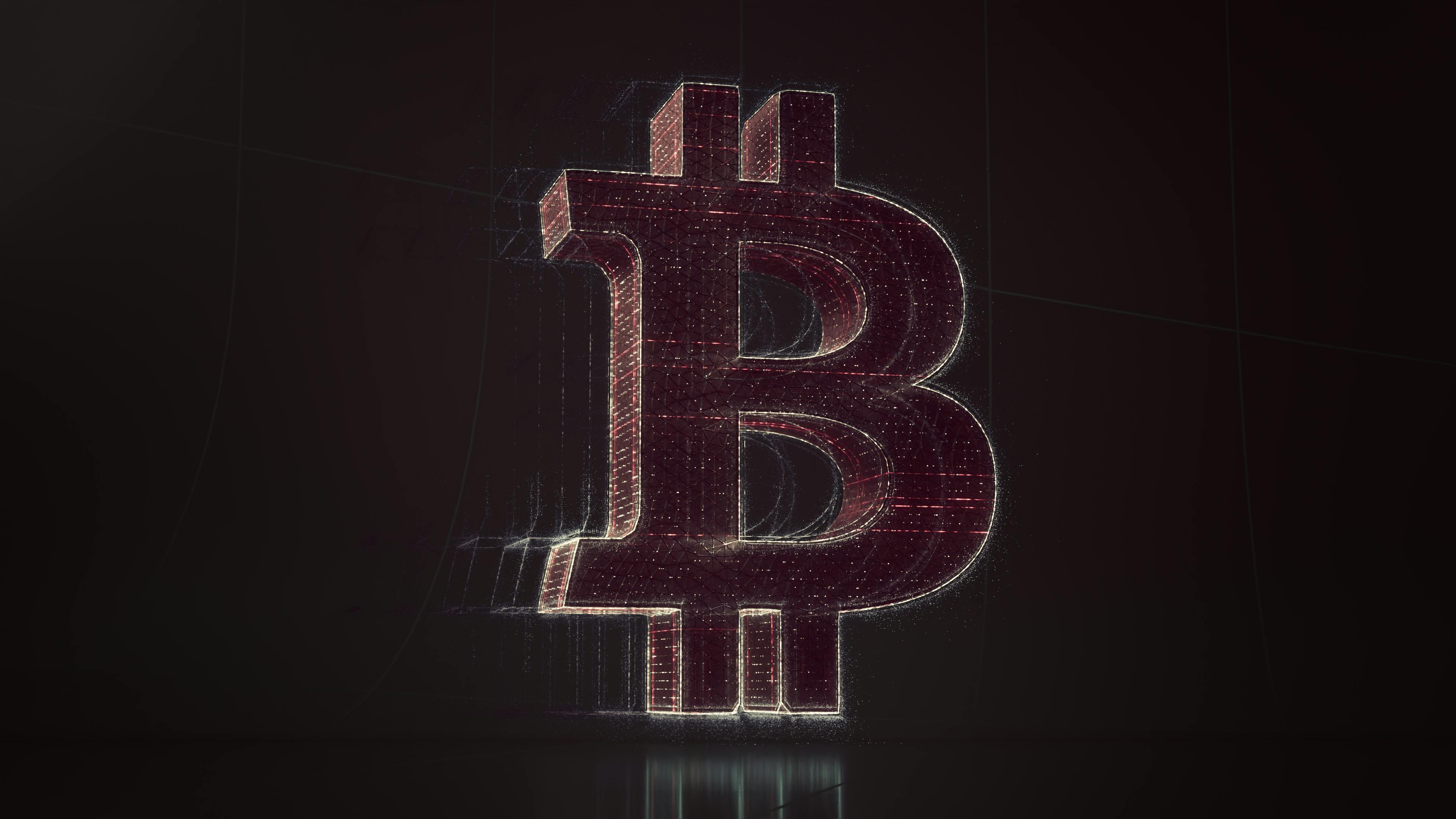
And technology? Beyond AI, the internet has fundamentally reshaped how art is created, shared, and consumed. Online portfolios, social media, and digital platforms allow artists to reach global audiences and even sell directly, circumventing traditional gatekeepers. Yet, it also brings new challenges: digital saturation, copyright issues, and the struggle for visibility in a crowded online space. The advent of NFTs, for instance, has added another layer of complexity, creating digital scarcity and new forms of ownership for online art, blurring the lines between intrinsic and monetary value in unprecedented ways. It's a double-edged sword, offering both unprecedented freedom and new pressures.
a-person-drawing-on-a-digital-tablet, CC0
Then there's AI. While AI tools require significant human development, training data, and immense computational power (all of which cost real money, often involving complex 'prompt engineering' skills from human operators!), the AI itself doesn't 'need' money to generate an image. This leads us back to the fundamental question: can something truly be called 'art' if it's devoid of human intention, raw emotion, and the very real-world considerations of sustenance that we've explored? If an AI creates a beautiful image, is it art in the same profound sense if there's no human 'self' struggling, dreaming, or connecting behind it? There are deep ethical implications too: the potential for AI-generated art to devalue human creativity, the philosophical question of sentience in art, and the crucial issue of ensuring artists whose work contributed to the training data are recognized and fairly compensated. This topic is explored further in discussions about AI as a co-creator.








digital-bitcoin-symbol-futuristic-glow, CC0
My Conclusion: The Indomitable Spirit of Creation
So, can art exist without money? Absolutely. The human spirit's urge to create is as fundamental as the urge to communicate, to eat, or to breathe. Money, I've come to believe, is merely a facilitator for art in our modern world, not its core ingredient. It allows for bigger studios, more ambitious projects, a wider reach, and a means for artists to survive while pursuing their calling.
But the essence of art? That spark of creativity, the act of making, the profound connection it can forge between creator and observer – that's priceless. It existed before money, and it will continue to exist, in countless forms, regardless of how our economic systems evolve. It’s a testament to our humanity, an indomitable spirit that simply refuses to be silenced, paid for or not. It’s a quiet rebellion, an enduring truth. What artwork has moved you profoundly, regardless of its price tag, and why? It’s a question worth pondering, for yourself and for the broader tapestry of human expression.
Key Takeaways:
- Intrinsic Value is Primal: Art's core worth predates commerce, rooted in fundamental human expression and communal needs, driven by deep psychological and anthropological urges.
- Money as a Facilitator: While money enables large-scale art and artist survival, it is not the source of art's essence, but a tool within specific economic systems.
- Commodification's Double Edge: The art market offers opportunities but also creates pressures that can compromise artistic integrity and accessibility, often leading to psychological tolls on creators.
- Art's Diverse Ecosystem: Many art forms thrive outside commercial systems, valued for their social impact, spiritual significance, ephemeral experience, and role in cultural preservation.
- Resilience of Creativity: The human drive to create is indomitable, ensuring art's existence in myriad forms, regardless of economic structures, including new challenges and opportunities presented by technology like AI.
Frequently Asked Questions About Art and Money
Here are a few common questions I hear that touch on this very topic:
Q: Is art inherently valuable without a price tag?
A: My firm belief is yes, absolutely. Its value lies in its ability to express, provoke, comfort, and inspire. This intrinsic value far predates any monetary system. It's the reason we're moved by a cave painting or a child's drawing. It provides a pure use-value to the human spirit that money cannot quantify.
Q: How do artists survive without selling art?
A: Many artists have day jobs, rely on grants, patronage (modern-day versions like crowdfunding or dedicated foundations), teach, license their work, or create non-commercial work purely for personal fulfillment or activism. Art therapy is another powerful example where the value is entirely personal and non-monetary. It's a spectrum, and survival strategies are incredibly diverse, often involving a combination of creative income streams as explored above.
Q: Does commercial success compromise artistic integrity?
A: This is the eternal debate! It can, if the artist starts creating solely for market trends or external pressures. However, many artists achieve commercial success because of their integrity and unique vision, not in spite of it. It’s about maintaining your personal artistic vision regardless of the sales figures. Sometimes, ironically, success can even free an artist to explore more experimental avenues.
Q: Can art be created purely for internal value, without any external purpose or transaction?
A: Absolutely. Many people engage with art as a form of therapy, a coping mechanism, or simply for the sheer joy and meditation of the creative process. It can be a deeply personal dialogue, a way to process emotions, or a quiet act of self-care. The value here is entirely intrinsic, a profound contribution to one's well-being that no market can quantify or commodify. It's the pure use-value of creation.
Q: What role do provenance and authentication play in art's value?
A: Provenance (the history of ownership) and authentication (verifying originality) are crucial for establishing an artwork's monetary value and credibility in the market. They assure buyers of a piece's authenticity and legal ownership, significantly impacting its price. However, these factors have little bearing on art's intrinsic value – a powerful piece remains powerful whether its history is perfectly documented or not. Yet, for an artist to make a living, market confidence built on provenance is often essential.
Q: Can AI create art without human monetary input?
A: That's a fascinating and increasingly relevant question! While AI tools require significant human development, training data, and immense computational power (all of which cost real money, often involving complex 'prompt engineering' skills from human operators!), the AI itself doesn't 'need' money to generate an image. However, the premise of