Best Art to Buy: Your Guide to Finding Affordable & Unique Pieces
Want to buy art you'll love? Learn expert tips on budget, art types, artist authenticity, and even potential investment. Start your collection today!

Key Considerations When Buying Art
I remember standing in that gallery, heart pounding, staring at a painting that just... spoke to me. It wasn't expensive by gallery standards, but it represented a significant chunk of my savings at the time. My rational brain was screaming "What are you doing?" but my emotional self kept whispering "You need this." That moment, that internal tug-of-war between practicality and passion, is exactly what makes buying art such a profound human experience. Whether you're a seasoned collector or just dipping your toes into the art world, this guide will help you navigate the beautiful, sometimes intimidating, journey of acquiring art that brings you joy and meaning.
The Love Factor: Why Personal Connection Trumps Everything
Let's be real about this—buying art is deeply personal. It's not like buying a toaster where functionality is king. When you bring art into your life, you're inviting emotion, conversation, and daily inspiration into your most personal spaces. That's why experts consistently advise that buying art should first and foremost be about finding pieces that resonate with your soul. Think about it: this artwork will become part of your daily environment, greeting you when you wake up and watching over you as you wind down. If it doesn't bring you genuine joy, what's the point?
I know what you're probably thinking—"But what about investment value?" Valid question, but here's my take: if you choose art that truly speaks to you, the investment will follow naturally. Those pieces you fall in love with tend to be the ones that gain value over time, not because you planned it that way, but because other people eventually recognize their beauty and significance too. The art market is fickle, but personal taste is eternal.
Your Personal Art Journey
- Emotional resonance: How does the piece make you feel when you look at it? Does it calm you, excite you, make you think?
- Personal story connection: Does the artwork remind you of a place, time, or memory?
- Lifestyle integration: Will this piece feel at home in your living space, or will it always look out of place?
- Conversation starter: Great art often sparks meaningful conversations with visitors.
The beauty of contemporary art, like the work you'll find on platforms like Zen Museum, is that it often breaks traditional boundaries. That abstract piece that doesn't "look like" anything specific might actually be speaking to you in ways you can't quite articulate yet—and that's perfectly okay. Art doesn't always have to be understood intellectually to be appreciated deeply.

The cornerstone of any art acquisition should be a genuine connection with the piece. Experts consistently advise that buying art is a deeply subjective experience, and the primary focus should be on acquiring pieces that resonate with personal taste and evoke positive emotions. If a chosen artwork happens to appreciate in value, that is an added benefit, but it should not be the sole reason for the purchase. Ultimately, the art will become a part of one's daily environment, and investing in something that enhances that environment and brings joy is a valuable return in itself. The artwork should reflect the buyer's personality and style, becoming a true expression of who they are and what brings them pleasure. Considering how the artwork makes one feel is paramount, as a piece that is admired and enjoyed regularly holds a value beyond monetary worth.

Budgeting Like a Pro: Making Art Accessible at Every Level
Let's talk money—because unfortunately, we can't ignore this practical side of art collecting. But here's the good news: art comes in all price ranges, and there are smart ways to approach your budget that make collecting accessible to almost everyone. The key is thinking about your budget not as a limitation, but as a creative constraint that actually helps focus your search.
Budget Planning Strategies
- The Rule of Thirds: Allocate your budget across three categories—primary piece, emerging artists, and prints/works on paper. This diversifies your collection while managing risk.
- The Art Fund Approach: Set aside a specific amount each month dedicated solely to art acquisition. This makes collecting a sustainable, ongoing practice rather than one-time purchases.
- The Experience Priority: Consider budgeting for art fairs and gallery visits as part of your art-buying budget—exposure and education are valuable investments.
Budget-Friendly Entry Points
- Limited edition prints: Often signed and numbered, these offer access to established artists at a fraction of original artwork prices.
- Works on paper: Drawings, sketches, and prints typically cost less than paintings while offering incredible artistic value.
- Art by emerging artists: Support new talent while getting in on the ground floor of potentially rising careers.
- Local art markets and fairs: Often feature more affordable pieces directly from artists.
Remember that your budget will evolve as you learn more about what you love. That $500 print you buy today might lead you to discover you prefer a certain style, which helps you make more informed (and potentially more valuable) purchases down the line. The art world is full of collectors who started small and gradually built impressive collections over time.
Establishing a clear and realistic budget is a fundamental step before embarking on the journey of buying art. This financial framework helps to focus the search and prevents overspending, ensuring that art acquisition remains a positive and sustainable endeavor. The purpose of the budget should also be considered; is the aim to acquire a single, significant piece, or several smaller artworks ? It is important to recognize that the budget may evolve over time as one's knowledge and appreciation of art deepen. For those with more limited budgets, options such as limited edition prints and works by emerging artists offer accessible entry points into the art world. The existence of platforms and fairs dedicated to affordable art further demonstrates that collecting art is not exclusive to the wealthy and that unique and enjoyable pieces can be found at various price points. Starting with more affordable options can be a prudent way to begin an art collection, allowing individuals to cultivate their taste and knowledge without significant financial risk.
Art Forms Decoded: From Prints to Masterpieces
The art world offers an incredible diversity of forms, each with its own unique characteristics, value propositions, and appeal. Understanding these differences helps you make informed decisions that align with both your budget and aesthetic preferences. Let's break down the landscape:
Original Artworks: The Collector's Dream
Original paintings, sculptures, and drawings are unique, one-of-a-kind pieces created directly by the artist. These are typically the most expensive options but also offer the greatest potential for investment and personal significance. The value of original artwork comes from several factors:

- Uniqueness: There's only one in existence
- Artist's hand: You can see the actual brushstrokes, textures, and marks
- Historical significance: May represent a specific period or phase in the artist's career
- Material authenticity: The original materials used by the artist
Limited Edition Prints: The Sweet Spot
Limited edition prints offer an excellent compromise between affordability and authenticity. These are high-quality reproductions of an original artwork, produced in a strictly limited number (usually 50-500). Each print is typically signed and numbered by the artist, and often comes with a certificate of authenticity.
What Makes Limited Editions Valuable
- Scarcity: The limited run creates inherent value
- Artist approval: The artist oversees and approves the printing process
- Quality: Printed with archival-quality materials to ensure longevity
- Collectibility: Lower-numbered prints in the edition often have higher value
Works on Paper: Hidden Treasures
Drawings, sketches, etchings, lithographs, and other works on paper offer incredible artistic value at more accessible price points. These pieces often reveal an artist's creative process and technical skill in intimate ways that finished paintings might not show.

Photography: Capturing Moments in Time
Artistic photography ranges from traditional silver gelatin prints to contemporary digital works. Like other art forms, photography can be investment-worthy when from established photographers or limited editions.
Sculpture and Three-Dimensional Art
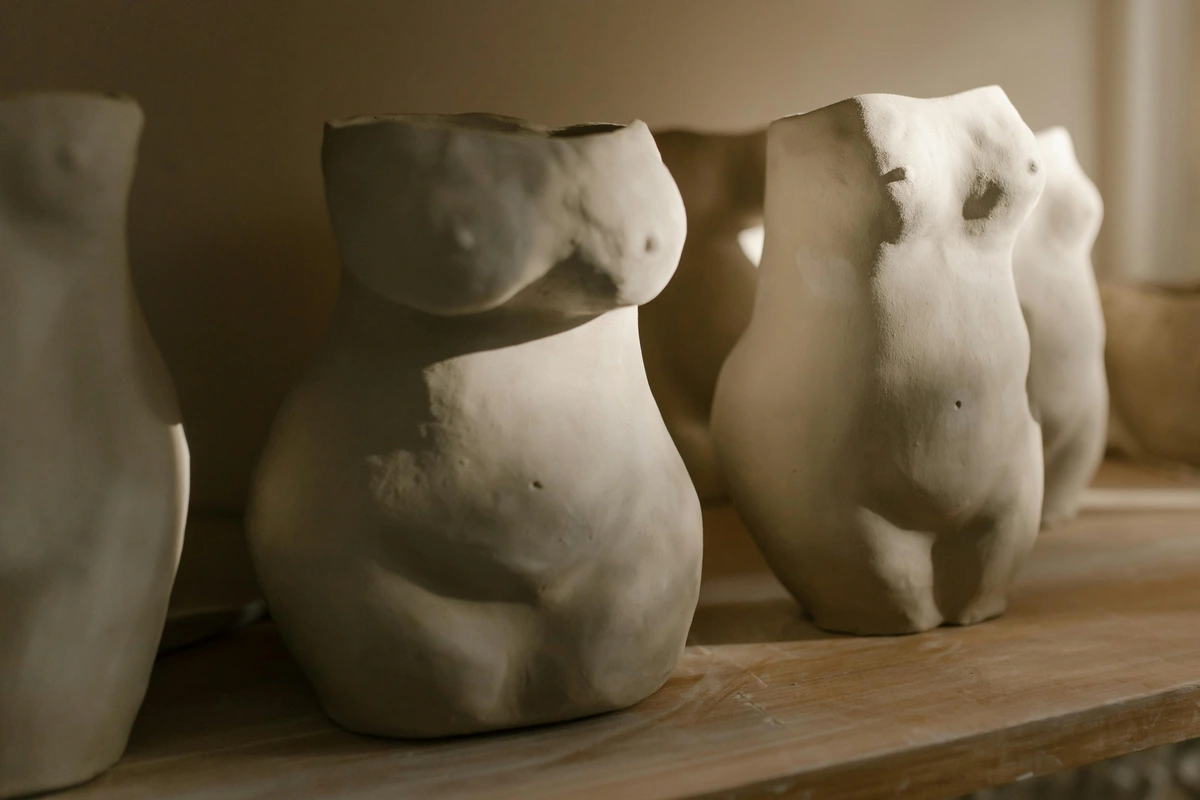
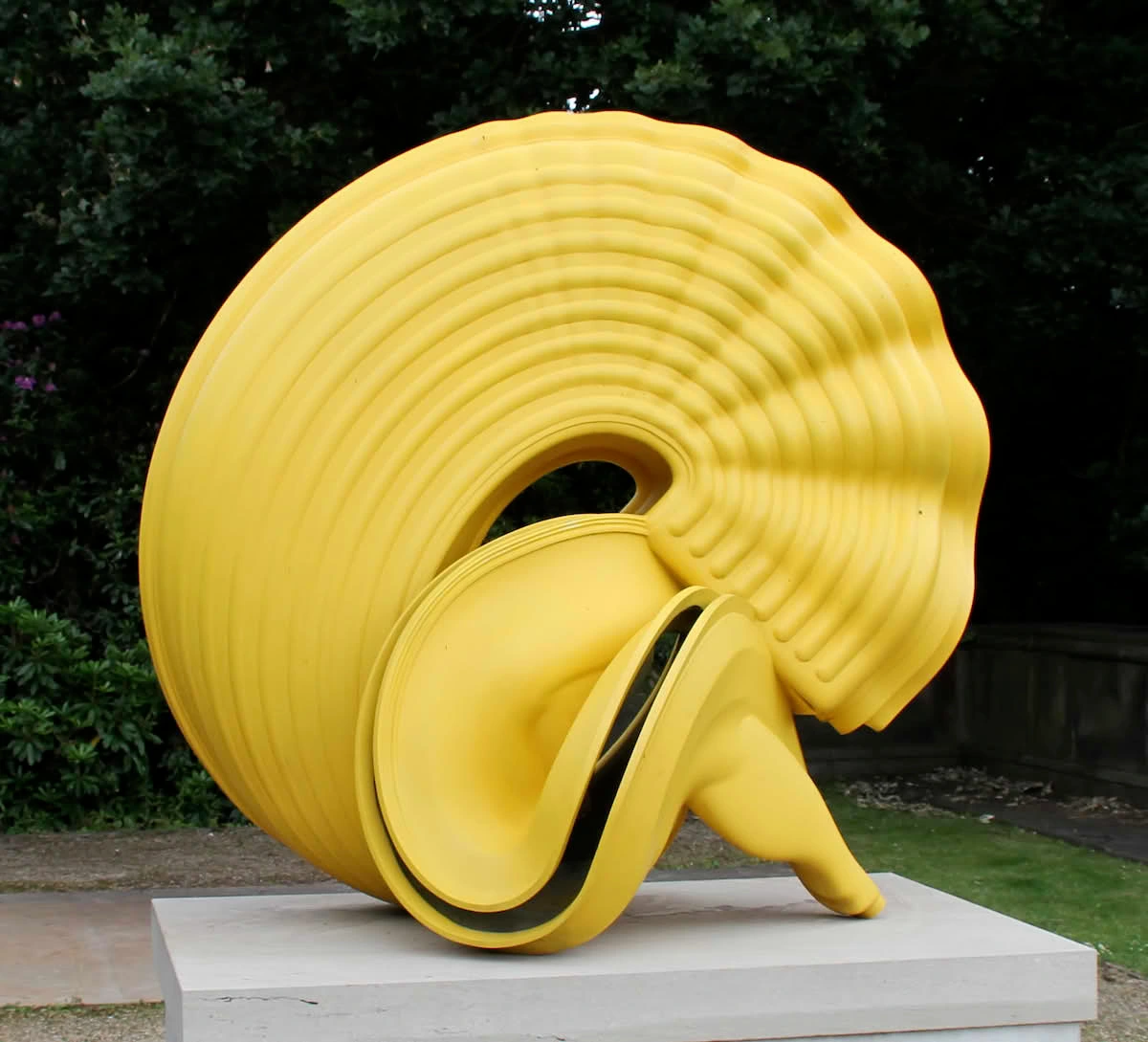
Sculpture adds a physical, tactile dimension to collecting. From small ceramic pieces to large installations, sculpture occupies space in ways that 2D art cannot, making it a unique consideration for collectors with appropriate display space.
The art world encompasses a diverse range of forms, each with its own unique characteristics and value proposition. Understanding these distinctions is crucial for making informed choices that align with budget and aesthetic preferences. Original artworks, such as paintings and sculptures, are unique creations, often commanding higher prices due to their singularity. Reproductions, on the other hand, are copies that typically hold little financial value beyond their decorative appeal. Limited edition prints offer a more accessible way to own a piece by a sought-after artist, as they are produced in a restricted number and are often signed and numbered, adding to their value. Other art forms like photography and works on paper, such as drawings, etchings, and lithographs, can also provide more budget-friendly options, especially for those interested in collecting pieces by established artists. The increasing prevalence of online galleries has further expanded the accessibility of various art forms, allowing potential buyers to explore a wider selection and compare options more easily.
Overzicht van Verschillende Kunstvormen (Overview of Different Art Forms)

Description  | Typical Characteristics | Price Range | |
|---|---|---|---|
| Original Painting | Unique work created by the artist | Often signed, various materials | $ - $$ |
| Original Drawing | Unique work on paper | Pencil, ink, charcoal, etc. | $ - $$ |
| Sculpture | Three-dimensional artwork | Different materials | $ - $$ |
| Limited Edition Print | Limited edition image, often signed and numbered | Numbered edition | $ - $$ |
| Photography | Artistic photograph, often in limited edition | Different printing techniques | $ - $$ |
| Mixed Media | Combination of multiple materials and techniques | Textural, layered, experimental | $ - $$ |
| Digital Art | Artwork created using digital tools | NFT prints, giclée prints | $ - $$ |
| Installation Art | Large-scale immersive environments | Site-specific, experiential | $$ - $$ |
Artist Investigation: The Detective Work of Authentic Collecting
Buying art isn't just about acquiring a beautiful object—it's about entering into a relationship with the artist and their creative vision. Understanding the person behind the piece adds layers of meaning and context that enrich your collecting experience. Here's how to become an art detective:
Researching the Artist
- Background and training: Where did they study? Who were their influences?
- Career trajectory: Have they shown steady growth? Major exhibitions or museum recognition?
- Critical reception: What do art critics and curators say about their work?
- Market presence: How are their pieces selling? Are prices trending up?
Authenticity Verification: Non-Negotiable
This is where the rubber meets the road. In an art world where forgeries exist, authenticity is your most important protection. Here's what you absolutely must do:
- Certificate of Authenticity (COA): Always demand a proper COA that includes:
- Artist name and artwork title
- Year created
- Medium and dimensions
- Edition number (if applicable)
- Artist's signature
- Gallery stamp or authentication seal
- Purchase from reputable sources: Established galleries, recognized art fairs, and well-documented online platforms
- Provenance documentation: Chain of ownership history
- Expert consultation: For high-value pieces, consider independent expert verification
Building Artist Relationships
As you become more experienced, you might consider building direct relationships with artists or their galleries. This can provide:
- Access to new works before they hit the market
- Insights into the artist's creative process
- Potential for studio visits and deeper understanding
- Opportunities for commissioning custom pieces
Red Flags to Watch For
- Deals that seem too good to be true
- Missing or questionable documentation
- Unusual payment requests
- Pressure tactics
- Sellers who can't provide basic information about the artist or artwork
Remember, authentic art collecting is about building trust—both with the art you acquire and with the people and institutions that help you navigate the art world.

Researching the artist behind a piece of art is an essential step in the buying process. Understanding their background, artistic training, style, and reputation within the art world can provide valuable context and insight into the artwork itself. For those considering art as an investment, the artist's career trajectory, exhibition history, and critical reception are particularly important factors to consider. Ensuring the authenticity of the artwork is also paramount to protect against fraud and guarantee the acquisition of a genuine piece. Buyers should always seek a signed certificate of authenticity from the seller and prioritize purchasing from reputable sources such as established galleries, recognized art fairs, and well-known online platforms. Juried art fairs can be a good starting point for new buyers as the artists have typically passed a level of review. Building relationships with artists or reputable galleries can provide access to valuable information and new works, fostering a more informed and confident buying experience. It is generally advisable to exercise caution when encountering unsolicited offers or deals that seem too good to be true, as these may involve reproductions or forgeries.
The Condition Checklist: Evaluating Art Like a Pro
Before you commit to any art purchase, thorough condition assessment is absolutely essential. This isn't just about spotting obvious damage—it's about understanding the artwork's history, current state, and future preservation needs. Think of yourself as both a detective and a caretaker.
The Condition Assessment Framework
When examining artwork, look systematically:
- Surface examination: Under good lighting, check for:
- Tears, holes, or punctures
- Stains, discoloration, or foxing
- Cracks, crazing, or surface damage
- Abrasions or areas of excessive wear
- Previous restoration (look for color differences, texture changes)
- Structural integrity: For paintings, check the canvas for:
- Canvas tears or separations
- Warping or buckling
- Loose stretcher bars
- Condition of the wooden frame
- Material-specific concerns: Different materials have different issues:
- Oil paintings: Check for yellowing varnish, paint flaking, or "bloom" (hazing)
- Paper works: Look for acid damage, foxing, or moisture damage
- Photographs: Check for fading, silvering, or chemical deterioration
- Sculpture: Look for structural integrity, surface corrosion, or previous repairs
Framing and Presentation Matters
Proper framing isn't just about aesthetics—it's about preservation:
- Acrylic materials: Use acid-free mats, backing boards, and hinging materials
- UV-protective glass: Protects against fading from light exposure
- Proper spacing: Allow air circulation between artwork and glass
- Professional framing: Worth the investment for valuable pieces
- Hanging hardware: Use appropriate weight-rated hardware
The Inspection Process: A Step-by-Step Guide
- Initial visual scan: From normal viewing distance
- Close examination: Within 2-3 feet, using good lighting
- Side-angle viewing: Helps reveal surface texture and imperfections
- Tactile assessment (when appropriate): Gently check for texture inconsistencies
- Documentation: Take photos of any concerns
- Professional consultation: For valuable pieces, consider hiring a conservator
Understanding Restoration
Not all restoration is bad, but it should be disclosed and professionally done:
- Minimal restoration: Small repairs that don't affect value
- Professional restoration: Done by qualified conservators
- Extensive restoration: May significantly affect value and desirability
- Questionable restoration: Amateur work or undisclosed repairs
The Return Policy Safety Net
Always understand the seller's return policy before purchasing:
- Inspection period: How long do you have to evaluate the piece?
- Return conditions: Who pays for return shipping?
- Restocking fees: Any penalties for returns?
- Documentation requirements: What proof of condition do you need?
For particularly valuable pieces, consider art insurance before the purchase is final. This protects your investment and gives you peace of mind during the initial inspection period.
A thorough examination of the artwork's physical condition is a crucial step before finalizing a purchase. Any signs of damage, such as tears, cracks, discoloration, or mold, can significantly impact the artwork's value and longevity. For prints, particular attention should be paid to the margins, ensuring they are free from damage. Proper framing and mounting are not only important for the aesthetic presentation of the artwork but also play a vital role in its preservation. Using high-quality, archival materials for framing can help protect the artwork from environmental factors and prevent deterioration over time. It is also prudent to inquire about the artwork's history of care and any previous restoration work that may have been done. Understanding the seller's return policy is also advisable, providing recourse if the artwork does not meet expectations upon closer inspection. For valuable pieces, considering art insurance can provide financial protection against potential damage, theft, or loss.
Space Planning: Where Art Thrives
One of the most practical aspects of art collecting is ensuring your chosen pieces will actually work in your living space. I've made this mistake before—falling in love with a beautiful piece only to realize it completely overwhelmed my small apartment. Here's how to think about space like an interior designer:
Room-Specific Considerations
- Living rooms: Larger, statement pieces work well here. Consider how the art relates to your seating arrangement and conversation areas.
- Bedrooms: More intimate, calming pieces often work best. Consider how the art will look in the soft light of morning versus evening.
- Hallways and entryways: Vertical pieces or smaller collections work well in transitional spaces.
- Home offices: Art that inspires creativity or provides mental calm can enhance your work environment.
- Dining areas: Consider how the art will look during different meals and lighting conditions.
The Wall Math: Sizing it Right
There's an art (pun intended) to sizing artwork for walls:
- Small walls: Art should take up about 2/3 to 3/4 of the wall space
- Large walls: Can accommodate larger pieces or groupings
- Eye level: Most artwork should be hung with the center at eye level (roughly 57-60 inches from floor)
- Furniture relationship: Artwork should relate to the furniture below it
Lighting: The Artwork's Best Friend
Lighting dramatically affects how art appears:
- Natural light: Beautiful but can cause fading over time
- LED lighting: Cool, energy-efficient, and less damaging to art
- Track lighting: Great for highlighting specific pieces
- Picture lights: Direct illumination for individual artworks
Digital Preview Tools
Many galleries now offer virtual preview tools that let you:
- Upload photos of your space
- "Try on" different artworks virtually
- See scale and proportion before purchasing
- Experiment with different placements
The Art of Arrangement
When displaying multiple pieces:
- Gallery wall: Mix sizes and styles for eclectic appeal
- Grid arrangement: Works well for similar-sized pieces
- Focal point: One dominant piece with smaller supporting pieces
- Color coordination: Pieces that share color palettes work well together
Environmental Factors
Protect your art from:
- Direct sunlight: Causes fading and damage
- Extreme temperature fluctuations: Can crack paint or warp canvas
- High humidity: Can promote mold and deterioration
- Air pollution: Especially damaging to paper works
Seasonal Considerations
Think about how lighting changes with seasons and how different times of day affect your art. A piece that looks stunning in afternoon sunlight might appear completely different in evening lamplight.
Before purchasing art, it is beneficial to consider the specific space where it will be displayed. The size of the room, the dimensions of the wall, and the existing décor should all be taken into account to ensure the artwork complements its surroundings. A large, impactful piece might be well-suited for a spacious room, while smaller, more intimate works might be more appropriate for smaller areas. The desired mood or atmosphere of the space should also influence the choice of art; for instance, vibrant and bold pieces might energize a living area, while more serene works could be fitting for a bedroom. Lighting plays a significant role in how artwork is perceived, and considering both natural and artificial light sources in the intended display area is important. Some galleries offer virtual preview tools that allow potential buyers to visualize how a particular artwork might look in their own home, aiding in the decision-making process. By carefully considering the spatial context, buyers can ensure that the chosen artwork integrates harmoniously into their living environment and enhances its overall aesthetic appeal.
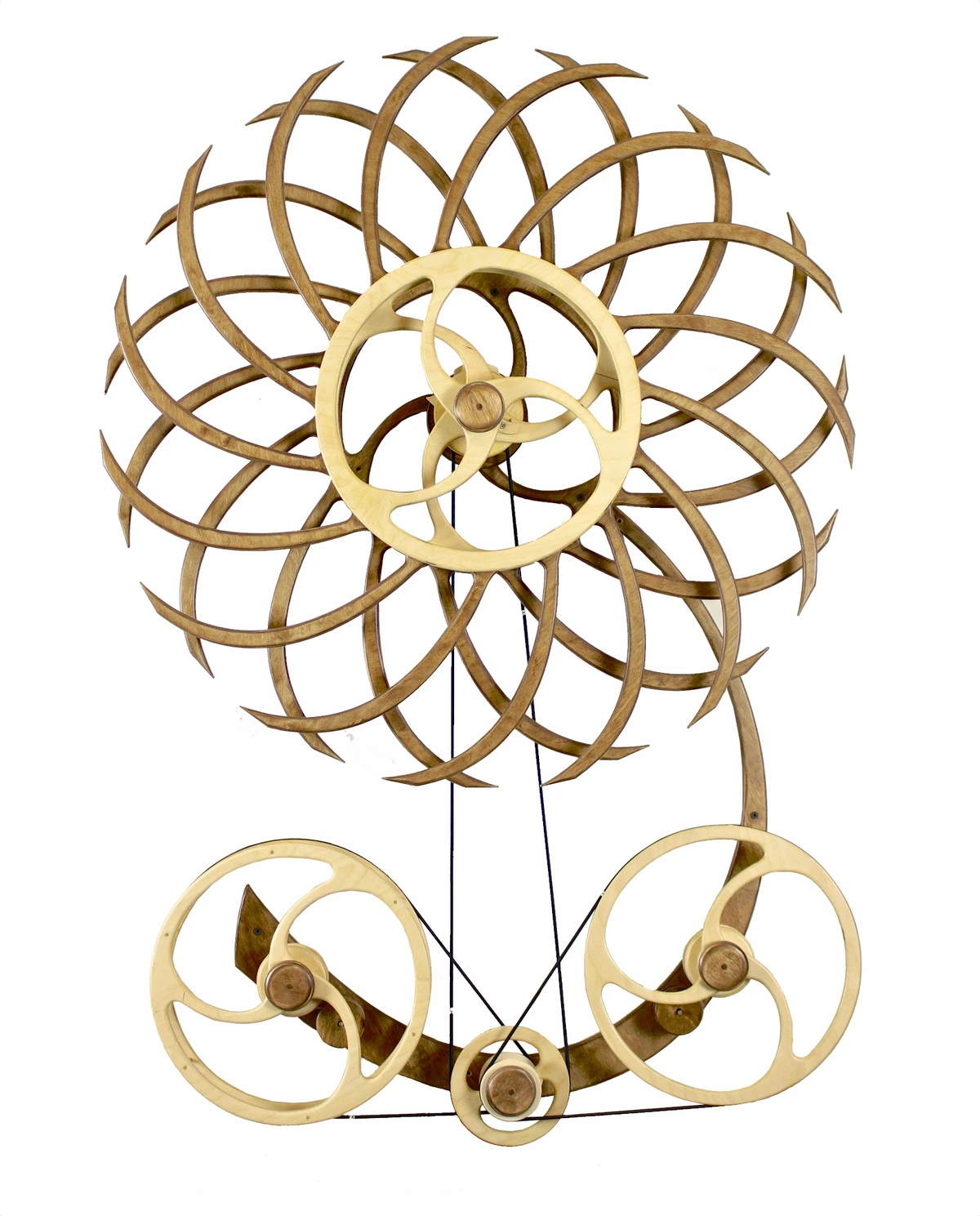
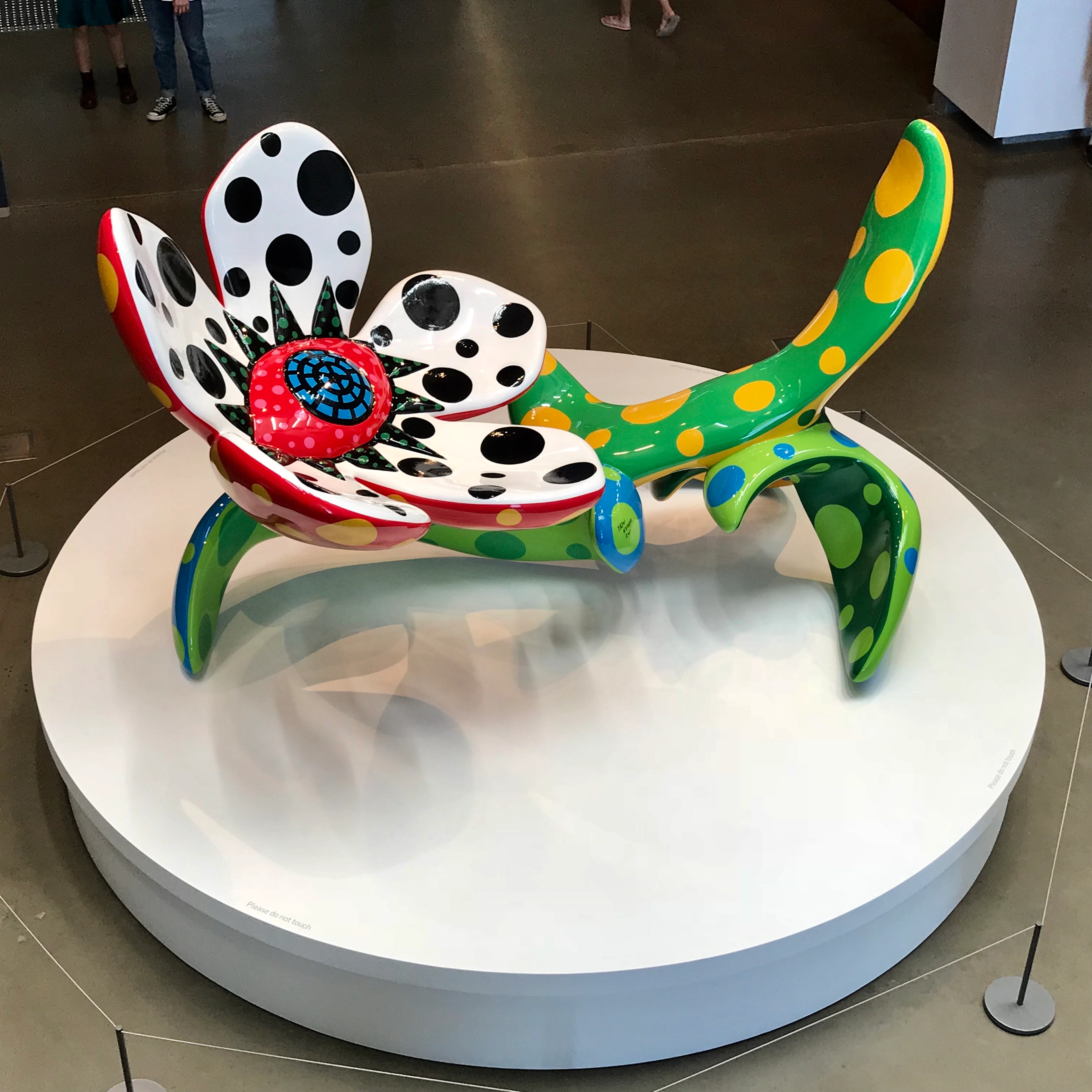
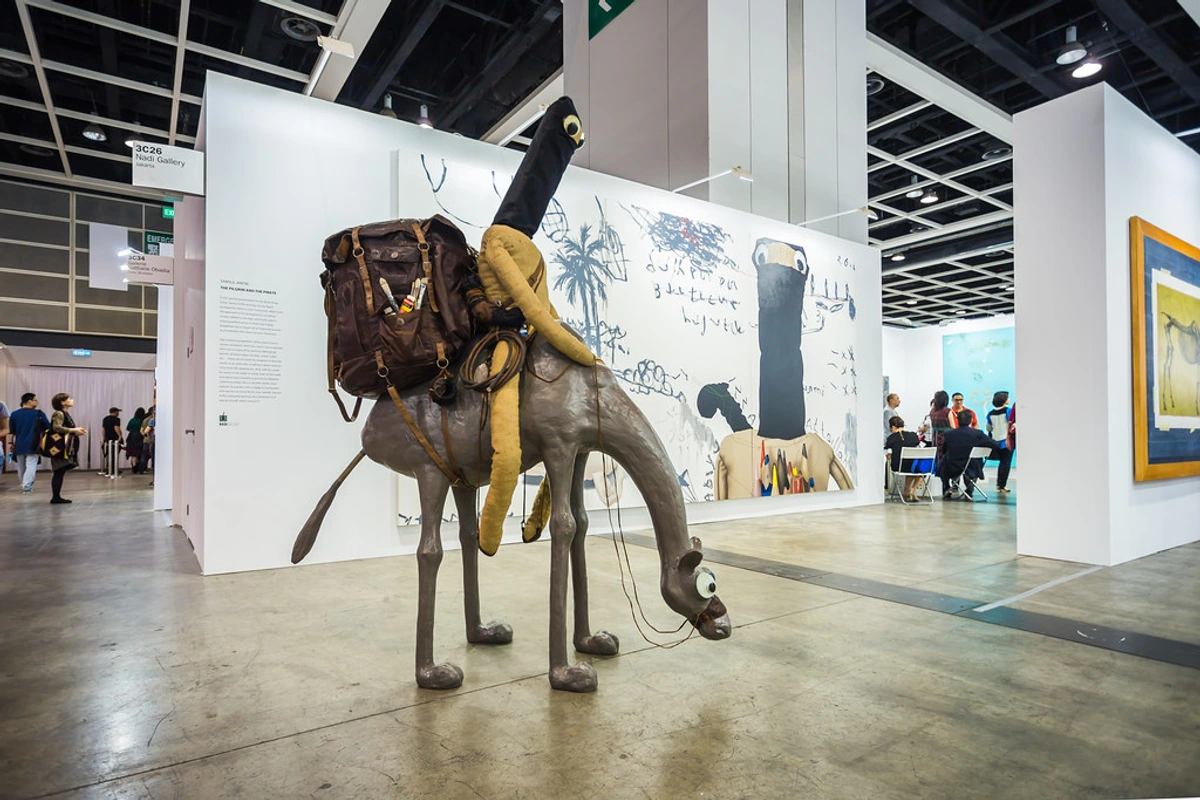
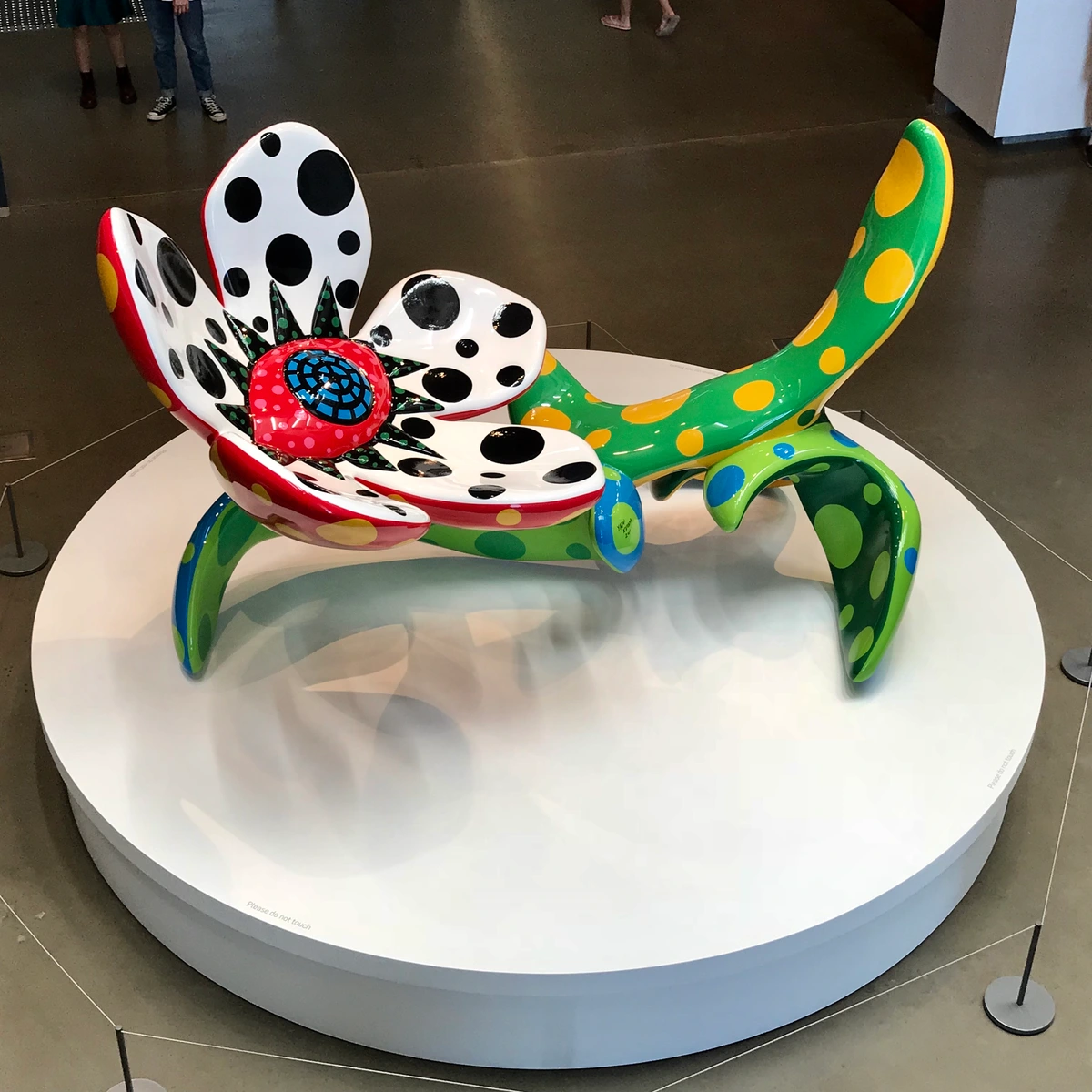
This mixed media piece illustrates how contemporary sculpture often combines traditional techniques with modern themes, creating thought-provoking narratives that engage viewers on multiple levels.
Investment Considerations: Art as Financial Asset
While the primary focus of art collecting should always be personal enjoyment, it's worth understanding the investment aspects—especially as your collection grows. Let's be realistic: art can be a good investment, but it's very different from stocks or real estate.
The Art Investment Reality Check
- Long-term game: Art appreciation typically happens over years, not months
- Illiquid asset: Selling art can take time and effort
- Market volatility: Values can fluctuate significantly
- High entry barriers: Some art markets require substantial capital
- Expert knowledge required: Understanding market trends is crucial
Investment Strategies for Different Budgets
- Beginner level ($500-$5,000):
- Focus on emerging artists with growing reputations
- Collect limited edition prints by established mid-career artists
- Look for undervalued artistic movements or styles
- Intermediate level ($5,000-$25,000):
- Begin collecting original works by emerging or mid-career artists
- Consider art with strong gallery representation
- Diversify across different mediums and styles
- Advanced level ($25,000+):
- Blue-chip artists with established track records
- Museum-quality pieces with strong provenance
- Works with exhibition history and critical acclaim
Market Research Essentials
Before investing in art:
- Track auction results: Sotheby's, Christie's, and regional auction houses
- Monitor gallery prices: How are similar pieces priced in galleries?
- Follow art publications: Artforum, Art in America, etc.
- Consult art advisors: For significant investments, professional guidance is wise
- Understand market cycles: Art markets have boom and bust periods
Risk Management Strategies
- Diversification: Don't put all your eggs in one artist's basket
- Authentication: Never buy without proper documentation
- Insurance: Protect your investment with appropriate coverage
- Storage: Proper conservation maintains value
- Exit strategy: Have a plan for how you might sell in the future
Tax Considerations
Art investments have unique tax implications:
- Capital gains: Taxed when you sell the artwork
- Deductible donations: Can donate art to charitable organizations
- Estate planning: Art can be part of your legacy planning
The Balanced Approach
My recommendation? Buy what you love first, let investment potential be secondary. The best art collections are those where the owner genuinely enjoys every piece. The financial gains, when they come, are just delightful bonuses to the primary joy of living with beautiful, meaningful art.









While the primary motivation for buying art often stems from personal enjoyment, the potential for financial appreciation can also be a consideration. However, it is crucial to approach art investment with realistic expectations, as it is not a guaranteed path to quick financial returns. Art is generally considered a long-term investment and can be less liquid than traditional financial assets, meaning it may take time and effort to sell. For those interested in the investment aspect, conducting thorough research into artists, art market trends, and seeking advice from art professionals is advisable. Investing in emerging artists can be a more accessible entry point, although it also carries a higher degree of risk compared to investing in established or blue-chip artists. It is important to remember that the art market can be influenced by various factors, and the value of an artwork can fluctuate. Therefore, for most beginners, prioritizing the acquisition of art that they genuinely love and appreciate is a more prudent approach, with potential investment value being a secondary consideration. Viewing art solely as a financial instrument can detract from the personal connection and enjoyment that it can bring.