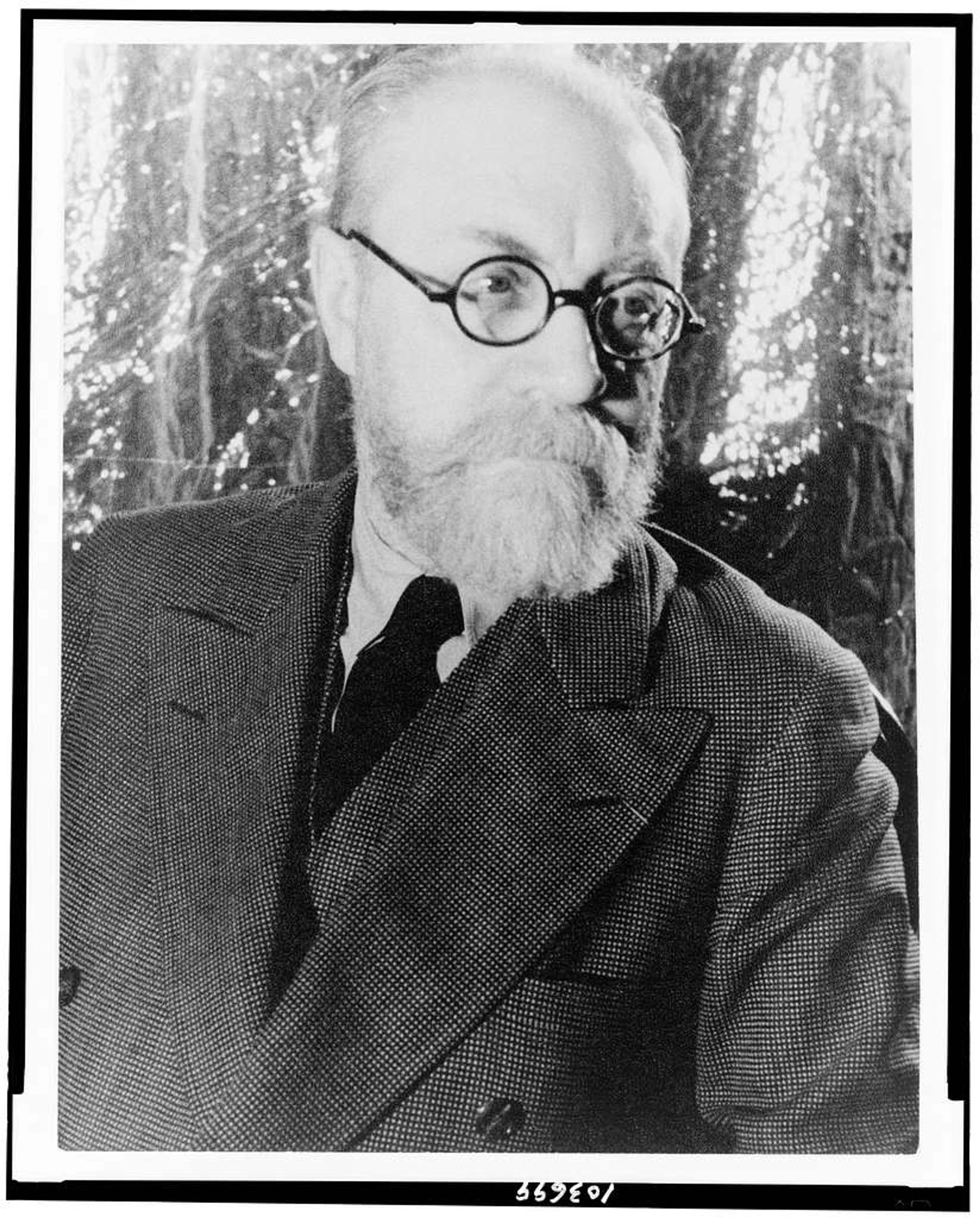
Who Was André Derain? The Fauvist Who Painted with Raw Emotion
Explore André Derain's revolutionary role in Fauvism, his bold color experiments, and how his art forever changed modern painting. An intimate biography of a master.

Unleashing the Wild Beasts: The Color Revolution of André Derain
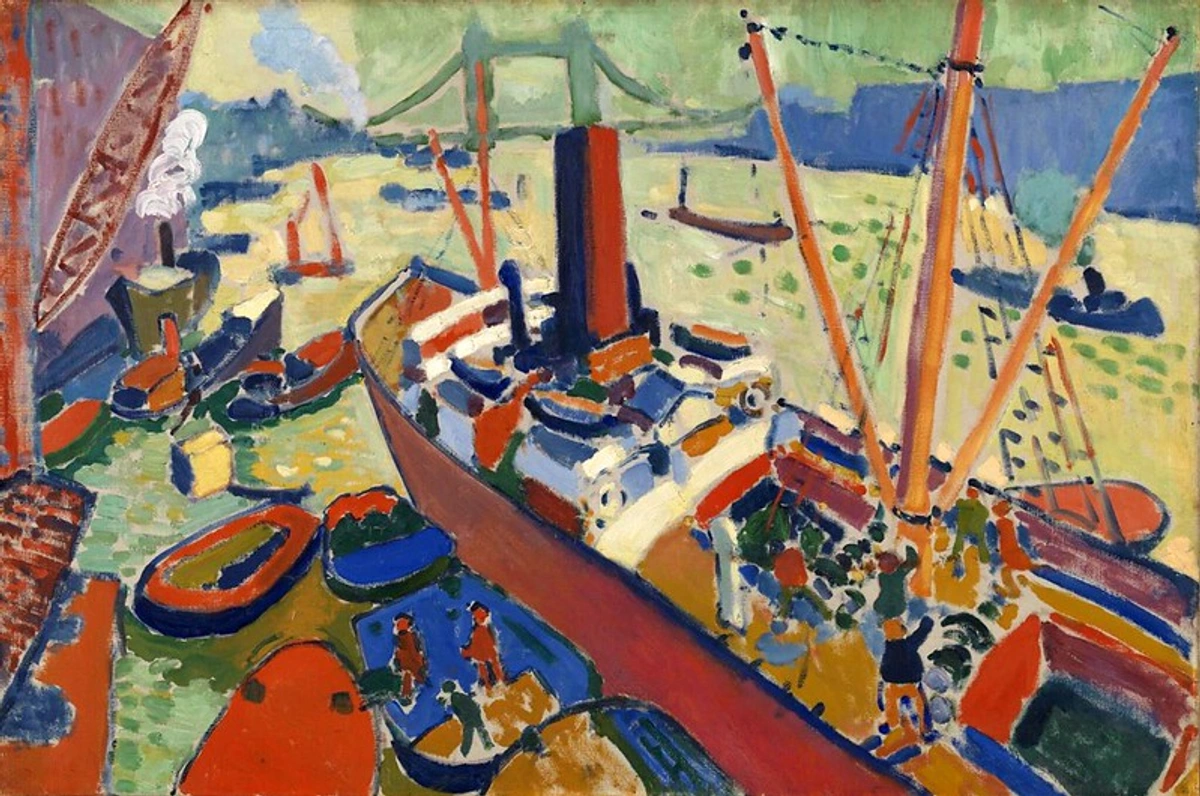
Have you ever stood before a painting where the colors seem to pulse with an almost violent energy? Where the sky isn’t blue but electric yellow, and trees bleed crimson? That’s the visceral thrill of André Derain’s work—a rebellion against polite society that still makes you catch your breath. I remember the first time I saw his The Pool of London in person—those acidic greens and warped perspectives felt like looking at the world through a shattered kaleidoscope. Who was this man who taught Paris how to see in technicolor? Let’s dive into the wild, wonderful world of André Derain.
The Making of a Fauvist: Early Life & Education
A Childhood Surrounded by Art
André Derain was born on June 10, 1880, in Chatou, a bohemian suburb of Paris that doubled as an artist's playground. Picture it: a young man skipping formal education sketching by the Seine, surrounded by poets and painters. His real education happened outdoors, capturing sunlight in riverside bistros rather than in dusty ateliers.
Chatou in the 1890s was a vibrant artistic community. The Seine river was dotted with floating cafés where artists gathered, debated, and sketched. Derain grew up immersed in this creative environment. His father, a successful pastry chef, encouraged his artistic talents, while his mother provided the emotional support that would sustain him through a lifetime of artistic experimentation.
The Formative Years: 1895-1900
Derain's formal art education began when he was just 15, but it didn't follow traditional paths. He attended the Académie Camillo in Paris, where he studied classical techniques but quickly grew frustrated with the rigid academic approach. Like many young artists of his generation, he found more inspiration outside the classroom than within it.
It was during these years that Derain developed his distinctive approach to color. While fellow students were busy mastering muted earth tones and subtle gradations, Derain was experimenting with bold, unexpected color combinations. His early sketchbooks reveal a young artist already grappling with questions that would define his later work: What color should a tree be? How can paint capture not just what we see, but what we feel?
André Derain was born in 1880 in Chatou, a bohemian suburb of Paris that doubled as an artist’s playground. Picture it: a young man skipping formal education sketching by the Seine, surrounded by poets and painters. His real education happened outdoors, capturing sunlight in riverside bistros rather than in dusty ateliers. But destiny knocked when he met Maurice de Vlaminck—a self-taught firebrand who later claimed: **"Derain introduced me to painting, and I taught him vulgarity."
That explosive partnership led Henri Matisse to invite Derain to Collioure in 1905. Here’s where the magic happened. Under the brutal Mediterranean sun, they started tossing rules overboard. Forget shadows? Check. Ignore real-world colors? Double check. They squeezed tubes of paint like toddlers with finger paints—lashing canvas with Cadmium yellow, Vermilion red, and Cobalt blue. Critics walked in, saw The Open Window and Woman with a Hat... and gasped. "Donatello among the wild beasts!" one reviewer snarled. Fauvism was born, and Derain was ring-leader.
Fauvism Unleashed: Why Their "Childish" Art Mattered
The Philosophical Revolution
The Fauves weren't anarchists—they were revolutionaries reclaiming painting from academic sluggishness. Their manifesto? Color as emotion over reality. Imagine Derain's Charing Bridge series—London's foggy skyline transformed into a fever dream of mauve, ochre, and ultramarine. The Thames glistened with jarring greens. Was it "accurate"? Who cared! It was how it felt to be alive in that moment.
What the Fauves understood was that color isn't just descriptive—it's emotional. A blue sky doesn't have to be painted with blue paint if what you're trying to capture is the feeling of a sky. Derain's genius was his ability to translate emotional states directly through color. When he painted a landscape, he wasn't just showing you what he saw; he was showing you how it made him feel.
The Technical Breakthrough
Beyond the philosophical revolution, the Fauves made crucial technical breakthroughs. They discovered that:
- Color could be used structurally—not just as decoration but as the primary means of organizing space
- Brushstrokes could be expressive—visible marks that showed the artist's hand and energy
- Form could be simplified—reducing objects to their essential emotional qualities
- Scale could be manipulated—emotional truth trumped literal proportions
The Fauves weren't anarchists—they were revolutionaries reclaiming painting from academic sluggishness. Their manifesto? Color as emotion over reality. Imagine Derain’s Charing Bridge series—London’s foggy skyline transformed into a fever dream of mauve, ochre, and ultramarine. The Thames glistened with jarring greens. Was it "accurate"? Who cared! It was how it felt to be alive in that moment.
Fauvist Technique  | Traditional Painting | Why It Shook the World |
|---|---|---|
| Unnatural color hues | Muted, "realistic" palettes | Liberated color from description to expression |
| Bold, visible brushstrokes | Smooth, blended surfaces | Celebrated texture and the artist’s hand |
| Distorted forms | Anatomically precise figures | Freed artists from literal representation |
| High-contrast shadows | Gradual tonal transitions | Created dramatic, emotional atmospheres |
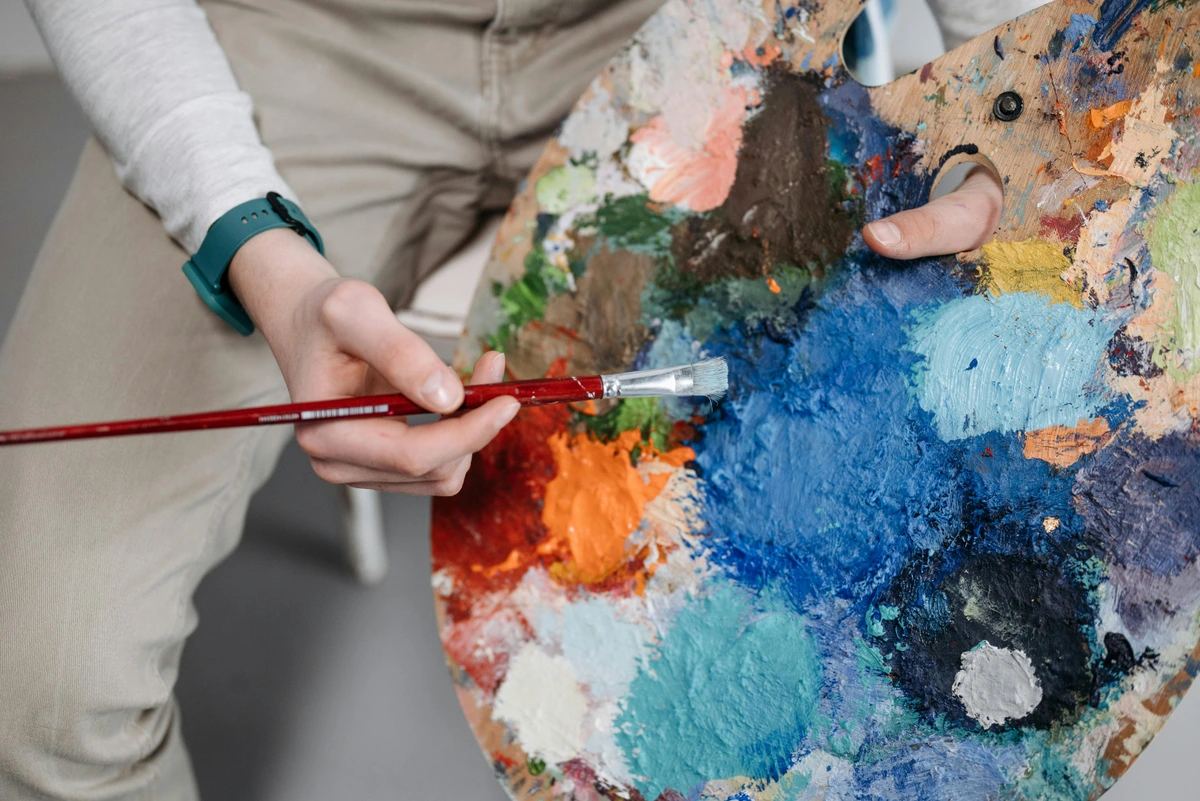
This wasn’t about being crude—it was about clarity. As Matisse put it, "Derain has the unique gift of extracting the essential from nature." But like any revolution, it couldn’t last. By 1908, the Fauvists scattered to explore Cubism, Symbolism, and beyond. Derain? He wandered too.
Derain’s Daring Decades: From Fauvism to Neoclassicism
The Medieval Renaissance (1914-1920)
With the outbreak of World War I, Derain's artistic journey took another unexpected turn. He began looking to the past for inspiration, particularly to medieval art and Gothic architecture. This period saw him:
- Embracing flat, decorative compositions reminiscent of medieval tapestries
- Using gold leaf and rich jewel tones that evoked illuminated manuscripts
- Creating stylized, elongated figures that felt both ancient and timeless
- Exploring religious and mythological themes with renewed intensity
The war seemed to push Derain toward more stable, traditional forms. While other artists were responding to the chaos with abstraction or fragmentation, Derain found solace in the order and spirituality of medieval art. This wasn't a rejection of modernism—it was a dialogue with the past that would enrich his contemporary work.
The Classical Period (1920s-1930s)
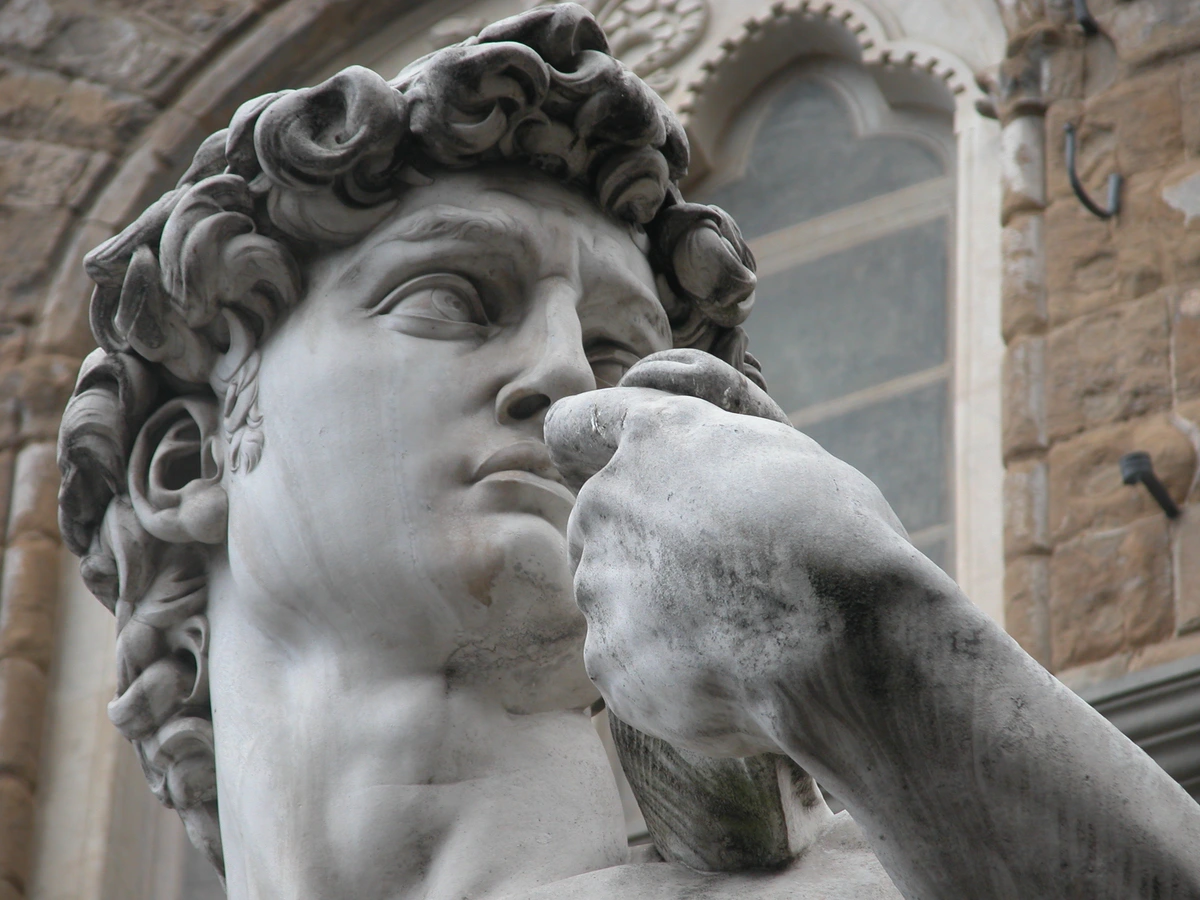
By the 1920s, Derain had fully embraced classical themes, but always with his own revolutionary twist. His Bathers series from this decade returned to classical themes but with his signature chromatic violence. Muscular torsos gleamed with violet highlights. Water splashed in unnatural turquoise.
This classical period was characterized by:
- Idealized human forms rendered with Derain's distinctive color sense
- Mythological scenes that felt both ancient and modern
- Balanced compositions that reflected classical principles
- Emotional intensity that transcended the cool perfection of traditional classicism
The War Years and Controversy (1940-1945)
Later, infamously, he embraced Nazi-occupied Paris—a morally murky chapter that still haunts his legacy. During this period, Derain accepted official positions and exhibited in Germany, actions that have led to ongoing debates about his character and integrity.
The historical context is complex:
- France under occupation created impossible moral dilemmas for artists
- Derain was in his 60s when the war began, not a young radical
- He lost patrons and income, making survival difficult
- His relationship with the regime was pragmatic rather than ideological
This period remains controversial, and art historians continue to debate how it should affect our understanding of his work. What's clear is that his technical skill and color sense never diminished, even if his judgment sometimes seemed compromised.
Final Masterpieces (1945-1954)
In his final years, Derain seemed to find a kind of peace and reconciliation with his artistic journey. His Harbour Scene from 1952, with its molten-gold light, still proves he never lost his gift for transforming banality into the sacred.
This late period work shows:
- A return to Fauvist intensity but with greater wisdom and control
- Simplified compositions that distill scenes to their essential elements
- Masterful use of light that transforms ordinary scenes into something transcendent
- A sense of peace that comes from a lifetime of artistic exploration
Derain died in 1954, but his influence continues to resonate through contemporary art. His restless experimentation and fearless approach to color created a legacy that continues to inspire artists today.
The Derain Effect: How He Redefined Art Forever
Direct Influence on Major Movements
Derain's influence? It's everywhere. That explosion of color in Matisse's cutouts? Direct line to Derain. The raw emotion in Expressionism? Fauvism paved the way. When you see a child finger-paint a purple sun or an adult wear a yellow coat like a joyous flag—that's Derain's spirit whispering, "Don't ask. Feel."
But the influence goes much deeper:
Movement | Derain's Contribution | Lasting Impact |
|---|---|---|
| Fauvism | Established color as primary emotional language | Foundation for most modern color-based art |
| Cubism | Demonstrated analytical approach to form | Influenced abstract and geometric art |
| Primitivism | Showed value of non-Western artistic traditions | Expanded Western art's visual vocabulary |
| Classical Revival | Proved modern artists could engage with tradition | Bridged gap between modern and classical art |
| Color Field Painting | Laid groundwork for color-as-content approach | Direct influence on abstract expressionism |
Derain’s influence? It’s everywhere. That explosion of color in Matisse’s cutouts? Direct line to Derain. The raw emotion in Expressionism? Fauvism paved the way. When you see a child finger-paint a purple sun or an adult wear a yellow coat like a joyous flag—that’s Derain’s spirit whispering, "Don’t ask. Feel."
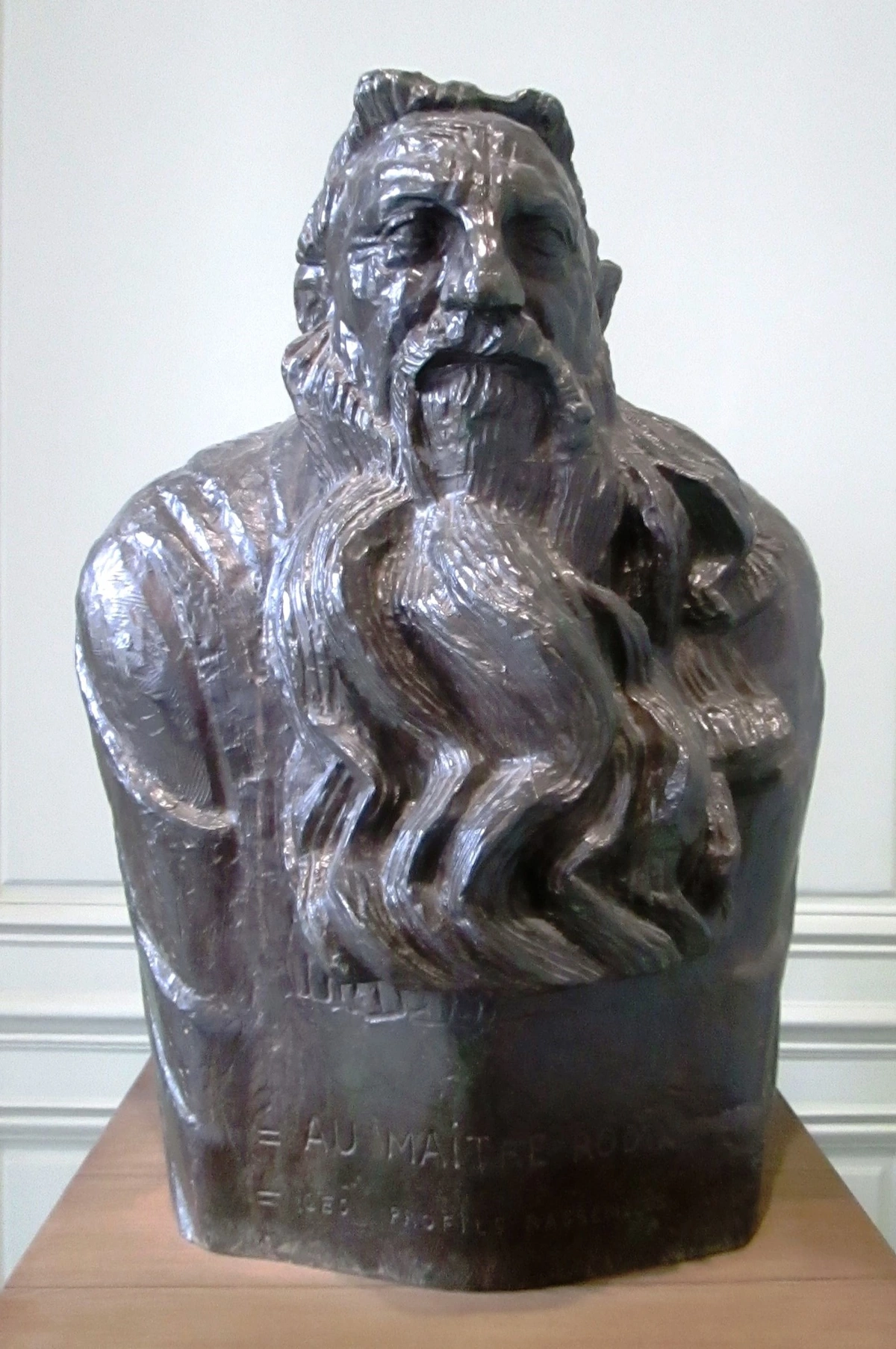
Looking for a way to experience his power today? I’d start with @den-bosch-museum—they hang his London series where the river practically glows off the wall. Or browse @timeline to track how this Chatou kid shook centuries-old conventions. And if his work sparks your own color rebellion @buy could be your next canvas. But mostly? Keep looking up. Somewhere, André Derain is still painting skies yellow.
Additional Frequently Asked Questions
Q: What were Derain's most famous artworks?
Derain's most significant works include:
- The Pool of London (1906) - Revolutionary use of color in urban landscape
- London Bridge series (1906-1907) - Multiple views showing different color approaches
- Collioure landscapes (1905) - Fauvist masterpieces from the pivotal summer
- Portrait of Kahnweiler (1910) - Important Cubist experimentation
- The Dance (1910) - Fusion of Fauvist color and Cubist structure
- Bathers series (1920s) - Classical themes with modern color sense
- Pietà (1952) - Final religious masterpiece
Q: How did Derain's work change over time?
Derain's artistic evolution followed this general pattern:
- Early Period (1895-1905) - Traditional training with emerging color interests
- Fauvist Period (1905-1908) - Radical color experimentation, emotional intensity
- Cubist Period (1908-1911) - Geometric analysis, multiple viewpoints
- African/Primitivist Period (1911-1914) - Simplified forms, rhythmic compositions
- Medieval Period (1914-1920) - Decorative style, religious themes
- Classical Period (1920s-1930s) - Idealized forms, balanced compositions
- Late Period (1940s-1954) - Return to Fauvist intensity with greater wisdom
Q: What materials did Derain prefer to use?
Throughout his career, Derain worked with:
- Oil paints - His primary medium, especially for major works
- Watercolors - Used for sketching and smaller works
- Charcoal and pastels - For studies and experimental pieces
- Printmaking - Produced etchings and lithographs
- Sculpture - Created some three-dimensional works
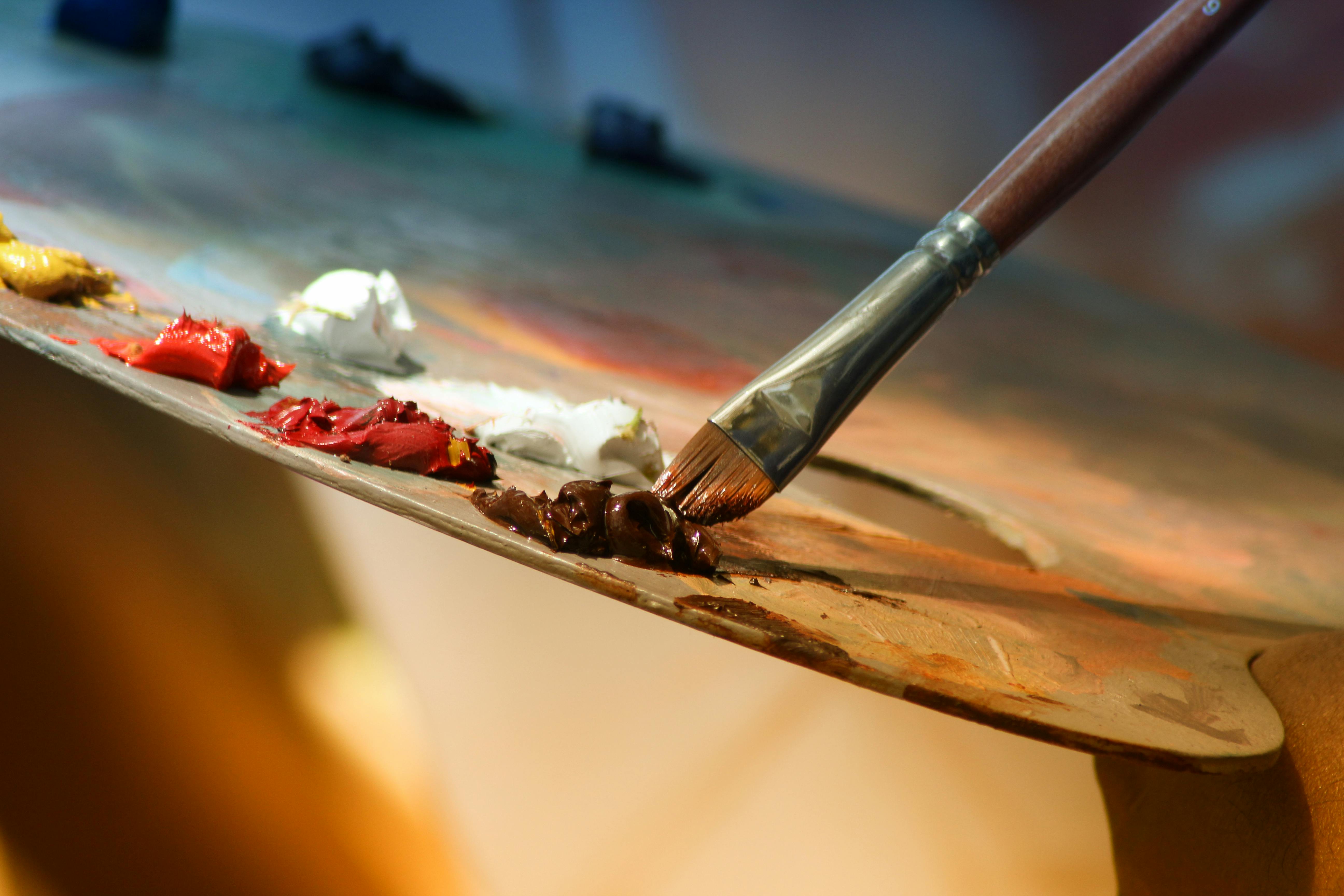
He was particularly known for his bold use of pure unmixed pigments, applying them directly to the canvas to create maximum color intensity.
Q: How did Derain influence later artists?
Derain's impact can be seen in:
- Abstract Expressionists - Particularly in their use of color as content
- Color Field painters - Who expanded on his ideas about color relationships
- Contemporary colorists - Who continue to explore emotional color use
- Digital artists - Who work with color in similar conceptual ways
- Street artists - Who use bold, unexpected color combinations
The fundamental idea—that color can carry emotional weight independent of subject matter—remains his most enduring contribution.
Conclusion: The Color Revolutionary's Legacy
André Derain was more than just an artist; he was a color revolutionary who changed how we see the world. From his explosive Fauvist beginnings through his stylistic evolution, he never lost his core belief in the emotional power of color.
What makes Derain so relevant today is his demonstration that art doesn't have to choose between being revolutionary and being beautiful, between being experimental and being accessible. He proved that an artist could be both traditional and modern, both emotional and intellectual.
When you look at a Derain painting, you're not just looking at colors on canvas—you're experiencing a philosophy that says art should be felt, not just understood. It should move you, challenge you, and make you see the world differently.
That's why André Derain still matters. Not because he was perfect—he wasn't. Not because he never made mistakes—he did. But because he had the courage to paint with his heart, to use color as a language of emotion, and to remind us all that sometimes the most revolutionary thing you can do is to show people what you really see.

Frequently Asked Questions About André Derain
Understanding the Artist and His Work
Q: What exactly did Fauvism mean? Was it really about wild animals?
Ah, the name! "Les Fauves" (wild beasts) was an insult thrown at the 1905 Salon d'Automne exhibit. Critics thought the artists painted like untamed beasts rather than refined gentlemen. The name stuck—but ironically, Derain's work was disciplined precision, just with reckless color.
The reality was that the Fauves were highly skilled artists who chose to use color expressively rather than descriptively. They weren't "wild" in technique—they were wild in their approach to color theory and emotional expression.
Q: Why did Derain stop being a Fauve?
Artists evolve! By 1908, Derain felt Fauvism had achieved what it needed: proving color didn't need a "real life" excuse. He wanted to tackle new terrains—space, form, history. It wasn't abandonment; it was progression. Even Picasso admired this restlessness.
Derain himself said, "One must not stand still. One must go forward or backward." He chose to go forward, exploring what other movements had to offer while always returning to his core belief in the expressive power of color.
Q: What exactly did Fauvism mean? Was it really about wild animals? Ah, the name! "Les Fauves" (wild beasts) was an insult thrown at the 1905 Salon d'Automne exhibit. Critics thought the artists painted like untamed beasts rather than refined gentlemen. The name stuck—but ironically, Derain’s work was disciplined precision, just with reckless color.
Q: Why did Derain stop being a Fauve? Artists evolve! By 1908, Derain felt Fauvism had achieved what it needed: proving color didn’t need a "real life" excuse. He wanted to tackle new terrains—space, form, history. It wasn’t abandonment; it was progression. Even Picasso admired this restlessness.
Q: How was Derain’s art different from Matisse’s? Great question! Imagine them sharing tools but building different houses. Matisse’s colors feel harmonious and deliberate—like a choreographed dance. Derain? His clashes feel more primal, like a street fight. Matisse arranged colors; Derain unleashed them.
Q: What made him important besides Fauvism?
He mastered every decade! From Cubist Portrait of Kahnweiler to the mythical Pietà (1952). He made London fog melt, nude figures heroic, and medieval tales feel urgent. His legacy is versatility—proof an artist can reinvent themselves and still remain vital.
But beyond stylistic diversity, Derain's importance lies in his:




- Technical innovation in color theory and application
- Philosophical contributions to understanding art's emotional power
- Bridge-building between different art movements
- Influence on generations of artists who followed
- Demonstration that art can evolve while maintaining core principles
Q: Should I still appreciate his work given his WWII ties? Art history demands nuance. His controversial choices under occupation don’t erase his earlier genius or his lifelong joy in color. Judge the art separate from the artist’s actions—especially when those actions involved coercion. His best work remains untouched by the tarnish of that era.
Q: What’s the best way to "get" Derain today? Step away from the textbook. Close your eyes and ask: Would a paint tube explode here? Look at a sunset and imagine it screaming with orange instead of whispering pink. Derain taught us to see color as a heartbeat—not decoration. That’s accessible to anyone.