Albrecht Dürer: Renaissance Innovator, Printmaking Master, and Visionary Intellectual
Explore Albrecht Dürer, the Northern Renaissance genius. Uncover his revolutionary prints, scientific theories, and strategic art business that forever changed the artist's status.

Albrecht Dürer: The Unconventional Genius Who Defined the Northern Renaissance
I have a confession to make. For years, when the word "Renaissance" floated through conversations, my mind immediately flew south, picturing the sun-drenched piazzas of Italy. I saw Michelangelo, no doubt complaining about his back, meticulously painting the Sistine Chapel ceiling, or Leonardo da Vinci, ever the polymath, sketching flying machines and human anatomy. Florence and Rome always seemed to be the dramatic center stage.
Then, I properly discovered Albrecht Dürer, and it was like finding a secret, much edgier, director's cut of the entire Renaissance story. It completely reshaped my understanding. This isn't merely a historical account; it’s a profound narrative where raw emotional intensity, typical of the north, meets the scientific rigor of the south. Think of the Dutch masters, with their painstaking detail in everyday scenes, meeting the philosophical grandeur of a Florentine fresco. Dürer shows us an artist who isn't just a skilled craftsman but a profound intellectual, and whose innovative spirit made art accessible to the masses. He didn't just participate in the Northern Renaissance; he practically established its modern identity, seamlessly fusing unparalleled technical skill with deep intellectual curiosity and an astonishing knack for self-promotion. Indeed, Dürer is often lauded as the father of modern Northern European art, a visionary who truly redefined the artist's role.
To label Dürer merely a "painter" is to miss the vast scope of his genius. He was a visionary printmaker, a shrewd businessman, a pioneering brand-builder, a scientist, a meticulous traveler, and a deep theorist. Honestly, he was a thoroughly modern man who simply happened to live in the late 15th and early 16th centuries. He didn’t just create art; he created a market for it and built an international reputation for himself in a way that feels incredibly current, almost like he was going viral before such a concept even existed. What truly set him apart was his ability to observe, interpret, and then meticulously execute, transforming everyday subjects into profound statements, and elevating the artist’s role to that of an intellectual and a visionary.
In this comprehensive guide, I'll explore the remarkable journey of this extraordinary artist, from his formative years in Nuremberg to his revolutionary impact on art, science, business, and the very concept of the artist's identity. My goal is for this to be your ultimate resource to truly understand the depth of Dürer's legacy, a legacy that still resonates powerfully today.
Albrecht Dürer: Architect of His Own Renaissance
Born in Nuremberg, Germany, in 1471, Albrecht Dürer had precision ingrained in him, quite literally. His father, also named Albrecht, was a goldsmith. I often imagine what that early environment was like: growing up surrounded by intricate metalwork, where the tiniest slip of the hand could ruin a precious piece, and the pursuit of perfection was a daily discipline. This early exposure to meticulous craft certainly instilled in Dürer an almost superhuman eye for detail and an unwavering commitment to craftsmanship—qualities that would define his entire career, from the delicate lines of an engraving to the subtle textures of a painting. It taught him the value of patience and the unforgiving nature of materials, lessons that served him well in the equally demanding world of printmaking.
His formal artistic journey began with an apprenticeship under the prominent painter and printmaker Michael Wolgemut in Nuremberg from 1486 to 1489. This wasn’t just about learning to hold a brush; it was an intensive immersion into the practicalities of a bustling workshop. Here, he honed critical skills not only in drawing and the foundational aspects of painting, but crucially, he was introduced to the complex world of woodcut design and production, laying the groundwork for his revolutionary printmaking career. He learned about composition, preparing canvases and panels, mixing pigments, and the meticulous process of translating drawings into printable blocks. This foundation, steeped in Northern European traditions, emphasized a deep realism and an almost hyper-focus on minute details.
The Melting Pot of Ideas: Nuremberg and the Quest for Knowledge
But Dürer was never content to stay confined to a single workshop. I think it's crucial to understand that Nuremberg itself was a hotbed of intellectual ferment. Far from being a quiet provincial town, it was a vibrant free imperial city, a commercial powerhouse, and a key center for the burgeoning printing industry and humanism. This philosophical movement, emphasizing human potential, achievement, and the study of classical antiquity, was a driving force. Imagine libraries filled with new translations of ancient texts, scholars debating the latest ideas, and printing presses churning out books that spread knowledge like wildfire. Johann Gutenberg's invention of the movable-type printing press in the mid-15th century had a transformative effect, making Nuremberg a hub for knowledge dissemination. This environment deeply influenced Dürer, fueling his insatiable curiosity and his belief in art as a high intellectual pursuit, not just a manual craft. He was likely exposed to influential humanists like Conrad Celtis and Hartmann Schedel, whose intellectual rigor encouraged a multidisciplinary approach to knowledge. It was here, amidst this intellectual dynamism, that Dürer's ambitious vision for art truly took root, compelling him to seek out even greater knowledge.
After his apprenticeship, he embarked on his "Wanderjahre," or journeyman years—a period of travel essential for young artisans to broaden their skills and perspectives. He crisscrossed the German lands, absorbing local artistic traditions and observing the distinct styles of other Northern European masters like Martin Schongauer. But it was his ventures to Italy—not once, but twice, spending significant time in cities like Venice and Bologna—that truly ignited an intellectual and artistic fire. Can you imagine the intellectual fireworks, the sheer excitement of encountering a whole new way of seeing the world, a place where artists were celebrated as thinkers and innovators? It must have felt like stepping into the future.
Italian Spark, Northern Fire: A Fusion of Genius
He immersed himself in the revolutionary work of the Italian masters, soaking up their groundbreaking ideas about linear perspective (creating the illusion of depth on a flat surface), human anatomy, and classical beauty. He encountered the innovations of artists like Andrea Mantegna, whose powerful, illusionistic engravings and masterful use of precise line work profoundly influenced Dürer’s own exacting printmaking style. For instance, Mantegna's Battle of the Sea Gods showcases a dynamic, anatomically rigorous composition that Dürer clearly studied, evident in the musculature and dramatic poses in his own works like The Sea Monster. But he also studied the anatomical rigor of Antonio del Pollaiuolo's figures and the sculptural clarity of Andrea del Verrocchio. He admired the rich color, light, and serene compositions of Giovanni Bellini, which began to temper the often stark realism of Northern art, leading Dürer to incorporate softer atmospheric effects and a more vibrant palette into his later paintings.
But here’s the brilliant part, the Dürer touch: he didn't just copy them. He took that Italian fire—the pursuit of ideal forms, rational composition, and classical grandeur—and daringly reforged it in the crucible of the Northern Renaissance. He wasn't just observing; he was actively synthesizing, asking how these classical ideals could be expressed with the intense emotional realism characteristic of his German heritage. While Italian artists often celebrated monumental narratives and idealized human forms, Northern European art, as seen in the works of artists like Jan van Eyck or Hieronymus Bosch, tended towards meticulous detail, a profound engagement with everyday life, and a deeper, sometimes grittier, emotional intensity. Dürer masterfully blended Italian harmony with German emotional intensity and a deep, sometimes almost gritty, realism. His Adam and Eve engraving, for example, perfectly marries classical anatomical ideals with a dense, symbolic Northern landscape. It was a synthesis that created something entirely new, pushing the boundaries of what art could be. This unique position allowed him to absorb, synthesize, and then disseminate his groundbreaking ideas on an unprecedented scale. He wasn't just a conduit; he was a catalyst.
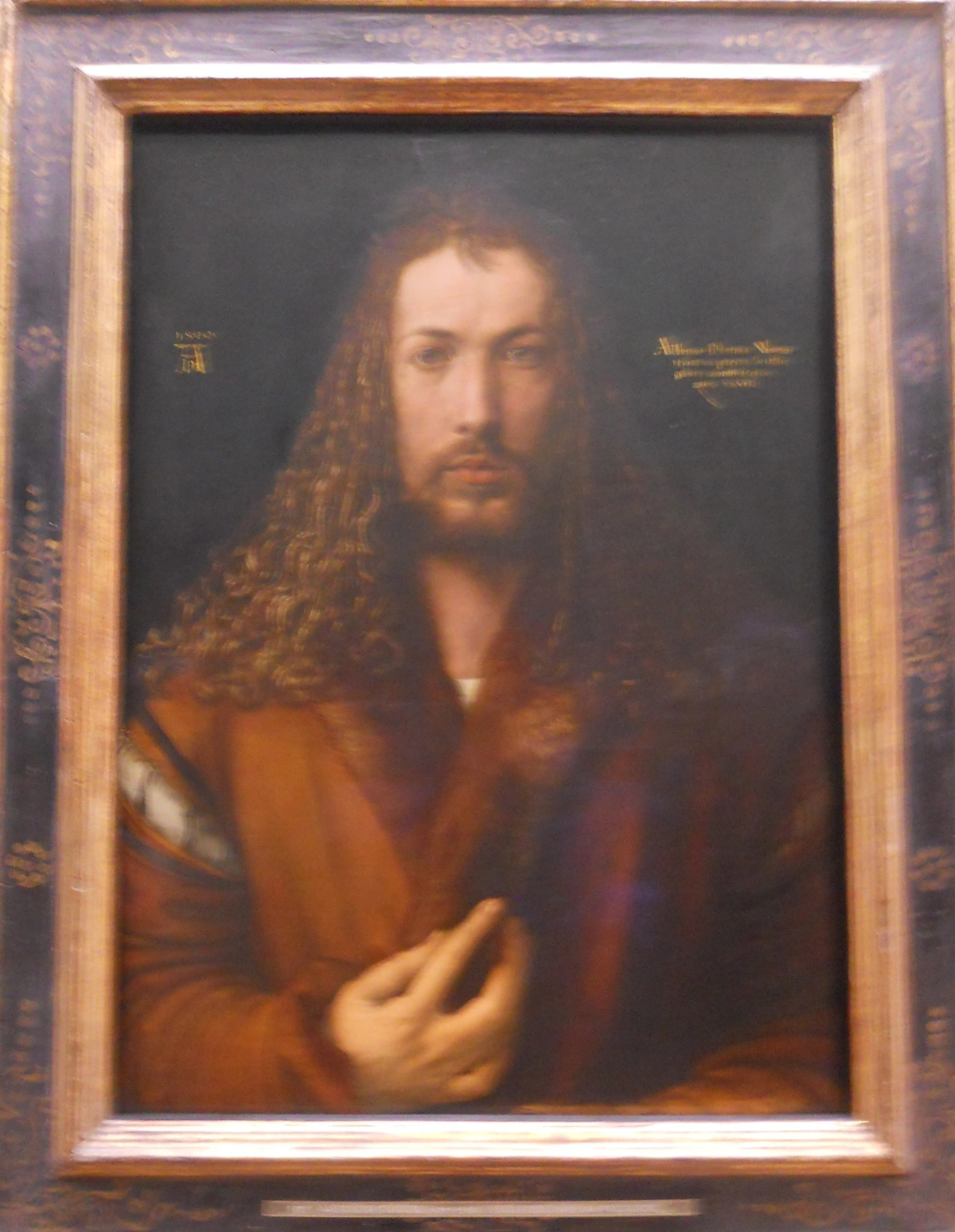
Nowhere is this synthesis and his groundbreaking self-awareness more obvious than in his self-portraits. We take selfies for granted today, but Dürer's self-portraits were truly radical for their time. He painted himself as a handsome, confident young man, and later, in his famous Self-Portrait (at 28) from 1500, with an almost Christ-like solemnity. This wasn't just vanity; it was a powerful statement in an era when artists were often seen as mere artisans. He was elevating the status of the artist from a craftsman to a divinely inspired creator, an intellectual equal to poets and philosophers. His Italian experiences, where artists like Leonardo da Vinci and Michelangelo were celebrated as intellectual titans, undoubtedly emboldened him to make this audacious claim. It was, in many ways, the birth of the artist as a celebrity, cultivating a public persona that was as much a part of his art as the works themselves. I wonder if he knew he was setting a precedent that would echo through centuries of artistic self-representation, a lineage of artists consciously presenting themselves as intellectual forces.
The Printmaking Revolution: Dürer's Global Impact
If Dürer had only ever painted, he'd still be a monumental figure in art history. But his true genius, and the source of his widespread international fame and fortune, was in printmaking. I often think of it this way: if you imagine pre-Dürer art, it was mostly one-of-a-kind. A magnificent altarpiece in a church in one town, a rich merchant's portrait in another. To experience it, you had to physically go there. Ownership was exclusive, limited to the wealthiest patrons or institutions.
Before Dürer: The Foundations of Printmaking
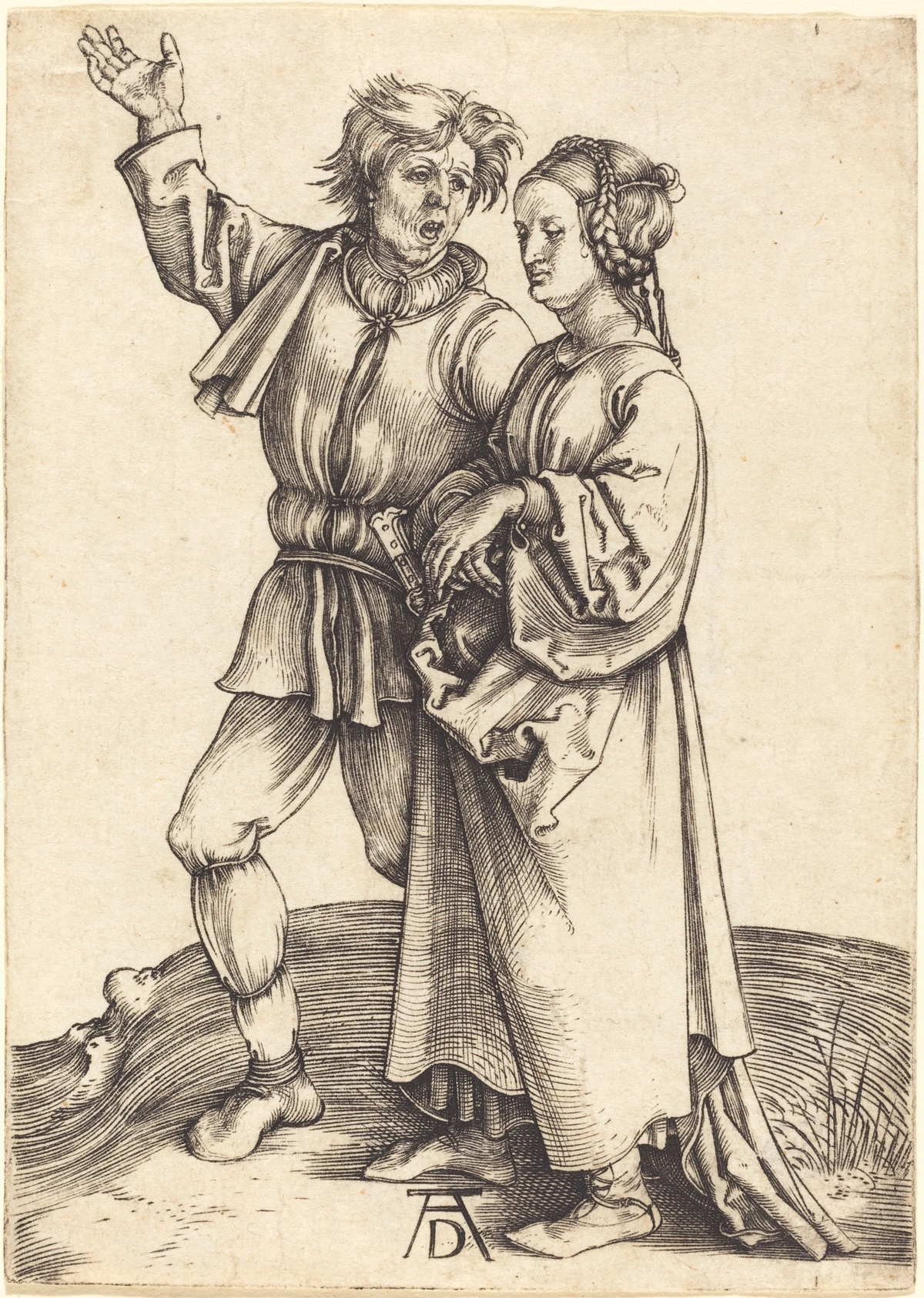
Printmaking, in various forms, had existed for centuries before Dürer. Simple woodcuts, primarily used for playing cards, devotional images for pilgrims, and book illustrations, were common in Europe since the 14th century. These early woodcuts were often crude, characterized by bold, thick lines and lacking in subtle detail or sophisticated shading. Engraving, a more refined technique, emerged later in the 15th century, particularly among goldsmiths. Early engravers like the Master E.S. and Martin Schongauer had already achieved impressive levels of detail and tonal variation. However, even their work was limited in scope, often serving as models for other artists or as small, precious objects for a discerning clientele. Dürer inherited these traditions, but saw their untapped potential for widespread artistic expression and intellectual dissemination.
Dürer's Transformation of the Medium
Dürer changed everything, democratizing art in a way unimaginable before. Using his unparalleled mastery of woodcuts and engravings, he could produce hundreds, even thousands, of high-quality copies of his work. These weren't just simple reproductions; they were artworks in themselves, meticulously crafted and imbued with his artistic vision. Suddenly, you could be a merchant in Antwerp, a scholar in Venice, or a student in London, and own the same piece of art. This was the internet of the 16th century, creating a visual culture that transcended local boundaries. His prints, often sold for the price of a decent meal or a small book, made art accessible to a much broader middle class, not just the elite. It represented a truly revolutionary shift in art consumption and distribution.
Technical Mastery and Artistic Innovation
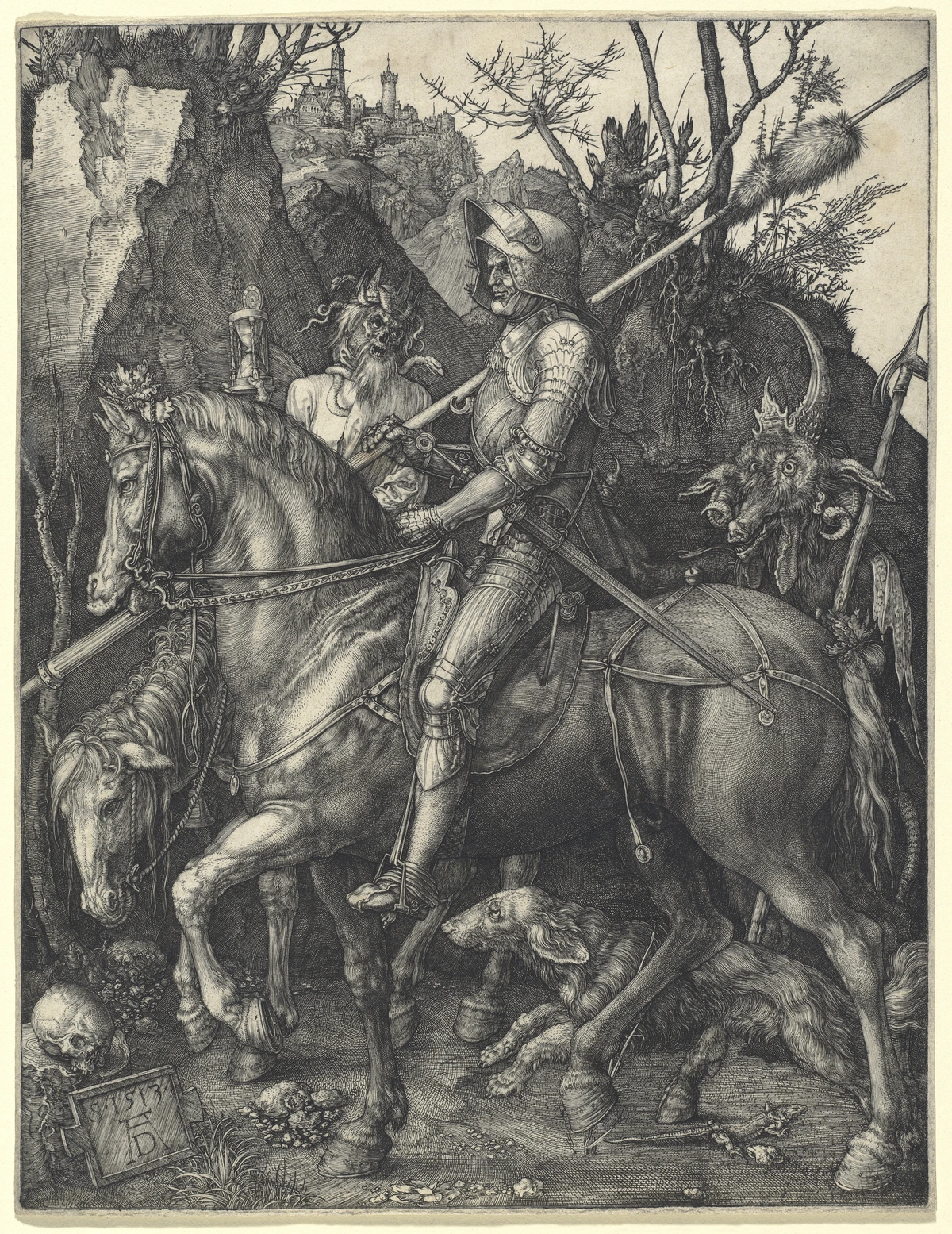
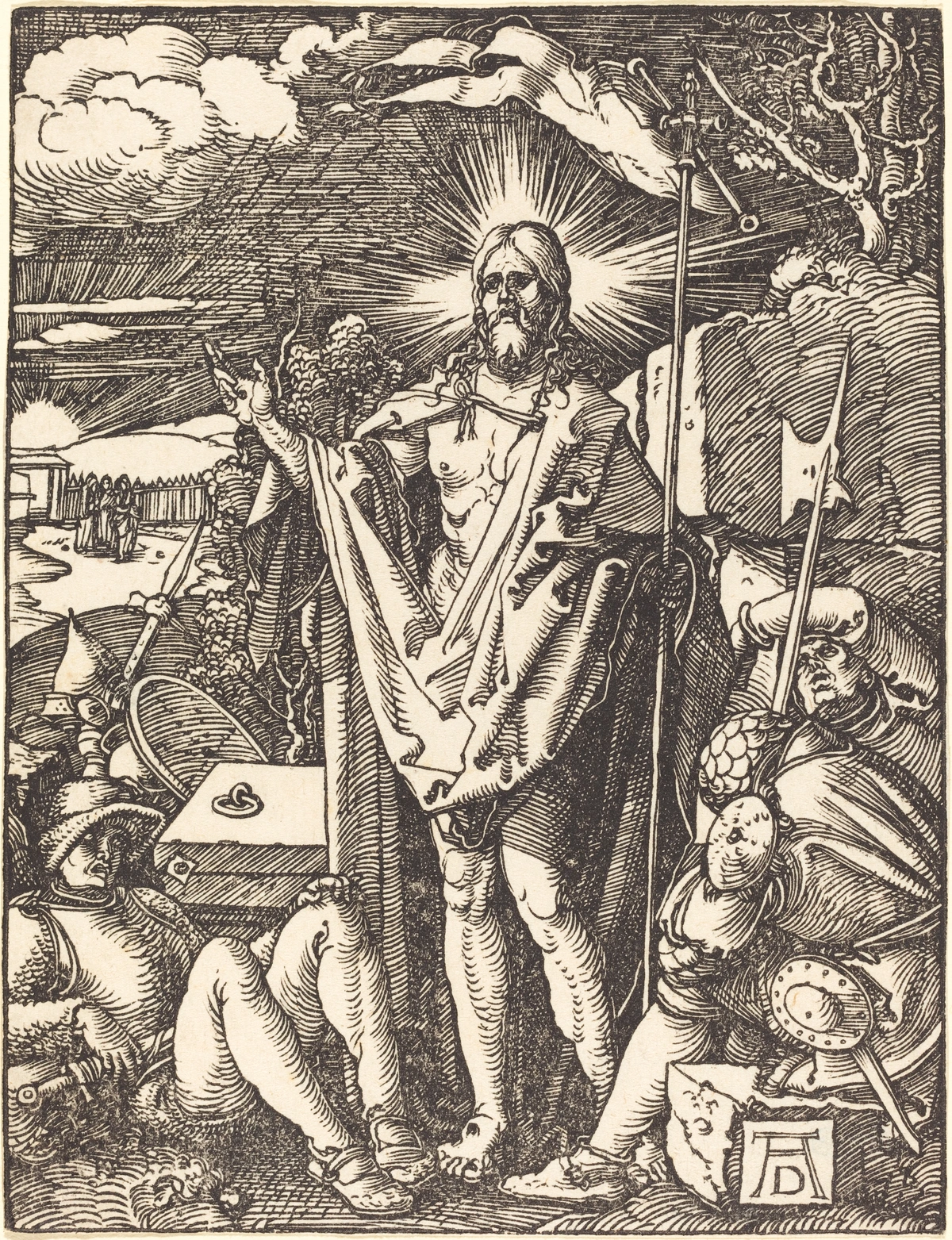
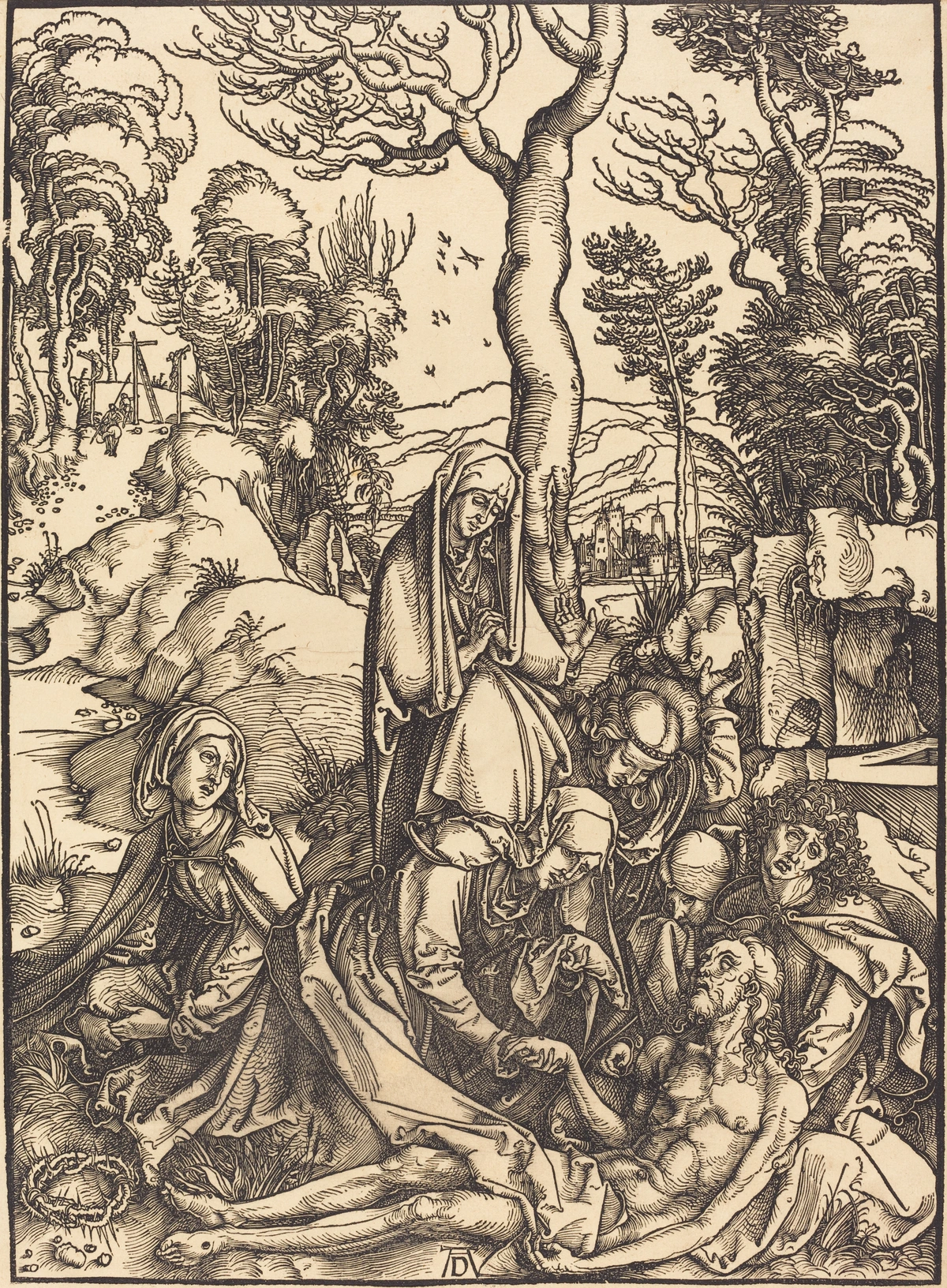
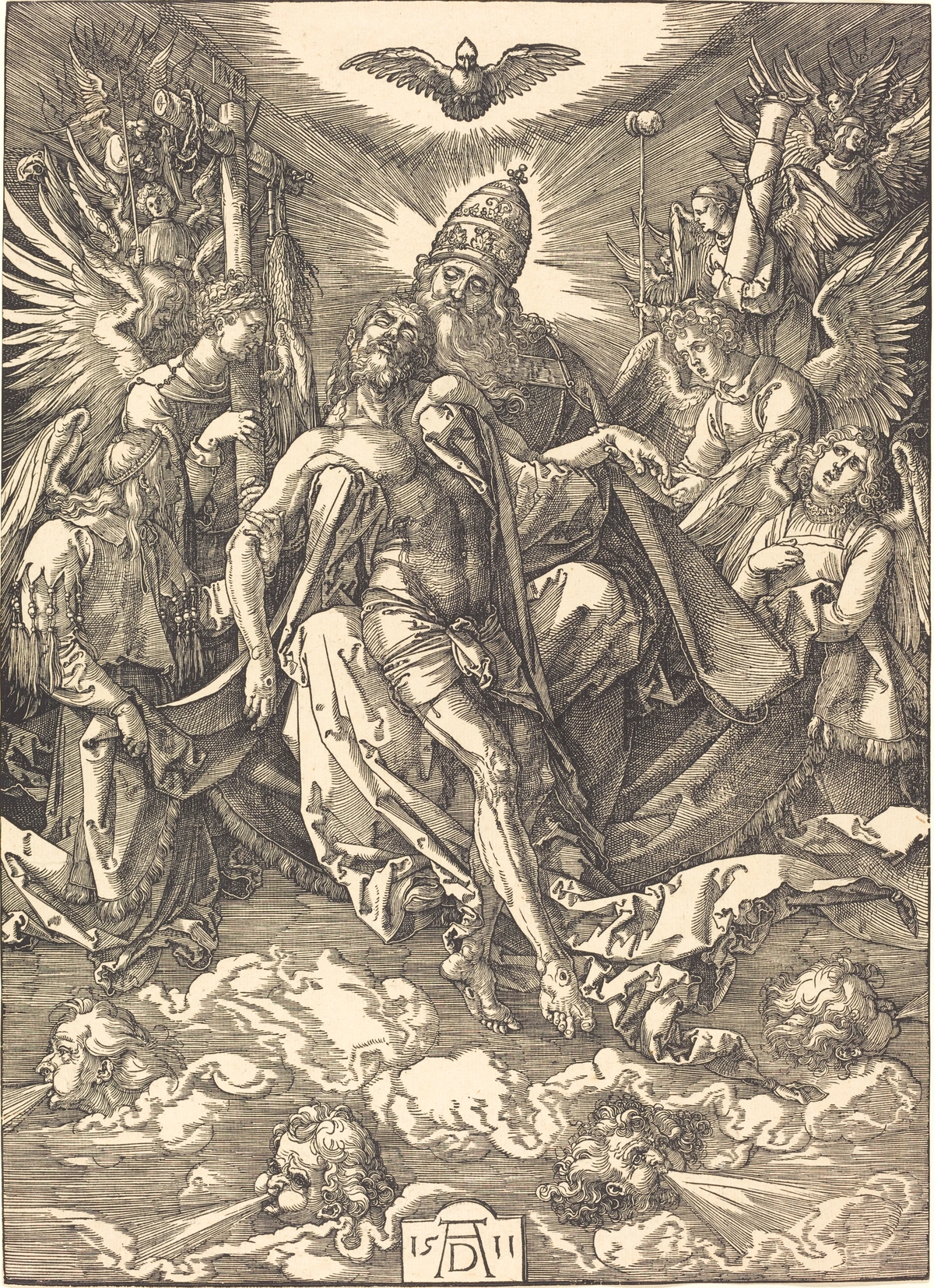
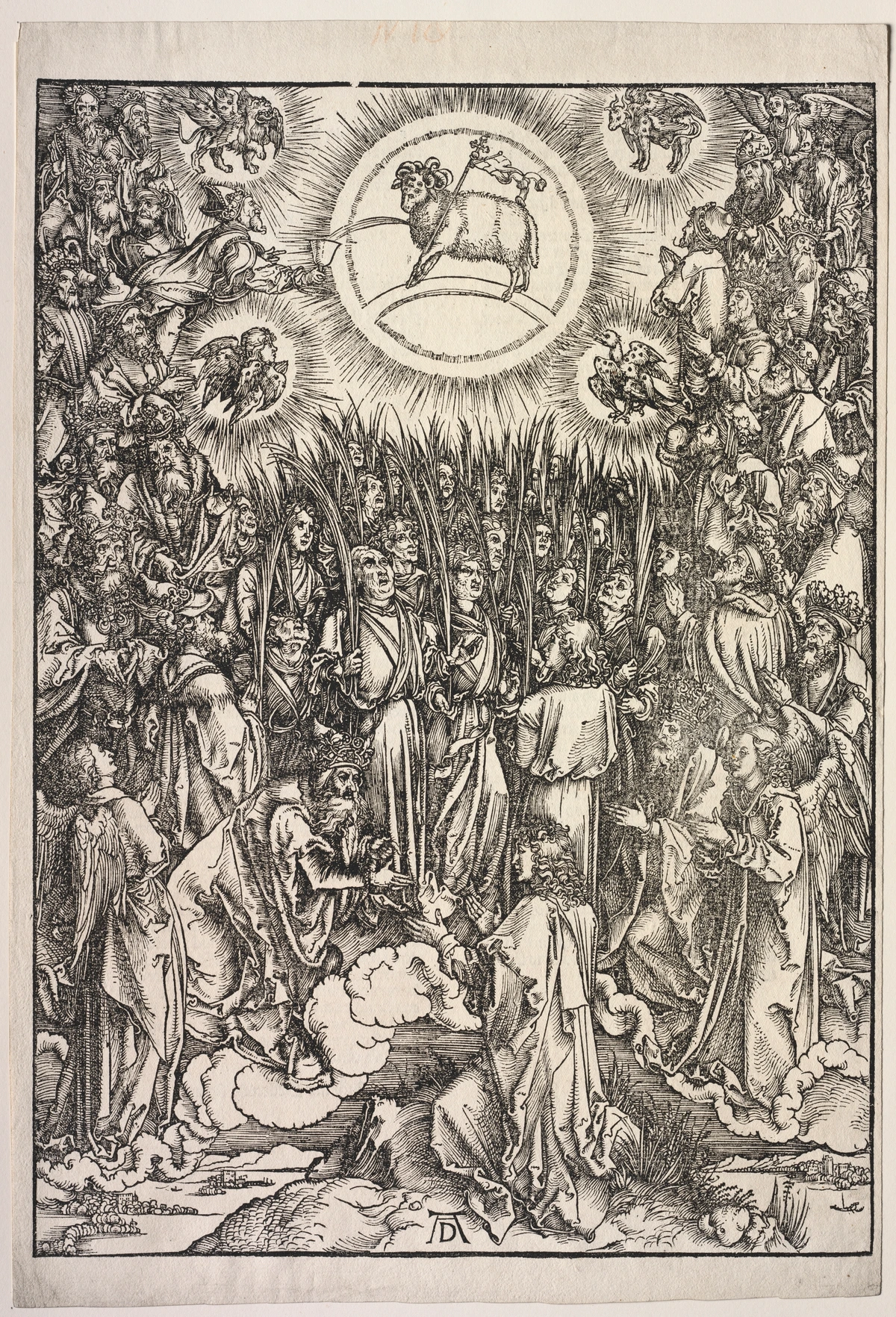
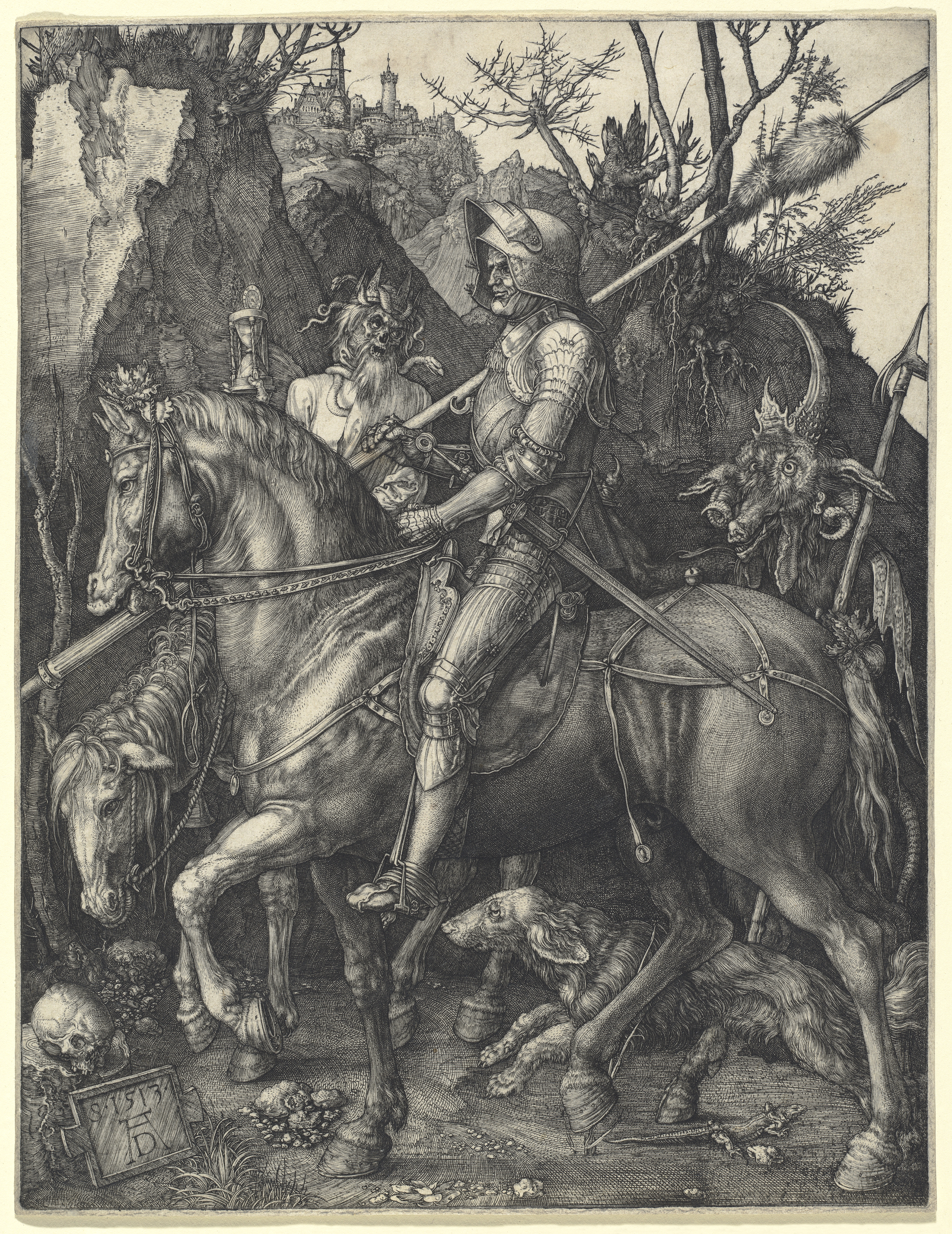
Dürer didn't invent printmaking—forms of it existed long before him. But he revolutionized it, pushing both woodcut and engraving techniques to unprecedented levels of artistic expression and detail. For woodcuts, he introduced a sophisticated use of chiaroscuro (the interplay of light and shadow) and intricate line work that allowed for much finer gradations and emotional drama than previously thought possible. His Apocalypse series, for instance, exhibits an astonishing richness of texture and tonal depth, transforming the woodcut into a medium capable of monumental narratives. For engraving, the medium's very nature demands immense precision; a single slip of the burin (the sharp, V-shaped tool) could ruin a copper plate. Dürer's command of this tool was legendary, enabling him to create incredibly subtle tonal shifts, textures, and lifelike forms that rivaled painting. His Knight, Death, and the Devil is a prime example of this virtuosity, where every blade of grass and fold of fabric is rendered with breathtaking precision. This technical virtuosity transformed printmaking from a craft for illustrations into a respected, independent art form capable of conveying profound artistic ideas.
The Original Brand Builder: Dürer's Business Acumen
He wasn't just an artist; he was an astute businessman and a pioneer in brand management. Dürer self-published and distributed his own works, effectively controlling his brand and market, an approach that feels remarkably modern. He established an efficient network of printers, publishers, and distributors who carried his art across borders, turning his studio into a thriving international enterprise. His famous 'AD' monogram wasn't just a signature; it was one of the very first artist logos, a guarantee of quality and a pioneering form of copyright protection against imitators. In the 16th century, the concept of intellectual property was barely nascent – meaning that copying artworks was a common, often unpunished practice. So Dürer's fierce protection of his rights—initiating lawsuits against copyists, notably against Marcantonio Raimondi for plagiarizing his Life of the Virgin series—was truly radical. While complete victories were rare, these actions set a crucial precedent for artist's rights in an era when such concepts were barely forming. This level of self-promotion and legal savvy was truly revolutionary, securing his reputation and financial independence in an unprecedented manner.
And we cannot talk about Dürer's business acumen without acknowledging the critical role of his wife, Agnes Dürer. While often overshadowed, Agnes was far more than a supportive spouse; she was a crucial partner in the Dürer enterprise. She managed the sales and distribution of his prints, particularly during his extensive travels, often negotiating prices and handling complex logistics. For instance, records show her traveling to major European fairs like Frankfurt and Leipzig, not just as a presence, but actively managing sales, finances, and even protecting his intellectual property by confronting those who tried to sell imitations. Imagine her, a woman navigating the bustling markets of 16th-century Europe, ensuring Dürer's masterpieces reached eager buyers, and maintaining detailed records. She was, in essence, his chief operating officer, ensuring the wheels of his international art business kept turning, freeing him to focus on the creative work. Her contributions were absolutely indispensable to his commercial success, truly making the Dürer brand a family affair.
Dürer mastered two main types of printmaking, each demanding incredible skill and patience:
Technique  | Description | Key Characteristics | Famous Example |
|---|---|---|---|
| Woodcuts | The artist carves away the parts of the wood block you don't want to print black, leaving the image in relief. | Excellent for bold lines, dramatic contrast, powerful visual storytelling. Can produce many copies. | Apocalypse series (c. 1498) |
| Engravings | A sharp, V-shaped tool called a burin is used to incise lines directly into a polished copper plate. | Allows for unbelievably fine lines, intricate details, and subtle gradations of shading, rivaling painting. Demands immense control and patience, as corrections are nearly impossible. | The Knight, Death, and the Devil (1513) |
You can dive deeper into the specifics of his methods and their profound technical demands in this guide to Albrecht Dürer's printmaking techniques.
Beyond the Canvas: Dürer as Scientist, Theorist, and Philosopher
What I find most profoundly fascinating about Dürer is that his brain was just as sharp as his burin. He wasn't content with merely depicting the world; he was obsessed with understanding the 'why' behind the 'what.' This wasn't just fleeting artistic curiosity; it was a profound intellectual and scientific quest, rooted in the humanist ideal of understanding the divine order of the universe through observation and reason—a belief that comprehending God's creation was a pathway to understanding the Creator himself. He wanted to unlock the fundamental laws that govern visual reality, to distill beauty into quantifiable principles. So, he didn't just want to draw a person; he dedicated himself to mastering the mathematical principles of human proportion through meticulous measurements and comparative anatomy. He sought an ideal human canon, much like the ancient Greeks, but based on empirical observation, developing proportional systems for male and female figures that he meticulously documented in his writings. And he didn't just want to draw a building; he tirelessly explored the exact laws of linear perspective and geometry, studies that formed the theoretical backbone of his artistic practice. For example, he experimented with various mechanical devices to accurately capture perspective, demonstrating a keen understanding of optics.
His meticulous observation extended far beyond human forms. He was a keen naturalist, producing incredibly detailed botanical and zoological drawings. Take his iconic Young Hare (1502), a watercolor so astonishingly realistic it feels like you could reach out and stroke its fur. This isn't just a drawing; it’s a profound scientific study of nature, centuries ahead of its time, demonstrating Dürer's unmatched observational skill and ability to capture the very essence of life. He would dissect animals to understand their musculature, study the precise venation of leaves, meticulously record geological formations, and even explore the properties of light and optics, trying to understand how the human eye perceives depth and form. His detailed studies also laid groundwork for more accurate scientific illustration, influencing future generations of cartographers and naturalists who sought precision in their visual records. He even explored principles akin to the camera obscura, understanding how light projected an image, insights that profoundly informed his mastery of illusionism.
He poured this intellectual curiosity into several groundbreaking books, most famously his posthumously published Four Books on Human Proportion (1528) and his Instructions for Measuring with Compass and Ruler (1525), which meticulously covered geometry and even fortification. In the Four Books on Human Proportion, for example, Dürer presented his theories on the ideal human figure, offering various models and methods for depicting the human body accurately through mathematical ratios, a systematic approach that transformed art instruction. His studies extended to optics, the theory of light and vision, and the meticulous observation of nature. I confess, poring over the intricate mathematical details in these texts can be daunting – it's like trying to decode an ancient engineering manual – but the core idea is revolutionary: Dürer passionately believed that art was not just a manual skill. He saw it as a high intellectual science, a branch of mathematics, a way of understanding the very fabric of God's creation. He fought relentlessly to prove that artists belonged in the same esteemed category as scholars and scientists, not merely artisans who copied reality. This was a crucial step in elevating the status of the artist in society, influencing the curricula of later art academies.
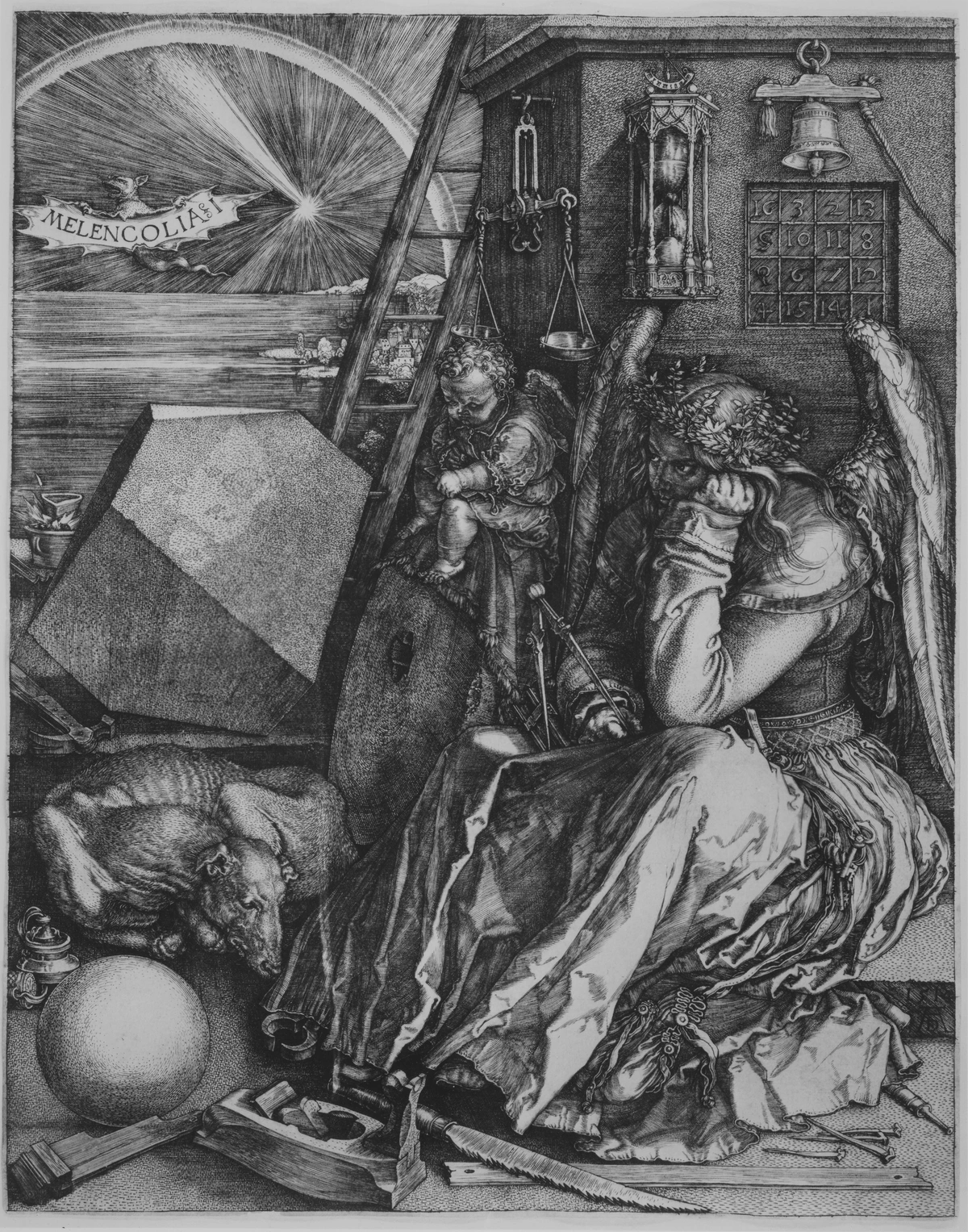
His intellectual pursuits extended to deep spiritual and philosophical reflections. Living through the tumultuous period of the Reformation, Dürer was profoundly influenced by Martin Luther's teachings. While he never fully broke from the Catholic Church, his writings reflect a deep, personal engagement with themes of faith, mortality, and human suffering, often grappling with the concepts of grace and salvation that defined the era. These internal struggles often found profound expression in the symbolism and emotional depth of his work, particularly in allegorical prints like Melencolia I (1514). This enigmatic engraving, a puzzle box teeming with complex symbols of intellectual despair, creative block, geometry, and the artist's melancholy, reflects the intellectual and emotional turmoil of his time. Scholars are still debating its full meaning, making it a timeless intellectual challenge and a prime example of his philosophical depth and the way he wove personal introspection into universal themes.
It's also worth noting that Dürer maintained a significant connection with Emperor Maximilian I, receiving commissions for grand projects like the monumental woodcut series The Triumphal Arch and The Triumphal Procession. His Prayer Book of Emperor Maximilian I, with its intricate marginal illuminations, showcases his extraordinary versatility and the high regard in which the Emperor held him. This imperial patronage not only boosted his reputation and finances but also allowed him to work on a scale that few artists of his time could imagine. This unique engagement with the spiritual, the scientific, and the powerful defined his unparalleled approach to art.

Dürer's Masterpieces: A Journey Through His Vision
It's truly impossible to cover all his masterpieces in one sitting, but if you're just getting started, or simply want a quick recap, here are a few key works that truly showcase his incredible range and depth. It's like a greatest hits album for a Renaissance polymath, summarizing the vision we've explored. This is my curated selection, highlighting the pieces that, for me, best represent his profound artistic and intellectual contributions.
Each of these works stands as a testament to his unique ability to merge technical prowess with deep conceptual thought, offering a window into the mind of a true Renaissance innovator. From audacious self-portraits to enigmatic allegories, these pieces collectively demonstrate why Dürer remains an indispensable figure in the history of art, continually inviting us to look beyond the surface.

Artwork | Year | Why It's a Masterpiece |
|---|---|---|
| Self-Portrait (at 28) | 1500 | This infamous "Jesus" portrait is an audacious statement about the divine nature of artistic creation and the artist's elevated status. Created shortly after his second trip to Italy, it boldly asserts his new self-awareness, presenting himself as a Christ-like figure, a creator rather than a mere craftsman. The almost photographic detail in the fur collar and hair alone is mind-blowing, showcasing his technical brilliance and the Northern emphasis on meticulous realism. |
| Young Hare | 1502 | A watercolor so astonishingly realistic it feels like you could reach out and stroke its fur. This isn't just a drawing; it's a profound scientific study of nature, centuries ahead of its time, demonstrating Dürer's unmatched observational skill and ability to capture the very essence of life. It speaks to his humanist desire to understand God's creation in all its detail, elevating a seemingly humble subject to a work of intense scientific and artistic scrutiny. |
| Melencolia I | 1514 | Possibly his most famous and enigmatic engraving, an allegorical puzzle box teeming with complex symbols of intellectual despair, creative block, geometry, and the artist's melancholy. Created during a period of personal and societal upheaval (the eve of the Reformation), it's a deep dive into the internal struggles of the thinking artist, grappling with the limits of human knowledge and artistic creation. Scholars are still debating its full meaning, making it a timeless intellectual challenge and a prime example of his philosophical depth. You can read a full analysis of Melencolia I here. |
| The Knight, Death, and the Devil | 1513 | This powerful engraving depicts a resolute knight riding through a dark gorge, unperturbed by the menacing figures of Death and the Devil. It's an allegorical masterpiece celebrating Christian virtue and moral fortitude, a reflection of the profound moral questions of his time. It showcases Dürer's extraordinary technical skill in rendering intricate details, textures, and emotional drama through line work, each stroke adding to the knight's stoic resolve. The work's complexity and moral message made it immensely popular and influential. |
| The Rhinoceros | 1515 | This iconic woodcut is a fascinating and somewhat whimsical one, a captivating blend of fact and artistic interpretation. Dürer created this image of a rhino without ever having seen one in person. It was based entirely on a second-hand written description and a rough sketch of a rhino that had arrived in Lisbon. The description spoke of a beast with a "thick hide, covered with scales, and strong as a shield," with a "horn on its snout." This account, likely derived from travelers who may have conflated details of an Indian rhino with other armored animals, led Dürer to interpret the description with imaginative additions. The result is an imaginatively armored creature with plate-like sections, extra folds of skin that resemble scales, and even an additional small horn on its back—and despite its scientific inaccuracies, it became the definitive image of a rhinoceros in Europe for centuries, simply because Dürer's reputation and the print's wide distribution lent it such authority. It's a fascinating example of how information (and misinformation) traveled in the early modern period, and how an artist's vision could profoundly shape collective understanding. |
| Adam and Eve | 1504 | This masterful engraving showcases Dürer's profound understanding of classical anatomy, inspired by his Italian travels, combined with intricate Northern European symbolism. The animals surrounding them — a cat, an elk, an ox, a rabbit, a parrot, and a mouse — are not mere decorative elements. They represent the four temperaments of human psychology (melancholic, phlegmatic, sanguine, choleric) and the natural world living in harmony before the Fall. The cat and mouse, poised to strike, often symbolize discord and the Devil's influence, while the parrot, an exotic bird, signifies false wisdom or deceit. Every detail is meticulously rendered, making it a profound exploration of temptation, original sin, and the human condition. This work perfectly exemplifies his synthesis of Southern ideals with Northern realism and symbolic depth. |
Dürer's Enduring Legacy: Why His Art Still Resonates Today
Dürer’s influence was vast, profound, and long-lasting, particularly across Northern Europe. He didn't just create art; he created a new paradigm for art. Artists from the Netherlands to Germany, such as Lucas van Leyden, Hendrick Goltzius, and the German Little Masters (like Hans Sebald Beham and Barthel Beham), looked to his prints for inspiration. They studied his revolutionary compositions, his unparalleled technical skill in engraving, and his innovative approach to narrative and emotional expression. For instance, Goltzius's Passion series clearly echoes Dürer's dramatic intensity and masterful line work, directly benefiting from Dürer's expansion of the printmaker's expressive vocabulary, particularly his sophisticated use of line to create texture and form. He set a new standard for printmaking, transforming it from a craft into a high art form that could disseminate ideas and images like never before, essentially becoming the influencer of his age. He also profoundly shaped the perception of Germany as a significant artistic center, challenging the long-held notion that artistic innovation belonged solely to Italy. His prints also played a crucial role in the spread of Reformation ideas, often illustrating Bibles and pamphlets that allowed theological concepts to reach a wider audience.
His insistence on the intellectual status of the artist paved the way for future generations to be recognized not just as skilled laborers, but as thinkers, scientists, and visionaries—a shift that continues to empower artists today. Aspects of his intense emotional realism and complex symbolism can even be seen as prefiguring elements of Mannerism, a style that would soon emerge with its own distinct intellectual and emotional complexities. His theoretical writings on proportion and perspective, meticulously detailed in his published books, became foundational texts for art instruction for centuries, establishing a rigorous pedagogical framework that elevated art as a discipline. These weren’t just personal notes; they were blueprints for future artists, ensuring his intellectual legacy endured alongside his artistic output, shaping curricula in art academies across Europe. The systematic approach to human anatomy and perspective he laid out influenced countless artists who sought to achieve his level of naturalism and idealization.
When I look at a work by Dürer, I'm not just seeing an old picture or a historical artifact. I'm seeing the mind of a man wrestling with faith, science, fame, and his own mortality, all meticulously rendered through the tip of a brush or the sharp edge of a burin. He wasn't just documenting his world; he was actively shaping it, and in doing so, he built a new world of possibilities for artists that extends to the present day. His relentless pursuit of understanding, his innovative spirit in both art and business—you know, like a modern artist building a global brand through unique digital prints or online exhibitions, cultivating a loyal following, and even navigating intellectual property challenges—and his profound engagement with the human condition echo deeply into our own time. It's a legacy that invites us to explore the depth and complexity that art can offer, reflecting the struggles and triumphs of our modern existence just as vividly as his works reflected his own. He was truly a most important artist and a pioneer of Renaissance art.
credit, licence
FAQ: Your Dürer Questions Answered
What is Albrecht Dürer best known for?
He is most famous for his revolutionary and high-quality woodcut and engraving prints, which made him an internationally recognized artist across Europe and democratized art in his time. Beyond that, he's celebrated for his incredibly detailed paintings, groundbreaking self-portraits that elevated the artist's status, and his profound theoretical writings on art, linear perspective, geometry, and human proportion. These intellectual contributions were pivotal in establishing art as a science and artists as intellectuals. He truly was a famous Renaissance artist and a polymath of the highest order.
Was Albrecht Dürer part of the Italian Renaissance?
Not directly, no. He was the leading figure of the Northern Renaissance, which occurred concurrently with the Italian Renaissance but had distinct characteristics. While Italian art often focused on ideal forms, classical narratives, and monumental scale, the Northern Renaissance typically emphasized intense realism, minute detail in everyday objects, and a profound engagement with spiritual and emotional themes. However, Dürer's extensive travels to Italy profoundly influenced his work. He absorbed Italian ideas on anatomy, perspective, and classical composition, then uniquely fused them with the emotional intensity and meticulous detail of Northern European art. This synthesis created something entirely new, bridging two major artistic movements.

Why is his 'Rhinoceros' drawing so inaccurate?
Dürer created his famous 'Rhinoceros' woodcut based entirely on a second-hand written description and a rough sketch of a rhino that had arrived in Lisbon; he never saw the animal himself. The description he worked from spoke of a beast with a "thick hide, covered with scales, and strong as a shield," with a "horn on its snout." This account, likely derived from travelers who may have conflated details of an Indian rhino with other armored animals, led Dürer to interpret the description with imaginative additions. The result is an imaginatively armored creature with plate-like sections, an extra small horn on its back, and a textured, almost scaly hide. While scientifically inaccurate, this captivating blend of fact and artistic interpretation became the most influential depiction of a rhinoceros in Western art for centuries, illustrating how information (and occasional misinformation) traveled and was assimilated in the early modern period. It's a fascinating example of how artistic vision can shape collective understanding, even in the face of limited direct observation.
What's the deal with his monogram?
His iconic 'AD' monogram was one of the very first artist logos, a brilliant marketing and quality assurance move decades ahead of its time. He incorporated it into almost all his prints to sign his work, guarantee its authenticity, and establish his personal brand. It wasn't just a mark; it was a promise of quality. More significantly, it was a pioneering effort to protect his artistic intellectual property from copyists. Dürer famously initiated legal actions, such as his lawsuit against Marcantonio Raimondi in Venice, for the unauthorized copying of his prints. While the outcomes were mixed and varied by jurisdiction, these efforts were radical for his era and set an early precedent for the legal protection of artistic originality and copyright, influencing the nascent art market and the legal status of artists.
Is Dürer considered one of the greatest Renaissance artists?
Absolutely, without a doubt. He is often referred to as the "Leonardo of the North" due to his polymathic interests and unparalleled skill across various mediums. Dürer is considered a titan who stands right alongside the Italian masters like Leonardo da Vinci and Michelangelo, recognized as one of the truly famous Renaissance artists of all time. His unique contributions, particularly his revolutionary elevation of printmaking to a high art form, his groundbreaking self-portraits, and his profound theoretical writings on art as a science, distinguish him even among giants. While the Italian masters focused on monumental painting and sculpture, Dürer expanded the very definition of what an artist could be and achieve, making him indispensable to the broader narrative of the Renaissance.
Did Albrecht Dürer have a relationship with Martin Luther and the Reformation?
Dürer was deeply engaged with the religious upheavals of his time, particularly the Reformation led by Martin Luther. He was an admirer of Luther's theological writings, and his own diaries reflect a strong sympathy for Luther's emphasis on individual faith and the direct reading of the Bible. While Dürer never publicly broke with the Catholic Church, his personal piety and many of his later works, especially his prints, reflect a profound engagement with Protestant ideas. His prints often served to disseminate spiritual messages in an accessible way, aligning with Luther's desire to make religious texts available to the common person. The political and social tensions of the Reformation era also influenced the themes of moral fortitude and spiritual struggle seen in works like The Knight, Death, and the Devil.
What kind of patronage did Dürer receive?
Dürer benefited from a diverse range of patronage throughout his career, which was crucial to his success and ability to undertake ambitious projects. His most significant patron was Emperor Maximilian I, who commissioned several grand works, including the colossal woodcut series The Triumphal Arch and The Triumphal Procession, designed to glorify the Emperor's reign. Beyond imperial commissions, Dürer also received patronage from various civic bodies in Nuremberg, wealthy merchants, and religious institutions for altarpieces and portraits. His international reputation, built largely through his print sales, also attracted commissions from foreign dignitaries and collectors. This varied patronage allowed him financial stability and artistic freedom, reinforcing his elevated status as an artist who moved in the highest social circles.
Did Albrecht Dürer invent printmaking?
No, he didn't invent printmaking; various forms of printmaking (like woodcuts) existed for centuries before him, particularly in Asia and then Europe. However, Dürer revolutionized it. He didn't just use existing techniques; he pushed their technical and artistic boundaries to an unprecedented degree. For woodcuts, he introduced a level of intricate detail and dramatic chiaroscuro (light and shadow) that was previously thought impossible for the medium. In engraving, his command of the burin allowed for incredibly fine, varied lines that could create subtle tonal gradations and textures rivaling those of painting. He transformed printmaking from a craft primarily used for illustrations or devotional images into a high art form, establishing it as a viable, respected medium for individual artistic expression and widespread distribution. His innovations profoundly impacted the art world and established printmaking as a major artistic discipline.





A Final Thought on Dürer's Enduring Relevance
As I wrap up this journey through Albrecht Dürer's world, I'm struck by how profoundly modern he was. He was an artist, a scientist, an entrepreneur, and a philosopher, all rolled into one. His relentless pursuit of excellence, his ability to bridge cultures, and his unwavering belief in the intellectual power of art make him a figure whose relevance transcends time. He challenges us to look deeper, to question, and to constantly seek new ways to express the human experience. His work isn't just history; it's a vibrant, ongoing conversation that continues to inspire and provoke, inviting us to find our own unique synthesis in a complex world, much like contemporary artists use new technologies for global reach and brand-building today. His legacy reminds me that art is not just about aesthetics, but about deep thought, innovation, and an unyielding commitment to exploring the human condition, all rooted in meticulous observation and scientific inquiry. What will you create today, knowing the precedent Dürer set?