Who is Judy Chicago? The Ultimate Guide to a Feminist Art Icon
Dive deep into the audacious art and life of Judy Chicago, a pioneer of feminist art. Explore 'The Dinner Party', 'Womanhouse', her pioneering educational programs, and her profound legacy challenging history and art's purpose. Your essential, comprehensive guide to a groundbreaking artist.

Who is Judy Chicago? The Ultimate Guide to a Feminist Art Icon
When I first stumbled upon the name "Judy Chicago," I admit, a part of me was skeptical. "Another artist I 'should' know?" I thought, probably rolling my eyes (don't pretend you haven't done it too!). But then I saw her work, and it wasn't a gentle introduction; it was a thunderclap, a seismic shift in how I understood art's purpose. It wasn't about pretty pictures or detached intellectual exercises; it was about ripping open historical narratives and demanding that forgotten voices be heard. For anyone who's ever felt unheard, or who’s questioned the stories we've been told, Judy Chicago isn't just an artist; she’s an essential guide to the power of art to provoke, challenge, and ultimately, reclaim. And that, my friend, is why she absolutely needs to be in your artistic consciousness. She’s not just a feminist artist; she’s a force of nature who carved out a space for women's voices in an art world that was determined to silence them, influencing the entire feminist art movement.
The Dinner Party: A Monumental Act of Reclamation (and My First Encounter)
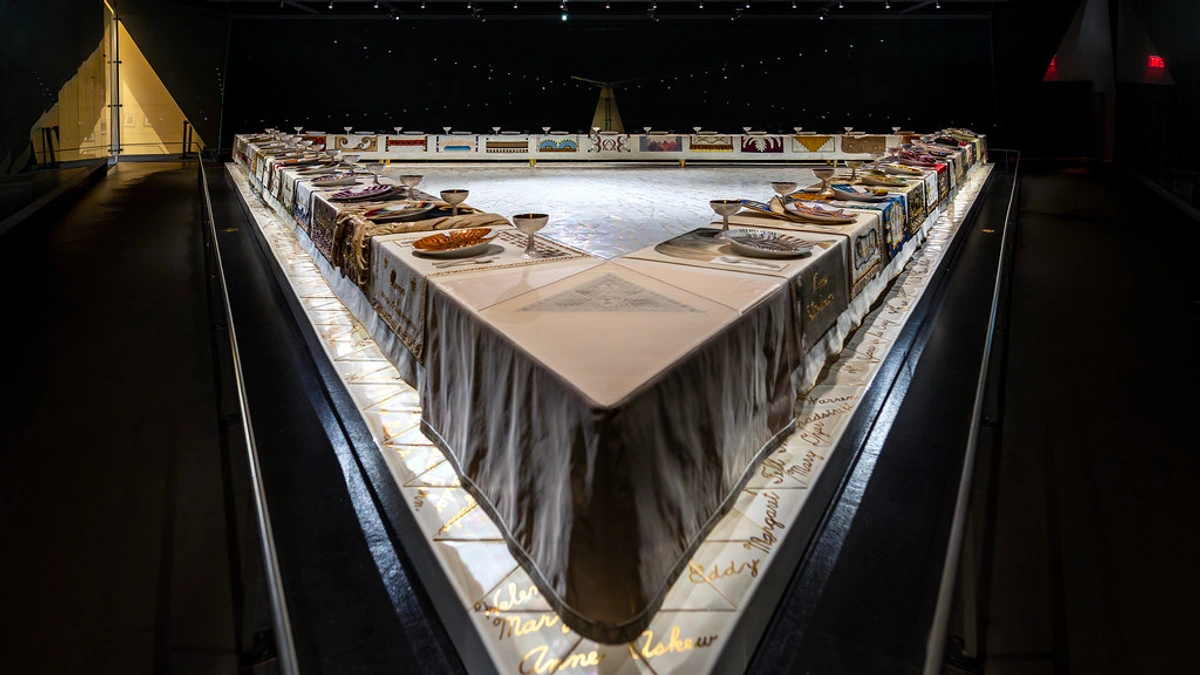
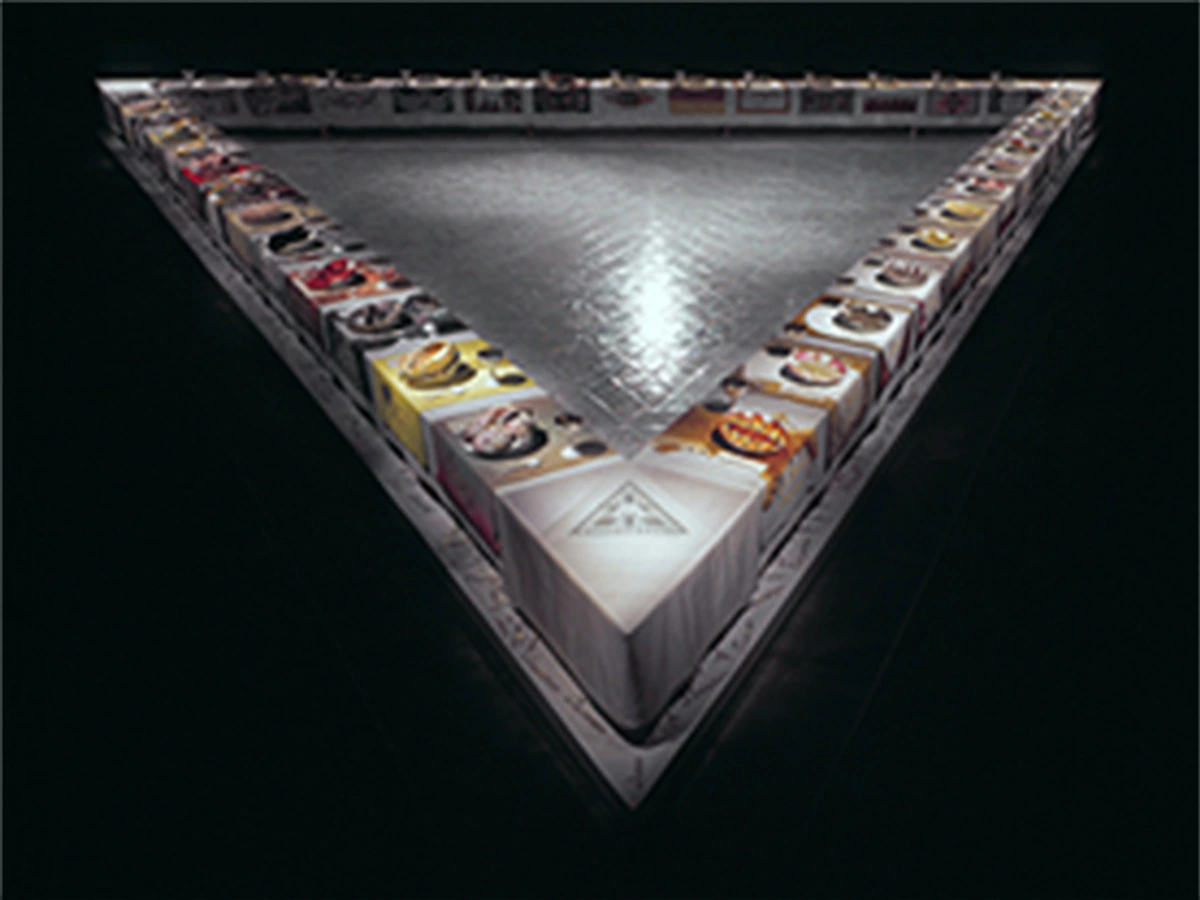
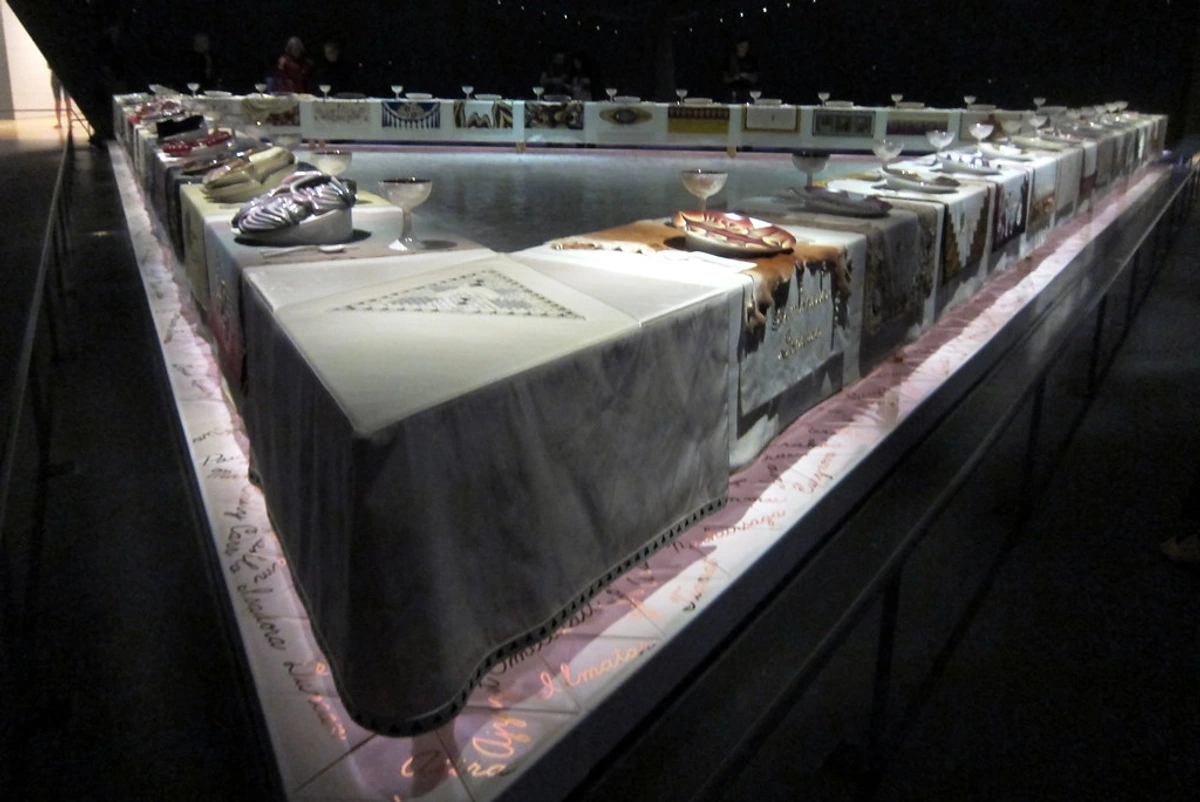
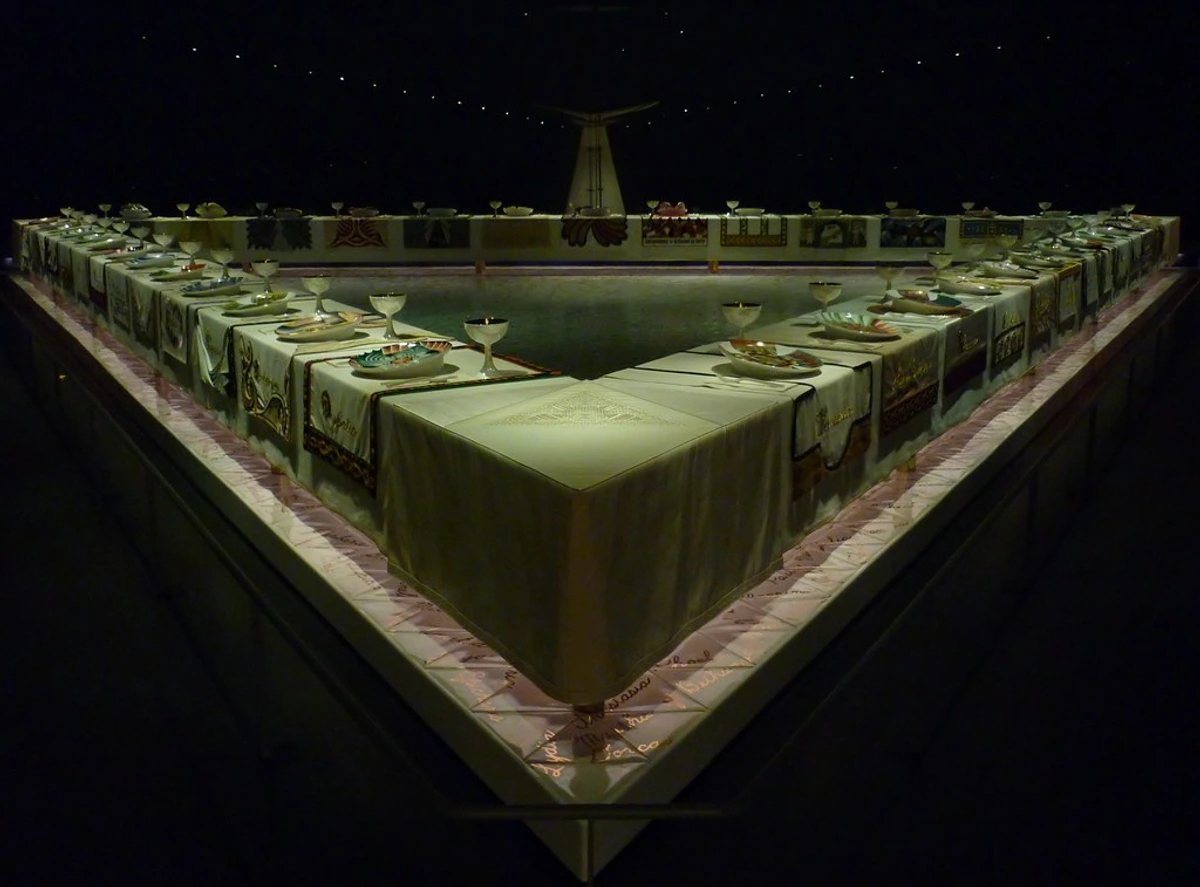
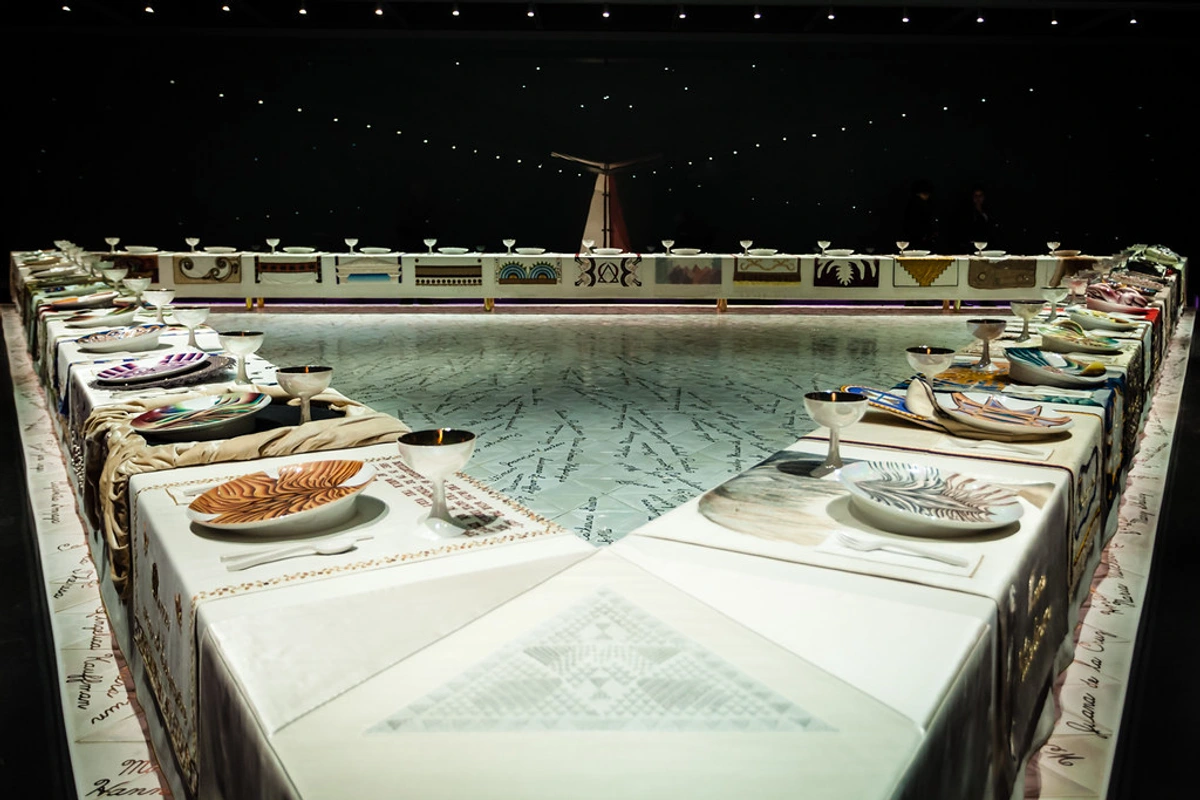
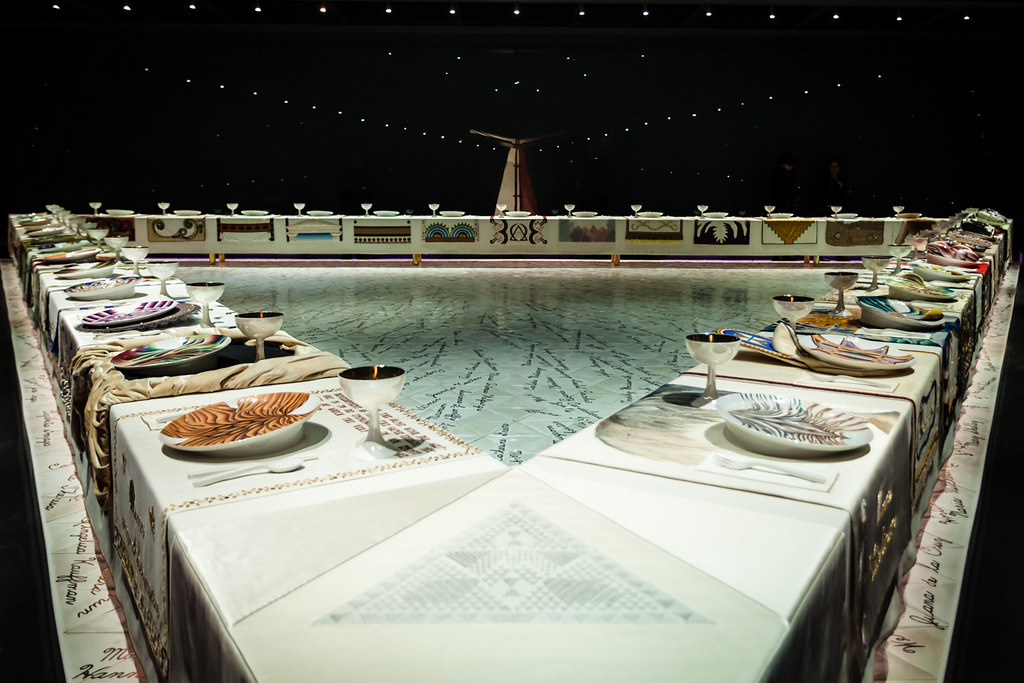
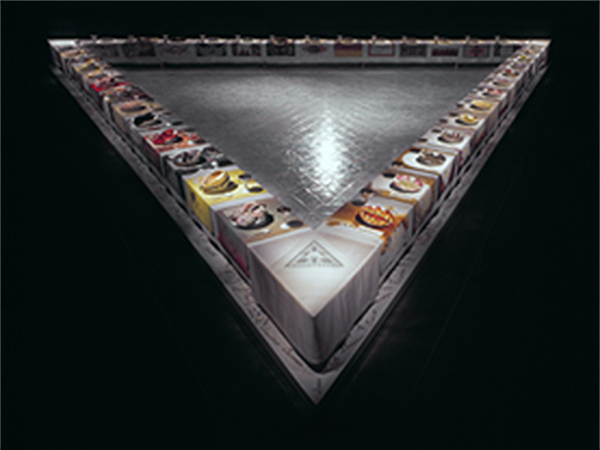
If there’s one artwork that defines Judy Chicago and, arguably, serves as a cornerstone of the entire feminist art movement, it's The Dinner Party (1974–1979). I still vividly recall the visceral impact of seeing images of it for the first time. It was years ago, tucked away in a dusty art history book, and it wasn't just the sheer scale that stunned me—the massive triangular table, the meticulously embroidered runners, the unique ceramic plates—it was the audacious ambition behind it. This wasn't the polite, quiet art I was accustomed to; this was a loud, unapologetic statement demanding that women's voices, women's history, and women's experiences be not just valid, but essential to our collective narrative. It challenged everything I thought I knew about art and power, forcing me to confront the vast blank spaces in our historical accounts, the stories that had been systematically, or perhaps even willfully, omitted. That personal resonance, that immediate connection to a deeper truth, is why I consider her an indispensable figure in art history.
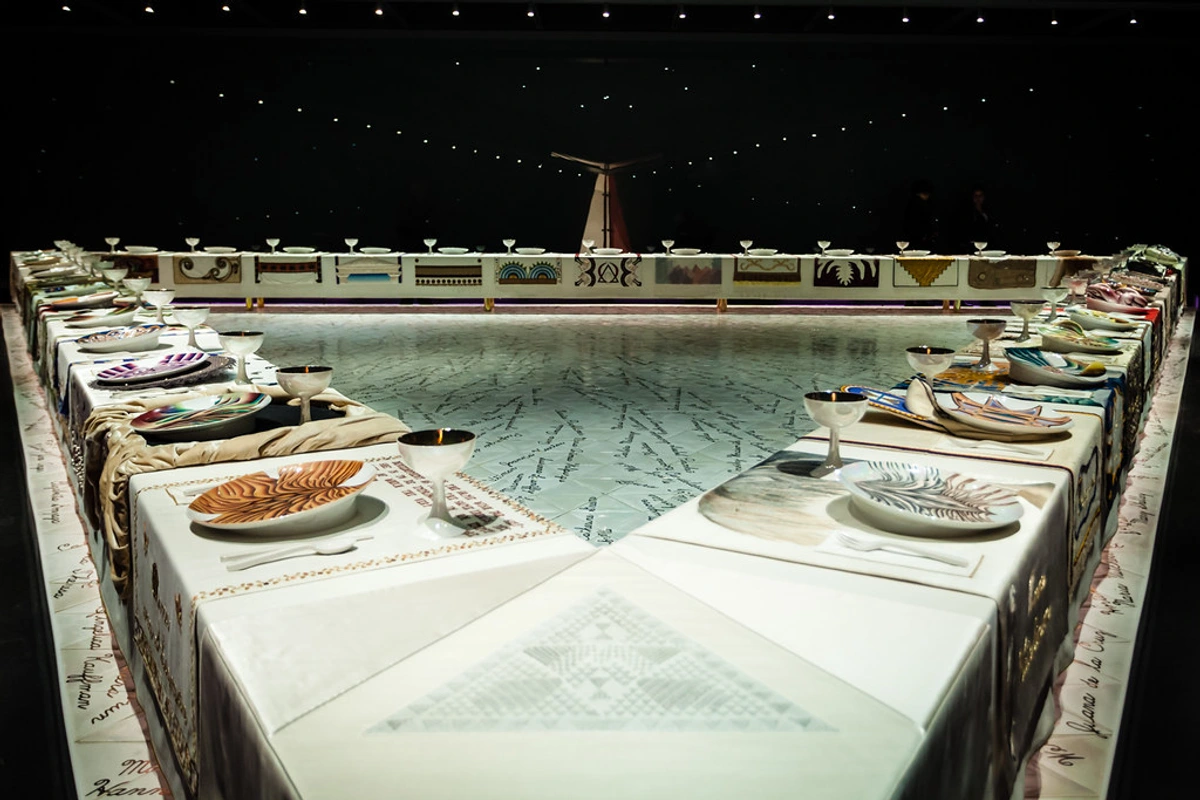
This piece isn't just art; it's a profound historical intervention, a painstaking act of giving voice and place to women who had been erased from history. Think about it: how many famous women, beyond queens and empresses, could you name from pre-20th-century history before you started digging? For most, it's shockingly few. That's the gaping void Chicago sought to fill. She didn't just create a sculpture; she forged a monument to forgotten heroines, demanding their rightful place at the table of history. It was a massive undertaking, requiring immense dedication and a vision so clear it could cut through decades of patriarchal oversight—the systemic bias where male perspectives dominate, often leading to the exclusion and devaluation of women's contributions.
The Symbolism and Scale of The Dinner Party: A Deep Dive
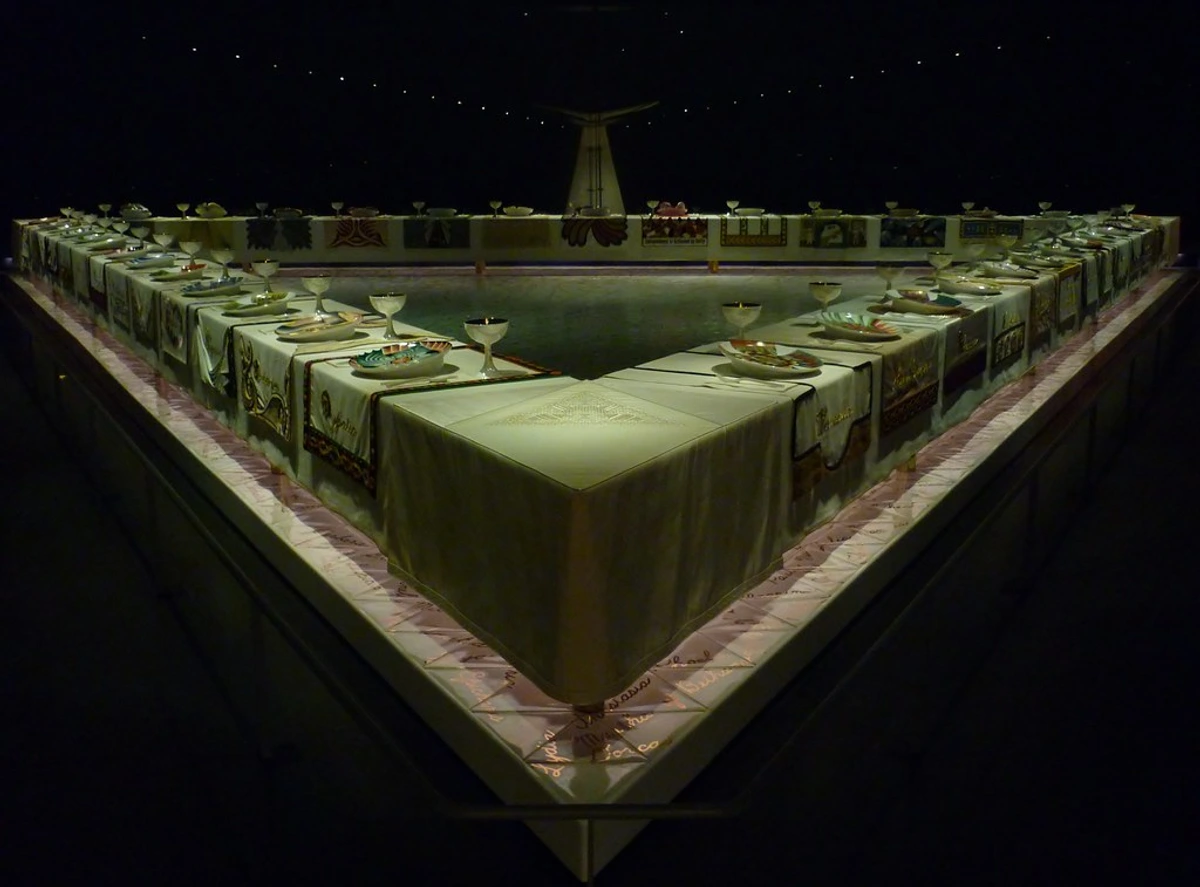
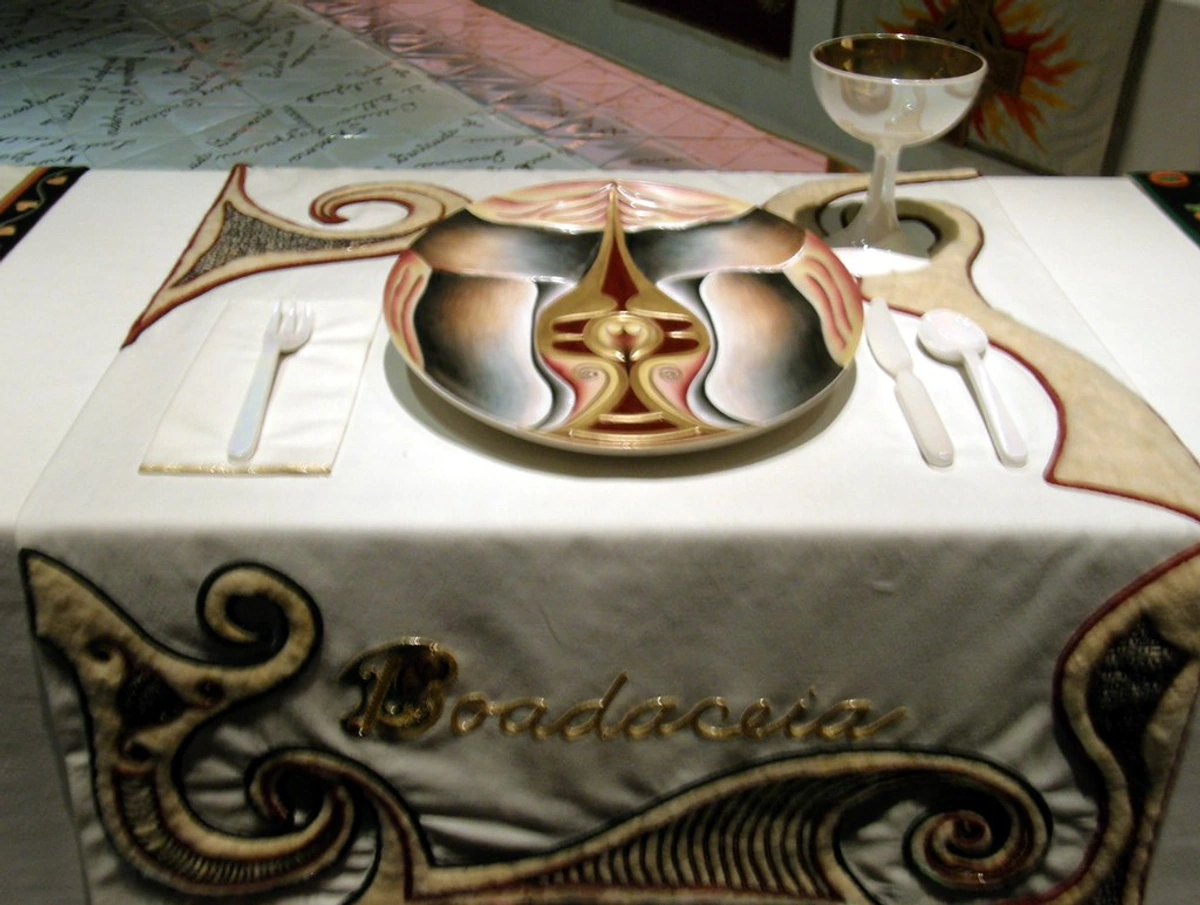
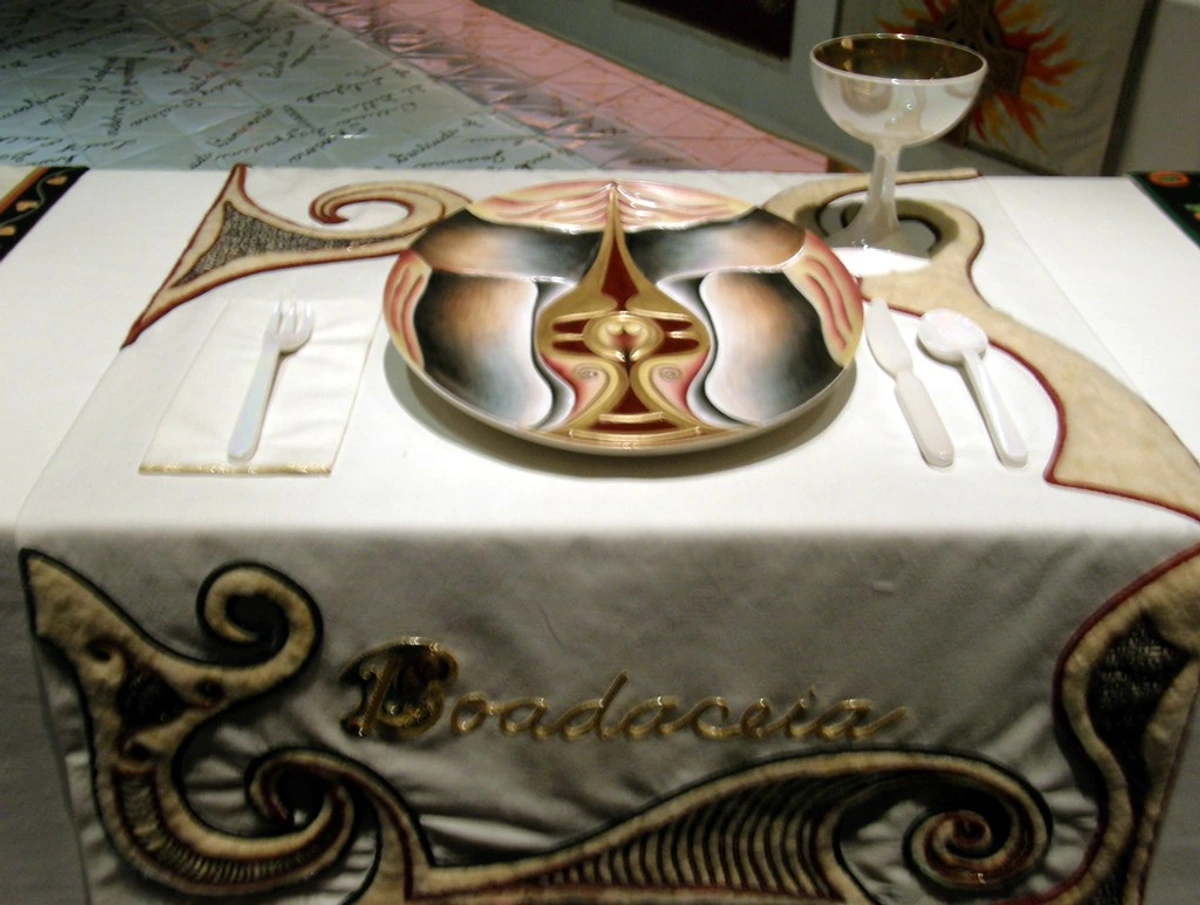
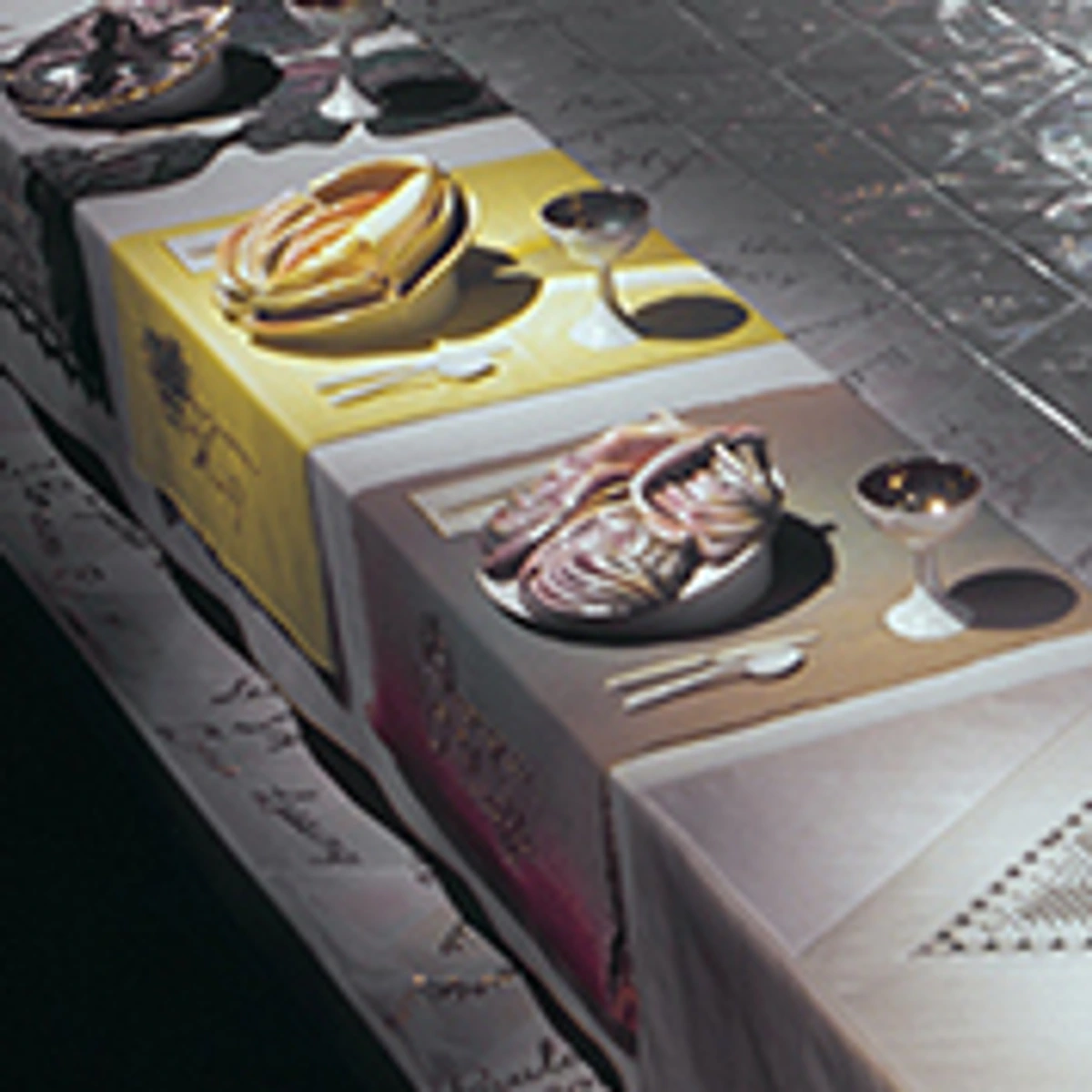
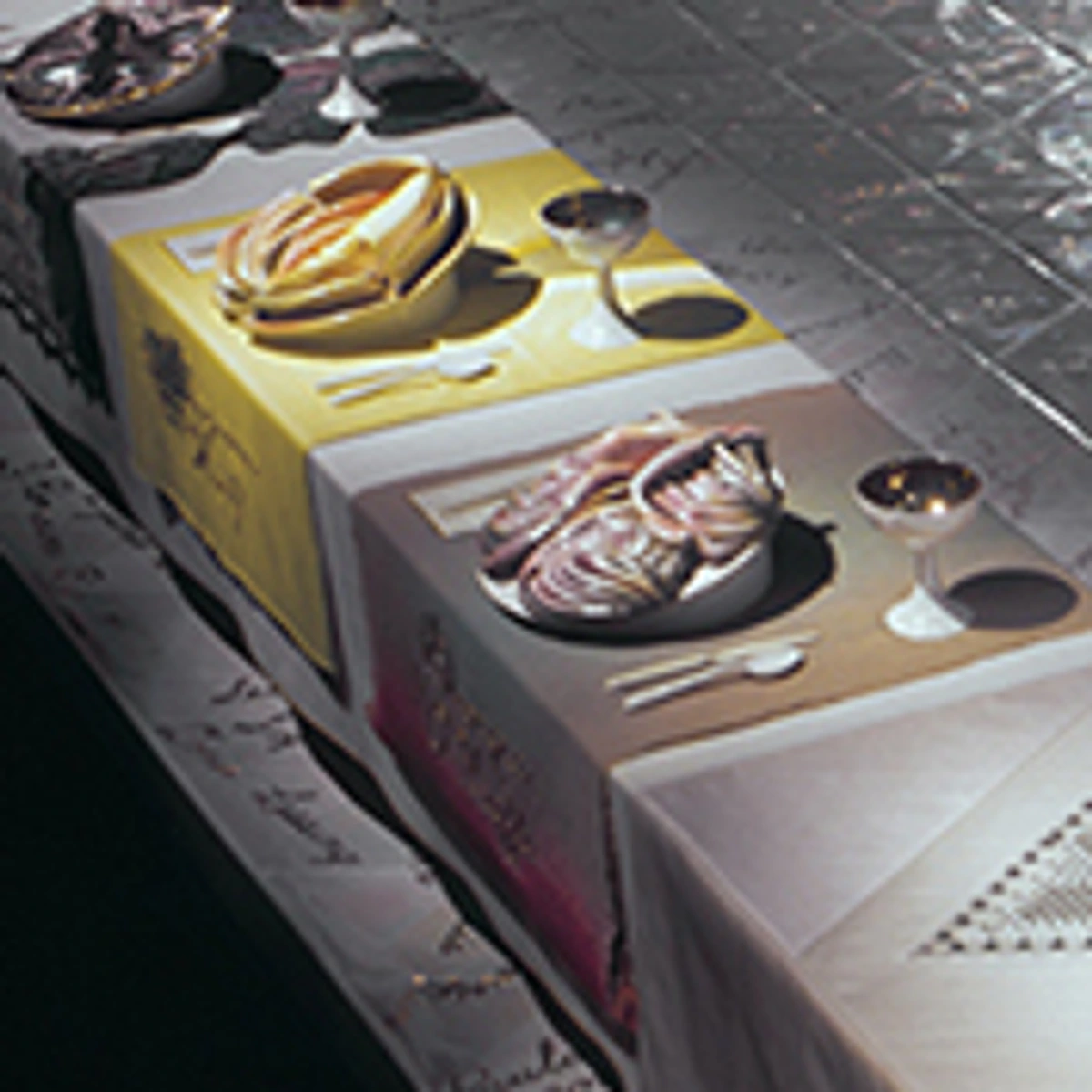
The installation itself is a masterclass in symbolic storytelling. It features a massive triangular table, 48 feet on each side, meticulously set for 39 mythical and historical women. Each place setting is a unique tribute, featuring a hand-painted ceramic plate with a butterfly-like form. This form, a powerful symbol of female power, liberation, and transformation, was also unapologetically interpreted by many, including critics, as a bold, direct evocation of vaginal imagery. This was a deliberate challenge to the phallic symbolism that had permeated Western art for centuries, a defiant assertion of female anatomy and identity into the traditionally male-dominated art canon. Accompanying each plate are a golden chalice and utensils.
Beneath each place setting, an elaborately embroidered runner meticulously details the honored woman's life and achievements. This wasn't just decorative; it was a profound elevation of "women's work"—historically devalued crafts like needlework and china painting—to the realm of fine art, asserting their intricate skill and cultural importance. Chicago, ever the strategist, understood that to reclaim women's history, she also needed to reclaim the art forms historically associated with them, bringing these "crafts" into the hallowed halls of "fine art."
And, truly emphasizing the breadth of lost history, the names of 999 other important women are inscribed on the Heritage Floor beneath the table. The Heritage Floor functions as a powerful, symbolic foundation, ensuring that the countless additional women omitted from recorded history are also given a place of acknowledgment. The sheer audacity of this project is matched only by its collaborative spirit: hundreds of volunteers—a diverse group of students, artists, and skilled craftswomen—executed this monumental project over five years, requiring significant financial investment and nearly 20,000 hours of labor. This collaborative effort was, in itself, a profoundly feminist statement, demonstrating the collective power of women to reshape history and challenge the myth of the solitary male genius.
Here’s a snapshot of what makes The Dinner Party so utterly groundbreaking:
Feature  | Description |
|---|---|
| Concept | A symbolic banquet table honoring women systematically excluded from Western history, reclaiming their narratives. |
| Shape | Triangular, a powerful symbol of equality and the female, breaking from hierarchical rectangular tables. |
| Place Settings | 39 unique settings, each a dedicated tribute to a specific mythical or historical woman, designed to reflect her accomplishments. |
| Plates | Hand-painted ceramics with butterfly-like forms, symbolizing female power and transformation, overtly referencing female anatomy. |
| Runners | Elaborately embroidered, meticulously detailing the lives and achievements of each honored woman, elevating 'women's crafts' to fine art. |
| Heritage Floor | Inscribed with the names of 999 additional women, emphasizing the vast scale of forgotten female contributions and creating a collective foundation. |
| Collaborators | Hundreds of volunteers (over 400), many contributing historically devalued 'female' crafts, making the process itself a feminist statement of collective power and shared vision. |
| Scale | 48-foot-long table, nearly 20,000 hours of labor, significant financial investment, monumental ambition. |
Controversy and Legacy: A Battle for Recognition
When The Dinner Party debuted in 1979, it didn't just spark discussion; it ignited a firestorm. Critics, largely male and deeply entrenched in patriarchal norms, dismissed it outright as "craft" rather than "art." They attacked its overt feminist symbolism, what they perceived as crude, literal representations of female anatomy, and even labeled it vulgar, anti-male, or pornographic. I remember reading some of the reviews, and it wasn't just disagreement; it felt like a deliberate refusal to see the art for what it was—a profound societal critique.
For example, some critics decried its "literalism," arguing that the vaginal imagery was too blunt and lacked artistic subtlety, or that the use of "women's crafts" inherently relegated it to a lesser status than painting or sculpture. Others found its celebratory, almost celebratory, focus on female experience threatening to the established order. My own take? They didn't just miss the point; they were profoundly, perhaps even deliberately, uncomfortable with the sheer force of the point being made. The art world, at the time, was simply not ready for such an unapologetic assertion of female identity and history. But what truly defines art, and who gets to decide? Chicago had her own fierce answer. This was also a direct challenge to the male gaze—the way women and the world are often depicted in visual arts and literature from a masculine, heterosexual perspective, that positions women as objects of male pleasure. Think of a traditional nude in art history, often passive, idealized, and presented for a male viewer. Chicago flipped that script entirely, creating art from a female perspective, for women, and unapologetically about female experience.
For years, the piece struggled to find a permanent home, traveling to various exhibition spaces but often met with institutional resistance and outright hostility. It speaks volumes about the art world's entrenched biases, its gender pay gaps, and its lack of female representation in major museums that such a meticulously researched, beautifully crafted, and conceptually powerful work faced such an uphill battle. But Chicago, ever unyielding, championed her work with relentless conviction, insisting on its artistic merit and historical importance. She fought for its recognition, and eventually, in 2007, The Dinner Party found its permanent, rightful home at the Elizabeth A. Sackler Center for Feminist Art at the Brooklyn Museum. It stands there today, a testament to her unyielding vision and an undeniable monument in art history. It's a powerful reminder that truly transformative art often faces initial, fierce resistance, precisely because it dares to challenge our deepest preconceived notions and power structures. The impact of The Dinner Party as a catalyst for social change cannot be overstated.
Early Life & Radical Beginnings: Forging Her Own Path
Born Judith Sylvia Cohen in 1939 in Chicago, Illinois, Judy's artistic journey was never going to follow a conventional trajectory. Her parents, Arthur and May Cohen, were deeply politically active—he a union organizer and communist activist, she a dancer and writer committed to civil rights. Chicago in the 1930s and 40s was a hotbed of labor organizing and nascent civil rights movements, echoing the larger national struggles against injustice. This wasn't just abstract idealism in their home; it was the very air she breathed, shaping her early understanding of injustice and the profound necessity of fighting for change. This upbringing instilled in her a fierce sense of social justice and an unwavering belief in the power of individual action that would become the bedrock of her artistic philosophy.
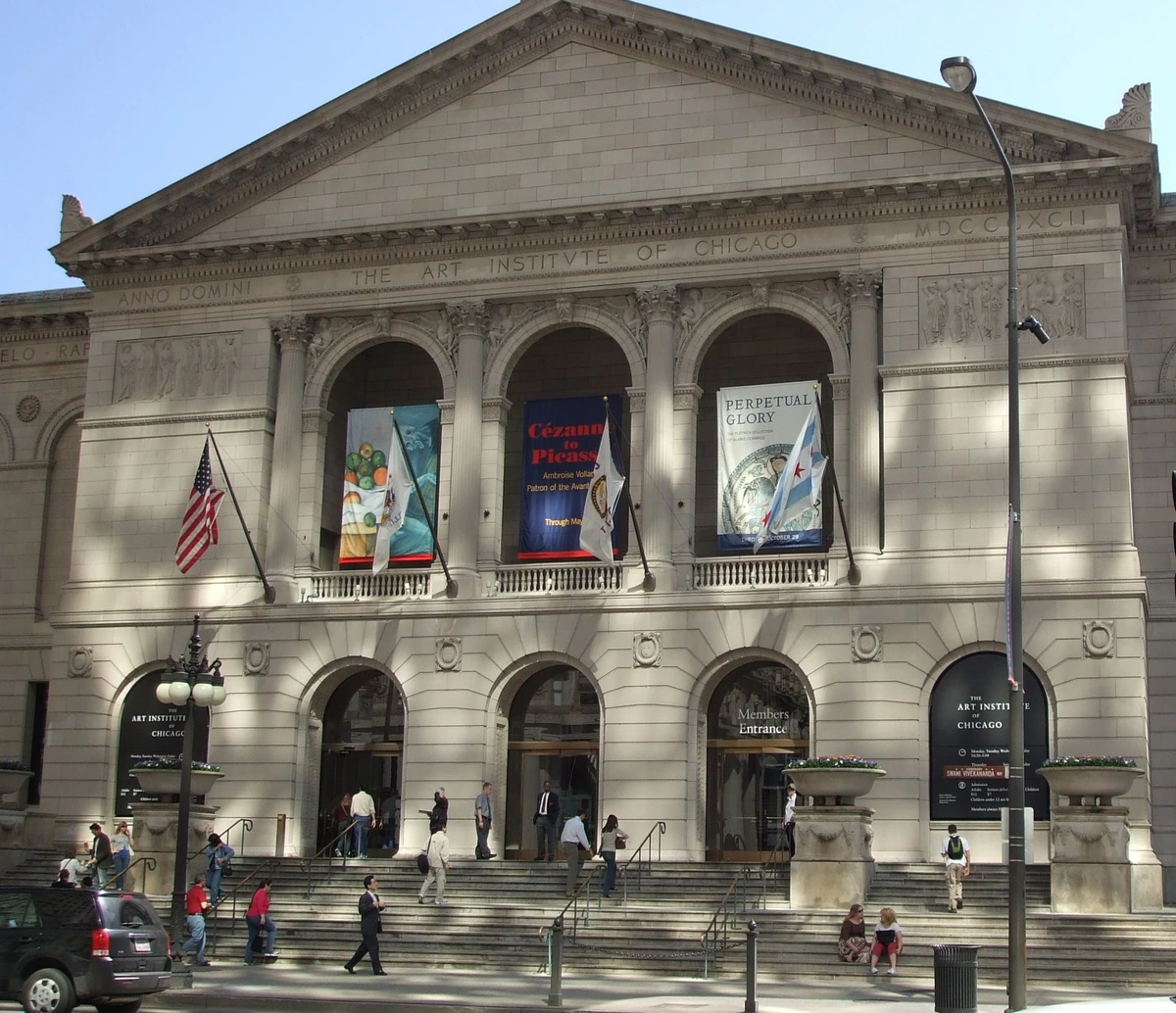
Her formal art education began at the Art Institute of Chicago and continued at the University of California, Los Angeles (UCLA), where she earned her MA in 1964. During these formative years, the art world was a profoundly different, and dare I say, hostile, place for women. It was dominated by men, with Abstract Expressionism and Minimalism reigning supreme. Think Jackson Pollock, Mark Rothko, Donald Judd—these were the undisputed titans, lauded for their masculine, often emotionally detached visions. Abstract Expressionism, with its large scale and gestural marks, often valorized the heroic, individual (male) genius, while Minimalism emphasized industrial materials, cool detachment, and pure form, deliberately moving away from personal expression. Women artists, particularly those daring to address overtly feminist themes, were largely dismissed, ignored, or relegated to the sidelines. Their contributions were, in essence, systematically erased from the official narrative. And Judy, being Judy, wasn't having any of it. She saw this erasure not as an inconvenience, but as a profound, systemic injustice that demanded direct confrontation.
Shifting Paradigms: From Minimalist to Feminist
She began her career experimenting with minimalist sculptures, even using industrial materials and techniques in pieces like "Big Deal" (1969)—a style often characterized by its cool detachment and focus on pure form. I remember studying minimalism in art school, admiring its intellectual rigor, but always sensing a void, a lack of human warmth. Chicago quickly arrived at a similar realization: this detached, impersonal style was utterly incapable of expressing the deep, personal, and often painful embodied experiences she felt as a woman in a male-dominated society. It simply didn’t have the vocabulary for her truth. Her early 'Atmospheres' series (1967-1969), where she released colored smoke in landscapes, already hinted at a desire to soften rigid forms and engage with ephemeral, sensory experiences, moving away from the cold geometry of minimalism. She was searching for a language that could express interiority and feeling, something the prevailing art movements actively avoided.
So, in true Chicago fashion, she made a conscious, revolutionary decision to break away. In 1970, she literally changed her name from Judith Gerowitz (her ex-husband's surname) to Judy Chicago, a bold, symbolic act of severing ties with patriarchal conventions and embracing an identity entirely her own, free from male lineage. It was a powerful declaration, a piece of performance art in itself, echoing her nascent artistic mission to champion female experience and, crucially, to create an art that felt like her. This act wasn't just personal; it laid the groundwork for what would become a seminal moment in the burgeoning feminist art movement.
Educator and Activist: Building a Foundation for Feminist Art
Judy Chicago's influence extends far beyond her individual artworks. She was a pioneering educator and activist, instrumental in establishing formal academic programs for feminist art. In 1970, recognizing the profound need for a space where women artists could explore their own narratives without patriarchal constraints, she co-founded the first Feminist Art Program at California State University, Fresno, alongside artists like Miriam Schapiro. This wasn't just about teaching art; it was about building an entirely new artistic infrastructure for women. She later moved the program to the California Institute of the Arts (CalArts), where she initiated the groundbreaking Womanhouse project in 1972. Beyond these programs, Chicago also played a role in founding other crucial spaces for feminist discourse, including the Womanspace gallery and the Feminary journal, both essential platforms for showcasing and critiquing women's art. Her role in organizing the exhibition California Girls (1972) further solidified her place as a leader in the burgeoning Southern California feminist art scene, demonstrating her commitment to fostering community and visibility for women artists.
The Womanhouse Project: Art as Embodied Experience
Womanhouse was an abandoned 17-room mansion in Hollywood, transformed by Chicago and her students into a series of visceral, often unsettling, installations that explored various aspects of women's experiences and societal roles. Imagine walking through rooms where every space challenged traditional notions of domesticity and female entrapment: a "Menstruation Bathroom" overflowing with bloodied sanitary products, a "Linen Closet" with a mannequin trapped inside, a "Nurturant Kitchen" covered in breast-shaped fried eggs. These weren't mere exhibits; they were immersive, often shocking, explorations of female labor, domestic realities, and the hidden emotional landscapes of women's lives. This project profoundly emphasized embodied experience, bringing the messy, inconvenient, and often unseen realities of women's bodies and domestic lives directly into the public sphere of art, directly challenging the male gaze by making the female subject the author and focus. It was a hands-on, immersive learning environment that not only created powerful art but also fostered a community of women artists, equipping them with the tools and confidence to articulate their own narratives. I sometimes think about how incredibly brave that must have been—how utterly revolutionary—to carve out such an unapologetic space for women's voices in such an unwelcoming academic and artistic landscape. Her work as an educator truly created a literal foundation for future generations of female artists to explore their own narratives and challenge established norms.
The Pedagogy of Empowerment: Challenging the "Genius" Myth
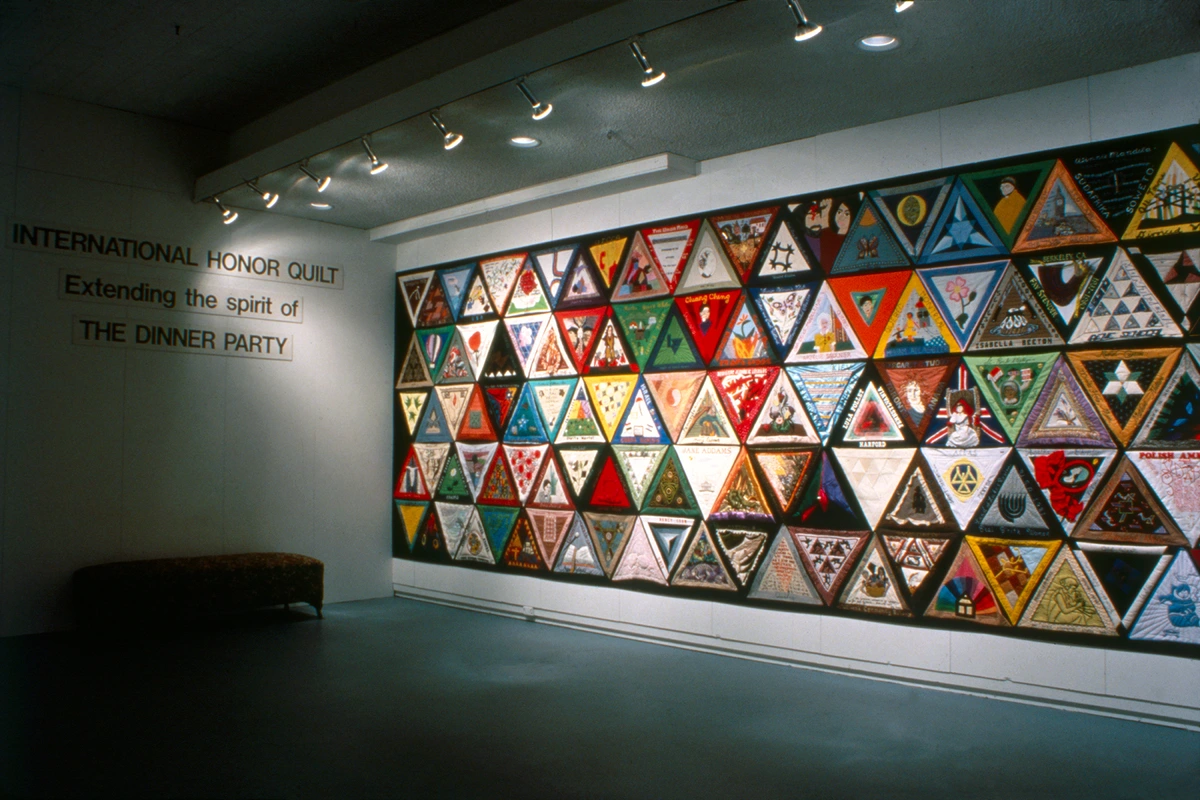
Chicago's teaching philosophy was revolutionary in its focus on empowering women to connect their personal experiences to broader social and political issues. The curriculum encouraged self-exploration, skill-building in historically devalued "female crafts" (like needlework and ceramics), and crucially, collaborative art-making. For Chicago, collaboration wasn't just a practical necessity for executing large-scale works like The Dinner Party; it was a deeply feminist strategy. It decentralized artistic authority, challenged the notion of the solitary male genius prevalent in much of Western art, and highlighted the collective power of women. She truly believed that by understanding and articulating their own experiences, women could reshape art and, by extension, society itself. This approach resonates deeply with my own artistic philosophy, where community and shared purpose often elevate individual expression. It also informed her later collaborative works, extending her impact beyond the California art scene, even to her time teaching at the University of Hawaii.
Beyond The Dinner Party: A Career of Unflinching Inquiry
While The Dinner Party remains her most famous work, Judy Chicago's career is a testament to an unwavering commitment to exploring difficult, often taboo subjects from a distinctly female perspective. She didn't just make one powerful statement; she built a career on continuous, evolving inquiry, consistently pushing boundaries and challenging conventions at every turn. It’s this restless pursuit of truth, this refusal to settle, that I find so endlessly inspiring. It's a journey, much like the one I map out on my own timeline, where one discovery leads to another, constantly refining purpose.
The Birth Project (1980-1985): Unveiling the Genesis of Life
After The Dinner Party, Chicago turned her unflinching gaze to the subject of birth. The Birth Project aimed to redress the near-absence of birth imagery in Western art, which historically depicted it from a male, often idealized, or suffering perspective—rarely from the intimate, messy, powerful reality of the birthing woman. Working again with hundreds of needleworkers, often drawing from diverse regional communities across the United States, she created a series of powerful and diverse representations of the birthing process. These women, many of whom had first-hand experience with childbirth or traditional crafts, brought their expertise and perspectives, truly making it a collaborative reclamation of a fundamental female event. It was another audacious move, bringing a profoundly intimate, visceral, and typically female experience into public art discourse, challenging artistic conventions and celebrating female agency.
For me, seeing these pieces for the first time, I was struck by their raw honesty and immense power, a stark contrast to the often sterile or romanticized portrayals I’d encountered before. It felt like she was giving voice to an experience that had been silently endured for millennia, a true expression of embodied experience through art, and a powerful reclamation of this fundamental female event and the skilled "women's work" that brought it to life.
Here’s a summary of The Birth Project's profound impact:
Feature | Description |
|---|---|
| Theme | Depicting birth from a female perspective, directly challenging male-dominated historical representations and the societal taboo surrounding it. |
| Mediums | Primarily needlework, quilt-making, embroidery, and paint on fabric, elevating traditional 'female crafts' to fine art. |
| Collaborators | Hundreds of skilled needleworkers across the United States, emphasizing collective female agency and diverse regional contributions to a shared artistic vision. |
| Significance | Brought a profoundly intimate, visceral, and typically female experience into public art, celebrating female agency and artistic skill, and reclaiming a fundamental human experience that had been largely excluded from art history. |
| Impact | Broadened the scope of acceptable artistic subjects, challenged the male gaze in art history, and validated a core female experience with honesty and power, providing a visual counter-narrative. |
The Holocaust Project: From Darkness into Light (1985-1993): Confronting Universal Atrocity
Perhaps one of her most ambitious and emotionally demanding undertakings was The Holocaust Project: From Darkness into Light, created in collaboration with her husband, photographer Donald Woodman. This extensive series, comprising stained glass, tapestries, photographs, and paintings, explores the Holocaust not just as a historical event, but as a complex human tragedy with universal implications. It delves into issues of genocide, power, injustice, and the human capacity for both cruelty and resilience. When I first learned about this pivot in her work, I was struck by the audacity and immense empathy required. To take on such a universally devastating subject, after primarily focusing on deeply feminist themes, demonstrated the breadth and depth of her moral compass and her unwavering commitment to using art as a catalyst for social change. It showed that while her perspective is rooted in female experience, her empathy and concerns are truly universal—a powerful reminder that the fight against oppression takes many forms, and that art can be a profound tool for bearing witness and fostering healing.
Within the project, Chicago used diverse mediums to amplify her message. The stained-glass pieces, for example, often combined traditional religious symbolism (like church windows) with stark, modern imagery of suffering, creating a haunting beauty that underscored the desecration of human life through fragmented and shattered forms. Imagine how a piece like "The Last Embrace" (1993) uses the fragile yet vibrant quality of glass to convey both the horror and the enduring bond between victims. The tapestries, with their intricate narratives, allowed for a deeper, more personal engagement with historical trauma, weaving individual stories into a collective memory, as seen in works like "The Red Scarf" (1990). These specific artistic choices enhanced the emotional impact, making the viewer confront the horror and resilience in equal measure.
This table outlines key aspects of The Holocaust Project:
Feature | Description |
|---|---|
| Theme | Genocide, power, injustice, human resilience, universal implications of the Holocaust, transcending specific gender focuses to address universal human rights. |
| Mediums | A diverse range including stained glass (often with fragmented elements), tapestries (intricate narratives), photographs, paintings, and architectural elements, showcasing her versatility and emotional depth. |
| Collaborators | Husband Donald Woodman (photographer), and various artisans, emphasizing shared responsibility in confronting trauma and bearing witness to historical atrocities. |
| Significance | Expanded her thematic scope beyond gender, demonstrating art's crucial role in confronting atrocity, fostering memory, and facilitating healing for humanity as a whole. |
| Impact | A deeply personal and universally resonant exploration of one of humanity's darkest chapters, using art to process trauma, promote awareness, and call for universal human rights. |
PowerPlay (2018) and Ongoing Work: Deconstructing Masculinity
After her profound engagements with female experience and universal atrocity, Chicago has continued to evolve her inquiry, exploring masculinity and power dynamics in her PowerPlay series (2018). Through striking paintings and bronze sculptures, she dissects traditional male roles, aggression, and vulnerability from an unexpected, yet deeply informed, angle. Works like "Driving the World" or "Confrontation" explore the psychological pressures and performative aspects of masculine identity. This demonstrates her continued intellectual curiosity and willingness to engage with complex gender issues from multiple perspectives, always seeking to understand and challenge the forces that shape human experience—and how those forces manifest in various forms of oppression. She is still actively creating, exhibiting, and advocating today, proving that her vision remains as vital and relevant as it was half a century ago. It’s truly inspiring to witness an artist who refuses to rest on past laurels, constantly pushing her own boundaries and reminding us that engagement with art is a lifelong journey, much like the one I explore on my own timeline. Her relentless pursuit of understanding and expression is, frankly, why she's one of the most most important artists of our time.
Key Themes in Judy Chicago's Art: A Consistent Vision
Across her prolific career, Judy Chicago has consistently returned to several powerful themes, weaving them into a singular, unwavering artistic philosophy. Her work is a relentless pursuit of truth through a distinctly feminist lens, which I find profoundly compelling. Let's break them down:
- Reclaiming Women's History: At its core, Chicago's art seeks to rectify the historical omission of women. Through monumental projects like The Dinner Party, she literally writes women back into the narrative, insisting on their significance and challenging the male-dominated canon. This isn't just about adding names; it's about fundamentally reshaping how we understand history itself, exposing the biases that shaped our collective memory and actively reclaiming historical narrative for women.
- Elevating "Women's Work": Chicago purposefully employs mediums traditionally associated with women—needlework, china painting, ceramics—and elevates them to the status of fine art. This not only celebrates the skill and artistry in these crafts but also challenges the hierarchical structures within the art world that devalue traditionally female domains, arguing for the intrinsic artistic merit and reclaiming artistic value for these forms. She's saying, "This is art, and it's always been art."
- Centering Embodied Experience: From the explicit vaginal imagery in The Dinner Party to the raw depictions of childbirth in The Birth Project and the visceral installations of Womanhouse, Chicago consistently centers the female body and its experiences. She confronts societal taboos and brings intimate, often unseen, aspects of female life into public artistic discourse, making the personal profoundly political and directly challenging the male gaze in art. It's an emphatic reclamation of anatomical representation and female subjective experience.
- Art as Witness and Bearing Witness: This theme emerged powerfully in The Holocaust Project, but echoes throughout her work. Chicago uses art not just to depict, but to bear witness to profound human experiences—whether the joyous and painful reality of birth, the systemic erasure of women, or the horrors of genocide. Her art becomes a testament, a record, and a means of confronting difficult truths, fostering empathy, and ensuring that suffering and silenced voices are acknowledged, serving as a powerful reclamation of voice and memory.
- Collaboration and Community: Challenging the myth of the solitary male genius, Chicago champions collaborative art-making. Projects like The Dinner Party and The Birth Project involved hundreds of participants, demonstrating that collective effort and shared vision can produce monumental, impactful art. This collaborative spirit is itself a feminist statement, highlighting collective power over individualistic celebrity and fostering a sense of shared purpose, thereby reclaiming the artistic process as a communal endeavor.
- Art as a Catalyst for Social Change: Above all, Chicago believes in the transformative power of art. Her work isn't passive observation; it's an active intervention. Whether exposing historical injustice, challenging gender norms, or bearing witness to human atrocity, her art consistently aims to provoke thought, challenge power structures, and inspire a more equitable world. Her entire career is a testament to art's ability to be a potent catalyst for social change.
Judy Chicago's Enduring Legacy and Impact
Judy Chicago's legacy is immense and multifaceted, a true testament to her pioneering spirit. She didn't just make art; she fundamentally reshaped the conversation around art and gender, forcing the art world, kicking and screaming, to acknowledge the contributions and experiences of women. She opened doors for countless artists, inspiring them to challenge patriarchal structures, embrace their own narratives, and utilize their unique perspectives to create meaningful, impactful work. She created the literal and philosophical framework for generations of feminist artists and feminist pedagogy.
Her influence can be seen in countless contemporary art practices that deal with identity, social justice, and collaborative methodologies. The issues she tackled in the 1970s—the male gaze, the invisibility of women's history, the devaluation of female creative expression—remain remarkably relevant today, shaping dialogues in our own diverse art communities. She taught us that the personal is indeed political, and that art can be a potent weapon in the fight for equality. For me, her career is a powerful reminder that authenticity, courage, and an unwavering belief in your vision can indeed change the world—or at the very least, reshape the art world entirely. She taught us to ask: Whose history are we telling? Whose voices are we amplifying? And those questions, I believe, are more relevant than ever, urging us to continue the conversation in our own lives, through our own creative expressions, and perhaps even by exploring the vibrant abstract art available to buy today. You might also find inspiration by exploring the history of art and its movements, perhaps starting with a visit to the den-bosch-museum for another perspective on artistic expression.
Frequently Asked Questions About Judy Chicago
Q: What is Judy Chicago most known for?
A: Judy Chicago is most famously known for her monumental installation The Dinner Party (1974–1979). This iconic work celebrates 39 mythical and historical women who have been excluded from traditional historical narratives, using a triangular table with elaborate place settings and embroidered runners, and a Heritage Floor inscribed with the names of 999 other women. It's considered a seminal piece of feminist art, a powerful act of historical reclamation, and a key artwork in the feminist art movement.
Q: Is Judy Chicago still alive and making art?
A: Yes, Judy Chicago is still alive and actively creating art. Born in 1939, she continues to work, exhibit, and advocate for women in the arts. Her recent work, such as the PowerPlay series (2018), demonstrates her ongoing engagement with gender, power, and societal issues, proving her continued relevance and artistic evolution. She remains a prominent feminist artist and cultural figure.
Q: Where can I see The Dinner Party?
A: The Dinner Party is permanently installed at the Elizabeth A. Sackler Center for Feminist Art at the Brooklyn Museum in New York City. Visitors can plan their visit by checking the Brooklyn Museum's official website for current hours and admission information.
Q: What other significant works has Judy Chicago created?
A: Beyond The Dinner Party, Judy Chicago's career is marked by several other groundbreaking projects. These include Womanhouse (1972), a collaborative installation that explored women's domestic experiences; The Birth Project (1980–1985), which addressed the near-absence of birth imagery in Western art; and The Holocaust Project: From Darkness into Light (1985–1993), a multi-medium series confronting universal atrocity. Her more recent PowerPlay series (2018) deconstructs masculinity and power dynamics.




Conclusion: Her Legacy, Our Future
So, who is Judy Chicago? For me, she is a force of nature, a relentless questioner, an artist who didn't just paint pictures but dared to reshape the very landscape of art history. She's the kind of artist whose work doesn't just hang on a wall; it lives in your mind, provoking thought, challenging assumptions, and ultimately, inviting you to see the world, and art within it, with new eyes. Her journey, from minimalist sculptor to the undisputed icon of feminist art, is a testament to the power of unwavering vision and the courage to carve your own path. And if you're like me, once you truly encounter Judy Chicago, you'll realize that the conversation she started is far from over. Perhaps it's a conversation we all need to continue. Consider how you can bring a similar spirit of inquiry and reclamation to your own creative expression, or explore the vibrant abstract art available to buy today that challenges convention and sparks conversation, just as Chicago's work did. You might also find inspiration by exploring the history of art and its movements, perhaps starting with a visit to the den-bosch-museum for another perspective on artistic expression.