What is Woodcut Printmaking? An Essential Guide to the Oldest Printing Art
Explore the history and technique of woodcut printmaking, from ancient China and Japanese Ukiyo-e to German Expressionism. A clear guide for artists and collectors.

What is Woodcut Printmaking? A Deep Dive into Art's Oldest Storyteller
I think the first time I truly saw a woodcut print, I didn't even know what it was. It was a German Expressionist piece, all harsh angles and stark black ink. It felt raw, immediate, and brutally honest. There was no hiding behind delicate brushstrokes; it was as if the artist had wrestled the image directly from the wood. That feeling—the raw, tactile power of a carved line—is the heart of woodcut printmaking. It's not just an art form; it's a testament to human ingenuity and our enduring desire to communicate, replicate, and express through tangible means. It's the oldest form of printmaking, and to me, it's one of the most powerful, echoing stories from ancient temples to modern galleries. But beyond its rich history, what is it about woodcut that continues to resonate so deeply? It's a primal, direct connection to the artist's hand, a unique blend of physical effort and profound expressive potential that makes it surprisingly relevant even in our hyper-digital world.
So, what is it, really? And why, in our hyper-digital age, does this ancient, beautiful, and sometimes beautifully ugly, art form continue to resonate? Let's break it down.
The Core Idea: Relief Printing
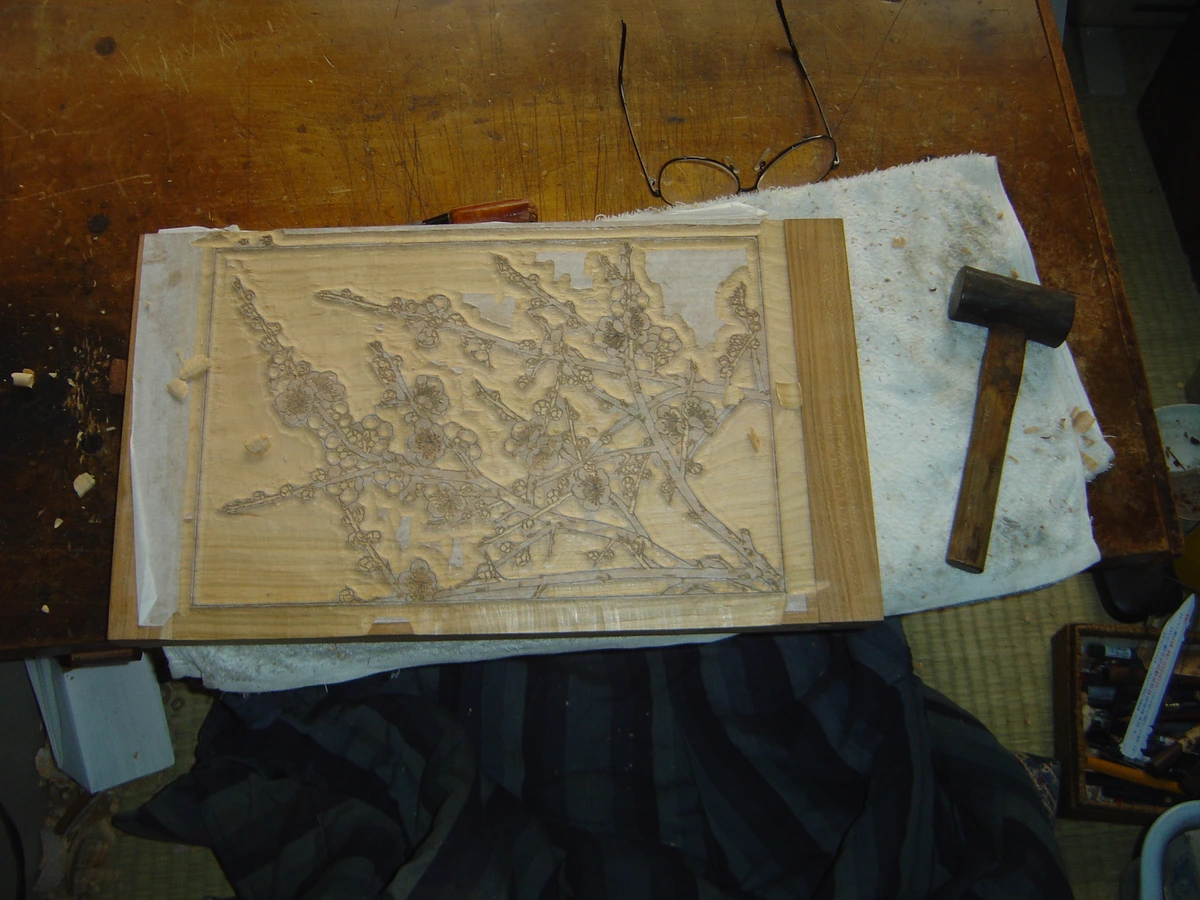
At its simplest, woodcut is a relief printing technique. When I think of it, I often picture a simple rubber stamp, that familiar idea of a raised surface transferring an image. The beauty, and sometimes the challenge, is that everything you want to print is raised, ready to be covered with ink and then pressed onto paper. Conversely, all the areas you don't want to print have been carefully (or aggressively!) cut away. It’s fundamentally creating an image by removing material, which is a bit like making a stencil in reverse, but with a much more tactile, and wonderfully permanent, medium.
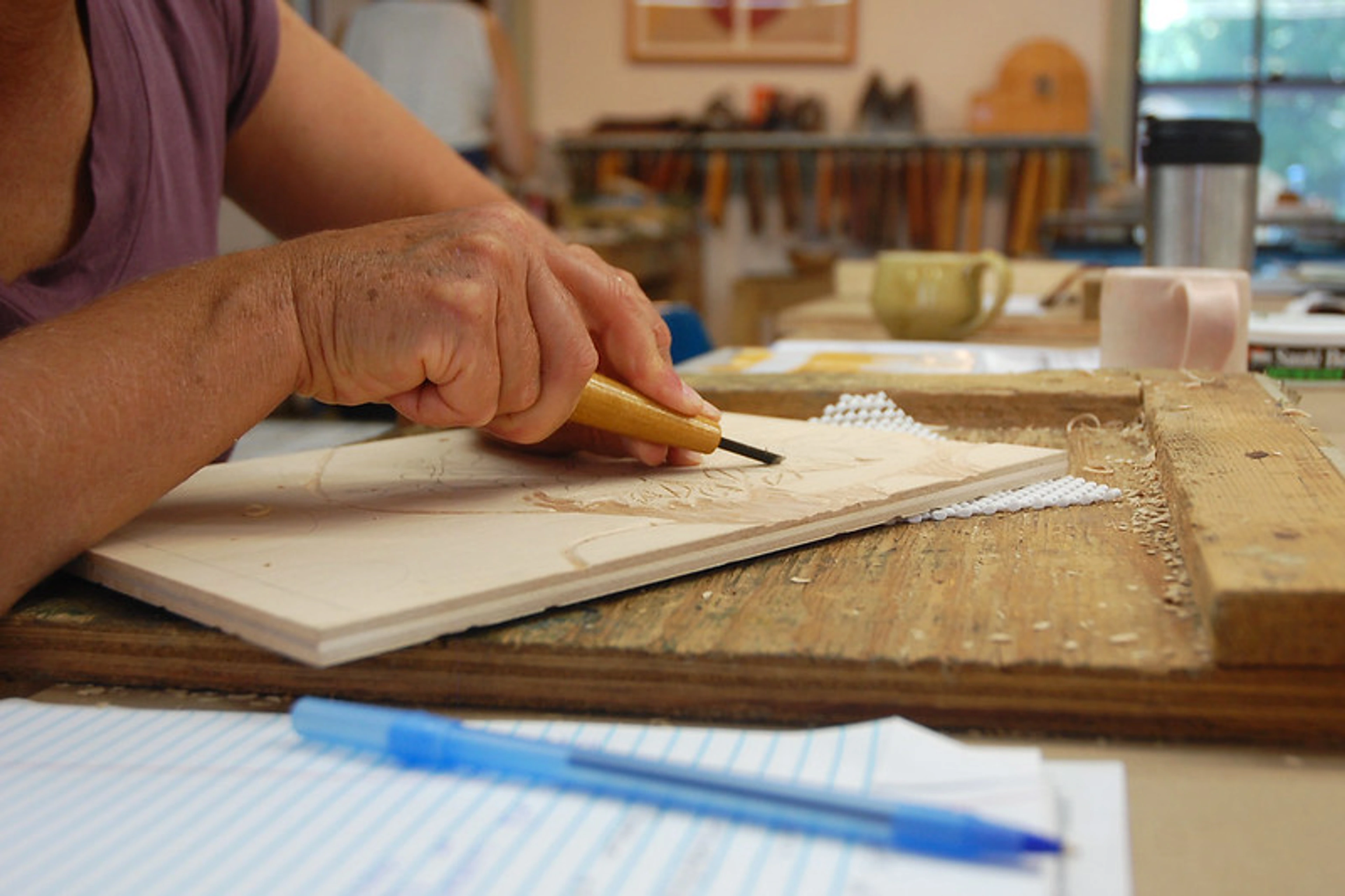
That's a woodcut. The artist takes a flat block of wood and carves away all the areas that they want to remain white in the final print. The lines and shapes left behind at the original surface level are what will catch the ink and transfer to the paper. It's a subtractive process; you're actively removing material to reveal the image, literally letting the negative space define the positive. This idea of carving away what you don't want is a core distinction. It's fundamentally different from techniques like engraving, where the ink is held within the lines that are cut into the surface (an intaglio process), or lithography, where the image is drawn on a flat surface and relies on oil and water repulsion. In woodcut, the image literally stands out in relief, ready to be kissed by ink.
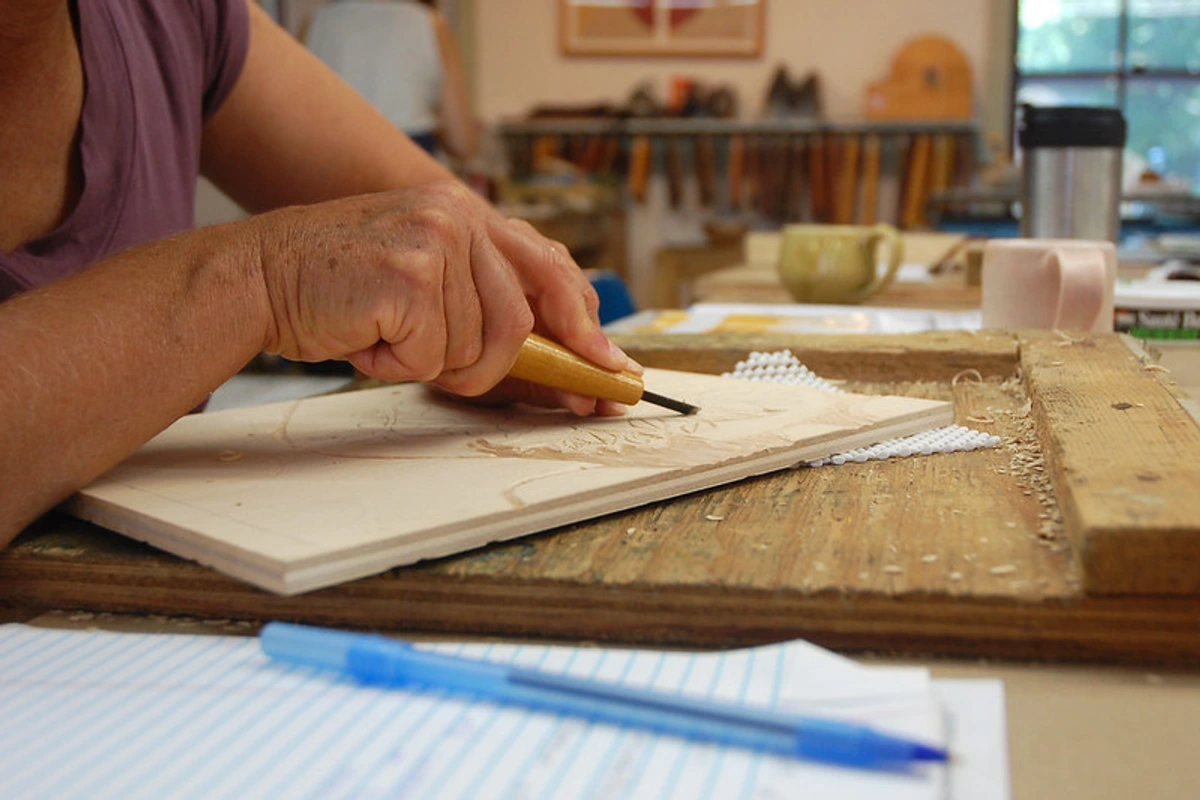
This method means that the untouched areas of the woodblock will be the ones that hold the ink and, consequently, form the image on your paper. Everything else, all that careful (or sometimes aggressively expressive) carving, will appear as the color of your paper, or white. It's a surprisingly simple concept, but the possibilities for complexity and nuance are truly endless. I mean, who would have thought that essentially making a fancy wooden stamp could yield such breathtaking art?
The Basic Steps
While the masters might make it look effortless, there's a fascinating, almost meditative, rhythm to creating a woodcut. Despite the wild variations in style and approach across cultures and centuries, the fundamental process has remained remarkably consistent. It's a beautiful dance between careful planning and spirited execution, and I find that each step offers its own unique set of challenges and, ultimately, deep satisfactions.
Step  | Action | Tools Used (Common) | The Goal |
|---|---|---|---|
| 1. Design | The artist draws their design directly onto the woodblock, or more commonly, transfers it from an initial sketch. This is where the initial vision comes to life, but with a crucial twist: the final print will always be a mirror image of what's on the block. Forgetting this can lead to some amusing (or frustrating) surprises! | Pencils, transfer paper, tracing paper, charcoal | To create a clear, reversed guide for carving, ensuring the composition, text, or figures are correctly oriented in their final printed form. It's about thinking in reverse from the very start. |
| 2. Carving | This is where the real physical engagement begins. Using specialized tools like gouges (U-shaped for broader areas, V-shaped for finer lines) and various knives, the artist meticulously carves away the wood from the 'negative' spaces – those areas that are intended to remain unprinted, or white, in the final artwork. It's a dance between precision and power, feeling the resistance of the wood. | Gouges (U & V-shaped), wood carving knives, chisels, mallets, files, sandpaper | To meticulously remove the non-printing areas, leaving the desired design standing proudly in relief from the background. This physical act of carving is where the artist's hand, style, and interpretation truly define the character and texture of the print. |
| 3. Inking | With the carving complete, a thin, even layer of ink is rolled onto the raised surface of the block. This is usually done with a brayer, a hand-held roller that picks up the ink and transfers it smoothly. The type of ink (oil-based for richer colors and slower drying, or water-based for faster cleanup and layering) depends on the desired effect. | Brayer (rubber, gelatin, or hard roller), ink slab/glass palette, printing ink (oil-based or water-based), palette knives | To achieve a uniform coating on only the raised surfaces of the design. This critical step ensures that the meticulously carved-away areas remain clean and will not transfer any unwanted ink to the paper, preserving the integrity of the negative space. |
| 4. Printing | This is the moment of truth! Paper, often dampened to accept ink more readily, is carefully laid over the inked block. Pressure is then applied evenly across the back of the paper. This pressure can be applied manually with a traditional hand-held rubbing tool called a baren (a wonderfully satisfying tool to use!), a simple spoon, or more mechanically with a printing press (like an etching press or a classic Albion press). | Baren (hand-held rubbing tool), spoon, printing press (e.g., etching press, Albion press, relief press), press blankets | To effectively transfer the ink from the raised surfaces of the block onto the paper, thereby creating the final woodcut print. This moment, when you peel back the paper to reveal the image, is consistently one of the biggest thrills in printmaking! |
| 5. Drying & Editioning | Once printed, each piece requires careful handling. Prints are meticulously dried, often laid flat on drying racks or between sheets of blotter paper to prevent warping or smudging. If the artist is creating an edition (a limited run of identical prints), each successful impression is then numbered, titled, and signed by the artist. This ritual of editioning formally designates each print as an original work of art. | Drying racks, blotter paper, artist's signature (pencil), edition numbering (e.g., 1/50), archival sleeves | To properly preserve the print, allow the ink to cure fully, and officially designate it as part of an edition. This process adds to the print's value, authenticity, and provenance, making each piece a unique artifact from the artist's hand. |
A Quick Journey Through Time: Tracing Woodcut's Global Roots
Woodcut isn't a recent invention at all; it's a wonderfully ancient one with a truly rich history that spans the globe, a silent yet powerful storyteller woven deeply into the fabric of human culture. Long before Gutenberg's printing press revolutionized the dissemination of text, woodcut was, for centuries, the primary method for mass communication, deftly spreading ideas, images, and narratives across continents. It's truly fascinating to pause and consider how a seemingly simple block of carved wood could be at the very heart of so many profound historical shifts, from the quiet instruction of religious texts to the loud proclamations of revolutionary art.
The Origins in the East
The story of woodcut, in my mind, truly begins in Asia, specifically in China, where the earliest known prints humbly date back to before 220 AD. Initially, their purpose wasn't what we'd immediately recognize as 'art' today, but rather practical applications: printing intricate patterns on silk and, later, on other textiles. But by the 9th century, this practical technique had elegantly blossomed into a fully-fledged art form and a crucial method of cultural dissemination, predominantly used to reproduce important Buddhist texts and their accompanying spiritual images. The discovery of the Diamond Sutra from 868 AD, nestled in a cave in Dunhuang, China, remains a monumental moment; it stands as the earliest dated printed book in existence, a breathtaking testament to the astonishing sophistication and artistic prowess of early Chinese woodblock printing. It makes you wonder how many other treasures are still waiting to be found!
This tradition gracefully, and quite spectacularly, spread across Asia, most famously taking root in Japan during the Edo Period (1603-1868). There, it reached its undeniable zenith with the Ukiyo-e style, affectionately known as "pictures of the floating world." And let me tell you, this wasn't just a technique; it was a vibrant cultural phenomenon, a mirror reflecting the fleeting, ephemeral beauty of urban life – capturing the elegance of courtesans, the drama of kabuki actors, the power of sumo wrestlers, and the breathtaking serenity of natural landscapes. Artists like Katsushika Hokusai and Hiroshige, true titans of their craft, relentlessly pushed the very boundaries of color woodblock printing. They employed incredibly complex, multi-block techniques – sometimes requiring dozens of meticulously carved separate blocks, one for each delicate shade or bold hue – to create stunningly colorful and detailed scenes that still drop jaws today. Hokusai's 'The Great Wave off Kanagawa' is, without a doubt, one of the most famous woodcut prints in the entire world, a powerful testament to the medium's potential for both graphic power and astonishingly subtle beauty. These iconic Japanese prints, with their flat planes of vibrant color, dynamic compositions, and intricate details, would later profoundly influence a whole generation of European artists, sparking what we now call Japonisme.
If you're as captivated by this period as I am, you absolutely must read more about this incredible tradition in my guide to Ukiyo-e Japanese woodblock prints. It's a deep dive into how these "floating world" pictures captured the imagination and continue to inspire.
Arrival and Mastery in Europe
Woodcut, I imagine, made its quiet but impactful way to Europe in the early 15th century, likely carried along bustling trade routes. Its initial European incarnation was primarily functional, less about high art and more about utility. Think about it: it was used for creating accessible religious icons for pilgrims, vibrant playing cards for entertainment (a surprisingly early form of mass-produced leisure!), and what were known as 'block books' – entire books where both text and images were carved onto single woodblocks, a crucial step before Gutenberg's movable type revolutionized printing. It was, in essence, an incredibly accessible and efficient way to disseminate images and simple texts to a wider public, democratizing visual information in a way that hand-copied manuscripts never could.
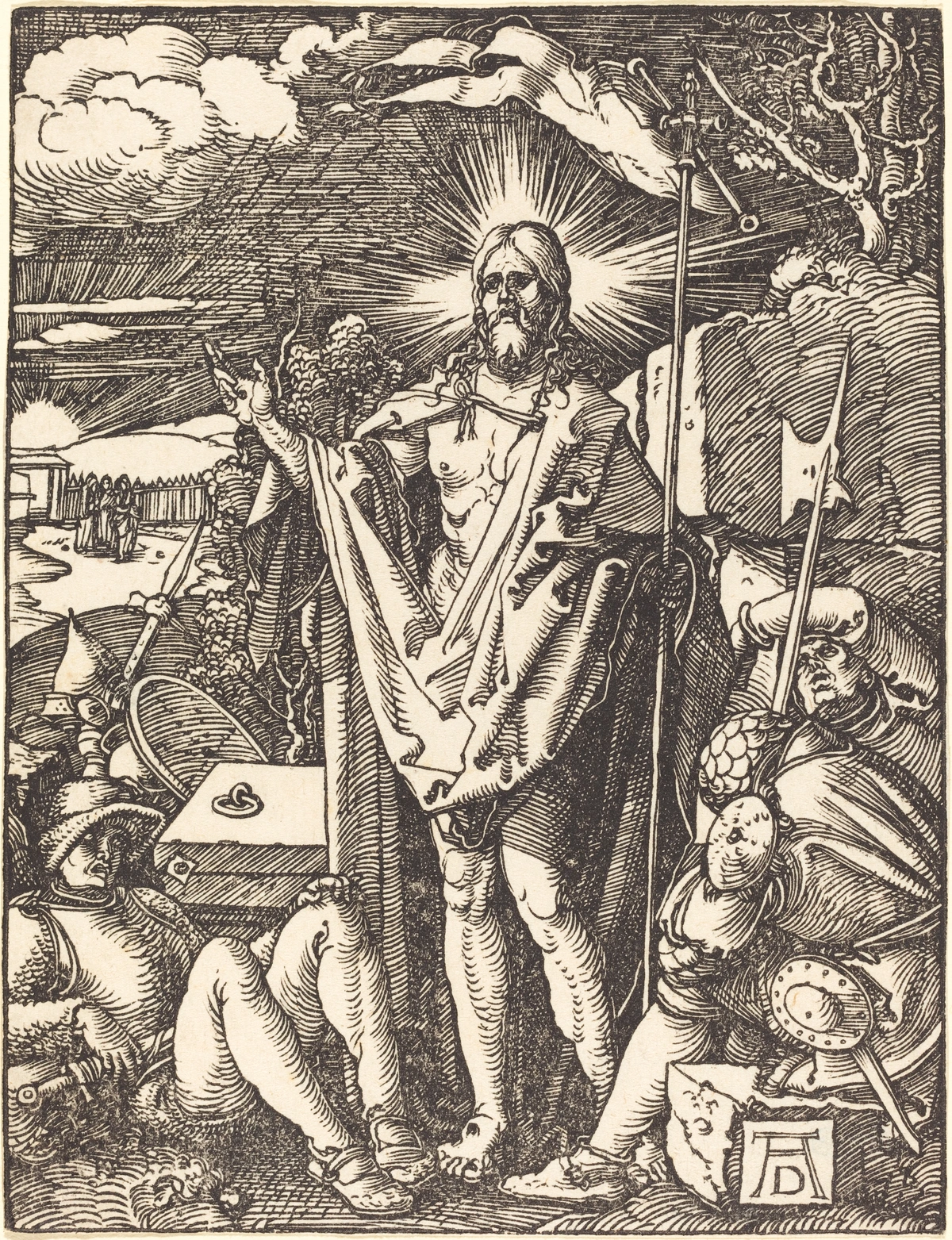
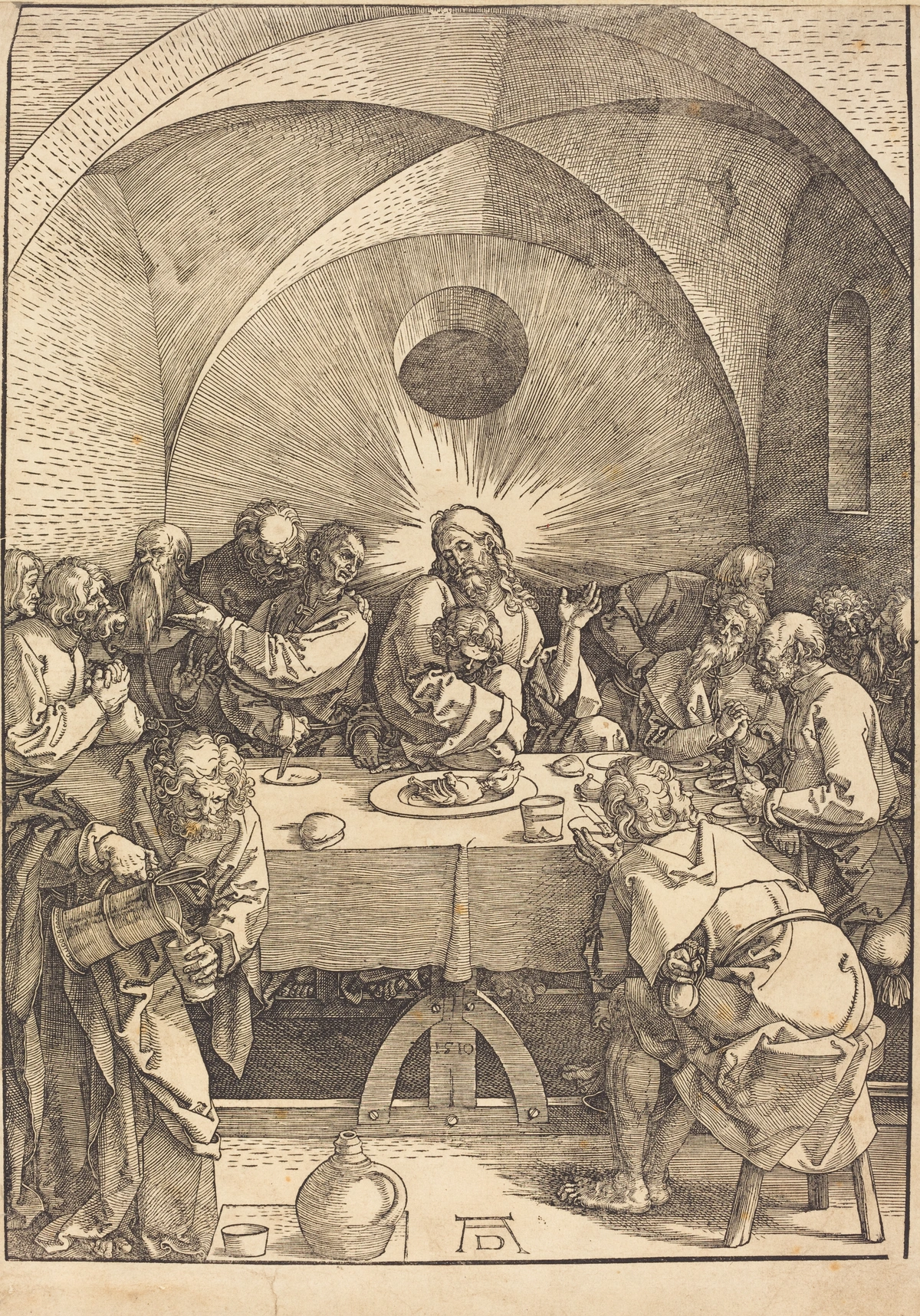
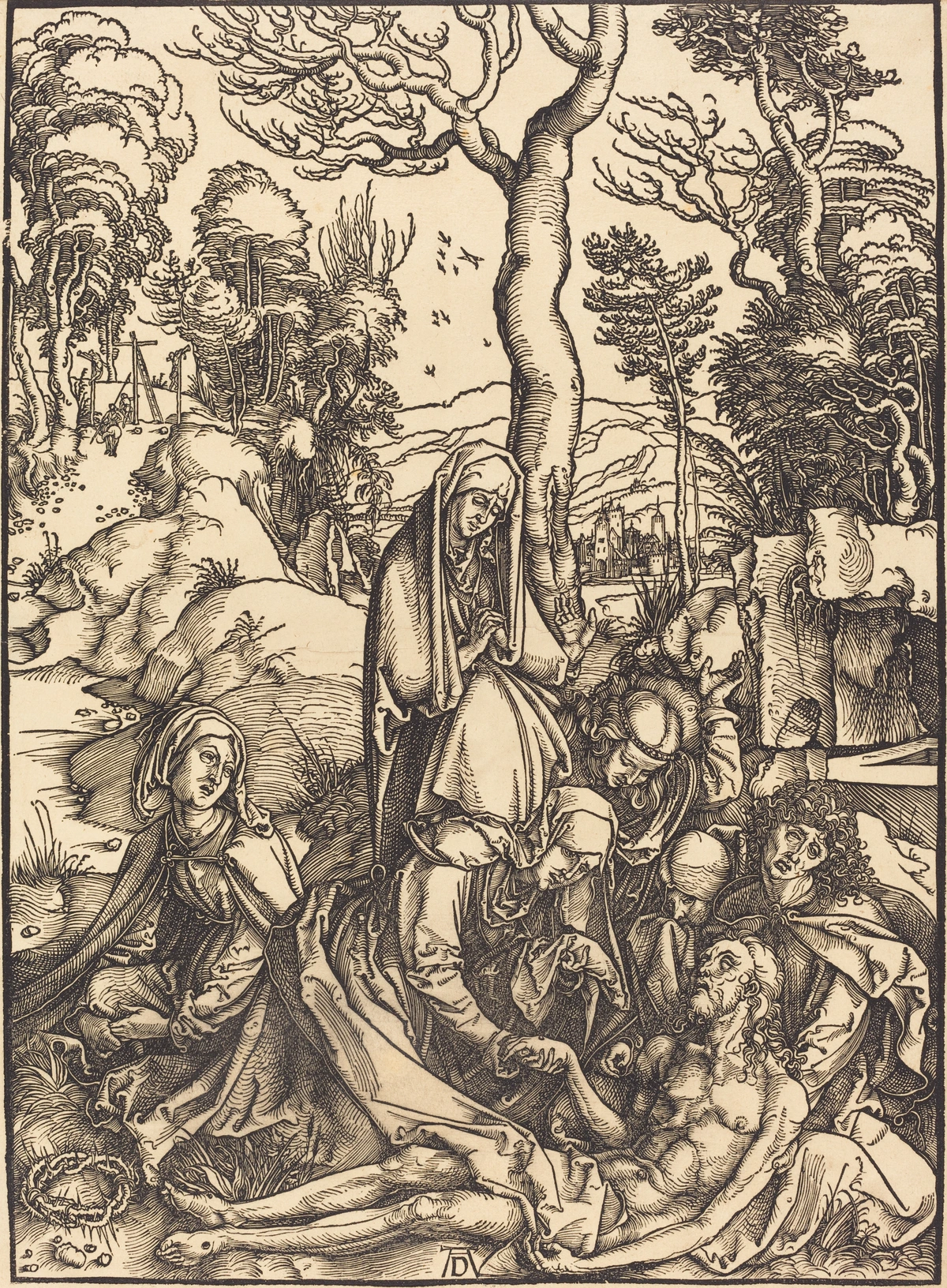
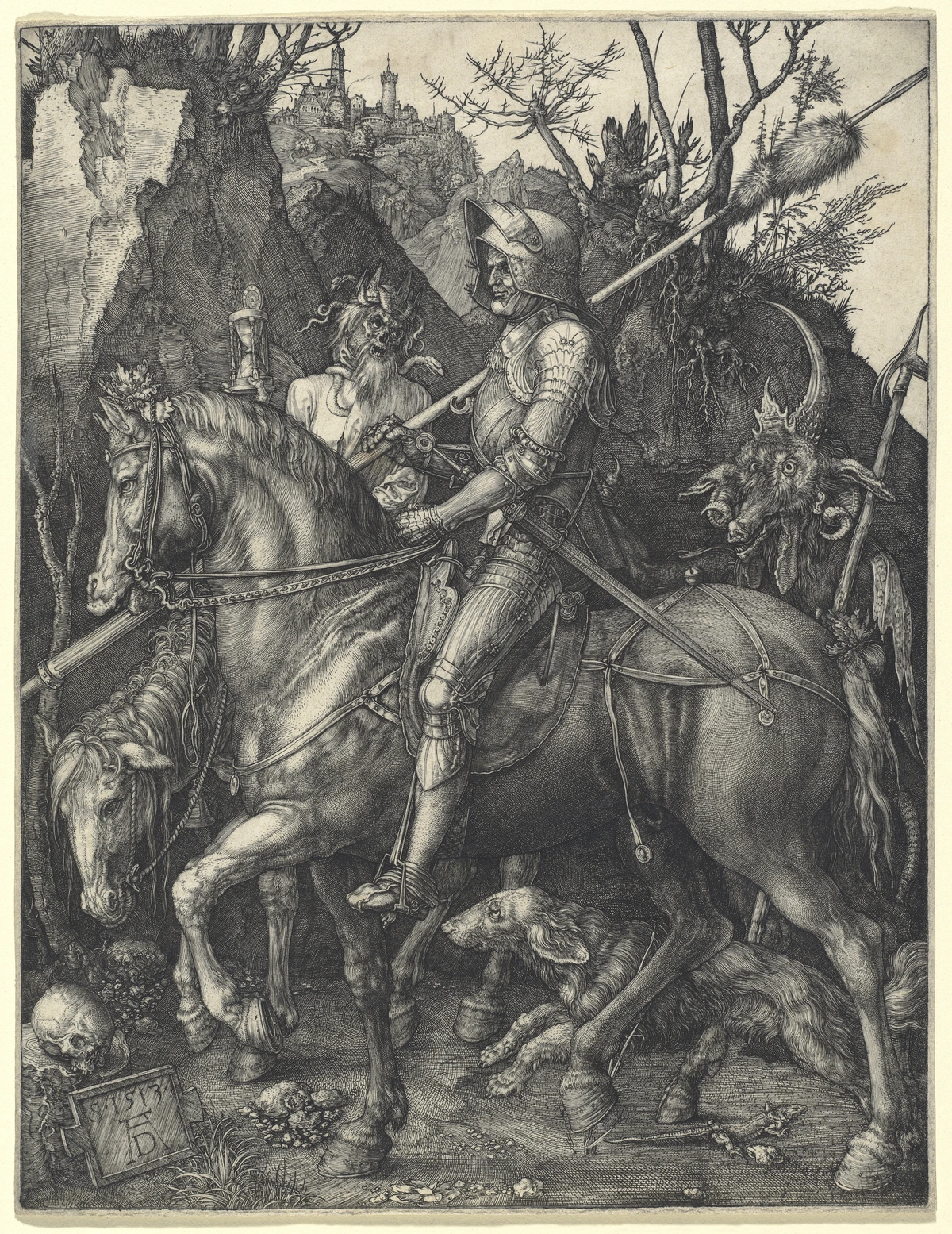
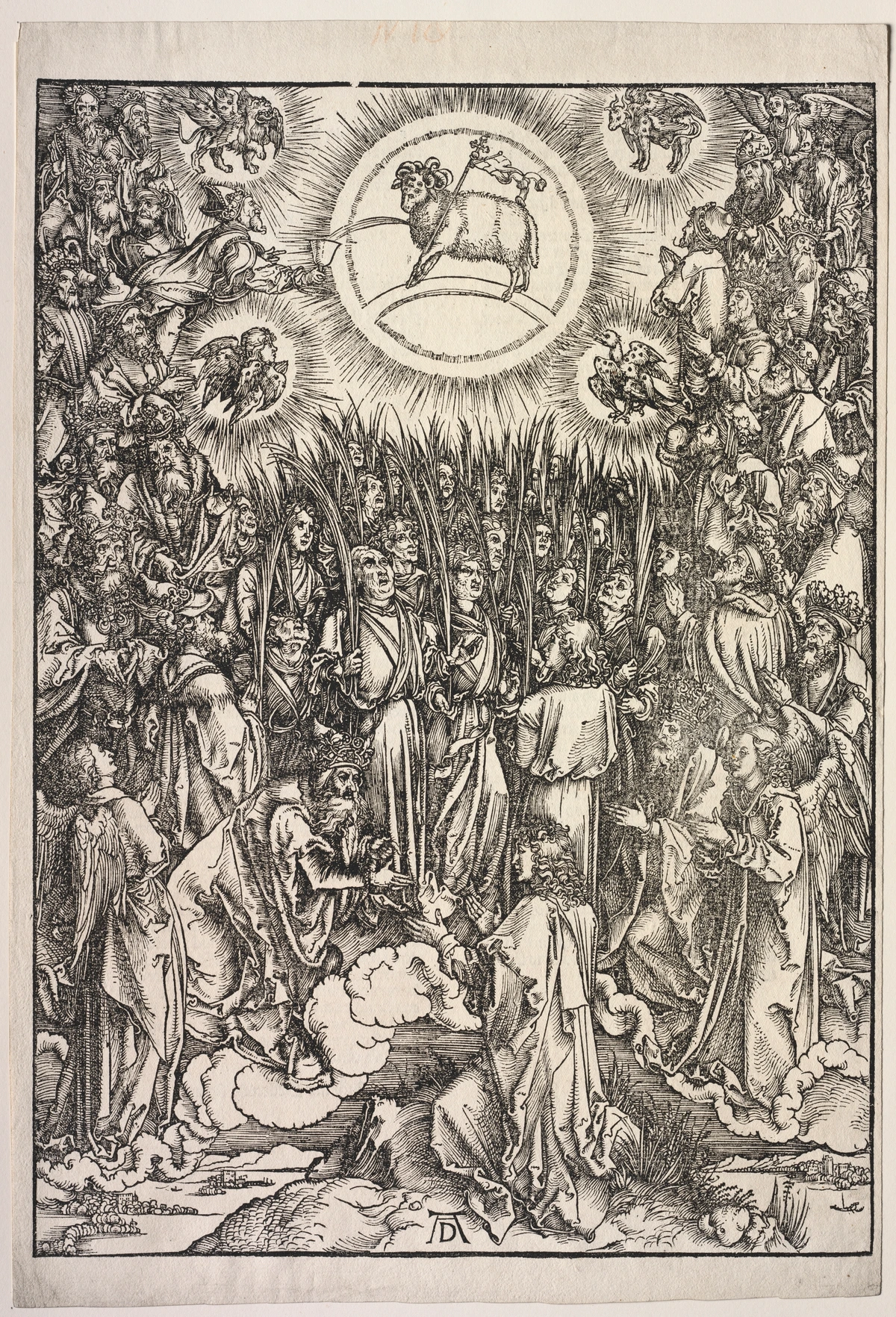
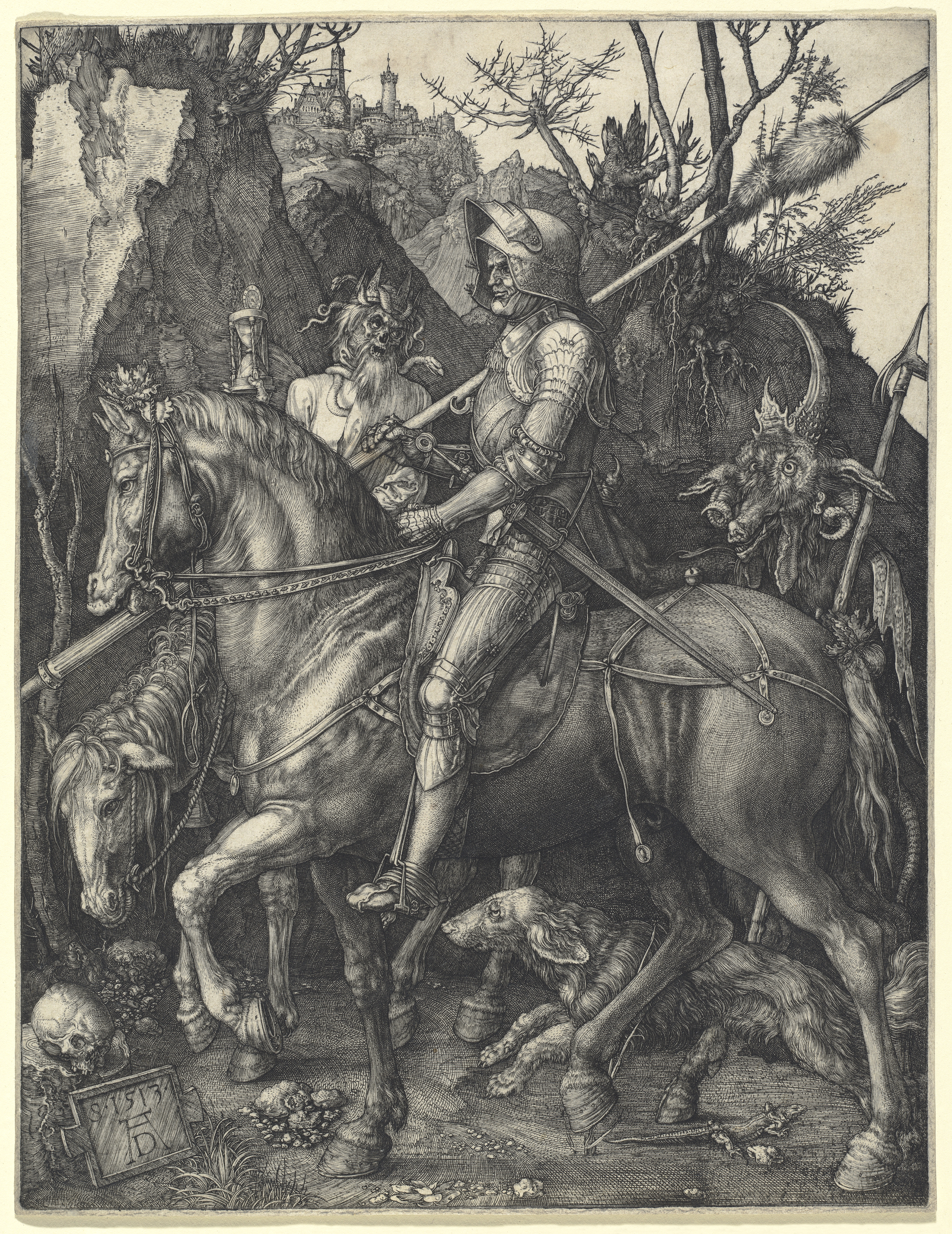
But then, a pivotal moment arrived with the German Renaissance, bringing with it artists who possessed the vision to see the true artistic potential, the latent power, within the humble woodblock. It was Albrecht Dürer, a truly towering figure among famous Renaissance artists, who almost single-handedly elevated woodcut to a high art form. His incredibly detailed, nuanced, and structurally complex compositions – think of his utterly dramatic 'Apocalypse' series, which I often get lost in – showcased a mastery of line, chiaroscuro, and texture that was previously unimaginable in the medium. Dürer didn't just use woodcut; he profoundly transformed it, demonstrating beyond a doubt that it could achieve the same breathtaking level of sophistication, emotional depth, and narrative power as painting or intricate copperplate engraving. I honestly often find myself marveling at the sheer precision, intellectual rigor, and artistic vision required to translate such intricate detail and subtle gradations of tone into a relief carving, especially considering the tools of his era.
The Raw Power of Expressionism
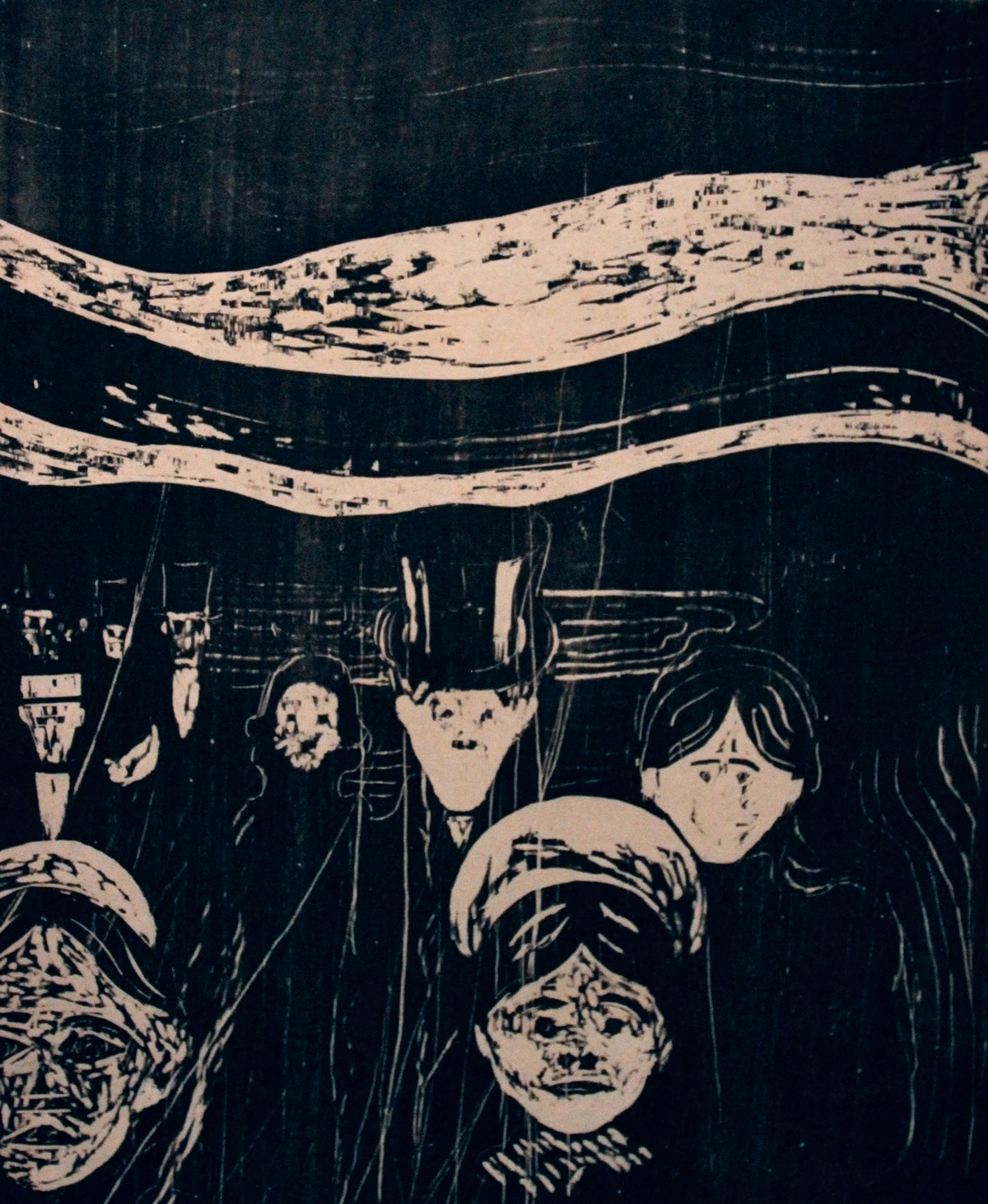
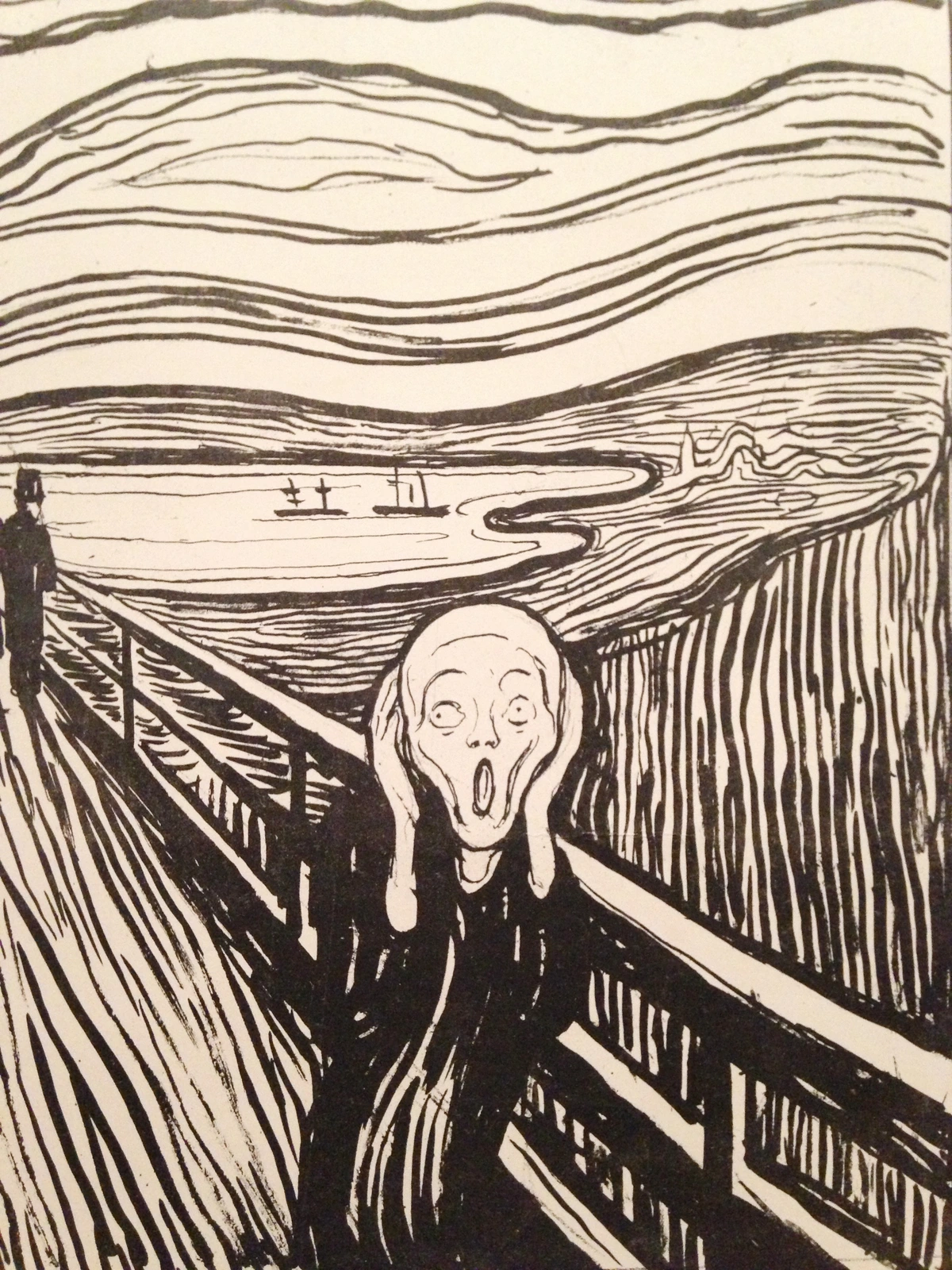
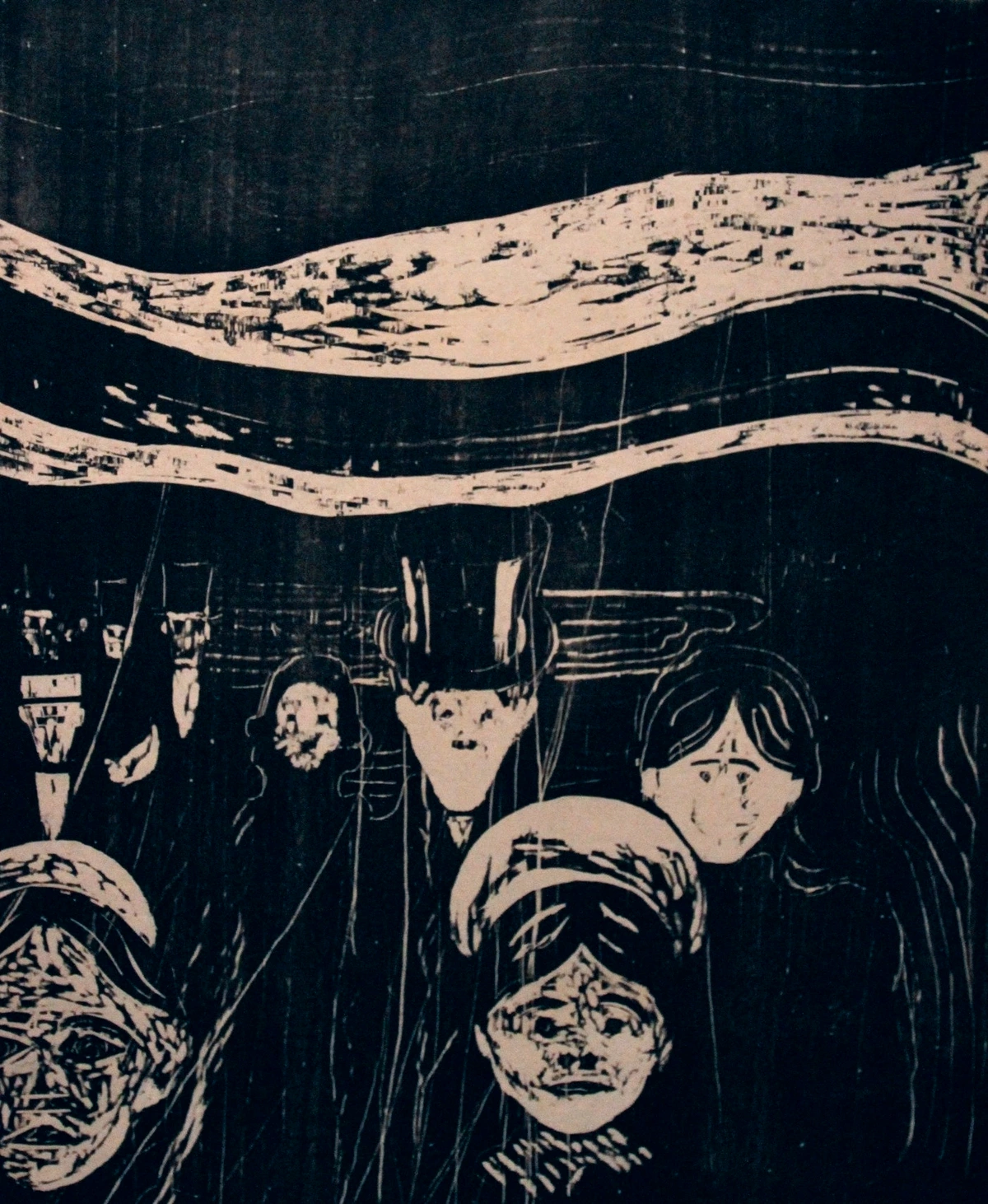
For me, one of the most viscerally exciting and impactful periods for woodcut was undoubtedly the early 20th century, ignited by the German Expressionists. After centuries of evolving technical finesse and striving for ever-greater realism, artists like Edvard Munch and the hugely influential groups Die Brücke (The Bridge) and Der Blaue Reiter (The Blue Rider) deliberately turned away from that path. Instead, they rediscovered, and fiercely embraced, woodcut's primitive, almost brutal, power. They had little interest in Dürer's perfect, refined lines; what captivated them was the medium's capacity for raw, unfiltered emotion, often channeling intense feelings of anxiety, alienation, and a profound existential dread that reflected the turbulent times they lived in.
The very nature of the woodcut medium – its inherent resistance, the stubborn, beautiful visible grain of the wood, the raw, often jagged marks that aggressive carving can produce, and the stark, uncompromising contrast of black and white – was, for these artists, not a constraint, but a perfect partner for their artistic goals. The medium itself became an integral, inseparable part of the message, conveying an almost primal intensity and a direct emotional punch that other, more 'delicate' forms of printmaking simply couldn't quite capture. This deliberate, almost defiant, embrace of the medium's 'roughness' and its natural textures transformed what might previously have been considered a limitation into an extraordinarily powerful expressive tool. If this resonates with you, you absolutely must see this raw energy in my deep dive into the Expressionism movement.
Another artist, Käthe Kollwitz, utilized woodcut to produce deeply empathetic and politically charged works, focusing on themes of poverty, war, and the human condition. Her powerful prints, often depicting mothers grieving or workers struggling, cemented woodcut's role as a potent medium for social commentary.
Key Artists Who Defined the Medium
I find it fascinating to track the lineage of woodcut through the artists who truly didn't just use the medium, but unequivocally defined it for their era. These are the visionaries who pushed its technical and expressive boundaries, revealing new dimensions of what was possible. Their individual philosophies and unwavering artistic visions profoundly shaped how we perceive and appreciate the woodcut today, transforming it from a mere craft into a potent art form across cultures and centuries.
Artist | Era | Key Contribution |
|---|---|---|
| Unknown Chinese Artists | Han Dynasty (c. 200 AD) | The true pioneers of the technique, initially for practical textile printing, but swiftly evolving into a sophisticated method for disseminating critical Buddhist texts and iconic images, exemplified by the enduring Diamond Sutra. |
| Katsushika Hokusai | Edo Period, Japan (1760-1849) | The undeniable master of Ukiyo-e. He dramatically pushed the boundaries of color woodblock printing with globally recognized works like The Great Wave, showcasing incredibly intricate multi-block registration and powerfully dynamic compositions that still inspire awe. |
| Albrecht Dürer | German Renaissance (1471-1528) | The artist who unequivocally elevated woodcut to a major, respected art form in Europe. His unparalleled detail and technical virtuosity demonstrated the medium's potential for complex narrative and exquisite fine art, most notably with his haunting 'Apocalypse' series. |
| Edvard Munch | Expressionism (1863-1944) | A master of psychological depth, he uniquely utilized the raw, textural quality of woodcut to convey intense psychological states, profound anxiety, and inner turmoil, making the medium's inherent roughness central to his visceral expressive power. |
| Käthe Kollwitz | German Expressionism (1867-1945) | Created deeply powerful, emotionally charged prints, often focusing on harrowing themes of poverty, war, and social injustice. She used the stark contrasts inherent in woodcut to amplify her urgent humanitarian message with unflinching honesty. |
| Paul Gauguin | Post-Impressionism (1848-1903) | A bold experimenter who embraced primitive and often symbolic forms in his woodcuts, frequently drawing profound inspiration from his transformative experiences in Tahiti. His prints possess a raw, almost 'savage' energy, far removed from European academic traditions. |
| Ernst Ludwig Kirchner | German Expressionism (1880-1938) | A founding member of the influential Die Brücke group, his woodcuts are immediately recognizable by their jagged, angular lines and stark contrasts, perfectly embodying the angst, alienation, and dynamic energy of early 20th-century urban life. |
| Franz Marc | German Expressionism (1880-1916) | Closely associated with the vibrant Der Blaue Reiter group, he masterfully used woodcut to create highly stylized, almost spiritual images of animals, often incorporating strong geometric and symbolic forms. |
Why Does Woodcut Still Matter? Its Enduring Allure
In our lightning-fast age of digital perfection, instant gratification, and seemingly infinite reproducibility, I often find myself asking: why would anyone bother with the slow, dusty, physically demanding, and often wonderfully unforgiving process of carving wood? It's a question I've pondered many times, staring at a block, contemplating a cut. And I've come to believe the answer lies precisely because of those very qualities. It's a deliberate, almost rebellious, act of slowing down, a profound commitment to the material itself, and a palpable connection to centuries of unbroken artistic tradition. There's a certain magic in that defiance, I think.
Every single woodcut print, to me, carries a direct, wonderfully palpable connection to the artist's hand. When I lean in close, I can almost feel the subtle grain of the wood within the inked lines, discern the unique character of each deliberate (or, sometimes, gloriously spontaneous) cut, and deeply, truly appreciate the sheer physical effort and immense skill involved. It's an art form imbued with a visceral texture, a tangible sense of history, and a unique, almost living soul that even the most pristine, high-resolution digital file simply cannot replicate. It stands as a powerful testament to the enduring human power of making things by hand, of engaging intimately with raw materials, and of leaving an undeniably personal, permanent mark on the world.
But beyond its compelling tactile qualities, woodcut's enduring relevance also, crucially, lies in its distinct and instantly recognizable aesthetic. Those strong, often unapologetic lines, the bold contrasts between inked and uninked areas, and that frequently raw, vibrant energy lend themselves to incredibly powerful and direct visual statements. It's a medium that, by its very nature, forces artistic decisions, encourages a simplification of forms, and yet, paradoxically, can convey profound depths of meaning and complex emotion. From the intricate narrative detail and delicate gradations of Ukiyo-e to the visceral, psychological power of Expressionism, woodcut speaks a singular visual language all its own, a language that, once learned, is unmistakable.
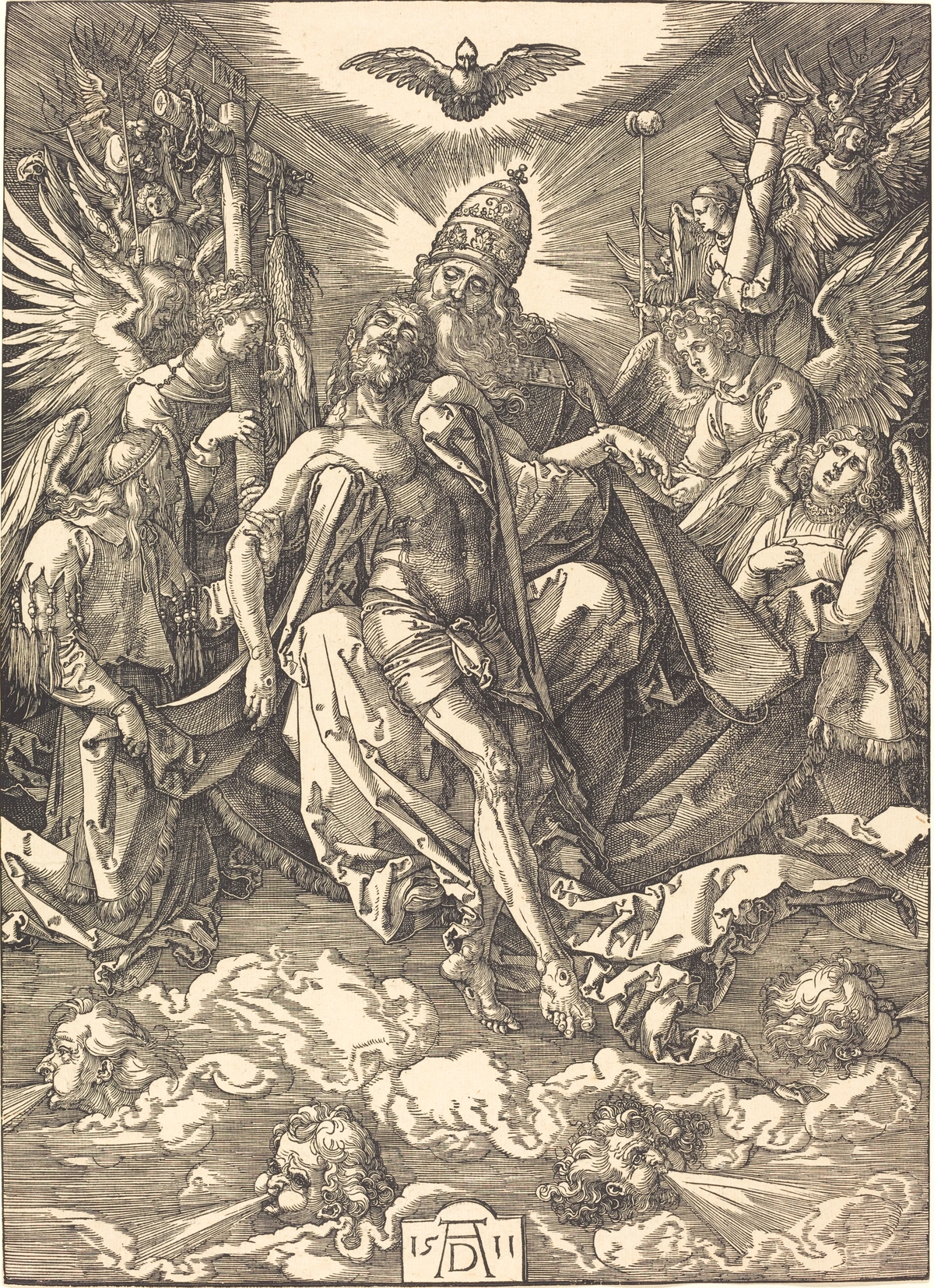
If you ever get a chance to see woodcut prints up close, perhaps in a place like the Den Bosch Museum, take it. Don't just glance; lean in. Look at the lines, trace the forms. You won’t just see the story of the image; you’ll see the story of the block it came from, the tools that shaped it, and the hands that brought it to life.
FAQ: Woodcut Printmaking
Here are some of the questions I often hear (or, let's be honest, ask myself as I'm working!) about this captivating and wonderfully persistent art form:
What kind of images or subjects are best suited for woodcut?
That's a fantastic question, and one I think about a lot! While you can technically create almost any image with woodcut, I find it truly excels with subjects that benefit from strong outlines, bold contrasts, and a certain graphic simplicity. Think about the stark power of Expressionist portraits or the dynamic compositions of Japanese landscapes. It's a medium that naturally lends itself to impactful figures, simplified natural forms, and designs where the interaction of black and white (or distinct color blocks) can tell a compelling story. Intricate textures and patterns also translate beautifully, as the carving itself can become part of the visual language. I often feel it demands a certain boldness in conception, a willingness to let the medium guide the aesthetic.




Is woodcut printmaking difficult to learn? Ah, this is one of my favorite questions! I'd say it has a delightfully low barrier to entry for making a satisfying print, but an incredibly high ceiling for true mastery. You can absolutely get started with a few basic tools and a soft piece of wood (like pine, poplar, or even linoleum, which is often used in a very similar relief technique due to its consistent surface) and make something you're proud of right away. However, to achieve the breathtakingly fine detail and nuanced tonal shifts of a Dürer, or the impossibly complex multi-color registrations of the Ukiyo-e masters, well, that takes years, sometimes decades, of dedicated practice, deep material understanding, and a certain stubborn patience. It's a journey, not a sprint!
What's the best type of wood to use? Oh, that entirely depends on what kind of magic, or perhaps I should say, what kind of mark you're trying to make! For soft, expressive lines, a bolder, more visible wood grain, and a generally easier carving experience, softer woods like pine, poplar, or shina plywood work beautifully. These are fantastic for beginners or for those who want the wood's natural character to shine through. For achieving incredibly fine, intricate details, razor-sharp lines, and a consistently smooth printing surface (think of Albrecht Dürer's meticulous prints, where every hair is accounted for!), artists traditionally opt for harder, end-grain blocks from woods like boxwood or cherry. The grain of end-grain wood is much tighter and more uniform, allowing for much finer cuts. So, you see, the choice of wood isn't just a material decision; it profoundly influences the very character and expressive feel of the final print. Each wood has its own voice.
Can you make color prints with woodcuts? Absolutely, and often with truly breathtaking results! Just cast your mind back to the Japanese Ukiyo-e masters; they were world-renowned for their incredibly sophisticated multi-color woodblock prints, some of which are still vibrant centuries later. The most common method, often called key block and color block printing, involves the meticulous process of carving a separate block for each color you wish to include. The 'key block' typically carries the main design outlines, usually in black, and then additional blocks are carved, each precisely designed to print a specific color. Each block is then inked with its specific hue and printed in succession onto the very same piece of paper – a process that demands incredible precision and what's known as careful registration (the art of aligning the paper perfectly for each successive color pass). It's not just a technical challenge; it's a marvel of artistic planning, patience, and execution, and the layered colors create a unique depth impossible with other methods.
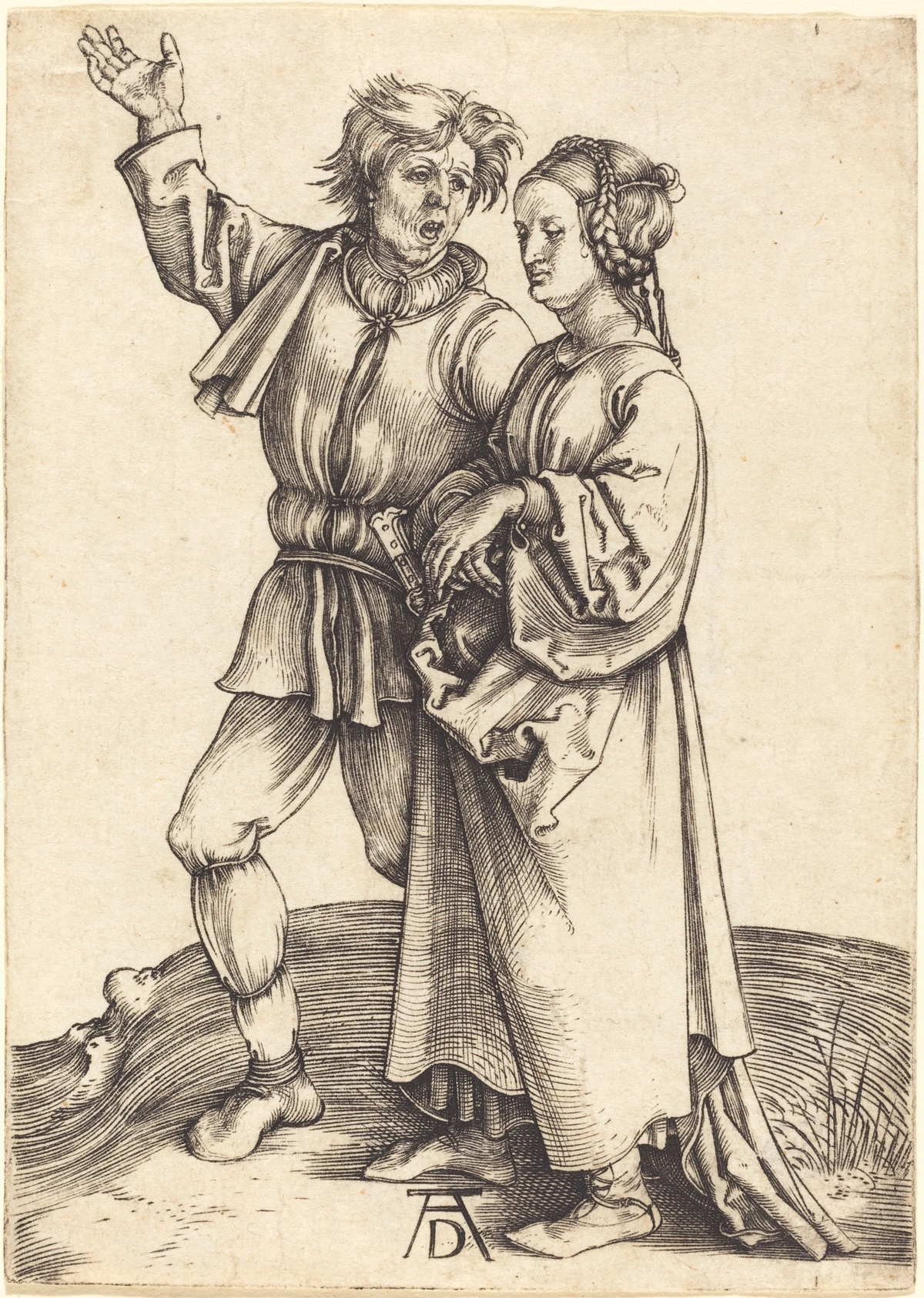
How can you tell if a print is a woodcut versus other printmaking techniques? Ah, this is where your inner art detective really gets to shine! When I'm examining a print, I always look closely at the lines. Woodcut prints often possess a certain unmistakable boldness, a raw, almost organic quality, and if you look closely enough, you might even discern the subtle texture or grain of the wood block itself within the inked areas. The edges of the printed lines tend to be slightly uneven, or what I'd call 'chiselled,' reflecting the carving process. This is distinctly different from the super-sharp, clean, often mechanically raised lines of an engraving, or the soft, subtle, sometimes slightly fuzzy edges you'd find in a lithograph. You might also spot slight indentations on the paper itself where the block pressed down, a subtle ghost of the physical act of printing. Each printmaking medium truly leaves its own distinct fingerprint, and I find woodcut's is wonderfully, powerfully unmistakable.
What's the difference between a woodcut and a wood engraving? This is a fantastic and frequently asked question, as they both involve wood but are, in fact, quite distinct techniques! A woodcut is fundamentally made on the plank (or side grain) of a relatively softer wood, such as pine or cherry, and is carved with knives and gouges. This process naturally lends itself to bold, often graphic lines and shapes, where the character of the wood grain can become part of the aesthetic. A wood engraving, on the other hand, is executed on the end grain of a much harder, more dense wood (boxwood is the classic choice). Here, the artist uses a specialized engraving tool called a burin to carve the lines. This allows for incredibly fine, delicate lines, much greater tonal gradations, and intricate cross-hatching, often creating a look more akin to copperplate engraving or a very detailed drawing. It's almost like comparing a broadstroke painter to a miniaturist – both use pigment, but the approach, the tools, and the ultimate outcome are wonderfully, intentionally distinct.