
Prehistoric Art: The Ultimate Guide to Humanity's First Creative Marks
Unearth the profound origins of human creativity. This ultimate guide covers Paleolithic cave paintings, mysterious Venus figurines, monumental megaliths, and global rock art, exploring their meaning and lasting impact.

Unearthing Humanity's First Creative Marks: The Ultimate Guide to Prehistoric Art
Before I truly understood it, 'prehistoric art' conjured only fleeting images: a lone bison, perhaps, flickering in torchlight on a damp cave wall. It felt impossibly distant, a relic rather than a living testament. I remember vividly a moment in a museum, standing before a replica of the Lascaux bulls – not the actual cave, mind you, but even in that dim, controlled light, a shiver ran down my spine. What truly gave me goosebumps, and still does, was the profound realization: This isn't just a collection of old rocks and bones; it's the very genesis of human expression, the undeniable evidence that before we built cities or wrote histories, we felt an urgent, profound need to create. It's the starting gun for the entire, sprawling narrative of art itself. What does it truly tell us about the earliest stirrings of the human spirit? Honestly, it's a topic that still sparks a fire in me, a constant wellspring of questions I love to explore, covering everything from the raw power of cave paintings to the intimacy of portable figurines and the cosmic ambition of megalithic structures. So, join me as we strip away the dust of millennia and dive deep into humanity's first, most stubborn, and most beautiful marks. And perhaps, along the way, we'll even uncover a forgotten hand stencil, an intimate signature from 40,000 years ago, that speaks directly to us.
Let's Get Our Timelines Straight: A Not-So-Boring History Lesson
Before we go too far, let's get our bearings. "Prehistoric" is a term so vast, it almost loses meaning – we're talking about millions of years! To keep my brain from turning into a historical soup, I find it helps to break it down. Think of it less as rigid compartments and more as a flowing river, slowly changing course as humanity itself evolved. This chronological understanding is absolutely crucial for appreciating the evolution of styles, themes, and even the very purpose of art we're about to explore. It's truly fascinating to consider how our burgeoning cognitive abilities—like developing the hand dexterity for fine manipulation or forward-facing eyes for better spatial perception—the slow development of complex language, and our increasing social structures directly fueled this artistic explosion. For instance, the refinement of sharp stone tools, like specialized burins for engraving or scrapers for shaping, during the Paleolithic didn't just aid survival; it provided artists with the precision needed to carve intricate details into a tiny Venus figurine, or to incise fine lines into bone. Simultaneously, the development of basic communication and early social structures laid the groundwork for shared symbolic meanings and community rituals that would eventually find expression on cave walls.
Defining "prehistory" precisely is a challenge, as it refers to the period before written records, which varies greatly across regions. This means that "prehistoric art" in one part of the world might chronologically overlap with "historic art" (that is, art made by cultures with written records) in another, creating a complex, global timeline. This constant state of discovery, along with ongoing debates about exact dating, means our understanding is always evolving. For instance, new findings frequently push back the dates for the earliest evidence of symbolic thought or artistic expression. Archaeological dating methods like radiocarbon dating (for organic materials like bone or charcoal, measuring the decay of carbon-14) and uranium-thorium dating (for inorganic elements like cave calcite, measuring radioactive decay) are indispensable. Yet, they come with their own limitations: carbon-14's half-life makes it less reliable for objects older than about 50,000 years, necessitating reliance on other methods for truly ancient finds. Uranium-thorium dating, while suitable for older inorganic materials, requires specific geological conditions and can have wide margins of error. Other techniques like thermoluminescence (for heated flint or pottery) or optically stimulated luminescence (for sediment layers) are also employed. This makes cross-referencing and contextual archaeological evidence vital, keeping the field excitingly dynamic and constantly pushing back what we thought was 'the beginning.'
Period  | Approximate Dates | Key Human Characteristics & Artistic Milestones |
|---|---|---|
| Paleolithic (Old Stone Age) | 2,500,000 – 10,000 BCE | Nomadic hunter-gatherers, living in small bands, basic stone tools, earliest fire use, emergence of symbolic thought and figurative representation (e.g., abstract engravings on ochre, realistic animal depictions), cave paintings, rock engravings, small carved figurines, decorated tools, early bone flutes, and personal adornments. |
| Mesolithic (Middle Stone Age) | 10,000 – 4,000 BCE | Transition period post-Ice Age, adaptation to new environments, development of more specialized tools, early signs of settled life, rise of more abstract and symbolic rock art (e.g., dynamic stick figures, stylized human figures often in group scenes, environmental depictions reflecting new hunting techniques or animal migrations), decorated utilitarian objects (bone tools with geometric patterns), microliths, new forms reflecting changing ecology. |
| Neolithic (New Stone Age) | 4,000 – 2,000 BCE | The agricultural revolution! People started farming, domesticating animals, settling in permanent villages, complex social structures, monumental architecture and the widespread use of pottery as an artistic canvas (geometric patterns, symbolic designs like spirals and zigzags, often made by incision or stamping, possibly representing fertility, seasons, or ritualistic use for specific grains), megalithic structures, polished tools, weaving, early architecture, domestic decorative elements, generalized figurines reflecting new deities or societal roles. |
So you see, we're not talking about one style. We're talking about a slow, sprawling evolution of creativity that mirrors the evolution of humanity itself. This isn't just a list of dates; it's a living diagram of how, say, the increasing precision of stone tools in the Paleolithic—think specialized burins for engraving or scrapers for shaping—might have given artists the ability to carve intricate details into a Venus figurine or incise fine lines into bone. This foundational stage of capturing the world around them paved the way for the Mesolithic, where environmental shifts demanded new artistic responses, leading to more abstract and symbolic representations. This period of adaptation, with its development of more specialized tools and early signs of settled life, directly laid the groundwork for the dramatically increased scale of ambition seen in the Neolithic. From people just trying to capture the essence of the animals they hunted, to communities building massive monuments to the cosmos – it's all part of the same, grand story. It’s a continuum, each era building on the last, shaping and being shaped by the people who lived it.
The Big Three: Primary Forms of Prehistoric Art You'll Encounter
If you boil down the sheer variety of prehistoric art, you'll find it tends to settle into three grand categories: the masterpieces fixed on walls, the treasures you could carry, and the colossal statements too grand to move. These weren't separate art movements in our modern sense; rather, they were different dimensions of creative expression, often overlapping and serving interconnected purposes within early human societies. Think of them as the earliest forms of public, private, and monumental art, each representing a distinct scale of human interaction with their environment and community. Parietal art served communal or spiritual spaces, portable art reflected personal or group identity, and megalithic art addressed societal-scale achievements and connections to the cosmos. All tell parts of the same unfolding story. We'll start with the most iconic, the art that literally adorns the very bones of the earth, often deep within its hidden chambers.
Cave Art (Parietal Art): The World's First Galleries
This is truly the superstar, the rockstar, the most immediately recognizable form. Parietal art is the technical term for art that's fixed to a stationary surface – think cave walls, rock shelters, and even large, immovable boulders. These weren't exactly cozy living rooms; many of these subterranean galleries were incredibly difficult to access, suggesting their creation was a deeply significant, perhaps sacred, undertaking. What drove them to venture into such darkness to create? Take a moment to imagine the artists, deep underground, by the flickering light of a torch made of animal fat, meticulously grinding natural pigments like ochre (for vibrant reds, yellows, browns, often from hematite or goethite, sourced from specific rock formations, clay deposits, and even mined from geological veins), manganese dioxide (for deep blacks), and kaolin or ground limestone (for whites). As an artist who works with color, I can only imagine the dedication required to source, process, and prepare these pigments, a far cry from simply reaching for a tube of paint. They might have mixed these with binders such as animal fat (to make the paint stick and dry slowly), blood, saliva, or even egg albumen (potentially for a more permanent or glossy finish) to create durable paints. Then, applying pigment with their fingers for broad strokes, pads of moss, bundles of animal hair (early brushes) for finer lines, or even by blowing it through hollow bones like an early airbrush to create soft, diffused sprays or outlines, particularly useful for hand stencils. Beyond painting, early artists also practiced engraving (incising lines into rock with sharp flint tools or burins) and relief sculpture (carving away rock to leave figures standing out, using bone awls or antler picks). It's a breathtaking thought, isn't it? The sheer ingenuity and dedication are humbling. And sometimes, you find sites like the Altamira Cave in Spain, with its stunning, almost three-dimensional bison, where artists masterfully utilized the natural bulges and contours of the cave wall to enhance the animals' forms, showing incredible mastery of form and shading. Or consider the powerful, almost cinematic effect of the lions in Chauvet Cave, where artists used shading and careful line work to capture movement and ferocity.
No one knows for sure why they did it, which is part of the magic. But the leading theories offer compelling glimpses into the minds of our ancestors:
- Hunting Magic (Sympathetic Magic): This enduring theory suggests that depicting an animal, particularly injured or trapped ones, was an attempt to gain spiritual control over it, influencing the success of a precarious hunt. Imagine the electrifying dynamism of the charging bison in the Hall of Bulls at Lascaux, or the powerful, almost three-dimensional effect of the lions in Chauvet Cave, where the artist masterfully captured movement and ferocity. This wasn't just any animal; it was often powerful prey like bison, horses, mammoths, ibex, or rhinoceros, sometimes depicted with spear wounds, as if to preemptively ensure a successful hunt. The prevalence of these powerful game animals, often depicted with incredible accuracy and vitality, strongly supports this idea. However, critics point out that not all depicted animals were hunted, and some dangerous predators (like lions or bears) appear without wounds, suggesting a more complex symbolic role beyond mere hunting success. It’s also worth remembering that “sympathetic magic” is a modern anthropological term applied retrospectively, so its exact interpretation in prehistoric minds remains elusive.
- Shamanism: Many experts, like David Lewis-Williams, theorize these caves were sites for shamanistic rituals. The images might represent visions experienced in trance states, a journey into the spiritual world where the veil between realms was thin. Those eerie handprints, sometimes showing missing finger joints (perhaps from frostbite, disease, or even ritual sacrifice, though we can only speculate), often found in deep, hidden chambers, hint at profound spiritual journeys. In caves like Niaux in France, you find abstract signs and wounded animals deep inside, suggestive of a ritualistic context. And those captivating anthropomorphic figures—part human, part animal, often depicted with animal heads and human bodies, or a compelling mix of features like a human figure with a bird head or feline characteristics, such as the famous "Sorcerer" figure from Trois-Frères Cave—aren't just fantastical creatures; they could be visual records of shamans in trance, bridging the human and spirit worlds. Abstract symbols, intricate geometric patterns, and anthropomorphic figures often appear alongside realistic animal depictions, lending credence to this spiritual interpretation. Of course, interpreting ancient trance states is inherently difficult, relying heavily on analogies with contemporary indigenous practices. Critics also highlight the potential for anachronistically applying modern shamanistic concepts to distant pasts where evidence is ambiguous. These weren't just pictures; they were portals.
- Storytelling and Education: Another theory posits that cave paintings served as a way to record important events, myths, or to teach younger generations about the behavior of animals, critical for survival. Imagine a panel showing the seasonal migration of reindeer, a hunting party tracking them, and then feasting, serving as a visual lesson for young hunters. The sequential nature of some images could be seen as early narratives, perhaps illustrating seasonal migrations or successful hunting strategies. This is a bit like a living textbook, passed down through generations.
- Astronomical Observations: Some researchers, notably Alexander Marshack, have even suggested that certain abstract markings or sequences of dots could represent early forms of lunar calendars, reflecting an attempt to understand cosmic cycles and the rhythms of the natural world. Marshack's groundbreaking work, for instance, suggested that sequences of dots and lines incised on bone or stone, which he interpreted as records of lunar phases, could represent early lunar calendars, a way for our ancestors to track celestial cycles. It's truly mind-boggling to consider that they weren't just observing; they were recording the cosmos, demonstrating a surprisingly sophisticated scientific curiosity. This points to a deeper engagement with the natural world and its rhythms, far beyond simple survival.
I personally believe it was a potent mix of all these, and probably more. As an artist, I recognize that creative impulses are rarely singular. Sometimes a hunt absolutely needed a spiritual boost; other times, perhaps, an early artist just saw a vast, blank canvas and thought, 'You know what would look utterly magnificent right there? A thundering herd of mammoths or a charging rhino.' The truth is, the complexity of human motivation hasn't changed that much over millennia. We're still driven by wonder, survival, and the inexplicable urge to leave our mark. From the raw power of the Chauvet lions to the delicate grace of the Lascaux horses, these images offer an unparalleled window into the prehistoric mind. What strikes me is the sheer audacity of creating such art in the deepest, darkest parts of the earth, a profound statement to the world and perhaps to themselves. Perhaps too, the very act of depicting a dangerous animal was a way of confronting fear, making the unknown a little less terrifying.
Portable Art (Mobilary Art): Art on the Go
Moving from the vast canvases of cave walls, we turn our attention to art that traveled, art small enough to be carried from one camp to the next. This category, portable art (also known as mobilary art), feels incredibly intimate to me. Think of tiny, exquisitely carved sculptures, decorated tools that doubled as statements of identity, and personal adornments worn close to the body. This is art woven directly into the fabric of daily life, objects held, touched, and passed down. Imagine a tool that not only helped you survive but also carried the spirit of your ancestors or a symbol of your prowess. It wasn't just functional; it was imbued with power and meaning. The sheer craftsmanship of these objects, made with rudimentary flint tools, bone awls, and antler picks, often from challenging materials like mammoth ivory, is truly astonishing. As an artist, I appreciate the immense skill and patience required to transform such difficult materials into delicate, intricate forms with only basic instruments.
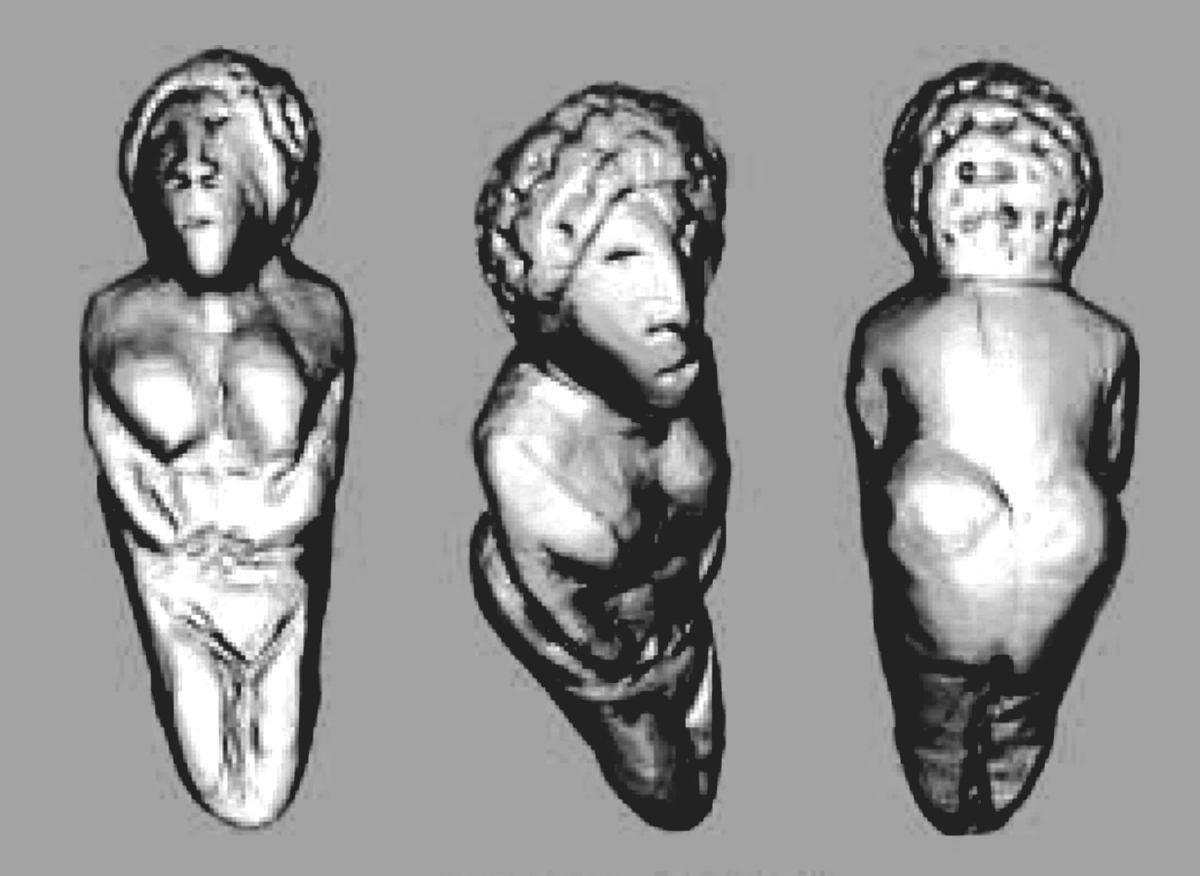
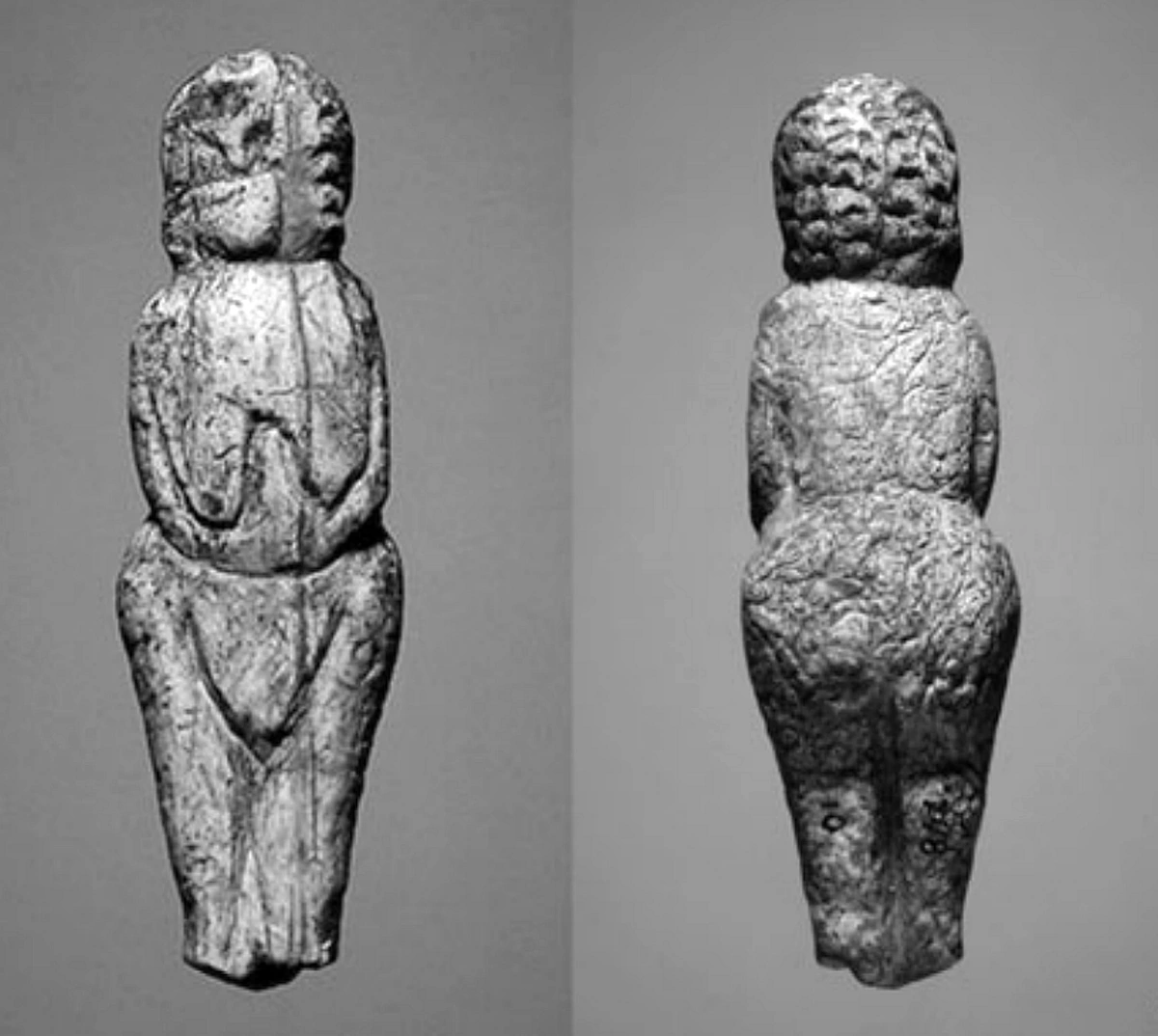
And this is also where we encounter the famous Venus figurines. These small statues of female figures, often with deliberately exaggerated features—prominent breasts, wide hips, sometimes rounded abdomens—are typically interpreted as fertility symbols, representing the life-giving power of women and the hope for a thriving lineage. This exaggeration of features is consistently observed and might relate to specific biological or cultural understandings of female power and procreation that were paramount at the time, underscoring a deep reverence for the feminine life force. They have been unearthed across vast stretches of Europe and Asia, such as the iconic Venus of Willendorf from Austria, the Venus of Laussel with her carved horn, or the delicate Venus of Lespugue. They represent some of the earliest, most powerful representations of the human form we've ever found, dating back as far as 30,000 BCE (Upper Paleolithic). These were crafted from materials like mammoth ivory, soft stone (steatite), or fired clay.
But honestly, calling them all "Venus" is a bit of a modern projection, isn't it? The term was coined by 19th-century archaeologists, drawing a parallel to the Roman goddess of love and beauty, inadvertently imposing a singular, Western interpretation. And maybe they are all about fertility or motherhood! But perhaps some were self-portraits, teaching dolls for children, revered clan matriarchs, spiritual conduits for health or good fortune, or even simple expressions of beauty. Could they have been totems of matriarchal societies, or perhaps representations of an ideal of beauty or health at the time? Or even items used in early forms of trade or ritual exchange, symbolizing status or alliances? The diversity in their forms – some slender (like the Venus of Gagarino), some voluptuous, some headless – suggests a range of interpretations beyond a single fertility goddess. For instance, the Malta figurines from Siberia, sometimes depicted with detailed clothing, elaborate hairstyles, or even specific facial features, hint at complex narratives or specific individuals rather than generalized symbols. Other regional variations include figures with less pronounced features or those made from bone, each potentially carrying unique cultural significance. The truth is, we simply don't know the full story, and academic debate continues to swirl around their precise meaning. What we do know is that for thousands of years, people across different cultures felt an urgent compulsion to carve these potent little figures, carrying them through vast, untamed landscapes, hinting at their profound significance.
Beyond the Venuses, we find a rich array of other portable art. Decorated tools and weapons—imagine a spear-thrower carved with the dynamic form of a charging horse. This wasn't merely decorative; it was believed to transfer the animal's spirit or essence, or to imbue the hunter with its speed and strength, perhaps ensuring the spear found its mark with uncanny accuracy, transforming a functional item into a conduit of spiritual power or a symbol of status within the group. Other examples include meticulously carved bone spatulas, often used in daily tasks, adorned with geometric patterns or animal motifs. Bone flutes, like the Divje Babe flute from Slovenia (potentially Neanderthal) or the Geißenklösterle flute from Germany (Upper Paleolithic), hint at the very dawn of music and rhythmic expression. The existence of such sophisticated musical instruments suggests that sound was an integral part of their spiritual, social, and emotional life, fostering social bonding and perhaps even aiding in communication over vast, noisy landscapes. Early artists used sharp flint tools and antlers to meticulously incise and carve these smaller objects. Personal adornments, like intricate beads made from polished shells, animal teeth, bone, ivory, or even rare stones (like the ostrich eggshell beads found in various African sites, dating back over 70,000 years), found buried with individuals, often speak volumes about early concepts of beauty, status, and individual or group identity. The mere presence of non-local materials hints at extensive trade networks and the value placed on these personal statements. These weren't just functional; they were imbued with meaning, perhaps even a spirit, and surely represented a conscious aesthetic choice, a way to express oneself in a world where every object had a deeper purpose. I often find myself wondering what conversations these small, powerful objects might have sparked around a flickering fire.
Megalithic Art: Go Big or Go Home
As humanity slowly transitioned from nomadic hunter-gatherers to settled agricultural communities – moving from fleeting camps to permanent villages – a monumental shift in artistic expression occurred. This is the Neolithic period, where the scale of ambition grew exponentially. Megalithic art (from Greek megas "great" and lithos "stone") involves massive stone structures, often incorporating astronomical alignments or intricate carvings, designed to make a statement that would echo for millennia. You certainly can't slip a Stonehenge into your pocket. The sheer collective effort required to quarry, transport, and erect these stones signals a profound evolution in social organization, leadership, and shared belief systems. It was community art on the grandest scale, demanding immense coordination and a shared vision. What does it say about a people who commit generations to such a project? It speaks volumes about the solidification of community identity, the establishment of social hierarchies, and the marking of territory and lineage in ways that nomadic societies couldn't achieve, and perhaps even served to differentiate one group's territory from another.

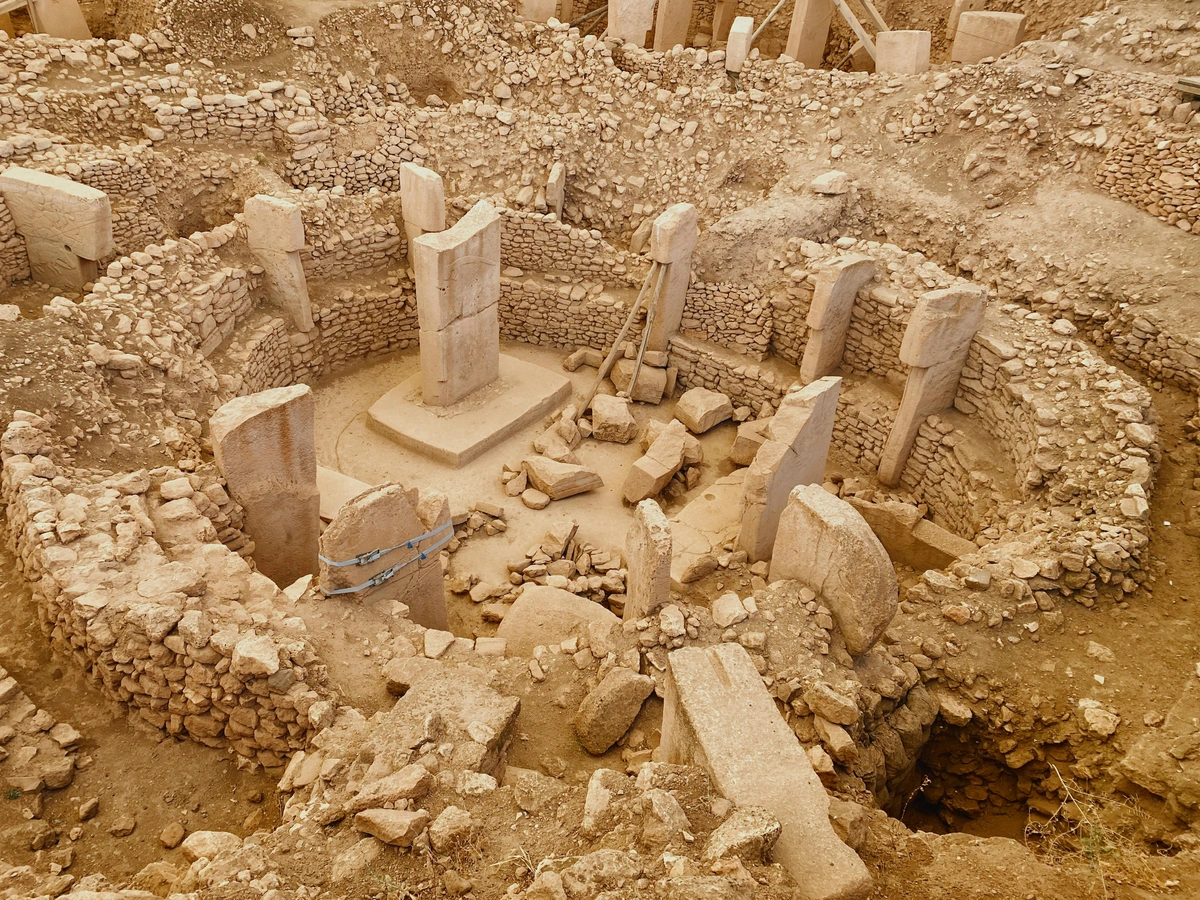
Sites like Göbekli Tepe in Turkey, mind-bogglingly old (around 9,600 BCE), shatter our preconceptions. Here, hunter-gatherers, supposedly incapable of large-scale organization and without evidence of agriculture, erected intricately carved T-shaped pillars, depicting powerful, often menacing animals like wild boars, foxes, and raptors, alongside abstract symbols. The realism and dynamism of these carvings echo the best of Paleolithic cave art, yet in a monumental, architectural context that predates agriculture itself, fundamentally challenging traditional timelines of societal development. This wasn't just random rock stacking; it demanded planning, social cohesion, and a shared belief system, perhaps revolving around rituals or cosmological understandings that predate agriculture itself. Whether they were astronomical observatories, burial grounds, ritualistic gathering places, or even early expressions of territorial claims, these structures were designed to last, to connect earth to sky, and community to cosmos.
Then there's Stonehenge in England, a monumental ring of standing stones, precisely aligned with the solstices, demonstrating an advanced understanding of astronomy and engineering. Beyond its famous solstice alignments, some theories suggest it might have served as an ancient healing center, a communal gathering space for ceremonies extending beyond agricultural cycles, a place for lunar observations, or even a sacred burial ground for high-status individuals. Or consider the thousands of menhirs (single standing stones) and dolmens (stone tables, often serving as burial chambers) scattered across Europe, like those at Carnac in France, whose sheer quantity (thousands of aligned stones) hints at profound ritualistic or territorial significance. Many dolmens also served as burial chambers, sometimes containing 'vessels' (stone chests) that were often undecorated or simply carved. The immense labor and coordination required to quarry, transport, and erect these stones speak volumes about the evolving social structures and shared beliefs of Neolithic communities. It's a testament to what humans can achieve when they work together under a common, powerful vision.

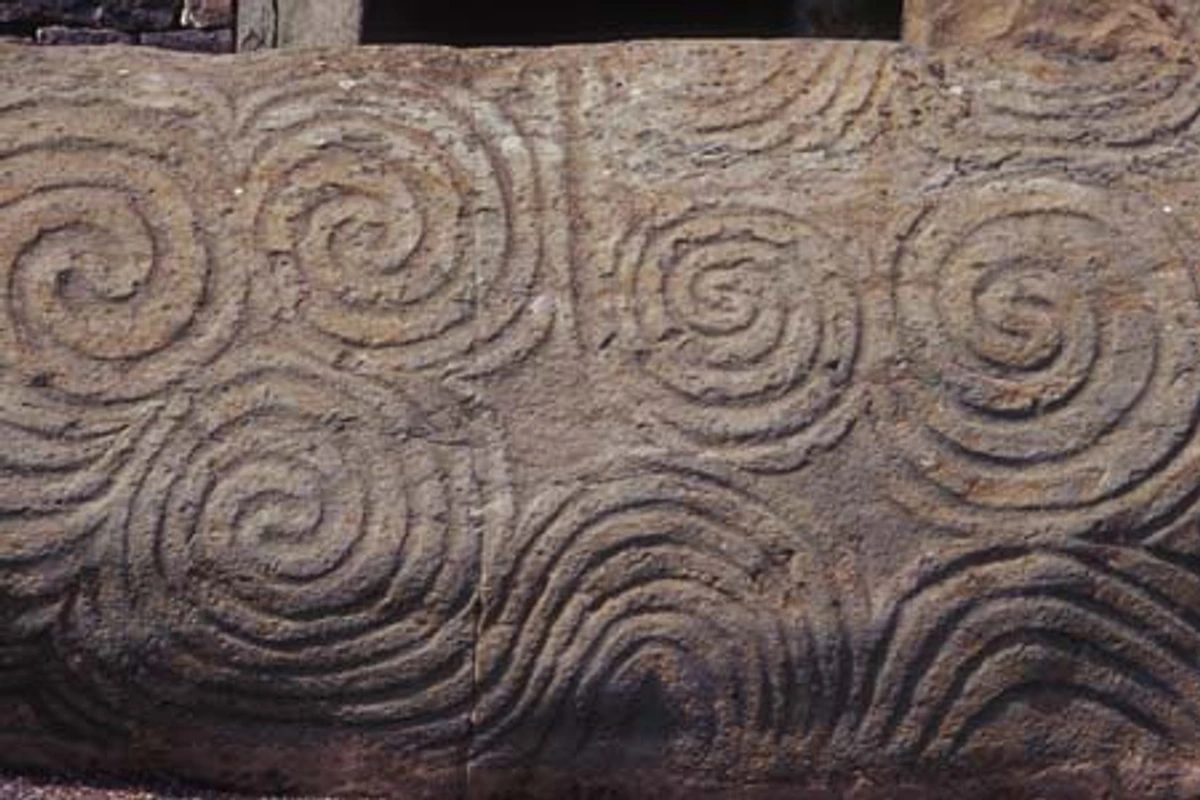
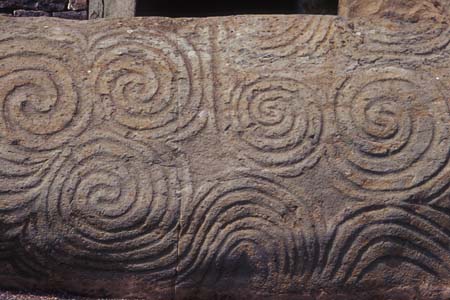
But Neolithic art wasn't just about gigantic stones. We also see the proliferation of decorated pottery – no longer just functional vessels, but canvases for geometric patterns and symbolic designs, often made by coiling and then firing clay in open pits or bonfires with controlled oxygen, allowing for intricate patterns to be incised or stamped. Common motifs include spirals (often representing water, the sun, cyclical regeneration, or even journeys of life and death), zigzags (possibly snakes, lightning, or mountains), concentric circles, and meanders, transforming everyday vessels into canvases for profound meaning and aesthetic pleasure. Sites like Newgrange and Knowth in Ireland, famous passage tombs, feature intricate carvings on their large stones—spirals, lozenges, zigzags, and chevrons—whose precise cosmological or calendrical meanings are still debated, but clearly represent complex symbolic thought and a deep connection to celestial cycles. Figurines, often made of clay, become more generalized and abstract, often featuring simplified human forms with exaggerated heads or breasts. Unlike the detailed, often naturalistic animal depictions of the Paleolithic, or the specifically exaggerated female forms of the Venus figurines, Neolithic figurines tend to be less individualized, perhaps reflecting new domestic or agricultural deities, or representing generalized societal roles, contrasting with the detailed animal forms of earlier periods. Even early settled dwellings, like those at Çatalhöyük in modern Turkey, show evidence of wall paintings and decorative elements, bringing art literally into the home and integrating it into daily domestic life. This signifies a shift from purely ritualistic or survival-driven art to art as a part of identity and aesthetic pleasure within the community. It’s a remarkable testament to how deeply ingrained the creative impulse is, even in the most practical aspects of life.
A World of Early Creativity: Beyond Europe's Caves
It’s easy, given the prominence of European cave art, to imagine prehistoric creativity was limited to one continent. But the human urge to make marks is universal, and across the globe, our ancestors left breathtaking legacies that remind us of this shared creative impulse. This global tapestry of creativity underscores that the need to express, to symbolize, to leave a trace, is a fundamental part of what it means to be human, transcending geography and time, and de-centering any purely Eurocentric view of art history. Our exploration now broadens to illustrate that the creative spark was a truly global phenomenon, not confined to Europe.
African Rock Art: Whispers in the Desert
From the vast Sahara to the lush mountains of the south, Africa holds an astonishing wealth of rock art. The continent is also a cradle of humanity, with paleoanthropological sites like Taung Child setting the stage for human evolution and early cognitive development. In places like Tassili n'Ajjer in Algeria, you find thousands of paintings and engravings depicting everything from colossal wild animals (like giraffes, buffalo, elephants, and rhinos) to detailed scenes of daily life, hunting, and even mysterious, often elongated figures engaged in elaborate ritualistic dances, their poses suggesting trance states or spiritual communion. These span tens of thousands of years, vividly showing climatic changes and cultural shifts, from a once-green Sahara to its current arid state. Further south, the Drakensberg Mountains in South Africa are home to magnificent works by the San people, often depicting trance dances and spiritual journeys, rendered with incredible sensitivity and detail. The San people's art, for example, often depicts 'therianthropes' (part-human, part-animal figures, suggesting shamans or spirit helpers) and trance dances, visually narrating their deep spiritual connections to the land, their ancestors, and the spirit world, where animals are powerful intermediaries. This art isn't just old; it’s a profound window into living traditions, where contemporary San cultural practices and beliefs still resonate with these ancient expressions, offering a remarkable continuity of meaning to this very day. In East Africa, sites like Kondoa Irangi in Tanzania show dynamic figures, often elongated, and geometric patterns, reinforcing this widespread ancient artistic tradition. Even in Namibia, the site of Twyfelfontein boasts an incredible concentration of petroglyphs (rock engravings) depicting animals and human footprints, etched into the desert rock face. It makes me wonder about the stories they told through these vibrant forms, echoed through generations.

Asian Echoes: From Siberian Mammoths to Indian Shelters
Asia's prehistoric canvas is equally immense. In Siberia, particularly in caves like Kapova, you find powerful depictions of mammoths, horses, and rhinos, echoing the stylistic concerns of European Paleolithic artists—like a shared emphasis on the dynamic depiction of powerful game animals and the use of red and black pigments. This stylistic similarity suggests surprisingly vast, interconnected ancient cultural landscapes, possibly linked by shared migrations or knowledge transfer, pointing to a much more integrated prehistoric world than we once imagined. Moving further east, in Southeast Asia (e.g., in Borneo, Indonesia), some of the earliest known figurative cave paintings depict animals (like wild cattle) and human-like forms, dated potentially as far back as 40,000 years ago, rivalling the age of European discoveries. Sites like the Leang Tedongnge cave in Sulawesi, Indonesia, feature stunning depictions of warty pigs dating back over 45,500 years. These often feature distinctive hand stencils—outlines of hands pressed against the rock and pigment blown over them, creating a negative image—and abstract geometric motifs, possibly clan or individual markers. For a unique Asian example of early pottery, we look to Japan's Jomon period (c. 10,000 – 300 BCE), where distinctively decorated pottery, often with intricate cord-marked patterns, shows a high level of artistic skill and symbolic expression among settled communities. And the Bhimbetka rock shelters in India contain thousands of paintings spanning the Paleolithic, Mesolithic, and Neolithic periods, showing an incredible continuity of human presence and artistic activity, from vibrant Mesolithic hunting scenes and communal dances to Neolithic domestic life and spiritual symbols, visually narrating the evolution of human society through art. This continuous record is truly remarkable, a testament to enduring human ingenuity and cultural evolution.
The Americas: Ancient Narratives
While often studied separately due to the later arrival of humans, the Americas also boast incredibly ancient rock art traditions. It’s worth noting that the Clovis First theory, which long posited that humans arrived in the Americas around 13,000 years ago, has been challenged by growing evidence of earlier human presence, pushing back the timeline for potential artistic expressions. In the vast Serra da Capivara National Park in Brazil, for instance, paintings include vibrant human figures, animals, and geometric symbols, often depicting hunting scenes, rituals, social gatherings, warfare, and even possibly early agricultural practices, with some potentially dating over 25,000 years ago. From the intricate petroglyphs of the American Southwest (spirals, human figures, animal tracks, celestial motifs etched into rock, often interpreted as marking important places or communicating spiritual messages within Puebloan or Anasazi cultures) to this Brazilian marvel, these sites offer glimpses into diverse early cultures, their cosmologies, and their interactions with the natural world. Consider the intricate hand stencils at Cueva de las Manos in Argentina—hundreds of individual hand outlines, often in striking negative space, made with red ochre, white kaolin, and black manganese oxide pigments. The prevalence of left-hand stencils often suggests the artists held the pigment blower in their right hand, and their clustered arrangements or sequential patterns hint at specific coming-of-age rituals or territorial claims. These could be powerful, direct signatures from the past. Or the vibrant, complex imagery of Chumash rock art in California, often interpreted as shamanic visions, featuring enigmatic human and animal figures (like the powerful bear-human therianthropes, which are hybrid forms that blur the line between species, representing shamanic visions, spirit helpers, or intermediary beings that bridged the human and animal worlds), geometric patterns, and celestial motifs that seem to open a portal to an altered state of consciousness. These ancient narratives, etched and painted onto stone, document a profound connection to the land and spirit, often reflecting intricate belief systems and societal structures.
Oceania and Australia: The Deepest Artistic Roots
And speaking of global tapestries, we mustn't forget the incredible legacy of Aboriginal rock art in Australia, some of the oldest continuous artistic traditions on Earth, dating back tens of thousands of years. Sites like Ubirr or Nourlangie in Kakadu National Park boast 'x-ray style' paintings depicting internal organs and skeletal structures of animals (fish, kangaroos, emus), alongside intricate mythological figures and stories (like the Rainbow Serpent or Wandjina figures), reflecting an unbroken spiritual connection to the land and "Dreamtime." "Dreamtime" is the foundational concept in Aboriginal cosmology, referring to the era when ancestral beings created the world and established the laws and rituals that govern life. The art, therefore, isn't just depicting the past; it's an active, ongoing link to this sacred past and the spiritual continuity established by ancestral beings. Beyond the iconic x-ray style, there are also the delicate, dynamic figures of the Mimis (spirit figures) and the ancient Bradshaw paintings (Gwion Gwion) from the Kimberley region, which often depict slender human figures in ceremonial attire, painted with incredibly fine detail and dynamic poses, showcasing a remarkable diversity of regional styles and techniques. This truly global tapestry of creativity reminds me that the impulse to create, to leave a mark, is fundamentally human, transcending geography and time, connecting us all to an ancient, shared aesthetic heritage. It's a humbling thought, isn't it, to consider how deeply this primal urge connects us to every corner of the planet and every era of human existence.
So, What Were They Thinking? The Enduring Echo of Human Intent
It’s incredibly tempting, almost a trap, to view prehistoric art through our modern lens. We have our neatly categorized 'art world,' our galleries, our critics. But for these early humans, the very concept of 'art' as a separate entity from daily life was, I believe, entirely alien. Instead, their creative output was likely deeply intertwined with everything: their spirituality, their very survival, the cohesion of their community, and their sense of identity. As an artist today, this realization is profoundly liberating – it reminds me that art isn't just about canvas and paint, but about embedding meaning and purpose into the very fabric of existence.
- Survival: A beautifully carved spear-thrower wasn't just a tool; its aesthetic appeal might have been believed to transfer the animal's spirit or essence, or imbue the hunter with greater power, making it more effective in the hunt or a potent symbol of status. When I think of the sheer effort to survive in those harsh environments, I realize that every object, every mark, had to count. Imagine a finely crafted bone needle, not just essential for sewing hides, but also incised with a pattern believed to offer protection – perhaps a symbolic representation of a protective spirit or a charm against unseen forces – to ensure warm, durable clothing. The aesthetic wasn't separate; it amplified the function, transforming a functional item into a conduit of spiritual potency that ensured greater success or protection.
- Spirituality & Ritual: Consider a community of early humans gathered around a newly painted cave wall. Was it a mere depiction, or was it a ritualistic act designed to influence the next hunt? Was the Venus figurine simply a pretty object, or a sacred charm carried for safe childbirth? My take is that the lines were blurred, perhaps non-existent. The act of creation itself, the careful grinding of pigments, the meticulous carving of bone with rudimentary tools, was an immersive, significant act, possibly accompanied by ceremonies and storytelling, making the process as meaningful as the product. I often wonder what chants or dances accompanied the creation of those profound images, making the cave itself a natural amphitheater.
- Community & Identity: Personal adornments and monumental structures like Stonehenge speak to shared cultural beliefs and the importance of group identity. Imagine the pride in belonging to a clan whose totemic animal was painted with such power on a cave wall, or the collective awe in witnessing a solstice sunrise perfectly aligned with massive stones your ancestors had labored to raise. These were powerful statements of 'who we are' and 'where we belong,' solidifying social structures and territorial claims, and perhaps even served to differentiate one group's unique identity from another in a complex cultural landscape by marking ancestral lands or communal gathering sites.
- Aesthetic Drive: And this isn't to say their intentions were always purely utilitarian or ritualistic. I believe there was also an innate aesthetic drive, a simple pleasure in making something beautiful or skillfully rendered. Even in the creation of a flint hand-axe, a truly well-made tool, perfectly symmetrical and balanced, possesses an inherent aesthetic beauty that transcends mere utility. Or consider the pleasing symmetry and refined proportions of a carved bone tool, or the visual harmony of a well-arranged cluster of engraved stones. This suggests that the drive for pleasing form was deeply ingrained long before 'art' became a distinct concept; it was an inherent aspect of human ingenuity, a proto-aesthetic that shaped how they perceived and interacted with their world. Perhaps it was the challenge of capturing the movement of a charging animal, or the satisfaction of creating a harmonious geometric pattern on a pot. Just like us, I imagine they sometimes simply saw a vast, blank wall and thought, "This needs something." It was a form of communication, a way to anchor their transient existence in a tangible, enduring form.
It’s a humbling reminder that our modern categories and interpretations, as well-researched as they are, can only ever offer a partial glimpse into the richly textured worldview of our ancient kin. What truly strikes me is the incredible continuity of this human impulse.

Echoes of the Past: Prehistoric Art's Enduring Relevance
You can draw a jagged, winding, yet undeniable line from the earliest abstract symbols scratched onto a Paleolithic stone, all the way through to the birth of abstract art in the 20th century. The same impulse that drove pioneers like Hilma af Klint to chart inner worlds through spiral motifs and cosmic forms, echoes the mysterious geometric patterns carved into ancient stones. The raw, emotional power and simplified forms of many prehistoric animal depictions, for instance, resonate deeply with the Expressionist movements, conveying visceral feeling rather than strict realism—think the raw emotional intensity of a Lascaux horse's eye mirroring the visceral portrayal of emotion in Edvard Munch's 'The Scream' (ultimate-guide-to-edvard-munch). And the storytelling function of early cave art finds its counterpart in narrative art across centuries. The tools changed, the cultural context is wildly different, but that fundamental, profound need to make marks that mean something? That has always been there, a primal language transcending eras. For contemporary artists, understanding prehistoric art offers invaluable lessons: the raw materiality of natural pigments (inspiring modern exploration of how artists use color), the integration of art into daily life (as seen in decorated Neolithic pottery inspiring functional art or art in domestic spaces), and the profound, multi-purpose nature of creative acts can all inspire modern creators seeking authenticity and deep connection. These ancient works remind me that my own art history timeline as an artist is part of something much, much older.
It's the same impulse that still compels me to create my own art and connect with something deeper, a shared thread running through my entire artistic journey. This profound connection to our creative ancestors is a constant source of inspiration, a reminder that the human spirit's desire to express itself is truly timeless.
FAQ: Your Most Pressing Prehistoric Art Questions Answered
What's the oldest art ever found?
This is a constantly evolving field! Currently, some of the most ancient contenders include abstract engravings on a piece of ochre from Blombos Cave in South Africa, dated to around 73,000 years ago, which many scholars like Francesco d'Errico consider the earliest clear evidence of symbolic thought. That piece of ochre, for example, bears a deliberate, non-random cross-hatch pattern. Even more controversially, recent findings have pushed the boundaries further: some researchers, including Dirk Hoffmann, suggest possible Neanderthal engravings (simple linear patterns, cup marks) in a cave in France dated to around 57,000 years ago. Perhaps most challenging to our understanding is a shell engraved with geometric patterns (zigzags) from an Indonesian site, dating back 500,000 years, potentially by Homo Erectus, as reported by José Joordens and his team. While these older, simpler geometric patterns are debated as deliberate art (rather than accidental or utilitarian marks), they unequivocally "scream 'intentional design'" to many.
These discoveries radically suggest the creative spark might not even be exclusive to Homo Sapiens, pushing the dawn of art much further back and broader than we once thought. The potential for Homo Erectus to have created art, in particular, fundamentally shifts our understanding of cognitive evolution and the origins of complex thought. However, the interpretation of these earliest marks as deliberate art (rather than accidental or utilitarian marks) is often debated, particularly for the older, simpler geometric patterns attributed to earlier hominins, with some arguing they could be incidental or proto-symbolic. Dating these artifacts relies on sophisticated methods like radiocarbon dating for organic materials (measuring the decay of carbon-14), or uranium-thorium dating for inorganic elements like cave calcite (measuring the radioactive decay of uranium into thorium), often yielding tantalizing but debated results. The challenges of dating these ancient artifacts are immense, primarily because organic materials suitable for radiocarbon dating are rare in such old contexts, and inorganic methods like uranium-thorium dating depend on specific geological conditions and can have wide margins of error. This makes cross-referencing and contextual archaeological evidence vital, keeping the field excitingly dynamic, and constantly pushing back what we thought was 'the beginning'. It's a humbling thought, isn't it?
What materials and techniques did prehistoric artists use?
They were incredibly resourceful, making the most of what their environment offered, and these techniques evolved over time. For paints, they meticulously ground up readily available mineral pigments like ochre (hematite for vibrant reds, goethite for yellows/browns, often sourced from local rock formations, clay deposits near water sources, or even mined from geological veins), manganese dioxide (for deep blacks), charcoal (for black, made from burnt wood), and kaolin or ground limestone (for whites). These pigments were then mixed with binders such as animal fat (chosen for good adhesion and slower drying time), blood, saliva, plant saps, or even egg albumen (which could provide a more permanent or glossy finish) to create durable paints. Application methods included using fingers for broad strokes, pads of moss, bundles of animal hair (early brushes) for finer details, or even blowing pigment through hollow bones (a form of early airbrushing!) to create soft, diffused sprays or outlines, which was particularly effective for hand stencils. For carving and engraving (especially for portable art or petroglyphs), they relied on sharp-edged flint tools, chert blades, bone awls, and antler picks, using remarkable precision to incise fine lines or shape figures from challenging materials like mammoth ivory, which required immense skill with rudimentary tools. In the Neolithic, the innovation of coiling and then firing clay for pottery, typically in open pits or bonfires with controlled oxygen, introduced a whole new set of possibilities for artistic expression and durability, allowing for intricate patterns and symbolic designs on everyday vessels. It's important to remember that organic materials like pigments and binders are highly susceptible to decay, making their preservation a major challenge for archaeologists, and thus our understanding of prehistoric palettes is often incomplete.
Why are so many animals depicted in cave paintings?
Animals were absolutely central to their existence, a complex tapestry of survival, sustenance, danger, and awe. The animals most frequently depicted are often the large, powerful, and majestic ones—like bison, horses, mammoths, and lions—rather than the smaller prey they might have consumed most often. This suggests a profound spiritual, mythological, or symbolic connection. Perhaps animals were seen as powerful spiritual beings, sources of life, or even early deities. This aligns with animistic beliefs, where all natural objects, phenomena, and the universe itself possess a distinct spiritual essence. Animals might have been totemic figures (animals that represented specific groups, clans, or families, acting as spiritual guides or symbols of identity), or seen as intermediaries between the human and spirit worlds, capable of traversing different realms or embodying specific powers, perhaps acting as guides or communicators with spirits. These depictions might have reflected reverence, an attempt to capture their essence, or even to invoke successful hunts through sympathetic magic. For example, the powerful mammoths, though dangerous, were a crucial source of food and materials, making their depiction both a sign of respect and a plea for success. Some interpretations suggest these depictions might have served as a form of animal symbolism (or iconography) in a complex belief system, perhaps to teach younger generations about the animals' behavior, to record important hunting grounds, or to encode specific narratives about the biocultural significance of these creatures – how they were integrated into cultural narratives, mythology, and social structures. The enduring fascination with the symbolism of animals in contemporary art shows how deep this connection runs, from ancient caves to modern galleries.
What was the role of sound and music in prehistoric art?
While visual art is what largely survives, evidence suggests sound and music played an integral, often ritualistic, role. The discovery of numerous bone flutes (made from bird bones or mammoth ivory) from the Upper Paleolithic, like the Geißenklösterle flute, proves that early humans created sophisticated musical instruments. These would have produced melodies and rhythms that likely accompanied communal gatherings, ceremonies, storytelling, and indeed, served as a means of emotional expression and social cohesion. Beyond instruments, many caves with parietal art possess unique acoustic properties; certain chambers have uniquely resonant qualities that amplify sounds or create echoes. This leads to speculation that these resonant qualities might have been intentionally sought out for specific rituals or performances, turning the cave itself into a natural amphitheater where sounds were integrated with the visual art to create an immersive, multi-sensory experience. Vocalizations (like guttural chants or calls), rhythmic percussive sounds (perhaps drumming on surfaces, clapping, or striking stalactites), or even early forms of song might have been used within these 'galleries,' enhancing the spiritual power of the images. Art was not just seen; it was felt, heard, and experienced.










Did prehistoric art have social or gender roles?
While direct evidence is scarce and largely speculative, scholars infer potential social and gender roles from the art itself and archaeological contexts. The presence of Venus figurines, often interpreted as fertility symbols or representations of female ancestors, suggests a significant role for women in belief systems, possibly reflecting aspects of motherhood, lineage, spiritual essence, strength, or early matriarchal reverence. While these exaggerated features might relate to fertility or abundance, they could also represent societal ideals of health, strength, or spiritual power, or even specific roles such as clan leaders or revered elders. Some theories propose women might have been involved in creating portable art, given its connection to domestic life or personal adornment, and certain tool types (like bone needles or pottery implements) found in domestic contexts could be tentatively associated with female activities based on ethnographic parallels. Conversely, large game hunting scenes in caves might have been predominantly created or used by men, or to reflect male-centric hunting rituals; however, women would have played crucial roles in processing game, preparing hides, and gathering, and even in the ritualistic aspects associated with hunting success, meaning their presence in the process of art creation was likely significant, even if not directly depicted. The sheer scale and collective effort of megalithic structures point to a highly organized society with clear leadership, likely involving both male and female contributions, albeit in different capacities. Art could also solidify social hierarchies beyond just leadership, for example, by marking territory, expressing lineage, or differentiating one group's unique identity from another in a complex cultural landscape. Ultimately, the question of who made the art, for whom, and what it meant in terms of social structure remains an active area of research and fascinating debate.
How does prehistoric art relate to early writing systems?
Prehistoric art, with its abstract symbols and repeated motifs, often functions as a precursor to writing, but it's important to differentiate. Early symbolic art, like the cross-hatch pattern on ochre from Blombos Cave or the marks on Alexander Marshack's lunar calendars, demonstrates the human capacity for abstract thought and externalizing information. These marks served a purpose—whether for counting, identifying, or recording—but lacked the systematic grammar, syntax, and phonetic elements that define true writing. They were systems of symbols for communication or memory-keeping, not a language to be read. For example, simple tally marks on bone could record lunar cycles or animal counts, while early pictograms (symbols representing objects) or ideograms (symbols representing concepts) might represent an object or an idea. While this is a foundational step, a true proto-writing system, like the early Mesopotamian pictograms of Sumer (c. 3500-3000 BCE), shows a more formalized and consistent connection between symbol and specific meaning, and a movement towards organized sequences that could eventually represent words or sounds within a structured linguistic framework. So, while not writing itself, prehistoric art laid the foundational conceptual groundwork for it, demonstrating the cognitive leaps necessary for such complex communication to emerge.