What Is the Praemium Imperiale Award? Your Guide to the 'Nobel Prize of the Arts'
Find out everything about the Praemium Imperiale art award: its history, importance, and how it shapes the global art landscape.

What Is the Praemium Imperiale Award? The Crown Jewel of Global Arts
Ever stumble upon an award so prestigious it feels less like a prize and more like a knighthood for your creative soul? When I first encountered the name "Praemium Imperiale," I was researching the artists who truly reshape how we see the world. Names like David Hockney, Cindy Sherman, and Anselm Kiefer kept appearing, connected by this single, regal-sounding honor. It made me wonder: what is this award that serves as the quiet, golden thread connecting the giants of modern art, architecture, and music? The first time I heard the name "Praemium Imperiale," I was deep into researching the artists I truly admire. Names like David Hockney, Cindy Sherman, and Anselm Kiefer kept popping up, linked by this single, regal-sounding honor. It got me thinking: what is this award that seems to be the quiet, golden thread connecting the giants of modern art, architecture, and music?
It sits, quietly monumental, in the landscape of cultural accolades. Unlike the frenzy of an auction house or the fleeting spotlight of a gallery opening, the Praemium Imperiale feels different. It’s an award given not for a single work, but for a lifetime of reshaping our world. This isn’t about the shock of the new; it’s about the enduring weight of a creative legacy. For anyone passionate about the arts, understanding this award is like finding a map to the very peaks of human achievement.
Often described as the 'Nobel Prize for the arts,' this comparison only tells half the story. While the Nobel recognizes singular achievements in specific fields, the Praemium Imperiale honors something more elusive: sustained creative evolution across decades. It doesn't merely validate an artist's career—it places them in a lineage of cultural significance that transcends market trends and critical fashion. For collectors, this recognition often signals which artists will be studied and celebrated for generations to come. For emerging artists, it provides a roadmap of what sustained, serious commitment to creative practice can achieve.
What sets the Praemium Imperiale apart is its radical patience. While the contemporary art world often operates on the velocity of social media trends and short attention spans, this award measures time in decades, not news cycles. It's a lifetime achievement award that honors individuals not just for their creative output, but for their role as cultural ancestors—figures whose work has fundamentally shifted the trajectory of their discipline and created new possibilities for those who follow. The ripple effects of their influence often extend far beyond their chosen medium, affecting how we think about space, sound, narrative, and human experience itself.
Here, we’ll delve deep into this remarkable honor. We'll uncover its surprisingly young yet profound history, decode its unique selection process that actively shuns the spotlight, and explore the vibrant ecosystem of creators it champions. From its philosophical underpinnings to its tangible impact on an artist's legacy, and even the occasional controversy, this is your comprehensive guide to the world's most quietly influential art prize.
This exploration will take us from the hushed deliberation rooms in Tokyo to the global stage where these laureates have changed how we think about human creativity. We'll examine specific works by past winners, understand how the award has navigated major shifts in contemporary art practice, and consider its future relevance in an increasingly digital and decentralized art world. Whether you're an artist seeking inspiration, a collector looking for guidance, or simply someone fascinated by the mechanisms of cultural validation, this guide will provide the insights you need.
The Imperial Genesis: Japan's Vision for Global Culture
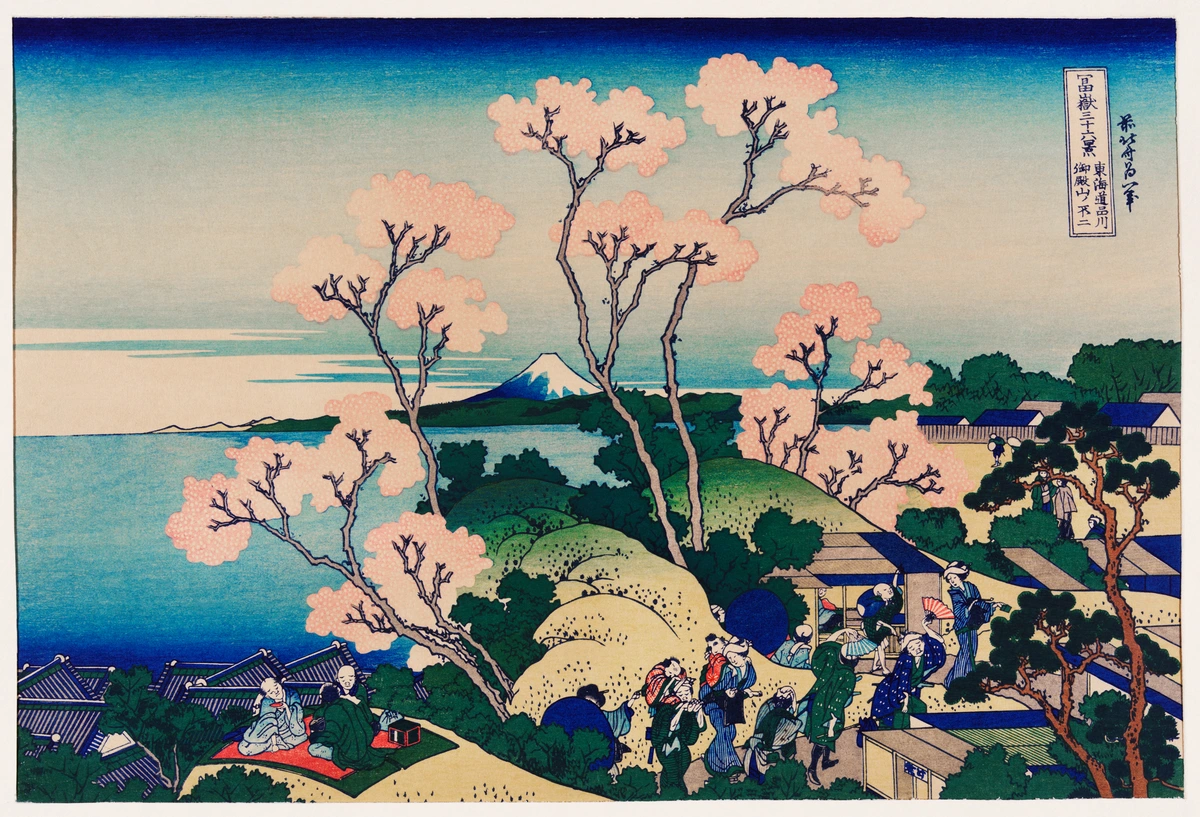
You might assume such a prestigious honor originates from European cultural institutions, but the Praemium Imperiale is distinctly Japanese—and remarkably modern. Established in 1988, the award emerged during Japan's period of intense cultural reflection and international engagement following World War II. The Japan Art Association founded the award, leveraging its own impressive history dating back to 1887 to create something unprecedented in global culture.
The award's creation was no accident—it represented a deliberate strategic vision. In post-war Japan, there was a profound recognition that military and economic power alone couldn't heal the wounds of global conflict or establish lasting international relationships. Cultural diplomacy emerged as a crucial tool, and the Japan Art Association, under the honorary presidency of the late Prince Takamatsu, saw an opportunity to create something unique. In 1987, as the Association approached its centennial, the award was formally proposed as a way to mark this milestone while advancing Japan's role as a global cultural custodian.
What made this initiative particularly bold was its global scope from day one. The founders astutely observed a conspicuous gap in the world's most prestigious honors: the Nobel Prizes, despite their comprehensive coverage of scientific and literary achievement, had no category for the visual or performing arts. The Praemium Imperiale was conceived explicitly as the answer to that omission—a way to honor the creative disciplines that shape our visual environment, our built world, and our cultural imagination.
The Imperial Family's endorsement was crucial, lending the award a gravitas that extended far beyond typical cultural honors. This wasn't simply another art prize—it was a state-supported initiative that positioned Japan as a patron of global culture, similar to how Renaissance Italy supported artists who transcended geographic boundaries. Prince Hitachi, younger brother of Emperor Emeritus Akihito, became the award's honorary patron, maintaining this imperial connection that continues to this day. This relationship with the Imperial Family distinguishes the Praemium Imperiale from virtually every other major arts award worldwide.
The name itself gives away its ambitions: "Praemium" is Latin for "prize" or "reward," and "Imperiale" signifies its imperial patronage and universal, worldwide scope. It was envisioned as a counterbalance to the Nobel Prizes, which famously leave out the arts. The Praemium Imperiale was designed specifically to fill that void, celebrating the humanities as a critical force for good in the world.
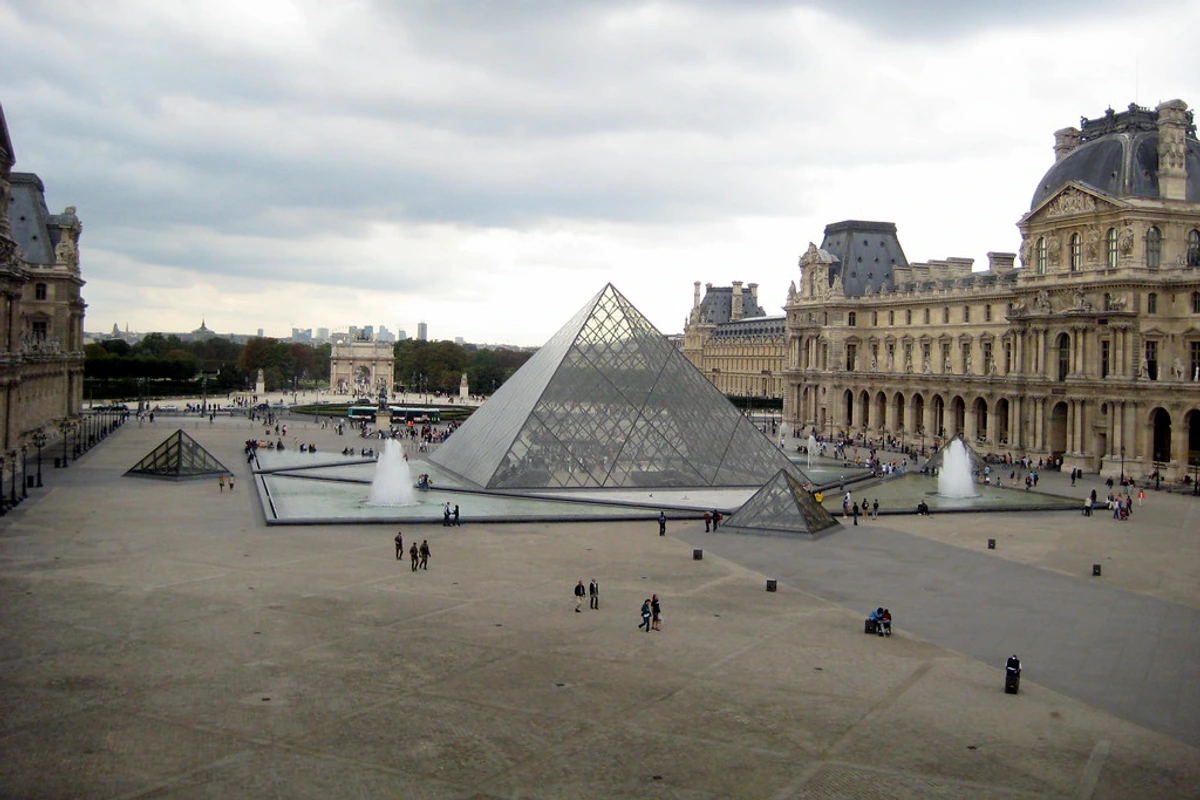
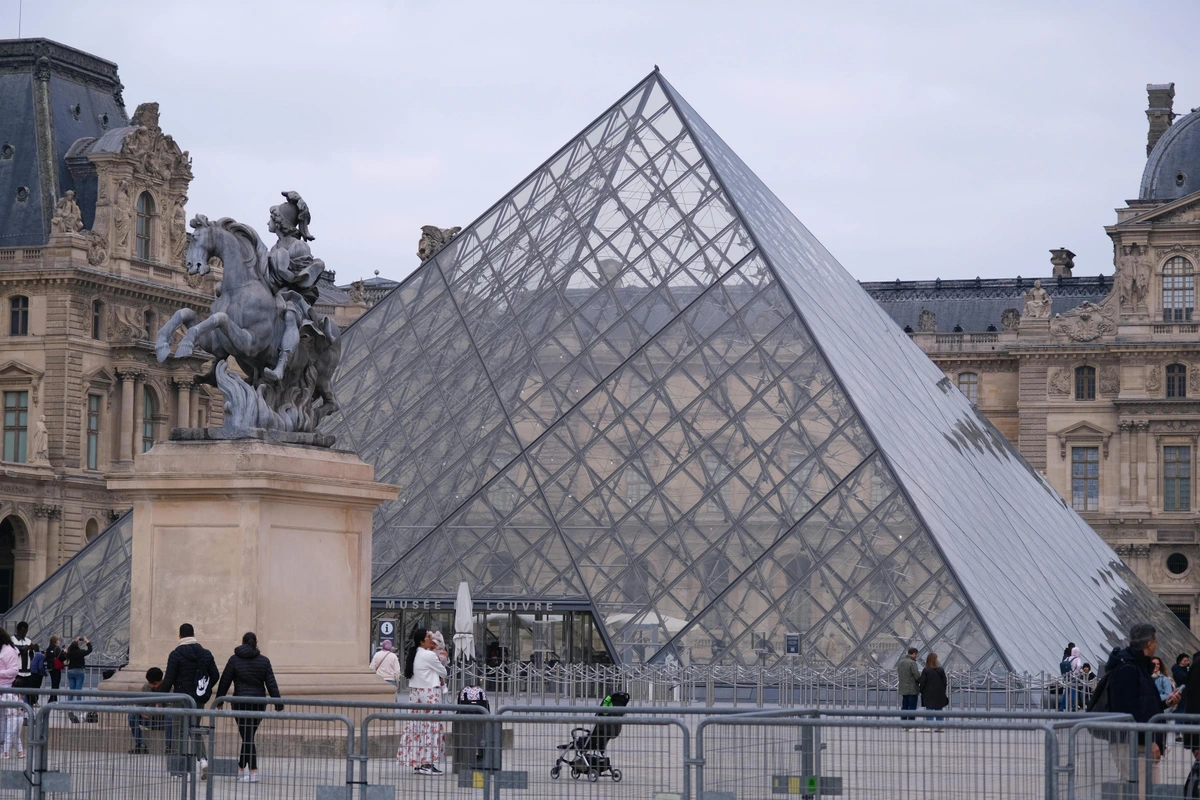
The inaugural ceremony in 1989 immediately established the award's commitment to honoring the giants of twentieth-century culture. The first laureates—including Balthus (painting), the enigmatic figurative painter; Olivier Messiaen (music), the composer who translated birdsong into revolutionary symphonies; and I.M. Pei (architecture), whose geometric masterpieces redefined modern space—created an immediate standard of excellence. This wasn't an award for emerging talent; it was recognition reserved for those who had already fundamentally transformed their disciplines.
This inaugural group also established the award's commitment to international diversity from its very beginning. Unlike many European-centric honors of the time, the Praemium Imperiale recognized from day one that important artistic contributions emerged from every corner of the globe. This global perspective would become one of the award's defining characteristics, allowing it to honor masters from Japan, South America, Africa, and the Middle East alongside European and North American artists.
The Invisible Architecture: How Winners Are Chosen
Understanding the selection process is crucial to appreciating what makes this award unique. The Japan Art Association administers the award, but the real magic lies in its internationally distributed intelligence network. Rather than relying on a single jury or committee, the process begins with approximately ninety International Advisors—distinguished figures from politics, academia, and cultural institutions worldwide. This isn't a ceremonial role; these advisors are the award's eyes and ears across the globe.
The caliber of these advisors is telling. Over the years, the network has included figures like Helmut Schmidt (former Chancellor of West Germany), Jacques Chirac (former President of France), Richard von Weizsäcker (former President of Germany), and David Rockefeller (American philanthropist and banker). These aren't career art administrators—they're individuals who have operated at the highest levels of public service and global affairs. Their involvement signals that this award views art not as a specialized interest, but as a fundamental component of civilization itself.
This choice of advisors reveals a sophisticated understanding of cultural diplomacy. When a former head of state nominates an artist, it carries a different weight than when a gallery owner or critic does so. It suggests that artistic achievement deserves recognition at the highest levels of global leadership. These advisors nominate candidates based on a single criterion: sustained, significant contribution to their field over many years. There's no application process, no lobbying, and no public campaigning. Artists often don't even know they're being considered until they receive the call from Tokyo.
The Five Disciplines: Understanding the Categories of Achievement
The award's structure reveals its philosophy perhaps more clearly than any other aspect. Rather than a single generic "arts" prize, the Praemium Imperiale recognizes five distinct but interconnected disciplines: Painting, Sculpture, Architecture, Music, and Theatre/Film. This five-category system reflects a holistic understanding of human creativity—one that acknowledges the different languages through which artists engage with the world, while also recognizing the increasing blurriness of disciplinary boundaries in contemporary practice.

This pentagonal structure is more than just an organizational choice; it's a philosophical statement. By dividing the prize among Painting, Sculpture, Architecture, Music, and Theatre/Film, the award acknowledges the discrete languages of human creation. It posits that the way an architect shapes space is fundamentally different from, yet equally significant as, the way a composer shapes silence.
Yet, as we'll see, these pillars are not rigid silos. The lines are deliberately blurred. This fluidity allows the award to recognize pioneers who refuse to be confined by traditional definitions, whose work might exist in the in-between spaces, challenging and expanding our very understanding of a medium.
Painting: Beyond the Canvas
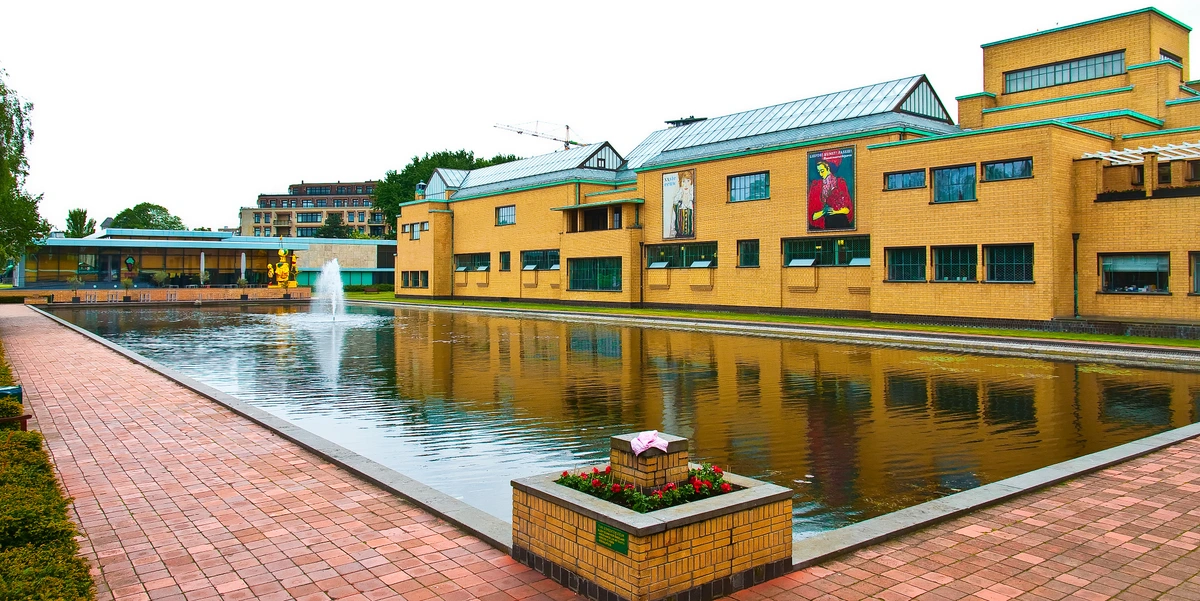
Painting laureates are recognized for sustained innovation within—and increasingly, beyond—the two-dimensional plane. The selection reflects a broad understanding of what painting can be, from the gestural intensity of Abstract Expressionism to the conceptual rigor of Minimalism, from the appropriation strategies of Pop Art to the expanded field of contemporary practice. What unites these diverse approaches is the committee's recognition of artists who have created a distinct visual language and sustained it across decades of development.
The expansion of this category to include photography (Sebastião Salgado, 2021) demonstrates the committee's willingness to interpret 'sculpture' as encompassing any practice that creates images with tangible, almost architectural presence. This isn't merely academic flexibility—it reflects a genuine engagement with how contemporary artists are actually working, breaking down the silos that once separated mediums and recognizing achievement wherever it appears.
Architecture: Beyond Buildings
The architecture prize recognizes that our built environment shapes human experience in profound ways. Rather than simply honoring iconic buildings, the award tends to recognize architects who have fundamentally shifted how we think about space, form, and the relationship between structure and society. Laureates like Zaha Hadid, Norman Foster, and Frank Gehry didn't just create striking buildings—they created new architectural languages that have influenced generations of practitioners and transformed our expectations of what buildings can be.
Music: Sound as Cultural Force
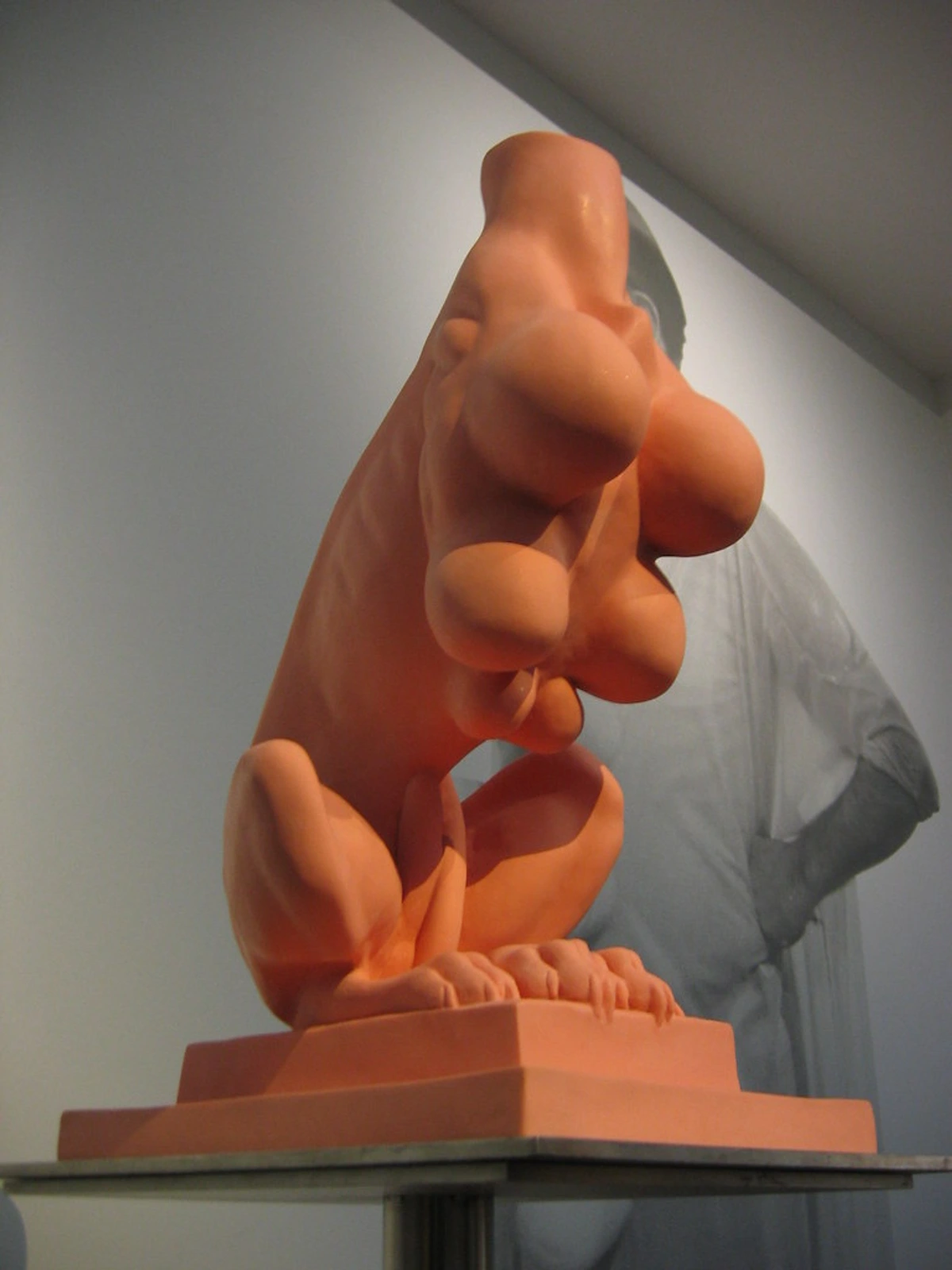
The music category spans an unusually broad range—from classical composition and contemporary performance to opera and orchestral conducting. This breadth reflects the understanding that music, in all its forms, represents a fundamental human language. Whether honoring a composer like Pierre Boulez for his structural innovations, or a performer like Riccardo Muti for his interpretive genius, the award recognizes individuals who have shaped not just what we hear, but how we listen. The common thread is a lifetime of elevating musical culture and expanding its possibilities.
Theatre/Film: The Narrative Arts
This category honors storytellers who craft compelling narratives through time-based media. It's the most diverse category by its nature, embracing directors, actors, playwrights, and performers who have shaped how we understand human experience through story. From the cinematic revolutions of Federico Fellini to the theatrical innovations of Robert Wilson, these laureates demonstrate that narrative—whether on stage or screen—remains one of our most powerful tools for exploring what it means to be human.
The willingness to blur categorical lines reflects a sophisticated understanding of how contemporary artists actually work. An artist like Anselm Kiefer doesn't simply 'paint'—he builds monuments that exist somewhere between painting, sculpture, and architectural installation. A filmmaker like Ingmar Bergman created work that functioned as both cinema and profound philosophical inquiry. By remaining flexible in its categories while maintaining rigor in its standards, the Praemium Imperiale has managed to honor the most innovative artists of our time without forcing them into artificial boxes.
This adaptability was put to the test in 2021. The committee made the landmark decision to award the Sculpture prize to Sebastião Salgado, a photographer. While initially surprising, it made profound sense. Salgado's work, particularly his epic "Genesis" series, functions as monumental visual storytelling. His large-scale, high-contrast black-and-white prints carry a physical, almost geological weight. The subjects within them are captured with the compositional rigor of a classical sculptor. By honoring him, the Praemium Imperiale demonstrated that the spirit of a category—in this case, the enduring, physical presence of sculptural art—could be found in the most modern of mediums. It was a decision that honored not just a great photographer, but the very idea of artistic evolution.

First, the monetary award. Each laureate receives a cash prize of 15 million Japanese Yen (JPY). When it was first established, this was a princely sum. While its value has fluctuated with currency markets, its purpose remains the same: it's a meaningful financial endowment intended to support the laureate's continued work or legacy, completely free of any restrictions. It is a tangible, no-strings-attached affirmation of their life's work.
The medal itself is a miniature work of art, designed by the Italian sculptor and medallist Egidio Ambrosini. On one side, it features a powerful image of Apollo, the Greek god of the arts, riding a chariot—a symbol of the sun, enlightenment, and the triumphant power of creativity. The reverse bears the name of the laureate and the year of the award. Cast in solid gold, the medal is a physical object of immense value and symbolic weight, connecting the recipient to a classical tradition of artistry that stretches back millennia. It’s a symbolic nod to the timeless and universal value of creative expression.
The diploma, too, is not an afterthought. It is a calligraphed document designed to be a lasting work of art, formally commemorating the Japan Art Association's recognition of the laureate's achievements. Together, these three elements—cash, medal, and diploma—combine to create a prize package that is both practically supportive and profoundly honorific.
The Gilded Path: How Laureates Are Chosen
Let's get to the million-dollar question: how do you actually win this thing? The selection process is almost as legendary as the award itself for being opaque, rigorous, and free from public lobbying. It’s not an "apply here" sort of situation. You can't campaign for it. In fact, most laureates are genuinely surprised when they get the call.
What emerges from this process is arguably the most carefully vetted cultural honor in the world. When a laureate is chosen, it represents not just the opinion of a single jury, but a broad consensus among a global network of respected cultural observers. This is why the award carries such weight—it's effectively impossible to campaign for, difficult to predict, and represents a judgment based purely on the sustained quality of an artist's work over decades, not their current market value or media profile.
The irony, of course, is that this secrecy sometimes creates genuine moments of disbelief. The composer György Ligeti reportedly hung up on his initial notification call, convinced it was a prank. Others have described receiving the news with a mixture of shock and profound gratitude—not for the money or fame, but for the recognition that their life's work has been seen and understood by peers they deeply respect. This element of genuine surprise underscores how removed laureates are from the selection machinery.
The job of an International Advisor is arguably one of the most important in this entire process. They are the human sensors of the global arts scene. Their nominations are confidential, and they are chosen for their deep connections and unimpeachable judgment. They don't convene in a public forum; instead, the Japan Art Association quietly solicits their suggestions, which are then compiled for internal review.
This method acts as a powerful filter, ensuring that only candidates who have demonstrated a career of sustained, high-level achievement are even considered. It effectively filters out flash-in-the-pan trends and focuses the committee's attention on true, lasting accomplishment. Think of it this way: when a former head of state like Jacques Chirac or a cultural icon nominates someone, that recommendation carries immense weight and is based on a legacy, not a single gallery show or a viral moment.
The Financial Architecture: Understanding the Prize Package
While the prestige is the main attraction, the material aspects of the Praemium Imperiale deserve attention because they reflect the award's philosophy. Each laureate receives three distinct components designed to honor their legacy: a substantial cash prize, an exquisitely crafted gold medal, and a formal diploma. Let's examine what each element represents and how it compares to other major cultural awards.
Their criteria are simple in concept but incredibly demanding in practice. They aren't looking for a trendy flash-in-the-pan. They are looking for the sustained, long-term impact of an artist's entire body of work. They're asking a single, monumental question: "Whose creations have fundamentally changed the way we see, hear, or experience the world?" It is an evaluation of legacy over novelty, of profound impact over fleeting success.
What's significant about the cash prize isn't just the amount, but its unrestricted nature. Unlike many grants or fellowships that come with specific project requirements, the Praemium Imperiale money arrives with no strings attached. Laureates can use it however they wish—to support ongoing work, to establish foundations, to provide financial security in their later years, or simply to enjoy. This unrestricted nature sends a powerful message: we trust your creative judgment, and we honor your autonomy as an artist.
The Gold Medal: A Timeless Symbol
The medal itself, designed by the Italian sculptor Egidio Ambrosini, is a miniature masterpiece. Cast in solid gold, it features Apollo—the Greek god of the arts, music, and knowledge—riding a chariot on one side. This classical imagery connects the laureate to a tradition of artistic achievement that stretches back to antiquity. The reverse bears the laureate's name and the year of conferral, making each medal a unique, personalized object of immense symbolic and material value.
The choice of Apollo is particularly meaningful. In Greek mythology, Apollo represented not just artistic inspiration but also order, harmony, and the pursuit of excellence—qualities that align perfectly with the award's values. The chariot suggests forward momentum and the triumphant power of creativity to move civilization forward. This isn't merely decorative; it's a philosophical statement about the role of art in human civilization, rendered in precious metal.
The Diploma: Formal Recognition of Legacy
The diploma rounds out the prize package with a different kind of significance. Rather than a simple certificate, it's an artfully calligraphed document designed to be a lasting work of art in its own right. Created by skilled calligraphers, each diploma formally commemorates the Japan Art Association's recognition while demonstrating the same commitment to craftsmanship that the award honors in its laureates. Together, these three elements—cash, medal, and diploma—provide a comprehensive system of recognition that addresses the financial, symbolic, and archival aspects of honoring a lifetime's work.
The Grand Finale: The Tokyo Ceremony and Global Tours
The culmination of this long and rigorous journey is a truly grand event. The formal award ceremony is traditionally held in the historic Meiji Kinenkan in Tokyo. The atmosphere is one of profound reverence, more akin to a state occasion than a typical art world party. The proceedings are typically graced by the presence of a member of the Japanese Imperial Family, often the current Prince Hitachi, who serves as the honorary patron of the Japan Art Association. This imperial blessing elevates the ceremony from a professional honor to a national tribute, adding a layer of solemnity and historic significance.
The ceremony itself is a masterclass in formal elegance. The laureates are presented with their gold medal, cash prize certificate, and diploma in a highly respectful and official setting. Speeches are made, not only by the laureates themselves but also by distinguished guests, reflecting on the honorees' contributions to global culture. It’s culture, diplomacy, and art, all rolled into one truly grand event, reinforcing the bond between Japan and the international creative community.
But it doesn't end in Tokyo. To amplify its global reach and fulfill its mission of public education, the Praemium Imperiale is often accompanied by related cultural events. In Europe, for instance, a special "Praemium Imperiale" exhibition is sometimes organized in cities like Berlin, Paris, or Rome. These exhibitions showcase the work of the laureates to a wider audience, turning the abstract honor into a tangible cultural experience. This touring aspect ensures the award's impact extends far beyond the ceremony itself, sparking conversations and inspiring the public in cities across the world. For instance, a retrospective of a painting laureate's work might travel to major institutions, allowing a new generation to witness the evolution of a master. To discover such events, one could even use a guide for enjoying art on a budget, like this one.
The Echo of a Name: What Winning the Award Actually Means
Winning the Praemium Imperiale is more than just a line on a resume. It's an entrance into what many consider the highest echelon of the art world. For the laureates, it's a profound, and often humbling, recognition of a lifelong dedication. Many have spoken about the feeling of validation, of being seen and understood for the core vision they've spent decades pursuing.
The impact on the laureates themselves is deeply personal. For many, it arrives late in their careers, serving as a powerful moment of reflection. It is a validation that arrives not from the market, but from a body of cultural peers, which can feel more significant than financial success. Architects like Norman Foster or musicians like Daniel Barenboim have spoken of the honor not as a finish line, but as a meaningful commendation for a life's journey. This external recognition can serve to crystallize an artist's legacy, both in their own minds and in the public consciousness. It's a rare moment where the world says, unequivocally, "We see what you have done, and it matters."
For the art world at large, the announcement of each year's winners is a major event. Arts writers, critics, and enthusiasts like us pour over the selections, debating their merits and what they signal about the state of contemporary art. The award has an uncanny ability to both confirm established genius and, occasionally, introduce a broader audience to a less mainstream creator.
The annual announcement serves as a powerful barometer of cultural value. When a household name like David Hockney or Cindy Sherman is honored, it feels like a confirmation of their towering status. But when an equally important but less commercially prominent figure like the architect Dame Zaha Hadid was honored in 2010, it felt like a vital act of canonization, elevating her work to the definitive status it deserved. For an art collector or enthusiast, the list of laureates functions as a curated reading list of essential modern and contemporary art history, a reliable guide to the careers that are essential to know. It signals which bodies of work are considered foundational and enduring, guiding public taste and serious scholarship alike.
And for Japan, the award is a point of immense national pride. It’s a cornerstone of their nation's soft power and their deep-seated commitment to international cultural exchange. By honoring the world's finest artists, Japan positions itself as a global custodian of creativity.
The Praemium Imperiale is arguably one of the most successful and sustained examples of global cultural diplomacy. In a world often fragmented by political and economic disputes, this award stands as a powerful symbol of unity through shared humanistic values. It represents the best aspirations of Japan, projecting an image of a nation that is thoughtful, respectful of global heritage, and deeply invested in the future of human culture. It's a message to the world that says Japan doesn't just consume culture; it actively champions and safeguards its highest forms on the world stage.
Furthermore, the award serves as an engine for cultural exchange. It brings international artists, architects, and musicians to Tokyo, fostering direct connections between Japan's creative community and global leaders. This cross-pollination of ideas has a lasting and beneficial effect, both for Japan and for the artists who are exposed to its rich history and contemporary scene.
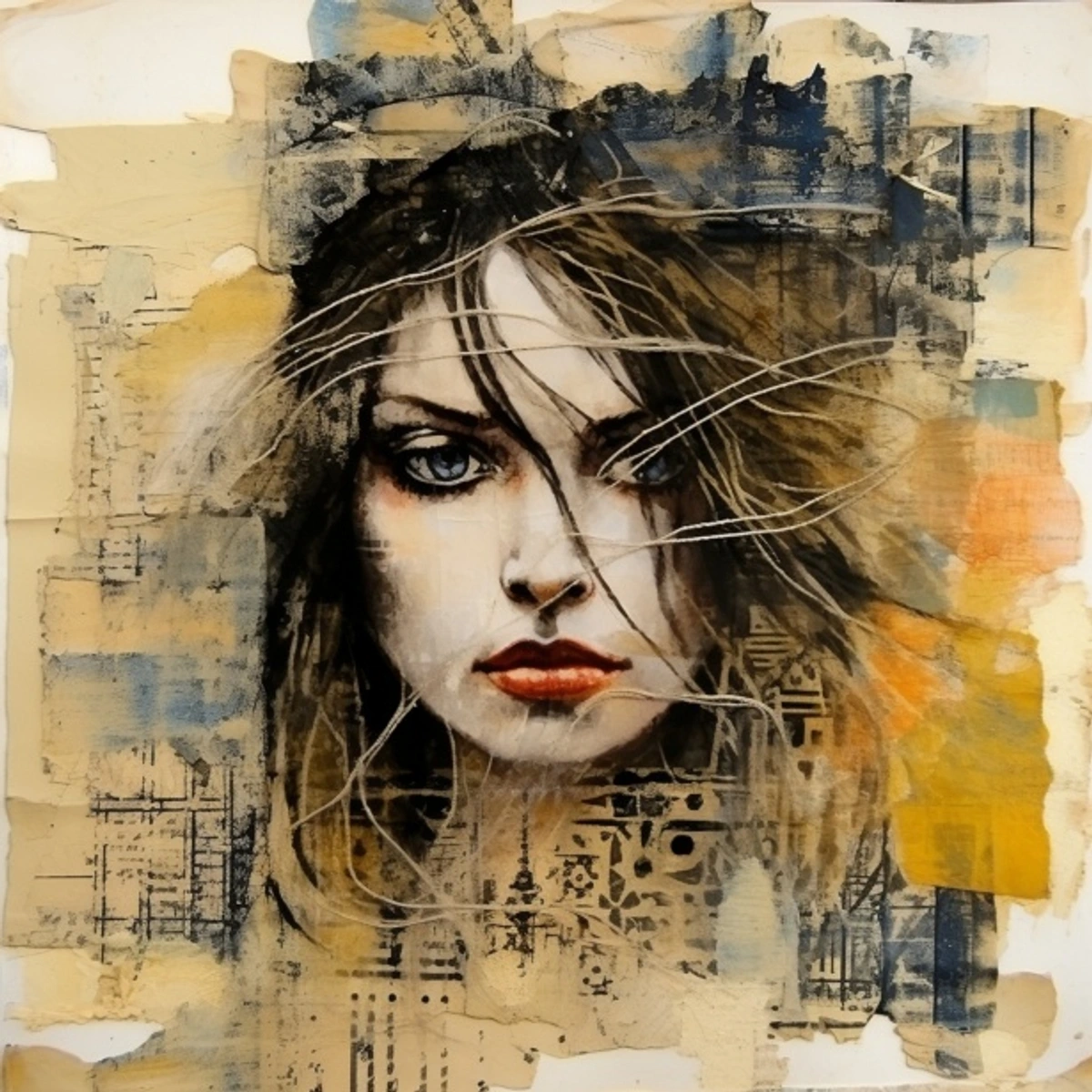
To give you a concrete sense of the company one keeps, just look at a more detailed table of past laureates across different years and categories. This expanded list better showcases the award's global reach and its recognition of diverse artistic visions.
Year  | Laureate | Category | Country / Region | Key Contribution |
|---|---|---|---|---|
| 1989 | Willem de Kooning | Painting | Netherlands / USA | A titan of Abstract Expressionism. |
| 1992 | Anselm Kiefer (first nomination) | Painting | Germany | Monumental, history-laden works exploring post-war identity. |
| 1996 | Dame Zaha Hadid | Architecture | Iraq / UK | Pioneered fluid, neofuturistic forms in architecture. |
| 1999 | Louise Bourgeois | Sculpture | France / USA | Explored themes of memory, trauma, and the human body. |
| 2003 | Robert Rauschenberg | Painting | USA | Bridged Abstract Expressionism and Pop Art with his "Combines". |
| 2008 | Louise Bourgeois | Sculpture | France / USA | Acknowledged as a master of modern psychological sculpture. |
| 2010 | Enrico Castellani | Painting | Italy | Master of pittura monocroma (monochrome painting). |
| 2014 | Christopher Wool | Painting | USA | Influential text-based and stencilled abstract paintings. |
| 2015 | Anselm Kiefer (won) | Painting | Germany | His vast, material-heavy canvases won the prize. |
| 2018 | Cindy Sherman | Painting | USA | Groundbreaking work in photographic self-portraiture and identity. |
| 2021 | Sebastião Salgado | Sculpture / Photography | Brazil / France | Epic documentary photography with sculptural presence. |
| 2023 | Lee Ufan | Painting / Sculpture | South Korea / Japan | A leader of the Japanese Mono-ha school of thought. |

The list reads like a who's who of the most influential creative minds of the last half-century. Seeing these names together, you start to understand the immense weight of the laurels. It's less a list of art world celebrities and more a roster of defining thinkers whose visions have permanently shaped our collective culture.
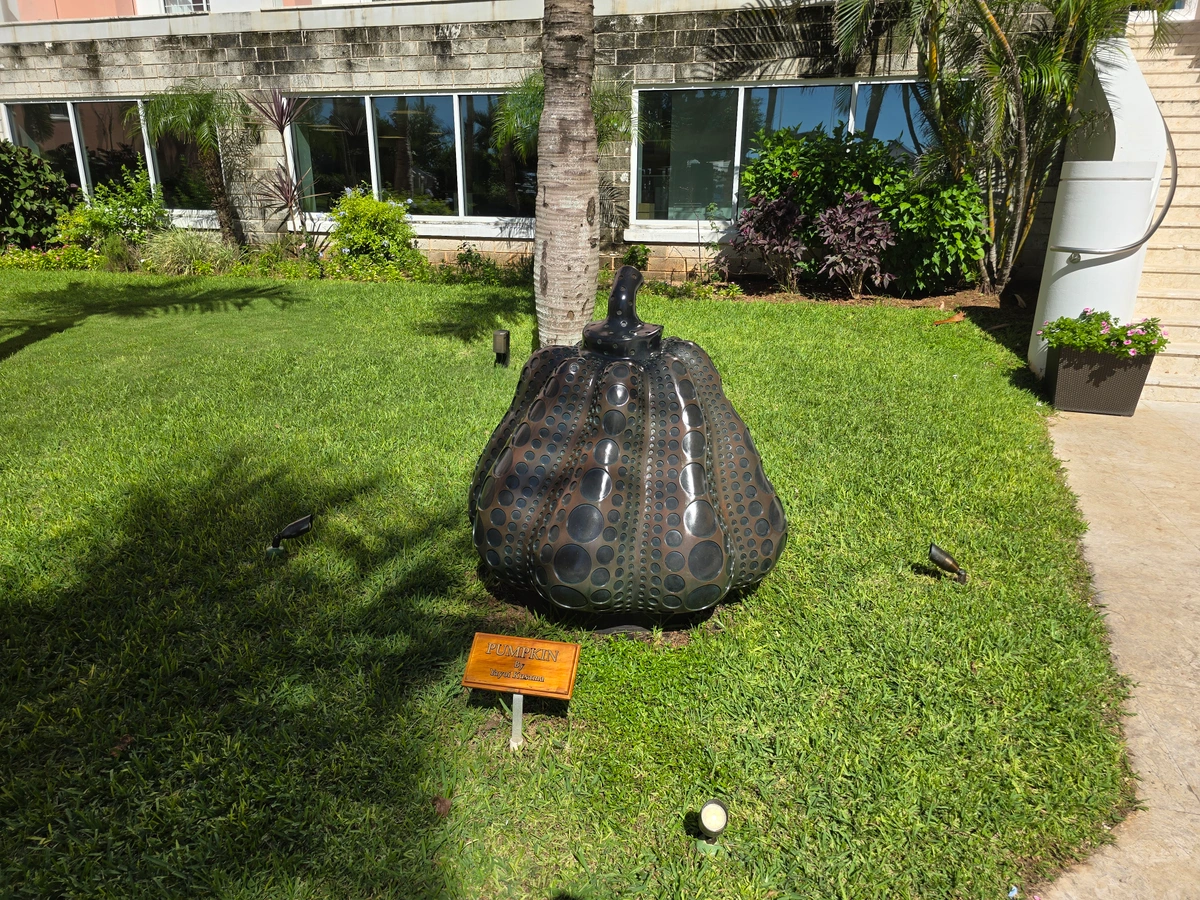
credit, licence
This table is just a taste. The full roster of winners reads like a who's who of the most influential creative minds of the last 50 years. Seeing these names together, you start to understand the weight of the laurels.
The Thinking Artist's Dilemma: A Personal Reflection on Greatness
Here’s where I’ll admit something: while I’m in awe of the award and its laureates, it also leaves me with a strange sort of restlessness. The sheer scale of it—the global acclaim, the imperial blessing, the sense of a career's final, crowning achievement—makes me think about the nature of art itself.
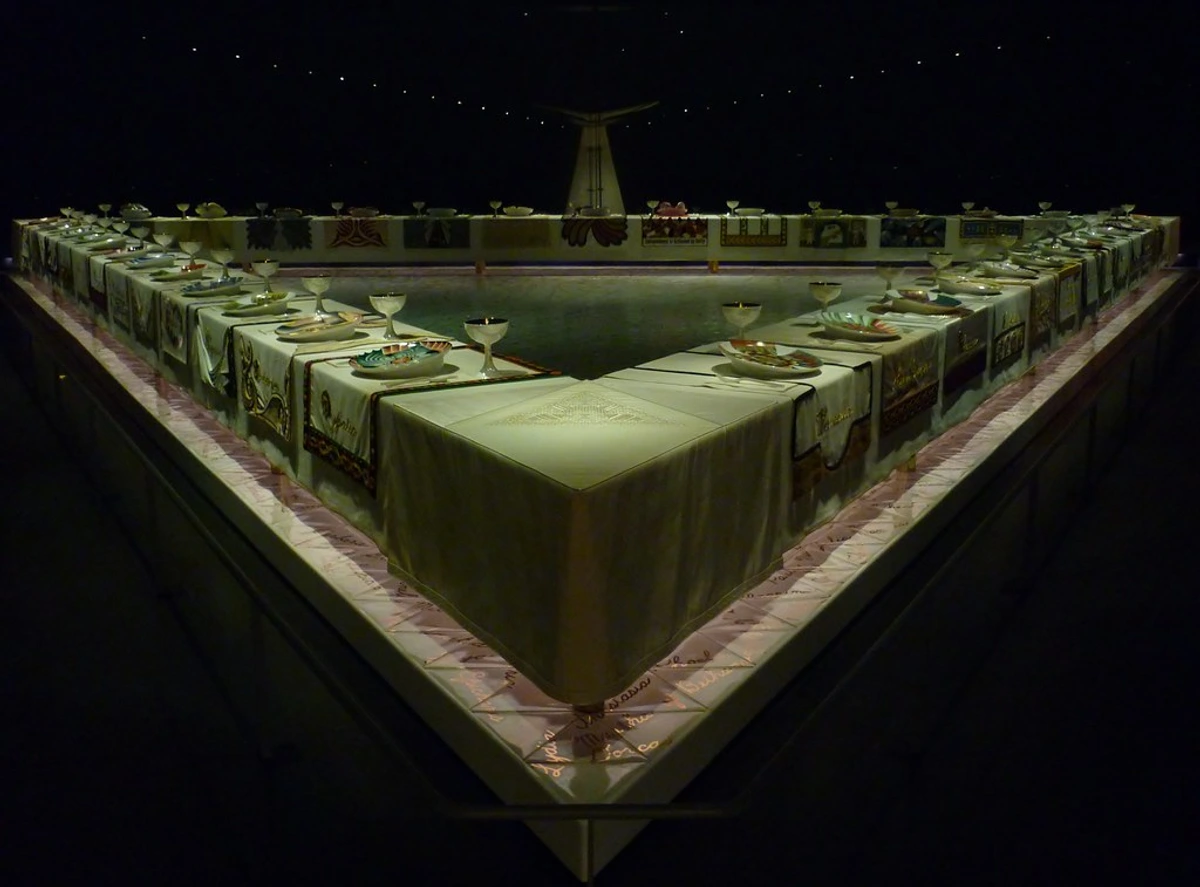
Can you really measure artistic value, let alone compare a sculptor to a musician? The Praemium Imperiale, like all major awards, attempts to do just that. It creates a hierarchy. It says, "These are the masters." But does that inadvertently imply that other, equally passionate artists are not?
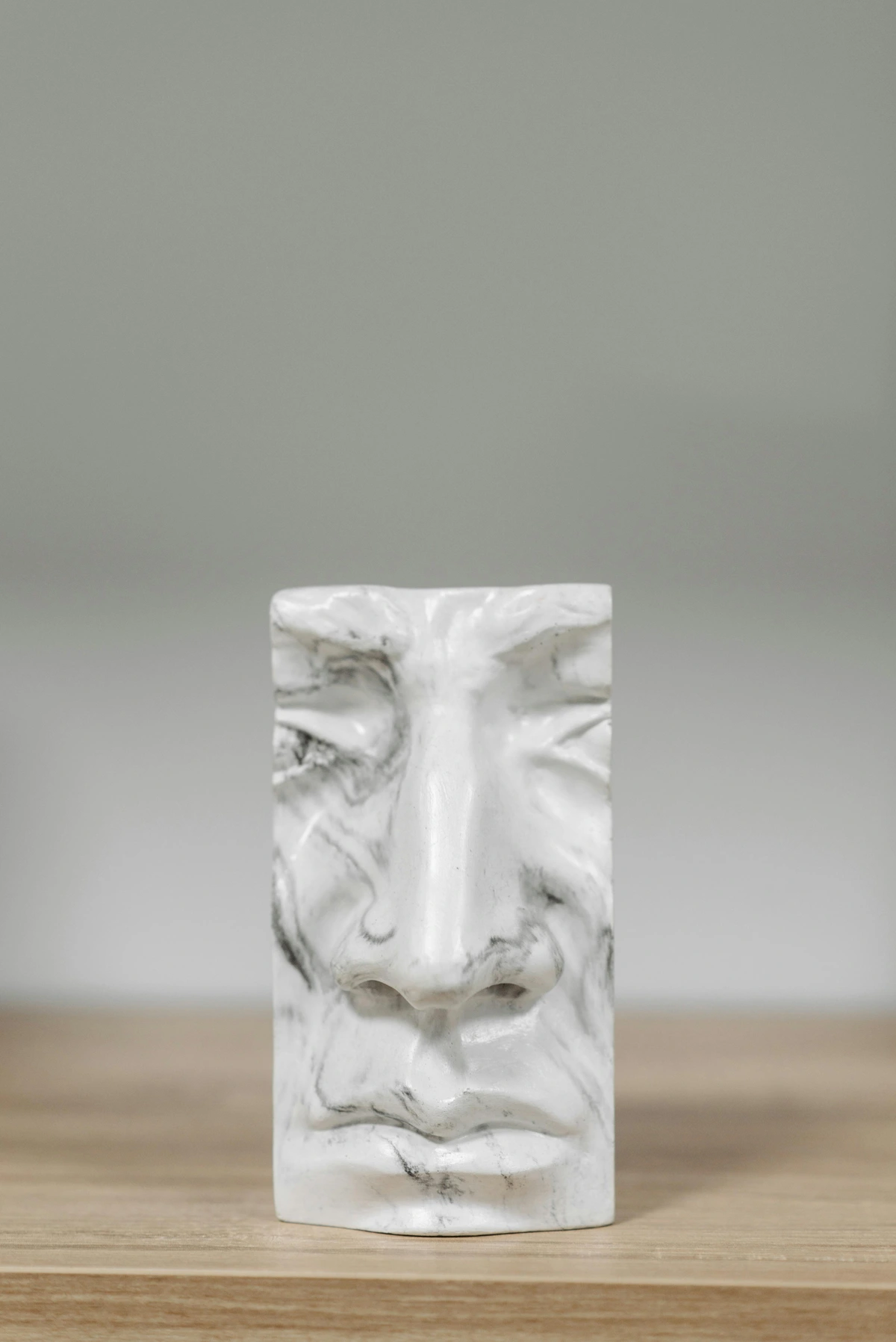
It's a classic question, and I don't have a simple answer. Having spent countless hours in my own studio, I know the feeling of chasing a feeling, a form, a color that satisfies some internal, unnamable need for expression. That pursuit is deeply personal and often messy. The concept of being awarded for it feels both wonderful and entirely alien. It's the conflict between the private struggle of creation and the public coronation of a master.

The award, in its grandeur, forces me to confront this. It celebrates the remarkable minds who have successfully externalized their inner world in a way that resonates with millions. And that is a monumental achievement. But it’s also a reminder that countless other artists are toiling away, creating work that is just as vital, even if it never receives a gold medal. My own work, for instance, explores color and form in a way that is entirely my own. You can see some of these explorations here, on my /timeline, or if something resonates, perhaps it will find a new home through my /buy page.
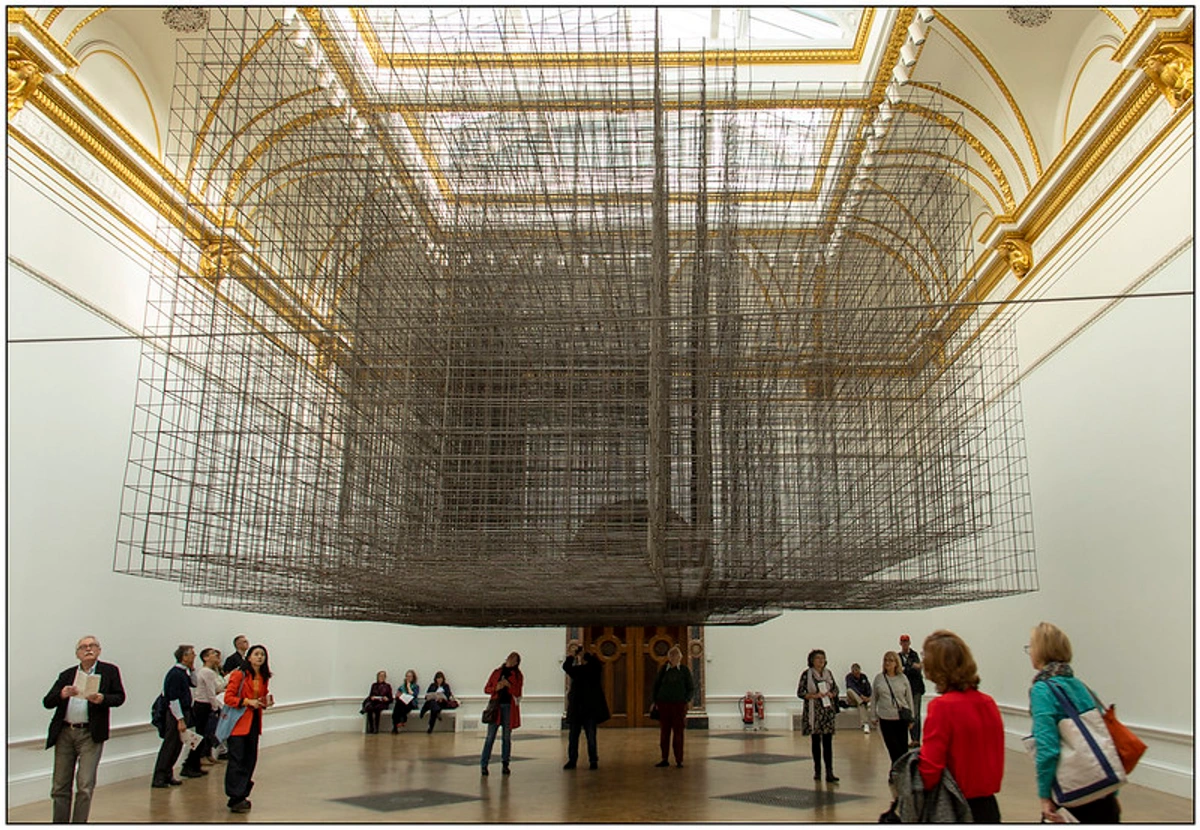
Perhaps the true value of an award like the Praemium Imperiale isn't just in honoring the few who win, but in inspiring the rest of us to keep searching, keep creating, and keep pushing the boundaries of what's possible on our own canvases, whatever they may be.

The award puts a spotlight on the very idea of a lifelong commitment to art. It asks us, as artists and as viewers, what we value in the long run. It's a humbling reminder that while the art market chases trends and auctions make headlines, the true measure of an artist is not their price tag, but the enduring resonance of their work. It validates the artist's perspective, not just a collector's. For me, this is incredibly motivating. It's not about competing for a future award, but about being part of that same global conversation about creativity, a conversation where the highest honors are reserved for those who have managed to translate the most intimate of struggles—the creative process—into a language the world can understand. My own explorations in color and form, which you can glimpse on my /timeline, are my small contribution to that never-ending conversation.
Praemium Imperiale Award - Your Questions Answered (FAQ)
Here are answers to some of the most common questions I get about this fascinating award. These queries aim to clarify its nature, its process, and its place within the broader landscape of global cultural recognition.
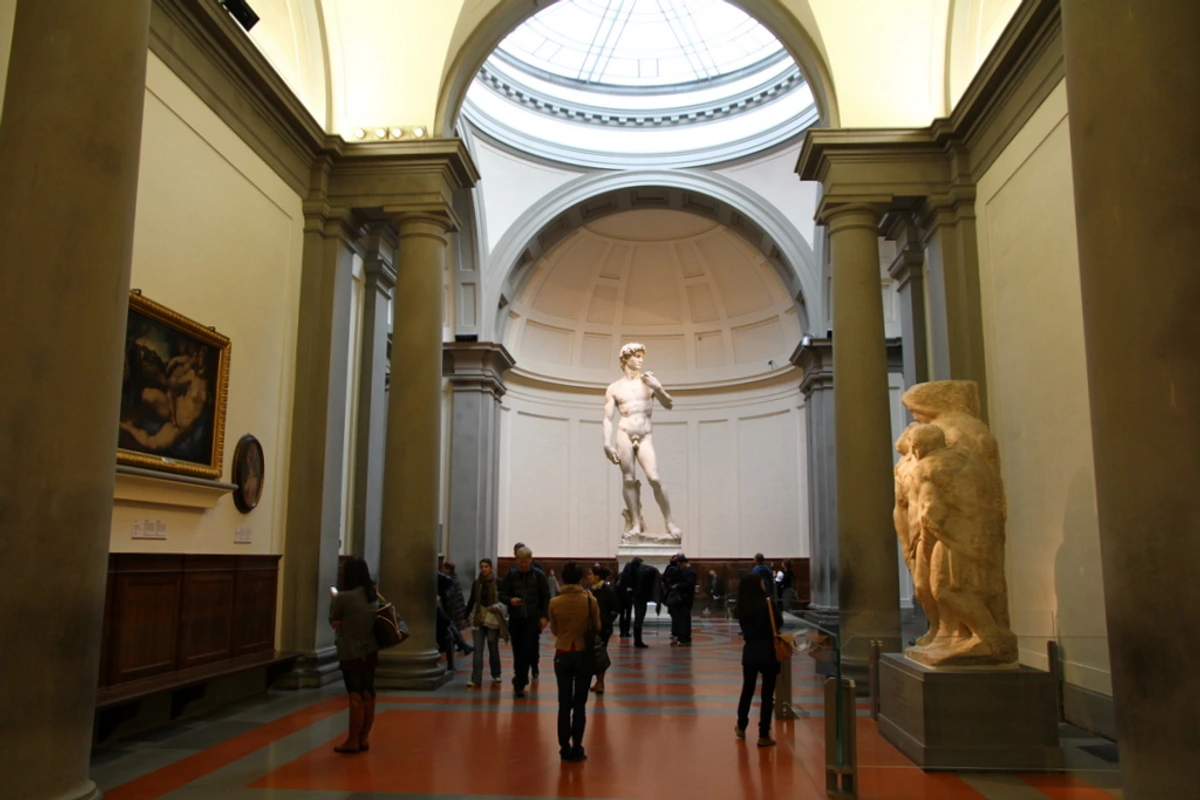
Q: Is the Praemium Imperiale Award like the Nobel Prize for art?
A: The comparison is almost unavoidable, and for good reason. The Praemium Imperiale was deliberately created to fill a gap left by the Nobel Prizes, which, despite their global significance, do not have a dedicated category for the visual and performing arts. The founders of the Praemium Imperiale saw this as a significant omission and sought to create an equivalent honor for artistic achievement.
Both awards share a focus on lifetime contributions rather than a single work. While the Nobel Prize may reward a specific scientific discovery or literary work, the Praemium Imperiale always looks at the arc of an entire career. However, it's more than just a Nobel for art. The Praemium Imperiale has its own unique character, deeply rooted in the Japanese tradition of meticulous craftsmanship and international cultural diplomacy. Its selection process, free from public lobbying and commercial pressures, and its ceremonial ties to the Japanese Imperial Family, give it a distinct sense of gravitas and honor that sets it apart as a unique institution in the global cultural landscape.
Q: Who are some recent and notable recipients?
A: The laureates are announced annually, and each year's list tells a story about the state of the arts. For the absolute most recent winners, a quick search for "Praemium Imperiale [current year]" will provide the latest information directly from the Japan Art Association.
That said, the past decade has seen some truly legendary figures honored. To give you a sense of the caliber of recent winners:
- 2023: The recipients included South Korea's Lee Ufan, a central figure in the Mono-ha (School of Things) movement, who was honored for his profound meditations on space and materiality in both painting and sculpture.
- 2021: Saw the awarding of the Sculpture prize to Brazilian photographer Sebastião Salgado, a landmark decision that recognized the monumental power of his socio-documentary work.
- 2019: The Painting prize was awarded to the phenomenally popular British artist David Hockney, whose career-long exploration of perspective, color, and technology has made him one of the most beloved artists of our time.
- 2018: American artist Cindy Sherman won the Painting prize for her transformative work in photographic self-portraiture, which has questioned and deconstructed notions of identity for decades.
- 2015: German painter Anselm Kiefer was honored for his epic, material-heavy canvases that grapple with the weight of history.
Each laureate is a world unto themselves, and diving into their work is a rewarding journey. The announcement of the new recipients is a major event in the global arts calendar, a moment when the world turns its attention to the enduring power of creativity.

Q: How much is the Praemium Imperiale Award prize money?
A: The cash prize is substantial and has become a defining feature of the award. Each laureate receives 15 million Japanese Yen (JPY). This amount has remained consistent over the years, underscoring the award's status as one of the most generous cultural prizes in the world.
The significance of this amount goes beyond mere numbers. When the award was established, the 15 million yen prize was exceptionally generous, intended to provide the laureates with a level of financial security and freedom comparable to the respect their art commanded. While currency fluctuations mean its precise value in US dollars or Euros changes, its symbolic weight remains constant: it is a powerful, tangible acknowledgment of a lifetime of work, designed to honor the laureate's legacy and provide them with the resources to continue their work without constraints. It's a meaningful financial validation of a creative life, not just a token honorarium.

Q: Who votes for the Praemium Imperiale winners? Is there a public vote?
A: This is a critical point that distinguishes the Praemium Imperiale from many other honors. There is no public vote, and the process is intentionally sheltered from public influence to protect its integrity.
Here's how it works:
- International Advisors: The process begins with a highly respected, confidential group of International Advisors from around the world. These are eminent figures, often former heads of state, cultural ministers, or leaders of major international institutions. They act as scouts, nominating artists from their respective regions and fields of expertise.
- Review and Deliberation: These confidential nominations are passed along to the Japan Art Association.
- Final Decision: A specially designated selection committee within the Japan Art Association—comprised of its chairman, board members, and other distinguished Japanese cultural figures—meets to review the nominees. This committee makes the final decision on the laureates for each of the five categories.
The entire process is nomination-based and confidential. There is no application process, and artists cannot campaign for the award. This structure is the foundation of the award's prestige; it ensures that the decision is based purely on a rigorous assessment of artistic merit, completely insulated from the commercial pressures of the art market or the influence of popular opinion. It's a vote of confidence from a small circle of global peers, and that's what makes it so powerful.
Q: Has any artist ever refused the Praemium Imperiale Award?
A: This is a fascinating question that gets to the heart of the award's special status. To the best of public knowledge, no artist has ever refused the Praemium Imperiale Award.
The very nature of the award makes a refusal highly unlikely.

- It's a Surprise: The most crucial factor is that the entire process is a secret. Laureates have no idea they are even being considered. The first they hear of it is a phone call from Tokyo informing them they've won. (The composer György Ligeti famously thought the call was a prank and almost hung up.) There's no time or mechanism for an artist to mount a public protest or refusal campaign.
- It's an Honor, Not a Statement: The award is perceived as a pure honor, bestowed by an international cultural body, not a political one. Its mission—to celebrate the arts as a universal human good—is so broad and positive that it's difficult to politicize. Other awards, like the Nobel Peace Prize, carry inherent political weight that can sometimes lead to controversy or refusal. The Praemium Imperiale, by contrast, is seen as a laurel for a life's work in the humanities, a recognition that typically transcends political or personal disputes.
- It's Non-Commercial: The award is not tied to specific art market institutions or commercial pressures. It comes from a foundation dedicated to cultural preservation and international goodwill, making it a "clean" and deeply respected honor in the eyes of most artists.
While the art world has seen its share of dramatic award refusals in other contexts, the unique structure and unimpeachable reputation of the Praemium Imperiale have, so far, placed it above such controversy. The honor is so immense, and the process so respectful, that acceptance is the universal response.
Right, that covers the essentials. Thinking about these questions always brings me back to the art itself. For a dose of direct creative inspiration, I love wandering through the masterpieces at the /den-bosch-museum. It's a powerful reminder of the long tradition we’re all a part of.
A Closing Thought: The Thread That Connects Us
So, after all this, what is the Praemium Imperiale Award? It's more than a prize. It's a testament to the enduring importance of the creative spirit in an ever more complex world. It's a statement from a global community that art—in all its messy, beautiful, and transcendent forms—is essential to the human project. It's a celebration of the visionaries who dare to see the world differently and have the skill to show it to the rest of us.
Like a golden thread running through the tapestry of contemporary culture, the Praemium Imperiale connects disparate fields and geographies. It links the shimmering architecture of Frank Gehry to the haunting melodies of György Ligeti. It finds a common language between the visceral sculpture of Louise Bourgeois and the cinematic universe of Akira Kurosawa. By honoring these diverse paths, the award reinforces a profound truth: creativity is a single, universal human force, even if it speaks in countless tongues.
The award reminds us that true art is rarely a solo act. It's a conversation across time and space. The laureates it honors are the ones who have spoken most clearly and profoundly in this ongoing dialogue, who have contributed something so vital that it becomes part of our shared cultural DNA. Learning about this award doesn't make the world of art feel smaller or more exclusive; rather, it makes it feel larger, more connected, and infinitely more awe-inspiring.


















It's a reminder of a vast, global conversation about creativity, a conversation that stretches across cultures, languages, and disciplines. It connects an abstract painter in a studio to a sculptor in Rome, a starchitect in Chicago, and a composer in Iceland. They are all striving for the same thing: to turn the raw material of human experience into something profound and enduring. And that, in the end, is what makes art so magical.
As an artist, learning about this award doesn't make me feel smaller by comparison. Instead, it makes the entire art world feel larger and more connected. It’s a reminder of a vast, global conversation about creativity, a conversation that stretches across cultures, languages, and disciplines. It connects an abstract painter in a studio to a sculptor in Rome, a starchitect in Chicago, and a composer in Iceland. They are all striving for the same thing: to turn the raw material of human experience into something profound and enduring. And that, in the end, is what makes art so magical.