
Themes in Louise Bourgeois's Work: Spiders Cells and the Unconscious
Explore how Louise Bourgeois used spiders, cells, and body imagery to process trauma, memory, and femininity. A personal deep dive into her haunting yet healing art.

The Haunting Beauty of Louise Bourgeois: Themes That Transformed Pain into Art
Remember that one visceral reaction you get when you see something that feels deeply personal, even if you can't explain why? That’s how Louise Bourgeois’s art hit me the first time. It wasn’t just looking at objects—it was like peering into locked rooms of my own psyche. Bourgeois didn’t just make art; she excavated it. Every twisted fabric, every fractured figure, every spider woven from steel felt like she’d taken fragments of memory, trauma, and being human and remade them into something tangible. Today, let’s walk through those themes together. Don’t worry, it’s less academic lecture and more a wander through her labyrinthine mind. Because trust me, once you see the threads connecting spiders and cells to her own experiences, you’ll never look at a spiderweb the same way again.

Bourgeois's Early Life: The Roots of Creativity
To understand Bourgeois's art, you have to understand her childhood. Born in Paris in 1911, Bourgeois grew up in a tapestry restoration workshop run by her parents. This environment gave her a unique perspective on art and craftsmanship from an early age.
Family Dynamics and Psychological Formation
Bourgeois's family was a complex web of relationships that would later inform her artistic preoccupations with themes of betrayal, abandonment, and maternal protection. Her relationship with her parents was deeply ambivalent, reflecting the tensions that would become central to her work. While her mother provided emotional warmth through her craft, her father represented intellectual distance and emotional unavailability. This duality created what Bourgeois would later describe as a "pattern of betrayal" that haunted her throughout her life.
The family's economic situation was precarious, which added another layer of stress to Bourgeois's childhood. Her father's long-term affair with her English tutor wasn't just emotional betrayal—it was also a financial betrayal, as the affair required additional household expenses that strained the family's resources. This economic anxiety would later manifest in Bourgeois's work through themes of security, vulnerability, and the fragility of human relationships.
Her mother, Joséphine, was a master restorer who could repair damaged tapestries with such skill that the damage became invisible. This work of mending broken threads, of making whole what was once torn, would become a central metaphor in Bourgeois's art. She once said, "My mother was a mender of things. She could mend anything." This maternal skill of repair and restoration would later transform into her artistic practice of "repairing" broken memories and emotions.
The tapestry workshop itself was a world of secrets and hidden narratives. Each damaged tapestry carried with it a story of destruction—whether from fire, water, or wear—and Bourgeois learned to read these stories in the threads and stains. She would later say that the workshop taught her that "damage is always visible" and that true artistry lies in acknowledging the wound rather than pretending it never happened. This philosophy would become foundational to her approach to art and life.
Her father, Louis, was a rationalist who taught mathematics and philosophy. He maintained a long-term affair with Bourgeois's English tutor, a fact that deeply affected the young girl. This duality in her parents—her mother's emotional, hands-on work and her father's intellectual, detached approach—created a tension that would echo throughout her artistic career.
Bourgeois also experienced the trauma of losing her younger brother at a young age. This loss, combined with the emotional distance of her father, created what she called a "pattern of abandonment" that would become a recurring theme in her work. The family dynamics—the nurturing mother, the absent father, the lost sibling—formed the psychological landscape from which her art would emerge.
This early trauma was compounded by her mother's subsequent death when Bourgeois was only 21. The loss of both her brother and mother created what she described as an "irreplaceable absence" that haunted her throughout her life. These losses weren't just personal tragedies—they were the raw materials from which she would build her artistic universe. She once remarked that her art was "born of necessity," a way to process and contain the overwhelming emotions of her childhood and young adulthood.
The Tapestry Workshop: A First Studio
Growing up in the tapestry workshop meant that Bourgeois was surrounded by art from birth. She learned to draw by copying patterns and designs, and she developed an eye for color and composition that would inform her later work. But more importantly, she absorbed the idea that art could be functional—could serve a purpose beyond beauty.
The workshop was also Bourgeois's first studio space. She recalls spending hours as a child "under the tables" watching the weavers work, observing how threads could be transformed into complex patterns and images. This early exposure to the process of creation—how raw materials become finished works—would influence her later approach to sculpture, where she often worked with found objects and everyday materials.
Bourgeois also developed an early understanding of the relationship between artist and patron. The tapestries they restored were often commissioned by wealthy clients, and she witnessed firsthand how art served both aesthetic and social functions. This awareness of art's role in society would later inform her decision to create public sculptures and installations that engaged with broader social issues.
The workshop was also a place of secrets. Hidden within the tapestries being restored were stories of damage, loss, and repair. Each damaged tapestry had a history, and Bourgeois learned to read these histories in the threads and stains. This ability to find meaning in damage would become central to her artistic vision.
Bourgeois later said that she learned three crucial lessons from the tapestry workshop:
- The importance of repair: That broken things can be made whole again
- The value of patience: That good work takes time and care
- The power of transformation: That damaged materials can be repurposed into something new
These lessons would become the philosophical foundation of her art.
Additionally, the workshop taught Bourgeois about the nature of time and process. Tapestry restoration is inherently slow work—threads must be matched carefully, patterns must be recreated precisely, and damaged areas must be integrated seamlessly with the original work. This understanding of time as a medium rather than just a constraint would influence her later approach to art, where she often worked on pieces for years, allowing them to develop organically over time.
The workshop also gave Bourgeois an early appreciation for materials and their inherent properties. She learned how different fibers responded to different techniques, how colors changed with light, and how texture could convey meaning. This material sensitivity would become a hallmark of her work, from the soft fabrics of her early sculptures to the hard steel of her later monumental pieces.
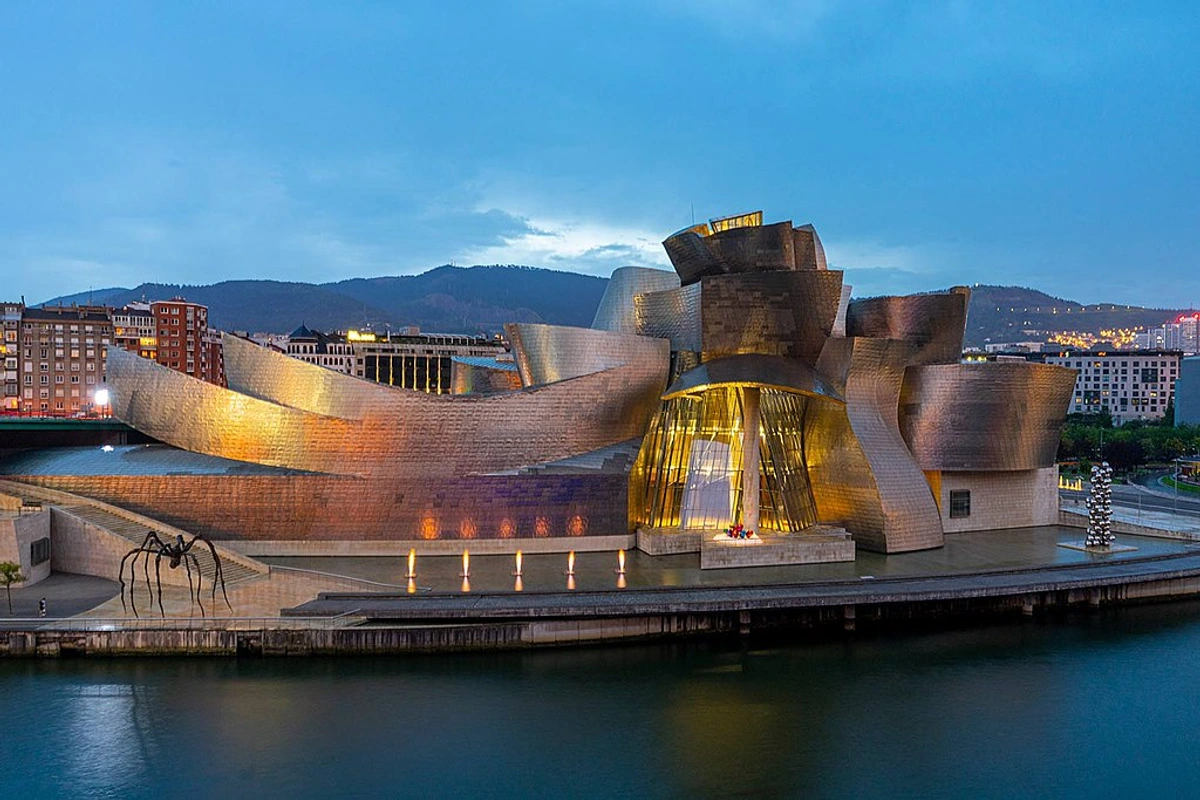
The Spider: Maternal Protector, Not Just a Monster
Let’s be real: spiders terrify most people. They embody the creepy crawly, the unknown. But Bourgeois? She turned her arachnid obsession into a monument to the feminine experience.
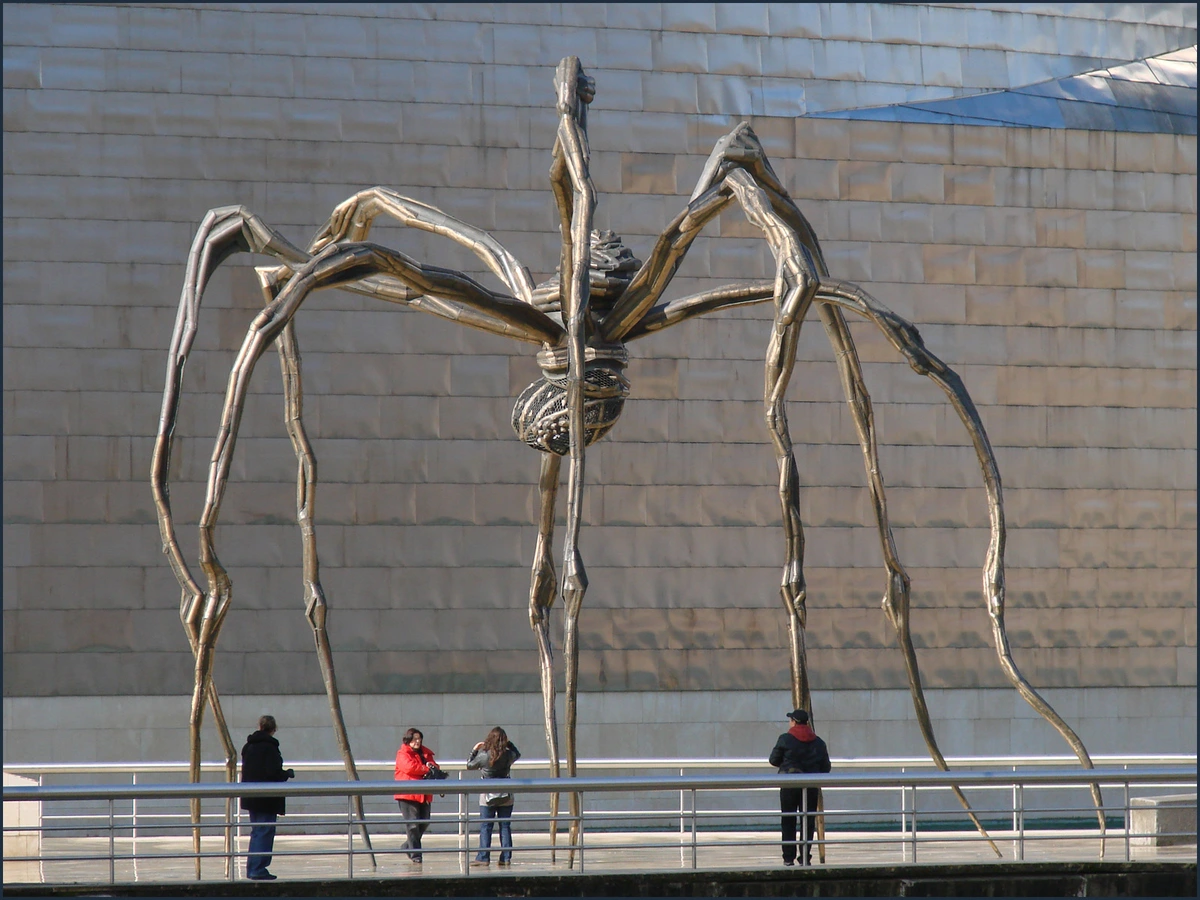
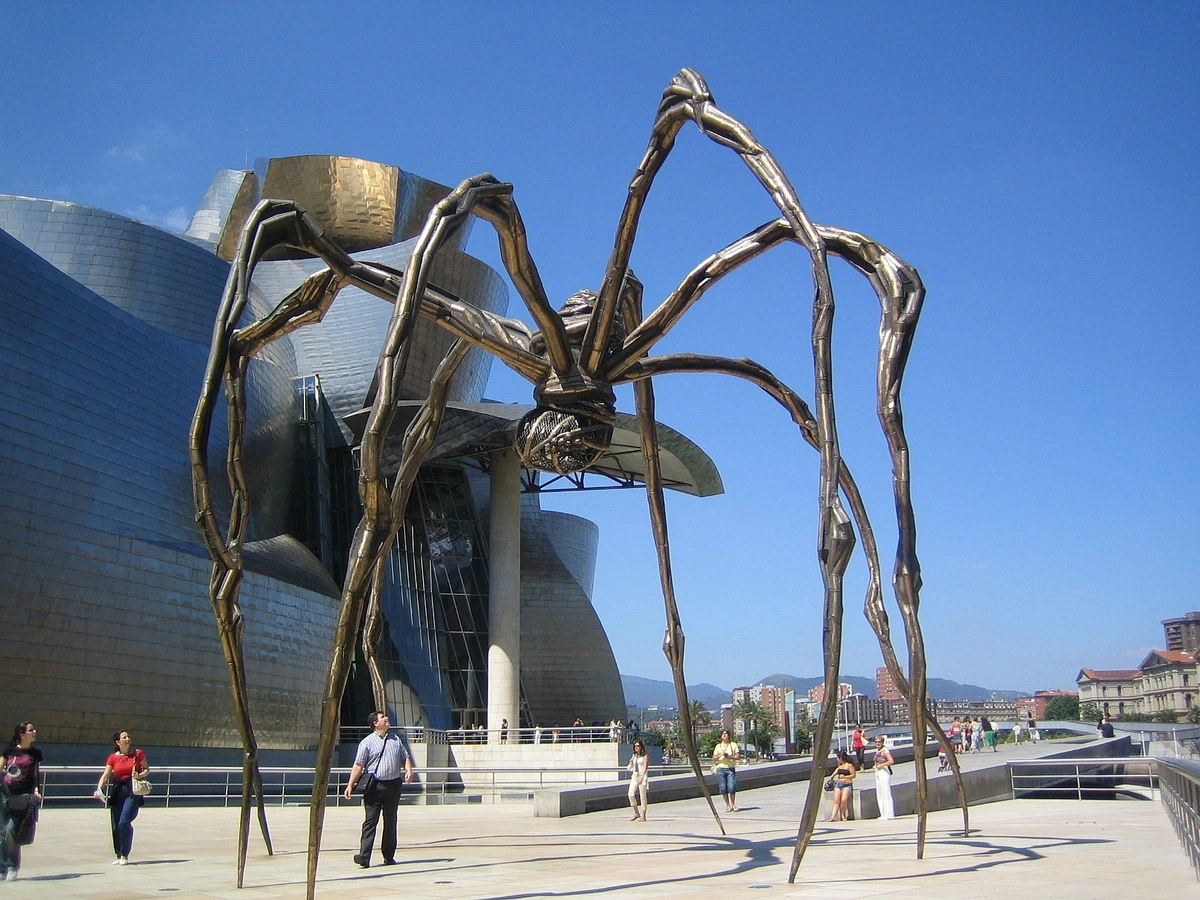
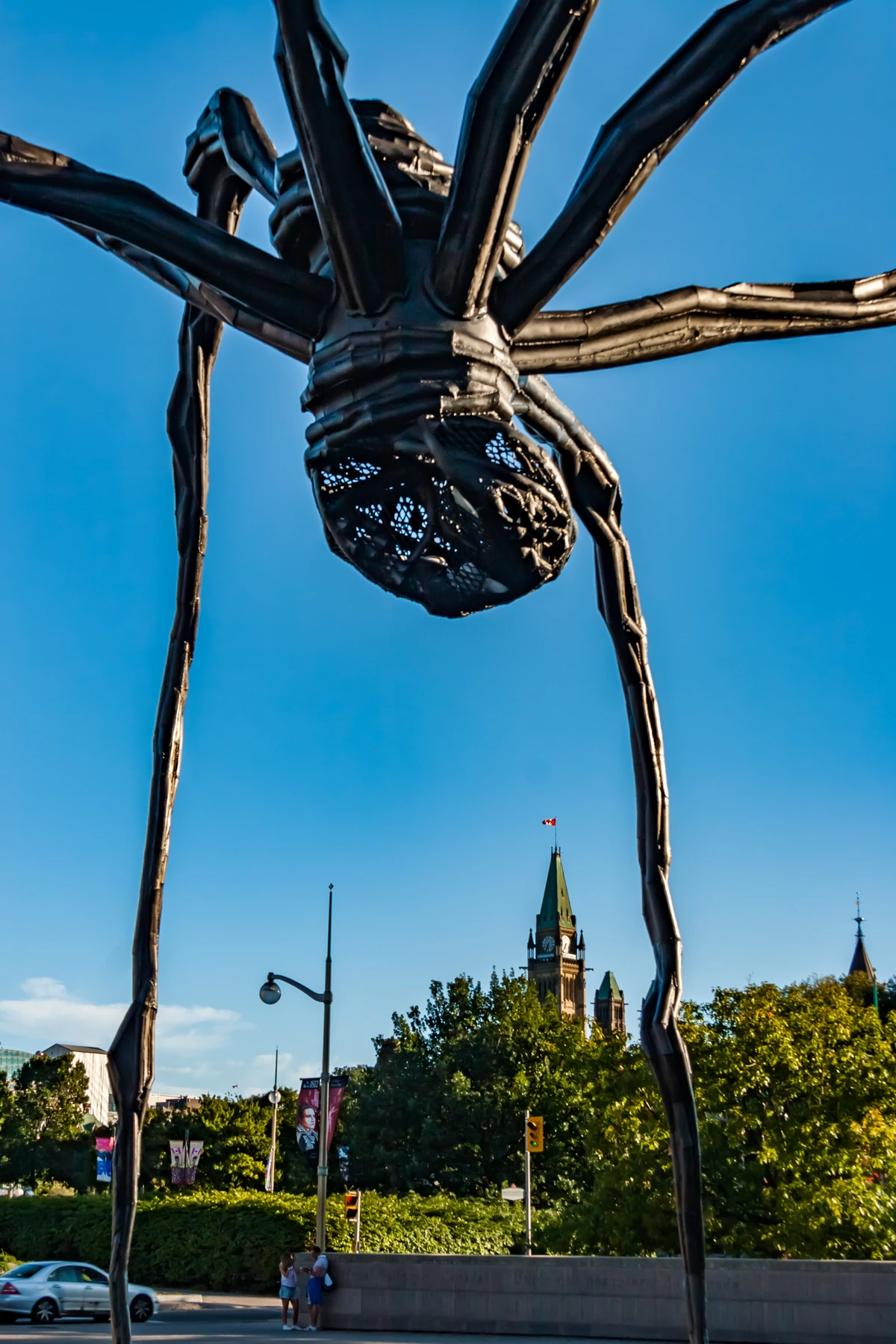
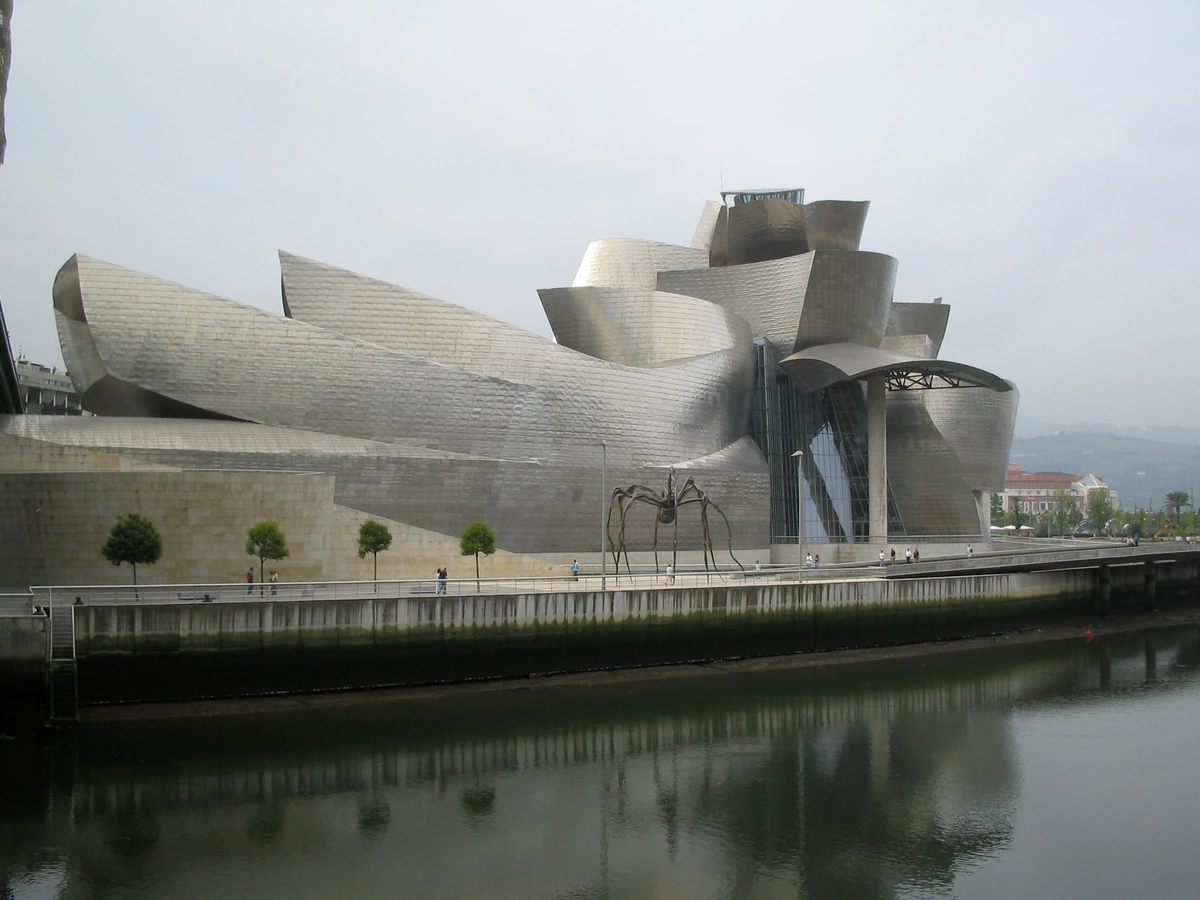
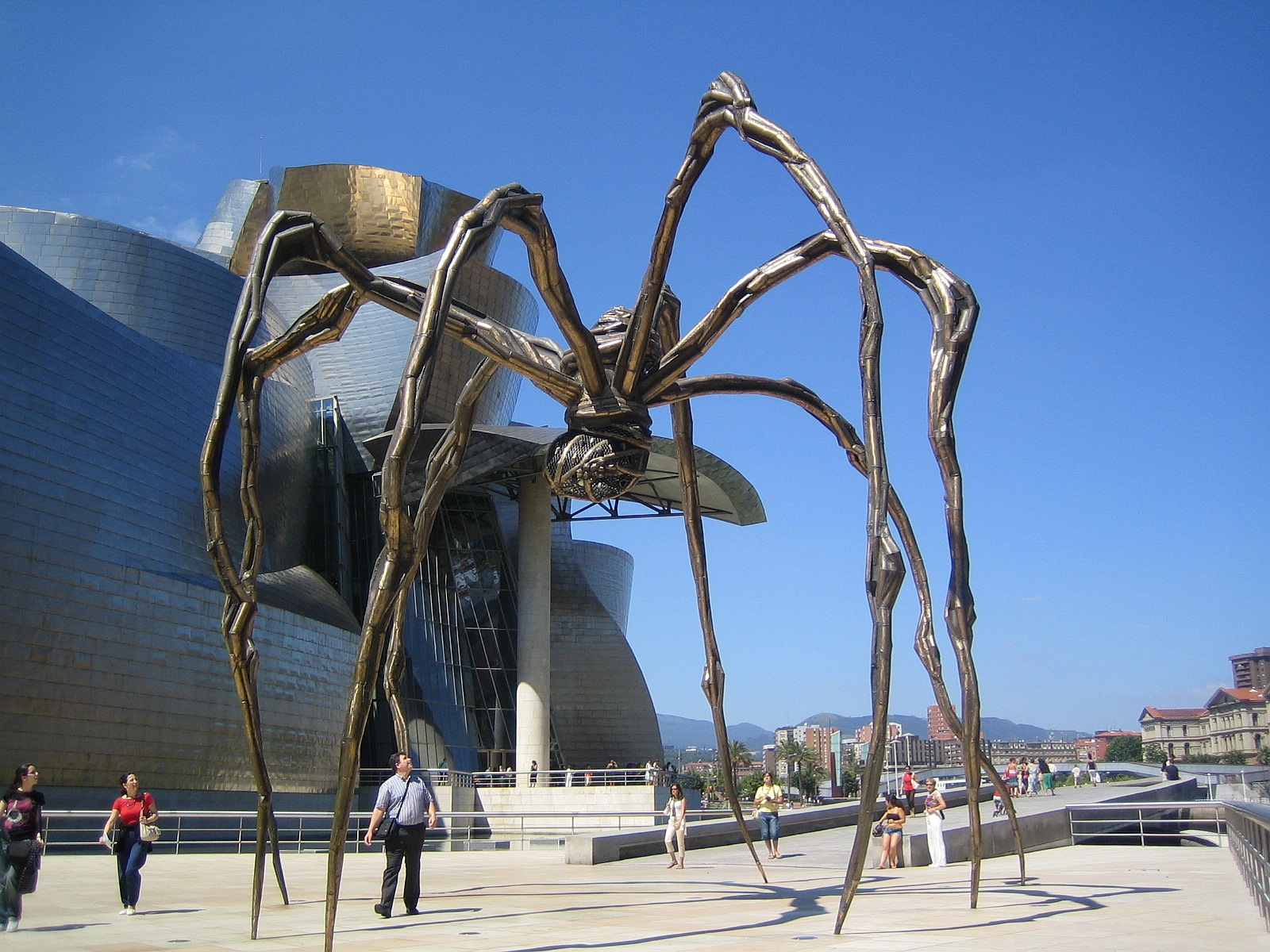
I remember standing in front of her giant spider sculptures—Maman, especially—and feeling this weird mix of fear and awe. My first reaction was "whoa, that’s huge and scary!" But then I thought: What if I saw it differently? What if those impossibly long legs weren’t menacing but... protective? That’s the Bourgeois twist. She drew from childhood memories of her mother repairing tapestries, where her mother’s hands were like spiders—delicate, intricate, weaving together broken threads. For Bourgeois, the spider became a symbol of the mother: nurturing, creating, healing. At the same time, it represents the anxiety of entanglement—the sticky trap of family dynamics. It’s a duality, isn’t it? How caregiving can feel both like salvation and a cage.
Why Spiders Struck a Chord
- Fabric and Memory: Bourgeois grew up in a tapestry-restoration family, so her hands were literally trained to weave and mend. The spider’s web is a cosmic echo of her mother’s craft.
- Feminine Power: Spiders are hunters but also creators. Bourgeois reimagined them as figures of strength and intelligence, rejecting the "damsel in distress" trope.
- Control and Vulnerability: Imagine constructing something as massive as a spider—it’s architectural genius. Yet, a spider’s web is fragile. It’s a perfect metaphor for how we build defenses while still being exposed.

Bourgeois's Education: From Mathematics to Art
Bourgeois's educational path was unusual for a woman of her time. Initially, she studied mathematics at the Sorbonne, a field typically dominated by men. This early training in logical thinking and abstract reasoning would later influence her approach to sculpture. She described mathematics as "a way of thinking about relationships and structures"—concepts that would be central to her three-dimensional work.
The Mathematical Mindset
Bourgeois's mathematical background gave her a unique perspective on art that set her apart from her contemporaries. While many artists relied on intuition and emotion, Bourgeois brought a structured, analytical approach to her creative process. She often spoke of the "geometry of emotion"—how feelings could be expressed through spatial relationships, proportions, and structural logic.
This mathematical precision is evident in her later work, particularly in the Cells, where objects are arranged with almost architectural precision. The deliberate placement of each element—whether a piece of fabric, a bone, or a mirror—creates a complex visual and psychological rhythm that reflects both emotional chaos and intellectual order.
However, she soon realized that mathematics didn't satisfy her creative needs. In 1932, she enrolled at several art schools, studying under artists like Fernand Léger and André Lhote. This formal training gave her technical skills, but Bourgeois was never comfortable with rigid academic rules. She later said that art school taught her what not to do.
Artistic Influences and Development
During her art school years, Bourgeois was exposed to various artistic movements, but she remained resistant to categorization. While her classmates embraced Surrealism, Cubism, and other avant-garde styles, Bourgeois developed her own unique approach that blended technical skill with psychological depth.
She was particularly drawn to the work of Giacometti and Brancusi, whose sculptures explored the human form in innovative ways. However, unlike these artists, Bourgeois was more interested in the psychological implications of form rather than its purely aesthetic qualities. She later said that while other artists were "making objects beautiful," she was "trying to make sense of life."
Her real education happened outside the classroom. She spent countless hours studying at the Louvre, copying works from different periods and cultures. This self-directed study gave her a broad historical perspective that many of her contemporents lacked. She was particularly drawn to medieval art, African sculpture, and ancient artifacts—forms that weren't bound by classical Western traditions.
The Importance of Self-Education
Bourgeois's self-directed education was crucial to her development as an artist. By studying works from diverse cultures and time periods, she developed an understanding of art that transcended contemporary trends and movements. This broad historical knowledge allowed her to draw on a rich visual vocabulary while maintaining her own unique voice.
She was particularly fascinated by the emotional power of non-Western art, seeing in African masks and medieval sculptures a directness and intensity that was missing from much of contemporary European art. These influences would later surface in her own work, particularly in her use of simplified forms and expressive distortion.
The Move to New York
In 1938, Bourgeois married American art historian Robert Goldwater and moved to New York City. This move would prove pivotal for her career. New York was the center of the contemporary art world, and Bourgeois quickly became part of the circle of artists that included Jackson Pollock, Willem de Kooning, and Mark Rothko.
Navigating the New York Art Scene
Bourgeois's arrival in New York coincided with the emergence of Abstract Expressionism, the movement that would dominate American art for decades. However, unlike many of her contemporaries who embraced this new approach, Bourgeois maintained her independence. While Pollock and de Kooning were creating large-scale abstract paintings, Bourgeois continued to work with figurative elements and personal themes.
This isolation was partly by choice—Bourgeois was more interested in exploring her own psyche than in following artistic trends—and partly necessity: as a woman and a foreigner, she was often excluded from the inner circles of the male-dominated art world. Despite these challenges, Bourgeois built a successful career, showing regularly in New York galleries and gradually gaining recognition for her unique vision.
However, unlike many of her contemporaries who embraced Abstract Expressionism, Bourgeois maintained her independence. She worked in relative isolation, developing her own unique style. This isolation was partly by choice—Bourgeois was more interested in exploring her own psyche than in following artistic trends—and partly necessity: as a woman and a foreigner, she was often excluded from the inner circles of the male-dominated art world.
Artistic Independence in a Male-Dominated World
Bourgeois's decision to maintain her artistic independence in the face of overwhelming pressure to conform to Abstract Expressionism was both courageous and strategic. While her male peers were getting major exhibitions and critical acclaim, Bourgeois continued to work quietly, developing her own visual language.
This isolation allowed her to develop a style that was uniquely personal and psychologically complex. While Abstract Expressionism focused on universal themes of existential anxiety and the sublime, Bourgeois's work explored more intimate, personal territory—family relationships, childhood trauma, and the complexities of gender identity. This focus on the personal would later become increasingly important in contemporary art, but Bourgeois was doing it decades before it became fashionable.
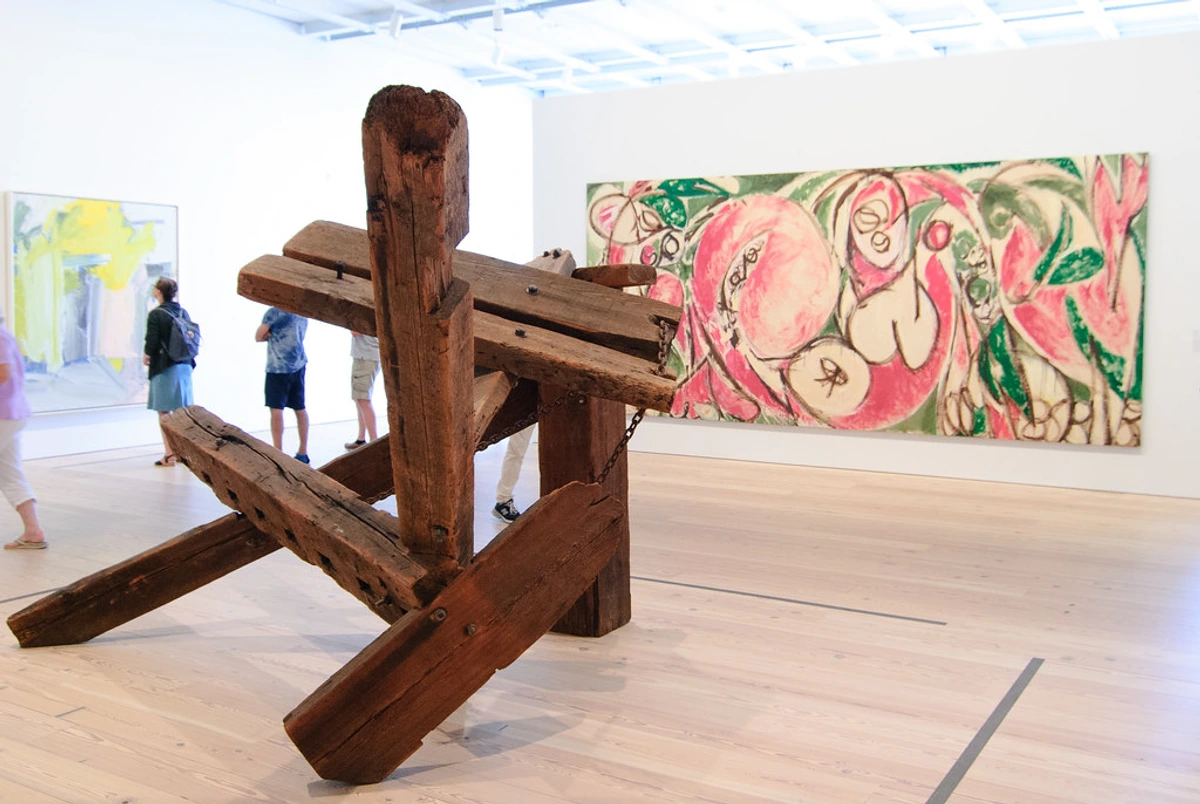
The 1940s and 1950s were a period of experimentation for Bourgeois. She worked primarily in wood and stone, creating abstract sculptures that were influenced by Surrealism but distinctly her own. These early works established her reputation as a serious artist, even if they didn't bring her the widespread recognition she would later achieve.
Early Sculptural Techniques
During this period, Bourgeois developed her signature techniques of carving and assembling that would define her work for decades. She was particularly skilled at working with wood, able to transform blocks of maple or oak into forms that suggested both human figures and abstract shapes.
Her use of materials was always intentional. She chose wood for its organic qualities, its ability to convey both strength and vulnerability. Stone, by contrast, represented permanence and authority. These material choices reflected her ongoing exploration of themes like protection, vulnerability, and the relationship between the natural and the artificial.
Bourgeois also began experimenting with different scales during this period. While many of her contemporaries were creating large-scale works for public spaces, Bourgeois focused on intimate, human-scale sculptures that invited close inspection and personal engagement.
The Cells: Miniature Universes of Pain and Revelation
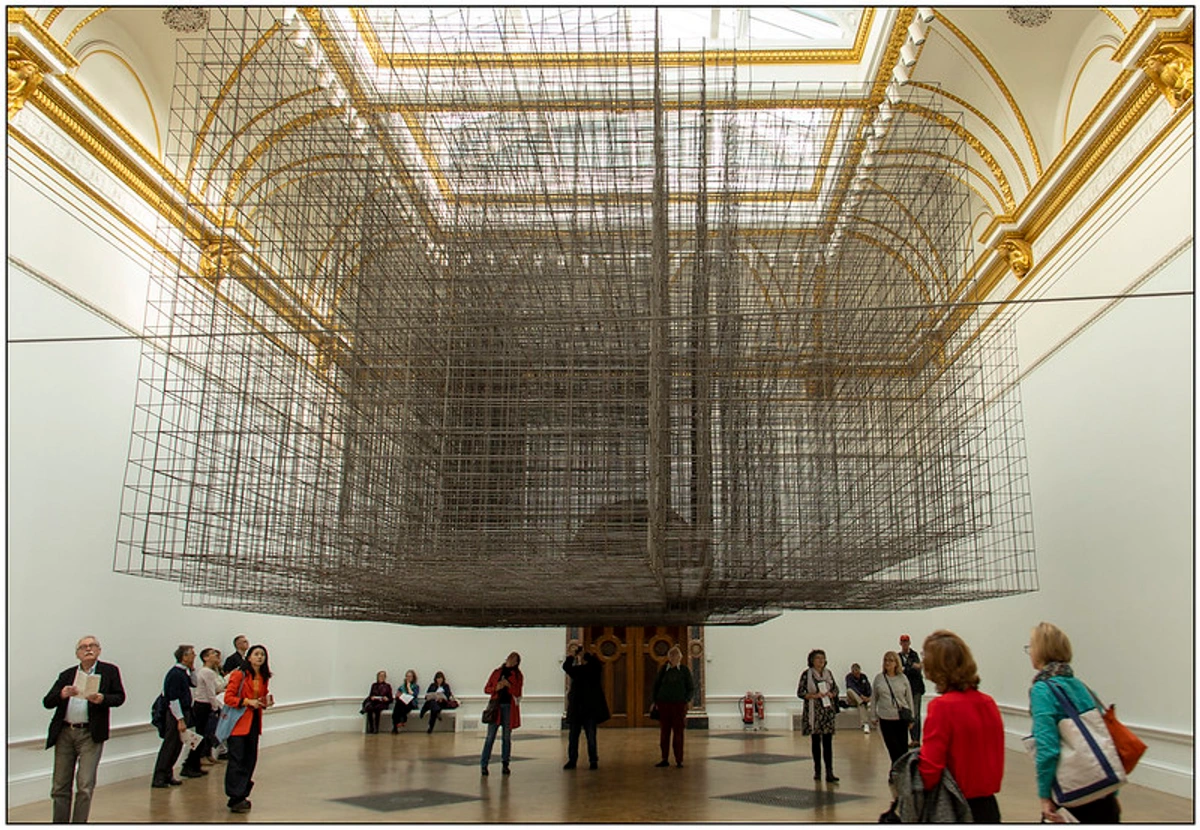
If the spiders are Bourgeois’s public voice, the cells are her diary. These room-sized installations from the 1990s are like psychological vitrines—glass boxes crammed with objects found or made: clothing, bones, wire, mirrors. Stepping into one feels intensely intimate, even voyeuristic. I always imagine Bourgeois herself, alone in her studio, curating these tiny universes where she could contain the uncontrollable—memories, grief, rage.
What’s Inside the Cells?
Every cell tells a story. Let’s break it down:

Common Cell Elements  | Potential Meaning | Personal Resonance |
|---|---|---|
| Distorted clothing | Body anxiety, gender roles | How we wear identities like armor |
| Mirrors | Self-reflection, fragmentation | The gap between who we are and who we think we are |
| Needles and pins | Pain, surgical precision | The sting of betrayal, medical trauma |
| Organic matter (bones, wood) | Mortality, raw experience | Accepting decay as part of life |
Look, my own "cells" exist—cramped mental spaces where I replay mistakes or losses. Bourgeois turned hers into art. The cells feel less like prisons and more like altars where she honored her pain. There’s a weird liberation in that. By displaying her inner chaos in glass boxes, she made it manageable, even beautiful. It’s a lesson: sometimes, naming and containing our demons is the first step to peace.
Body & Trauma: Sculpting the Self
Bourgeois didn’t just use the body as subject—she weaponized it. Her series The Destruction of the Father (1974) is legendary. Imagine a scene: a dinner table, life-sized figures made in her own likeness, the "father" figure in pieces. It’s a raw, visceral depiction of family power dynamics. No subtlety here. Bourgeois was using sculpture as therapy, working through childhood trauma by literally dismembering the psychological patriarchy.
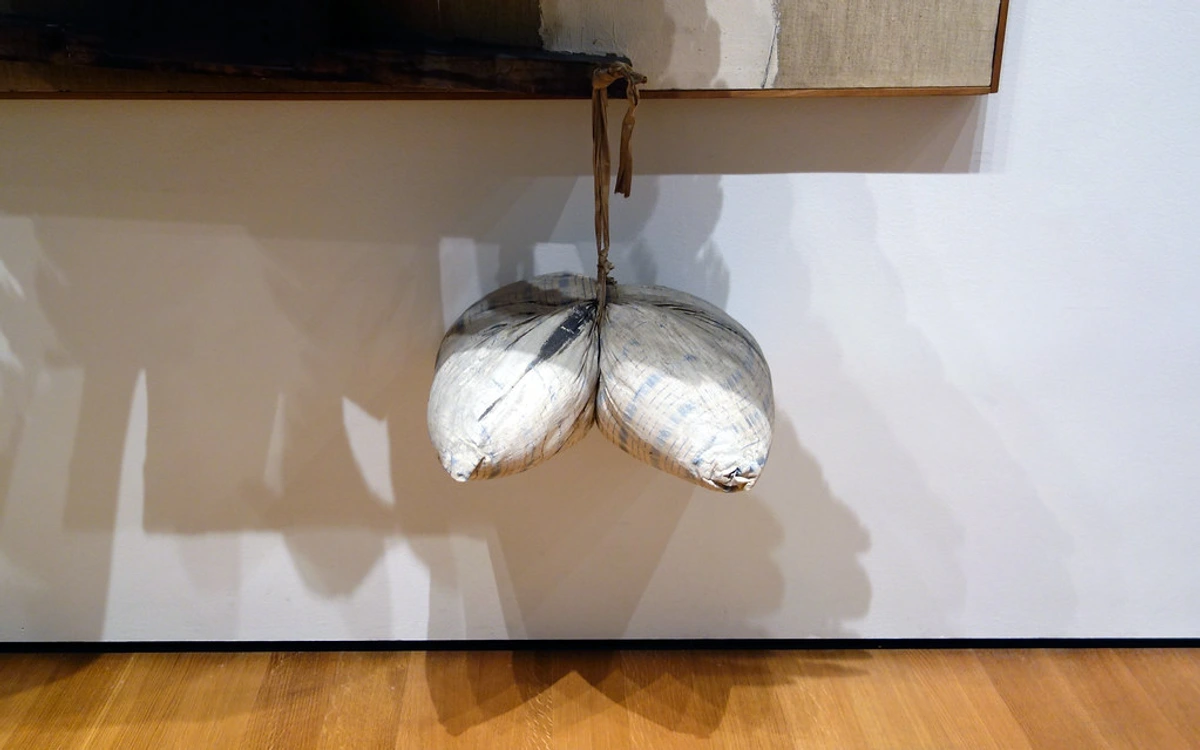
More intimate are her Fillette (1968) sculptures—phallic forms wrapped in fabric. The word "fillette" means "little girl" in French. There’s a tension here: soft cloth vs. rigid forms, innocence vs. sexuality. These works explore body image, sexuality, and female identity through a lens of vulnerability and rage. I can’t read them without thinking about how we’re taught to hide our aggression, our desires. Bourgeois just… sculpted hers.
Why This Feels Radical
Bourgeois lived from 1911–2010. In early 20th-century France, women artists were rare. She turned personal experience into universal language. Her fractured bodies, her obsessive themes—they weren’t "women’s art." They were human art. And that’s why they still resonate: because trauma, memory, and the struggle to define oneself aren’t gendered. They’re just... human.

FAQ: Your Burning Questions About Bourgeois Answered
Q: Was Louise Bourgeois only a feminist artist?
Not exactly! While her work centers women’s experiences, she explored complex themes like alienation, existential dread, and the fragility of relationships. She was more interested in human psychology than labels.
Q: Why are spiders her most famous motif?
Spiders became her signature because they encapsulate so much: creation vs. destruction, strength vs. fragility, and her own relationship with her mother. They’re accessible yet profound—anyone can relate to a spider’s duality.
Q: Are her autobiographical themes hard to understand if I don’t know her life story?
Not at all! Bourgeois was a master of making the personal universal. You don’t need biographical details to feel the sorrow in a cell installation or the tension in a fabric sculpture. The emotions speak for themselves.
Q: How did Bourgeois’s style evolve over time?
Early on (1940s–60s), she made abstract sculptures inspired by Surrealism. By the 70s and 80s, her work became more visceral and personal—the Cells, Destruction of the Father. Later, she used found objects, fabric, and immersive installations. Her rawness deepened with age.
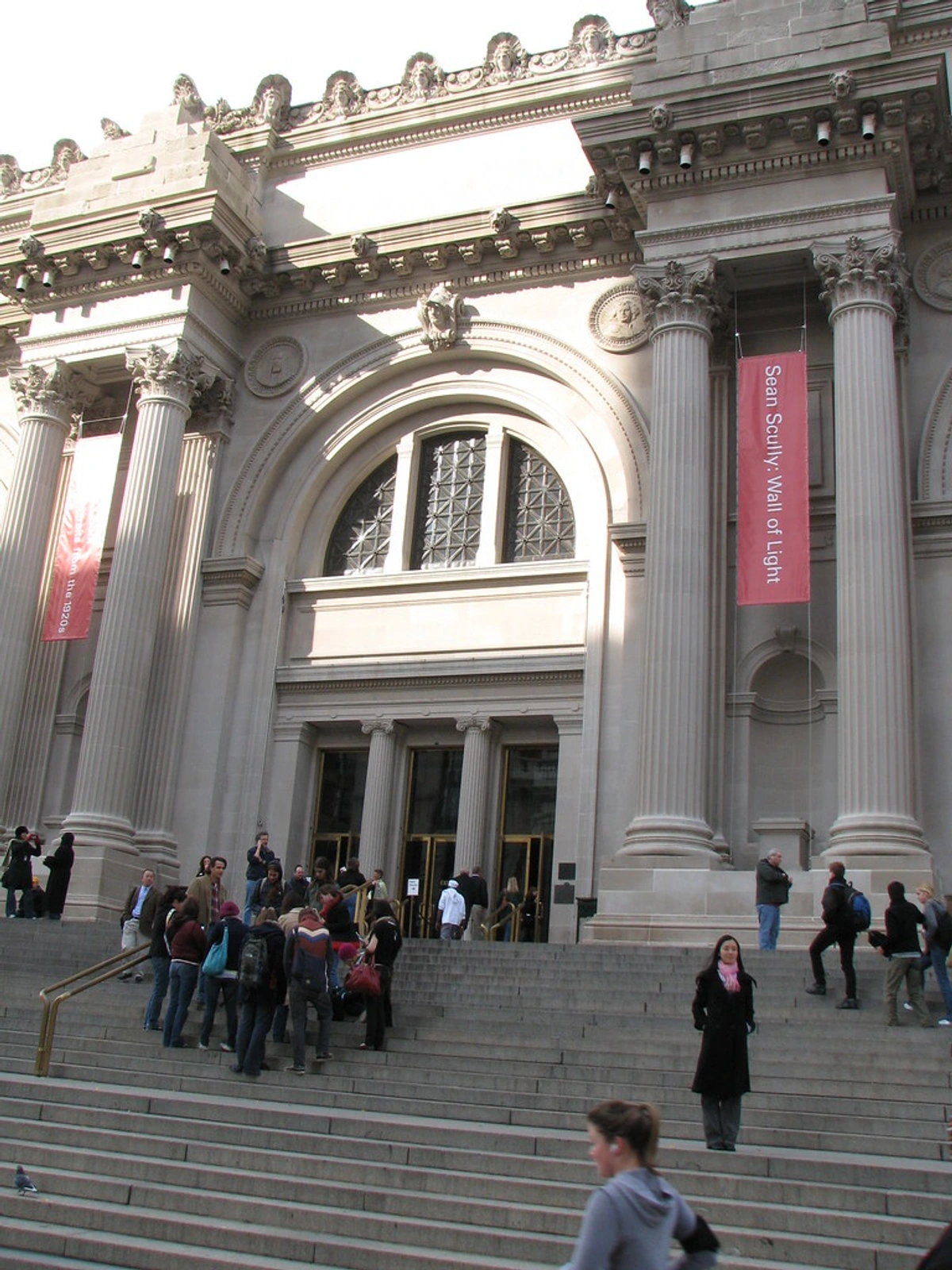
Q: Can I see Bourgeois’s art in person
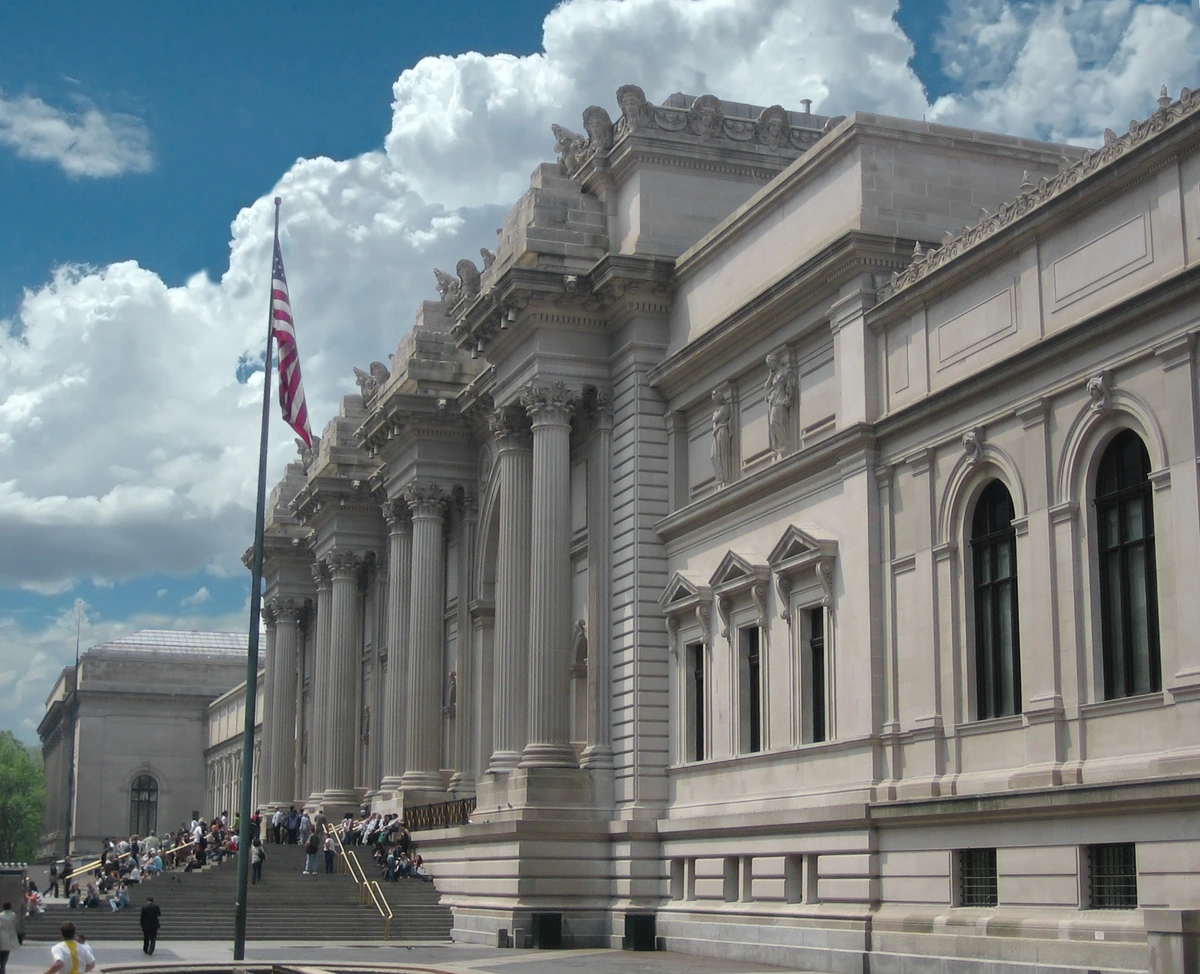
Yes! Her works are in major museums worldwide, like MoMA, Tate Modern, and Centre Pompidou. For a deep dive into her universe, explore her timeline of exhibitions and milestones.
Final Thoughts: We’re All Weaving Our Webs
Louise Bourgeois proved that art doesn’t have to be pretty or polite. It can be jagged, complicated, and unapologetically honest. She took the threads of her trauma—child loss, suffocating family dynamics, the weight of womanhood—and wove them into art that haunts and heals.
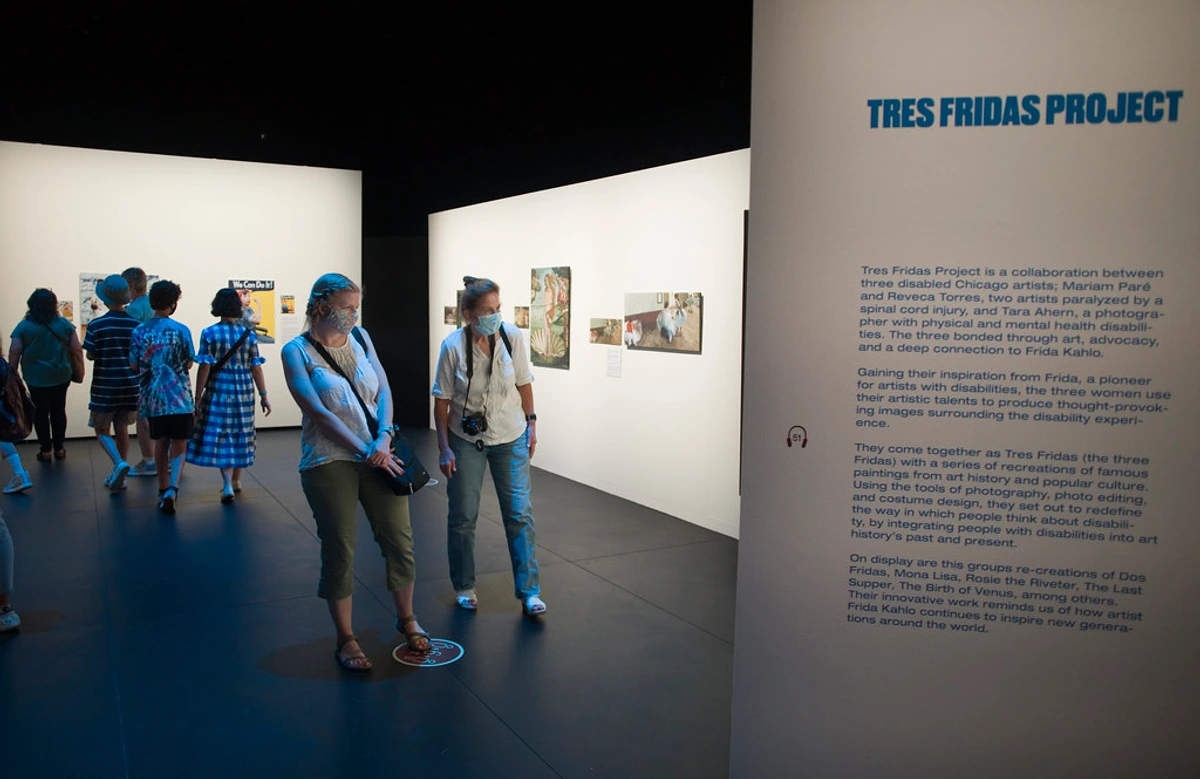
Bourgeois's Major Exhibitions and Recognition
Bourgeois's career spanned seven decades, and during that time, she participated in numerous significant exhibitions. While she was working steadily throughout her career, major recognition came relatively late.
The Pattern of Recognition
One of the most striking aspects of Bourgeois's career is the pattern of increasing recognition over time. Her early shows were in smaller galleries and received limited attention, while her later retrospectives were in major institutions and drew international audiences. This trajectory reflects both the art world's gradual awakening to her significance and her own continued growth and development as an artist.
This pattern suggests that true artistic recognition often requires time and perspective—that an artist's full significance may not be apparent until after they've had years to develop their vision and the art world has had time to catch up to their innovations.
Key Exhibitions
- 1945: First solo exhibition at the Perotin Gallery, Paris
- 1974: Retrospective at the Museum of Modern Art, Oxford
- 1982: Major retrospective at the Museum of Modern Art, New York (her first major U.S. retrospective)
- 1993: Represented France at the Venice Biennale (first woman to do so)
- 1996: Retrospective at the Tate Gallery, London
- 2007: Major retrospective at the Centre Pompidou, Paris
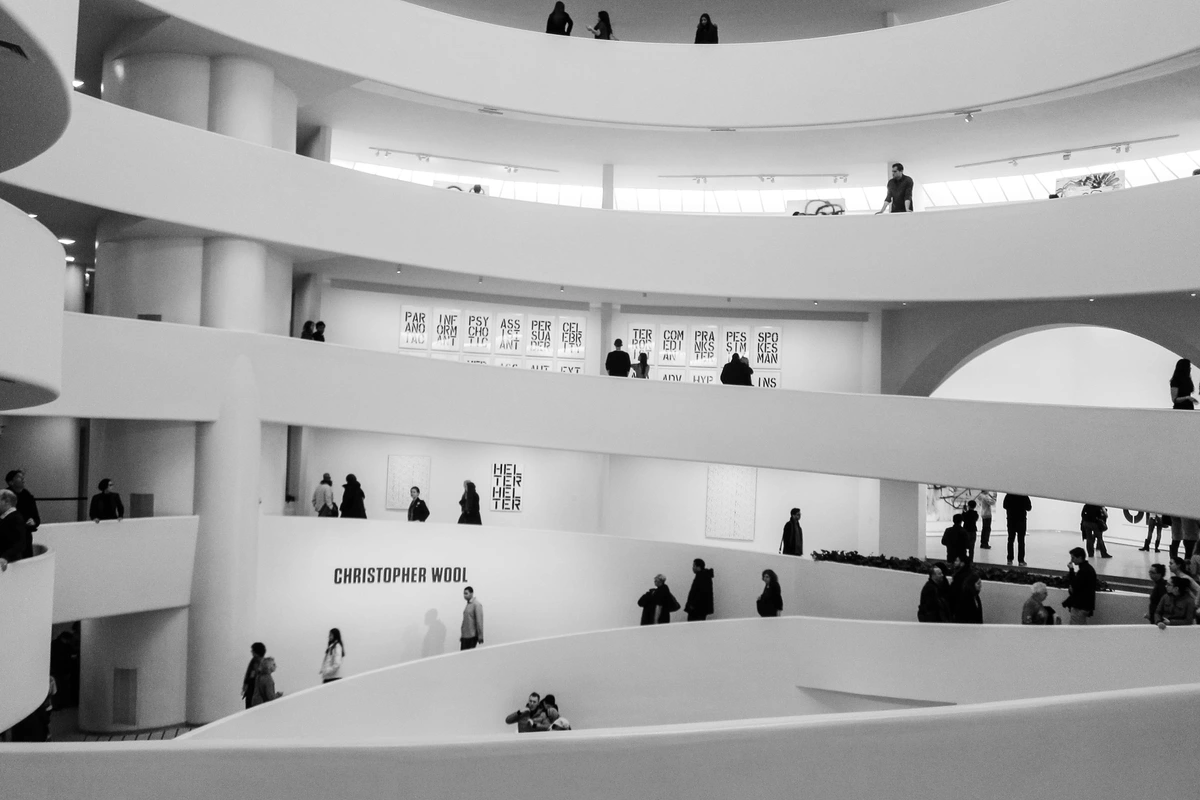
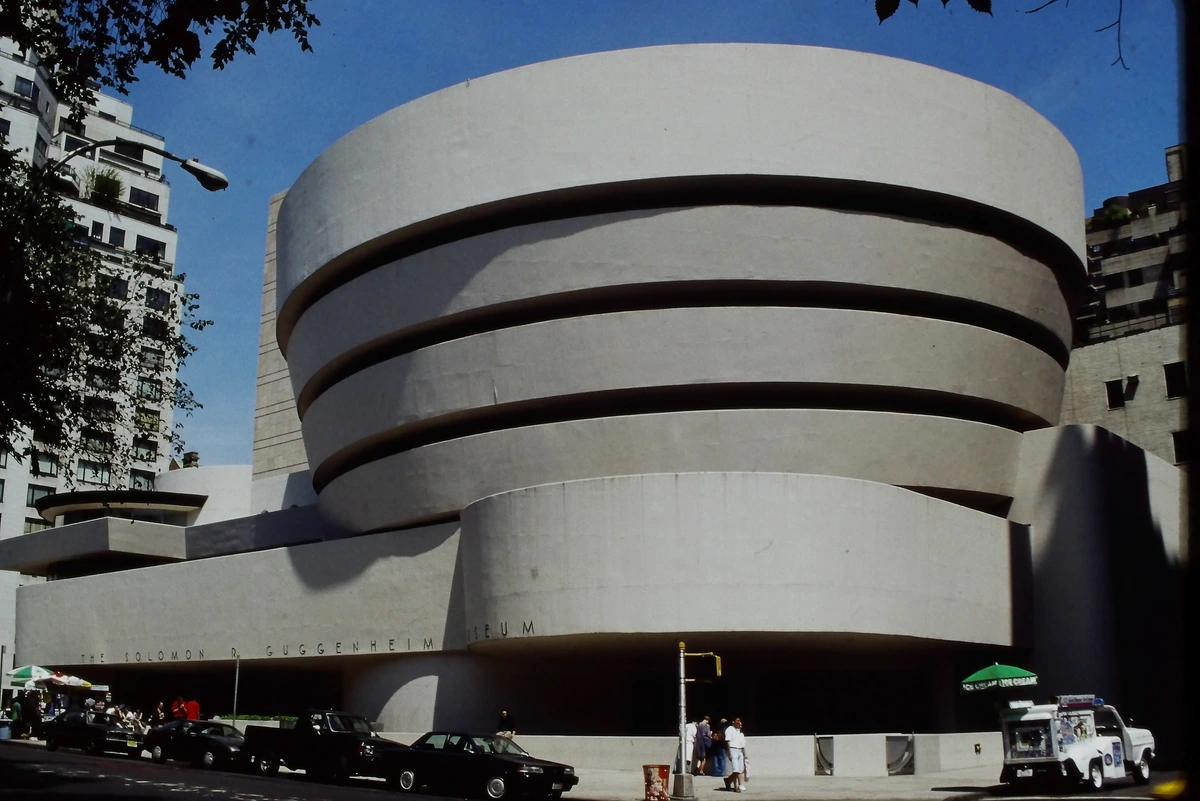
- 2011: Posthumous retrospective at the Guggenheim, New York
- 2017-2019: "Louise Bourgeois: An Unfolding Portrait" at MoMA (first major U.S. retrospective of her work in 15 years)
The Significance of the 1982 MoMA Retrospective
The 1982 retrospective at MoMA was a pivotal moment in Bourgeois's career and in the recognition of women artists more broadly. It was the first time a major American museum had given a solo retrospective to a woman sculptor, and it helped to establish Bourgeois as a central figure in contemporary art.
The exhibition was both a critical and popular success, drawing large crowds and generating significant media attention. It marked the beginning of a new phase in Bourgeois's career—one where she began to receive the recognition she had long deserved. The timing was significant: it came at a moment when the art world was beginning to reevaluate its priorities and recognize the importance of artists who had been previously overlooked, particularly women and artists working outside the mainstream.

What's striking about this exhibition history is the pattern of increasing recognition over time. Her early shows were in smaller galleries, while her later retrospectives were in major institutions. This trajectory reflects the art world's gradual awakening to her significance.
Museums and Institutions That Collect Her Work
Bourgeois's work is held in major museum collections worldwide, including:
- Museum of Modern Art (MoMA), New York
- Tate Modern, London
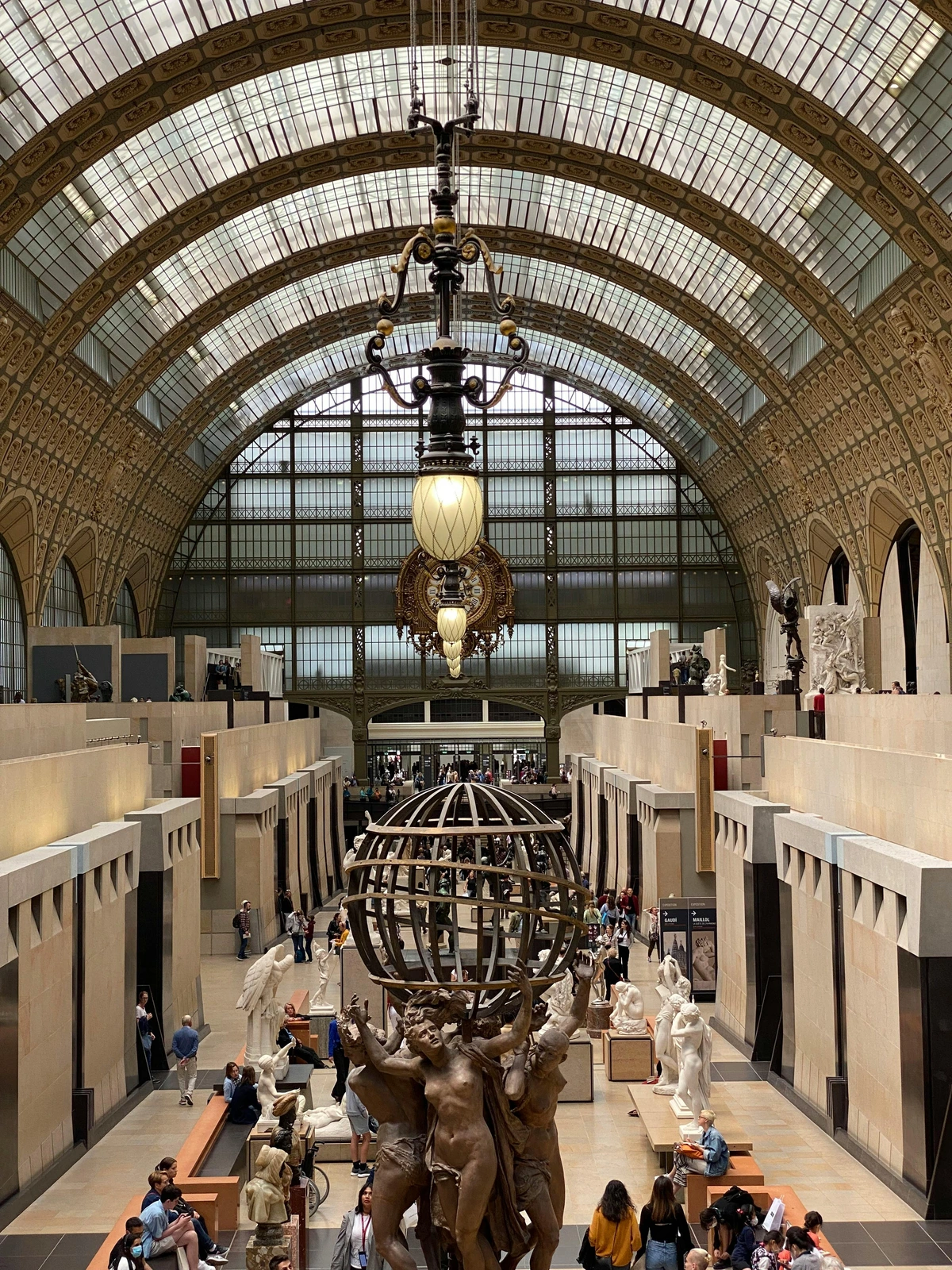
- Centre Pompidou, Paris
- Guggenheim Museum, New York and Bilbao
- National Gallery of Art, Washington, D.C.
- Los Angeles County Museum of Art (LACMA)
- Art Institute of Chicago
- San Francisco Museum of Modern Art (SFMOMA)
- Hirshhorn Museum and Sculpture Garden, Washington, D.C.
- Walker Art Center, Minneapolis
These institutions represent both the geographic breadth of her influence and the diversity of the museums that have recognized her importance. Her work is found in both traditional encyclopedic museums and contemporary art institutions, reflecting her unique position in art history—as both a modern master and a contemporary pioneer.
Awards and Honors
Bourgeois received numerous awards throughout her career:
- 1977: Grand Prix National de Peinture, France
- 1981: Chevalier de la Légion d'honneur
- 1982: Officer of the Order of Arts and Letters
- 1999: Praemium Imperiale for sculpture
- 2003: Wolf Prize in Arts
- 2008: Lifetime Achievement Award from the International Sculpture Center
- 2000: National Medal of Arts (United States)
The Praemium Imperiale and Late Recognition
The 1999 Praemium Imperiale, often called the "Nobel Prize of the arts," was particularly significant for Bourgeois. At 88 years old, she received this prestigious award, which recognized her lifetime achievements and global impact. The timing of this honor was meaningful—it came relatively late in her life, suggesting that true artistic recognition often requires time and perspective.
Similarly, her 2003 Wolf Prize in Arts and 2008 Lifetime Achievement Award from the International Sculpture Center further cemented her status as one of the most important artists of the 20th century. These awards, all coming in her later years, represent a belated but well-deserved acknowledgment of her importance to the art world.

These honors, many of which came in her later years, represent a belated acknowledgment of her importance. But for Bourgeois, the recognition was secondary to the work itself. She once said, "I don't care about fame. I care about the work."
Her Late-Blooming Career
Bourgeois's career is a remarkable example of an artist who achieved major recognition relatively late in life. Many artists find their greatest success early in their careers, but Bourgeois's trajectory was different. She worked steadily for decades, gradually refining her vision and developing her unique artistic language.
This late-blooming career has important implications for how we think about artistic development and recognition. It suggests that some artists may require more time to develop their full vision, and that the art world may need time to catch up to truly innovative work. Bourgeois's story is particularly inspiring for artists who may feel discouraged by slow early recognition—proof that persistence and staying true to one's vision can eventually lead to the recognition one deserves.

Critical Reception
Critical reception of Bourgeois's work has evolved significantly over time. Early critics often dismissed her personal, emotional approach as "too feminine" or "not serious enough." They focused on her biography rather than her artistic innovation.
By the 1980s and 1990s, critics began to recognize the psychological depth and formal innovation of her work. Scholars started analyzing her through multiple lenses—psychoanalytic, feminist, postmodern.
From Marginalization to Mainstream Recognition
The shift in critical reception reflects broader changes in the art world and in society at large. The feminist movement of the 1970s and 1980s helped to create space for women artists and their perspectives, while postmodernism challenged traditional notions of what constituted "serious" art.
Bourgeois benefited from these cultural shifts, as critics and audiences became more receptive to work that was personal, emotional, and focused on themes of gender and identity. Her work also resonated with the growing interest in installation art and immersive environments that emerged in the late 20th century.

Today, Bourgeois is widely regarded as one of the most important artists of the 20th century, and her work is studied not just for its psychological content but for its formal innovation and conceptual brilliance.
Today, Bourgeois is recognized as one of the most important artists of the 20th century. Her work is studied not just for its psychological content but for its formal innovation and conceptual brilliance. She has secured her place in art history as a pioneer who expanded the possibilities of what sculpture could be and what art could say.
The Enduring Relevance of Her Work
What makes Bourgeois's work so enduringly relevant is its ability to speak to contemporary concerns while remaining rooted in specific personal experiences. Her exploration of themes like trauma, memory, identity, and the body continues to resonate with audiences today, even as the world around us has changed dramatically.
Her work also speaks to current conversations about mental health, therapy, and the importance of personal narrative. In an era where many people are seeking ways to understand and process their own experiences, Bourgeois's example of using art as a tool for self-exploration and healing feels particularly timely and relevant.
















Finally, her work challenges traditional notions of artistic success and recognition. By achieving major acclaim relatively late in life and by maintaining her artistic independence throughout her career, Bourgeois demonstrated that there are many paths to artistic greatness—and that the most important measure of success may be the work itself, rather than the recognition it receives.
Next time you encounter something unsettling in your own life, ask yourself: What’s the story here? What can I salvage from the chaos? Bourgeois would say, make it visible. Put it in a glass box. Sculpt it. Name it. Because that’s how we transform pain into power. And honestly? That’s the kind of art we all need more of.