Diptychs in Art: The Artist's Guide to Paired Narratives & Creative Duality
Discover diptychs in art: their rich history, narrative power, and psychological impact. Learn how these two-panel artworks create profound dialogue and influence artistic expression, including my own.

Diptychs in Art: The Artist's Guide to Paired Narratives & Creative Duality
Some conversations just click, don't they? It's not just two people talking, but two distinct voices, two different perspectives, weaving something richer and more insightful than either could manage alone. This dynamic interplay, this sense of two elements creating something greater than the sum of their parts, is precisely the kind of dynamic magic I find so utterly compelling in the art form we call a diptych. It's never just two pictures placed side-by-side; it’s about the deliberate dialogue, the subtle tension, and the expanded narrative that unfolds when two distinct pieces are intentionally brought into conversation. The space between them, I believe, becomes a third, unspoken element, brimming with possibility, actively inviting you to connect the dots and complete the narrative. And that's why, for me, understanding what a diptych really is, from ancient carvings to modern canvases, is a perpetual source of fascination – a kind of visual alchemy, if you will, often serving as powerful altarpieces, personal devotional aids, or profound artistic explorations.
The Core Idea: What Exactly is a Diptych?
Let's get straight to it, because the basic idea of a diptych is wonderfully simple. A diptych (pronounced 'DIP-tik', for those wondering) is, at its most fundamental, an artwork composed of two pieces or panels. The word itself comes from the Greek di- (meaning 'two') and ptychē (meaning 'fold' or 'tablet'), which hints at its historical form. Originally, these panels were often hinged, meant to fold like a book for portability and protection – a practical feature that also reinforced their inseparable connection. Today, however, they're frequently displayed as separate, yet intrinsically linked, entities. The real magic isn't just the duality, but the profound relationship each panel holds with the other. This relationship can manifest as harmony, stark contrast, narrative progression, or even a subtle, unresolved tension. Each panel contributes to a larger whole, creating a richer story or a more complex visual experience than either could achieve in isolation. So, what kind of conversation do you imagine two panels could have?
A Journey Through Time: The Diptych's Enduring Legacy
The concept of the diptych isn't some quirky modern invention, far from it. Its roots reach deep into antiquity, constantly evolving to serve new purposes and reflect changing societal values. This journey through time, for me, is just as compelling as the art itself.
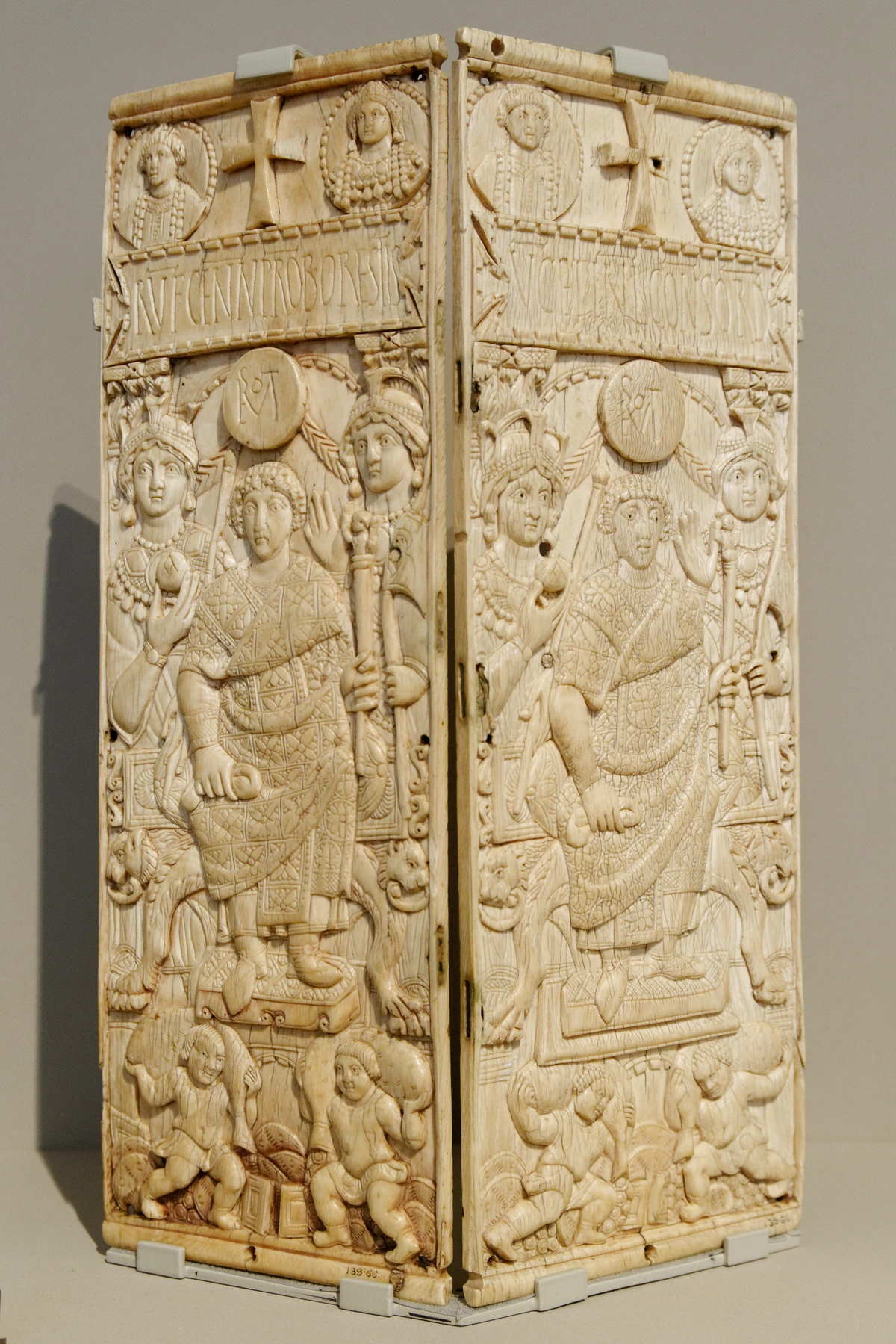
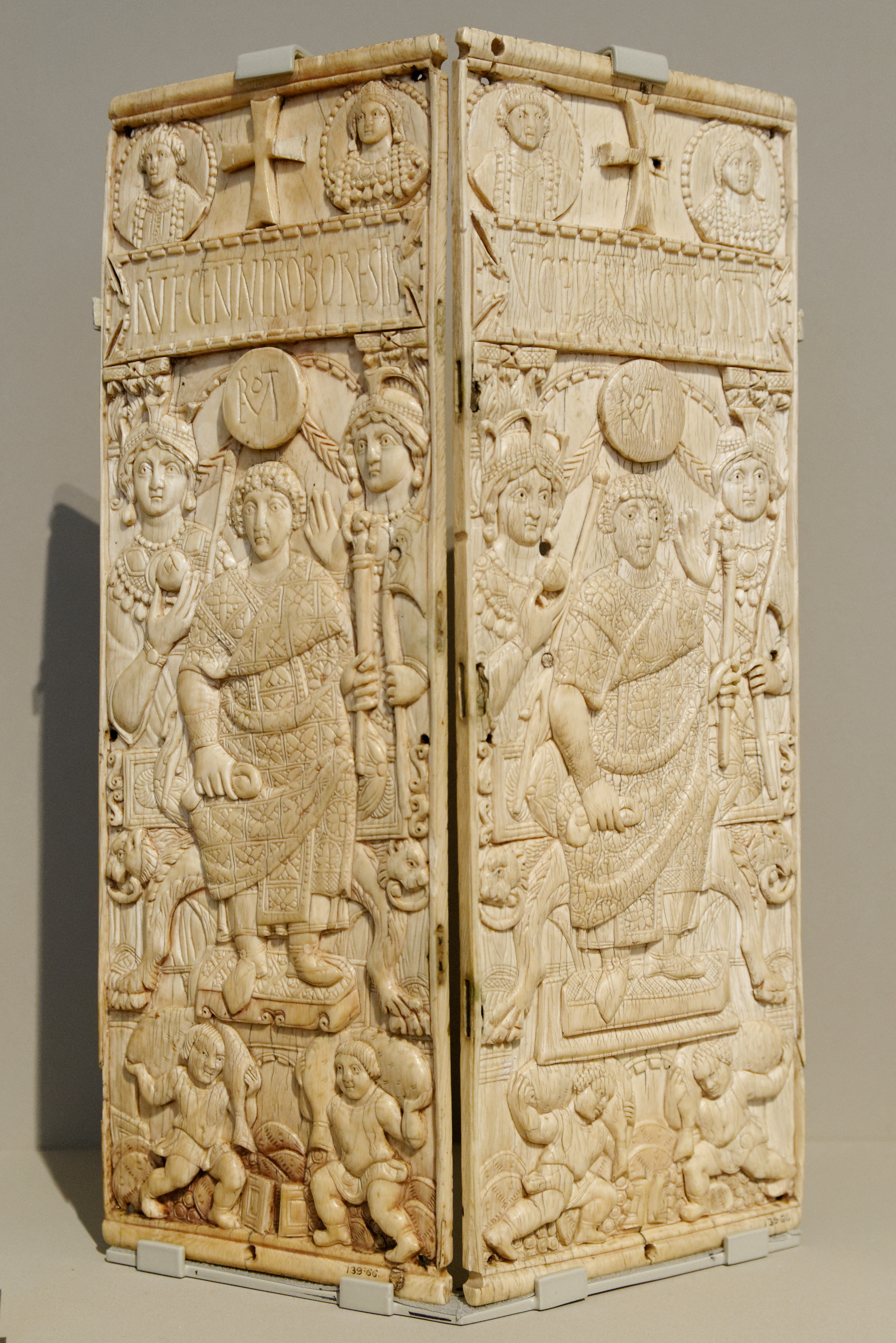
While the concept of paired imagery can be seen in various ancient cultures, one of the earliest widespread forms that always captures my imagination are the Roman consular diptychs. Before I dove into art, I used to think history was all dry dates and dusty facts, but these pieces changed my mind, showing me how much human story lies within them. Imagine ancient ivory carvings, often exquisitely detailed, gifted by consuls—high-ranking officials, essentially—to commemorate their appointment. They weren't just decorative; these Roman consular diptychs were potent status symbols, circulated among elites as official records and gifts. Their portability and intimate scale meant they weren't just seen, but held, admired, and used ceremonially, documenting history and proudly showcasing intricate craftsmanship. I can almost imagine holding one of these smooth, cool ivory pieces, feeling the weight of centuries in my hand. What personal stories might such a precious object silently tell?
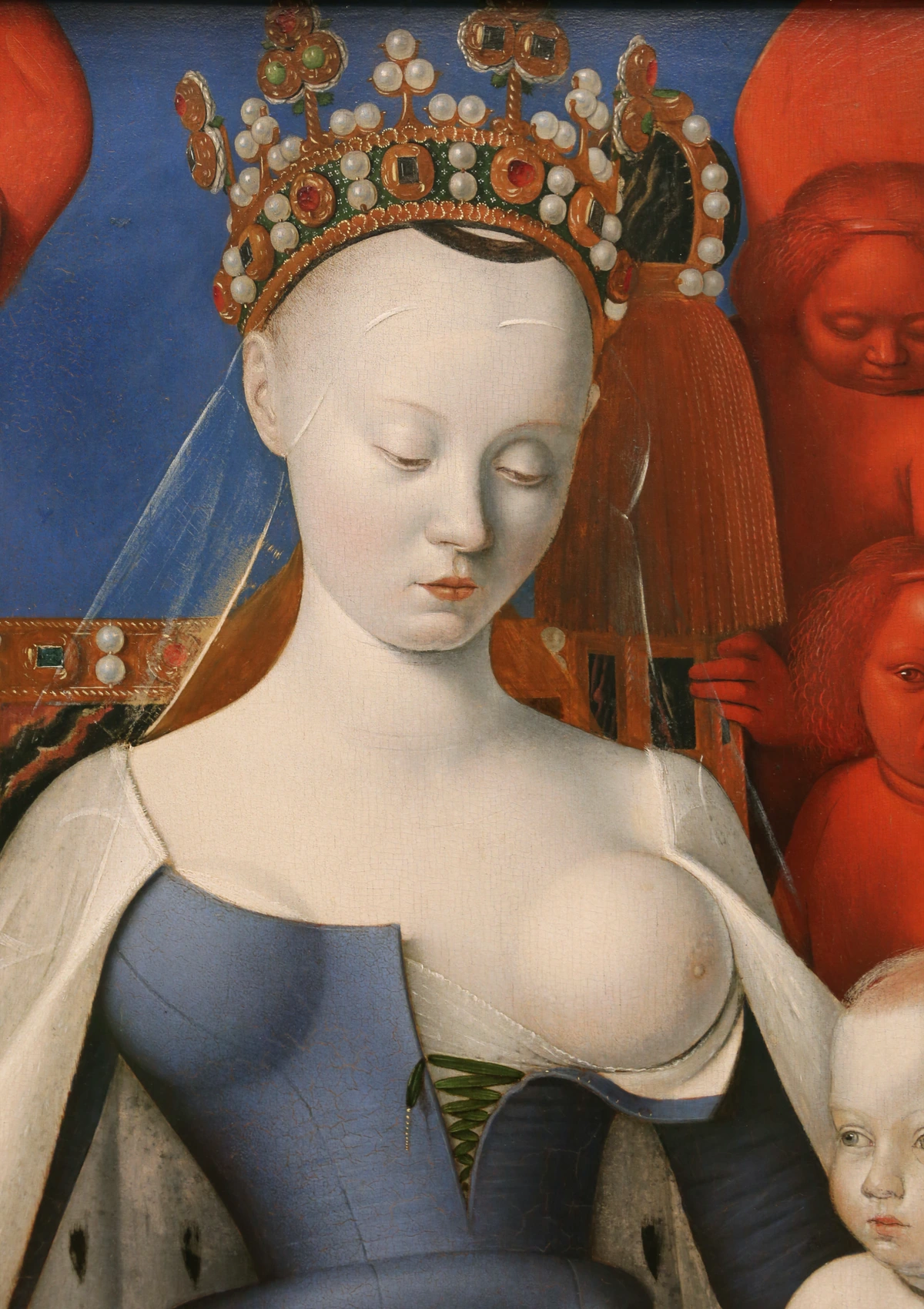
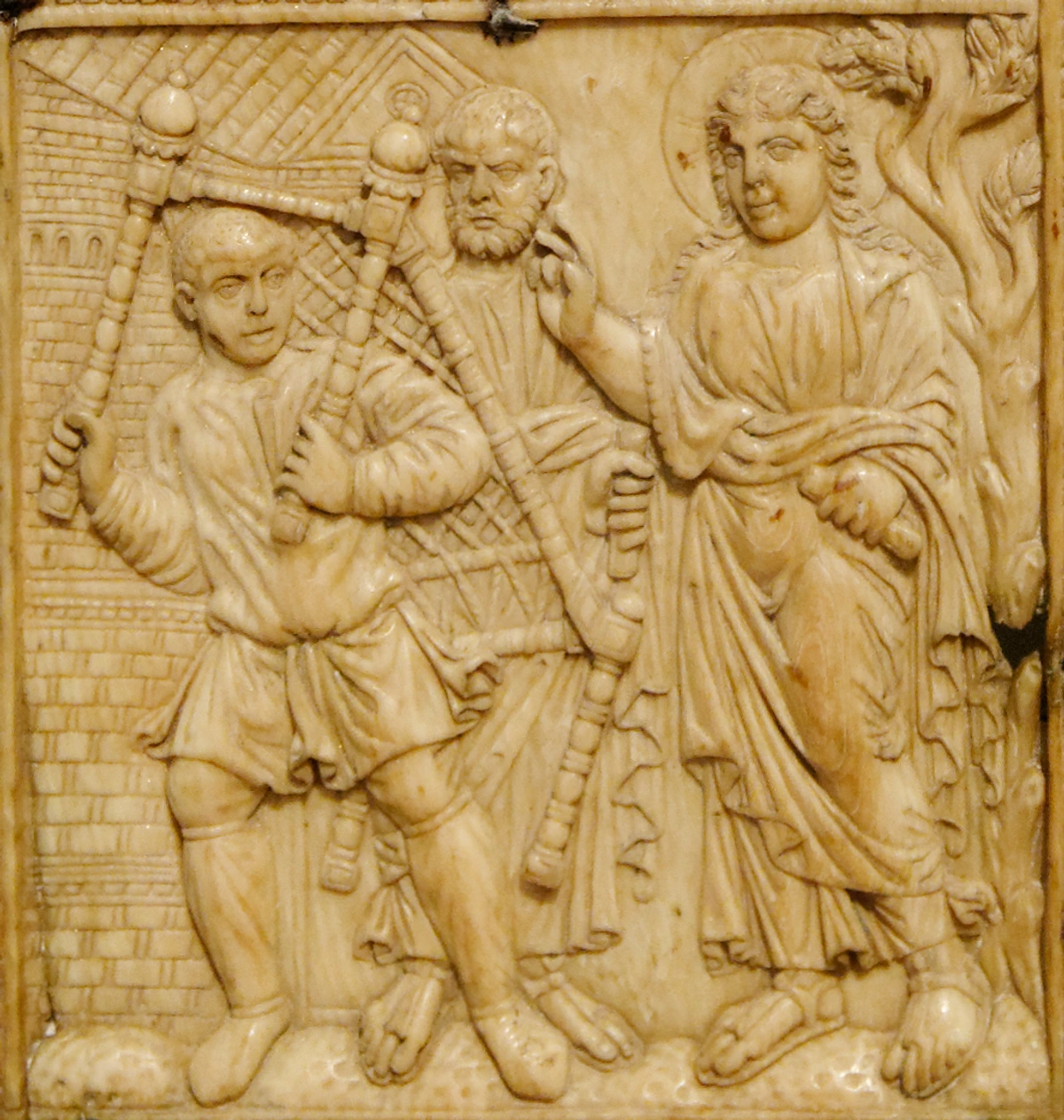
As empires shifted and beliefs evolved, so too did art, always finding new vessels for meaning. The story of the diptych is no different, transitioning from secular power to spiritual devotion. Following the decline of the Roman Empire, the diptych found new life in early Christian and Byzantine art. While Roman diptychs often celebrated earthly power and civic achievement through their ivory carvings, their Christian successors, frequently crafted from metal or carved ivory, depicted religious iconography. This shift in material and imagery reflected changing societal values, bridging the gap between monumental church art and individual spiritual practice with small, personal devotional objects. They often featured Christ, the Virgin Mary, or saints, sometimes paired with narrative scenes, embodying the spiritual reverence of the era. The portability of these artworks made them ideal for private worship and travel, a constant reminder of faith.
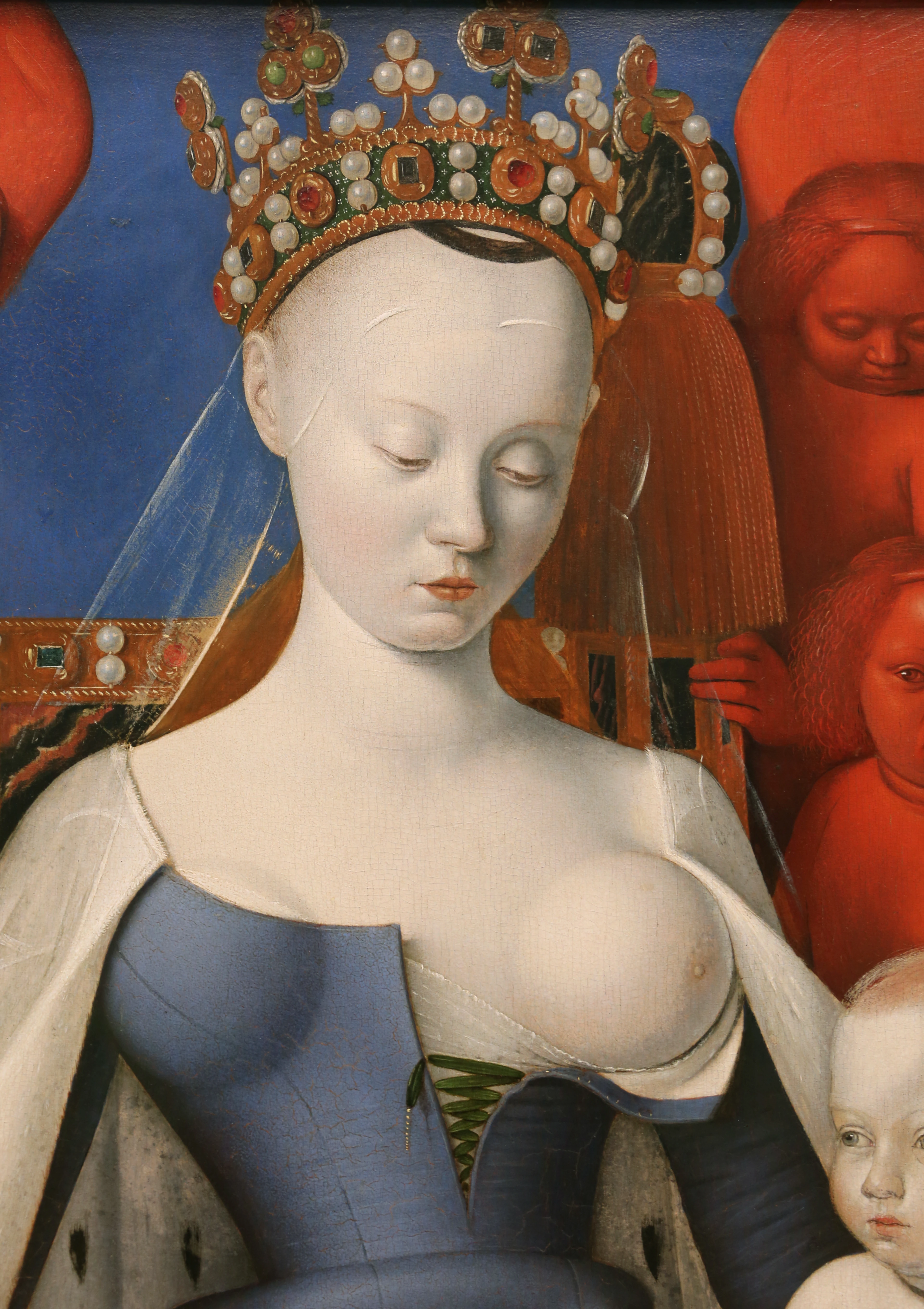
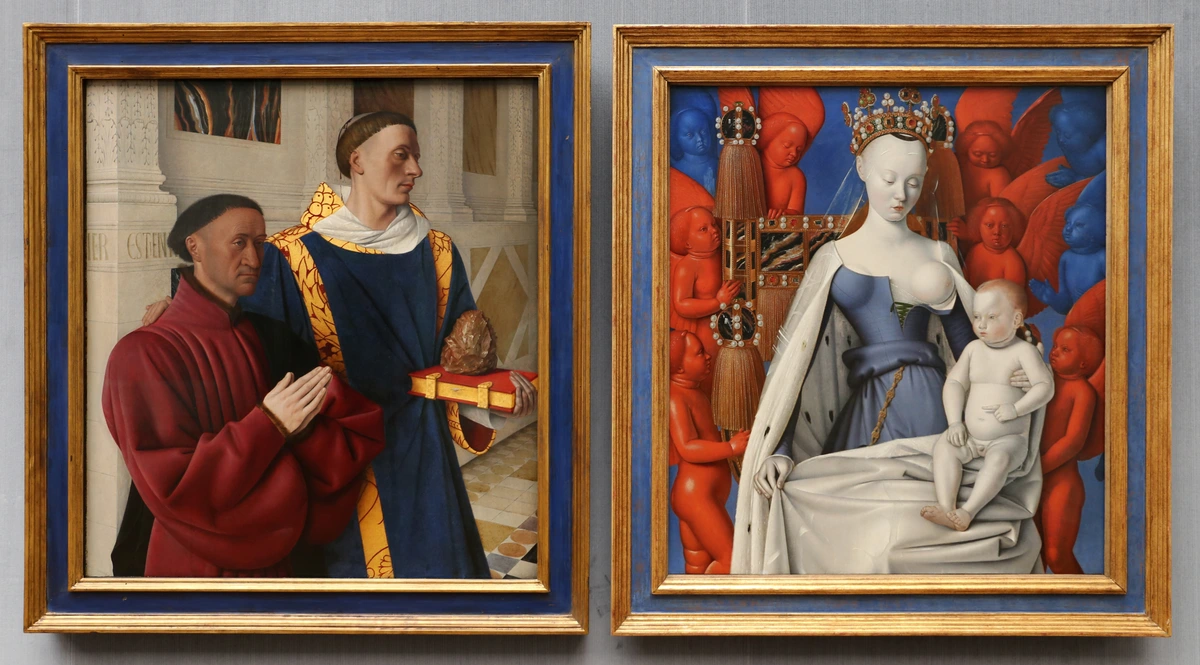
Centuries later, the diptych found an even more profound purpose – this time in the medieval Christian world. Religious diptychs, frequently crafted from wood, bone, or even metal, and adorned with paint or tempera, became incredibly popular as portable altar pieces or devotional objects. They were perfect for depicting two related scenes, like a saint on one panel and a narrative event on the other, or two crucial moments in a biblical story. The pairing often carried deep theological significance – perhaps the Annunciation on one side, depicting divine promise, and the Nativity on the other, showing its fulfillment. A famous example is the Wilton Diptych (circa 1395-1399), a small, portable altarpiece showing King Richard II kneeling before the Virgin and Child, attended by angels, on one panel, while accompanied by three saints on the other. This format was ideal for personal storytelling and meditation, allowing for an intimate spiritual connection. How might you use two panels to tell a story of promise and fulfillment?
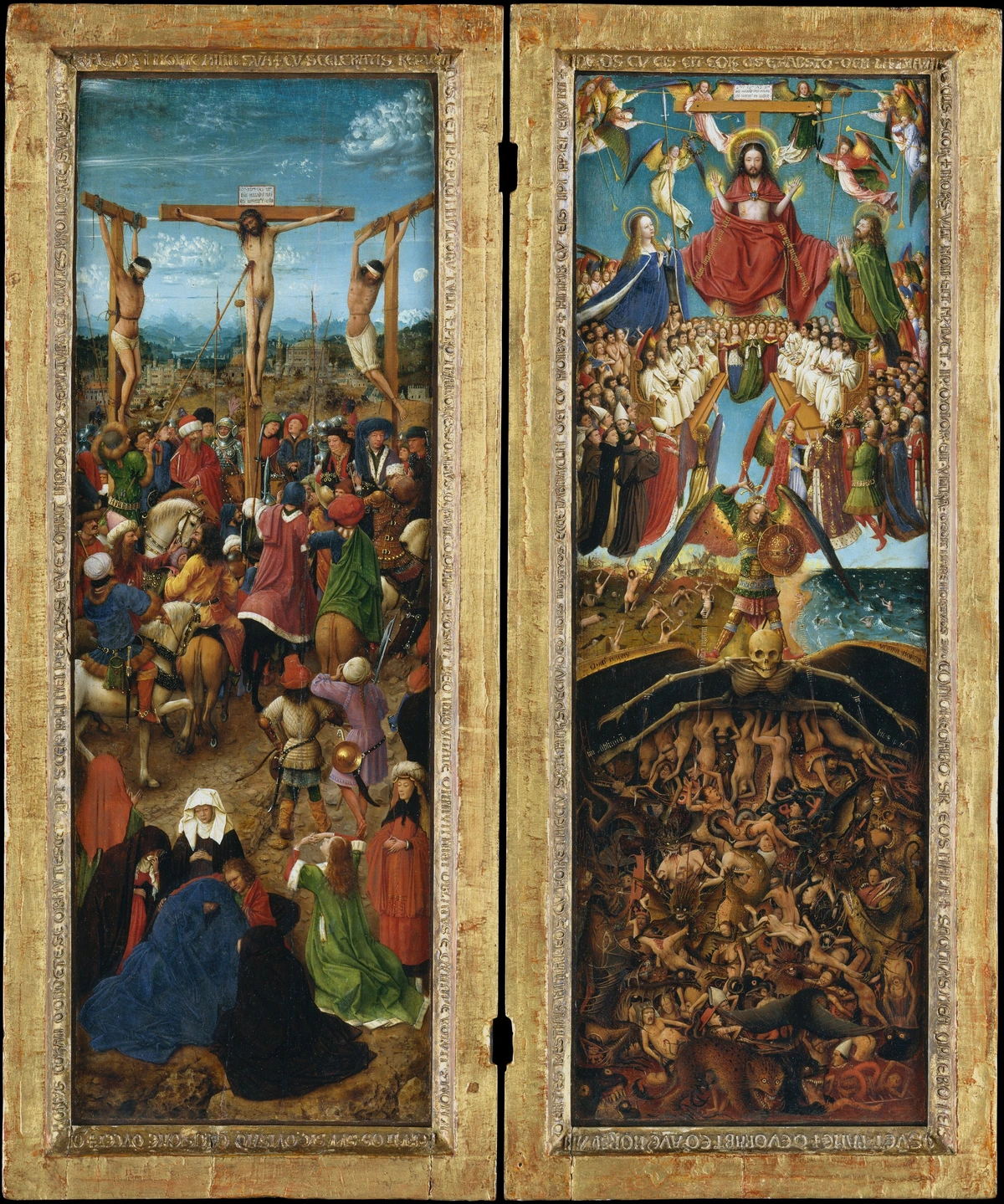
As we moved into the Renaissance, artists like Jan van Eyck and Hans Memling masterfully employed the diptych format. Take, for example, Jan van Eyck's "Crucifixion and Last Judgment" diptych (circa 1430-1440), where the intensity of human suffering on one panel is dramatically contrasted with the monumental scale of divine judgment on the other. They often created highly detailed portraits where one panel depicted the sitter and the other a religious figure or a symbolic landscape, thereby deepening the spiritual connection or societal status implied by the pairing. These works truly bridged the gap between personal devotion and public display, showcasing incredible technical skill and rich symbolic meaning.
What stories do you imagine these ancient hands held and these devout eyes contemplated? And how might your own story translate into two panels?
Diptychs, Triptychs, Quadriptychs, and Polyptychs: A Family Affair
Since we're already exploring the magic of 'two,' it's worth a quick peek at the diptych's more expansive relatives. If two panels make a diptych, what about more? This is where its siblings come in, each with its own psychological impact and narrative potential, extending the idea of multi-panel art. The number of panels isn't just about size; it fundamentally changes the story you can tell and how a viewer perceives it. For a deeper dive into these multi-panel artworks, you might find this guide to multi-panel art helpful. For me, choosing between a diptych and, say, a triptych, often comes down to the kind of story I want to tell. A diptych feels like a profound question, a direct confrontation, or a compelling conversation, often highlighting inherent tension or contrast. A triptych, with its clear central panel, might offer a more resolved narrative or a visual journey with a definite beginning, middle, and end, often implying a hierarchy or a focal point in its central element. Having explored the family tree, let's delve deeper into the unique power of the diptych's 'two-part harmony' and what truly makes it sing.
Term  | Number of Panels | Typical Characteristics | Narrative/Visual Impact |
|---|---|---|---|
| Diptych | Two | Often hinged; explores duality, contrast, or narrative progression; direct conversation or tension. | Creates immediate dialogue, ideal for comparing or contrasting ideas, or showing cause and effect. |
| Triptych | Three | Central panel often larger; hierarchical or focused narrative (beginning-middle-end, trinity); offers a main focal point, sense of balance. | Provides a more expansive narrative, often with a clear central theme flanked by related elements, or a journey with distinct stages. |
| Quadriptych | Four | Less common but offers complex narrative scope; cyclical nature or four distinct perspectives. | Suitable for exploring complex themes, cyclical narratives, or presenting multiple facets of a single subject. |
| Polyptych | Four or more | Can be very grand and intricate; unfolding visual drama, monumental scope, intricate thematic exploration. | Allows for vast, ambitious narratives, often seen in grand altarpieces, offering a rich, unfolding visual experience. |
Regardless of the number of panels, the core principle remains the same: multiple panels working together, each contributing to a cohesive, often unfolding, whole, and creating a dialogue that a single canvas could never achieve.
More Than Just Two Pictures: Narrative, Connection, and Psychological Echoes
These historical examples, while diverse in their purpose, all demonstrate a fundamental principle: the profound power of pairing. But what truly elevates the diptych beyond mere historical curiosity is its inherent ability to craft a narrative or explore a theme in a dynamic, almost conversational way. It’s like a visual sentence broken into two powerful clauses, where each part echoes and responds to the other, or perhaps a visual duet where each instrument plays its own part but creates a unified, richer melody. It's about the resonance that exists between them, the conversation they start in your mind. This is also why I find comparisons to two-part literary works or the harmony and counterpoint in a musical duet so compelling; the principle of dual elements creating a richer whole is universal. For instance, think of a poem divided into two distinct stanzas that speak to each other, each offering a different perspective or moment in time, yet intrinsically linked to form a complete thought.
Narrative and Connection: Visual Rhyme and Symbolism
One panel might represent "what was" and the other "what is," or perhaps "heaven" and "earth." The possibilities for contrast, comparison, or continuation are genuinely expansive. For example, a cause and effect, an internal versus external view, or two different emotional states. What I find particularly captivating is the concept of visual rhyme or visual echo. This isn't just about showing two related things; it's about how elements within each panel—a line, a color, a pose, a recurring motif—mirror, contrast, or continue across the divide, creating a subconscious connection that reinforces the overarching narrative. Take, for instance, a classic religious example like "The Crucifixion; The Last Judgment." These aren't merely two separate images; they are two sides of a profound theological concept, demanding to be viewed in relation to each other. The human drama, the ultimate sacrifice, and the divine judgment are all amplified, given a powerful visual echo, by their side-by-side presentation, where elements like the scale of suffering on one side might be mirrored by the monumental scale of judgment on the other. I've often found myself, when composing a diptych, subconsciously aligning a diagonal line in one panel with a complementary one in the other, creating a subtle flow that pulls the viewer's eye across the divide and cements the connection. Or, imagine an abstract diptych where a swirling vortex of deep blues and purples on one panel finds its visual echo in a single, intense yellow dot on the other, creating a dialogue about expansive chaos and singular focus.
Beyond mere visual similarities, diptychs also allow for the powerful amplification or challenging of iconography and symbolism. A single symbol or figure on one panel might take on a new, ironic, or profound meaning when juxtaposed with another symbol or scene on the second panel, inviting a deeper, sometimes unsettling, interpretation. This interplay creates layers of meaning that a solitary image often cannot achieve. When artists employ established iconography, they tap into a shared visual language, allowing the paired images to resonate with centuries of cultural and religious understanding.
Psychological Echoes: Beyond Simple Duality
Beyond narrative, what also fascinates me is the almost involuntary psychological journey a diptych takes you on. Our brains are wired to find patterns, to connect the dots, and a diptych practically begs us to do just that. It taps into a primal human desire to seek meaning in relationships, prompting a richer cognitive engagement than a single, isolated image ever could. This means they can explore profound themes of duality far beyond simple before-and-afters. Think order versus chaos, light versus shadow, the conscious versus the subconscious, reason versus emotion, or even public persona versus private reality. In contemporary art, diptychs are particularly adept at exploring themes of memory and identity, juxtaposing images of past and present, or an idealized self against a lived reality. They can even powerfully address themes of trauma and healing, presenting moments of distress alongside images of recovery, or the fragmented self attempting to find wholeness. And here’s where you come in: the viewer's own life experiences and emotional landscape profoundly shape how these dualities resonate, making the interpretation deeply personal. Imagine an artist presenting a serene, almost meditative landscape on one panel, juxtaposed with an abstract, frenetic explosion of color on the other. It's not just a contrast; it's an invitation to ponder the very nature of inner peace against external turmoil, or perhaps the calm mind observing a chaotic world. It’s a visual dance between opposing forces, inviting you to ponder the spaces in between. Sometimes, this juxtaposition can even create a sense of cognitive dissonance – a delightful unease that challenges your perception and forces a deeper inquiry into the relationship between the two halves. It makes you ask, "Why these two?" and that's where the real magic happens.
The Charged Space Between: A Deliberate Element
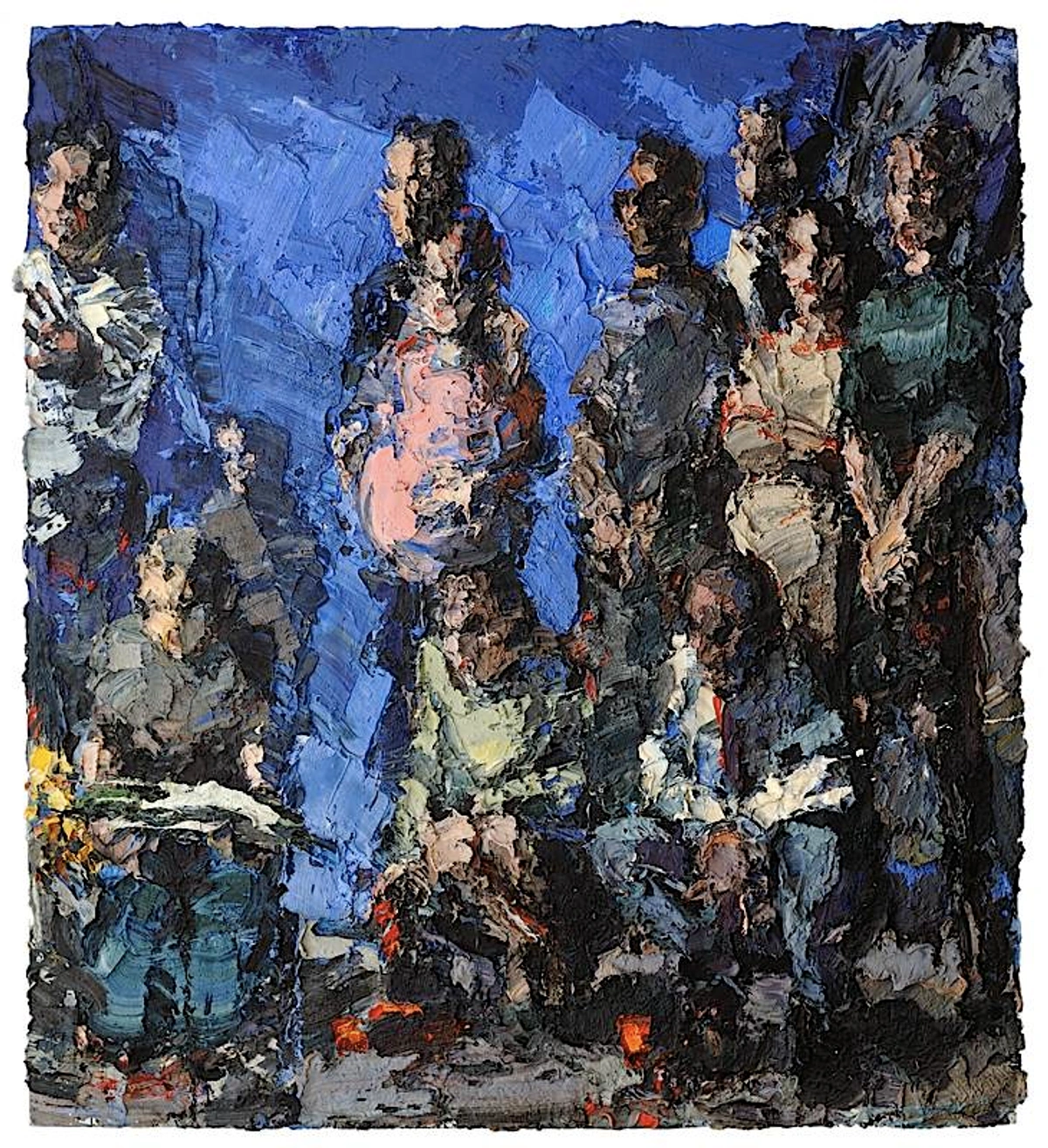
The space between the panels, often overlooked, can be just as significant as the images themselves. It's not empty; it's a charged bridge where the viewer's mind makes connections, fills in gaps, and creates a synthesis of the two halves. What makes it 'charged'? For me, as an artist, it's the silent invitation to actively participate, to infer the dialogue, to feel the pull or push between the images. Your mind actively synthesizes meaning, associating ideas, drawing emotional parallels, and constructing a new, unified understanding. I actively consider the relationship—the precise distance, the alignment, the very material of a hinge or frame—because these elements aren't just aesthetic choices. They actively contribute to the viewer's interpretation, sometimes creating a deliberate tension, sometimes a seamless harmony, making the physical gap itself part of the art. For instance, I once worked on a diptych where the panels were mounted far apart on a stark white wall; that vast, empty space became an overwhelming void, emphasizing a deliberate separation and loss, a feeling I hadn't initially intended but quickly embraced. The materiality of this space, from an ornate carved frame suggesting historical grandeur to a stark, unadorned modern gap emphasizing conceptual separation, profoundly influences how we perceive the connection, or disconnection, between the panels. Even the color of the wall or the internal frame can become a deliberate part of the composition, subtly influencing the mood or emphasizing the visual dialogue. The scale of the diptych, too, plays into this. A monumental diptych, with two vast panels, can immerse you, making you feel enveloped by its dual statement, while a smaller, intimate piece invites close inspection, drawing you into its subtle whispers. It's like composing not just two distinct notes, but actively shaping the silence and resonance between them to create a full, impactful chord.
Diptychs in the Modern Era: Breaking the Rules (and Expanding Them)
I find it almost reassuring how this timeless appeal of two-part stories and visual dialogues has persisted. This inherent power of paired narratives didn't fade with time; in fact, artists in the 20th and 21st centuries began to push its boundaries even further. Jumping forward, artists continued to embrace the diptych format, often with a more conceptual twist. The physical hinge might be gone, replaced by simple adjacent placement, but the conceptual linkage remains just as strong, if not stronger. They started playing with juxtaposition, repetition, and the psychological impact of seeing two related (or seemingly unrelated) images side-by-side. Pop Art, for instance, used the diptych to brilliant effect, often commenting on consumer culture and media. You can dive deeper into the history of Pop Art if that sparks your interest.
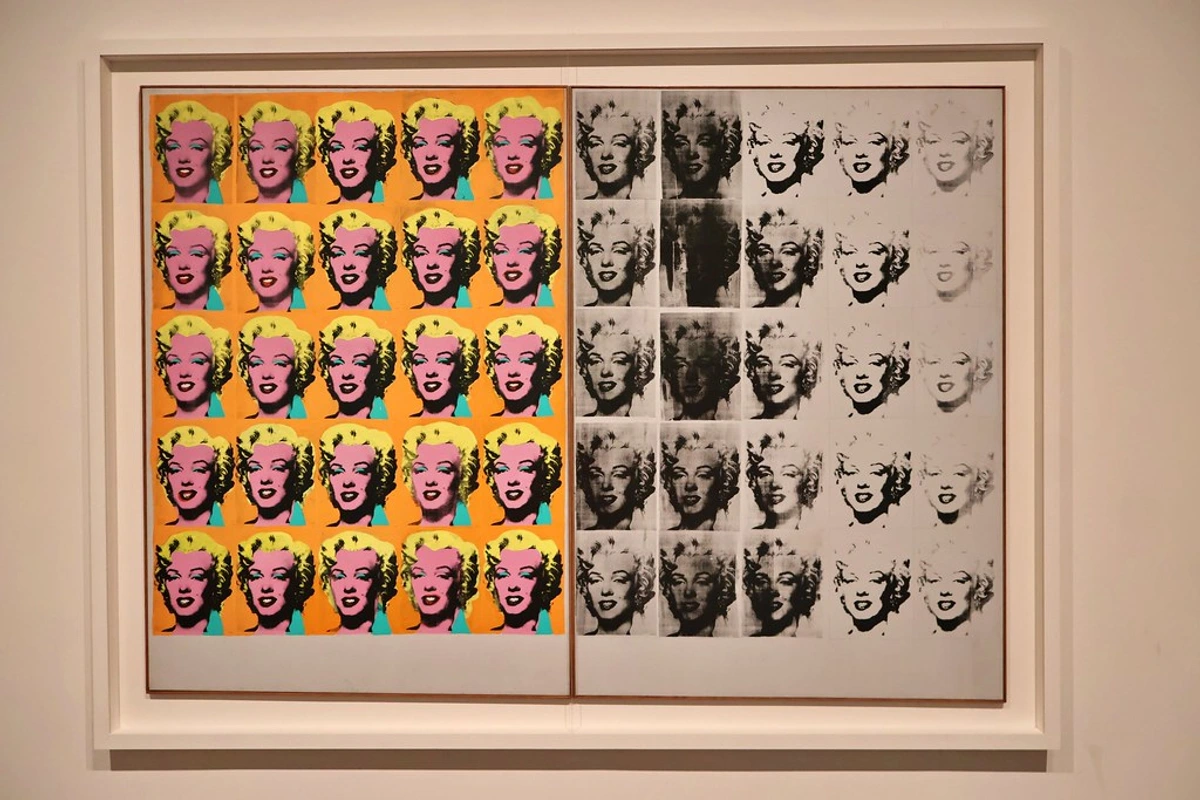
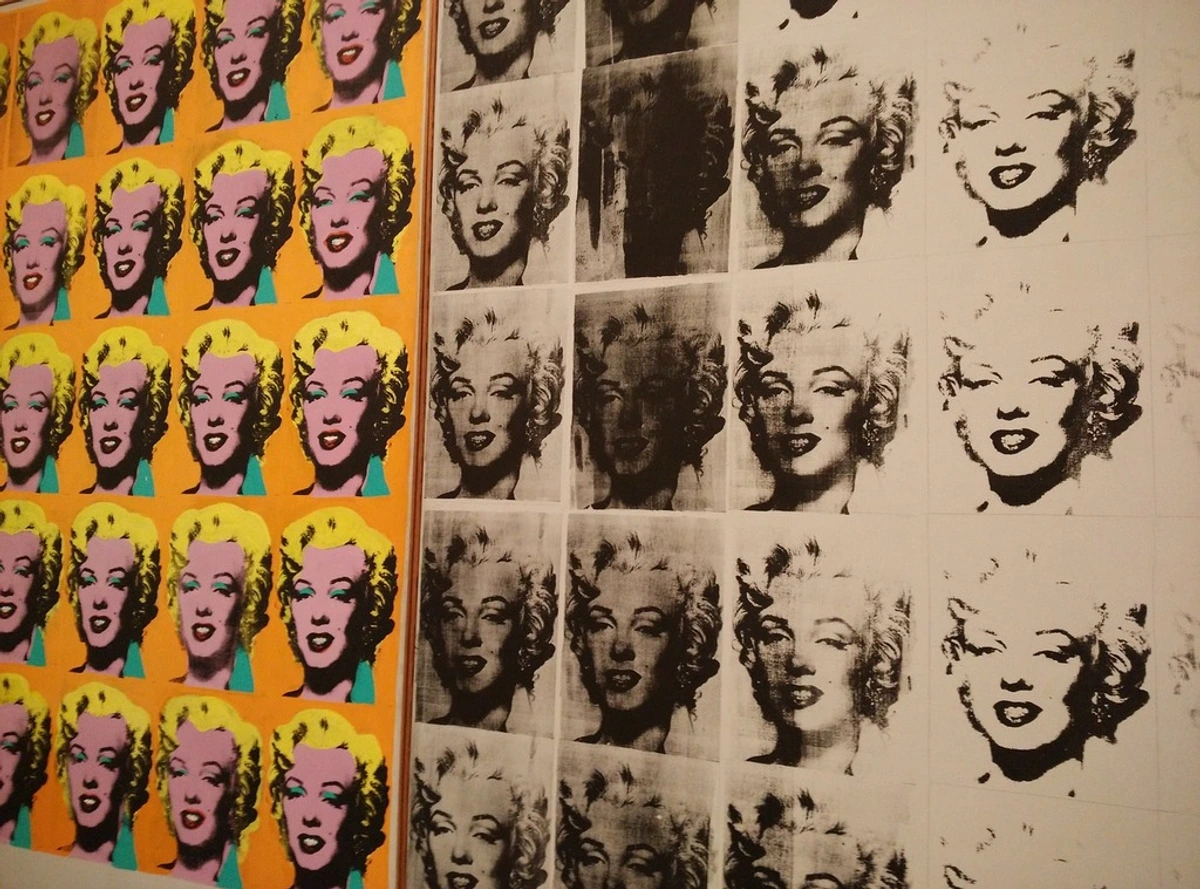
Consider Andy Warhol’s iconic Marilyn Diptych. On one side, a grid of vibrant, silk-screened Marilyn Monroes, celebrating her star power and mass media ubiquity. On the other, the same image fades into eerie black and white, becoming almost spectral, a ghostly echo of her vibrant public persona. It’s a powerful, chilling commentary on fame, mortality, and the fleeting nature of celebrity. This pairing forces you to compare, to mourn, to reflect – all because of the two distinct halves and their profound visual contrast. I find it chilling how Warhol perfectly captured the dual nature of celebrity—both intensely present and hauntingly ephemeral—through this simple, yet profound, pairing.
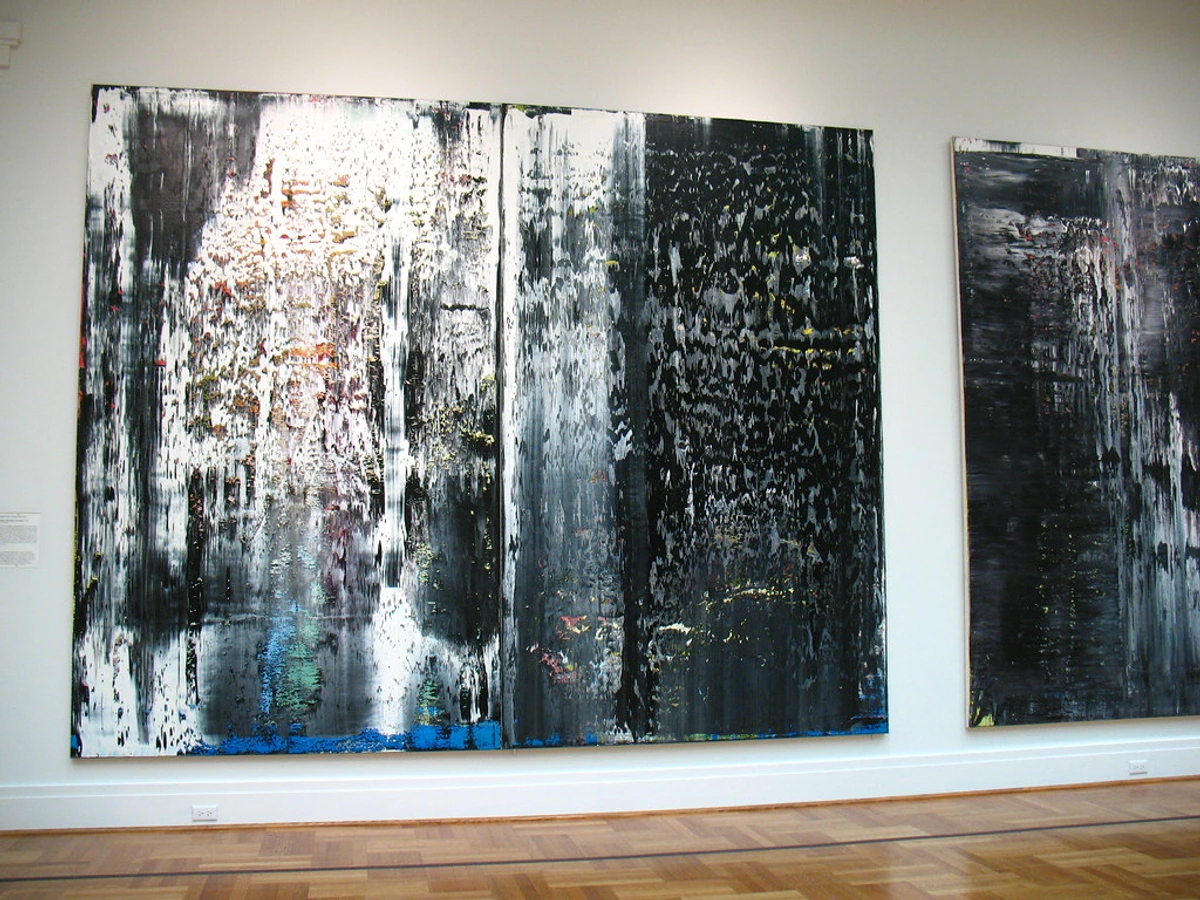
Beyond Pop Art, conceptual artists and minimalists have leveraged the diptych format to explore themes of identity, memory, and social commentary. The influence of film and photography on this evolution is undeniable, with artists exploring sequential imagery and contrasts long before digital tools made it ubiquitous. For example, Duane Michals is a master of photographic sequences, often creating diptychs or series where the second image profoundly alters the meaning of the first, exploring themes of time, identity, and the unseen. Imagine a contemporary artist, for instance, using a diptych to juxtapose images of virtual and real-world interactions, offering a poignant commentary on our digital lives, or perhaps pairing fragmented self-portraits to explore the complexities of identity. Or minimalist artists exploring subtle variations in texture or color across two panels, inviting a quiet, almost meditative comparison. Diptychs have also found a powerful place in photography, where artists pair portraits, landscapes, or abstract shots to create narrative sequences, highlight contrasts, or explore thematic connections that a single image couldn't convey alone. A diptych can even create a sense of time passing, acting as a powerful 'before and after' within a single photographic work, or capturing two distinct moments in a series. Today, this exploration has even moved beyond physical canvases. We see digital diptychs flourishing in photography, video art, and online installations, where two screens or frames present parallel, contrasting, or complementary visuals. Imagine a digital diptych displayed as an Instagram carousel, where one slide shows a bustling city street and the next reveals a serene, untouched natural landscape, compelling you to reflect on urban expansion and environmental change. This new media offers exciting opportunities for interactivity, animation, and dynamic storytelling, pushing the boundaries of what a two-panel artwork can be and inviting viewers into a more immersive, multi-layered experience. How do you think technology might further redefine the "two-panel" concept, perhaps moving towards augmented reality or interactive projections?
Why I'm So Drawn to the Diptych Format: My Personal Obsession
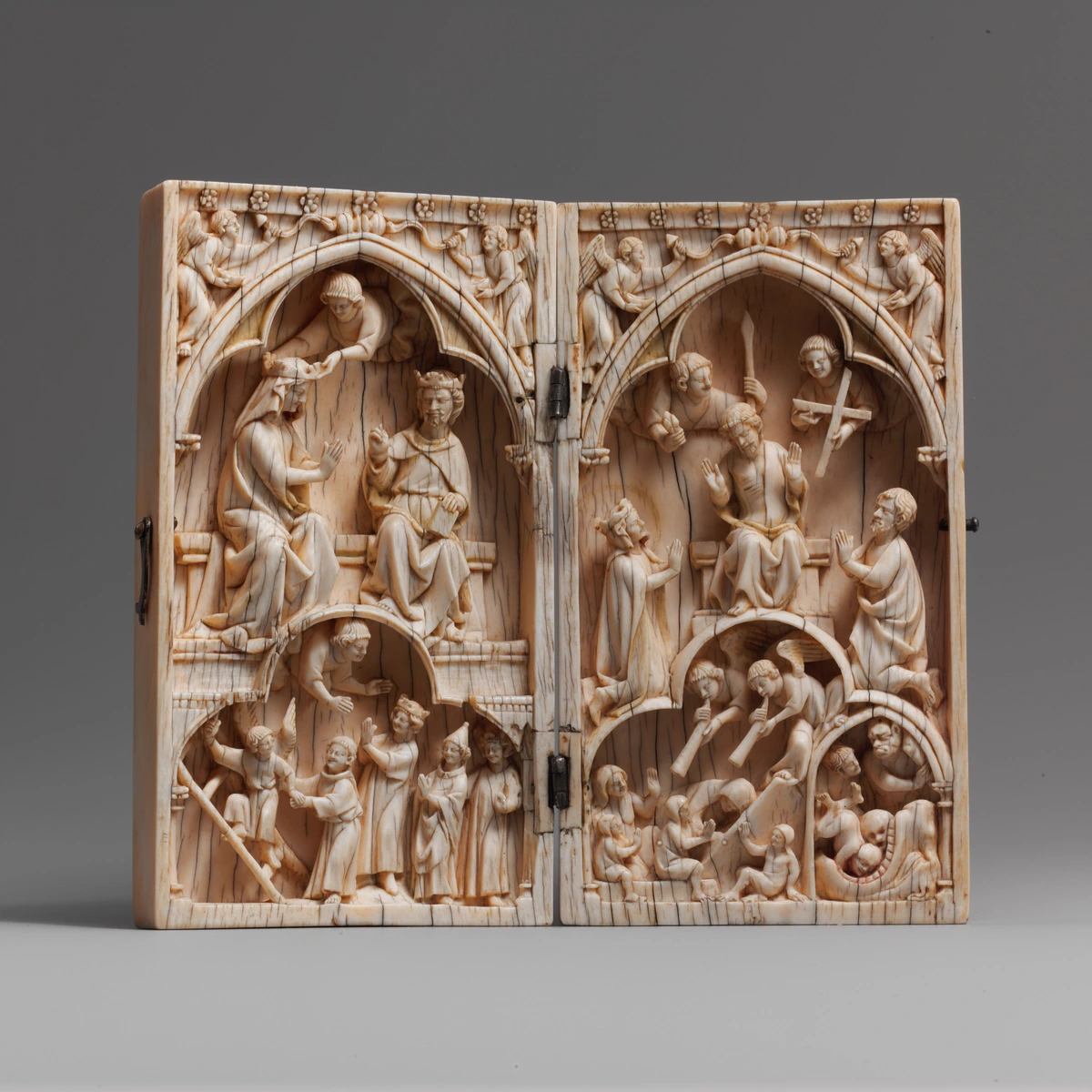
These historical and modern explorations have deeply influenced my own approach to the diptych format. As an artist, the diptych format offers some truly compelling reasons to explore, and honestly, a bit of a challenge that I find irresistible. It’s not just about making a bigger artwork by sticking two canvases together (though, let's be real, sometimes a larger scale is exactly what's needed!). For me, it often comes down to:
- Expanded Narrative: I can tell a story over two panels – a progression, a cause and effect, or two different perspectives on the same subject. It’s like having two pages in a book to develop an idea, allowing for a more complex and nuanced unfolding of meaning. For instance, I might depict a moment of quiet contemplation on one side, and the energetic burst of creativity that follows on the other.
- Juxtaposition and Contrast: I love playing with how different colors, textures, or forms interact. A diptych allows me to set up a direct visual argument or conversation between two distinct elements. One panel might be calm, the other chaotic, and the charged space in between them becomes a third, active element. It's a fantastic tool for exploring how opposing elements can create harmony or tension in abstract art styles.
- Tension and Unease: Sometimes, the goal isn't harmony, but a deliberate disharmony. A diptych allows me to create a sense of unresolved contrast or psychological tension, inviting the viewer to grapple with the discomfort or questions posed by the visual pairing. I remember working on a diptych where I deliberately used contrasting textures on each panel – smooth, polished resin on one side, raw, jagged canvas on the other. My initial goal was just visual contrast, but the sense of unease it evoked was far more profound than I'd anticipated, making the viewer physically recoil slightly from one side and be drawn to the other. That unexpected, almost visceral reaction was a breakthrough for me, reminding me that the diptych’s power often lies in challenging expectations. I've even had moments where I was convinced a pairing would be perfectly harmonious, only to find the colors clashed in a way that created a jarring, almost violent energy. Or, imagine a diptych where one panel depicts a serene, empty forest, and the other, an identical forest, but with the faint, unsettling silhouette of a distant figure. It’s not about violence, but the delicious, unsettling tension of the unseen. This duality is what truly hooks me.
- Before & After / Cause & Effect: This format is perfect for showcasing transformation or consequences. One panel can capture a state, and the other its evolution, making the narrative impact incredibly clear and potent.
- Intimacy: A single, massive canvas can sometimes feel overwhelming, shouting at you from across the room. Two smaller, related pieces can invite a more intimate viewing experience, drawing the observer closer into the subtle interplay and nuanced dialogue.
- Creative Problem Solving & Ethical Considerations: For me, the diptych is an inherent challenge to my creative process. It forces me to think differently about how a complete image is formed, even if it's broken – and believe me, it often feels like I'm breaking it before I put it back together! It's a fascinating challenge for my creative journey from concept to canvas in abstract art, pushing me to consider how two independent compositions can achieve a unified, powerful statement, often revealing connections I hadn't initially foreseen. A key challenge I grapple with is ensuring both panels are equally compelling without one overshadowing the other, or inadvertently creating a bias. On an ethical level, I consider the responsibility of presenting potentially sensitive dualities, ensuring the juxtaposition provokes thought rather than simply offending. It requires a delicate balance of clarity and open-endedness, and sometimes, the ethical challenge is simply accepting that the artwork takes on a life of its own once it leaves the studio.



FAQs About Diptychs in Art
Got some lingering questions? Let’s try to tackle a few common ones:
Q: Can abstract art be a diptych?
Absolutely! In fact, I think abstract art lends itself beautifully to the diptych format. It allows for the exploration of color, form, and texture across two related compositions, creating a dialogue that can be purely visual or deeply emotional. It’s a wonderful way to expand a non-representational idea.
Q: What's the main advantage of using a diptych format?
For me, the main advantage lies in its unique ability to expand a narrative or concept beyond a single frame, fostering a dynamic interplay and conversation. A single artwork can offer a powerful, direct statement, like a punch, yes. But a diptych? It's more like a whispered dialogue, inviting you into a deeper, more contemplative space where your mind actively synthesizes meaning, or sometimes, it’s a booming argument, a stark, undeniable confrontation. It truly makes the viewer an active participant in interpreting the relationship, not just an observer.
Q: Can diptychs be small and intimate, or are they typically large?
Diptychs come in all scales! From the tiny, hand-held ivory consular diptychs and devotional pieces of the past to monumental modern installations. The format's power lies in its duality, not necessarily its size, making it versatile for both intimate expressions and grand statements.
Q: How does the viewer's role differ when looking at a diptych versus a single painting?
With a single painting, you're absorbing one complete statement. A diptych, however, actively invites your mind to bridge the gap, to compare, contrast, and synthesize. Your interpretation becomes a crucial part of the artwork's meaning, making you an active participant in constructing the overall narrative or concept.
Q: How do artist intention and viewer interpretation interact in a diptych?
Ah, this is a beautiful tension! As an artist, I might have a very specific intention—a particular dialogue, a sharp contrast, a subtle progression. But the magic of the diptych is that it demands active interpretation. The viewer doesn't just passively receive; they project their own experiences and understanding into that charged space between panels. My intention sets the stage, but the viewer often writes the final act, creating a meaning that can be wonderfully unexpected, sometimes even richer than what I originally conceived. Importantly, the physical presentation—whether hinged or separated, the precise spacing, the frame material, and even the wall color behind—also profoundly influences this interplay, guiding or challenging the viewer's synthesis of my initial intent. I've learned to embrace this, recognizing that the artwork truly comes alive in the dialogue between my vision and the viewer's unique perspective.
Q: Are there different physical forms or mounting techniques for diptychs?
Historically, hinges (often leather, metal, or even woven fabric) were common, allowing panels to fold. Today, for separate panels, artists might use simple wall mounts, shadow box frames to emphasize the separation, or even display stands that allow the two pieces to stand independently but close together. The choice of hinge or separation itself is highly intentional: a tight, ornate hinge can imply an inseparable unity and historical reverence, while a wide, unadorned gap might suggest deliberate conceptual distance, fragmentation, or an invitation for the viewer to consciously bridge the divide. In digital art, the "mounting" might be two adjacent screens, different frames in a video, or even sequential images in a gallery carousel on a platform like Instagram. The physical presentation is always a deliberate choice, influencing how the visual dialogue is perceived.
Q: What about the scale and proportion of panels in a diptych? Must they be equal?
Not at all! While many historical and contemporary diptychs feature equally sized panels for a sense of balance, artists frequently play with differing scales and proportions. One panel might be significantly larger or a different shape, creating a visual hierarchy, an intentional imbalance, or focusing attention on one half of the dialogue. This choice is always deliberate, influencing the dynamism and the narrative weight of each component.
Wrapping Things Up: My Two Cents on Two Panels
So, there you have it: the diptych. Far from a simple pairing, it’s a profound invitation – to look closer, to connect, to ponder the unspoken dialogue between two distinct halves. It’s an art form that consistently reminds me that true richness often emerges not from singularity, but from thoughtful interaction and the subtle interplay of differences. For me, it’s a perpetual source of creative inspiration, constantly challenging how I view and construct a 'complete' picture, and it truly comes alive in the active dialogue it sparks within the viewer. What kind of conversations do you see happening when two images are intentionally placed together? I'm always curious to hear other perspectives on this; feel free to share your thoughts in the comments below.
If you're ever curious to see how I approach multiple panels or other forms of expression, feel free to visit my museum in 's-Hertogenbosch or explore some of my art for sale right here on the site. You can also glimpse my artistic journey to see how my style has evolved. Maybe you'll find a diptych speaking to you too! After all this talk, I certainly hope so.