Freud and Surrealism: The Doctor Who Unlocked the Artist's Dream
A deep dive into how Sigmund Freud's wild theories about dreams and the unconscious mind became the creative fuel for Surrealism. It's a story of art meeting psychoanalysis.

The Doctor in the Dream Studio: How Sigmund Freud Accidentally Sparked Surrealism
Imagine this: You're lying in bed, heart racing after dreaming that you're back in high school, completely unprepared for a math exam that determines your entire future. Or maybe you're flying over your childhood neighborhood, watching as the houses melt like candles in the sun. Then you wake up, drenched in sweat, wondering what parallel universe just hijacked your brain.
That feeling—that mix of confusion and fascination with the weird, hidden parts of our own minds—is exactly what fueled one of the most revolutionary art movements of the 20th century. And the man who handed the artists the key to that bizarre inner world? A Viennese doctor named Sigmund Freud. He wasn't an artist. In fact, he was famously a bit lukewarm about modern art. But his ideas about psychoanalysis, the unconscious, and the meaning of dreams acted like a creative atom bomb. For a group of artists and writers in 1920s Paris, Freud's work wasn't just psychology; it was a permission slip to be weird, to be illogical, and to create art from the raw, unfiltered stuff bubbling beneath the surface of polite society.
What's fascinating is how this accidental collaboration between science and art created something entirely new. Freud was trying to understand the human mind to heal psychological wounds, while the Surrealists wanted to shatter conventional reality to create art that could shock, provoke, and reveal deeper truths. In the process, they created a visual language that still feels shockingly modern today.
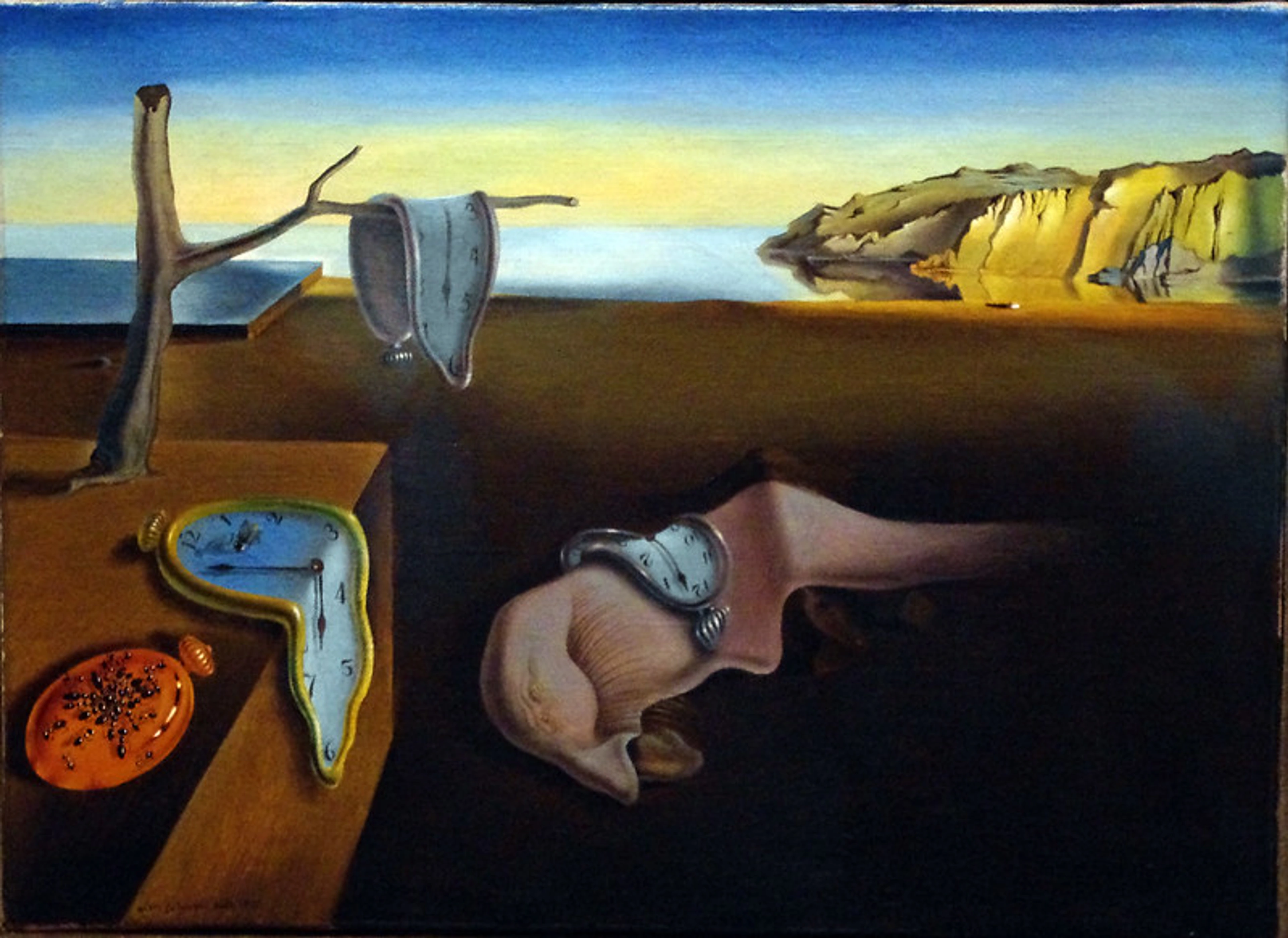
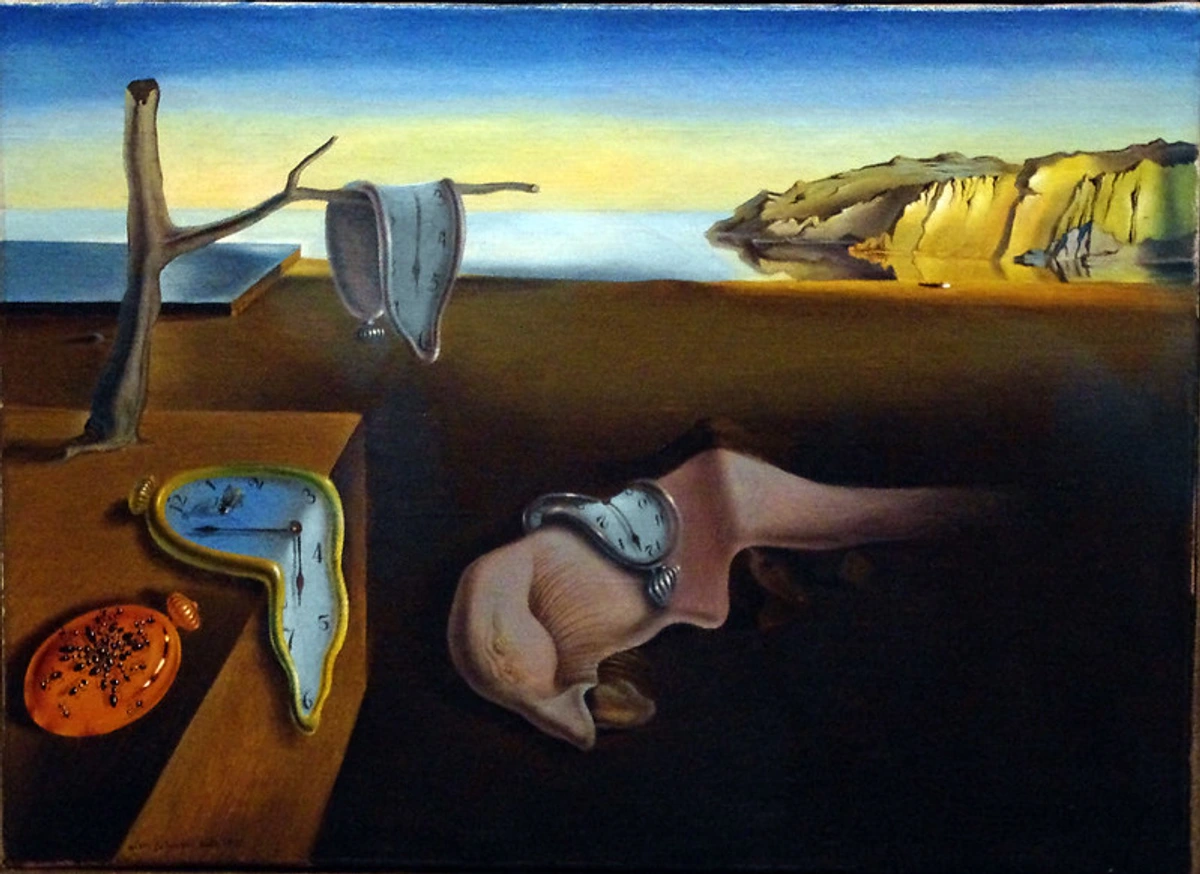
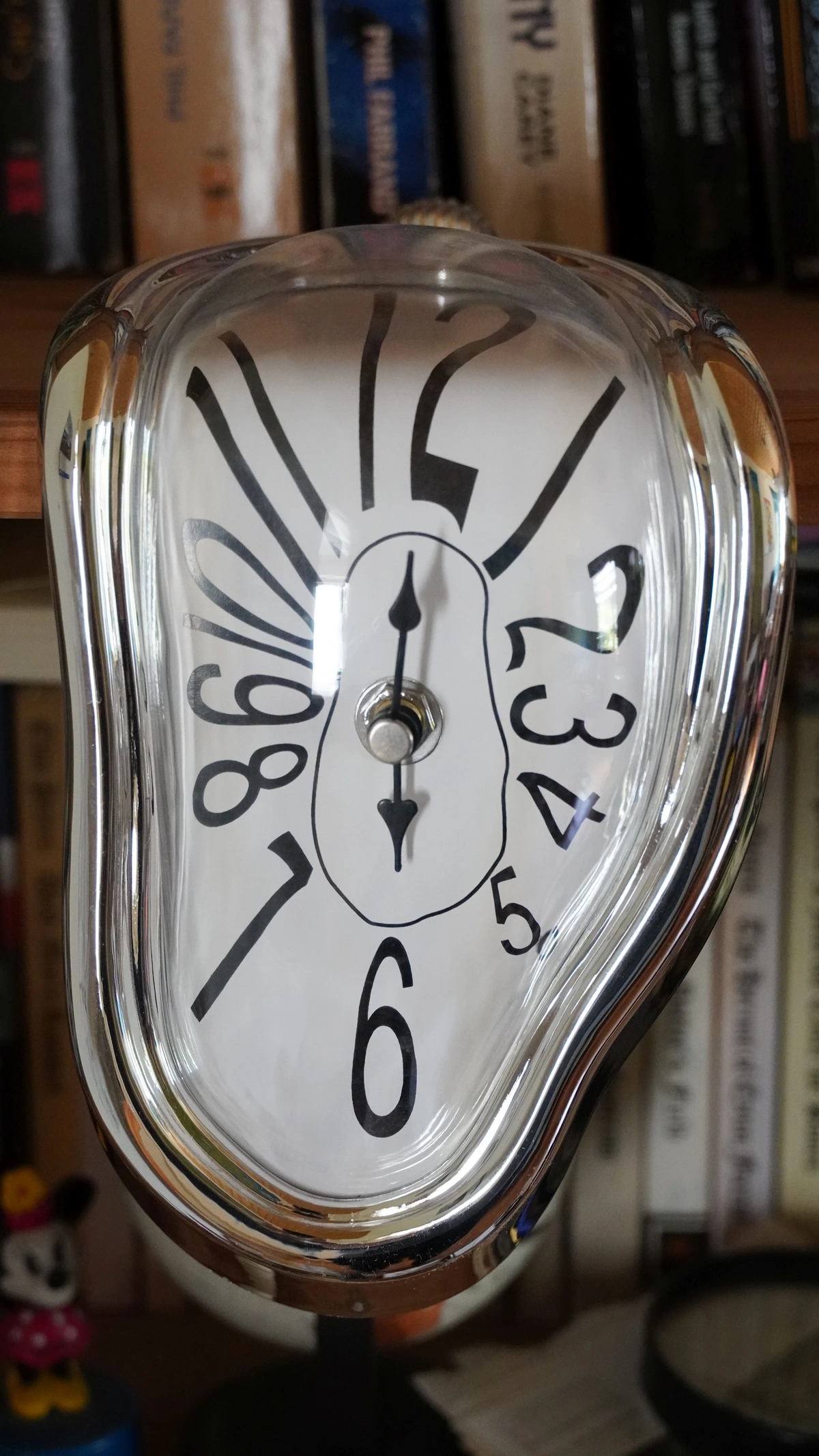
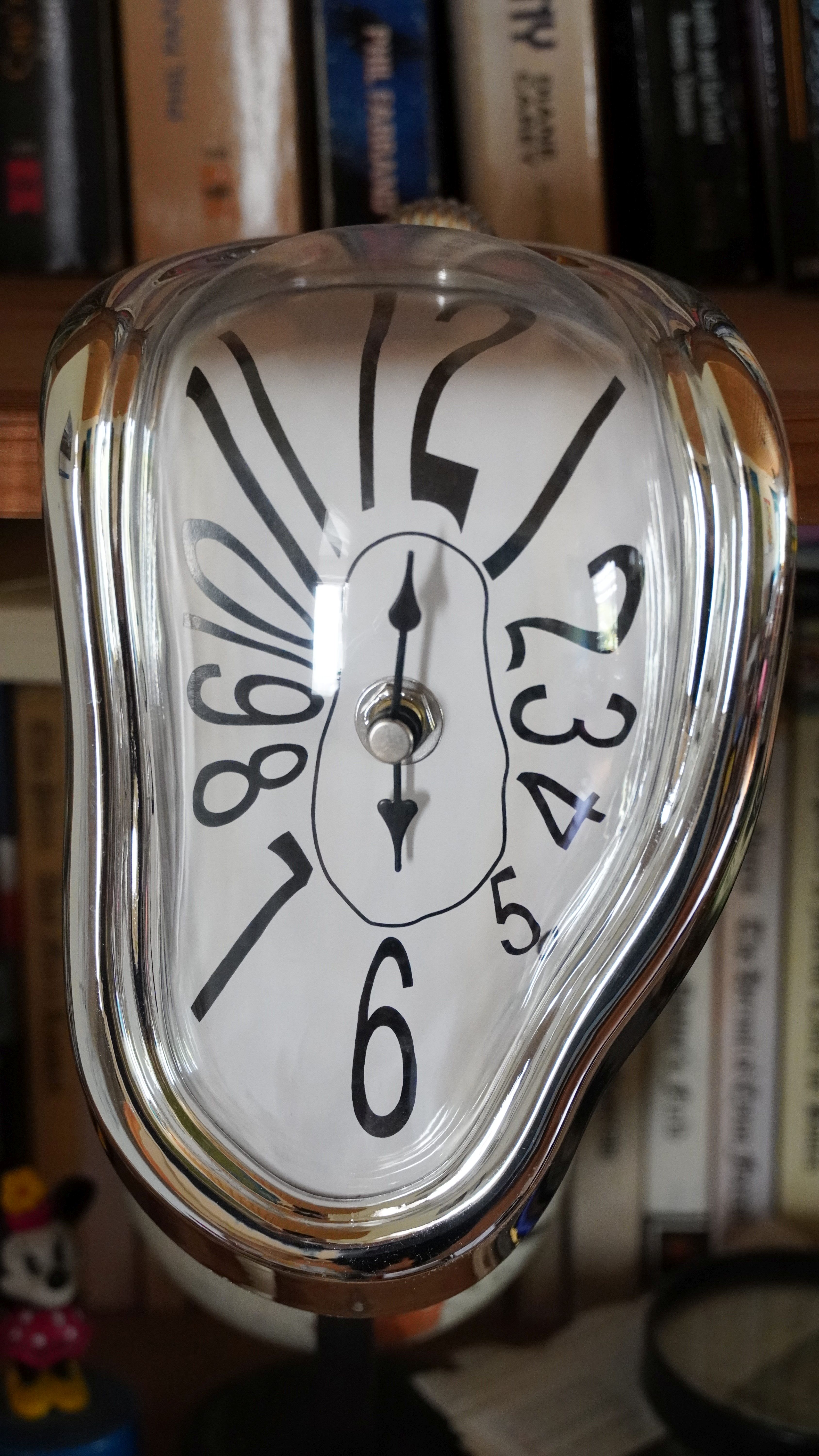
Think about it: Before Freud, if you painted a melting clock, people would think you were having a psychotic episode. After Freud, they'd start asking what it represented in your subconscious. That's the power of his ideas—they completely changed how we interpret art, dreams, and even our own thoughts.
So, how exactly did a psychoanalyst's theories end up on the canvases of painters like Salvador Dalí and Max Ernst? Let's dive in.
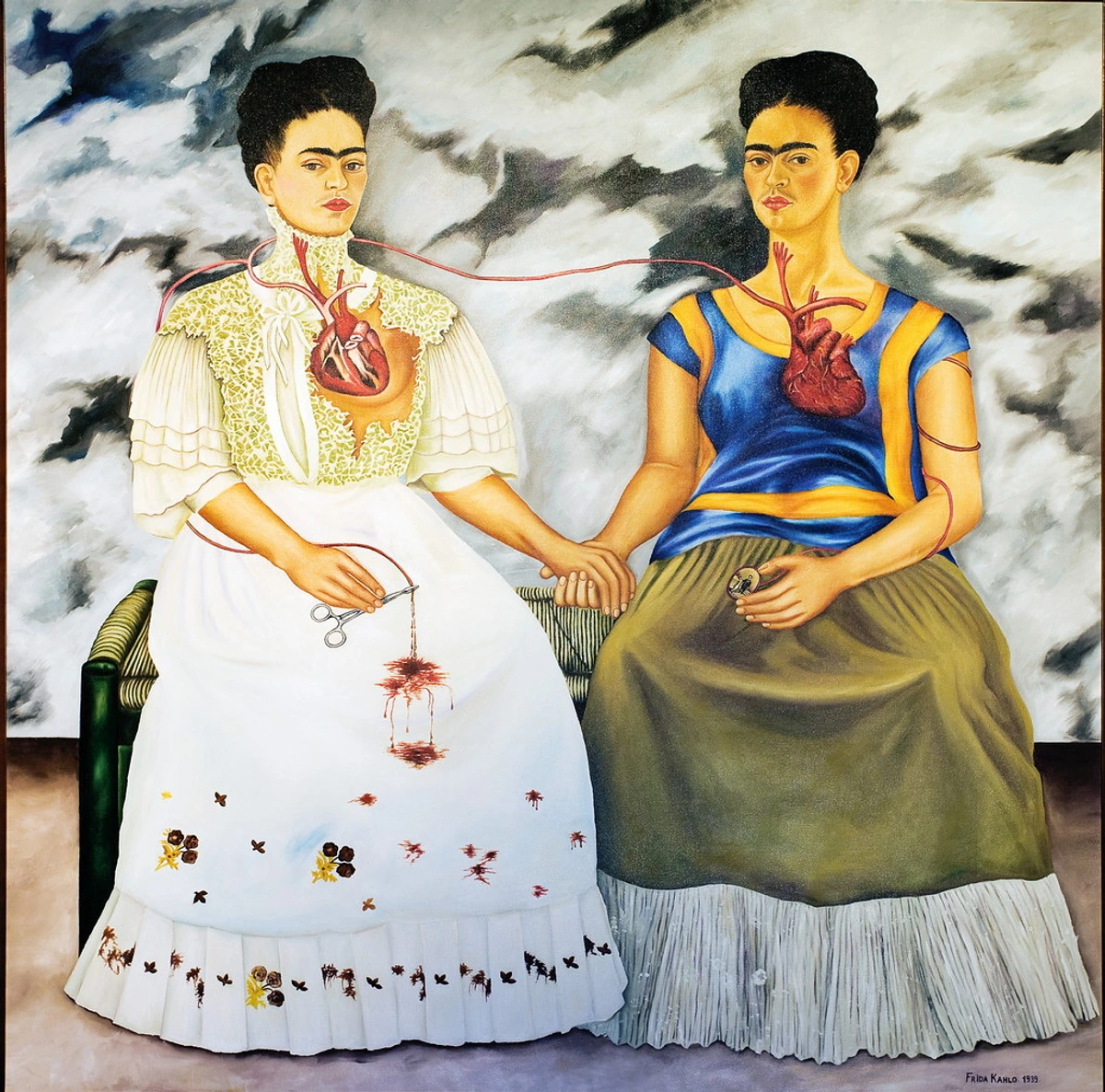
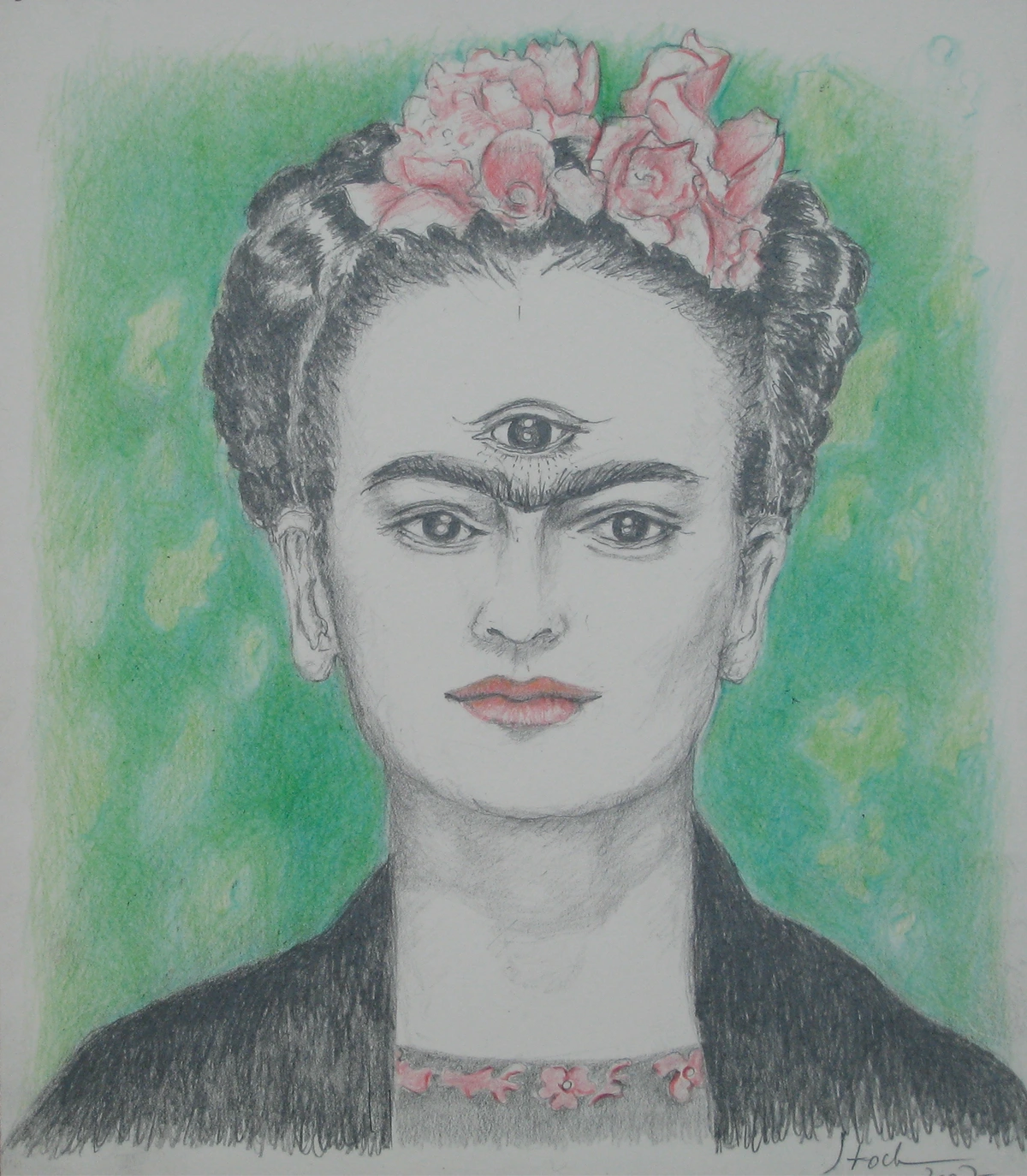
Kahlo's dual self-portrait exploring identity, heritage, and the complex relationship between her European and Mexican selves—a perfect example of personal psychology expressed through visual art.
The Crucible of Chaos: Europe Before Surrealism
The cultural landscape of 1920s Paris was uniquely fertile ground for Surrealism to take root. This wasn't just about the aftermath of World War I—it was about the convergence of multiple intellectual and artistic currents. The city had become a magnet for artists and writers fleeing political turmoil across Europe, creating a vibrant, cross-pollinating environment where ideas could flourish.
Parisian cafes like Le Café de la Rotonde and Le Dôme became informal laboratories for artistic experimentation. These weren't just coffee shops—they were universities of the avant-garde, where poets, painters, philosophers, and psychiatrists argued about the nature of reality until the early hours of the morning. Here, Surrealists would engage in what they called "exquisite corpse" games—collaborative drawing and writing where each person would add to a composition without seeing what came before, creating bizarre and unexpected results. These games were essentially Surrealist group therapy sessions, tapping into the collective unconscious through playful collaboration.
To understand why Freud's theories resonated so deeply with artists in the 1920s, you have to understand the world they were living in. Europe was still reeling from the catastrophic trauma of World War I—a conflict that had shattered faith in reason, progress, and the very foundations of Western civilization. The Enlightenment ideals of logic and order had led not to utopia, but to trenches, mustard gas, and millions of dead young men.
I remember reading about a veteran who returned from the Western Front and couldn't look at a sunset without breaking down in tears. The beauty of nature reminded him too much of the beauty of explosions. That's the kind of psychological damage we're talking about—an entire generation whose sense of reality had been permanently warped. How could they trust logic when logic had gotten them into this mess?
But it wasn't just the physical devastation that created the perfect conditions for Surrealism to emerge. The psychological scars were just as deep. Many veterans returned with what we now call PTSD, experiencing flashbacks, nightmares, and dissociation that seemed to prove Freud's theories about the unconscious mind. The very fabric of reality had been torn apart, and artists began to question whether the "rational" world they'd been taught to value was actually just a thin veneer hiding deeper truths.
This is where Freud became so important. He provided a language to describe what these veterans were experiencing—things like repression, the unconscious, and the way traumatic memories resurface in dreams. Suddenly, the "madness" that artists were exploring wasn't really madness at all. It was just the human mind operating in a different mode, one that Freud had mapped out with his theories.
In this intellectual vacuum, two radical movements were bubbling up: Dada and early Surrealism. Dada, born in Zurich in 1916, was essentially anti-art—a nihilistic rebellion against the bourgeois values that had produced the war. Dadaists staged nonsensical poetry readings, exhibited urinals as art, and generally decided that if the world had gone mad, art should reflect that madness.
What's often overlooked is how Dada was a direct response to the psychological breakdown of European society. Artists like Marcel Duchamp and Tristan Tzara were essentially saying, "If reality itself has become absurd, then our art should be too." They were using humor and absurdity as weapons against a world that had lost its mind.
Duchamp's famous "Fountain"—a signed urinal submitted as artwork—wasn't just a prank. It was a philosophical statement about how arbitrary our definitions of "art" really are. If we can send millions of people to their deaths over national borders, why can't we call a toilet a sculpture? The Dadaists were essentially saying that the whole system had become so insane that the only sane response was to reject it completely.
But Dada was, ultimately, about destruction. Surrealism, which emerged from the ashes of Dada in the 1920s, was about creation. It took the same rejection of rational order but channeled it into something positive: a quest for a "super-reality" hidden beneath the surface of everyday life. And the intellectual roadmap for this journey? That's where Freud comes in.
The timing was almost perfect. Freud's The Interpretation of Dreams had been published in 1899, but it wasn't until after World War I that his ideas really began to permeate artistic circles. The war had made people question everything they thought they knew about human nature, and Freud's theories offered a tantalizing alternative explanation—one that focused not on rational behavior but on hidden desires, repressed memories, and the mysterious workings of the unconscious mind.
Freud's Greatest Hits: The Concepts That Rocked the Art World
Freud's influence on Surrealism wasn't just theoretical—it was practical. His theories gave artists concrete methods for accessing the unconscious and creating work that felt authentically "other." The Surrealists essentially turned Freud's clinical techniques into artistic tools, creating a whole new vocabulary for exploring the human psyche.
What's remarkable is how quickly Freud's ideas spread from medical circles to artistic ones. Within a decade of The Interpretation of Dreams being published, artists were reading and discussing his work. This says something about the hunger among intellectuals and artists in the early 20th century for new ways of understanding human behavior—especially after the trauma of World War I had shown that rationality alone couldn't explain human actions.
I find it fascinating that Freud, who was working in Vienna, became such a sensation in Paris. There's something about the French intellectual climate that was perfectly suited to receive his ideas. Maybe it's because the French have always had a certain fascination with the irrational, with the mysterious, with what lies beneath the surface. Or maybe it's just that Paris in the 1920s was the most exciting city in the world, and new ideas were flying around like confetti.
To understand what Surrealism is, you don't need a Ph.D. in psychology, but you do need to get a handle on a few of Freud's core ideas. Think of him as the opening act that set the stage for the main event.
What's remarkable is how Freud, despite being a scientist rather than an artist, essentially created a new artistic philosophy. His theories gave artists permission to explore the parts of human experience that had previously been considered taboo or irrational. Before Freud, art was largely about representing the visible world in new ways. After Freud, art could be about representing the invisible world of dreams, desires, and fears that existed below the surface of consciousness.
1. The Unconscious Mind: The Iceberg Below the Surface
Freud's big idea was that our conscious mind—the part of you reading this right now, thinking about what to have for dinner—is just the tip of the iceberg. Below the surface is the vast, murky, and powerful unconscious mind. This is where we stash all our primal urges, repressed memories, deep-seated fears, and irrational desires. It’s the messy, chaotic basement of our personality. The Surrealists heard this and thought, "Jackpot! That's where the good stuff is!"
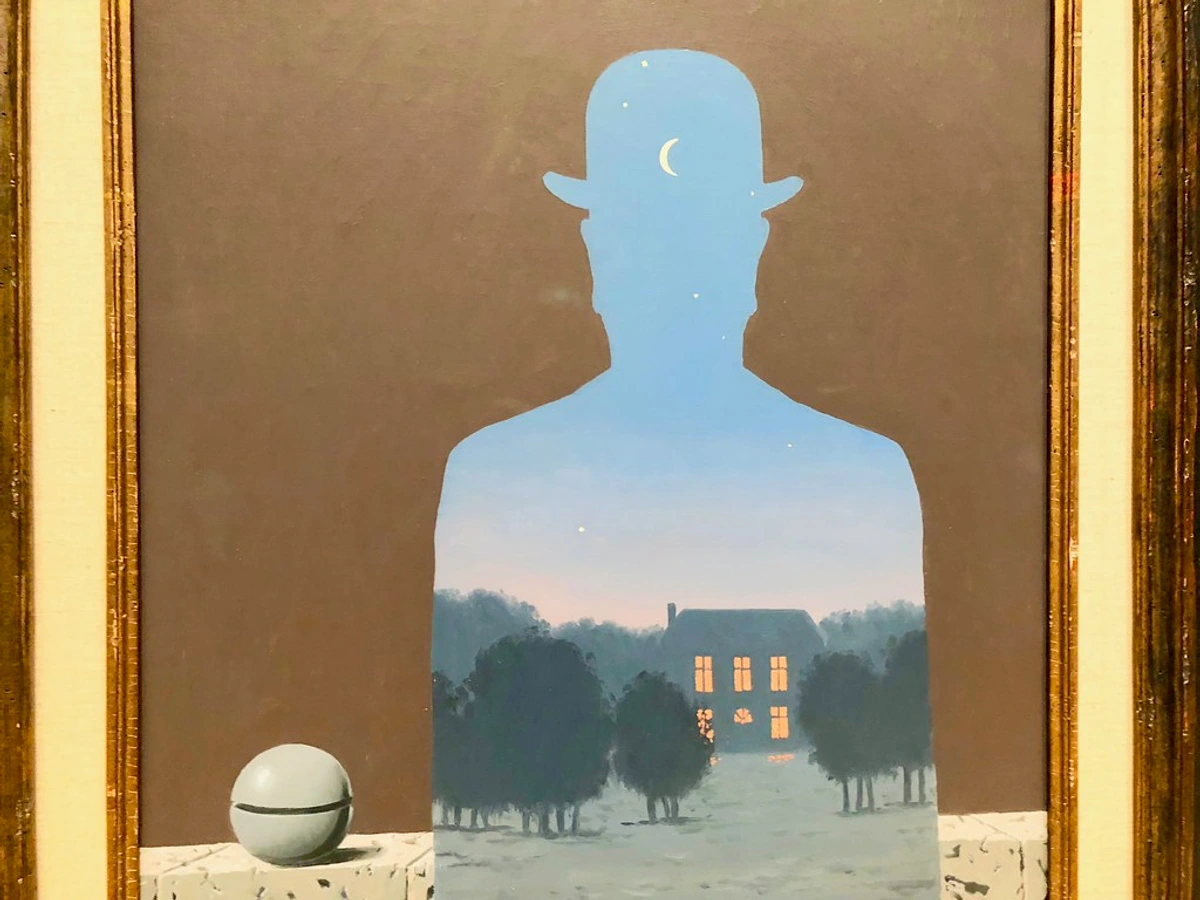
They believed that the rational, logical world was a bore. It was a restrictive cage that led to things like World War I. The real truth, the superior reality (or 'sur-reality'), was hidden in the unconscious. Art's job was to unlock it.

2. Dreams: The Royal Road to the Unconscious
If the unconscious is a locked treasure chest, Freud said dreams were the key. In his book The Interpretation of Dreams (1899), he argued that while we sleep, our rational mind's defenses are down. This allows the unconscious to speak, but it does so in a weird, symbolic language. A dream about flying might represent freedom or ambition. A dream about your teeth falling out could symbolize anxiety. The Surrealists took this literally. They saw their dreams as direct dispatches from their inner worlds, ripe for painting.
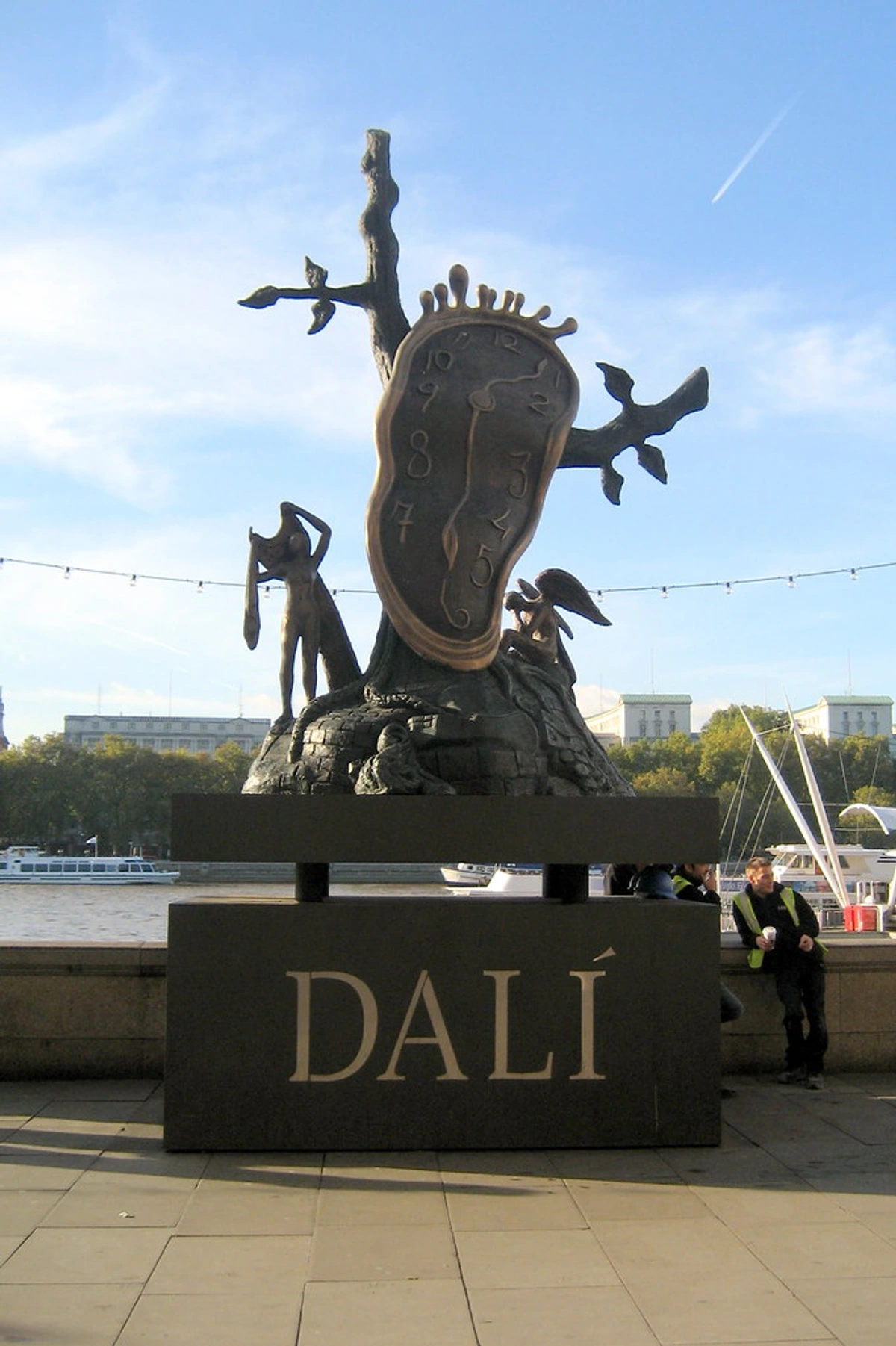
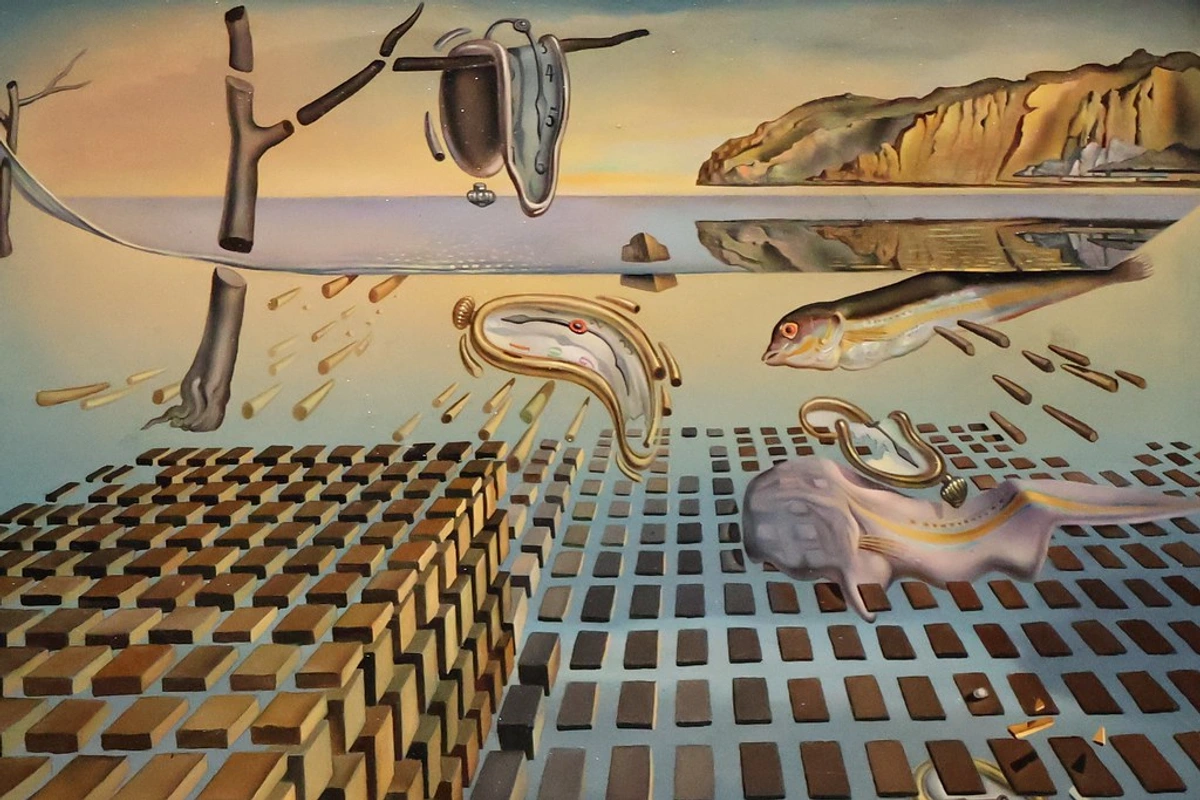
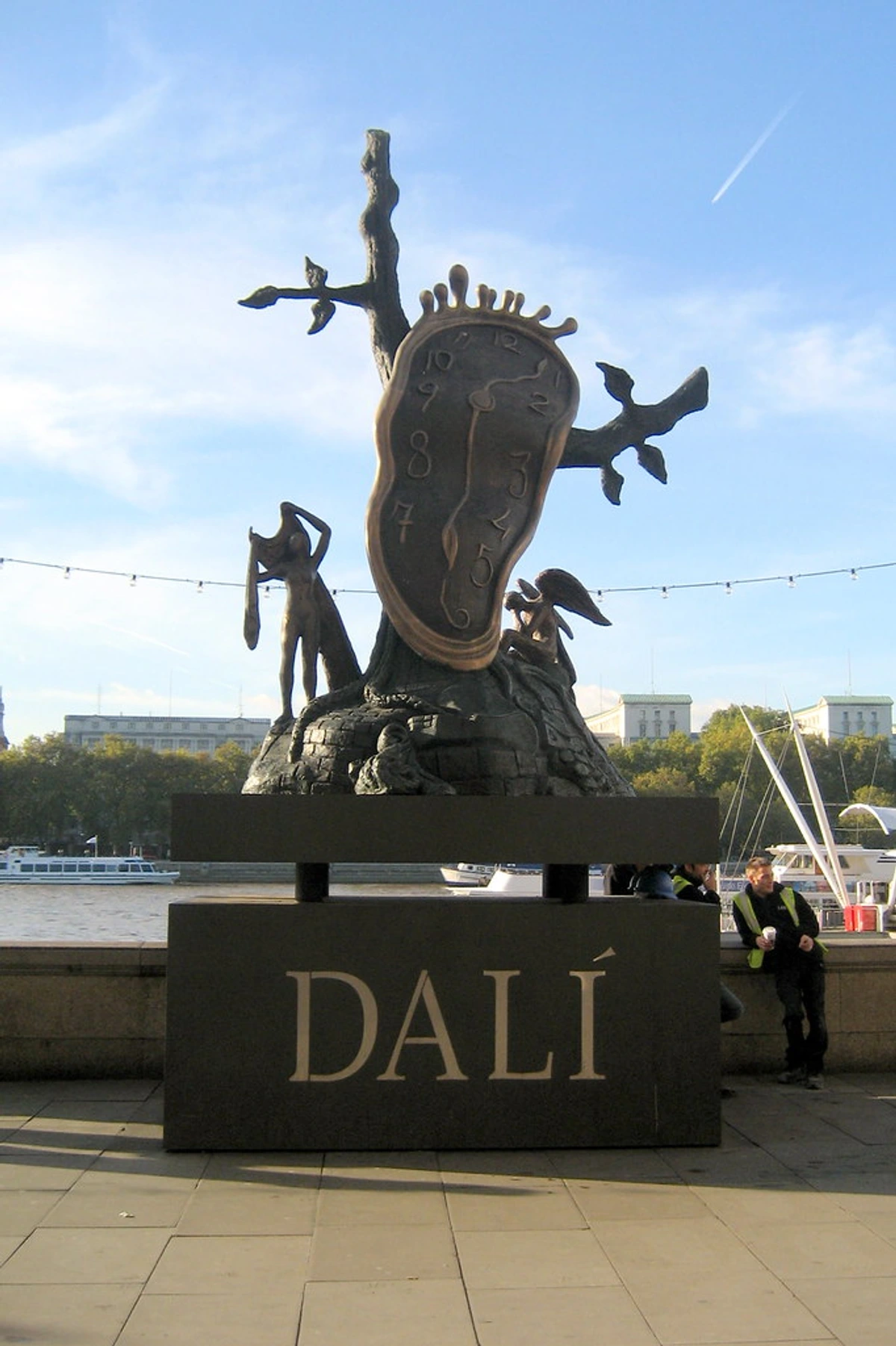
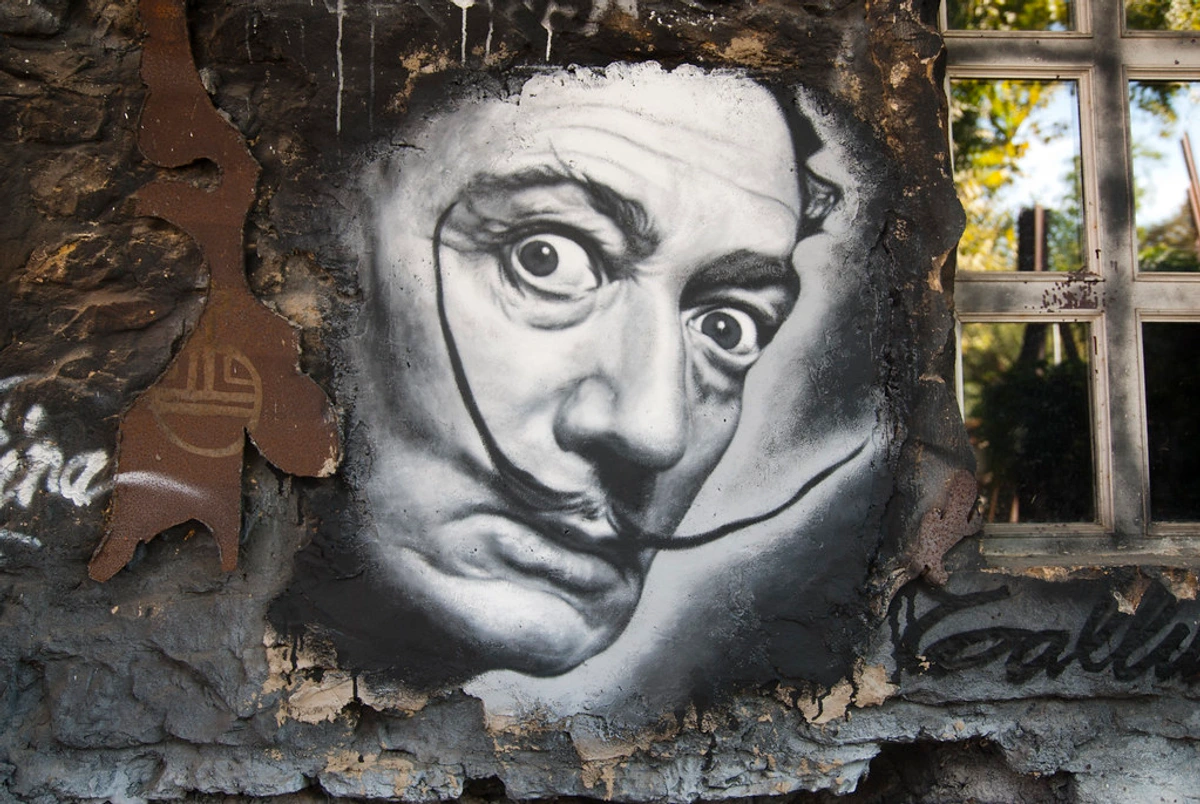
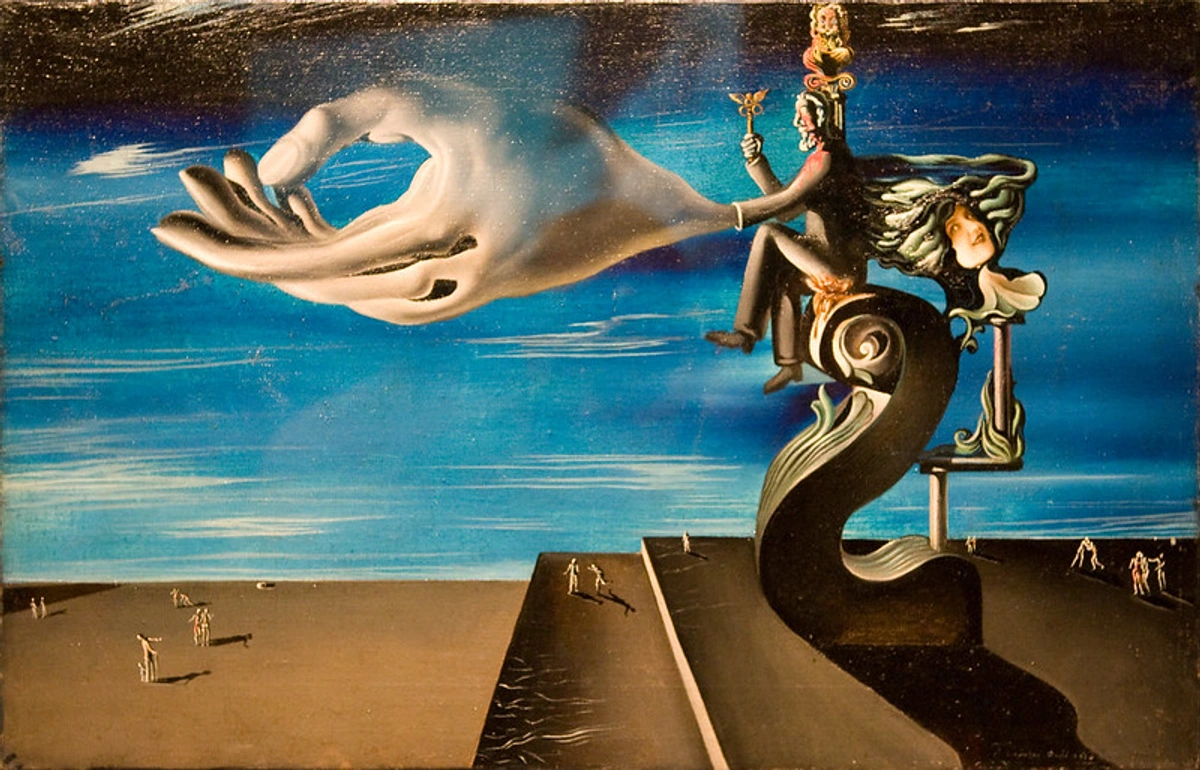
This is why so much Surrealist art feels like a dream you can't quite shake. Think of Dalí's melting clocks; it's not logical, but it feels meaningful, just like a powerful dream.
What's fascinating is how Freud's dream theory was revolutionized by the Surrealists. Freud saw dreams as symbolic messages that needed to be interpreted—essentially a code to be broken. But the Surrealists took a different approach: they believed dreams were themselves a form of reality, perhaps even more authentic than waking life. Salvador Dalí famously said, "The difference between me and a madman is that I am not mad," suggesting that while others might see his work as insane, he was actually accessing a deeper level of reality that most people miss.
What's fascinating is how Freud's dream theory built on older traditions. Cultures around the world have always seen dreams as significant—ancient Egyptians kept dream journals, medieval Europeans believed dreams could predict the future, and many indigenous traditions view dreams as a separate reality. But Freud brought something new: the idea that dreams could be scientifically interpreted. He developed a complex system where symbols had specific meanings based on personal associations and universal archetypes.
The ancient Egyptians believed dreams were messages from the gods. The medieval Europeans saw them as divine warnings or prophecies. Freud was the first to suggest that dreams were actually messages from ourselves—from parts of our own minds we couldn't access directly. It was revolutionary because it democratized the meaning of dreams. Suddenly, you didn't need to be a priest or a shaman to understand your dreams; you just needed to understand Freud's system.
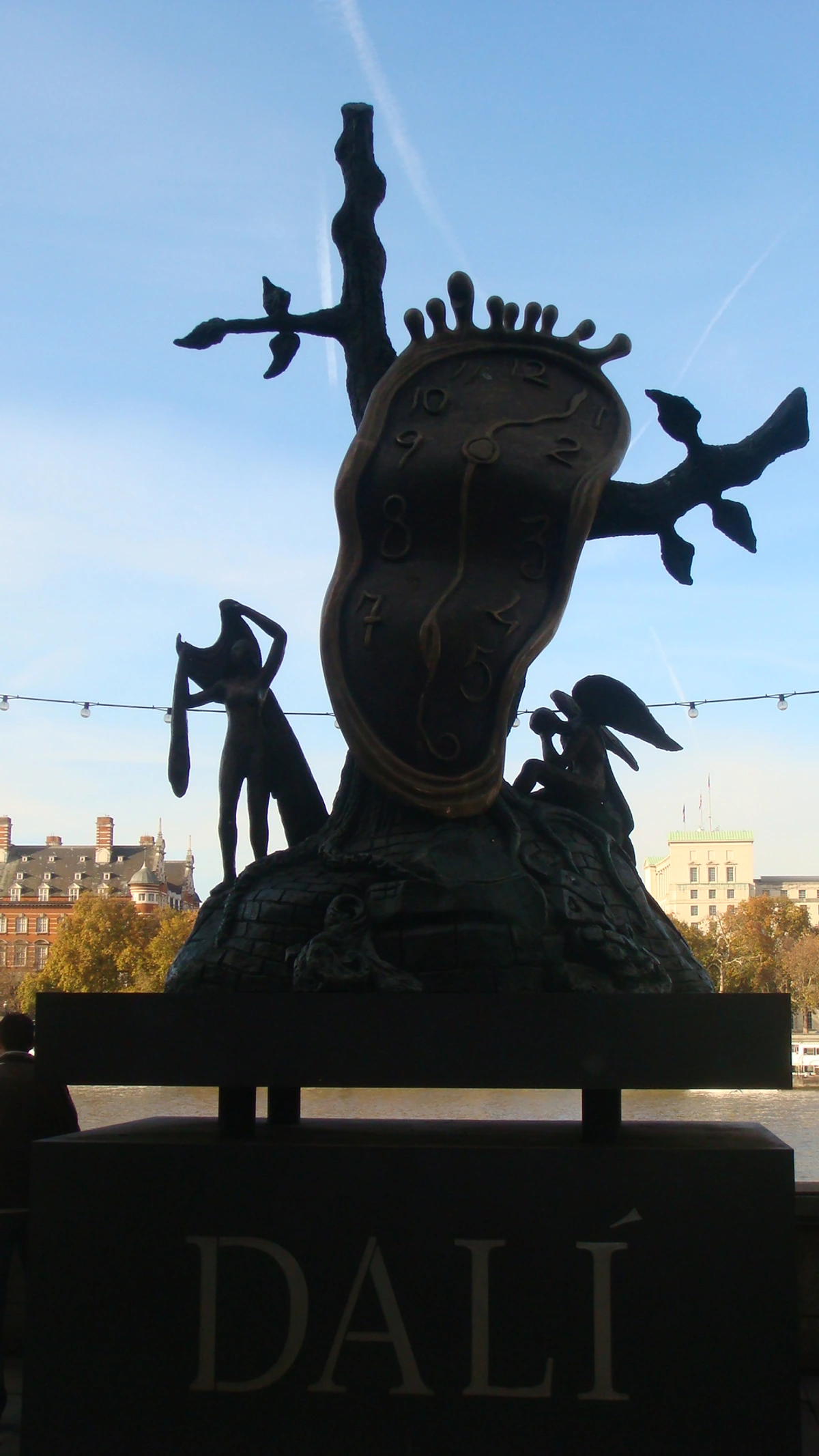
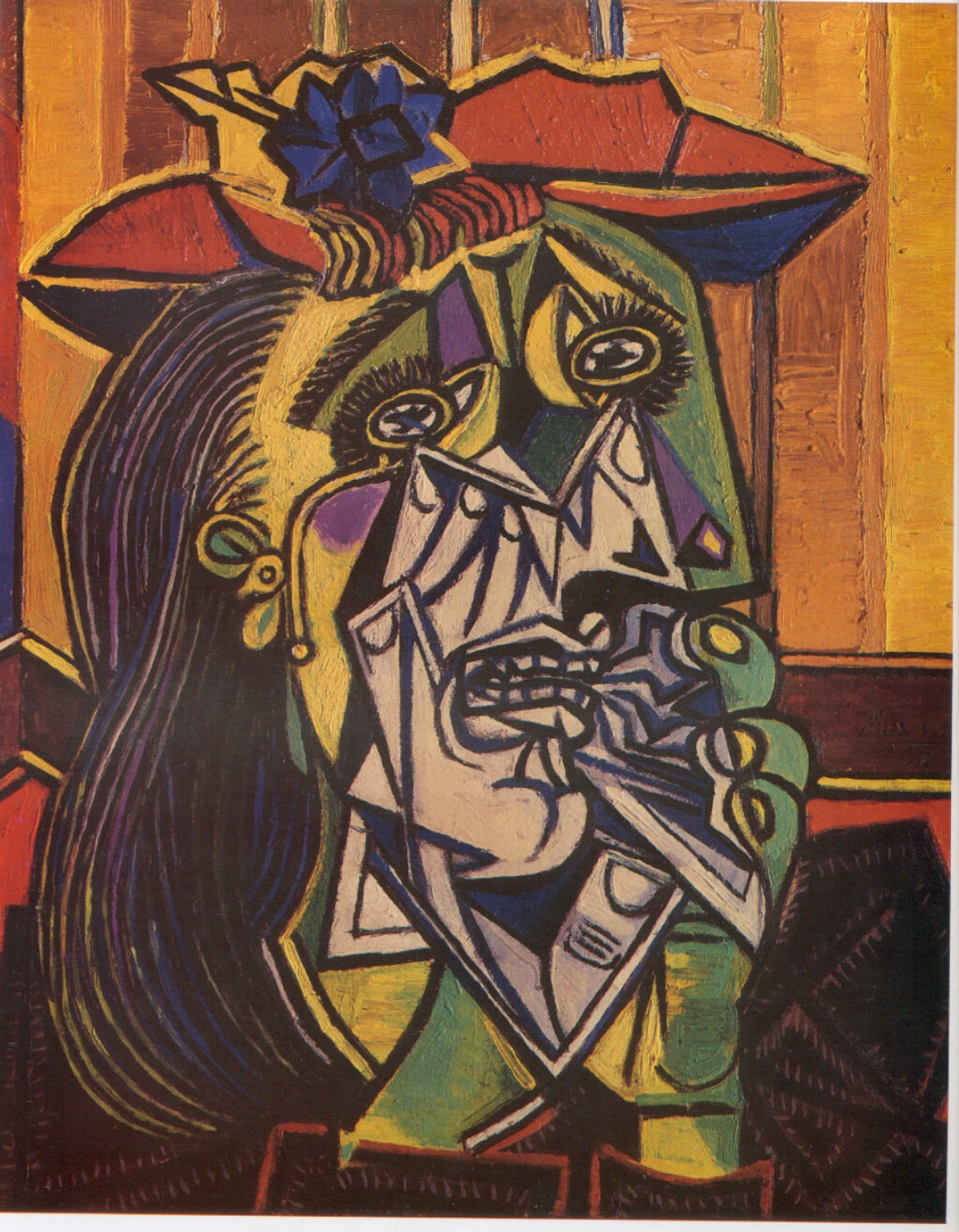
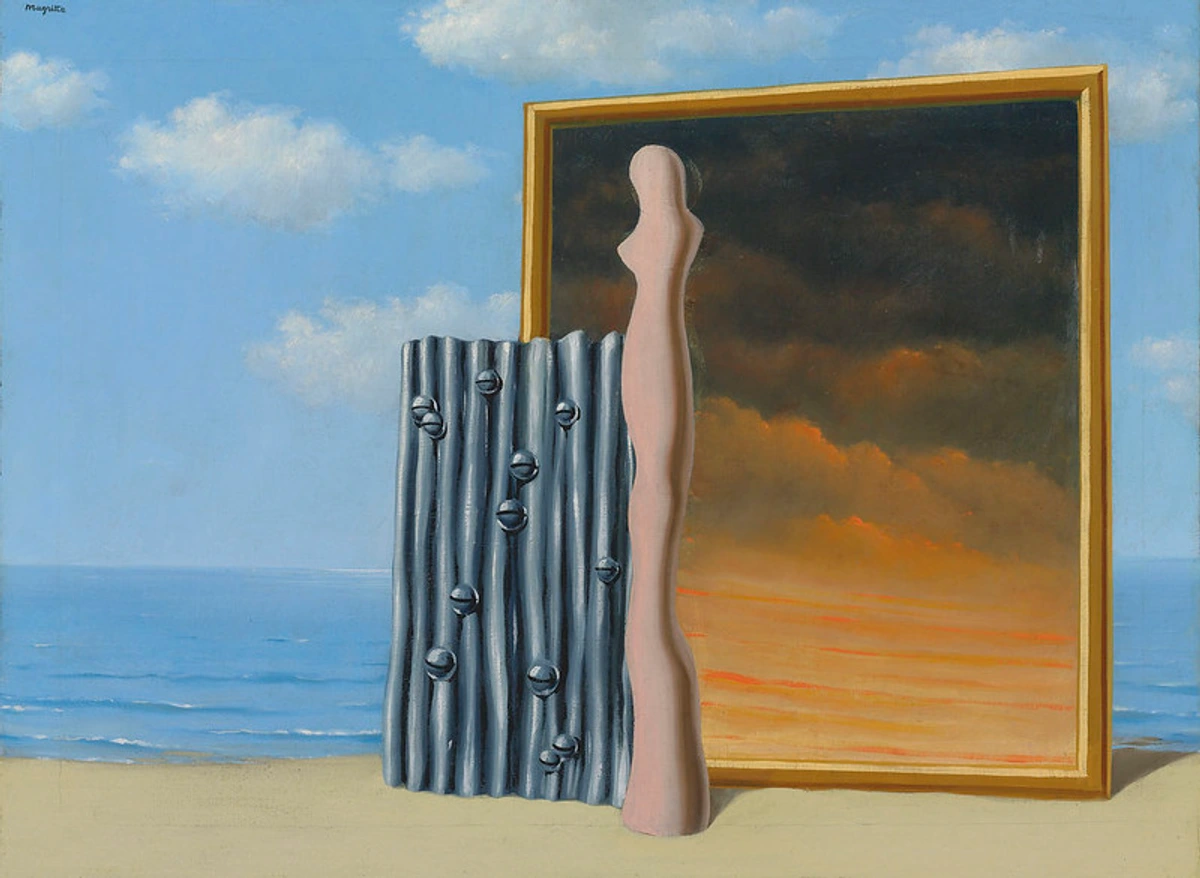
The Surrealists took this and ran with it. They began keeping detailed dream journals, sharing their dreams with each other, and even holding "dream conferences" where they would recount their nocturnal adventures. For them, dreams weren't just psychological phenomena—they were raw artistic material. The Belgian artist René Magritte reportedly said that painting a dream was like "translating from one language to another," and he believed that the dream state offered a more authentic reality than waking life.
3. Free Association and Automatism: Just Let It Flow
Freud used a technique called free association in his therapy sessions. He'd have patients lie on a couch and say whatever came into their minds, no matter how silly, random, or offensive. The idea was to bypass the conscious filter and let the unconscious speak freely.
The Surrealists adapted this into artistic techniques known as automatism. This was about creating art without conscious thought. They would do things like:
- Automatic Writing: Writing continuously without stopping or thinking, letting words pour onto the page.
- Automatic Drawing: Doodling aimlessly, allowing the hand to move freely across the paper.
These weren't about creating a masterpiece in the traditional sense. They were about capturing a pure, direct signal from the unconscious. It was a revolutionary way of thinking about where art comes from.
What I find particularly interesting about automatism is how it challenges our modern ideas about creativity. We tend to think of the artist as a conscious genius deliberately crafting their work. But the Surrealists suggested that true creativity might come when we let go of control. This is actually something I've experienced myself when writing—sometimes the best ideas come when I stop trying to be clever and just let my fingers type without thinking.
The Spanish filmmaker Luis Buñuel, who collaborated with Dalí on the famous film Un Chien Andalou, described the Surrealist method as "a systematic derangement of the senses." They wanted to create a state where the usual connections between things broke down, allowing new, unexpected associations to emerge. This is why so much Surrealist art feels both familiar and strange—like something you've seen in a dream but can't quite place.
From the Couch to the Canvas: Surrealist Artists as Freud's Unofficial Students
The relationship between Freud and the Surrealists was complex and contradictory. On one hand, they revered him as a genius who had unlocked the secrets of the mind. On the other hand, they freely adapted and transformed his theories to serve their artistic purposes. This wasn't blind following—it was creative reinterpretation at its finest.
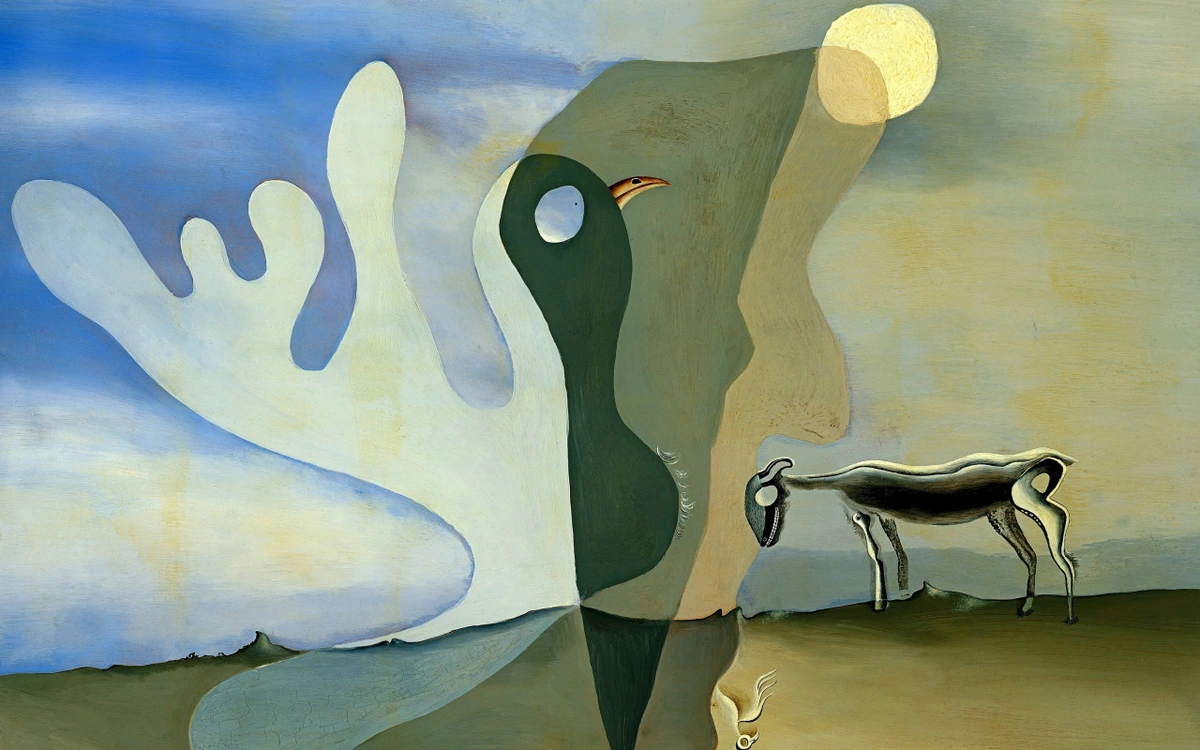
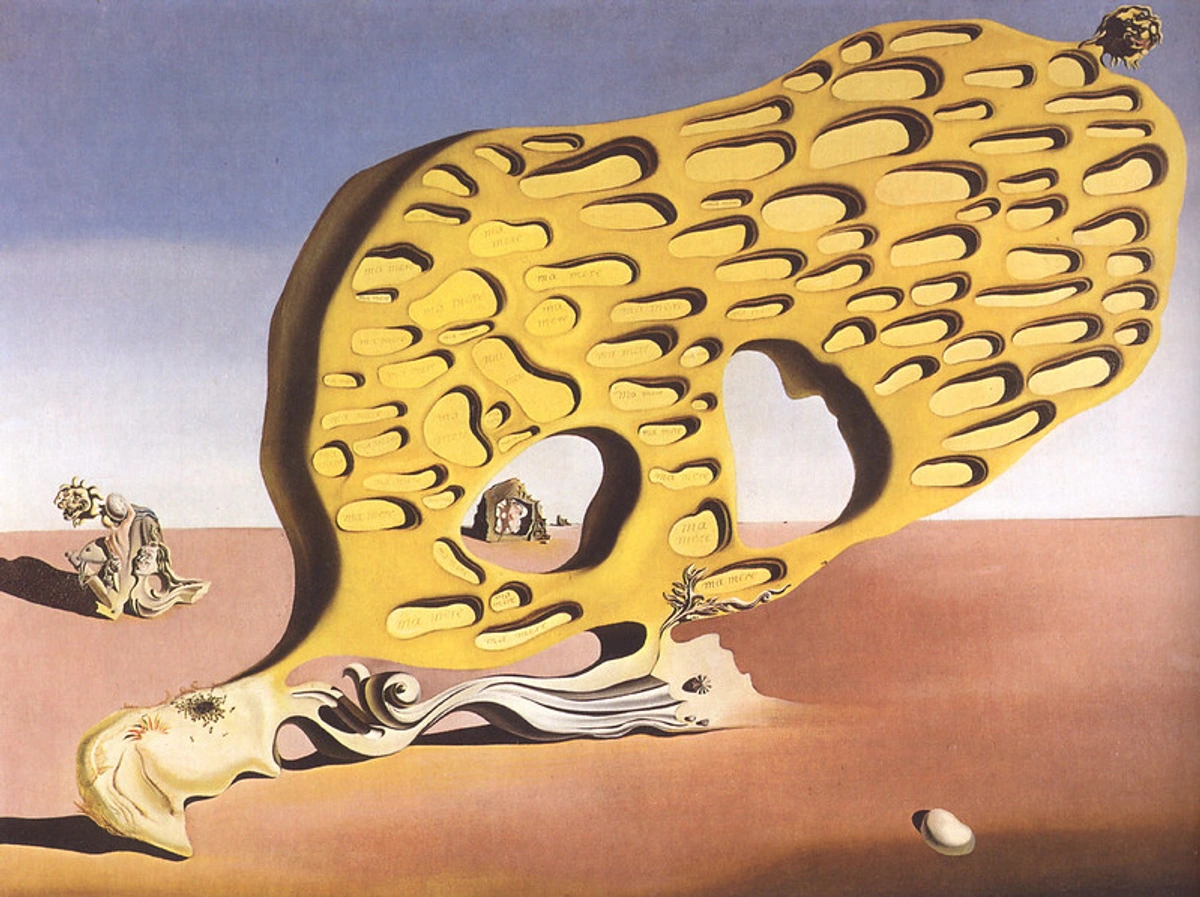
What's interesting is how different artists latched onto different aspects of Freud's work. Max Ernst was fascinated by chance and the unconscious mind's ability to create meaning from random patterns. Salvador Dalí focused on dream symbolism and the paranoiac-critical method. René Magritte explored the uncanny and the gap between reality and representation. Each artist took Freud's basic ideas and ran in their own direction, creating a diverse and rich artistic movement.
This is actually a really important point about how ideas spread in the creative world. Freud wasn't giving the Surrealists a recipe— he was giving them a set of ingredients. Some artists took the dream symbolism and made elaborate, detailed paintings. Others took the chance elements and created abstract compositions. Still others took the psychoanalytic focus on the body and created works about physical transformation. The genius of Surrealism was that it wasn't a single style or approach—it was a whole way of thinking about creativity itself.
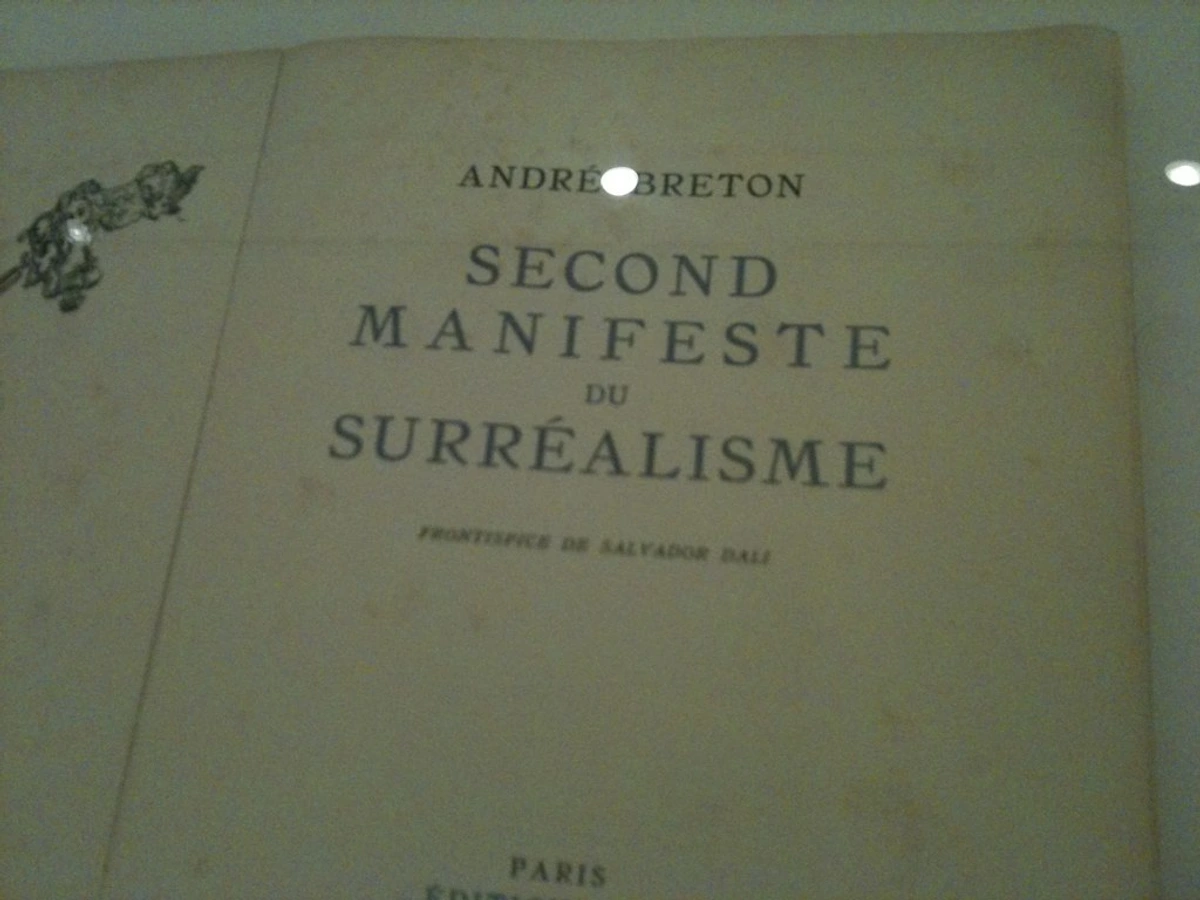
The leader of the Surrealist movement, André Breton, had trained in medicine and psychiatry and was a huge admirer of Freud. He was the one who formalized these ideas in the Surrealist Manifesto in 1924. But different artists applied Freud's concepts in their own unique ways.
Breton was actually studying psychiatry when he first encountered Freud's work, which explains why he was so taken with it. He saw Surrealism as a kind of applied psychoanalysis—instead of using Freud's techniques to heal individual patients, they were using them to transform society as a whole. It's a fascinating idea: that art could be a form of collective therapy, helping society work through its collective traumas.

Breton's manifesto was essentially a call to arms for artists to abandon traditional techniques and embrace the unconscious. He wrote that "Surrealism is based on the belief in the superior reality of certain forms of previously neglected associations, in the omnipotence of dreams, in the disinterested play of thought." This was revolutionary because it suggested that art didn't have to be about making sense or pleasing the audience—it could be about exploring the chaotic, irrational parts of the human experience.
Before we dive into the individual artists, let's take a moment to understand the intellectual climate of Paris in the 1920s. This was the era of the "Lost Generation"—writers and artists like Ernest Hemingway, F. Scott Fitzgerald, and Gertrude Stein who had fled America and gathered in Paris after World War I. The city was a hotbed of artistic experimentation, with cafes serving as laboratories for new ideas. The Surrealists met at places like Le Café de la Rotonde, arguing about art, politics, and psychology until the early hours of the morning.
Breton's manifesto wasn't just an artistic statement—it was a political manifesto as well. He believed that by exploring the unconscious, artists could tap into a revolutionary energy that could transform society. This is why Surrealism was initially closely tied to Communist ideology. The idea was that if you could free people's minds from the constraints of bourgeois logic, you could free their bodies from the constraints of capitalist exploitation.
Artist  | Freudian Concept in Focus | Key Technique/Method | Major Works |
|---|---|---|---|
| André Breton | Automatism | Automatic writing and poetry. | Nadja, Surrealist Manifesto |
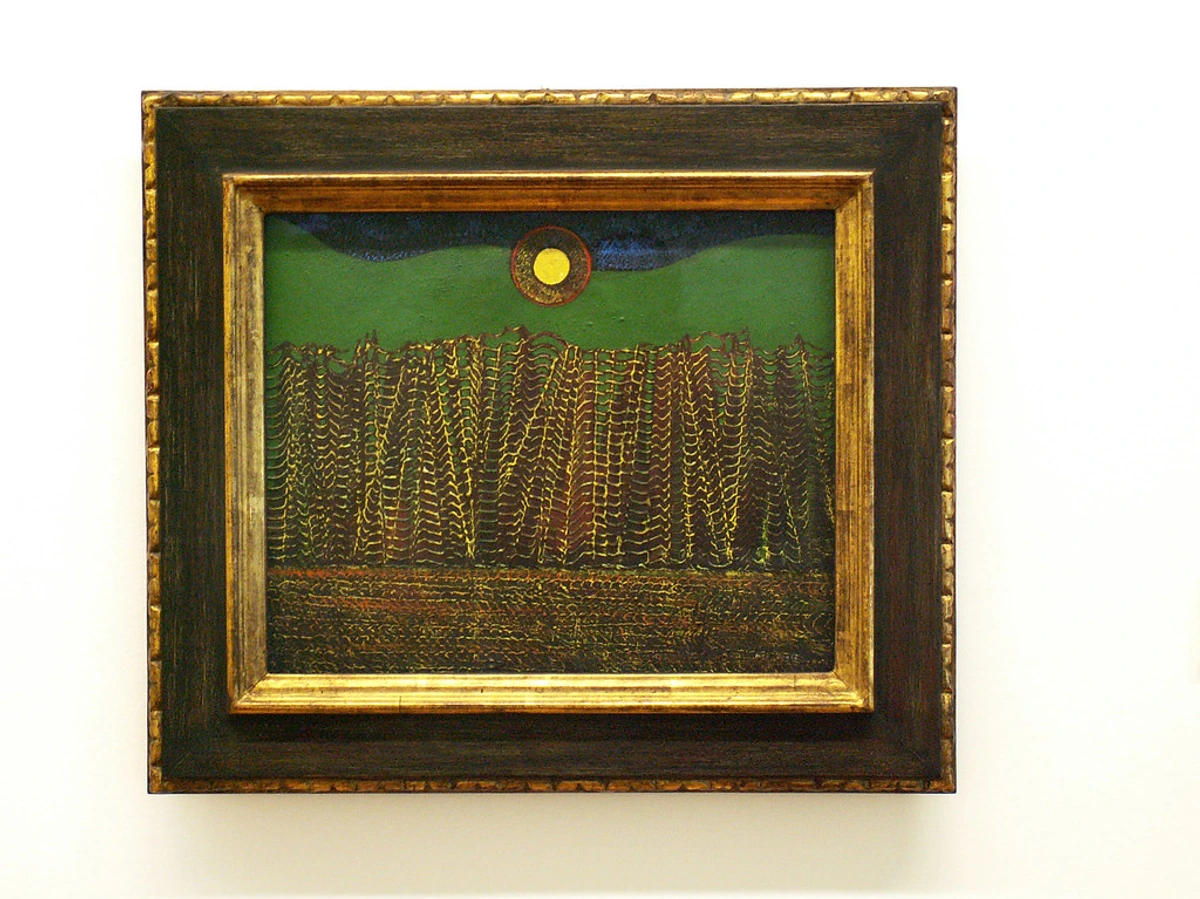
| Max Ernst | Chance & the Unconscious | Invented frottage (pencil rubbings) and grattage (scraping paint). | The Elephant Celebes, Europe After the Rain |
| Salvador Dalí | Dream Symbolism & Paranoia | Developed the "paranoiac-critical method" to induce hallucinatory states. | The Persistence of Memory, The Elephants |
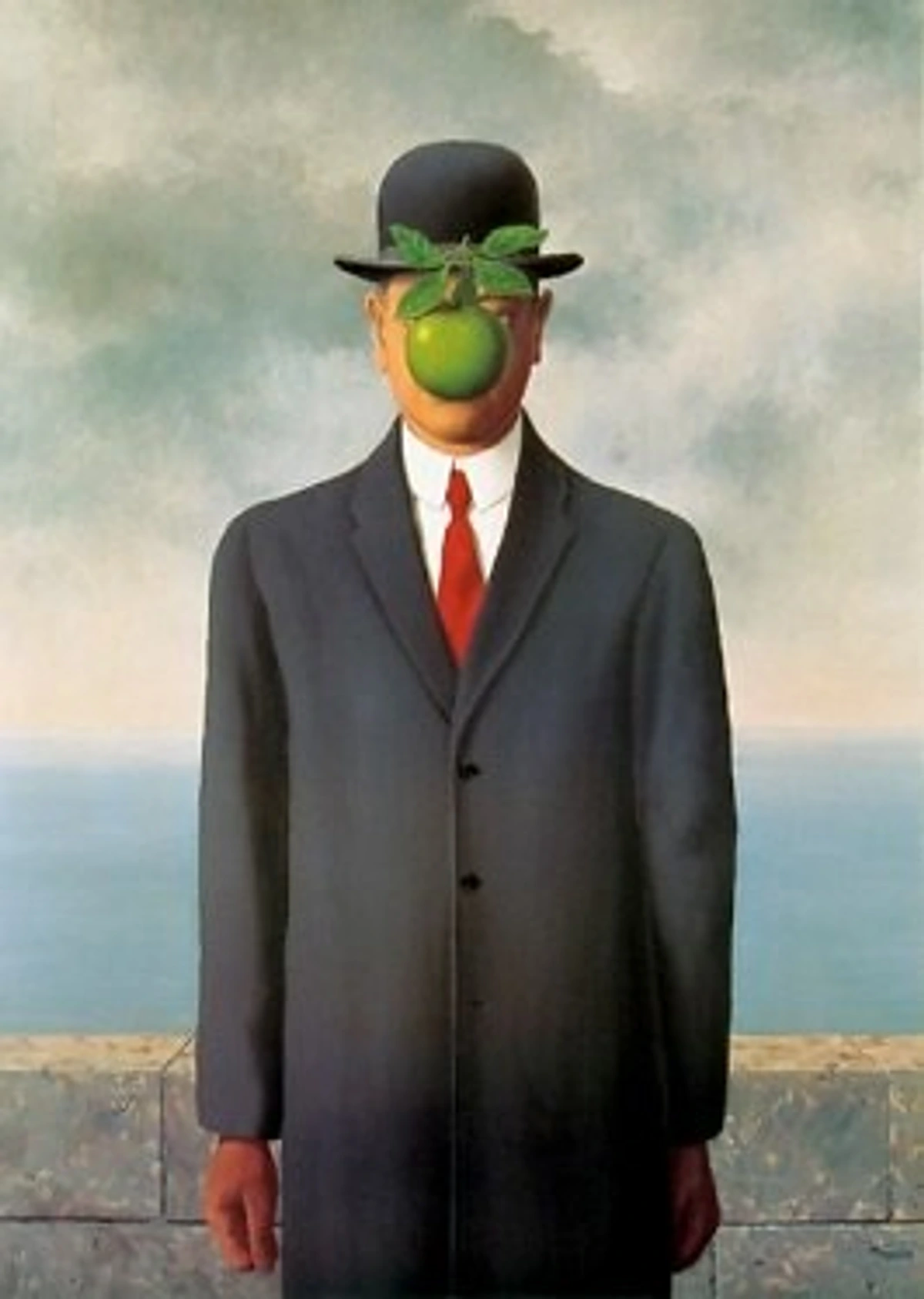
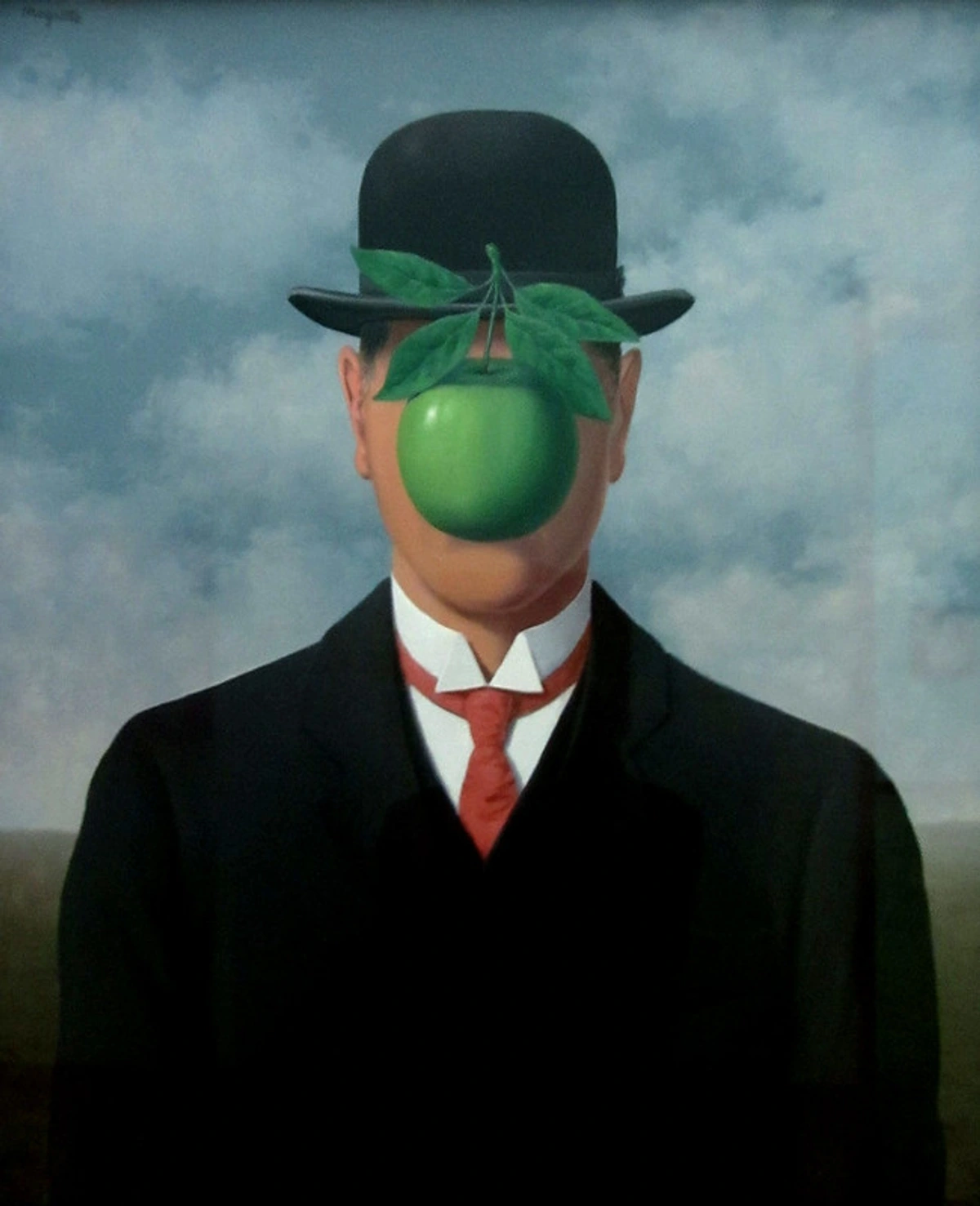
| René Magritte | The Uncanny & Repression | Juxtaposed ordinary objects in extraordinary ways to challenge perception. | The Treachery of Images, The Son of Man |
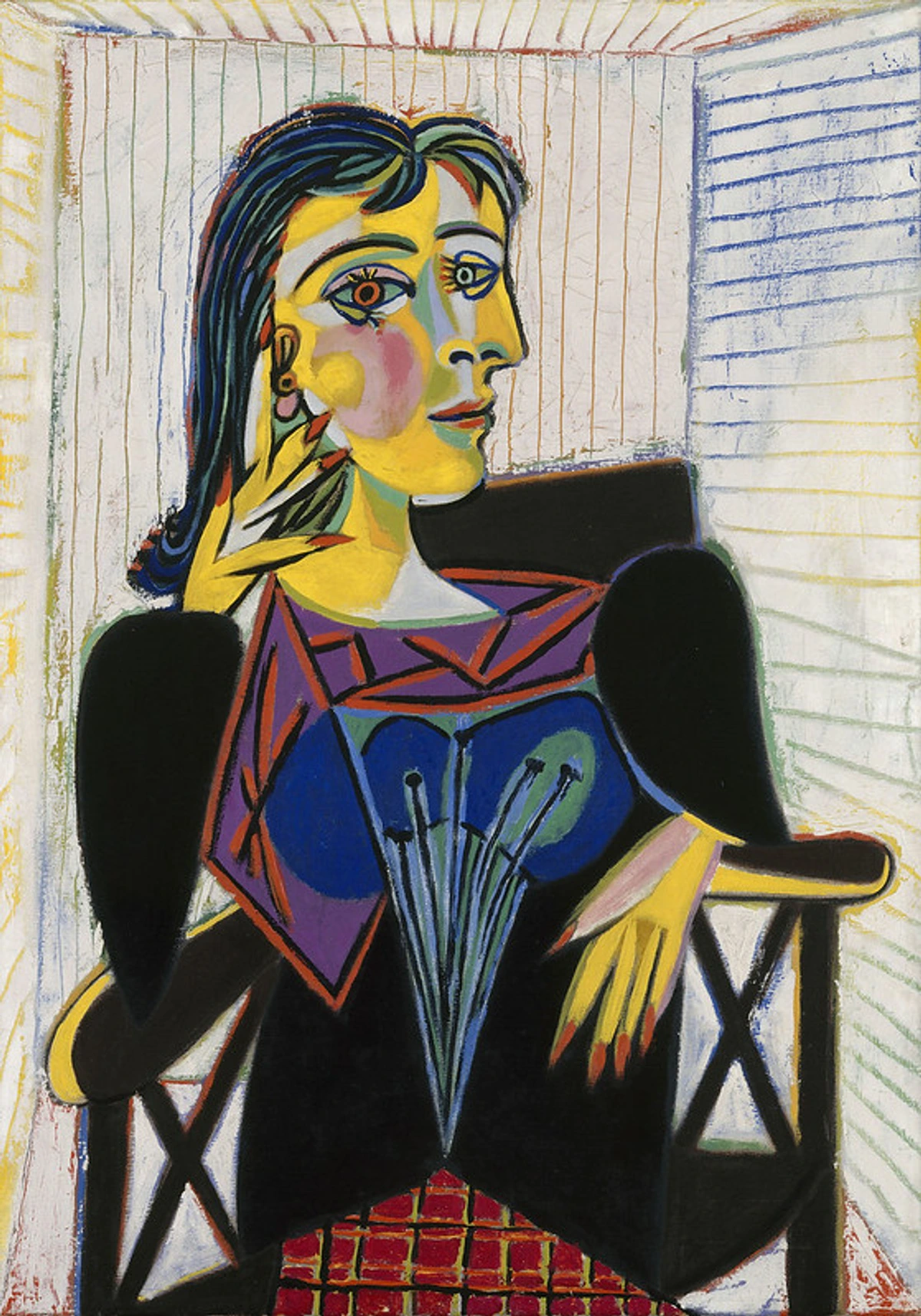
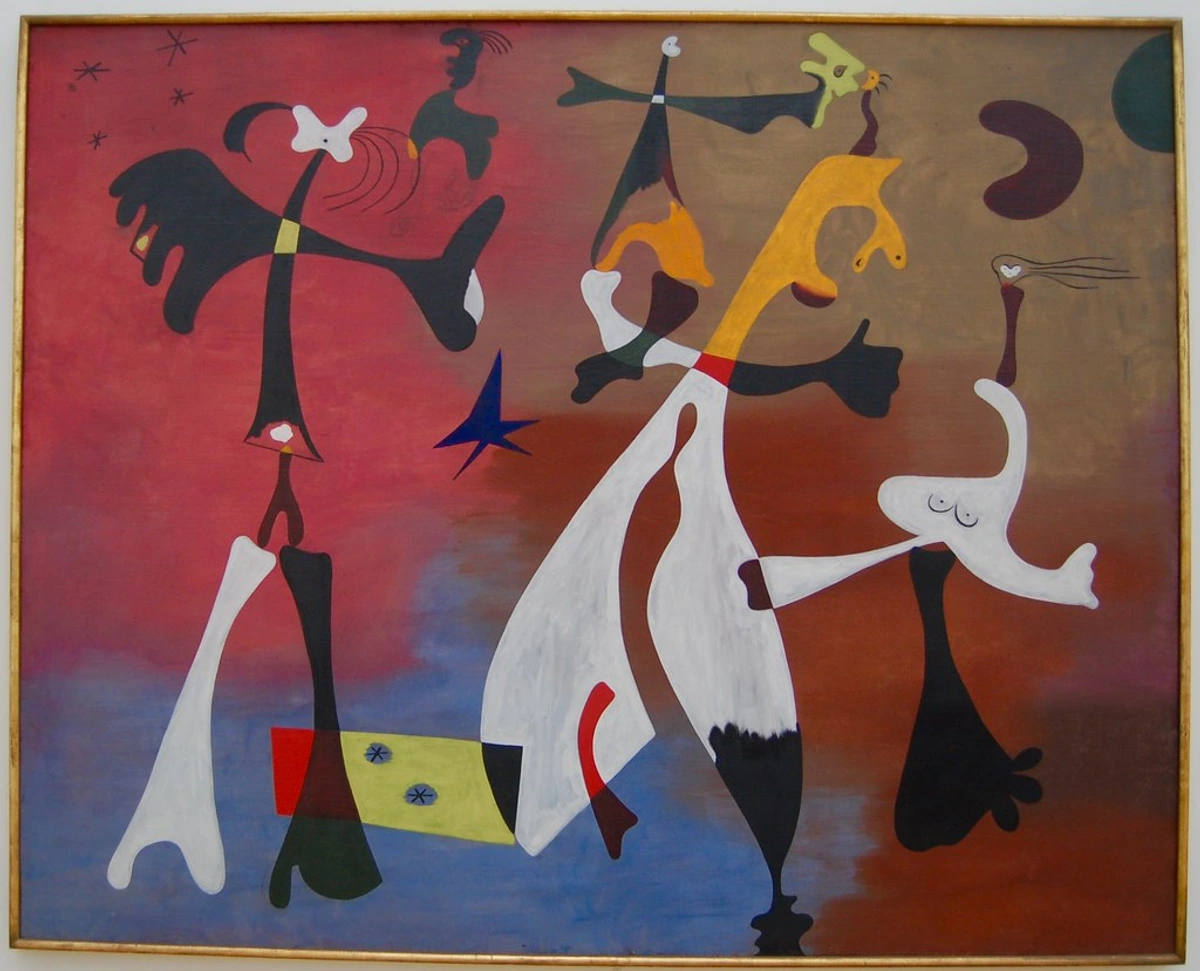
| Joan Miró | Primal Urges & Automatism | Used automatic drawing to create biomorphic, childlike forms. | The Harlequin's Carnival, Painting (The Birth of the World) |
| Man Ray | Chance & Photography | Developed "rayographs" (photograms without a camera). | Le Violon d'Ingres, The Gift |
| Leonora Carrington | Mythology & Transformation | Painted fantastical creatures and surreal narratives. | The House of Fear, The Giantess (The Guardian of the Egg) |
| Frida Kahlo | Body & Trauma | Used personal pain and physical suffering in symbolic self-portraits. | The Two Fridas, The Broken Column |
| Kay Sage | Isolation & Architecture | Created dream-like architectural landscapes with isolated figures. | Run Down, Migration |
| Dorothea Tanning | Transformation & Metamorphosis | Painted fantastical, organic transformations of the human form. | Birthday, Children's Games |
This table gives you a sense of how diverse Surrealism really was. It wasn't just one style or one approach—it was a whole ecosystem of different techniques and ideas, all connected by their shared fascination with the unconscious mind.
Max Ernst: Listening to Textures
Max Ernst was a master of letting the materials speak. His techniques of frottage and grattage were genius ways to remove his own ego from the creative act. He’d rub a pencil over paper placed on a textured surface, like a wooden floor, and then use the resulting patterns as a starting point. It was his way of having a conversation with the unconscious, letting chance reveal hidden images.
René Magritte: The Logic of the Illogical
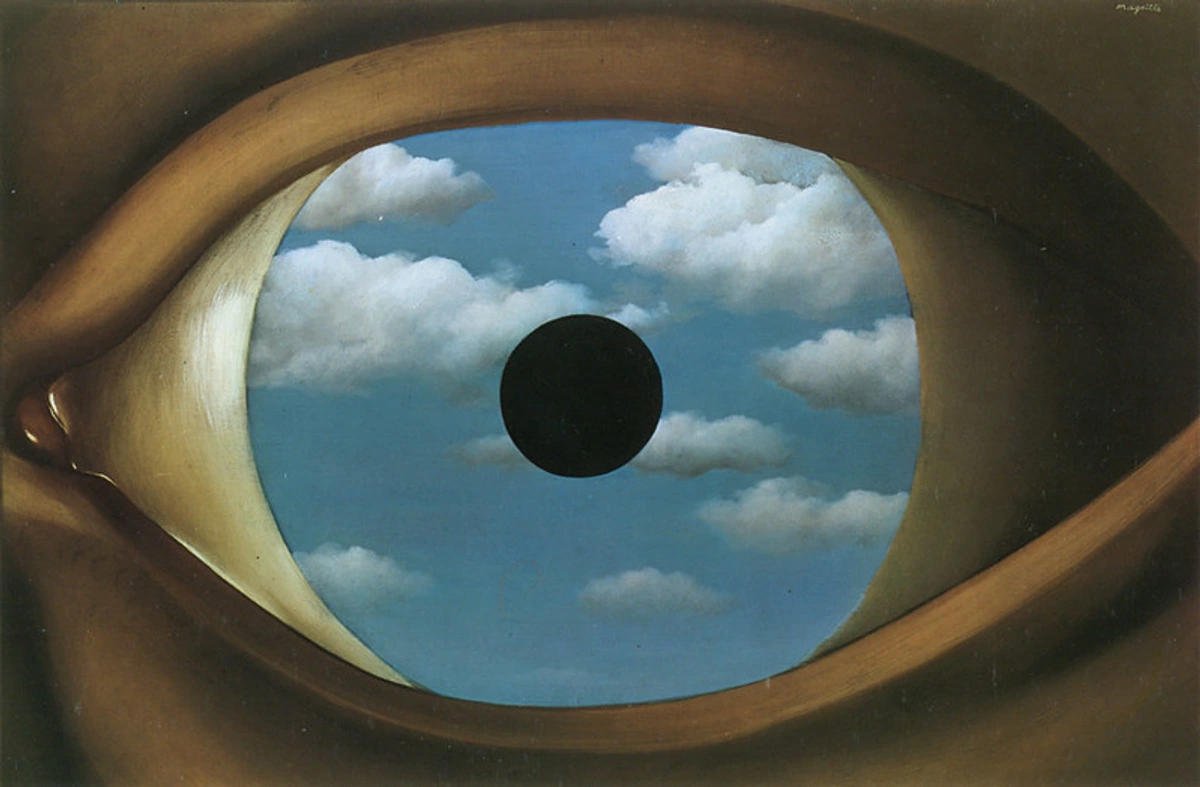
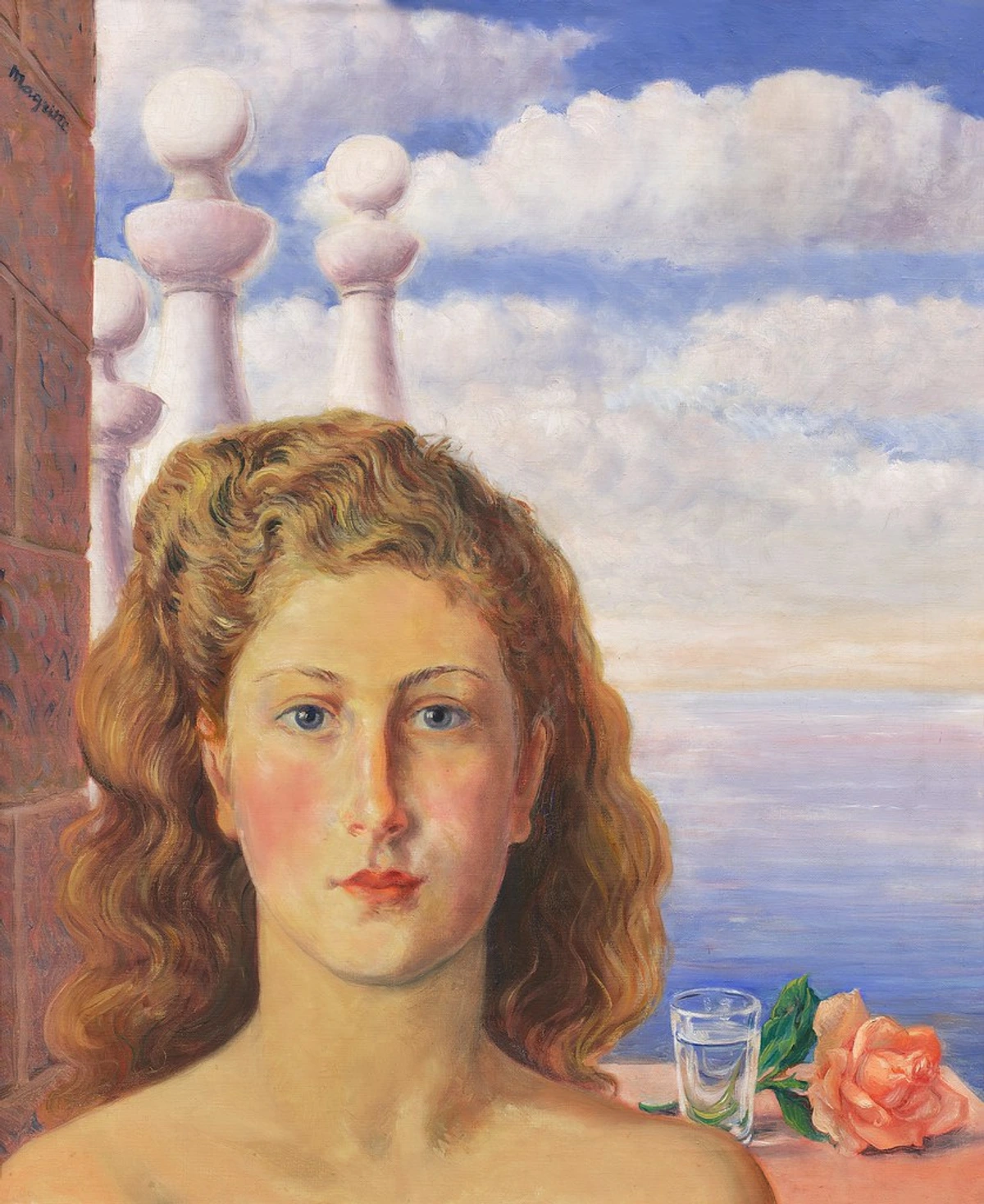
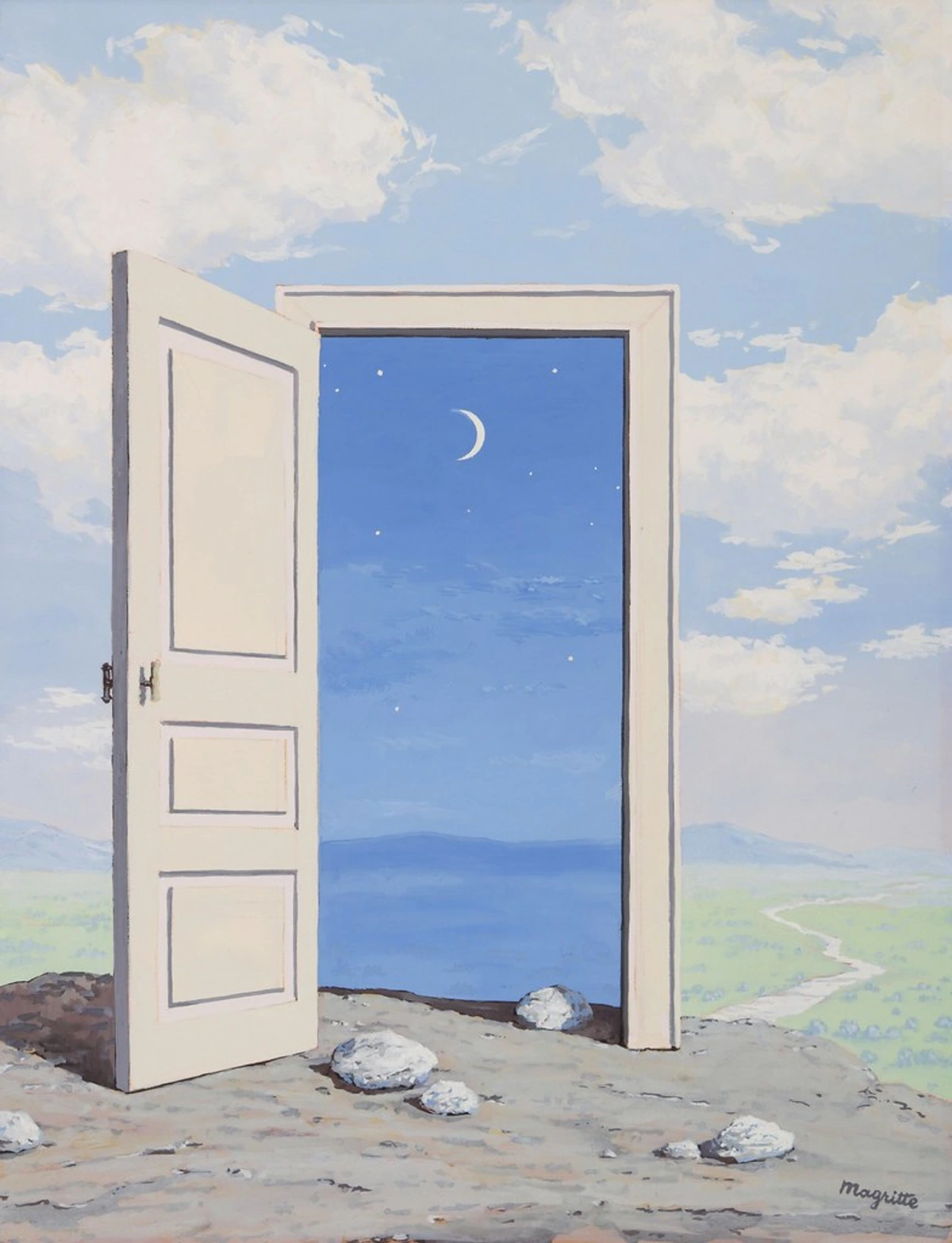
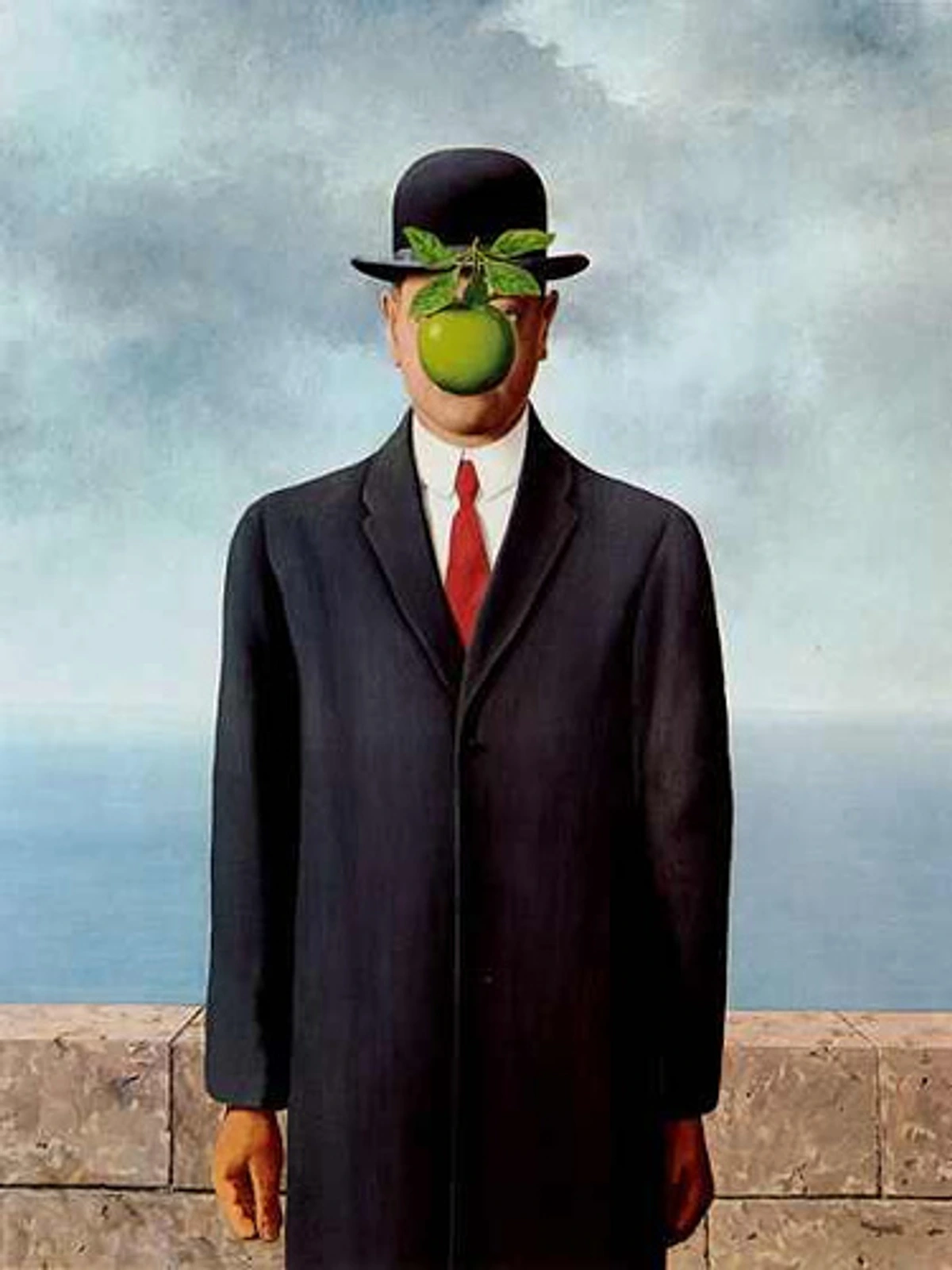
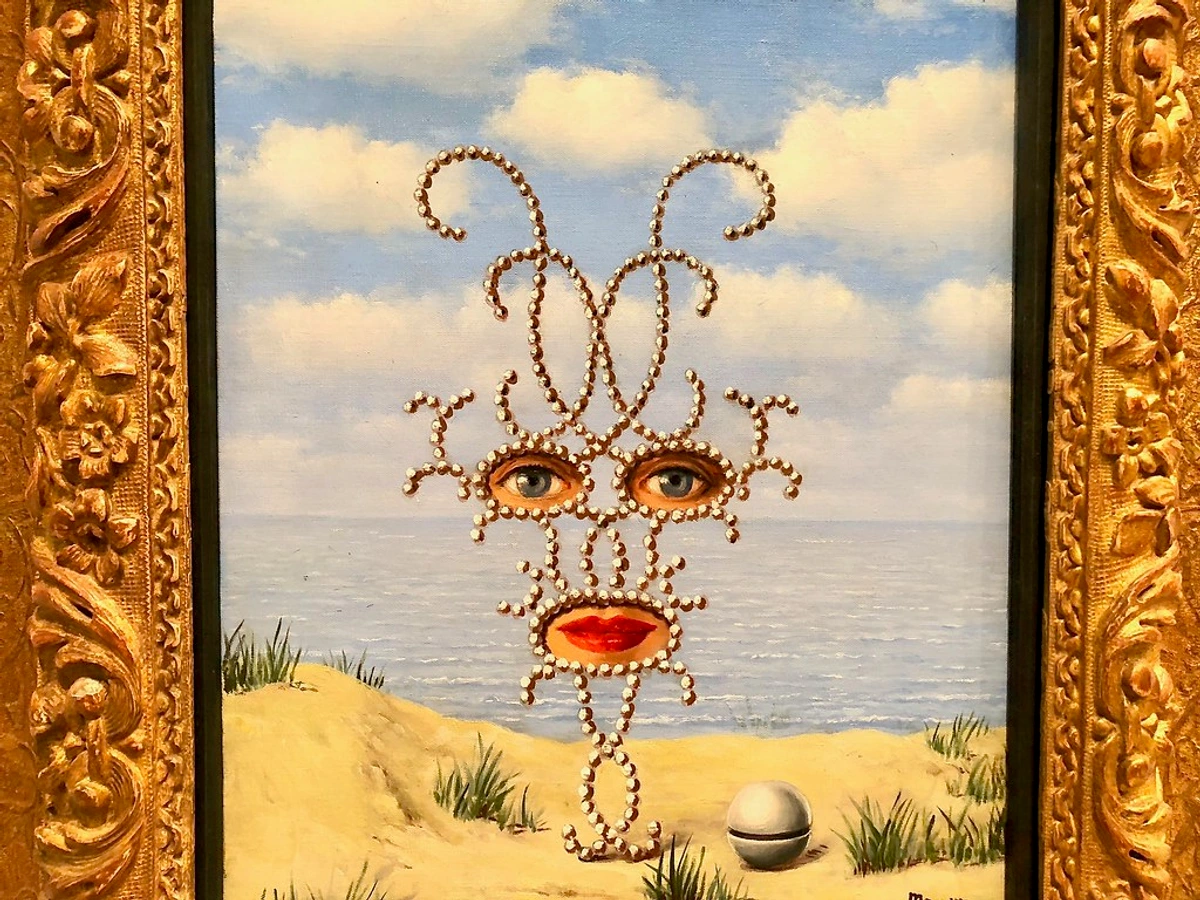
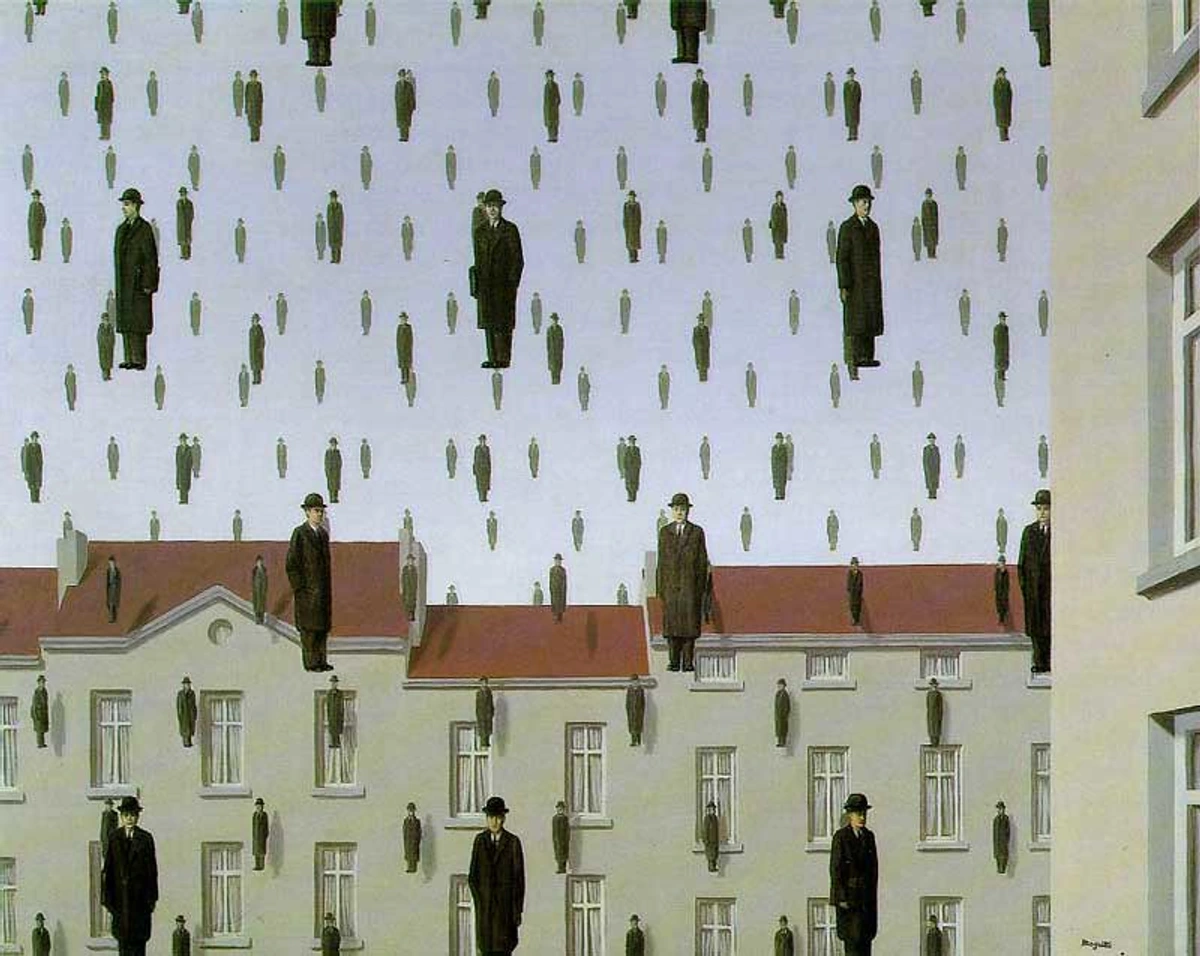
Then you have someone like René Magritte. His paintings look hyper-realistic, almost like sterile illustrations. But the content is pure Freudian dream logic. A man in a bowler hat whose face is an apple. A train steaming out of a fireplace. Magritte was obsessed with what Freud called "the uncanny"—the unsettling feeling when something familiar becomes strange and mysterious. His work is a quiet, philosophical exploration of the hidden symbolic life of everyday objects.
What's really interesting about Magritte is that he came to Surrealism relatively late and from outside the Parisian scene. He was working as a commercial artist in Brussels when he discovered Freud's work. That's probably why his approach is so different from Dalí's or Ernst's. Where Dalí was dramatic and emotional, Magritte was cool and intellectual. His paintings aren't meant to shock you—they're meant to make you think. They're visual puzzles that challenge the way we see the world.
Magritte's background is interesting because he was actually working as a commercial artist in Brussels when he discovered Surrealism. He wasn't part of the Parisian elite but rather a self-taught painter who found in Freud's theories a way to validate his own strange visual ideas. His famous painting The Treachery of Images (1929) shows a pipe with the caption "Ceci n'est pas une pipe" ("This is not a pipe"). It's a perfect expression of Surrealist thought—challenging the idea that words and images can ever truly represent reality.

Magritte also played with Freud's concept of repression. In paintings like Time Transfixed (1938), where a train emerges from a fireplace, he's taking something that should be confined to one space (the train tracks) and releasing it into another (the domestic sphere). This creates a sense of the repressed breaking through into consciousness, which is exactly what happens in dreams according to Freud.
What I love about Magritte is how he combines intellectual rigor with visual play. His paintings aren't just weird for weirdness's sake—they're carefully constructed philosophical puzzles. He once said that he painted "what is seen" and "what is not seen," and his work often explores the gap between appearance and reality.
Did Freud Actually Approve?
Here’s the ironic twist. The Surrealists were basically Freud's biggest fans, but the feeling wasn't mutual. When Breton met Freud in 1921, the meeting was reportedly underwhelming. Freud, the scientist, saw his work as a tool for healing the sick, not for artistic inspiration.
He famously wrote of the Surrealists, "I have been inclined to regard the Surrealists, who have apparently adopted me as their patron saint, as complete fools." He suspected that what they called "unconscious" was actually quite conscious and deliberate. He saw method in their madness, and for him, that defeated the purpose.
The Enduring Power of the Unconscious
But honestly, it doesn't matter whether Freud approved or not. His theories provided the intellectual framework and the creative vocabulary for an entire generation of artists to explore the unseen world of dreams and the subconscious. He gave them permission to look inward, and what they found there changed the course of art history forever.
What's remarkable is how this 100-year-old conversation still feels so fresh. We're still debating the nature of consciousness, the meaning of dreams, and the relationship between art and psychology. We're still trying to understand how our minds work, how creativity works, and what it means to be human.
The Surrealists showed us that art doesn't have to be about making sense. It can be about exploring the chaos, the mystery, the magic that exists just beneath the surface of our everyday lives. They taught us that the most interesting things aren't always the things we can explain—they're the things that make us stop and say, "Wait, what was that?"
So the next time you wake up from a strange dream, or see something that doesn't quite make sense, or feel an emotion you can't quite name, remember the Surrealists. They were right there with you, exploring the same weird, wonderful, mysterious territory that we all inhabit. And in doing so, they created some of the most beautiful, challenging, and thought-provoking art the world has ever seen.
That, I think, is the true legacy of Surrealism—not just the paintings, not just the techniques, but the idea that there's more to reality than meets the eye. And that art is one of the best tools we have for exploring that deeper truth.
Beyond Freud: Other Psychological Influences on Surrealism
While Freud gets most of the credit, the Surrealists were actually drawing from a much broader psychological landscape. Carl Jung's concept of the collective unconscious—the idea that humans share universal archetypal symbols—deeply influenced artists like Joan Miró and Max Ernst. Jung's exploration of mythology and archetypes resonated with the Surrealist interest in universal, primal imagery.
Then there was Wilhelm Reich, a student of Freud who developed theories about "body armor" and repressed emotions. Reich's idea that psychological tensions were physically stored in the body influenced the Surrealist interest in bodily forms and organic shapes.
The Surrealists were really intellectual omnivores—they weren't just disciples of Freud but actively engaged with the entire field of early 20th-century psychology. They read everything they could get their hands on: not just Jung and Reich, but also philosophers like Henri Bergson (who wrote about intuition and duration), and even spiritualists and occultists. They were essentially creating their own psychological soup, picking and choosing ingredients from wherever they found them.
Even Sigmund Freud's own daughter, Anna Freud, contributed to the movement through her work on child psychology and defense mechanisms. The Surrealists were fascinated by the idea that children's art, with its freedom from technical constraints and focus on emotional truth, might actually be more "authentic" than sophisticated adult art.
What emerges is a picture of the Surrealists as intellectual omnivores—they weren't just disciples of Freud but actively engaged with the entire field of early 20th-century psychology, picking and choosing ideas that served their artistic goals.
Q: So, did Salvador Dalí just paint his dreams?
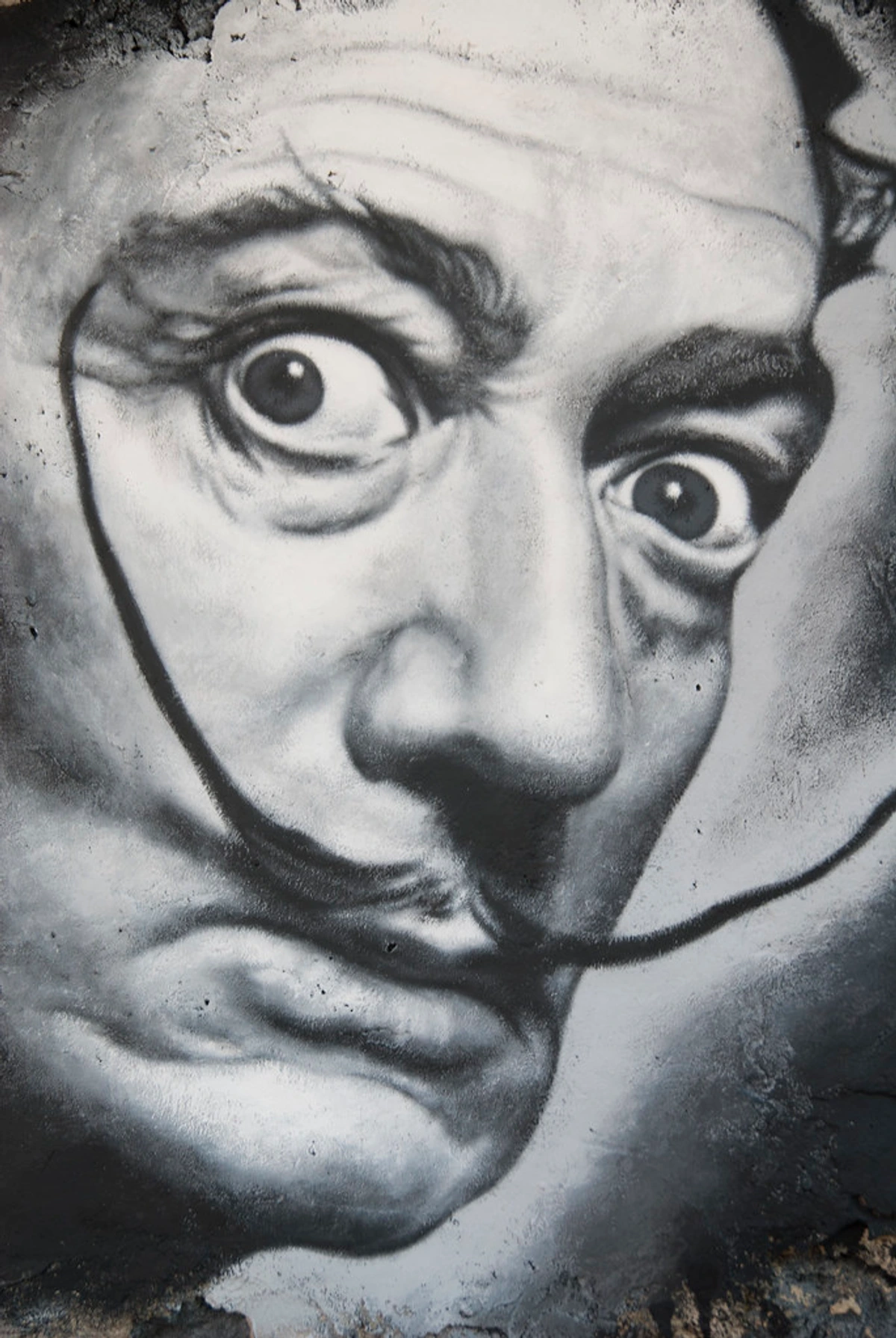
A: Yes and no. He famously said, "The only difference between me and a madman is that I am not mad." He used his "paranoiac-critical method" to actively cultivate and then meticulously paint dream-like, hallucinatory images. So while the inspiration was from the unconscious, the execution was highly skilled and deliberate.
Q: Was Freud the only influence on Surrealism?
A: Not at all. Surrealism also grew out of the anti-art, anti-logic Dada movement. It was also deeply intertwined with revolutionary political ideas, particularly Communism, in its early days. Freud provided the psychological key, but the movement had many other social and philosophical drivers.
Q: Is the influence of psychology still seen in art today?
A: Absolutely. While direct Freudian symbolism might be less common, the core Surrealist project—exploring identity, memory, desire, and the inner self—is a cornerstone of contemporary art. Every artist who tries to translate a feeling into an image or explore their own psyche owes a small debt to the day the Surrealists first picked up a book by Freud.
Q: How did Surrealism influence other art forms besides painting?
A: Surrealism's influence was incredibly widespread. In literature, writers like André Breton, Louis Aragon, and Paul Éluard created automatic poetry and novels that explored dream logic. In film, Luis Buñuel and Salvador Dalí's Un Chien Andalou (1929) remains one of the most influential surrealist films. In photography, Man Ray developed rayographs and other experimental techniques. Even architecture was influenced—architects like Frederick Kiesler designed biomorphic, dream-like spaces. The movement's emphasis on chance and the unexpected continues to influence everything from music to digital art today.
Q: Were there women Surrealist artists?
A: Yes, though unfortunately they're often overlooked in mainstream accounts. Key female Surrealists include Leonora Carrington, Meret Oppenheim, Frida Kahlo (though she had a complex relationship with the movement), Kay Sage, and Dorothea Tanning. These artists brought unique perspectives to Surrealism, often focusing on themes of transformation, the female body, and mythological narratives that their male counterparts didn't explore as extensively.
Q: How did Surrealists actually create their art? What were their techniques?
A: Surrealists developed numerous techniques to bypass conscious control. Besides the automatic drawing and writing mentioned earlier, they used: frottage (rubbing pencil over textured surfaces), grattage (scraping paint to create textures), decalcomania (pressing surfaces together to create patterns), fumage (using smoke to create images), and collage (combining unrelated images). They also experimented with dream incubation—trying to control their dreams by thinking about specific images before sleeping.


Q: Was Surrealism always political?
A: Initially, yes. Breton and others saw Surrealism as inherently revolutionary, believing that psychic liberation would lead to social revolution. Many Surrealists were active Communists in the 1920s and 30s. However, after the Stalin-Hitler pact in 1939 and the outbreak of World War II, many Surrealists became disillusioned with politics and focused more on purely artistic exploration. The movement became less explicitly political after the war.