
The Canvas of Cognition: How Art Education Sharpens Critical Thinking
Discover how art education profoundly develops critical thinking, from observation to problem-solving, and its vital role in fostering adaptable, creative minds.

The Canvas of Cognition: How Art Education Sharpens Critical Thinking
Art education is often perceived as a niche pursuit, reserved for those with a natural talent for drawing or painting. However, its benefits extend far beyond the studio. As a curator and artist, I've witnessed firsthand how art education cultivates critical thinking, a skill that is indispensable in every facet of life. It’s not just about creating visually appealing pieces; it’s about learning to see, to question, and to innovate.
In this article, we will explore how art education fosters critical thinking, its real-world applications, and why it matters for everyone, regardless of their career path. Whether you're an artist, a scientist, or a business professional, the skills honed through art education can transform the way you approach problems and perceive the world.
The Historical Context of Art Education
Art education has a rich history that dates back to ancient civilizations. From the cave paintings of prehistoric humans to the formal academies of the Renaissance, art has always been a medium for expression and communication. Understanding this historical context helps us appreciate the evolution of art education and its enduring relevance in modern society.
As a curator, I've spent countless hours observing people interact with art, both as creators and as viewers. It's often assumed that art is purely about aesthetics or emotional expression, a wonderful but perhaps "soft" skill. But I've come to see something far more profound: art education is a robust training ground for critical thinking, an indispensable skill in any facet of life. It’s not just about learning to draw or paint; it’s about learning to see, to question, and to innovate.
Art education challenges individuals to engage with the world in a way that transcends traditional academic boundaries. It encourages them to explore, experiment, and express themselves, fostering a mindset that is both analytical and imaginative.
Art education challenges individuals to engage with the world in a way that transcends traditional academic boundaries. It encourages them to explore, experiment, and express themselves, fostering a mindset that is both analytical and imaginative.
Art education is not just about creating visually appealing pieces; it's about fostering a mindset that can dissect, interpret, and innovate. Whether you're an artist, a scientist, or a business professional, the skills honed through art education can transform the way you approach problems and perceive the world.
The journey of art education is a transformative one. It equips individuals with the tools to navigate complexity, embrace ambiguity, and think creatively. These skills are not just valuable in the studio but are essential in every aspect of life, from personal growth to professional success.
Art education is not confined to the classroom or studio. It is a lifelong journey that encourages continuous learning and adaptation. It fosters a mindset that values curiosity, creativity, and critical thinking, qualities that enrich our lives and enable us to make meaningful contributions to society.
The Science Behind Art and Critical Thinking
Recent studies in neuroscience have shown that engaging in artistic activities can enhance cognitive functions such as problem-solving, memory, and attention to detail. This scientific backing underscores the importance of art education in developing critical thinking skills. By understanding the neurological benefits of art, we can better appreciate its role in education and personal development.
What Exactly is Critical Thinking in an Artistic Context?
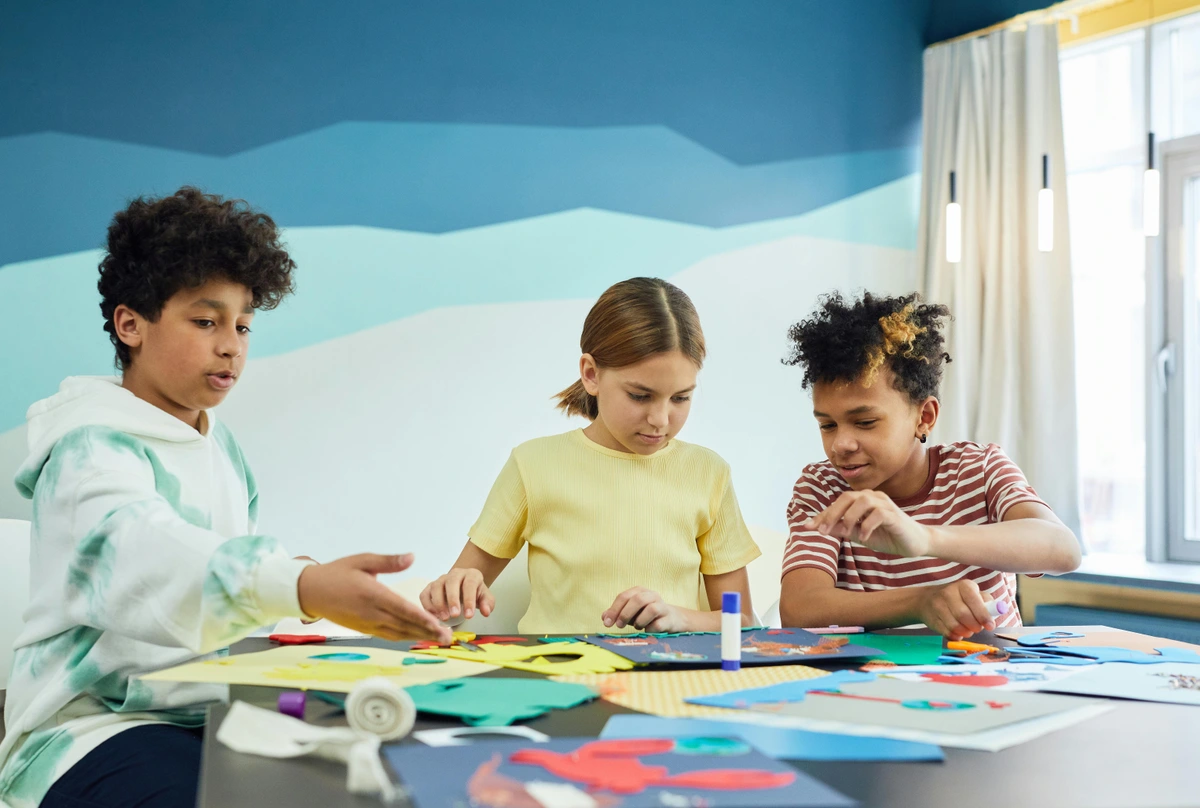
Critical thinking is the ability to analyze information objectively and make reasoned judgments. In the context of art, this skill is not abstract but deeply tangible. It involves engaging with artworks on a deeper level, asking questions, and interpreting visual language.
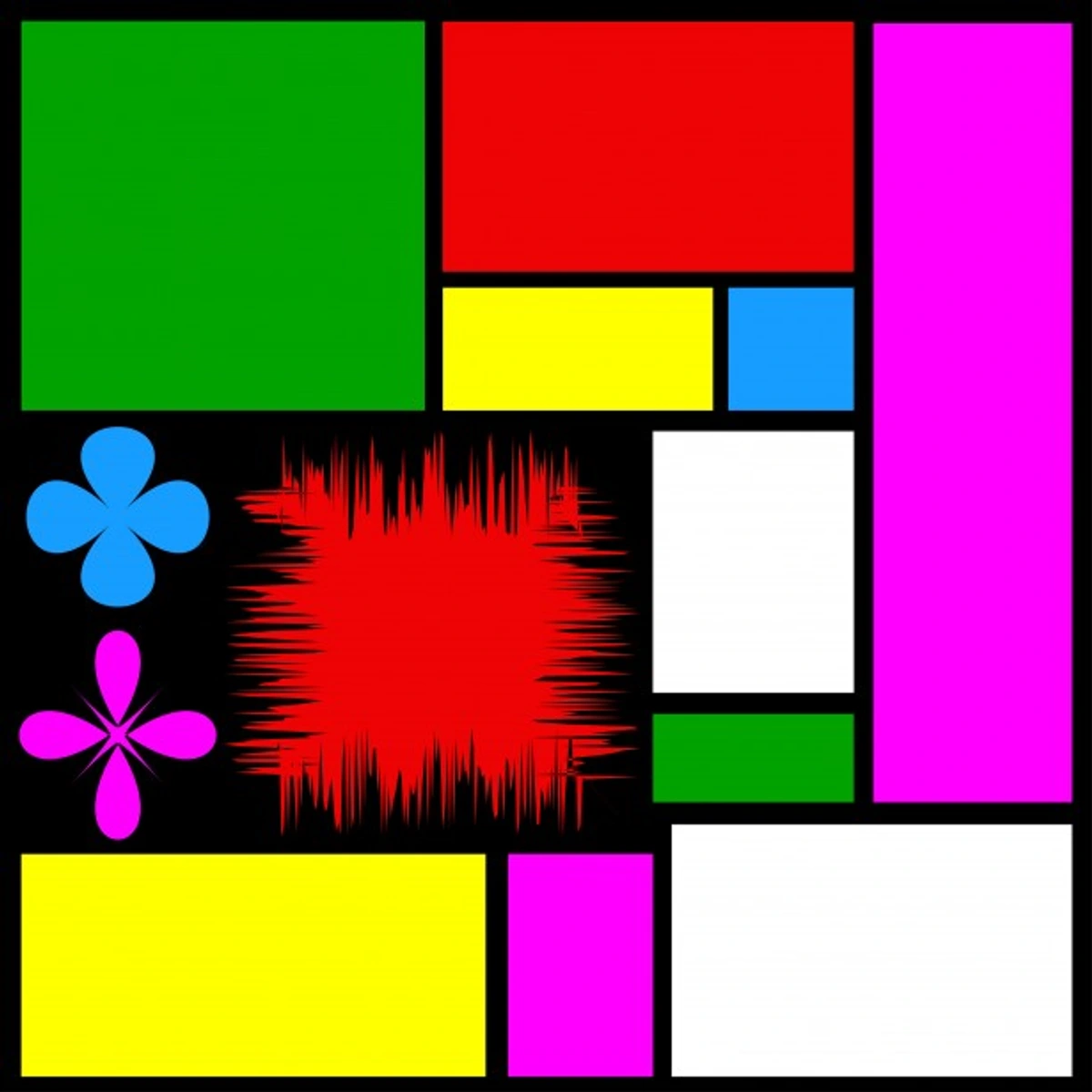
When we talk about critical thinking, we're discussing the ability to analyze information objectively and make reasoned judgments. In art, this isn't some abstract concept. It's incredibly tangible. Imagine standing before a complex abstract painting – my own work, perhaps, or a masterpiece by Piet Mondrian. You don't just look; you engage. You begin to ask: "What am I seeing? How does it make me feel? Why did the artist choose these colors or shapes?" This immediate questioning is the bedrock of critical thought.
Critical thinking in art involves a combination of observation, analysis, and interpretation. It's about understanding the visual language of art and how it communicates ideas and emotions. This process is not just about asking questions; it's about asking the right questions.
Critical thinking in art involves a combination of observation, analysis, and interpretation. It's about understanding the visual language of art and how it communicates ideas and emotions. This process is not just about asking questions; it's about asking the right questions.

It's a far cry from passively consuming information. It demands active participation, a kind of intellectual detective work where you piece together clues presented by the artwork itself.

The Role of Inquiry in Art
Critical thinking in art is not just about asking questions; it's about asking the right questions. It involves understanding the context, the artist's intent, and the cultural significance of the artwork. This process of inquiry is what transforms a casual observer into a discerning critic.
Inquiry in art education encourages students to explore the deeper meanings behind artworks. It fosters a sense of curiosity and a desire to understand the world from multiple perspectives. This skill is invaluable in a world that increasingly values diverse viewpoints and innovative solutions.
Observation: Learning to See Beyond the Obvious
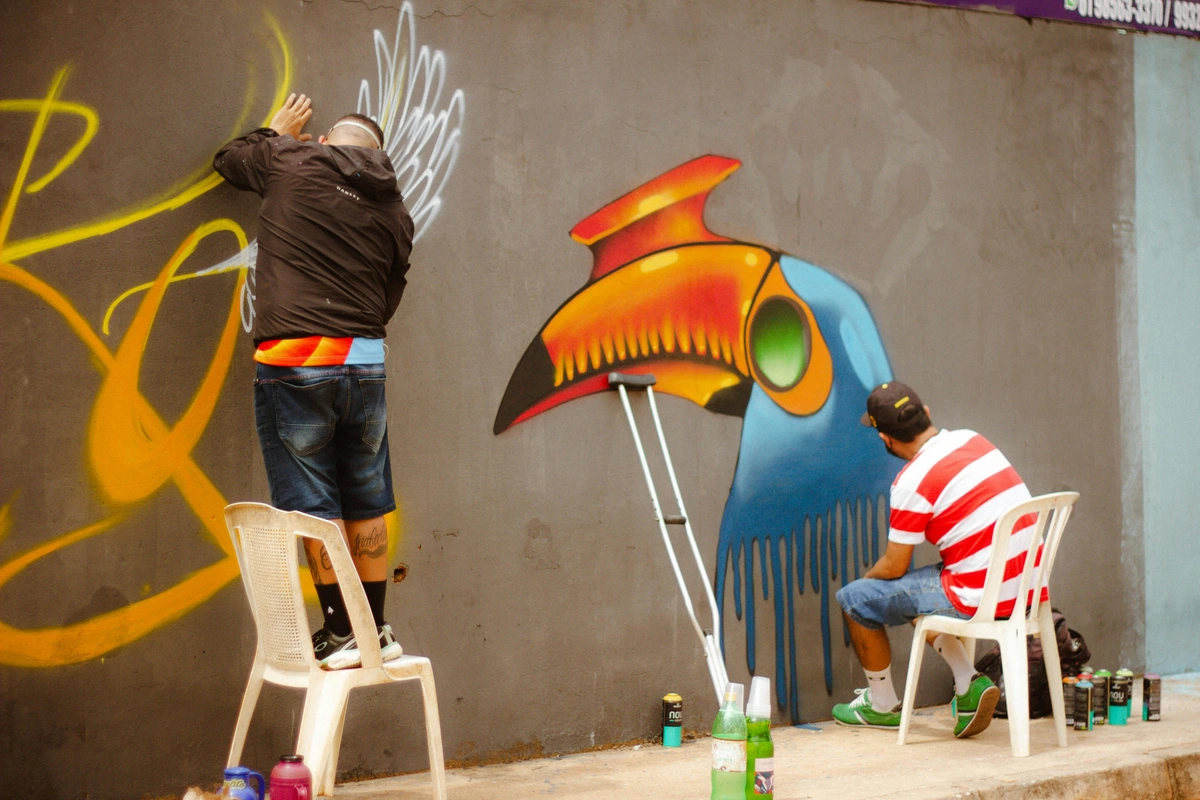
One of the first and most fundamental ways art education fosters critical thinking is by refining our powers of observation. Think about it: when you're tasked with drawing a still life, you can't just sketch a generic apple. You have to notice the subtle curve, the way the light hits it, the shadows it casts, even its texture. This intense focus translates directly into other areas of life.
Observation is not just about seeing; it's about understanding. It's about training your mind to notice details that others might overlook. This skill is essential in fields like medicine, where keen observation can lead to accurate diagnoses, or in business, where noticing trends can lead to innovative solutions.
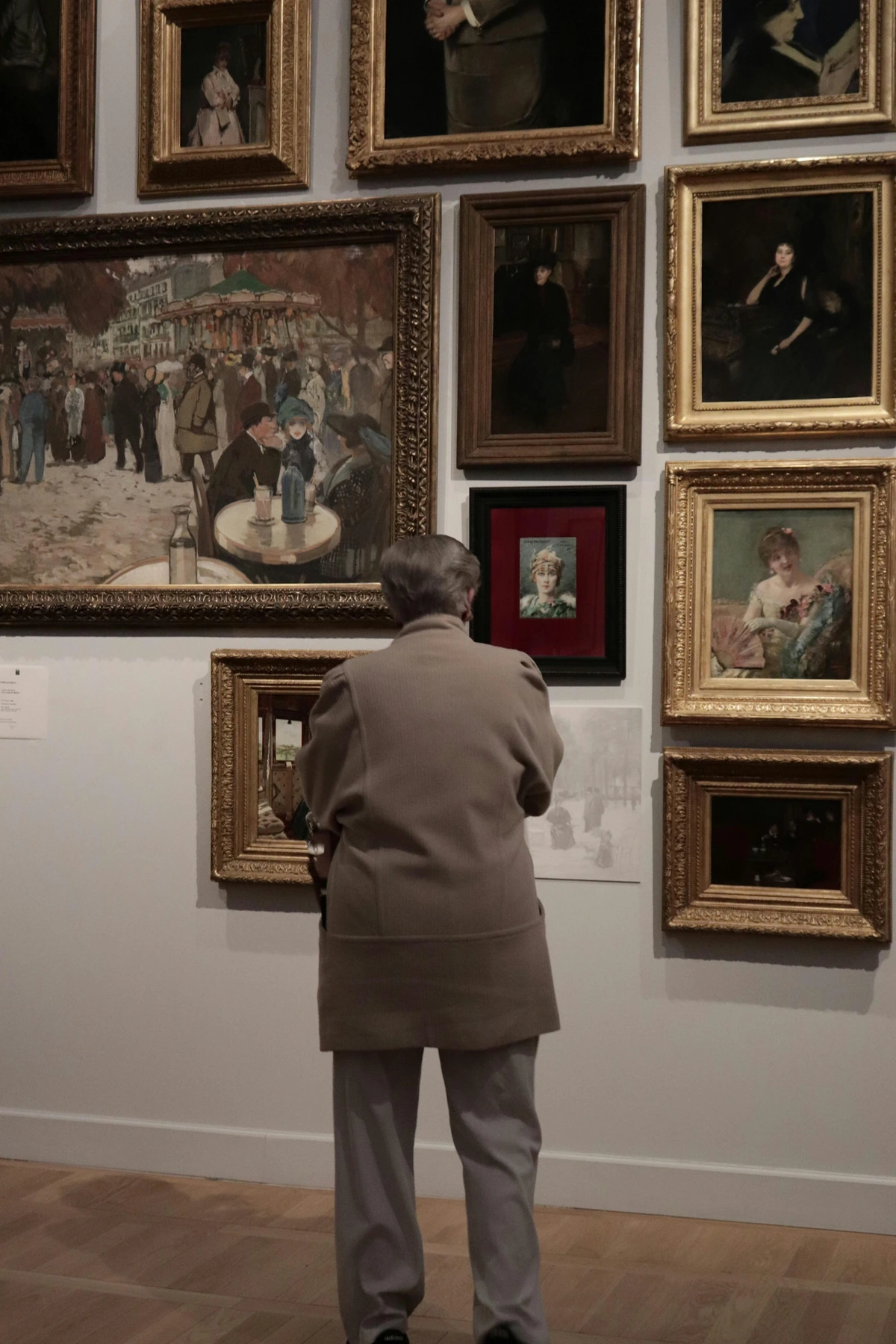
I recall a student once telling me how, after a semester of intense observational drawing, they started noticing intricate details in architecture they'd walked past daily for years. That’s not just artistic growth; that’s a heightened awareness of the world, a core component of critical inquiry. This keen observation is also crucial when learning what is design in art, as it involves understanding how elements are intentionally placed.
The Science of Observation
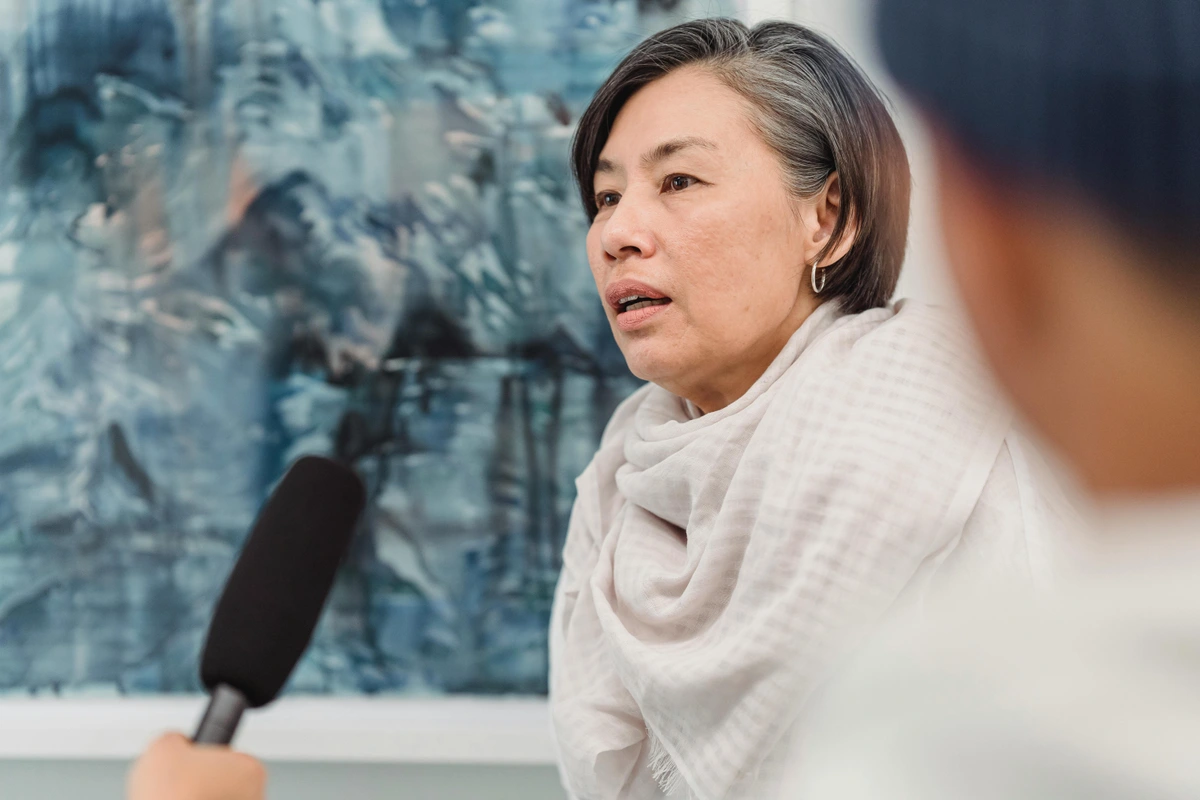
Observation is not just an artistic skill; it's a scientific one. Artists and scientists alike rely on keen observation to gather data, whether it's the texture of a leaf or the behavior of light. This skill is transferable to fields like medicine, engineering, and even everyday problem-solving.
The ability to observe keenly is a foundational skill in scientific research. It allows researchers to gather accurate data and make informed hypotheses. Similarly, in art, keen observation allows artists to create works that are not only visually appealing but also rich in detail and meaning.
Analysis and Interpretation: Deconstructing the Visual Language
Once we observe, the next step is analysis. Art isn't just a pretty picture; it's a visual language, often brimming with symbolism and intent. Learning to analyze an artwork involves breaking it down into its constituent parts: color, line, form, texture, composition. Then, we interpret: what does this combination mean?
Analysis in art education involves understanding the elements and principles of art. It's about recognizing how artists use these elements to convey meaning and evoke emotions. This process is deeply analytical, akin to dissecting an argument or solving a complex scientific problem.
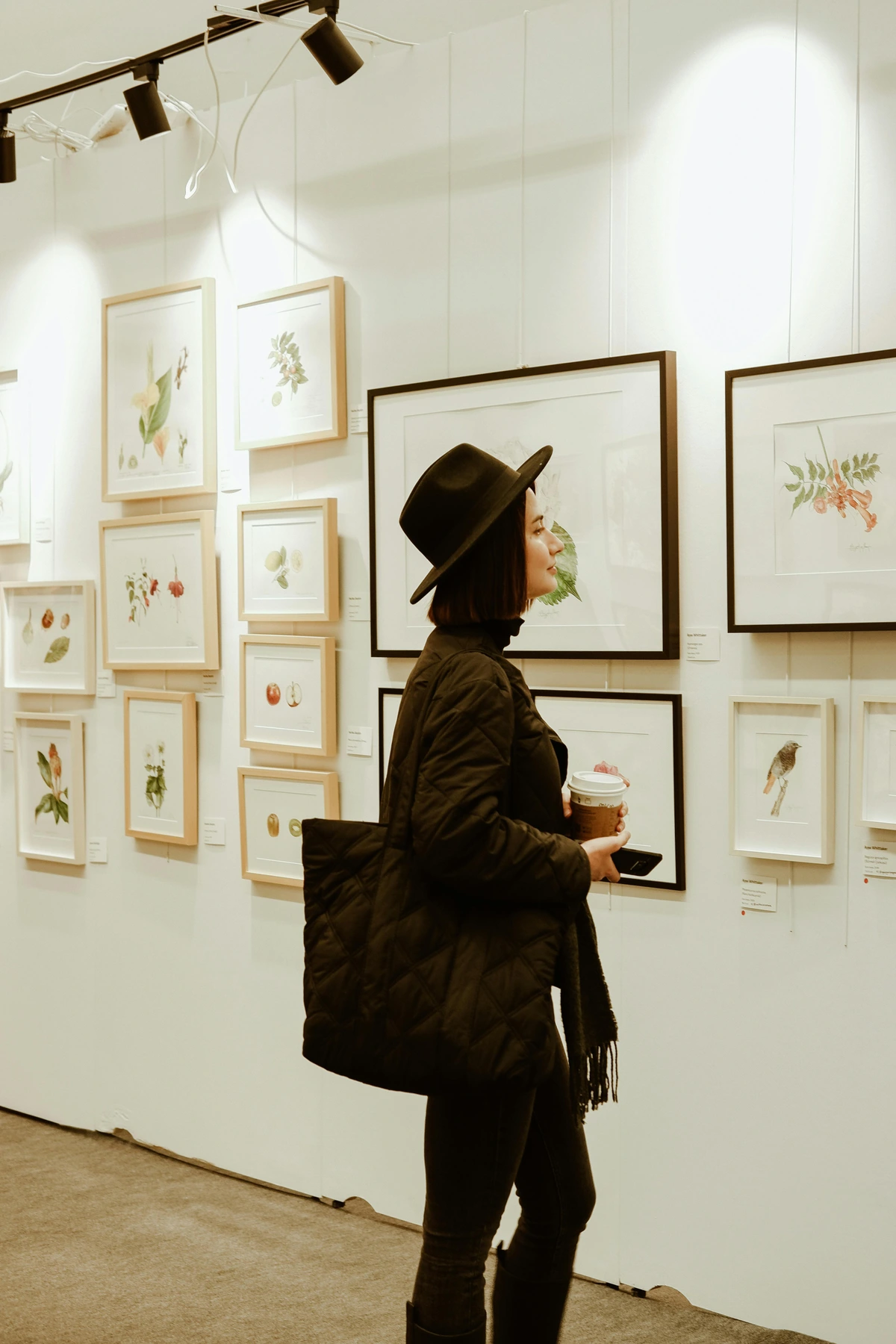
Consider, for example, the vibrant yet often emotionally charged palettes in Expressionism, or the fragmented perspectives of Cubism. Understanding these movements requires analyzing why artists broke from tradition and what they sought to communicate. It's an exercise in inductive and deductive reasoning. We look at the evidence (the artwork) and draw conclusions about its purpose, its context, and its impact. This process is deeply analytical, akin to dissecting an argument or solving a complex scientific problem. Learning about the psychology of color in abstract art is another prime example of this analytical process.
The Role of Context in Interpretation
Interpretation is not just about what you see; it's about understanding the context in which the artwork was created. This includes the historical, cultural, and personal circumstances of the artist. For example, the bold colors and dynamic forms of Fauvism were a reaction against the restrained palettes of Impressionism, reflecting a desire for emotional intensity and individual expression.

Contextual understanding is crucial in art education. It allows students to appreciate the deeper meanings behind artworks and understand how they reflect the societal and personal experiences of the artists. This skill is transferable to other fields, where understanding context can lead to more informed and empathetic decision-making.

Problem-Solving and Creativity: Finding Solutions on the Canvas
Every artistic endeavor, from a simple sketch to a monumental sculpture, is a series of problems to be solved. How do I convey depth on a two-dimensional surface? How do I mix this exact shade of blue? How do I balance these disparate elements to create a harmonious composition? These aren't just technical challenges; they are invitations to innovate.
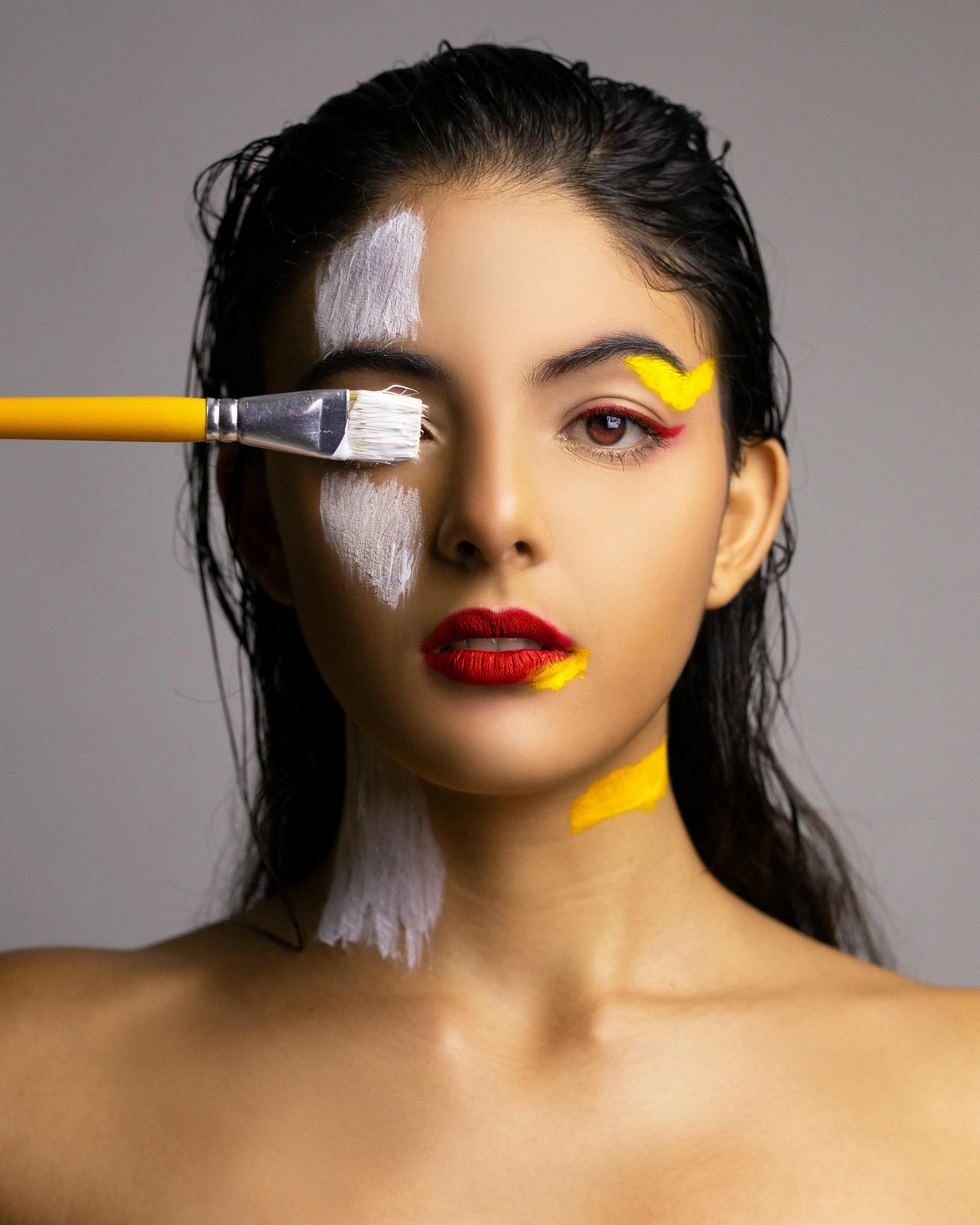
Problem-solving in art education is about finding creative solutions to visual challenges. It's about experimenting with different techniques and materials to achieve the desired effect. This process is not just about technical skills; it's about developing a mindset that embraces challenges and sees them as opportunities for innovation.
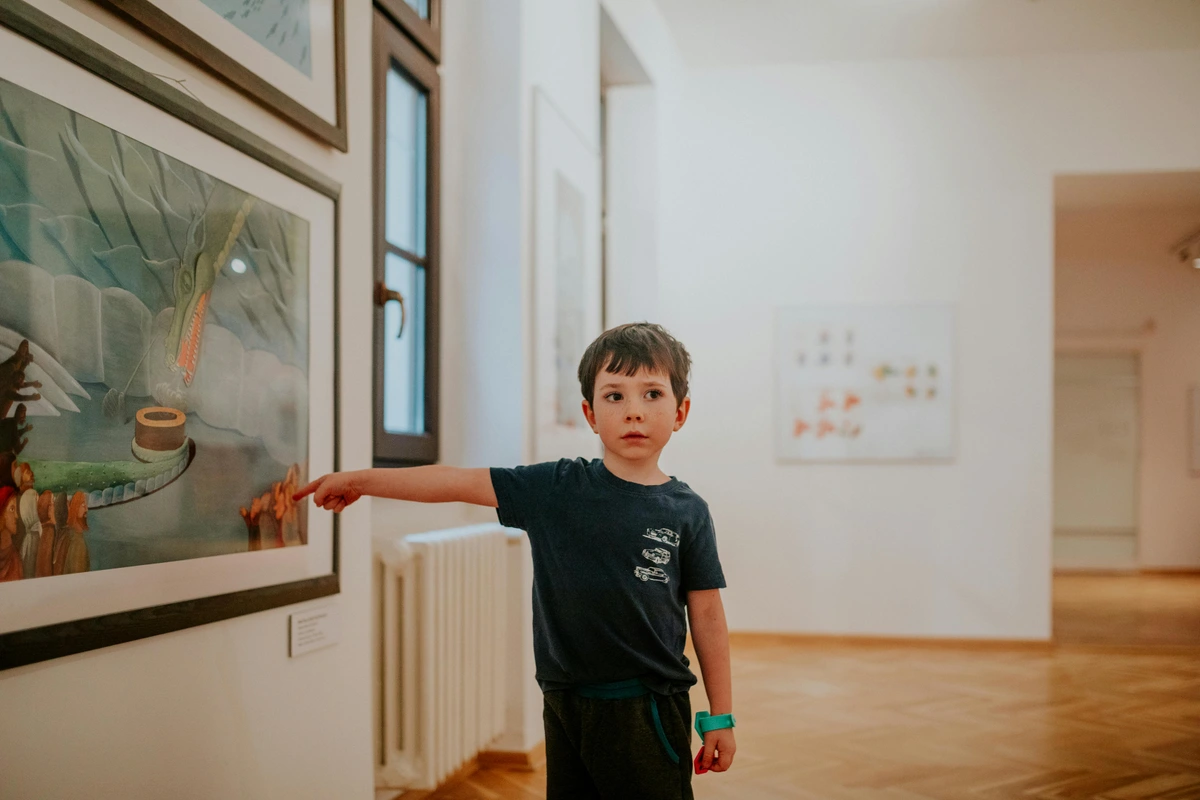
When I'm creating my own abstract pieces, for instance, I often start with a concept but the execution involves countless small decisions, each one a mini-problem requiring a creative solution. "If I use this texture here, how will it affect the overall flow?" This iterative process of identifying problems, brainstorming solutions, trying them out, and evaluating their effectiveness is quintessential critical thinking. It's not just about problem-solving, but also about the ability to think flexibly and adapt, which is explored further in articles like how to abstract art.

The Iterative Process of Artistic Creation
Artistic creation is rarely a linear process. It involves constant experimentation, reflection, and revision. This iterative approach is not just about refining a piece of art; it's about refining the thought process behind it. Each iteration brings new insights and solutions, making the final artwork a testament to the artist's problem-solving journey.
The iterative process in art education teaches students the value of persistence and adaptability. It encourages them to embrace mistakes as learning opportunities and to continually refine their ideas. This mindset is invaluable in any field, where the ability to adapt and innovate is crucial for success.
Decision-Making and Judgment: Cultivating Discerning Taste
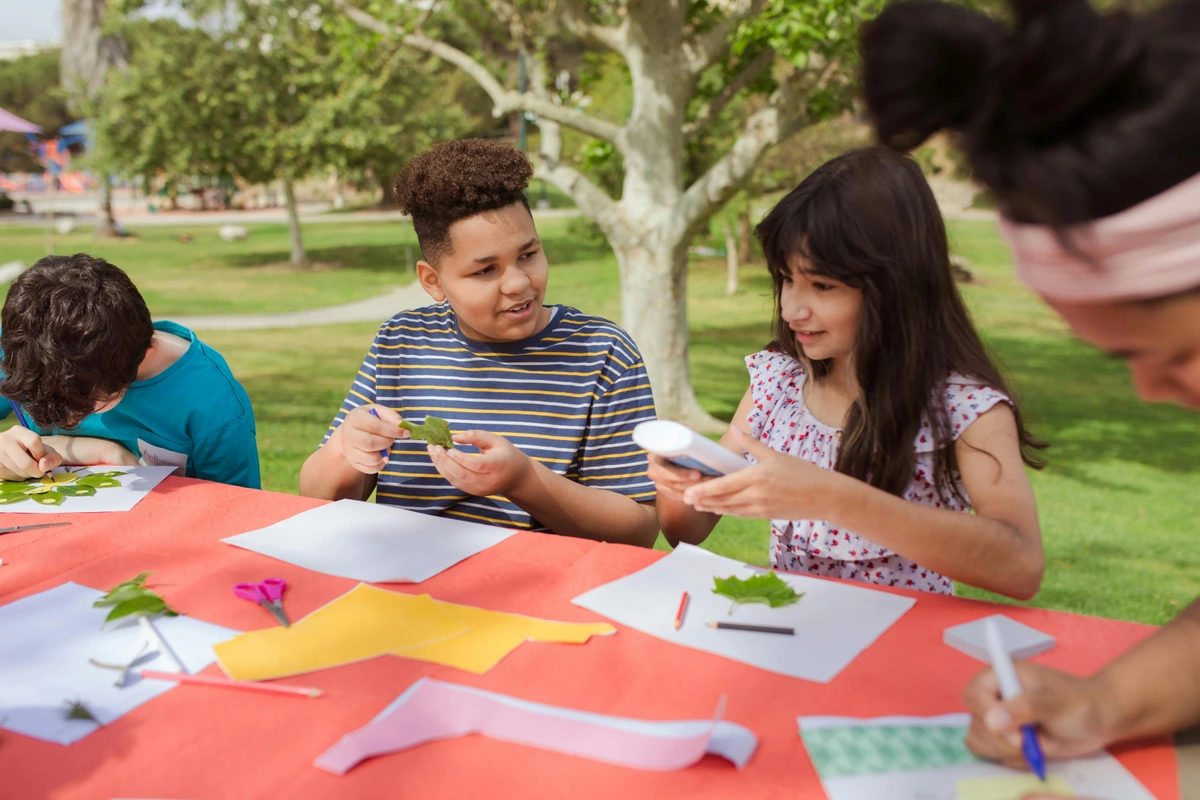
Art education requires constant decision-making and the cultivation of judgment. When is a piece finished? Is this line too thick? Does this color clash or create an interesting tension? These aren't subjective whims; they're informed choices based on learned principles of composition, color theory (like those discussed in how artists use color), and the artist's own evolving aesthetic.
Decision-making in art education is about balancing intuition and analysis. It's about trusting your instincts while also being able to justify your choices with reasoned arguments. This skill is transferable to other fields, where the ability to make informed decisions is crucial for success.
This process trains us to evaluate options, weigh consequences, and make considered choices—skills that are invaluable far beyond the studio. It teaches us to trust our instincts but also to justify them with reasoned arguments. It's about developing a personal metric for quality and effectiveness, rather than just relying on external validation.

The Balance Between Intuition and Analysis
Artistic decision-making is a delicate balance between intuition and analysis. While intuition guides the initial creative impulse, analysis ensures that the final piece is coherent and impactful. This balance is not just relevant in art; it's a valuable skill in fields like business, where decisions often require both creative insight and analytical rigor.
The balance between intuition and analysis is a key aspect of art education. It teaches students to trust their creative instincts while also being able to critically evaluate their work. This skill is invaluable in any field, where the ability to balance creativity and analysis is crucial for success.
Empathy and Perspective-Taking: Seeing Through Another's Eyes
Perhaps one of the most powerful, yet often overlooked, aspects of art education is its capacity to foster empathy and perspective-taking. When you study the history of art, you're not just memorizing dates; you're stepping into the shoes of people from different cultures, eras, and viewpoints.
Empathy in art education is about understanding the motivations and experiences behind artworks. It's about appreciating the diversity of human experiences and challenging your own biases. This skill is transferable to other fields, where empathy and perspective-taking are crucial for constructive dialogue and understanding.
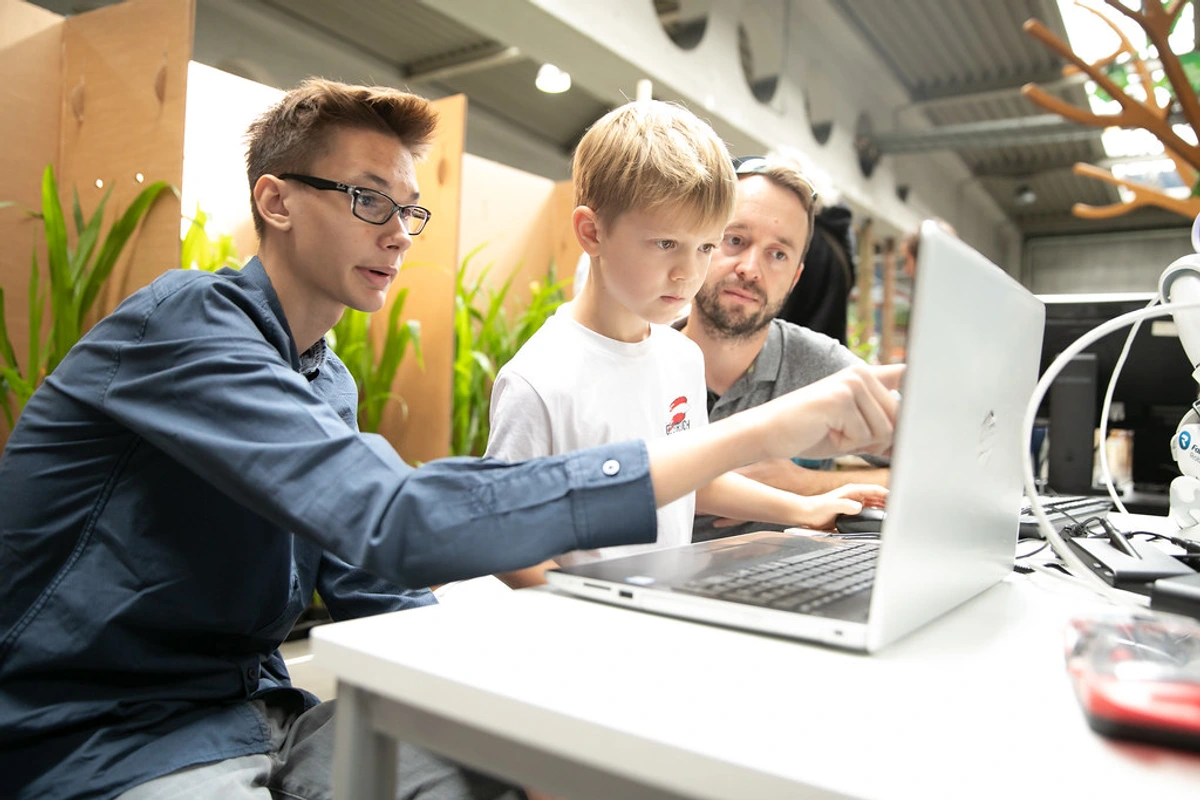
Why did artists create certain works during the Renaissance, or during the rise of Pop Art? What societal pressures or personal experiences shaped their vision? Understanding the motivations behind a work, especially from a context vastly different from our own, helps us develop a more nuanced understanding of the human condition. It trains us to consider multiple interpretations, to challenge our own biases, and to appreciate the complexity of human experience—a critical skill for constructive dialogue and understanding in any field. This deeper understanding is often tied to understanding the symbolism of colors in different cultures.

Art as a Tool for Social Change
Art has always been a powerful tool for social commentary and change. From the political murals of Diego Rivera to the provocative installations of contemporary artists, art challenges societal norms and inspires dialogue. By engaging with such works, we not only develop empathy but also become more aware of the issues shaping our world.
Art as a tool for social change is a key aspect of art education. It encourages students to engage with societal issues and use their creativity to inspire change. This skill is transferable to other fields, where the ability to challenge norms and inspire dialogue is crucial for progress.
Beyond the Canvas: Real-World Applications
The critical thinking skills honed through art education aren't confined to the art studio or gallery. They spill over into every aspect of life:
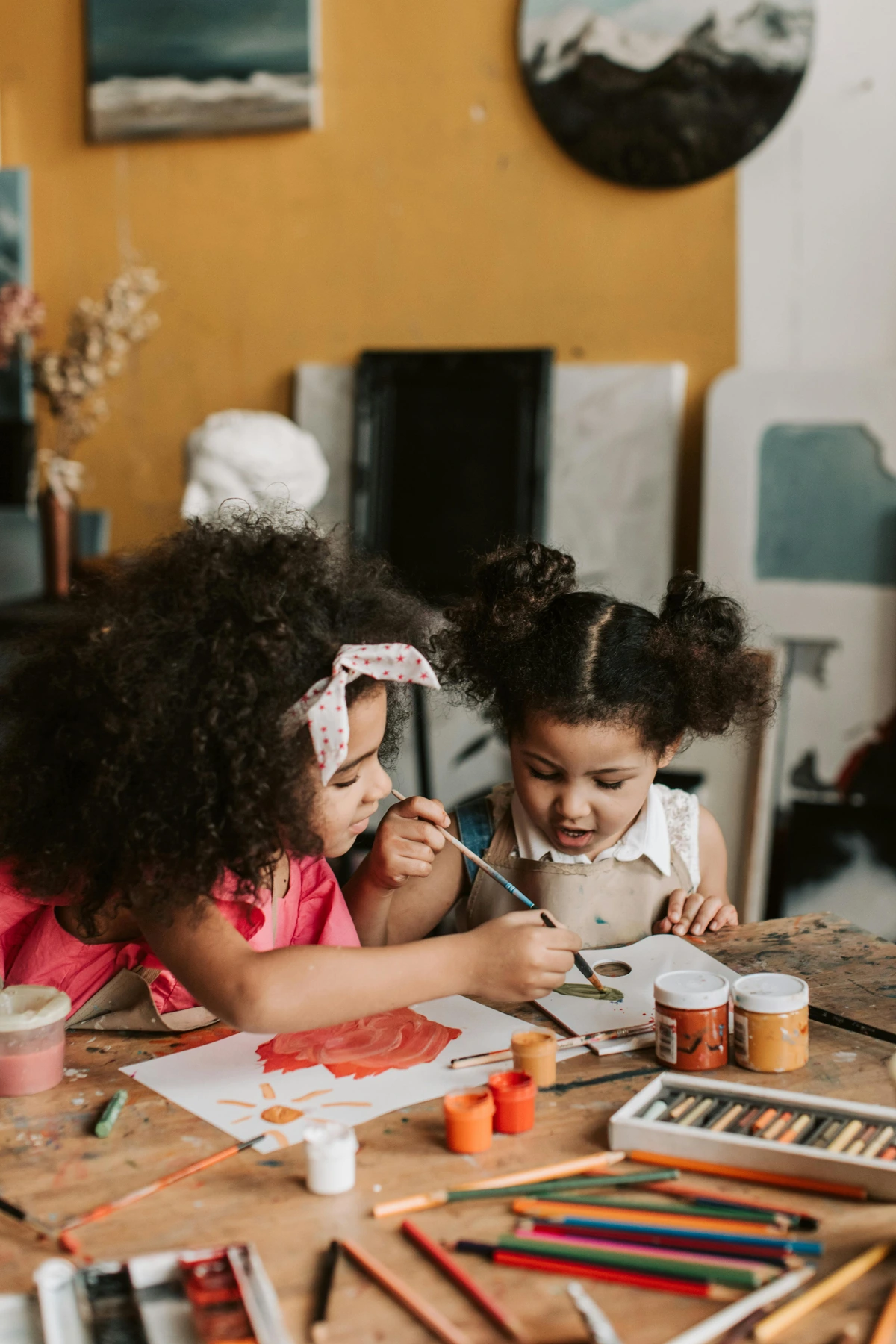
- Problem-solving: Approaching workplace challenges with creative, non-linear solutions.
- Communication: Expressing complex ideas clearly, visually, and verbally.
- Innovation: Thinking outside the box in business, science, or technology.
- Media Literacy: Critically analyzing images and visual rhetoric in advertising, news, and social media.
- Emotional Intelligence: Understanding and interpreting non-verbal cues.
In essence, art education helps us navigate a visually saturated and increasingly complex world with greater discernment and creativity. It provides a unique lens through which to engage with information, challenge assumptions, and generate new ideas.
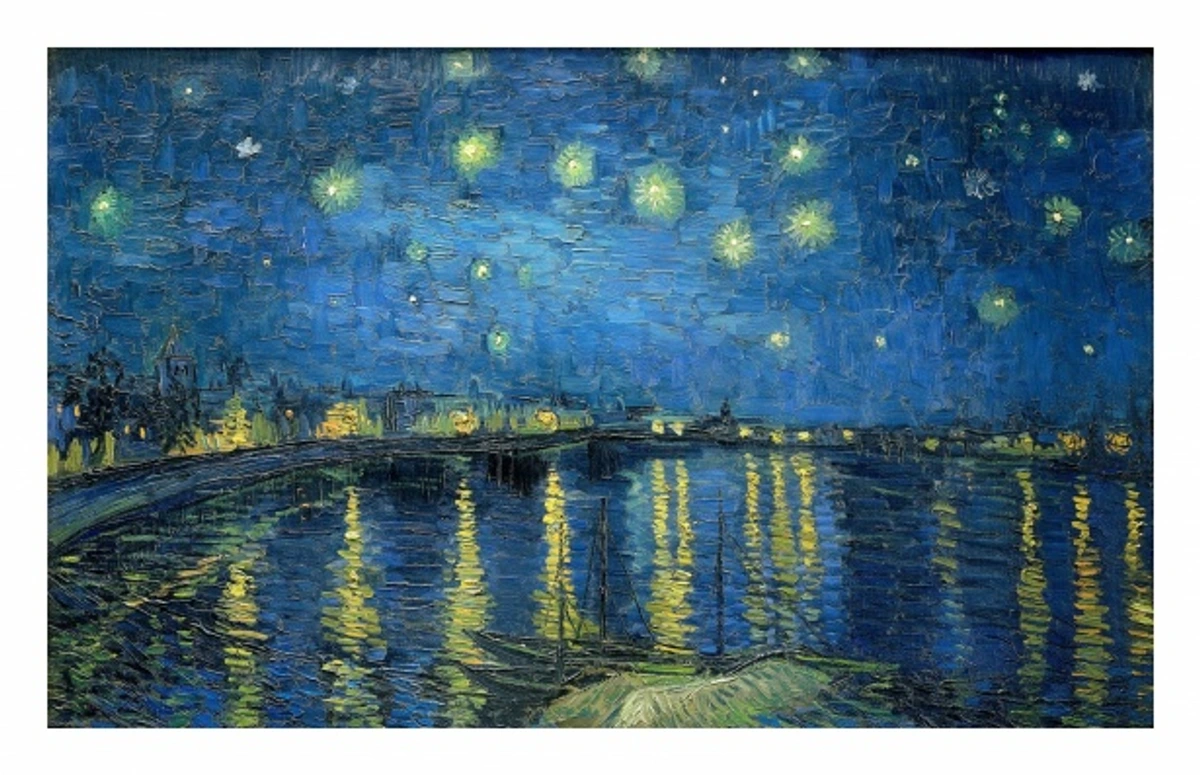
Art Education in the Digital Age
In today's digital age, the skills developed through art education are more relevant than ever. From digital design to virtual reality, the ability to think critically and creatively is essential. Art education equips individuals with the tools to navigate and contribute to the ever-evolving digital landscape.
The digital age presents new opportunities and challenges for art education. It allows for innovative forms of artistic expression and new ways of engaging with audiences. Art education in the digital age is about embracing these opportunities and using them to foster creativity and critical thinking.
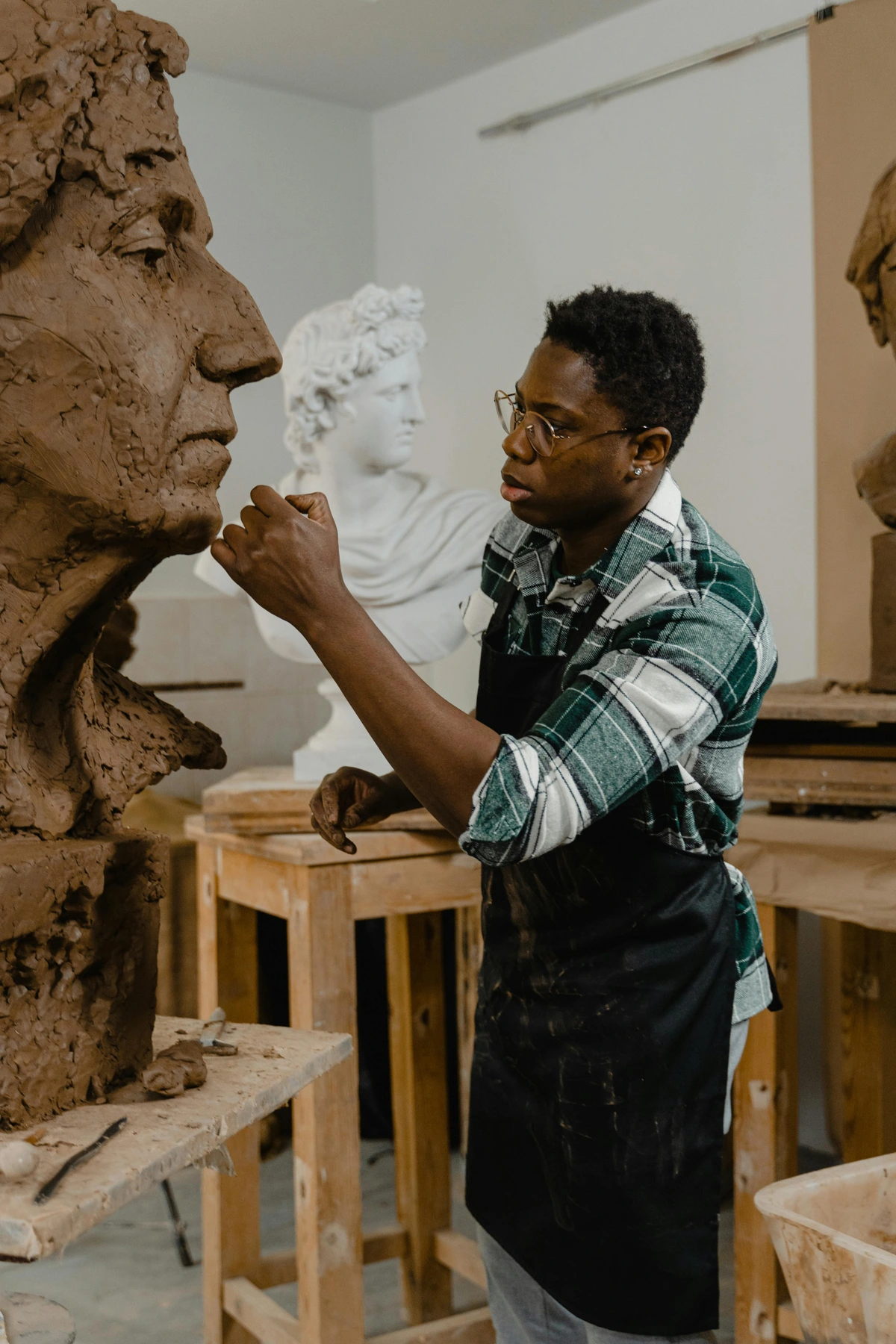
Why Art Education Matters for Everyone
Whether you aspire to be an artist, an engineer, a doctor, or an entrepreneur, the cognitive muscles strengthened by art education are invaluable. It teaches us to ask better questions, to explore multiple solutions, and to articulate our ideas with clarity and impact. It builds resilience in the face of ambiguity and fosters an openness to new perspectives.
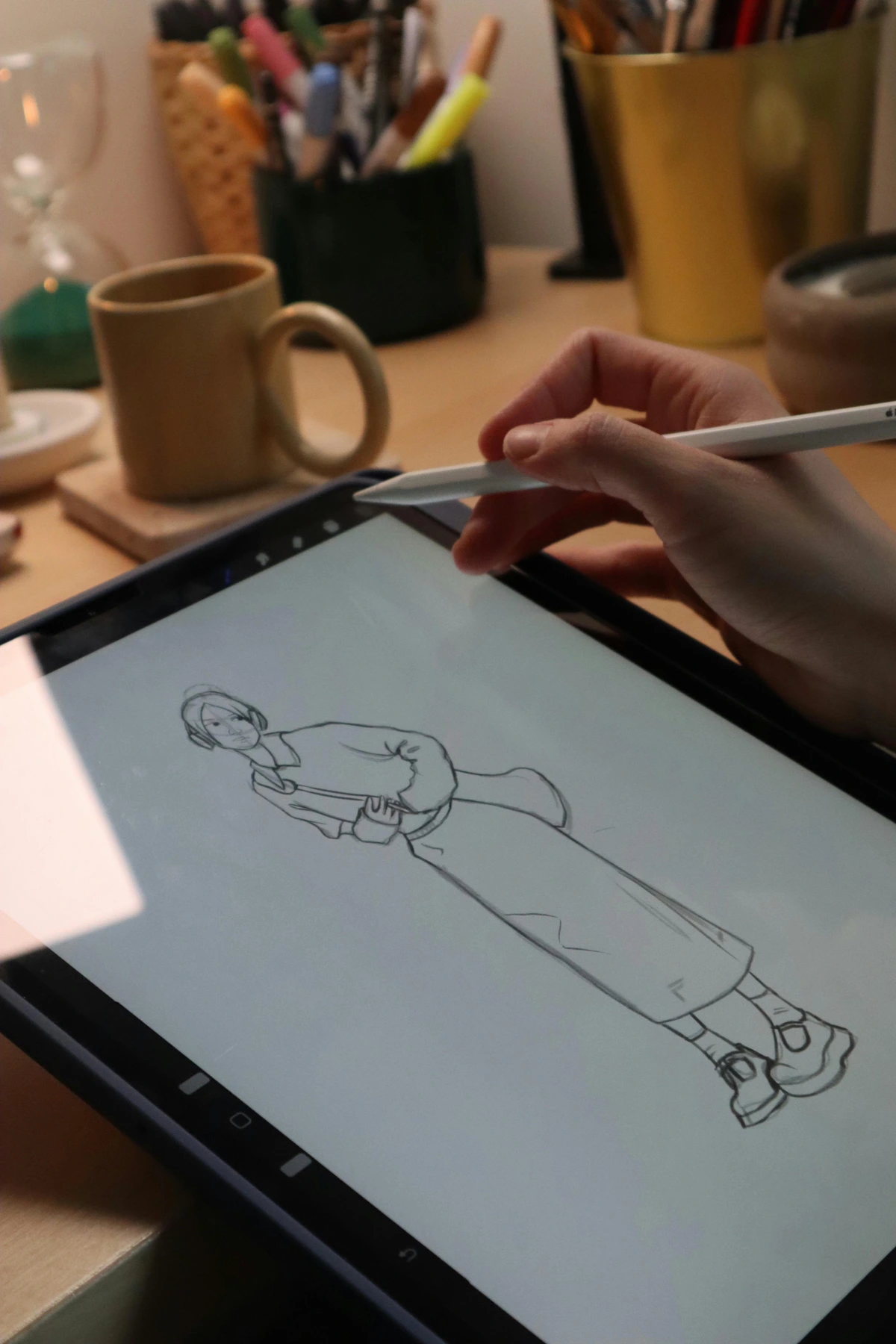
If you're curious to explore the world of abstract art further, perhaps as a way to engage your own critical faculties, I invite you to explore my own abstract art prints and paintings available for purchase. Or, if you're in the Netherlands, consider visiting my museum in 's-Hertogenbosch to see how these principles come to life in my work. My journey, detailed on my artist timeline, is a testament to the continuous learning that art provides.

The Lifelong Impact of Art Education
Art education is not just about acquiring skills; it's about developing a mindset that values curiosity, creativity, and critical thinking. These are qualities that enrich our lives and enable us to make meaningful contributions to society, regardless of our chosen profession.
The lifelong impact of art education is profound. It fosters a love for learning and a desire to engage with the world in meaningful ways. It equips individuals with the tools to navigate the complexities of life and to make a positive impact on their communities.

Frequently Asked Questions
Question  | Answer |
|---|---|
| Is art education only for 'artistic' people? | Absolutely not! While it certainly nurtures artistic talent, its primary benefit for many is developing universal skills like critical thinking, creativity, and problem-solving, which are valuable in all fields. |
| How does art education differ from other subjects in fostering critical thinking? | While many subjects promote critical thinking, art uniquely engages visual, spatial, and emotional intelligence. It often involves open-ended problems without single "right" answers, demanding creative solutions and subjective interpretation, unlike the more structured reasoning in math or science. |
| Can adults benefit from art education in the same way as children? | Yes, unequivocally! Adults can significantly enhance their critical thinking, observational skills, and creativity through art education. It can also be a powerful tool for stress reduction and self-discovery. Many find a fresh perspective when they delve into subjects like the history of abstract art or abstract art movements. |
| What if I'm not good at drawing or painting? | The goal isn't necessarily to become a master artist, but to engage in the process. The act of thinking through an artistic problem, even if the outcome isn't "perfect" by conventional standards, is where the critical thinking development happens. It’s about the journey, not just the destination. |
| How can art education be integrated into other subjects? | Art education can be seamlessly integrated into other subjects by incorporating visual projects, encouraging creative problem-solving, and fostering interdisciplinary collaborations. For example, students can create visual representations of scientific concepts or use art to explore historical events. |
| What are some practical ways to incorporate art into daily life? | There are countless ways to incorporate art into daily life, such as sketching, visiting museums, engaging in DIY projects, or even appreciating the aesthetics of everyday objects. The key is to cultivate a mindset that values creativity and observation. |
| How does art education contribute to emotional intelligence? | Art education fosters emotional intelligence by encouraging individuals to explore and express their emotions through creative means. It also enhances the ability to interpret and understand the emotions conveyed by others, both in art and in real-life interactions. |
| Can art education help in developing leadership skills? | Yes, art education can contribute to leadership development by fostering creativity, problem-solving, and the ability to communicate ideas effectively. These skills are essential for leadership roles in any field. |
| What role does art education play in the digital age? | In the digital age, art education is more relevant than ever. It equips individuals with the skills to navigate and contribute to the digital landscape, from digital design to virtual reality. The ability to think critically and creatively is essential in today's visually saturated world. |
| How can art education be made accessible to everyone? | Art education can be made accessible by offering community programs, online courses, and public workshops. It's essential to provide opportunities for people of all ages and backgrounds to engage with art and develop their creative and critical thinking skills. |
| What are the benefits of art education for children? | Art education helps children develop fine motor skills, enhances their creativity, and fosters critical thinking. It also encourages self-expression and builds confidence, which are essential for their overall development. |
| How does art education impact society? | Art education impacts society by fostering creativity, empathy, and critical thinking. It encourages individuals to engage with their communities, challenge societal norms, and contribute to cultural and social change. |
| How does art education foster innovation? | Art education fosters innovation by encouraging individuals to think creatively and explore new ideas. It provides a platform for experimentation and risk-taking, which are essential for driving progress and change in any field. |
| What are the long-term benefits of art education? | The long-term benefits of art education include enhanced critical thinking skills, improved problem-solving abilities, and a greater appreciation for creativity and innovation. These skills are invaluable in both personal and professional contexts. |
| How can art education be integrated into STEM fields? | Art education can be integrated into STEM fields by encouraging students to use visual thinking and creative problem-solving in scientific and technical projects. This interdisciplinary approach fosters innovation and enhances understanding. |
| What are the benefits of art education for mental health? | Art education can be a powerful tool for mental health. It provides a creative outlet for expressing emotions, reducing stress, and fostering a sense of accomplishment. Engaging in art can also enhance mindfulness and overall well-being. |
| How does art education promote cultural awareness? | Art education promotes cultural awareness by exposing students to diverse artistic traditions and perspectives. It encourages them to appreciate the richness of different cultures and to understand the global context of artistic expression. |
| What are the career opportunities in art education? | Art education opens up a wide range of career opportunities, from teaching and museum curation to art therapy and community arts programs. It equips individuals with the skills to pursue careers in creative industries and beyond. |
| How can art education be used in therapy? | Art education can be used in therapy to help individuals express their emotions, explore their identities, and cope with trauma. Art therapy is a powerful tool for healing and personal growth, and it is widely used in clinical and community settings. |
| What are the benefits of art education for seniors? | Art education offers numerous benefits for seniors, including cognitive stimulation, social engagement, and emotional expression. It provides a creative outlet for self-expression and can enhance overall well-being and quality of life. |
| How does art education contribute to emotional intelligence? | Art education fosters emotional intelligence by encouraging individuals to explore and express their emotions through creative means. It also enhances the ability to interpret and understand the emotions conveyed by others, both in art and in real-life interactions. |
| Can art education help in developing leadership skills? | Yes, art education can contribute to leadership development by fostering creativity, problem-solving, and the ability to communicate ideas effectively. These skills are essential for leadership roles in any field. |
| What role does art education play in the digital age? | In the digital age, art education is more relevant than ever. It equips individuals with the skills to navigate and contribute to the digital landscape, from digital design to virtual reality. The ability to think critically and creatively is essential in today's visually saturated world. |
| How can art education be made accessible to everyone? | Art education can be made accessible by offering community programs, online courses, and public workshops. It's essential to provide opportunities for people of all ages and backgrounds to engage with art and develop their creative and critical thinking skills. |
| What are the benefits of art education for children? | Art education helps children develop fine motor skills, enhances their creativity, and fosters critical thinking. It also encourages self-expression and builds confidence, which are essential for their overall development. |
| How does art education impact society? | Art education impacts society by fostering creativity, empathy, and critical thinking. It encourages individuals to engage with their communities, challenge societal norms, and contribute to cultural and social change. |
| How does art education foster innovation? | Art education fosters innovation by encouraging individuals to think creatively and explore new ideas. It provides a platform for experimentation and risk-taking, which are essential for driving progress and change in any field. |
| What are the long-term benefits of art education? | The long-term benefits of art education include enhanced critical thinking skills, improved problem-solving abilities, and a greater appreciation for creativity and innovation. These skills are invaluable in both personal and professional contexts. |
| How can art education be integrated into STEM fields? | Art education can be integrated into STEM fields by encouraging students to use visual thinking and creative problem-solving in scientific and technical projects. This interdisciplinary approach fosters innovation and enhances understanding. |
| What are the benefits of art education for mental health? | Art education can be a powerful tool for mental health. It provides a creative outlet for expressing emotions, reducing stress, and fostering a sense of accomplishment. Engaging in art can also enhance mindfulness and overall well-being. |
| How does art education promote cultural awareness? | Art education promotes cultural awareness by exposing students to diverse artistic traditions and perspectives. It encourages them to appreciate the richness of different cultures and to understand the global context of artistic expression. |
| What are the career opportunities in art education? | Art education opens up a wide range of career opportunities, from teaching and museum curation to art therapy and community arts programs. It equips individuals with the skills to pursue careers in creative industries and beyond. |
| How can art education be used in therapy? | Art education can be used in therapy to help individuals express their emotions, explore their identities, and cope with trauma. Art therapy is a powerful tool for healing and personal growth, and it is widely used in clinical and community settings. |
| What are the benefits of art education for seniors? | Art education offers numerous benefits for seniors, including cognitive stimulation, social engagement, and emotional expression. It provides a creative outlet for self-expression and can enhance overall well-being and quality of life. |
Conclusion
The role of art education in fostering critical thinking is not just significant; it's foundational. It offers a unique and powerful pathway to developing minds that are observant, analytical, creative, and empathetic. In a world that increasingly values adaptability and innovative thought, nurturing these abilities through the rich and engaging medium of art is more crucial than ever.
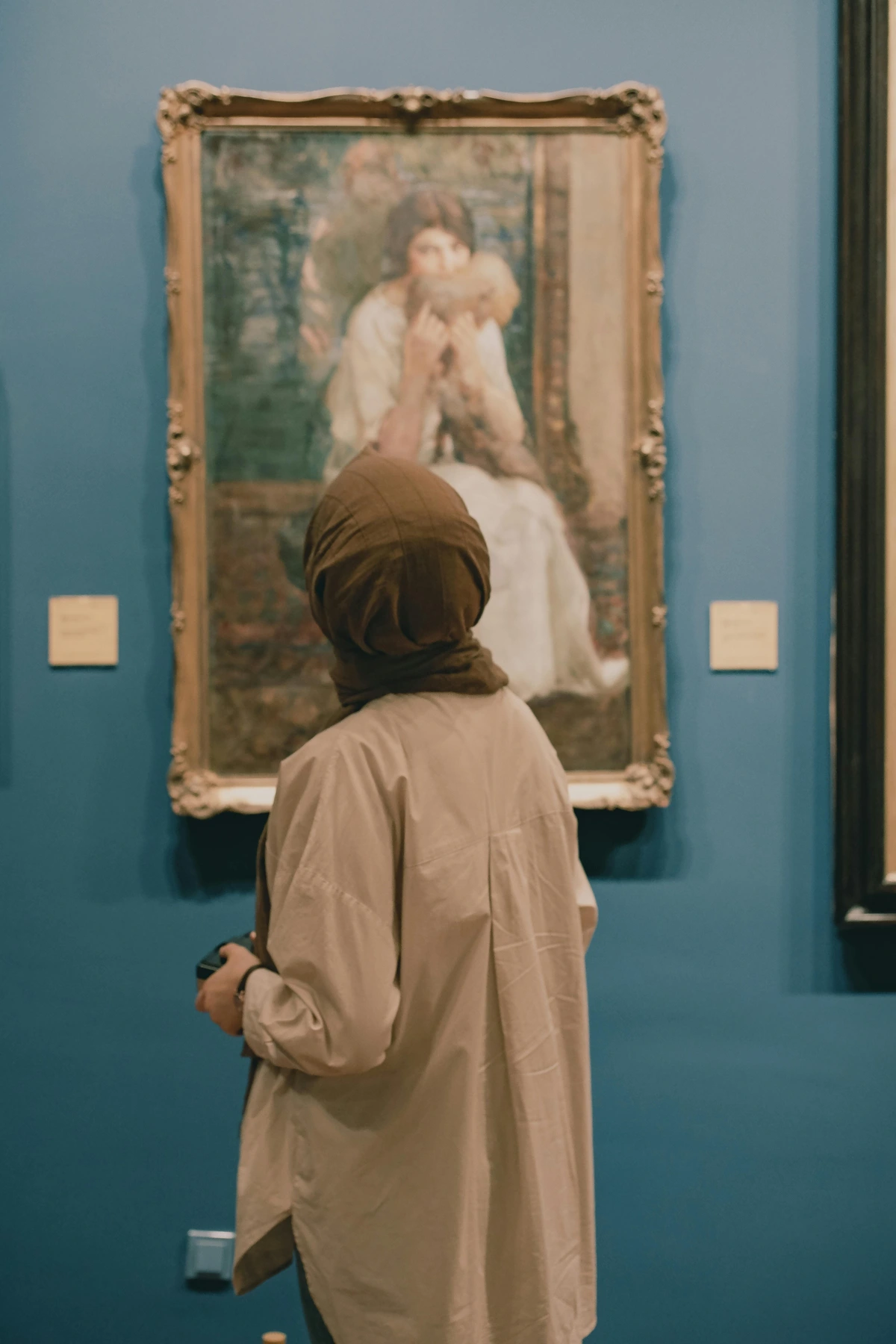
Art education is not just about creating art; it's about creating thinkers, innovators, and empathetic individuals who can navigate the complexities of the modern world. It's about fostering a love for learning and a desire to engage with the world in meaningful ways. The future belongs to those who can see beyond the obvious, question the status quo, and innovate with purpose.








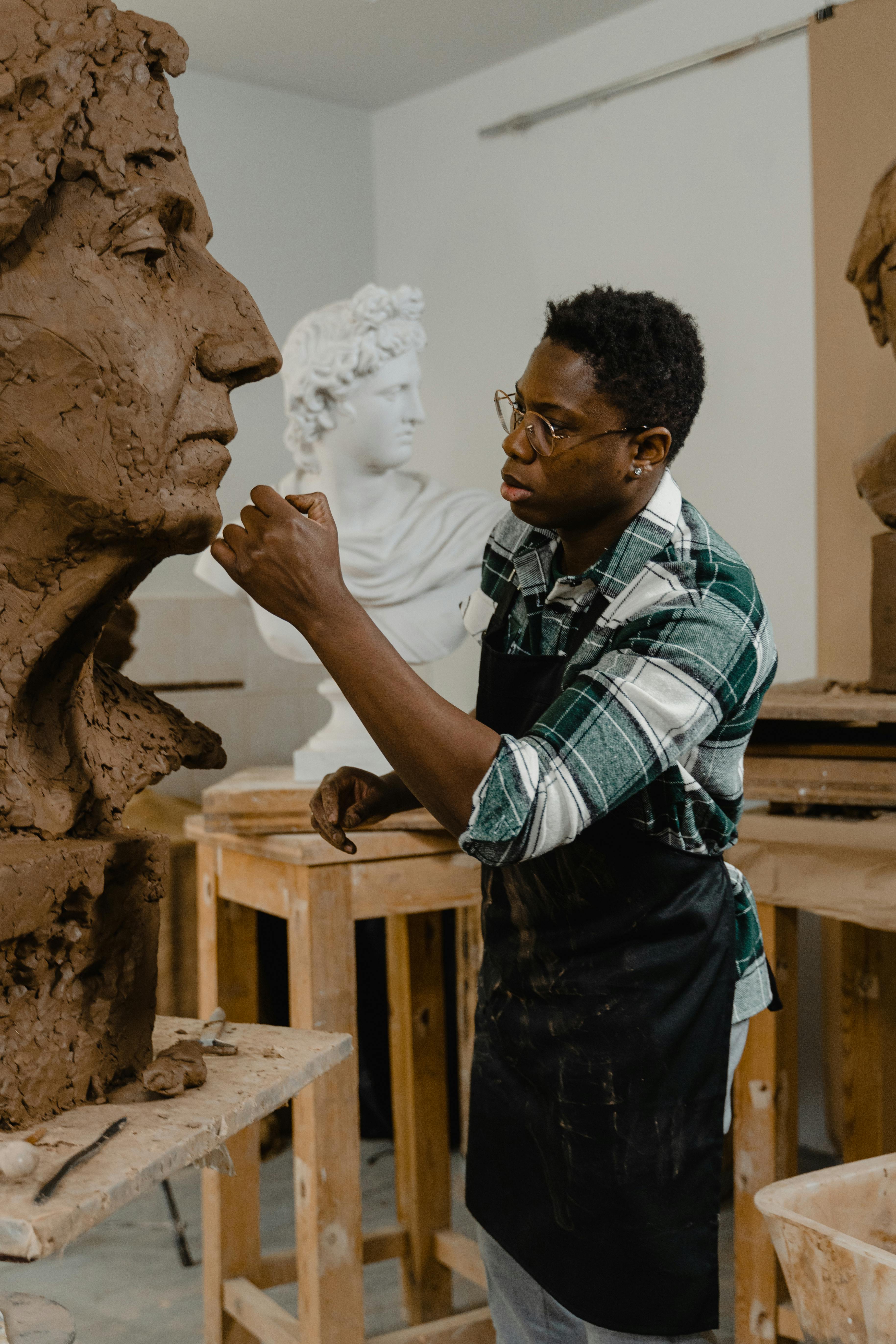





The Future of Art Education
As we move forward, the importance of art education will only continue to grow. It is a vital tool for preparing individuals to navigate the complexities of the modern world, fostering a generation of thinkers who are not only skilled but also deeply empathetic and creative. The future belongs to those who can see beyond the obvious, question the status quo, and innovate with purpose.
The future of art education is bright. It will continue to evolve and adapt to the changing needs of society, providing individuals with the tools to navigate the complexities of the modern world. It will foster a generation of thinkers who are not only skilled but also deeply empathetic and creative, ready to make meaningful contributions to their communities and the world.