Pierre-Auguste Renoir's Painting Techniques: A Masterclass in Light and Color
Explore the distinctive painting techniques of Pierre-Auguste Renoir, from his unique brushwork to his vibrant color palette and innovative methods for capturing light and movement.

Pierre-Auguste Renoir's Painting Techniques: A Masterclass in Light and Color
I remember the first time I stood in front of a Renoir painting. It was like the canvas was breathing, alive with light and movement. How did he do it? That’s the question that’s been nagging at me ever since. So, I rolled up my sleeves and dove deep into Renoir’s techniques. And let me tell you, it’s been a fascinating journey.
Renoir’s work is not just about technique; it’s about emotion, life, and the fleeting moments that make us human. His ability to capture the essence of a scene, whether it’s a bustling Parisian café or a quiet moment in the countryside, is what sets him apart. In this article, we’ll explore the techniques that made Renoir a master of light, color, and movement.
The Magic of Renoir’s Brushwork
Renoir’s brushwork is like a dance. It’s fluid, it’s rhythmic, and it’s full of life. He didn’t just paint; he choreographed every stroke. Each stroke was deliberate, yet spontaneous, creating a harmony that brought his subjects to life. His technique was not just about applying paint to canvas; it was about evoking emotion and movement.
Renoir’s brushwork is often described as feathery, a term that captures the softness and spontaneity of his strokes. This technique was not just a stylistic choice but a way to convey the transient nature of the moments he painted. Whether it was the flicker of sunlight on water or the gentle sway of a dancer’s dress, his strokes captured the essence of movement.
Feathery Strokes
One of the first things you notice about Renoir’s work is his feathery strokes. They’re soft, almost like whispers on the canvas. This technique gives his paintings a sense of movement and spontaneity. Imagine trying to capture the rustle of leaves in a gentle breeze. That’s what Renoir’s feathery strokes do—they bring the scene to life.

Renoir’s feathery strokes were not just a stylistic choice; they were a way to convey the transient nature of the moments he painted. Whether it was the flicker of sunlight on water or the gentle sway of a dancer’s dress, his strokes captured the essence of movement. This technique allowed him to create a sense of immediacy, as if the viewer is experiencing the moment firsthand.
Broken Color Technique
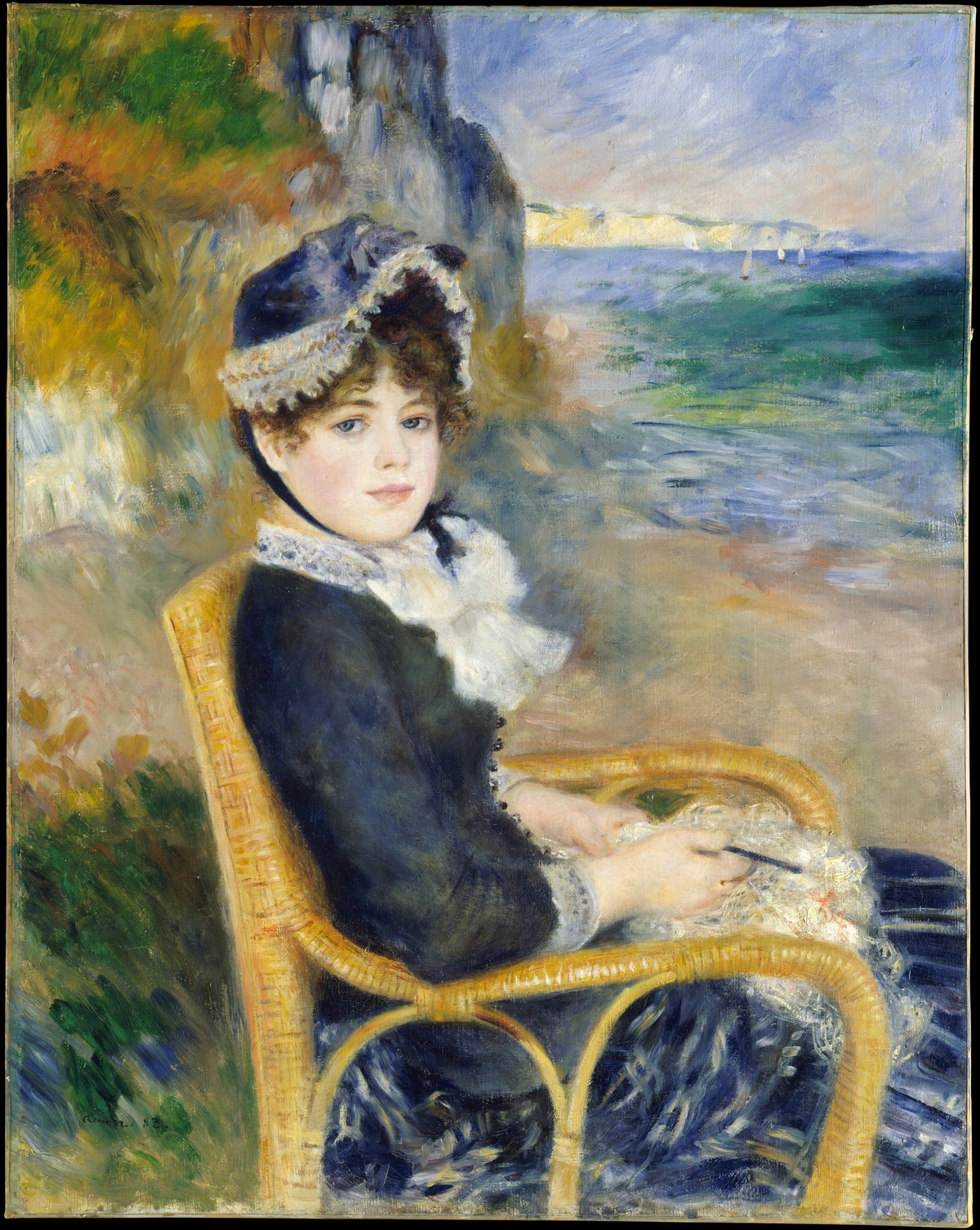
Renoir was a master of the broken color technique. Instead of blending colors smoothly on the palette, he applied them in small, distinct strokes. When you stand back, your eyes blend these colors, creating a vibrant, shimmering effect. It’s like looking at a mosaic where each tiny piece contributes to the bigger picture.
This technique was revolutionary for its time. By applying colors in small, distinct strokes, Renoir allowed the viewer’s eye to mix the colors optically. This created a sense of luminosity and depth that was unparalleled in his era. The broken color technique is one of the defining characteristics of Impressionism, and Renoir’s mastery of it set him apart from his contemporaries.
Renoir’s Vibrant Color Palette
Renoir’s use of color is nothing short of magical. He had an uncanny ability to capture the essence of a scene with just a few strokes of his brush. His color palette was vibrant and dynamic, reflecting the world around him in a way that was both realistic and deeply emotional.
Renoir’s approach to color was intuitive and experimental. He often used bold, unexpected combinations to create a sense of energy and movement. His ability to balance warm and cool tones, as well as complementary colors, gave his paintings a unique vibrancy that continues to captivate viewers today.
Warm and Cool Tones
Renoir loved to play with warm and cool tones. He used warm colors like reds, oranges, and yellows to create a sense of warmth and intimacy. Cool colors like blues and greens were used to add depth and contrast. This interplay of warm and cool tones gives his paintings a dynamic, almost musical quality.
The use of warm tones often evoked a sense of comfort and closeness, while cool tones introduced a sense of distance and tranquility. This balance was crucial in creating the emotional depth that characterizes Renoir’s work. By carefully balancing these tones, Renoir was able to create paintings that resonate emotionally with viewers, drawing them into the scene and making them feel as if they are part of the moment.
Complementary Colors
Renoir was also a big fan of complementary colors—colors that are opposite each other on the color wheel. By placing complementary colors next to each other, he created a sense of vibrancy and energy. Think of a bright red apple against a lush green background. That’s the kind of contrast Renoir loved to play with.
This use of complementary colors was not just about creating visual interest; it was about enhancing the emotional impact of his paintings. By juxtaposing colors that are opposites on the color wheel, Renoir was able to create a sense of tension and harmony that draws the viewer in. This technique is a testament to his deep understanding of color theory and his ability to use it to evoke emotion.
Capturing Light and Movement
Renoir’s ability to capture light and movement is what sets him apart from other Impressionists. He didn’t just paint what he saw; he painted the essence of the moment. His paintings are not just visual representations; they are emotional experiences that transport the viewer to another time and place.
Renoir’s approach to capturing light and movement was deeply personal. He believed that art should not just depict the world but evoke the feelings and sensations of being in it. This philosophy is evident in every brushstroke, every color choice, and every composition he created.
En Plein Air Painting
Renoir was a pioneer of en plein air painting—painting outdoors, directly from nature. This allowed him to capture the fleeting effects of light and atmosphere. Imagine sitting in a sun-dappled garden, trying to capture the way the light filters through the leaves. That’s what Renoir did, and he did it brilliantly.
Painting en plein air was not just a technique for Renoir; it was a philosophy. It allowed him to immerse himself in the scene, to feel the breeze, hear the sounds, and see the light as it changed throughout the day. This immersion was key to his ability to capture the ephemeral qualities of nature and human interaction. By painting outdoors, Renoir was able to create works that are not just visually stunning but emotionally resonant.
Dynamic Compositions
Renoir’s compositions are anything but static. He had a knack for capturing the energy and movement of a scene. Whether it’s a bustling Parisian café or a quiet moment in the countryside, his paintings are full of life. He used diagonal lines and asymmetrical compositions to create a sense of dynamism and energy.
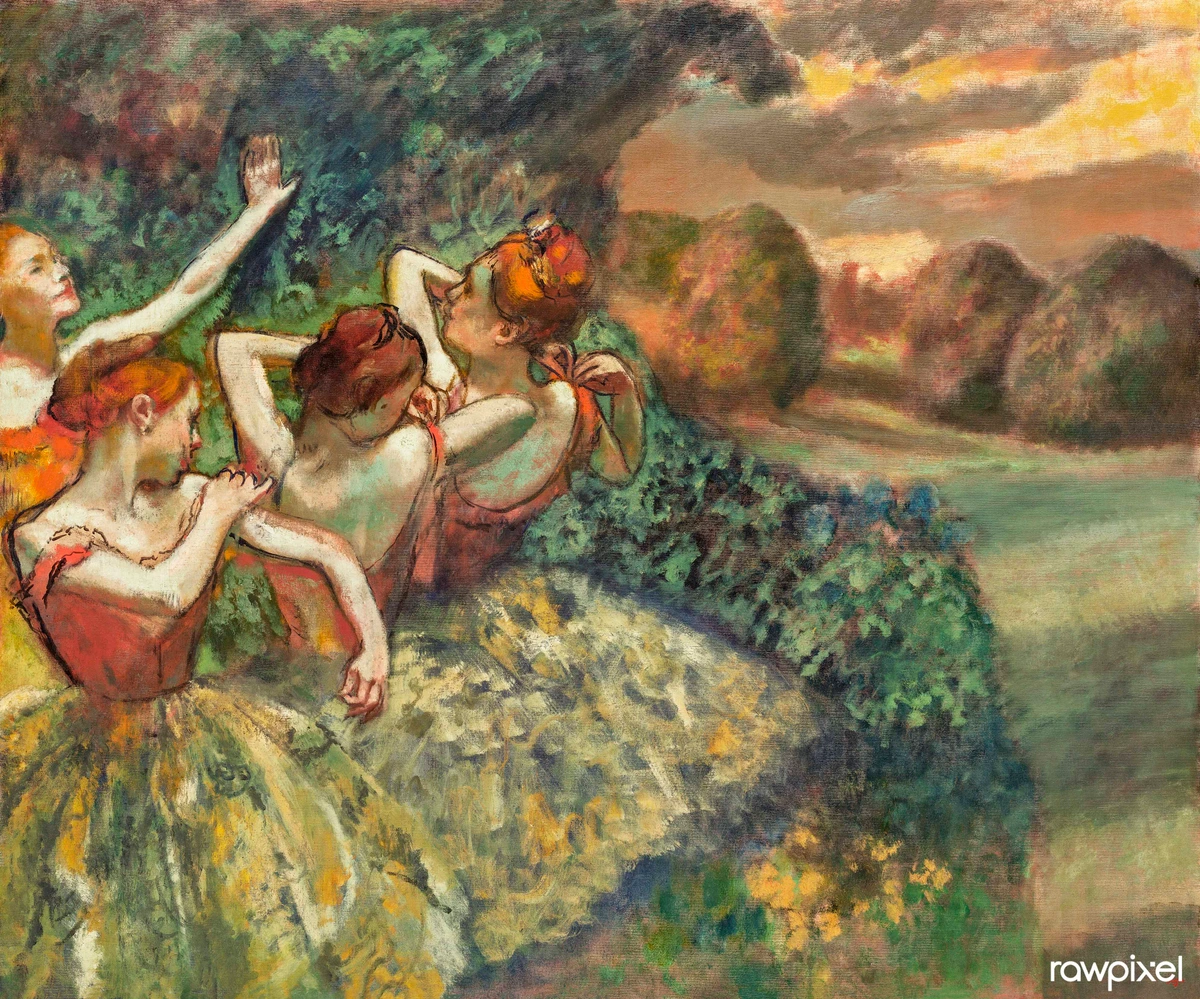
Renoir’s compositions were carefully constructed to guide the viewer’s eye through the painting. His use of diagonal lines and asymmetrical arrangements created a sense of movement and spontaneity, making his scenes feel alive and dynamic. This approach was a departure from the rigid, symmetrical compositions of traditional art, and it became a hallmark of the Impressionist style. By breaking away from traditional compositional rules, Renoir was able to create works that feel fresh and modern, even today.
Renoir’s Influence on Modern Art
Renoir’s techniques have had a profound influence on modern art. His innovative use of color and light has inspired countless artists, from the Impressionists to contemporary painters. His legacy is not just in the paintings he created but in the way he changed the course of art history.
Renoir’s influence extends beyond the Impressionist movement. His techniques have been studied and emulated by artists across generations, and his paintings continue to inspire new interpretations and innovations. His work is a testament to the power of art to transcend time and connect with viewers on a deeply emotional level.
Impressionism and Beyond
Renoir was one of the leading figures of the Impressionist movement. His techniques, particularly his use of broken color and en plein air painting, became hallmarks of the style. But Renoir didn’t stop there. He continued to evolve and experiment, pushing the boundaries of what was possible in painting.
Renoir’s willingness to experiment and innovate set him apart from his contemporaries. He was not content to rest on his laurels; instead, he constantly sought new ways to express his vision. This spirit of innovation is what makes his work so enduring and influential.
Contemporary Artists
Even today, Renoir’s influence can be seen in the work of contemporary artists. His vibrant color palette and dynamic compositions continue to inspire. If you’re an artist looking to add a touch of Renoir’s magic to your own work, consider exploring his techniques. You might just find that spark of inspiration you’ve been looking for.
Many contemporary artists draw inspiration from Renoir’s ability to capture light and movement. His techniques are studied in art schools around the world, and his paintings are celebrated for their emotional depth and technical brilliance. Renoir’s legacy is a reminder of the power of art to transcend time and inspire future generations. His work continues to be a source of inspiration for artists seeking to push the boundaries of their own creativity.
FAQ
What is Renoir’s brushwork like?
Renoir’s brushwork is fluid and rhythmic, often described as feathery. He used small, distinct strokes to create a sense of movement and spontaneity. His brushwork was not just a technique; it was a way to convey emotion and bring his subjects to life. This approach allowed him to capture the fleeting moments of life with a sense of immediacy and vitality.
How did Renoir use color?
Renoir was a master of color. He loved to play with warm and cool tones and used complementary colors to create vibrancy and energy. His broken color technique, where he applied colors in small, distinct strokes, is one of his most distinctive features. This technique allowed him to create a sense of luminosity and depth that was unparalleled in his time. His intuitive understanding of color theory enabled him to create paintings that are both visually stunning and emotionally resonant.
What is en plein air painting?
En plein air painting is the practice of painting outdoors, directly from nature. Renoir was a pioneer of this technique, which allowed him to capture the fleeting effects of light and atmosphere. Painting en plein air was not just a technique for Renoir; it was a philosophy that allowed him to immerse himself in the scene and capture its essence. This approach enabled him to create works that are not just visually accurate but emotionally evocative.

How did Renoir capture movement in his paintings?
Renoir captured movement through his dynamic compositions and the use of diagonal lines and asymmetrical arrangements. His feathery brushwork also contributed to the sense of energy and movement in his paintings. His compositions were carefully constructed to guide the viewer’s eye through the painting, creating a sense of spontaneity and life. This ability to convey movement is one of the hallmarks of his work and a key reason why his paintings continue to captivate viewers.
What is Renoir’s influence on modern art?
Renoir’s techniques have had a profound influence on modern art. His innovative use of color and light has inspired countless artists, from the Impressionists to contemporary painters. His work continues to be a source of inspiration for artists today. His legacy is not just in the techniques he developed but in the way he changed the course of art history, inspiring generations of artists to explore new ways of seeing and representing the world.







Conclusion
Renoir’s painting techniques are a masterclass in capturing light, color, and movement. From his feathery brushwork to his vibrant color palette, every aspect of his work is a testament to his genius. So next time you find yourself in front of a Renoir painting, take a moment to appreciate the magic. And who knows? Maybe you’ll find a little inspiration for your own artistic journey.
Renoir’s legacy is a reminder of the power of art to transcend time and connect with viewers on a deeply emotional level. His techniques continue to inspire artists today, and his paintings remain a source of wonder and admiration. Whether you’re an artist looking to learn from his methods or simply an art lover seeking to understand his work, Renoir’s techniques offer a wealth of insight and inspiration.