
The Tangible Magic: Why Art's Physicality Matters
Explore how touch, texture, and presence transform art objects from mere images to immersive experiences. Meaning, impact, and value explained.

The Tangible Magic: Why Art's Physicality Matters
I’ll never forget the first time I held an original painting. My fingers brushed against the textured canvas, and I could smell the faint trace of oil paint and varnish. It wasn’t just seeing the art anymore—it was a full-body experience. I remember leaning in closer than I ever would with a digital file, feeling the minute bumps of impasto that gave the sky in that landscape its chaotic energy. Have you ever had that moment? That split-second realization that art isn’t just flat? That its physical being changes everything? Let’s unpack why this material presence matters so much.
A Journey Through Art's Physical History
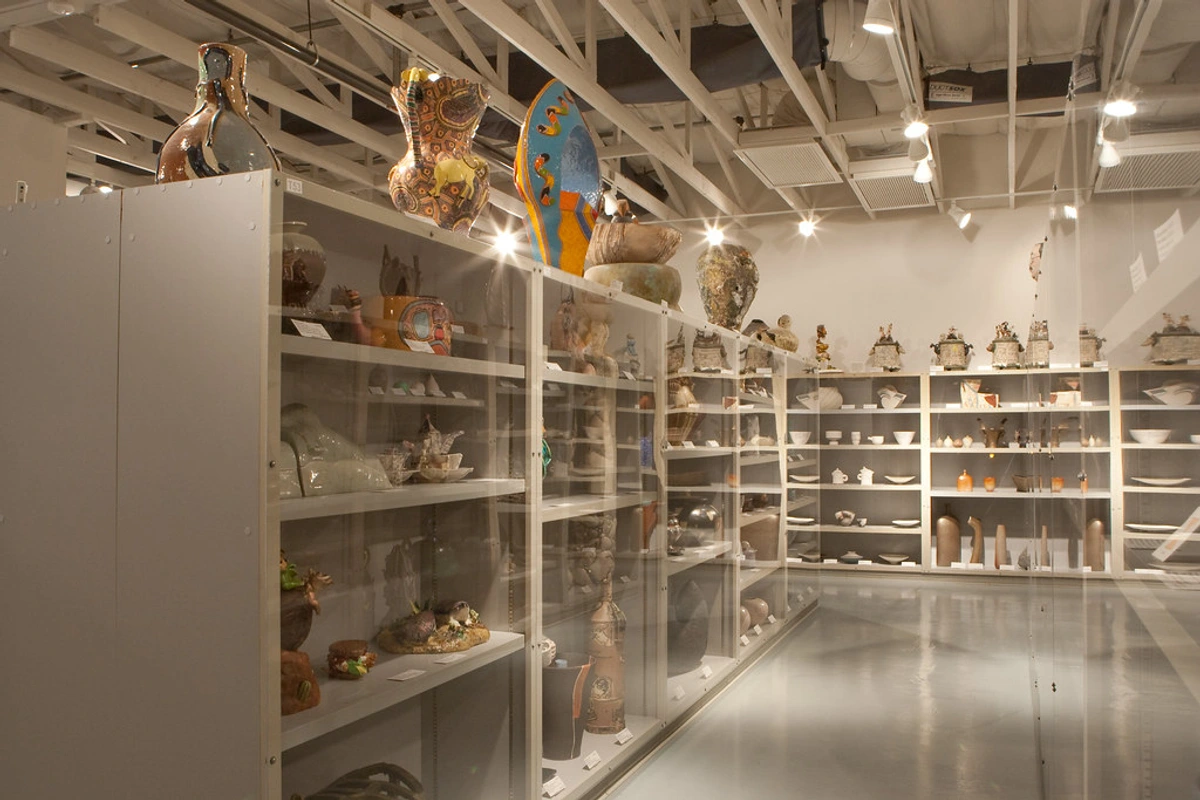
Before we dive deeper, let's take a quick trip through time. Art's physicality hasn't always been what it is today. Ancient cave paintings weren't just art—they were ceremonial objects that existed in sacred spaces. Medieval tapestries were functional textiles that warmed castles while telling stories. Renaissance masters didn't just create paintings; they crafted material experiences meant to inspire awe in churches and palaces.
The Industrial Revolution changed everything. Suddenly, art reproduction became possible. But interestingly, this didn't diminish the value of originals—it made the physical object more precious. When anyone could own a reproduction of a famous painting, the original became a unique, irreplaceable artifact. This tension between reproduction and originality continues today, but now with digital tools that can create near-perfect copies.
More Than Just Paint on Surface
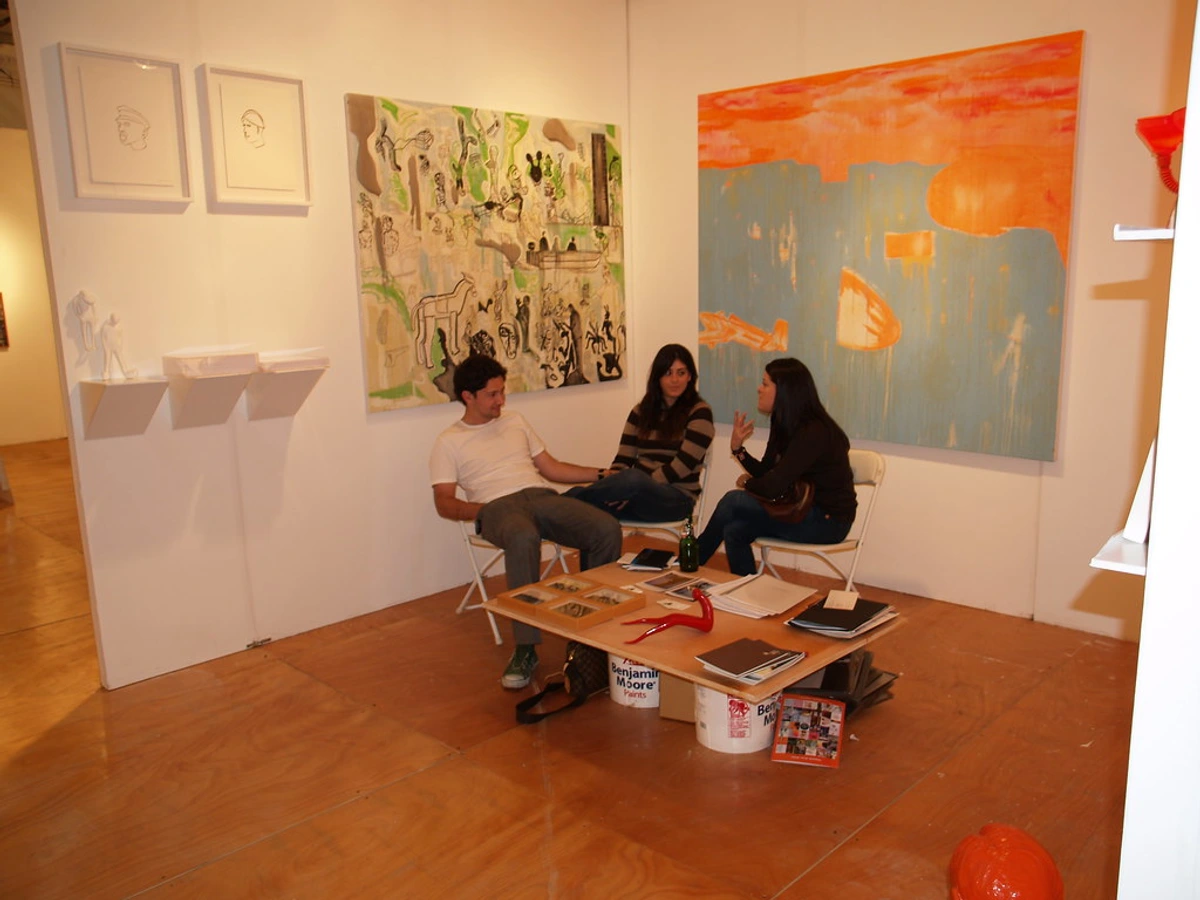
At its core, art physicality is about the substance of an object. It’s the heft of a bronze sculpture, the roughness of an etching paper, the transparency of a lightbox print—everything you can’t replicate through a screen. It’s easy to think art is merely "visual," but its physicality activates your senses entirely differently. Imagine two images: the exact same digital artwork viewed on your phone versus large-scale, hand-stretched canvas in a gallery. The phone version might be convenient. The physical object? It commands space. It reflects light differently. You have to walk around it. That’s power you can’t pixelate.
I once stood before an Anselm Kiefer piece—a monumental, lead-and-paint-coated "book" that physically pushed against its glass case. It wasn't just representing war; its weight, its toxicity, its sheer obstinacy made you feel war’s gravity. That’s physicality as language. It’s sculpture whispering: I am here. I am heavy. I am history.
How Physicality Shapes Meaning
Art’s presence in the physical world fundamentally changes how we interpret it. Let’s break it down:
Physical Attribute  | How It Alters Meaning | Example |
|---|---|---|
| Texture | Creates emotional language; suggests surfaces | Rough canvas = chaos; smooth silk = calm |
| Scale | Imposes psychological impact; demands presence | Giant mural = overwhelming intimacy |
| Material | Links art to cultural heritage and technique | Terracotta = earthly; gold = divine |
| Weight | Embodies metaphorical ideas (burden, memory) | Lead sheet = oppression; paper = fragility |
| Imperfections | Reveals human touch; rejects digital sterility | Brushstrokes, fingerprints, cracks |
| Temperature | Creates emotional resonance; affects perception | Cold marble = detachment; warm wood = comfort |
| Sound | Adds auditory dimension; affects ambiance | Canvas rustle, gallery acoustics |
| Fragility | Heightens emotional connection; creates urgency | Glass sculptures, delicate paper works |
| Durability | Suggests permanence; carries historical weight | Bronze monuments, stone carvings |
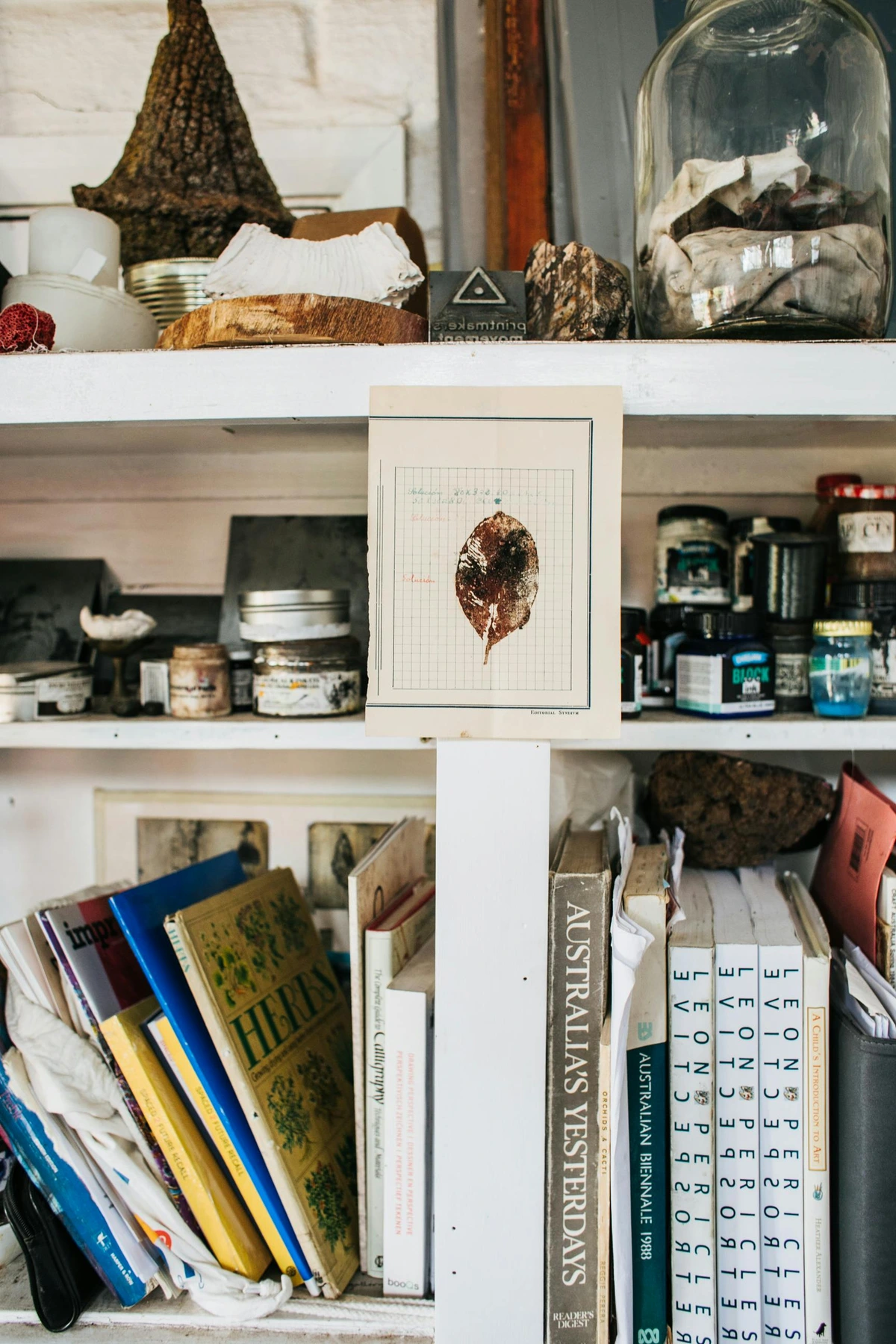
Think of Rembrandt’s蚀刻版画. You don’t just see the dark night—you feel the needle’s pressure as it dragged through copper, creating those velvety blacks. And that tiny tear? It’s not a flaw; it’s proof the object existed through centuries of hands. It tells a story the digital copy cannot: This thing has lived.
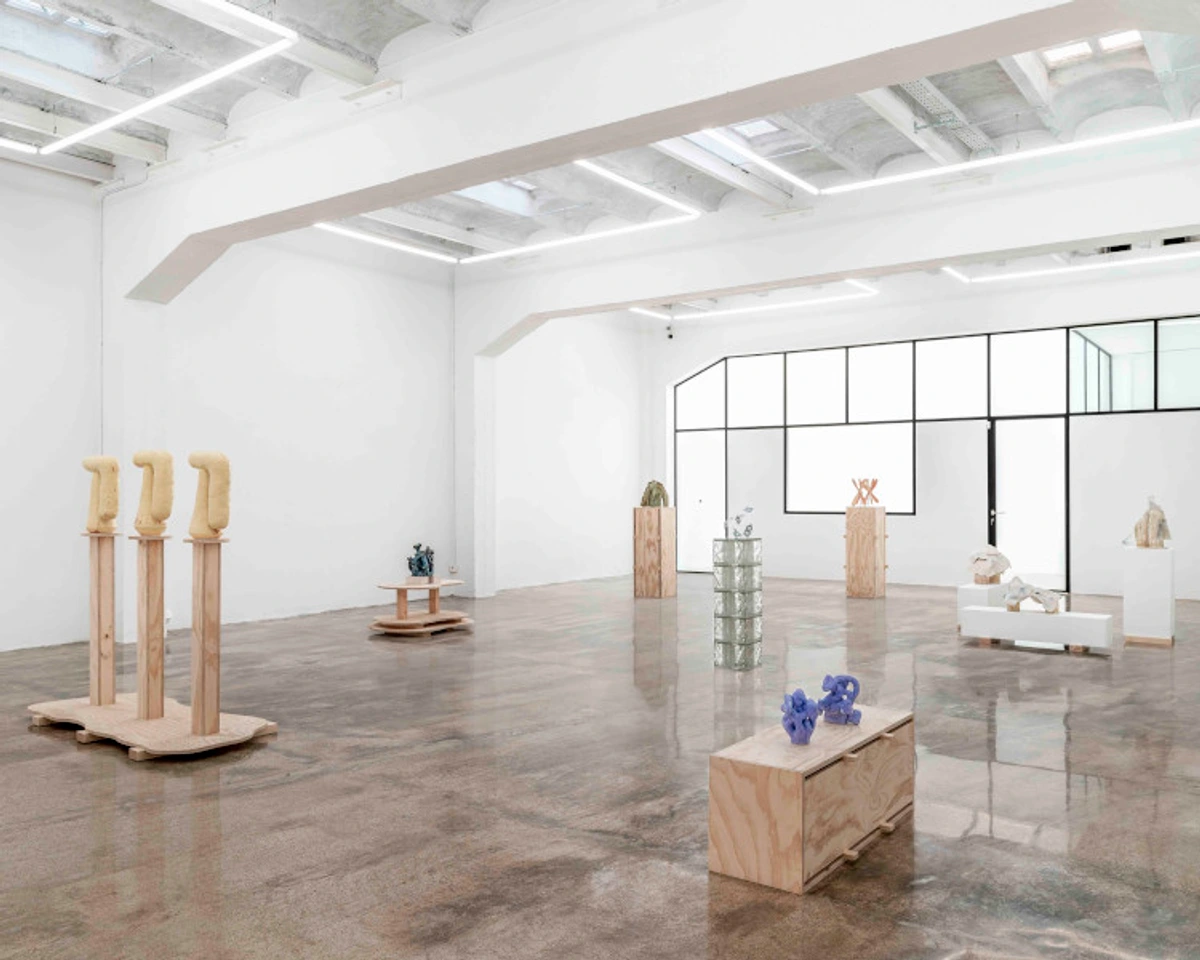
Have you ever touched a sculpture in a museum? Even when forbidden, the urge tells you something: we crave confirmation that art is real, that it occupies our world like we occupy it. That’s why I love three-dimensional installations—they turn viewers into participants. You step into the artwork. You become part of its physical equation.
Why Physicality Drives Value
This material reality fuels art’s economic and emotional worth. Here’s the paradox: in a digital age, physical objects are more, not less, precious. Why?
The Psychology of Art Collecting
What drives people to collect physical art? Understanding the psychology helps explain why physical objects remain so valuable:
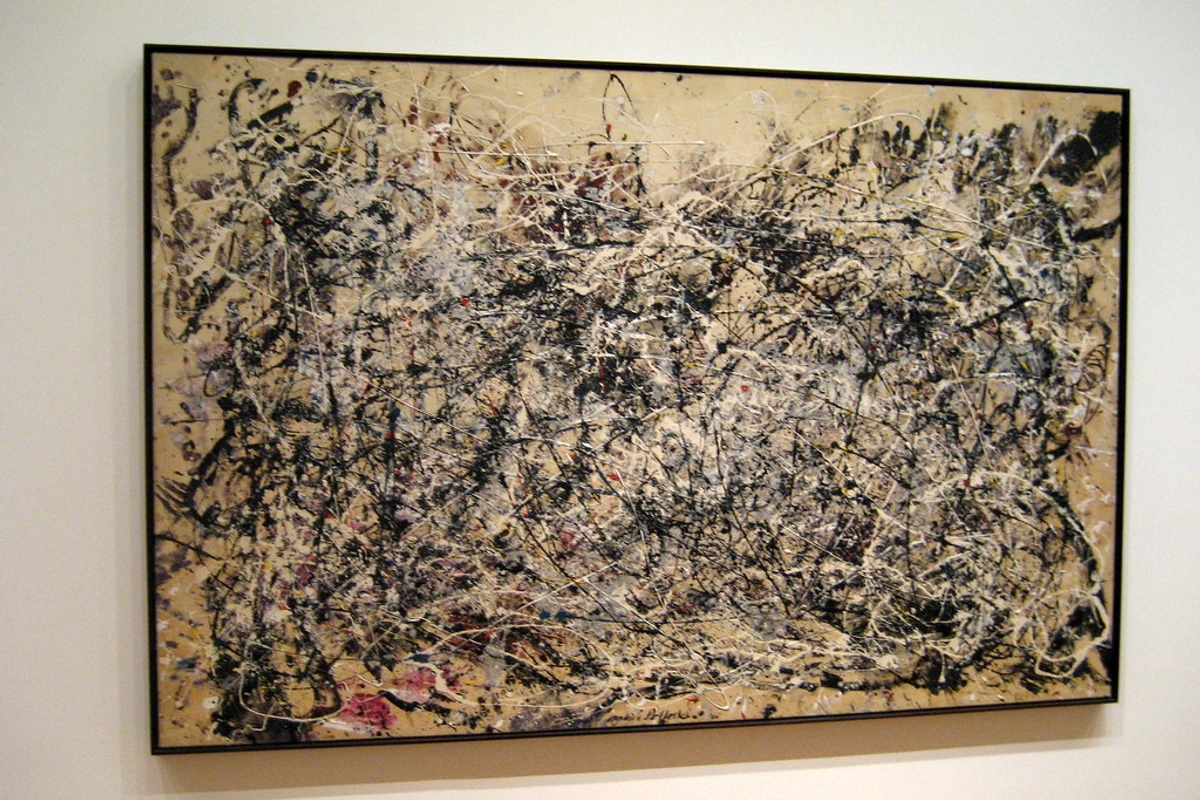
- Self-expression – Art reflects and shapes our identity
- Aesthetic pleasure – The simple joy of beautiful objects
- Investment potential – Art as both cultural and financial asset
- Legacy building – Creating something to pass down to future generations
- Social status – Art as cultural capital and social marker
- Emotional connection – Objects that carry personal meaning and memories
- Curiosity and learning – Building knowledge about art and artists
- Support for artists – Direct patronage of creative work
Collecting physical art satisfies multiple human needs simultaneously, which helps explain its enduring appeal.
- Uniqueness: An original painting can’t be perfectly duplicated (hello, art forgery industries!). Even prints vary by paper quality, ink saturation, and framer’s skill. Each object is a snowflake.
- Labor & Skill: Physical art bears the mark of human hands—whether a sculptor’s chisel marks or a printmaker’s ink layering. That labor has tangible value.
- Cultural Ritual: Owning a physical object means you participate in history. Think of museums: collections aren’t hard drives. They are sacred, preserved, physical presences. That’s why buying an original print or painting feels different than downloading files. It’s an heirloom you can hand down.
- Skepticism of the Digital: NFTs? They claim ownership of digital files, but they’re just entries in a database. No weight. No texture. No gallery wall needed. I’m skeptical. Can a token truly replace the smell of oil paint or the heft of marble? Probably not. Physical art carries intrinsic distrust of the ephemeral—it says, This will outlive your phone’s battery.
Creating & Cherishing the Physical
If you’re an artist, this means choosing materials intentionally. What does your medium whisper? Flimsy poster paper screams disposability. Thick, deckle-edged watercolor paper whispers luxury. If you’re a collector, preservation matters. Frame quality, UV protection, climate control—these protect physical magic for generations.
And as viewers? Let’s demand physical experiences! Go to galleries. Touch installations (appropriately!). Notice how a painting under museum glass reflects your face back at you. That interaction is part of the art’s dialogue with the world.
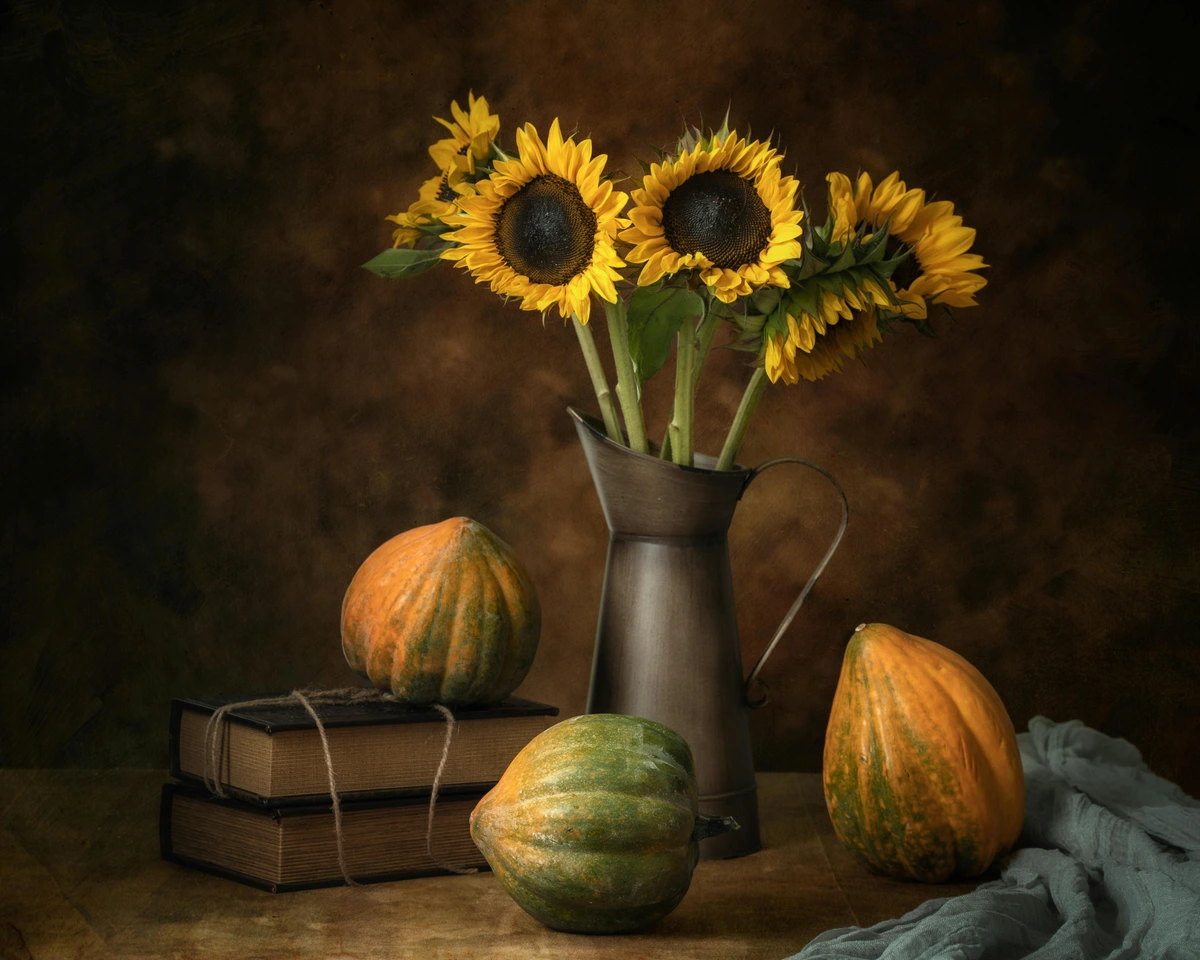
Understanding Conservation and Restoration
Physical art requires care to survive, and this has created entire professions dedicated to art conservation and restoration. These experts work to:
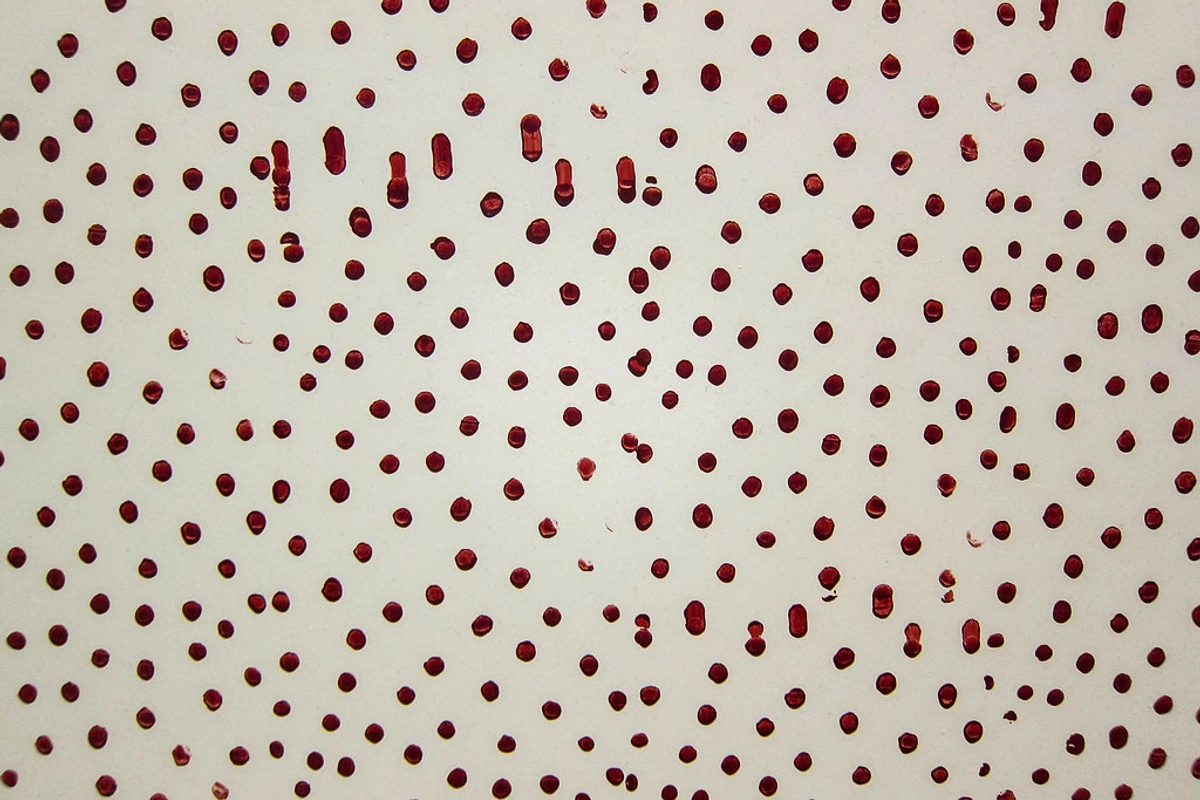
- Stabilize fragile materials to prevent further deterioration
- Clean surfaces to reveal the artist's original vision (while being careful not to over-clean)
- Repair damage using historically appropriate materials and techniques
- Document the condition and treatment history for future generations
The philosophy of conservation has evolved over time. Early restorations often aimed to make old art look "new," while contemporary conservation focuses on "minimal intervention"—preserving the artwork's history and accepting that aging is part of its story.
Environmental Considerations in Art Creation
The choice of materials in art creation has significant environmental impacts:
- Traditional oil paints: Often contain toxic heavy metals
- Acrylic paints: Generally more eco-friendly, but petroleum-based
- Watercolors: Most environmentally friendly option
- Canvas: Cotton is sustainable; synthetic canvases are petroleum-based
- Frames: Wood should be from sustainable sources
- Prints: Digital printing can be energy-intensive
Many contemporary artists are exploring sustainable materials and processes, creating art that's not only physically beautiful but environmentally responsible.
FAQ: Your Burning Questions, Answered
Q: Isn’t physical art old-fashioned in a digital world?
A: Far from it! Digital saturation makes tactile objects radical. They’re anchors in a sea of pixels.
Q: Do prints hold the same value as originals?
A: Value varies. Limited-edition prints, especially hand-signed on quality paper, can be highly valuable. But they carry different meaning—they’re echoes of the original intent.
The Business of Physical Art
Beyond the aesthetic and emotional aspects, physical art represents a significant economic sector:
- Gallery system – Network of spaces that connect artists with collectors
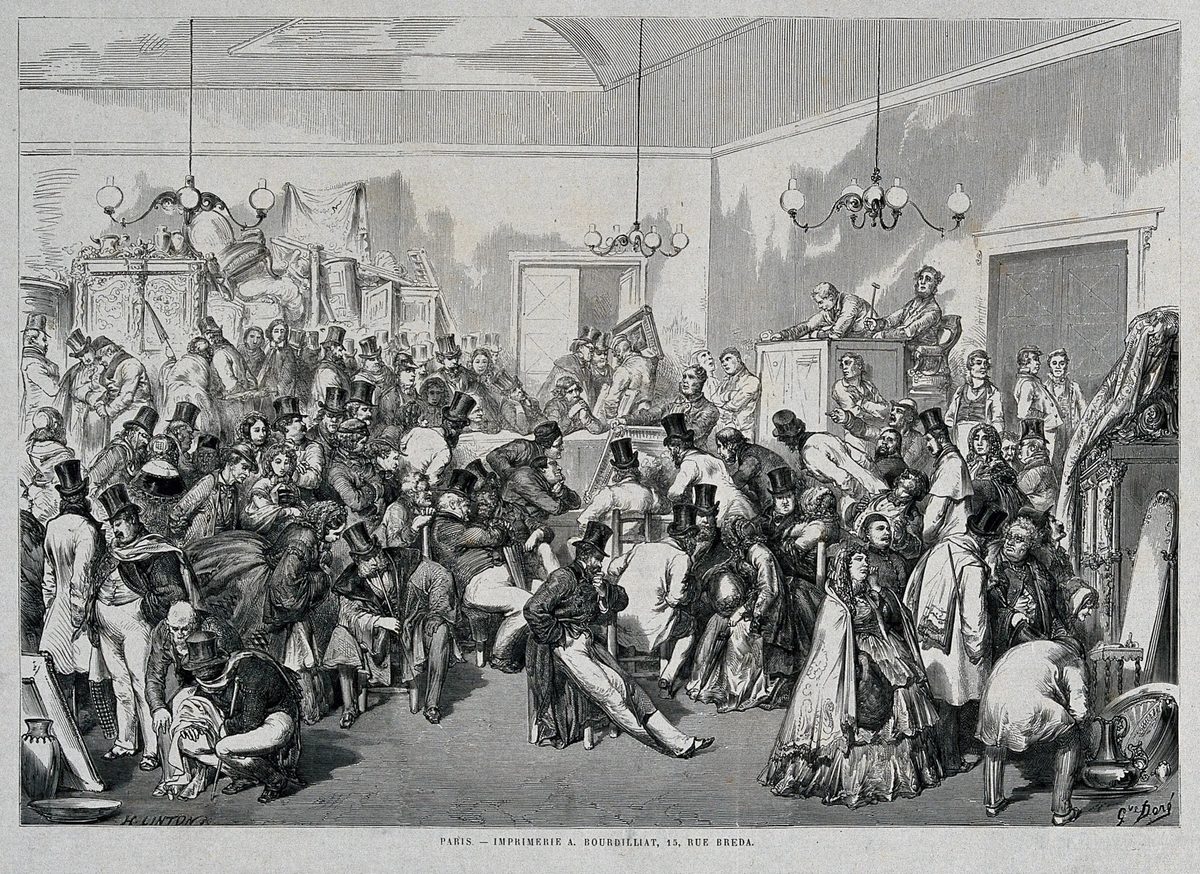
- Art market – Auction houses, dealers, and private sales
- Art fairs – Temporary markets bringing together galleries and collectors
- Art storage – Specialized facilities for valuable collections
- Art insurance – Specialized coverage for unique, high-value objects
- Art shipping – Expert handling and transportation services
- Art advisory – Professional guidance for collectors
This ecosystem supports the creation, preservation, and distribution of physical art, making it accessible to different levels of collectors while maintaining the value and integrity of artworks.

Q: How does physicality affect art’s longevity?
A: Massively. Poor-quality canvas fades. Paper yellows. Bronze weathers. Physicality demands stewardship.
Q: Why are some physical art objects (like sculptures) so expensive?
A: Material costs (marble vs. clay), labor intensity (months of carving), and sheer scale drive value. You’re paying for permanence.
Q: Can’t virtualreality replace physical art experiences?
A: VR can simulate sight and sound, but not touch, materiality, or real-world scale. It’s a ghost compared to the living entity.
The Unforgettable Touch
Art isn’t meant to be consumed like a tweet. It’s meant to be encountered in the flesh. Its texture, space, and time—how light hits a surface at 10am versus 3pm—are all part of its alchemy. When you stand before a physical object, you’re in dialogue with centuries of human hands. That’s why my own original abstract pieces rely on layers of thick paint you could ski down. I want you to feel the chaos, the joy, the struggle—the humanity—in each brushstroke.








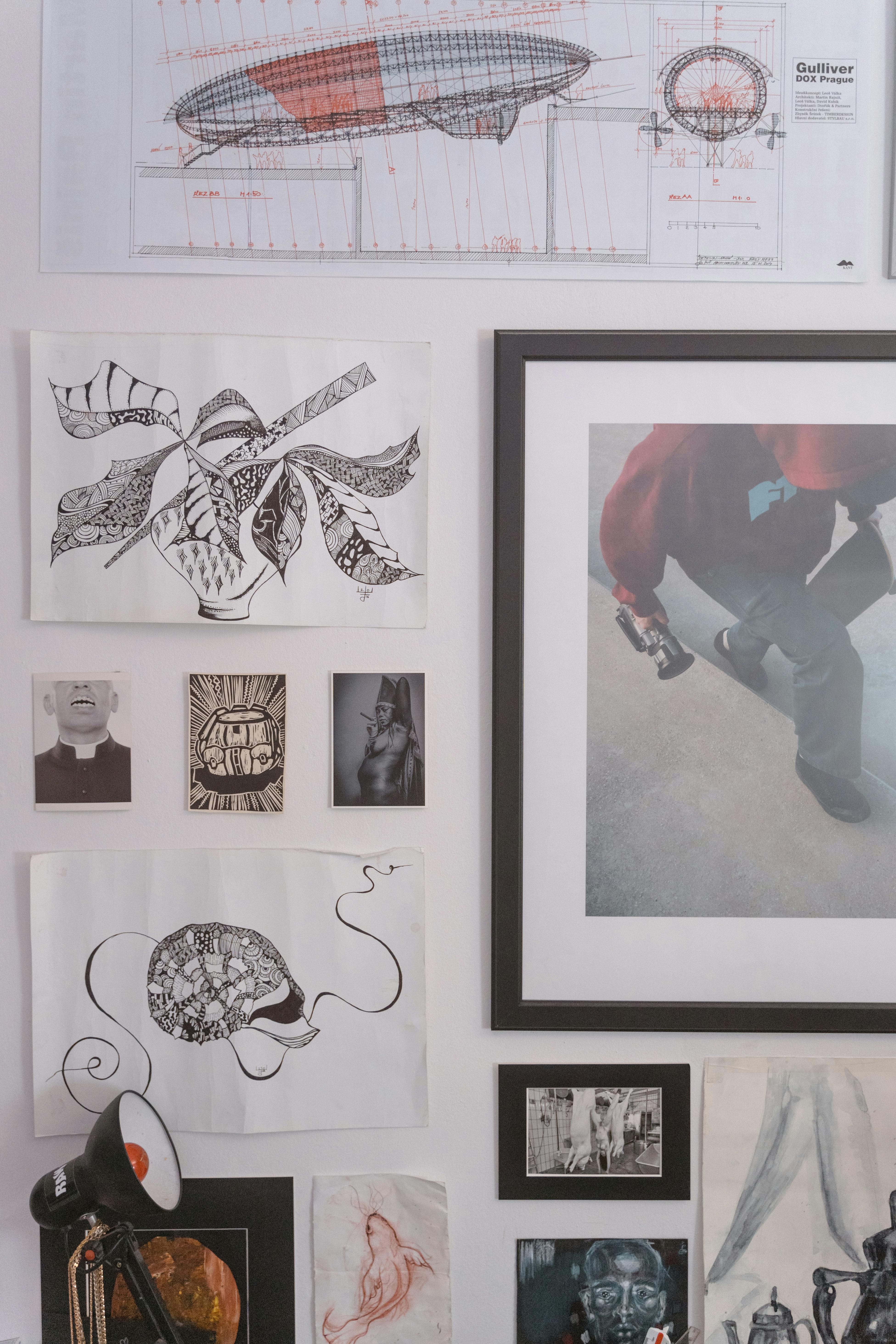

So next time you’re tempted to scroll past art online, ask yourself: what am I missing? The faint scent of turpentine? The slight warp of a stretched canvas? The way a shadow deepens its texture at twilight? That’s where art breathes. That’s where it lives. Go touch the world. It’s waiting for you.